Loading...

Share This:

Motorcycle Accident in Mongolia

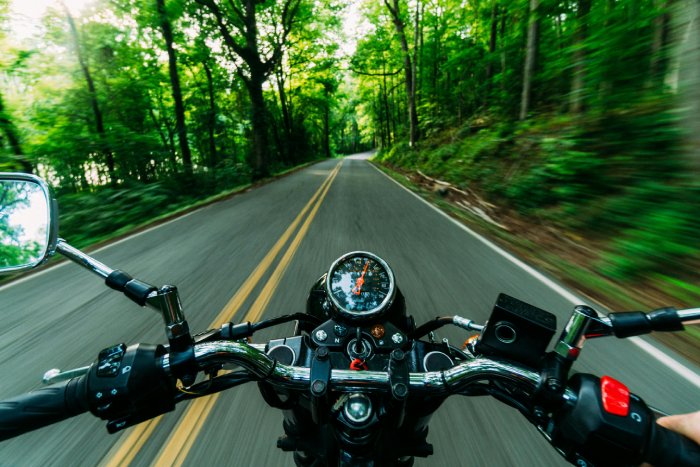
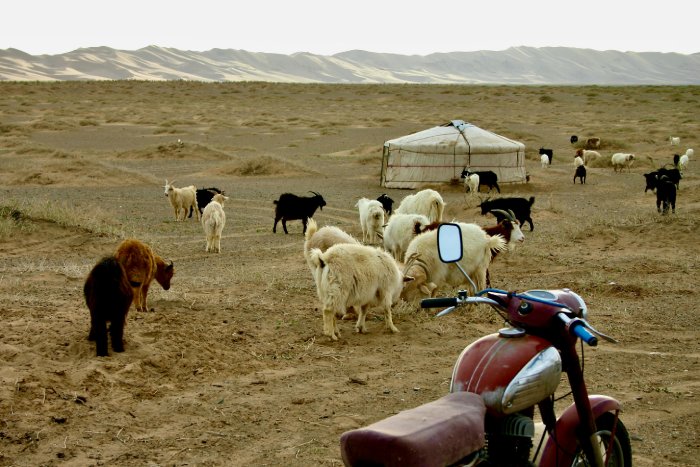
Global Rescue medical operations responded to an alert from an Australian member injured in a remote area of Mongolia following a motorcycle collision with an automobile. He was conscious but experiencing hip pain and immobility…

Global Rescue medical operations responded to an alert from an Australian member injured in a remote area of Mongolia following a motorcycle collision with an automobile. He was conscious but experiencing hip pain and immobility and needed a field rescue. Due to the absence of nearby landing strips for fixed-wing aircraft and the unavailability of helicopters, we initiated a ground ambulance transport to get him to a hospital capable of appropriate care.

The member was immobilized and medicated for pain relief. He arrived safely at a medical center in Ulaanbaatar where he received a diagnosis of stable pelvic and sacrum fractures. Global Rescue medical professionals reviewed his treatment and found no issues. After a day of observation, the member requested discharge with the intention of resting for six weeks before flying with his wife to France where his son lives for further care and consultation with an orthopedic specialist. He declined additional assistance from Global Rescue and expressed gratitude for the support.

Share This:

Motorcycle Crash in Tennessee

A New York member was riding his motorcycle along Deals Gap in Tennessee when he lost traction and crashed, injuring his right leg. He contacted Global Rescue operations for assistance during his emergency. He was…

A New York member was riding his motorcycle along Deals Gap in Tennessee when he lost traction and crashed, injuring his right leg. He contacted Global Rescue operations for assistance during his emergency. He was evaluated at a university medical center where imaging revealed multiple leg fractures, specifically in his tibia and fibula. He underwent surgery and, after receiving a fit to fly recommendation, our operations team arranged first-class airborne transport for medically required extended leg room and wheelchair assistance for his safe return home to Albany, New York.

Share This:

Collapse on Mount Everest

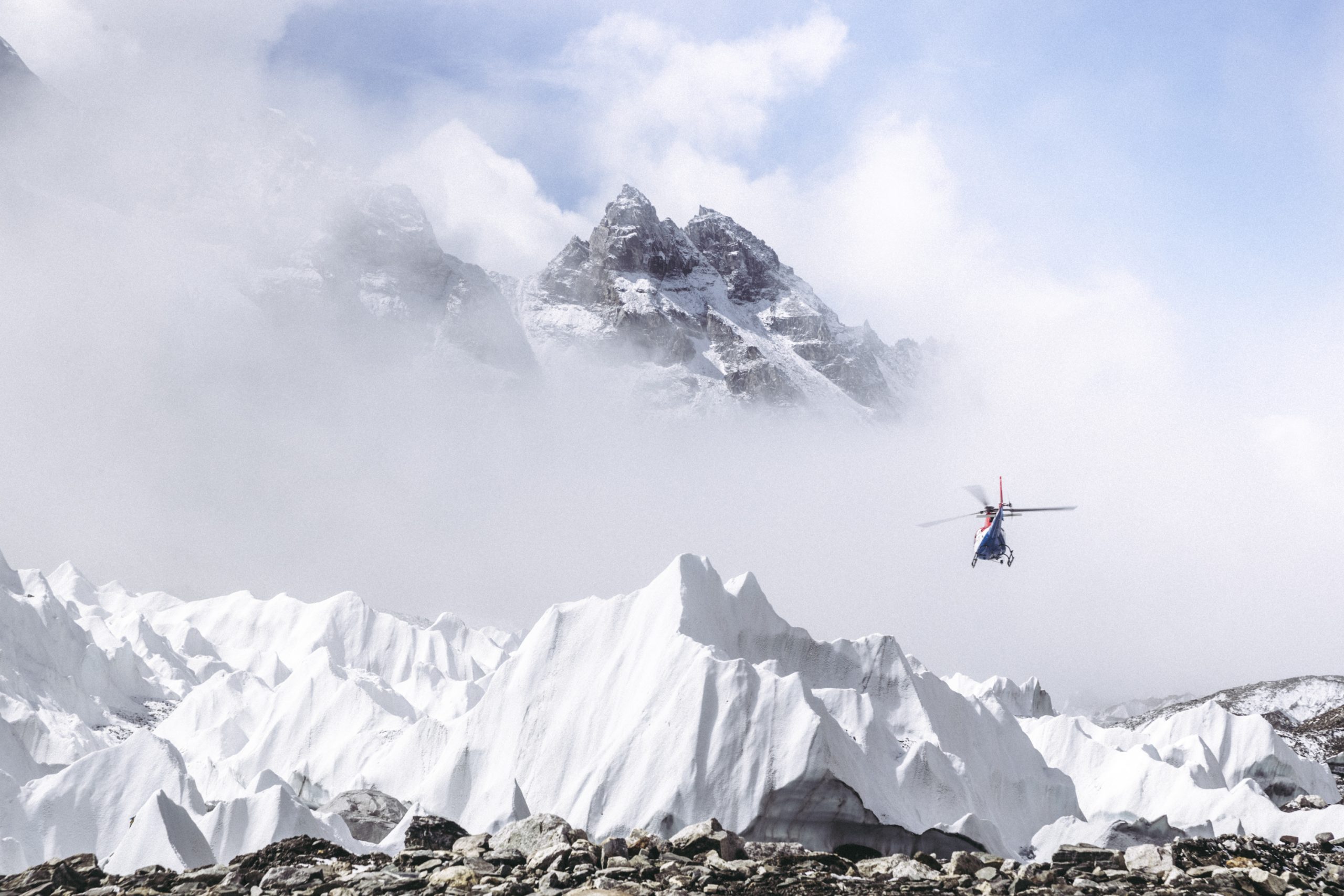
A Mexican climber collapsed on Mount Everest’s south summit while climbing and needed to be carried down by four sherpas using a stretcher. Global Rescue’s deployed team of medical operations and rescue experts were notified…

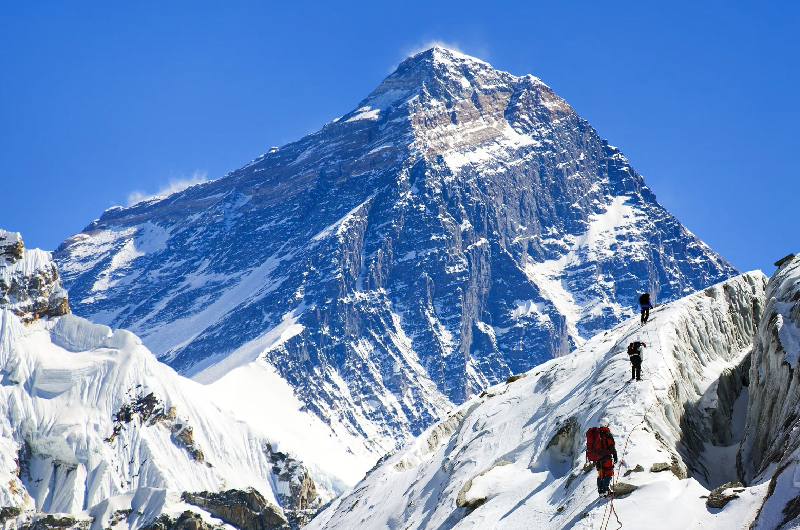
A Mexican climber collapsed on Mount Everest’s south summit while climbing and needed to be carried down by four sherpas using a stretcher. Global Rescue’s deployed team of medical operations and rescue experts were notified and informed that the member was awake, receiving a high flow of oxygen and was being carried to Mount Everest Camp 2. Unfortunately, he was awake but talking nonsensically and coughing up pink sputum. Global Rescue initiated an immediate medical evacuation by helicopter and successfully transported him from Camp 2 to a hospital where he was evaluated and treated for a lower respiratory tract infection, which negatively affected the airways, before being discharged by treating physicians.

Share This:

Head Injury in Greenland

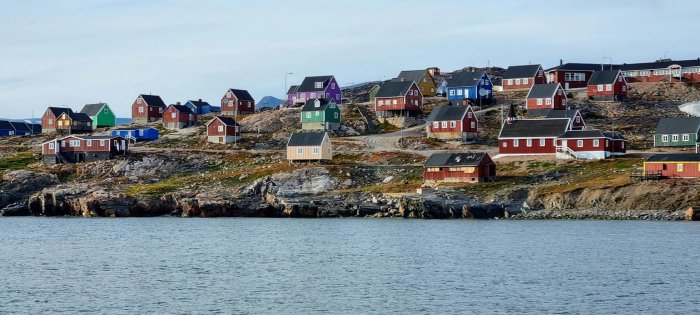
Global Rescue operations responded to an emergency satellite phone call from Greenland. The member reported head and hip injuries from a fall, although he’d remained conscious and saw no visible trauma. Despite taking pain medication,…

Global Rescue operations responded to an emergency satellite phone call from Greenland. The member reported head and hip injuries from a fall, although he’d remained conscious and saw no visible trauma. Despite taking pain medication, a Global Rescue physician advised him to seek an immediate in-person evaluation at a medical facility equipped for radiology, given the potential severity of head and hip injuries. Due to his remote location, we rapidly arranged a helicopter transport to the nearest airport, followed by commercial airline transfer to a hospital in Nuuk, Greenland’s largest city. After hospital evaluation, and with no signs of distress, the member went to Copenhagen and finally to his home in Seattle, Washington, where he confirmed he’d seek a doctor’s thorough assessment.

Share This:

Frostbite at High Altitude

While climbing at high altitude in Nepal, an Argentine member suffered severe frostbite injuries to her feet and toes, along with swelling that prevented her from opening her right eye. When an expedition leader alerted…

While climbing at high altitude in Nepal, an Argentine member suffered severe frostbite injuries to her feet and toes, along with swelling that prevented her from opening her right eye. When an expedition leader alerted Global Rescue, our deployed medical and rescue experts sprang into action. Given the member’s critical condition and inability to walk, we immediately initiated an airborne helicopter evacuation from Everest Camp 2 to a nearby hospital. Upon arrival, she was diagnosed with Grade 3 frostbite on both toes, facial swelling, and dehydration. The hospital admitted her for specialized frostbite treatment and ongoing monitoring. As her condition improved, the Global Rescue team visited her to ensure she was receiving the best possible care.

Share This:

Medevac From South Africa

An American member was hiking in South Africa’s northern cape when he sustained a knee injury and contacted Global Rescue. He was evaluated at a nearby clinic and was diagnosed with a spontaneous rupture of…

An American member was hiking in South Africa’s northern cape when he sustained a knee injury and contacted Global Rescue. He was evaluated at a nearby clinic and was diagnosed with a spontaneous rupture of the right quadriceps tendon, a rare condition characterized by the simultaneous tear of the fibrous tissue connecting the quadriceps muscle to the patella bone, according to the National Institutes of Health. Prompt diagnosis is crucial for appropriate treatment and optimal outcomes. Unfortunately, the medical facility was not equipped with imaging capabilities. The treating physician recommended for fit to fly with a requirement for the injured man’s leg to remain straight and elevated. The Global Rescue operations team arranged repatriation on a business-class flight with wheelchair assistance. The member departed Johannesburg and safely arrived at his home city in Portland, Oregon, where he would continue his recovery.

Share This:

Bronchitis on Mount Everest

Acute bronchitis is a respiratory condition characterized by swelling and inflammation in the main air passages to the lungs. This swelling constricts the airways, making breathing more difficult. Common symptoms include coughing and producing mucus.…

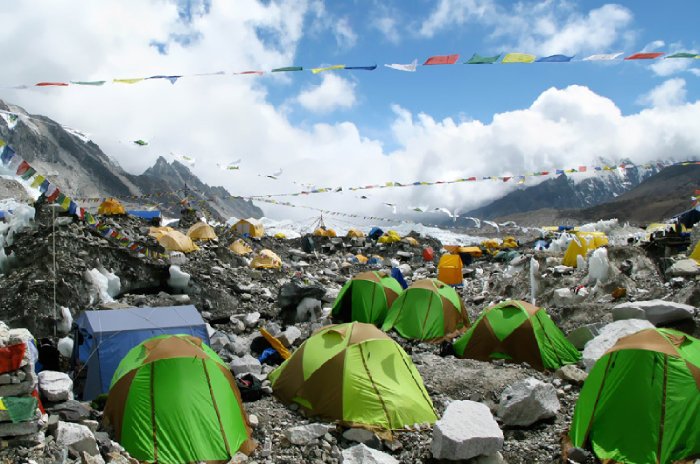
Acute bronchitis is a respiratory condition characterized by swelling and inflammation in the main air passages to the lungs. This swelling constricts the airways, making breathing more difficult. Common symptoms include coughing and producing mucus. High-altitude mountaineering, with its thinner air, already challenges breathing, and when an American member’s cough worsened at Mount Everest Camp 2, her climbing group leaders grew concerned and contacted Global Rescue. Given her deteriorating condition and the risk of pulmonary complications, our team swiftly initiated a helicopter field rescue. She was successfully evacuated to a hospital, diagnosed with bronchitis and an asthma attack, received treatment, and discharged to recover. Physicians advised her to seek reevaluation if her cough didn’t improve.

Share This:

Snow Blindness at Camp 2

At Mount Everest Camp 2, a mountaineer required urgent field rescue after developing debilitating snow blindness. When an expedition member alerted Global Rescue, our deployed medical and rescue experts in Nepal were immediately notified. The…

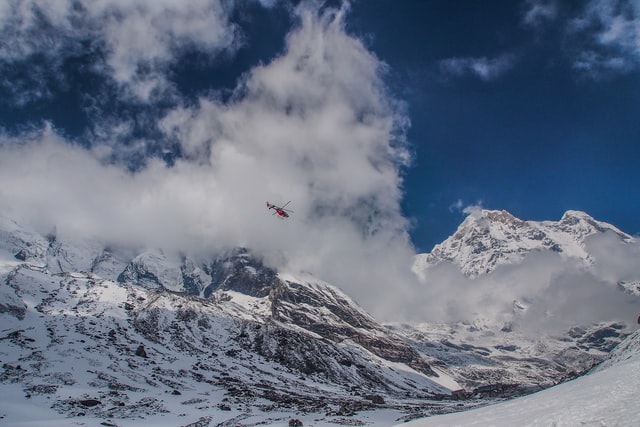
At Mount Everest Camp 2, a mountaineer required urgent field rescue after developing debilitating snow blindness. When an expedition member alerted Global Rescue, our deployed medical and rescue experts in Nepal were immediately notified. The affected member had begun experiencing snow blindness the previous night, and while an expedition doctor administered eye drops, his condition didn’t improve enough for a safe descent. Recognizing the gravity of the situation, Global Rescue’s medical operations team swiftly initiated a helicopter field rescue and medical evacuation. Inclement weather initially hindered rescue efforts, but as soon as conditions allowed, our team successfully airlifted the member to a hospital. He was treated for moderate dehydration, hematuria, and snow blindness, and discharged only after his doctors deemed it safe.

Share This:

Snow Blind at Mera High Camp

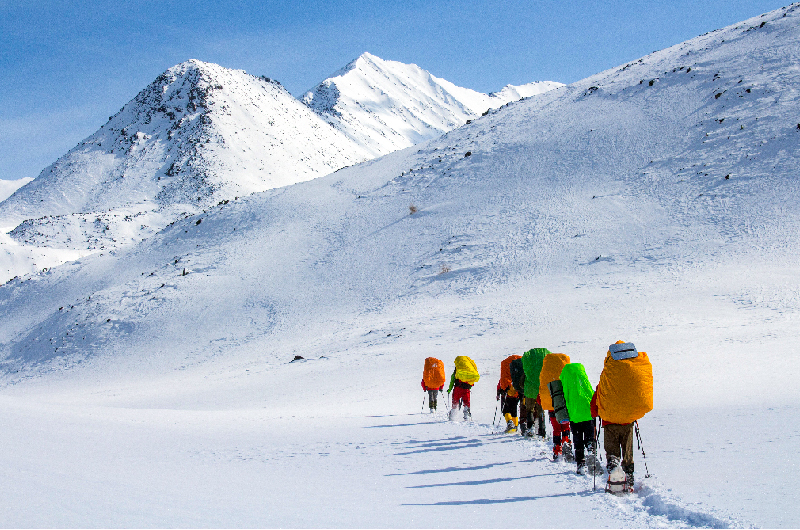
An expedition contacted Global Rescue about a member from Singapore who had fallen with one leg slipping into a crevasse. Expedition group members successfully pulled him free but soon after, he showed symptoms of snow…

An expedition contacted Global Rescue about a member from Singapore who had fallen with one leg slipping into a crevasse. Expedition group members successfully pulled him free but soon after, he showed symptoms of snow blindness, AMS and HACE symptoms while at Mera High Camp (19,357 feet/5,900 meters). Global Rescue initiated an airborne helicopter rescue and transported the member to a hospital in Lukla. He was met by Global Rescue’s Nepal on-the-ground team at the hospital where he was evaluated and given oxygen and medication to treat AMS and HACE. He was later released from the facility with medications in an improved condition.

Share This:

Sciatica on Khumjung in Nepal

A Canadian member at Mount Everest Base Camp developed severe sciatica, with pain radiating down his left leg that left him unable to walk, sit, or lie down comfortably despite medication. After limited relief from…

A Canadian member at Mount Everest Base Camp developed severe sciatica, with pain radiating down his left leg that left him unable to walk, sit, or lie down comfortably despite medication. After limited relief from treatment at the Base Camp clinic, Global Rescue medical personnel arranged an evacuation to a hospital in Lukla, where he was diagnosed with left sciatica and admitted overnight. Following physician recommendations, he was further evacuated to a facility equipped for specialist evaluation and imaging. An MRI revealed disc bulges at L4-L5 and L5-S1 compressing the left S1 nerve root, confirming a prolapsed intervertebral disc. He was admitted for additional care, improved with treatment, and was later discharged on oral medication.

Share This:

Misstep in Cape Town

A U.S. member visiting Cape Town, South Africa, fell down steps and needed field rescue and medical evacuation. The 66-year-old member was transported by local emergency services to a medical clinic where she was examined…

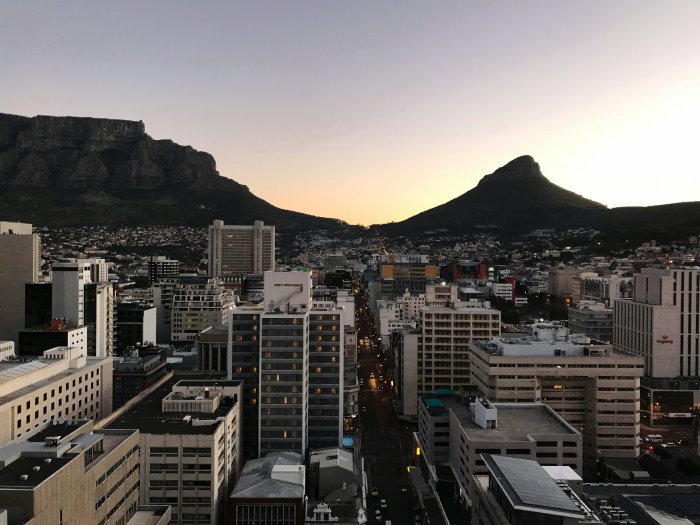
A U.S. member visiting Cape Town, South Africa, fell down steps and needed field rescue and medical evacuation. The 66-year-old member was transported by local emergency services to a medical clinic where she was examined and diagnosed with a fractured right metatarsal. She was fitted for and placed in a medical moon boot and subsequently discharged.

After the member contacted Global Rescue, medical operations personnel provided ground transportation for her to recover sufficiently to obtain a fit-to-fly certificate. Local treating physicians and Global Rescue medical operations personnel concurred the member would require airport assistance and business class seating to keep her leg elevated during her flight home. She arrived home safely where she would continue her recovery.

Share This:

Motorcycle Accident in Nepal

A Malaysian member used his satellite device to send an SOS after a motorcycle and bus accident on Nepal’s Karnali Highway. Suffering multiple fractures and a head injury, he was taken by local police to…

A Malaysian member used his satellite device to send an SOS after a motorcycle and bus accident on Nepal’s Karnali Highway. Suffering multiple fractures and a head injury, he was taken by local police to a nearby clinic for initial treatment, including a temporary cast. Following a doctor’s recommendation for higher-level care, Global Rescue arranged a helicopter evacuation to a hospital, where further examinations confirmed a broken wrist and ankle requiring surgery. A CT scan cleared any serious head injury, and his spouse later joined him to support his recovery and return home.