Loading...

Share This:

A thank-you note from AAC President Steve Swenson after rescue

On August 26th of this year AAC President Steve Swenson became seriously ill after climbing Sasser Kangri II in the Eastern Karakoram north of Leh, India.

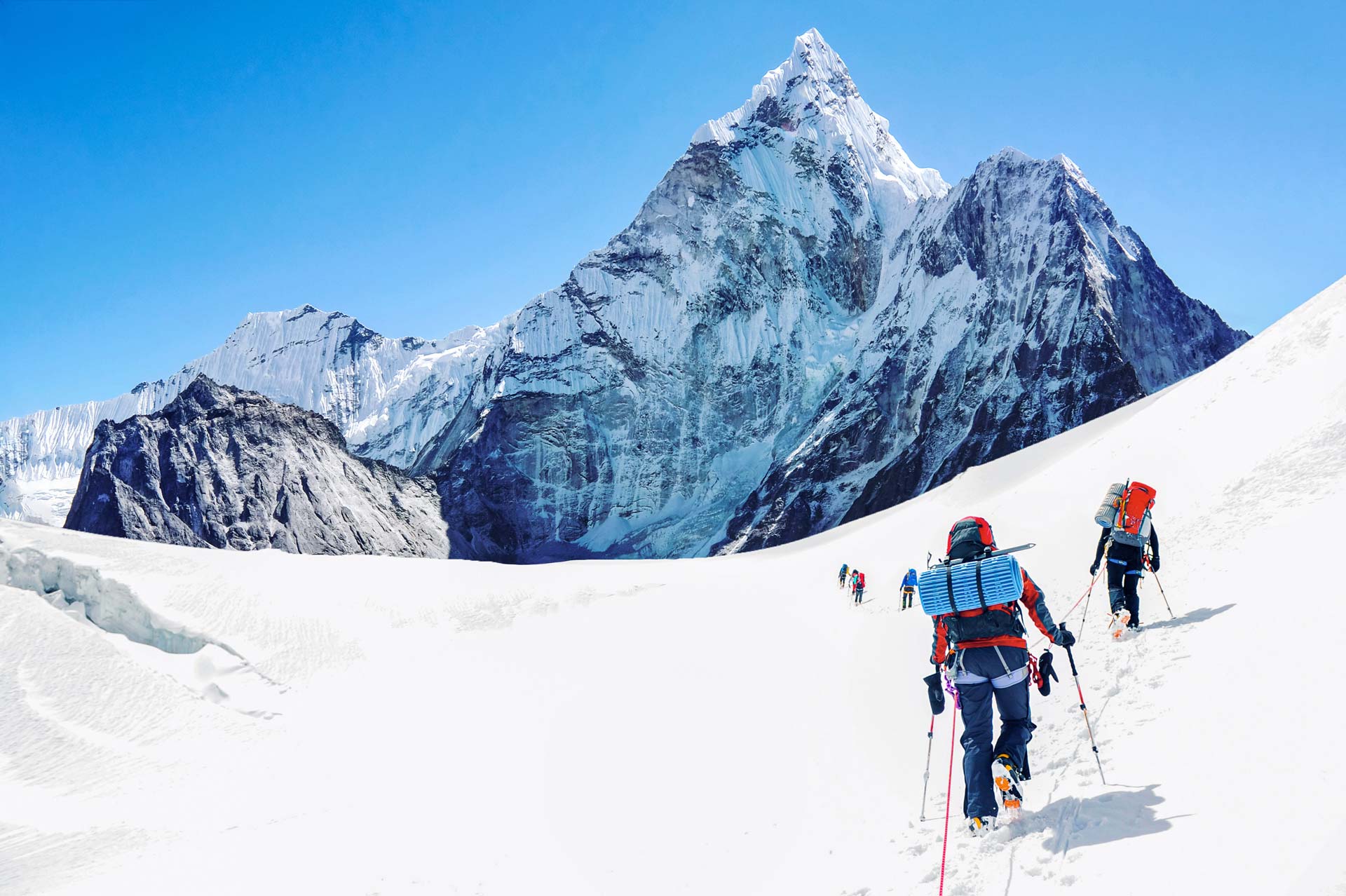
On August 26th of this year I became seriously ill after descending from our first ascent of Sasser Kangri II (7518meters) in the Eastern Karakoram north of Leh, India. I awoke at 3AM coughing while sleeping in our tent on the glacier at 5,800 meters. That in itself was not unusual – I had been suffering from a bad cough for over a month now.  What was unusual was my cough produced a thick mucus that I couldn’t get all the way up – it was sticking in my airway and I was choking on it. 

After a couple of episodes of this I woke my partners, Mark and Freddie, to get some help.  They witnessed me gasping for air after each one of my coughing episodes where I could only clear part of my airway.  While they consulted with a doctor in the United States by satellite phone I wrote a note for Mark to ask, “Could I choke to death on this thick mucus that is getting lodged in my airway”?  Mark listened to the doctor’s response and then turned to me and said, “He says that yes you could” which wasn’t what I wanted to hear.  Sometimes the coughing would leave me with a completely obstructed airway and I couldn’t breathe at all until more coughing and hacking created a passageway to let in just enough air to allow some restricted breathing.

Based on their observations and a recommendation from the doctor, Mark and Freddie determined that I should be evacuated immediately to a medical facility.  All three of us had medical evacuation memberships in Global Rescue so we called them to manage this operation and provided them with our exact coordinates. After receiving this request, Global Rescue soon learned that we were located in a restricted area near the border with Pakistan and China that is not open to civilian aircraft.  Also, since we were at an elevation of 5800 meters we were above the maximum altitude that most helicopters could reach.  So it was necessary to use an Indian Air Force helicopter that was allowed to operate in this area and was designed to reach this elevation.

Global Rescue operations staff and several friends in Leh spent hours on the phone to expedite all the approvals that were required by the Indian government before they would issue the orders for the helicopters to take off. In the meantime I had been sipping tea for hours which rehydrated me enough so that I could finally clear my airway by coughing up a less thick mucus onto the snow.  It was a tremendous relief to not be choking any longer and I felt that I was now out of immediate danger – but still quite sick.


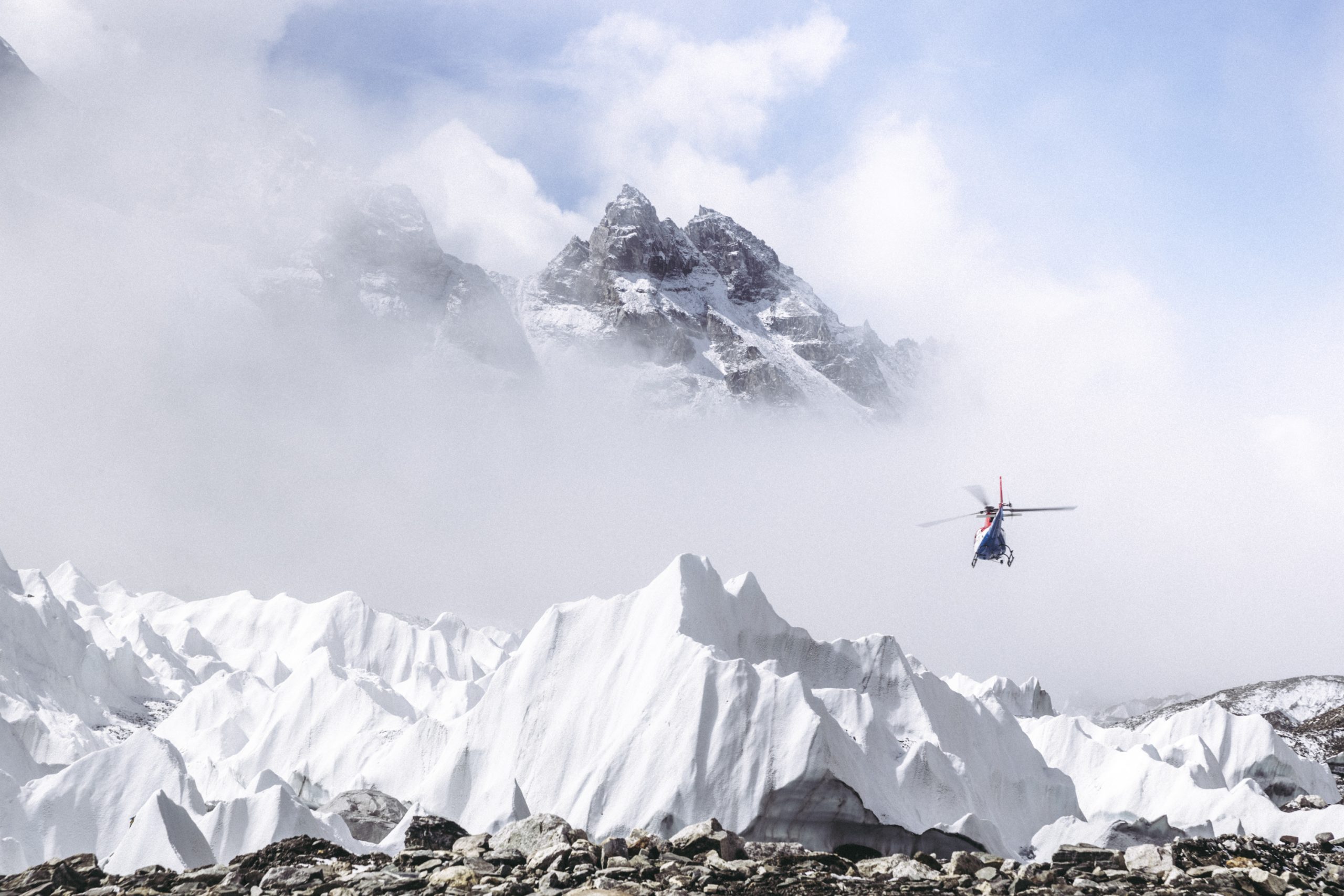
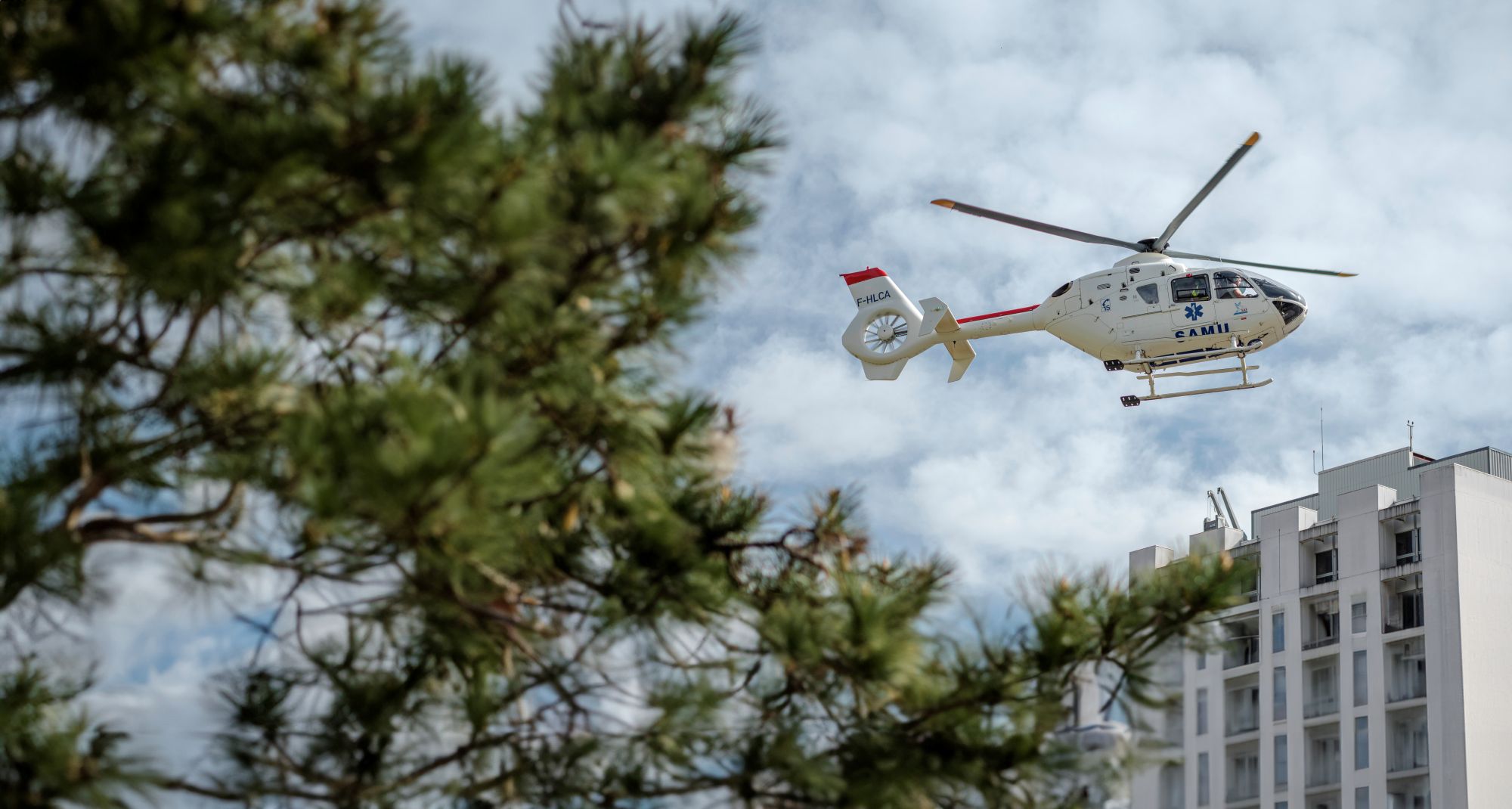
Late that afternoon, two Indian Air Force helicopters arrived at our advanced base camp on the South Shukpa Kunchang Glacier.  They made a circle around our camp and then one landed on the helipad that Freddie had marked on the glacier.  Freddie and two of our Sherpas pulled me out of the tent where I was resting and we hurried to the helicopter where I climbed into an empty seat in the back of the small bubble cockpit.  The two pilots sitting in front of me got us off the ground and we immediately headed down-glacier and back to Leh where I was admited to the hospital.

At the hospital they administered an intravenous antibiotic and I began the slow process of feeling stronger each day.  Since returning to the United States I have made a complete recovery and have resumed my usual training routines.

I’d like to thank Global Rescue for all their efforts to deliver a successful rescue operation.  Without Global Rescue, the Indian Air Force, and my friends in Leh, I might not be here today.

Steve Swenson


Share This:

Global Rescue doctor in Zambia advises travelers concerned about anthrax

Travelers headed to Zambia this fall have expressed concern about a local outbreak of anthrax that has resulted in more than 120 suspected cases in humans.

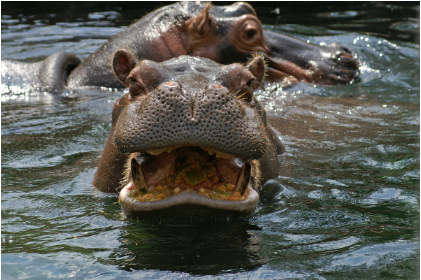
Travelers headed to Zambia this fall have expressed concern about a local outbreak of anthrax that has resulted in more than 120 suspected cases in humans. The source of the outbreak, according to the country’s Ministry of Health, is a population of diseased hippopotamuses in the Luangwa River, where 62 animals have died.

“Travelers should avoid any contact with diseased or dead animals,” advised Dr. Phil Seidenberg, the African Regional Medical Director for Global Rescue, based in Lusaka. “In particular, they should avoid hippos in rivers, and avoid eating the meat.”

Signs of the disease include skin lesions, which typically begin like any bite but progress to larger sizes and eventually ulcerate. 

In addition to proper wound care, Dr. Seidenberg continued, “Doxycycline or Ciprofloxacin is the treatment of choice. If there’s a doubt or even history of possible anthrax exposure, it’s better to be safe than sorry and present to the nearest clinic and begin a course of doxycycline.

“Incidentally, many travelers to Zambia may be on it already for malaria prophylaxis. For anthrax, the dosage would be increased.”

An alert this week in the Hunting Report, a publication that covers hunting throughout Africa and the world,  stated that “the outbreak was first detected in early September and infected areas were reportedly closed. According to sources in the hunting community, the infected areas in Chama were outside of the hunting areas and mortalities in the Lower Zambezi were not officially confirmed as cases of anthrax.”

The Centers for Disease Control and Prevention states that anthrax is not known to spread from one person to another, but warns that “humans can become infected with anthrax by handling products from infected animals or by breathing in anthrax spores from infected animal products (like wool, for example). People also can become infected with gastrointestinal anthrax by eating undercooked meat from infected animals.”

It is not uncommon to see anthrax outbreaks in certain rural areas during a drought season. In September, Bloomberg News reported that the Italian Ministry of Health identified an outbreak of anthrax in livestock just south of Naples that has killed at least 19 cattle and sheep.


Share This:

Ski & Snowboard Club Vail partners with Global Rescue to protect its athletes

Ski & Snowboard Club Vail has partnered with Global Rescue in order to offer its athletes the same medical evacuation and advisory services provided to the U.S. Ski and Snowboard Teams, the organizations announced today.

Ski & Snowboard Club Vail has partnered with Global Rescue in order to offer its athletes the same medical evacuation and advisory services provided to the U.S. Ski and Snowboard Teams, the organizations announced today.

SSCV’s athletes frequently travel to South America and Europe as well as North American destinations for training and competitions, and have selected Global Rescue to ensure that injured skiers and snowboarders receive the highest standard of healthcare no matter where they are in the world.

“Global Rescue is a category leader just like Ski & Snowboard Club Vail,” said Nigel Cooper, Program Director for the SSCV. “Partnering with Global Rescue supports our athletes all over the planet when they are training or racing and gives us the peace of mind needed in helping develop the best young athletes in winter sport. Global Rescue helps mitigate risk for us and protects our most precious resource: the kids.”

Global Rescue is the official provider of medical evacuation and advisory services to the U.S. Ski and Snowboard Teams, and regularly assists its athletes. The company recently performed a medical evacuation for Olympic racer Marco Sullivan when he suffered a subdural hematoma after a crash in Austria.

“I can’t tell you how comforting it was to be able to speak to your medics and hear that safe transport would be arranged for our athlete,” Adam Perreault, the head athletic trainer for the U.S. Men’s Alpine Ski Team, wrote in a letter to Global Rescue afterward.

Founded in 1964 to provide training and competition programs for aspiring young ski racers, SSCV is one of the Vail Valley’s oldest non-profits. Today, the organization remains true to our roots by instilling the values of character, courage and commitment in more than 450 kids who participate in our on-snow winter sports programs each year. Programs are available in Alpine, Freeskiing, Freestyle, Nordic and Snowboarding for all ages, abilities and interests.

Share This:

Global Rescue evacuates angler from British Columbia after heart attack

Global Rescue has medically assisted and transported a fisherman after he suffered a heart attack in Vancouver, BC.

Global Rescue has medically assisted and transported a fisherman after he suffered a heart attack in Vancouver, BC.

William Mitchell was en route to a fishing trip, to go angling for steelhead near Smithers, British Columbia, and was awaiting his connecting flight in Vancouver when he suffered a heart attack and collapsed to the floor. Medical staff at the airport resuscitated him with a defibrillator and he was taken via ground ambulance to a Vancouver hospital. Once there, he contacted Global Rescue.

Global Rescue physicians reviewed his test results, discussed the diagnosis with the attending cardiologist and recommended aeromedical transport to a facility near his home in California. He was medically evacuated to the Monterey area, where Global Rescue paramedics had ensured he would be seen immediately by a heart surgeon. He was given an internal cardiac defibrillator, and he is now recovering at home.

“We were constantly receiving follow-up calls from Global Rescue while in intensive care,” Mitchell said afterward. “It was simply outstanding. I have recommended Global Rescue to all of my friends who travel internationally – especially sportsmen.”

Share This:

Paddling Life, Canoe & Kayak magazines cover Global Rescue evacuation from Arctic

Two of the leading paddle sports magazines have been telling the story of Global Rescue's medical evacuation of Jon Turk from the Canadian Arctic.

Two of the leading paddle sports magazines have been telling the story of Global Rescue’s medical evacuation of Jon Turk from the Canadian Arctic.

In an interview with Canoe & Kayak magazine, Turk’s traveling companion Erik Boomer had this to say:

 “It was about 36 hours after we completed the expedition. We stayed a night in a house where we began the trip. And he woke up in a lot of pain, without being able to pee. We zipped him over to a health office—they have one nurse for the entire community—and they ran a bunch of tests, and they found out his kidneys weren’t working.”

“So we called in Global Rescue, which is an awesome, awesome rescue company by the way. We had to wait three days before a jet was able to get in there, because of the fog, and once he got further south they ran all the blood work. And they were all pretty appalled at how bad his blood was, and really glad they got him down there when they did. Right when they went to hook him up to the dialysis machine, his kidneys kicked back on and started working. So he was in the hospital for six days, but he’s home now in the forest of Montana.”

Turk also recounted their adventure to Paddling Life:

“As for harrowing moments, most of the time the journey was difficult and the future uncertain, but at least you could look forward and say, well, nothing bad will happen in the next 30 seconds, so short term, at least, we’re fine,” says Turk. “But when a walrus attacked Erik in open water, things looked pretty grim for a few moments.”

They got grimmer at trip’s end. Fifteen hours after arriving in Grise Fiord, Turk awoke in the middle of the night with the fearful sensation that his metabolic system had broken down.

 “Friends drove me to the local medical clinic, where my condition was considered ‘life threatening,’” says Turk, currently recuperating at his home in Montana. “I was medi-vac’ed to Ottawa by Global Rescue, which stepped up to the plate when my life was on the line. After six days in hospitals and medical clinics, I returned home.”


Categories:

News
Share This:

Canoe & Kayak – Big Finish: Boomer Details the Ellesmere Adventure

Categories:

News
Share This:

Paddling Life – Turk, Boomer Complete Ellesmere Circumnavigation

Share This:

Global Rescue medically evacuates explorer from Arctic

Global Rescue has medically evacuated a 65-year-old adventurer who had just completed a 100-day, 1,485-mile journey through the Arctic Circle on foot and kayak.

Global Rescue has medically evacuated a 65-year-old adventurer who had just completed a 100-day, 1,485-mile journey through the Arctic Circle on foot and kayak.

Jon Turk, whom Outside magazine has called “one of today’s boldest, most inquisitive, and most articulate adventurers,” had successfully circumnavigated Ellesmere Island in the far northern reaches of Canada, when he began to experience severe abdominal pain. He was able to reach a tiny clinic in Grise Fiord, the northernmost continually occupied settlement in North America, where he contacted Global Rescue.

The attending nurse at the clinic diagnosed symptoms consistent with kidney failure and forwarded his medical information to Global Rescue. The company’s doctors and Johns Hopkins physicians agreed that he required immediate medical evacuation to the nearest dialysis facility, which was several thousand miles from his location. Time was of the essence, since his condition was deteriorating rapidly.

Despite poor weather conditions along the flight path, Global Rescue was able to deploy a medically staffed aircraft to evacuate him to Ottawa from the small Arctic outpost. He was stabilized and prepared for emergent dialyzing, and his condition improved after advanced intervention. He was then transported by Global Rescue to his home in Montana.

“Global Rescue dispatched aircraft, under inclement conditions when others would not fly, and brought me south to medical attention,” Turk wrote in an email. “They saved my life.”

 “Beyond the mechanics [of the operation], the entire Global Rescue staff treated me in a friendly, competent, and human way,” Turk continued, “almost as family, an attitude that is so hard to find in this modern world of droid computer interfaces.  I recommend their services to anyone who strays far from home.”

Share This:

Global Rescue sponsors Kelly Brush Century Ride

Global Rescue proudly sponsored the Kelly Brush Century Ride this past weekend, a charity cycling event that brings more than 600 riders to Middlebury, VT, every year.

Global Rescue proudly sponsored the Kelly Brush Century Ride this past weekend, a charity cycling event that brings more than 600 riders to Middlebury, VT, every year. The event raised more than $250,000 this year to benefit the Kelly Brush Foundation.

The Kelly Brush Foundation is a non-profit organization that advocates for ski racing safety. It raises money for research to treat and cure paralysis due to spinal cord injuries, and funding to purchase adaptive ski equipment for families who may not otherwise be able to afford it. The Foundation is also a sponsor of the U.S. Adaptive Ski Team.

The century ride was started by the Middlebury College Ski Team in order to raise money to buy adaptive ski equipment for team member Kelly Brush, who was paralyzed as the result of a crash. The Brush family later opened the ride to the public in order to benefit their newly created Foundation.

On Saturday, a team of Global Rescue representatives (ski racers themselves) completed the 100-mile course.

Global Rescue is the official medical evacuation provider for the U.S. Ski and Snowboard Teams and provides its services to many other ski academies and clubs throughout the country, whose athletes regularly travel for training, both domestically and internationally.

Categories:

News
Share This:

Climbing Magazine – Americans Bag World’s Second-Highest Unclimbed Peak

Share This:

A Field Rescue on Kilimanjaro

Global Rescue has performed a field rescue for a physician experiencing severe shortness of breath, chest pains and other signs of life-threatening illness as she was climbing Mt. Kilimanjaro.

Global Rescue has performed a field rescue for a physician experiencing severe shortness of breath, chest pains and other signs of life-threatening illness as she was climbing Mt. Kilimanjaro.

About two-thirds of the way up Africa’s tallest mountain, Michele Donsky complained of tightness in her chest and extreme difficulty breathing. The 55-year-old marathon runner could only speak one or two words at a time before she began wheezing. Her climbing guide, Eddie Frank, owner of Tusker Trail, after establishing that she was a Global Rescue member, called Global Rescue and requested a medical evacuation.  Tusker, which employs wilderness medicine trained staff and maintains a high guide-to-client ratio, is arguably the best prepared outfitter on Kilimanjaro when it comes to client safety.

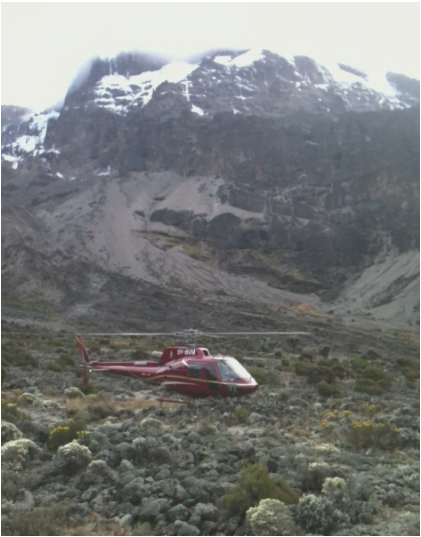
Fortunately, the group was close to one of the few areas on the mountain where a rotary-wing aircraft is able to land – in many cases, injured climbers are required to descend with the aid of a mountain gurney and porters – and so Global Rescue was able to deploy a helicopter to evacuate her from about 13,000 feet.

She was transported to a nearby hospital, and almost immediately her condition improved at the lower altitude. The member was evaluated by local doctors and in regular communication with Global Rescue medical staff.

“It was very reassuring to be able to hear the Global Rescue doctor’s voice on the sat phone and to know that he was making sound decisions for me,” Dr. Donsky wrote in a letter to Global Rescue. “I had the utmost trust and confidence in him and his team. I would never want to be without this kind of help in this situation, and it would not have been possible had I not signed up with Global Rescue.

“I cannot praise you enough,” she concluded. “I would be dead if you had not come to rescue me.”

Eddie Frank, who founded Tusker Trail  and has recommended Global Rescue memberships to his clients for years, added “Global Rescue showed their true colors, and came through as promised – professional, expert, and true to their word; key elements of a top-notch outfit.  I will continue to recommend Global Rescue’s services to Tusker Trail’s clients. The company is gold.”


Share This:

Deployed as a Marine, and now as a Global Rescue paramedic

When Global Rescue paramedic Pat Brady looks back on his college years, he singles out one learning experience above the rest: the six months he spent on what he describes as his “semester abroad” in…

When Global Rescue paramedic Pat Brady looks back on his college years, he singles out one learning experience above the rest: the six months he spent on what he describes as his “semester abroad” in Iraq.

In December 2002, while in his senior year at the University of Kansas and also serving in the U.S. Marine Corps Reserve, Pat received a call from his battalion informing him that he would be deployed to Camp Coyote, Kuwait, within the week. He was visiting family in Chicago at the time, so he had to immediately drive back to Overland Park, KS, to pack whatever belongings he thought he would need for an undetermined period of time in the desert. Within five days of the phone call he was on board the U.S.S. Bataan, bound for the Persian Gulf.

His new home was a tent city with no running water or electricity, surrounded by a 360-degree horizon where brown sand meets blue sky. He spent more time than he cares to remember using his backpack as a pillow, awaiting orders to move north. When that green light arrived, his unit rolled past the 30-foot-deep, tank-lined trench that divided Kuwait from Iraq, onward to help secure Nasiriyah – the site of Jessica Lynch’s capture and some of the war’s fiercest fighting – and then further north to patrol the streets of Kut.

“That was basically like being a cop in a really bad part of town,” Pat said about his time in Kut. “But when you go to war, by necessity you learn a lot about that society. I gained a good understanding of how things work in the Middle East. That was the silver lining.”

It may not have been a typical semester abroad, but serving with the USMC 4th Reconnaissance Battalion in Operation Iraqi Freedom II prepared Pat for his career as a Global Rescue deployable paramedic in a way that no other experience could. Being in a constant state of alert and always ready to move was how he wanted to spend the rest of his career. So, after his time in the Marines, Pat studied to become a paramedic.

“When I left the military to focus on starting a family I knew I didn’t want to lose that edge,” he said, “ where you’re always looking over your shoulder, keeping your head on a swivel, constantly running through scenarios in your mind.”

While working with a rescue unit in his native Texas, Pat first learned about Global Rescue and was in touch with the medics in its Boston Operations Center. Eventually, he was invited to join Global Rescue’s security professionals and paramedics who were performing medical evacuations, security evacuations and humanitarian assistance in Haiti immediately after the 2010 earthquake.

“I came back from that experience knowing I had to join Global Rescue,” he said. “I was incredibly impressed by the team and I knew I was going to be working with the best in the business.”

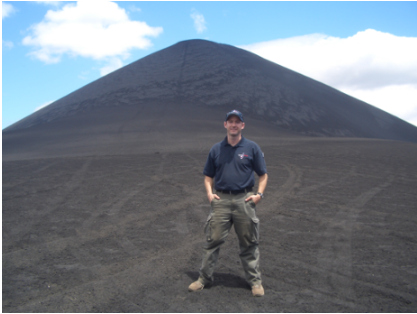
Since that initial trip to Haiti, Pat has deployed to assist members worldwide, including missions to Europe, Africa and Central America. In Nicaragua, he was part of a high-profile sporting event with Red Bull, medically supporting a successful attempt to break the mountain bike land speed record.  Appropriately, the attempt took place on the slopes of an active volcano. However, it was his latest deployment to Johannesburg (one of two missions to South Africa for him this year) that has been the most rewarding.

“In this line of work, you are used to assisting people who have a lot of needs and it requires a lot of patience. After all, you’re meeting them on probably the worst days of their lives,” Pat said. “That’s why this last trip to South Africa was so memorable. This was totally different.”

In this instance, the woman – a fellow Texan – was faced with a debilitating injury, but retained a remarkably positive outlook throughout her ordeal. She had been on safari in Zimbabwe when she was gored by a Cape buffalo, requiring a field rescue and medical evacuation to the best trauma center on the continent.  She had sustained severe injuries, including a bruised spinal cord which left her without mobility in her lower extremities.

Pat was one of three paramedics deployed to oversee her care, assist her at her bedside and transport her home.

“She was just the most upbeat patient I can remember, such a positive attitude despite her injuries. It was inspiring for me,” Pat said.