Related Posts
Jan 12, 2026 2 mins read
Travelers’ Distrust of Agentic AI Runs Deep; Most Reject AI Trip Planning But Welcome Help With Discounts and Savings

Jan 09, 2026 6 mins read
A Navy SEAL Examination of Digital Detox for Travelers

Jan 08, 2026 8 mins read
The Safari Dangers Facing Observers and Game Hunters
Jan 07, 2026 5 mins read
Rick Steves, Oprah Winfrey and Taylor Swift Top the List of Dream Travel Partners
Jan 06, 2026 0 mins read
HAPE After Ama Dablam
Jan 06, 2026 0 mins read
Crevasse Fall at Changla Khang
Jan 06, 2026 0 mins read
Deteriorating Altitude Illness in Dughla
Jan 06, 2026 0 mins read
Appendix Complication in Langtang
Categories:
NewsSeptember 28, 2009

Share This:
Related Posts
Jan 12, 2026 2 mins read
Travelers’ Distrust of Agentic AI Runs Deep; Most Reject AI Trip Planning But Welcome Help With Discounts and Savings
Jan 09, 2026 6 mins read
A Navy SEAL Examination of Digital Detox for Travelers
Jan 08, 2026 8 mins read
The Safari Dangers Facing Observers and Game Hunters
Jan 07, 2026 5 mins read
Rick Steves, Oprah Winfrey and Taylor Swift Top the List of Dream Travel Partners
Jan 06, 2026 0 mins read
HAPE After Ama Dablam
Jan 06, 2026 0 mins read
Crevasse Fall at Changla Khang
Jan 06, 2026 0 mins read
Deteriorating Altitude Illness in Dughla
Jan 06, 2026 0 mins read
Appendix Complication in Langtang
Categories:
Missions & Member TestimonialsSeptember 25, 2009
Share This:
Final exam question: What do you do when you’re unprofessionally diagnosed with a tropical flesh-eating disease while stationed in the jungle three hours by motorized canoe from the closest city, and an additional plane flight away from the nearest reputable medical center? You may only use resources available through a spotty Internet connection and personal contacts at your host ecotourism lodge.
Fortunately, I had a lifeline. My parents had looked into Global Rescue when I was about to start college and travel on my own. We thought of it as just in case something really awful happened and I needed a medevac ASAP. My situation in Peru never became life threatening, but I did need trustworthy guidance and a legit medical opinion.
After exhausting my scant medical resources in the jungle, my skin lesions still worsened and then all my Peruvian friends agreed I had Leishmaniasis, a disease caused by flesh-eating protozoans. Horrifyingly, the most common strain in Peru can spread to your face and cause disfigurement.
I quickly emailed Global Rescue, who had been keeping tabs on me since the start of my illness. Within minutes the same paramedic I had been in contact with previously replied with follow-up questions about my condition. He also informed a team of doctors at Johns Hopkins who tentatively diagnosed leishmaniasis from afar.
One of my lodge friends connected me with their wonderful family in Lima, who also recommended a nearby clinic. Global Rescue seconded their opinion from their list of approved hospitals. These doctors were a huge improvement over what I had experienced in the jungle. It was comforting to have a team of world-class English-speaking physicians answering my questions and making sure I received the best treatment.
This was also a great comfort to my father, a doctor but certainly not a specialist in tropical medicine. He was stuck knowing too much about the general frailty of the human body and yet too little about my specific condition. For him, Global Rescue allowed him to take off the stethoscope and just be my dad.
So to answer my exam question: surviving a remote minor medical crisis requires both quality medical and social support networks… and the two must overlap as little as possible. After all, my friends at the lodge only meant the best for me though I found out that their dubious medicinal balm gave me a chemical burn. Having Global Rescue involved meant I didn’t need medical advice from friends and family, just the love and support only they could provide.
Global Rescue had also spoken directly to my doctors in Peru and acted as a liaison to the doctors I saw in Vermont. After a multitude of tests in the States we finally determined my problems stemmed from a strain of resistant Staph, complicated by a chemical burn and secondary infections. I’m now happily on the mend and starting school again as normal, this time with quite a story to regale my friends.
-Ariel M., Vermont
Related Posts
Dec 18, 2025 6 mins read
The Most Spectacular Rescues of 2025: Real-Life Tales of Field Rescue and Medevac Triumphs
Nov 21, 2025 6 mins read
A Life-Saving Helicopter Rescue That Ended One Climber’s K2 Nightmare
Oct 24, 2025 7 mins read
Mission Briefs: Global Rescue in Action – Issue 63
Oct 22, 2025 1 mins read
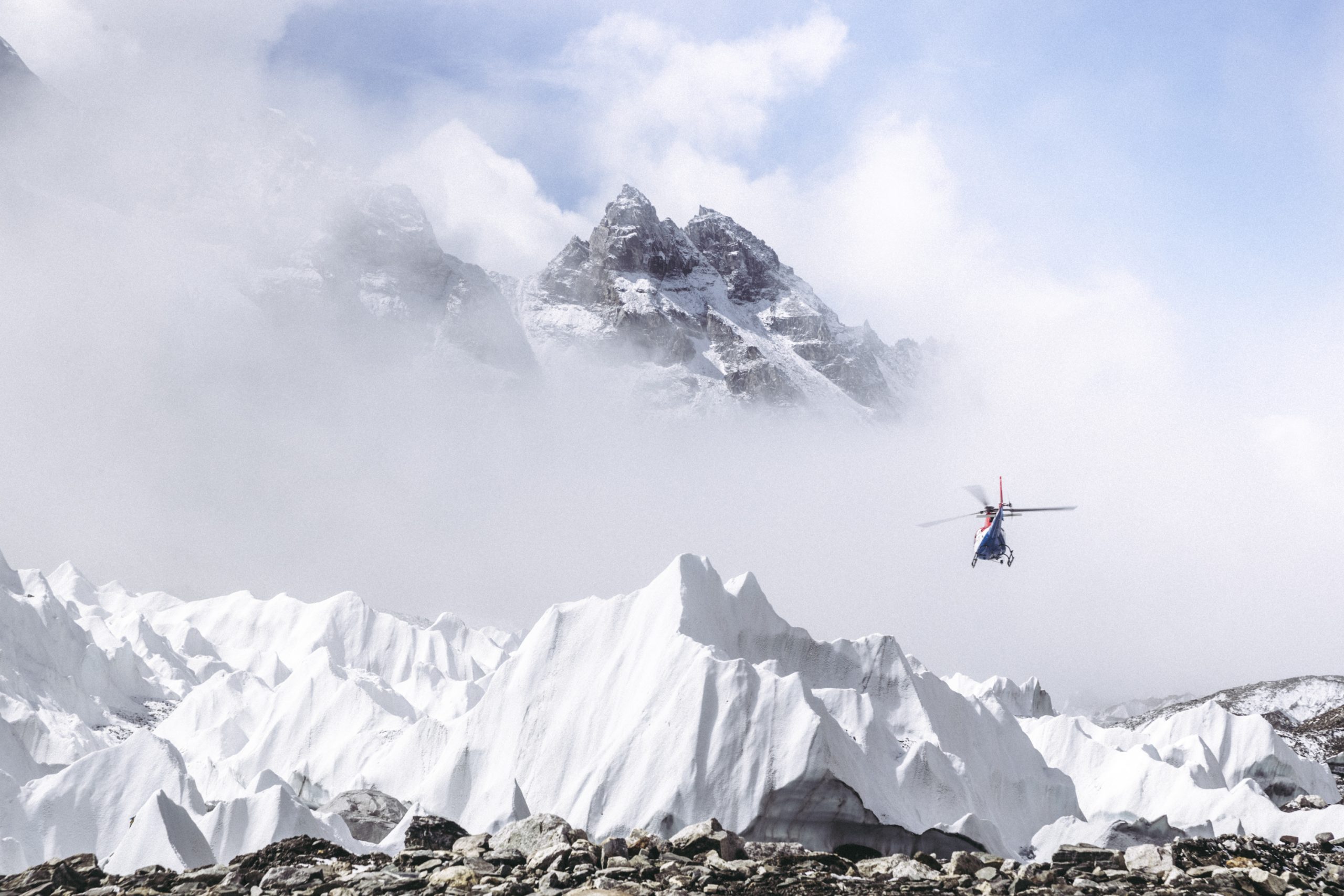
Against All Odds: High-Altitude Rescue From Everest’s Death Zone
Oct 15, 2025 4 mins read
Mission Briefs – SOS In Action: Issue 5
Sep 26, 2025 7 mins read
Mission Briefs: Global Rescue in Action – Issue 62
Sep 10, 2025 7 mins read
Sherpas, Bush Planes and Speedboats: The Wild Ways Global Rescue Gets You Out of Danger
Aug 22, 2025 14 mins read
Mission Briefs: Global Rescue In Action – Issue 61
Categories:
Missions & Member TestimonialsSeptember 17, 2009
Share This:
Travel writer Peter Greenberg published an interesting article yesterday titled: “When is travel insurance worthwhile?” He writes:
Most people’s travel insurance doesn’t include the type of coverage that everyone should have, but not everyone knows about. It’s called medical evacuation and repatriation.
You may not realize that most health-insurance plans (as well as Medicare) aren’t valid outside of the U.S. or when sailing on international waters. The cost of a doctor’s visit, hospitalization or emergency medical treatment can easily run into the tens of thousands of dollars.
So what should you do if you’re on a cruise ship, hiking in the Himalayas or traveling in a country with inadequate medical treatment? What medical evacuation and repatriation insurance does is cover any medical expenses you may accrue, plus the costs of evacuating you to a hospital or other medical facility.
But be careful, because not all evacuation and repatriation policies are the same. Some will take you to an appropriate facility at the insurance company’s discretion. Others will take you to a facility of your choice, but based on the nearest appropriate location…
He then goes on to mention companies who claim to take you either to the “nearest appropriate” facility, or a local hospital of the member’s choice.
He continues:
Another company, Global Rescue, will transport you back home in the event of a medical or other type of emergency. (In one dramatic instance, Global Rescue evacuated a number of members from Mumbai, India, to Singapore within seven hours after terrorists attacked the Taj Mahal Hotel in November 2008. Now that’s what I call customer service!)
Finally, Greenberg encourages his readers to read the fine print. He points out that a number of companies restrict the sort of activity that is covered under their plans: SCUBA diving, bungee jumping, etc.
We also encourage people to read the fine print. They’ll find that Global Rescue places no limitations whatsoever on the sort of activity that members can enjoy under our plans. If we did, it sure would be a hard sell to the U.S. Ski Team, the American Alpine Club, and similar organizations that recommend our services.
Related Posts
Dec 18, 2025 6 mins read
The Most Spectacular Rescues of 2025: Real-Life Tales of Field Rescue and Medevac Triumphs
Nov 21, 2025 6 mins read
A Life-Saving Helicopter Rescue That Ended One Climber’s K2 Nightmare
Oct 24, 2025 7 mins read
Mission Briefs: Global Rescue in Action – Issue 63
Oct 22, 2025 1 mins read
Against All Odds: High-Altitude Rescue From Everest’s Death Zone
Oct 15, 2025 4 mins read
Mission Briefs – SOS In Action: Issue 5
Sep 26, 2025 7 mins read
Mission Briefs: Global Rescue in Action – Issue 62
Sep 10, 2025 7 mins read
Sherpas, Bush Planes and Speedboats: The Wild Ways Global Rescue Gets You Out of Danger
Aug 22, 2025 14 mins read
Mission Briefs: Global Rescue In Action – Issue 61
Categories:
NewsSeptember 17, 2009

Share This:
Related Posts
Jan 12, 2026 2 mins read
Travelers’ Distrust of Agentic AI Runs Deep; Most Reject AI Trip Planning But Welcome Help With Discounts and Savings
Jan 09, 2026 6 mins read
A Navy SEAL Examination of Digital Detox for Travelers
Jan 08, 2026 8 mins read
The Safari Dangers Facing Observers and Game Hunters
Jan 07, 2026 5 mins read
Rick Steves, Oprah Winfrey and Taylor Swift Top the List of Dream Travel Partners
Jan 06, 2026 0 mins read
HAPE After Ama Dablam
Jan 06, 2026 0 mins read
Crevasse Fall at Changla Khang
Jan 06, 2026 0 mins read
Deteriorating Altitude Illness in Dughla
Jan 06, 2026 0 mins read
Appendix Complication in Langtang
Categories:
Missions & Member TestimonialsSeptember 15, 2009
Share This:
The last injury you might expect on safari is a detached retina from a bumpy ride in a jeep. But that’s exactly what happened to one of our members, who called from Mozambique to report of a loss of vision in one of his eyes. After Global Rescue doctors and Johns Hopkins specialists recommended he see a specialist immediately to prevent further damage, he was evacuated from the bush in Mozambique to Johannesburg where he was evaluated at a medical center of excellence. Our member had his retina successfully re-attached there and further damage to his eye was averted.
A few months prior, Global Rescue medically evacuated a hunter who had suffered a stroke in the highlands of Ethiopia. That was the beginning of what would be an eventful season in Africa: a 16 year-old girl bitten by a Vervet monkey in Zambia, a woman with an injured rib in South Africa after being knocked off the jetway at the airport and countless other medical calls from Nigeria, Kenya, Liberia and Tanzania.
As of this writing, Global Rescue had dispatched a security team, led by a former Navy SEAL, to Uganda to rescue a 22-year-old woman who was trapped in a house surrounded by rioting tribesman and gunfire. Be sure to checkback with Rescuewire to find out how that operation is resolved…
Related Posts
Dec 18, 2025 6 mins read
The Most Spectacular Rescues of 2025: Real-Life Tales of Field Rescue and Medevac Triumphs
Nov 21, 2025 6 mins read
A Life-Saving Helicopter Rescue That Ended One Climber’s K2 Nightmare
Oct 24, 2025 7 mins read
Mission Briefs: Global Rescue in Action – Issue 63
Oct 22, 2025 1 mins read
Against All Odds: High-Altitude Rescue From Everest’s Death Zone
Oct 15, 2025 4 mins read
Mission Briefs – SOS In Action: Issue 5
Sep 26, 2025 7 mins read
Mission Briefs: Global Rescue in Action – Issue 62
Sep 10, 2025 7 mins read
Sherpas, Bush Planes and Speedboats: The Wild Ways Global Rescue Gets You Out of Danger
Aug 22, 2025 14 mins read
Mission Briefs: Global Rescue In Action – Issue 61
Categories:
Missions & Member TestimonialsSeptember 9, 2009

Share This:
“The Saola is a unique animal, charismatic and mysterious, called the giant panda of the region by some,” explained GWC’s Wes Sechrest.
The major obstacle to the species’ recovery is poaching, Sechrest explained, whereby illegal hunters use snares or dogs to trap the animals both for meat and for trophies. Scientists and conservationists continue to find evidence of increased poaching activity in the field.
GWC’s goal is to provide local governments with the scientific information necessary to create sound policies to increase soala populations, and also to promote awareness of the problem in the United States, especially among the Vietnamese-American and Lao-Ameican communities.
Other recent conservation efforts by GWC have focused on the Cardamom Mountains region in southwest Cambodia, one of the last remaining large expanses of wilderness in that part of the world. Most of the region is largely unexplored and the distribution of species unknown, although the few surveys completed have discovered significant populations of threatened species such as Siamese Crocodiles and Asian Elephants.
Until recently, access to the Cambodian mountains was prevented by security concerns, and even today exploration of the remote areas presents health and safety risks from land mines, unexploded ordinance, malaria and dengue fever.
Related Posts
Dec 18, 2025 6 mins read
The Most Spectacular Rescues of 2025: Real-Life Tales of Field Rescue and Medevac Triumphs
Nov 21, 2025 6 mins read
A Life-Saving Helicopter Rescue That Ended One Climber’s K2 Nightmare
Oct 24, 2025 7 mins read
Mission Briefs: Global Rescue in Action – Issue 63
Oct 22, 2025 1 mins read
Against All Odds: High-Altitude Rescue From Everest’s Death Zone
Oct 15, 2025 4 mins read
Mission Briefs – SOS In Action: Issue 5
Sep 26, 2025 7 mins read
Mission Briefs: Global Rescue in Action – Issue 62
Sep 10, 2025 7 mins read
Sherpas, Bush Planes and Speedboats: The Wild Ways Global Rescue Gets You Out of Danger
Aug 22, 2025 14 mins read
Mission Briefs: Global Rescue In Action – Issue 61
Categories:
Missions & Member TestimonialsAugust 27, 2009
Share This:
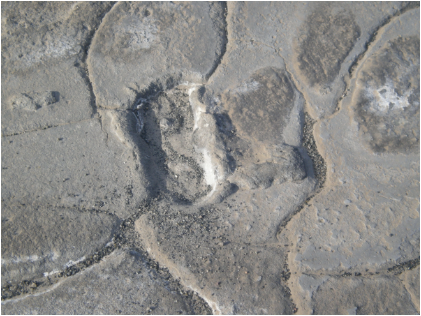
The prints are in hardened ash about a mile from the base of an active volcano, and are believed to be about 120,000 years old. While there are known footprints of other human ancestors, such as Australopithecus afarensis, that date back more than 3 million years, and others from the Homo genus dating back more than 350,000, if confirmed by later analysis, these are likely to be the oldest Homo sapiens footprints known to scientists.
The group was led by Dr. Cynthia Liutkus, assistant professor of geology at Appalachian State University. Accompanying Dr. Liutkus and her student, Kate McGinnis, were Dr. Michael Manyak, an expert in expedition medicine, and Mr. Jim Brett, a conservationist and ornithologist who first brought this discovery to the attention of scientists. Global Rescue was one of the sponsors of the expedition and stood by to provide medical evacuation support, if needed, from the remote African plains. Dr. Manyak and Mr. Brett are also members of The Explorers Club and carried The Explorers Club Flag awarded to Mr. Brett for this expedition.
Mr. Brett was made aware of the site in this remote location by local Maasai herders as well as employees of the nearby Ngare Sero Tented Camp, and organized the first scientific study conducted at the site. The data from laboratory analysis and photos will be submitted to a major scientific journal for publication. Further excavation and protection of the site are goals in the near future.

Related Posts
Dec 18, 2025 6 mins read
The Most Spectacular Rescues of 2025: Real-Life Tales of Field Rescue and Medevac Triumphs
Nov 21, 2025 6 mins read
A Life-Saving Helicopter Rescue That Ended One Climber’s K2 Nightmare
Oct 24, 2025 7 mins read
Mission Briefs: Global Rescue in Action – Issue 63
Oct 22, 2025 1 mins read
Against All Odds: High-Altitude Rescue From Everest’s Death Zone
Oct 15, 2025 4 mins read
Mission Briefs – SOS In Action: Issue 5
Sep 26, 2025 7 mins read
Mission Briefs: Global Rescue in Action – Issue 62
Sep 10, 2025 7 mins read
Sherpas, Bush Planes and Speedboats: The Wild Ways Global Rescue Gets You Out of Danger
Aug 22, 2025 14 mins read
Mission Briefs: Global Rescue In Action – Issue 61
Categories:
Missions & Member TestimonialsAugust 26, 2009
Share This:
For every handful of stories of travelers who land in foreign hospitals, there is always a tale of an operation gone awry, or one that was unnecessary altogether: A businessman on vacation in Mexico who falls off a horse and has emergent hip surgery, only to find out months later in the United States that the ball of his femur keeps falling out of its socket. Or the software engineer in the Middle East who dies on the operating table because the cardiologist had never performed that kind of procedure before.
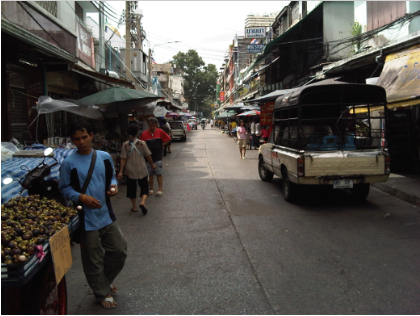
A magazine photographer was on a photo shoot in Thailand last month, lifting heavy equipment, when he felt a sharp sting in his back. The pain he experienced became so unbearable and immobilizing that he called Global Rescue, whose medical staff explained the dangers associated with this kind of injury. They directed him to a qualified hospital and then sent a critical-care trained paramedic to Bangkok to assist him.
The Bangkok facility where he was examined is considered the best in the city for that specialty and the doctor assigned to his case was trained in the United States. After examining the MRI of the patient’s herniated disks, the Thai doctor decided that the surgeons in Thailand would need to fuse five of the vertebrae together.
The paramedic initiated a conference call with the Thai doctor and Global Rescue’s physicians, who in turn consulted Johns Hopkins orthopedic specialists to discuss the diagnosis. They arrived at the conclusion that the patient could and should fly home for surgery as long as he could be accompanied by a medic, who would be able to inject him on board the aircraft with pain killers and anticoagulants.
Related Posts
Dec 18, 2025 6 mins read
The Most Spectacular Rescues of 2025: Real-Life Tales of Field Rescue and Medevac Triumphs
Nov 21, 2025 6 mins read
A Life-Saving Helicopter Rescue That Ended One Climber’s K2 Nightmare
Oct 24, 2025 7 mins read
Mission Briefs: Global Rescue in Action – Issue 63
Oct 22, 2025 1 mins read
Against All Odds: High-Altitude Rescue From Everest’s Death Zone
Oct 15, 2025 4 mins read
Mission Briefs – SOS In Action: Issue 5
Sep 26, 2025 7 mins read
Mission Briefs: Global Rescue in Action – Issue 62
Sep 10, 2025 7 mins read
Sherpas, Bush Planes and Speedboats: The Wild Ways Global Rescue Gets You Out of Danger
Aug 22, 2025 14 mins read
Mission Briefs: Global Rescue In Action – Issue 61
Categories:
Health & SafetyJuly 22, 2009
Share This:
Related Posts
Jan 09, 2026 6 mins read
A Navy SEAL Examination of Digital Detox for Travelers
Jan 08, 2026 8 mins read
The Safari Dangers Facing Observers and Game Hunters
Oct 28, 2025 5 mins read
Electronic Health Record Programs: How Travelers Carry Medical Records Anywhere
Oct 07, 2025 6 mins read
Reptiles That Bite, From Cobras to Mexican Bearded Lizards
Oct 01, 2025 5 mins read
Lime Scooters and Bicycle Accidents When Traveling Abroad
Sep 16, 2025 5 mins read
European Emergency Numbers and Response Reputation
Aug 28, 2025 8 mins read
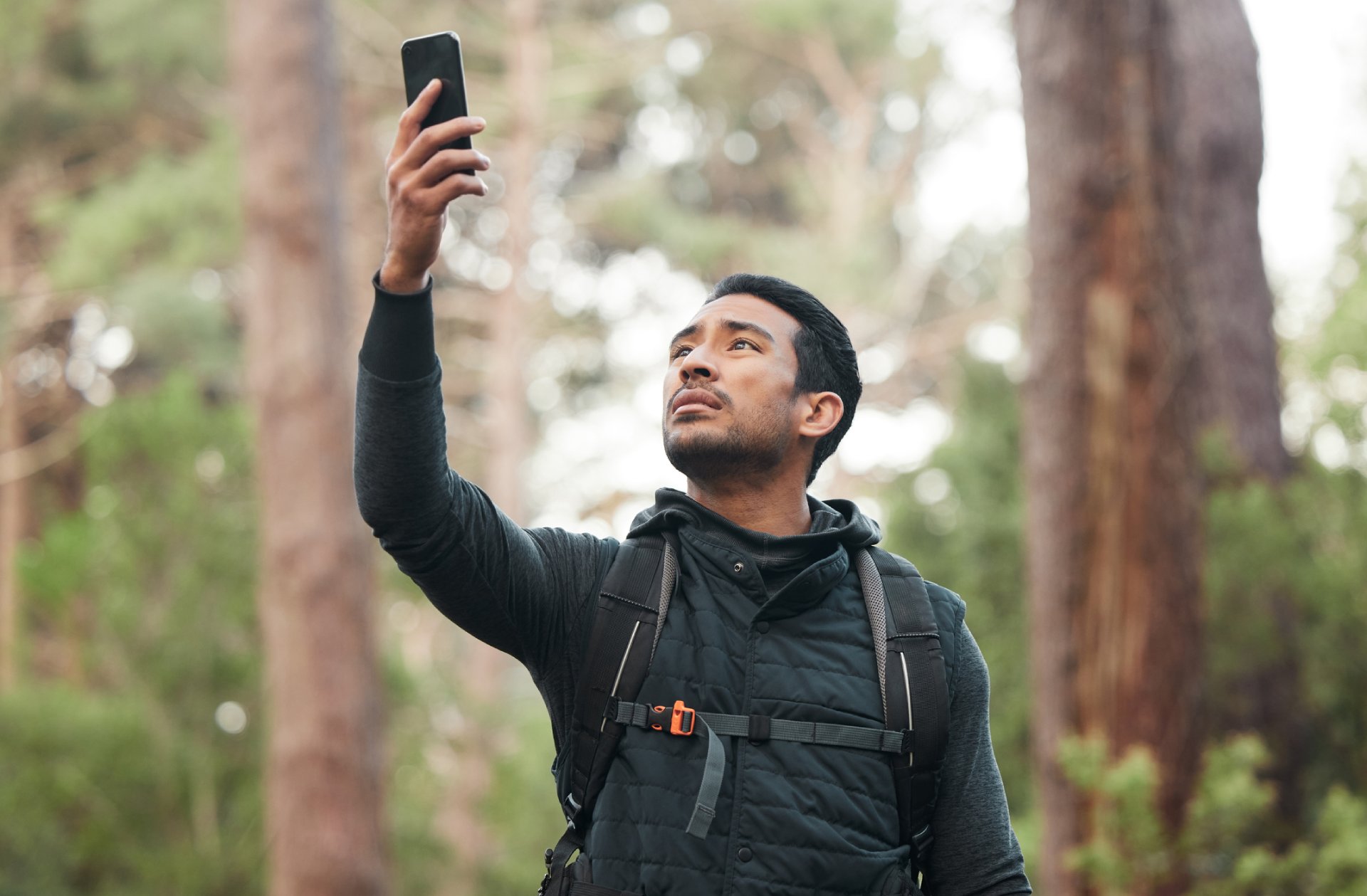
SATCOMs and How Smartphones Are Becoming Lifelines Off the Grid
Aug 12, 2025 7 mins read
Solar Eclipse 2026 Countdown
Categories:
Missions & Member TestimonialsJuly 14, 2009
Share This:
Related Posts
Dec 18, 2025 6 mins read
The Most Spectacular Rescues of 2025: Real-Life Tales of Field Rescue and Medevac Triumphs
Nov 21, 2025 6 mins read
A Life-Saving Helicopter Rescue That Ended One Climber’s K2 Nightmare
Oct 24, 2025 7 mins read
Mission Briefs: Global Rescue in Action – Issue 63
Oct 22, 2025 1 mins read
Against All Odds: High-Altitude Rescue From Everest’s Death Zone
Oct 15, 2025 4 mins read
Mission Briefs – SOS In Action: Issue 5
Sep 26, 2025 7 mins read
Mission Briefs: Global Rescue in Action – Issue 62
Sep 10, 2025 7 mins read
Sherpas, Bush Planes and Speedboats: The Wild Ways Global Rescue Gets You Out of Danger
Aug 22, 2025 14 mins read
Mission Briefs: Global Rescue In Action – Issue 61
Categories:
NewsJuly 7, 2009

Share This:
Related Posts
Jan 12, 2026 2 mins read
Travelers’ Distrust of Agentic AI Runs Deep; Most Reject AI Trip Planning But Welcome Help With Discounts and Savings
Jan 09, 2026 6 mins read
A Navy SEAL Examination of Digital Detox for Travelers
Jan 08, 2026 8 mins read
The Safari Dangers Facing Observers and Game Hunters
Jan 07, 2026 5 mins read
Rick Steves, Oprah Winfrey and Taylor Swift Top the List of Dream Travel Partners
Jan 06, 2026 0 mins read
HAPE After Ama Dablam
Jan 06, 2026 0 mins read
Crevasse Fall at Changla Khang
Jan 06, 2026 0 mins read
Deteriorating Altitude Illness in Dughla
Jan 06, 2026 0 mins read
Appendix Complication in Langtang
Mobile Apps:
- Global Rescue Mobile Apps are designed for operation on the current versions of Android and iOS operating systems. Availability of services is subject to your equipment compatibility, connectivity and signal in your location. There is no guarantee that all features and functionality will be available in your location. Use and availability of the Mobile Apps are subject to your service provider’s plan and may be subject to additional fees from your provider. The download and use of a Global Rescue Mobile App is subject to the terms of your Member Services Agreement and the applicable End User License Agreement (EULA).
General TotalCare Disclaimer:
- ©2026 Global Rescue LLC. TotalCare and the TotalCare logo are service marks of Global Rescue LLC. All Rights Reserved. Global Rescue LLC provides technical and administrative services to Elite Medical Group, P.C. (“Elite Medical”), a professional corporation owned by licensed physicians that employs or contracts with physicians licensed to practice medicine where medical services are provided. It is not guaranteed that a prescription will be written, nor will any DEA controlled substances, non-therapeutic drugs and certain other drugs which may be harmful because of their potential for abuse, as a result of a TotalCare consultation. Elite Medical physicians reserve the right to deny care for potential or actual misuse of services. The Global Rescue Mobile App is designed for operation on the current versions of Android and iOS operating systems. Availability of services is subject to your equipment compatibility, connectivity and signal in your location. There is no guarantee that all features and functionality will be available in your location. Use and availability of the Mobile App is subject to your service provider’s plan and may be subject to additional fees from your provider.
Extended Plan TotalCareSM:
- For individuals 85+, medical transport is not included in membership. Members 85+ may purchase medical transport on a fee for service basis.
Mobile Apps:
- Global Rescue Mobile Apps are designed for operation on the current versions of Android and iOS operating systems. Availability of services is subject to your equipment compatibility, connectivity and signal in your location. There is no guarantee that all features and functionality will be available in your location. Use and availability of the Mobile Apps are subject to your service provider’s plan and may be subject to additional fees from your provider. The download and use of a Global Rescue Mobile App is subject to the terms of your Member Services Agreement and the applicable End User License Agreement (EULA).