Loading...

Categories:

News
Share This:

Your Travel Insurance Policy Just Got a Major Upgrade

Share This:

Mission Briefs: Global Rescue in Action – Issue 62

A brief overview of recent standout operations involving Global Rescue.

Article Highlights:

  • Global Rescue performed multiple helicopter evacuations on Mount Kilimanjaro for members suffering from high-altitude pulmonary and cerebral edema.
  • Members trekking in Pakistan’s Karakoram range required urgent rescue for frostbite, severe altitude sickness and gastrointestinal illness in remote camps.
  • Emergency air ambulance transport was arranged for a spinal cord injury in Costa Rica and a leg fracture in Ecuador, ensuring safe return for advanced care.
  • These cases reflect the challenges of adventure travel and Global Rescue’s ability to respond quickly in extreme, remote and unpredictable environments.


Adventure travel continues to attract more people to high peaks, remote valleys and isolated corners of the globe. With this growing interest comes an inevitable rise in medical risks in places where immediate help is often unavailable. Whether it’s a sudden illness at a remote camp in Pakistan or altitude sickness near the summit of Kilimanjaro, today’s travelers are facing challenges that demand swift and expert emergency response.

Global Rescue has spent two decades delivering critical support in precisely these situations. Each month, hundreds of calls come in from members dealing with a wide range of emergencies, some relatively minor, others life-threatening. The following Mission Briefs reflect just a few of the recent operations carried out across multiple continents, highlighting the variety of risks travelers encounter and the role Global Rescue plays in bringing them to safety.

This edition includes helicopter rescues on Mount Kilimanjaro for altitude-related illnesses, emergency evacuations from Pakistan’s rugged Karakoram region for frostbite and gastrointestinal distress, and urgent medical transport for members injured in Costa Rica and Ecuador. From spinal surgery to high-altitude pulmonary edema, these cases illustrate both the unpredictability of international travel and the lifesaving importance of timely evacuation.

By sharing these case reports, we aim to shed light on the realities of adventure travel and the critical support Global Rescue provides when the unexpected happens. These operations demonstrate not only medical and logistical expertise but also a steadfast commitment to ensuring members return home safely, no matter how remote the location or how severe the condition.


Spinal Injury in Costa Rica

A 73-year-old member from the US sustained a cervical spine injury in Costa Rica and underwent emergency surgery at a hospital near Santa Ana. He remained hemodynamically stable in intensive care but required continued hospitalization and specialized follow-up in the US. Medical teams recommended air ambulance transport. Global Rescue arranged the flight to a hospital in Texas for ongoing care. He was safely transferred and admitted for continued treatment.


Motorcycle Crash in Ecuador

A US member sustained a right-leg fracture in a motorcycle crash in Manta, Ecuador. A local trauma specialist immobilized the limb and recommended prompt surgery. The member reported pain and swelling, but could sit, stand and climb stairs with crutches. After medical review, Global Rescue arranged commercial air transport with seating suitable for his injury to return to his home area for definitive care. Travel was coordinated and monitored throughout the journey. On arrival, he expressed gratitude and declined further assistance.


K2 Rescues

Severe Illness at Concordia in Pakistan: A 59-year-old member from Taiwan became severely ill at Concordia Camp in Pakistan after three days of frequent watery diarrhea, profound weakness, and pain rated 10 out of 10. She also noted a mild fever and shortness of breath with exertion. Given the remote location and lack of medical resources, Global Rescue approved a helicopter evacuation to Skardu, followed by ground transport to a medical center. She was evaluated, treated with gastrointestinal medications and discharged with instructions for recovery. She thanked the team after the improvement, and the aviation provider reduced costs following the review.

Frostbite on K2 Trek: A Canadian member became ill at Khoburtse Camp on the K2 approach in Pakistan with shortness of breath, vomiting bile, severe dizziness, weight loss and an inability to walk due to pain. She also had blackened toes consistent with frostbite. Global Rescue approved a helicopter evacuation to Skardu, followed by a ground transfer to a medical center for assessment. She was treated, discharged with medication and chose to recover locally while declining additional follow-up.

Severe AMS on K2 Route: Another Canadian member developed severe altitude illness at Khoburtse Camp on the K2 route in Pakistan with an acute mountain sickness score of 7, severe headache, nausea, lethargy, a wet cough with blood, wheezing and extreme breathing difficulty concerning for high-altitude pulmonary edema with possible cerebral involvement. Global Rescue approved a helicopter evacuation to Skardu with subsequent ground transport to a medical center. She was evaluated, treated and released with medications. No further correspondence was received.


Rescues on Mount Kilimanjaro

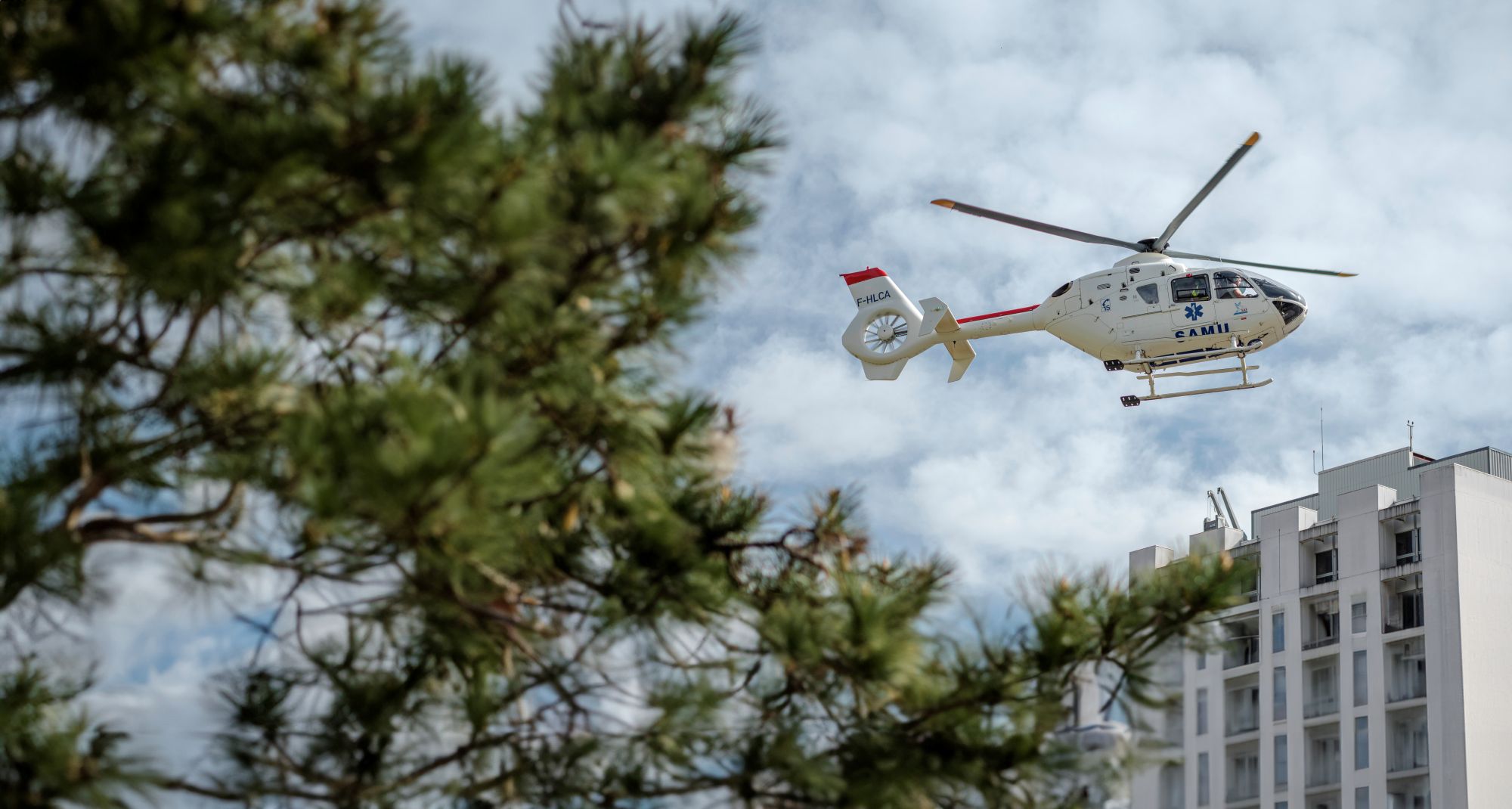
Breathing Difficulty at Kibo Camp: A member from Mexico developed breathing difficulty and a persistent cough at Kibo Camp on Mount Kilimanjaro, Tanzania. Park rangers described low oxygen levels, wheezing, fast heart rate and weakness. When Ops spoke with her, she paused frequently between sentences due to shortness of breath. Given concern for high-altitude pulmonary edema, Global Rescue approved a helicopter evacuation to a medical center for treatment. She was managed for altitude illness and later discharged with medications. The following day, she reported improvement with only a mild cough and wheeze and planned to rest until her return flight to Mexico, declining further check-ins.

Low Oxygen Saturation at Karanga Camp: A 49-year-old US member experienced shortness of breath, chest tightness, oxygen saturation of 74 percent and a heart rate of 139 at Karanga Camp on Mount Kilimanjaro, Tanzania. He also had a severe headache, cough and could not walk without help. With no nearby medical facility, Global Rescue arranged a helicopter evacuation to a hospital for evaluation. Weather delayed the flight until the next day. He was transported, assessed for suspected high-altitude pulmonary edema and acute mountain sickness, treated and released in improved condition to recover at a hotel while awaiting his flight home.

AMS and HAPE on a Trek: A Canadian member reported symptoms of altitude illness on the second day of a Kilimanjaro trek near 11,800 feet/3,600 meters that worsened after climbing to about 15,100 feet/4,600 meters. He descended to Barranco Camp around 12,800 feet/3,900 meters but continued to have headache, shortness of breath, a productive cough, vomiting and left-sided chest pain despite taking medication. Ground extraction would have required ascending before descending, which was unsafe for his condition, so Global Rescue approved a helicopter evacuation to a medical center. He was diagnosed with acute mountain sickness and mild high-altitude pulmonary edema, treated and discharged with medication. He chose to remain in Tanzania for several days and declined further check-ins.

Leg Injury at High Altitude: A 56-year-old French member reported vomiting, severe headache, fatigue, dehydration and breathing difficulty consistent with high-altitude illness while descending from Kibo toward Horombo Camp on Kilimanjaro, Tanzania. She also sustained a right-leg injury during the descent. Due to the severity of her condition, Global Rescue approved a helicopter evacuation to a medical center. She improved with treatment and was discharged to continue recovery before departing for Geneva.

HAPE and Low Oxygen Levels at Barafu: A member from Buenos Aires, Argentina, developed low oxygen levels and a persistent cough at Barafu on Kilimanjaro, Tanzania, and was guided down to Millennium Camp, where symptoms worsened. He reported severe headache, chest pain, shortness of breath, marked weakness, oxygen saturation of 56–60 percent and bubbling sounds with breathing, concerning for high-altitude pulmonary edema with possible cerebral involvement. Global Rescue approved a helicopter evacuation to a medical center for urgent evaluation. He was diagnosed with HAPE and underlying pulmonary fibrosis, discharged with medications and planned to recover at his hotel before his scheduled return flight, declining further check-ins.

Post-Summit Collapse: A member from the United Arab Emirates became ill after summiting Kilimanjaro and descending to Barafu Camp, Tanzania. She experienced dizziness, repeated vomiting, weakness and low oxygen saturation. Although oxygen support offered brief improvement, she was unable to walk and her headache remained severe. Her acute mountain sickness score reached 9 with signs concerning for high-altitude cerebral edema. Global Rescue approved a helicopter evacuation to a medical center, where she was stabilized and later discharged.


The Global Rescue Connection

Every mission in this edition of Mission Briefs underscores a simple reality: emergencies in remote places require immediate, expert response. From helicopter rescues on Kilimanjaro to air evacuations in the Karakoram, from a fractured leg in Ecuador to a spinal injury in Costa Rica, these operations show how quickly a trip can turn into a medical crisis.

When altitude sickness, frostbite, injury or illness strikes far from modern hospitals, access to skilled evacuation and medical coordination makes the difference between decline and recovery. Global Rescue provides that link, ensuring members receive timely transport, stabilization and follow-up care until they are safely on the road to healing.

A Global Rescue membership is more than travel support — it is a lifeline. Members gain 24/7 access to medical advice, field rescue and emergency evacuation services anywhere in the world. Travel may be unpredictable, but with Global Rescue, help is always within reach, no matter how remote the destination.

Categories:

Travel
Share This:

Fishing for Wahoo, Marlin or Swordfish in Late Winter

Where's the best fishing in February and March worldwide? Read this guide.

Article Highlights:

  • Bonefish and permit peak in the Caribbean and Central America with warm weather and steady conditions.
  • Seychelles delivers bucket-list fishing for giant trevally, bumphead parrotfish and bonefish at Farquhar and Astove Atoll.
  • Florida shines with bass in Lake Okeechobee and offshore swordfish, sailfish, permit and tarpon.
  • Patagonia’s Jurassic Lake and Tierra del Fuego offer world-class trout fishing during the late-summer season.
  • Europe and the US freshwater fisheries kick off trout, crappie and ice-fishing seasons in February and March.


February and March may mark the transition between seasons, but for anglers around the world, it is prime time to chase some of the most exciting species. From bonefish and permit in tropical flats to swordfish offshore and from rainbow trout in Patagonia to redfish along the US coast, these months deliver opportunities as diverse as the destinations themselves.


Bonefish in Central America & the Caribbean

In February and March, the Caribbean and Central America offer near-perfect conditions for flats fishermen. Bonefish and permit are the stars of the show in the Bahamas, Cuba, Belize and Mexico’s Yucatán Peninsula. According to an expert at Yellow Dog Fly Fishing, “Warm temperatures, clear skies and stable winds make February and March some of the most reliable months of the year for bonefish and permit.”

Permit fishing heats up across Belize, Honduras and Cuba as the water warms and winds settle, creating the perfect conditions to stalk these notoriously wary fish. Juvenile tarpon also begin to make appearances along the northern Yucatán coast, adding another layer of excitement for anglers who want variety. With sunny skies and cooperative tides, this is arguably one of the best times to be on the flats.


Seychelles: Exotic Adventure in Farquhar and Astove Atoll

Halfway across the world, the Seychelles open their legendary atolls to traveling anglers during February and March. Farquhar and Astove Atoll are among the crown jewels of the Indian Ocean, offering once-in-a-lifetime opportunities to hook giant trevally, bonefish and even the powerful green humphead parrotfish (aka bumphead parrotfish).

These remote waters provide a mix of species unmatched anywhere else. Flats fishing can yield double-digit bonefish in a single session, while deeper edges hold trevally, milkfish and permit. For anglers seeking an exotic destination where nearly every cast brings the possibility of a new species, the Seychelles in late winter is unrivaled.


Swordfish and Bass in the Southern US

Florida shines during February and March, offering both freshwater and saltwater opportunities. In freshwater, Lake Okeechobee and Lake Istokpoga deliver world-class bass fishing. Cooler weather triggers spawning and anglers can expect trophy-size largemouth bass during this period.

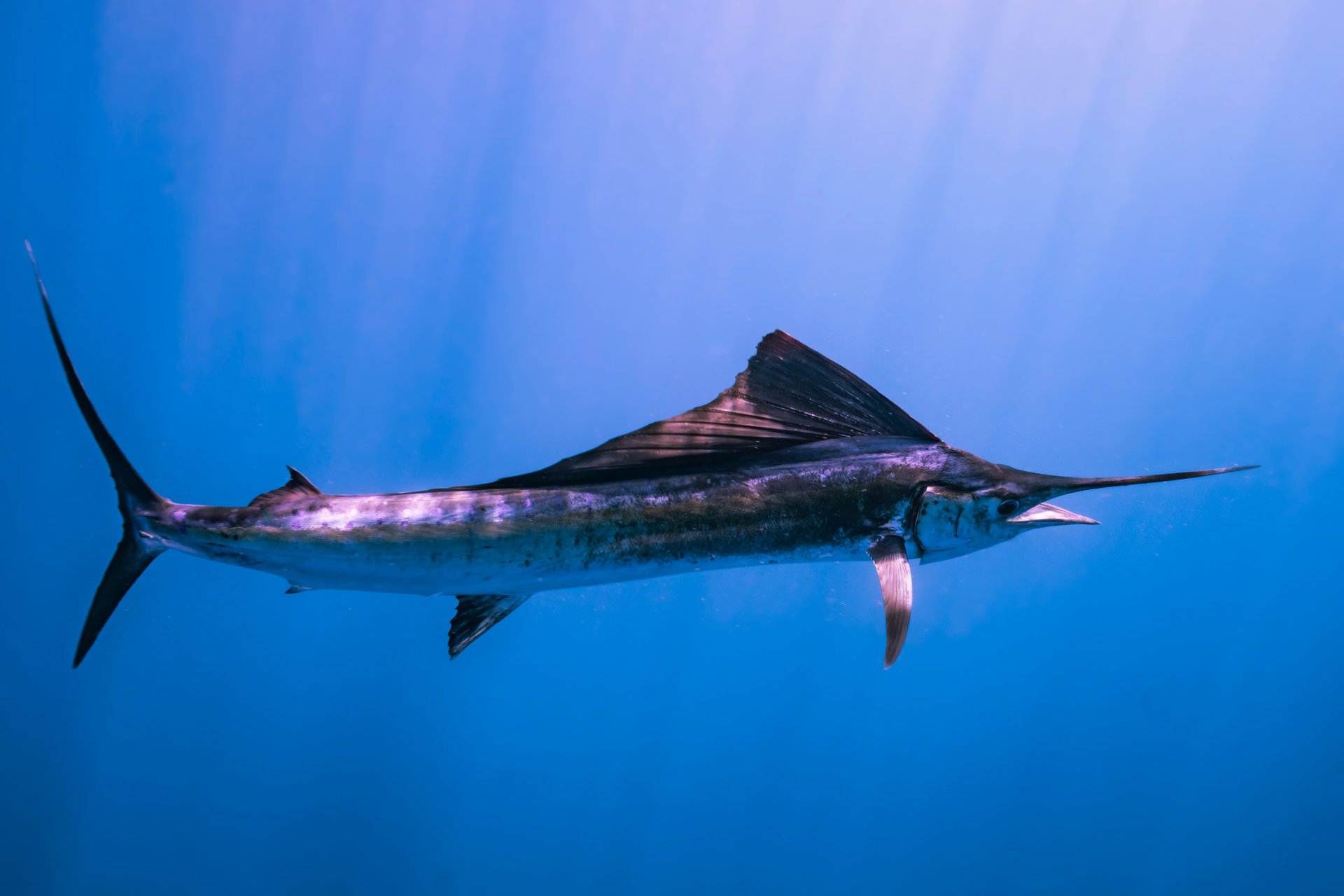
In Islamorada, offshore waters light up with migrating sailfish along the reef edges. Farther offshore, swordfish are a prized target in deep water. An inshore trip may produce gag and black grouper, mutton snapper, kingfish, Spanish mackerel and tarpon. Flats anglers will find permit and bonefish feeding aggressively, making the Keys a true multi-species playground.

Other southern US hotspots also come alive in late winter. Hilton Head Island’s inshore waters hold redfish, speckled trout and flounder. A FishingBooker expert notes that “redfish, also known locally as spot-tail bass, are the highlight of February and March, often schooling in shallow water for incredible sight-fishing opportunities.” The Gulf of Mexico, meanwhile, offers reliable action for yellowfin tuna, wahoo and redfish.


Marlin and Dorado Along Mexico’s Pacific Coast

March marks the beginning of spring fishing on Mexico’s Pacific coast. Nutrient-rich waters attract dorado, marlin and tuna, creating ideal conditions for offshore anglers. According to SunHeron, “March is when West Coast Mexico begins to flourish, with nutrient upwellings drawing pelagic species close to shore and setting the tone for the spring season.”

Whether trolling for blue and striped marlin or casting for dorado in shimmering waters, this part of Mexico provides world-class offshore experiences.


Patagonia: Jurassic Lake and Tierra del Fuego

Patagonia’s late summer and early fall — February and March — offer some of the most productive trout fishing of the year. Jurassic Lake in Argentina becomes especially exciting as cooler temperatures push massive rainbow trout into the shallows. With fish commonly surpassing 10 pounds, it is no wonder this lake has become a bucket-list destination.

In Tierra del Fuego, nymphing and streamer fishing for sea-run brown trout delivers trophy-sized fish. These are some of the strongest brown trout on earth and late-season conditions often produce the best specimens. For serious freshwater anglers, this is one of the ultimate challenges.


Europe and the US: Trout, Ice Fishing and Spring Kickoff

Across Europe, March brings the official start of trout season in countries like Ireland and Slovenia. Rivers swell with early-season water and local anglers return to their favorite beats for the first casts of the year.

In the US, opportunities are equally diverse. Minnesota’s Lake of the Woods offers world-class ice fishing for walleye and sauger in February. Along Georgia’s coast, large schools of redfish and big trout provide consistent action. Florida’s Steinhatchee region produces outstanding trout and redfish fishing, with trout often averaging between 21 and 27 inches.

Farther north, Connecticut’s Farmington River is renowned for trout and also offers pike and smallmouth bass in late winter. In Kentucky, Green River Lake kicks off its fishing season in late March, drawing anglers eager for crappie, smallmouth bass and walleye.


The Global Rescue Connection

While fishing delivers adventure and connection to nature, it also comes with risks, particularly when travel takes anglers to remote waters. Illness, injury or limited medical access can quickly transform a trip into a crisis.

Angler Dolly Webster learned this while tarpon fishing on Great Inagua in the Bahamas. When she fell seriously ill, her partner faced the grim reality that the island lacked adequate medical care. A call to Global Rescue dispatched a medically equipped jet, transporting her to Miami for urgent treatment that saved her life. Without professional intervention, her condition could have escalated dangerously.

Whether it is dehydration on a flats boat, injury from offshore big-game fishing or sudden illness in a remote camp, anglers benefit from knowing that emergency evacuation and medical advisory services are just a call away.

Fishing in February and March spans the globe: bonefish and permit on Caribbean flats, wahoo and swordfish off Florida, marlin off Mexico and trophy trout in Patagonia. Each destination offers its rewards, but also its risks. Remote waters, unpredictable weather and limited medical care can all jeopardize even the best-planned adventure.

That’s why experienced anglers trust Global Rescue. With a membership, fishermen gain the confidence to pursue bucket-list species knowing that expert-led evacuation and medical support are available anywhere in the world. Dolly Webster’s story is proof that quick, professional intervention can mean the difference between a safe return home and a life-threatening situation.

For those planning to cast into exotic waters this season, the best catch may not be a marlin, wahoo or bonefish, but the peace of mind that comes from traveling with Global Rescue.

Categories:

Travel
Share This:

Hunt Deer, Water Buffalo and Canada Geese While Trapping Mink in February and March

Discover the best hunting in February and March worldwide.

Article Highlights:

  • February and March bring peak small game and waterfowl hunting in the US, including rabbits, squirrels, coyotes and Mallard ducks.
  • Argentina’s March “Roaring Season” is prime time for red stag rut hunts, plus opportunities for axis deer and water buffalo.
  • Scotland offers winter rough shooting for Canada goose, Greylag goose, wigeon, Mallard duck, woodcock and other gamebirds.
  • Turkey’s March ibex hunts test endurance and mountain skill, making it one of Asia’s most rewarding late-season hunts.
  • Trapping mink, beaver, muskrat and other fur-bearing animals is at its peak in the cold conditions of February and March.


For many hunters, February and March mark the end of winter and the start of spring, offering unique opportunities across continents. While big-game seasons wind down in some regions, others are just heating up. From chasing late-season deer in the United States to stalking red stag in Argentina or climbing mountains in Turkey for ibex, these months deliver some of the most rewarding hunts of the year.


Deer in North America

In the United States, February is prime time for small game. Rabbits, hares, squirrels, coyotes, foxes, opossums and raccoons remain active, providing variety for hunters eager to extend their season. These pursuits require patience and a keen eye, but they’re ideal for introducing new hunters to the sport or refining woodsmanship skills.

Waterfowl hunting also peaks in February, particularly in the southern states where migratory birds gather in abundance. Mallard duck, wigeon and Canada goose fill the skies, making this one of the most exciting times for waterfowlers. Wetlands, rivers and agricultural fields become hot spots for hunters setting decoys and calling flocks into range.

For big game hunters, February still offers late-season deer hunts in select states. Hardy sportsmen can pursue whitetails under harsh winter conditions, where success often depends on scouting food sources and enduring the cold.

Trappers in the northern states also find February and March especially productive. Mink, beaver, muskrat and other fur-bearing animals are still active and pelts are at their thickest. Cold conditions preserve fur quality, ensuring high returns for trappers who brave icy creeks and snow-covered marshes.


Water Buffalo in South America

In Argentina, March ushers in one of the most famous events in hunting: the red stag rut, known locally as the “Roaring Season.” During this time, massive stags vocalize to defend territory and attract hinds, creating thrilling encounters for hunters. Stalking these animals in the open hills and valleys tests skill and patience and the rut makes them more visible and aggressive.

Argentina also offers excellent hunting for axis deer, blackbuck and water buffalo during this period. Each species provides a unique challenge, from the stealth required to stalk axis deer to the sheer strength needed to face a water buffalo. The diversity of game makes Argentina a top destination in late summer and early fall.


Canada Geese in Europe

Scotland in February is synonymous with rough shooting, a traditional form of hunting that includes a wide range of quarry. Sportsmen can pursue Canada goose, Greylag goose, hare, Mallard duck, partridge, pheasant, pigeon, Pink-footed goose, rabbit, snipe, teal, wigeon and woodcock across the rugged countryside. This is an immersive experience that demands stamina as hunters tramp through varied terrain in search of game.

While the weather can be cold and unpredictable, the abundance of birds and small game makes Scotland a world-class winter destination. Few places offer the same mix of species combined with centuries of hunting tradition.


Bezoar Ibex in Asia

In Turkey, the season for Bezoar ibex extends through March, attracting hunters seeking one of the most challenging mountain trophies on earth. Pursuing ibex requires physical fitness, proper gear and an adventurous spirit. Hunts take place in steep, rocky terrain where endurance is tested with every climb.

The reward is the chance to harvest a magnificent animal with sweeping horns, a prize that is as much about the journey as the result. For those willing to take on the challenge, late winter in Turkey provides the opportunity of a lifetime.


The Risks of Hunting and Why Global Rescue Matters

While hunting offers incredible adventure, it is not without risk. Remote locations, unpredictable wildlife and medical emergencies can turn a hunt into a crisis.

John Abraham, a 47-year-old safari veteran, learned this firsthand in South Africa. Ambushed by a leopard, he suffered devastating injuries, including a shattered femur and severe wrist wounds. A rushed local surgery failed and infection set in. Only Global Rescue’s rapid medical evacuation to Johannesburg saved his leg and possibly his life.

Another member from Michigan fell seriously ill with a fever during a remote African safari. Multiple surgeries and intensive care followed after Global Rescue initiated an emergency evacuation. Without swift action, his outcome could have been fatal.

Retired US Army Special Forces Lieutenant Colonel Rick Steiner also relies on Global Rescue during hunts in high-risk regions like Afghanistan and Cameroon. When fever struck on one expedition, a quick call to Global Rescue provided expert-level medical guidance that could have prevented escalation.

Then there’s the harrowing case of Angie Heister in Zimbabwe, who survived a Cape buffalo attack that left her with collapsed lungs and a dislocated spine. Only a Global Rescue evacuation to Johannesburg saved her life.

These stories highlight an undeniable truth: no matter the preparation, the wilderness can present dangers beyond a hunter’s control. The difference between survival and tragedy often comes down to having the right emergency backup.


The Global Rescue Connection

February and March provide extraordinary hunting opportunities across the globe, from chasing deer and waterfowl in the United States to stalking roaring red stag in Argentina, rough shooting in Scotland, or climbing for ibex in Turkey. Yet every hunt comes with inherent risks, from wildlife encounters to sudden illness far from modern care.

That’s where Global Rescue makes the difference. Hunters who travel with a membership know that one call can deliver medical advice, emergency evacuations, or life-saving surgery access. Just as each hunt demands preparation and skill, every hunter should carry the peace of mind that comes with Global Rescue support.

For those heading into the field this late winter and early spring, the best trophy may not be the stag, goose, or ibex itself, but the confidence of knowing help is never out of reach.

Categories:

Travel
Share This:

Komodo Dragons, Sun Bears and Sea Turtles: Southeast Asia’s Top Wildlife Destinations

Discover Southeast Asia's best wildlife destinations.

Article Highlights:

  • Explore Taman Negara National Park’s ancient rainforest, home to rare Sumatran tigers, rhinos and clouded leopards.
  • Cruise the Kinabatangan River to spot orangutans, proboscis monkeys and vibrant birdlife.
  • Discover Danum Valley Conservation Area’s pristine jungle with pygmy elephants and diverse primates.
  • Visit Komodo National Park to witness the world’s largest lizard in its natural habitat.
  • Experience Con Dao Islands’ sea turtle nesting and Tonle Sap Lake’s rich birdlife.


Southeast Asia is a region where the wild still thrives. Ancient rainforests shelter endangered predators, rivers wind past mangrove-fringed banks alive with primates and remote islands provide nesting grounds for sea turtles. Whether you’re drawn by the chance to glimpse a rare Sumatran tiger, watch orangutans in the treetops or meet the fearsome Komodo dragon, the region’s diversity of habitats offers something for every wildlife enthusiast.


Malaysia: Rainforest Giants and River Life

Taman Negara National Park: As one of the world’s oldest rainforests, Taman Negara National Park is a biodiversity treasure trove. While elusive Sumatran tigers, rhinos and clouded leopards remain rare sightings, elephants, tapirs and multiple monkey species are more readily encountered. Birdwatchers can spot hornbills and kingfishers, while night safaris may reveal slow lorises and civets.

Kinabatangan River: Flowing through Sabah in Malaysian Borneo, the Kinabatangan River offers boat-based safaris where wildlife is often just a few meters away. Orangutans swing through riverside forests, proboscis monkeys lounge in mangrove branches and a kaleidoscope of birdlife, like hornbills and kingfishers, flashes above the water. Dawn and dusk cruises are particularly rich in sightings.

Bako National Park: Sarawak’s oldest national park is small in size but immense in diversity. Here you can see proboscis monkeys, silver leaf monkeys and bearded pigs, alongside pitcher plants and mangroves. Trails vary from short walks to full-day treks, each promising unique encounters.


Borneo: Untouched Rainforests and Rare Species

Danum Valley Conservation Area: This pristine lowland rainforest is one of the last strongholds for Bornean orangutans and pygmy elephants. Clouded leopards and rare bird species also inhabit its depths. Staying at one of the research lodges offers guided treks and night drives that reveal nocturnal life.

Tanjung Puting National Park: Located in Central Kalimantan, Indonesia, Tanjung Puting is renowned for its orangutan rehabilitation centers. Visitors travel by “klotok” houseboats along the river, stopping at feeding stations to watch these great apes up close, while also spotting macaques and hornbills.

Kinabalu National Park: Dominated by Mount Kinabalu, this UNESCO World Heritage Site supports a unique mix of alpine and tropical wildlife. While famous for its botanical diversity, the park also shelters monkeys, civets and an array of bird species found nowhere else.


Thailand: Elephants and Rainforest Encounters

Khao Sok National Park: Southern Thailand’s Khao Sok is home to elephants, monkeys, sun bears and even leopards. Its limestone karsts rise dramatically above Cheow Lan Lake, where boat trips and guided hikes reveal both scenic beauty and wildlife.

Kui Buri National Park: Known as the best place in Thailand to see wild elephants, Kui Buri is also home to gaur, sambar deer and hornbills. Park rangers lead safari-style truck tours that respect animal space while offering close-up views.


Rivers, Islands and Marine Wildlife

Mekong River: In Laos and Cambodia, the Mekong River is one of the last places to spot endangered Irrawaddy dolphins. Local boatmen can guide travelers to viewing areas where these shy creatures surface in calm waters.

Con Dao Islands: Off Vietnam’s southern coast, the Con Dao Islands are a sanctuary for green and hawksbill sea turtles. Nesting season peaks from May to September, with opportunities to witness hatching under the guidance of conservation teams.

Tonle Sap Lake: Southeast Asia’s largest freshwater lake is a magnet for birdwatchers. Storks, pelicans and cormorants thrive in the flooded forests and floating villages, creating a rich mix of culture and nature.


Indonesia: Dragons and Beyond

Komodo National Park: A UNESCO World Heritage Site, Komodo National Park spans multiple islands, each inhabited by the iconic Komodo dragon, the world’s largest lizard. Ranger-led hikes reveal not just dragons but also deer, wild boar and sea life in surrounding reefs.


Cambodia and Laos: Remote Biodiversity

Nakai Nam Theun National Biodiversity Area: In Laos, this protected wilderness harbors gibbons, langurs and rare bird species, offering a truly off-the-beaten-path experience for determined wildlife travelers.

Cardamom Mountains: Spanning southwest Cambodia, the Cardamoms are among Southeast Asia’s last great rainforests. They shelter elephants, tigers and multiple monkey species, with eco-lodges offering guided treks into remote valleys.


The Global Rescue Connection

Wildlife journeys in Southeast Asia often intersect with local traditions and vibrant markets. In Bangkok, for instance, travelers might stop at the floating market, where Nancy Hunsicker once found herself playfully interacting with a snake, a lighthearted moment before her trip took a serious turn.

Nancy, traveling on a small-ship cruise with her husband and friends, had been anticipating her overland trip to Cambodia’s Angkor Wat. But the day before disembarking, she woke at 3 a.m. with severe abdominal pain. Thinking she could push through, she spent the day touring Phnom Penh’s palaces, museums and gardens before her pain worsened.

A local doctor initially misdiagnosed her with food poisoning, but when her condition didn’t improve, her husband called Global Rescue. Within hours, she was in a world-class hospital, diagnosed with a burst appendix, a condition complicated by its unusual placement in her body.

“I damn near died,” Nancy said. “Global Rescue got me to the hospital and was great all the way through. It was a huge comfort.” After surgery and recovery, she continued her trip, grateful for the assistance she never thought she’d need.

Traveling to see wildlife in Southeast Asia often means venturing far from urban centers and modern hospitals. From tracking Sumatran tigers deep in Taman Negara to cruising the Kinabatangan River for orangutans, the most rewarding encounters often take place in remote regions where medical help is hours, or even days, away.

Global Rescue’s worldwide operations team is equipped to respond whether you’re on a jungle trail, a secluded island or a highland riverbank. Their medical advisory and evacuation services ensure that if an accident, illness or unexpected emergency occurs, you have a direct lifeline to advanced care.

As Nancy Hunsicker’s story shows, emergencies don’t wait for convenient locations. Even when you’re not “scooped up out of the jungle,” the ability to get expert medical guidance, rapid hospital transfers and ongoing case monitoring can make the difference between a scare and a life-threatening crisis.

For wildlife travelers, that peace of mind means you can focus on the thrill of spotting elephants, Irrawaddy dolphins or Komodo dragons, knowing that if the unexpected happens, you’re never truly alone.

Share This:

Government Travel Advisories Shape Travel Plans and Perceptions

Uncover trends shaping traveler safety, choices and global perspectives.

Article Highlights:

  • 63% of travelers say government advisories influence their destination choices, with women and younger travelers being more affected.
  • A 14% drop in concerns about how Americans are perceived abroad, signaling an improvement in global sentiment.
  • 71% of travelers report no changes to their plans despite international policy concerns, though younger travelers are more likely to adjust.
  • Destinations in Israel, Pakistan and China top the list for avoidance due to updated government advisories.
  • 72% of travelers are considering or planning to obtain security extraction protection due to rising global instability.


Government-issued travel advisories have long been a key factor influencing travelers’ decisions. But with global uncertainty on the rise, these advisories are now having a more significant impact than ever before. According to the Global Rescue Summer 2025 Traveler Safety and Sentiment Survey, 63% of the world’s most experienced travelers report that government travel advisories affect their destination choices to at least a moderate degree. This growing reliance on safety information has reshaped how people approach international travel.

The survey reveals that safety concerns continue to weigh heavily on the minds of travelers. Whether it’s political unrest, natural disasters, or health-related crises, government travel advisories provide essential updates to travelers seeking reassurance before embarking on a journey. The information is not just a minor consideration; it significantly influences where people choose to go — and where they avoid.

Interestingly, the survey found that women are more likely than men to be influenced by these advisories, with a 6% difference. Furthermore, younger travelers, particularly those under 35, are more likely to report that travel advisories impact them “a great deal” compared to older generations (11% vs. 8%). These trends highlight the increasing importance of safety information and its role in shaping travel behavior.

Dan Richards, CEO of The Global Rescue Companies, underscores the impact of these findings, stating that “safety information from official government sources plays a decisive role in where people are willing to travel.” This shift towards prioritizing safety has led to a heightened focus on emergency preparedness, including memberships and services like Global Rescue, which offer travel security and medical evacuation options.


Perceptions of American Travelers: A Changing Landscape

The Global Rescue survey also sheds light on evolving perceptions of American travelers. Perceptions of Americans traveling abroad dipped in early 2025, but the latest survey indicates improvement, specifically a 14% drop in the number of travelers expecting negative views of US citizens abroad. This shift marks a significant upgrading in global sentiment toward American travelers, a trend that is particularly encouraging for the tourism industry.

Dan Richards notes that this improvement is “a meaningful drop in concern about how Americans are perceived internationally.” While there is still wariness about political developments, the data suggests that most travelers are moving forward with their plans, feeling more confident in their ability to navigate geopolitical tensions.

Despite this positive shift, some travelers remain cautious. For instance, 13% of respondents reported altering their travel due to such concerns, while 16% were still considering changes. The majority (71%) of respondents said that their travel plans have not changed. The survey further reveals that younger travelers under 35 are more likely to adjust their plans than older travelers, with 22% of younger respondents reporting changes to their travel plans compared to just 9% of older travelers.


Asia, Europe, the Americas and the Middle East: Risky Destinations

The influence of government advisories is most visible when considering which destinations travelers are choosing to avoid. In Asia and the Middle East, travelers most frequently reported avoiding destinations like Israel (64%), Pakistan (63%), Jordan (49%), China (45%) and the UAE (35%). Notably, women were more likely than men to avoid Israel and Jordan, with a 12% difference in response rates.

In Europe, however, the majority of respondents (59%) said they would not avoid any destination despite elevated advisories. Albania was the most frequently avoided country in Europe, cited by 22% of respondents, followed by France and Spain.

In the Americas, Colombia (34%), Mexico (33%) and the Dominican Republic (29%) were the countries most avoided. US-based travelers were far more likely to avoid Mexico and the Dominican Republic than non-US travelers, signaling a regional divide in the influence of government advisories on travel plans.


The Growing Demand for Security Extraction Protection

As concerns over international instability grow, 72% of survey respondents indicated they plan to obtain traveler security extraction protection or are considering it. This rise in interest reflects a broader trend in the travel industry: more travelers are seeking peace of mind by investing in services that can quickly evacuate them from potentially dangerous situations.

Non-US travelers were slightly more likely than US-based travelers to consider obtaining such protection (4% more likely), further emphasizing the global nature of these concerns. Security membership services, like those offered by Global Rescue, have become a core part of travelers’ safety plans, offering a lifeline in the event of a crisis, whether caused by political unrest, natural disasters or regional instability.


Domestic Unrest: A Growing Concern for International Travelers

While international tensions dominate the global stage, domestic unrest in the United States is also affecting travel plans. According to the survey, 52% of respondents said that their US travel plans have not changed due to domestic unrest. International travelers, however, are more likely to reconsider travel to or within the US due to concerns over protests and political instability. Nearly 12% of non-US travelers reported canceling travel to the US because of these factors, a stark contrast to the 1% of US-based respondents who canceled travel within the country.

The survey also found that 62% of respondents worldwide said that the political climate in the US does not affect their travel plans. But only 26% of non-US respondents felt the same way. This disparity highlights a growing perception gap between American and international travelers. The data suggests that political factors are increasingly influencing the decisions of non-US travelers, with nearly 20% of them reconsidering future trips to the US due to concerns over civil unrest and political tensions.

Younger travelers, particularly those under 35, are most responsive to political factors and civil unrest. Almost 10% of respondents in this age group reported postponing US travel due to political concerns, more than double the rate of those aged 55 and older. Additionally, 8% of travelers under 35 said they had canceled their US travel plans entirely due to protests or unrest. These findings underscore the significant impact of political developments on younger generations, who are more likely to react to shifts in the political climate.


The Global Rescue Connection

Traveling in 2025 requires careful consideration of safety, security and global developments. As the world continues to navigate political, social and environmental challenges, travelers are increasingly turning to government travel advisories for guidance. Whether it’s adjusting travel plans in response to unrest or seeking security extraction services for peace of mind, it’s clear that safety is paramount.

At Global Rescue, we understand the importance of keeping travelers safe in unpredictable situations. Our services are designed to provide the backup and support you need, whether you’re exploring a new country or navigating domestic unrest. As the world continues to evolve, we remain committed to ensuring that our members are never left behind, offering critical resources, support and evacuation services when needed most. Stay informed, stay safe and let us be your guide in the face of uncertainty.

Categories:

Travel
Share This:

Gobi Desert Motocross in Mongolia: From the Dunes to a Medevac

How a Global Rescue medevac and bedside care resulted in a safe return home.

Article Highlights:

  • Chris Sisson’s motocross adventure in Mongolia’s Gobi Desert ended with a serious femur fracture after a dune crash.
  • Remote location required a challenging overland ambulance transfer before reaching advanced care in Ulaanbaatar.
  • Global Rescue deployed a nurse from the Philippines to provide 11 days of bedside support during surgeries and recovery.
  • Arranged medical evacuation to Canada with a paramedic escort, lay-flat seats and seamless ground transfers.
  • Experience reinforced the value of traveler protection for remote, high-risk motorcycle and overlanding trips.


Chris Sisson was living the dream. The 49-year-old adventurer from Alberta, Canada, had traveled halfway across the world for a “boys’ trip” riding motocross bikes through the rugged landscapes of Mongolia’s Gobi Desert. For five days, the group had ridden across surreal terrain — sand dunes, sweeping plains, and vast stretches of open countryside broken only by grazing herds of horses, camels, and goats. It was remote, raw and exactly what Sisson had hoped for.

“I’m just a big 49-year-old teenager,” Sisson joked. “We were ripping bikes through the dunes, having a blast. The scenery and the culture were amazing.”

But on the fifth day, what should have been another exhilarating ride through towering sand dunes, everything changed in a split second.


Overlanding Crash

It was their first day in the big dunes, and Sisson, known for his fearless energy, was feeling confident. He charged up a tall dune, turned at the top and began the descent. But when he hit the bottom, the throttle was too aggressive. His rear tire caught more traction than expected and violently kicked out.

“The bike shot straight out from under me,” he recalled. “I went down hard and instantly knew I had broken my femur.”

Lying in the sand, waves of pain radiating from his leg, Sisson called out to the group’s guide. As sand blew across the open desert, his friends sprang into action, surrounding him with blankets to shield him from the elements. They knew the location was too remote for a helicopter, and the only available option was a ground ambulance. The clock had started ticking.


Motorcycle Rider Relies on Global Rescue

Fortunately, Sisson wasn’t just relying on luck. Before the trip, one of the group members had suggested they all sign up for Global Rescue, a company specializing in field rescue and medical evacuation services for travelers anywhere including remote or dangerous locations. It was Sisson’s first time as a member and, as it turned out, a life-changing decision.

“I knew Global Rescue would help, but I didn’t know how great they would be,” Sisson said. “They handled everything.”

From the moment Sisson’s accident was reported, Global Rescue managed the emergency. A local ambulance transported him to a small hospital in the village of Rashaant, where he was stabilized with IV morphine. Given the limited resources there, Global Rescue arranged a second transfer, this time to Intermed Hospital in Ulaanbaatar, Mongolia’s capital, known for providing high-quality care to international patients.

It wasn’t just logistics. Global Rescue went far beyond booking rides or making calls. They sent in people.


Medical Escort and Bedside Support in Mongolia

On June 6, more than 2,400 miles from home, Global Rescue deployed Patrick Berza, a registered nurse, to act as Sisson’s bedside advocate. Berza traveled from the Philippines to Ulaanbaatar and spent 11 days in the hospital with Sisson, providing everything from medical oversight to moral support.

“Patrick stayed with me every single day,” said Sisson. “He helped with meals, medications, anything I needed. He even got me a burger from a fast-food chain while at the hospital to bring me a taste of home. I can’t wait to visit him in the Philippines. He became a friend.”

Sisson had suffered a closed displaced and fragmented shaft fracture of his left femur — a serious injury requiring two surgical procedures. On May 29, surgeons performed an external fixation to stabilize the bone. Several days later, he underwent a second surgery to implant an intramedullary nail to support healing. Afterward, Patrick ensured Sisson was never alone.

“It’s not just about medical care,” Sisson said. “It’s about peace of mind. Having someone like Patrick there, it made a massive difference. And back home, my family knew someone was with me, advocating for me. That meant everything.”


Medical Evacuation Home With Another Medical Escort

As Sisson began physical therapy and prepared for the long journey back to Canada, Global Rescue continued working behind the scenes. They assisted in identifying a receiving facility back in Canada by liaising with the local Canadian repatriation program and identified a rehabilitation facility near Sisson’s home — Leduc Community Hospital in Alberta — so he could continue his recovery immediately upon arrival.

But flying home wasn’t as simple as booking a seat.

Sisson’s condition required him to keep his leg extended and elevated throughout the flight — a challenge on any commercial airline. Global Rescue secured lay-flat business class tickets for both Sisson and a second medical escort: John Drane, a licensed paramedic flown in from Puerto Rico.

The two began their journey on June 18. Global Rescue arranged every detail: ground transport from the hospital to Ulaanbaatar International Airport, the multi-leg international flight and paramedical transfer from Calgary Airport to Leduc Community Hospital.

On June 19, they arrived safely in Calgary. A waiting team from Aaron Paramedical Services transferred Sisson to the hospital, where he was assessed in the emergency department and scheduled for orthopedic follow-up.

“It was flawless,” Sisson said. “From Mongolia to my rehab hospital without a single hiccup. Global Rescue took care of everything.”


A Long Road to Recovery

Today, Sisson is 60 days into a 12-month rehabilitation journey. He jokes that his current outings are limited to doctor visits and physical therapy appointments. But he’s not one to sit still for long.

“I’m hoping to be snowboarding in January and surfing in Costa Rica by February,” he said, optimistic as ever.

Though the crash left him physically broken, it didn’t crush his spirit. In fact, the experience reshaped his view of what it means to travel prepared…and who you can count on when things go wrong.

“When I talk to friends and family, I tell them Global Rescue is the best traveler protection I’ve ever used,” he said. “People are shocked when I tell them they flew a nurse out to stay with me. They can’t believe I flew home in first class with a paramedic. It’s next-level service.”


Peace of Mind Beyond Expectations

For a first-time member, Sisson had no idea just how comprehensive Global Rescue’s support would be. From medical coordination and flight logistics to 24/7 communication with his family and even small acts of kindness — like an airport meal or a reassuring word — every touchpoint was handled with care and precision.

“Communication was fantastic, the people were incredible, ipconfig and everything was done right,” Sisson said. “There’s nothing I would change about how it was handled.”

His only regret? Not joining sooner.

“If you’re going somewhere remote or doing something risky, you need Global Rescue,” he said. “It’s not optional. It’s essential.”

As Sisson continues his recovery and looks forward to getting back on the bike, one thing is clear: he won’t travel without Global Rescue again.

“They gave me confidence, safety and support at a time when I was vulnerable and far from home,” he said. “Global Rescue is amazing. I don’t know what I would’ve done without them.”

Categories:

Business Travel
Share This:

Business Travel Safety Advances With GRID System

Global Rescue's GRID system wins the 2025 Skift IDEA Award for revolutionizing business travel safety with real-time crisis alerts and response.

Article Highlights:

  • Global Rescue’s GRID wins 2025 Skift IDEA Award for Industry Innovators – Business Travel.
  • GRID delivers targeted crisis alerts, GPS tracking and real-time communication for business travelers.
  • In 2024, GRID issued over 500,000 alerts tied to nearly 10,000 global events.
  • GRID has safeguarded contractors, journalists, corporate staff and students worldwide.
  • Recognized by Skift, Inc., Travel Weekly and Fast Company for industry-leading innovation.


Global Rescue, the world’s leading provider of medical, security, evacuation and travel risk management services, has announced that its Global Rescue Intelligence Delivery system (GRID) has won the prestigious 2025 Skift IDEA Award in the Industry Innovators – Business Travel category. Out of a record 420 entries and 247 finalists, GRID captured the attention of an independent panel of judges for its groundbreaking approach to protecting business travelers in an unpredictable world.

“We are honored that Skift has recognized GRID with this award,” said Dan Richards, CEO of The Global Rescue Companies. “This achievement reflects our commitment to delivering innovative, real-world solutions that keep travelers safe and informed during crises anywhere in the world.”

The Skift IDEA Award is the latest in a series of accolades recognizing GRID’s industry-leading innovation:

  • Inc. Magazine’s 2022 Best in Business List in Travel and Hospitality for putting purpose ahead of profit.
  • Travel Weekly Gold Magellan Award in 2022 and 2023.
  • Fast Company’s World’s Most Innovative Companies of 2024 for GRID.

These honors reflect GRID’s role in reshaping international business travel safety and its positive impact on travelers, organizations and communities.

GRID was created to minimize risk for business travelers by delivering timely, targeted notifications to those who might be affected by crises, whether civil unrest, disease outbreaks, natural disasters such as floods, hurricanes, earthquakes and volcanic activity, transportation disruptions, communications blackouts or security-related incidents. These alerts go beyond headlines, offering actionable intelligence that enables travelers to make informed, immediate decisions to protect themselves.


International Business Travel Is Safer With GRID

In 2024 alone, GRID delivered more than half a million targeted alerts tied to nearly 10,000 global events. It is the only integrated mobile app in the world to combine medical and security risk intelligence, asset tracking and crisis response. For travelers, the GRID mobile app provides research tools for destination-specific medical and security risks, automatic destination reports, real-time security alerts with analysis and advice, GPS check-ins and secure in-app communications with internal teams and Global Rescue’s Operations Centers. For administrators, the GRID Desktop Control Center delivers 24/7 situational awareness of global risks, real-time threat maps, targeted communications to individuals or groups and direct coordination with Global Rescue’s expert teams.

The system’s capabilities have been tested and proven in some of the most challenging environments. GRID has coordinated evacuations at the onset of the Israel/Hamas war, during violent conflict in Sudan, for journalists reporting from war-torn Ukraine and for students and faculty in Russia. “In an emergency, the GRID app puts its users in immediate contact with the medical teams and military special operations veterans who staff Global Rescue’s global operations centers,” said Harding Bush, associate director for Global Rescue Security Operations and a former Navy SEAL.


GRID History of Success

Over the past 18 months, more than 150 companies have relied on GRID to safeguard their personnel, delivering nearly two million alerts to contractors in unstable territories, journalists in conflict zones, corporate staff on overseas assignments and business travelers caught in global emergencies. This recognition from Skift joins an already impressive list of accolades: Inc. Magazine’s 2022 Best in Business List in Travel and Hospitality for putting purpose ahead of profit; Travel Weekly Gold Magellan Awards in both 2022 and 2023; and a place on Fast Company’s 2024 list of the World’s Most Innovative Companies for GRID 2.0.

The Industry Innovators – Business Travel category honors forward-thinking projects that make measurable impacts on travelers and organizations. GRID’s win underscores Global Rescue’s leadership in travel safety technology, delivering the intelligence and tools needed to navigate a volatile world. “We built GRID to keep travelers safe wherever they are,” said Bush. “Winning this award affirms the value GRID brings to organizations and individuals who need immediate, reliable information and rapid response capabilities.”


The Global Rescue Connection

International business travel offers unmatched opportunities, and significant risks. Unrest, disease outbreaks, natural disasters and security incidents can arise without warning, disrupting itineraries and endangering travelers. GRID gives organizations and individuals the ability to see threats before they become crises, act quickly and stay connected with expert support no matter where they are.

Whether coordinating an evacuation from a conflict zone or alerting a traveler to a transportation strike, GRID delivers life-saving intelligence backed by Global Rescue’s world-class medical and security teams. For companies committed to protecting their people — and for travelers unwilling to compromise on safety — GRID is more than technology. It’s assurance, anywhere in the world.

Categories:

Health & SafetyTravel
Share This:

European Emergency Numbers and Response Reputation

Here's what every traveler needs to know before dialing for aid.

Article Highlights:

  • Emergency response standards in Europe vary widely despite the EU’s shared 112 emergency number.
  • Satellite phone legality differs by country and may require permits, even in Western Europe.
  • Language barriers and outdated systems can hinder help, especially in rural or less developed areas.
  • OSAC reports show serious staffing, training and response time limitations in several popular countries.
  • Travelers should save local emergency numbers, understand mobile and satellite coverage and prepare before departure.


In their blistering 1990 anthem “9-1-1 Is a Joke,” Public Enemy took aim at America’s inconsistent emergency response in marginalized communities. It was a protest song, and a warning.

Three decades later, that message hits unexpectedly close to home for Western travelers, assuming emergency services in Europe are just a phone call away. While the European Union’s universal emergency number (112) is a major step toward standardization, response times, service quality, language barriers and even the operability of the number itself still vary widely from country to country — and sometimes city to city.

Dialing 112 in Vienna or Amsterdam might connect you instantly to multilingual operators with efficient dispatch. But in rural Greece or parts of Eastern Europe, you might still find yourself explaining a crisis to someone who doesn’t speak English, or waiting while a call bounces between agencies. In some cases, local responders are under-resourced and non-violent emergencies may fall low on the priority list.

Add to this the uneven legal landscape for satellite phones — fully legal in France and the UK, tightly regulated in others — and travelers relying on high-tech backups may still find themselves out of reach when it matters most. Even cellular coverage, while strong in most of Western Europe, can thin out fast in mountainous regions, countryside villages or ferry routes between islands.

The Global Rescue Intelligence team analyzed what travelers need to know about dialing for help in Europe’s most visited destinations, from local emergency numbers to cell network reliability and the legal status of satellite communications. Because no matter how far from home you roam, Public Enemy’s lyrics – “Get up and get, get, get down / 9-1-1 is a joke in your town” — may sometimes be a joke in some European destinations, too.


France and Germany

In France, travelers should dial 112 for general emergencies, while police can be reached at 17, ambulances at 15 and fire services at 18. Satellite phones are permitted, though some frequencies may require authorization. France boasts extensive 4G and 5G mobile coverage, particularly in urban areas. The Overseas Security Advisory Council (OSAC) notes that while French emergency services are generally professional, non-French speakers may encounter delays while waiting for English-speaking responders. Medical care is comparable to the US, but visitors should go to the nearest police station for non-emergency issues.

Germany uses 112 for fire and ambulance and 110 for police emergencies. Satellite phones are legal but regulated. Cellular connectivity is robust, with widespread 4G and growing 5G coverage. According to OSAC, Germany’s police dispatch operates similarly to the US, prioritizing emergency calls efficiently. Privacy laws, however, prevent dispatchers from automatically locating mobile callers; users must consent via SMS to enable geolocation during emergencies.


Italy and Spain

The national emergency numbers in Italy are 112 for police, 118 for ambulance and 115 for fire. Satellite phones are allowed with proper registration. Mobile network coverage is reliable in most areas. OSAC reports Italy’s police and Carabinieri are well-trained and maintain a visible presence. But travelers should be alert to criminal scams, especially in high-traffic tourist zones like train stations and bars.

Spain relies on the universal 112 for all emergency services. Satellite phones are legal, and mobile networks offer widespread 4G and expanding 5G coverage. According to OSAC, Spanish authorities are professional and responsive. English-speaking support is often available for tourists, and ambulance services are widely accessible. Healthcare is on par with the US.


UK and Greece

The United Kingdom uses 999 or 112 for emergency services. Satellite phones are legal, with some usage requiring a license. The UK offers reliable 4G and growing 5G coverage, though rural areas may have weaker signals. OSAC highlights that while the UK emergency services are comparable to US standards, they often face staffing shortages and budget constraints. Police remain professional and community-focused despite resource challenges.

Greece maintains a general emergency number of 112, with direct numbers available for police (100), ambulance (166) and fire (199). Satellite phones are allowed but may need to be registered. Mobile service is generally strong in urban areas. OSAC points out that Greece’s police, although tactically skilled in specialized units, struggle with staffing shortages, limited resources and traffic congestion, which often delays emergency responses.


Portugal and the Netherlands

Portugal uses 112 as the national emergency number. Satellite communications are legal and regulated, and mobile coverage is strong with growing 5G access. OSAC notes that Portuguese law enforcement is generally professional. Hospitals are widely available but may lack English-speaking staff.

In the Netherlands, 112 covers all emergencies. Satellite phones are legal, and cellular networks are highly reliable throughout the country. According to OSAC, Dutch police are professional and respond efficiently, typically aiming to arrive within 15 minutes. Smaller stations, however, may close after hours and due to staff shortages, police availability could be limited, particularly in less populated regions.


Switzerland and Austria

Switzerland provides access to 112 as a general emergency line, with additional numbers for police (117), ambulance (144) and fire (118). Satellite phones are legal, but usage may require licensing. The mobile network is strong nationwide. OSAC reports that Swiss police are highly professional, though response delays may occur if bilingual officers are unavailable or if the incident is deemed non-severe.

Austria’s emergency services can be reached at 112 for general emergencies, 133 for police, 144 for ambulance and 122 for fire. Satellite phones are legal with registration requirements. The country enjoys comprehensive 4G and expanding 5G coverage. OSAC describes Austrian police services as highly professional and well-trained, often including English-speaking officers in larger cities and tourist areas. NGOs, however, have raised concerns over potential profiling practices by law enforcement.


The Global Rescue Connection

Before heading to Europe, travelers should store the correct emergency numbers for each destination, check the rules surrounding satellite phone use, and explore the benefits of using a local SIM or eSIM for dependable connectivity. In rural regions or during high-risk travel, having the right tools and knowledge can mean the difference between getting timely help and being stuck in a crisis without support.

When a serious illness or injury strikes during your trip, a Global Rescue membership ensures you’re transported from the location of the emergency directly to a medical facility equipped to treat your condition. If the nearest option falls short, Global Rescue arranges transport to a hospital that meets your needs — even if that means going home.

“The closest medical facility isn’t always the right one. Global Rescue gets you to the most appropriate hospital for your illness or injury,” said Dan Stretch, operations manager at Global Rescue.

Traditional travel insurance often struggles to deliver during real emergencies. That’s where Global Rescue steps in, providing immediate field rescue and medical evacuation without the usual hurdles like paperwork, deductibles, or delays. It’s rapid, no-hassle help when you need it the most.

Categories:

Travel
Share This:

Resilient Travelers Use Travel Points and Preparation To Keep Trips on Track

Survey shows travelers use rewards, dodge risky airports and stay calm amid natural hazards.

Article Highlights:

  • 63% of global travelers use points for travel, with similar rates across age and gender.
  • US travelers are 35% more likely than non-US travelers to redeem points for travel.
  • 41% of travelers avoid dangerous airports; under-35 travelers are less likely to do so.
  • Volcano eruptions and earthquakes rarely deter experienced travelers from visiting high-risk zones.
  • Women are more cautious than men about visiting volcanic and earthquake destinations.


Nearly two-thirds of the world’s most experienced travelers (63%) use points for travel to pay for some or all of their trips. It’s a trend that spans all demographics. Men (65%) and women (61%) redeem points at almost the same rates, and the pattern holds across age groups: 62% of travelers under 35, 66% of those aged 35–54 and 63% of travelers 55 and older.

“Whether you’re young or old, male or female, points-based travel has become a core strategy for managing travel expenses,” said Dan Richards, CEO of The Global Rescue Companies and a member of the US Travel and Tourism Advisory Board at the US Department of Commerce. “But we see a sharp divide between US and non-US travelers.”

That divide is clear: US travelers are 35% more likely to use points for travel than their international peers (67% vs. 50%). Meanwhile, 41% of non-US respondents said they never use points, a rate nearly 46% higher than Americans (41% vs. 28%). Differences in loyalty programs, credit card rewards and access to competitive travel credit cards may explain the gap.


Dangerous Airports: Why 4 in 10 Travelers Avoid Them

Flight delays and cancellations are prompting many travelers to avoid dangerous airports, defined here as those with frequent operational issues. According to the survey, 41% of all respondents are scheduling air travel to bypass airports like Newark, LAX, Toronto Pearson, London Gatwick and Charles de Gaulle.

Avoidance behavior is similar between men (41%) and women (43%), as well as travelers aged 35–54 (38%) and those 55+ (43%). The exception is travelers under 35, who are 25% less likely to avoid dangerous airports (31%).

US travelers are especially proactive. They are 42% more likely to avoid problem airports than non-US travelers (45% vs. 31%). In contrast, 31% of non-US travelers are comfortable using these airports, compared to 25% of Americans.


Volcano Eruptions Rarely Alter Travel Plans

Recent volcano eruptions in Italy and Indonesia have not significantly changed travel plans for most respondents. Despite the global headlines, the overwhelming majority said these events have not made them less willing to visit volcano sites.

“The data shows that volcano eruptions are not deterring most travelers,” Richards said. “For a small group, concerns about environmental risk are real, and they’re choosing destinations more carefully.”

Women were 44% more likely than men to say they were “a little less willing” to visit volcano sites (17% vs. 11%). Younger travelers under 35 were more than twice as likely to say they were “much less willing” to visit (7%) compared to older travelers.


Earthquakes and Destination Avoidance Patterns

After the Santorini, Greece, earthquake, nearly nine out of ten travelers said it did not affect their willingness to visit destinations in active earthquake zones.

Among the small group reconsidering trips, Kathmandu, Los Angeles, San Francisco, Tokyo and Kyoto top the list of destinations to avoid. On the other hand, Vancouver, Auckland, Wellington and Santiago cause little concern.

Women are more likely than men to avoid earthquake-zone destinations. Twice as many women said they would avoid Kathmandu (7% vs. 4%), 50% more would skip Manila and 25% more would bypass Tokyo/Kyoto.


The Global Rescue Connection

For seasoned travelers, travel reward points programs, avoiding dangerous airports and continuing trips despite volcano eruptions or earthquakes are part of a larger philosophy: preparation. Global Rescue members know that even with the most meticulous planning, unexpected events can happen, from operational airport shutdowns to environmental hazards.

Consider Brittany and Noah Myers, who set out on their honeymoon trekking in Nepal’s Gokyo Valley when a massive earthquake struck and they found themselves alone, without a guide and surrounded by uncertainty. Global Rescue provided critical information, emotional support and guidance to help them navigate the chaos and return safely, turning a near disaster into a testament to resilience and preparation.

It’s not an isolated incident. There are cautionary tales about the unexpected dangers travelers can face anywhere in the world. With medical and security evacuation services, destination intelligence and real-time alerts via the GRID system, Global Rescue equips members to adapt quickly and safely, ensuring that even when the unexpected happens, the trip can continue.

With medical and security evacuation services, destination intelligence and real-time alerts via the GRID system, Global Rescue equips travelers to adapt quickly and safely. Whether rebooking with points, rerouting around a dangerous airport or confidently visiting a region near a volcano or in an earthquake zone, experienced travelers trust Global Rescue to ensure their trips continue — no matter the disruption.

Categories:

Travel
Share This:

Michelin Star Restaurants and Fine Dining in Remote Regions

How to savor haute cuisine off the beaten path.

Article Highlights:

  • Michelin-starred restaurants in remote locations offer a unique blend of exceptional cuisine and adventure.
  • Akakichi in Japan highlights the challenges of reaching distant culinary destinations.
  • The cost of dining at these remote Michelin-starred restaurants reflects the exclusivity of the experience.
  • Remote regions present risks such as unpredictable weather, limited medical services and difficult terrain.
  • Global Rescue’s emergency medevac services and medical advisory for gastrointestinal issues offer crucial support for travelers in these isolated areas.


Michelin-starred restaurants represent the pinnacle of culinary excellence, but some of the most extraordinary dining experiences are found in some of the most remote corners of the globe. These restaurants offer a unique blend of exceptional food and stunning surroundings, but getting there can be a trip filled with risks and challenges. Here, we explore some of the most remote Michelin-starred gems, diving into their food, cost, setting and the risks travelers may face when venturing to these far-flung destinations.


Akakichi – Japan

Located in the mountainous rural region of Japan, Akakichi offers an intimate, high-end kaiseki dining experience. Chef Yuji Akakichi’s menu is a showcase of Japanese seasonal ingredients, with an emphasis on wild fish, seasonal vegetables and meats. The dishes are deeply rooted in Japanese traditions, with an aesthetic that focuses on wabi-sabi—the beauty of imperfection. Guests can expect delicate flavors, such as sakura mochi paired with wild fish, beautifully arranged in traditional wooden bowls.

A meal at Akakichi comes with a hefty price tag, with tasting menus starting at around $180 per person. The restaurant is located deep within Japan’s rural mountains, offering an authentic, serene atmosphere. Reaching Akakichi, however, requires navigating narrow, winding mountain roads and access to public transportation is limited. The isolated location poses risks, especially during harsh weather conditions, which can make driving difficult and dangerous. There is also limited access to medical facilities in this rural area, making it essential for travelers to plan for any potential health concerns during their visit.


Bras – Laguiole, France

Located in the small village of Laguiole in southern France, Bras is a Michelin-starred restaurant offering modern French cuisine with a deep connection to the region’s local ingredients. Chef Sébastien Bras has created a menu that celebrates the Aveyron region, with dishes that feature locally sourced vegetables, meats and cheeses. One of the signature dishes, “entrée du potager,” reflects the restaurant’s focus on simple, yet elevated, flavors, incorporating seasonal produce in inventive ways.

A meal at Bras costs around $150 to $250 per person for the tasting menu, which offers a full immersion into the flavors of the Aveyron region. The restaurant’s modernist architecture and panoramic views of the surrounding countryside create a tranquil atmosphere that feels worlds away from urban life. Getting to Bras, however, requires a drive through the rural, winding roads of the Aveyron region and the journey can be complicated during winter months when snow and ice may block access. While the region is generally safe, the isolation can pose risks, as medical services are few and far between. Travelers should be prepared for the challenges of navigating unfamiliar roads and possible weather-related delays.


L’Enclume – Cartmel, England

L’Enclume, located in the village of Cartmel in the Lake District, offers a Michelin-starred dining experience rooted in the flavors of the British countryside. Chef Simon Rogan’s menu focuses on seasonal ingredients from the surrounding area, with dishes like wood pigeon with wild mushrooms and smoked eel with pickled vegetables. The restaurant’s commitment to farm-to-table practices reflects the rustic, pastoral beauty of the Lake District.

The tasting menu at L’Enclume costs around $180 per person, offering an unforgettable experience that celebrates the flavors of the Lake District. The restaurant’s location in Cartmel offers sweeping views of the surrounding hills and valleys, providing an idyllic backdrop to the meal. The Lake District’s remote setting, however, means limited access to transportation and services. While Cartmel is accessible by car, the winding, narrow roads of the region can be hazardous, particularly during winter months when snow and fog are common. Additionally, access to medical services may be delayed due to the area’s isolation, so travelers should be cautious and prepared for any potential health emergencies.


Blue Hill at Stone Barns – Pocantico Hills, USA

Located in Pocantico Hills, New York, Blue Hill at Stone Barns is a farm-to-table restaurant that offers a unique dining experience, blending sustainability with fine dining. The menu at Blue Hill is dictated by what is in season on the farm, with dishes like roasted root vegetables and pasture-raised meats taking center stage. The restaurant is known for its commitment to organic, sustainable farming practices and its menu changes frequently based on what is available from the farm.

A tasting menu at Blue Hill at Stone Barns starts around $200 per person, with prices increasing for wine pairings and additional courses. The restaurant’s setting on a working farm in Pocantico Hills offers a picturesque environment, though it’s just an hour’s drive from New York City. While it is relatively accessible, the remoteness of the farm does present risks, particularly when it comes to medical emergencies. Being a rural location, access to medical facilities may take longer and travelers should have a solid health insurance plan in place when visiting. The farm’s isolated nature also means limited transportation options and visitors should be prepared for the challenges of getting to and from the restaurant in case of unexpected delays.


Locanda Don Serafino – Ragusa, Sicily

Locanda Don Serafino is a Michelin-starred restaurant located in Ragusa, Sicily, a charming town that offers both historical charm and modern culinary excellence. The menu at Locanda Don Serafino takes traditional Sicilian dishes and elevates them with a contemporary twist. Signature dishes like caponata and swordfish with pistachio pesto showcase the vibrant flavors of the region, with an emphasis on fresh, local ingredients.

The tasting menu at Locanda Don Serafino typically costs between $100 and $150 per person, making it one of the more affordable Michelin-starred options on this list. The restaurant’s setting in Ragusa offers a stunning view of the Sicilian countryside and the town’s UNESCO World Heritage status adds to its allure. Reaching Ragusa, however, requires navigating narrow, winding roads in the hilly Sicilian countryside. Travelers may face delays due to weather, particularly during rainy seasons when roads can become slippery. Additionally, medical services in the area may be limited, so visitors should be prepared for the possibility of longer response times in the event of an emergency.


The Global Rescue Connection

Dining at Michelin-starred restaurants in remote regions offers not only a chance to experience extraordinary food but also a sense of adventure as you travel to far-off lands. These locations combine culinary excellence with breathtaking natural beauty, creating experiences that are as much about the journey as the meal itself. But their remoteness comes with its own set of challenges. Travelers must prepare for unpredictable weather, challenging terrain and limited access to medical facilities. For those willing to take the risk, the reward is an unforgettable culinary adventure, but it’s essential to consider the potential risks involved.

When venturing into remote areas, the need for emergency services is a top priority. Global Rescue’s emergency medevac services are invaluable for travelers in these situations. As Jeff Weinstein, Global Rescue’s Medical Operations Manager, explains, “When you’re in a remote area, it’s crucial to have a plan for emergencies. If you need to be evacuated due to injury or illness, we ensure that you get the best possible care, no matter how isolated you are.”

In addition to medical evacuations, Global Rescue offers medical advisory services to travelers who may experience gastrointestinal issues, which are common when trying new or unfamiliar foods. As Weinstein notes, “Traveling to remote regions often means encountering foods that your body isn’t used to. If you’re feeling unwell due to something you’ve eaten, we can offer real-time medical advice and arrange for treatment if needed.”

With Global Rescue, travelers can rest assured that whether they’re enjoying an extraordinary meal in Japan or exploring the countryside of Sicily, emergency assistance is just a call away. Having access to professional support gives peace of mind, allowing travelers to focus on the experience without worrying about potential risks.

Share This:

Sherpas, Bush Planes and Speedboats: The Wild Ways Global Rescue Gets You Out of Danger

Learn about the some of the extraordinary medevac methods Global Rescue uses to save lives in the world’s wildest places.

Article Highlights:

  • A senior executive broke her leg on Indonesia’s Mt. Tambora and was evacuated by mobile hammock.
  • A traveler with a shattered ankle was rescued by speedboat from Wayag Island’s steep terrain.
  • A climber with HAPE was aided by a Sherpa and then airlifted from Annapurna 1.
  • A maritime extraction saved travelers caught in Sudan’s civil unrest.
  • A bush plane medevac rescued a burn victim from a Canadian Arctic research lab.


When most people picture a medical evacuation, they imagine helicopters, flashing lights and sirens. But in the most remote corners of the world — where roads don’t exist and airstrips are just windswept stretches of tundra — medevac missions look nothing like what you see on TV. Sometimes, your stretcher is a makeshift hammock. Sometimes, your lifeline is a Sherpa, a speedboat, a bush plane cutting through Arctic crosswinds or even a mule trekking over a glacier.

Medical evacuations in these environments demand more than a policy number. They require resourcefulness, urgency and a professional team capable of coordinating complex operations under extreme conditions. Most travel protection providers won’t rescue you from the point of injury or illness. You have to get yourself to a hospital before their services even begin. That means if you’re stuck on a volcano with a broken leg or stranded at 26,000 feet with altitude sickness, you’re on your own.

Global Rescue was built for those moments. As the pioneer of worldwide field rescue, Global Rescue does what others won’t: come get you. By any means necessary: helicopters, 4x4s, speedboats, bush planes, rescue teams on foot. We extract injured or ill travelers from the most inaccessible corners of the planet and bring them to the nearest hospital equipped to help.

These are real accounts of rescues. Complex, urgent and often unconventional operations that highlight the realities of medical evacuations in remote environments. The following operations illustrate the lengths to which Global Rescue’s trained teams must go to assist traveling members in need, using whatever methods the terrain and situation demand.


Mobile Hammock Rescue on Indonesia’s Deadliest Volcano

For Cheryl Gilbert, hiking is more than a hobby; it’s a lifelong passion. The senior executive has trekked the Great Wall of China, summited Mt. Fuji and Mt. Kinabalu and walked 500 miles across Europe. But it was on a remote Indonesian volcano that she faced her first serious injury.

Mt. Tambora, infamous for its catastrophic 1815 eruption, is now a quiet and remote national park. Gilbert was on her descent when her foot plunged into a leaf-covered hole. “I came down on the foot and I heard it crack,” she said.

Unable to walk, she crab-crawled a kilometer downhill before her team could safely bivouac. A recorded message was sent to Global Rescue, kicking off a complex extraction process. With no way to land a helicopter and nightfall approaching, the team waited until morning. Then came the remarkable solution: porters arrived with bamboo poles and sarongs, fashioning a mobile hammock to carry her five kilometers to the base.

Eventually, Gilbert was transported across the country by bush plane to a hospital in Jakarta, accompanied by a Global Rescue nurse who smoothed every logistical and medical detail along the way.


Rescue by Mule in Peru

Sometimes, the terrain wins and helicopters can’t reach you. That was the case for a snow-blind mountaineer stranded on Peru’s Quelccaya Glacier. Airspace was open, but altitude and conditions made helicopter rescue impossible.

“So, we sent in a ground team, and a mule,” said Harding Bush, a former Navy SEAL and Global Rescue’s associate director of security operations. “It wasn’t fast, but it worked.” The mule carried the blinded climber off the glacier to safety, proving once again that Global Rescue’s approach isn’t about the most glamorous vehicle, but the one that gets you to safety during a medical emergency.


Speedboat Rescues From the Remote Islands of Indonesia

When you’re deep in the Indonesian archipelago, surrounded by sea and far from modern hospitals, access to urgent medical care often depends on speed and coordination over water.

A US surfer in the Mentawai Islands learned this firsthand after being struck in the head by his surfboard, suffering a serious eye injury. With no advanced medical facilities on the island and the risk of permanent damage increasing by the hour, Global Rescue arranged a private speedboat to transport him to Padang on the Sumatran mainland. The swift evacuation ensured he received immediate surgery, ultimately saving his eye.

Further east, in Raja Ampat’s Wayag Island, a Singaporean traveler fell while navigating a steep slope, sustaining a distal ankle fracture and partial dislocation. Remote and without reliable access to emergency transport, the island presented similar challenges. Global Rescue coordinated a field rescue using a high-powered speedboat to reach Sorong Port, followed by a ground ambulance to a local hospital. Once stabilized with a cast and advised to delay surgery until swelling subsided, the member returned home for further treatment.

In Indonesia’s far-flung corners, where helicopters are limited and roads nonexistent, a fast boat can make all the difference. These rescues show how critical maritime evacuations can be when time, terrain, and tides are working against you.


Sherpa-Aided Descent from Annapurna 1

Annapurna 1 isn’t just high, it’s dangerous. After summiting the 26,545-foot peak, a climber began his descent and showed signs of HAPE (high-altitude pulmonary edema): shortness of breath, extreme fatigue and confusion.

Stranded at Camp 4 during the night with no available landing zone for a helicopter, Global Rescue worked with a Sherpa to guide the member down 3,000 feet to a more stable altitude. Even then, the terrain didn’t allow for a standard evacuation. A long-line helicopter extraction — where the patient is airlifted while suspended from a cable — was required.

At Base Camp, Global Rescue staff took over. The member was stabilized at a hospital, treated for HAPE and recovered fully thanks to a seamless rescue and medical handoff.


Yacht Extraction From Sudan During Civil Unrest

Not all rescues involve accidents. Sometimes, it’s geopolitics that turns a trip into a crisis. That was the case in Sudan, where civil war broke out suddenly, stranding travelers in Port Sudan without viable overland or air escape routes.

As embassies evacuated staff, travelers without a plan were at severe risk of being left behind. Global Rescue, led by a team of special operations veterans including former Navy SEALs, coordinated the extraction of multiple travelers by sea. The solution? A 600-mile maritime evacuation by a yacht capable of open-sea transport to Egypt.

“This was not a trip for pleasure,” said Bush. “This was a mission to get people out before the fighting reached the coast. Once Port Sudan fell, extraction would have been nearly impossible.”


Bush Plane Medevac From the Canadian Arctic

In the Arctic, there are no roads. When a US traveler working at a Canadian research station suffered multiple first- and second-degree burns, the only way out was via bush plane.

Global Rescue orchestrated the remote extraction from the frozen lab site. The injured traveler was flown to a nearby hospital where he received urgent treatment for burns to his hands, head, arms and chest. After stabilization, he returned to Seattle for further care.

The bush plane wasn’t just a transport, it was the difference between timely treatment and a potentially life-threatening delay.


The Global Rescue Connection

Whether it’s a mule on a glacier, a hammock on a volcano or a speedboat navigating island reefs, Global Rescue doesn’t just cover you, we come and get you.

Most travel protection providers leave you stranded at the worst moment: the moment you’re injured, lost or unable to move. They require you to get yourself to the hospital before help begins. That means navigating foreign languages, remote terrain and unfamiliar systems on your own while you’re experiencing a medical emergency.

Global Rescue does the opposite. We pioneered worldwide field rescue, offering boots-on-the-ground extractions, not reimbursements after the fact. When you contact us, we deploy helicopters, bush planes, 4x4s, boats or people on foot. We send medical professionals and evacuation specialists to your exact location and stay with you until you’re safe.

In remote mountains, at-sea crises, politically unstable regions or Arctic wilderness, Global Rescue moves heaven and earth to bring you home.