Share This:

Chest Pains in the Amazon

A U.S. member needed a field rescue after experiencing a sharp, stabbing pain on the left side of his chest during a boat trip in the Amazonas region of Brazil. Doses of aspirin alleviated some…

A U.S. member needed a field rescue after experiencing a sharp, stabbing pain on the left side of his chest during a boat trip in the Amazonas region of Brazil. Doses of aspirin alleviated some discomfort, but the pain persisted overnight and into the morning. Global Rescue medical operations initiated a field rescue. Unfortunately, no float planes or helicopter transports were available. Ultimately, ground transport was arranged and successfully conveyed the member to an airport where a cardiologist met with him for an examination and evaluation. The physician accompanied the member to a hospital in Manaus. Following an array of diagnostic tests the member was treated for hypertension, yet the cause of his chest pains was inconclusive based on the test results. He made an appointment with his cardiologist in the U.S. and based on his improving condition, felt confident to return home.

Share This:

Surfing Accident in Costa Rica

Surfing can be thrilling, but it comes with risks. The most common injuries are caused by contact with the surfer’s own board or someone else’s board. In the case of one member from the U.S.…

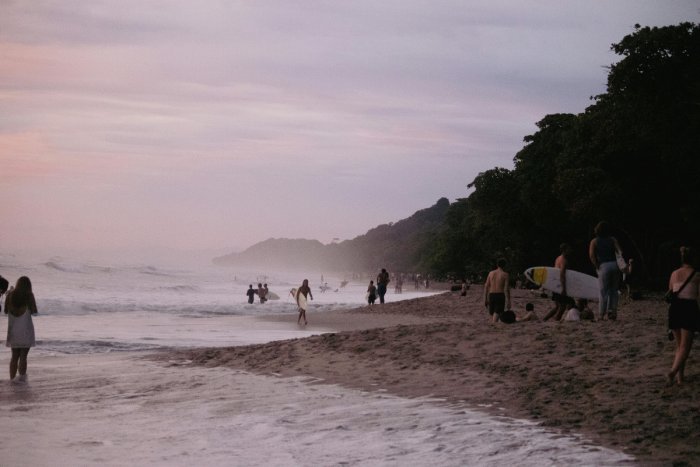
Surfing can be thrilling, but it comes with risks. The most common injuries are caused by contact with the surfer’s own board or someone else’s board. In the case of one member from the U.S. who was taking a surfing lesson in Costa Rica, the culprit for his injury was landing head first on the sand. His fall led to severe neck and head pain and prompted local authorities to transport him by aircraft to a nearby hospital. The member was examined and diagnosed with hangman’s fracture, a bilateral fracture of cervical vertebrae 2 and 3. He was deemed fit to fly via air ambulance and, due to the nature and severity of his injury, Global Rescue operations handled his transport from the hospital in San Rafael, Costa Rica, to a medical center in Colorado where he continued his treatment and recovery.

Share This:

Skiing Accident in California

A member from New Zealand needed a medical evacuation following a skiing accident resulting in a severe ankle injury diagnosed as a ruptured Achilles tendon. He was advised by the treating orthopedic doctor to have…

A member from New Zealand needed a medical evacuation following a skiing accident resulting in a severe ankle injury diagnosed as a ruptured Achilles tendon. He was advised by the treating orthopedic doctor to have immediate surgery. Global Rescue was contacted and arranged for the member to return to his home hospital of choice in a commercial airline business class seat to be able to elevate his injured leg. He was also provided with a wheelchair and luggage assistance. The member arrived at his destination safely where he followed up with his local physician for surgery and to continue his recovery.

Share This:

Rough Landing While Paragliding in Colombia

A U.S. member was paragliding in Colombia when she experienced a rough landing and injured her ankle. She was examined and diagnosed with a broken ankle, specifically a fracture of the left tibial malleolus, with…

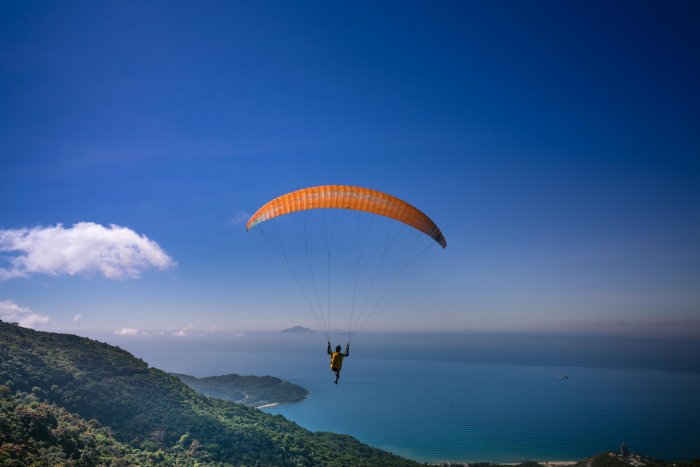
A U.S. member was paragliding in Colombia when she experienced a rough landing and injured her ankle. She was examined and diagnosed with a broken ankle, specifically a fracture of the left tibial malleolus, with a recommendation for surgery to repair the damage. Global Rescue confirmed that the local treatment team would not be able to perform the surgery for a couple of days and recommended the member return immediately to her home for her surgery. Global Rescue arranged for an expedited return flight with business class seating and ground transportation. She arrived safely back at home in Washington where she followed up with her orthopedic physician for surgery.

Share This:

Head and Back Injuries in Mexico

A U.S. member needed medical evacuation to a hospital with a higher level of care following a paragliding accident in Mexico. He reported lower back pain but following an initial medical examination, physicians diagnosed him…

A U.S. member needed medical evacuation to a hospital with a higher level of care following a paragliding accident in Mexico. He reported lower back pain but following an initial medical examination, physicians diagnosed him with mild traumatic brain injury and possible damage to several vertebrae. Global Rescue physicians reviewed the case and concurred with the recommendation. The member was successfully transported to another hospital where he was admitted overnight following a diagnosis of a burst fracture, a condition where the vertebra is crushed in all directions. The treating physician determined surgery was not immediately needed. The member was discharged the next day with a back brace to be worn for six to eight weeks for support until further evaluation was done in his home country. Global Rescue provided ongoing ground transportation for him during his remaining days in Mexico until his return flight home.

Share This:

Dangerously Low Oxygen Saturation on Aconcagua

A U.S. member climbing Aconcagua, the highest mountain in South America, was suffering from symptoms consistent with HAPE (high-altitude pulmonary edema). He was examined and treated with medications provided by physicians deployed to the mountain.…

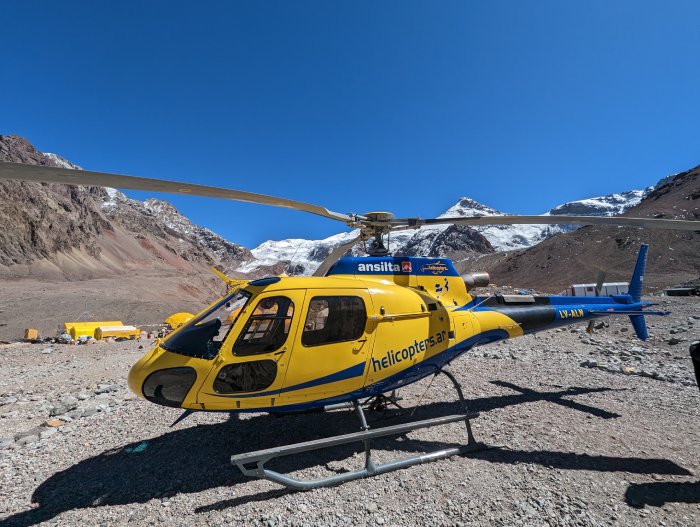
A U.S. member climbing Aconcagua, the highest mountain in South America, was suffering from symptoms consistent with HAPE (high-altitude pulmonary edema). He was examined and treated with medications provided by physicians deployed to the mountain. Unfortunately, the member’s condition deteriorated overnight, and his oxygen saturation dropped to 59%, more than 30 percentage points below normal. Global Rescue medical operations was contacted. Due to the member’s worsening condition, Global Rescue operations personnel initiated a helicopter field rescue with immediate ground transport by ambulance to a hospital for evaluation.

Share This:

Fractured Ankle in Colombia

A U.S. member needed airborne medical evacuation after a recreational run in Colombia led to a badly sprained ankle. He called Global Rescue medical operations explaining that two days after spraining his ankle, his condition…

A U.S. member needed airborne medical evacuation after a recreational run in Colombia led to a badly sprained ankle. He called Global Rescue medical operations explaining that two days after spraining his ankle, his condition had worsened and the pain as excruciating, rating it at 10/10, and expressed his inability to move. A local clinic examined him and diagnosed him with a fractured heel. They recommended immediate surgery. Global Rescue physicians reviewed the information and recommended an immediate medical evacuation in business class to accommodate leg elevation and to reduce swelling. The member was successfully evacuated and arrived safely at his home in San Francisco to continue his treatment and recovery.

Share This:

Hard Landing in South America

A U.S. member needed medical evacuation after a rough landing while paragliding in Colombia, injuring her ankle. Global Rescue medical operations was contacted and confirmed that she suffered a fracture of the left ankle (tibial…

A U.S. member needed medical evacuation after a rough landing while paragliding in Colombia, injuring her ankle. Global Rescue medical operations was contacted and confirmed that she suffered a fracture of the left ankle (tibial malleolus) requiring surgery. Unfortunately, the medical treatment team in Colombia was unable to perform the surgery. Global Rescue medical personnel recommended an expedited airborne return to the member’s home of record via business class seating with ground transportation before orthopedic follow-up. She departed Colombia and safely arrived at her home in Washington, U.S., where she continues her recovery.

Share This:

HAPE on the Mountain of Death

A Japanese member needed field rescue from Aconcagua after experiencing HAPE-like symptoms including shortness of breath, oxygen desaturation and bibasal crackles – the bubbling or crackling sound originating from the base of the lung. Global…

A Japanese member needed field rescue from Aconcagua after experiencing HAPE-like symptoms including shortness of breath, oxygen desaturation and bibasal crackles – the bubbling or crackling sound originating from the base of the lung. Global Rescue Operations was notified and reviewed the on-mountain medical evaluation. A helicopter field rescue was recommended and initiated to transport the member off the mountain. Ambulance transportation was also arranged to accommodate the need for oxygen support and close monitoring before successful arrival at a hospital in Mendoza, Argentina. The member was examined and diagnosed with pulmonary edema and admitted for treatment. He was later discharged and decided to remain in Argentina until his scheduled flight home.

Share This:

Frostbite and Snow Blindness on Aconcagua

A German member needed field rescue and medical evacuation after suffering snow blindness and severe frostbite on most of his fingers during an expedition on Aconcagua. We successfully evacuated him to a hospital in Mendoza…

A German member needed field rescue and medical evacuation after suffering snow blindness and severe frostbite on most of his fingers during an expedition on Aconcagua. We successfully evacuated him to a hospital in Mendoza capable of treating frostbite. He was admitted and treated for several days. Global Rescue medical operations personnel conducted follow-ups with him and, following a series of diagnostic tests, he decided to return to his home in Germany for further care. Due to the significance of his frostbite injury, and likely amputation, Global Rescue provided medical evacuation for him and his accompanying parent as a non-medical escort. The member confirmed that he would proceed to a hand specialist in Hamburg when he arrived in Germany and that the facility was aware of his injury. He arrived safely in Germany with plans to have a follow-up evaluation for further care and treatment.

Share This:

Coughing Up Blood on Kilimanjaro

A U.S. member needed field rescue after experiencing shortness of breath and vomiting blood while in Karanga Camp, Tanzania, for a summit attempt on Kilimanjaro. Global Rescue medical operations spoke with him and the expedition…

A U.S. member needed field rescue after experiencing shortness of breath and vomiting blood while in Karanga Camp, Tanzania, for a summit attempt on Kilimanjaro. Global Rescue medical operations spoke with him and the expedition guide, and confirmed the member’s cough produced blood-tinged phlegm, and that his beathing difficulty had started earlier in the day. Due to the severity of his condition, Global Rescue medical operations personnel initiated a helicopter field rescue. The member was successfully evacuated and evaluated at a local hospital in Arusha where he was diagnosed with pneumonia and prescribed antibiotics. He was scheduled to return home in the U.S. to continue his recovery.

Share This:

Breathing Difficulty at High-Altitude

During an attempt to summit Aconcagua, a U.S. member began suffering from weakness, labored breathing and oxygen desaturation. Expedition leaders contacted Global Rescue and, following an evaluation by medical personnel, the member was placed on…

During an attempt to summit Aconcagua, a U.S. member began suffering from weakness, labored breathing and oxygen desaturation. Expedition leaders contacted Global Rescue and, following an evaluation by medical personnel, the member was placed on a supplemental oxygen and given medication to treat his condition. His symptoms persisted despite treatment. Global Rescue arranged for an airborne medical transport off the mountain due to the ongoing severity of the member’s condition. He was successfully transported to a hospital where medical professionals evaluated and diagnosed him with HAPE. He was discharged later the same day following medical treatment.