Loading...

Share This:

Shared Altitude Illness

A 54-year-old member from Broadstairs, United Kingdom was also at Barafu Camp on Mount Kilimanjaro in Tanzania when he developed severe altitude illness. He experienced shortness of breath, low oxygen levels, dizziness and severe headache,…

A 54-year-old member from Broadstairs, United Kingdom, was also at Barafu Camp on Mount Kilimanjaro in Tanzania when he developed severe altitude illness. He experienced shortness of breath, low oxygen levels, dizziness and severe headache, along with tachycardia. Given the severity of his symptoms and the remote setting, the operations team arranged a combined helicopter evacuation for him and a fellow climber to a medical center. Both members were evaluated, treated for acute mountain sickness and discharged in stable condition. 

Share This:

Paired AMS Evacuation

A 54-year-old member from Broadstairs, United Kingdom, was at Barafu Camp on Mount Kilimanjaro in Tanzania when she developed symptoms of acute mountain sickness, including dizziness and severe headache. Her vital signs showed low blood…

A 54-year-old member from Broadstairs, United Kingdom, was at Barafu Camp on Mount Kilimanjaro in Tanzania when she developed symptoms of acute mountain sickness, including dizziness and severe headache. Her vital signs showed low blood oxygen levels and a fast heart rate. Because she and another climber at the same location were both unwell, the operations team approved a combined helicopter evacuation to a medical center. There they were evaluated, treated for altitude illness and discharged once stable. 

Share This:

Chest Tightness At Barafu

A 49-year-old member from Hollywood, United States became unwell at Barafu Camp on Mount Kilimanjaro in Tanzania. He developed shortness of breath with oxygen levels in the high seventies on room air, accompanied by intense…

A 49-year-old member from Hollywood, United States, became unwell at Barafu Camp on Mount Kilimanjaro in Tanzania. He developed shortness of breath with oxygen levels in the high seventies on room air, accompanied by intense chest tightness, coughing, wheezing, nausea and poor appetite. As his condition worsened, a helicopter evacuation was authorized from Barafu Camp to a nearby hospital for urgent assessment. He was diagnosed with acute mountain sickness and discharged after treatment. By the following day he reported feeling much better compared with his condition at altitude and chose to manage his recovery and onward travel independently. 

Share This:

High Altitude Pneumonia

A member from Bothell, United States was at Barranco Camp on Mount Kilimanjaro in Tanzania when he developed severe altitude illness with signs of high-altitude pulmonary edema. He experienced shortness of breath requiring oxygen, cough,…

A member from Bothell, United States, was at Barranco Camp on Mount Kilimanjaro in Tanzania when he developed severe altitude illness with signs of highaltitude pulmonary edema. He experienced shortness of breath requiring oxygen, cough, severe headache, fatigue, low oxygen levels, a fast heart rate, poor oral intake and difficulty walking. The operations team approved a helicopter evacuation from camp to a hospital in Moshi, where he was evaluated and treated. He was diagnosed with acute mountain sickness and pneumonia, then discharged to his hotel with medications and clear instructions on warning signs that would require urgent medical attention. A reviewing physician raised no concerns, and the member later reported improvement and declined further assistance. 

Share This:

Equestrian Ankle Injury in Patagonia

A member from Delta, Canada was on a horseback tour near Puerto Natales in Chile when she fell from the horse and injured her right ankle. Her guides transported her to a local hospital, where…

A member from Delta, Canada was on a horseback tour near Puerto Natales in Chile when she fell from the horse and injured her right ankle. Her guides transported her to a local hospital, where imaging showed a compound fracture dislocation of the right ankle. The treating physician performed a closed reduction and advised that definitive surgical fixation should occur within several days. Because of limited orthopedic capability at the initial facility, the physician recommended transfer to a larger medical center in Punta Arenas for surgery. The member and her husband agreed, and after the receiving facility was vetted, a ground ambulance transfer was arranged and approved. At the referral center an external fixator was placed on her right ankle and the procedure went well. She was considered stable for onward transport, and her insurer began coordinating repatriation to her home region based on the final orthopedic recommendations. She expressed appreciation for the support and confirmed the operations team could disengage. 

Share This:

Fractured Elbow In Hanoi

A 44-year-old member from Bellingham, United States slipped and fell in Hanoi, Vietnam and sustained multiple injuries. He was taken to a local hospital, where imaging showed a dislocated left elbow with a radial head…

A 44-year-old member from Bellingham, United States slipped and fell in Hanoi, Vietnam and sustained multiple injuries. He was taken to a local hospital, where imaging showed a dislocated left elbow with a radial head fracture and a chipped bone requiring surgery. After discharge he provided his medical records and asked whether he should undergo surgery locally or after returning closer to home. The operations team explained the medical evacuation process, and consulting physicians advised that the decision be made with his home orthopedic specialist, who ultimately recommended surgery after his return to the United States. Once he was cleared as fit to fly, flights were approved and arranged to bring him back to Salt Lake City. His travel was uneventful, and he arrived safely, with instructions to follow up promptly with his orthopedic surgeon before the case was closed. 

Categories:

Travel
Share This:

AI Adaptation and How Artificial Intelligence Is Changing Global Trip Planning

Discover how travelers are adapting to artificial intelligence.

Article Highlights:

  • Global travelers — especially women and international adventurers — are leading the global shift toward generative AI-driven trip planning.
  • 22% of travelers now use AI tools, with high satisfaction and strong intent to use them again.
  • Generative AI is most often used for itinerary creation, general research, flight booking and translation assistance.
  • International travelers rely on AI to overcome language and visa challenges, while US travelers use it for convenience.
  • Nearly 93% of travelers say they will use AI for their next trip, marking a major leap in travel technology adaptation.


Artificial intelligence (AI) is no longer science fiction — it’s a trusted travel companion. From itinerary creation to real-time translation, AI tools are helping travelers plan, book and experience trips in ways that were unimaginable just a few years ago.

The Global Rescue Fall 2025 Traveler Safety and Sentiment Survey reveals that non-US travelers and women are leading this technological evolution, demonstrating that AI adaptation is well underway in global travel.

As AI becomes more integrated into daily life, its growing use in trip planning marks a major milestone: travelers aren’t just trying AI — they’re trusting it.


The Rise of AI in Travel Planning

According to the Global Rescue survey, more than one in five travelers (22%) already use AI tools for trip planning. While that number may seem modest, it’s part of a fast-rising trend — one that mirrors AI’s expanding role across industries from healthcare to finance.

AI-driven trip planning tools such as Google Travel, ChatGPT and Hopper use vast datasets and natural language processing to analyze flight patterns, price trends, safety conditions and even local events. This helps travelers make smarter decisions in less time.

But the data also reveals striking differences in how people are adapting to artificial intelligence across demographics and geographies.


Who’s Leading the AI Adaptation Trend?

International, non-US travelers and women are at the forefront of AI adoption in trip planning. Among non-US respondents, 30% reported using AI tools, compared to 20% of American travelers. Women also slightly outpace men, with 24% of female respondents using AI tools compared to 22% of men.

These trends suggest that travelers facing greater logistical challenges — such as language barriers, visa complexities or unfamiliar destinations — are more inclined to lean on artificial intelligence. AI is helping them bridge gaps in knowledge and confidence, delivering personalized insights that empower independent travel.

“The data suggest that international travelers are leading the way in adopting AI for travel, using it to overcome logistical, linguistic and informational barriers,” said Dan Richards, CEO of The Global Rescue Companies and a member of the US Travel and Tourism Advisory Board. “AI is proving its value for travelers who want smarter, faster and more personalized trip planning.”


How Travelers Use AI Tools

For those who have already embraced AI, the most common uses include itinerary creation (73%) and general research (67%). These travelers are letting AI tools inspire destinations, organize complex logistics and suggest activities that align with personal interests or safety preferences.

AI tools are also helping with specific travel tasks:

  • 36% of travelers use AI for restaurant recommendations
  • 35% for flights
  • 30% for lodging
  • 26% for visa information
  • 21% for language translation

These percentages show that AI is moving far beyond a novelty — it’s becoming a utility. From suggesting the best time to visit Patagonia to warning about crowded tourist zones in Rome, artificial intelligence is providing insights once reserved for elite travel agents or regional experts.


Regional and Gender Differences in AI Use

The survey data shows fascinating distinctions in how AI is applied. International travelers, for instance, use AI more frequently for flights, visa support and translation — tools that simplify global mobility.

US travelers, by contrast, rely more heavily on AI for domestic conveniences like lodging and restaurant recommendations. This suggests that AI’s most transformative potential lies in helping travelers overcome the complexities of international travel.

Gender differences are equally telling. Women are not only using AI more frequently, but they’re also applying it across a broader range of travel needs — from research and itinerary design to dining and navigation.

Men, meanwhile, report slightly higher satisfaction rates, with many indicating that they find AI tools useful enough to rely on for future trips.


The Confidence Factor: Satisfaction With AI

Trust is the foundation of adaptation and travelers appear to have it in abundance. Nearly 80% of respondents rated AI tools as “very” or “mostly useful.”

Women showed particularly high levels of satisfaction, with 89% finding AI at least somewhat beneficial. Men were nearly as positive at 86%, reflecting broad confidence in the technology’s reliability.

In an era where travelers face a steady stream of uncertainties — from flight disruptions to changing visa rules — AI tools are offering reassurance through precision, speed and personalization.


Looking Ahead: The Future of AI in Travel

The enthusiasm for AI is unmistakable. More than nine in ten travelers (93%) said they are “likely” or “very likely” to use AI on their next trip. That’s an extraordinary figure that signals a permanent shift in how people plan and experience travel.

AI systems are improving rapidly. Today, they can:

  • Anticipate flight cancellations or weather disruptions using predictive modeling.
  • Translate complex local laws and health advisories in seconds.
  • Build fully optimized itineraries that balance cost, time and safety.
  • Analyze individual travel histories to recommend personalized destinations.

As AI continues to advance, it will likely integrate more deeply with augmented reality navigation, biometric identification at borders and real-time travel security monitoring. The result: an era of hyper-personalized, risk-aware travel planning.

Yet, even as artificial intelligence enhances convenience and safety, travelers must remain vigilant. AI can guide decisions — but it cannot replace the judgment and preparedness that come from experience, education and common sense.


Why Travelers Are Adapting to AI Now

Artificial intelligence has arrived at the perfect time for travelers. Trip planning has become more complex than ever, with geopolitical tensions, shifting border policies and rising climate-related disruptions. AI tools help simplify that chaos by filtering vast amounts of information into clear, actionable insights.

AI systems don’t sleep, get distracted or make emotional decisions. They deliver data-driven recommendations that travelers can trust — whether comparing visa requirements for Kenya or predicting the safest driving routes through the Alps.

Moreover, modern AI tools are learning faster than humans can teach. With every search query, booking and traveler review, these systems refine their algorithms to produce better results the next time.

This continuous improvement loop means that AI is not just helping travelers today — it’s evolving with them.


A Balanced Partnership: Humans and Machines

Still, technology is only as powerful as the people who use it. The best travelers blend the speed and intelligence of AI with their own instincts and adaptability.

Artificial intelligence can design the perfect itinerary, but it can’t interpret the subtle joy of discovering an unlisted café in Lisbon or the comfort of a local guide’s advice in Nepal. Human experience adds the context and creativity that no algorithm can replicate.

As AI continues to adapt to human behavior, travelers, too, are adapting — becoming more data-literate, safety-conscious and strategic. This partnership between people and machines is defining a new era of global mobility.


Agentic AI vs. Generative AI

While travelers are clearly intrigued by the growing capabilities of artificial intelligence, their skepticism often comes down to the difference between Agentic AI and Generative AI — two distinct forms of AI that serve very different purposes. Generative AI, the type most travelers are familiar with, powers conversational assistants, itinerary builders and translation tools. It helps travelers create content — from itineraries to packing lists — based on prompts and preferences. Generative AI works collaboratively, requiring user input and delivering suggestions that travelers can review, refine and approve. It’s seen as helpful, creative and supportive — not controlling.

Agentic AI, on the other hand, takes things a step further. It doesn’t just suggest — it acts. This form of artificial intelligence can independently plan, book and manage travel — even rebooking flights or hotels automatically when disruptions occur. But the Global Rescue Fall 2025 Traveler Sentiment and Safety Survey shows that most travelers aren’t ready to surrender that level of control. When asked if they would consider using Agentic AI for their next international trip, only 22% said yes, while 40% said no and 38% were unsure. Comfort levels fell even further when travelers were asked how they’d feel about Agentic AI making autonomous decisions: only 20% said they’d feel comfortable letting AI design a complete itinerary and nearly eight in ten (79%) said they’d be uncomfortable if AI booked flights, hotels or activities without their approval.

Travelers’ attitudes toward these technologies reflect a broader theme: trust grows with collaboration but shrinks with autonomy. Generative AI earns confidence because it acts like a capable assistant — responsive, fast and ultimately deferential to human judgment. Agentic AI, by contrast, is perceived as a decision-maker, one that could remove travelers from critical choices. Even though acceptance rises slightly when Agentic AI is used for simple, low-risk tasks — such as applying discounts or promo codes, where 38% of travelers say they’re comfortable — deep trust remains elusive. Until travelers feel confident that autonomous systems are transparent, ethical and accountable, they’ll continue to embrace AI as a partner — not a pilot — in their trip planning.


The Global Rescue Connection

No matter how advanced AI becomes, it can’t replace the need for expert human intervention during an emergency. When a traveler faces a medical crisis, security threat or evacuation scenario, Global Rescue bridges the gap between digital intelligence and real-world response.

From field rescue and medical evacuation to medical advisory and travel risk management, Global Rescue’s teams are available 24/7 — anywhere in the world. Their partnerships with elite medical institutions, including the Johns Hopkins Emergency Medicine Division of Special Operations, ensure that help is not only available, but exceptional.

AI can help you plan smarter, travel safer and adapt faster. But when real danger strikes, you’ll want the confidence of human expertise. That’s where Global Rescue stands — ready to respond, wherever you are.

Categories:

Travel
Share This:

From iOS 18 to T-Mobile Starlink: The New Frontier of Off-Grid Connectivity

Understanding the technology that now connects smartphones to satellite for SOS, messaging and calls.

Article Highlights:

  • New smartphones like the iPhone 14+, Pixel 9 and Galaxy S25 now support emergency satellite communications beyond cellular networks.
  • T-Mobile’s Starlink, AT&T’s AST SpaceMobile and Verizon’s Skylo partnerships aim to bring direct-to-phone satellite service to millions.
  • iOS 18 expands Apple’s system from SOS-only to iMessage and SMS via satellite, powered by Globalstar.
  • The 3GPP NTN standard and Qualcomm/MediaTek modems are driving global standardization for satellite-enabled smartphones.


Travelers beware: While the industry trend is shifting from emergency-only use to two-way messaging, voice calls and even mobile data via orbiting networks, many countries still ban or strictly regulate their use.

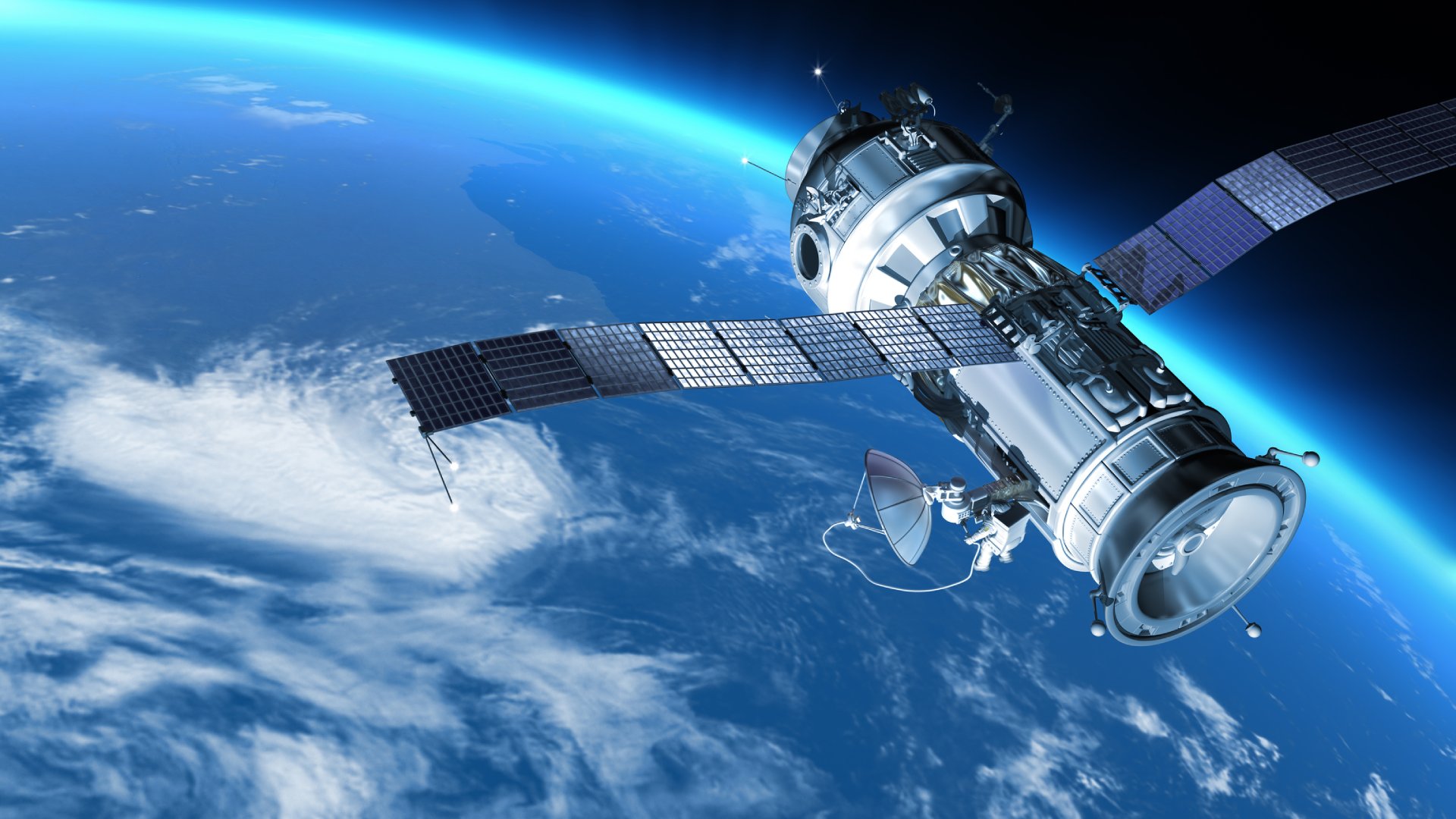
Your smartphone doesn’t just connect you to the world—it can save your life. Thanks to major advancements in emergency satellite communication, leading carriers and smartphone makers are ensuring that even when you’re off the grid, you’re not out of reach. From iPhones running iOS 18 to the Google Pixel 9 series and Samsung’s Galaxy S25 lineup, a new era of satellite-enabled safety is here—powered by collaborations among T-Mobile, AT&T, Skylo, AST SpaceMobile and Globalstar.

What began as a niche emergency feature is quickly becoming a mainstream standard. The ability to send an SOS message—or soon, a regular text or call—from the middle of nowhere represents one of the most significant leaps forward in personal safety technology since GPS became standard on mobile devices.


The Global Expansion of Emergency Satellite Services

Your smartphone’s emergency satellite communication capability works in areas without cellular or Wi-Fi service, but availability depends on your location and phone model.

Apple iPhones with Emergency SOS via satellite currently operate in Australia, much of Europe, Japan, New Zealand, North America and Mexico. The service uses Globalstar satellites and now, with iOS 18, extends beyond emergency SOS to include basic messaging—both iMessage and SMS—when no traditional network is available. For now, Apple offers the feature free for a limited period after activation, signaling its intent to make satellite connectivity a core iPhone function.

Google Pixel phones, beginning with the Pixel 9 series, use Skylo’s satellite network to deliver emergency SOS in the United States, Canada and Europe. Like Apple’s system, users must be outdoors with a clear sky view to connect. The Pixel’s advantage? Integration with Google Messages, providing a seamless way to contact emergency responders or share GPS location when off-grid. The service is currently free for two years.

These services are no longer limited to rare adventurers or remote workers—they’re built for everyday travelers, hikers and even suburban residents facing natural disasters that knock out communications.


Next-Generation Devices Lead the Shift

Recently, smartphone makers have gone all-in on satellite integration.

  • Google Pixel 9 Series (2025) – The Pixel 9, 9 Pro, 9 Pro XL and 9 Pro Fold feature Satellite SOS powered by Skylo, offering two-way communication during emergencies and enabling location sharing.
  • Samsung Galaxy S25 Series – Samsung’s S25, S25+ and S25 Ultra are the first to support Qualcomm’s Snapdragon Satellite, built into the Snapdragon X80 modem. The feature enables both two-way text messaging and emergency SOS and Verizon’s partnership with Skylo extends compatibility to more regions.
  • Apple iPhone 14 and Later – Apple’s collaboration with Globalstar now goes beyond emergency use. iOS 18 introduces “Messages via Satellite,” allowing iMessage and SMS communication without Wi-Fi or cellular access—an industry first for mainstream devices.


Carrier Power Plays: T-Mobile, Verizon and AT&T Go Orbital

The big three US carriers are racing to make “no service” a thing of the past.

  • T-Mobile and SpaceX Starlink: T-Mobile’s groundbreaking partnership with Starlink introduces a “direct-to-cell” network capable of connecting ordinary smartphones directly to satellites. The system, now in beta, supports emergency Text-to-911 for all carriers and plans to expand to voice and data by 2026. What makes this revolutionary is that it works with existing hardware—no special antenna or modem required.
  • Verizon and Skylo: Verizon is integrating Skylo’s satellite network into its Android ecosystem, giving Galaxy S25 and Pixel 9 users access to satellite-based messaging and location sharing—features that once required specialized devices like Garmin inReach or Iridium communicators.
  • AT&T and AST SpaceMobile: AT&T, meanwhile, is collaborating with AST SpaceMobile, which has successfully launched satellites capable of providing direct-to-smartphone connectivity using standard LTE and 5G protocols. Full service rollout is expected in late 2025. The promise: voice calls, video and internet data over satellite networks, integrated directly into standard mobile plans.


The Push Toward Standardization

As more players enter the orbit, the industry faces a challenge—standardization. Until recently, each satellite service worked on proprietary technology, locking users into specific brands or networks. That’s changing fast.

The 3GPP NTN (Non-Terrestrial Networks) standard, now embraced by companies like Qualcomm and MediaTek, establishes a unified framework for satellite-to-phone communications. This means future smartphones, regardless of manufacturer, will use similar modems and protocols to connect to any compatible satellite network.

Qualcomm’s Snapdragon Satellite and MediaTek’s NTN-ready modems are leading this shift, paving the way for interoperability across carriers and continents. This will make emergency satellite services as universal as Wi-Fi calling—accessible on nearly any new phone, regardless of brand.


Safety and Preparedness in the Era of Satellite Connectivity

As powerful as this technology is, it still comes with limitations. Users must be outdoors with a clear view of the sky and satellite coverage varies by region due to government regulations and network availability. It’s also essential to distinguish between emergency use and general communication:

  • Emergency SOS via Satellite is for life-threatening situations.
  • Messages via Satellite (where available) allows limited personal texting when you’re off-grid but not in immediate danger.

Experts recommend activating these features in advance, testing the system before travel and carrying a power source since satellite connections may take longer and consume more battery.


Key Industry Trends

  • Two-Way Communication Expansion: Satellite connectivity is evolving from one-way SOS messages to real-time two-way texting and eventually voice and data.
  • Carrier Integration: Mobile carriers are weaving satellite services into standard plans, eliminating the need for separate devices.
  • Global Coverage: Companies like SpaceX, AST SpaceMobile and Skylo are expanding satellite constellations to fill coverage gaps worldwide.
  • Standardization via 3GPP NTN: Qualcomm and MediaTek’s new modems will ensure future interoperability across brands and carriers.
  • Everyday Safety Use: Satellite features are transitioning from specialized adventure gear to essential consumer safety tools.


Travelers Beware

While satellite connectivity promises global reach, it’s not universally permitted. Several countries ban or strictly regulate smartphones that use emergency satellite communication features due to national security concerns, frequency control laws, or restrictions on encrypted communications.

For example, China, India, Russia, Cuba, North Korea, and Iran either prohibit or heavily restrict the use of satellite messaging and tracking devices, including smartphones with such features. Travelers entering these countries are often required to disable or remove devices with active satellite capabilities. In some regions, possession of unauthorized satellite equipment can lead to fines, device confiscation, or even arrest.

In India, for instance, iPhones’ “Emergency SOS via satellite” remains unavailable pending government approval, as the country classifies satellite communication under strict licensing requirements. China bans civilian satellite communications outright, meaning iPhones and Android phones automatically disable satellite functions when operating within Chinese territory. Similarly, Russia and Iran regulate access to foreign satellite networks to prevent unmonitored data transmission.

These restrictions underscore the importance of checking local regulations before traveling internationally. While the technology itself is designed for safety, its use across borders intersects with national sovereignty and security policies. As manufacturers and carriers expand coverage, they continue to work with governments to gain authorization in new regions—though some bans are unlikely to lift soon.


The Global Rescue Connection

As satellite connectivity extends the reach of your smartphone, the next frontier of safety goes beyond signal strength. Even with advanced SOS technology, true rescue support requires expert coordination, evacuation logistics and medical advisory that satellites alone can’t provide.

That’s where Global Rescue comes in.

Whether you’re trekking in the Himalayas, exploring remote islands or driving through cellular dead zones, a Global Rescue membership ensures you’re protected. From field rescue and medical evacuation to real-time medical advisory and security intelligence, Global Rescue’s teams are on standby 24/7 to assist wherever you are—even when technology fails.

Your smartphone may connect you to the sky, but Global Rescue connects you to safety.

Categories:

Travel
Share This:

Blizzard and Snowstorm Survival Tips From a Navy SEAL

Learn how to stay safe, warm and prepared during severe snowstorms anywhere.

Article Highlights:

  • Stay Inside: Avoid unnecessary travel during a blizzard.
  • Stay Charged: Keep devices and backup power sources ready.
  • Dress in Layers: Wear weather-appropriate clothing and footwear.
  • Pack a Car Emergency Kit: Include warm clothing, a shovel and blankets.
  • Recognize Danger Signs: Learn the symptoms of frostbite and hypothermia.


When a powerful blizzard hits, your best defense is preparation, calm thinking and practical know-how. Heavy snow, high winds and freezing temperatures can turn a routine day into a life-threatening situation in minutes — especially if you’re traveling or outdoors when conditions deteriorate.

Whether you’re safe at home, stranded in your vehicle or caught in the backcountry, the right actions can save your life. Here’s how to weather any snowstorm safely, with insights from former Navy SEAL and extreme weather expert Harding Bush, now associate director of security operations at Global Rescue. With years of cold-weather and mountain operations experience, Bush emphasizes preparation and situational awareness as the foundation for survival.


Technology and Communication in a Blizzard

Blizzards and extreme cold can significantly affect how well your smartphone and satellite phone perform. While satellite phones are built for durability and generally work in harsh snowstorms, heavy snowfall, high winds or cloud cover can weaken their connection. They also require a clear view of the sky to operate effectively, which can be challenging during whiteout conditions.

Smartphones are even more vulnerable. Freezing temperatures quickly drain batteries, sometimes shutting devices down completely. Power outages and damaged cell towers can also disrupt traditional mobile service, leaving you without connectivity. To improve performance, keep your phone warm and insulated, turn it off when not in use and rely on its emergency satellite messaging features if your device supports them.


Survival Starts Before the Snow Falls

Before a storm even begins, check weather forecasts and prepare your home and vehicle. Stock food and water for several days, flashlights, extra batteries, medications and a first aid kit. Insulate pipes to prevent freezing and ensure you have multiple heat sources — such as a wood stove or portable propane heater — in case of power failure.

Bush advises: “Don’t wait until you’re snowed in. Preparation is your survival multiplier. A few minutes spent planning can save your life later.”

If you must travel during winter weather, inform someone of your route and expected arrival time. Ensure your gas tank is full and always carry emergency supplies in your vehicle.


Top 5 Blizzard Safety Tips

  1. Stay Inside: Avoid venturing out during a blizzard unless absolutely necessary. Whiteout conditions can cause disorientation within seconds and even short walks can turn perilous. Monitor emergency broadcasts on NOAA Weather Radio for updates and local advisories. Staying informed is your first line of defense.
  2. Stay Charged: Power outages are common during heavy snowstorms. Keep your devices fully charged before the storm hits and maintain portable power banks for backup. Extra batteries for radios, flashlights and other essentials can make the difference between safety and danger when communication lines go down.
  3. Dress Appropriately: If you must go outside — for example, to clear snow from a vent or help someone in distress — layer up. Start with moisture-wicking base layers, add insulating mid-layers and finish with a waterproof and windproof shell. Don’t forget insulated boots, gloves, a hat and a scarf to protect extremities and exposed skin. Wet clothing accelerates heat loss, so change promptly if you get damp.
  4. Pack Your Car: Getting stranded in a snowstorm is more common than most people realize. Keep a winter car kit with you at all times. Include: heavy blankets or a sleeping bag; a shovel, ice scraper and tow strap; jumper cables and a flashlight, non-perishable food and bottled water; reflective vest, matches and hand warmers. If stuck, stay in your car. It’s your best shelter — and much easier for rescuers to spot than a person on foot.
  5. Know the Signs: Recognize the early warning signs of frostbite and hypothermia. Numbness, pale or waxy skin and a tingling sensation mean frostbite may be developing. Shivering, confusion and slurred speech are red flags for hypothermia. Immediate action — such as warming the affected area and seeking shelter — can prevent serious injury or death.

According to Bush, “Leaving your shelter is the single most dangerous decision people make during a blizzard.”


Backcountry Blizzard Rescue

For adventurers, a blizzard in the wilderness poses a new level of risk. A Global Rescue member hiking alone in California activated his SOS device when a sudden snowstorm hit, cutting off visibility and mobility. His satellite communication device allowed direct contact with Global Rescue operations, who provided life-saving guidance — remain in place, insulate from the ground and build a fire.

Hours later, search and rescue teams reached him. He was cold and exhausted, but alive — thanks to preparedness, communication and following expert advice.


Top Backcountry Blizzard Survival Tips

  • Stay Calm and Assess – Panic clouds judgment. Stop, assess and plan logically.
  • Stay Hydrated – Cold weather dehydrates quickly. Avoid alcohol or caffeine.
  • Protect Your Lungs – Cover your face with a scarf or buff to warm the air you breathe.
  • Keep Circulation Moving – Wiggle fingers and toes to keep blood flowing.
  • Build a Shelter – Even a basic snow cave or lean-to can block wind and retain heat.
  • Insulate from the Ground – Sit on your pack or pad to avoid losing body heat to snow.
  • Melt Snow Before Drinking – Eating snow lowers core temperature. Melt it first.
  • Signal for Help – Use mirrors, whistles or bright clothing to help rescuers locate you.


On the Road: Smart Moves and Critical Mistakes

If caught driving in a blizzard, survival depends on smart decision-making.

Do:

  • Stay in your vehicle; it’s your safest shelter.
  • Run the engine 10 minutes per hour for warmth, ensuring the exhaust pipe is clear.
  • Keep a window cracked to prevent carbon monoxide buildup.
  • Use hazard lights or reflective markers to signal distress.

Don’t:

  • Leave the vehicle to walk for help — whiteouts can cause disorientation within yards.
  • Drive too fast; even 4WD vehicles slide on ice.
  • Slam on brakes during a skid — steer gently in the direction you want to go.


The Global Rescue Connection

In both vehicles and backcountry scenarios, whiteouts erase landmarks and orientation. Many victims succumb to hypothermia just a few hundred feet from safety. Always stay put, conserve heat and make yourself visible to rescuers.

Preparation is the ultimate life-saving skill. As Harding Bush and FEMA both emphasize, proactive planning and knowledge can dramatically improve your odds of survival during extreme winter conditions.

When you’re traveling — whether in your own country or abroad — being ready for the unexpected is essential. A Global Rescue membership provides access to emergency field rescue, medical evacuation, 24/7 advisory support and destination intelligence so you’re never alone, even in the harshest environments.

If a life-threatening emergency occurs, contact local emergency services immediately. Once safe and stable, reach Global Rescue directly by phone at +1 (617) 459-4200 or email ops@globalrescue.com. If you’re using a satellite device, ensure you understand its SOS procedures and that your alerts are routed correctly to the right provider.

Blizzards and snowstorms can strike without warning — but with the right mindset, equipment and preparation, you can endure even the fiercest winter conditions safely and confidently.

Categories:

Travel
Share This:

Women Lead the Charge as Translation Apps Go Mainstream Among Global Travelers

Explore how translation apps and smart glasses are redefining language on the go.

Article Highlights:

  • 59% of global travelers use translation apps, led by women (61%) and non-US respondents (62%).
  • The most common use: communicating with locals for food, signs and directions (59%).
  • Non-US travelers use translation tools more for independence and confidence than US travelers.
  • 54% of respondents have used real-time spoken translation apps, with 28% planning to try them soon.
  • Emerging smart glasses could make translation instant, immersive and hands-free.


The modern traveler doesn’t just pack a passport, increasingly, they rely on translation apps to navigate new languages, connect with locals and avoid confusion in unfamiliar destinations. According to the Global Rescue Fall 2025 Traveler Sentiment and Safety Survey, 59% of respondents reported using translation apps during trips, revealing how essential this technology has become to travel freedom and confidence.

Women (61%) and non-US travelers (62%) were the most likely to use translation tools, while men (60%) and US travelers (59%) followed close behind. Only 38% of all respondents said they do not use any translation technology while abroad.

The reasons travelers reach for translation apps are practical and human. Nearly six in ten respondents (59%) said their main motivation was simply communicating with locals—whether ordering food, reading a sign or asking for directions. Women were slightly more likely (60%) than men (57%) to use the apps for this purpose, underscoring how translation tools can reduce anxiety in everyday travel scenarios.

For non-US travelers, the appeal runs deeper. Fifteen percent said translation apps help them gain independence and confidence abroad, compared to just nine percent of US respondents.

“Translation apps have become a quiet but vital part of the modern traveler’s toolkit,” said Dan Richards, CEO of The Global Rescue Companies and a member of the US Travel and Tourism Advisory Board at the US Department of Commerce. “They help break down barriers, allowing travelers to connect, navigate and explore more confidently, even when language is a challenge.”


Real-Time Translation Apps

Once a novelty, real-time translation apps are becoming mainstream. More than half of all survey respondents (54%) said they have used voice-translation technology that instantly converts spoken conversations into another language. Women were slightly more likely than men (55% vs. 53%) to try it, while US travelers led non-US travelers in adoption (55% vs. 51%).

Another 28% of respondents said they haven’t used real-time translation yet but plan to, suggesting that demand for faster, more natural communication tools continues to grow.

These tools aren’t perfect. Misinterpretations can occur, especially when slang, idioms or regional dialects enter the conversation. But most travelers see them as an asset, not a barrier. They allow for spontaneous interaction and cultural immersion that would otherwise be out of reach.

“Technology is closing the gap between languages,” Richards said. “It helps travelers feel safer, more independent and more engaged in their surroundings.”


Smart Glasses: The Future of Effortless Translation

As translation apps evolve, they’re poised to leap from smartphones into smart glasses. Major tech firms are already developing AR-powered eyewear capable of displaying real-time subtitles directly in a traveler’s field of vision. Imagine walking through a Tokyo street market and seeing every sign, label or menu automatically translated before your eyes.

These devices combine artificial intelligence, optical character recognition and augmented reality to provide seamless understanding of the world around you without looking down at your phone. Early prototypes from companies like Meta, Apple and Google hint at what’s next: translation that feels like a natural extension of human vision.

For travelers, smart glasses could mean more authentic experiences—no fumbling with devices, no breaking eye contact. Conversations with locals, tour guides or hosts could feel more genuine, aided by unobtrusive technology that lets language fade into the background.

While still in early adoption, experts predict smart glasses could transform travel within the next five years. The potential is especially strong in multilingual environments like Europe or Southeast Asia, where navigating multiple languages in one trip can be a challenge.


Cultural Connection in the Digital Age

While technology can’t replace genuine curiosity or respect for local culture, translation apps and smart glasses empower travelers to engage more deeply. They encourage connection in places where language might otherwise be a barrier.

Still, etiquette matters. Over-reliance on digital tools can sometimes feel impersonal or awkward. Experts recommend learning a few basic local phrases, showing effort and respect. A “hello,” “thank you” or “please” spoken in the local tongue still carries tremendous weight.

Technology works best when it complements—not replaces—human interaction. Used thoughtfully, translation apps can enhance understanding, not flatten it.

This balance between convenience and cultural respect is shaping the next era of travel, one where communication technology blends seamlessly into every step of the journey, yet travelers remain conscious of the human connections that make travel meaningful.


Security Through Understanding

There’s another dimension to translation apps and smart glasses: safety. In an emergency, clear communication is critical. Being able to explain symptoms to medical staff, understand safety instructions or navigate official checkpoints can make all the difference.

As Global Rescue’s survey data suggest, travelers increasingly view technology not only as a convenience but as a safety measure. Whether ordering a meal or responding to a crisis, the ability to communicate clearly across languages reduces risk and stress.

Real-time translation and wearable devices can bridge the gap in urgent moments, helping travelers make quick, informed decisions when it matters most.


About the Survey

The Global Rescue Traveler Sentiment and Safety Survey is conducted quarterly among more than 1,600 current and former Global Rescue members, including seasoned business travelers, adventurers and expatriates. The October 2025 edition explored traveler attitudes toward safety, technology and global mobility in a rapidly changing world.

The findings confirm a powerful trend: travel technology—especially translation tools—is reshaping how people experience and manage their journeys.


The Global Rescue Connection

Even with the smartest technology in your pocket or on your face, travel can be unpredictable. When a medical emergency, natural disaster or political crisis strikes, translation tools can’t get you home. Global Rescue can.

With a Global Rescue membership, travelers have access to field rescue, medical evacuation, security extraction and 24/7 medical and travel advisory services anywhere in the world. Whether you’re trekking in the Andes or navigating a medical crisis in a foreign hospital, Global Rescue experts are ready to step in. No translation required.

As technology makes the world smaller, the need for trusted, global protection only grows larger. Translation apps can help you connect; Global Rescue ensures you make it home safely.

Categories:

Press Release
Share This:

Travelers Choose Longer, More Meaningful Trips Over Fast-Paced Sightseeing 

(Lebanon, NH – November 24, 2025) — Travelers are prioritizing longer, more immersive trips over quick getaways — and many are avoiding crowded destinations in favor of slower, more meaningful experiences, according to the latest…

(Lebanon, NH – November 24, 2025) — Travelers are prioritizing longer, more immersive trips over quick getaways — and many are avoiding crowded destinations in favor of slower, more meaningful experiences, according to the latest Global Rescue Traveler Safety & Sentiment Survey. The findings reveal clear differences between men and women and between US and non-US respondents, in how they plan, pace and experience their travel.

The preference for extended stays is dominant among travelers worldwide. Seven in ten respondents (70%) say they prefer fewer, longer trips rather than frequent, shorter ones. Women are leading this trend, with 75% choosing extended stays compared to 68% of men. US travelers also lean slightly more toward longer trips (71%) than their non-US counterparts (68%), reflecting a growing desire to slow down and spend more time in one destination.

That slower approach aligns with travelers’ shifting attitudes toward FOMO — the “fear of missing out” — and JOMO, the “joy of missing out.” More than a third of respondents (35%) identify with JOMO, emphasizing deeper, more intentional experiences over seeing as many sights as possible. Nearly half (48%) say they strike a balance between the two. Women are more likely than men to favor that balance, with 53% reporting a mix of JOMO and FOMO compared to 47% of men. Non-US travelers lean slightly more JOMO (36%) than US travelers (35%), while men are more likely than women to say neither term fits their style (12% vs. 5%).

Crowd avoidance is also shaping travel decisions for the year ahead. Nearly three-quarters of respondents (73%) say they plan to intentionally avoid crowded or tourist-heavy destinations. Non-US travelers are the most cautious, with 78% reporting plans to steer clear of heavily visited places compared to 72% of US respondents. Men are slightly more likely than women to avoid crowds (75% vs. 68%), while women are more likely to say their decisions depend on specific destinations or timing.

Together, the findings reveal a post-pandemic travel mindset that values time, space and depth. “Longer trips, slower pacing and selective destination choices are replacing the old drive to see it all,” said Dan Richards, CEO of The Global Rescue Companies and member of the US Travel and Tourism Advisory Board at the US Department of Commerce. “For travelers and travel providers alike, the new priority is not about checking off lists — it’s about creating meaningful connections and avoiding the crowds along the way.”

###

For more information, contact: Bill McIntyre | Email: bmcintyre@globalrescue.com | Phone: +1 202.560.1195

About the Global Rescue Traveler Sentiment and Safety Survey

Global Rescue, the leading travel risk and crisis response provider, surveyed more than 1,500 current and former members between October 7–13, 2025. The respondents revealed a variety of behaviors, attitudes and preferences regarding current and future travel.

About Global Rescue

Global Rescue is the world’s leading provider of medical, security, evacuation and travel risk management services to enterprises, governments and individuals. Founded in 2004, Global Rescue has exclusive relationships with the Johns Hopkins Emergency Medicine Division of Special Operations and Elite Medical Group. The organization provides best-in-class services that identify, monitor and respond to client medical and security crises. Global Rescue has provided medical and security support to clients, including Fortune 500 companies, governments and academic institutions, during every globally significant crisis of the last two decades. For more information, visit www.globalrescue.com.

Share This:

A Life-Saving Helicopter Rescue That Ended One Climber’s K2 Nightmare

A Canadian climber’s K2 adventure turns life-threatening from altitude sickness—saved by Global Rescue’s swift helicopter evacuation.

Article Highlights:

  • A Canadian woman’s K2 and Gondogoro La Trek turned into a medical emergency at 12,580 feet due to severe altitude illness.
  • Jody Madsen suffered symptoms of HAPE and possibly HACE, including headache, coughing blood, extreme fatigue and difficulty breathing.
  • Her call for help to Global Rescue triggered a rapid-response helicopter evacuation from Khoburtse Camp.
  • After oxygen therapy and hospital treatment, Madsen made a full recovery thanks to quick coordination and medical support.
  • The experience strengthened the Madsens’ relationship and underscored the value of having a Global Rescue membership.


For many climbers, K2 represents the ultimate test of endurance, grit and human will. Rising more than 28,000 feet above sea level, the world’s second-highest mountain is as awe-inspiring as it is unforgiving. For Jody Madsen, an adventurer in her 50s from Foothills, Canada, the challenge of trekking near K2 promised the experience of a lifetime—until altitude sickness became a serious medical emergency.

“I do a lot of hiking here in Kananaskis and in the national parks, and I absolutely love it,” Madsen said. “My group was planning a trip to K2 and Gondogoro La and I thought it would be the experience of a lifetime. I wanted the challenge—I thought it would be phenomenal.”

But what began as a thrilling climb quickly turned into a desperate fight for survival.


The Descent into Altitude Sickness

At Khoburtse Camp, 12,580 feet (3,835 meters) above sea level, Madsen started to feel unwell. What began as mild discomfort escalated rapidly. Despite taking altitude medication, her symptoms worsened: a pounding headache, relentless nausea, fatigue, a wet cough with blood and severe shortness of breath.

Her condition was consistent with High-Altitude Pulmonary Edema (HAPE) and possible High-Altitude Cerebral Edema (HACE)—two life-threatening complications of altitude sickness.

“I was starting to feel the altitude at that point,” said Madsen. “I was taking my altitude medication, but it really wasn’t helping much.”

Back home in Canada, her husband Gary Madsen grew increasingly uneasy. “I had this general concern—what happens if something goes wrong? Normally, when we travel, if something comes up, I’m there and can handle it. But this time, I was too far away,” he said.

They had been communicating regularly—texting morning and night despite the eleven-hour time difference. That constant connection brought Gary some comfort. But as Jody’s condition deteriorated, the situation became urgent.


The SOS from K2

The Trek started from Skardu with a daylong jeep ride to the first camp.

“There were three more days of trekking after that,” Gary recalled. “Each day Jody mentioned she wasn’t feeling very well” “On the third evening, she called in and said, ‘I’m sick. Really sick. I have to get out of here.’”

Jody sent Gary a chilling message: “I have to get out of here. I’m not well. I’m getting sicker and I can’t breathe.”

Her lungs were filled with fluid. She couldn’t lie down. Every breath was a struggle. Jody reached out through her InReach device and contacted Global Rescue directly:

“I need your help. I’m very unwell. I can’t breathe. I’m nauseated. I have a terrible headache. I can’t continue. I need a helicopter as soon as possible.”

Within moments, Global Rescue’s operations team responded, coordinating with local partners to launch a helicopter rescue mission.


The Dragonfly in the Sky

“I could hear it faintly. Then suddenly, I saw this little dragonfly in the sky—it was the helicopter,” Jody said. “My heart just lifted, and I started to cry.”

For Jody, that sound was the difference between rescue and medical uncertainty. “Once I got on the helicopter, they gave me oxygen and that really helped,” she said. “They went straight to the hospital, took my vitals and I spoke with the doctor immediately.”

From Khoburtse Camp, she was flown to Skardu Airport, then taken by ground transport to a medical facility for evaluation and treatment. After being stabilized with medication and oxygen, she made a full recovery and was released without complications.


A Life-Saving Partnership

In those critical hours, Global Rescue’s coordination and communication were vital.

“You guys were amazing — initiating the rescue, sending messages, asking how I felt, reminding me to stay hydrated, even offering to have your doctors review my diagnosis,” said Jody.

Gary echoed the sentiment: “I remember thinking, ‘Thank God we picked Global Rescue.’ We’d looked through and vetted several options, trying to decide who we wanted to trust with our safety. And we definitely made the right choice. You have your way of getting things done—and it got done.”


Perspective at 15,000 Feet

Once the crisis had passed, the Madsens found a new perspective in their ordeal.

“It was pretty much one of the worst days of her life,” Gary reflected. “She didn’t know if she was going to live. And of course, I had been worried about a lot of the stuff she was experiencing prior to going over there. We talked about it for months. Is this something we wanted to do? She felt she could do it physically. But it’s the altitude sickness and the heat that got her.”

In the aftermath, the experience became more than a survival story—it was a wake-up call about priorities, resilience and love.

“It’s been a real reset,” Gary said. “We’ve been together for 23 years. Our relationship was strong. But this really reset the dial as far as what’s important—what really matters in the moments when you have to decide things and what the priority should be. That trip was expensive, and it took away from our travel money for nicer trips together. But this was worth every penny for the experience and what it’s done for our relationship.”

“I’ll Recommend Global Rescue to Everyone”

Jody’s message to fellow climbers and trekkers is clear: altitude sickness doesn’t discriminate.

“I had no idea I’d get altitude sickness. I’ve never been at those elevations, so you just don’t know how your body will react,” she said. “I wasn’t expecting to need Global Rescue; I just thought it was a good backup. But now, I’ll absolutely recommend Global Rescue to everyone who does anything like this. It was a bad experience that turned out well—and that’s because of you and Global Rescue.”


The Global Rescue Connection

Every year, hundreds of climbers and trekkers face emergencies at high altitudes where oxygen is scarce, and medical care is distant. When High-Altitude Pulmonary Edema (HAPE) or High-Altitude Cerebral Edema (HACE) strikes, minutes matter.

Jody Madsen’s rescue near K2 demonstrates why Global Rescue memberships are essential for climbers, trekkers and adventurers who travel to remote areas. From coordinating helicopter rescues and medical evacuations to providing real-time medical advisory services, Global Rescue ensures members are never truly alone—even in the world’s most isolated regions.

In past Global Rescue stories—from evacuations on Kilimanjaro to rescues in the Andes—the common thread is preparedness and the peace of mind that comes with expert support when the unexpected happens.

Adventures will always carry risks. But with Global Rescue, travelers can pursue their passions knowing that help is only a call—or an InReach message—away.