Categories:
NewsMay 2, 2025
Categories:
TravelMay 1, 2025
Article Highlights:
- A “thumbs-up” or “peace sign” can be deeply offensive in certain countries.
- Head nodding can mean “yes,” “no” or “maybe,” depending on cultural context.
- Common gestures like pointing, waving, or air kisses vary in meaning across regions.
- Religious and spiritual hand signals carry significant weight in Asia and the Middle East.
- Global Rescue offers destination-specific insights and emergency help when cultural misunderstandings escalate.
Whether you’re traveling for leisure, business or adventure, hand gestures can be a surprising cultural landmine. What seems like a friendly wave, a thumbs-up or an innocent North American peace sign might be interpreted differently abroad. Understanding these nuances is more than cultural curiosity, it’s essential for respectful and safe global travel. In a world where body language speaks volumes, the wrong gesture can trigger confusion, embarrassment or hostility.
The Middle Finger and Its International Equivalents
This is the danger zone: gestures that seem harmless but are highly offensive.
The middle finger is widely understood as offensive, but every culture has its equivalents. The Greek moutza, an open palm thrust forward, is deeply disrespectful. The chin flick, used in Italy and France, is a strong dismissal or insult. The forearm jerk, known as the bras d’honneur, is a crude insult in France and Brazil.
The fig sign (thumb between index and middle fingers) is rude in Russia and Turkey. The “devil horns” rock symbol? In Italy and Spain, it suggests someone’s spouse is cheating. Crossed arms might signal defense in the West, but politeness in Japan. Pointing feet at someone is rude in Thailand and many Arab countries. Tapping the temple means cleverness in the US but implies mockery in parts of Europe.
The peace sign with the palm facing inward, often seen in selfies, is the equivalent of a middle finger in the U.K. Pointing directly at someone with your index finger is acceptable in the US but aggressive or rude in China and Malaysia. Holding up a pinky can mean “small” in America but suggests infidelity in East Asia.

You Good?
When you’re trying to signal “yes” or “I agree,” it’s easy to get lost in translation.
The “OK” sign – a circle made by the thumb and index finger – means approval in the US, but in Brazil and parts of the Middle East, it’s a vulgar insult. The thumbs-up, widely seen as a symbol of agreement or positivity in Western countries, is extremely rude in places like Afghanistan, Iran and some parts of Africa.
Even head movements aren’t as universal as they seem. Nodding for “yes” and shaking for “no” flip meanings in countries like Bulgaria and parts of the Middle East. The Indian head wobble can mean yes, no, maybe or all at once, depending on context. A finger snap, casual or musical in the US, might come off as dismissive or rude in Latin America and Eastern Europe.
Finger Pointing
Gestures to greet or gain attention are often the most visible and frequently misinterpreted. Index finger-pointing at someone is normal in the US, but it’s rude in China, Japan, Malaysia and other destinations.
Waving the palm outward is a cheerful hello or goodbye in the US, but in Greece, it’s a deeply insulting gesture akin to saying, “To hell with you.” Similarly, the “come here” motion with palm up and fingers curling, while common in America, is offensive in the Philippines, where it’s used to beckon dogs.
In Japan, beckoning is done with palm down and fingers flapping, which can appear childish or dismissive to Westerners. Handshakes are universal in the West, but in many Muslim and Asian cultures, they may be avoided entirely or handled differently depending on gender or hierarchy. Bowing is deeply respectful in Japan and Korea but might confuse Westerners expecting a handshake.
Pressing palms together (Namaste) is a spiritual and respectful greeting in India and Nepal, though some Westerners may mistake it as a religious act. Air kisses are common in France and parts of Latin America but can feel uncomfortably intimate to Americans. Even crossing fingers for good luck can confuse locals in Asia or Africa.
More Hand Gestures With Multiple Meanings
Gestures associated with spiritual or sacred traditions vary dramatically. Using the left hand to give or receive something is neutral in the West but taboo in India, Africa and many Islamic cultures where it’s linked to hygiene taboos. Counting on fingers also differs: Americans begin with the index finger, while Germans start with the thumb. Hands in pockets can come across as lazy or disrespectful in Russia, Japan and South Korea.
Tapping your nose in the U.K. means “keep it secret,” but can be misread elsewhere. Palm down with an up-and-down motion indicates “so-so” in the US but “calm down” in Italy. Hands clasped in front show politeness in the West but convey guilt or shame in China.
“Talk to the hand” is sarcastic in the US but can be insulting in parts of the Mediterranean and Middle East. Twirling a finger at your temple might mean “crazy” in America, but it is a grave insult in the Netherlands.
Rubbing fingers together to signal money is widely understood in the US but not everywhere. The circular gesture for “zero” is polite in Japan but offensive in Tunisia and France. Holding your nose and pointing your thumb down means something smells bad in the US but might not register elsewhere. Air quotes are familiar in the US but perplexing in Africa or Southeast Asia. The “shaka” or “hang loose” symbol is beloved in Hawaii but has no meaning elsewhere.
Tapping your watch to ask about the time may be unclear outside Western cultures. Wagging a finger side to side signals “no” in the US but can be rude or playful depending on the country.
The Global Rescue Connection
Travelers need more than just a guidebook when cultural cues get lost in translation. Global Rescue membership empowers travelers with critical tools to navigate unfamiliar territory safely and respectfully. Access to destination reports lets you understand local customs, laws and etiquette before arrival. Global Rescue membership includes legal locator translation services and the ultimate safety net with field rescue, medical evacuation and 24/7 medical advisory services.
Categories:
Business TravelApril 30, 2025
Article Highlights:
- Explore 16 must-have business apps tailored for international executives.
- Compare costs, pros and cons to find the best tools for your global workflow.
- Discover how top apps streamline communication, security and travel logistics.
- Learn why tools like Slack, Notion and Expensify are executive favorites abroad.
- Understand the unique value of apps like MyGlobalRescue and Tresorit for high-stakes travel.
In today’s interconnected world, international business travel demands more than just a passport and a laptop. It requires seamless communication across languages and cultures. As highlighted in a recent Global Rescue article, the difference between translation (for written communication) and interpretation (for real-time spoken dialogue) can mean the difference between a successful negotiation and a costly misunderstanding.
Whether drafting contracts, presenting at a multinational conference or navigating an emergency overseas, professional translation and interpretation services are essential tools that enhance clarity, protect information and ensure productivity.
Below are two dozen essential apps for international business travelers showcasing how vital clear communication, cultural competence and real-time collaboration are in today’s global business landscape. These apps span categories like communication, productivity, cybersecurity, financial management and travel support, helping business professionals stay agile, informed and in control, no matter the destination.
Business Apps for International Professionals
1. Expensify – Expense Tracker
Purpose: Business expense reporting
Cost: Free, or $5–$10/user/month (depending on features)
Pros: Receipt scanning, mileage tracking, direct reimbursement
Cons: Can be overkill for very light users
Why it matters: Automates the headache of business expense reporting, especially after long travel days.
2. MyGlobalRescue
Purpose: Emergency medical and security response app
Cost: Free with membership
Pros: 24/7 crisis response, travel intel, and evacuation coverage
Cons: Available to members only
Why it matters: This app can be a literal lifesaver during international emergencies, making it indispensable for executives traveling to high-risk regions.
3. Buffer
Purpose: Social media scheduling and analytics
Cost: Free, Essentials at $6/month/channel
Pros: Schedule posts across time zones, analyze performance
Cons: Limited automation compared to advanced platforms
Why it matters: Keeps your business or personal brand active online while offline in transit.
4. Google Drive
Purpose: Cloud storage and collaboration
Cost: Free with 15GB; Google Workspace plans from $6/user/month
Pros: Seamless doc sharing, live collaboration, mobile access
Cons: Limited privacy without enterprise controls
Why it matters: A must-have for editing documents and presentations with international teams in real-time.
5. Tresorit
Purpose: Encrypted cloud storage for sensitive files
Cost: $11.99/month/user (Business Standard)
Pros: End-to-end encryption, GDPR-compliant
Cons: Higher cost than mainstream cloud tools
Why it matters: It is crucial for executives handling legal or confidential materials in regions with weak data protections.
6. GRID by Global Rescue
Purpose: Real-time risk intelligence platform
Cost: Included with Enterprise Global Rescue packages
Pros: Location-specific alerts, global event tracking
Cons: Enterprise-focused, not for casual travelers
Why it matters: Ideal for security-conscious companies managing travelers and assets in volatile areas.
7. Dropbox
Purpose: File storage and sharing
Cost: Free up to 2GB, Plus plan at $11.99/month
Pros: Easy file syncing, widespread compatibility
Cons: Lower security than Tresorit
Why it matters: Great for routine document storage and file transfers while traveling.
8. FreshBooks
Purpose: Invoicing and expense tracking for freelancers and small businesses
Cost: Starts at $17/month
Pros: Time tracking, billing, estimates, reports
Cons: Not ideal for larger businesses
Why it matters: Perfect for self-employed travelers or consultants billing international clients.
9. Wave
Purpose: Free invoicing and accounting
Cost: Free (paid payroll and payments services)
Pros: No subscription fees, easy to use
Cons: Limited features vs. paid tools
Why it matters: Budget-conscious executives and startups can manage their books with zero overhead.
10. Slack
Purpose: Instant team messaging and collaboration
Cost: Free, or $7.25/user/month (Pro)
Pros: Great for time zone coordination, integrations with other apps
Cons: Internet-dependent; can be overwhelming with large teams
Why it matters: Keeps global teams connected with real-time communication, making remote work feel local.
11. Asana
Purpose: Project management and task tracking
Cost: Free, Premium at $10.99/user/month
Pros: Task assignments, deadline tracking, status updates
Cons: Steeper learning curve for non-project managers
Why it matters: Helps ensure accountability and clarity on international projects without endless email chains.
12. Canva
Purpose: Drag-and-drop graphic design
Cost: Free, Pro at $12.99/month
Pros: Templates for presentations, reports, social posts
Cons: Less customizable than Adobe tools
Why it matters: Quickly create beautiful visuals on the go without needing a full design team.
13. Trello
Purpose: Visual Kanban-style task board
Cost: Free, Business Class $10/user/month
Pros: Simple, visual, great for individuals and small teams
Cons: Less robust reporting than Asana
Why it matters: Ideal for solo executives managing to-do lists and timelines while abroad.
14. Evernote
Purpose: Note-taking and document organization
Cost: Free, Personal at $14.99/month
Pros: Cloud-synced notebooks, offline access
Cons: Paid tiers required for full features
Why it matters: Great for keeping receipts, meeting notes and scanned travel documents all in one searchable place.
15. Notion
Purpose: All-in-one workspace for notes, databases, and planning
Cost: Free, Plus plan at $8/user/month
Pros: Customizable, powerful, collaborative
Cons: Overwhelming for new users
Why it matters: A flexible tool for managing everything from travel itineraries to team goals in one interface.
16. CamScanner
Purpose: Mobile document scanner
Cost: Free, Premium at $4.99/month
Pros: Converts photos to PDFs, OCR capabilities
Cons: Privacy concerns in earlier versions
Why it matters: Instantly digitize receipts, IDs, and contracts while abroad—no scanner required.
The Global Rescue Connection
International business travelers must operate with speed, precision and adaptability, often across borders, time zones and languages. The best business apps, from MyGlobalRescue and GRID for emergency support to Tresorit and Google Drive for handling legal or confidential materials, are more than conveniences; they’re lifelines that enable productivity, safeguard sensitive data, streamline communication and provide peace of mind while on the move.
Whether you’re negotiating contracts in multiple languages, leading remote teams, managing finances across currencies or responding to real-time security alerts, the right digital tools make the difference. We selected these 16 apps for their features and ability to meet the unique demands of global business travel. With them, you can stay one step ahead, anywhere in the world.
Categories:
Health & SafetyTravelApril 29, 2025
Article Highlights
- Raw produce, unpasteurized dairy and undercooked animal products are the top offenders of foodborne illness abroad.
- Tap water and ice are among the most common causes of illness, even in drinks or rinsed foods.
- Street food can be delicious but is often risky without proper hygiene standards.
- Countries like Japan, Singapore and Switzerland lead the world regarding food hygiene.
- India, Nigeria and Bangladesh have some of the highest risks of unsafe food handling and contamination.
When it comes to international travel, trying new foods can be one of the most memorable parts of your journey, but it can also be one of the riskiest. Foodborne illness remains one of travelers’ most common health threats, often caused by contaminated tap water, poor food hygiene and risky street food practices.
Avoiding illness abroad starts with knowing which foods are most likely to make you sick and where hygiene standards might not meet global safety benchmarks. Here are the top 25 dangerous foods to avoid when traveling, and the countries where you must be especially cautious.
Leafy Greens and Other Produce:
- Raw Leafy Greens (e.g., Lettuce, Spinach) – Often rinsed with contaminated water, raw greens are difficult to clean thoroughly, especially in places with questionable water quality.
- Unwashed Berries – Delicate and porous berries are difficult to clean thoroughly and can carry Cyclospora or Norovirus.
- Salads Made With Mayonnaise – Mayonnaise-based dishes spoil quickly in hot weather, especially without refrigeration.
- Unpeeled Fruits – If washed with contaminated water or handled without clean hands, the inside can become contaminated when cut.
- Raw Sprouts – Sprouts are often contaminated with E. coli or Salmonella because they grow in warm, moist conditions.
- Fermented or Pickled Foods (Non-commercial) – Improperly fermented foods can grow Clostridium botulinum, leading to botulism.
- Fresh-Squeezed Juices – Juices sold in markets or roadside stands may come from unwashed fruit or be handled with dirty equipment, increasing the risk of E. coli and Salmonella.
Tap Water and Ice Cubes
- Tap Water (and Ice Cubes) – In many countries, tap water isn’t treated to kill microbes. Even ice cubes made from tap water can lead to severe gastrointestinal illness.
Street Food and Other Proteins
- Cold Meats or Buffet Items – Buffets can be risky if food is kept at unsafe temperatures, allowing bacteria to multiply rapidly.
- Undercooked Eggs – Watch out for dishes like hollandaise, aioli or soft-boiled eggs that may carry Salmonella.
- Shellfish (Especially in Warm Climates) – Shellfish can be contaminated by polluted waters or algae blooms, which lead to food poisoning.
- Fried Insects – Common in some cultures, but insects can carry harmful pathogens if not cooked or stored properly.
- Bushmeat or Exotic Game – Wild animals like bats or monkeys may carry deadly viruses or parasites. Avoid these foods entirely.
- Undercooked or Rare Meat – Parasites like Trichinella and bacteria like E. coli thrive in meat that hasn’t reached safe internal temperatures.
- Raw Seafood (Sushi, Oysters, Ceviche) – Seafood, especially when served raw or undercooked, can carry harmful bacteria, parasites and viruses if improperly stored or handled.
- Street Food (Unregulated Vendors) – Though often delicious, street food from vendors lacking refrigeration or handwashing access is a common cause of foodborne illness.
Soft Cheeses and More Dairy
- Unpasteurized Milk and Dairy can harbor dangerous bacteria such as Listeria, Brucella or Salmonella. They’re more common in rural or traditional markets.
- Soft Cheeses (like Brie and feta) – When made with unpasteurized milk or left unrefrigerated, they become breeding grounds for Listeria.
- Homemade Ice Cream or Custards – Often made with raw eggs or unpasteurized milk, these can be dangerous if not properly refrigerated.
Buffet Food and More
- Buffet Items (Even at Hotels) – Food left out too long—hot or cold—can become a health hazard regardless of how luxurious the hotel may be.
- Raw Flour-Based Foods (e.g., cookie dough) – Even dry flour can carry E. coli, especially when consumed raw.
- Tap Beer or Homemade Alcohol – These drinks may be made with untreated water or dangerous substitutes like methanol in counterfeit alcohol.
- Local Sauces or Salsas may sit out for hours at room temperature, especially in open-air restaurants.
- Homemade Herbal Teas or Remedies – Local herbs can be toxic or improperly prepared, leading to illness or worse.
Global Food Hygiene: Where It’s Best and Worst
Beyond individual food risks, knowing where food hygiene is best and worst can help travelers make safer choices.
These nations are known for excellent food inspection programs, clean tap water and low rates of foodborne illness:
- Japan – Unmatched cleanliness and government oversight in food preparation.
- Singapore – Impeccable street food regulation and sanitation.
- Switzerland – Strict hygiene laws and excellent water quality.
- Canada – Strong inspection and education programs.
- New Zealand – Clean production processes and traceability.
- Australia – Frequent inspections and strong public health regulations.
- Germany – Safe food infrastructure and accountability.
- United States – Robust food safety laws via FDA and USDA.
- Norway – Excellent hygiene enforcement and clean water.
- Denmark – High-quality sanitation and food oversight.
These countries face significant challenges in water quality, food regulation and public health infrastructure:
- India – Common foodborne illnesses are caused by contaminated tap water and street food.
- Nigeria – Limited regulation and refrigeration infrastructure.
- Bangladesh – Widespread use of unsafe food additives.
- Afghanistan – Conflict and sanitation challenges.
- Haiti – Poor infrastructure and water safety.
- Pakistan – Tap water contamination and food safety gaps.
- Egypt – Unsafe salads and sauces are common culprits.
- Cambodia – Popular for street food, but risks remain.
- Ethiopia – Lack of enforcement and poor sanitation.
- Myanmar – Political instability hinders food safety controls.
Food Hygiene Tips for Safe Eating Abroad
- Boil it, cook it, peel it or forget it.
- Always choose bottled water, including for brushing your teeth.
- Avoid ice cubes unless you know they’re made from purified water.
- Look for restaurants with high customer turnover, a good sign of freshness and quality.
- If in doubt, eat where the locals eat, but still use judgment on what’s safe.
The Global Rescue Connection
When stomach trouble strikes on the road, Global Rescue’s around-the-clock medical advisory team is here to help. Whether you’re searching for over-the-counter relief like Pepto-Bismol or Imodium — or need a local equivalent — we can assist you in locating nearby pharmacies or an English-speaking physician to fill your prescription.
Not sure if your symptoms point to food poisoning or something more serious? As a Global Rescue member, you have direct, real-time access to experienced medical professionals, including doctors, nurses and paramedics, who can guide you in your next steps based on your situation. Whether it’s urgent or just uncomfortable, we’re here to help.
Before departure, we also recommend scheduling a pre-travel medical consultation. This proactive step ensures you’re equipped with the right information, preventive measures and medications tailored to your destination.
Categories:
Press ReleaseApril 28, 2025
(Lebanon, NH – April 28, 2025) — As overtourism worsens in the world’s most popular destinations, travelers are adjusting course—opting for less-frequented places and off-season travel. But while these decisions may offer quieter, more authentic experiences, they simultaneously increase traveler risk. According to the Spring 2025 Global Rescue Traveler Sentiment and Safety Survey, this shift in behavior is creating a new safety landscape for global travel.
“People are turning away from overrun cities in search of meaningful escapes, but that trade-off often comes with greater personal risk. Infrastructure in these emerging destinations is frequently underdeveloped, especially in terms of emergency medical support. We’ve seen a 17% jump in security memberships in the last quarter,” said Dan Richards, CEO of The Global Rescue Companies and a U.S. Travel and Tourism Advisory Board member at the U.S. Department of Commerce.
The survey reveals that 61% of travelers have deliberately avoided a destination due to concerns about overcrowding—frequently naming countries like Spain and Italy. In seeking alternatives, they’re increasingly venturing into remote or lesser-developed regions, where medical infrastructure and emergency resources may be limited.
As travel risks evolve, proactive safety measures are no longer seen as a luxury but as a necessity for those navigating an unpredictable global landscape. “This is a defining moment in travel behavior,” Richards said. “Demand for personal security services among travelers is on the rise.”
Key findings include:
- 90% of travelers say they would consider a less popular alternative to reduce overtourism.
- 69% have been disappointed by crowds in top destinations.
- 77% prefer to travel off-season, with over half doing so “most of the time.”
“These results confirm that overcrowding is more than an inconvenience—it’s actively shaping traveler behavior,” Richards said. “But as more people explore the road less traveled, we must recognize the increased challenges and risks they may face along the way.”
As locations like Venice, Barcelona, and Bali continue to implement restrictions to manage overtourism, travelers are redirecting themselves to places that are quieter but often ill-equipped to handle crises—from natural disasters to medical emergencies.
“Sustainable tourism isn’t just about protecting destinations,” Richards emphasized. “It’s also about protecting travelers. While spreading out visitation helps preserve culture and environment, it also demands smarter planning—by governments, the travel industry, and individuals alike—to ensure safety isn’t sacrificed in the process.”
Global Rescue advises travelers to prepare for the added risks that come with venturing off the beaten path by securing travel protection that includes medical evacuation and emergency response services.
For more information, contact Bill McIntyre at bmcintyre@globalrescue.com or +1 202.560.1195.
About the Global Rescue Traveler Sentiment and Safety Survey
Global Rescue, the leading travel risk and crisis response provider, surveyed more than 1,100 current and former members between April 8-12, 2025. The respondents revealed a variety of behaviors, attitudes and preferences regarding current and future travel.
About Global Rescue
Global Rescue is the world’s leading provider of medical, security, evacuation and travel risk management services to enterprises, governments and individuals. Founded in 2004, Global Rescue has exclusive relationships with the Johns Hopkins Emergency Medicine Division of Special Operations and Elite Medical Group. Global Rescue provides best-in-class services that identify, monitor and respond to client medical and security crises. Global Rescue has provided medical and security support to its clients, including Fortune 500 companies, governments and academic institutions, during every globally significant crisis of the last two decades. For more information, visit www.globalrescue.com.
Categories:
Missions & Member TestimonialsApril 25, 2025
Behind the breathtaking vistas and vibrant city streets explored during any exotic trip lies a stark contradiction. Even as travelers express rising concern over health emergencies abroad, few prepare for them.
Savvy travelers maintain their spontaneity while making informed choices. A few simple habits — researching local healthcare infrastructure, checking the availability of English-speaking medical providers, buying traveler protection (like Global Rescue) and knowing emergency numbers — can turn a reactive crisis into a managed incident.
Global Rescue has responded to the needs of travelers at home and abroad since 2004. In a typical month we perform hundreds of operations in dozens of countries. This month was no exception. In this issue of Mission Briefs, we’ve highlighted a few select rescues, from a Guatemalan motorcycle crash, a snowboarder’s accident in Japan, a post-summit fall on Mount Kilimanjaro and several other illnesses and injuries around the world.
Rescue From a Cruise Ship in Hong Kong
While on a cruise, a US member began experiencing severe abdominal pain and nausea. Upon arrival in Hong Kong, she was admitted to a local hospital but required further imaging and care unavailable at the initial facility. A ground transfer was arranged to a private hospital where she was diagnosed with sepsis and cholangitis (an infection or inflammation of the ducts that carry bile from the liver to the gallbladder and intestines). She underwent a week of intravenous antibiotics and was discharged in improved condition.
Motorcycle Crash in Guatemala
Following a motorcycle crash in Lanquin, Guatemala, the US member sustained fractures in his elbow and ankle. He arranged his transport to a hospital where an orthopedic evaluation recommended surgical treatment back home. Global Rescue coordinated an early return to the US including airline upgrades and medical accommodations. He arrived safely and planned follow-up care at a sports medicine facility.
Snowboarder Breaks Leg in Japan
While snowboarding in Minakami, Japan, a New Zealand member sustained a tibial plateau fracture (a break in the upper part of the shinbone). After initial hospital care and closed reduction, surgery was recommended. Global Rescue arranged for his return to New Zealand via business class with Global Rescue ground support. He arrived safely in Wellington and was taken to a hospital for surgical evaluation.
Skiing Accident in France
While skiing in Tignes, France, an Australian member broke his collarbone. He reported severe pain and loss of shoulder mobility. After consultation with his orthopedic surgeon, Global Rescue arranged repatriation to Melbourne including flight upgrades and ground transport. He arrived home safely and was scheduled for surgery within a week of his return.
Vehicle Crash in Morocco
After a vehicle accident in Marrakesh, Morocco, a UK member was diagnosed with a hemopneumothorax and flail chest (the presence of both blood and air in the chest cavity, a section of the chest wall moves independently due to multiple rib fractures). He was transferred to a specialized clinic and underwent chest tube placement. Global Rescue arranged local medical liaison support and continued monitoring. The member improved steadily and chose to coordinate repatriation with his insurer.
Broken Arm on Mount Kilimanjaro
During a trek near Kosovo Camp on Mount Kilimanjaro, a US member sustained injuries to his left shoulder and knee after hearing a “pop” while using his trekking pole. The pain rendered him unable to continue the hike. A helicopter evacuation was arranged to a nearby hospital where he was diagnosed with a partial fracture of the left humerus (the bone from the shoulder to the elbow). After treatment, he was discharged with medication and a sling and advised to follow up with his primary care provider upon return home.
Chopper Evacuation in Nepal
In the Mera Peak region of Nepal, a South African member developed worsening symptoms of altitude sickness that progressed to high-altitude cerebral edema (HACE). Despite initial treatment, his condition required urgent helicopter evacuation to a hospital. After further treatment, he was diagnosed with high-altitude pulmonary edema (HAPE), HACE and several related complications. He was discharged in improved condition and the case was reviewed with no concerns noted about the medical care provided.
Post-Summit Fall in Tanzania
After summiting Stella Point on Mount Kilimanjaro, a US member sustained a right leg injury and developed altitude sickness symptoms. Unable to bear weight and showing signs of HAPE and HACE, she was evacuated by helicopter to a nearby hospital. She was diagnosed with a fractured and dislocated ankle, treated with a cast and crutches and later discharged with medication.
Trekker Overcome in Nepal
While trekking in Tengboche, Nepal, a Brazilian member began experiencing symptoms of HAPE and HACE. After an initial evacuation for treatment at a local hospital, her condition persisted. She was medically evacuated to a medical facility capable of a higher level of care where she was diagnosed with altitude sickness, gastroenteritis and other complications. She improved significantly and returned home safely.
The Global Rescue Connection
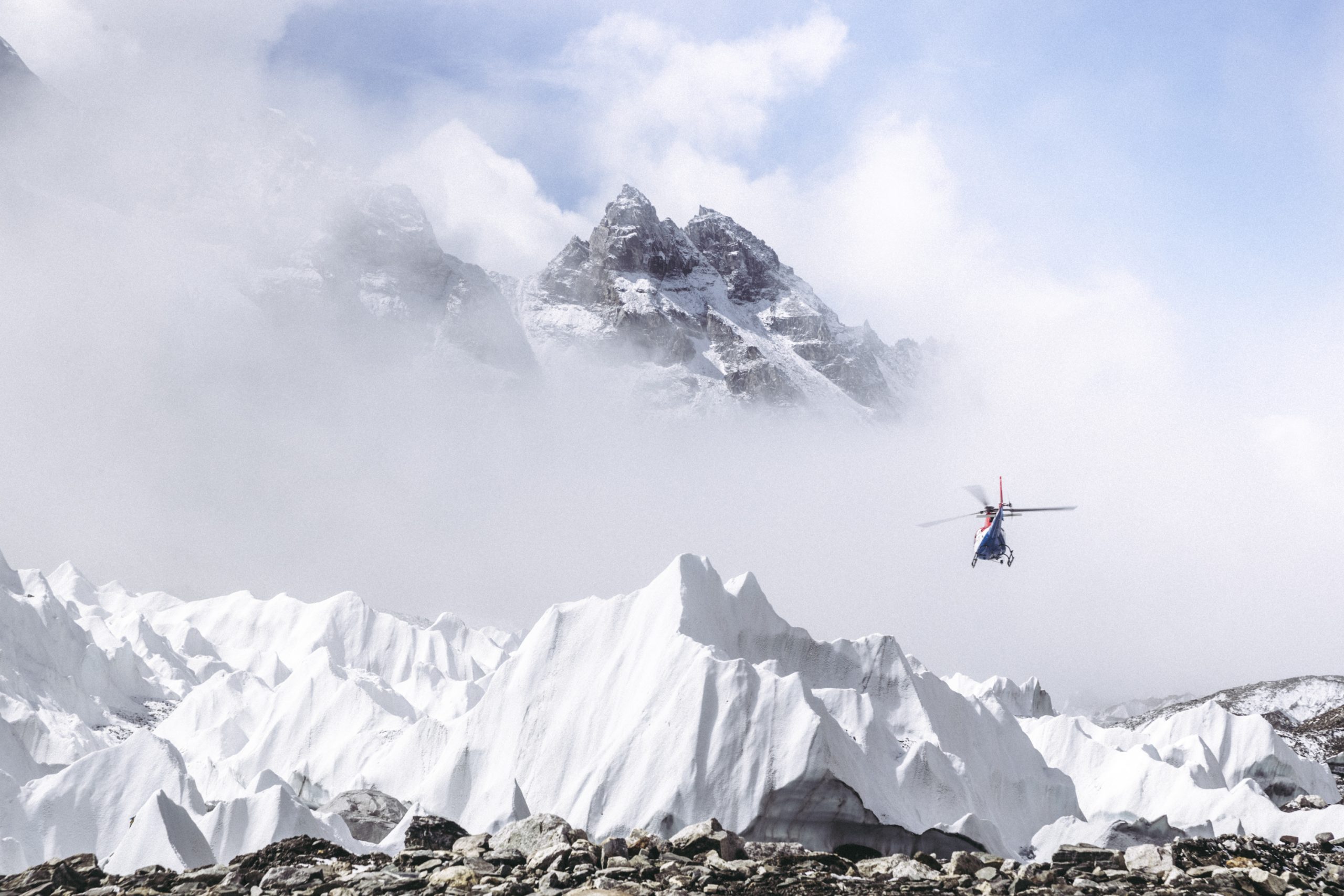
Helicopter rescues are vital to emergency response, providing rapid and effective assistance in situations where traditional ground-based rescues are impossible. Whether transporting critically ill patients, plucking climbers from cliffs, rescuing mariners from stormy seas or evacuating crews from lifeboats, these operations save countless lives each year.
Categories:
Business TravelSecurity & IntelligenceApril 24, 2025
Article Highlights:
- Oil and gas workers face a mix of terrorism, tribal warfare and poor infrastructure.
- Humanitarian aid workers operate in disaster and war zones with limited medical access.
- Journalists in conflict areas face kidnapping, detainment and combat dangers.
- Engineers abroad deal with low safety standards, civil unrest and transportation risks.
- Environmental researchers in remote jungles are vulnerable to wildlife, disease and isolation.
From natural disasters and civil unrest to the pandemic and political upheaval, today’s global work environment is more unpredictable than ever. While most of the world’s workforce can adapt to remote work or delay travel when instability strikes, certain professions don’t have that luxury.
These high-risk, high-stakes careers operate in some of the planet’s most hazardous, remote or geopolitically sensitive areas. For these professionals, the dangers range from civil unrest and terrorism to medical emergencies, wildlife threats and infrastructure failures. That’s where Global Rescue becomes indispensable — providing medical and security evacuation, real-time intelligence and travel risk mitigation to keep these essential workers safe.
Dangerous Jobs in the Oil, Gas and Energy Industry
Hazards: Terrorism, kidnapping for ransom, tribal conflict, lack of emergency healthcare, poor infrastructure.
Oil and gas workers often top the list of most hazardous occupations due to their remote locations and the volatile environments in which they operate. From offshore rigs to desert drilling sites in Yemen, Nigeria or Libya, these professionals face not just mechanical dangers but also threats of armed conflict and terrorism.
Harding Bush, associate director of security operations for Global Rescue and a former Navy SEAL, recalled working in Yemen during the Arab Spring. “The protests and military response shut down mobility. People couldn’t get to the office or even reach the airport,” he said. “Satellite phones and security escorts became essential.”
Fuel deliveries are unreliable, roads are poorly maintained and emergency medical care is virtually nonexistent in many oil-producing regions. Global Rescue provides on-the-ground assessments, destination risk reports and extraction when danger strikes, an essential support for this risky job category.
Most Hazardous Jobs Include Humanitarian Aid Workers
Hazards: Natural disasters, civil war, infectious diseases, political unrest, unsafe infrastructure.
Aid workers respond where help is most needed, often amid war zones, disaster aftermath or public health crises. Whether it’s an earthquake in Syria, famine in Sudan or cholera outbreak in Haiti, their mission doesn’t pause for danger.
Minimal infrastructure and often unpredictable hostilities make this noble but dangerous career riskier. Aid organizations rely on Global Rescue to conduct threat assessments, monitor unfolding crises through the GRID℠ intelligence system and evacuate personnel when medical or security emergencies arise.
These professionals also face psychological stress and physical exhaustion. Having a reliable support system like Global Rescue makes it possible to continue critical missions, even in the world’s most hazardous regions.
Dangerous Jobs for Journalists in Hot Zones
Hazards: Kidnapping, detainment, physical assault, surveillance, vehicle accidents, bombings.
Journalism may not traditionally appear on the top 10 most dangerous jobs list, but when reporting from hot zones like Gaza, Ukraine or Myanmar, it absolutely should. These professionals deliberately place themselves in the middle of conflict to tell the world the truth, which comes with enormous risk.
Global Rescue aids media outlets and freelance journalists by offering pre-travel intelligence, emergency medical support, secure communication tools and real-time alerts through the GRID system. If war breaks out, journalists can receive the immediate message: “Pack your bags. Get to the airport. Get out now.”
As John Morris, director of account management at Global Rescue, said, “Sometimes it’s not a hot spot and the next day it is.”
Riskiest Jobs Include Construction Workers in Developing Nations
Hazards: Workplace accidents, civil unrest, disease exposure, transportation hazards, limited medical care.
Construction crews and engineers working on global infrastructure projects — think roads in Laos, bridges in Angola, or commercial buildings in Afghanistan — often operate in areas with lax safety standards, poor oversight and political instability.
Bush notes that basic vehicle safety, such as seatbelts or functional brakes, can’t be taken for granted. “Good safety is good security,” he said. “Vehicle accidents are a major cause of overseas injuries and deaths.”
Construction is already one of the most hazardous jobs domestically, but globally, the risks multiply. Global Rescue’s integrated approach, combining medical, security and intelligence operations — ensures support is always one call away, whether the issue is a traffic injury or civil uprising.
Hazardous Careers Include Wildlife Researchers
Hazards: Wildlife attacks, insect- and water-borne disease, isolation, natural hazards, lack of communication.
Working in the world’s most remote corners — from the Amazon Rainforest to sub-Saharan Africa — environmental researchers face a different kind of danger. Insect bites can transmit deadly diseases, and venomous snakes or aggressive animals pose real threats. Communication is limited, evacuation routes are few and local health care may be nonexistent.
Global Rescue provides these experts with essential intelligence reports for weather, medical evacuation plans and location tracking to keep them safe and in contact. Researchers working in tribal regions also benefit from Global Rescue’s intelligence tools, which track nearby civil disputes or natural threats.
For scientists on the front lines of conservation, having Global Rescue behind them means they can continue their work without risking their lives.
The Global Rescue Connection
Whether it’s a journalist injured while reporting on civil unrest or a petroleum engineer in a remote country suffering an emergency illness, people working in these high-risk careers depend on detailed intelligence, emergency extraction and clear decision-making tools.
Global Rescue’s services include:
- Destination reports with real-time alerts and region-specific assessments.
- GRID is an enterprise platform that monitors real-time environmental and geopolitical risks.
- Medical evacuations and security extractions are available when commercial options are not possible.
- Proactive advisory services, helping clients avoid trouble before it starts.
“Many competitors are fractured,” Morris said. “They have the intelligence, but they sub out the medical. Global Rescue has medical, security and intelligence working side-by-side.”
That kind of unified support can be the difference between survival and catastrophe for professionals in the world’s most hazardous occupations. If you work or operate in a “hot zone,” Global Rescue can help you stay safe and productive. Download our free report.
Categories:
TravelApril 23, 2025
Article Highlights:
- Firearm transportation rules vary widely, so always check TSA and destination laws.
- Many Asian nations ban foreign firearms; renting locally is often easier.
- Bringing ammo? Most countries allow limited amounts, so check airline and customs rules.
- Top hunting destinations like Sweden, New Zealand and Argentina offer excellent rental options.
- Expect delays and thorough checks at customs — be organized and patient.
International hunting adventures offer unmatched thrills, but transporting hunting gear across borders requires meticulous planning, legal awareness and logistical precision. Whether you’re planning to hunt moose in Sweden, black bear in Canada or Himalayan tahr in New Zealand, here’s your comprehensive step-by-step guide to staying compliant and safe.
Step 1: Know the TSA and International Regulations
- TSA (US): Travelers must declare firearms during check-in, ensure they’re unloaded and store them in a hard-sided, locked case. Ammunition for personal use carried by a passenger in checked baggage only, if securely packed in boxes or other packagings specifically designed to carry ammunition.
- Canada: The Canadian Air Transport Security Authority (CATSA) follows similar rules to the TSA. Visitors must fill out a Non-Resident Firearm Declaration.
- UK: Travelers must obtain a UK Visitor’s Firearm Permit and import license. Firearms and ammo must be declared and transported separately.
- Australia: Requires a B709 import permit. All firearms must be declared and stored per strict state-level regulations.
Step 2: Understand Country-Specific Laws
Some countries are firearm-friendly for hunters. Others are not. Here’s how some of the most common destinations stack up:
- Strictest Countries: India, Japan, South Korea and China have stringent or prohibitive regulations for bringing firearms. In most cases, you cannot bring your weapons.
- Moderately Strict: Nepal and Pakistan allow hunting but typically require you to rent weapons.
- More Permissive: Russia, Mongolia, Kyrgyzstan and Tajikistan allow firearm imports with proper paperwork and outfitter support.
- Australia & New Zealand: Import permitted with prior approval. Local outfitters often provide weapons.
Bow and Black Powder Guns: Even if firearms are banned, bows and black powder guns might be treated differently — but always check with the destination’s customs.
Step 3: Decide Whether To Bring or Rent
- Renting is best when the destination country has restrictive import rules. Local outfitters offer quality rifles tuned for the terrain. Hunters can avoid hassle at customs and reduce travel weight by renting.
- If the country you’re going to for your hunt allows firearms with the proper paperwork completed, then it may make sense to bring your own, especially if you require a specific firearm setup for accuracy or comfort or if you plan multiple hunts and need consistency.
Step 4: Know the Rules on Ammunition
- Bring It: Bring limited quantities (typically up to 11lbs/5kg) if allowed. Check airline and country limits.
- Buy It There: Often safer and easier. Make sure the outfitter can supply the caliber you need.
Step 5: Prepare for Border & Customs Protocols
- Declare firearms and ammo at every border.
- Have copies of your hunting invitation, licenses and permits.
- Expect an inspection of your gear.
- Be courteous and cooperative with customs agents.
- Allow extra time for processing.
Step 6: Review Legal Differences Among Countries
- US: Easier gun transport domestically, but export laws (ITAR) apply.
- UK: Much stricter, with licensing and ammo limits.
- Canada: Accepting foreign hunters with declarations.
- Australia: Varies by state; expect more bureaucracy.
Where Hunting Is Allowed — and Where It’s Not
Asia:
- Hunting-Friendly: Mongolia, Kyrgyzstan, Tajikistan, Russia, Pakistan, Kazakhstan, Uzbekistan, Azerbaijan, Turkey.
- Restrictive or Banned: India, Japan, South Korea, Vietnam, Laos, Cambodia.
Europe:
- France, Austria, Switzerland, Sweden and Italy allow hunting with permits.
Oceania:
- New Zealand and Australia are top spots for game like tahr and deer—with proper permits.
North America:
- The US and Canada offer extensive game hunting opportunities with seasonal and license regulations.
South America:
- Argentina is famed for red stag and offers firearm rentals and permits through outfitters.
The Global Rescue Connection
Global Rescue is a critical resource for anyone venturing into the wilds of New Zealand, France, Canada, Argentina, the US, or anywhere else. When you’re on a hunt, no matter how prepared you may be, things can go wrong instantly. Whether it’s a minor illness, a serious injury, a language or legal barrier, having the peace of mind of knowing that Global Rescue is there to provide emergency medical evacuation and expert assistance is a game changer.
For example, a member from Michigan nursed a fever for several days during a remote safari before expedition leaders contacted Global Rescue to request a medical evacuation. After retrieving and analyzing all the available medical information about the member, Global Rescue’s medical operations team initiated an immediate, successful medical evacuation. After an initial period of hospitalization to stabilize the member, he was admitted for a prolonged period due to this illness requiring multiple surgeries, aggressive antibiotic therapy and close monitoring in the ICU before being deemed fit to fly back to his home hospital of choice in the US.
This is one of many examples of how Global Rescue’s services are essential in the field. Whether it’s an emergency medical evacuation, expert guidance to determine if a seemingly minor health concern needs immediate attention, or if a language or legal complication has surfaced, Global Rescue is the safety net that hunters rely on.
Categories:
TravelApril 22, 2025
Article Highlights:
- Iconic destinations like the Great Barrier Reef, Taj Mahal and Machu Picchu are disappearing.
- Tourism provides vital economic support to communities, offering livelihoods and incentives to protect natural and cultural resources.
- New destinations such as Slovenia, Laos and Madagascar are emerging as alternatives to over touristed sites.
- Responsible travel choices can help preserve at-risk destinations and attractions for future generations.
Some of the world’s most iconic tourist destinations are disappearing, from the vanishing snows of Kilimanjaro and the bleached coral of the Great Barrier Reef to the sinking city of Venice and the vandalism of the Great Wall of China. Overtourism, pollution and neglect drive these places toward extinction.
Traveling to at-risk destinations can be beneficial or harmful, depending on how well economic benefits are balanced with efforts to preserve the site. For many communities around the world tourism is more than a leisure industry, rather it’s a critical source of income, employment and opportunity.
In these regions, the livelihood of local people often depends on the steady flow of visitors. Tourism can help fund infrastructure and create powerful economic incentives to preserve natural and cultural heritage. From coastal villages in Central America to remote mountain communities in Africa, tourism has encouraged locals to protect the resources that attract travelers in the first place. Travel, when done responsibly, can be a lifeline.
Glaciers
Glacier National Park in Montana once had 150 glaciers. Today, fewer than 30 remain. Warming temperatures are melting them away, changing the park’s ecosystem forever. The Patagonia Glaciers, straddling Chile and Argentina, are retreating rapidly, a visible and dramatic consequence of warming trends.
Franz Josef Glacier in New Zealand is receding quickly. Once easily accessible, it now requires helicopter rides, changing the visitor experience. Antarctica, the last great wilderness, is warming faster than any other continent. Melting ice sheets threaten global sea levels and the habitats of countless species. Athabasca Glacier in Canada, a popular tourist site, is shrinking visibly every year, serving as a dramatic reminder of a warming world.
Coral Reef Bleaching, Sinkholes and Rising Waterways
The Great Barrier Reef has lost more than half its coral cover in recent decades due to warming seas and ocean acidification. Once teeming with color and life, large swaths are now ghostly white from mass bleaching events. The Dead Sea is shrinking dramatically. Known for its healing waters and mineral-rich mud, the Dead Sea has lost over a yard/meter of water annually due to water diversion and shifting temperatures, forming dangerous sinkholes in the region.
The Seychelles, a paradise archipelago, is losing its beaches to rising seas and coral die-offs, threatening marine life and tourism. The Maldives, famed for white-sand beaches and overwater bungalows, faces existential threats. Rising sea levels and coral bleaching jeopardize its survival, with projections warning the nation could be submerged by the end of the century.
Venice, Machu Picchu and the Taj Mahal
Venice, the romantic floating city, is sinking under its weight — literally. Rising tides, overtourism and poor infrastructure have made flooding more frequent and severe. The Taj Mahal, India’s most famous landmark, faces discoloration and structural damage due to pollution and overtourism. Measures are being taken, but challenges remain. Machu Picchu, the ancient Incan citadel in Peru, is crumbling under the weight of too many visitors. Erosion and structural instability are rising concerns.
The Great Wall of China is being weathered and vandalized. About two-thirds of the wall is either damaged or disappeared entirely. The Giza Necropolis in Egypt suffers from pollution, looting and the impacts of nearby urban development, placing these ancient wonders at risk. The Buddhas of Bamiyan in Afghanistan were tragically destroyed, a reminder that cultural heritage, like natural wonders, can be lost forever. The Azure Window in Malta, a natural stone arch, collapsed into the sea in 2017. It’s a stark example of how geological wonders can be here today, gone tomorrow.
Rainforests
The Congo Basin, the second-largest rainforest in the world, is rapidly being degraded. Deforestation and illegal mining are eroding this biodiversity hotspot. The Amazon Rainforest, the “lungs of the planet,” is being cleared at alarming rates for agriculture and logging. Its rich biodiversity and Indigenous cultures are under threat. The Everglades in Florida are being drained and polluted. The loss of this wetland ecosystem would have devastating effects on regional biodiversity.
Mountains
Mount Kilimanjaro’s iconic snowcap is vanishing. Scientists estimate the ice could be gone within decades due to temperature shifts and deforestation. The Alps, Europe’s winter playground, are experiencing shorter ski seasons and glacier retreats due to rising temperatures.
Island Wildlife
The Galápagos Islands, home to rare and endemic species, are at risk from invasive species and poorly managed tourism. Despite strict regulations, the pressure is increasing. Komodo Island, home of the Komodo dragon, is threatened by overtourism and habitat destruction. Conservation efforts now restrict access to protect the species.
Are New Destinations Emerging?
As some destinations fade, others are rising as ecotourism hotspots. Slovenia is acclaimed for its commitment to green travel, with pristine lakes, eco-friendly accommodations and farm-to-table gastronomy. Laos offers community-based tourism in serene, untouched landscapes. Panama blends rainforests and indigenous cultures with growing conservation initiatives.
Madagascar, with its unique species and ecosystems, is facing massive deforestation. Fortunately, it’s also rising as an ecotourism destination promoting conservation with expanding eco-lodges and sustainable travel options that support its unique biodiversity.
How Travelers Can Help
Global Rescue and its partners like Re:wild and &Beyond demonstrate how travel and conservation coexist. These organizations prioritize safe and responsible travel that supports environmental protection.
Dan Richards, CEO of The Global Rescue Companies and member of the U.S. Travel and Tourism Advisory Board, states, “Governments can set visitor limits, promote off-peak travel and invest in sustainable tourism infrastructure to preserve these destinations for future generations. Travelers can contribute by seeking lesser-known locales, traveling in off-peak seasons and embracing responsible tourism practices.”
Every traveler has the power to create positive change through ecotourism. By making conscious travel choices, we can preserve the beauty and diversity of our planet for future generations.
Categories:
Press ReleaseApril 21, 2025
(Lebanon, NH – April 21, 2025) — Travelers are eager to hit the road in 2025 with more trips and longer stays, but international policy developments in the US are nudging many to reconsider how—and where—they go, according to the Spring 2025 Traveler Sentiment and Safety Survey conducted by Global Rescue.
The survey found that more than 50% of respondents plan to take more trips this year compared to 2024 and more than 27% expect to spend more money and those trips to be longer. Nearly a quarter said they plan to spend more on travel this year. However, a third (33%) selected “none of the above,” signaling a level of caution or restraint amid mixed signals in the global travel environment.
“Traveler enthusiasm for 2025 is strong, but it’s being tempered by the real-world impact of US policy abroad,” said Dan Richards, CEO of The Global Rescue Companies and a member of the US Travel and Tourism Advisory Board at the US Department of Commerce. “We’re seeing people express a clear desire to travel more, yet also signaling hesitations tied to policy developments that affect international mobility and destination choice.”
When asked whether US international policy initiatives make them more or less likely to travel, more than a third of respondents (34%) indicated they are generally less likely to travel. Specifically, 6% reported being “much less likely,” 18% “somewhat less likely,” and 10% “less likely” to travel. Most respondents (55%) stated that the policies would not affect their traveler decisions either way.
Richards noted, “It’s telling that more than a third of travelers feel less likely to travel due to US international initiatives. The data reveals an undercurrent of hesitancy tied to how policy impacts the perceived ease, cost, or safety of international travel.”
Among those surveyed:
- 18% say their travel plans have already changed due to US international policies.
- 22% are still considering whether to change their plans.
For those whose plans have shifted:
- More than half (55%) are changing which countries they’ll visit.
- 34% are postponing international travel altogether.
- A quarter (24%) say they are no longer traveling internationally in 2025.
“Policies don’t operate in a vacuum—they influence real travel decisions,” Richards emphasized. “When travelers start revising their destinations or shelving international travel plans altogether, that’s a signal to policymakers that the ripple effects of their decisions are being felt on the ground.”
For more information, contact Bill McIntyre at bmcintyre@globalrescue.com or +1 202.560.1195.
About the Global Rescue Traveler Sentiment and Safety Survey
Global Rescue, the leading travel risk and crisis response provider, surveyed more than 1,100 current and former members between April 8-12, 2025. The respondents revealed a variety of behaviors, attitudes and preferences regarding current and future travel.
About Global Rescue
Global Rescue is the world’s leading provider of medical, security, evacuation and travel risk management services to enterprises, governments and individuals. Founded in 2004, Global Rescue has exclusive relationships with the Johns Hopkins Emergency Medicine Division of Special Operations and Elite Medical Group. Global Rescue provides best-in-class services that identify, monitor and respond to client medical and security crises. Global Rescue has provided medical and security support to its clients, including Fortune 500 companies, governments and academic institutions, during every globally significant crisis of the last two decades. For more information, visit www.globalrescue.com.
Categories:
Health & SafetyTravelApril 20, 2025
Article Highlights:
- Is cannabidiol legal? CBD legality varies by country.
- Is THC legal? Tetrahydrocannabinol products are generally prohibited for international transport, even between countries where cannabis is legal.
- Medical marijuana is permitted in some countries with strict regulations; proper documentation is essential.
- Penalties for possessing CBD or THC products in prohibited countries can be severe, including imprisonment.
- Thoroughly research and comply with destination-specific laws to avoid legal issues during travel.
As global attitudes toward cannabis evolve, travelers face a complex web of regulations concerning cannabidiol (CBD) and tetrahydrocannabinol (THC) products. Understanding these rules is crucial to ensure compliance and avoid legal complications during international travel.
CBD and THC are both compounds found in the cannabis plant, but they serve different purposes and have distinct legal considerations. THC is psychoactive, meaning it alters your mental state and produces a “high” feeling. In contrast, CBD is non-psychoactive and does not cause any intoxicating effects. CBD is often studied for potential therapeutic benefits, such as pain relief, anxiety reduction, and anti-inflammatory properties. In contrast, THC, while also having some medical applications, is primarily used recreationally for its psychoactive effects. The legality of both compounds varies by location, with CBD products containing very low THC content often being permitted, while products with high THC levels are generally more restricted.
Where Is CBD Legal? Countries Permitting Cannabidiol Products
Is cannabidiol legal? CBD, a non-psychoactive compound derived from cannabis, is legal in various countries under specific conditions. In the European Union (EU), many nations allow CBD products with THC content below 0.2%, as seen in Germany and the Netherlands.
But regulations differ. France requires CBD products to contain less than 0.3% THC, and Switzerland permits CBD products with THC content below 1%. In the United States, CBD products derived from hemp containing less than 0.3% THC are legal, though state laws vary, and travelers should verify regulations in their destination state.
When traveling with CBD, recommended precautions include carrying a Certificate of Analysis (COA) from a third-party lab confirming the product’s THC content, ensuring products are in their original packaging with clear labeling, and adhering to airline and country-specific limits on liquid volumes and product amounts.
Where Is THC Legal? Countries Permitting Tetrahydrocannabinol Products
THC, the psychoactive component of cannabis, is subject to stricter regulations. Canada and Uruguay have legalized recreational cannabis, allowing travelers to possess THC products within specified limits. The Netherlands, while technically prohibiting cannabis, tolerates its sale and consumption in licensed “coffeeshops,” and possession of small amounts for personal use is generally permitted.
Even in countries where THC is legal, consumption is typically restricted to private residences or designated areas. Adhering to possession limits, which vary by country, and understanding that transporting THC products across international borders is generally illegal, even between countries where cannabis is legal, are critical considerations for travelers.
Countries Permitting Medical Marijuana
Several countries allow medical marijuana under regulated frameworks. In Germany, patients with a prescription can access medical cannabis from pharmacies. Australia permits medical cannabis, but patients must obtain a prescription and adhere to state-specific regulations. The United Kingdom has allowed limited medical use since November 1, 2018, with cannabis-derived medicines available under prescription.
Travelers carrying medical marijuana should ensure they have a valid prescription and a letter from their healthcare provider, check whether an import permit is required for their destination and only transport the necessary amount for personal medical use during their trip.
Countries Prohibiting CBD and THC Products
In many nations, both CBD and THC products are strictly prohibited. Singapore enforces severe penalties for cannabis possession, including imprisonment and fines. Japan bans both CBD and THC, with possession leading to arrest and detention. The United Arab Emirates maintains zero-tolerance policies for cannabis, resulting in lengthy prison sentences for possession. Additional countries prohibiting cannabis in any form, with severe penalties for possession or importation, include Fiji, the Bahamas, Monaco, Iceland, Indonesia, Hong Kong, Tanzania and Taiwan.
Key Considerations for International Travelers
Is THC legal? Is CBD legal? Travelers should research destination laws thoroughly to answer these questions, as regulations vary widely. Substantial monetary fines, extended imprisonment and deportation with bans on re-entry are common consequences for international travelers violating cannabis laws.
Travelers should avoid assuming legal products in their home country are permitted abroad. Consulting with authorities, such as the embassy or consulate of the destination country, can provide clarity and help prevent legal issues during travel.
The Global Rescue Connection
One of travelers’ worst blunders is assuming what’s permissible in their home country applies wherever they travel. “Not so,” said Dan Richards, CEO of The Global Rescue Companies. “It is critical to know your destination’s laws before traveling.”
The laws of your home country don’t travel with you. That’s why knowing the local laws of the destination(s) is critical before traveling. “The U.S. Department of State’s travel information web page for overseas travel advice explains you are subject to local laws while abroad,” said Harding Bush, former Navy SEAL and Global Rescue associate director of security operations. “You are bound by those laws. You can’t just say, ‘Oops, I didn’t know.’ Ignorance is not an excuse.”
If you’re a member of Global Rescue, the best place to start your research regarding the rules and laws of a country is with our destination reports. Maintained by our travel intelligence analysts, these reports cover 215 countries and territories, and they’re always accessible in your member portal or on your My Global Rescue App. (Not a member? You can download one free destination report on our Travel Intelligence Center page.)
Our Global Rescue intel and security team can also assist members in research, including discussing what risks — the bans or limitations of prescriptions and over-the-counter medicines, the prevalence of certain diseases, potential security threats or other destination details — they should be aware of before going.
Note: This article provides general information and should not be considered legal advice. Laws regarding CBD and THC are subject to change; always consult legal experts or official government sources before traveling.