Loading...

Share This:

Is Poland Safe? Essential Advice for Visiting Warsaw

An in-depth guide covering cultural customs, must-see attractions, safety, food, and essential Poland travel tips.

Article Highlights:

  • Warsaw, Poland, offers a deep historical and cultural experience, blending past resilience with modern attractions.
  • Polish etiquette values formal greetings, modest dress, and respectful behavior in public and religious spaces.
  • Poland is safe for travelers, but heightened security measures exist due to the influx of Ukrainian refugees.
  • Warsaw’s vibrant arts, music, and nightlife scenes provide diverse entertainment options for visitors.
  • Local cuisine, including pierogi and zapiekanka, is a must-try, and Poland’s drinking water is generally safe.

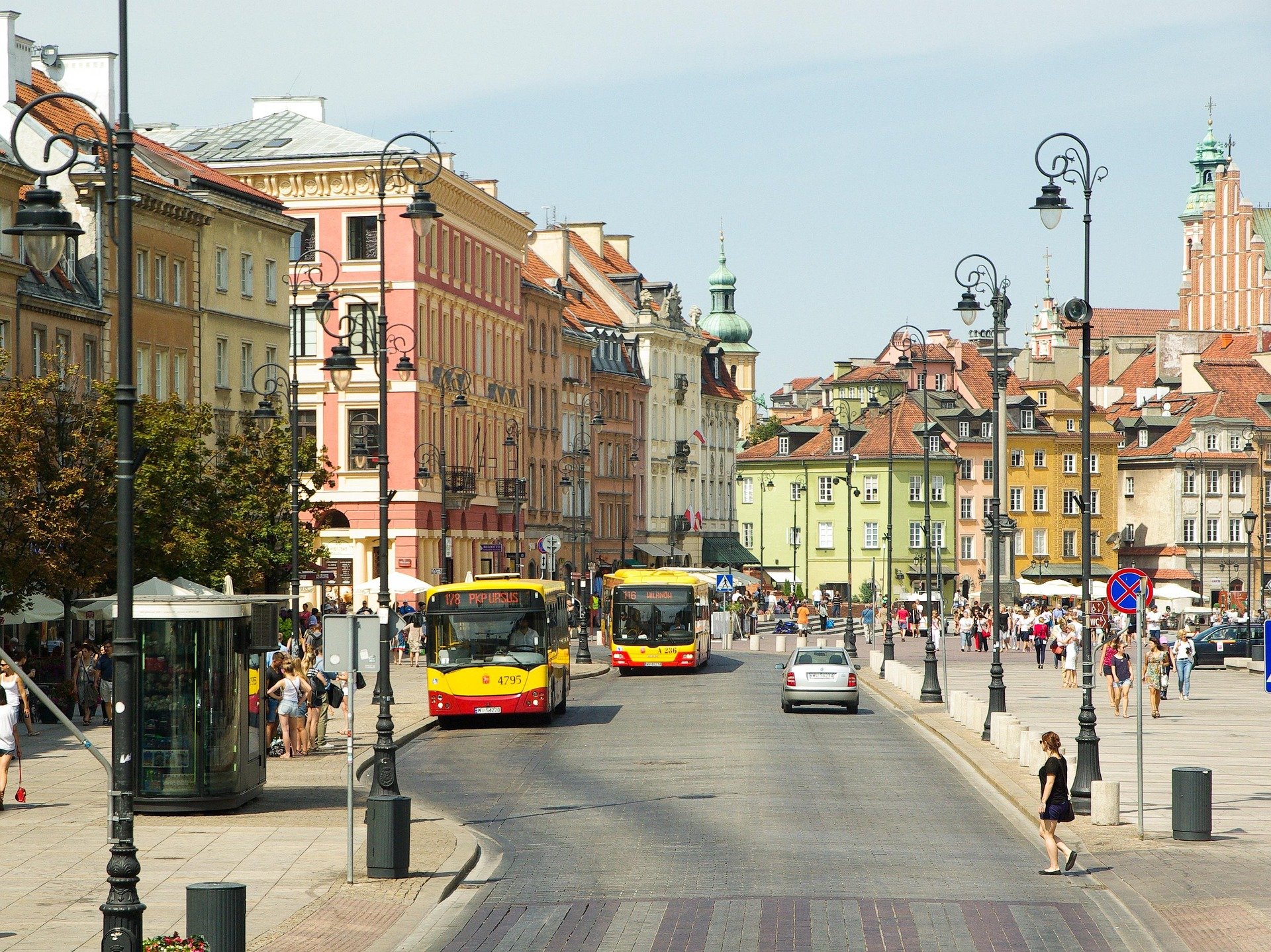
Warsaw, Poland’s capital, stands as a symbol of resilience and renewal. Nearly destroyed during World War II, the city has been meticulously rebuilt, blending historical charm with modern sophistication. From its thriving art scene and energetic nightlife to its deeply rooted traditions, Warsaw offers an immersive experience that bridges the past and the present. The city’s stunning architecture, lively markets, and warm locals make it a must-visit destination.

Warsaw’s history is deeply intertwined with Poland’s national identity. Its diverse ethnic and religious backgrounds include a strong Roman Catholic presence, a historical Jewish community, and various minority groups. The city has long been a hub of trade and commerce, with industries spanning finance, technology, and manufacturing. Warsaw’s Old Town, a UNESCO World Heritage Site, exemplifies its ability to rebuild after devastation.


Warsaw: Attractions and Activities

Warsaw offers an array of cultural and recreational attractions. The Royal Castle and Łazienki Park showcase Polish history and architectural grandeur. The POLIN Museum of the History of Polish Jews provides a profound look at Jewish heritage in Poland. For contemporary art lovers, Warsaw’s street art scene and galleries like Zachęta National Gallery of Art offer a glimpse into modern Polish creativity.

For music enthusiasts, Warsaw’s Chopin Museum celebrates the legendary composer. Live classical performances and vibrant jazz and electronic music scenes are typical. Outdoor lovers can explore the Vistula River or escape to Kampinos National Park outside the city. Nightlife thrives in Praga, where trendy bars and underground clubs keep the city alive until dawn. Adventure seekers can try skijoring, where a skier is pulled by a horse, dog, or vehicle — a winter sport popular in Poland. Ice sailing, another lesser-known activity, takes advantage of the country’s frozen lakes.


Poland’s Cuisine and Culture

Polish cuisine is hearty and flavorful. Pierogi (dumplings), bigos (hunter’s stew), and żurek (sour rye soup) are national staples. Warsaw’s food markets and milk bars serve authentic, affordable meals. Street food lovers should try zapiekanka, an open-faced baguette with toppings, and obwarzanek, a chewy bagel-like snack.

Vegetarians will find growing options, but traditional Polish food is meat-heavy. Those with dietary restrictions should confirm ingredients when dining out. Tap water is safe in Warsaw, though some prefer bottled spring water.

Polish is the official language, though English is widely spoken in tourist areas. Locals appreciate visitors learning basic phrases like “Dzień dobry” (“Good day”) and “Dziękuję” (“Thank you”). A phrasebook or translation app can be useful for deeper interactions.

Polish customs emphasize politeness and formality. Greetings typically include a handshake and direct eye contact. Public behavior is generally reserved, and raising one’s voice in public is frowned upon. While Warsaw is a modern city, dress codes remain conservative in religious spaces and fine-dining establishments.

And despite a widely circulated myth, Winnie the Pooh T-shirts are not banned in Poland due to the character’s lack of pants. This urban legend has no legal basis but continues to entertain curious travelers.


Getting to Poland: When and How

Warsaw experiences four distinct seasons. Spring and autumn offer mild temperatures and colorful scenery. Summer brings warm weather, making exploring the city’s parks and outdoor events ideal. Winters can be harsh, but they also bring festive Christmas markets and unique winter sports opportunities. Packing accordingly is essential, with layers recommended for winter visits and comfortable walking shoes year-round.

Most travelers to Poland need a valid passport, and depending on their country of origin, some require visas. Entry forms and customs regulations vary, so it is advised to check with official sources before arrival.


Getting Around Warsaw

Public transportation is efficient and includes buses, trams, and a metro system. Ride-sharing services and taxis are available but should be used cautiously to avoid scams. Renting a car is possible, but Warsaw’s public transit is often more convenient. Travelers with pets will find Poland’s train system accommodating, with leashing and muzzling requirements for larger dogs.

Poland uses the Polish złoty (PLN). ATMs are widely available, and credit cards are accepted in most establishments. Warsaw is relatively affordable compared to Western European capitals, with moderate food, transportation, and entertainment costs.


Is Poland Safe?

Warsaw’s low crime rates make it safe for travelers, but the adjacent Russia-Ukraine war has security impacts.

The presence of Ukrainian refugees in Poland has normalized. The security focus has shifted to the border with Belarus where Poland maintains increased security using physical barriers, troops, drone, helicopters, and armed vehicles as part of their defense.

Political stability in Poland remains strong, though occasional protests may disrupt public transportation. Before traveling, note emergency contacts, including Poland’s 112 emergency number.

Poland has excellent medical facilities, with Warsaw offering top-tier hospitals and clinics. Pharmacies are widely available, and over-the-counter medications are easy to obtain. While public healthcare is available, travelers are advised to have travel insurance covering medical emergencies and evacuation if needed.

The Global Rescue Connection

Travelers are approaching international travel boldly but with greater caution and preparation. From geopolitical instability to health risks, travelers face numerous challenges, but some steps can mitigate these risks. Preemptively securing travel protection for medical and security emergencies is a good first step. Staying informed by consulting travel alerts and destination reports can help travelers avoid dangerous situations and make educated decisions about where to go and when.

In today’s rapidly changing global landscape, travelers must prioritize their safety by seeking the right resources and services to ensure a secure journey. “Having the right safety advisory, security extraction, and medical evacuation services in place can provide peace of mind,” said Harding Bush, former Navy SEAL and Global Rescue associate director of security operations. “Travelers should be prepared for the unexpected and make safety a key part of their travel planning.”

Share This:

Venomous Vacation: Where Snake Bites Strike Most

Learn about snake bite dangers, first aid, and prevention in India, Pakistan, Nigeria, and the USA.

Article Highlights:

  • India accounts for nearly 50,000 snake bite deaths annually, primarily from the Big Four venomous snakes.
  • The USA reports 7,000–8,000 venomous bites per year, but fatalities are rare due to effective medical care.
  • Nigeria’s Carpet Viper is responsible for most snake bite deaths in West Africa.
  • First aid essentials: Keep the patient calm, clean the wound, and seek medical help immediately.
  • Carrying antivenom is not recommended for travelers, but knowing regional availability is crucial.

Contrary to popular belief, snakes are not actively looking for people to bite. Despite their fearsome reputation, most snakes are more afraid of humans than humans are of them. Bites typically occur when snakes feel threatened or are accidentally stepped on. Of the approximately 3,000 snake species worldwide, only about 400 are venomous, primarily found in tropical and temperate climates.

Despite this, Global Rescue has plenty of snake-related operations to share. Like the time we received an SOS alert from a satellite messaging device owner whose wife had been bitten on the foot by a black snake in Australia. She was experiencing numbness near the bite mark, along with thirst and nausea. Operations alerted first responders and coordinated with emergency authorities for rescue. The reporting individual confirmed that an ambulance had arrived and the rescue was underway.


Risks of Snake Bite in India, Pakistan, Nigeria, and the USA

Snake bites in India are a serious public health concern. The country accounts for nearly 50,000 deaths annually from venomous bites, primarily from the “Big Four” snakes:

  • Indian Cobra – Highly venomous; neurotoxic venom affects breathing.
  • Russell’s Viper – Hemotoxic venom causes severe tissue damage and internal bleeding.
  • Common Krait – Often bites at night; venom leads to respiratory failure.
  • Saw-Scaled Viper – Fast-moving, aggressive, and highly venomous.

These bites are prevalent in rural areas where agriculture is common and access to immediate medical care is limited.


Pakistan experiences a high number of snake bite cases, especially in the provinces of Sindh and Punjab. The most dangerous species include the Indian cobra, krait, saw-scaled viper, and Russell’s viper.

  • Indian Cobra – Similar risks as in India.
  • Saw-Scaled Viper – Highly venomous, causes internal bleeding.
  • Russell’s Viper – One of the most lethal snakes in Pakistan.
  • Krait – Often mistaken for a harmless species due to its nocturnal nature.

The mortality rate is significant due to limited medical facilities and a lack of awareness.


Snake bites in Nigeria are most common in rural farming regions. The carpet viper (Echis ocellatus) is responsible for most venomous bites, causing thousands of deaths each year.

  • Carpet Viper – The deadliest snake in West Africa; venom causes severe bleeding disorders.
  • Puff Adder – Can deliver enormous amounts of venom, leading to fatal envenomation.
  • Black Mamba – Extremely fast and highly venomous; neurotoxic venom leads to paralysis and death.

Limited access to antivenom and poor medical infrastructure contribute to high fatality rates.


The United States records about 7,000–8,000 venomous snake bites per year, but fatalities are rare due to high-quality emergency medical care. The main culprits include rattlesnakes, copperheads, cottonmouths, and coral snakes.

  • Eastern and Western Diamondback Rattlesnake – Hemotoxic venom causing severe tissue damage.
  • Copperhead – Less aggressive but painful bites.
  • Cottonmouth (Water Moccasin) – Highly aggressive, venomous water snake.
  • Coral Snake – Neurotoxic venom can be deadly if untreated.

Texas and Florida, with their warm climates, have the highest frequency of bites.


Lake snakes are largely nonvenomous, but the water moccasin is a unique exception. It is North America’s only venomous water snake. They are found in streams, marshes, swamps, and the shores of ponds and lakes. A bite can be serious or even deadly.

If bitten, move away from the snake’s striking distance, stay calm to prevent the spread of venom, keep the bite site below the level of your heart, clean the wound with soap and water, and cover it with a clean, dry dressing. Call emergency services immediately after a snake bite and move to the shoreline if not already there.

If you are hiking in Georgia or Arizona, with an estimated 15 snakes per square mile, or Texas, with a large population of rattlesnakes, staying on the trail is the safest path. It will give you time to see the snake, assess the situation and wait at a safe distance for the snake to leave.  Most injuries occur when people try to kill or move the snake. If you see one, give it plenty of room and either go around or turn around.


Snake Bite First Aid and Emergency Treatment

If a snake bites you or someone nearby, it is crucial to remain calm and still, as movement can accelerate the spread of venom. Immediately remove any jewelry or tight clothing, as swelling can occur rapidly and cause additional complications. Clean the bite site using water and a sterile dressing to minimize the risk of infection.

The affected limb should be immobilized and kept at heart level to slow the venom’s circulation throughout the body. It is essential to avoid harmful practices such as cutting the bite, attempting to suck out the venom, applying ice, or using tourniquets, as these can worsen the situation. Above all, seeking medical attention as quickly as possible and providing timely treatment are critical for effective care and recovery.

According to Johns Hopkins Medicine, hospital treatment for snake bites typically includes antibiotics to prevent or treat infections, pain management through medications to alleviate discomfort, and antivenom administration based on the specific snake species and severity of symptoms. Proper medical intervention is crucial in minimizing the effects of envenomation and ensuring a full recovery.


The Global Rescue Connection

Snake bites are a significant risk in many parts of the world, particularly in India, Pakistan, Nigeria, and the southern USA. However, the risks can be minimized with proper precautions, knowledge of local snake species, and prompt medical care. Always be cautious in snake-prone areas, wear protective clothing, and know the location of the nearest medical facility capable of handling snake envenomation.

When visiting international destinations like India, Pakistan, and Nigeria, or outdoor regions in the US, it’s important to be prepared for unexpected medical situations. With a Global Rescue travel membership, you’ll have access to the following services at no charge:

  • Field rescue from the point of illness or injury in case of a medical emergency
  • Medical evacuation to the nearest appropriate facility, if necessary
  • 24/7 medical advisory services to guide you through any health-related challenges while traveling.

A Global Rescue membership provides peace of mind, ensuring that no matter where you are in the world (hopefully, not a snake pit), you’ll have access to the help you need.

Categories:

News
Share This:

Is Your Hotel Room Vulnerable To Theft? Here’s How To Tell

Categories:

Health & Safety
Share This:

Lost Passport, Stolen Credit Cards? What To Do When You Lose Everything Abroad

Get expert tips to recover stolen items, stay safe, and prevent travel SNAFUs before they happen.

Article Highlights:

  • Nearly 400,000 U.S., Canadian, and U.K. passports are lost or stolen annually, causing major travel disruptions.
  • Countries like Spain, Italy, and France have high rates of petty theft against tourists, while Japan and Switzerland have some of the lowest.
  • Thieves use distraction techniques such as Bump and Lift, Cut and Grab, and Distract and Swipe to target unsuspecting travelers.
  • Expert travelers split their valuables to prevent total loss, with over 30% of female travelers using this method.
  • Global Rescue provides emergency assistance, helping travelers replace passports, recover funds, and navigate foreign legal processes.

Travelers face a real risk of losing essential documents such as a passport, credit cards, ID, or cash while exploring a foreign country. Nearly 400,000 U.S., Canadian, and U.K. passports are reported lost or stolen annually. These incidents can cause disruptions, requiring immediate action to secure replacements. Stolen credit cards add another layer of inconvenience, leading to financial insecurity and potential fraud risks.

Pickpocketing and theft are common in many destinations, with some countries being more notorious than others.

Locations like Barcelona, Rome, and Paris are hotspots for petty crime, particularly in tourist-heavy areas. Meanwhile, countries such as Japan, Switzerland, and Singapore have some of the lowest theft rates against travelers.

In addition to everyday pickpockets, some destinations also have a reputation for corrupt law enforcement officers who may extort tourists rather than help them. Travelers should always research a country’s security conditions before visiting and take proactive safety measures.


How Thieves Target Travelers

Criminals use several tactics to steal valuables from unsuspecting tourists. Thieves will often create physical distractions—like bumping into someone—to steal wallets or phones unnoticed. They will cut purse straps or backpack zippers before running off with the stolen item. Teams of thieves use interruptions, such as asking for directions or causing a commotion, while an accomplice takes valuables. Criminals on motorcycles or foot quickly grab purses, bags, or backpacks and escape before the victim can react.

Expert travelers take precautions by using anti-theft accessories such as crossbody purses with zippers, money belts, and hidden wallets. Keeping important valuables in separate locations also minimizes risk. If one item is stolen, a traveler will still have access to other essentials.


Next Steps for a Lost Passport or Stolen Credit Card

Losing a passport or credit card in a foreign country can be stressful, but taking swift and informed action can help mitigate the damage. The first step is to report the theft to local authorities and obtain a police report, which is often required for passport replacement or insurance claims.

If their passport is lost, travelers should contact their embassy or consulate immediately. A stolen passport can lead to identity theft, so it must be reported to prevent misuse. Expedited replacements are available in some locations, but processing times vary. Travelers who have copies of their passport and identification will have an easier time securing a replacement.

If credit cards are stolen, banks and credit card companies should be notified as soon as possible to block transactions and issue new cards. Many financial institutions offer emergency cash advances or alternative payment solutions. If cash is lost, Western Union or other money transfer services can help travelers receive funds from family or friends.

A backup financial plan, such as carrying an extra debit card or keeping emergency cash in a hotel safe, can be invaluable.


Best Methods for Protecting Valuables While Traveling

To reduce the risk of losing essential travel documents or money, expert travelers follow key safety measures:

  • Splitting up valuables: Keeping cash, credit cards, and identification in multiple places ensures that losing one item won’t result in total loss. According to the Summer 2024 Global Rescue Traveler Sentiment and Safety Survey, a quarter (26%) of male travelers and nearly a third (30%) of female travelers rely on this strategy.
  • Using anti-theft accessories: Money belts, RFID-blocking wallets, and undercover travel wallets reduce the risk of pickpocketing.
  • Keeping digital copies of important documents: Storing scans of a passport, ID, and credit card information in secure cloud storage can facilitate quick replacements.
  • Informing banks about travel plans prevents credit card companies from flagging legitimate foreign transactions as suspicious.
  • Avoiding overt displays of wealth: Flashing expensive items, withdrawing large amounts of cash in public, or carrying open bags increases the risk of theft.


Travelers should be wary of fraudulent passport replacement services when dealing with lost or stolen passports. Criminals operate fake websites that claim to expedite passport replacements but instead steal personal and financial information. These scams often use misleading URLs that resemble government sites but contain minor misspellings, such as “govv.uk.com” instead of “.gov.uk.”

According to Harding Bush, associate director of Security Operations at Global Rescue, only official government agencies can issue passports, and travelers should verify web addresses before entering sensitive information.

The Global Rescue Connection

For travelers dealing with lost passports or stolen credit cards, Global Rescue members get immediate support, including assistance with lost passport replacement, guidance on obtaining emergency funds, including options for money transfers, and security advisory services to help navigate the safest course of action when dealing with theft, scams, or legal complications abroad.

Maredith Richardson’s story highlights the importance of professional travel assistance. While studying abroad in Paris, she experienced the sudden panic of a stolen passport. She immediately contacted Global Rescue and was assisted within 30 seconds.

“The process to get an appointment for a passport replacement could take weeks. Global Rescue handled it completely, got it hammered out within a couple of hours, and secured an embassy appointment,” she recalled. “I didn’t have to do a single thing except pull my documentation together.”

Categories:

Press Release
Share This:

Global Rescue Advises Travelers During Myanmar, Bangkok Earthquake

(Lebanon, N.H. – March 28, 2025) Global Rescue is closely monitoring the aftermath of the earthquake measuring magnitude 7.7 magnitude centered in Myanmar, sending shockwaves throughout Southeast Asia on Friday, killing several people and causing…

(Lebanon, N.H. – March 28, 2025) Global Rescue is closely monitoring the aftermath of the earthquake measuring magnitude 7.7 magnitude centered in Myanmar, sending shockwaves throughout Southeast Asia on Friday, killing several people and causing extensive damage, with rescuers in Bangkok searching for nearly 100 people in the rubble of a collapsed building.

The United States Geological Survey (USGS) said the quake’s epicenter was about 10 miles/17 km from the Myanmar city of Mandalay.

“Global Rescue medical and security operations personnel are monitoring the ongoing situation and are prepared to assist in recovery and evacuation efforts,” said Dan Richards, CEO of the Global Rescue Companies, the world’s leading provider of medical, security, evacuation and travel, risk management services. 

Unpredictable natural disasters, such as earthquakes, can strike without warning. Most come from two regions: the Circum-Pacific Belt and the Alpide Belt, an active seismic path running through the Mediterranean and Santorini, a volcanic island in Greece. The Alpide Belt accounts for about 17% of the world’s most powerful quakes.  

“Global Rescue responded to earthquake-stricken Haiti and Nepal in the past, deploying emergency personnel to the region and actively engaged on the ground conducting rescue operations, providing intelligence to travelers in the region to ensure their safety, and coordinating airborne resources for evacuations of individuals impacted by the catastrophe,” Richards said. 

Thousands of travelers and residents are evacuating the region by air and watercraft.  

Global Rescue advises travelers to ensure their passport, identification, and necessary travel documents are readily accessible. Additionally, they should evacuate sooner rather than later. If authorities issue an evacuation order, follow it promptly. Delaying evacuation can lead to being trapped, cut off from necessary resources or rescue efforts, and exposed to greater danger. Individuals should not solely rely on technology for information and communication since power outages or damaged infrastructure can render technology useless.  

“Keep your devices charged. Power could go out for days, weeks or months. It all depends on the local infrastructure,” said Harding Bush, a former Navy SEAL and associate director of security for Global Rescue. “Readiness, swift action and alert decision-making are core characteristics to manage catastrophic situations successfully.” 

###

About Global Rescue

The Global Rescue Companies are the world’s leading provider of medical, security, evacuation and travel risk management services to enterprises, governments and individuals. Founded in 2004, Global Rescue has exclusive relationships with the Johns Hopkins Emergency Medicine Division of Special Operations and Elite Medical Group. Global Rescue provides best-in-class services that identify, monitor and respond to client medical and security crises. Global Rescue has provided medical and security support to its clients, including Fortune 500 companies, governments and academic institutions, during every globally significant crisis of the last two decades. For more information, visit www.globalrescue.com.

Share This:

Easter Island: The World’s Most Isolated Paradise

Get to know Rapa Nui - Easter Island - its cultural customs, history, and a few travel insights to make your trip there even more memorable.

Article Highlights:

  • Explore Easter Island (Rapa Nui) and its legendary Moai statues, volcanic landscapes, and Polynesian culture.
  • Learn about Rapa Nui’s customs, including respectful greetings, dress codes, and sacred site etiquette.
  • Savor local cuisine, from fresh seafood to traditional curanto, and discover unique street food options.
  • Engage in adventure activities like surfing, diving, and hiking while experiencing Rapa Nui’s music and art scene.
  • Plan your trip with key travel information on visas, accommodations, transportation, and safety considerations.


Why Visit Easter Island (Rapa Nui)?

Rapa Nui, more famously known as Easter Island, is a marvel of history, mystery, and natural beauty. The Rapa Nui people are descendants of Polynesian navigators who arrived centuries ago. Their unique blend of Polynesian and South American influences is evident in local traditions, religious practices, and craftsmanship.

Historically, the island’s economy relied on fishing and agriculture, but tourism now plays a vital role. Rapa Nui maintains a strong cultural identity despite its isolation, with locals passionately preserving their language, music, and art. Visitors looking to explore Rapa Nui will find an array of breathtaking sights and activities, including scenic volcanic landscapes and sacred sites, as well as opportunities to immerse in unique, native traditions.


A Google Maps screenshot showing the distance between South America and Easter Island.
Rapa Nui is 2,000 miles west of Chile, in the southeastern Pacific Ocean.


Located over 2,000 miles off the coast of Chile in the southeastern Pacific, this remote island is home to the legendary Moai statues carved centuries ago by the island’s ancestors. The iconic Ahu Tongariki, with its lineup of towering Moai, is a must-see at sunrise. Rano Kau and Orongo provide sweeping views of the crater and ocean while revealing the fascinating history of the Birdman Cult.

Beyond its archaeological and natural wonders, Rapa Nui offers tranquil and adrenaline-pumping activities, from pristine beaches to exceptional surfing.

For adventure seekers, the island’s rugged terrain and crystal-clear waters provide hiking, snorkeling, and world-class surfing opportunities. Nature lovers can explore the island’s volcanic craters, lush meadows, and coastal cliffs, while those looking for an evening experience can enjoy cultural performances featuring traditional dance and music.


A windsurfer rides the waves on Rapa Pui with Moai statues in the foreground.
Windsurfing on Rapa Nui. Photograph by Pierre Bouras


Surfing is a major draw, with Tahai and Mataveri popular spots for catching waves. However, strong currents can make surfing dangerous, so beginners should seek local guidance. Diving and snorkeling allow visitors to witness the island’s vibrant marine life, while horseback riding offers a unique way to traverse its rugged landscapes.

Those seeking a relaxing day trip can visit Anakena Beach, known for its soft white sand and Moai standing near the shore. The island also boasts a vibrant art scene, with contemporary galleries showcasing Rapa Nui-inspired pieces, street art narrating local legends, and live music performances that celebrate Polynesian traditions.


Cuisine and Cultural of Rapa Nui

Food lovers will find Rapa Nui’s cuisine a delightful blend of Polynesian and Chilean influences. Fresh seafood is a staple, with tuna, mahi-mahi, and lobster commonly featured. The traditional dish curanto, a slow-cooked mix of seafood, meat, and vegetables wrapped in banana leaves, is a must-try.

Street food options include empanadas stuffed with cheese or seafood, ideal for a quick bite. Travelers with dietary restrictions should plan, as vegetarian and vegan options can be limited. While tap water is generally safe for brushing teeth, bottled or spring water is recommended for drinking.

Understanding and respecting local customs is crucial when visiting Rapa Nui. The island’s culture is deeply rooted in Polynesian traditions, and travelers should approach it with sensitivity and appreciation. When greeting locals, a simple handshake or cheek kiss is common, though always wait for the locals to initiate. The Rapa Nui people take pride in their heritage, and it is customary to show deference to elders and community leaders.

Dress modestly, especially when visiting sacred sites such as Rano Raraku or Orongo. While beachwear is acceptable at the shore, it’s inappropriate in villages or cultural sites. Tourists should also be aware of strict laws protecting the Moai statues. Climbing, touching, or defacing them is illegal and carries heavy fines.

Photography is allowed, but visitors should remain respectful of restricted areas. Additionally, Chilean environmental regulations apply, meaning littering and harming flora and fauna can lead to penalties.

The official language of Rapa Nui is Spanish, though many locals speak Rapa Nui, the island’s native Polynesian tongue. English is spoken in some tourist areas, but carrying a phrasebook or translation app is helpful.


Moai head statues on Easter Island in the daylight.
Moai statues on Rapa Nui.

Getting to Easter Island

Rapa Nui has a subtropical climate, making it a year-round destination. The warmest months, from December to March, are ideal for beach activities and outdoor adventures. However, this is also the peak tourist season, leading to higher accommodation costs. The cooler months, from June to September, offer a quieter experience, though occasional rains are expected. Light clothing, a rain jacket, and sturdy shoes for hiking are recommended.

Travelers to Rapa Nui must adhere to Chilean entry regulations. A valid passport with at least six months of validity is required. Tourists must complete an entry form and, depending on their nationality, may need a visa. Additionally, visitors must present a return ticket and proof of accommodation upon arrival.

The Chilean peso is the official currency, and exchange rates fluctuate. ATMs are available in Hanga Roa, the island’s main town, but visitors should carry cash as electronic payments may not be accepted everywhere. Due to the island’s remote location, expect higher costs for food, lodging, and transportation.


Getting Around on the Island

Public transportation is limited, so most visitors rent bikes, scooters, or cars to explore Rapa Nui. Taxis are available, but ride-sharing services are not. Walking is a viable option within Hanga Roa, but a rental vehicle is necessary for reaching distant sites.

Rapa Nui is a safe destination with low crime rates. Political unrest is rare, and natural disaster risks are minimal. Medical facilities are available but limited, so travelers should have travel protection, like Global Rescue, that includes medical evacuation if necessary. OTC medicines such as ibuprofen and acetaminophen are available under Chilean regulations, but visitors with prescription medicines should carry documentation.


The Global Rescue Connection for Easter Island Travel

When visiting remote locations like Easter Island, preparing for unexpected medical situations is important. Global Rescue offers custom destination reports covering everything from local currency and common scams to health and safety advice. With a Global Rescue travel membership, you’ll have access to the following services at no charge:

  • Field rescue from the point of illness or injury in case of a medical emergency
  • Medical evacuation to the nearest appropriate facility, if necessary
  • 24/7 medical advisory services to guide you through any health-related challenges while traveling

A Global Rescue membership provides peace of mind, ensuring you’ll have access to the help you need no matter where you are on Easter Island (Rapa Nui).

Share This:

Mission Briefs: Global Rescue In Action – Issue 56

A brief overview of recent standout operations involving Global Rescue. 

The travel landscape is shifting dramatically in 2025. According to the Global Rescue Winter 2025 Traveler Sentiment and Safety Survey, travelers are approaching their adventures with newfound caution and adjusting their trip-planning priorities. The desire for high-risk travel adventures is plummeting. More than half of surveyed travelers (59%) have no plans to visit riskier destinations in 2025. This represents a 145% spike in risk aversion when compared to just 24% of travelers who avoided riskier destinations in 2023.

Only 22% of travelers are planning high-adrenaline adventures this year, a significant 35% drop from the 34% who anticipated riskier trips in 2023.

“The data reflects a growing trend where travelers are prioritizing safety and predictability over thrill-seeking experiences,” said Dan Richards, CEO of The Global Rescue Companies and a member of the U.S. Travel and Tourism Advisory Board at the U.S. Department of Commerce. For experienced travelers, security remain top priorities. Safety remains the top factor influencing international travel decisions, with 50% of travelers prioritizing safety over cost, weather, accessibility, and language barriers.

As 2025 unfolds, travelers are becoming more risk-conscious and selective about their experiences. While adventure-seeking has declined, comfort, safety, and strategic trip planning are now top priorities. Global Rescue continues to answer the service needs of travelers without any disruptions.

In a representative 30-day period, Global Rescue reconciles hundreds of operations in dozens of countries. Below are highlights from some of our most recent operations in various locations.


Paragliding Crash in Mexico

A member from Oregon sustained multiple injuries, including broken ribs, a femoral fracture, mild spleen bleeding, and a pneumothorax, after a paragliding accident in Santa Fe, Mexico. He underwent surgery for femoral shaft repair at Centro Medico ABC. Due to his medical condition, Global Rescue arranged a business class flight for his return to Portland, Oregon, along with medical transport assistance. He successfully arrived back home where he continued his recovery with family support.


Irregular Heartbeat on Aconcagua

A member from Houston required evacuation from Plaza de Mulas in Mendoza Province, Argentina, after being diagnosed with atrial fibrillation. An ECG detected an arrhythmic pulse, prompting an evacuation order. He was airlifted to Horcones and transported by ambulance to Hospital Santa Isabel de Hungría, where he was evaluated and later discharged.


Snowmobile Crash in Yellowknife

A Canadian member suffered a lower back injury after being thrown from a snowmobile into a tree in Yellowknife, Canada. He experienced worsening pain, tingling, and loss of bowel control. Due to limited medical facilities, a helicopter evacuation was arranged to Stanton Territorial Hospital. Imaging revealed strained muscles, and he was discharged with medication.


Collapse on Kilimanjaro

A trekking member from Dubai fell ill at Karanga Camp on Mt. Kilimanjaro, Tanzania, with nausea, vomiting, and diarrhea. She was unable to walk and had low urine output. Due to concerns of AMS and dehydration, Global Rescue arranged a helicopter evacuation to Kilimanjaro Christian Medical Center, where she was diagnosed with gastritis and mild HAPE. After receiving treatment, she was discharged and monitored for recovery.


Motorcycle Crash in Papua New Guinea

A member from Los Angeles sustained a tibia-malleolus fracture following a motorcycle accident in Goroka, Papua New Guinea. Due to limited medical facilities, he was transported to Lae for evaluation. Given concerns about the local diagnosis, Global Rescue arranged a business class flight for his return to Los Angeles for further orthopedic assessment.


HAPE on Aconcagua

A member from Bangladesh fell ill while at Plaza de Mulas in Mendoza Province, Argentina. He was diagnosed with high altitude pulmonary edema (HAPE) and moderate acute mountain sickness (AMS) after experiencing severe headaches, dizziness, shortness of breath, and fatigue. Due to the severity of his symptoms, Global Rescue arranged a helicopter evacuation from Plaza de Mulas to Horcones, followed by ground ambulance transport to Hospital Santa Isabel de Hungría in Mendoza. After receiving treatment, the member’s condition improved significantly, and he was discharged with home medications to continue his recovery in Mendoza.


Lung Puncture From Motorcycle Accident in Mexico

A U.S. member sustained multiple injuries in a motorcycle accident in El Comitán, Mexico, including three fractured ribs and a suspected lung puncture. He underwent surgery for chest tube placement at Central de Especialidades Médicas de La Paz. Due to concerns over local medical facilities, Global Rescue arranged an air ambulance transport for his transfer to AdventHealth Littleton Hospital in Denver. He was admitted for further care and continued his recovery.


Severe Altitude Sickness on Kilimanjaro

A member from Papua New Guinea required evacuation from Barranco Camp, Mt. Kilimanjaro, Tanzania, after experiencing severe symptoms of HAPE. He was transported via helicopter to Kilimanjaro Christian Medical Center, where he was diagnosed with mild HAPE. After receiving treatment, he was discharged and later confirmed his recovery and plans to return home.


The Global Rescue Connection

With Global Rescue, there are no activity restrictions. It doesn’t matter if you’re climbing Mount Kilimanjaro, paragliding in South America or motorcycling overland in Mongolia. A membership protects you regardless of your adventure activities.

“We’ve rescued injured climbers stuck in a remote Pakistan mountain range, an adventure racer suffering a dangerous infection in Fiji, a group of Middlebury College students caught up in the civil unrest known as Arab Spring, and honeymooners from Nepal following a massive earthquake,” said Dan Richards, CEO of Global Rescue.

Global Rescue continues to expand and enhance its services for the climbing and trekking community by increasing our capabilities to provide emergency services in more regions, committing to longer deployments of our medical operations personnel, and extending our in-field rescue operational durations. For example, we deploy operations professionals to Nepal and Aconcagua during the climbing season and will do so for longer periods and in other locations popular with climbers.

Implementing the High-Altitude Evacuation Package and making it available to members 16 years of age and older who travel above 15,000 feet (4,600 meters) during any part of their trip (excluding airplane travel) and who require emergency transport due to injury or illness enables us to continue enhancing our current service capabilities for the climbing and trekking community worldwide.

Share This:

Oh, Man! Fishing in Oman Is a Fishing Dream Destination

Discover why this Arabian paradise is a must-visit for anglers and travelers alike.

Article Highlights:

  • Oman’s coastline offers some of the best fishing experiences in the world, with diverse marine life and sustainable fishing practices.
  • Beyond fishing, Oman boasts incredible cultural landmarks, natural wonders, and a thriving art and music scene.
  • Travelers can enjoy rich culinary experiences, from traditional Omani dishes to vibrant street food markets.
  • Oman is exceptionally safe for visitors, with low crime rates, stable politics, and friendly locals.
  • The best time to visit is between October and April when the weather is mild and ideal for outdoor activities.


Oman, a land of rugged coastlines and pristine waters, is a dream destination for fishing enthusiasts. Its extensive coastline along the Arabian Sea and the Gulf of Oman offers a unique fishing experience that combines tradition, adventure, and nature. With its diverse marine life, breathtaking landscapes, and warm local hospitality, Oman is an extraordinary place to cast a line. This Arabian gem provides the perfect setting for travelers seeking an unforgettable fishing adventure.

Fishing in Oman is not just a pastime; it’s a cultural legacy deeply ingrained in the nation’s identity. With a history of maritime trade and fishing, Omani waters are rich in marine biodiversity. The warm currents of the Indian Ocean bring in an abundance of fish, making the region an ideal spot for anglers of all skill levels. From casual fishing excursions to high-stakes sport fishing, Oman provides something for everyone. The country’s natural beauty further enhances the experience. Fishing here means being surrounded by dramatic cliffs, pristine beaches, and clear blue waters.


Fishing Activities in Oman

Oman’s rich history is deeply tied to its maritime trade. Historically, it was a key trading hub connecting Africa, India, and the Middle East. The country has been shaped by its Arab, Baluchi, and African influences, with the Ibadi branch of Islam playing a significant role in daily life. Today, Oman’s economy is driven by oil, agriculture, and fisheries, with tourism emerging as a growing sector.

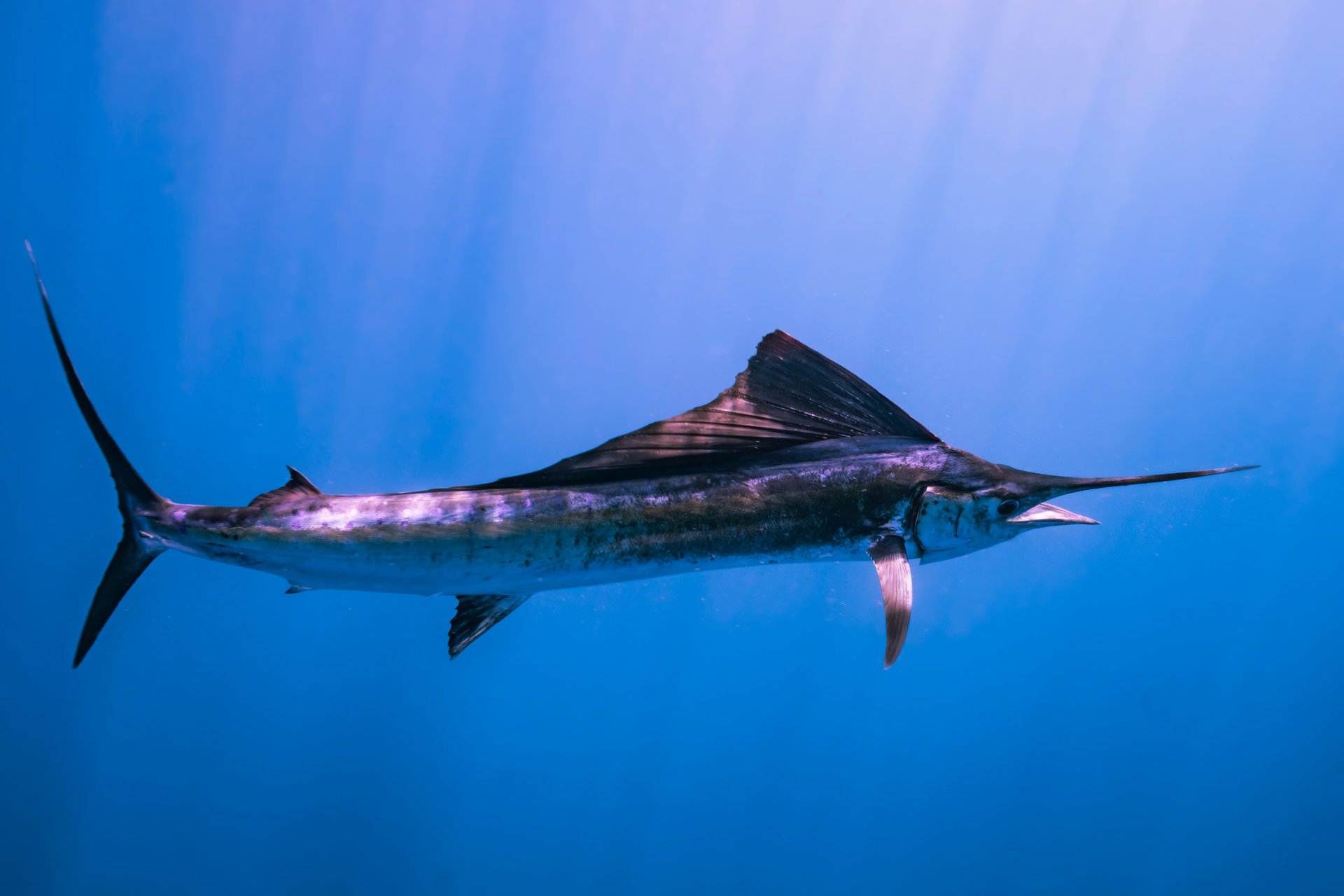
Oman is home to an impressive variety of fish, making every fishing trip a thrilling experience. Travelers can expect to catch species like kingfish, tuna, dorado, sailfish, and giant trevally. The waters around the Musandam Peninsula and the Al Hallaniyat Islands are known for their impressive billfish population, while the waters off Salalah are famous for large groupers and snappers. Whether travelers prefer deep-sea fishing or casting their lines from the shore, Oman offers abundant opportunities.

Fishing is immensely popular among both locals and visitors. Traditional fishing methods are still widely practiced, but modern fishing techniques have also gained popularity, especially among international travelers. Charter boats and guided tours have made it easier for visitors to explore Oman’s best fishing spots, with professional guides offering invaluable local knowledge.

“Fly fishing in Oman stands out for several reasons that make it a truly unique experience compared to other destinations worldwide,” said Marcus Casey, Tide Walker co-founder. “Oman is one of the few places where fly anglers can target Indo-Pacific and Africanus Permit in one trip. We have had clients even manage to catch the two in a single day.”

Casey also points out beyond permit, Oman offers a variety of species, including queenfish, bream, bluefish, milkfish, trevally (GTs, golden, and bluefin), and even the occasional barracuda or cobia. This diversity allows for multiple fishing styles, from sight-casting to blind casting.

“The scenery is as dramatic as the fishing,” he said. “Towering cliffs, pristine beaches, and secluded coves create an unforgettable backdrop, making the experience just as much about the environment as the fishing. The deserts are amazing and make such a contrast to the rugged coastline.”

Unlike heavily commercialized fishing destinations, Oman remains relatively undiscovered, offering an authentic and serene experience. The country’s government has also implemented sustainable fishing policies, ensuring marine life thrives for future generations. This commitment to conservation means that anglers can enjoy an abundant and diverse catch while respecting the natural ecosystem.


A sultan's palace in Oman, with palm trees and sandy rock mountains.
Muscat, Oman.

Cultural Considerations for Travelers to Oman

Oman is not just about fishing. It offers a rich cultural and natural landscape for travelers to explore. Muscat, the capital city, is home to the magnificent Sultan Qaboos Grand Mosque and the Royal Opera House, which showcase the country’s artistic and architectural heritage. The historic town of Nizwa, with its iconic fort and bustling souq, provides a glimpse into Oman’s past.

For those seeking adventure, the Wahiba Sands offers an authentic desert experience with dune bashing, camel rides, and Bedouin hospitality. A trip to Jebel Akhdar, the “Green Mountain,” presents stunning landscapes and traditional Omani villages. Art lovers will appreciate Muscat’s vibrant art scene, with galleries like Bait Al Zubair and the National Museum featuring contemporary and traditional art. Music enthusiasts can enjoy traditional Omani performances at festivals and cultural events throughout the year.

Omani cuisine is a delightful blend of Arabian, Indian, and East African influences. Signature dishes include shuwa, a slow-roasted lamb dish cooked in an underground sand oven, and majboos, a fragrant rice dish similar to biryani. Street food options are plentiful in souqs and local markets, where travelers can try mishkak (grilled meat skewers) and halwa, a sweet dessert made from sugar, saffron, and cardamom.

Dietary restrictions are generally well accommodated in Oman. While alcohol is available in hotels and licensed restaurants, it is not commonly consumed in public places. Tap water is safe in urban areas, but many travelers prefer bottled water, particularly in more remote regions.

Omani culture is deeply rooted in tradition and hospitality. Travelers are often warmly welcomed, but understanding local customs and etiquette is essential. A friendly greeting such as “As-salamu alaykum” is always appreciated. When engaging with locals, it is important to show respect, especially when interacting with fishermen and guides.

Dress code expectations in Oman lean toward modesty. Men wear long trousers and short—or long-sleeved shirts, while women are encouraged to cover their shoulders and knees. While swimwear is acceptable on private beaches and within resorts, modest attire is best in public areas.

Western travelers should be aware of some unusual laws that might differ from those in their home countries. Public displays of affection, for instance, are frowned upon and could lead to fines. Importing certain medications widely available in the West may require prior approval, so travelers should check Omani regulations before their visit.


Visiting Oman

Oman’s climate is characterized by hot summers and mild winters. The best time to visit for fishing is between October and April, when temperatures are cooler and the waters are teeming with fish. The summer months can be extremely hot, particularly in the interior desert regions. Light, breathable clothing is recommended year-round, with additional layers needed for mountain trips.

Visitors to Oman typically require a visa, which can often be obtained online. Passport validity should be checked before travel, as Oman requires at least six months of validity upon entry. Some vaccines may be recommended, so travelers should consult their healthcare providers before visiting.

Arabic is the official language, though English is widely spoken, especially in tourist areas. Having a few basic Arabic phrases can be helpful and appreciated by locals. The Omani Rial (OMR) is the local currency. ATMs are readily available in urban centers, and major credit cards are widely accepted. The cost of living is moderate, with accommodation and food prices varying depending on the level of luxury chosen.

Oman offers multiple transportation options, from taxis and ride-sharing services to rental cars. Public transportation is limited, so renting a car is often the best way to explore the country at one’s own pace.


The Global Rescue Connection

A common question among travelers is, “Is Oman safe?” The answer is a resounding yes. Oman boasts low crime rates, political stability, and minimal risks related to terrorism or protests. Natural disasters are rare, with the occasional tropical cyclone affecting coastal areas.

Healthcare facilities in major cities are modern and well-equipped, but travelers should have comprehensive emergency traveler protection and traditional travel insurance. Emergency response capabilities are reliable, with well-trained medical professionals available in urban areas.

Angling, in all its forms, offers an exciting and rewarding challenge. Whether you’re in Oman or elsewhere, anglers have no shortage of destinations to explore.

With these experiences come risks, however, both from nature and political instability. Bites, stings, lacerations, and rashes are minor issues that could become serious if not examined and treated. Heat stroke, heart attack and back injuries are potential emergencies facing anglers, too. Understanding the dangers and taking precautions can ensure that fishing adventures remain enjoyable and safe.

Whether you’re fishing for yellowfin tuna off the Al Hallaniyat Islands in Oman, fly fishing for Africanus Permit along the Dhofar coast, or casting at elusive Indo Pacific Permit on Southern Oman’s stunning beaches, remember to hook a Global Rescue membership.

“Travel smart and be prepared. Regarding medical evacuation and security insurance, my recommendation is to never leave home without [a Global Rescue membership],” said Yellow Dog Flyfishing’s Jim Klug.

Are you a fishing outfitter, guide or operator? Click here to learn how partnering with Global Rescue is perfect for you and your fishing adventurers exploring the remote and sometimes rugged terrains worldwide.

Categories:

News
Share This:

American Travel Anxiety Grows for Those Headed Abroad

Categories:

Travel
Share This:

Gluten-Free Getaways: How To Travel Safely With Food Allergies and Special Diets

Discover the best destinations, grocery stores, and gluten-free restaurants for safe dining.

Article Highlights:

  • Managing food allergies and special diets while traveling requires preparation, research, and local knowledge.
  • Common dietary concerns for North American travelers include gluten-free, dairy-free, nut-free, and vegetarian/vegan options.
  • Countries like the UK, Italy, and Australia are highly accommodating, while others pose more challenges for special diets.
  • Finding supportive grocery stores and gluten-free restaurants varies greatly by region, making pre-trip planning essential.
  • Essential travel strategies include learning key phrases, carrying snacks, and using allergy translation cards.


Exploring new destinations presents excitement and challenges for travelers with food allergies or special diets. Whether avoiding allergens like peanuts, gluten, or dairy or following a specific diet such as veganism, ensuring safe meals on the road requires careful planning. Some countries are more accommodating, offering abundant gluten-free options and allergy-friendly grocery stores, while others require extra vigilance. Understanding the best destinations for special diets, learning essential travel strategies, and knowing where to find the safest meals can transform any trip into a smooth, worry-free experience.

The most frequently encountered food allergies among North American travelers include peanuts, tree nuts, dairy, shellfish, and gluten. Celiac disease and gluten intolerance are particularly significant, with many individuals seeking gluten-free restaurants that offer safe alternatives. Other everyday dietary needs include vegetarianism, veganism, and lactose-free diets, which can vary in ease of accommodation depending on the country.

Travelers who follow special diets for religious or health reasons also face challenges. Kosher and halal diets require specific food preparations and certifications, while keto and paleo diets emphasize low-carb, whole-food eating. Those with diabetes must monitor sugar intake, making processed and hidden sugar sources in foreign foods a concern. The key to managing these restrictions effectively while traveling is understanding local food customs and seeking destinations supporting dietary needs.


Unusual Food Allergies and Special Diets

Beyond common food allergies, some travelers have rarer dietary restrictions that can make eating abroad even more complicated. Alpha-gal syndrome, for instance, causes an allergy to red meat and is triggered by tick bites. Those with histamine intolerance must avoid aged foods like cured meats and cheeses, which are prevalent in many European cuisines. Others may have sensitivities to sulfites (found in wines and dried fruits) or nightshades like tomatoes, peppers, and eggplants.

Less common special diets include the raw food diet, which can be challenging to maintain in areas where fresh produce is less accessible. The FODMAP diet, used for digestive disorders, restricts various fermentable carbohydrates found in onions, garlic, and certain fruits, common ingredients in many global cuisines. These more unusual allergies and dietary needs require extra caution, making travel planning even more critical.


A well-stocked grocery store aisle.
Some countries are better at labeling food allergens than others.

Countries With Grocery Stores That Support Food Allergies and Special Diets

Grocery shopping is crucial for travelers with food allergies and special diets. Some countries excel at providing allergy-friendly grocery options, while others offer limited alternatives.

In North America, the United States and Canada lead the way in allergy-friendly grocery stores, with major chains offering dedicated gluten-free, dairy-free, and nut-free sections. The United Kingdom and Australia also have well-developed food labeling laws and widely available allergy-safe products.

Italy is surprisingly supportive of gluten-free diets, with most grocery stores offering a variety of certified gluten-free pastas and baked goods. Scandinavian countries, including Sweden and Norway, also have strong food labeling regulations, making it easier for travelers to identify safe options.

Conversely, some countries pose greater challenges. Many parts of Asia, particularly China and India, do not prioritize food labeling for allergens, making grocery shopping risky for those with severe food allergies. Similarly, while fresh fruits and vegetables are abundant in Central and South America, processed foods may lack clear allergen warnings. Western-style grocery stores with allergy-friendly options in Africa and the Middle East are primarily found in major cities, but rural areas may have limited choices.


Many diners of all ages sitting outside a casual restaurant in Europe.
Many European countries’ restaurants excel at dietary restriction accommodations.

Countries With Restaurants That Accommodate Food Allergies and Special Diets

Eating out is often the most challenging aspect of traveling with food allergies or special diets. Some countries make this more straightforward than others by offering well-labeled menus and trained restaurant staff.

European countries, including the UK, Germany, and the Netherlands, are among the best for accommodating dietary restrictions. Many restaurants in these regions offer gluten-free options and are aware of common food allergies. Italy stands out as a top destination for celiac travelers, with many restaurants certified to serve gluten-free meals safely.

The U.S. and Canada have strong restaurant allergen awareness in North America, with many chains and independent establishments catering to various diets. Australia also excels in this regard, particularly in major cities like Sydney and Melbourne.

Conversely, some destinations require extra caution. In China, soy sauce (which contains gluten) is commonly used in cooking, and cross-contamination risks are high. Despite its awareness of food safety, Japan often uses hidden allergens like fish-based seasonings, making it difficult for strict vegetarians and those with seafood allergies. Latin American countries may not always have clear allergen labeling in restaurants, although they do offer naturally gluten-free options like corn tortillas and fresh seafood.

For travelers heading to less accommodating destinations, it is essential to learn key phrases in the local language, carry allergy translation cards, and research safe restaurants in advance.


An Asian restaurant and its signage and large menus displayed outside.
The overwhelming choices of a sushi restaurant.

Essential Tips for Traveling With Food Allergies and Special Diets

Traveling safely with food allergies or special diets requires a proactive approach. One of the most effective strategies is researching destinations ahead of time to understand what foods are commonly used and how allergens are labeled. Carrying snacks and meal replacements ensures that safe options are always available, especially in areas with limited food choices.

Using allergy translation cards in the local language can help communicate dietary restrictions clearly to restaurant staff. These cards can specify exact allergies and foods to avoid, reducing the risk of miscommunication. Additionally, seeking out gluten-free restaurants, vegan-friendly cafés, and specialty health food stores before arriving at a destination can make meal planning much easier.

It’s also wise to book accommodations with kitchen access, allowing travelers to prepare their meals when needed. Apps and websites that review restaurants for dietary accommodations, such as Find Me Gluten Free or HappyCow, can be invaluable resources for finding safe dining options.

For those with severe allergies, carrying emergency medication, such as an epinephrine auto-injector, is crucial. Checking airline policies on food allergies and special meals before booking flights can also make air travel safer and more comfortable.


The Global Rescue Connection

Global Rescue’s 24/7/365 medical advisory service can help travelers with food allergies and special diets. From getting a pre-travel consultation with a health professional to equip and prepare yourself with the necessary preventive measures and medications to finding a doctor who speaks your language should you experience an allergic food reaction and a local pharmacy to fill a prescription for you during travel, Global Rescue can help.

As a member, we want you to contact us whether it’s an emergency or something minor. You will get real-time access to doctors, paramedics, and nurses who will help you sort out the do’s and don’ts based on your unique situation and symptoms. It’s part of your membership services.

Traveling with food allergies or special diets may require extra effort, but it should never be a barrier to exploring the world. With proper research, the right tools, and some preparation, travelers can enjoy safe and delicious meals wherever they go. Whether searching for gluten-free restaurants, allergy-friendly grocery stores, or destinations that cater to special diets, taking the time to plan ensures a smoother and more enjoyable journey. By staying informed and adaptable, travelers can experience the richness of global cuisine without compromising their health or dietary needs.

Share This:

Swiss Sensations: Zurich, Alps, and Everything in Between

Discover cultural customs, top attractions, safety tips, and expert travel insights for an unforgettable Swiss experience.

Article Highlights:

  • Zurich blends history, modernity, and outdoor adventure seamlessly.
  • Switzerland offers world-class skiing and hiking.
  • Local etiquette values punctuality, politeness, and proper dress codes.
  • The city boasts world-class museums, music venues, and diverse cuisine.
  • Public transport is highly efficient, and Swiss healthcare is top-tier.
  • Travelers should consider emergency medical coverage for peace of mind.

Zurich, Switzerland’s largest city and economic powerhouse, offers a perfect blend of history, innovation, and breathtaking natural beauty. Nestled between the Alps and Lake Zurich, the city is known for its clean streets, efficient public transport, and vibrant cultural scene. Whether you’re considering “Is Zurich worth visiting?” or wondering, “What is there to do in Switzerland?” the answer is simple: Zurich delivers an experience unlike any other. With its charming old town, upscale shopping on Bahnhofstrasse, and easy access to outdoor adventures like hiking in Switzerland or skiing in Switzerland, it’s a destination that caters to every traveler.

Zurich’s history is shaped by its role as a financial and cultural hub. Originally a Roman settlement, it grew into a center for trade and banking, solidifying its status as a global financial leader. The city’s diverse population is primarily Swiss-German, with sizable international communities. Christianity remains the predominant religion, though Zurich embraces multiculturalism, reflected in its varied cultural festivals and places of worship.

Switzerland experiences four distinct seasons, each offering unique charm. Summer (June–August) is ideal for exploring the lakes and hiking trails, while winter (December–February) is perfect for skiing. Spring and fall bring mild temperatures and fewer tourists, making them great seasons for cultural sightseeing.


People walking on a street in downtown Zurich in the cold.
Downtown Zurich.

Understanding Local Customs and Etiquette

Swiss society is built on principles of politeness, punctuality, and discretion. Greetings are generally formal; a handshake with eye contact is customary when meeting someone new. Friends may greet each other with three kisses on the cheek, though this is more common among locals. Speaking in a reserved and respectful manner is appreciated, and interrupting someone is considered rude.

Dress codes lean toward smart-casual, especially in Zurich, where business attire is commonly seen in public areas. Swiss people prioritize practicality and style even when engaging in outdoor activities, so dressing appropriately is key. One unusual law that often surprises Western travelers is the strict regulations on noise; for instance, mowing your lawn or doing laundry in an apartment on Sundays is generally frowned upon.

Zurich’s allure lies in its mix of modern and historic attractions. The Altstadt (Old Town) is a maze of medieval alleys, charming cafes, and iconic landmarks like Grossmünster and Fraumünster churches. The city’s art scene is equally compelling, featuring renowned institutions such as the Kunsthaus Zurich, contemporary galleries, and vibrant street art districts like the one in the Zurich-West area. The music scene thrives with everything from classical concerts at the Tonhalle Orchestra to underground electronic clubs.


Food and Drink in Zurich

Zurich’s culinary landscape offers traditional Swiss flavors mixed with international influences. Fondue and raclette are classic must-tries, while Zürcher Geschnetzeltes, a veal dish served with creamy mushroom sauce, is a local favorite. The city has a thriving street food culture, with markets like Markthalle and Im Viadukt serving everything from gourmet hot dogs to artisanal cheeses.

Dietary restrictions are well accommodated, with many restaurants offering vegetarian, vegan, and gluten-free options. As for beverages, Switzerland’s tap water is among the cleanest in the world, sourced directly from pristine mountain springs, making bottled water unnecessary.


A DJ plays music in a nightclub.
Night lives in Zurich.


Activities: Nature vs. Nightlife

Zurich offers the best of both worlds. By day, outdoor enthusiasts can explore the Uetliberg mountain trails, embark on hiking in Switzerland, or take a dip in Lake Zurich. It serves as a gateway to the Alps for skiing. At night, the city transforms into a hub of entertainment, with lively bars, techno clubs, and elegant theaters catering to all tastes.


A massive waterfall in Switzerland on a sunny summer day.
Rhine Falls.


For those craving adventure beyond the city, day trips to the Rhine Falls, the largest waterfall in Europe, or the charming town of Lucerne provide breathtaking experiences. Is Switzerland worth visiting? This is a resounding yes, especially for those who appreciate diverse landscapes, from the pristine lakes of Interlaken to the Alpine peaks.

Paragliding and river rafting offer unforgettable experiences for thrill-seekers, though travelers should always exercise caution and ensure they have adequate traveler protection services for adventure sports.


An Alpine hostel greets hikers in Switzerland on a sunny late spring day.
The Meglisalp Guesthouse greets Alpine hikers.

Skiing and Hiking in Switzerland

Switzerland is a paradise for outdoor enthusiasts, offering some of the most breathtaking landscapes in the world. Skiing in Switzerland is a world-class experience, with resorts like Zermatt, St. Moritz, and Verbier attracting winter sports lovers from across the globe. The Swiss Alps provide pristine slopes, state-of-the-art ski lifts, and an extensive network of trails catering to all skill levels. Whether you’re a beginner taking lessons at a local ski school or an advanced skier tackling the famous Matterhorn Glacier Run, the country’s winter sports infrastructure is second to none. Many resorts also offer après-ski experiences, from cozy mountain lodges to high-end spas.

In contrast, hiking in Switzerland during the warmer months unveils a different side of the country’s natural beauty. From the Jungfrau region’s rolling meadows to the Engadin Valley’s dramatic peaks, Switzerland boasts thousands of well-marked hiking trails that traverse picturesque villages, Alpine lakes, and rugged mountain terrain. The scenic five-lake hike near Zermatt offers mesmerizing views of the Matterhorn reflected in crystal-clear waters. At the same time, the Via Alpina trail presents an ambitious long-distance trek through the heart of the Swiss Alps. Whether you’re embarking on a leisurely stroll or a challenging ascent, the Swiss commitment to maintaining its trails ensures a safe and enjoyable experience in nature.


A red city train stops at a station in Zurich, Switzerland.
The Swiss rail system is one of the world’s most efficient.

Coming and Going

Visitors from the U.S. and most of Europe don’t need a visa for short stays. Passports should be valid for at least three months beyond the intended departure date. Hotels range from luxurious five-star accommodations like the Baur au Lac to budget-friendly hostels and Airbnb rentals, offering options for every type of traveler.

Swiss-German is the primary language spoken in Zurich, though English is widely understood. Travelers may find learning a few key German phrases useful for casual interactions. The Swiss Franc (CHF) is the local currency, and credit cards are accepted nearly everywhere. ATMs are easily accessible, and the cost of living is high, with meals averaging 20-40 CHF.

Zurich’s public transportation system, which includes trams, buses, and boats, is among the most efficient in the world. A Zurich Card provides unlimited travel and discounts on attractions. Taxis are available but expensive, making ride-sharing services a more economical option. Car rentals are unnecessary unless you plan extensive travel beyond the city.


Colorful hot air balloons rise up from the bottom of a Swiss ski resort.
Swiss hot air balloons take off despite the cold.

The Global Rescue Connection

Zurich is one of the safest cities globally, with low crime rates and political stability. Switzerland boasts world-class healthcare facilities, with Zurich home to some of the best hospitals in Europe. Zurich and all of Switzerland offer a captivating mix of culture, cuisine, arts, and outdoor adventure. As you plan your visit, consider the value of Global Rescue’s services to ensure a safe and enjoyable experience in this remarkable city.

Global Rescue ensures peace of mind for travelers visiting Switzerland and beyond. Membership benefits include emergency medical evacuation, field rescue, and expert medical advisory services. Whether exploring Zurich, other cities, or Switzerland’s vast mountain regions, having Global Rescue as a travel companion ensures safety and security, allowing you to focus on your Swiss trip.

Categories:

Travel
Share This:

US Policy Shifts Are Impacting American Travelers’ Global Perception

Majority of travelers surveyed expect increased negativity towards US tourists overseas.

Article Highlights:

  • 72% of surveyed travelers believe US tourists will be perceived more negatively abroad in 2025.
  • Experts advise US travelers to stay informed, maintain a low profile, and be culturally aware.
  • Some travelers already report experiencing anti-American hostility and political confrontations overseas.
  • Travelers are encouraged to monitor security updates and obtain advisory services for safer trips.
  • Despite concerns, smart travel practices can help Americans continue to enjoy international experiences safely.

The majority of the world’s most experienced travelers expect US tourists will be less welcome and perceived more negatively while traveling internationally in 2025 due to recent international policy proposals introduced by the US, according to the results of a Global Rescue Snap Survey of more than 1,400 current and former members between March 5-6, 2025 following President Trump’s address to Congress.

Seven out of ten (72%) surveyed travelers said Americans will be perceived more negatively and less welcome when traveling abroad. Nearly a fifth (16%) reported there would be no difference in how Americans are perceived, 9% didn’t know, and 3% said Americans will be perceived more positively.

“The data is clear: US tourists are expecting a shift in how they are received abroad,” said Dan Richards, CEO of The Global Rescue Companies and a US Travel and Tourism Advisory Board member at the US Department of Commerce. “This doesn’t mean Americans should cancel their travel plans, but they should be aware of their surroundings, practice cultural sensitivity, and take proactive steps to mitigate potential risks.”


US Tourists Expectations Abroad

Some respondents currently traveling internationally have encountered anti-American attitudes. “I have already experienced much more negativity,” said a California-based traveler. A Wyoming-based traveler reported having “numerous arguments about American policy with people I don’t know.”

Others are certain people around the world don’t associate traveling Americans as holding the same views as the US government. “They all live in countries with leaders they don’t necessarily agree with,” said a Virginia-based traveler. That sentiment was echoed by a London traveler who said, “I do not directly judge American citizens based on the actions of their government.”

Overwhelmingly, travelers suggest that different countries will have distinct sentiments toward American tourists. “It will depend on the specific country the traveler is visiting,” a Georgia-based respondent commented. I think this is very country-dependent. There will be negatives, but it depends on the country and situation,” said a Colorado-based traveler.

International travel veteran Harding Bush, a former Navy SEAL and associate director of security operations for Global Rescue, advised it’s important to remember that locals may have strong opinions about international policies. Still, they often distinguish between a country’s government and its citizens. “They know it’s not you making the decisions and policies. Be a gracious guest, and don’t discuss politics,” he said.


Mitigate Potential Anti-American Sentiment

American international travelers can take several measures, all recommended during international trips, to travel safely and confidently despite growing anti-American perceptions overseas. “Americans traveling abroad should be aware there could be an increase in political demonstrations and should obtain security advisory services to keep them informed of anti-American protests,” Bush said.

  • Maintain a Low Profile: Avoid displaying overt symbols of American nationality, such as clothing with political slogans or nationalistic imagery. Blending in with local customs and attire can help minimize unwanted attention.
  • Stay Informed: Travelers should research the political and social climate of their destination before departure. Understanding local attitudes toward the US can help visitors navigate conversations and interactions more smoothly.
  • Be Culturally Literate or Aware: Demonstrating respect for local customs, traditions, and social norms is essential. Learning basic greetings and etiquette in the local language can go a long way in fostering goodwill.
  • Use Smart Travel Practices: Keep a low profile in public spaces, avoid discussing sensitive political topics, and be aware of your digital footprint on social media, as online expressions can sometimes lead to confrontations in person.

Despite the concerns highlighted by the survey, Richards emphasized that most international travel remains safe when travelers take the right precautions. “Being prepared and situationally aware is key. By exercising good judgment and respecting local norms, Americans can continue to enjoy safe and enriching travel experiences around the world,” Richards said.


The Global Rescue Connection

Every day on our social media platforms, Global Rescue posts several events that may affect your travel. Global Rescue intelligence experts issue travel alerts, also called event reports, “to inform members of incidents in their area of travel that could affect their trip, cause an inconvenience, put them at risk of physical harm, or could potentially leave them stranded,” said Kent Webber, senior manager of Intelligence Products & Services at Global Rescue.

Travel alerts are issued for incidents of:

  • Civil unrest (strikes, protests, demonstrations, etc.)
  • Violence (terrorism, shootings, clashes, etc.)
  • Environmental events (earthquakes, floods, mudslides, storms, etc.)
  • Health issues (COVID restrictions, disease outbreaks, etc.)
  • Infrastructure events (bridge collapses, large-scale power/internet outages, fires, building collapses, airport issues, etc.)

“We run a virtual 24/7/365 ‘Intelligence Watch’ that combs the internet for information relevant to travelers. How and where we get our information is proprietary,” Webber said. “Although we are all generalists, we have team members with regional expertise: Middle East, Eastern Europe, Latin America, and Asia.”

Consumer members may log in to the Global Rescue member portal and view travel alerts on a destination report. Enterprise members receive travel alerts via email by setting up their preferences in GRID, an online intelligence system for businesses and nonprofits. When employees are traveling, risk managers or HR managers can “tailor the alerts they receive according to location, type of incident and severity, so they get the information they most need to see,” Webber said.

Not a member? Global Rescue posts abbreviated travel alerts on Facebook, Twitter and LinkedIn two or three times daily and, this spring, on our Travel Information Center. The Travel Information Center is the ultimate hub of resources — health, security, weather, to name a few — to serve as a one-stop travel information source. It will also host a Risk Map with risk ratings related to civil unrest, terrorism, crimes, diseases and more.

Travelers facing increased concerns or planning visits to high-risk areas should consider working with security professionals and travel risk management experts at Global Rescue to obtain invaluable guidance and support. One call, email or in-app message will connect you with a security team with years of military special operations expertise to provide the best advice for your situation.