Categories:
Business TravelMarch 14, 2025

Article Highlights:
- Common health risks for international business travelers and how to prevent them.
- Region-specific illnesses, from respiratory infections to mosquito-borne diseases.
- Key vaccinations and hygiene practices for safe and productive business trips.
- The impact of climate, sanitation, and food safety on traveler health.
- Essential travel tips to minimize health risks and ensure a smooth journey.
International business travel offers exciting opportunities but also presents significant health risks. Frequent travelers often encounter various illnesses and injuries due to changes in climate, exposure to unfamiliar pathogens, and long hours of transit. Factors such as inadequate sanitation, food and water contamination, mosquito-borne diseases, and stress-related conditions can all impact a traveler’s well-being. Understanding these risks and taking appropriate precautions can help mitigate potential health challenges and ensure a productive and safe trip.
Different destinations pose unique health threats, requiring travelers to be aware of region-specific concerns. While some illnesses, such as respiratory infections, food allergies, and travel-related diarrhea, are common worldwide, others, like malaria, typhoid fever, and dengue fever, are more prevalent in tropical and subtropical regions. Conditions such as heat exhaustion and heat stroke are more likely to occur in arid climates, whereas waterborne diseases remain a concern in areas with poor sanitation. Business travelers can significantly reduce their health risks and focus on their professional responsibilities with peace of mind by planning, getting necessary vaccinations, and maintaining good hygiene practices.
Globally Prevalent Illnesses
1. Respiratory Infections: Respiratory infections, including the common cold, flu, and bronchitis, are among the most frequent ailments affecting international travelers. These infections spread through airborne droplets when an infected person coughs, sneezes, or through contact with contaminated surfaces. Symptoms may include cough, sore throat, nasal congestion, fever, and fatigue. Crowded environments such as airports, airplanes, and conference rooms increase the risk of transmission. Respiratory infections are present worldwide, but the risk can be higher in regions with poor air quality or during flu season.
Business travelers can minimize risk by practicing good hygiene, such as frequent handwashing and using hand sanitizers. Wearing a mask in high-risk areas, staying hydrated, and boosting immunity with adequate rest and nutrition can help. Over-the-counter medications like decongestants and pain relievers may provide relief if symptoms develop. Severe cases may require medical consultation, especially if symptoms persist or worsen.
2. Gastroenteritis: Gastroenteritis, commonly caused by viral or bacterial infections, leads to inflammation of the stomach and intestines. Symptoms include nausea, vomiting, diarrhea, abdominal cramps, and fever. This condition is often contracted through contaminated food or water, making travelers particularly susceptible in regions with inadequate sanitation. Gastroenteritis is widespread, but developing countries, where food handling standards may be lower, pose a higher risk.
Business travelers can prevent gastroenteritis by consuming bottled or purified water, avoiding raw or undercooked foods, and practicing proper hand hygiene. If infected, staying hydrated with electrolyte solutions and resting are key to recovery. Over-the-counter medications such as loperamide can help manage diarrhea, while probiotics may aid gut recovery. If symptoms are severe or persist beyond a few days, medical attention is advised.
3. Travel-related Diarrhea: Travelers’ diarrhea is a common condition caused by consuming contaminated food or water. It is typically triggered by Escherichia coli, Salmonella, or Campylobacter bacteria. Symptoms include frequent, watery stools, abdominal pain, nausea, and sometimes fever. This condition is most prevalent in regions with inadequate sanitation, particularly in parts of Asia, Africa, Latin America, and the Middle East.
Business travelers should opt for bottled or purified water, avoid ice in drinks, and consume fully cooked foods to prevent travel-related diarrhea. If affected, staying hydrated is essential. Oral rehydration salts (ORS) can prevent dehydration; over-the-counter antidiarrheal medications may relieve symptoms. Severe cases, especially those involving fever or bloody stools, require medical attention to rule out serious infections.
4. Jet Lag: Jet lag is a temporary sleep disorder caused by rapid travel across multiple time zones, disrupting the body’s internal clock. Symptoms include fatigue, difficulty sleeping, irritability, digestive issues, and impaired concentration. Jet lag is common among international business travelers, especially those crossing more than three time zones.
To minimize jet lag, travelers should gradually adjust their sleep schedule before departure and stay hydrated during flights. Exposure to natural light upon arrival helps regulate the body’s internal clock. Short naps and melatonin supplements may assist in sleep adjustments. Avoiding caffeine and alcohol during travel can also aid in adapting to a new time zone more efficiently.
5. Deep Vein Thrombosis (DVT): Deep Vein Thrombosis (DVT) occurs when blood clots form in deep veins, typically in the legs, due to prolonged inactivity. Symptoms include leg pain, swelling, redness, and tenderness. Long-haul flights and extended periods of sitting increase the risk of DVT. This condition can be dangerous if a clot dislodges and travels to the lungs, causing a pulmonary embolism.
Business travelers can reduce the risk of DVT by staying active during flights, stretching their legs, and wearing compression stockings. Staying hydrated and avoiding alcohol and caffeine also help prevent clot formation. If symptoms arise, seeking immediate medical attention is crucial. In high-risk cases, doctors may prescribe anticoagulants before travel.
6. Stress-related Disorders: Frequent travel, tight schedules, and high work demands can lead to stress-related disorders, including anxiety and burnout. Symptoms may include headaches, irritability, difficulty concentrating, and sleep disturbances. Stress can weaken the immune system, increasing susceptibility to illnesses.
Managing stress effectively involves prioritizing rest, maintaining a balanced diet, and engaging in relaxation techniques such as meditation or deep breathing. Regular exercise and maintaining a work-life balance can also mitigate stress. Business travelers should schedule downtime and avoid excessive caffeine and alcohol consumption to maintain mental well-being.
7. Cardiovascular Issues: Cardiovascular problems, including hypertension, heart attacks, and arrhythmias, can be exacerbated by travel stress, long flights, and changes in diet. Business travelers with pre-existing heart conditions are at greater risk. Symptoms of cardiovascular distress include chest pain, shortness of breath, dizziness, and irregular heartbeat.
To reduce risk, travelers should adhere to prescribed medications, stay active, and manage stress effectively. Avoiding excessive salt and alcohol intake, maintaining hydration, and taking breaks during long flights can help. In case of symptoms, immediate medical assistance should be sought. Carrying emergency medication, such as aspirin or nitroglycerin, may be advisable for those with known heart conditions.
8. Food Allergies: Food allergies occur when the immune system mistakenly identifies a harmless food protein as a threat, triggering an allergic reaction. Common food allergens include peanuts, tree nuts, shellfish, dairy, eggs, wheat, soy, and fish. Symptoms can range from mild to severe and may include hives, swelling, nausea, vomiting, abdominal pain, difficulty breathing, and, in extreme cases, anaphylaxis, a life-threatening reaction requiring immediate medical attention. Food allergies are universally present, but the risk level may vary depending on regional dietary habits and labeling regulations. Cross-contamination in food preparation is a significant concern, especially in countries where allergen awareness and regulations differ from Western standards.
International business travelers with food allergies can take several precautions to minimize risk. Carrying an allergy translation card in the local language ensures clear communication about dietary restrictions when dining out. Travelers should research local cuisine in advance, identify safe food options, and choose restaurants that accommodate dietary needs. Packing allergy-friendly snacks can provide a reliable alternative when safe meals are unavailable. Additionally, bringing antihistamines and, if prescribed, an epinephrine auto-injector (EpiPen) is essential for emergency preparedness. Consulting a doctor before travel to discuss necessary precautions and available medical facilities can enhance safety and peace of mind.
9. Conjunctivitis (Pink Eye): Conjunctivitis, commonly known as pink eye, is an inflammation of the conjunctiva, the thin, transparent layer covering the white part of the eye and the inner eyelids. Viral or bacterial infections, allergies, or irritants like smoke or dust can cause it. Symptoms include redness, itching, swelling, excessive tearing, and a sticky discharge that can cause the eyelids to stick together, particularly in bacterial cases. Viral conjunctivitis is highly contagious and can spread through contact with infected surfaces or respiratory droplets, making it common in crowded environments such as airports, hotels, and business meetings.
Conjunctivitis is universally present and can occur anywhere in the world, though the risk may be higher in places with poor hygiene or high pollution levels. International business travelers can reduce risk by frequently washing their hands, avoiding touching their eyes, and using personal items such as towels and pillows. If symptoms develop, artificial tears and cold compresses can help relieve irritation. Bacterial conjunctivitis may require antibiotic eye drops, which should be obtained through a local pharmacy or medical provider. Travelers should avoid wearing contact lenses during infection and seek medical attention if symptoms persist or worsen.
Illnesses in Tropical and Subtropical Regions
10. Malaria: Malaria is a life-threatening disease caused by Plasmodium parasites, which are transmitted through the bite of infected female Anopheles mosquitoes. Symptoms of malaria typically appear within 10-15 days after the mosquito bite and include fever, chills, sweating, muscle aches, nausea, vomiting, and severe fatigue. In severe cases, malaria can lead to organ failure, coma, or death. The disease is most prevalent in tropical and subtropical regions, including parts of Africa, South Asia, and South America, where warm, humid climates favor mosquito breeding.
International business travelers can reduce their risk of contracting malaria by taking several precautions. The most effective preventive measure is the use of antimalarial medications, which should be started before travel and continued after leaving high-risk areas. Travelers should also use insect repellents containing DEET or picaridin, wear long-sleeved clothing, and sleep under insecticide-treated bed nets to avoid mosquito bites. Staying in air-conditioned accommodations and avoiding outdoor activities at dusk and dawn, when mosquitoes are most active, can further reduce exposure. In case of symptoms, seeking immediate medical attention is crucial, as early diagnosis and treatment significantly improve recovery outcomes.
11. Hepatitis A and B: Hepatitis A and B are viral infections that affect the liver, though they differ in their transmission and long-term effects. Hepatitis A usually spreads through ingesting contaminated food or water and is common in areas with poor sanitation, particularly in parts of Africa, Asia, and Latin America. Symptoms include fever, fatigue, nausea, abdominal pain, jaundice, and loss of appetite. Unlike Hepatitis B, Hepatitis A does not cause chronic liver disease, and most individuals recover fully with rest and supportive care.
Hepatitis B, on the other hand, is transmitted through contact with infected bodily fluids, such as blood, semen, or saliva. It is prevalent in parts of Asia, Africa, and Eastern Europe. Symptoms are similar to those of Hepatitis A but can also lead to chronic liver disease, cirrhosis, or liver cancer if untreated. International business travelers can protect themselves by getting vaccinated for Hepatitis A and B before travel. Practicing good hygiene, avoiding unclean food and water, and protecting during intimate contact can also help reduce the risk. In case of exposure, seeking immediate medical attention is necessary to assess the need for post-exposure prophylaxis.
12. Zika Virus: Zika virus is a mosquito-borne illness primarily transmitted through the bite of infected Aedes mosquitoes. It is most commonly found in tropical and subtropical regions, particularly in parts of South America, Central America, the Caribbean, and Southeast Asia. While many infected individuals experience mild or no symptoms, common signs include fever, rash, conjunctivitis (red eyes), muscle pain, and headaches. Pregnant women face the most significant risk, as Zika infection during pregnancy can lead to severe congenital disabilities, including microcephaly in newborns.
For international business travelers, preventing mosquito bites is the best way to avoid the Zika virus. Using insect repellent containing DEET or picaridin, wearing long-sleeved clothing, and staying in air-conditioned or well-screened accommodations can help minimize exposure. Travelers should also be cautious about sexual transmission, as the virus can spread through bodily fluids. Rest, hydration, and over-the-counter pain relievers can help alleviate discomfort if symptoms develop. Pregnant travelers or those planning pregnancy should consult a healthcare provider before visiting Zika-affected areas.
13. Dengue Fever: Dengue fever is a mosquito-borne viral infection transmitted by Aedes mosquitoes, primarily found in tropical and subtropical regions, including parts of Asia, Africa, Central and South America, and the Caribbean. The illness is caused by four different strains of the dengue virus, meaning a person can be infected multiple times. Symptoms typically develop within 4-10 days after being bitten and include high fever, severe headaches, joint and muscle pain, rash, and pain behind the eyes. In severe cases, dengue fever can progress to dengue hemorrhagic fever or dengue shock syndrome, which can be life-threatening due to internal bleeding, organ failure, and severe dehydration.
International business travelers can minimize their risk of contracting dengue fever by taking preventive measures against mosquito bites. Using insect repellents containing DEET or picaridin, wearing protective clothing, and staying in accommodations with air conditioning or screened windows can help reduce exposure. Travelers should also avoid areas with stagnant water, where mosquitoes breed. There is no specific antiviral treatment for dengue, so symptom relief is focused on hydration, rest, acetaminophen for pain and fever, and avoiding nonsteroidal anti-inflammatory drugs (NSAIDs) like ibuprofen or aspirin, which can increase bleeding risk. Seeking immediate medical attention is crucial if symptoms worsen, especially if signs of severe dengue appear, such as persistent vomiting, bleeding, or difficulty breathing.
14. Typhoid Fever: Typhoid fever is a bacterial infection caused by Salmonella Typhi, primarily spread through contaminated food and water. It affects the digestive system and can lead to systemic illness if untreated. Symptoms typically include prolonged high fever, weakness, stomach pain, loss of appetite, headache, and constipation or diarrhea. In severe cases, complications like intestinal perforation or septicemia can occur. The disease is more prevalent in regions with poor sanitation and limited access to clean drinking water, such as parts of South Asia, Africa, and Latin America. While typhoid fever is not universally present, it poses a significant risk in developing countries where water sources and food handling practices may not meet hygiene standards.
For international business travelers, preventing typhoid fever is crucial, especially when visiting high-risk areas. Vaccination is recommended before travel, with options including oral or injectable vaccines. Maintaining strict hygiene practices, such as drinking only bottled or purified water, avoiding raw or undercooked foods, and practicing frequent handwashing can reduce the risk of infection. If symptoms appear, immediate medical attention is necessary. Antibiotic treatment, such as azithromycin or ciprofloxacin, effectively reduces the severity and duration of the illness. Travelers should also carry rehydration salts to manage dehydration and ensure access to reputable healthcare facilities in case of severe symptoms.
15. Chikungunya: Chikungunya is a viral disease transmitted to humans through the bite of infected Aedes mosquitoes, the same mosquitoes responsible for spreading dengue and Zika viruses. Sudden onset of fever, severe joint pain, muscle aches, rash, and headache characterize the disease. Joint pain can sometimes persist for weeks or even months, leading to prolonged discomfort. While chikungunya is rarely fatal, it can cause significant physical distress and impact daily activities.
Chikungunya outbreaks have been reported in Africa, Asia, the Caribbean, and parts of South and Central America. International business travelers can minimize risk by using insect repellents, wearing long-sleeved clothing, and staying in air-conditioned or well-screened accommodations. Since no specific antiviral treatment or vaccine exists for chikungunya, symptom management includes rest, hydration, and pain relief using acetaminophen or paracetamol. Travelers experiencing symptoms should seek medical evaluation, especially in regions where multiple mosquito-borne diseases are prevalent.
16. Waterborne Diseases: Waterborne diseases are infections caused by consuming or coming into contact with contaminated water. These diseases are typically caused by bacteria, viruses, or parasites, with common examples including cholera, typhoid fever, dysentery, and giardiasis. Symptoms vary but often include diarrhea, nausea, vomiting, abdominal cramps, and dehydration. In severe cases, waterborne diseases can lead to organ failure and death, especially in regions with poor healthcare access. These illnesses are most prevalent in areas with inadequate sanitation and unclean drinking water, such as parts of Africa, South Asia, and Latin America.
International business travelers can reduce their risk of contracting waterborne diseases by drinking bottled or purified water, avoiding ice and raw foods washed with tap water, and maintaining proper hygiene. Water purification tablets or portable water filters can provide additional safety in areas with uncertain water quality. Vaccinations, such as those for cholera and typhoid fever, are recommended for travelers visiting high-risk regions. If symptoms occur, seeking medical attention is crucial, as severe dehydration may require intravenous fluids and other treatments to prevent complications.
17. Rabies: Rabies is a viral disease that affects the central nervous system and is almost always fatal once symptoms appear. It is transmitted through the saliva of infected animals, primarily through bites or scratches. Common carriers include dogs, bats, raccoons, foxes, and other wild animals. Early symptoms of rabies include fever, headache, and general discomfort, followed by neurological symptoms such as agitation, hallucinations, paralysis, and hydrophobia (fear of water). Once clinical symptoms develop, rabies is nearly always fatal, making prompt post-exposure prophylaxis (PEP) crucial.
Rabies is found worldwide but is more prevalent in regions with large populations of unvaccinated animals, such as parts of Africa, Asia, and Latin America. International business travelers can reduce their risk by avoiding contact with stray or wild animals and ensuring they receive a rabies pre-exposure vaccine if traveling to high-risk areas. If bitten or scratched, immediate wound cleaning with soap and water and seeking medical attention for post-exposure prophylaxis is essential. Travelers should also identify nearby medical facilities before their trip to ensure access to rabies vaccines if needed.
Illness in Hot and Arid Regions
18. Heat Exhaustion and Heat Stroke: Heat exhaustion and heat stroke are heat-related illnesses that occur when the body cannot regulate its temperature due to prolonged exposure to high temperatures and dehydration. Heat exhaustion is a milder condition with excessive sweating, dizziness, weakness, headache, nausea, and rapid pulse. If untreated, heat exhaustion can progress to heat stroke, a life-threatening emergency where the body’s cooling mechanisms fail, causing body temperature to rise above 104°F (40°C). Heat stroke symptoms include confusion, loss of consciousness, rapid heartbeat, and hot, dry skin, and it requires immediate medical intervention.
Heat exhaustion and heat stroke are common in hot, humid regions, including parts of the Middle East, South Asia, Africa, and tropical climates. International business travelers can reduce risk by staying hydrated, wearing light and breathable clothing, and avoiding strenuous activity during peak heat hours. Seeking shade or air-conditioned environments and cooling measures like cold packs or wet towels can help regulate body temperature. In cases of heat exhaustion, resting in a cool area and drinking electrolyte-replenishing fluids can aid recovery. If symptoms of heat stroke appear, immediate medical attention is crucial to prevent organ damage or fatal complications.
Illnesses in Developing and Low-Sanitation Regions
19. Skin Infections: Skin infections, such as fungal infections, cellulitis, and insect-borne diseases, are common among travelers, particularly in humid climates. Symptoms vary but may include redness, swelling, itching, or pain in affected areas. Open wounds, poor hygiene, and exposure to contaminated water increase the risk.
To prevent skin infections, travelers should keep skin clean and dry, use insect repellent in areas with high mosquito activity, and wear protective clothing. Antiseptic creams and over-the-counter antifungal medications can treat mild infections, but severe cases require medical intervention. Avoiding walking barefoot in unfamiliar environments also reduces the risk of parasitic infections.
The Global Rescue Connection
International business travelers should take precautions based on their destinations, including vaccinations, proper hygiene, and preventive measures such as mosquito repellents, hydration, and access to emergency medical care. Understanding the health risks of specific regions ensures better preparedness and a safer travel experience. As international business travel expands and virtual meetings become less common, professionals are exploring a broader range of global destinations. Successfully managing the common illnesses international business travelers face in different regions, however, requires careful planning and preparation.
Business professionals must familiarize themselves with essential information about their destinations to ensure smooth and efficient travel. A valuable resource for this is the Global Rescue Destination Report, which offers detailed insights into more than 200 countries and territories. These reports cover crucial aspects such as cultural expectations, religious customs, and legal requirements, helping travelers avoid potential challenges.
Global Rescue, a trusted travel safety and risk management leader, provides extensive pre-travel guidance and top-tier medical and emergency evacuation services. These reports help travelers better understand their destination before departure, while their on-the-ground support ensures immediate assistance when needed. Whether traveling to high-risk areas or staying informed about location-specific concerns, Global Rescue equips business travelers with the knowledge and security necessary for a safer and more productive journey.
Categories:
TravelMarch 13, 2025
Article Highlights:
- Election-Related Travel Risks: How upcoming national elections in key countries could lead to heightened instability for travelers.
- Rising Demand for Security Services: Why travelers increasingly invest in security extraction and advisory protection.
- Overtourism vs. Accessible Destinations: How global travel trends are shifting based on crowding and relaxed entry policies.
- Travel Over Material Possessions: Why more people prioritize experiences over luxury goods.
- The Future of Global Tourism: What travelers and policymakers must do to sustain safe and responsible tourism.
Political instability is shaping travel decisions. With ongoing conflicts, civil unrest, and upcoming elections in various regions, travelers are becoming more cautious about their destinations. Many are opting to avoid countries experiencing heightened political tension, particularly those where protests, strikes, or government crackdowns could disrupt travel plans. Election-related risks, such as sudden policy changes, visa restrictions, or security concerns, also play a role in decision-making. This uncertainty is prompting travelers to seek alternative locations perceived as safer and more stable. As global events continue to unfold, political considerations will remain a critical factor in shaping the future of travel.
Travel Security and International Election-Related Risks
As global travel rebounds, travelers must be vigilant about potential risks posed by national elections abroad. Political instability, demonstrations, and even violent outbreaks are common in election cycles, particularly in regions with histories of unrest. Global Rescue, a leading travel risk and crisis management firm, has identified key countries where travelers should exercise caution due to elections in 2025.
Kent Webber, Senior Manager of Intelligence Services at Global Rescue and a former senior intelligence operations officer at the Pentagon, warns: “Elections, while vital to democracy, often lead to increased political unrest. Understanding these risks and preparing accordingly is crucial for safe travel.”
The U.S. Department of State classifies the following four countries as “Level 2 – Exercise Increased Caution” due to potential election-related unrest:
- Ecuador – Political tensions, corruption allegations, and criminal gang violence have led to instability. Protests against President Daniel Noboa’s policies, including power cuts, could escalate during elections in April 2025.
- Tanzania – The October 2025 presidential election raises concerns over human rights violations, including reports of political repression, abductions, and killings of opposition figures.
- Ivory Coast – The country has a history of deadly election violence, with past conflicts resulting in thousands of deaths. Its next presidential election in October 2025 could provoke unrest.
- Kosovo – Rising tensions after the Central Election Commission declined to certify the Srpska Lista party could lead to violent protests, especially in the north where ethnic Serbs seek greater autonomy.
Even more severe risks exist in countries labeled “Level 4 – Do Not Travel”:
- Venezuela – Chronic economic turmoil and political instability often lead to mass protests during election cycles.
- Belarus – Government crackdowns and mass protests in response to disputed elections have created an environment of extreme instability.
- Iraq – A fragile democratic system with a history of conflict makes Iraq a high-risk destination for election-related violence.
On the other hand, countries with historically stable elections include Sweden, Canada, New Zealand, Switzerland, and Norway, where robust democratic institutions ensure minimal travel risks.
With geopolitical instability overtaking other concerns, travelers prioritize safety like never before. According to the Global Rescue Traveler Sentiment and Safety Survey:
- 63% of travelers would obtain security extraction services for destinations rated “Level 1” or “Level 2” by the U.S. State Department.
- 51% would seek security extraction services when visiting high-risk regions with possible or ongoing conflicts.
“Travelers are increasingly factoring in civil unrest, violent conflicts, and war zones when planning trips, opting for advanced security protection,” said Dan Richards, CEO of The Global Rescue Companies.
More travelers are securing safety protections due to rising global unrest. Demand for personal security services among travelers is on the rise. Business executives, high-net-worth individuals, and tourists increasingly seek enhanced security protection services, travel risk assessments, and crisis management plans to ensure their safety abroad. Digital security solutions, like the Global Rescue Intelligence Delivery System (GRIDSM), provide real-time threat alerts, emergency response, GPS asset tracking, and intelligence delivery for travelers. These resources have become essential tools. As travel risks evolve, proactive safety measures are no longer seen as a luxury but as a necessity for those navigating an unpredictable global landscape.

Traveler Attitudes: Overtourism and Experiences
As global travel patterns shift, travelers are redefining their priorities. Overcrowded destinations are being abandoned in favor of lesser-known, accessible locations. Three-quarters of surveyed travelers (73%) worry about overtourism, while 33% have personally experienced it, according to the survey. More than half (53%) reported plans to avoid overpopulated hotspots such as France, Spain, Italy, Greece, Thailand, the Netherlands, and Peru. Only 16% of travelers still plan to visit Italy, followed by Spain (15%) and France (14%), despite overtourism concerns.
Richards underscored the importance of sustainable tourism management. “Overtourism weakens destinations, strains infrastructure, and depletes resources. Governments must implement visitor caps and promote off-peak travel.”
As popular destinations lose favor with tourists, lesser-known ones are attracting new visitors. Cities like Venice, Barcelona, and Bali are implementing restrictions to manage overwhelming crowds, while governments are imposing new taxes and visitor limits to curb the adverse effects of mass tourism. Meanwhile, several countries are actively attracting tourists by easing entry restrictions, including Morocco, Kenya, and Wales, which are emerging as favored alternatives. Other countries, like Egypt, Cambodia, India, and Taiwan, want to increase tourism by relaxing entry requirements.
Concerns over environmental degradation and strained local resources are also pushing conscious travelers to rethink their choices. As a result, many travelers are looking beyond the usual hotspots in search of less-crowded, more immersive experiences or destinations that promote responsible tourism practices. Emerging destinations, such as lesser-known towns, remote nature reserves, and off-the-beaten-path cultural sites, benefit from this shift.
Government leaders have the power to mitigate these dangers. “Implementing visitor caps, promoting off-peak travel, and targeted investments in tourism infrastructure are critical to easing the burden on high-traffic destinations,” Richards said.
As global tourism expands, the urgency for proactive destination management has never been greater. “Travelers and policymakers share a responsibility to ensure that tourism remains a force for good, driving economic growth, preserving cultural heritage, and safeguarding the environment,” he added.
Travel experiences continue to gain favor over consumer materialism. Consumers are shifting their spending habits, prioritizing travel experiences over luxury goods. According to the survey, 65% of travelers value international travel over material possessions. Travel ranks higher in importance than buying a new smartphone (75%), a new car (74%), expensive jewelry (89%), a new wardrobe (88%), or even a second home (62%).
People are spending money on travel instead of on luxury goods. Instead of investing in luxury goods like designer handbags, high-end watches, or expensive cars, travelers are opting for unique cultural adventures, wellness retreats, and immersive experiences that provide personal growth, enrichment and meaningful memories with loved ones.
“Luxury car sales are slowing, second home purchases are declining, and jewelry sales are down, yet international travel is booming,” Richards said. “The pursuit of experiences has overtaken the pursuit of possessions.” This change in consumer behavior is reshaping the travel industry, prompting airlines, hotels, and tour operators to design packages that focus on experiential travel rather than luxury accommodations alone.
The Global Rescue Connection
The travel landscape is undergoing a significant transformation, influenced by geopolitical uncertainties, technological progress in security and communication, and evolving traveler preferences. To navigate this changing environment, individuals must embrace international travel with increased vigilance, strategic preparation, resilience, and a commitment to sustainable practices—along with the support of a Global Rescue membership.
As travelers embark on more frequent trips, explore remote regions, and engage in high-adventure activities, the demand for robust safety, security, and medical assistance continues to grow. From conflicts in Eastern Europe and the Middle East to natural disasters like earthquakes in Japan and unexpected medical emergencies, having access to Global Rescue’s expert services provides essential reassurance. Whether it involves medical evacuation from a remote wilderness, security extraction from an unstable area, or real-time guidance during unforeseen crises, Global Rescue equips travelers with the resources and confidence to explore the world safely and responsibly.
Categories:
NewsMarch 13, 2025
Categories:
Places & PartnersTravelMarch 12, 2025
Article Highlights:
- Understanding emergency medical procedures is crucial for travelers visiting Svalbard and the Lofoten Islands. These remote regions pose unique challenges, requiring knowledge of available healthcare services and emergency response systems.
- Travelers must be aware of cultural norms, safety precautions, and the best times to visit to minimize health risks.
- Being prepared ensures visitors can fully enjoy the stunning landscapes while staying safe in case of a medical crisis.
- Knowing emergency contacts, environmental hazards, and local healthcare capabilities can help avoid serious complications.
- This guide provides crucial insights into how travelers can stay safe and access necessary medical aid in these remote destinations.

Traveling to Svalbard and the Lofoten Islands offers a once-in-a-lifetime experience with stunning Arctic landscapes and coastal beauty.
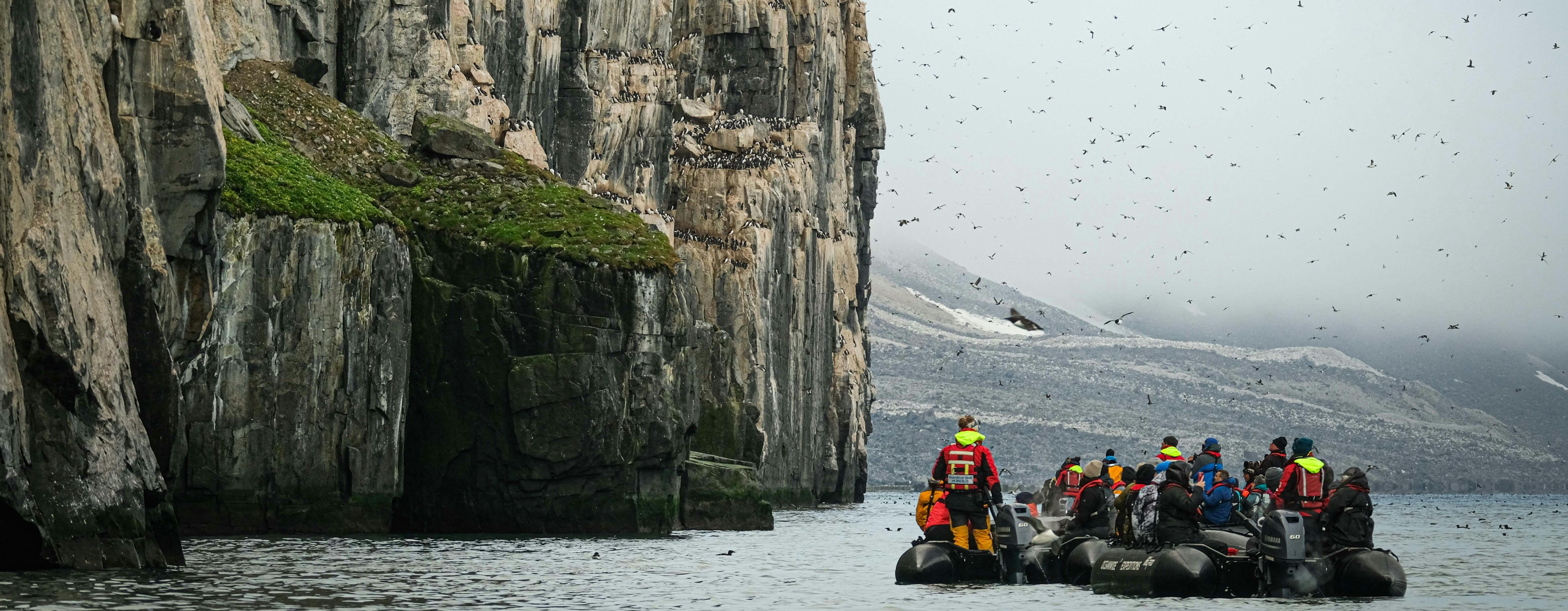
Svalbard is an Arctic wonderland known for its dramatic glaciers, untouched wilderness, and rare wildlife. Longyearbyen, the northernmost settlement, offers fascinating museums, cozy restaurants, and opportunities to experience the Arctic way of life. One of the most famous landmarks is the Svalbard Global Seed Vault, which stores vital crop seeds to safeguard biodiversity. Adventure seekers can partake in glacier hikes, snowmobile excursions, and dog sledding, while wildlife enthusiasts can embark on polar bear safaris and witness the stunning Northern Lights.
The Lofoten Islands, located above the Arctic Circle, are renowned for their picturesque fishing villages, towering fjords, and white sandy beaches. They’re also known for deep-sea fishing, particularly for cod and halibut, surrounded by breathtaking Arctic landscapes. Reine and Hamnøy are among the most scenic villages, offering spectacular views of the surrounding mountains and sea. The Lofotr Viking Museum provides an immersive experience of Viking history, showcasing a reconstructed longhouse and historical artifacts. Hiking trails such as Reinebringen offer panoramic views, while visitors can also enjoy surfing, kayaking, and witnessing the Midnight Sun during summer or the Northern Lights in winter.
Visits to Svalbard and the Lofoten Islands during the summer offer mild temperatures, long daylight hours, and hiking and wildlife spotting opportunities. The winter season is ideal for Northern Lights viewing and Arctic adventures. Unpredictable storms during the autumn make the region the least favorable season to travel and visit. Travelers should also be aware of natural risks, such as avalanches and sudden weather changes, which can impact outdoor activities.

Svalbard and Lofoten Islands: Attractions, Culture and Traveler Tips
Svalbard and the Lofoten Islands offer rich cultural experiences through museums and artistic expressions. The Svalbard Museum provides insight into Arctic history, wildlife, and early polar exploration. The Galleri Lofoten houses Norway’s largest collection of Northern Norwegian paintings in Lofoten, showcasing breathtaking depictions of the region’s landscapes. Throughout the year, Lofoten hosts jazz and traditional music festivals, while Svalbard organizes polar-themed cultural events, adding to the unique charm of these destinations.
For adventure enthusiasts, Svalbard offers thrilling activities such as snowmobiling, glacier hiking, and dog sledding, providing an authentic Arctic experience. Lofoten’s rugged coastline and fjords make it an ideal destination for outdoor activities, including hiking, surfing, and mountain climbing. Whether exploring Svalbard’s icy landscapes or Lofoten’s coastal beauty, travelers are guaranteed unforgettable experiences.
Travelers should know specific, unique laws when visiting Svalbard and the Lofoten Islands. In Svalbard, visitors venturing beyond Longyearbyen are required to carry a rifle due to the risk of encountering polar bears. Alcohol restrictions apply when entering Svalbard, with duty-free limits enforced. Additionally, strict regulations govern the use of drones, and travelers must obtain special permits to fly them in protected areas.
Norwegian is the official language in both Svalbard and the Lofoten Islands, but English is widely spoken, making communication easy for international travelers. Norwegians value privacy and strongly connect to nature, so visitors are encouraged to respect personal space and the environment.
Svalbard and the Lofoten Islands cuisine reflects the harsh Arctic climate and coastal location. Traditional dishes in Svalbard include reindeer, Arctic char, and hearty stews, while Lofoten is famous for its dried cod, known as stockfish, and fresh seafood, such as salmon and halibut. Tipping is not mandatory but is appreciated in restaurants and service industries.
The official currency of Norway is the Norwegian Krone (NOK), and credit cards are widely accepted, making transactions convenient. In the Lofoten Islands, public buses connect various towns and villages, providing an affordable way to explore the region. In contrast, Svalbard has no public transportation system, so visitors rely on taxis, rental vehicles, or organized tours to get around.

Dangers, Crime, Health, and Safety
Crime rates in both Svalbard and the Lofoten Islands are exceptionally low, making them some of the safest travel destinations in the world. One of the biggest threats in Svalbard is the presence of polar bears, which requires visitors venturing outside Longyearbyen to carry firearms for protection. Norway, including Svalbard and the Lofoten Islands, has a low risk of terrorism. Protests in Norway are rare and typically peaceful, posing little to no risk for visitors. Additionally, sudden weather changes and extreme cold pose risks, necessitating proper gear and preparation.
While Norway has excellent healthcare facilities, medical services in Svalbard are limited. Travelers should obtain traveler protection for emergency field rescue and medical evacuation and carry comprehensive travel insurance to cover potential emergency medical costs. In case of an emergency, dialing 113 connects travelers to medical assistance. Severe medical cases may require evacuation to mainland Norway for specialized treatment.

The Global Rescue Connection
Svalbard and the Lofoten Islands offer travelers breathtaking landscapes and unforgettable experiences, but venturing into these remote destinations comes with the responsibility of being well-prepared for medical emergencies. Understanding the healthcare system, local regulations, and safety measures is essential, given the extreme conditions and limited medical facilities.
While most of Svalbard is located below the 80th parallel north, some parts extend beyond this, where Global Rescue provides field rescue and medical evacuation services fee-for-service. Having a clear plan for emergencies ensures travelers can explore these regions with peace of mind, knowing they are prepared for any unforeseen medical circumstances.
Having a Global Rescue travel protection membership can be a vital safeguard in case of illness or injury. This service evacuates members from the point of illness or injury to the nearest appropriate hospital or clinic. If the initial facility does not provide adequate care, Global Rescue can transport members to a vetted medical center or even their home hospital of choice. Beyond emergency evacuations, the membership provides 24/7 access to medical experts who can guide travelers to the best local healthcare resources. Unlike traditional travel insurance, which may involve delays, deductibles, and paperwork, Global Rescue offers immediate and efficient assistance without claim forms, ensuring that travelers receive necessary medical care without hassle.
Categories:
Health & SafetyPlaces & PartnersTravelMarch 11, 2025

Article Highlights:
- Best and Worst Destinations for Hospital Care – Learn which countries have the best and worst medical facilities for travelers.
- Remote Destinations With World-Class Hospitals – Discover surprising remote locations with top-tier healthcare.
- How To Assess a Hospital’s Quality Abroad – Key factors international travelers should evaluate before seeking medical care.
- Health Insurance and International Travel – Find out where your North American health insurance works and where it doesn’t.
- Why Medical Evacuation Matters – Real-life cases prove why an evacuation plan is essential for travelers.
Destinations With the Best Hospitals in the World
For travelers, access to high-quality healthcare can mean the difference between a minor inconvenience and a life-threatening situation. Some countries boast world-class medical facilities with state-of-the-art technology, excellent patient care, and multilingual staff.
“In today’s travel landscape, you may not want to travel to any destination where the level of medical care isn’t up to your standards unless you have medical evacuation services. It puts you, your health and your trip at risk,” said Dan Richards, CEO of The Global Rescue Companies.
Germany is home to several of the best hospitals in the world, including Charité in Berlin. Singapore’s medical centers, such as Singapore General Hospital, are highly rated. Switzerland is renowned for its clean, efficient, and patient-focused healthcare. South Korea’s advanced technology and excellent patient care make Seoul a medical hub. The United States has some of the top hospitals in the world, including institutions like the Mayo Clinic.

Other countries that offer world-class medical care include:
- France – Home to renowned hospitals such as the Pitié-Salpêtrière Hospital in Paris, France has a highly regarded healthcare system with exceptional medical professionals and patient care standards.
- Japan – Known for cutting-edge technology and research, hospitals like the University of Tokyo Hospital, Japan, offer some of the most advanced medical treatments in the world.
- Canada – Boasting institutions like Toronto General Hospital, Canada’s universal healthcare system ensures high standards of care for both citizens and visitors.
- Australia – With highly advanced hospitals such as the Royal Melbourne Hospital, Australia offers excellent healthcare options, particularly in its major cities.
- United Kingdom – Facilities like St. Thomas’ Hospital in London offer high-quality medical care, and the National Health Service (NHS) provides comprehensive services to residents and international visitors.
While many expect only large cities to have excellent healthcare, some remote destinations also provide high-quality hospitals. If you love adventure travel but want peace of mind about medical care, consider places like Reykjavik, Iceland, which has top-tier medical facilities despite its remote location. New Zealand offers excellent healthcare, even in rural areas. Dubai, UAE, provides cutting-edge medical care even in desert regions. Chile’s capital, Santiago, has some of the best medical centers in the world, and Costa Rica’s hospitals in San José attract medical tourists from around the globe.
The Worst Hospitals for International Travelers
Not all destinations provide quality healthcare, and for travelers, this can pose significant risks. Some of the worst-rated hospitals in the world are in countries with underdeveloped healthcare infrastructures, limited resources, and a shortage of trained professionals. If traveling to these regions, consider medical evacuation services as part of your travel plan.
Countries notorious for poor hospital care include Somalia, where many hospitals lack essential equipment and trained medical staff; Haiti, which suffers from severe resource shortages and outdated facilities; Venezuela, where the economic collapse has left many hospitals without basic supplies; North Korea, where strict government control limits access to healthcare; and Afghanistan, where political instability has devastated healthcare services.
Travelers should not visit destinations where the level of medical care does not meet their standards unless they have medical evacuation services. If the hospital doesn’t provide the care you need, then a Global Rescue travel protection membership can transport members to a vetted medical center or their home hospital of choice. ”The closest medical facility isn’t always the right one. Global Rescue gets you to the most appropriate hospital for your illness or injury,” said Dan Stretch, operations manager at Global Rescue.
Evaluating International Hospital Quality
There are several ways to evaluate a hospital’s quality if you need medical care while abroad.
“Travelers should obtain destination reports covering everything from travel health and personal security advice to currency and common scams before taking a trip, especially to a foreign country,” Richards said. A Global Rescue Destination Report is a comprehensive resource that provides travelers with critical information about the healthcare landscape of their chosen destination. These reports include details on local hospitals, the quality of care, potential health risks, and recommended vaccinations. They offer more than just a list of medical facilities; they provide insights into language barriers, accessibility to specialized treatments, and region-specific health concerns. For Global Rescue members, these reports are essential to prepare for potential medical challenges and make informed decisions regarding healthcare needs while traveling abroad.
Beyond hospitals, these destination reports include information on local pharmacies, ambulance services, and emergency medical contacts. In a medical emergency, travelers can use these reports to quickly identify the most appropriate healthcare facilities and navigate foreign healthcare systems effectively. Being prepared with such detailed medical information can ensure that travelers receive the right level of care when needed, making Global Rescue Destination Reports an invaluable asset for international travelers.
Beyond Global Rescue’s Destination Reports, travelers can look for accreditation, such as Joint Commission International (JCI) certification. Hospitals with multilingual staff are often better suited for international patients, as they can help prevent miscommunication. Facilities and equipment should be modern and well-maintained. Online reviews and testimonials from other international travelers can provide insight into hospital experiences. Additionally, consulting your country’s embassy can help identify recommended medical facilities.
For North American travelers, hospitals abroad may function quite differently. Jeff Weinstein, medical operations manager at Global Rescue, notes that hospital layouts and medical practices differ worldwide. “The medication might not look the same. Some hospitals use IVs with glass bottles instead of plastic bags. Triage may be done differently than in the United States,” he said.
Many hospitals outside North America require full payment before treatment, and some lack the stringent sanitation protocols found in the U.S. and Canada. Pain management may be more limited in certain countries, as some restrict access to opioids and other strong painkillers.
Does North American Health Insurance Work in Other Countries?
A crucial question for any traveler is whether their North American health insurance will be accepted abroad. The answer varies by country and provider.
Countries that often accept U.S. insurance, with restrictions, include Germany, Singapore, and Switzerland, where many top-tier hospitals will bill U.S. insurers directly. Canada and Mexico provide partial coverage for emergency care, while Thailand and Malaysia—popular medical tourism destinations—often accept international insurance.
Countries that typically do not accept U.S. insurance include China, where many hospitals require cash payments before treatment; Russia, where coverage is often limited or denied; and India, Egypt, and Vietnam, where quality hospitals may require out-of-pocket payments. To ensure coverage, travelers should consider purchasing travel health insurance or a travel protection membership with medical evacuation coverage.

The Global Rescue Connection
There are numerous real-life cases that highlight the importance of having a Global Rescue membership to ensure access to the most appropriate hospital capable of handling your emergency illness or injury.
In Madagascar, a U.S. college student experienced a serious medical emergency. After initial treatment at a local clinic, her condition worsened, and Global Rescue coordinated her evacuation to a higher-level care facility, where she made a full recovery.
In Bolivia, a U.S. traveler suffered severe injuries while trekking, including an open ankle fracture, a broken finger, and a head laceration. Due to limited local medical resources, Global Rescue arranged a ground evacuation, followed by an air ambulance to a top-rated hospital in the U.S., ensuring the traveler received the care needed.
More than a fifth (22%) of Global Rescue members responding to a survey have required emergency medical care abroad. With the best hospitals in the world concentrated in specific regions, travelers should always research healthcare options before departure. Half of travelers (51%) actively research the quality of medical facilities before choosing their destinations. Having medical evacuation services can be a lifesaver in emergencies. Travel smart, stay informed, and always have a Global Rescue membership.
Categories:
Press ReleaseMarch 11, 2025
(Lebanon, N.H. – March 11, 2025) – A survey of the world’s most experienced travelers revealed a significant shift in traveler sentiment, with fewer people opting for risky trips, more turning to artificial intelligence for travel planning, and strong confidence in the industry’s post-pandemic recovery, according to the Global Rescue Winter 2025 Traveler Sentiment and Safety Survey.
More than half of travelers (59%) are not planning to visit riskier destinations in 2025, marking a 145% increase in risk aversion compared to 2023, when only 24% avoided such trips. Only a fifth (22%) of travelers plan to take riskier trips this year, a 35% drop from 2023. Another 19% remain undecided about venturing into high-risk areas.
“The data shows that travelers prioritize safety over adventure more than ever before,” said Dan Richards, CEO of The Global Rescue Companies and a U.S. Travel and Tourism Advisory Board member at the U.S. Department of Commerce. “Concerns over global instability, natural disasters, and health risks are leading many to reconsider riskier travel plans.”
Travelers’ use of AI for trip planning is rising. Most travelers (59%) still do not use AI for travel planning, but the latest survey marks a 34% decline from Fall 2024, when 90% reported avoiding AI. Most travelers who rely on AI for travel use it for general itineraries, basic destination research, activity suggestions, transportation and lodging recommendations, and dining and restaurant suggestions.
“AI is playing an increasing role in travel, helping individuals make informed decisions more efficiently,” Richards noted. “As technology improves, we expect even more travelers to incorporate AI into their planning.”
In 2025, most travelers choose to travel with family, friends, or a mix of both. Solo travel remains a strong trend, with 35% of surveyed travelers reporting that at least some of their trips will be completely alone. Another 16% plan to travel solo but as part of a larger group with people they don’t know.
The future of travel looks good, based on survey results. The travel industry lost 75% of its value in 2020 and has steadily rebounded. More than half of travelers (61%) believe the travel industry resurgence will continue to grow and surpass pre-pandemic levels. A quarter (26%) expect the industry to recover fully and stabilize; only 4% believe it will decline again.
“The travel industry is on a trajectory of sustained growth,” Richards stated. “People are eager to travel, and as safety concerns are addressed and technology improves, we anticipate even stronger momentum in the years ahead.”
For more information, contact Bill McIntyre at bmcintyre@globalrescue.com or +1 202.560.1195.
About the Global Rescue Traveler Sentiment and Safety Survey
Global Rescue, the leading travel risk and crisis response provider, surveyed more than 1,300 current and former members between January 21-27, 2025. The respondents revealed a variety of behaviors, attitudes and preferences regarding current and future travel.
About Global Rescue
Global Rescue is the world’s leading provider of medical, security, evacuation and travel risk management services to enterprises, governments and individuals. Founded in 2004, Global Rescue has exclusive relationships with the Johns Hopkins Emergency Medicine Division of Special Operations and Elite Medical Group. Global Rescue provides best-in-class services that identify, monitor and respond to client medical and security crises. Global Rescue has provided medical and security support to its clients, including Fortune 500 companies, governments and academic institutions, during every globally significant crisis of the last two decades. For more information, visit www.globalrescue.com.
Categories:
Places & PartnersMarch 7, 2025
Article Highlights
- Best Paragliding Spots: From Bir Billing to Interlaken, these are the best spots depending on difficulty levels and seasons.
- Tandem Paragliding: The safest way for beginners to experience paragliding.
- Cross-Country Adventures: Sun Valley, Golden, Col de Bleyne, and more for long-distance flights.
- Paragliding Safety: Common injuries, emergency response, and medical evacuation options.

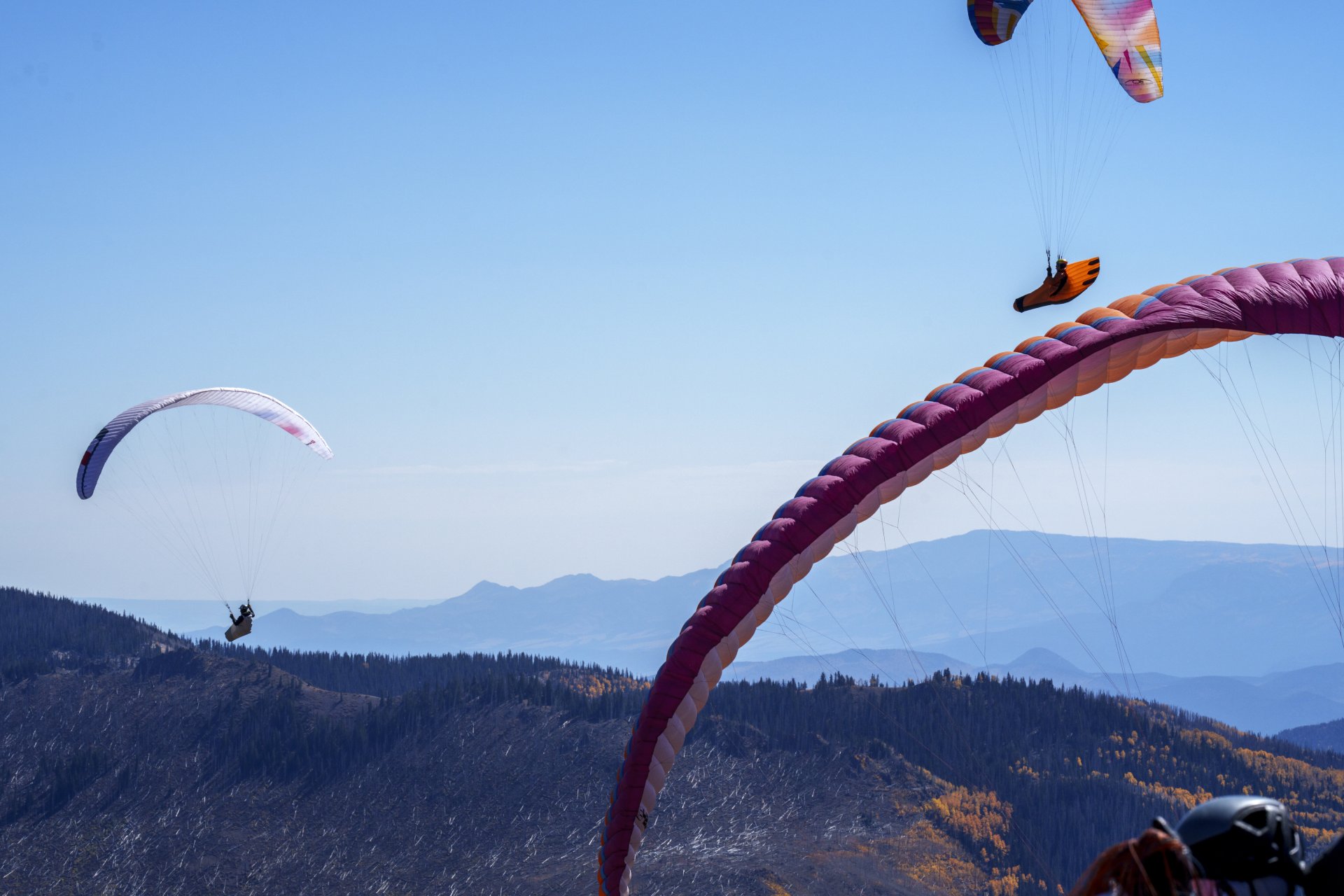
Paragliding is a thrilling sport that allows adventurers to soar through the sky and take in breathtaking views from a bird’s-eye perspective. This aerial experience is made possible by a lightweight, free-flying glider aircraft, where the pilot sits securely in a harness attached to a fabric wing. Pilots can extend their flight duration by skillfully navigating wind currents and thermals, making each flight an exhilarating and scenic adventure.
The origins of paragliding date back to the 1960s, when modified military parachutes were used for controlled gliding instead of rapid descent. Over the decades, advancements in material technology and aerodynamic design have transformed it into a globally recognized adventure sport. For those eager to experience paragliding without prior training, tandem paragliding offers an ideal solution. In this setup, a professional pilot manages the controls. At the same time, the passenger enjoys a stress-free, awe-inspiring glide through the skies, making it a perfect introduction to the world of free flight.
To ensure safety and performance, paragliding requires specialized equipment. The paraglider wing is the primary structure enabling flight, while the harness offers a secure and comfortable seating arrangement for solo and tandem flights. A reserve parachute is a crucial safety measure in emergencies, while a helmet provides essential head protection during takeoff and landing. Additionally, a variometer helps pilots detect rising air currents, allowing for better navigation and prolonged flight time. With the right gear and proper training, paragliding becomes an accessible and rewarding experience for enthusiasts worldwide.
Best Paragliding Destinations in South Asia
Bir Billing
Nestled in the Himalayas, Bir Billing, India, is a world-renowned paragliding destination suited for intermediate to advanced pilots. With Kangra Airport just 70 kilometers away, it is easily accessible for adventurers. The best season to glide through the skies here is from October to June, while the monsoon season from July to September is best avoided due to heavy rainfall. No special permits are required, making it an attractive spot for thrill-seekers looking to experience India’s stunning landscapes from above.
Mussoorie
Another excellent destination in India is Mussoorie, a prime spot for beginners and intermediate pilots. Located just an hour’s drive from Dehradun Airport, it offers favorable conditions from September to June. However, the monsoon season from July to August brings heavy rains and strong winds, making it unsuitable for flights. No special permits are needed, but foreign visitors require a tourist visa.
Pokhara
Pokhara, Nepal, is another top paragliding destination, famous for its stunning views of the Annapurna range. A short 30-minute flight from Kathmandu makes it a convenient spot for adventurers. With a visa on arrival available for most nationalities and no permit requirements, it is an easily accessible haven for beginners and experienced pilots. The best season to take to the skies is September to April, while monsoon rains from June to August can make conditions hazardous.

Best Paragliding Destinations in Europe
Chamonix
For those seeking a European paragliding paradise, Chamonix, France, offers breathtaking alpine views and is accessible via Geneva Airport, just an hour’s drive away. Suitable for all skill levels, from beginners to experts, this location provides smooth summer flights between June and September, while winter brings high winds and snowstorms, making it less ideal. No special permits are necessary, but travelers from non-EU countries will need a Schengen visa.
Interlaken
For those looking to glide over pristine lakes and valleys, Interlaken, Switzerland, is an unparalleled choice. This destination is open to pilots of all levels and is just a two-hour train ride from Zurich Airport. The best conditions for flying occur between March and October, with winter months bringing harsher weather. While no permits are required, non-EU visitors will need a Schengen visa.
Algodonales
Algodonales is a sought-after paragliding location in Spain, particularly for those who prefer reliable flying conditions. With the closest major airport in Seville, it is an accessible destination for beginners and intermediate pilots. While no permits are required, a Schengen visa is necessary for non-EU travelers. The best flying season spans from September to May, with summer temperatures often becoming too intense for optimal thermals.
Best Paragliding Destinations Elsewhere
Queenstown
In the Southern Hemisphere, Queenstown, New Zealand, provides an extraordinary year-round paragliding experience, with summer (December to March) offering the best conditions. Direct flights to Queenstown Airport make access easy and require no special permits. However, winter (July to August) can bring extreme cold and challenging conditions.
Oludeniz
For those drawn to coastal paragliding, Oludeniz, Turkey, is a must-visit. The turquoise waters below provide an unparalleled backdrop for intermediate and advanced pilots. Easily accessible via Dalaman Airport, this spot offers ideal conditions from April to October. While winter storms and strong winds make paragliding difficult, no special permits are required, and most nationalities can enter with a visa-free or eVisa option.
Antsirabe
Lastly, for advanced pilots seeking a more remote adventure, Antsirabe, Madagascar, provides a unique paragliding experience. Located three hours from Antananarivo, it offers breathtaking views and strong thermals from May to November. However, the rainy season from December to April poses significant challenges. Travelers can obtain a visa on arrival; no special permits are needed to enjoy this exotic paragliding haven.

Paragliding Injuries, Safety, and Cross-Country
Common injuries in paragliding include fractures, dislocations, and concussions due to rough landings. Emergency response varies by location:
- Colombia Incident: A U.S. paraglider in Colombia suffered a tibial malleolus fracture. Due to delayed local treatment, Global Rescue arranged for a medical evacuation to Washington, where she underwent surgery.
- Emergency Response at Destinations: Switzerland and France offer world-class medical care, while Nepal and Madagascar have limited facilities, requiring evacuation in severe cases.
Top Cross-Country Paragliding Destinations
- Sun Valley, Idaho, USA: Vast wilderness with long-distance flight potential.
- Golden, Canada: Ideal thermals and scenic flights.
- Col de Bleyne, France: Home to record-breaking flights.
- Quixada, Brazil: Best for experienced cross-country pilots.
- Ager, Spain: Consistent flying conditions.
- Kruševo, Macedonia: Suitable for all levels.

The Global Rescue Connection for Paragliders
Global Rescue’s Field Rescue service gets members from the point of injury or illness to medical treatment in life-threatening situations when the member is out of reach of conventional rescue resources. Global Rescue field rescue service is not a substitute for conventional rescue resources like ambulances or other vehicles activated by public services agencies dispatched by contacting 911 (or the equivalent in different countries).
Paragliders who sustain injuries during their activity and receive emergency services from local/state/provincial/regional government providers should be aware that they may be charged for emergency transport. Typically, the patient or their insurance company is billed for the service.
Global Rescue is a service provider, not an insurance company, and is legally not allowed to reimburse members for the costs of rescue or any transportation services provided by government emergency responders. Most insurance policies cover emergency transport costs; however, insurance companies may deny reimbursement if the transport is medically unnecessary.
Post-Rescue Member Benefits/Services: Contacting Global Rescue immediately after the 911 call (or equivalent emergency services number in other destinations) will help Global Rescue members by coordinating and navigating the medical system, communicating with loved ones, and providing additional medical transport services as medically required.
While every case is different, in this example, Global Rescue would provide medical advisory and medical evacuation to an appropriate hospital (if medically required) as part of the paraglider’s membership. Any costs associated with the initial transport by the local emergency service provider would be the responsibility of the paraglider (or their insurance provider).
Categories:
NewsMarch 6, 2025
Categories:
Places & PartnersMarch 6, 2025
Article Highlights:
- At 22,837 feet (6,961 meters), Aconcagua is the tallest peak outside the Himalayas and one of the Seven Summits.
- Though non-technical, climbing Aconcagua requires endurance, proper acclimatization, and basic mountaineering gear.
- High-altitude sickness is a serious risk, with numerous helicopter evacuations due to AMS and HAPE.
- More women are climbing Aconcagua, reflecting a shift in mountaineering demographics.
- Global Rescue continues to expand emergency evacuation services for climbers facing medical emergencies at high altitudes.
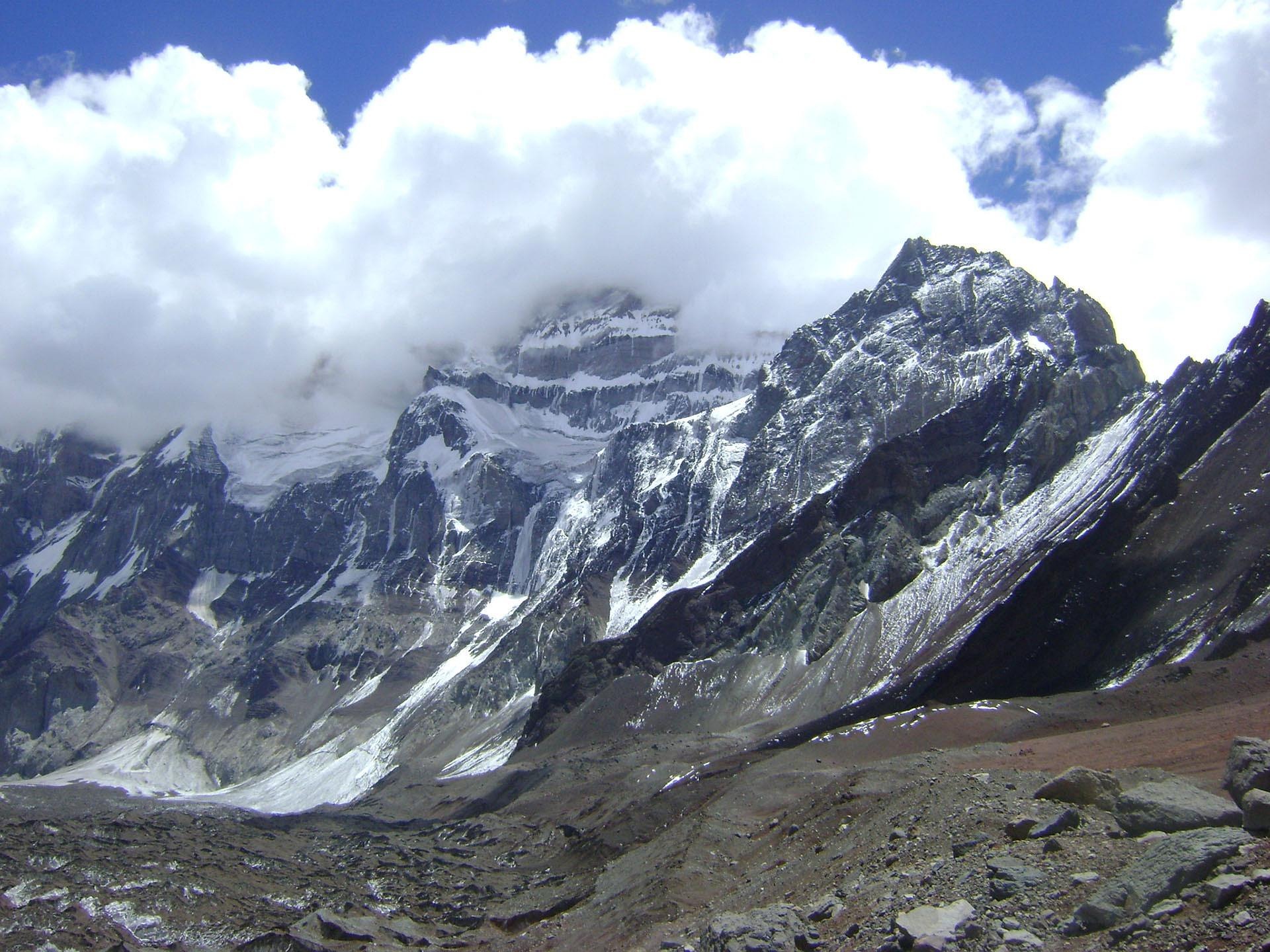
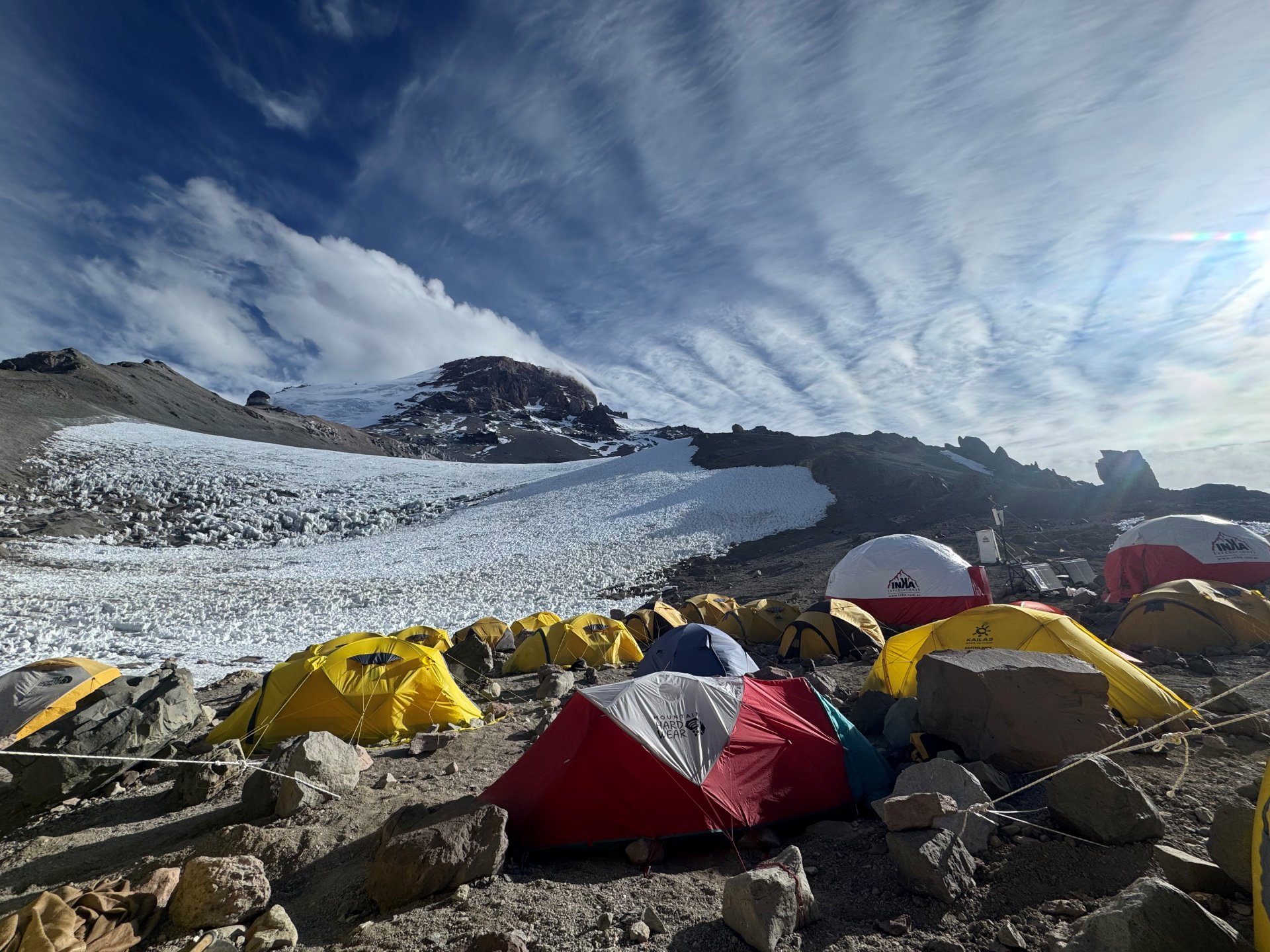
Mount Aconcagua, towering at 22,837 feet (6,961 meters), is the highest peak outside the Himalayas and Karakoram ranges. As the tallest mountain in South America, it is one of the prestigious Seven Summits. Climbing Aconcagua is a challenge that attracts mountaineers and trekkers worldwide, eager to push their limits in the high-altitude conditions of the Andes.
While climbing Aconcagua is not a technical ascent, it is far from easy. Trekkers often require crampons and an ice axe to navigate icy sections, and the extreme altitude presents serious risks. Proper acclimatization is essential to a successful summit bid, as altitude sickness can affect even the fittest climbers.
Jed Williamson, a renowned outdoor adventure safety expert and member of the Global Rescue’s Mountain Advisory Council, considers Aconcagua an ideal first high-altitude climb—provided climbers acclimate properly. Despite its accessibility, Aconcagua demands meticulous preparation, fitness, and respect for high-altitude conditions.
Aconcagua and the World’s Top Climbers
Ed Viesturs, the only American to have summited all 14 of the world’s 8,000+ meter peaks without supplemental oxygen, conquered Aconcagua alongside local guide Cacho Beiza, who has climbed the mountain over 60 times. Both climbers consider Aconcagua an excellent training ground for those aiming to climb more challenging peaks.
Viesturs and Beiza also recommend several other mountains as good starter peaks before attempting Aconcagua:
- Mount Baker, Washington, USA (10,000 feet / 3,048 meters): A great alternative to Mount Rainier with less crowding and no permit requirements.
- Chimborazo, Ecuador (20,548 feet / 6,263 meters): A stunning high-altitude climb in South America.
- Pico de Orizaba, Mexico (18,491 feet / 5,636 meters): A beautiful yet challenging volcanic ascent.
- Ixtaccihuatl, Mexico (17,160 feet / 5,230 meters): A dormant volcano offering a rewarding high-altitude experience.
Aconcagua: Snowy, Uncrowded, and a Growing Female Presence
Viesturs recently returned from a climb of Aconcagua and observed that post-COVID crowds have diminished, making for a more peaceful experience. Heavy snowfall in January, however, added unexpected difficulties, transforming what is usually a dry hike into an alpine ascent requiring crampons.
Beiza emphasized that, despite being a non-technical climb, Aconcagua is a serious mountain where fitness and endurance are critical. Summit day alone can take 8-12 hours, not including the descent back to high camp.
An exciting trend is the increasing number of female climbers tackling Aconcagua. Beiza noted that half of his recent climbing team consisted of women, with many couples climbing together.
Aconcagua: A Test of Resilience and Rescues
While self-sufficiency among climbers is gradually increasing, helicopter rescues remain a reality. Beiza notes that most evacuations occur for legitimate medical emergencies rather than exhaustion or fatigue. One such case involved a 55-year-old climber from the United Kingdom who was evacuated from Plaza de Mulas due to symptoms of pulmonary edema. Global Rescue facilitated an emergency helicopter evacuation, leading to swift medical intervention and recovery.
Several recent high-altitude rescues on Aconcagua highlight the risks associated with extreme elevations.
- A Canadian climber was airlifted after suffering from Acute Mountain Sickness (AMS) and High-Altitude Pulmonary Edema (HAPE). Oxygen therapy stabilized the climber before an emergency helicopter evacuation to Horcones, followed by hospital treatment in Mendoza.
- A U.S. climber on the Guanacos route experienced AMS and suspected HAPE. A helicopter evacuation was swiftly arranged to transport the climber from Plaza Argentina to Mendoza for overnight hospital observation and treatment.
- A U.S. climber at Base Camp 3 Guanacos suffered severe HAPE, leading to an urgent helicopter evacuation. The climber was hospitalized in Mendoza, treated for altitude-related complications, and discharged after recovery.
- A U.S. climber sustained a knee injury at Nido de Cóndores, rendering them unable to continue. Medical staff recommended an immediate helicopter evacuation. After treatment in Mendoza, the climber recovered with crutches and pain management.
- A Mexican climber at Base Camp 2, Nido de Cóndores, was diagnosed with pulmonary edema and evacuated via helicopter to Mendoza for treatment.
- Two Australian climbers suffered from severe HAPE. One was evacuated from Plaza de Mulas and another from Valle Hermoso. Both required urgent medical attention, received oxygen therapy and treatment, and were later discharged in stable condition.
The Global Rescue Connection
With increasing number of climbers venturing into high-altitude terrain, Global Rescue has expanded its services, including the High-Altitude Evacuation Package for those traveling above 15,000 feet (4,600 meters). This service ensures rapid emergency transport for climbers facing injury or severe altitude sickness. Mountaineering and trekking continue to grow in popularity, making safety and emergency preparedness more critical than ever.
Climbing Aconcagua is a formidable adventure that requires careful preparation, endurance, and respect for high-altitude conditions. While it remains one of the more accessible Seven Summits due to its non-technical nature, the extreme altitude presents a real challenge.
For those looking to climb Aconcagua, it is crucial to prepare for and obtain proper acclimatization, ensure appropriate physical conditioning, and understand the signs and symptoms of altitude-related risks. Whether you are an experienced mountaineer or tackling your first high-altitude peak, Aconcagua offers an unforgettable journey into the heart of the Andes.
Categories:
Missions & Member TestimonialsMarch 5, 2025
Article Highlights:
- Real-Life SOS Rescue Stories: A sailor stranded at sea due to a broken mast, a flash flood traps a driver, a trekker injures her ankle on a hike, abdominal pain disables a trekker in New Zealand, and a broken rudder maroons a man in the ocean – are all rescued thanks to emergency satellite communication devices was used to contact Global Rescue for help.
- Essential SOS Procedures: It’s critical to understand your device’s SOS features and procedures, and to provide contact information for Global Rescue to ensure timely and effective emergency assistance.
- Importance of Preparation: Being prepared is essential and knowing how to use satellite communication devices in emergencies can be the difference between life and death during remote adventures.
Contacting Global Rescue Through a Satellite Device
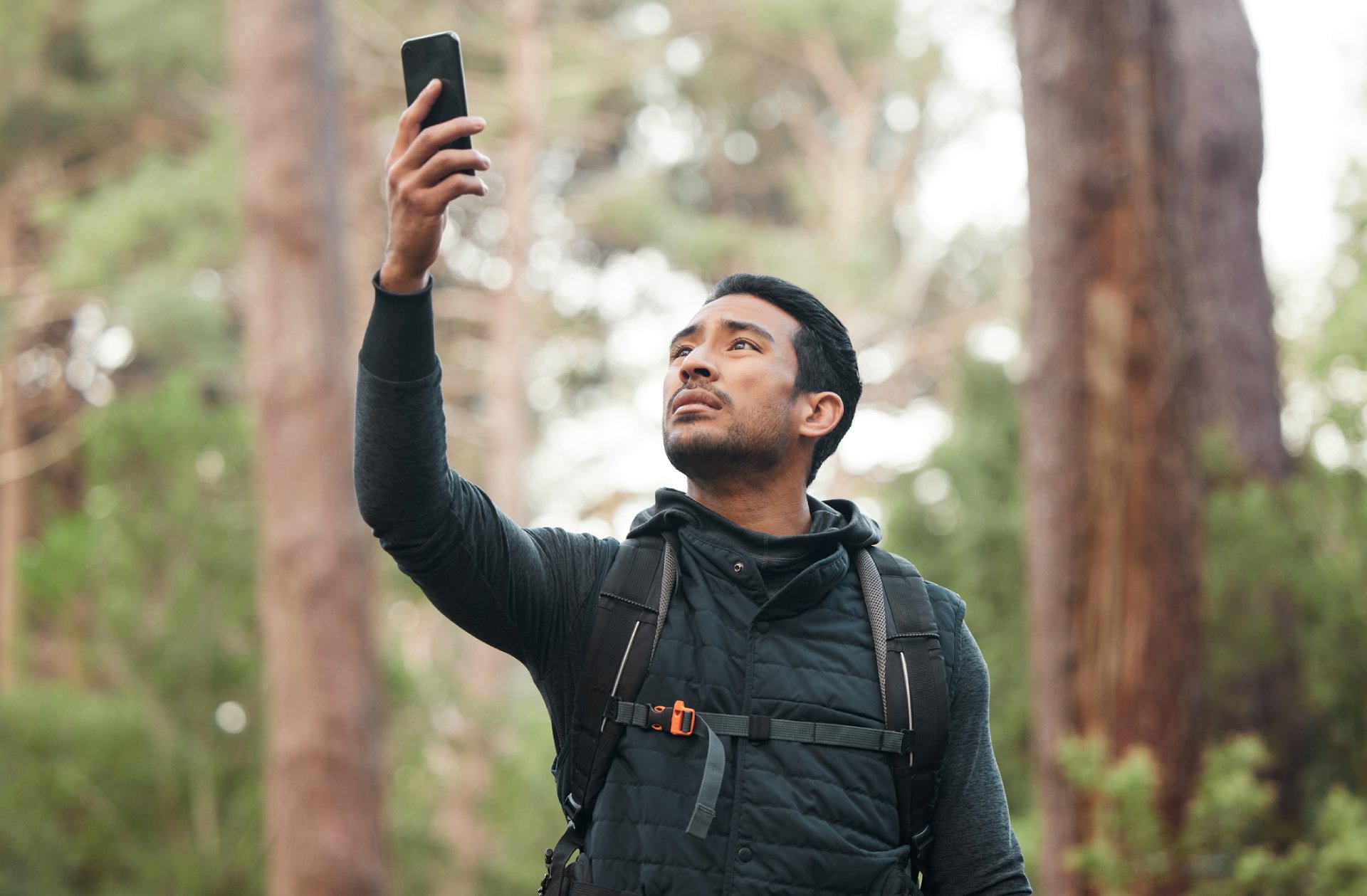
You have planned an adventure. Perhaps you’re going to a destination where cell service is unreliable or embarking on a wilderness trip to a remote location. You have a two-way communication device, such as a satellite phone or satellite messaging and tracking device, just in case. But knowing how to use it in an emergency is essential – and could be the difference between life and death.
Global Rescue handles hundreds of emergencies and SOS calls for medical or security help every month. The following are a few highlights from recent emergency events worldwide.
Broken Mast at Sea
Global Rescue received an SOS from a user after the mast on his 60-foot catamaran collapsed off the coast of Delaware, USA. Although the user was alone and safe, they requested a tow. Global Rescue alerted the U.S. Coast Guard District 5, which dispatched both a C-130 and a patrol boat, but worsening weather delayed the response. The user later reported further issues but released the broken mast and continued repairs. Ultimately, the U.S. Coast Guard located the user and successfully rescued him.
Flash Flood Traps Driver
An SOS satellite device user reported being trapped on the rooftop of their vehicle after it was washed out on the road and became half-submerged in water. Global Rescue alerted The Australian Maritime Safety Authority (AMSA), and police were dispatched to the location. Shortly after, Global Rescue received confirmation that the individual had been safely rescued and transported to safety.
Leg Injury Triggers SOS
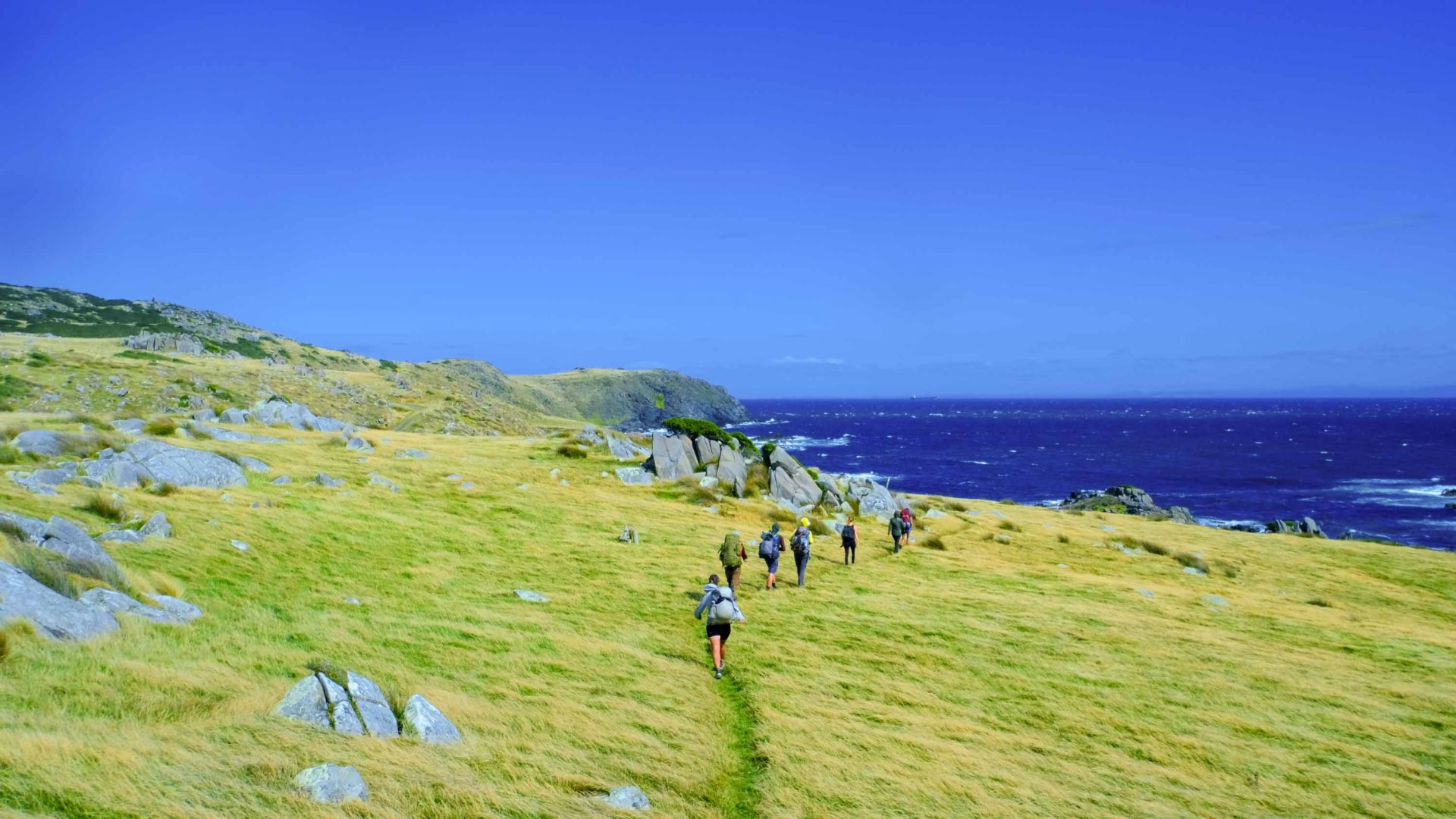
A 45-year-old female sent Global Rescue an SOS after reporting a left ankle sprain while hiking the Te Araroa Trail in New Zealand. The injury left her unable to walk. Due to adverse weather conditions, a helicopter rescue was not possible until the next morning. Global Rescue monitored the situation until the individual had been safely rescued and was being transported to a medical facility.
Abdominal Pain on a New Zealand Trail
Global Rescue received an SOS distress call from an emergency satellite device user reporting a 29-year-old experiencing severe abdominal pain and nausea while moving while hiking in Haas, New Zealand. The pair was located at an elevation of 2,953 feet/900 meters on the mica mine route, specifically in switchback 19 of the northern ascent. Global Rescue alerted the Rescue Coordination Center of New Zealand (RCCNZ) and coordinated a response for a helicopter rescue.
Rudderless at Sea
Global Rescue received an SOS from an emergency satellite device user who reported that their boat was experiencing mechanical failure with a broken rudder and was taking on water, though no injuries had been sustained. Global Rescue confirmed the situation and relayed the information to the Marine Rescue Coordination Center (MRCC). The MRCC confirmed the SOS and that resources had been prepared for deployment. After communication with the SOS device user and the MRCC, it was confirmed that the user was in contact with rescuers, including a ship and helicopter, and would be transported to safety. The user was successfully retrieved.
Helicopter Responds to SOS Call
An SOS satellite device user reported an unresponsive 43-year-old male who had collapsed after a bison retrieval while hiking. The patient was being administered CPR at the time of the alert. Global Rescue coordinated with the Garfield County sheriff’s office to dispatch airborne emergency rescue resources to the scene. The SOS device user was safely recovered.
[Related Reading: How To Send an SOS: Two-way Communication Success]
How To Send an SOS to Global Rescue
SOS device users should review the instructions regarding their device’s SOS features and procedures. Understand who receives the SOS message signal when it’s sent and what services the SOS monitoring provider offers. Contacting Global Rescue directly at +1 (617) 459-4200 or through a messaging device at ops@globalrescue.com or operations@globalrescue.com is the most straightforward way of obtaining service.
Categories:
Press ReleaseMarch 5, 2025
(Lebanon, N.H. – March 5, 2025) – The majority of the world’s most experienced travelers expect Americans will be less welcome and perceived more negatively while traveling internationally in 2025 due to recent international policy proposals introduced by the U.S., according to the results of a Global Rescue Snap Survey conducted following President Trump’s address to Congress.
Seven out of ten (72%) surveyed travelers said Americans will be perceived more negatively and less welcome when traveling abroad. Nearly a fifth (16%) reported there would be no difference in how Americans are perceived, 9% didn’t know and 3% said Americans will be perceived more positively.
“The data is clear—travelers are expecting a shift in how they are received abroad,” said Dan Richards, CEO of The Global Rescue Companies and a U.S. Travel and Tourism Advisory Board member at the U.S. Department of Commerce. “This doesn’t mean Americans should cancel their travel plans, but they should be aware of their surroundings, practice cultural sensitivity, and take proactive steps to mitigate potential risks.”
International travel veteran Harding Bush, a former Navy SEAL and associate director of security operations for Global Rescue, advised it’s important to remember that locals may have strong opinions about international policies, but they often distinguish between a country’s government and its citizens. “They know it’s not you that is making the decisions and policies. Be a gracious guest and don’t discuss politics,” he said.
American international travelers can take several measures, all of which are recommended during any international trips, to travel safely and confidently despite growing concerns about their perception overseas. “Americans traveling abroad should be aware there could be an increase in political demonstrations and should obtain security advisory services to keep them informed of anti-American protests,” Bush said.
- Maintain a Low Profile: Avoid displaying overt symbols of American nationality, such as clothing with political slogans or nationalistic imagery. Blending in with local customs and attire can help minimize unwanted attention.
- Stay Informed: Travelers should research the political and social climate of their destination before departure. Understanding local attitudes toward the U.S. can help visitors navigate conversations and interactions more smoothly.
- Practice Cultural Awareness: Demonstrating respect for local customs, traditions, and social norms is essential. Learning basic greetings and etiquette in the local language can go a long way in fostering goodwill.
- Use Smart Travel Practices: Keep a low profile in public spaces, avoid discussing sensitive political topics, and be aware of your digital footprint on social media, as online expressions can sometimes lead to confrontations in person.
- Leverage Professional Travel Security Resources: For those visiting high-risk areas or facing increased concerns, working with security professionals and travel risk management firms like Global Rescue can provide invaluable guidance and support.
Despite the concerns highlighted by the survey, Richards emphasized that most international travel remains safe when travelers take the right precautions. “Being prepared and situationally aware is key. By exercising good judgment and respecting local norms, Americans can continue to enjoy safe and enriching travel experiences around the world,” Richards said.
For more information, contact Bill McIntyre at bmcintyre@globalrescue.com or +1 202.560.1195.
About the Global Rescue SNAP Survey
Global Rescue, the leading travel risk and crisis response provider, surveyed more than 1,400 current and former members between March 5, 2025. The respondents revealed whether recent international policy proposals introduced by the U.S. would impact, negatively or positively, how Americans are welcomed or perceived when traveling internationally in 2025.
About Global Rescue
Global Rescue is the world’s leading provider of medical, security, evacuation and travel risk management services to enterprises, governments and individuals. Founded in 2004, Global Rescue has exclusive relationships with the Johns Hopkins Emergency Medicine Division of Special Operations and Elite Medical Group. Global Rescue provides best-in-class services that identify, monitor and respond to client medical and security crises. Global Rescue has provided medical and security support to its clients, including Fortune 500 companies, governments and academic institutions, during every globally significant crisis of the last two decades. For more information, visit www.globalrescue.com.