Categories:
Press ReleaseMarch 3, 2025
(Lebanon, N.H. – March 3, 2025) – Despite widespread concern about safety and major health issues, international travelers continue to flock to remote and high-risk destinations—often without checking the quality of emergency medical care available. The most common trip-ending problems are major health issues (35%), according to the Global Rescue Winter 2025 Traveler Sentiment and Safety Survey. Half of surveyed travelers identified “safety” as their top priority when selecting an international destination—significantly higher than “cost” (19%), “weather” (15%), or “convenience” (13%).
Yet, while travelers overwhelmingly recognize major health issues as the most significant threats, and half claim safety is most important when choosing a destination, only half (51%) take the time to research the quality of medical care available at their destinations.
“It’s an alarming attitude given that more than one in five surveyed travelers (22%) reported needing emergency medical care while abroad,” said Dan Richards, CEO of the Global Rescue Companies, the world’s leading provider of medical, security, evacuation and travel risk management services and a member of the U.S. Travel and Tourism Advisory Board at the U.S. Department of Commerce. “Travelers often assume they are prepared for the unexpected, yet paradoxically, the data suggests that few travelers take the necessary precautions to ensure their health and safety abroad,” he added.
The survey also revealed that many travelers seek out remote or high-adventure destinations. More than half of travelers (59%) said they are not planning to visit more risky destinations in 2025 compared to past years, but a fifth (22%) are actively planning such trips, and another 19% remain undecided.
“With a significant portion of travelers venturing into remote regions or booking riskier adventures, the importance of knowing the availability of emergency medical care cannot be overstated,” Richards said. “The data suggests that travelers equate safety with crime rates and political stability but overlook the equally critical aspect of emergency medical infrastructure,” he added.
Travelers should obtain destination reports covering everything from travel health and personal security advice to currency and common scams before taking a trip, especially to a foreign country. A Global Rescue destination report provides travelers with critical information about the healthcare landscape of their chosen destination, including details on local hospitals, the quality of care, potential health risks, and recommended vaccinations. They provide insights into language barriers, accessibility to specialized treatments, and region-specific health concerns.
For more information, contact Bill McIntyre at bmcintyre@globalrescue.com or +1 202.560.1195.
About the Global Rescue Traveler Sentiment and Safety Survey
Global Rescue, the leading travel risk and crisis response provider, surveyed more than 1,300 current and former members between January 21-27, 2025. The respondents revealed a variety of behaviors, attitudes and preferences regarding current and future travel.
About Global Rescue
Global Rescue is the world’s leading provider of medical, security, evacuation and travel risk management services to enterprises, governments and individuals. Founded in 2004, Global Rescue has exclusive relationships with the Johns Hopkins Emergency Medicine Division of Special Operations and Elite Medical Group. Global Rescue provides best-in-class services that identify, monitor and respond to client medical and security crises. Global Rescue has provided medical and security support to its clients, including Fortune 500 companies, governments and academic institutions, during every globally significant crisis of the last two decades. For more information, visit www.globalrescue.com.
Categories:
Missions & Member TestimonialsFebruary 28, 2025
Article Highlights:
- Helicopter medical evacuations, or medevac flights, provide rapid emergency transport for critically ill or injured individuals in remote areas.
- Medevac flights utilize advanced medical equipment and highly trained paramedics to stabilize patients during transport to specialized facilities.
- Dangerous terrain rescues require expert pilots and rescue crews to extract victims from mountains, cliffs, and challenging environments.
- Maritime rescues deploy rescue choppers to retrieve individuals from sinking ships, lifeboats, and stranded rafts in extreme conditions.
- Helicopter rescue services, such as those offered by Global Rescue, provide essential medical support and emergency evacuation worldwide.
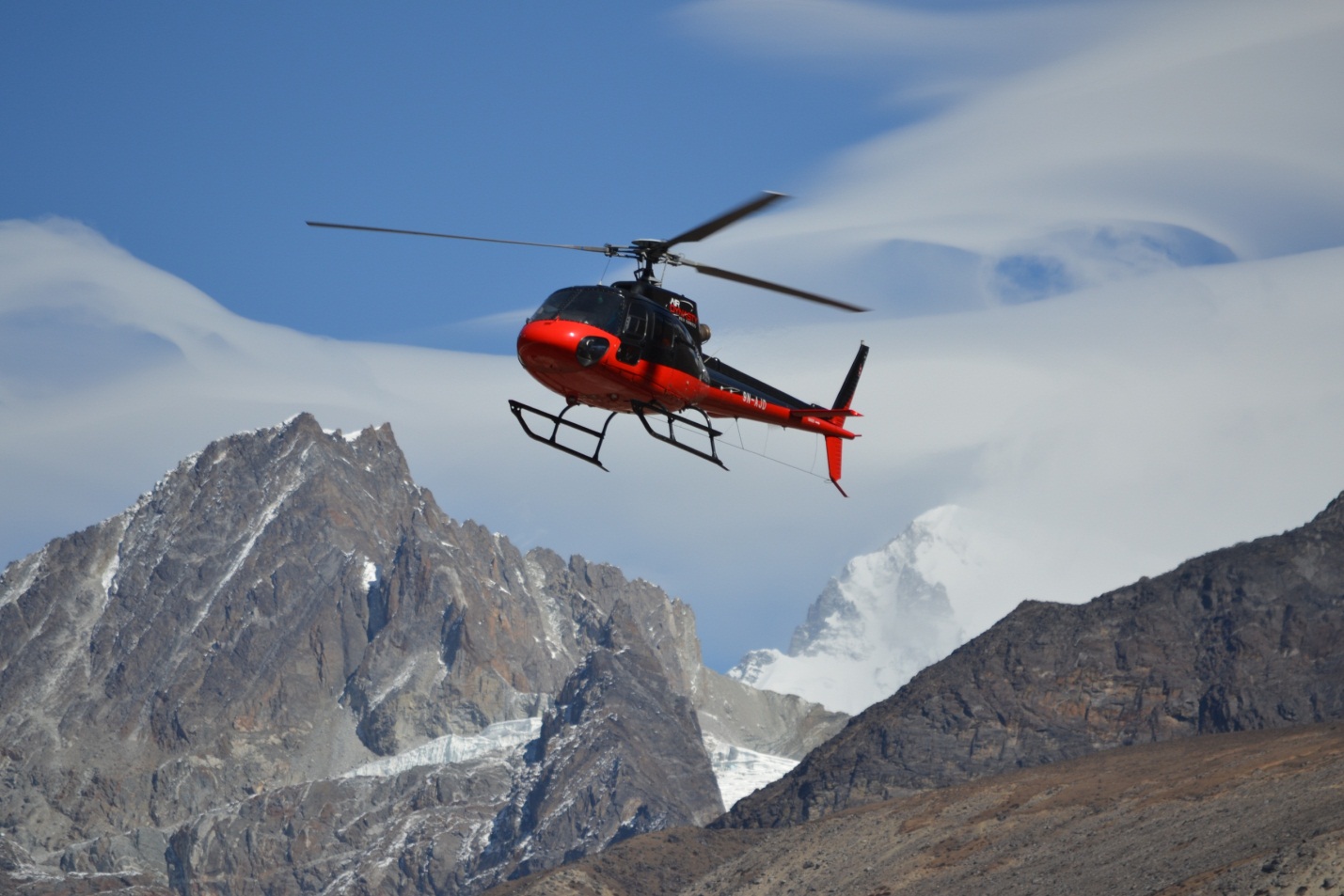
Helicopter rescues are among the most complex and high-stakes operations in emergency response. Whether transporting critically ill patients, plucking stranded individuals from dangerous locations, or extracting mariners from sinking ships, helicopter rescue teams play a crucial role in saving lives. These missions require precision, training, and advanced equipment to ensure successful rescues in some of the most challenging environments. Check out the various types of helicopter rescues and the specialized methods used to carry them out.
Air Medical Rescues
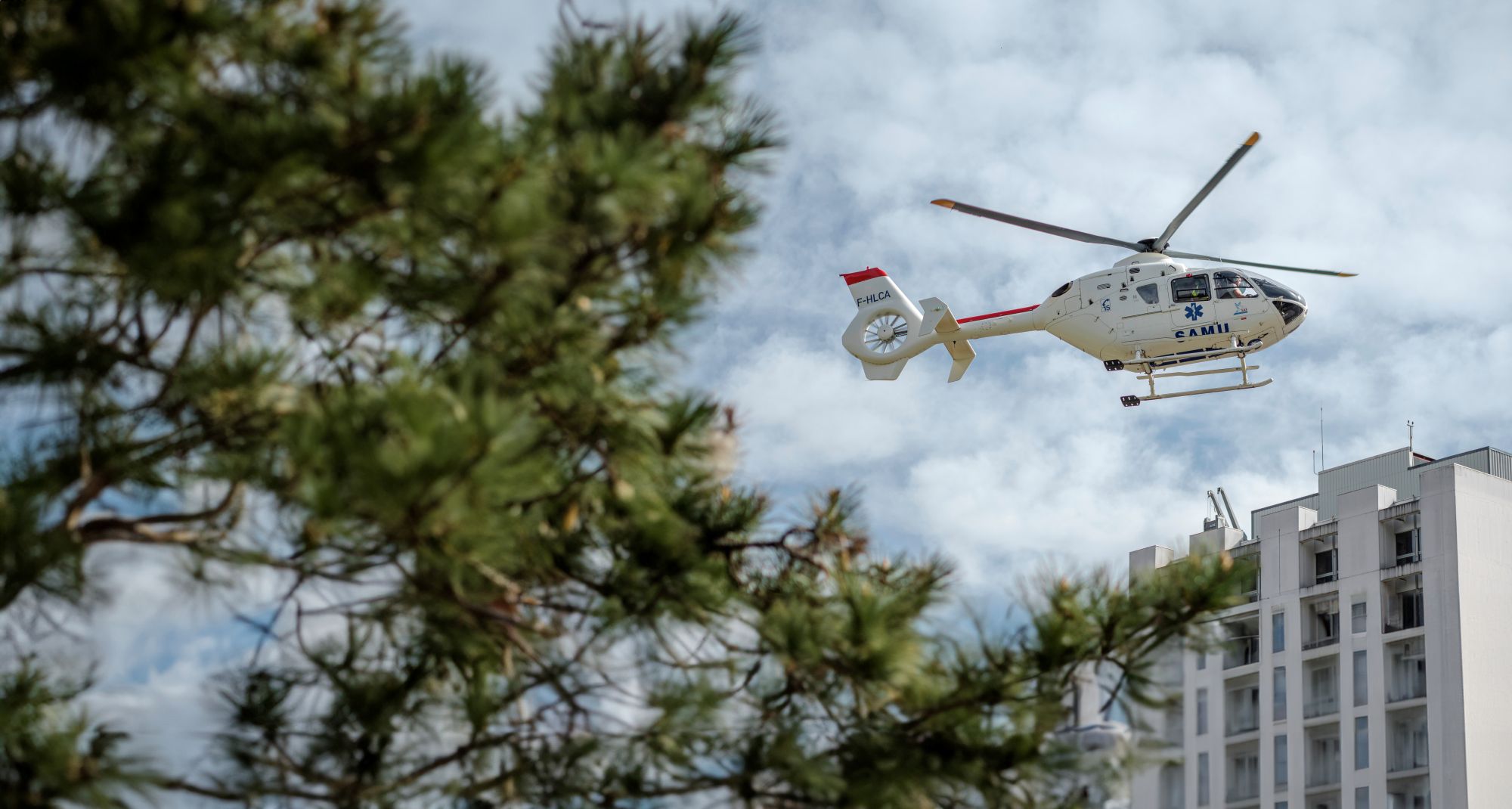
Patient Transport Air medical transport, often referred to as air ambulance services, is one of the most common types of helicopter rescue. These missions are designed to transport critically ill or injured patients from accident sites, remote areas, or hospitals to specialized medical facilities. Air medical services operate under tight time constraints, ensuring that patients receive timely medical intervention, especially in cases involving trauma, altitude mountain sickness, heart attacks, strokes, or severe injuries.
In a recent case, a chopper rescue was needed in Kenya when a Global Rescue member from the UK developed severe pain and swelling in their right calf due to Deep Vein Thrombosis (DVT) while trekking Mount Kenya. A helicopter evacuation was arranged, transporting the individual to Nanyuki Cottage Hospital. In Switzerland, an emergency helicopter rescue was needed for a woman who dislocated her shoulder while skiing in Visp. She contacted Global Rescue and was airlifted via helicopter for emergency treatment at a nearby hospital.
Helicopters used for air medical rescues are often equipped with advanced medical equipment, including ventilators, defibrillators, oxygen supplies, and monitoring systems. Flight paramedics and nurses may accompany patients, providing continuous care during transport. These rescues are often coordinated with emergency medical services (EMS) and hospitals to ensure seamless patient handovers.
Dangerous Terrain Rescues
Cliff rescues involve extracting individuals stranded on steep or inaccessible cliffs, where traditional ground-based rescue methods are impractical or too dangerous. Rock climbers, hikers, and accident victims often find themselves in precarious positions, requiring immediate aerial assistance.
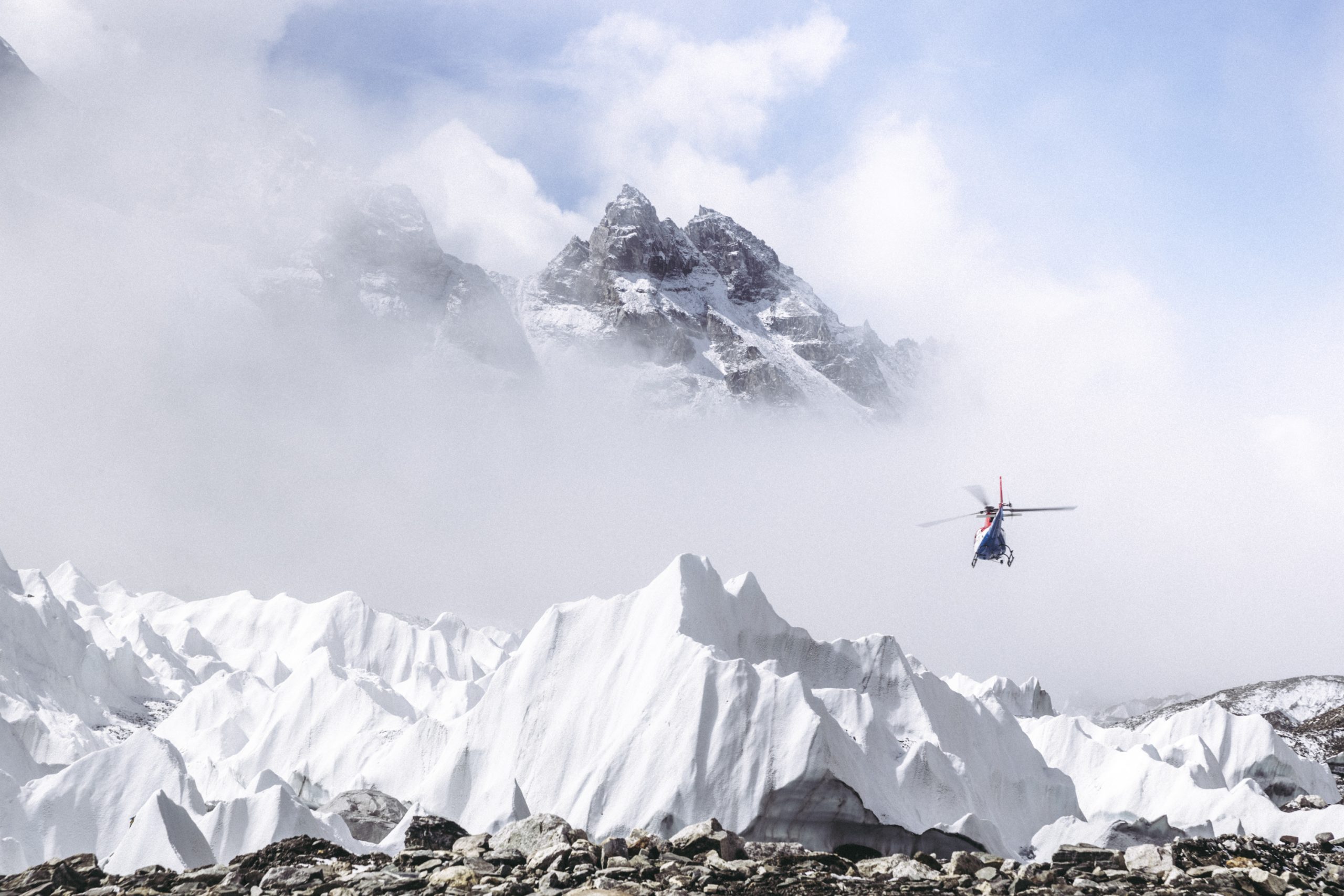
For example, an expedition leader contacted Global Rescue about an individual from Singapore who had fallen into a crevasse. The expedition team successfully pulled him free, but he soon showed symptoms of snow blindness, AMS, and HACE while at Mera High Camp (19,357 feet/5,900 meters). Global Rescue initiated an airborne helicopter rescue and transported the member to a hospital in Lukla. Global Rescue’s Nepal on-the-ground team met him at the hospital, where he was evaluated and given oxygen and medication to treat AMS and HACE. He was later released in improved condition.
A long-line rescue, also known as a sling or external load rescue, involves suspending the rescuer and victim below the helicopter on a long cable. This method is useful for extracting individuals from rugged terrains such as forests, mountains, or collapsed structures where landing a helicopter is not an option.
Typically, in dangerous terrain requiring a long line rescue, a highly trained helicopter crew deploys a rescuer via hoist or long-line technique to reach the stranded individual. Satyarup Siddhanta, a seasoned mountaineer, needed a long line chopper rescue during a dire situation while attempting to summit Ama Dablam in Nepal. He began experiencing severe frostbite symptoms, making it nearly impossible to grip ropes or tools.
Aware that continuing his ascent could put him in extreme danger, he made the difficult decision to turn back. During his descent, a combination of exhaustion and numb fingers led to a dangerous fall, leaving him physically battered and struggling with confidence in navigating the challenging terrain. Siddhanta contacted Global Rescue’s operations center, triggering a helicopter long line rescue – a rapid rescue response used in remote, high-angle terrain.
“The rescue helicopter arrived and lowered the rope. I was in no condition to get myself into the harness securely without the help of my Sherpa. Then the helicopter flew me to safety.”
People often incorrectly assume the person in the harness at the end of the long line rescue rope is hoisted into the helicopter. That is not the case with long line rescues in the Himalayas. Instead, the individual is suspended from the end of the line until a landing safely. Siddhanta’s rescue flight was a 10-minute journey dangling about 100 feet (30.5 meters) below a helicopter zipping through the Himalayan range.
After receiving hospital treatment, he was relieved to learn that his prompt response and medical care had prevented permanent damage to his fingers. “The doctor told me the courses of action and precautions I took ultimately saved my fingers, if not my life,” he said.
Rescues At Sea
Helicopter rescues from sea vessels are critical in maritime emergencies, such as transporting individuals experiencing medical emergencies aboard cruise ships or saving individuals from sinking vessels. These rescues are conducted by specialized units such as the U.S. Coast Guard, Royal Navy, and other maritime rescue organizations worldwide.
As travelers return to cruising, their concerns are changing, too. Anxiety about geopolitical instability and violent conflicts has been surpassed by fear of experiencing a medical emergency while traveling internationally. Cruise ships provide limited medical resources, often requiring passengers with severe conditions to be transported to a hospital via helicopter medevac.
Serious medical emergencies aboard cruise ships require immediate evacuation to a higher-quality medical facility. The two main options for medical transport are making port for ground ambulance transportation or calling a rescue chopper for an airborne rescue. Emergency medical helicopters typically operate within a 175-mile radius of their base, making rescues beyond that range unfeasible without additional support. These services are also expensive, with medical evac costs reaching six figures unless covered by travel protection plans like a Global Rescue membership.
In another maritime emergency, an SOS emergency satellite device user contacted Global Rescue Operations to report their boat was experiencing mechanical failure, had a broken rudder, and was taking on water. Global Rescue Operations coordinated with the Marine Rescue Coordination Center (MRCC) and deployed a ship and helicopter to rescue all individuals and transport them to safety. Similarly, an individual stranded on a life raft after their vessel sank off the coast of Georgia was successfully rescued following the deployment of a rescue ship and helicopter.
The Global Rescue Connection
Helicopter rescues are a vital part of emergency response, providing rapid and effective assistance in situations where traditional ground-based rescues are impossible. Whether transporting critically ill patients, plucking climbers from cliffs, rescuing mariners from stormy seas, or evacuating crews from lifeboats, these operations save countless lives each year.
With specialized rescue methods like basket lifts, stretcher lifts, long-line rescues, and rescue net lifts, helicopter teams can adapt to diverse challenges, ensuring those in danger receive the help they need as quickly as possible.
A Global Rescue membership is crucial for travelers since it provides comprehensive safety and support services, including access to emergency field rescue— vital in remote areas — and medical evacuation, essential where local healthcare may be inadequate. Additionally, Global Rescue offers medical advisory and telehealth services, providing medical consultations via phone or video, which can be particularly useful when traveling far from home.
With a Global Rescue membership, international travelers can focus on enjoying their trip, knowing they have reliable support in emergencies.
Categories:
TravelFebruary 27, 2025
Article Highlights:
- Biometrics Revolutionizing Security: Facial recognition, fingerprint, palm, and iris scanning streamline airport security.
- New Security Technologies: AI-powered baggage scanners, automated screening lanes, and advanced surveillance improve safety.
- Known Traveler Programs Expansion: TSA PreCheck and Global Entry are now offered through select credit cards and employer programs.
- REAL ID Requirements: It is essential for domestic flights by May 7, 2025; failure to comply could disrupt travel plans.
- International Hotel Safety: Hotel security and AI-driven risk management innovations help travelers stay safe worldwide.
Biometrics: The Future of Airport Security
Biometric technology is transforming airport security, making the process faster, more efficient, and less reliant on physical documentation. Airports worldwide are implementing facial recognition for check-ins, security screenings, and boarding. The U.S. Customs and Border Protection (CBP) has expanded biometric entry/exit systems, reducing wait times and enhancing security accuracy by verifying passenger identities instantly.
Fingerprint recognition is another key component of biometric security. This technology is commonly used in TSA PreCheck and Global Entry kiosks, allowing known travelers to verify their identities with a simple touch. This reduces the need for extensive documentation checks, streamlining the security process.
Additionally, some airports are integrating palm vein recognition and iris scanning for high-security access points.
Several international airports have integrated biometric technologies such as palm vein recognition and iris scanning to enhance security and streamline passenger processing. Notable implementations include:
- Hamad International Airport (Doha, Qatar): The airport utilizes iris recognition technology at immigration and security checkpoints to identify travelers, enhancing security and passenger convenience.
- Canadian Airports: The Canadian Air Transport Security Authority employs iris recognition to verify the identities of airport workers across 29 major airports in Canada, ensuring secure access to restricted areas.
- Singapore: The Immigration and Checkpoints Authority of Singapore has been trialing facial and iris recognition as an upgrade to fingerprint recognition at various land and air border checkpoints since 2019.
- South Korea: Since 2018, 14 airports managed by the Korea Airports Corporation (KAC), including Gimpo, Gimhae, and Jeju International Airports, have implemented palm vein recognition systems. Passengers can register their palm vein data at participating financial institutions, enabling them to proceed through check-in and boarding without traditional identification documents. This system has been shown to significantly reduce check-in times.
These implementations reflect a growing trend in the aviation industry to adopt advanced biometric technologies to enhance security measures and improve the overall passenger experience.
These methods provide even greater accuracy and security while offering a contactless experience, which has become increasingly desirable due to global health concerns. As biometric security advances, travelers can expect an even smoother airport experience with minimized friction at security checkpoints.
New and Emerging Airport Security Technology
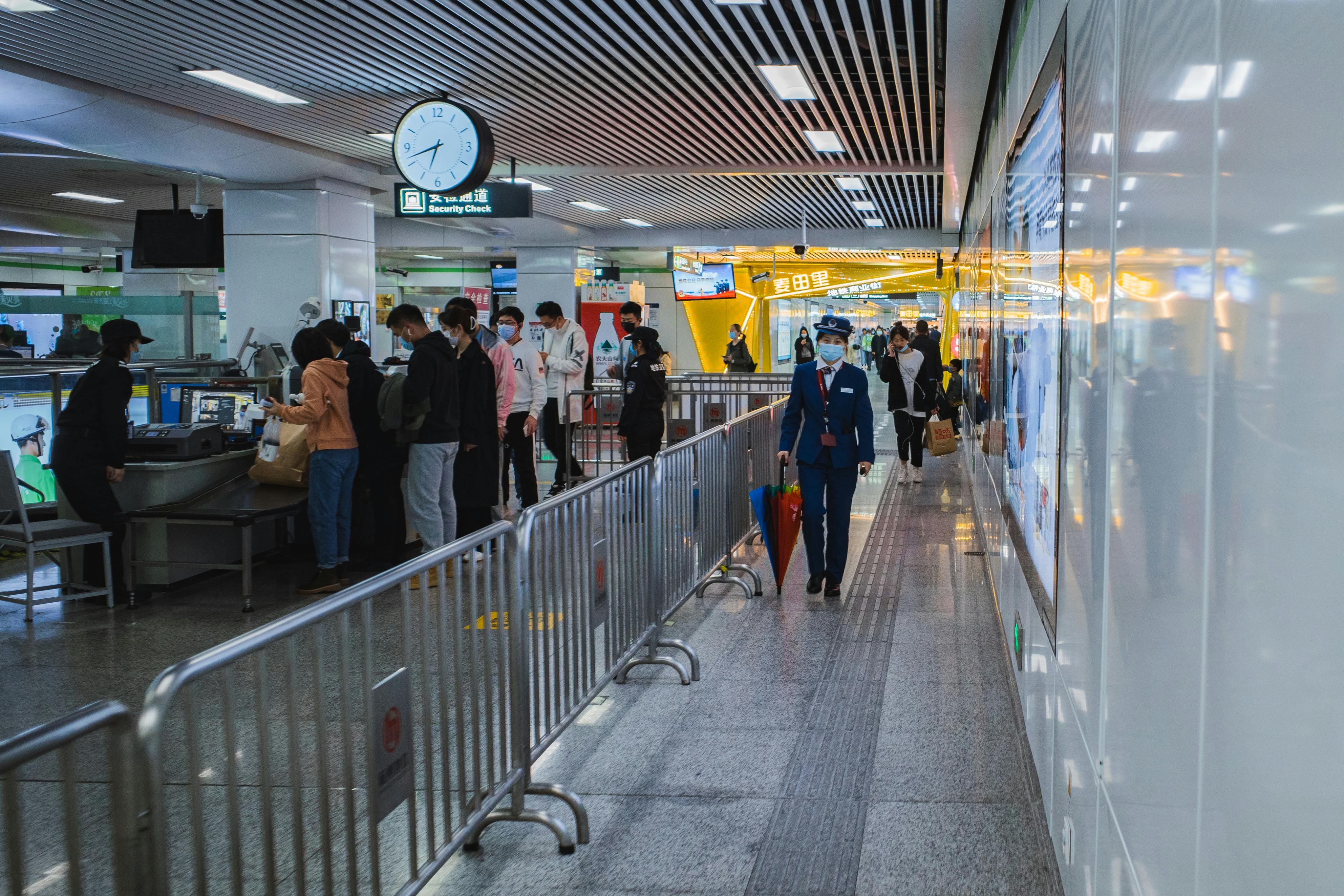
Security innovations are making airport travel safer and more efficient, incorporating AI-powered screening systems and automated processes. AI-powered baggage scanners are now being deployed, offering computed tomography (CT) imaging that provides detailed 3D representations of luggage contents. These systems allow TSA officers to inspect baggage without requiring passengers to remove electronics or liquids, making the security process faster and more convenient.
Automated Screening Lanes (ASLs) have been introduced in many airports to enhance security. These lanes use conveyor belts that move carry-on luggage through screening more efficiently, automatically separating flagged bags for additional inspection. This reduces bottlenecks and speeds up passenger flow through security checkpoints.
Several international airports have implemented or are testing AI-enhanced baggage scanning systems to improve security and efficiency. Notable examples include:
- Amsterdam Airport Schiphol (Netherlands): The airport has tested the integration of AI with CT scanners to scan baggage in real-time, aiming to enhance threat detection capabilities.
- Edinburgh Airport (United Kingdom): In April 2024, Edinburgh Airport introduced its first 3D security scanners. These scanners utilize advanced technology to automatically scan bags for restricted or illegal contents, reducing the need for manual searches and speeding up the process.
- Pune International Airport (India): Pune Airport has installed and initiated trials for an artificial intelligence (AI) baggage scanner system to scan passengers’ luggage, moving towards modernizing its technology.
- Tokyo Haneda Airport (Japan): in collaboration with NEC, Japan Airlines conducted a trial using AI to analyze footage from cameras installed at boarding gates. The system was designed to classify baggage into predefined categories and estimate the space each item would occupy in overhead bins in real time, aiming to ensure smooth boarding and avoid flight delays.
These implementations reflect a growing trend in the aviation industry to leverage AI to enhance security screening processes and operational efficiency.
Enhanced surveillance systems are also crucial to airport security. AI-driven cameras and machine learning algorithms now detect suspicious behavior in real-time, allowing security teams to respond quickly to potential threats. In addition, e-gates and contactless checkpoints enable passengers to move through security using biometric verification, reducing the need for manual document checks. As airports continue to invest in these technologies, travelers will experience shorter wait times and improved overall security.
REAL ID: What You Need To Know
The REAL ID Act sets stricter security standards for state-issued identification cards, significantly impacting domestic travel. A REAL ID is a federally compliant driver’s license or identification card that meets the latest TSA security requirements. It is an essential form of identification for boarding domestic flights and accessing certain federal facilities.
Starting May 7, 2025, travelers must present a REAL ID or another approved form of identification, such as a passport or military ID, to board domestic flights within the United States. Those who do not have a REAL ID-compliant identification by this deadline may face significant travel disruptions.
A REAL ID allows individuals to use it for domestic travel, entry into federal buildings, and access to nuclear power plants. However, it does not replace a passport for international travel. Travelers who fail to obtain a REAL ID before the enforcement date must carry an alternative federally accepted form of identification to board flights and enter federal facilities. To avoid any last-minute issues, travelers should check their ID status and upgrade to a REAL ID if necessary.
AI’s Role in Travel Security and Planning
Artificial intelligence is becoming integral to travel security and planning, helping travelers make informed decisions more efficiently. Many travelers now use AI to research destinations, plan itineraries, and find accommodations. According to recent data, 79% of travelers use AI for destination research, while 82% rely on it for general travel planning. Additionally, 54% use AI for lodging recommendations, and 61% look to AI for activity suggestions.
AI streamlines travel planning by cutting down the time required to sift through endless sources of information. This technology enables travelers to customize their itineraries based on preferences, budget, and real-time updates. AI-driven recommendation engines help travelers find the best deals on transportation, lodging, and dining options, making trip planning more efficient and personalized.
However, AI also introduces potential risks, particularly in the form of scams and misinformation. As AI-generated content becomes more sophisticated, travelers must remain vigilant against deepfake scams, identity fraud, and misleading travel advice. Experts warn cybercriminals may exploit AI-powered chatbots and automated systems to deceive travelers into making fraudulent bookings or sharing personal information. To mitigate these risks, travelers should rely on trusted sources and verify information before making travel decisions.
Developments in Known Traveler Programs: TSA PreCheck and Global Entry
TSA PreCheck allows passengers to enjoy dedicated security lanes where they do not need to remove shoes, laptops, or liquids. Global Entry, designed for frequent international travelers, expedites U.S. customs clearance. Many major airlines and employer travel programs now subsidize or reimburse the fee, making the program more accessible to business travelers.
Travelers can get a statement credit for the application fee for Global Entry or TSA PreCheck every four years from Capital One Venture Rewards, Chase Sapphire Reserve, AMEX Platinum, United Explorer, Delta SkyMiles® Platinum and the IHG One Rewards Premier credit cards.
International Hotel Safety: What’s New?
Traveler security extends beyond the airport. Hotels worldwide are enhancing security measures to protect guests from potential threats.
AI-driven security monitoring and surveillance are becoming more common in luxury hotels, and AI-powered surveillance is being used to detect suspicious activity. Many hotels have also adopted mobile check-in and keyless room access, reducing touchpoints and improving security for guests. Increased cybersecurity measures, such as secure Wi-Fi networks and encrypted data protection, help prevent hacking and identity theft.
When selecting a hotel, travelers should look for properties with 24/7 front desk and security personnel, secure room locks, surveillance cameras, and well-lit public areas. Signs of an unsafe hotel include poorly lit entrances, a lack of visible security, and negative guest reviews mentioning safety concerns. Travelers can ensure a safer stay by choosing hotels with enhanced security features.
The Global Rescue Connection
With the rise in global travel, cutting-edge technologies are revolutionizing how travelers stay safe and informed. GRID — the Global Rescue Intelligence Delivery system — is a cornerstone app for traveler safety and protection. It’s the world’s only fully integrated travel risk, asset tracking, intelligence delivery, and crisis response management platform. It is an essential companion to our top-tier medical, security, evacuation, and travel risk management services.
GRID provides real-time updates on security and medical risks worldwide, empowering travelers to make informed decisions and take necessary precautions in high-risk areas. By integrating tracking, event monitoring, and emergency alerts, GRID helps minimize travel risks. Additionally, innovations such as AI-powered tools, translation apps, self-service airport security screening, and advanced screening wands enhance the travel experience, making international journeys safer and more seamless.
Many travelers lack immediate access to critical travel intelligence or emergency communication tools that could be lifesaving in a medical or security crisis. GRID 2.0 changes that.
This advanced system delivers real-time alerts and event notifications on civil unrest, disease outbreaks, safety concerns, transportation disruptions, communication blackouts, and natural disasters such as floods, hurricanes, earthquakes, and volcanic eruptions.
In emergencies, GRID 2.0 connects members instantly with Global Rescue’s expert medical teams and military special operations veterans, ensuring rapid response and support when it matters most.
Categories:
Business TravelFebruary 26, 2025
Article Highlights
- Top Business Destinations & Risks: Discover the best and most dangerous places for corporate travel.
- Essential Business Languages: The top 10 languages every international executive should know.
- Avoiding Common Pitfalls: The biggest mistakes executives make in international meetings.
- Key Business Customs & Cuisines: Understanding cultural etiquette and dining experiences worldwide.
- Security Risks for Executives: High-risk destinations for kidnappings and arrests.
For international business travelers, navigating the global corporate landscape requires a keen understanding of opportunity and risk.
Certain destinations stand out as global powerhouses when it comes to business travel, offering unparalleled opportunities for networking, investment, and corporate expansion.
Top 10 Business Destinations
New York City remains a dominant financial hub, home to Wall Street and major media and tech industries. Across the Atlantic, London is a leading finance, law, and multinational business headquarters center. Singapore has positioned itself as a business-friendly city in Asia with robust fintech, banking, and trade sectors. At the same time, Hong Kong continues to thrive as a key financial and trade hub.
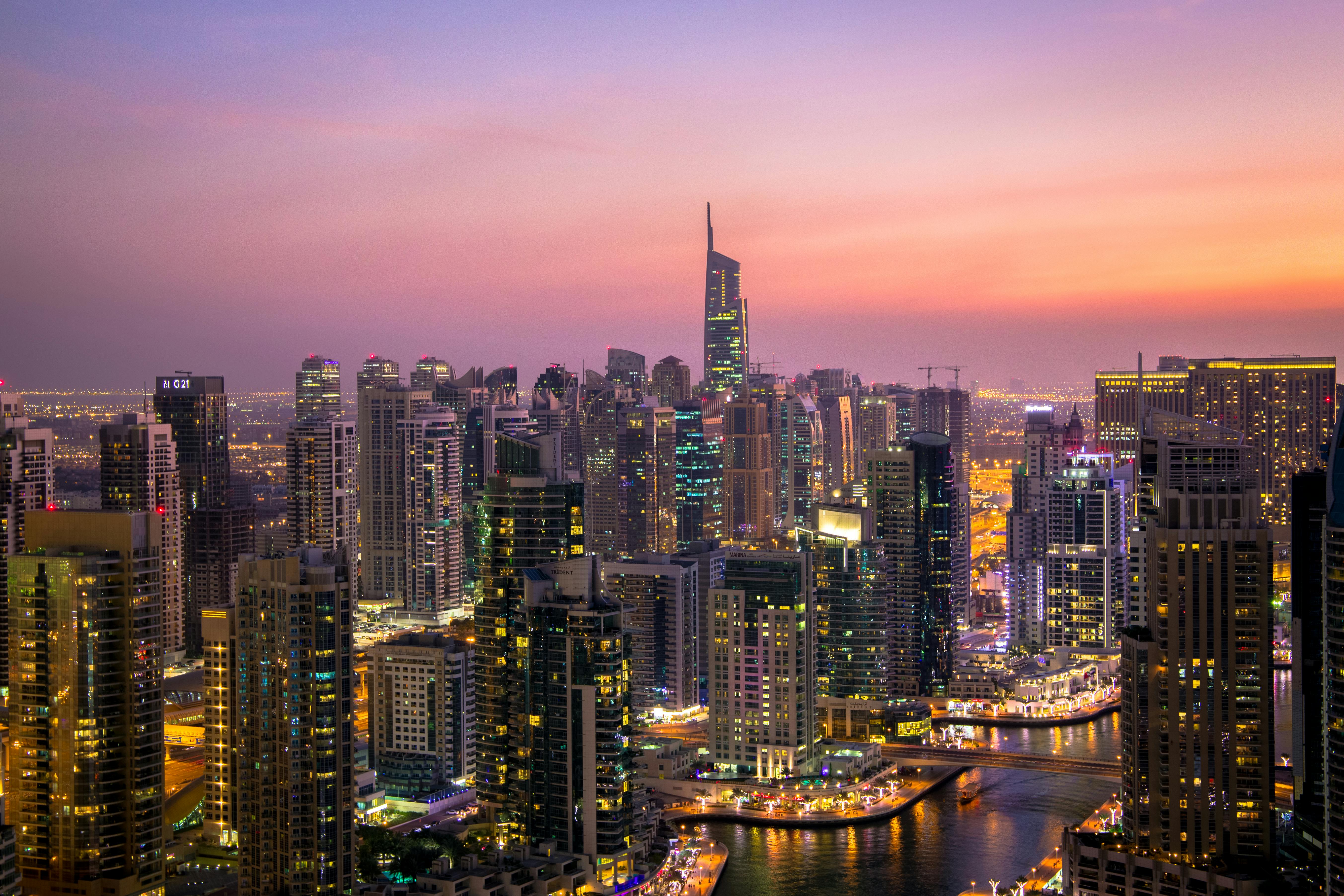
Dubai is the Middle East’s economic giant, known for its booming trade, luxury markets, and investor-friendly policies. Meanwhile, Shanghai has emerged as a top location for manufacturing, tech, and foreign investment, rivaling Tokyo, which boasts a stronghold in technology, finance, and corporate innovation.
Europe’s business landscape is also well-represented, with Frankfurt as the continent’s financial capital and home to the European Central Bank. Sydney combines a thriving economic sector with booming tourism and trade, making it an attractive destination for executives. Lastly, Toronto is emerging as a fintech and innovation leader, solidifying its place among the world’s top business hubs.
Each city offers strategic advantages for international business travelers, from economic stability to well-developed infrastructure, making them prime corporate expansion and networking locations.
Top business destinations worldwide offer lucrative business opportunities. At the same time, international business travel comes with risks where executives may face security threats, including kidnapping, ransoming, and other legal complications.
Top 10 Dangerous Business Destinations
Conducting business in specific global destinations presents significant challenges due to crime, political instability, and security threats.
Caracas, Venezuela, faces high crime rates and economic turmoil, which impact the oil, mining, and manufacturing industries. Port Moresby, Papua New Guinea, is plagued by violent crime and business-targeted attacks, making industries such as mining, oil and gas, and agriculture particularly vulnerable. In Mogadishu, Somalia, persistent terrorist threats and a fragile government create obstacles for telecommunications, banking, and fishing businesses.
Lagos, Nigeria, struggles with violent crime, kidnapping, and corruption, complicating opportunities in oil and gas, banking, and telecommunications. Similarly, Kinshasa in the Democratic Republic of Congo grapples with high crime and instability, affecting the mining, energy, and agriculture sectors.
Other high-risk business destinations include Baghdad, Iraq, where ongoing security threats pose dangers for the oil, gas, construction, and telecommunications industries. In Kabul, Afghanistan, warzone risks and terrorism deter international businesses in mining, agriculture, and telecommunications.
Johannesburg, South Africa, while a major business hub, has high crime rates, including carjackings and robberies, which pose risks to those in mining, finance, and telecommunications. Rio de Janeiro, Brazil, sees frequent violent crime and robberies, affecting its tourism, oil and gas, and finance industries. Mexico City, Mexico, is another hotspot for crime, with kidnapping and cartel-related violence threatening executives working in manufacturing, finance, and technology.
Top 10 Destinations for Executive Kidnapping, Ransom, or Assassinations
- Mexico – Cartel kidnappings of business executives for ransom.
- Colombia – Kidnapping remains a risk for foreign executives.
- Nigeria – Business leaders are targeted for ransom.
- Venezuela – Political instability and criminal networks pose threats.
- Pakistan – High-risk areas for executive-targeted crime.
- Somalia – Pirates and militant groups often target foreigners.
- Honduras – Organized crime increases the risk of kidnapping.
- El Salvador – Business travelers are targeted due to high crime rates.
- Brazil – Express kidnappings in urban centers are common.
- Philippines – Terrorist groups have kidnapped foreign executives in the past.
These destinations require extreme caution, strategic risk management, and heightened security for business professionals navigating their markets.
Soft Risks in International Business
Beyond the physical dangers, there are avoidable business risks associated with improved language skills and cultural awareness, which play a crucial role in successful business interactions. From essential customs and etiquette like business card exchanges in Japan to relationship-based networking in Brazil, international business travelers require multiple tiers of knowledge and adaptability.
Knowing international cuisines and dining customs can be pivotal in building relationships when conducting business abroad. Whether expanding operations or attending high-stakes meetings, every international business traveler can gain knowledge to travel smartly, mitigate risks, and maximize their global business success.
Top 5 International Business Meeting Mistakes
Successful international business meetings require cultural awareness and communication precision, yet common mistakes can derail negotiations.
One of the most critical missteps is ignoring cultural hierarchies. Many societies place great importance on seniority and rank, expecting deference to authority figures. Another frequent error is the misuse of business lingo, where misinterpreted corporate terms or jargon can create misunderstandings and misalignment between parties.
Additionally, a lack of language skills can hinder negotiations, as failing to know key phrases or local expressions may come across as unprepared or disrespectful. Time sensitivity also varies across cultures, making it essential to understand whether punctuality is a sign of professionalism or a more flexible scheduling approach is customary.
Finally, nonverbal communication plays a significant role in business interactions, with gestures, eye contact, and personal space differing greatly across countries. Misunderstanding these subtle cues can lead to unintended offense or discomfort, weakening business relationships.
To succeed in international business, professionals must be mindful of these factors, ensuring that their interactions reflect respect, adaptability, and a deep understanding of the local business environment.
Top 10 Business Languages To Know
- English – The dominant language for global business and corporate lingo.
- Mandarin Chinese – Essential for dealing with China’s massive economy.
- Spanish – Crucial for business in Latin America and parts of the U.S.
- French – Widely spoken in international business, law, and diplomacy.
- German – Important for European finance and industrial sectors.
- Japanese – Key for business in Japan’s high-tech and manufacturing industries.
- Portuguese – Beneficial for Brazil’s booming economy and Portugal’s influence.
- Arabic – Important for business dealings in the Middle East and North Africa.
- Russian – Vital for Eastern European and Central Asian business markets.
- Hindi – A rising business language due to India’s growing economy.
Top 5 International Business Cuisines
Dining plays a significant role in international business culture, with specific cuisines serving as key elements of corporate networking and deal-making.
In Japan, sushi and sashimi are staples of business dining, and etiquette, such as using both hands when receiving a dish, is highly valued. Similarly, France’s fine dining culture, emphasizing wine, makes high-end meals essential to relationship-building. In China, elaborate banquets featuring multiple courses are customary for business negotiations, with seating arrangements and toasting traditions paramount.
Italy offers another rich culinary experience, where pasta dishes and fine wines serve as the backdrop for professional networking and trust-building. Meanwhile, in India, business meals feature a diverse range of spicy dishes, and traditional dining customs sometimes involve eating with hands.
Understanding the nuances of these business cuisines is essential, as they go beyond food to reflect cultural values, business hierarchies, and the importance of hospitality in forming lasting business relationships.
Top 5 International Business Customs
- Japan – Business cards are exchanged with both hands and a bow.
- Germany – Direct communication and punctuality are highly valued.
- China – Avoid excessive eye contact and use titles to show respect.
- France – Expect long business lunches and an emphasis on relationship-building.
- Brazil – Personal relationships and small talk are essential before business discussions.
The Global Rescue Connection
As international business travel increases and virtual meetings decline, professionals are venturing into a wider array of global destinations. However, navigating the complexities of different cultural, legal, and security landscapes requires thorough preparation.
Business travelers must equip themselves with the necessary knowledge to ensure a smooth and successful trip. One key resource for this is the Global Rescue Destination Report, offering comprehensive insights into over 200 countries and territories. These reports provide vital information on cultural norms, religious sensitivities, and legal considerations, helping travelers avoid potential pitfalls.
Global Rescue, a leading authority in travel protection, offers in-depth pre-travel insights and world-class medical and emergency evacuation services. Their detailed reports help business travelers understand the local environment before arrival, while their on-the-ground support ensures assistance during a crisis. Whether navigating high-risk areas or simply seeking to stay informed about a destination’s unique challenges, Global Rescue provides the expertise and security needed for a safer and more productive business trip.
Categories:
Places & PartnersTravelFebruary 25, 2025
Article Highlights:
- Essential cultural customs, etiquette, and local laws every traveler should know before visiting Amsterdam.
- Best times to visit Amsterdam with seasonal highlights year-round.
- Top attractions include museums, nightlife, shopping, and unique districts like the Red Light and Blue Light districts.
- Safety tips, crime rates, terrorism risks, and unusual laws that Western travelers should be aware of.
- Public transportation, emergency response, health care capabilities, and visa/passport entry requirements.
Amsterdam, the capital of the Netherlands, is a city of contrasts: rich in history yet modern in its lifestyle, vibrant in culture yet tranquil along its canals. Whether you’re an art lover, an adventure traveler, or someone looking to explore the famous nightlife, Amsterdam offers something for everyone.
The Dutch are known for their directness, openness, and tolerance. While English is widely spoken, learning a few Dutch phrases like “Dank je wel” (thank you) or “Goedemorgen” (good morning) can be appreciated. Handshakes are common for greetings, and maintaining eye contact during conversations is expected.
Attractions and Must-Visit Spots
- Museums and Art: The Rijksmuseum, Van Gogh Museum, and Anne Frank House are top cultural highlights.
- Nightlife and Clubs: From high-energy venues like Club Amsterdam and Disco Amsterdam to laid-back bars, there’s something for every mood.
- Shopping in Amsterdam: The Nine Streets (De Negen Straatjes) offers boutique shopping, while Kalverstraat is great for mainstream brands.
- Red Light District Amsterdam & Blue Light District: The infamous Red Light District draws many tourists, but the Blue Light District caters to a different clientele.
- Spas & Wellness: After a day of exploring, relax at one of Amsterdam’s famous spas, like Sauna Deco or Akasha Spa.

Amsterdam’s Canals: A Rich History of Waterways
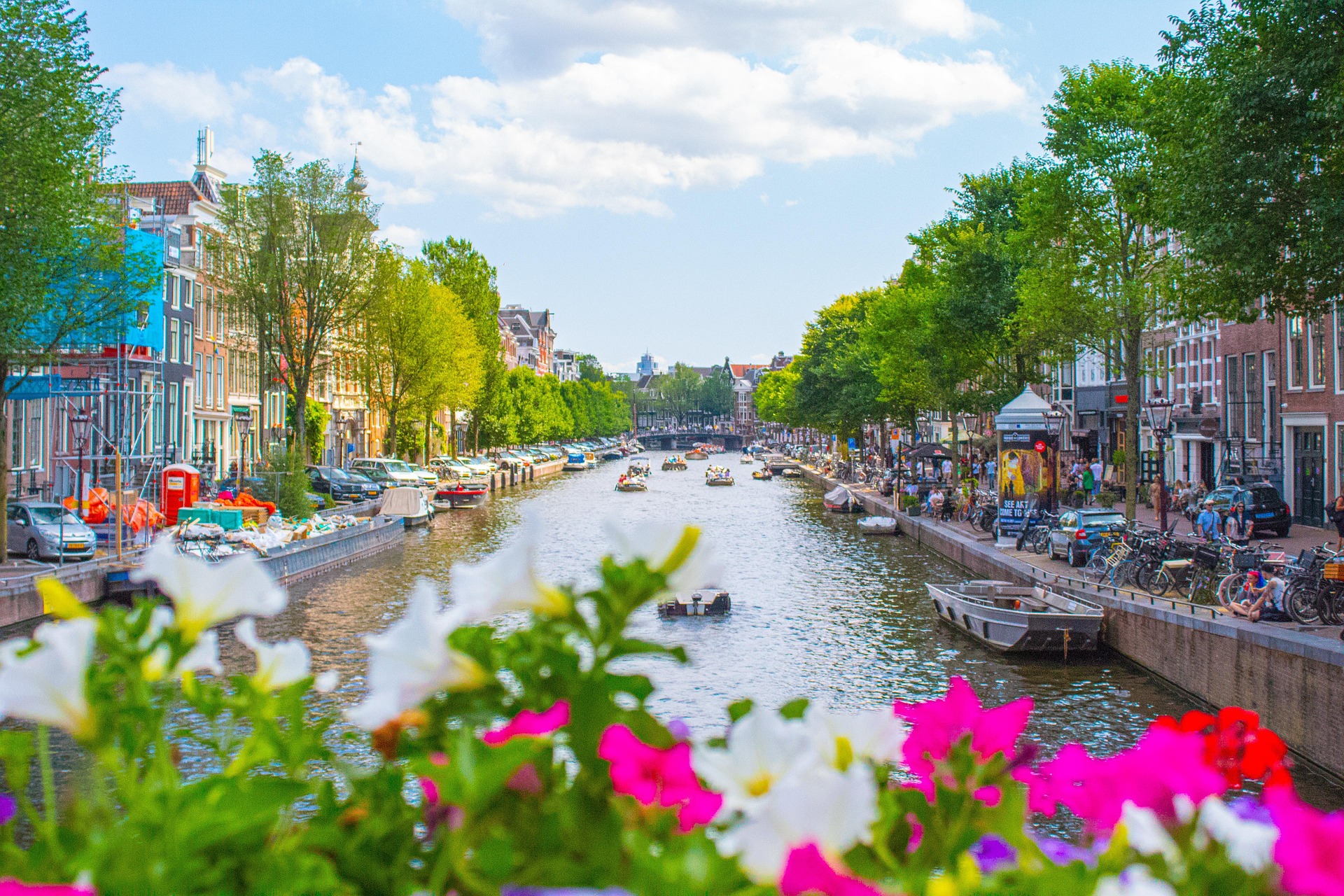
Amsterdam’s iconic canals, often called the Venice of the North, were originally constructed in the 17th century during the Dutch Golden Age. The elaborate canal network, spanning more than 60 miles (100 kilometers), was designed for transportation and water management, helping prevent flooding in the low-lying city. The canal ring, known as the Grachtengordel, became a hub of trade and commerce, allowing merchants to transport goods efficiently. Today, these canals are recognized as a UNESCO World Heritage Site, preserving their historical and architectural significance.
Today, the canals serve multiple purposes, from scenic boat tours to functioning as residential houseboat moorings. Tourists can explore the city via canal cruises, while locals still use the waterways for transport and recreation.
The canals also present dangers—accidental falls are common, especially during festivals or nightlife activities. Slippery edges, unpredictable water currents, and the risk of intoxicated tourists falling in contribute to annual incidents. While the waters are regularly cleaned, they are not always safe for swimming, and those who fall in may encounter strong currents, debris, or even cold shock in winter months. Caution is advised when walking near the canals, particularly at night or in crowded areas.
Amsterdam’s Art Scene: History and Fame
Amsterdam has long been a hub for artistic innovation, deeply rooted in the Dutch Golden Age of the 17th century. This period saw the rise of legendary painters like Rembrandt van Rijn, whose dramatic use of light and shadow defined Baroque art, and Johannes Vermeer, known for his intimate and detailed interior scenes. The city’s artistic legacy continued into the 19th and 20th centuries with figures such as Vincent van Gogh, whose bold colors and expressive brushstrokes revolutionized modern art.
Today, the city remains a global center for art, with institutions like the Rijksmuseum, Van Gogh Museum, and Stedelijk Museum preserving and showcasing masterpieces from Dutch and international artists.
Beyond its historical significance, Amsterdam fosters a dynamic contemporary art scene. The Moco Museum highlights street and pop art from modern icons like Banksy and Warhol. At the same time, cutting-edge galleries such as FOAM (Photography Museum) and Eye Filmmuseum showcase emerging visual artists.
The city’s thriving alternative art spaces, including the NDSM Wharf, provide a platform for experimental and underground creatives. Art lovers can also explore numerous public installations, with sculptures, murals, and urban art enriching Amsterdam’s cultural landscape. Whether in a world-renowned museum or a hidden artist’s studio, the city’s commitment to creativity and artistic freedom makes it a must-visit destination for art enthusiasts.

Amsterdam’s Red Light vs. Blue Light Districts
Amsterdam’s Red Light District is one of the city’s most famous and controversial attractions. It is a regulated area where legalized prostitution takes place, with sex workers displaying themselves behind red-lit windows. The district is known for its historic architecture, coffee shops, and vibrant nightlife.
Located in the heart of the city, the Red Light District is a blend of entertainment, tourism, and local culture. While it attracts millions of visitors, it is important to follow local laws and etiquette, including not photographing workers and respecting the area’s regulations. Law enforcement heavily monitors the district to ensure the safety of visitors and workers.
Amsterdam’s Blue Light District is a lesser-known part of the city’s infamous Red Light District, primarily distinguished by the presence of transgender sex workers. The “blue light” reference comes from the blue-tinted lights used in some windows to indicate transgender workers, in contrast to the traditional red lights used for female sex workers.
Like the Red Light District, the Blue Light District is regulated. Legalized prostitution and strict laws ensure the safety of workers and visitors. The district attracts curious tourists and those interested in Amsterdam’s diverse nightlife and culture.

Bicycles in Amsterdam: Safety and Accident Prevention
Amsterdam is often called the world’s bicycle capital, with more bikes than residents. Cycling is the primary mode of transportation for locals, with dedicated bike lanes, traffic signals, and an extensive cycling infrastructure.
Visitors can easily rent bikes from shops to explore the city like locals. However, it’s important to follow local cycling etiquette, such as signaling turns, avoiding pedestrian paths, and parking bikes in designated areas to avoid fines or confiscation.
Despite its well-designed cycling infrastructure, Amsterdam’s high volume of cyclists and busy intersections pose risks, particularly for tourists unfamiliar with local traffic rules. Many traffic accidents involve bicycles due to the dense cyclist population, tram tracks, and interactions with larger vehicles. Key risk factors include confusion over traffic rules, challenging tram tracks, and navigating around buses and trucks, which may not always have clear visibility of cyclists.
To minimize risks, tourists should choose reputable bike tour companies with experienced guides who understand the city’s cycling landscape. Staying alert and aware of surroundings, following Dutch cycling rules, using hand signals for turns, and maintaining a defensive riding approach are all crucial for safety. Additionally, cyclists should avoid distractions, such as using mobile phones while riding, and always yield appropriately at intersections to ensure a smooth and safe biking experience.
Amsterdam Cuisine: It’s More Than Gouda
Dutch cuisine reflects the country’s maritime history, agricultural abundance, and trading legacy. Traditionally, Dutch meals have been simple yet hearty, with staples like potatoes, vegetables, and meats forming the base of many dishes. Classic Dutch meals include stamppot, a mashed potato dish mixed with vegetables and served with sausage, and erwtensoep, a thick split pea soup popular in winter. The Netherlands’ coastal location also contributes to a rich seafood tradition, with herring being a particularly iconic delicacy, often eaten raw with onions and pickles. Cheese is a cornerstone of Dutch cuisine, with Gouda and Edam being world-renowned varieties produced for centuries.
Dutch street food remains a major draw for visitors, with offerings such as stroopwafels (thin caramel-filled waffles), bitterballen (deep-fried meat-based snacks), and patat (thick-cut fries served with various toppings like mayonnaise or peanut sauce).
Travelers looking beyond street food will have their choice of several Michelin-starred restaurants, including these two-star establishments:
- Flore offers contemporary cuisine with a focus on sustainable and locally sourced ingredients.
- Vinkeles provides creative dishes in a historic setting.
- Spectrum is renowned for its innovative and creative menu.
- Restaurant 212 provides a unique dining experience with an open kitchen and inventive dishes.
- Ciel Bleu sits on the 23rd floor of Hotel Okura Amsterdam and offers creative cuisine alongside panoramic city views.
- Aan de Poel is on the city’s outskirts and serves creative dishes in a modern and elegant atmosphere.
- De Bokkedoorns is located in Overveen, near Haarlem, and has maintained its two Michelin stars for more than 30 years, focusing on top-quality, primarily fish-related ingredients.

Amsterdam: An All-Season Destination
Amsterdam’s weather and tourist seasons vary throughout the year, each season offering a distinct experience.
In April and May, Amsterdam bursts into color with blooming tulips and pleasant spring weather, drawing visitors eager to experience the famous flower fields. The summer months are warm, with long daylight hours marking the peak tourist season. Amsterdam’s canal-side cafes bustle, parks are packed, canal cruises are in full swing, beaches are full, and a wide variety of summer festivals, including the famous Amsterdam Pride parade, take place.
In the fall, tourism diminishes as the autumn foliage lines the canals and paints the city’s parks with vibrant red and gold leaves, creating picturesque scenery. Fall hosts cultural events, including art exhibitions, film festivals, and the Amsterdam Dance Event – an annual five-day electronic music festival and conference. In winter, Amsterdam transforms into a winter wonderland, with festive markets and ice-skating rinks creating a magical holiday experience. Travelers will enjoy the festive atmosphere, the light festival, fewer crowds, cozy cafes, and the possibility of seeing the canals partially frozen with potential ice skating.
Amsterdam’s Unusual Laws & Customs Western Travelers Should Know
In Amsterdam, consuming alcohol in most public spaces, such as sidewalks, parks, and streets, is prohibited. While cannabis is widely associated with the city’s coffee shops, its purchase and use are only legal within these designated establishments, making public consumption illegal.
Cycling is the primary mode of transportation, and pedestrians should remain vigilant to avoid walking in bike lanes, as they are heavily used by locals.
Although tipping is not mandatory, it is appreciated in restaurants, where rounding the bill or adding a gratuity of 5-10% is common.
Amsterdam Safety and Public Transportation
Amsterdam is generally safe, with a low violent crime rate, but petty crimes like pickpocketing occur, especially in crowded areas. Terrorism risk is low, but travelers should stay informed on government advisories. The city has an efficient tram, metro, and bus system. Emergency services are reliable, and health care is of high quality. EU travelers can use an EHIC card, while others should have travel insurance.
Most Western travelers can enter the Netherlands visa-free for 90 days. The country has minimal natural disaster risks, though occasional flooding can occur.
The Dutch Touch: A History of Support of North America
During the American Revolution, the Dutch supplied essential goods and financial support to help the American revolutionaries fight against the British. During World War II, the Netherlands forged a deep bond with the United States and Canada. American forces played a key role in liberating the Netherlands from enemy occupation. Canada provided crucial refuge for the Dutch Royal Family, who fled to Ottawa for safety. Today, the Netherlands, a founding member of NATO, collaborates closely with the US and Canada. This enduring relationship highlights the Netherlands’ long history of strategic cooperation and shared values with the United States and Canada, from revolutionary times to present-day global challenges.
The Global Rescue Connection
Amsterdam offers an exceptional mix for travelers from history and art to culture and night life. Whether travelers seek a two-wheel tour of the world’s bicycle capital or a waterway tour of the canals of the Venice of the North, Amsterdam captivates visitors year-round.
As you plan your visit, obtain a Global Rescue membership to ensure a safe and enjoyable experience in this remarkable city. Global Rescue ensures peace of mind for travelers visiting Amsterdam and beyond. Membership benefits include emergency medical evacuation, field rescue, and expert medical advisory services.
Categories:
Press ReleaseFebruary 24, 2025
(Lebanon, N.H. – February 24, 2025) – A fifth of travelers report being victims of smartphone snatching or loss during an international trip, but less than 5% of the world’s most experienced travelers have faced the same issue, according to the Global Rescue Winter 2025 Traveler Sentiment and Safety Survey.
Experienced travelers recognize the alarming trend of smartphone theft during travel and implement a variety of preventive measures to secure their devices while abroad.
“When traveling, your smartphone is more than just a device—it’s a necessity. Protect it, because losing it could mean losing control over your plans, finances, and security,” said Harding Bush, former Navy SEAL and associate director of security for Global Rescue. “Avoid using your phone in crowded, congested areas. It’s best to use it indoors or in a secure location, and always stay aware of your surroundings,” Bush said.
According to the survey, keeping the phone hidden in public (43%) is the most popular method used by travelers for securing smartphones from mobile device snatchers. Using Face ID, a fingerprint, or a complex password (25%), ‘Find My Device’ and remote erase features (9%), and locking the SIM card (4%) are the next most common ways to protect your cell phone from theft.
“Never store your cash, ID, or credit cards in a phone wallet attachment. If your phone is lost or stolen, you lose everything at once,” Bush advised.
The least used methods are installing anti-theft software, encrypting phone data and using a phone leash (3%), obtaining a burner (throwaway) phone (2%), and removing banking and shopping apps (1%).
Smartphones are communication tools that also hold personal, financial, and sensitive data. When stolen, a thief can use the phone to access banking apps, email accounts, and social media profiles, putting travelers at risk of identity theft, fraud, and unauthorized transactions.
“Think about consequence management—if your phone is linked to two-factor authentication for email and financial accounts, losing it could lock you out of those essential services,” Bush said.
For more information, contact Bill McIntyre at bmcintyre@globalrescue.com or +1 202.560.1195.
About the Global Rescue Traveler Sentiment and Safety Survey
Global Rescue, the leading travel risk and crisis response provider, surveyed more than 1,300 current and former members between January 21-27, 2025. The respondents revealed a variety of behaviors, attitudes and preferences regarding current and future travel.
About Global Rescue
Global Rescue is the world’s leading provider of medical, security, evacuation and travel risk management services to enterprises, governments and individuals. Founded in 2004, Global Rescue has exclusive relationships with the Johns Hopkins Emergency Medicine Division of Special Operations and Elite Medical Group. Global Rescue provides best-in-class services that identify, monitor and respond to client medical and security crises. Global Rescue has provided medical and security support to its clients, including Fortune 500 companies, governments and academic institutions, during every globally significant crisis of the last two decades. For more information, visit www.globalrescue.com.
Categories:
Missions & Member TestimonialsFebruary 21, 2025
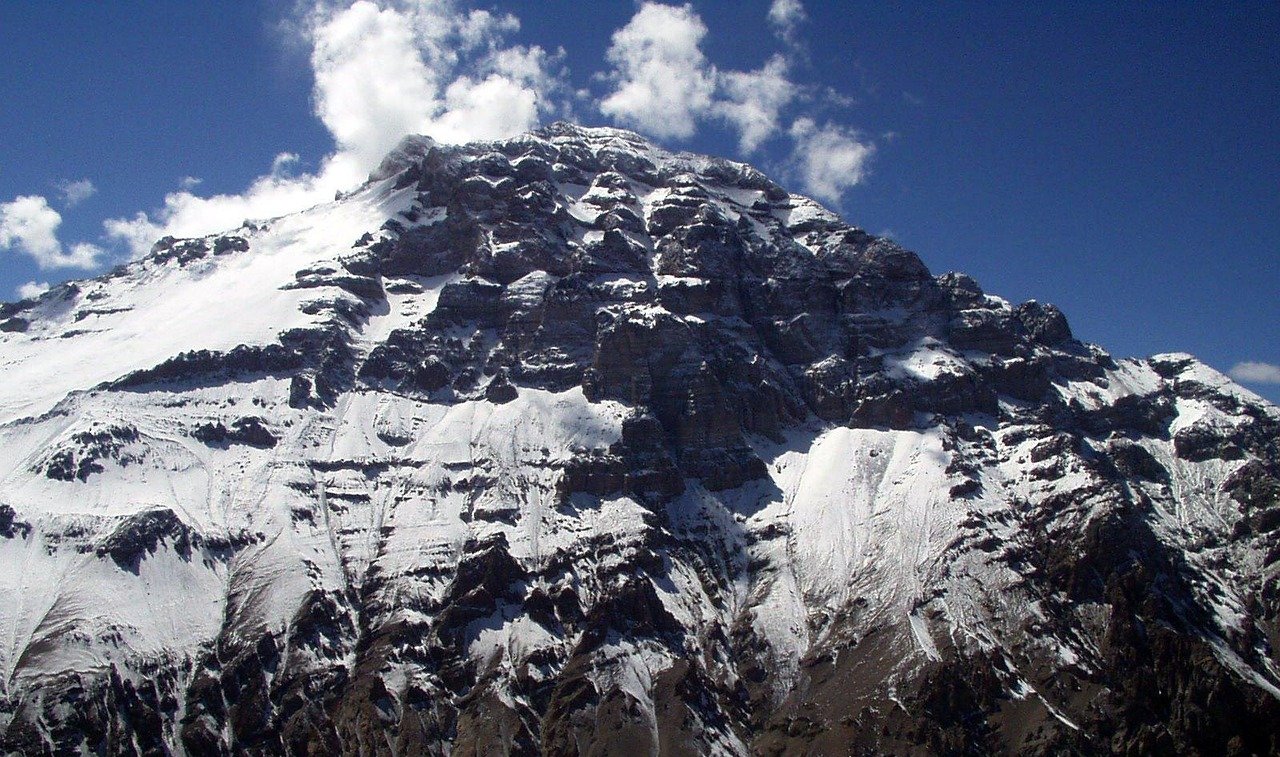
Aconcagua may not be the highest mountain in the world, but at 22,837 feet (6,961 meters), it is the tallest peak outside the Himalayas and Karakoram ranges. As the highest mountain in South America, it holds a prestigious place among the Seven Summits.
While not a technical climb, ascending Aconcagua often requires crampons and an ice axe. Mountaineering expert Alan Arnette describes it as a relatively straightforward climb due to its short and accessible approach. Its significant altitude, however, presents challenges that should not be underestimated, as demonstrated by numerous incidents during the recent winter season.
Summiting Aconcagua remains a formidable endeavor. Outdoor adventure safety expert and mountaineering author Jed Williamson, a Global Rescue’s Mountain Advisory Council member, considers it an ideal first high-altitude climb—provided climbers acclimatize properly. He cautions that while the region offers easier access and logistics, it demands careful preparation and respect for the altitude.
In this edition of Global Rescue’s Mission Briefs, we highlight several Aconcagua rescues completed in January and notable missions from around the world.
Airborne Rescue for a Canadian Climber
A Global Rescue member from Victoria, Canada, required evacuation from Aconcagua, Argentina, due to Acute Mountain Sickness (AMS) and High-Altitude Pulmonary Edema (HAPE). After experiencing severe symptoms, including low oxygen saturation and fatigue, the member received oxygen therapy at a nearby camp. A medical evacuation order was issued, leading to an airlift to Horcones and subsequent ground transport to Mendoza for hospital evaluation. The member was stabilized and later discharged with no further complications.
HAPE on Aconcagua Triggers Rescue
A member from Arlington, United States, suffered from AMS and suspected HAPE while on the Guacanos route of Aconcagua, Argentina. Symptoms included shortness of breath and dangerously low oxygen saturation despite medication. A helicopter evacuation was approved, and the member was transported from Plaza Argentina to Mendoza for hospital treatment. After overnight monitoring, the condition improved, with minor congestion and resolved headaches, allowing for discharge and independent recovery.
Summit Effort Ends at Base Camp 3
A US member developed severe HAPE at Base Camp 3 Guanacos on Aconcagua, Argentina. Initial symptoms included persistent headaches, worsening fatigue, cough, and dangerously low oxygen saturation. Due to the critical condition, an emergency helicopter evacuation was arranged. The member was transferred to a hospital in Mendoza, where AMS and HAPE were confirmed. After treatment and observation, the member was discharged with medical advice to take extreme precautions during recovery.
Knee Injury Stops Summit Attempt
A US member sustained a knee injury at Nido de Cóndores in Argentina, leaving them unable to walk. Medical personnel assessed the injury and recommended immediate evacuation due to the risk of further complications. A helicopter transport was arranged, followed by ground transport to a hospital in Mendoza. After treatment, including pain management and crutches, the member was discharged and continued recovery at a local hotel.
Pulmonary Edema at Base Camp 2
A member from Zibatá, Mexico, developed pulmonary edema at Base Camp 2, Nido de Cóndores, Argentina. Symptoms included a persistent cough, fatigue, and difficulty breathing, prompting an evacuation request. A helicopter transported the member to Horcones, followed by an ambulance transfer to a hospital in Mendoza. The medical team diagnosed High-Altitude Pulmonary Edema (HAPE) and provided treatment. The member was discharged after showing significant improvement and declined further medical follow-ups.
HAPE Knocks Down Australian Climber
A member from Australia suffered from severe HAPE while at Plaza de Mulas on Aconcagua, Argentina. Symptoms included hypoxia, tachycardia, and difficulty breathing, leading to an urgent evacuation. A helicopter transported the member to Horcones, and an ambulance transferred them to a hospital in Mendoza. After treatment, including oxygen therapy and medication, the member recovered and was discharged with home care instructions.
Another Australian member developed severe HAPE and AMS while in Valle Hermoso, Argentina. Despite receiving supplemental oxygen and medication, symptoms did not improve, requiring an evacuation. A helicopter transported the member to Horcones, and an ambulance transferred them to a hospital in Mendoza. After medical evaluation and treatment, the member was discharged with instructions for further recovery.
More than a hundred operations took place in January, most beyond Aconcagua. Our teams responded to medical emergencies and rescues in diverse environments, from remote mountain ranges to urban centers.
Slip and Fall in Japan
A US member from Seattle sustained a patella fracture and tendon injury after slipping on stairs in Nakatsu, Japan. They were initially transported to a local hospital, where imaging confirmed the injury. Specialists recommended conservative treatment with immobilization and pain management. After securing medical clearance to fly, Global Rescue Operations arranged ground transportation and flight assistance for the return to the United States. The member was safely transported, and planned follow-up care was upon arrival.
Chopper Rescue in Kenya
A member from the UK was trekking Mount Kenya, Kenya, when they developed severe pain and swelling in their right calf, suspected to be Deep Vein Thrombosis (DVT). A helicopter evacuation was arranged, transporting the member to Nanyuki Cottage Hospital. After a confirmed DVT and cellulitis diagnosis, immediate treatment with blood thinners and antibiotics was initiated. Despite initial hesitancy about treatment location, the member agreed to proceed and showed significant improvement.
HAPE on Kilimanjaro
A US member experienced altitude-related illness at Karanga Camp on Mount Kilimanjaro, Tanzania. Symptoms suggested High-Altitude Cerebral Edema (HACE) and HAPE, necessitating urgent evacuation. A field rescue operation was approved, and the member was airlifted to a hospital for evaluation. After receiving treatment, the member’s condition improved significantly, leading to a safe discharge.
The Global Rescue Connection
Remember, if you plan to participate in mountaineering, trekking, or other high-altitude activities above 15,000 feet (4,600 meters) at any point during your trip (excluding airplane travel), be sure to obtain the Global Rescue High-Altitude Evacuation Package, available to members 16 years and older. This added protection is for emergency transport for members requiring evacuation due to injury or illness.
When illness or injury strikes while traveling, climbing or trekking, a Global Rescue membership ensures evacuation from the point of emergency to the nearest appropriate medical facility. If that facility lacks the necessary care, Global Rescue arranges transport to a vetted medical center or the member’s hospital of choice.
Not all medical facilities are equipped to handle every situation, which is why Global Rescue prioritizes getting members to the most suitable hospital for their needs. Available 24/7/365, their expert team connects travelers to the best local medical resources worldwide, eliminating uncertainty in critical moments.
“Our medical team, including paramedics, nurses, and doctors, handles everything from minor ailments to life-threatening emergencies,” said Michael Lovely, operations supervisor at Global Rescue.
Unlike standard travel insurance, which often involves claim forms, deductibles, and delays, Global Rescue provides immediate, direct assistance through comprehensive medical evacuation and field rescue services—bridging the gap when travelers need it most.
Categories:
Health & SafetyFebruary 20, 2025
Article Highlights:
- Key Aspects of a Pre-Travel Health Screen: Reviewing standard and region-specific vaccinations, medical history, and potential travel risks.
- Understanding Travel Vaccines and Immunizations: Distinguishing between vaccines and immunization and ensuring proper protection.
- Destination-Specific Vaccination Requirements: Identifying countries that require hepatitis A and B, typhoid, yellow fever, Japanese encephalitis, and meningitis vaccines.
- Medical Preparedness and Prescription Management: Ensuring sufficient medication, malaria prevention, and strategies to manage traveler’s diarrhea.
- Timing and Planning for Health Check-Ups: Scheduling vaccinations in advance allows immunity to develop before departure.
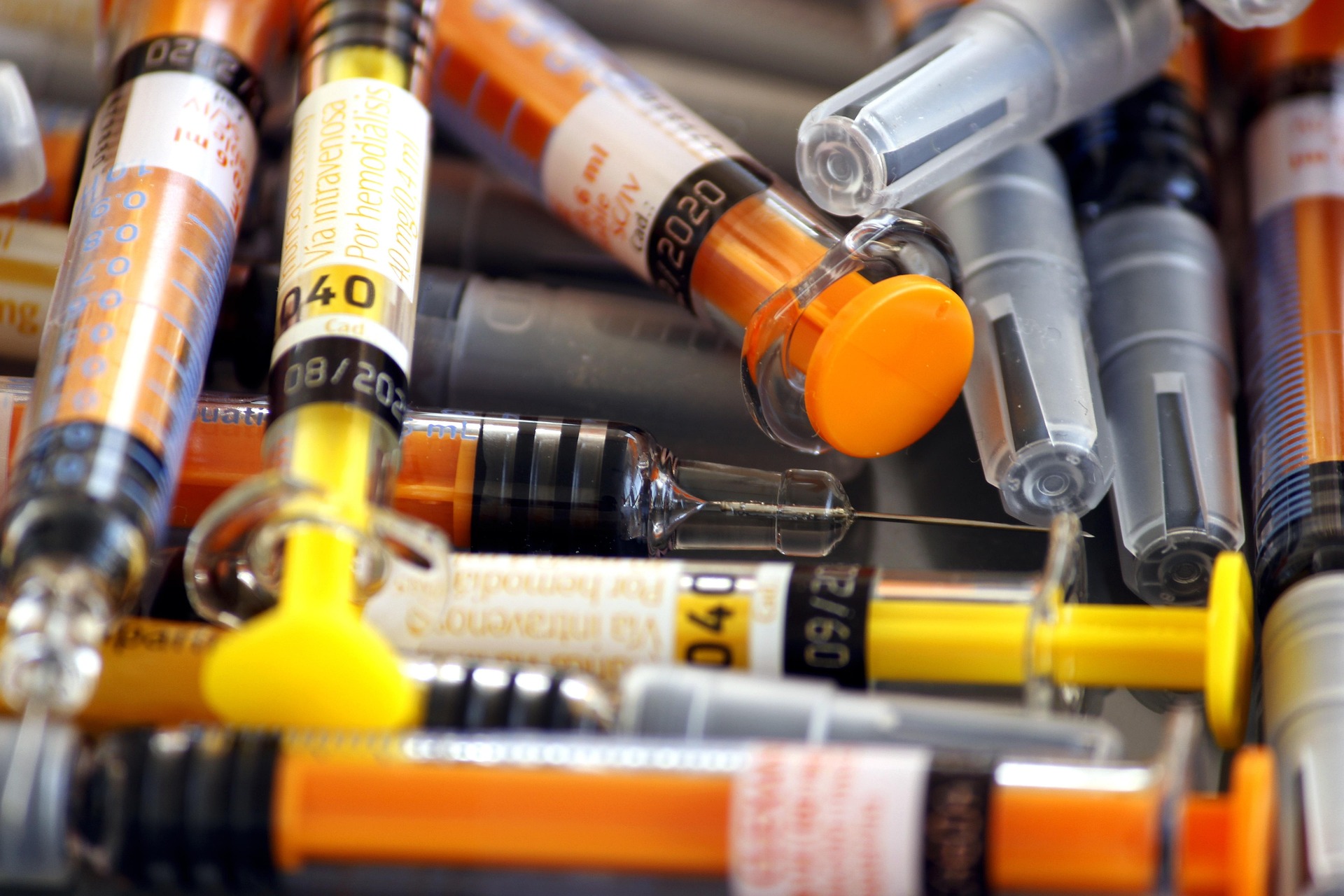
Many travelers use the terms “vaccine” and “immunization” interchangeably, but there is a key distinction. A vaccine is a biological preparation that provides immunity against a specific disease. Immunization refers to the process by which an individual becomes protected from a disease through vaccination. Understanding this difference is essential when planning health precautions for international travel.
Key Aspects of a Pre-Travel Health Screen
Before traveling internationally, it is crucial to undergo a pre-travel health screen to ensure you are protected against potential health risks. This screening involves several key elements:
1. Standard Vaccinations
- Ensure you are up-to-date on routine vaccinations, including:
- Measles, mumps, and rubella (MMR)
- Diphtheria, tetanus, and polio
- Varicella (chickenpox)
2. Region-Specific Vaccinations
For North American travelers, required and recommended vaccinations vary depending on the destination. Many countries mandate specific immunizations to protect against regional diseases that may not be prevalent at home. Here are examples of countries with vaccine requirements for visitors:
- Brazil, Colombia, and Uganda: A yellow fever vaccine is mandatory for travelers entering these countries, as the disease is endemic in certain regions. Proof of vaccination may be required for entry, especially if traveling from another yellow fever-endemic country.
- India, Indonesia, and Vietnam: Vaccinations for hepatitis A and B, typhoid, and Japanese encephalitis are advised, particularly for travelers visiting rural areas, engaging in outdoor activities, or staying for extended periods.
- Nigeria, Ethiopia, and Chad: Meningitis vaccination is required or strongly recommended for travelers, especially during the dry season when outbreaks are more common.
Before traveling, you must check the vaccination requirements for your destination and receive necessary immunizations well before departure to ensure complete protection.
3. Medical History Review
Your doctor will assess your existing medical conditions, such as:
- Asthma, diabetes, or heart disease
- Allergies
- Current medications (and their availability abroad)
4. Potential Travel Risks
- Altitude sickness if traveling to high elevations (e.g., Peru, Nepal)
- Malaria prevention in regions such as Africa, South America, and South Asia
- Traveler’s diarrhea management with antibiotics, oral rehydration salts, and probiotics
- Mosquito-borne diseases, including Zika virus, dengue, and chikungunya
5. Blood Tests
Serology tests may be conducted to check immunity levels for hepatitis A and B, ensuring travelers do not need booster shots.
6. Prescription Medication Management
- Ensuring you have enough medication for your trip
- Carrying prescriptions in their original packaging
- Checking if your medication is legal in your destination country
Timeframe: How Long Do Vaccines Take To Work?
Vaccinations require time to become effective. Plan accordingly based on the following vaccine timelines:
- Measles, mumps, rubella (MMR): 2 weeks
- Diphtheria, tetanus, polio: Immediate protection but requires a booster every 10 years
- Varicella: 2 weeks
- Hepatitis A: 2-4 weeks for initial dose; full immunity after second dose (6 months apart)
- Hepatitis B: Requires three doses over six months
- Typhoid: Oral vaccine: 1 week; Injection: 2 weeks
- Yellow fever: 10 days before travel
- Japanese encephalitis: 2 doses, 28 days apart; full protection 1 week after second dose
- Meningitis: 10 days before travel
Importance of a Pre-Travel Health Screen
According to Merck Manuals, about 1 in 30 travelers requires emergency medical care abroad. The Global Rescue Winter 2025 Traveler Sentiment and Safety Survey found that 22% of travelers needed emergency medical care, yet only 51% researched medical care availability at their destination. Additionally:
- 44% of travelers venture to remote locations
- 27% engage in riskier activities
Dan Richards, CEO of The Global Rescue Companies, warns: “Travelers are challenging themselves with riskier activities and going to more remote locations, often to destinations where the level of medical care isn’t up to the standards they are used to in their home country.”
To mitigate risks, travelers should obtain destination reports covering travel health, personal security, and medical care options before departure.
The Global Rescue Connection
Even with a thorough travel health consultation, proper medications, and necessary precautions, medical emergencies can still happen while traveling. That’s where Global Rescue supports its members.
Global Rescue provides worldwide field rescue, medical evacuation, and medical advisory services. With operations teams available 24/7/365, members receive expert guidance on managing health concerns, determining when hospital care is necessary, and locating medical facilities with essential capabilities, such as X-ray services. Travel assistance and advisory services are included in membership, ensuring travelers have support wherever they go.
Categories:
Places & PartnersFebruary 19, 2025

Article Highlights:
- Comprehensive guide to hunting Himalayan tahr, alpine chamois, mouflon sheep, and other sought-after game species worldwide.
- Critical safety considerations, including weather risks, emergency response capabilities, and firearm regulations.
- Insights into customs, culture, and language in each hunting region.
- Essential pre-travel health checks and real-life medical evacuation scenarios.
- The importance of Global Rescue for emergency medical evacuation and expert assistance.
For hunters seeking the ultimate challenge, few experiences rival tracking and harvesting legendary species like the Himalayan tahr in New Zealand, the alpine chamois and mouflon sheep in the Alps, the Pyrenean chamois, wild boar, red deer, and fallow deer in France, the red stag in Argentina, and the black bear in North America. Each species presents unique obstacles, requiring meticulous planning, specialized gear, and an understanding of local regulations, culture, and risks.

Himalayan Tahr Hunting in New Zealand
New Zealand’s Southern Alps offer some of the best Himalayan tahr hunting in the world. These mountain-dwelling animals demand physical endurance and expert marksmanship due to the rugged terrain they inhabit. May and June mark the peak hunting season, offering prime conditions for tahr hunting.
- Hunting Requirements: A firearm import permit is required. Visitors must declare firearms on arrival and secure a New Zealand Police Permit to Import Firearms. Hunters are encouraged to use local outfitters who provide firearms.
- Risks: High-altitude hunting increases the risk of falls and altitude sickness.
- Weather in May-June: Cold and unpredictable with sudden snowstorms.
- Safety and Emergency Response: Helicopter rescues are available but costly. Insurance is recommended.
- Satellite Communications: No major restrictions, but satellite phones must be declared upon entry.

Alpine Chamois and Mouflon Sheep in the Alps
Hunting in the European Alps, spanning France, Switzerland, Italy, and Austria, requires navigating steep, rocky landscapes and harsh weather conditions. May and June are the designated months for hunting alpine chamois and mouflon sheep, with favorable conditions in many high-altitude areas.
- Hunting Requirements: Each country has strict hunting regulations. France and Austria require a European Firearms Pass and temporary hunting licenses. In Switzerland and Italy, non-residents must hunt with registered guides.
- Risks: Slippery terrain, hypothermia, and unpredictable mountain weather.
- Weather in May and June: Unstable, with rain and occasional snowfall at higher elevations.
- Language and Culture: Varies by country; French, German, and Italian are common.
- Safety and Emergency Response: Reliable mountain rescue teams are present.
- Satellite Communications: Satellite devices may be restricted in certain protected areas; hunters should check local regulations.

Pyrenean Chamois, Wild Boar, Red Deer, and Fallow Deer in France
France offers diverse hunting opportunities, from Pyrenean chamois in mountainous regions to wild boar and deer in lush forests. The hunting season for these species is in full swing during May and June, making it an excellent time for dedicated hunters.
- Hunting Requirements: France requires a temporary hunting permit for foreigners. Firearm importation requires pre-approval and must comply with strict regulations.
- Risks: Dense forests pose navigation challenges; wild boar can be aggressive when wounded.
- Weather in May and June: Mild to warm; wetter conditions in some regions.
- Language and Culture: French is dominant; hunting traditions are deeply rooted.
- Safety and Emergency Response: Excellent medical facilities; response times vary by location.
- Satellite Communications: Hunters may use satellite devices, but some regions restrict usage near protected wildlife areas.

Red Stag Hunting in Argentina
Argentina is a prime destination for red stag hunting, especially in Patagonia, where massive herds roam. The rut season peaks in March and April, but May and June remain key for red stag hunting, offering late-season opportunities.
- Hunting Requirements: Firearm importation permits are required; firearms must be registered with Argentine customs. Most hunters use local outfitters who provide firearms.
- Risks: Remote locations require emergency planning.
- Weather in May and June: Early winter; temperatures can be cold with strong winds.
- Language and Culture: Spanish is the primary language; hospitality is a hallmark of Argentine culture.
- Safety and Emergency Response: Limited medical facilities in rural areas; Global Rescue membership recommended.
- Satellite Communications: Satellite phones are allowed but must be registered with customs upon arrival.

Black Bear Hunting in the U.S. and Canada
North America offers the best black bear hunting, from Alaska to Canada’s remote wilderness. May and June are among the most active months for black bear hunting, as the bears emerge from hibernation in search of food.
- Hunting Requirements: The U.S. and Canada require a firearm import permit. Hunters must declare firearms at the border and provide proof of a hunting license. Some states and provinces mandate additional regulations.
- Risks: Bear encounters require caution; firearm safety is crucial.
- Weather in May and June: Variable; cooler in Canada, warmer in the southern U.S.
- Safety and Emergency Response: Strong emergency services, but remote locations may delay response times.
- Satellite Communications: Most areas have no restrictions, but some remote wilderness parks require special permission.
The Global Rescue Connection
Global Rescue is a critical resource for anyone venturing into the wilds of New Zealand, France, Canada, Argentina, the U.S., or anywhere else. When you’re on a hunt, no matter how prepared you may be, things can go wrong instantly. Whether it’s a minor illness or a serious injury, having the peace of mind of knowing that Global Rescue is there to provide emergency medical evacuation and expert assistance is a game changer.
For example, a member from Michigan nursed a fever for several days during a remote safari before expedition leaders contacted Global Rescue to request a medical evacuation. After retrieving and analyzing all the available medical information about the member, Global Rescue’s medical operations team initiated an immediate, successful medical evacuation. After an initial period of hospitalization to stabilize the member, he was admitted for a prolonged period due to this illness requiring multiple surgeries, aggressive antibiotic therapy, and close monitoring in the ICU before being deemed fit to fly back to his home hospital of choice in the U.S.
This is one of many examples of how Global Rescue’s services are essential in the field. Whether it’s an emergency medical evacuation or expert guidance to determine if a seemingly minor health concern needs immediate attention, Global Rescue is the safety net that hunters rely on.
Categories:
Press ReleaseFebruary 18, 2025
(Lebanon, N.H. – February 18, 2025) – More than a third (37%) of the world’s most experienced travelers identified illness or injury as their most concerning disruption during international travel, marking an attitudinal shift from a year ago when civil unrest and terrorism were the leading concerns, according to Global Rescue Winter 2025 Traveler Sentiment and Safety Survey. Civil unrest or terrorism (20%) was reported as the second biggest traveler concern followed by losing a passport, credit cards, or wallet (14%) and trip cancellations (7%).
Regarding travel risks and the broader potential issues during a trip, nearly a quarter of respondents (23%) cited geopolitical instability and conflicts as their primary concern. Petty crime and personal safety threats were identified as the next biggest travel risk, followed by targeted attacks (20%) and economic instability or rising travel costs (13%).
Reflecting these concerns, travelers are increasingly considering security extraction services for their trips. The survey revealed that 24% of respondents already have security extraction service protection for their 2025 travels, while 17% plan to obtain such services. However, 21% do not have, nor plan to acquire, security extraction services, and 31% remain undecided.
“Travelers face distinct challenges; understanding them allows travelers to prepare for the challenges they might face, whether through contingency planning or risk mitigation strategies,” said Dan Richards, CEO of the Global Rescue Companies, the world’s leading provider of medical, security, evacuation and travel risk management services and a member of the U.S. Travel and Tourism Advisory Board at the U.S. Department of Commerce.
For more information, contact Bill McIntyre at bmcintyre@globalrescue.com or +1 202.560.1195.
About the Global Rescue Traveler Sentiment and Safety Survey
Global Rescue, the leading travel risk and crisis response provider, surveyed more than 1,300 current and former members between January 21-27, 2025. The respondents revealed a variety of behaviors, attitudes and preferences regarding current and future travel.
About Global Rescue
Global Rescue is the world’s leading provider of medical, security, evacuation and travel risk management services to enterprises, governments and individuals. Founded in 2004, Global Rescue has exclusive relationships with the Johns Hopkins Emergency Medicine Division of Special Operations and Elite Medical Group. Global Rescue provides best-in-class services that identify, monitor and respond to client medical and security crises. Global Rescue has provided medical and security support to its clients, including Fortune 500 companies, governments and academic institutions, during every globally significant crisis of the last two decades. For more information, visit www.globalrescue.com.
Categories:
Places & PartnersTravelFebruary 18, 2025
Article Highlights:
- Singapore’s world-class cuisine, vibrant arts scene, and adventure opportunities attract millions of visitors annually.
- The city-state’s excellent public transportation and low crime rates make it an ideal destination for solo travelers.
- Singapore’s strict laws and cultural etiquette make it one of the cleanest and safest cities in the world.
- Singapore Changi Airport (SIN) is a destination itself, offering unique attractions like a butterfly garden and rooftop pool.
- Travelers should be mindful of banned medications, strict rules on chewing gum, and tipping customs.

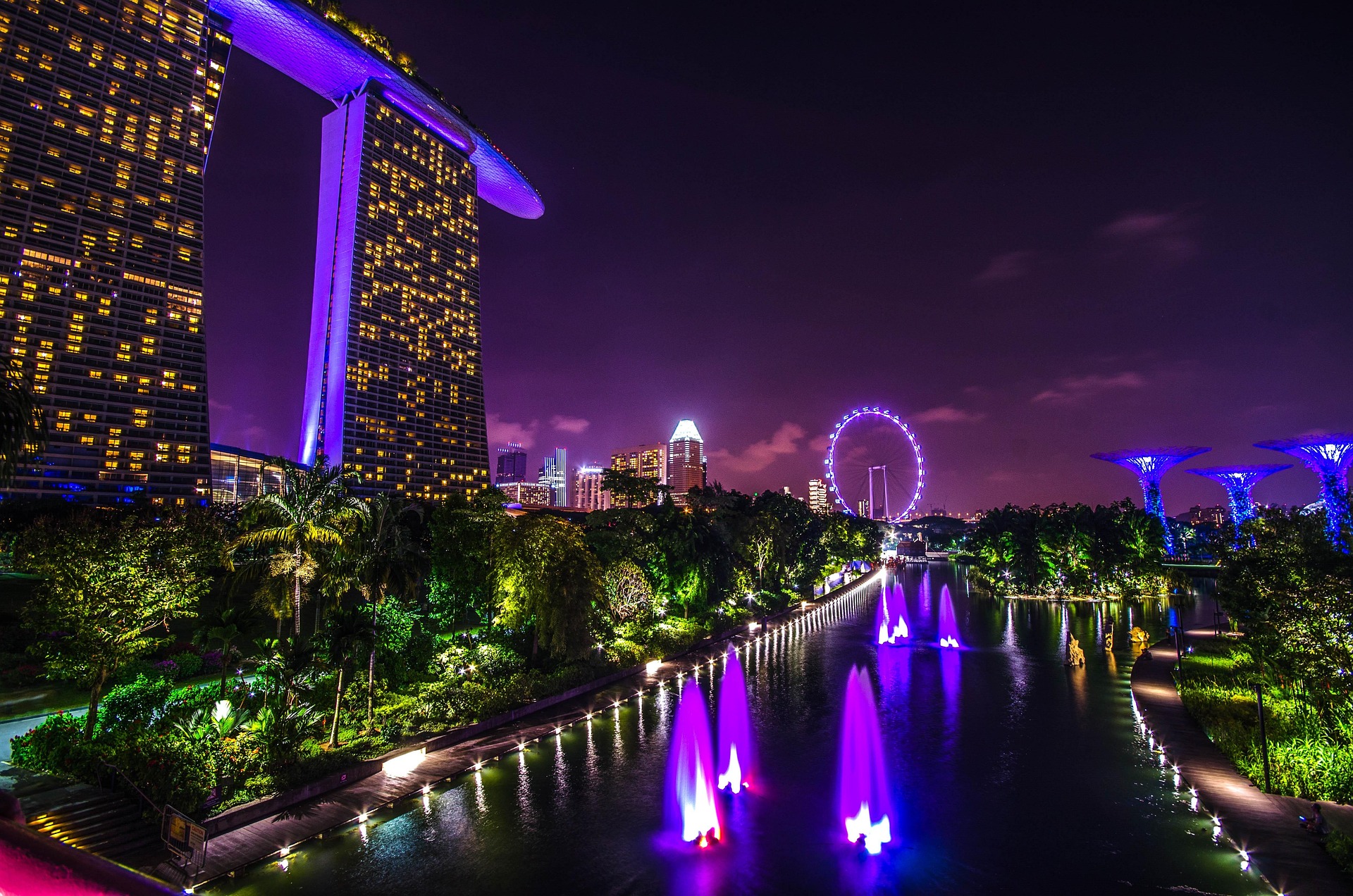
Singapore is a destination that effortlessly blends tradition and innovation. Whether you’re drawn by its Michelin-star Street food, breathtaking skyline, or pristine beaches, the city-state offers an experience like no other. With its safety, cleanliness, and world-class attractions, Singapore remains a top choice for travelers seeking adventure, luxury, and cultural immersion. The best months to visit are February to April, when the weather is mild, and there are fewer crowds. Singapore experiences the heaviest rainfall from November to January due to the monsoon season.
Exploring Singapore: Essential Customs and Travel Tips for an Unforgettable Visit
Singapore, Southeast Asia’s bustling city-state and economic hub, is a dream destination for travelers seeking a seamless blend of modernity, culture, and adventure. With its ultra-clean streets, world-class attractions, and efficient public transportation, the Singapore capital city is an ideal place to visit for both first-time tourists and seasoned globetrotters. However, navigating Singapore’s customs, culture, and laws requires some preparation. Here’s what you need to know before you travel to Singapore.
Singapore Cuisine: A Food Lover’s Paradise
Singapore cuisine is legendary, with iconic dishes such as:
- Hainanese Chicken Rice – A fragrant, juicy dish served with rice and dipping sauces.
- Chili Crab – A spicy and tangy seafood delicacy.
- Laksa – A flavorful noodle soup with coconut milk and seafood.
- Hokkien Mee – Stir-fried noodles infused with prawn stock.
- Satay – Grilled skewers served with peanut sauce.
For an authentic experience, visit Singapore’s hawker centers, such as Maxwell Food Centre and Lau Pa Sat.

Museums, Art, and Music
Singapore boasts a thriving arts scene, from contemporary galleries to traditional museums. Must-visit cultural attractions include:
- National Gallery Singapore
- Asian Civilisations Museum
- ArtScience Museum
- Esplanade – Theatres on the Bay (for live performances)

Adventure and Outdoor Attractions
For thrill-seekers, Singapore offers exciting adventure opportunities, including:
- Sentosa Island: Home to Universal Studios Singapore and Adventure Cove Waterpark.
- Night Safari: The world’s first nocturnal zoo experience.
- Gardens by the Bay: A futuristic garden with towering Supertrees.
- Marina Bay Sands SkyPark: Stunning panoramic views of the city skyline.
Spas and Wellness: Relaxing in Luxury
Singapore is home to world-class spas offering traditional treatments like Balinese massages, herbal steam baths, and reflexology. The city’s wellness scene is perfect for those looking to unwind after a day of sightseeing.
Singapore Communication, Culture, and Customs
Singapore is a multilingual society where English is widely spoken and serves as the official business language. Other common languages include Mandarin, Malay, and Tamil. Travelers will have little difficulty navigating the city, as signs and public transport announcements are in English.
Singapore culture is a harmonious blend of Chinese, Malay, Indian, and Western influences. This multiculturalism is reflected in everyday customs, cuisine, and festivals. Travelers should be mindful of the following cultural norms:
- Public displays of affection are frowned upon in some areas.
- When giving or receiving items, use both hands to show respect.
- Avoid pointing with your index finger—use an open palm instead.
- Removing shoes before entering homes and certain temples is customary.
- Tipping is not a standard practice since service charges are included in bills.

Getting to and Getting Around Singapore
Singapore Changi Airport (SIN) is consistently ranked among the world’s best airports, featuring incredible amenities such as a butterfly garden, an in-airport cinema, a rooftop swimming pool, and playgrounds for kids. Parents can unwind in luxury lounges while children enjoy play zones, making Changi a standout gateway to Singapore.
Singapore’s MRT (Mass Rapid Transit) system is one of the best in the world—fast, affordable, and clean. Buses and taxis are also readily available. The EZ-Link card provides seamless access to buses and trains, making commuting hassle-free.
Most travelers can enter Singapore visa-free for up to 30-90 days, depending on nationality. Ensure your passport is valid for at least six months from your arrival date. Check with Singapore’s immigration authorities for the latest requirements before travel.
Safety, Crime, and Health Precautions
Singapore is one of the safest cities in the world, with low crime rates and strict laws ensuring order. However, travelers should be aware of the following:
- Unusual Laws: Chewing gum is illegal. Anti-anxiety medications and certain painkillers like tramadol and codeine require special permits. Always carry prescriptions.
- Healthcare: Singapore has excellent medical facilities. Travelers should have travel insurance in case of emergencies.
- Emergency Response: The city’s emergency services are highly efficient, with quick response times for medical and security-related issues.
- Natural Disasters: Flooding is Singapore’s most common natural disaster, especially during the monsoon seasons. However, the city-state has excellent drainage infrastructure to mitigate risks.
The Global Rescue Connection
When traveling to new destinations, the body can encounter unfamiliar pathogens and become ill. Travelers should always take precautions and have medications like loperamide and rehydration solutions.
Tourists with Global Rescue memberships have access to 24/7 medical advisory services, including assistance with finding doctors, locating pharmacies, and providing prescription support. Global Rescue’s experts are equipped to help travelers in emergencies, whether they need antibiotics, advice on hydration, or a nearby healthcare provider.
Preparation doesn’t stop at medication, however. Global Rescue encourages travelers to research healthcare access at their destination and carry travel insurance for emergencies. With the proper precautions, a little planning, and access to the best treatments, tourists can stay healthy and enjoy their adventures worry-free.
A Global Rescue membership offers more than advice. With emergency field rescue and evacuation services available 24/7, members can receive medical support even remotely.