Share This:

Overtourism Drives Travelers Toward Riskier, Remote Destinations

(Lebanon, NH – April 28, 2025) — As overtourism worsens in the world’s most popular destinations, travelers are adjusting course—opting for less-frequented places and off-season travel. But while these decisions may offer quieter, more authentic…

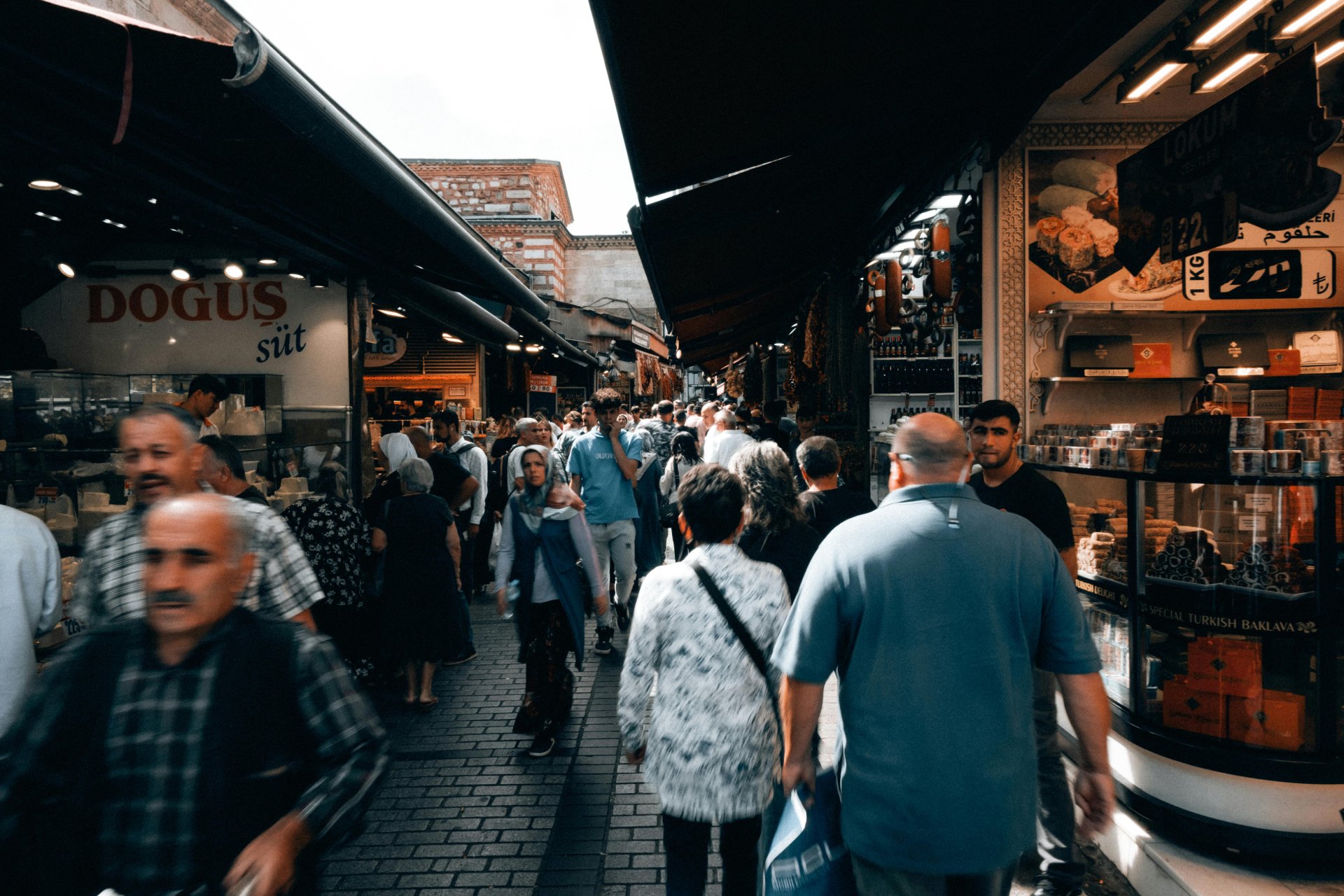
(Lebanon, NH – April 28, 2025) — As overtourism worsens in the world’s most popular destinations, travelers are adjusting course—opting for less-frequented places and off-season travel. But while these decisions may offer quieter, more authentic experiences, they simultaneously increase traveler risk. According to the Spring 2025 Global Rescue Traveler Sentiment and Safety Survey, this shift in behavior is creating a new safety landscape for global travel.

“People are turning away from overrun cities in search of meaningful escapes, but that trade-off often comes with greater personal risk. Infrastructure in these emerging destinations is frequently underdeveloped, especially in terms of emergency medical support. We’ve seen a 17% jump in security memberships in the last quarter,” said Dan Richards, CEO of The Global Rescue Companies and a U.S. Travel and Tourism Advisory Board member at the U.S. Department of Commerce.

The survey reveals that 61% of travelers have deliberately avoided a destination due to concerns about overcrowding—frequently naming countries like Spain and Italy. In seeking alternatives, they’re increasingly venturing into remote or lesser-developed regions, where medical infrastructure and emergency resources may be limited.

As travel risks evolve, proactive safety measures are no longer seen as a luxury but as a necessity for those navigating an unpredictable global landscape. “This is a defining moment in travel behavior,” Richards said. “Demand for personal security services among travelers is on the rise.”

Key findings include:

  • 90% of travelers say they would consider a less popular alternative to reduce overtourism.
  • 69% have been disappointed by crowds in top destinations.
  • 77% prefer to travel off-season, with over half doing so “most of the time.”

“These results confirm that overcrowding is more than an inconvenience—it’s actively shaping traveler behavior,” Richards said. “But as more people explore the road less traveled, we must recognize the increased challenges and risks they may face along the way.”

As locations like Venice, Barcelona, and Bali continue to implement restrictions to manage overtourism, travelers are redirecting themselves to places that are quieter but often ill-equipped to handle crises—from natural disasters to medical emergencies.

“Sustainable tourism isn’t just about protecting destinations,” Richards emphasized. “It’s also about protecting travelers. While spreading out visitation helps preserve culture and environment, it also demands smarter planning—by governments, the travel industry, and individuals alike—to ensure safety isn’t sacrificed in the process.”

Global Rescue advises travelers to prepare for the added risks that come with venturing off the beaten path by securing travel protection that includes medical evacuation and emergency response services.

###

For more information, contact Bill McIntyre at bmcintyre@globalrescue.com or +1 202.560.1195.  

About the Global Rescue Traveler Sentiment and Safety Survey   

Global Rescue, the leading travel risk and crisis response provider, surveyed more than 1,100 current and former members between April 8-12, 2025. The respondents revealed a variety of behaviors, attitudes and preferences regarding current and future travel.  

About Global Rescue   

Global Rescue is the world’s leading provider of medical, security, evacuation and travel risk management services to enterprises, governments and individuals. Founded in 2004, Global Rescue has exclusive relationships with the Johns Hopkins Emergency Medicine Division of Special Operations and Elite Medical Group. Global Rescue provides best-in-class services that identify, monitor and respond to client medical and security crises. Global Rescue has provided medical and security support to its clients, including Fortune 500 companies, governments and academic institutions, during every globally significant crisis of the last two decades. For more information, visit www.globalrescue.com.  

Share This:

Mission Briefs: Global Rescue In Action – Issue 57

A brief overview of recent standout operations involving Global Rescue. 

Behind the breathtaking vistas and vibrant city streets explored during any exotic trip lies a stark contradiction. Even as travelers express rising concern over health emergencies abroad, few prepare for them.

Savvy travelers maintain their spontaneity while making informed choices. A few simple habits — researching local healthcare infrastructure, checking the availability of English-speaking medical providers, buying traveler protection (like Global Rescue) and knowing emergency numbers — can turn a reactive crisis into a managed incident.

Global Rescue has responded to the needs of travelers at home and abroad since 2004. In a typical month we perform hundreds of operations in dozens of countries. This month was no exception. In this issue of Mission Briefs, we’ve highlighted a few select rescues, from a Guatemalan motorcycle crash, a snowboarder’s accident in Japan, a post-summit fall on Mount Kilimanjaro and several other illnesses and injuries around the world.

Rescue From a Cruise Ship in Hong Kong

While on a cruise, a US member began experiencing severe abdominal pain and nausea. Upon arrival in Hong Kong, she was admitted to a local hospital but required further imaging and care unavailable at the initial facility. A ground transfer was arranged to a private hospital where she was diagnosed with sepsis and cholangitis (an infection or inflammation of the ducts that carry bile from the liver to the gallbladder and intestines). She underwent a week of intravenous antibiotics and was discharged in improved condition.


Motorcycle Crash in Guatemala

Following a motorcycle crash in Lanquin, Guatemala, the US member sustained fractures in his elbow and ankle. He arranged his transport to a hospital where an orthopedic evaluation recommended surgical treatment back home. Global Rescue coordinated an early return to the US including airline upgrades and medical accommodations. He arrived safely and planned follow-up care at a sports medicine facility.


Snowboarder Breaks Leg in Japan

While snowboarding in Minakami, Japan, a New Zealand member sustained a tibial plateau fracture (a break in the upper part of the shinbone). After initial hospital care and closed reduction, surgery was recommended. Global Rescue arranged for his return to New Zealand via business class with Global Rescue ground support. He arrived safely in Wellington and was taken to a hospital for surgical evaluation.


Skiing Accident in France

While skiing in Tignes, France, an Australian member broke his collarbone. He reported severe pain and loss of shoulder mobility. After consultation with his orthopedic surgeon, Global Rescue arranged repatriation to Melbourne including flight upgrades and ground transport. He arrived home safely and was scheduled for surgery within a week of his return.


Vehicle Crash in Morocco

After a vehicle accident in Marrakesh, Morocco, a UK member was diagnosed with a hemopneumothorax and flail chest (the presence of both blood and air in the chest cavity, a section of the chest wall moves independently due to multiple rib fractures). He was transferred to a specialized clinic and underwent chest tube placement. Global Rescue arranged local medical liaison support and continued monitoring. The member improved steadily and chose to coordinate repatriation with his insurer.


Broken Arm on Mount Kilimanjaro

During a trek near Kosovo Camp on Mount Kilimanjaro, a US member sustained injuries to his left shoulder and knee after hearing a “pop” while using his trekking pole. The pain rendered him unable to continue the hike. A helicopter evacuation was arranged to a nearby hospital where he was diagnosed with a partial fracture of the left humerus (the bone from the shoulder to the elbow). After treatment, he was discharged with medication and a sling and advised to follow up with his primary care provider upon return home.


Chopper Evacuation in Nepal

In the Mera Peak region of Nepal, a South African member developed worsening symptoms of altitude sickness that progressed to high-altitude cerebral edema (HACE). Despite initial treatment, his condition required urgent helicopter evacuation to a hospital. After further treatment, he was diagnosed with high-altitude pulmonary edema (HAPE), HACE and several related complications. He was discharged in improved condition and the case was reviewed with no concerns noted about the medical care provided.


Post-Summit Fall in Tanzania

After summiting Stella Point on Mount Kilimanjaro, a US member sustained a right leg injury and developed altitude sickness symptoms. Unable to bear weight and showing signs of HAPE and HACE, she was evacuated by helicopter to a nearby hospital. She was diagnosed with a fractured and dislocated ankle, treated with a cast and crutches and later discharged with medication.


Trekker Overcome in Nepal

While trekking in Tengboche, Nepal, a Brazilian member began experiencing symptoms of HAPE and HACE. After an initial evacuation for treatment at a local hospital, her condition persisted. She was medically evacuated to a medical facility capable of a higher level of care where she was diagnosed with altitude sickness, gastroenteritis and other complications. She improved significantly and returned home safely.


The Global Rescue Connection

Helicopter rescues are vital to emergency response, providing rapid and effective assistance in situations where traditional ground-based rescues are impossible. Whether transporting critically ill patients, plucking climbers from cliffs, rescuing mariners from stormy seas or evacuating crews from lifeboats, these operations save countless lives each year.

Share This:

The World’s Most Hazardous Occupations, from Oil Rigs to War Zones

Round the clock medical and security services are non-negotiables for these extremely dangerous jobs.

Article Highlights:

  • Oil and gas workers face a mix of terrorism, tribal warfare and poor infrastructure.
  • Humanitarian aid workers operate in disaster and war zones with limited medical access.
  • Journalists in conflict areas face kidnapping, detainment and combat dangers.
  • Engineers abroad deal with low safety standards, civil unrest and transportation risks.
  • Environmental researchers in remote jungles are vulnerable to wildlife, disease and isolation.


From natural disasters and civil unrest to the pandemic and political upheaval, today’s global work environment is more unpredictable than ever. While most of the world’s workforce can adapt to remote work or delay travel when instability strikes, certain professions don’t have that luxury.

These high-risk, high-stakes careers operate in some of the planet’s most hazardous, remote or geopolitically sensitive areas. For these professionals, the dangers range from civil unrest and terrorism to medical emergencies, wildlife threats and infrastructure failures. That’s where Global Rescue becomes indispensable — providing medical and security evacuation, real-time intelligence and travel risk mitigation to keep these essential workers safe.


Dangerous Jobs in the Oil, Gas and Energy Industry

Hazards: Terrorism, kidnapping for ransom, tribal conflict, lack of emergency healthcare, poor infrastructure.

Oil and gas workers often top the list of most hazardous occupations due to their remote locations and the volatile environments in which they operate. From offshore rigs to desert drilling sites in Yemen, Nigeria or Libya, these professionals face not just mechanical dangers but also threats of armed conflict and terrorism.

Harding Bush, associate director of security operations for Global Rescue and a former Navy SEAL, recalled working in Yemen during the Arab Spring. “The protests and military response shut down mobility. People couldn’t get to the office or even reach the airport,” he said. “Satellite phones and security escorts became essential.”

Fuel deliveries are unreliable, roads are poorly maintained and emergency medical care is virtually nonexistent in many oil-producing regions. Global Rescue provides on-the-ground assessments, destination risk reports and extraction when danger strikes, an essential support for this risky job category.


Most Hazardous Jobs Include Humanitarian Aid Workers

Hazards: Natural disasters, civil war, infectious diseases, political unrest, unsafe infrastructure.

Aid workers respond where help is most needed, often amid war zones, disaster aftermath or public health crises. Whether it’s an earthquake in Syria, famine in Sudan or cholera outbreak in Haiti, their mission doesn’t pause for danger.

Minimal infrastructure and often unpredictable hostilities make this noble but dangerous career riskier. Aid organizations rely on Global Rescue to conduct threat assessments, monitor unfolding crises through the GRID℠ intelligence system and evacuate personnel when medical or security emergencies arise.

These professionals also face psychological stress and physical exhaustion. Having a reliable support system like Global Rescue makes it possible to continue critical missions, even in the world’s most hazardous regions.


Dangerous Jobs for Journalists in Hot Zones

Hazards: Kidnapping, detainment, physical assault, surveillance, vehicle accidents, bombings.

Journalism may not traditionally appear on the top 10 most dangerous jobs list, but when reporting from hot zones like Gaza, Ukraine or Myanmar, it absolutely should. These professionals deliberately place themselves in the middle of conflict to tell the world the truth, which comes with enormous risk.

Global Rescue aids media outlets and freelance journalists by offering pre-travel intelligence, emergency medical support, secure communication tools and real-time alerts through the GRID system. If war breaks out, journalists can receive the immediate message: “Pack your bags. Get to the airport. Get out now.”

As John Morris, director of account management at Global Rescue, said, “Sometimes it’s not a hot spot and the next day it is.”


Riskiest Jobs Include Construction Workers in Developing Nations

Hazards: Workplace accidents, civil unrest, disease exposure, transportation hazards, limited medical care.

Construction crews and engineers working on global infrastructure projects — think roads in Laos, bridges in Angola, or commercial buildings in Afghanistan — often operate in areas with lax safety standards, poor oversight and political instability.

Bush notes that basic vehicle safety, such as seatbelts or functional brakes, can’t be taken for granted. “Good safety is good security,” he said. “Vehicle accidents are a major cause of overseas injuries and deaths.”

Construction is already one of the most hazardous jobs domestically, but globally, the risks multiply. Global Rescue’s integrated approach, combining medical, security and intelligence operations — ensures support is always one call away, whether the issue is a traffic injury or civil uprising.


Hazardous Careers Include Wildlife Researchers

Hazards: Wildlife attacks, insect- and water-borne disease, isolation, natural hazards, lack of communication.

Working in the world’s most remote corners — from the Amazon Rainforest to sub-Saharan Africa — environmental researchers face a different kind of danger. Insect bites can transmit deadly diseases, and venomous snakes or aggressive animals pose real threats. Communication is limited, evacuation routes are few and local health care may be nonexistent.

Global Rescue provides these experts with essential intelligence reports for weather, medical evacuation plans and location tracking to keep them safe and in contact. Researchers working in tribal regions also benefit from Global Rescue’s intelligence tools, which track nearby civil disputes or natural threats.

For scientists on the front lines of conservation, having Global Rescue behind them means they can continue their work without risking their lives.


The Global Rescue Connection

Whether it’s a journalist injured while reporting on civil unrest or a petroleum engineer in a remote country suffering an emergency illness, people working in these high-risk careers depend on detailed intelligence, emergency extraction and clear decision-making tools.

Global Rescue’s services include:

  • Destination reports with real-time alerts and region-specific assessments.
  • GRID is an enterprise platform that monitors real-time environmental and geopolitical risks.
  • Medical evacuations and security extractions are available when commercial options are not possible.
  • Proactive advisory services, helping clients avoid trouble before it starts.

“Many competitors are fractured,” Morris said. “They have the intelligence, but they sub out the medical. Global Rescue has medical, security and intelligence working side-by-side.”

That kind of unified support can be the difference between survival and catastrophe for professionals in the world’s most hazardous occupations. If you work or operate in a “hot zone,” Global Rescue can help you stay safe and productive. Download our free report.

Categories:

Travel
Share This:

How To Legally and Easily Transport Hunting Guns and Gear Abroad

Plan your next hunt abroad stress-free. Learn how to transport firearms and gear across borders legally. Stay safe and compliant.

Article Highlights:

  • Firearm transportation rules vary widely, so always check TSA and destination laws.
  • Many Asian nations ban foreign firearms; renting locally is often easier.
  • Bringing ammo? Most countries allow limited amounts, so check airline and customs rules.
  • Top hunting destinations like Sweden, New Zealand and Argentina offer excellent rental options.
  • Expect delays and thorough checks at customs — be organized and patient.

International hunting adventures offer unmatched thrills, but transporting hunting gear across borders requires meticulous planning, legal awareness and logistical precision. Whether you’re planning to hunt moose in Sweden, black bear in Canada or Himalayan tahr in New Zealand, here’s your comprehensive step-by-step guide to staying compliant and safe.


Step 1: Know the TSA and International Regulations

  • TSA (US): Travelers must declare firearms during check-in, ensure they’re unloaded and store them in a hard-sided, locked case. Ammunition for personal use carried by a passenger in checked baggage only, if securely packed in boxes or other packagings specifically designed to carry ammunition.
  • Canada: The Canadian Air Transport Security Authority (CATSA) follows similar rules to the TSA. Visitors must fill out a Non-Resident Firearm Declaration.
  • UK: Travelers must obtain a UK Visitor’s Firearm Permit and import license. Firearms and ammo must be declared and transported separately.
  • Australia: Requires a B709 import permit. All firearms must be declared and stored per strict state-level regulations.


Step 2: Understand Country-Specific Laws

Some countries are firearm-friendly for hunters. Others are not. Here’s how some of the most common destinations stack up:

  • Strictest Countries: India, Japan, South Korea and China have stringent or prohibitive regulations for bringing firearms. In most cases, you cannot bring your weapons.
  • Moderately Strict: Nepal and Pakistan allow hunting but typically require you to rent weapons.
  • More Permissive: Russia, Mongolia, Kyrgyzstan and Tajikistan allow firearm imports with proper paperwork and outfitter support.
  • Australia & New Zealand: Import permitted with prior approval. Local outfitters often provide weapons.


Bow and Black Powder Guns: Even if firearms are banned, bows and black powder guns might be treated differently — but always check with the destination’s customs.


Step 3: Decide Whether To Bring or Rent

  • Renting is best when the destination country has restrictive import rules. Local outfitters offer quality rifles tuned for the terrain. Hunters can avoid hassle at customs and reduce travel weight by renting.
  • If the country you’re going to for your hunt allows firearms with the proper paperwork completed, then it may make sense to bring your own, especially if you require a specific firearm setup for accuracy or comfort or if you plan multiple hunts and need consistency.


Step 4: Know the Rules on Ammunition

  • Bring It: Bring limited quantities (typically up to 11lbs/5kg) if allowed. Check airline and country limits.
  • Buy It There: Often safer and easier. Make sure the outfitter can supply the caliber you need.


Step 5: Prepare for Border & Customs Protocols

  • Declare firearms and ammo at every border.
  • Have copies of your hunting invitation, licenses and permits.
  • Expect an inspection of your gear.
  • Be courteous and cooperative with customs agents.
  • Allow extra time for processing.


Step 6: Review Legal Differences Among Countries

  • US: Easier gun transport domestically, but export laws (ITAR) apply.
  • UK: Much stricter, with licensing and ammo limits.
  • Canada: Accepting foreign hunters with declarations.
  • Australia: Varies by state; expect more bureaucracy.


Where Hunting Is Allowed — and Where It’s Not

Asia:

  • Hunting-Friendly: Mongolia, Kyrgyzstan, Tajikistan, Russia, Pakistan, Kazakhstan, Uzbekistan, Azerbaijan, Turkey.
  • Restrictive or Banned: India, Japan, South Korea, Vietnam, Laos, Cambodia.

Europe:

  • France, Austria, Switzerland, Sweden and Italy allow hunting with permits.

Oceania:

  • New Zealand and Australia are top spots for game like tahr and deer—with proper permits.

North America:

  • The US and Canada offer extensive game hunting opportunities with seasonal and license regulations.

South America:

  • Argentina is famed for red stag and offers firearm rentals and permits through outfitters.

The Global Rescue Connection

Global Rescue is a critical resource for anyone venturing into the wilds of New Zealand, France, Canada, Argentina, the US, or anywhere else. When you’re on a hunt, no matter how prepared you may be, things can go wrong instantly. Whether it’s a minor illness, a serious injury, a language or legal barrier, having the peace of mind of knowing that Global Rescue is there to provide emergency medical evacuation and expert assistance is a game changer.

For example, a member from Michigan nursed a fever for several days during a remote safari before expedition leaders contacted Global Rescue to request a medical evacuation. After retrieving and analyzing all the available medical information about the member, Global Rescue’s medical operations team initiated an immediate, successful medical evacuation. After an initial period of hospitalization to stabilize the member, he was admitted for a prolonged period due to this illness requiring multiple surgeries, aggressive antibiotic therapy and close monitoring in the ICU before being deemed fit to fly back to his home hospital of choice in the US.

This is one of many examples of how Global Rescue’s services are essential in the field. Whether it’s an emergency medical evacuation, expert guidance to determine if a seemingly minor health concern needs immediate attention, or if a language or legal complication has surfaced, Global Rescue is the safety net that hunters rely on.

Categories:

Travel
Share This:

Rainforests, Glaciers, Coral Bleaching and Venice Are Vanishing Wonders for Last Chance Tourism

Learn how responsible travel can help slow the degradation of these iconic natural wonder destinations.

Article Highlights:

  • Iconic destinations like the Great Barrier Reef, Taj Mahal and Machu Picchu are disappearing.
  • Tourism provides vital economic support to communities, offering livelihoods and incentives to protect natural and cultural resources.
  • New destinations such as Slovenia, Laos and Madagascar are emerging as alternatives to over touristed sites.
  • Responsible travel choices can help preserve at-risk destinations and attractions for future generations.


Some of the world’s most iconic tourist destinations are disappearing, from the vanishing snows of Kilimanjaro and the bleached coral of the Great Barrier Reef to the sinking city of Venice and the vandalism of the Great Wall of China. Overtourism, pollution and neglect drive these places toward extinction.

Traveling to at-risk destinations can be beneficial or harmful, depending on how well economic benefits are balanced with efforts to preserve the site. For many communities around the world tourism is more than a leisure industry, rather it’s a critical source of income, employment and opportunity.

In these regions, the livelihood of local people often depends on the steady flow of visitors. Tourism can help fund infrastructure and create powerful economic incentives to preserve natural and cultural heritage. From coastal villages in Central America to remote mountain communities in Africa, tourism has encouraged locals to protect the resources that attract travelers in the first place. Travel, when done responsibly, can be a lifeline.


Glaciers

Glacier National Park in Montana once had 150 glaciers. Today, fewer than 30 remain. Warming temperatures are melting them away, changing the park’s ecosystem forever. The Patagonia Glaciers, straddling Chile and Argentina, are retreating rapidly, a visible and dramatic consequence of warming trends.

Franz Josef Glacier in New Zealand is receding quickly. Once easily accessible, it now requires helicopter rides, changing the visitor experience. Antarctica, the last great wilderness, is warming faster than any other continent. Melting ice sheets threaten global sea levels and the habitats of countless species. Athabasca Glacier in Canada, a popular tourist site, is shrinking visibly every year, serving as a dramatic reminder of a warming world.


Coral Reef Bleaching, Sinkholes and Rising Waterways

The Great Barrier Reef has lost more than half its coral cover in recent decades due to warming seas and ocean acidification. Once teeming with color and life, large swaths are now ghostly white from mass bleaching events. The Dead Sea is shrinking dramatically. Known for its healing waters and mineral-rich mud, the Dead Sea has lost over a yard/meter of water annually due to water diversion and shifting temperatures, forming dangerous sinkholes in the region.

The Seychelles, a paradise archipelago, is losing its beaches to rising seas and coral die-offs, threatening marine life and tourism. The Maldives, famed for white-sand beaches and overwater bungalows, faces existential threats. Rising sea levels and coral bleaching jeopardize its survival, with projections warning the nation could be submerged by the end of the century.


Venice, Machu Picchu and the Taj Mahal

Venice, the romantic floating city, is sinking under its weight — literally. Rising tides, overtourism and poor infrastructure have made flooding more frequent and severe. The Taj Mahal, India’s most famous landmark, faces discoloration and structural damage due to pollution and overtourism. Measures are being taken, but challenges remain. Machu Picchu, the ancient Incan citadel in Peru, is crumbling under the weight of too many visitors. Erosion and structural instability are rising concerns.

The Great Wall of China is being weathered and vandalized. About two-thirds of the wall is either damaged or disappeared entirely. The Giza Necropolis in Egypt suffers from pollution, looting and the impacts of nearby urban development, placing these ancient wonders at risk. The Buddhas of Bamiyan in Afghanistan were tragically destroyed, a reminder that cultural heritage, like natural wonders, can be lost forever. The Azure Window in Malta, a natural stone arch, collapsed into the sea in 2017. It’s a stark example of how geological wonders can be here today, gone tomorrow.


Rainforests

The Congo Basin, the second-largest rainforest in the world, is rapidly being degraded. Deforestation and illegal mining are eroding this biodiversity hotspot. The Amazon Rainforest, the “lungs of the planet,” is being cleared at alarming rates for agriculture and logging. Its rich biodiversity and Indigenous cultures are under threat. The Everglades in Florida are being drained and polluted. The loss of this wetland ecosystem would have devastating effects on regional biodiversity.


Mountains

Mount Kilimanjaro’s iconic snowcap is vanishing. Scientists estimate the ice could be gone within decades due to temperature shifts and deforestation. The Alps, Europe’s winter playground, are experiencing shorter ski seasons and glacier retreats due to rising temperatures.


Island Wildlife

The Galápagos Islands, home to rare and endemic species, are at risk from invasive species and poorly managed tourism. Despite strict regulations, the pressure is increasing. Komodo Island, home of the Komodo dragon, is threatened by overtourism and habitat destruction. Conservation efforts now restrict access to protect the species.


Are New Destinations Emerging?

As some destinations fade, others are rising as ecotourism hotspots. Slovenia is acclaimed for its commitment to green travel, with pristine lakes, eco-friendly accommodations and farm-to-table gastronomy. Laos offers community-based tourism in serene, untouched landscapes. Panama blends rainforests and indigenous cultures with growing conservation initiatives.

Madagascar, with its unique species and ecosystems, is facing massive deforestation. Fortunately, it’s also rising as an ecotourism destination promoting conservation with expanding eco-lodges and sustainable travel options that support its unique biodiversity.


How Travelers Can Help

Global Rescue and its partners like Re:wild and &Beyond demonstrate how travel and conservation coexist. These organizations prioritize safe and responsible travel that supports environmental protection.

Dan Richards, CEO of The Global Rescue Companies and member of the U.S. Travel and Tourism Advisory Board, states, “Governments can set visitor limits, promote off-peak travel and invest in sustainable tourism infrastructure to preserve these destinations for future generations. Travelers can contribute by seeking lesser-known locales, traveling in off-peak seasons and embracing responsible tourism practices.”

Every traveler has the power to create positive change through ecotourism. By making conscious travel choices, we can preserve the beauty and diversity of our planet for future generations.

Share This:

US Policy Reshapes Itineraries But Travelers Still Planning More Trips in 2025

(Lebanon, NH – April 21, 2025) — Travelers are eager to hit the road in 2025 with more trips and longer stays, but international policy developments in the US are nudging many to reconsider how—and…

(Lebanon, NH – April 21, 2025) — Travelers are eager to hit the road in 2025 with more trips and longer stays, but international policy developments in the US are nudging many to reconsider how—and where—they go, according to the Spring 2025 Traveler Sentiment and Safety Survey conducted by Global Rescue.

The survey found that more than 50% of respondents plan to take more trips this year compared to 2024 and more than 27% expect to spend more money and those trips to be longer. Nearly a quarter said they plan to spend more on travel this year. However, a third (33%) selected “none of the above,” signaling a level of caution or restraint amid mixed signals in the global travel environment.

“Traveler enthusiasm for 2025 is strong, but it’s being tempered by the real-world impact of US policy abroad,” said Dan Richards, CEO of The Global Rescue Companies and a member of the US Travel and Tourism Advisory Board at the US Department of Commerce. “We’re seeing people express a clear desire to travel more, yet also signaling hesitations tied to policy developments that affect international mobility and destination choice.”

When asked whether US international policy initiatives make them more or less likely to travel, more than a third of respondents (34%) indicated they are generally less likely to travel. Specifically, 6% reported being “much less likely,” 18% “somewhat less likely,” and 10% “less likely” to travel. Most respondents (55%) stated that the policies would not affect their traveler decisions either way.

Richards noted, “It’s telling that more than a third of travelers feel less likely to travel due to US international initiatives. The data reveals an undercurrent of hesitancy tied to how policy impacts the perceived ease, cost, or safety of international travel.”

Among those surveyed:

  • 18% say their travel plans have already changed due to US international policies.
  • 22% are still considering whether to change their plans.

For those whose plans have shifted:

  • More than half (55%) are changing which countries they’ll visit.
  • 34% are postponing international travel altogether.
  • A quarter (24%) say they are no longer traveling internationally in 2025.

“Policies don’t operate in a vacuum—they influence real travel decisions,” Richards emphasized. “When travelers start revising their destinations or shelving international travel plans altogether, that’s a signal to policymakers that the ripple effects of their decisions are being felt on the ground.”

###

For more information, contact Bill McIntyre at bmcintyre@globalrescue.com or +1 202.560.1195.  

About the Global Rescue Traveler Sentiment and Safety Survey   

Global Rescue, the leading travel risk and crisis response provider, surveyed more than 1,100 current and former members between April 8-12, 2025. The respondents revealed a variety of behaviors, attitudes and preferences regarding current and future travel.  

About Global Rescue   

Global Rescue is the world’s leading provider of medical, security, evacuation and travel risk management services to enterprises, governments and individuals. Founded in 2004, Global Rescue has exclusive relationships with the Johns Hopkins Emergency Medicine Division of Special Operations and Elite Medical Group. Global Rescue provides best-in-class services that identify, monitor and respond to client medical and security crises. Global Rescue has provided medical and security support to its clients, including Fortune 500 companies, governments and academic institutions, during every globally significant crisis of the last two decades. For more information, visit www.globalrescue.com.  

Categories:

Health & SafetyTravel
Share This:

High Expectations Abroad: Traveling with CBD and THC

Learn how to navigate international laws when flying with cannabis products.

Article Highlights:

  • Is cannabidiol legal? CBD legality varies by country.
  • Is THC legal? Tetrahydrocannabinol products are generally prohibited for international transport, even between countries where cannabis is legal.
  • Medical marijuana is permitted in some countries with strict regulations; proper documentation is essential.
  • Penalties for possessing CBD or THC products in prohibited countries can be severe, including imprisonment.
  • Thoroughly research and comply with destination-specific laws to avoid legal issues during travel.

As global attitudes toward cannabis evolve, travelers face a complex web of regulations concerning cannabidiol (CBD) and tetrahydrocannabinol (THC) products. Understanding these rules is crucial to ensure compliance and avoid legal complications during international travel.

CBD and THC are both compounds found in the cannabis plant, but they serve different purposes and have distinct legal considerations. THC is psychoactive, meaning it alters your mental state and produces a “high” feeling. In contrast, CBD is non-psychoactive and does not cause any intoxicating effects. CBD is often studied for potential therapeutic benefits, such as pain relief, anxiety reduction, and anti-inflammatory properties. In contrast, THC, while also having some medical applications, is primarily used recreationally for its psychoactive effects. The legality of both compounds varies by location, with CBD products containing very low THC content often being permitted, while products with high THC levels are generally more restricted.

Where Is CBD Legal? Countries Permitting Cannabidiol Products

Is cannabidiol legal? CBD, a non-psychoactive compound derived from cannabis, is legal in various countries under specific conditions. In the European Union (EU), many nations allow CBD products with THC content below 0.2%, as seen in Germany and the Netherlands.

But regulations differ. France requires CBD products to contain less than 0.3% THC, and Switzerland permits CBD products with THC content below 1%. In the United States, CBD products derived from hemp containing less than 0.3% THC are legal, though state laws vary, and travelers should verify regulations in their destination state.

When traveling with CBD, recommended precautions include carrying a Certificate of Analysis (COA) from a third-party lab confirming the product’s THC content, ensuring products are in their original packaging with clear labeling, and adhering to airline and country-specific limits on liquid volumes and product amounts.


Where Is THC Legal? Countries Permitting Tetrahydrocannabinol Products

THC, the psychoactive component of cannabis, is subject to stricter regulations. Canada and Uruguay have legalized recreational cannabis, allowing travelers to possess THC products within specified limits. The Netherlands, while technically prohibiting cannabis, tolerates its sale and consumption in licensed “coffeeshops,” and possession of small amounts for personal use is generally permitted.

Even in countries where THC is legal, consumption is typically restricted to private residences or designated areas. Adhering to possession limits, which vary by country, and understanding that transporting THC products across international borders is generally illegal, even between countries where cannabis is legal, are critical considerations for travelers.


Countries Permitting Medical Marijuana

Several countries allow medical marijuana under regulated frameworks. In Germany, patients with a prescription can access medical cannabis from pharmacies. Australia permits medical cannabis, but patients must obtain a prescription and adhere to state-specific regulations. The United Kingdom has allowed limited medical use since November 1, 2018, with cannabis-derived medicines available under prescription.

Travelers carrying medical marijuana should ensure they have a valid prescription and a letter from their healthcare provider, check whether an import permit is required for their destination and only transport the necessary amount for personal medical use during their trip.


Countries Prohibiting CBD and THC Products

In many nations, both CBD and THC products are strictly prohibited. Singapore enforces severe penalties for cannabis possession, including imprisonment and fines. Japan bans both CBD and THC, with possession leading to arrest and detention. The United Arab Emirates maintains zero-tolerance policies for cannabis, resulting in lengthy prison sentences for possession. Additional countries prohibiting cannabis in any form, with severe penalties for possession or importation, include Fiji, the Bahamas, Monaco, Iceland, Indonesia, Hong Kong, Tanzania and Taiwan.


Key Considerations for International Travelers

Is THC legal? Is CBD legal? Travelers should research destination laws thoroughly to answer these questions, as regulations vary widely. Substantial monetary fines, extended imprisonment and deportation with bans on re-entry are common consequences for international travelers violating cannabis laws.

Travelers should avoid assuming legal products in their home country are permitted abroad. Consulting with authorities, such as the embassy or consulate of the destination country, can provide clarity and help prevent legal issues during travel.

The Global Rescue Connection

One of travelers’ worst blunders is assuming what’s permissible in their home country applies wherever they travel. “Not so,” said Dan Richards, CEO of The Global Rescue Companies. “It is critical to know your destination’s laws before traveling.”

The laws of your home country don’t travel with you. That’s why knowing the local laws of the destination(s) is critical before traveling. “The U.S. Department of State’s travel information web page for overseas travel advice explains you are subject to local laws while abroad,” said Harding Bush, former Navy SEAL and Global Rescue associate director of security operations. “You are bound by those laws. You can’t just say, ‘Oops, I didn’t know.’ Ignorance is not an excuse.”

If you’re a member of Global Rescue, the best place to start your research regarding the rules and laws of a country is with our destination reports. Maintained by our travel intelligence analysts, these reports cover 215 countries and territories, and they’re always accessible in your member portal or on your My Global Rescue App. (Not a member? You can download one free destination report on our Travel Intelligence Center page.)

Our Global Rescue intel and security team can also assist members in research, including discussing what risks — the bans or limitations of prescriptions and over-the-counter medicines, the prevalence of certain diseases, potential security threats or other destination details — they should be aware of before going.

Note: This article provides general information and should not be considered legal advice. Laws regarding CBD and THC are subject to change; always consult legal experts or official government sources before traveling.

Categories:

Travel
Share This:

The Hidden Travel Risks of Romantic Getaways

From earthquakes to pandemics, here's how to avoid romantic trip travel disasters.

Article Highlights:

  • Not all honeymoons are blissful—natural disasters, pandemics, and unrest can upend romantic trips in a flash.
  • Top destinations like Santorini and Maui offer couples stunning beauty, safety, and comfort.
  • Less ideal destinations include Venezuela, Pakistan, and Haiti due to crime, political risk, or disaster vulnerability.
  • Global Rescue provides critical services for stranded or imperiled travelers, from medical to evacuation support.
  • 2023 romance travel trends include “mega-moons,” voluntourism, and screen-free experiences for a deeper connection.


When you picture a honeymoon or couples retreat, you likely imagine sunsets on white-sand beaches, candlelit dinners and blissful solitude. But the dream can quickly become a nightmare for many newlyweds and lovebirds seeking romantic getaways. Every destination has hidden risks, from natural disasters to political unrest, that can turn a dream trip into a survival story.


A Tale of Two Newlywed Getaways

Brittany and Noah Myers thought they were heading off on the adventure of a lifetime in Nepal, combining their honeymoon with their shared love of trekking. But in April 2015, a massive 7.8 magnitude earthquake rocked the region. Alone and without a guide deep in the Gokyo Valley, the couple faced uncertainty and isolation — until Global Rescue stepped in. Providing critical information and emotional support, Global Rescue helped the couple safely navigate the chaos. The experience, while harrowing, deepened their bond and reaffirmed the importance of having emergency backup while traveling.

Similarly, San Francisco newlyweds John and Michelle Senyard found themselves trapped in Sri Lanka during the onset of the COVID-19 pandemic. With curfews, canceled flights and a 12.5-hour time zone difference from their work, their honeymoon quickly morphed into an unplanned, months-long lockdown. “We’re calling it a ‘supermoon’ now,” Michelle quipped, finding humor in a difficult situation. Their story is a reminder of how quickly global events can upend even the most carefully laid plans.

These are not isolated incidents. They’re cautionary tales about the unexpected dangers couples can face when venturing near or far in the name of romance.


Dangers Couples Shouldn’t Ignore While Traveling

Whether you’re headed to a five-star resort or a rustic jungle lodge, romantic getaways come with risks that most newlyweds don’t consider.

Many romantic hotspots are far from advanced medical care.

Earthquakes, hurricanes, floods and wildfires can strike with little warning. Remote locales, often sought after for their privacy, may be the hardest hit or last to receive assistance. Global Rescue’s services provide peace of mind for these moments, as Brittany discovered in Nepal when she fell ill and needed reassurance that help was available.

Romantic getaways often attract scammers and petty criminals targeting distracted, love-struck tourists. Safe-looking locations may still have high pickpocketing or fraud rates. Language barriers, unfamiliar customs, food poisoning, minor injuries and even local laws can surprise travelers. In some places, public displays of affection are frowned upon or even illegal. LGBTQ+ couples especially must research laws and societal norms before booking travel.

As John and Michelle learned, global crises can leave you stranded abroad. Civil unrest, terrorism or a disease outbreak can lead to border closures, flight cancellations, or even detainment.

Planning complex “mega-moons” with multiple countries, packed itineraries and time zone jumps can lead to burnout, not bonding.

Sometimes, less really is more.


Popular Couples’ Retreat Destinations

Santorini, Greece, is a perennial favorite among the most enchanting destinations for newlyweds and couples retreats. Its iconic whitewashed buildings perched on volcanic cliffs overlooking the Aegean Sea offer postcard-perfect sunsets that are the stuff of honeymoon dreams. Beyond its views, Santorini offers gourmet Mediterranean cuisine, boutique luxury accommodations and a welcoming atmosphere. While summer brings crowds, visiting in late spring or early fall ensures a more peaceful and romantic experience. While Santorini is a top pick, travelers should know the region is recovering from recent earthquake damage.

Phuket, Thailand, offers an exotic mix of turquoise waters, palm-fringed beaches and cultural intrigue. This island paradise is known for its colorful longtail boats, bustling night markets and affordable luxury resorts, making it a hotspot for romantic getaways. Couples can enjoy island hopping to nearby Phi Phi or Phang Nga Bay, indulge in Thai spa treatments, or take a cooking class together. With a visa-on-arrival system for many nationalities and a solid tourism infrastructure, it’s both accessible and alluring.

Tuscany, Italy, is a haven for lovers of food, wine and slow living. Newlyweds can immerse themselves in vineyard tours, stay in historic countryside villas, and savor intimate candlelit dinners featuring fresh, local ingredients. The region’s tranquil pace, high-quality healthcare and well-preserved medieval towns make it ideal for couples seeking a romantic yet cultured escape. Its central location also allows leisurely day trips to Florence, Siena and Pisa.

Maui, Hawaii, is one of the top romantic destinations in the United States, offering tropical beauty without needing a passport. The island boasts dramatic coastlines, luxury resorts and activities ranging from scenic Hana Highway drives to Molokini Crater snorkeling. Healthcare and emergency services are excellent, and the consistent climate means couples can visit year-round without worrying about hurricanes or extreme weather. It’s the perfect blend of adventure and relaxation.

In the British Virgin Islands, couples can enjoy a luxury retreat amid unspoiled nature and secluded beaches. Known for its sailing culture and reef-protected waters, the BVI is ideal for snorkeling, diving or simply lounging aboard a private catamaran. The islands maintain low crime rates and offer a tranquil atmosphere free from the party-heavy vibe of other Caribbean locales. It’s a dream destination for romance-seekers with various upscale resorts and villas.

Paris, France, often dubbed “The City of Love,” continues to captivate couples with its timeless charm. From strolling along the Seine to sipping espresso in hidden cafés, Paris invites intimacy and elegance. Lovers can explore iconic landmarks like the Eiffel Tower or Notre Dame, take in world-class art at the Louvre, and enjoy gourmet dining at every corner. While it can be expensive, the city’s magnetic romance and cultural richness make it well worth the investment.

For couples who crave adventure and wonder, the Galápagos Islands in Ecuador offer an experience like no other. The islands, known for their unique biodiversity and pristine ecosystems, are ideal for nature lovers and wildlife enthusiasts. Guided tours ensure environmental protection while offering access to rare species, snorkeling and hiking opportunities. Tourism is carefully managed, creating a safe and controlled environment where couples can feel at ease exploring together.

Kyoto, Japan, brings peace and beauty to those seeking a romantic yet reflective journey. Kyoto is a destination rooted in tradition, known for its ancient temples, tranquil gardens and elegant ryokan inns. It offers couples privacy, impeccable service, and a deep cultural experience, all within a highly organized and safe city. The infrastructure is top-tier, public transportation is seamless, and the respect for personal space is a bonus for those seeking quiet intimacy.

In Queenstown, New Zealand, adventure meets serenity on the shores of Lake Wakatipu. Couples can engage in adrenaline-filled activities like bungee jumping, paragliding or jet boating and unwind with wine tastings in the nearby Gibbston Valley. The town’s dramatic alpine scenery is a magnet for nature lovers, while its low crime rates and friendly locals ensure a safe and welcoming stay. Queenstown offers a unique blend of action and romance.

Costa Rica rounds out the list with its lush rainforests, volcanic hot springs and picturesque beaches. The country is one of Central America’s most stable and biodiverse, making it a haven for eco-conscious couples. With abundant eco-lodges and wellness retreats, it’s ideal for those looking to disconnect from daily stress and reconnect with each other. The local philosophy of “pura vida” — a celebration of life — sets the tone for a significant romantic escape.


Risky Destinations for Romantic Getaways

On the other hand, despite their beauty, some destinations carry significant risks that make them unsuitable for romantic getaways.

Venezuela, for instance, is rich in natural wonders like Angel Falls and the Caribbean coast, but political instability, hyperinflation, and an alarming crime rate make it highly dangerous for travelers. Even essential services such as healthcare and reliable transportation can be unpredictable or unavailable.

Honduras offers stunning beaches and the alluring Bay Islands, but the mainland is plagued by high crime rates, especially in cities like San Pedro Sula and Tegucigalpa. Frequent hurricanes and limited emergency medical services further complicate travel plans. Couples seeking peace of mind are better off looking elsewhere.

Pakistan has majestic mountains and deep historical roots, including the Karakoram Highway and ancient Mughal architecture. Due to ongoing terrorism threats, civil unrest and complex visa processes, however, it remains a high-risk destination for most Western travelers. Cultural differences and regional instability can quickly become overwhelming for honeymooners.

Nigeria’s vibrant music, food and culture make it an exciting place on paper, but widespread corruption, frequent scams and a high risk of kidnapping make travel perilous. The U.S. State Department continues to warn against non-essential travel, and emergency services may be unreliable or difficult to access in case of trouble.

Egypt, though home to the awe-inspiring pyramids and the Nile, has faced recurring terror threats, particularly in popular tourist areas. Female travelers have reported harassment and the cultural expectations can be demanding for couples to navigate. While many visit safely, the unpredictable security situation can overshadow the magic.

Russia, once a favorite for history buffs and cultural aficionados, has become increasingly difficult for travelers due to current political tensions. Obtaining a visa is challenging, and those identifying as LGBTQ+ may encounter hostility or legal risks. Additionally, surveillance and restrictions on movement in some areas diminish the romantic appeal.

In India, romance can undoubtedly be found in places like Udaipur or Kerala, but navigating the country’s intense population density, pollution and bureaucratic challenges can be daunting. Some areas suffer from poor infrastructure, and medical care in rural regions may not meet international standards. For couples unused to cultural extremes, the experience can become overwhelming rather than enriching.

Indonesia, particularly its remote islands, has long been a magnet for romantic escapes, yet the threat of tsunamis, earthquakes and volcanic eruptions can quickly change the tone. Emergency response in isolated areas may be slow, and not all islands have reliable healthcare or evacuation routes. The more remote you go, the higher the potential risk.

Finally, Haiti, with its dramatic coastline and cultural vibrancy, is unfortunately overwhelmed by political unrest, gang violence and natural disasters such as earthquakes and hurricanes. Infrastructure is limited, and even short trips can become complicated by safety concerns. While rich in spirit, it remains a destination fraught with challenges for even the most intrepid couples.


Romance Travel Trends and the Global Rescue Connection

A romantic getaway should be unforgettable for the right reasons and knowing which destinations to embrace — or avoid — can make all the difference. Whether it’s epic adventures, multi-destination “mega-moons” or “familymoons,” newlyweds and couples are rewriting the romantic retreat rulebook.

But even the most idyllic setting can become chaotic without a safety net. That’s where Global Rescue shines, offering destination reports, emergency evacuation, medical consultation and logistical support. In short, they help lovebirds stay safe, informed and sane, even in the most trying circumstances.

Categories:

Business Travel
Share This:

The World’s Most Dangerous Countries for Executives

Learn where in the world business travelers' safety could be at risk.

Article Highlights:

    • Afghanistan, Venezuela and parts of Nigeria are among the most dangerous countries for business travel.
    • Business executives face risks ranging from civil unrest to kidnapping, poor healthcare access and cyber threats.
    • The oil, gas, mining, construction and NGO sectors most frequently operate in high-risk regions.
    • Countries like Singapore, Switzerland and Japan offer the safest business travel experiences.
    • Global Rescue’s GRID provides real-time intelligence, tracking and emergency communications to protect travelers.


In today’s fast-paced, globally connected economy, business travel is more essential than ever. Whether sealing cross-border deals, managing international operations or assessing new markets, business executives frequently travel to all corners of the globe. But with these expanded opportunities come heightened risks. While some countries are paragons of security and infrastructure, others present dangers ranging from political instability to limited access to emergency medical care.


Industries That Send Employees to Dangerous Countries

Certain industries are inherently global and often require employees to work in high-risk regions out of operational necessity rather than choice. These sectors face a tricky balancing act between business demands and personnel safety.

The oil, gas and energy industry is perhaps the most notable. Engineers, geologists and field operators are regularly dispatched to politically volatile or geographically remote Middle East, West Africa, North Africa and Central Asia locations. In these regions, workers must contend with everything from militant insurgencies to harsh desert climates, not to mention the isolation of living on offshore rigs or desert outposts with minimal medical access.

In the construction and infrastructure development sector, large multinational firms often win contracts to build transportation systems, housing developments or industrial plants in post-conflict or emerging economies. Executives and project managers traveling to these areas may encounter everything from bribery demands to risks from collapsing governments and exposure to poor sanitation and health conditions.

NGOs and humanitarian aid organizations frequently send personnel into active conflict zones, refugee camps or regions hit by natural disasters. These workers provide essential relief and reconstruction services. Still, due to political or ideological tensions, they also become vulnerable to threats ranging from disease outbreaks to hostage-taking or targeted violence.

The mining and natural resource extraction industry often operates in some of the world’s most remote and unstable areas, such as the Democratic Republic of Congo, Papua New Guinea and parts of South America. Employees in these roles may lack access to basic infrastructure and face a range of security challenges, from illegal armed groups to accidents exacerbated by outdated equipment or regulatory gaps.

Finally, defense and private security contracting places employees in active conflict zones or politically sensitive regions like Iraq, Afghanistan or Somalia. These professionals often work alongside military or diplomatic missions, requiring advanced security protocols and contingency planning to manage the extreme risk environments they face daily.

Traveling to dangerous countries is more than a possibility in these industries – it’s part of the job. This reality makes proactive risk mitigation strategies, intelligence systems and medical contingency planning critical.


Threats and Vulnerabilities Facing Business Travelers

Business executives traveling internationally are exposed to the external environment and become targets because of their visibility, value and influence. As a result, they face a unique set of threats and vulnerabilities.

Kidnapping for ransom remains a very real and persistent threat, particularly in countries where organized crime or militant groups operate with relative impunity. Executives are often perceived as high-value targets, and their travel patterns can easily be tracked if proper security protocols are not followed.

Cybersecurity is another major concern. Travelers using public Wi-Fi or unsecured networks at hotels and airports are vulnerable to cyberattacks, including phishing schemes and data breaches. For executives carrying sensitive corporate data, this risk can have devastating consequences.

Natural disasters also pose unpredictable threats. Events such as earthquakes, floods, hurricanes or volcanic eruptions can suddenly disrupt travel, destroy infrastructure or leave travelers stranded in unfamiliar territory without support.

Disease outbreaks further compound these challenges. In areas where diseases such as malaria, Ebola or new variants of COVID-19 are prevalent, lack of up-to-date health information or immunization can pose serious health risks.

Communication blackouts, often caused by natural disasters, government shutdowns or infrastructural collapse, can leave travelers isolated and unable to reach emergency services or corporate support. In high-risk areas, even a temporary loss of connectivity can escalate into a life-threatening situation.

For today’s international business traveler, situational awareness, rapid emergency response and secure communication are no longer optional — they are essential.


The Most Dangerous Countries for Business Travelers

While international business presents opportunities for growth and expansion, it also brings substantial risks, particularly in countries where safety and stability are not guaranteed. Business executives venturing into such regions may face threats ranging from violent crime to terrorism, civil unrest or lack of reliable infrastructure. These risks are often concentrated in a few specific categories of countries.

Some of the highest-risk regions are those suffering from ongoing political instability and armed conflict. Nations such as Afghanistan, Syria, Yemen, Sudan and parts of Iraq continue to grapple with war, terrorism and fragile governance structures. In these environments, governmental control may be inconsistent or nonexistent, and lawlessness creates a hazardous landscape for foreign business professionals, who may be perceived as targets by militant groups or criminal organizations.

Other nations pose threats due to their alarmingly high crime rates. In countries like Venezuela, Honduras, El Salvador and certain regions of Mexico, violent crimes such as armed robbery, kidnapping for ransom and extortion are common occurrences. These threats are often exacerbated by systemic corruption, weak law enforcement and high poverty rates, creating a volatile backdrop for anyone doing business on the ground.

Civil unrest is another escalating threat to business travelers. Countries including Haiti, Myanmar and parts of Nigeria have experienced large-scale protests, strikes or anti-government demonstrations that can spiral into violent clashes. Foreigners caught in these disturbances often face restricted movement, curfews or outright threats to their safety.

Meanwhile, terrorism remains a persistent concern in countries like Pakistan, Somalia, Libya and across the Sahel region of Africa, including Mali, Niger and Burkina Faso. These areas are plagued by extremist groups that often target foreigners, viewing them as political symbols or bargaining chips.

The threat landscape can change rapidly and without notice for executives visiting or working in these dangerous countries. Adaptability, strong security protocols and access to real-time intelligence are vital for navigating these high-risk zones.


The Safest Countries for Business Travel

On the other end of the spectrum, some countries provide an environment of stability, security and preparedness, qualities that make them ideal for business travel. These destinations combine political reliability, low crime rates, modern infrastructure and efficient emergency services.

Singapore, for example, is consistently recognized as one of the safest countries in the world. Its zero-tolerance policy on crime, state-of-the-art medical facilities and highly efficient transportation system make it a top choice for international business meetings and regional headquarters.

Similarly, Switzerland and the Nordic nations, including Norway, Sweden, Finland and Denmark, stand out for their strong rule of law, excellent healthcare and highly ranked global safety indices. These countries have long histories of political neutrality and a strong social infrastructure that ensures rapid response to emergencies.

Japan is another exemplary destination. With reliable public transportation, meticulous cleanliness, and deep cultural respect for order, Japan offers one of the most secure and predictable environments for visiting professionals.

Finally, the United Arab Emirates, particularly Dubai and Abu Dhabi, has emerged as a regional hub for global business. The UAE boasts a well-maintained security framework, world-class medical services and a welcoming environment for expatriates and foreign business travelers.

While no destination is entirely risk-free, these countries provide some of the most secure environments for conducting business abroad.


Best and Worst Countries for Emergency Medical Care

Access to medical care during a crisis is a critical consideration for business travelers. Some countries offer world-class healthcare systems equipped with the latest technologies and highly trained professionals, while others struggle with underfunded, understaffed or inaccessible medical infrastructure.

Among the best countries for emergency medical care is Germany, which features a robust universal healthcare system, cutting-edge technology and a dense network of hospitals with multilingual staff. Singapore also shines in this area, with its globally accredited hospitals, rapid response services and seamless patient care experience.

Travelers to France and the United Kingdom benefit from strong public healthcare systems backed by consistent regulatory standards, centralized coordination and widespread access to emergency treatment.

By contrast, some countries offer dangerously inadequate medical support. In places like South Sudan, the Democratic Republic of Congo and the Central African Republic, hospitals are often overwhelmed or severely under-resourced. These nations suffer from a combination of conflict, poor infrastructure and a lack of trained medical personnel.

Remote regions in Afghanistan, Venezuela and Myanmar present additional challenges. Even when hospitals exist, their accessibility is hindered by poor roads, power outages or security concerns. In Haiti and rural parts of India, overburdened facilities and lack of modern equipment result in treatment delays that can prove fatal.

For executives facing a health emergency in these locations, the absence of immediate, high-quality care can dramatically increase the risks of traveling for business.


The Global Rescue Connection

As business travel increases globally, so do the challenges of balancing safety with operational demands. Travel disruptions from extreme weather, flooding threats and transportation delays now occur alongside escalating international violent conflicts, terrorism and civil unrest.

Most travelers lack immediate access to travel intelligence or communication capabilities that may be lifesaving during a medical or security emergency.

“The Global Rescue Intelligence Delivery system (GRID) changes that. In an emergency, the GRID app puts its users in immediate contact with the medical teams and military special operations veterans who staff Global Rescue’s global operations centers,” said Harding Bush, associate director for Global Rescue security operations.

GRID by Global Rescue, named one of the World’s Most Innovative Companies of 2024 by Fast Company, delivers critical travel intelligence to both leisure and business travelers.

The system distributes targeted alerts to individuals who could be impacted by civil unrest, disease outbreaks, safety issues, transportation disruptions, communications blackouts and natural disasters, including floods, hurricanes and earthquakes.

“It is the world’s only integrated medical and security mobile app for travel risk, asset tracking, intelligence delivery and crisis response management. Last year, more than a million targeted event alerts were distributed to individuals who could be affected by more than 10,000 global events reported,” said Dan Richards, CEO of The Global Rescue Companies.

With the GRID app, individual travelers can:

  • Research destination-specific medical and security risks.
  • Receive real-time destination reports and event alerts.
  • Check-in with GPS location tracking.
  • Communicate via secure in-app messaging, even in remote regions.

Company administrators using the GRID Desktop Control Center gain 24/7/365 situational awareness of global risks, a dynamic global risk map, real-time alerts and direct communication capabilities with individual travelers.

As the world becomes more unpredictable, Global Rescue and GRID offer an essential safety net for businesses and their executives, empowering them to travel confidently, prepared for whatever the world might bring.

Categories:

Travel
Share This:

Big Game in Asia, From the Iconic Ibex to the Mighty Argali

Discover top countries, rules, and species for your next hunt.

Article Highlights:

  • Explore Asia’s vast and varied hunting landscape across over a dozen countries.
  • Discover iconic game species like Altai ibex, argali, brown bear and Marco Polo sheep.
  • Get insight into firearm transport regulations across Asian hunting destinations.
  • Learn which countries welcome foreign hunters and which restrict hunting altogether.
  • Uncover seasonal highlights for spring hunting in remote, rugged terrain.


Asia, the largest and most diverse continent on Earth, offers an unmatched array of game-hunting opportunities. From the sweeping Mongolian steppes to the towering Himalayas and the remote forests of Eastern Russia, hunting in Asia during spring unveils a thrilling mix of culture, adventure and world-class trophies. Whether you’re after a Caspian red deer stag in Kazakhstan, ibex on Mongolia’s cliffs or tracking brown bears in Kamchatka’s wilderness, Asia’s hunting regions are as varied as its cultures.

Asia is home to some of the planet’s most unique and sought-after game animals. In Mongolia, hunters travel from around the world to pursue the Altai Ibex and Argali — massive horned animals that roam the steep, windswept ranges of the Altai Mountains. These hunts often require high-altitude trekking and offer a true test of endurance and marksmanship.

Farther west, in Tajikistan and Kyrgyzstan, the legendary Marco Polo sheep draws serious mountain hunters with its impressively curled horns and elusive nature. The high elevations of the Pamir Mountains provide dramatic, rugged backdrops and challenge both physical stamina and logistical planning.

In the Himalayas, the blue sheep, also known as Bharal, can be found in Nepal and Pakistan. These species blend into the stark rock faces and high cliffs, making the pursuit visually spectacular and technically demanding. Pakistan also opens the door to other exciting opportunities, including hunting for the Sindh Ibex and Punjab Urial, expanding the country’s mountain hunting appeal.

Russia’s Kamchatka Peninsula stands out for its brown bear hunting in the spring when these massive predators emerge from hibernation. The coastal forests and snowy valleys of Kamchatka provide an unforgettable experience, where hunters may encounter bears weighing well over 1,000 pounds.

To the west in Azerbaijan, hunters scale the rugged Caucasus Mountains to pursue the Dagestan Tur, a mountain goat-like species known for its spiraling horns and agile climbing skills. Eastern Russia, too, draws attention to large-bodied Chukotka moose and the mighty Amur brown bear, both accessible to foreign hunters through regulated outfitters.

Western China, particularly the Xinjiang region, offers limited but prized hunting opportunities for Hume Argali. These rare mountain sheep are one of the largest-bodied argali species and require proper licensing and government coordination.


Where Hunting Is, and Isn’t, Allowed

With over 50 countries and territories, Asia presents a patchwork of laws and cultural attitudes toward hunting. Some nations, like Mongolia, Kyrgyzstan, Tajikistan, Russia and Pakistan actively support regulated hunting by foreigners, often as a key component of conservation funding and rural economic development.

Kazakhstan and Uzbekistan also allow game hunting, including for mountain species like ibex and wild sheep. Azerbaijan, Turkey (which spans Europe and Asia) and even China’s western provinces maintain controlled systems that permit trophy hunting under strict oversight.

On the other hand, many Asian nations have banned or heavily restricted hunting. India’s Wildlife Protection Act of 1972 effectively outlawed most hunting activities, and countries like Japan and South Korea allow only minimal, domestically regulated hunting. Southeast Asia, including Vietnam, Thailand, Laos and Cambodia, has essentially clamped down on legal hunting due to wildlife trafficking concerns and dwindling animal populations.


Firearm Transport Rules Across Asia

Traveling with firearms into Asia demands careful planning. Each country maintains its own rules and regulations regarding the transport and use of personal firearms, and failing to comply can result in confiscation, fines or denial of entry.

India, for example, has some of the strictest laws, essentially banning foreign firearm imports outright. Japan and South Korea maintain tight domestic gun control policies and do not allow foreign hunters to bring weapons, often requiring the use of licensed local firearms under supervision.

China’s firearm regulations are also severe. While certain regions permit hunting, foreign hunters typically use rifles provided by the outfitter. The red tape involved in personal weapon transport is extensive and rarely approved for civilians.

Russia offers a more streamlined, though still detailed, process. Hunters can bring their own rifles with proper documentation, including an invitation letter from a licensed outfitter and a firearm declaration form. The process is similar in Mongolia, where outfitters typically assist in obtaining a temporary firearm import permit. Tajikistan and Kyrgyzstan follow suit, allowing foreign hunters to bring firearms, provided permits are secured in advance.

Although Nepal and Pakistan offer remarkable mountain hunting, they often prefer hunters to use locally registered firearms. In these countries, the bureaucracy and safety concerns make transporting your gun cumbersome and unnecessary, especially with high-quality rental options available.

Most hunters will need to follow a multi-step process to legally transport a firearm into Asia. This typically begins with securing an invitation letter or hunting permit and applying for a temporary import license from the destination country’s consulate or embassy. Once approved, hunters must declare their firearm with the airline and adhere to its storage regulations. Lastly, they must ensure compliance with their home country’s export rules, especially important for hunters from the U.S., Canada or EU nations.

Despite the paperwork, many outfitters offer premium hunting rifles for rent, already zeroed and appropriate for the terrain, making it easier for international hunters to travel light.


Spring Season Advantages

Spring is a particularly rewarding season for hunting in Asia. The changing weather opens up access to high mountain passes and game species become more visible as they migrate or emerge from hibernation.

In Kamchatka, spring marks the prime season for brown bear hunting. As the snow melts, bears descend from higher elevations in search of food, making them easier to track. In Mongolia and Kyrgyzstan, ibex and argali can be hunted as they move through transitional zones at more manageable elevations. In Nepal and Pakistan, blue sheep appear along exposed ridges, where hunters can glass long distances to locate their quarry.

The season’s fresh vegetation and longer days add to the experience, offering better visibility and more favorable shooting conditions. Weather can still be unpredictable, particularly in the Himalayas or Siberia, so proper gear and fitness are crucial.

Responsible hunting practices are vital for conservation in Asia. In many regions, licensed hunting operations contribute significantly to protecting threatened species by funding anti-poaching programs and incentivizing communities to preserve wildlife habitats.

By choosing reputable outfitters who follow all local laws and prioritize sustainability, hunters can ensure their pursuit benefits both the land and the people who call it home.


The Global Rescue Connection

Spring hunting in Asia offers a rare combination of challenge, cultural richness and trophy potential. From the high-altitude haunts of Marco Polo sheep to the dense forests of the Russian Far East, each hunt is a test of skill and a journey into some of the most remote and unspoiled regions on Earth.

As with any international hunt, preparation is key, especially when navigating firearm laws, securing permits and selecting outfitters. But for those who put in the effort, the rewards are extraordinary: unforgettable landscapes, remarkable species and the thrill of the chase.

Global Rescue is an essential partner for anyone heading into the remote wilderness of Asia or any challenging environment. Even the most well-prepared hunters can face unexpected situations, from sudden illness to serious injury. Knowing that Global Rescue is ready to provide emergency medical evacuation and expert support offers unmatched peace of mind and can make all the difference when it matters most.

For example, a U.S. member was in a remote camp in Botswana when he suffered a leopard bite to his calf. He received multiple penetration wounds that were further complicated by the member’s history of a blood clotting disorder. He was taken to a nearby medical clinic that could perform basic wound care. Global Rescue medical operations staff initiated and completed a successful air ambulance medical evacuation flight transporting the member from Botswana to a Johannesburg, South Africa, hospital capable of a higher level of diagnostics and medical care. The member was treated and released.

This is one of many examples of how Global Rescue’s services are essential in the field. Whether it’s an emergency medical evacuation or expert guidance to determine if a seemingly minor health concern needs immediate attention, Global Rescue is the safety net that hunters rely on.

Categories:

Travel
Share This:

The Science, Safety and Spectacle of Earth’s Bioluminescent Beaches

Experience the magic of glowing seas: when to go, where to look and what to explore beyond the shore.

Article Highlights:

  • Discover what makes a bioluminescent beach glow with magical blue light.
  • Explore the top destinations worldwide where you can witness this natural wonder.
  • Learn how marine life contributes to this shimmering spectacle.
  • Find out when and how to safely experience bioluminescent beaches through snorkeling and diving.
  • Understand the risks and safety tips when visiting glowing shores.

A bioluminescent beach is one of nature’s most breathtaking spectacles. These glowing shorelines come to life at night when tiny marine organisms emit light, creating a dazzling blue or green glow in the water. Bioluminescence is a chemical reaction in certain marine creatures that produces light, similar to how fireflies glow.

The stars of this light show are typically dinoflagellates, a type of plankton that illuminates when agitated by motion, such as waves, footsteps or a swimming hand. Other glowing marine life includes jellyfish, crustaceans and certain algae and fungi.

The result? A glowing shoreline that seems lifted straight from a fantasy novel. Every splash, wave or movement turns into a sparkling light display.


Where Are the Bioluminescent Beaches Around the World?

Bioluminescent beaches are nature’s hidden treasures scattered across the globe, most often found in tropical and subtropical regions where warm waters create the perfect environment for glowing organisms to thrive. But these natural light shows also surprise visitors in unexpected places, from serene lagoons in the Caribbean to remote coastal bays in Asia and beyond. Here’s a journey through some of the most iconic and magical bioluminescent beaches in the world.


Mosquito Bay – Vieques, Puerto Rico

Tucked away on the small island of Vieques, off Puerto Rico’s eastern coast, Mosquito Bay holds the Guinness World Record as the brightest bioluminescent bay in the world. The bay’s spectacular glow is powered by an exceptionally high concentration of Pyrodinium bahamense, a species of dinoflagellate that lights up at the slightest movement in the water. Surrounded by mangroves and protected from winds, the bay’s still waters are a canvas for this vibrant light show. At night, every paddle stroke and fish ripple illuminates a trail of neon blue, creating a surreal experience for kayakers and onlookers alike.


Toyama Bay – Honshu, Japan

On Japan’s central Honshu coast lies Toyama Bay, which comes alive between March and June with an entirely different type of bioluminescent marvel. It’s not plankton but firefly squid (Watasenia scintillans) that steal the show. These tiny, deep-sea cephalopods migrate to the surface and along the shorelines during mating season, emitting a mesmerizing electric-blue glow. Local fishers and visitors gather early in the morning to witness the bay shimmering like a galaxy as thousands of these glowing creatures swarm the water. It’s a natural event so stunning, it’s celebrated with festivals and tours each spring.


Laguna Grande – Fajardo, Puerto Rico

Just a short drive from San Juan, nestled in the northeastern coastal town of Fajardo, lies Laguna Grande, a narrow, winding channel surrounded by dense mangrove forests. Unlike the open expanse of Mosquito Bay, this lagoon offers a more intimate bioluminescent experience. Kayaking through the narrow waterway at night feels like gliding through starlight. Your paddle’s motion activates the glowing dinoflagellates; the darker the night, the more vivid the glow. It’s an ideal excursion for eco-tourists looking to connect deeply with nature.


Luminous Lagoon – Falmouth, Jamaica

Located just outside the historic town of Falmouth on Jamaica’s northern coast, the Luminous Lagoon is one of only a few places where bioluminescence occurs year-round. The lagoon glows a bright, otherworldly blue when disturbed, whether by a boat’s wake or a swimmer’s hand. This shallow, brackish body of water is home to millions of bioluminescent microorganisms that thrive in the lagoon’s unique salt and fresh water mix. Guided boat tours often include jumping in and swimming as you watch your body glow with each movement.


Gippsland Lakes – Victoria, Australia

On the southeastern coast of Australia, the Gippsland Lakes occasionally dazzle visitors with a glowing show unlike any other. The bioluminescence here is triggered by Noctiluca scintillans, commonly known as sea sparkle, which blooms after periods of heavy rainfall or flooding that enrich the lakes with nutrients. When conditions are right, the waters glow with every disturbance, turning waves into glowing ribbons and footsteps into bright blue ripples. The phenomenon is rare and weather-dependent, but the lakes transform into a living lightscape beneath the Southern Hemisphere’s stars when it happens.


Holbox Island – Yucatán Peninsula, Mexico

North of the Yucatán Peninsula lies Isla Holbox, a peaceful island known for its laid-back atmosphere and glowing waters. From July to January, the beaches of Holbox come alive with bioluminescent plankton, offering travelers the chance to swim under the stars while surrounded by sparkling light. The best viewing spots are usually away from the town’s lights quiet beaches where you can wade into the sea and watch every movement leave a glowing trail behind.


The Maldives – Vaadhoo Island

The Maldives is famous for its luxurious resorts and crystal-clear waters. Still, few know that some of its islands are home to spectacular bioluminescent displays, particularly Vaadhoo Island in Raa Atoll. Here, the beaches can light up with an electric blue glow caused by bioluminescent phytoplankton, creating the illusion of stars washing ashore. These glowing waves are incredibly stunning during warm, calm nights in late summer or early autumn, offering one of the world’s most photogenic examples of bioluminescence. It’s the perfect combination of tropical paradise and natural wonder.


Sam Mun Tsai – Hong Kong

Not far from the bustling city streets of Hong Kong lies a secret hidden in plain sight — Sam Mun Tsai, a tranquil village by the sea, occasionally experiences bioluminescent blooms that light up the shore. The plankton here, similar to those in other tropical waters, glow when disturbed, making the area a popular nighttime destination for photographers and locals. The contrast between the urban skyline and the glowing water creates a surreal, almost cinematic scene.


Leucadia Beach – California, USA

While less predictable than tropical spots, Leucadia Beach in Southern California has offered rare but jaw-dropping bioluminescent displays during seasonal algal blooms. In particular, the infamous 2020 “red tide” event created waves that glowed with an eerie blue light under the night sky. Swimmers, surfers, and beachgoers witnessed what looked like underwater lightning flashes every time the surf crashed—a powerful reminder that bioluminescence can dazzle even along temperate coastlines.


Is the Marine Life Different at a Bioluminescent Beach?

Bioluminescence doesn’t necessarily indicate that marine life is completely different at these beaches. These areas, however, often host dense populations of specific glowing organisms, particularly dinoflagellates and certain plankton species.

You may also find bioluminescent jellyfish, squid or crustaceans in some regions. In bays and lagoons, the conditions are often ideal for these creatures: calm waters, high salinity and nutrients that encourage blooms.

While the core marine ecosystem may be similar to non-glowing beaches, these concentrated clusters of glowing organisms create a unique experience and an incredible natural display.


Can I Snorkel or Scuba Dive at a Bioluminescent Beach?

Yes, you can, but with caveats.

Snorkeling at a bioluminescent beach is a surreal experience. As you move through the water, your hands and fins stir up glowing trails that follow your every motion. Many destinations offer night snorkeling tours specifically for this purpose.

Scuba diving is less common due to visibility challenges. Diving deep reduces the effect since bioluminescence is best observed in complete darkness. Plus, artificial lights used for diving can diminish the glow.

Safety tip: Avoid using sunscreen or lotions before entering the water, as chemicals may harm the sensitive bioluminescent organisms.

Also, check local regulations. Some protected areas restrict swimming to preserve the delicate ecosystems.


When Is the Best Time To Visit a Bioluminescent Beach?

Catching the magical glow of a bioluminescent beach is all about timing. While these natural phenomena can occur throughout the year in some locations, the intensity and visibility of the light depend on several key environmental factors.

In most parts of the world, the warmer months from spring through early fall are the most reliable times to witness bioluminescence. Warmer temperatures tend to support the growth and activity of the glowing microorganisms, particularly dinoflagellates and other plankton. In tropical destinations like Puerto Rico or the Maldives, you may find year-round opportunities to experience bioluminescence. Even in these areas, however, the brightness of the glow can vary from month to month.

The phase of the moon plays a crucial role in your viewing experience. A bright full moon may bathe the shoreline in light, diminishing the visibility of the glowing organisms. To truly appreciate the brilliance of the bioluminescent water, it’s best to visit during a new moon or when the sky is naturally dark. On moonless nights, the contrast between the inky black sea and the shimmering blue glow is most striking, transforming even a quiet ripple into a trail of electric light.

Weather conditions are equally important. Calm, clear nights offer the best possible environment for viewing. When the sea is still, the glowing organisms are more easily disturbed by small movements, such as a fish swimming or a hand gliding through the water, allowing you to experience the full glowing effect. On the other hand, wind and rain can disrupt the water’s surface, disperse the plankton or cloud the water, all of which can dull or eliminate the glow.

Finally, understanding the local bloom cycles is essential. Some bioluminescent locations, such as Mosquito Bay in Puerto Rico, glow consistently throughout the year due to a stable, protected ecosystem and high concentration of dinoflagellates. But in other regions, such as Gippsland Lakes in Australia or Leucadia Beach in California, the phenomenon may only occur sporadically, often triggered by environmental events like algae blooms, rainfall or shifts in water temperature. These occurrences are more challenging to predict and may only last a few nights or weeks.

To make the most of your trip, it’s wise to consult with local tour operators, marine biologists or tourism boards in advance. They can provide up-to-date information about bloom conditions, best viewing times and safety considerations. With the right planning and a little luck, you’ll witness one of nature’s most enchanting shows — an experience that stays long after the glow fades from the water.

The Global Rescue Connection

While bioluminescent beaches are generally safe and magical to experience, there are a few things to keep in mind:

  • Harmful algal blooms (HABs): Not all glowing algae are harmless. Some dinoflagellates can be part of red tides, which produce toxins harmful to humans and marine life. Always verify with local authorities before swimming.
  • Marine life: While rare, jellyfish or other sea creatures can be present at night with low visibility.
  • Slippery or rocky terrain: Navigating beaches or shallow waters in the dark can be tricky. Use caution and appropriate footwear.
  • Ecosystem damage: Touching or disturbing the water too much can stress or harm bioluminescent organisms. To preserve these ecosystems, practice responsible tourism.

Overall, if you follow guidelines, listen to local experts and respect nature, you’ll be safe.

When visiting bioluminescent locations anywhere, preparing for unexpected medical situations is essential. Global Rescue offers custom destination reports covering everything from local currency and common scams to health and safety advice. With a Global Rescue travel membership, you’ll have access to the following services at no charge:

  • Field rescue from the point of illness or injury in case of a medical emergency.
  • Medical evacuation to the nearest appropriate facility, if necessary.
  • 24/7 medical advisory services to guide you through any health-related challenges while traveling.

A Global Rescue membership provides peace of mind. Whether you’re snorkeling the bioluminescent waters of Mosquito Bay, Vieques, Puerto Rico, the Raa Atoll on Vaadhoo Island in the Maldives or anywhere else, you’ll have access to the help you need.

Share This:

Traveler Concerns Mount as US Policy, Economic Outlook Shift Travel Plans

(Lebanon, NH – April 14, 2025)— Travelers are bracing for rising costs and rethinking their plans in response to recent US policy developments and economic uncertainties, according to the Spring 2025 Traveler Sentiment and Safety…

(Lebanon, NH – April 14, 2025)— Travelers are bracing for rising costs and rethinking their plans in response to recent US policy developments and economic uncertainties, according to the Spring 2025 Traveler Sentiment and Safety Survey conducted by Global Rescue, the world’s leading provider of medical, security, evacuation and travel risk management services.

The survey reveals that 83% of the world’s most experienced travelers expect travel costs to rise due to recent US policy initiatives, with nearly half (47%) saying travel costs will “definitely” increase and another 36% responding “probably.”

“Travelers are clearly feeling the impact of evolving US policies,” said Dan Richards, CEO of The Global Rescue Companies and a member of the US Travel and Tourism Advisory Board at the US Department of Commerce. “From anticipated cost hikes to shifting itineraries and delayed plans, US policy and economic signals are shaping traveler behavior and decisions for the rest of 2025.”

Economic uncertainty is also factoring into decisions—but not necessarily stopping travel. Nearly 65% of respondents said they have not canceled or postponed an international trip due to concerns about a possible recession. Similarly, 31% have not altered domestic travel plans, despite headlines warning of economic slowdown.

“There’s a degree of resilience in today’s traveler,” Richards added. “People may be modifying their destinations or delaying departures, but they are still prioritizing travel, especially internationally.”

According to the survey, more than half of travelers (55%) are changing which countries they visit and 34% are postponing international travel altogether due to international policy shifts. About one in four (24%) say they are not traveling internationally in 2025, while a slight but notable 5% opt out of domestic travel.

“With nearly half of travelers altering their destinations in response to US international policies, the ripple effects of government decisions are clear,” Richards said. “As a member of the US Travel and Tourism Advisory Board, I see the need for balanced policy approaches that support international trade and diplomacy without inadvertently deterring global mobility or discouraging tourism.”

###

For more information, contact Bill McIntyre at bmcintyre@globalrescue.com or +1 202.560.1195.

About the Global Rescue Traveler Sentiment and Safety Survey

Global Rescue, the leading travel risk and crisis response provider, surveyed more than 1,100 current and former members between April 8-12, 2025. The respondents revealed a variety of behaviors, attitudes and preferences regarding current and future travel.

About Global Rescue

Global Rescue is the world’s leading provider of medical, security, evacuation and travel risk management services to enterprises, governments and individuals. Founded in 2004, Global Rescue has exclusive relationships with the Johns Hopkins Emergency Medicine Division of Special Operations and Elite Medical Group. Global Rescue provides best-in-class services that identify, monitor and respond to client medical and security crises. Global Rescue has provided medical and security support to its clients, including Fortune 500 companies, governments and academic institutions, during every globally significant crisis of the last two decades. For more information, visit www.globalrescue.com.