Categories:
Places & PartnersTravelNovember 13, 2024

Article Highlights:
- Understanding Bhutan’s healthcare landscape, including the differences between public and private facilities, is crucial for travelers facing medical issues.
- Top 10 health risks, including altitude sickness and gastrointestinal issues, can help travelers take preventive measures.
- Emergency Services: Familiarizing oneself with the capabilities and limitations of emergency services in Bhutan can prepare travelers for unexpected situations.
- Local Attitudes: Recognizing the generally positive view Bhutanese people hold towards international tourists can enhance interactions and cultural exchanges during your visit.
Traveling in Bhutan is an adventure that offers unparalleled beauty and cultural richness. Often referred to as the “Land of the Thunder Dragon,” Bhutan is a captivating destination that offers breathtaking landscapes, rich cultural heritage, and a unique approach to happiness.
Bhutanese people generally have a positive view of international tourists, including those from the United States and Canada. Bhutanese culture places a high value on hospitality and respect for visitors. The country’s tourism policy emphasizes “high value, low impact,” which means that it aims to provide quality experiences while preserving its culture and environment.
Many Bhutanese people speak some English (especially in urban areas), but language barriers can exist in rural regions. Travelers should bring a phrasebook or use translation apps to facilitate communication. Many locals are curious to learn about other cultures. They often appreciate it when tourists show respect for their traditions and customs. It’s common to receive warm greetings and smiles from locals. Friendly conversations can enhance your experience and help you navigate any challenges.
While local citizens appreciate tourism, there is also a growing awareness of the impacts of over-tourism. Travelers are encouraged to be mindful of their environmental footprint and cultural sensitivities.

Top 10 Attractions in Bhutan
- Tiger’s Nest Monastery (Paro Taktsang): Perched on a cliffside, this iconic monastery offers stunning views and is a must-visit for its spiritual significance and breathtaking hike.
- Punakha Dzong: This architectural marvel is the second-largest dzong in Bhutan and is known for its stunning gardens and the confluence of two rivers.
- Buddha Dordenma: A massive statue of Buddha in Thimphu, it is a major landmark and offers panoramic views of the valley.
- Thimphu Weekend Market: A vibrant local market where you can experience Bhutanese culture, cuisine, and crafts.
- Paro Valley: Famous for its beautiful landscapes, traditional architecture, and rich history, this valley is ideal for trekking and exploration.
- Dochula Pass: Known for its 108 chortens (a receptacle for offerings) and stunning views of the Himalayan mountains, this pass is scenic and spiritual.
- Gangtey Monastery: One of the most important monasteries in the region, it sits in the Phobjikha Valley and is known for its black-necked cranes.
- Haa Valley: This lesser-visited valley offers serene landscapes, traditional villages, and insight into rural Bhutanese life.
- National Memorial Chorten: A prominent religious structure in Thimphu, this chorten is a focal point for daily prayers and rituals.
- Jigme Singye Wangchuck National Park: A vast protected area that is home to diverse wildlife, trekking opportunities, and stunning natural beauty.
Common Illnesses and Injuries Encountered by Tourists
Like any international travel, staying healthy is a concern while traveling in Bhutan. If you’re a North American traveler who gets sick or injured while in the country, it’s essential to know how to navigate the healthcare system, understand common health issues, and appreciate the local culture regarding tourists.
- Altitude Sickness: Bhutan’s elevation rises from 660 feet/200 meters in the southern foothills to more than 23,000 feet/7,000 meters in the north. Travelers may experience symptoms like headaches, nausea, and dizziness. The best way to prevent altitude sickness is to avoid moving quickly to a higher altitude. Going slowly gives your body time to adjust. If you are hiking or climbing, don’t do difficult physical activities for the first few days and avoid alcohol and sleeping pills.
- Gastrointestinal Issues: Due to changes in diet, unfamiliar food, or contaminated water, travelers may suffer from diarrhea or upset stomach. “When you travel to a place that’s remote to you, there’s a lot of germs your body is not used to. Something like traveler’s diarrhea and or severe case of food poisoning can become an emergency,” said Jeff Weinstein, medical operations manager at Global Rescue.
- Cuts, Scrapes, Bites: Hiking and outdoor activities on Bhutan’s rugged terrain can lead to minor injuries that require attention. Mosquitoes and other insect bites can lead to allergic reactions or infections, including Chikungunya.
- Sunburn and Heat Exhaustion: The high altitude increases UV exposure, making travelers susceptible to sunburn. Depending on the season and activities, travelers may experience heat-related illnesses.

Emergency in Bhutan
Global Rescue members Terry and Bob Corbin met friends in Bangkok for a long-anticipated trip to Bhutan. Unfortunately, during their travels, Bob Corbin found out he contracted E. coli and the infection spread to his bladder and kidneys. He needed to get to a hospital immediately. The Corbins called Global Rescue, and our medical operations team directed them to the Bumrungrad International Hospital.
“Throughout the ordeal, the [Global Rescue] staff was professional, informative, and available to assist us through a difficult and frightening situation in a foreign country,” Terry Corbin said.
Our operations team helped the Corbins navigate the hospital, obtain needed medical records, and work with their luxury adventure travel tour advisor to reschedule flights to get them home.
“We returned home in time for Bob to recover fully so that he could walk our daughter down the aisle for her wedding,” Terry Corbin said.

Quality of Healthcare in Bhutan
By being informed about healthcare, common health issues, and local sentiments while preparing for emergencies, you can focus on enjoying your journey and creating unforgettable memories in this unique Himalayan kingdom. Whether you’re hiking to the iconic Tiger’s Nest Monastery or exploring the vibrant streets of Thimphu, a little preparation and awareness will go a long way in ensuring a safe and enjoyable experience in Bhutan.
The healthcare system in Bhutan is a blend of modern and traditional practices. While significant progress has been made in recent years, healthcare quality can vary across the country.
- Public Healthcare: The government operates hospitals and clinics, particularly in urban areas like Thimphu and Paro. While the services are generally free for citizens, the facilities may lack advanced medical technology.
- Private Healthcare: Private clinics and hospitals are available, offering better resources and shorter wait times but at a higher cost. It’s advisable to choose well-reviewed private facilities for serious issues.
- Emergency Care: Emergency services are still developing. In urban areas, basic ambulatory services exist, but in rural regions, access to emergency care can be limited.
- Traditional Medicine: Bhutan has a rich tradition of herbal medicine. While beneficial for minor ailments, it should not replace conventional medical care for serious conditions.
- Pharmacies: Pharmacies are generally well-stocked with common medications, but it’s wise to carry any necessary prescription drugs.
First Responders and Emergency Services
First responders in Bhutan are primarily trained healthcare personnel who may not have the extensive training of their North American counterparts. Ambulance services are available in urban areas like Thimphu and Paro, but they are limited in rural areas. The response time can vary, so it’s essential to be aware of your surroundings and know the nearest medical facilities.
While some paramedics and healthcare workers are trained in basic first aid and emergency response, the level of training and the equipment available may not be as advanced as what you would find in Canada or the United States. It’s crucial to have a basic understanding of first aid and carry a small first-aid kit while traveling.
Bhutanese people are generally kind and helpful, and in an emergency, local citizens may assist in getting you to the nearest medical facility. However, communication may be a barrier, so having a translation app on your phone could be useful.

The Global Rescue Connection
Do you have a medical question during a trip to Bhutan? Your Global Rescue membership provides services for emergency field rescue from the point of illness or injury, medical advisory and medical evacuation transport home and (for applicable memberships) virtual healthcare access and security services. As a member, contact us whether it’s a major emergency or something minor.
- Did you sustain a major injury or get sick? Head injury? Acute Mountain Sickness? Heat exhaustion? Heart attack? Contact us immediately and an on-staff expert will answer and assess your circumstances and arrange for your medical evacuation, if necessary.
- Do you have a twisted ankle or is it a fracture? Is your severely upset stomach due to food poisoning? Is that strange bug bite getting worse? It may seem like a minor injury or illness, but you can make certain by contacting Global Rescue. You will get real-time access to doctors, paramedics and nurses who will help sort out the do’s and don’ts based on your unique situation and symptoms. It’s part of your membership services.
- Did you run out of a prescription, lose your passport or hear a flash flood or landslide warning? Maybe there’s a local language barrier you need to overcome. You’re just one call away from help from travel advice experts who will keep you safe and prepared, whether identifying where you can refill your prescription, changing your destination to avoid a natural disaster threat, or finding translation services. Again, it’s all part of your membership.
Contact Global Rescue at +1 (617) 459-4200 or ops@globalrescue.com or operations@globalrescue.com but if you experience a life-threatening emergency and are within the range of an emergency service — like 911 in North America or 112 in Bhutan — contact them immediately. If you experience an emergency, after you are safe and stabilized and need to communicate with Global Rescue you must contact Global Rescue directly by phone at +1 (617) 459-4200 or by sending an e-mail to ops@globalrescue.com or operations@globalrescue.com
It’s also important to familiarize yourself with local emergency numbers. In Bhutan, you can dial 112 for emergencies, including medical assistance. Be certain to carry a copy of your travel insurance and Global Rescue membership, passport, and any medical records that may be relevant to your care.
Categories:
Business TravelTravelNovember 12, 2024
Article Highlights
- Top Countries with Digital Nomad Visas: Countries like Portugal, Estonia, and Costa Rica offer favorable visa conditions for remote workers, allowing stays from six months to five years.
- Finding Healthcare Abroad: Digital nomads can rely on expat communities, embassy lists, and health insurance networks to find trustworthy healthcare providers.
- Insurance Considerations: Standard health insurance plans often lack international coverage, making digital nomad insurance essential to meet emergency and routine healthcare needs.
- Employer Duty of Care: Employers are increasingly responsible for offering health, security, and evacuation support to remote workers under duty of care obligations.
- Global Rescue Membership: A membership provides digital nomads peace of mind with 24/7 medical and security support, emergency evacuation, and crisis response services anywhere in the world.
The digital nomad lifestyle offers an alluring blend of travel and work. Professionals move freely between countries while staying connected to their employers or freelance clients. As remote work becomes more accepted globally, the number of digital nomads continues to grow.
However, being a digital nomad requires planning to ensure compliance with visa regulations, access to healthcare, and the right insurance coverage. Employers also play a crucial role in meeting their duty of care obligation.
Best Countries for Digital Nomad Visas
Many countries have recognized the potential economic benefits of hosting digital nomads and now offer specialized visas. These visas allow remote workers to stay longer than a typical tourist visa and avoid the legal complexities of working abroad.
Portugal
The Digital Nomad Visa offers stays from 1-5 years. Applicants need proof of remote employment and a minimum income threshold.
Estonia
One of the pioneers, Estonia, offers a Digital Nomad Visa valid for one year, requiring a monthly income of at least €3,500.
Costa Rica
The Rentista Visa, though not specifically designed for digital nomads, allows freelancers and remote workers to stay up to two years.
Bali, Indonesia
Indonesia plans to introduce a Digital Nomad Visa that allows stays of up to five years without local taxation.
Germany
The Freiberufler Visa is ideal for freelancers, with conditions varying by region.
Finding Housing Abroad
Finding a suitable place to live is one of the most essential steps for digital nomads. Popular options include:
- Short-term rentals: Platforms like Airbnb or Vrbo are great for initial stays.
- Co-living spaces: Cities popular with digital nomads offer co-living spaces, which provide accommodation, community, and networking opportunities.
- Local real estate agencies: These agencies are helpful for more extended stays and finding affordable rentals, especially outside major cities.
Understanding Health Insurance for Digital Nomads
Before traveling, verifying if your current health insurance offers coverage abroad is essential. Many standard plans do not, which is why many nomads opt for digital nomad insurance. This specialized insurance often covers the following:
- Emergency healthcare and hospitalization
- Telemedicine consultations
- Emergency evacuation services
How To Find Healthcare Providers Abroad
Healthcare is a crucial part of living abroad. Prepare by researching doctors or healthcare services to protect you in case of illness or injury. To find a doctor:
- Use expat forums and online communities where travelers share trusted recommendations.
- Visit embassies or consulates, as they often maintain lists of reliable healthcare providers.
- Check with your digital nomad health insurance provider, which may offer recommendations or networks of partner doctors and hospitals.
Duty of Care for Employers of Digital Nomads
Meeting duty of care obligations is critical for companies employing remote workers. Duty of care refers to the legal and moral responsibility companies have to ensure the safety and well-being of their employees. Global Rescue highlights that employers are increasingly responsible for their employees’ health, security, and access to emergency support, even if the employees are working abroad as digital nomads.
“Employers must consider time zones, medical risks, and security issues when developing policies for digital nomads,” said Dan Richards, CEO of Global Rescue. He added that employers must offer clear guidelines and emergency support as part of their duty of care.
Digital nomads, too, should stay informed about local laws, safety risks, and healthcare options. Access to emergency medical assistance and evacuation services is a crucial component of an employer’s duty of care policy. As Richards notes, “Global companies need to rethink how they deliver care and support to employees, regardless of where they work.”
Becoming a digital nomad opens the door to exciting possibilities but requires thorough planning. From understanding visa requirements to finding reliable healthcare, digital nomads must proactively manage their lifestyles. Employers also play a crucial role, ensuring they meet their duty of care obligations by providing remote workers with adequate support. With the proper preparations and a solid plan, digital nomads can enjoy the best of both worlds, travel and work. And with a Global Rescue membership, they can embark on their journeys knowing that help is just a call away.
The Importance of a Global Rescue Membership
Traveling abroad offers excitement and opportunity, but also unpredictability. Digital nomads face unexpected challenges like political instability, natural disasters, or health emergencies. A Global Rescue membership provides peace of mind with 24/7 access to emergency medical and security services, including evacuation from remote locations. Global Rescue’s expertise in handling emergencies ensures that digital nomads are prepared for any crisis, no matter where they are.
Whether you’re working remotely in Lisbon or on a beach in Bali, Global Rescue offers essential support, ensuring that you can confidently focus on your adventures.
Categories:
Press ReleaseNovember 12, 2024
(Lebanon, N.H. – November 12, 2024) Overpacking continues to be the most common mistake the world’s most experienced travelers make, according to the Fall 2024 Global Rescue Traveler Sentiment and Safety Survey. A third of travelers (32%) admitted overpacking was their top travel blunder in 2024, followed by booking flights with connections instead of direct flights (13%) and an overly ambitious itinerary (12%).
“Overpacking is a persistent traveler pitfall,” said Dan Richards, CEO of The Global Rescue Companies and a member of the U.S. Travel and Tourism Advisory Board at the Department of Commerce. “Travelers often fall into the trap of overpacking. We’ve all been there—trying to pack for every possible scenario. However, overpacking leads to excess baggage fees, difficulty navigating airports, and frustration while traveling. Packing light helps avoid these hassles and streamlines your journey.”
The second most reported traveler mistake was flying with connections instead of nonstop, a traveler error that had not made the list until this year. “Flying with connections often results in longer travel times, increasing the risk of missed flights due to delays,” Richards said. “Layovers can be physically exhausting and introduce more chances for lost luggage or other complications compared to the convenience of direct flights.”
Planning itineraries that are too ambitious continues to be in the top three list of most common mistakes travelers make. “Travelers must accept that they won’t see everything and immersing themselves will be more rewarding than speed-touring,” Richards said. “An overly ambitious itinerary may seem like a great idea, but the reality often leaves travelers exhausted and missing out on the experiences they wanted.”
The survey revealed that 22% of respondents enrolled in a trusted traveler program, such as TSA PreCheck, Global Entry, or CLEAR, in 2024, with another 49% already being members. The primary motivation for joining these programs was to speed up security procedures (54.03%), followed by faster customs clearance (34.68%). “Trusted traveler programs are an invaluable tool for frequent fliers,” said Richards. “They provide a seamless experience, saving time and eliminating unnecessary stress at the airport.”
With language barriers presenting an ongoing challenge for global travelers, more than half of respondents (55%) now rely on translation apps to bridge communication gaps. Fifty-one percent of travelers use these apps to translate conversations, while 43% use them for reading traffic signs and menus. “The rise of translation apps has made travel easier and more enjoyable for millions of people,” Richards noted. “These apps enable travelers to communicate effectively in a foreign language, whether reading a menu, navigating traffic signs, or engaging in conversation with locals.”
As the travel surge continues, technological security and communications advancements improve traveler convenience and safety. “Travelers today are better equipped to navigate international challenges, thanks to the rise of tools like translation apps, trusted traveler programs, and real-time travel advisory services. However, preparation is still key to ensuring a smooth and enjoyable trip,” said Richards.
Bill McIntyre at bmcintyre@globalrescue.com or +1 (202) 560-1195 (phone/text) for more information.
About the Global Rescue Traveler Sentiment and Safety Survey
Global Rescue, the leading travel risk and crisis response provider, surveyed more than 1,100 current and former members between October 1-20, 2024. The respondents revealed a variety of behaviors, attitudes and preferences regarding current and future travel.
About Global Rescue
The Global Rescue Companies are the world’s leading provider of medical, security, evacuation and travel risk management services to enterprises, governments and individuals. Founded in 2004, Global Rescue has exclusive relationships with the Johns Hopkins Emergency Medicine Division of Special Operations and Elite Medical Group. Global Rescue provides best-in-class services that identify, monitor and respond to client medical and security crises. Global Rescue has provided medical and security support to its clients, including Fortune 500 companies, governments and academic institutions, during every globally significant crisis of the last two decades. For more information, visit www.globalrescue.com.
Categories:
Press ReleaseNovember 12, 2024
(Lima, Peru – November 12, 2024) – In a dramatic and historic showdown at the Pickleball World Cup 2024, the Puerto Rico Pickleball Team emerged victorious, claiming the championship title after a nail-biting series of matches held in Lima, Peru. Led by standout player Melissa Roth Richards, the team demonstrated skill, resilience, and teamwork to bring home the win for Puerto Rico.
Richards – vice president and general counsel for Global Rescue, the world’s leading provider of medical, security, evacuation and travel risk management services – noted the tournament was about more than winning. “It was about celebrating the sport we all love. Competing alongside such talented players from around the world is an honor, and the camaraderie and sportsmanship we shared with each team is something I’ll cherish. We’re all ambassadors of pickleball, and together, we’re helping it grow into a truly global sport,” she said.
The journey to victory was not without its challenges. In the crucial match against India, Puerto Rico’s dynamic duo, Claudia Santini and Richards, took on India’s top players Rakshika Ravi and Anshi Sheth. In a close and intense game, Santini and Richards edged out their opponents with a 15-13 win, showcasing their strength and synergy on the court.
Richards admitted the Indian team was exceptional and fierce competitors. “They challenged us on the court. They brought an incredible energy and skill level that pushed us to give everything we had. Competing against such strong opponents only deepened my respect for the sport and the players worldwide who make it so special,” she said.
However, the competition intensified in the women’s doubles final, where Richards and Santini faced home team Peru who had a huge crowd in the stands cheering. In this game to 21, Richards and Santini fought back from a 17-20 deficit to come back and win 27-25 overcoming 5 match points against them. After the women’s match, in a show of determination and focus, the Puerto Rico team swept their opponents 3-0 to secure the Pickleball World Cup title.
“Our team poured their hearts into every game. Each one of us played not only for ourselves but for Puerto Rico. The spirit and dedication I saw in my teammates was inspiring, and it’s a reminder of what we can achieve when we come together with a shared goal,” Richards said.
The Puerto Rico Pickleball Team’s win marks a significant achievement in the sport, highlighting the growing popularity and competitive spirit of pickleball worldwide. The team’s outstanding performance at the World Cup will undoubtedly inspire players across Puerto Rico and beyond.
Contact:
Bill McIntyre, bmcintyre@globalrescue.com +1 (202) 560-1195
About Pickleball World Cup 2024
The Pickleball World Cup held October 22–28, 2024 in Lima, Peru is an annual international tournament bringing together the best amateur pickleball players with a max DUPR (Dynamic Universal Pickleball Rating) rating of 5.5 in a team format similar to Major League Pickleball – women’s doubles, men’s doubles, and two mixed doubles matches. If there is a 2-2 tie, a Dreambreaker singles tiebreaker takes place with one player from each team playing singles against each other, swapping in a different singles player every four points until one team reaches a score of 21 and wins by two points.
About Global Rescue
Global Rescue provided emergency and crisis support during the Pickleball World Cup 2024 in the event of illness or injury. Global Rescue is the world’s leading provider of medical, security, evacuation and travel risk management services to enterprises, governments and individuals. Founded in 2004, Global Rescue has exclusive relationships with the Johns Hopkins Emergency Medicine Division of Special Operations and Elite Medical Group. Global Rescue provides best-in-class services that identify, monitor and respond to client medical and security crises. Global Rescue has provided medical and security support to its clients, including Fortune 500 companies, governments and academic institutions, during every globally significant crisis of the last two decades. For more information, visit www.globalrescue.com.
Categories:
Health & SafetyNovember 8, 2024
Article Highlights:
- Safe vs. Unsafe Countries for Tap Water: Countries like Iceland and Japan offer safe drinking water, while nations like India and Mexico pose significant health risks due to contaminated water sources.
- Health Risks: Drinking unsafe tap water can lead to gastrointestinal infections, parasitic diseases, and exposure to harmful chemicals, making safe drinking practices essential.
- Preparation Is Key: Travelers should research water safety, pack purification tools, and avoid drinking tap water in risky regions.
- Importance of Water Filtration and Purification: Filters alone are insufficient for some contaminants; combining filtration and purification ensures safer drinking water.
Tap Water: The Best and Worst International Destinations for Travelers
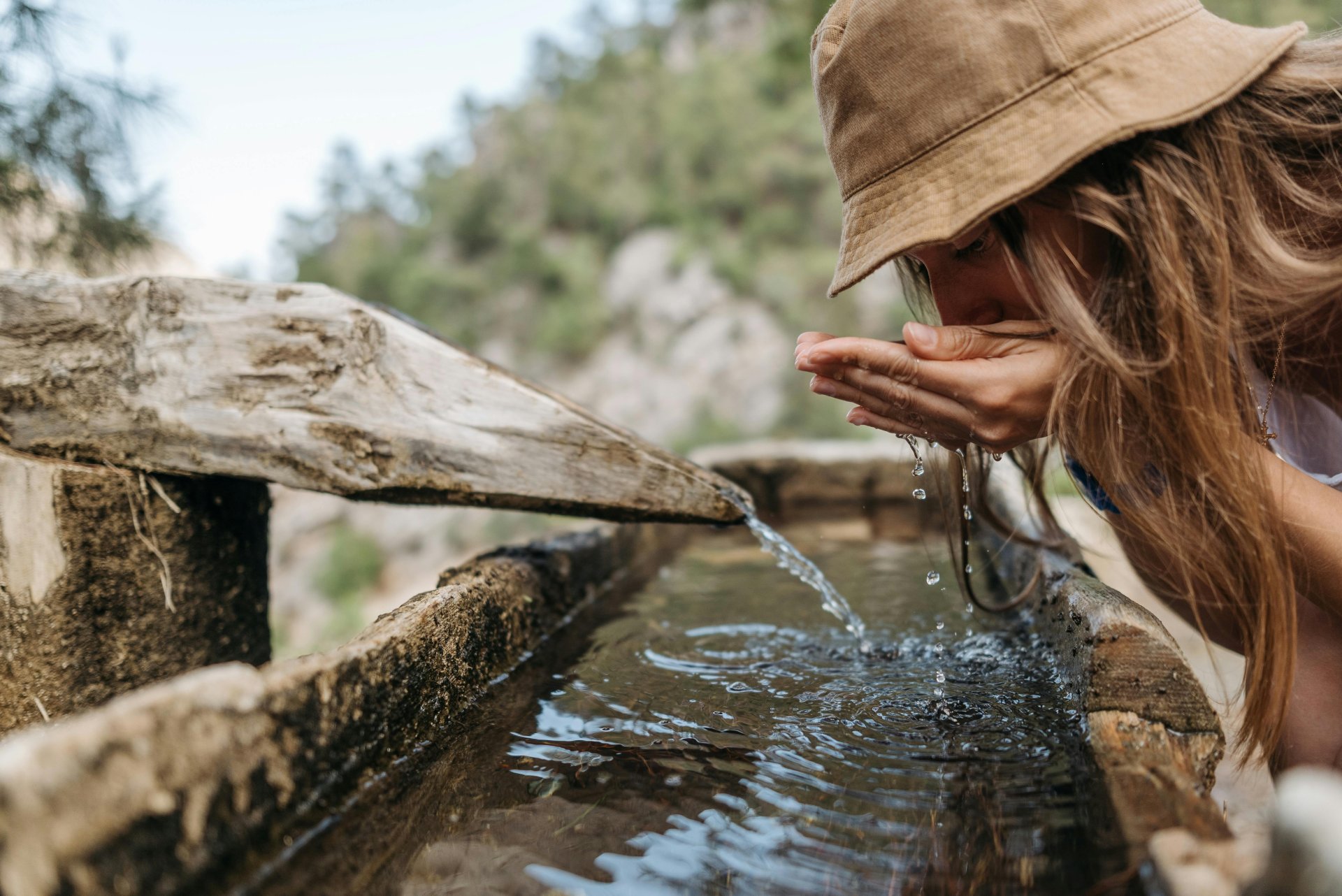
Travelers are frequently warned not to drink the water. But is all tap water bad for you? When traveling internationally, one of the most important considerations is the quality of tap water. While some countries ensure safe drinking water for residents and visitors, others pose significant health risks. This article explores the ten best and ten worst international destinations for drinking tap water, the potential dangers, and how tourists can prepare, protect, and recover.
Countries With the Safest Tap Water
Iceland
Pristine natural resources, including glacial melt, make Iceland’s tap water exceptionally pure and contaminant-free.
Norway
Norwegians benefit from an abundance of clean, fresh water from lakes and rivers. The tap water is treated to meet stringent safety standards, ensuring a refreshing drink.
Switzerland
Stringent water regulations ensure tap water is safe to drink, even from public fountains.
Japan
Advanced filtration systems keep Japan’s tap water clean and safe throughout the country.
Australia, Germany, Finland and Canada
These countries enforce strict water quality standards and testing protocols, guaranteeing safe drinking water.
Singapore
Singapore’s tap water is among the best in the world, subject to rigorous testing and treatment processes. The government ensures that residents and tourists can drink water straight from the tap.
New Zealand
With abundant natural resources, New Zealand’s tap water is safe to consume in most areas. The country prioritizes water quality, ensuring that locals and visitors can hydrate safely.

Countries with Unsafe Tap Water
India, Mexico, Nigeria, Indonesia and Egypt
These countries suffer from water contamination due to poor infrastructure. Bacteria and parasites enter the water system and potentially cause gastrointestinal diseases. Tourists are advised to drink bottled water or use purification methods.
Bangladesh and Peru
Unsafe drinking water poses significant health risks due to improper sanitation. Tap water is often contaminated with bacteria and other pathogens. Travelers should stick to bottled water, especially in rural areas.
Haiti and the Philippines
Despite efforts, these countries still struggle with water quality issues and tap water may contain harmful microorganisms. Tourists should avoid drinking tap water altogether.
Vietnam
While major cities may have improved water quality, tap water in many areas remains unsafe. Tourists are advised to drink bottled water.
Dangers of Drinking Contaminated Water
Drinking tap water in unsafe destinations can lead to various health issues, including:
- Gastrointestinal Infections: Bacteria like E. coli and Salmonella can cause severe diarrhea, vomiting, and dehydration.
- Parasitic Infections: Parasites such as Giardia can lead to long-term digestive problems.
- Chemical Contaminants: Heavy metals and other pollutants can result in chronic health issues, affecting the liver, kidneys, and nervous system.
- Cholera and Typhoid Fever: In areas with poor sanitation, these diseases can be transmitted through contaminated water.

Filter or Purify?
Filtering or purifying tap water while traveling can remove harmful contaminants, such as bacteria, viruses, and parasites, making previously unsafe water safe to drink. Using tools like portable water filters, purification tablets, or UV light purifiers, travelers can protect themselves from waterborne diseases and enjoy safe hydration even in regions with compromised water quality.
“Filtering and purifying water are two different, yet important things,” said Jeff Weinstein, a paramedic and manager of medical operations at Global Rescue. “It is important for the user to understand the difference and importance of both.”
The definition of water purification — the process of removing chemicals, contaminants, suspended solids and gases from water — doesn’t hold for all commercial products. There’s a difference between filters and purifiers:
- Filters strain out protozoan cysts (like Giardia lamblia) and bacteria (like Cholera). Filters also remove dirt, plastic, and other sediments.
- Purifiers catch viruses, like hepatitis A and norovirus, which are too small for most filters.
Water filters provide different levels of protection. There are products that can provide 0.1 micron filtration for bacteria, while others filter to 0.2 microns and remove bacteria, parasites and microplastics. Then some filters only make your water taste better, so read the product details carefully before selecting one.
In Ghana, more than half the people have limited sanitation services. In this case, you’ll want to purify drinking water. When traveling in less developed countries where sanitation is unreliable, it’s more likely that pathogens will make their way to the faucet.
“Water purification can occur through the use of chemicals (such as chlorine and iodine), by boiling water, or by utilizing UV rays,” Weinstein said.
Boiling kills all the bacteria, viruses and protozoa swimming around in the water. If done properly, the radiation from UV light will also destroy bacteria and other organisms. Chlorine dioxide or iodine tablets will also help, but some strains are extremely resistant to chemical disinfectants.
“Iodine tablets are for emergency purification of water; they shouldn’t be the primary plan for having clean water,” says Harding Bush, associate director of security operations at Global Rescue.
Weinstein recommends combining filtering and purifying water while traveling — every single time you drink from a water source.
“It’s what we learned in wilderness school. There are two means of treating water for drinking purposes: filter it, and then purify it. Period,” Weinstein said. There are products, like the MSR Guardian, that do both at the same time.

Did You Drink Tap Water and Get Sick?
If you think you may be ill from drinking unsafe water, there are steps to take to recover.
First, be aware of symptoms indicating waterborne illnesses, such as diarrhea, stomach cramps, nausea, and fever. Early identification can help you seek medical attention promptly.
Second, stay hydrated. If you experience gastrointestinal issues, it is crucial to hydrate. Use oral rehydration solutions (ORS) or electrolyte packets to replenish lost fluids and minerals. If symptoms persist or worsen, seek medical assistance. If you suspect you have contracted a serious disease, such as cholera or typhoid fever, consult a healthcare professional immediately for diagnosis and treatment.
Try probiotics for recovery. After an upset stomach, consider taking probiotics to help restore gut flora. Yogurt with live cultures or probiotic supplements can aid in recovery.
The Global Rescue Connection
When you’re a Global Rescue member, no medical request is too small. Medical advisory services are included with every Global Rescue travel protection services membership. Do you have a mild upset stomach or severe TD with cramping? Are symptoms getting worse? With more than a million members, you can imagine the number of calls at Global Rescue.
Some questions, like “Do I have a gastrointestinal infection” or “Have I contracted Salmonella” are precisely the reasons to contact Global Rescue to help sort out whether your symptoms are a minor concern or something more serious.
Medical advisory services are here to answer questions and provide guidance for our members’ concerns. There are many ways to contact Global Rescue for medical advisory services: an email, a phone call or a quick message on the Global Rescue Mobile App.
Drinking tap water while traveling can be a convenient way to stay hydrated, but it comes with risks. Understanding which destinations have safe drinking water and which do not is crucial for a healthy travel experience. By preparing ahead, taking precautions, and knowing how to recover from potential issues, travelers can navigate the global landscape of drinking water with confidence.
Whether you’re sipping from a glacial stream in Iceland or reaching for a bottle in the streets of Mexico, being informed and prepared ensures that your travels remain enjoyable and safe. Always prioritize your health and well-being and remember that hydration is essential—not just for your body, but for making the most of your travels abroad.
Categories:
Places & PartnersTravelNovember 7, 2024
Article Highlights:
- International Ice Fishing Hotspots: Explore the best ice fishing locations worldwide, including the United States, Canada, Finland, and more.
- Optimal Fishing Seasons: Learn when to plan your ice fishing trip for the best catch, typically between late December and early March.
- Target Species: Discover the variety of fish you can catch while ice fishing, such as trout, perch, and walleye.
- Safety First: Understand the dangers of ice fishing and how to mitigate risks for a safe experience.
- Expert Insights: Gain valuable tips and advice from seasoned ice fishing experts to enhance your fishing adventure.
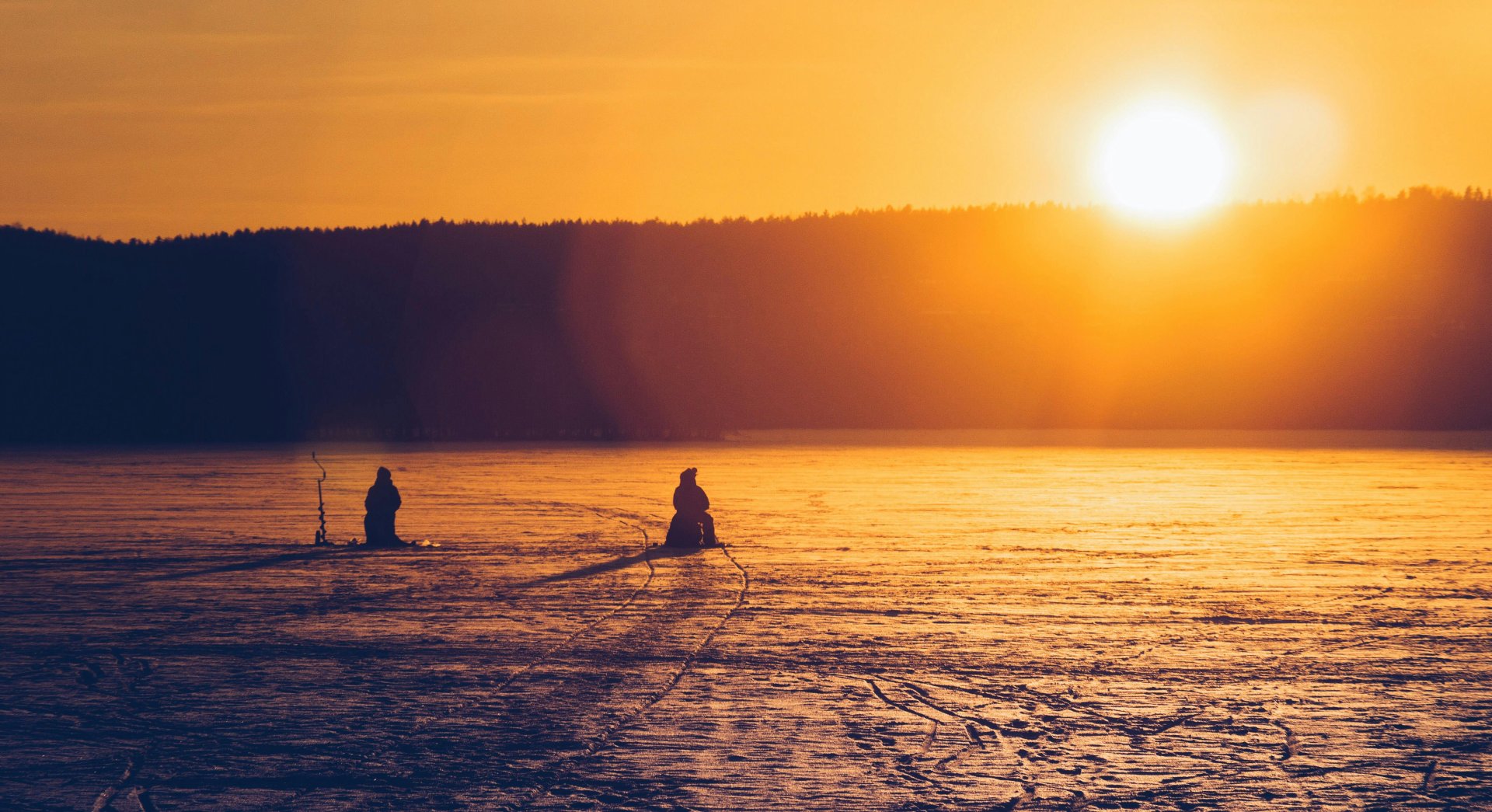
Ice fishing is more than just a way to catch fish, it’s an experience that combines adventure, nature, and camaraderie. Ice fishing “gives us an opportunity to be active and get outside at a time when so many people don’t,” said fishing expert Nicole Stone. As winter blankets lakes and rivers with a sheet of ice, it creates a unique opportunity for anglers to fish in a way that is both challenging and exhilarating. Ice fishing, or fishing through drilled holes in frozen lakes and rivers, offers a unique experience with a sense of tranquility and adventure.
Ice fishing is especially popular in North America and Scandinavia, where harsh winters make frozen lakes accessible and traditional. Communities in Canada and the Nordic countries celebrate ice fishing as part of their heritage. Additionally, Europeans and North Americans are embracing modern ice fishing technologies and traveling to explore new destinations.
Most of the fish caught—such as walleye, trout, and Arctic char—are edible and considered delicacies in local cuisines. These fish are safe to consume if properly prepared, which adds to the appeal for anglers looking for a rewarding catch-and-cook experience.

Best Time of Year for Ice Fishing
The prime ice fishing season typically runs from late December to early March, depending on the geographical location and climate. During these months, ice thickness reaches optimal levels, providing a safe platform for anglers. In northern regions, ice can be thick enough as early as mid-December, whereas, in southern areas, it may take until late January for reliable ice conditions.
Types of Fish You Can Catch
- Walleye: A popular target among ice anglers, walleye are known for their delicious taste and challenging catch.
- Northern Pike: Known for their size and ferocity, northern pike are thrilling to catch and can be found in many lakes.
- Trout: Many anglers seek ice fishing for trout, which can be found in colder waters and often bite aggressively during the winter.
- Perch: Often found in schools, perch can provide a fun and active fishing experience, especially for beginners.
- Whitefish: This fish is prized for its delicate flavor and can be a delightful catch in many northern lakes.
Best International Ice Fishing Destinations
- Lake Inari, Finland – The country’s vast lakes, like Lake Inari, provide prime fishing grounds for salmon and trout. Early winter (December) is ideal, as well as March when temperatures ease but ice remains.
- Kangerlussuaq Fjord, Greenland – An extreme fishing adventure with arctic char and northern lights. You can reach the ice fishing location by boat, dog sled, or snowmobile.
- Iceland – Known for its geothermal features, Iceland also boasts excellent ice fishing opportunities. Anglers can target species such as trout and salmon in its pristine lakes while enjoying breathtaking views of the surrounding landscapes.
- Norway – Norwegian fjords freeze over in some parts, where you can catch Arctic char and cod. Ice fishing here is best in February and March.
- Lake Baikal, Russia – The enormous Lake Baikal offers stunning views and the chance to catch omul fish. January and February are the peak seasons. Lena River in Siberia is a hot spot for perch or roach on the 11th longest river in the world. The U.S. State Department advises against travel to Russia due to the ongoing war in Ukraine and the risk of terrorism. The U.S. Embassy has limited ability to assist US citizens in Russia.
- Lake Vänern, Sweden – Lake Vänern, the largest lake in Sweden, allows anglers to reel in trout and pike during the deep winter months.
- Lake of the Woods, Ontario – Dubbed the “Walleye Capital of the World,” this lake spans the U.S. and Canada, offering great fishing for walleye, northern pike, and sauger in a scenic setting.
- Lake Simcoe, Ontario – One of the most popular ice fishing spots in Canada, known for its abundance of perch, trout, and whitefish.
Best Ice Fishing in the United States
- Silver Lake, California – Close to Lake Tahoe, this destination offers rainbow, brown, and brook trout fishing, proving that ice fishing isn’t confined to northern climates.
- Henrys Lake, Idaho – Known for producing trophy-sized trout, Henrys Lake is a popular spot for anglers seeking cutthroat and brook trout.
- Brainerd Lakes, Minnesota – Known for its range of fish, including walleyes, northern pike, and panfish, Brainerd offers a complete ice fishing adventure with numerous lakes and guiding services nearby.
- Lake of the Woods, Minnesota – Dubbed the “Walleye Capital of the World,” this lake spans across the U.S. and Canada, offering great fishing for walleye, northern pike, and sauger in a scenic setting.
- Fort Peck Reservoir, Montana – With over 50 fish species, including chinook salmon and lake trout, this is one of the largest man-made reservoirs in the U.S., attracting avid anglers year-round.
- Devils Lake, North Dakota – Famous for its expanding water area, the lake provides prime fishing opportunities for giant perch, walleye, and northern pike.
- Sheridan Lake, South Dakota – Situated in the Black Hills, this lake offers fishing for pike, bass, and trout in a scenic mountain setting.
- Boom Lake, Wisconsin – A smaller lake famous for muskellunge, panfish, and northern pike, offering a laid-back and productive fishing experience.
- Green Bay, Wisconsin – Part of Lake Michigan, this area is famous for its whitefish and perch, providing excellent fishing and local culinary experiences.
Each location offers something unique, from scenic beauty to diverse fish species, making them ideal for anglers of all skill levels. However, when planning a trip, it’s essential to stay informed about local weather and ice conditions to ensure safety on the ice.

Expert Tips and Recommendations
Preparation and Location: Experts recommend rigging rods and preparing equipment at home to save time on the ice. Martin Koenig advises using lake maps to identify features like humps or ledges where fish tend to gather. It’s crucial to drill multiple holes to increase your chances, especially if the fish are moving in schools.
Tackle and Techniques: Use small hooks and light lines since fish are less active in cold conditions. Kevin Meyer emphasizes subtle jigging techniques, varying depth and movement until you find what attracts fish. He also recommends switching between jigging different rods to increase bites, especially with species like trout.
Safety Precautions: Stay warm by using hand towels to dry hands after drilling or baiting, preventing cold-related issues. Ice safety is critical—never fish alone and consider using safety picks in case you need to pull yourself out if the ice breaks. Mark Beauchesne, fishing expert and guide recommends multiple layers of clothing protection sheltering you from the cold. “Pack extra clothing to keep safe in your car, because let’s face it, something is bound to get wet and if you don’t have a backup, things can turn south pretty quickly in frigid conditions.”
Use of Technology: Dave Genz is known for his innovative ice fishing techniques and equipment. “You need a depth finder, rigged for fishing through the ice, to get the most out of the sport. You simply can’t fish the way you have to without one.”

Dangers of Ice Fishing
Ice fishing has inherent risks, especially when the ice is too thin. As temperatures fluctuate, it’s essential to monitor weather conditions. A consistent freeze is ideal for solid ice formation, while sudden thaws can create hazardous conditions. Hypothermia, frostbite, and falling through the ice are potential dangers. It is crucial to use ice picks, carry flotation gear, and stay updated on local weather conditions to ensure safety. Advanced equipment, including thermal shelters and modern sonar devices, helps anglers remain safe and productive on the ice.
- Thin Ice – One of the most significant hazards is the thickness of the ice. Ice should be at least 4 inches thick for foot traffic and ideally thicker for vehicles. Always check local ice conditions and consult with local authorities or fishing guides.
- Weather Changes – Sudden weather changes can create dangerous conditions. Heavy snow can insulate the ice, leading to melting underneath, while strong winds can lead to rapidly changing conditions.
- Hypothermia and Frostbite – Anglers must dress appropriately for the cold. Hypothermia can occur even in temperatures above freezing if a person is wet or exposed to wind for extended periods. Layers of moisture-wicking, insulated clothing and waterproof outer layers are essential.
- Equipment Safety – Using sharp tools, like augers and hooks, demands caution. Accidental injuries can occur, so having a first-aid kit on hand is always prudent.
- Falling Through the Ice – Despite all precautions, there’s always a risk of falling through the ice. It’s crucial to carry safety equipment, such as ice picks and a rope, and to fish with a buddy whenever possible.
If an emergency occurs, countries like Canada, Sweden, the U.S. and Finland have highly regarded healthcare systems, offering reliable emergency services for outdoor enthusiasts. In more remote areas of Russia or Norway, access to medical assistance can be limited, underscoring the importance of being well-prepared and aware of safety protocols.
The Global Rescue Connection
Angling, in all its forms, offers an exciting and rewarding challenge. Whether it’s the chill of ice fishing, the thrill of deep-sea fishing, the precision of fly fishing or the coastal challenge of surfcasting, anglers have no shortage of destinations to explore.
With these experiences come risks, however. Hypothermia, frostbite, bites and lacerations are some of the dangers. Understanding the dangers and taking precautions can ensure that fishing adventures, like ice fishing on a frozen lake, remain enjoyable and safe.
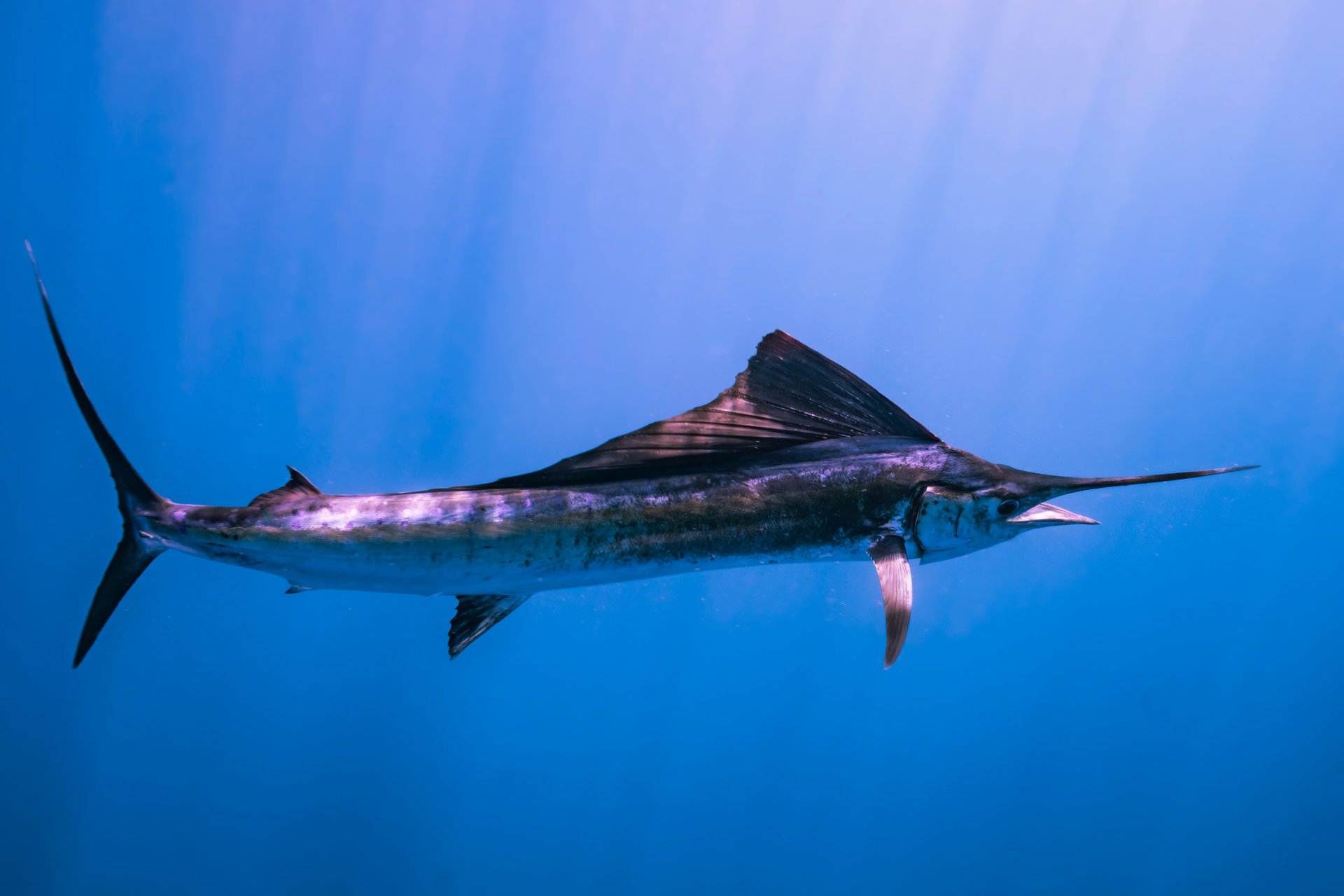
Whether you’re ice fishing on Lake Vänern in Sweden for Arctic char, deep-sea fishing off the Nicoya Peninsula in Costa Rica for sailfish, fly fishing in New Zealand in the Tongariro and Waiau rivers for big brown trout, or surfcasting South Africa’s Cape Point for kingfish, remember to hook a Global Rescue membership.
“Travel smart and be prepared. When it comes to medical evacuation and security insurance, my recommendation is to never leave home without [a Global Rescue membership],” said Yellow Dog Flyfishing’s Jim Klug.
Are you a fishing outfitter, guide or operator? Learn how partnering with Global Rescue is perfect for you and your fishing adventurers exploring the remote and sometimes rugged terrains around the world.
Categories:
Places & PartnersTravelNovember 6, 2024
Article Highlights
- Top Global Destinations: Locations like the Outer Banks, Cape Town, and Fraser Island offer world-class surfcasting opportunities.
- Catch and Eat: Popular species like Redfish, Snapper, and Whiting are not only fun to catch but also delicious when cooked.
- A Growing Segment: Surfcasting is increasingly popular in North America and Europe, with more anglers enjoying the thrill of beach fishing.
- Dangers of Surfcasting: Currents, wildlife, and weather extremes are the primary dangers anglers must prepare for.
- Healthcare and Safety: Always be aware of local healthcare quality and have an emergency plan, especially when fishing in remote areas.
Surfcasting, also known as shore casting, surf fishing, or beach fishing, is a popular way to catch fish from beaches or shorelines without needing a boat. Whether on vacation or as a weekend hobby, fishing from the beach offers excitement and the chance to reel in various species. This type of fishing is popular in many coastal areas around the world, with some destinations standing out for their prime fishing conditions and rich marine life.
Surfcasting is particularly popular among North Americans, especially those living along the Atlantic and Pacific coasts. It is also gaining traction in Europe, particularly in countries like the UK, Spain, and Portugal. The accessibility of this type of fishing and the variety of species available make it an attractive option for anglers from both continents.
Top 10 International Destinations for Surfcasting

Outer Banks, North Carolina, USA
- The Outer Banks is popular among North American anglers, with locals and tourists enjoying beach fishing year-round.
- Fish Species: Red Drum, Bluefish, Flounder, Pompano
- Edibility: Most species caught here, like Bluefish and Flounder, are excellent for eating.
- Dangers: Strong currents, rip tides
- Healthcare Rating: Excellent emergency services and healthcare facilities in nearby towns.

Galveston, Texas, USA
- Beach fishing is well-loved by locals and tourists.
- Fish Species: Speckled Trout, Black Drum, Redfish
- Edibility: Redfish and Speckled Trout are popular table fare.
- Dangers: Jellyfish, sharks, strong surf
- Healthcare Rating: Good healthcare services in Galveston, quick access to emergency services.

Cornwall, England, UK
- Shore casting is a common hobby among European anglers, with Cornwall being a favored spot.
- Fish Species: Bass, Mackerel, Pollock
- Edibility: Mackerel and Pollock are especially good for eating.
- Dangers: Rocky shorelines, unpredictable tides
- Healthcare Rating: Excellent public healthcare services through the NHS, easily accessible from major coastal towns.

Andaman and Nicobar Islands, India
- It is growing in popularity among adventure anglers from Europe and Asia.
- Fish Species: Barracuda, Trevally, Snapper
- Edibility: Snapper is highly sought after for eating.
- Dangers: Strong currents, sharks
- Healthcare Rating: Moderate, with healthcare facilities limited but available in larger towns. Emergency services may take time to reach remote locations.

Fraser Island, Queensland, Australia
Surfcasting is very popular among Australians, and Fraser Island is a hotspot for this activity.
Fish Species: Tailor, Whiting, Flathead
Edibility: Whiting and Flathead are prized for their delicate flavors.
Dangers: Jellyfish, sharks
Healthcare Rating: Good healthcare available in nearby towns, but remote locations on Fraser Island can delay emergency response times.

Huatulco, Oaxaca, Mexico
- Beach fishing is becoming increasingly popular in Mexico, especially among international tourists.
- Fish Species: Roosterfish, Jack Crevalle, Snapper
- Edibility: Snapper and Jack Crevalle are good eating fish.
- Dangers: Heat exhaustion, stingrays
- Healthcare Rating: Adequate healthcare, but rural areas may experience delays in medical attention.

South Island, New Zealand
- Surfcasting is a long-standing tradition among locals and an increasingly popular activity for tourists.
- Fish Species: Kahawai, Snapper, Blue Cod
- Edibility: Snapper and Blue Cod are highly prized for their taste.
- Dangers: Cold water, strong surf
- Healthcare Rating: Excellent healthcare is available in most regions, though remote areas may delay access to emergency services.

Cape Town, South Africa
- Surf fishing is a favorite pastime for many South Africans and international visitors.
- Fish Species: Yellowtail, Galjoen, Kob
- Edibility: Kob and Yellowtail are delicious when grilled or smoked.
- Dangers: Shark attacks, strong currents
- Healthcare Rating: Moderate to good healthcare in Cape Town, with reliable emergency services. Rural areas may present challenges.
-

Fisherman Statue, Canary Islands, Spain Popular among European anglers, particularly those visiting from mainland Spain.
- Fish Species: Sea Bass, Dorado, Mullet
- Edibility: Dorado and Sea Bass are excellent for eating.
- Dangers: Rocky coastlines, unpredictable waves
- Healthcare Rating: Good healthcare services in the more populated islands, and emergency services are reliable.

Maui, Hawaii, USA
- Beach fishing is popular among locals and tourists, particularly those interested in catching prized species like Bonefish.
- Fish Species: Bonefish, Trevally, Papio
- Edibility: Trevally and Papio are good for consumption.
- Dangers: Sunburn, jellyfish
- Healthcare Rating: Excellent healthcare and emergency services are easily accessible.
What Can You Catch, and Can You Eat It?
Each destination offers a variety of fish species, many of which are excellent for consumption. Popular catches like Redfish, Snapper, and Trevally are known for their great taste, however, Barracuda and Roosterfish may not always be suitable to eat due to the potential for toxins like ciguatera.
Before cooking and consuming fish, it’s essential to understand local regulations, as some areas may restrict specific species or limit size. It’s also good practice to ensure that the fish is fresh, properly cleaned, and cooked to avoid any health risks.
Dangers of Surfcasting
While surfcasting and shore casting are enjoyable and often relaxing, there are some inherent dangers that fishermen need to be aware of, including:
- Strong currents and rip tides: Always stay aware of ocean conditions, as strong waves can pull even experienced anglers out to sea.
- Wildlife hazards: In some areas, jellyfish, sharks, stingrays, and other dangerous creatures can pose a risk.
- Weather extremes: Heat exhaustion, sunburn, and dehydration are common risks, especially in tropical or desert environments.
- Physical strain: Carrying heavy gear over long distances or navigating rocky terrain can lead to injuries.
Experts Cast Pro Tips
Casting form
Start slowly, then accelerate your cast to top speed just before your rod tip stops. Point your front foot towards the water, and make sure your weight is in line with the guide closest to your reel, advise the pros at Norrick Fishing.
Rod action
A fast action rod bends more near the tip and is better for casting distance, recommend the experts at Outdoor Pro Shop.
Tackle
Surfcasting requires a leader, especially when going after fish with big teeth and fishing around structures and rocks. A steel leader with its strength in the 30–100 lb. range (depending on what you’re targeting) will keep the fish on. It’s also recommended to use a shock leader when surf casting. You’ll minimize the chances of your line breaking and losing your tackle, plus the line will be easier to handle, according to Fishing Booker.
Sinkers – also known as weights – are another important component of your ensemble. There’s a variety of sinkers you can use like egg, bullet, slip, teardrop, pyramid, or sputnik sinkers. The type you use will depend on the water movement and the bottom type. Pyramid sinkers (3 ounces) are the most popular choice for sandy bottoms.
Hooks – it’s a good idea to have spare hooks in your tackle box, ranging from 1/0 to 8/0 sizes. Match the size of your hook to the size of your bait, and consequently, to the size of the catch you want. Circle hooks, J-hooks, and wide-gap hooks all work well,
Bonus Tips
For maximum protection against sharp teeth, choose a steel leader with a high breaking strength depending on the size of the fish you’re targeting. A shock leader, is a heavier line attached to your main line, helps absorb the force of a cast and prevents your primary line from breaking, especially when using heavy weights or casting long distances. Fish during lighter tides, usually two hours before and after high tide.
The Global Rescue Connection
Angling, in all its forms, offers an exciting and rewarding challenge for fishing enthusiasts. Whether it’s the thrill of beach fishing, deep-sea fishing, or the challenge of the precision of fly fishing, anglers have no shortage of destinations to explore.
However, with these experiences come risks. Bites, stings, lacerations, and rashes, are some of the minor issues that could become serious if not examined and treated. Heat stroke, heart attack and back injuries are potential emergencies facing anglers, too. Understanding the dangers and taking precautions can ensure that fishing adventures remain enjoyable and safe.
Whether you’re surfcasting along the Outer Banks, the shoreline of Huatulco, or on the beaches of South Island, remember to hook a Global Rescue membership.
“Travel smart and be prepared. When it comes to medical evacuation and security insurance, my recommendation is to never leave home without [a Global Rescue membership],” said Yellow Dog’s Jim Klug.
Are you a fishing outfitter, guide or operator? Learn how partnering with Global Rescue is perfect for you and your fishing adventurers exploring the remote and sometimes rugged terrains around the world.
Categories:
Security & IntelligenceTravelNovember 5, 2024
Article Highlights
- Fake websites target travelers using duplicitous URLs.
- Street con artists take your valuables by disguising themselves as guides.
- Ride-share impersonators are rampant, but you can spot and avoid them.
- Intimidation tactics by street performers may try to shake you down for tips.
Navigating the minefield of scams and deceit they might potentially encounter abroad is a nasty reality for many travelers. Harding Bush, a former Navy SEAL and Global Rescue associate director of security operations, emphasizes the importance of being informed and vigilant while traveling.
“Travelers can be easy targets for scammers, pickpockets, and thieves. The more you know about the tricks and traps scammers use, the better off you’ll be on your next trip,” Bush warns.
Watch Out for These 6 Common Traveler Scams
The following is a list of some of the most common scams travelers should know, along with essential tips to avoid falling victim.
Fake Websites
One of the most insidious scams targeting travelers is the proliferation of fake travel document websites. These websites often masquerade as legitimate services that offer expedited passports or visas, but in reality, they aim to steal personal and payment information. Bush explains, “The website will not have a .gov address or may have a misspelling in the name – like govv.uk.com instead of .uk.gov – that you may not detect.”
To avoid falling victim to this scam, it’s crucial to start your passport or visa inquiry at official government websites. Only the federal government can process passports, while various authorized companies can expedite visa applications for a fee. “Citizens can receive an expedited passport quickly and directly from the government. It does take time and there are extra fees, but they are not exorbitant,” Bush adds. Always verify the legitimacy of the website before providing any personal information.
Car rental scammers set up a website that looks like a legitimate rental car company. But when you call and reserve a car your information and credit card information is stolen. Look closely at the website, phone number, URL address and e-mail addresses and you will more easily spot the fakes. “Thieves hope that travelers are overwhelmed, stressed, confused and likely making a reservation from a smartphone while handling other, distracting issues,” Bush said.
Accommodation scammers may list fake properties on bogus vacation rental websites, collecting deposits for accommodations that don’t exist. Always book through reputable platforms and read reviews.
Travel insurance rip-offs are the product of disreputable companies offering travel insurance that sounds appealing but is either very limited or nonexistent. Always read the fine print and purchase insurance only from reputable sources.
Street Cons Targeting Tourists
Street cons can take many forms and often catch tourists off guard.
Ride-share impersonators are crooks posing as drivers, picking up unsuspecting tourists and charging them exorbitant fees. Always confirm the driver’s identity and vehicle before getting in.
A close criminal cousin to ride-share imposters are taxi drivers who overcharge tourists unfamiliar with the local taxi services and protocols. Travelers are often approached at baggage claim by a person offering a taxi into the city. They are annoying and persistent. Before your trip, research where the taxi line is at your arrival airport and the usual cost for a taxi to your destination. “Arrange taxis through the hotel; it’s safer,” Bush said.
Fake tour guides are scammers posing as official tour guides and offer tours at inflated prices or lead tourists to overpriced shops or restaurants. Some phonies will tell you an attraction is closed and try to sell you access. Don’t buy it. Go to the official website and do real research. “Don’t take the word of a stranger on the street selling tours,” Bush said. Always verify credentials or book through reputable agencies.
Fake charity collectors approach you asking for donations for a fictitious charity or social cause. They can be convincing, so it’s essential to verify any charity before contributing.
One common tactic involves individuals posing as friendly locals who engage tourists in conversation only to distract them while an accomplice pickpockets them. Bush advises, “Always be aware of your surroundings and secure your belongings. If someone approaches you in a crowded area, be cautious.”
Intimidation Cons
Another alarming trend is the use of intimidation tactics by street performers. These individuals may engage in seemingly harmless acts, such as juggling or dancing, before aggressively demanding tips. These pushy street performers may become confrontational if they feel they haven’t received enough compensation for their “entertainment.”
Beware of someone offering you a free bracelet or jewelry. They claim to give you a free bauble, then demand payment after putting it on you. They may become aggressive if you refuse to pay.
If you find yourself in a situation where someone is being overly aggressive, it is best to walk away confidently but calmly.
Pickpockets Using Distraction
A thief “accidentally” spills a drink on you and then offers to help clean it up, often using this distraction to pick your pocket or steal from you.
Another scam is the “stolen wallet” play. Scammers approach you, claiming to have found your wallet or purse, and use this as an opportunity to engage with you and distract you while an accomplice steals your belongings.
ATM Scams
Thieves use skimming devices on ATMs or set up a fake ATM to capture card information. Avoid trouble by using ATMs located in secure areas. “ATMs are always vulnerable. Only use ATMs in safe and well-lit areas. Do a bit of surveillance before using a specific ATM. Use the buddy system, if possible, with one person taking out the money and putting it away while the other faces the other way, watching for threats,” Bush said.
Wi-Fi and Hotspots Danger
All public Wi-Fi is vulnerable to hackers and thieves looking to steal your data, even those that require a password. Always use a VPN that encrypts the internet connection. Use an international data plan with your home carrier. Turn off Bluetooth and file-sharing features. Be aware of the data you have and back up everything with two-factor authentication. That means you will need access to that phone number while traveling. Obtain an international calling and data plan that works in the country you are visiting.
The Best Traveler Scam-Blocker Defense
Knowledge is power, especially when it comes to travel. Before embarking on your trip, take the time to research not only your destination but also the common scams that occur there. Many travel blogs, forums, and government travel advisories provide valuable insights into what to watch out for.
“Being aware of your surroundings and staying informed about local customs and common scams can save you from headaches,” Bush emphasizes. Consider joining online travel communities where fellow travelers share their experiences and advice. This collective wisdom can be invaluable, especially in unfamiliar territories.
Despite your best efforts, you may still encounter a scam. If this happens, it’s essential to remain calm and composed. If a con artist is aggressive, avoid engaging in a confrontation. Politely, but firmly, walk away. If you have been scammed or if you witness a scam, report it to local authorities. This can help prevent others from falling victim to the same scam and may assist law enforcement in addressing the problem.
“Traveling is about exploration and adventure,” Bush concludes. “Don’t let scams ruin your journey. Equip yourself with knowledge and stay aware. That’s the best way to ensure a safe and memorable trip.”
The Global Rescue Connection
There will always be rip-off artists targeting tourists. To avoid falling victim to these scams, remain vigilant, trust your instincts, and always do your research before engaging with strangers or making transactions.
A Global Rescue membership includes travel services for passport and visa issues. Losing your passport in a foreign country can be a nightmarish bureaucratic ordeal. Travel insurance can provide coverage for lost or stolen belongings. Review the policy to understand what is covered and how to make a claim if needed. If you have travel questions, contact Global Rescue. Our in-house experts will always answer your outreach on your first call.
Categories:
Press ReleaseNovember 5, 2024
(Lebanon, N.H. – November 4, 2024) Overtourism is a rising concern among the world’s most experienced travelers, according to the Fall 2024 Global Rescue Traveler Sentiment and Safety Survey. Three out of four travelers (76%) expressed concerns about overtourism, while 31% have personally experienced it in 2024. The survey revealed slightly more men (33%) than women (28%) experienced overtourism in 2024 but women (83%) are more concerned about overtourism compared to men (74%).
The combination of the travel industry rebound and government inaction are contributing factors for overtourism, the negative impact caused when too many tourists visit a particular destination.
To keep pace and prevent overtourism, officials at popular and new destinations need to manage the tourism resurgence and growth. “Local governments can institute measures such as limiting the number of visitors to sensitive areas or promoting sustainable tourism practices,” said Dan Richards, CEO of The Global Rescue Companies and a member of the U.S. Travel and Tourism Advisory Board at the Department of Commerce.
Overtourism isn’t just a challenge for locals. “Travelers can reduce their impact by choosing off-peak seasons to visit and exploring lesser-known regions,” Richards explained. “Tourists and local authorities must collaborate to ensure that popular destinations are preserved for future travelers while respecting the needs of local communities. Solutions can include promoting lesser-known destinations and educating travelers on responsible tourism practices.”
Contact
Bill McIntyre at bmcintyre@globalrescue.com or +1 (202) 560-1195 (phone/text) for more information.
About the Global Rescue Traveler Sentiment and Safety Survey
Global Rescue, the leading travel risk and crisis response provider, surveyed more than 1,100 current and former members between October 1-20, 2024. The respondents revealed a variety of behaviors, attitudes and preferences regarding current and future travel.
About Global Rescue
The Global Rescue Companies are the world’s leading provider of medical, security, evacuation and travel risk management services to enterprises, governments and individuals. Founded in 2004, Global Rescue has exclusive relationships with the Johns Hopkins Emergency Medicine Division of Special Operations and Elite Medical Group. Global Rescue provides best-in-class services that identify, monitor and respond to client medical and security crises. Global Rescue has provided medical and security support to its clients, including Fortune 500 companies, governments and academic institutions, during every globally significant crisis of the last two decades. For more information, visit www.globalrescue.com.
Categories:
NewsNovember 1, 2024
Categories:
TravelNovember 1, 2024
Article Highlights:
- Avoid packing wrapped gifts in carry-on luggage due to potential security checks.
- Most holiday travelers avoid packing wrapped gifts in carry-on luggage, but 12% don’t.
- Use gift bags or wrap your gifts after you arrive at your destination.
- Shipping gifts ahead of time can save space and avoid damage.
As the holiday season approaches, millions of travelers are packing their bags for flights around the world, and many will include gifts for family, friends and colleagues.
Packing wrapped gifts in checked luggage is wise. But if travelers are planning to use carry-on baggage exclusively then they should know that tucking gift-wrapped presents in their rolling suitcases, backpacks or totes can pose challenges at airport security.
Wrapped Gifts and Security Screenings
The Transportation Security Administration (TSA) strongly advises against packing wrapped gifts in carry-on luggage. “The key issue is that TSA officers may need to open wrapped gifts if an item looks suspicious or cannot be identified through the scanner,” explained Harding Bush, a former Navy SEAL and associate director of security for Global Rescue. “Unwrapping gifts for inspection at the airport security checkpoint can delay travelers and create frustration, especially during the busy holiday season.”
Bush emphasizes the importance of complying with carry-on baggage rules to avoid unnecessary delays. “If TSA cannot determine what’s inside a package, they will ask travelers to unwrap it or confiscate the item,” Bush said. “It’s best to leave your gifts unwrapped and pack them in your checked luggage or wrap them once you reach your destination.”
A recent survey by Global Rescue revealed that 44% of travelers plan to fly during the winter holidays, and 12% plan to pack wrapped gifts in their carry-on luggage, risking potential delays due to TSA agents needing to inspect the package contents.
“Gifts are a wonderful part of the holiday season but unwrapping them at a TSA checkpoint is not what anyone wants to experience,” Bush said.

The Better Alternatives: Packing Wisely
Instead of risking the hassle of unwrapping at security checkpoints, Bush recommends shipping gifts ahead of time or using gift bags, which are easier for TSA agents to inspect. “If you choose to pack them in your checked luggage, you should still be cautious about delicate or breakable items. Consider wrapping gifts after you’ve cleared security,” Bush adds.
For those traveling with gifts in carry-on luggage, it’s vital to follow carry-on baggage rules closely. Prohibited items, such as liquids over 3.4 ounces, can lead to additional scrutiny from TSA. Items like perfume, alcohol or food-based gifts that don’t comply with the carry-on luggage rules should be packed in checked baggage instead.
To ensure a smooth travel experience, travelers should carefully plan their packing strategy. Adhering to the carry-on baggage rules is essential, especially during the holiday rush. “Taking a few extra moments to consider what goes into your carry-on or checked luggage can save time and stress later,” said Bush.
By following these tips and preparing wisely, holiday travelers can avoid unnecessary delays and ensure their gifts safely reach their destination wrapped and ready for the festivities.
Smart Packing Tips for Holiday Travel
Travelers planning to fly this holiday season can still bring gifts but should do so with a few smart packing strategies in mind:
- Use Gift Bags: One of the easiest solutions is to pack gifts in decorative gift bags instead of wrapping them. Gift bags are easy to access, don’t obscure the contents and can be reused once you arrive.
- Ship Gifts Ahead of Time: Consider shipping your gifts to your destination ahead of your travel date. Not only does this save space in your luggage, but it also avoids the risk of items being damaged or unwrapped during transit.
- Consider Wrapping After You Arrive: If you’re determined to present your gifts in wrapped paper, pack wrapping materials in your luggage and wrap the gifts once you reach your destination. This ensures you won’t have to redo the wrapping after airport security inspections.
- Check Baggage Limitations: If your gifts are fragile or large, it might be better to place them in your checked luggage. However, keep in mind that TSA can still inspect checked baggage, and there is always the possibility of damage during transport.
- Follow TSA Guidelines: Review the TSA guidelines before packing any gifts. Restrictions on liquids, gels and sharp objects still apply during the holiday season, so make sure that any gifts you bring comply with security regulations.
Give the Packable Gift of a Global Rescue Membership
You can send family, friends, colleagues and other loved ones on their dream vacations, bucket list travels, adventure excursions and business trips with the peace of mind that comes with the travel protection they need should a medical emergency arise during travel. Give them the gift of travel protection by giving them a Global Rescue membership. It’s easy to pack and provides membership in the world’s leading field rescue, medical and security evacuation, intelligence and telehealth company.