Categories:

Travel
Share This:

What Are the Best Travel-Sized OTC Medications Every Traveler Should Pack?

What’s legal to pack when traveling abroad.

Article Highlights:

  • Travel-size OTC drugs cover digestive issues, pain, colds, allergies, motion sickness and minor injuries.
  • Original packaging and prescription copies are essential for international travel.
  • Several countries ban common American OTC medicine like Sudafed and codeine.
  • Ingredient awareness prevents duplication and legal trouble abroad.
  • Global Rescue provides medical advisory and evacuation when local care is limited.


Travel is unpredictable. Time zone changes, unfamiliar foods, crowded flights and changing climates can turn minor discomforts into trip-disrupting problems. Packing the right travel size OTC drugs (over-the-counter medicines) can mean the difference between powering through an itinerary or losing days to avoidable illness.

The challenge isn’t deciding what to bring, it’s understanding which OTC medicine earns its place in your bag, how to pack it legally for international travel and where common North American remedies may be restricted or banned.

The questions international travelers need to answer before crossing borders include: what are the most useful travel size over the counter drugs for common ailments and how should they pack them?


Digestive Relief: The Most Frequently Used Travel Medications

Digestive problems top the list of travel complaints. New cuisines, water quality differences, stress and long flights all take a toll.

Antacids such as Tums or Rolaids are essential for heartburn and indigestion, especially after heavy or unfamiliar meals. For more serious issues, OTC gas relief products containing simethicone help reduce painful bloating that often comes with long flights or sudden dietary changes.

Anti-diarrheal medications like loperamide (Imodium) or bismuth subsalicylate (Pepto-Bismol) are critical when traveler’s diarrhea strikes. Capsules are preferable to liquids for portability and TSA compliance. On the opposite end of the spectrum, travel-related constipation is common, making stool softeners or gentle laxatives like senna valuable additions.

Digestive issues are also among the most common reasons travelers seek medical help abroad, making these medications some of the highest-value items you can pack.


Pain, Fever and Inflammation: Small Pills, Big Impact

Few things derail a trip faster than unmanaged pain or fever. Over the counter pain medicine should be considered non-negotiable.

Ibuprofen and naproxen are effective for inflammation, muscle soreness, headaches and menstrual cramps. Acetaminophen is essential for travelers who cannot tolerate NSAIDs and is often included in OTC cold medicine, making ingredient awareness important.

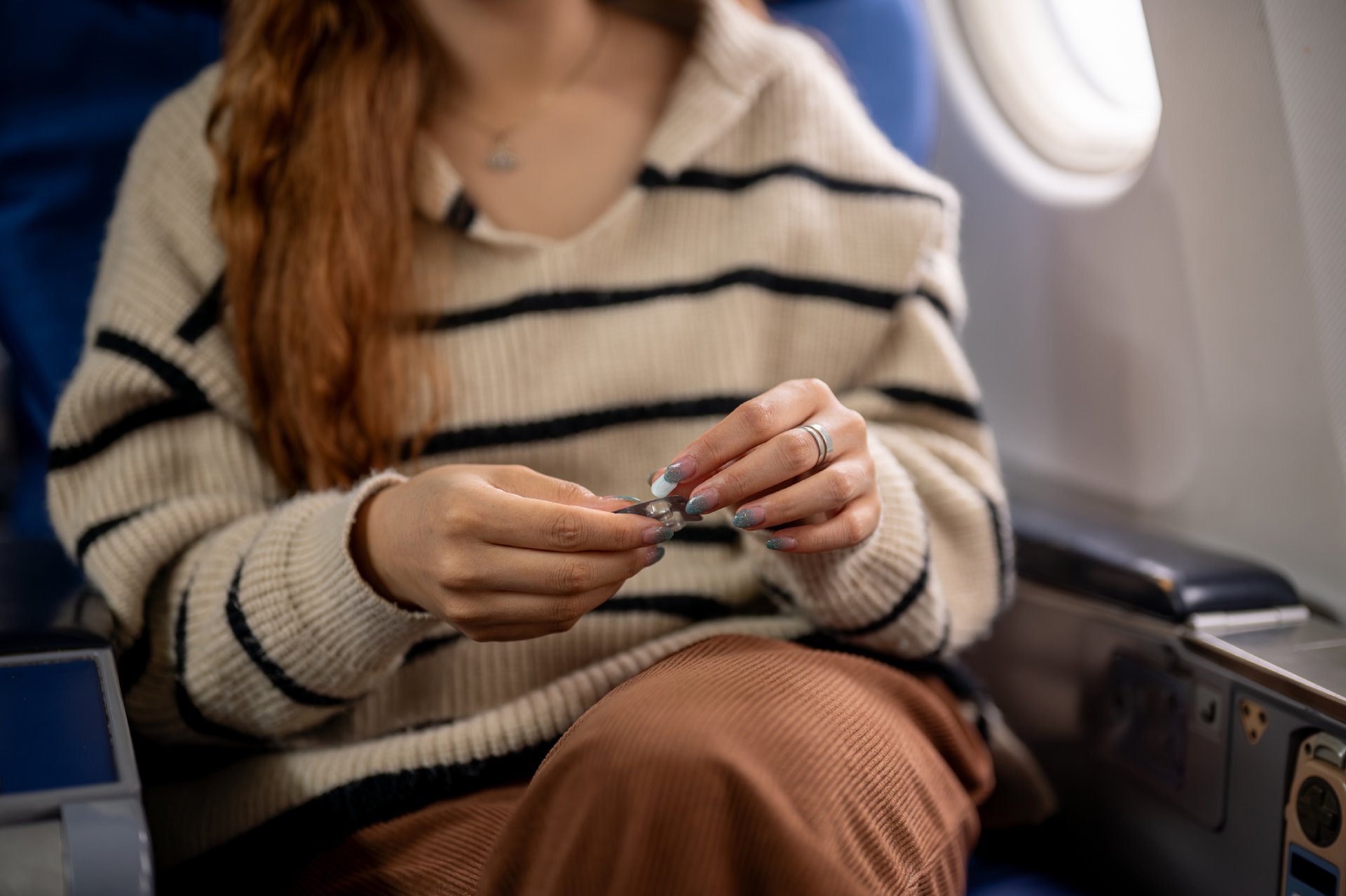
Travel-size blister packs reduce bulk and help prevent accidental overuse. They also simplify customs inspections by clearly identifying the medication.


Allergies, Sinus Pressure and Airplane Ear

Allergic reactions and congestion are magnified when flying or moving between climates. Non-drowsy antihistamines like loratadine or cetirizine are ideal for daytime symptom control, while diphenhydramine offers relief for acute reactions and can double as a sleep aid.

Decongestants are particularly useful for sinus pressure and “airplane ear.” A dose before takeoff and landing can significantly reduce discomfort caused by pressure changes. These medications are effective but require caution, some countries strictly regulate or ban them.


Motion Sickness and Nausea

Road trips, ferries, small planes and winding mountain routes can trigger nausea even in seasoned travelers. Dimedhydrinate and meclizine remain the most reliable options. Meclizine’s longer duration and reduced drowsiness make it a preferred choice for multi-day journeys.

These medications are compact, inexpensive and often unavailable in familiar formulations abroad, making them ideal travel size OTC drugs.


Cold, Cough and Sore Throat Essentials

Crowded airports and dry cabin air make colds nearly unavoidable. Over the counter cold medicine combinations offer convenience but require careful label reading to avoid duplicate ingredients.

Cough suppressants and expectorants help manage symptoms without sedation. For sore throats, lozenges are among the most compact and practical options for over the counter medicine for sore throat relief, especially during long flights or tours.

When choosing OTC cold medicine, prioritize single-symptom products to minimize interactions and simplify international compliance.


Skin, Wound, Eye and Ear Care

Minor injuries become bigger problems when ignored. Hydrocortisone cream relieves insect bites and rashes, while antibiotic ointments prevent infection in small cuts. Antifungal creams are particularly useful in humid destinations.

Artificial tears combat dry air during flights and ear drops help prevent swimmer’s ear, common after beach travel or diving.

Electrolyte rehydration salts are essential for preventing dehydration from illness or extreme heat and are often recommended by physicians worldwide.


Sleep, First Aid and Specialty Needs

Melatonin is widely used for jet lag and sleep disruption, while diphenhydramine offers short-term assistance in noisy or unfamiliar environments.

A minimalist first-aid kit should include bandages, antiseptic wipes, tweezers and small scissors. For high-altitude destinations, acetazolamide (Diamox) requires a prescription and advance planning.


Packing and Legal Steps for International Travelers

When traveling internationally, medication mistakes can result in confiscation, fines or worse.

Always keep prescription and over-the-counter medicines in their original packaging with visible labels. Carry paper or digital copies of prescriptions, including the generic drug name.

Research your destination carefully. What is legal at home may be illegal abroad, even in small quantities. Countries that restrict or prohibit common American OTC medications include:

  • Japan bans pseudoephedrine and many cold medicines
  • Singapore strictly regulates decongestants and codeine
  • The United Arab Emirates prohibits certain painkillers and cold medicines
  • Indonesia has severe penalties for undeclared medications
  • Thailand requires permits for some cold and cough medicines


The Global Rescue Connection

Even the most carefully packed travel health kit can fall short once you’re abroad, especially when medications are unavailable, restricted or unfamiliar. In those moments, expert medical guidance on the ground can make all the difference.

“Global Rescue’s medical operations team recently helped a member locate over-the-counter medication at a Tunisian pharmacy,” said Garret Dejong, senior specialist in medical operations at Global Rescue. “Another member studying abroad in London required a last-minute vaccine before starting the academic term. Global Rescue located a private physician who administered the vaccine, enabling the member to continue their studies.”

For travelers who become ill far from home, the stress can escalate quickly. “When you are ill and alone in a foreign country, finding yourself in need of medical care can be a daunting and stressful experience,” said Eliah English, a graduate student who became ill in Northern India. “Global Rescue alleviated all of my worries and provided the best possible support that one could ever ask for.”

These scenarios are more common than many travelers realize. Trip takers consistently list “forgetting to pack prescription and over-the-counter medicine” as one of the top 10 travel mistakes, according to the Global Rescue Traveler Sentiment and Safety Survey.

While many OTC medications are easy to find in the United States, their legal status and availability can vary widely abroad. Travelers should research destination-specific restrictions in advance and understand which medications may be prohibited or require documentation. Carrying an adequate supply of necessary medications, consulting with a healthcare provider or Global Rescue’s medical operations team, and identifying safe local equivalents can help prevent disruptions.

Even when a medication is legal, it should always be kept in its original container and accompanied by a copy of the prescription when applicable. Customs agents may confiscate medications that are restricted or not legally recognized in a given country, even if prescribed by a doctor at home. In complex or high-risk situations, Global Rescue’s medical advisory, field rescue and medical evacuation services provide an essential safety net, particularly for travelers on extended trips or retirees living abroad where first responders and advanced healthcare may not be readily available.

Share This:

Travelers Feeling Less Safe Amid DHS Shutdown; Worries Rise Over Flight Disruptions, Baggage Screening &…

(Lebanon, NH – February 19, 2026) — Travelers are feeling less safe moving through US airports as the partial shutdown of the Department of Homeland Security (DHS) affects Transportation Security Administration (TSA) operations, according to…

(Lebanon, NH – February 19, 2026) — Travelers are feeling less safe moving through US airports as the partial shutdown of the Department of Homeland Security (DHS) affects Transportation Security Administration (TSA) operations, according to the latest Global Rescue Survey of the world’s most experienced travelers.

More than one-third of respondents say they feel less safe traveling through US airports as a result of the shutdown, including 25% who feel somewhat less safe and 10% who feel much less safe. By comparison, 49% report no change in how safe they feel.

Traveler concerns extend beyond safety perceptions to operational impacts. When asked about potential TSA staffing shortages and slower baggage screening, 63% say they are more concerned about lost, delayed or mishandled luggage, including 45% who are somewhat more concerned and 18% who are much more concerned. Thirty percent report no change in their level of concern.

Traveler anxiety is even higher regarding flight disruptions. Sixty-seven percent of respondents say they are more worried about missing a flight or experiencing delays due to longer security lines and operational challenges, including 45% who are somewhat more worried and 22% who are much more worried. Twenty-six percent say their level of concern has not changed.

“These findings show that operational instability at airports quickly translates into traveler anxiety,” said Dan Richards, CEO of The Global Rescue Companies and a US Travel and Tourism Advisory Board member at the U.S. Department of Commerce. “When travelers perceive that security staffing, baggage screening and passenger throughput are under strain, confidence erodes. Restoring predictability and operational reliability is critical to maintaining trust in the US air travel system.”

The survey underscores that while a significant share of travelers report no change in perception, a substantial portion are expressing elevated concern across multiple aspects of the airport experience — from personal safety to baggage handling and the risk of delays.

“Standard travel insurance typically does not cover government shutdowns as a reason for cancellation, though it may cover resulting flight disruptions if they qualify as a common carrier issue,” Richards added. “Travelers who want certainty around shutdown-related risks should consider a Cancel for Any Reason upgrade, which is generally required to ensure broader cancellation flexibility.”

For more information, contact:

Bill McIntyre | bmcintyre@globalrescue.com | +1 202.560.1195

About the Global Rescue Survey

Global Rescue, the leading travel risk and crisis response provider, conducted a snap survey collecting more than 1,100 responses from current and former members on February 17-18, 2026.

About Global Rescue

Global Rescue is the world’s leading provider of medical, security, evacuation and travel risk management services to enterprises, governments and individuals. Founded in 2004, Global Rescue has exclusive relationships with the Johns Hopkins Emergency Medicine Division of Special Operations and Elite Medical Group. Global Rescue provides best-in-class services that identify, monitor and respond to client medical and security crises. Global Rescue has provided medical and security support to its clients, including Fortune 500 companies, governments and academic institutions, during every globally significant crisis of the last two decades. For more information, visit www.globalrescue.com.

Categories:

Travel
Share This:

What Do Most Travelers Get Wrong About International Travel Safety?

Learn how false assumptions lead to theft, loss and emergencies abroad.

Article Highlights:

  • Dangerous travel myths create complacency that leads to financial loss, identity theft and safety risks.
  • Credit card insurance and VPNs provide limited protection and are often misunderstood.
  • Public Wi-Fi and tourist areas are common sources of cybercrime and theft.
  • Safety conditions change rapidly, even in destinations previously considered low risk.
  • Global Rescue helps travelers navigate legal, medical and security emergencies worldwide.


International travel safety is often framed around dramatic threats, terrorism, violent crime or political unrest. In reality, many of the most common risks travelers face stem from something far less obvious: dangerous myths that create a false sense of security. These misconceptions lead travelers to lower their guard, make poor decisions and overlook risks that can result in identity theft, financial loss, legal trouble or serious medical emergencies.

As global travel becomes easier and more frequent, complacency has quietly replaced preparation. Travelers assume yesterday’s conditions still apply today, that familiar tools like credit cards and VPNs provide complete protection and that danger exists only in visibly “rough” places. These assumptions are wrong and are among the leading contributors to preventable travel incidents worldwide.

Understanding and dismantling these myths is now a critical component of responsible international travel.


The Myth of Static Safety

One of the most common and dangerous beliefs is: “This destination was safe last year, so it’s safe now.” Political climates, civil stability, crime patterns and environmental conditions can shift rapidly. A country that felt calm and welcoming during a previous visit may be experiencing protests, infrastructure strain or heightened enforcement today.

Travelers who rely on outdated experiences often walk directly into volatile situations, unaware that conditions on the ground have changed. This myth is particularly dangerous for repeat visitors, business travelers and retirees abroad who assume familiarity equals safety.

International travel safety requires continuous reassessment, not memory-based confidence.


The Illusion of Comprehensive Credit Card Insurance

Another widespread misconception is that credit card insurance covers everything. Many travelers assume their credit card insurance provides full protection for rental cars, theft or trip disruptions. In reality, credit card insurance policies often include significant exclusions, geographic limitations, vehicle restrictions and strict claims requirements.

Coverage may not apply in certain countries, may exclude common vehicle types or may only offer secondary coverage after local insurance is exhausted. Legal fees, roadside assistance, evacuation and replacement transportation are frequently excluded.

Relying on credit card insurance alone can leave travelers financially exposed at the exact moment they expect protection.


“I’m Safe If I Stay in Tourist Areas”

High-traffic tourist zones are often perceived as safer because of police presence, hotels and crowds. In practice, these areas are prime hunting grounds for pickpockets, scammers and organized theft rings who target distracted, affluent-looking visitors.

Tourist areas concentrate opportunity: travelers carrying passports, smartphones, credit cards and cash, often while navigating unfamiliar surroundings. Theft in these areas is usually nonviolent but highly effective, leading to cascading problems such as identity theft, frozen accounts and missed flights.

Safety does not correlate with popularity. In many cases, it’s the opposite.


Overconfidence in VPNs and Digital Tools

Many travelers believe that using a VPN makes them 100% safe online. While VPNs are valuable tools, they’re not comprehensive cybersecurity solutions. They don’t protect against phishing attacks, malicious apps, compromised websites or reused passwords.

Modern cybercrime increasingly relies on AI-driven phishing, social engineering and malware that bypass basic protections. Travelers accessing unfamiliar booking platforms, transportation apps or QR-code menus are particularly vulnerable.

Digital complacency is now one of the fastest-growing threats to international travel safety.


The Public Wi-Fi Trap

Another persistent myth is that public Wi-Fi is fine as long as you don’t check banking. In reality, any activity conducted on an unsecured network can be exploited. Public Wi-Fi can be used to inject malware, capture login credentials or monitor device activity regardless of whether financial apps are opened.

Email accounts, cloud storage, social media and messaging platforms all contain sensitive information that can be leveraged for identity theft or account takeovers. Once compromised abroad, recovery becomes exponentially more complex due to jurisdictional and logistical barriers.

Using trusted, private cellular data is one of the simplest and most effective risk-reduction strategies travelers can adopt.


False Confidence in Hotel Safes

Hotel safes are often assumed to be secure storage for passports, cash and valuables. In practice, many safes use universal override codes, are poorly maintained or can be accessed by staff. Theft from hotel safes is underreported and difficult to prove.

Storing all critical items in a single location increases the impact of loss. When a passport, cash and backup credit cards disappear simultaneously, travelers may find themselves stranded and dependent on local authorities or consular services.


“I Don’t Need Travel Insurance”

Many travelers skip travel insurance, believing it is unnecessary or redundant. This myth often persists until a medical emergency, evacuation or trip interruption occurs. International medical care, emergency transport and evacuation routinely cost tens or even hundreds of thousands of dollars.

Standard health insurance frequently provides little or no coverage abroad. Without proper protection, travelers may face life-altering financial consequences in addition to medical risk.


Misunderstanding Travel Warnings

Finally, many travelers believe that only high-risk countries need travel warnings. This assumption ignores the reality that even developed, stable nations experience localized crime spikes, natural disasters, strikes and infrastructure failures.

Disregarding safety advisories because a country feels familiar increases exposure to preventable risk. Travel warnings are not judgments; they are situational tools meant to inform decision-making.


Staying Ahead of the Myths

Reducing risk begins with replacing assumptions with current intelligence. Travelers should regularly consult US State Department travel advisories, monitor local news sources and understand region-specific risks.

Using private cellular data instead of public Wi-Fi, enabling multi-factor authentication and storing encrypted digital copies of important documents can dramatically reduce exposure to identity theft and disruption.

Most importantly, travelers must recognize that safety is dynamic, not guaranteed by familiarity, technology or past experience.


The Global Rescue Connection

A critical and often overlooked travel mistake is assuming the laws of your home country apply abroad. According to Dan Richards, CEO of The Global Rescue Companies, travelers must research local laws because they do not travel with you. Understanding destination regulations is essential for both safety and legality.

A Global Rescue membership provides more than emergency response. It delivers destination reports, medical and security advisory services, legal locator assistance, field rescue and medical evacuation, resources designed to support travelers before, during and after a crisis.

Key considerations for international travel include recognizing legal jurisdiction, maintaining risk awareness, ensuring proper documentation and having access to professional emergency support capable of operating across borders.

In an era where dangerous myths quietly undermine international travel safety, informed preparation is the most powerful protection a traveler can carry.

Share This:

Which Countries Punish Online Speech and Photography, and How Can Travelers Stay Out of Trouble?

Learn how strict speech and photography laws impact travelers worldwide.

Article Highlights:

  • Speech, social media and photography laws vary dramatically worldwide and can criminalize everyday traveler behavior.
  • Countries such as China, Vietnam and Egypt actively monitor digital expression and enforce broad censorship laws.
  • Photography restrictions in places like the UAE and Egypt frequently catch tourists off guard.
  • US Department of State travel alert levels do not always reflect speech-related legal risks.
  • Travelers must understand local laws before arrival, not after an incident occurs.


International travel today extends far beyond visas, vaccinations and packing lists. In many countries, what you say, post online, photograph or even “like” on social media can carry legal consequences that surprise travelers accustomed to broad civil liberties at home. Laws governing speech, expression, photography and digital behavior vary dramatically by country and ignorance of them offers no protection.

For US travelers, understanding these legal and cultural boundaries is essential, especially as governments expand digital surveillance, censorship and enforcement against perceived dissent. The US Department of State regularly emphasizes these risks in its travel advisories, which range from Level 1 (Exercise Normal Precautions) to Level 4 (Do Not Travel). In destinations with strict speech or media controls, even routine tourism activities can escalate into serious legal trouble.


Why Speech and Social Media Laws Matter More Than Ever

Smartphones, cloud storage and social platforms mean your opinions now travel with you. Authorities in some countries actively monitor digital communications, inspect devices at borders and retroactively prosecute online behavior. Posts made months, or even years, earlier can become grounds for questioning or detention once you arrive.

This reality is especially important in destinations where freedom of expression is limited or undefined by Western standards. What may be protected speech in the United States can be interpreted as defamation, subversion, blasphemy or national security threats elsewhere.


Countries With the Strictest Speech & Social Media Laws

China: Discussions around free speech in China, China freedom of speech and freedom of expression China consistently highlight one of the world’s most advanced censorship systems. The “Great Firewall” blocks platforms such as Google, Instagram, Facebook, WhatsApp and X/Twitter. Online activity is monitored and laws governing national security, misinformation and public order are broadly defined.

Travelers have been questioned or detained for social media posts, academic research, photography or comments viewed as critical of the Communist Party, Taiwan, Tibet, Hong Kong or Xinjiang. China typically carries a Level 3: Reconsider Travel advisory due to arbitrary enforcement of laws and exit bans.

North Korea represents the extreme end of speech control. There is no independent media, no free internet access for citizens and absolute government oversight of information. Foreigners are closely supervised, photography is tightly restricted and accessing outside information can result in severe punishment. The US Department of State maintains a Level 4: Do Not Travel advisory.

Iran enforces strict controls on journalism, online expression and social media platforms. Journalists, academics and travelers have been detained for posts, interviews or photography deemed political or culturally inappropriate. VPN use is common but illegal. Iran remains under a Level 4: Do Not Travel advisory.

Eritrea and Turkmenistan: These countries are among the least free in the world for press and speech. Independent journalism is virtually nonexistent and foreign travelers may face scrutiny for research, writing or photography. Both countries are known for arbitrary detention and state surveillance.

Vietnam: Freedom of speech in Vietnam is constitutionally limited by national security laws. Authorities monitor online content, require removal of posts and prosecute individuals for criticism of the government. Travelers involved in journalism, advocacy or research face elevated risk. Vietnam is typically designated Level 1 or Level 2, but speech-related risks remain significant.

Russia and Belarus: Both countries employ repressive laws to silence journalists and opposition figures. Online speech, protests and media work can lead to detention. Travelers may be questioned about political views or past social media activity. Russia carries a Level 4: Do Not Travel advisory, while Belarus is also Level 4.


Countries With Strict Photography & Surveillance Laws

Photography restrictions often surprise travelers because violations may seem accidental.

In the United Arab Emirates (UAE), photographing people without consent, government buildings, palaces, military installations or airports can result in heavy fines or jail time. Even sharing images online may be prosecutable. The UAE generally carries a Level 1 or Level 2 advisory, underscoring that low crime does not equal legal leniency.

Egypt enforces strict photography bans around military sites, infrastructure and archaeological locations such as specific tombs in the Valley of the Kings. Freedom of speech in Egypt is limited and journalists and researchers face heightened risk. Egypt is currently Level 3: Reconsider Travel.

Algeria restricts photography of police, government buildings and sometimes women without consent. South Korea, while democratic, has strict privacy laws governing filming or photographing individuals without consent, especially with hidden or long-range lenses.


Regional Trends in Digital Restriction

Restrictions are not limited to authoritarian states. Democracies are also tightening digital regulations, albeit for different reasons.

France and Spain have passed laws addressing hate speech, misinformation and social media access for minors. While enforcement is generally transparent, travelers should be mindful that online behavior can still fall under local jurisdiction.

In India and Pakistan, debates over freedom of expression in India, freedom of speech in India and freedom of speech in Pakistan have intensified. Governments increasingly demand content takedowns, block platforms during unrest and prosecute speech under national security or religious laws. Both countries are typically Level 2: Exercise Increased Caution, but legal risks related to speech are real, especially during political or religious tensions.


How These Laws Impact International Travelers

For travelers, the consequences of violating speech or media laws can include:

  • Questioning or detention at airports or hotels.
  • Confiscation of phones, cameras or laptops.
  • Fines, deportation or travel bans.
  • Arrest and imprisonment without transparent legal processes

Even passive behavior, such as reposting content, attending demonstrations or photographing the “wrong” location, can trigger enforcement.


The Global Rescue Connection

Navigating speech, photography and social media laws abroad requires more than common sense, it requires reliable, destination-specific intelligence. A Global Rescue membership provides travelers with detailed destination reports outlining local laws, cultural sensitivities and practical dos and don’ts for each country, including guidance on digital behavior and photography restrictions.

In situations where travelers face detention, questioning or legal uncertainty, Global Rescue can also assist with legal locator services, helping members identify appropriate local legal resources quickly. When traveling to countries with strict speech controls or heightened surveillance, this kind of advance preparation and on-the-ground support can make the difference between a manageable complication and a life-altering crisis.

For international travelers, understanding the limits of expression is an essential part of responsible, informed global travel.

Share This:

One in Five Travelers Plan More Trips with Longer Stays in 2026

(Lebanon, NH – February 17, 2026) One in five travelers plan to take more trips with longer stays in 2026, signaling a growing preference for deeper, more immersive travel even as overall travel patterns remain…

(Lebanon, NH – February 17, 2026) One in five travelers plan to take more trips with longer stays in 2026, signaling a growing preference for deeper, more immersive travel even as overall travel patterns remain largely stable, according to the Global Rescue Winter 2026 Traveler Sentiment and Safety Survey of the world’s most experienced travelers. While nearly half of respondents say they do not expect any change in trip frequency or length, the data highlights meaningful differences between US and non-US survey respondents, as well as between men and women.

Overall, 20% of respondents expect to take more trips with longer stays in 2026. Another 11% expect longer stays while taking fewer trips. In contrast, 49% say they do not expect any change in how often or how long they travel.

“These findings suggest travelers are increasingly prioritizing quality and duration over sheer volume,” said Dan Richards, CEO of The Global Rescue Companies and a member of the US Travel and Tourism Advisory Board at the US Department of Commerce. “Longer stays can reduce travel friction, help manage costs and provide greater flexibility in an unpredictable global environment.”

A majority of US-based respondents (52%) say their trip frequency and length will remain the same, compared with 40% of non-US respondents. Respondents living outside of the US are more inclined to expect fewer trips with longer stays (16%) compared with 10% among US-based travelers. Gender differences further underscore shifting travel preferences. Men are more likely than women to plan more trips with longer stays, at 22% compared with 16%.

“Travelers shifting to longer stays are seeking deeper cultural immersion, more time to adjust to jetlag, a less rushed overall experience and cost savings through weekly or monthly rates,” Richards said. “These extended trips reflect a more intentional and rewarding approach to travel.”

###

About the Global Rescue Traveler Sentiment and Safety Survey

Global Rescue, the leading travel risk and crisis response provider, surveyed more than 1,400 current and former members between January 13 – 17, 2026. Respondents shared their attitudes, behaviors and preferences related to travel safety, technology and global mobility.

About Global Rescue

Global Rescue is the world’s leading provider of medical, security, evacuation and travel risk management services to enterprises, governments and individuals. Founded in 2004, Global Rescue maintains exclusive relationships with the Johns Hopkins Emergency Medicine Division of Special Operations and Elite Medical Group. The company has provided medical and security support during every major global crisis over the past two decades.

Share This:

Inside Some of the Venues of World Cup 2026

Understand the safety and travel realities of World Cup 2026 across North America.

Article Highlights:

  • World Cup 2026 spans three countries and 16 cities, creating unique safety and travel challenges.
  • US and Canadian venues offer advanced infrastructure but require crowd and weather awareness.
  • Mexico’s venues demand heightened vigilance due to regional security variability.
  • Cross-border travel introduces medical, legal and logistical complexities for fans.
  • Global Rescue membership provides essential protection for field rescue, evacuation and medical support.


The FIFA World Cup 2026 will be the largest, most geographically expansive tournament in the history of international soccer. For the first time, the FIFA World Cup will be hosted by three countries — Mexico, Canada and the United States — across 16 cities, welcoming millions of fans between June 11 and July 19, 2026. With 48 national teams, 104 matches and nearly six weeks of competition, World Cup 2026 represents both an extraordinary sporting spectacle and a complex security operation.

Whether you are a local match attendee or an international traveler following your team across borders, safety and situational awareness will be essential. Each host country presents a different risk profile and each stadium has its own crowd dynamics, climate considerations and logistical challenges. Understanding those differences is critical for a successful and safe World Cup experience.


A Three-Nation Tournament, Three Risk Profiles

The United States and Canada are considered low-risk destinations with advanced infrastructure, high-quality medical care and extensive experience hosting major international sporting events. But large crowds, protest activity, severe weather and lone-actor threats remain considerations.

Mexico, while deeply experienced in hosting World Cups, presents a moderate security risk, with higher levels of crime, regional variability and infrastructure challenges outside major urban centers. Travelers must be especially vigilant with transportation, lodging location and movement planning.

Across all three nations, the scale of FIFA World Cup 2026 means dense crowds, transportation bottlenecks and heightened security postures at every venue.


Some of the United States Venues: Scale, Technology and Crowd Density

AT&T Stadium (Dallas/Arlington, Texas): As the largest venue of World Cup 2026, AT&T Stadium will host crowds approaching 94,000. The stadium benefits from modern surveillance, controlled entry systems and extensive law-enforcement coordination. Risks primarily stem from extreme heat, traffic congestion and crowd management during peak arrival and departure times.

MetLife Stadium (New York/New Jersey): Host of the final match, MetLife Stadium presents one of the most complex security environments due to its location in a dense metropolitan region. Public transportation congestion, protest activity and opportunistic crime are key considerations. Fans should plan arrival well in advance and avoid unofficial transportation options.

Mercedes-Benz Stadium (Atlanta): An indoor, climate-controlled venue, Mercedes-Benz Stadium minimizes weather risk but remains vulnerable to crowd surges and demonstrations in downtown Atlanta. The surrounding entertainment district will see heightened police presence, but petty theft remains a concern in packed fan zones.

GEHA Field at Arrowhead Stadium (Kansas City): Known for its passionate fan culture, Arrowhead will host some of the loudest crowds in the tournament. While the area is relatively low-crime, severe thunderstorms and tornado risks during early summer require monitoring weather alerts closely.

NRG Stadium (Houston): Another retractable-roof venue, NRG Stadium benefits from controlled conditions but is located in a region prone to hurricanes and flash flooding. June and July fall within hurricane season and travelers should have contingency plans for flight disruptions.

Levi’s Stadium (San Francisco Bay Area): Seismic risk is the primary natural hazard at Levi’s Stadium, though modern construction mitigates this threat. Transportation logistics are the greater challenge, with limited public transit capacity and long travel times between accommodations and the venue.

SoFi Stadium (Los Angeles): SoFi Stadium offers cutting-edge security technology and controlled crowd flows. Risks include extreme heat, wildfire smoke affecting air quality and significant traffic congestion. Fans should allow ample time for ingress and egress.

Lincoln Financial Field (Philadelphia): Located near downtown, Lincoln Financial Field benefits from strong police coordination. Protest activity and demonstrations are common in Philadelphia and visitors should remain alert to changing crowd conditions outside matchdays.

Lumen Field (Seattle): Lumen Field is known for efficient crowd control and public transit access. Earthquake risk exists but is low probability. The most common issues are petty theft and weather-related travel delays.


Canada Venues: Efficient, Safe and Climate-Sensitive

BC Place (Vancouver): BC Place is an indoor stadium with strong crowd management and a low crime environment. Vancouver lies in an active seismic zone and visitors should familiarize themselves with emergency procedures. Transportation strikes and weather disruptions are more likely than security incidents.

BMO Field (Toronto): Expanded specifically for FIFA World Cup 2026, BMO Field will host international crowds in a city known for safety and excellent medical care. Risks are minimal but include petty theft in crowded areas and transportation congestion along the waterfront.


Mexico Venues: Experience Meets Elevated Risk

Estadio Banorte (Mexico City): Formerly Estadio Azteca, this iconic venue sits at high altitude, which can affect travelers unaccustomed to elevation. Security is robust on matchdays, but risks increase outside controlled zones. Travelers should use vetted transportation, avoid displaying valuables and remain alert to demonstrations.

Estadio BBVA (Monterrey): Monterrey is a major industrial hub with variable security conditions. While the stadium itself is modern and well-secured, organized crime activity in surrounding areas necessitates careful movement planning, particularly at night.

Estadio Akron (Guadalajara): Guadalajara combines a strong football culture with moderate crime risk. Fans should avoid isolated areas after matches and remain aware of protest activity, which can result in roadblocks and sudden route changes.


Cross-Border Travel and Operational Challenges

A defining feature of World Cup 2026 is cross-border travel. Fans following teams between Mexico, Canada and the United States must navigate visa requirements, customs controls and varying emergency response systems. Transportation disruptions—whether from weather, labor actions or security incidents—are likely over the 39-day tournament.

Medical care quality varies significantly between host countries, with the highest consistency in the United States and Canada. In Mexico, access to high-quality care is reliable in Mexico City but less so in regional areas, increasing the importance of evacuation planning.


The Global Rescue Connection

The scale, duration and multinational nature of FIFA World Cup 2026 introduce risks that extend beyond typical sporting events. Crowded venues, unfamiliar environments, medical emergencies, severe weather and transportation disruptions can quickly turn a dream trip into a complex crisis.

A Global Rescue membership provides critical support for travelers attending the World Cup, including field rescue, medical evacuation, real-time medical advisory services and global operations support. Whether responding to a sudden illness, coordinating care after an injury or managing an emergency far from home, Global Rescue delivers expertise and resources that local systems may not be able to provide.

For fans traveling across borders and continents to experience the world’s biggest sporting event, a big part of preparation is ensuring you have professional support when the unexpected occurs.

Categories:

Travel
Share This:

Is Valentine’s Day PDA Abroad Romantic or a Crime?

Learn where public affection is illegal, accepted or risky for travelers worldwide.

Article Highlights:

  • PDA ranges from socially normal to criminal depending on country and context.
  • Middle Eastern and parts of Asian laws can impose jail time for public affection.
  • LGBTQ+ travelers face heightened legal and safety risks in many countries.
  • Western Europe, Latin America and Oceania are generally PDA-friendly.
  • Destination research and legal support are essential for avoiding PDA-related trouble abroad.


For many travelers, a kiss on Valentine’s Day, holding hands while sightseeing or a quick embrace at the airport feels harmless, even romantic. But outside familiar cultural contexts, a public display of affection (PDA) can shift quickly from socially awkward to legally dangerous. What is normal in Paris, New York or Buenos Aires may be illegal in Dubai, Jakarta or parts of India. International travelers routinely underestimate how seriously some countries regulate touching, kissing in public or even standing too close to a partner.

Understanding where PDA is accepted, and where it can lead to fines, jail time or deportation, is a critical but often overlooked aspect of international travel safety.


When PDA Becomes a Legal Risk Abroad

Public displays of affection exist on a spectrum. In some destinations, PDA is a minor cultural faux pas that might earn disapproving looks. In others, it can be classified as an offense against public morality, indecency or religious law. Enforcement may be inconsistent, but when it happens, tourists rarely receive leniency simply for being visitors.

Many travelers assume laws are loosely applied or that enforcement only targets locals. In reality, tourists are often more visible, more likely to be reported and less familiar with how quickly a situation can escalate.


Middle East: Strict Decency Laws and Serious Consequences

In much of the Middle East, including the United Arab Emirates, Qatar, Saudi Arabia and Egypt, laws governing public behavior are rooted in conservative interpretations of religious and cultural norms.

PDA is commonly classified as an “offense to public decency.” In Dubai, tourists have been jailed for kissing in public, with sentences reported up to three months. Even brief displays of affection can trigger police involvement if witnessed or reported.

Unmarried couples face heightened risk. In Qatar and the UAE, it is illegal for unmarried couples to live together and openly showing affection can compound legal trouble. Holding hands between opposite-sex partners may be tolerated in limited circumstances, but it is not universally safe and can be illegal in stricter regions.

During Ramadan, enforcement intensifies. Public eating, drinking, smoking and displays of affection during daylight hours are prohibited, regardless of nationality or religion. A kiss in public during Ramadan is far more likely to result in legal consequences than at other times of year.


Can You Kiss in Public in South Asia?

India presents a different but equally complex challenge. Under Section 294 of the Indian Penal Code, “obscene acts” in public places that cause annoyance can result in fines or imprisonment of up to three months. The law does not clearly define what constitutes obscenity, leaving interpretation to police discretion.

Kissing in public, intense hugging or prolonged physical closeness has led to arrests and harassment, particularly outside major metropolitan areas. Enforcement varies widely by region, time and the individuals involved. Foreign travelers often assume tourist status provides protection, but it does not.


What Are the Cultural Taboos and Regional Extremes in Southeast Asia?

Southeast Asia blends strong cultural discouragement with pockets of strict legal enforcement.

In Thailand, Cambodia and Laos, PDA is widely frowned upon even if it rarely leads to arrest in tourist zones like Bangkok. Kissing in public is considered disrespectful, particularly near temples, schools or government buildings.

Indonesia presents sharper contrasts. In most of the country, PDA is culturally discouraged but inconsistently enforced. However, in Aceh province, where Sharia law applies, public affection and premarital relationships can result in public flogging. Travelers often overlook that Indonesia’s laws vary dramatically by region.

Cultural norms also extend beyond affection itself. In Indonesia, the left hand is traditionally considered impolite for touching others, offering items or eating. Using it to touch a partner in public compounds social offense.


Other Regions Where PDA Can Trigger Conflict

In Russia and parts of Eastern Europe, public displays of affection, especially same-sex affection, can provoke hostility from bystanders. While laws may not explicitly ban PDA, aggressive confrontations are common, particularly among older generations.

In the Caribbean, many islands maintain conservative social norms despite their resort-driven tourism economies. Outside hotel compounds, kissing in public or overt affection can attract unwanted attention or confrontation.

For LGBTQ+ travelers, PDA risks are significantly higher. As of today, 73 countries continue to criminalize same-sex relationships or expressions of affection, with 10 imposing the death penalty.

Even in countries where homosexuality is not explicitly illegal, “non-heteronormative” public display of affection can lead to arrest under morality, indecency or public order laws. Many destinations operate under a de facto “don’t ask, don’t tell” system, where discretion is expected and enforcement is selective.

Tourists often assume that being discreet will be enough, but even subtle gestures can attract scrutiny depending on the country, region and political climate.


Where PDA Is Widely Accepted

In contrast, public displays of affection are broadly accepted in much of the Western world.

The United States, Canada, Australia, New Zealand and most of Western Europe generally allow holding hands, hugging and kissing in public without legal concern. Valentine’s Day celebrations often amplify these norms, particularly in urban areas.

Latin America is among the most open regions globally. Countries such as Brazil, Mexico, Peru and Argentina are known for frequent and visible public affection, often exceeding North American norms.

Western Europe, including France, Spain and Italy, has long normalized PDA. Spain, in particular, exhibits high tolerance due to cultural shifts following the end of dictatorship-era repression. That said, regional differences persist. Germany and the Netherlands tend to be more reserved, even if legally permissive.

In parts of Asia, acceptance is changing. Urban centers in China and the Philippines show increasing tolerance of PDA among younger generations, though it remains uncommon among older adults and in rural areas.


What Are the Traveler Tips and Important Distinctions They Should Know?

Not all PDA is treated equally. Holding hands and brief hugs are more widely accepted than intimate kissing or prolonged physical contact. Context matters: a kiss in a nightclub may be ignored, while the same act in a mall, park, taxi or religious area can lead to arrest.

Cultural observation is critical. If locals are not engaging in PDA, travelers should assume restraint is expected. Many legal problems arise not from malice, but from misunderstanding local norms.

The safest approach abroad is simple restraint. Keep affection private, especially in conservative countries. Hotel rooms and private residences are the appropriate spaces for intimacy.

Assume enforcement can be unpredictable. Laws may be vague, but discretion usually favors local norms, not foreign expectations. What feels harmless at home can be interpreted very differently abroad.


The Global Rescue Connection

Understanding where PDA is accepted, and where it is illegal, requires more than assumptions or outdated advice. A Global Rescue membership provides travelers with access to Destination Reports that outline local laws, cultural norms and behavioral risks, including guidance on public display of affection. These reports help travelers avoid legal trouble before it starts.

If a situation escalates, Global Rescue also offers legal locator services to help members identify appropriate legal resources when facing detention, fines or questioning related to prohibited behavior, including forbidden kisses. In a world where something as simple as holding hands can carry consequences, informed preparation is one of the most valuable forms of travel protection.

Share This:

Is Carrying a Satellite Communicator Abroad Smart Preparation or a Legal Risk?

Learn which satcom tools work worldwide, where they’re illegal and how travelers should use them.

Article Highlights:

  • Satellite emergency communication is rapidly shifting toward direct-to-device integration in smartphones and wearables.
  • Dedicated satcom devices remain more reliable for extended, remote and high-risk travel.
  • Two-way Emergency SOS dramatically improves rescue outcomes but requires user responsibility.
  • Satellite devices are illegal or restricted in several countries, including India, China and Russia.
  • Satcom devices enhance safety, but do not replace preparation, training or professional rescue services.


For decades, satellite communication, often shortened to satcom, was the domain of polar explorers, offshore crews and government agencies. In 2026, that reality has changed dramatically. Emergency satellite communications devices are now mainstream travel safety tools, carried by adventure, business and leisure travelers, venturing beyond reliable cellular coverage.

Driven by advances in satellite networks like Iridium, Inmarsat, Globalstar and emerging platforms such as Skylo, the modern traveler has more options than ever for staying connected when the grid disappears. From rugged personal locator beacons to smartphones offering Emergency SOS via Satellite, this new generation of technology is reshaping how, and where, people travel.


Emergency SOS via Satellite Devices, From Basic to Specialized

The most significant shift in emergency satellite communication in 2026 is the move toward direct-to-device (D2D) connectivity. Instead of relying solely on dedicated hardware, travelers can now access satellite messaging through devices they already carry.

Apple’s iPhone 14 and newer models use the Globalstar network to deliver Emergency SOS via Satellite. Google’s Pixel 9 and 10 series, along with the Pixel Watch 4, integrate Skylo technology, enabling two-way emergency messaging from a phone, or even directly from a smartwatch. Samsung’s Galaxy S25 lineup and foldable devices now support satellite services through carrier partnerships with Verizon and T-Mobile, including Starlink-based trials.

This integration lowers the barrier to entry for travelers who may never have considered buying a standalone satcom device, while dramatically expanding access to emergency support in remote environments.


Dedicated Devices Still Matter

Despite smartphone innovation, dedicated satellite communication devices remain essential for serious travelers. These devices are purpose-built for reliability, battery life and harsh conditions.

Satellite messengers like the Garmin inReach Mini 2 and ZOLEO Satellite Communicator offer two-way messaging, GPS tracking and a dedicated Emergency SOS button. They operate primarily on the Iridium network, which provides truly global coverage, including polar regions. Battery life is measured in days or weeks, not hours, making them far more dependable during extended trips.

At the most specialized end of the spectrum are personal locator beacons (PLBs). Unlike messengers, PLBs are designed strictly for life-threatening emergencies. Once activated, they transmit a distress signal to international rescue authorities without requiring a subscription. Devices like the ACR ResQLink are simple, powerful and legally recognized by search-and-rescue agencies worldwide.


How Emergency SOS Really Works

Emergency SOS systems rely on orbital satellite constellations rather than cell towers. When activated, a distress signal is routed through the appropriate network, Iridium, Globalstar or Inmarsat, and passed to a coordination center. From there, the alert is escalated to local or national rescue authorities.

Two-way messaging has transformed emergency response. Instead of a blind rescue launch, responders can now gather critical details: injuries, weather conditions, terrain and exact location. This capability dramatically improves outcomes and reduces unnecessary deployments.

In Sweden’s remote Norrbotten County, a climber activated an emergency satellite communications device when conditions deteriorated. Two-way messaging failed due to environmental interference, but Global Rescue escalated the alert to the Sweden Joint Rescue Coordination Center. A police helicopter was dispatched and successfully rescued two individuals, who were transported to a hospital.

In Wales, a UK hiker triggered an SOS near Nant Peris after becoming cold and soaked. Global Rescue notified the UK Maritime and Coastguard Agency, which began coordinating a rescue. The hiker later confirmed she had safely reached her car, allowing emergency services to stand down and the alert to be canceled, an example of responsible follow-up preventing unnecessary risk to responders.


Emergency SOS Device Legal Risks for Travelers

Satellite communication devices are not universally legal. This reality has caught many travelers off guard, sometimes with severe consequences.

A Canadian ultrarunner, Tina Lewis, was detained in India for carrying a Garmin inReach Mini. Indian law requires individuals to obtain government permission before possessing or using a satellite communication device. Lewis was interrogated for hours, fined, paid thousands in legal fees and bail and spent days attempting to recover her passport. She was not alone. Multiple travelers, including Czech, American and European citizens, were detained in India within the same month for similar violations.

Countries with strict bans or heavy restrictions include India, China, North Korea, Cuba, Russia, Myanmar, Vietnam, Syria, Sudan and Iran. Some regions are also subject to US sanctions, meaning US-based satcom services may not function even if possession is legal.

For travelers, the lesson is clear: owning a device does not grant permission to carry or use it everywhere.


The Technical Reality Travelers Must Understand

Satellite communication is powerful, but it is not magic. Devices require a clear view of the sky. Messages can take several minutes to send, depending on satellite positioning. Heavy rain, snow or dense canopy can interfere with transmission. Batteries drain faster in cold conditions. Many devices rely on smartphone pairing, which introduces another point of failure.

Understanding these limitations, and practicing with a device before an emergency, often determines whether it becomes a lifesaving tool or a false sense of security.


The Global Rescue Connection

Emergency satellite communications devices are powerful tools, but they are not rescue services. Pressing an SOS button initiates a signal, it does not guarantee medical care, evacuation or advocacy in complex international environments.

This distinction becomes especially important for travelers living or retiring abroad. In many regions, first responders are limited, medical facilities are uneven and evacuation resources are scarce or nonexistent. Satellite communication may alert authorities, but it cannot coordinate medical extraction, arrange international evacuation or provide expert medical advisory support.

A Global Rescue membership bridges that gap. It ensures field rescue, medical evacuation and real-time medical and security advisory services anywhere in the world. When satellite devices trigger an alert, Global Rescue can coordinate with local authorities, escalate appropriately and advocate for the traveler, transforming a signal into an outcome.

In 2026, emergency satellite communication is more accessible than ever. Used wisely, and paired with professional rescue support, it allows travelers to explore farther, travel longer and live abroad with confidence rather than risk.

Share This:

What Makes Canada One of the World’s Most Diverse Travel Destinations?

What travelers should know before exploring the Great White North.

Article Highlights:

  • Canada combines world-class cities with some of the most remote wilderness on earth.
  • Montreal, Toronto and Vancouver anchor the country’s cultural and business travel appeal.
  • Skiing, fishing and hunting in Canada often take place far beyond standard infrastructure.
  • Northern lights, Arctic expeditions and fly-in lodges define Canada’s most extreme adventures.
  • Global events like the FIFA World Cup will significantly impact travel demand in key cities.


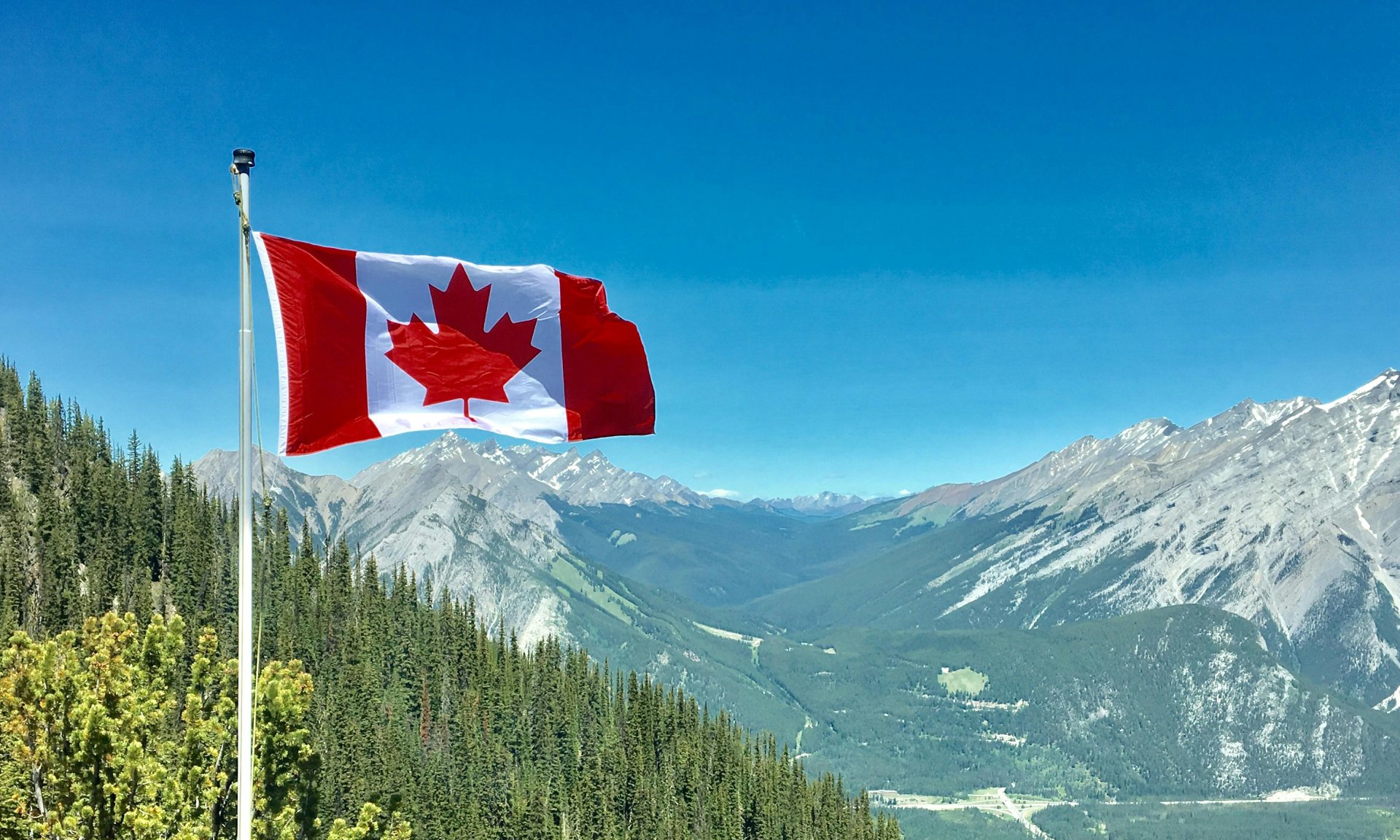
Canada is absolutely worth visiting, offering a rare combination of vast, untamed wilderness and some of the world’s most livable, multicultural cities. From the cultural sophistication of Montreal and Toronto to the mountain-and-ocean drama of Vancouver and British Columbia, the country delivers year-round appeal for adventure seekers, business travelers, retirees and leisure travelers alike. Whether the draw is skiing in Canada’s legendary powder, fly-in fishing in remote northern lakes, hunting in Canada’s rugged backcountry or witnessing the northern lights in Canada’s far reaches, the country rewards travelers willing to explore both its cities and its wild spaces.

Canada’s sheer size shapes every aspect of the travel experience. It is the second-largest country in the world, stretching from the temperate rainforests of British Columbia to the Arctic tundra of Nunavut. This scale creates extraordinary diversity. One trip can include world-class dining in Toronto, European-style cafés in Montreal, coastal hiking in Vancouver and glacier-fed lakes in the Rocky Mountains. It also means that travel planning matters. Distances between regions are vast, weather can vary dramatically and reaching the most rewarding destinations often requires specialized logistics.


Montreal, Toronto and Vancouver: Canada’s Urban Anchors

Canada’s major cities are a major reason it consistently ranks among the best countries in the world to visit.

Montreal blends French and English influences into a cultural identity unlike anywhere else in North America. Its historic Old Montreal, vibrant arts scene, festivals and culinary culture make it one of the most compelling leisure cities in the country. It is walkable, lively and distinctly European in feel.

Toronto is Canada’s economic engine and most cosmopolitan city. As a global hub for finance, technology, film and business, it attracts international travelers year-round. The city’s neighborhoods reflect its multicultural population and its proximity to Niagara Falls adds an easy natural escape for visitors.

Vancouver offers one of the most dramatic urban settings in the world. Mountains rise directly from the ocean, creating instant access to skiing, hiking, kayaking and wildlife viewing. For travelers who want outdoor adventure without sacrificing urban sophistication, Vancouver and the surrounding areas of British Columbia are unmatched.


Adventure Travel in Canada: World-Class and Often Remote

Canada is one of the premier adventure travel destinations on the planet, largely because so much of the country remains undeveloped and wild.

Skiing in Canada is legendary. British Columbia alone offers some of the best terrain on earth, from major resorts like Whistler Blackcomb to remote heli-skiing operations in Bella Coola, Bell 2 Lodge and the Monashee and Selkirk Mountains. Quebec’s Chic-Chocs Mountains provide rugged backcountry skiing with a distinctly different, windswept character.

Fishing in Canada attracts anglers from around the world. Remote fishing destinations in northern Saskatchewan, Manitoba and the Northwest Territories offer fly-in lodge experiences focused on trophy northern pike, lake trout and arctic grayling. Along the British Columbia coast, remote wilderness lodges provide world-class salmon and steelhead fishing in pristine settings.

Hunting in Canada is equally iconic and often logistically demanding. The Yukon Territory, northern British Columbia, Nunavut and the Northwest Territories offer wilderness hunts for species such as Dall sheep, Stone sheep, caribou, muskoxen, moose and bear. These hunts take place far from infrastructure, often accessible only by bush plane or river travel.

For travelers seeking true isolation, Canada’s most remote destinations deliver once-in-a-lifetime experiences. Baffin Island in Nunavut is renowned for extreme Arctic expeditions. Torngat Mountains National Park in Newfoundland and Labrador offers isolated hiking in a stark, breathtaking landscape. The Great Bear Rainforest in British Columbia combines coastal fjords, old-growth forest and rare wildlife. Churchill, Manitoba is famous for polar bear viewing and northern lights in Canada’s remote tundra.


Leisure Travel and Seasonal Appeal

Canada offers strong seasonal variety. Summer brings hiking, whale watching, festivals and long daylight hours. Fall delivers spectacular foliage, especially in Quebec and Ontario. Winter transforms the country into a global destination for snow sports and northern lights viewing. Spring is quieter but rewarding in cities and coastal regions.

Leisure travelers benefit from Canada’s reputation as one of the safest and most welcoming countries in the world. Its national parks, clean cities and well-maintained infrastructure make it approachable even for first-time visitors.


Business Travel and Global Events

For business travelers, Canada’s major cities are globally connected and efficient. Toronto and Vancouver in particular serve as gateways between North America, Europe and Asia. Strong financial systems, stable governance and a skilled workforce make Canada a frequent destination for conferences and corporate travel.

Canada will also play a role on the world stage during the FIFA World Cup, with matches hosted exclusively in Toronto and Vancouver. This global event will significantly impact travel to Canada during the tournament period, increasing demand for flights, hotels and transportation in those cities. Travelers planning visits during that time should expect higher prices, limited availability and increased crowding, especially in downtown areas and near stadiums.


Pros and Cons of Traveling to Canada

Canada’s strengths are substantial, but travelers should consider a few practical realities.

On the positive side, the country offers stunning natural beauty, vibrant cities, safety and cultural diversity. Outdoor recreation opportunities are unmatched and infrastructure in major regions is excellent. Canada is also perceived as welcoming and easy to navigate for international travelers.

On the downside, the country’s size means travel times can be long and internal flights expensive. Major cities such as Toronto, Vancouver and Montreal can be costly, particularly during peak seasons. Weather is another factor; winters can be severe and even summer conditions can change quickly in mountain and northern regions. Remote adventure travel often requires specialized planning, guides and contingency support.


The Global Rescue Connection

Traveling in Canada often means venturing far beyond urban centers, especially for adventure travel, extended leisure stays, or retirement abroad. While Canada is known for high-quality healthcare in major cities, first responders and medical facilities may not be readily available in remote regions such as the Arctic, northern forests, backcountry ski zones, or fly-in fishing and hunting areas. Delays caused by weather, distance, or limited access can quickly turn otherwise manageable injuries or illnesses into serious medical events.

That reality becomes clear in real-world scenarios. A 38-year-old U.S. traveler sustained multiple rib fractures and a dislocated shoulder following a skiing accident in Alberta. After receiving an initial medical evaluation, he needed to return home to New York for further treatment. Global Rescue coordinated the logistics and provided a non-medical escort, ensuring a safe and seamless transfer back to the United States, where he was admitted for continued care.

In another case, an SOS device owner contacted Global Rescue operations from British Columbia after an individual suffered severe burns to his foot from a camp stove accident. While the injured person was stable and responsive, he was in a remote location with limited access to immediate care. Global Rescue coordinated with first responders, supported on-site first aid efforts, and assisted in the rescue and recovery process—bridging the gap between wilderness injury and definitive care.

For travelers in Canada’s most isolated regions, preparation can be the difference between delay and decisive action. That was the case for Louis Cairo, owner and managing partner of GWC Injury Lawyers in Chicago, who was injured while traveling in the remote Stikine Region of northwestern British Columbia, an area roughly the size of Alabama with a population of about 1,000 people. Cairo’s expedition involved daily horseback travel and mountain travel while living entirely off-grid.

When his horse fell down a steep incline, Cairo was thrown more than 15 feet and suffered significant leg and knee injuries. Medical help was more than six hours away, and the terrain made self-evacuation impossible.

“There was no way I could have possibly gotten back on a horse and ridden through mountains, bogs and rivers to get to the lake where a float plane could pick me up,” Cairo said.

Using a satellite phone, Cairo’s team contacted Global Rescue and soon after a helicopter reached a clearing near the camp and transported him to Dease Lake, where he was in an emergency room within an hour of landing.

“That speed to care made all the difference,” Cairo said, noting that without evacuation, his injuries could have been far more severe, or permanent.

A Global Rescue membership provides critical support in exactly these scenarios. Field rescue, medical evacuation, and medical advisory services become especially valuable when traveling or living in areas where local resources are limited or inaccessible. For travelers considering extended stays or retirement abroad in Canada’s quieter, more remote regions, Global Rescue adds an essential layer of preparedness, ensuring access to expert assistance when it matters most, no matter how far from help they may be.

Global Rescue memberships also include personalized advisory services and 24/7 emergency assistance, reinforcing peace of mind for travelers who understand that in remote environments, accidents don’t need to be dramatic to become dangerous—they just need to happen far from help.

Categories:

Travel
Share This:

Should You Retire Abroad?

Discover the best places to retire worldwide, and why medical evacuation planning matters more than ever.

Article Highlights:

  • One in three travelers are considering retiring abroad, signaling a major shift in retirement planning.
  • Mexico and Costa Rica remain top retirement destinations due to affordability and healthcare access.
  • European options like Portugal and Greece offer cultural richness with modern infrastructure.
  • Financial flexibility strongly influences who is most likely to retire internationally.
  • Retiring abroad increases the importance of medical evacuation and emergency preparedness.


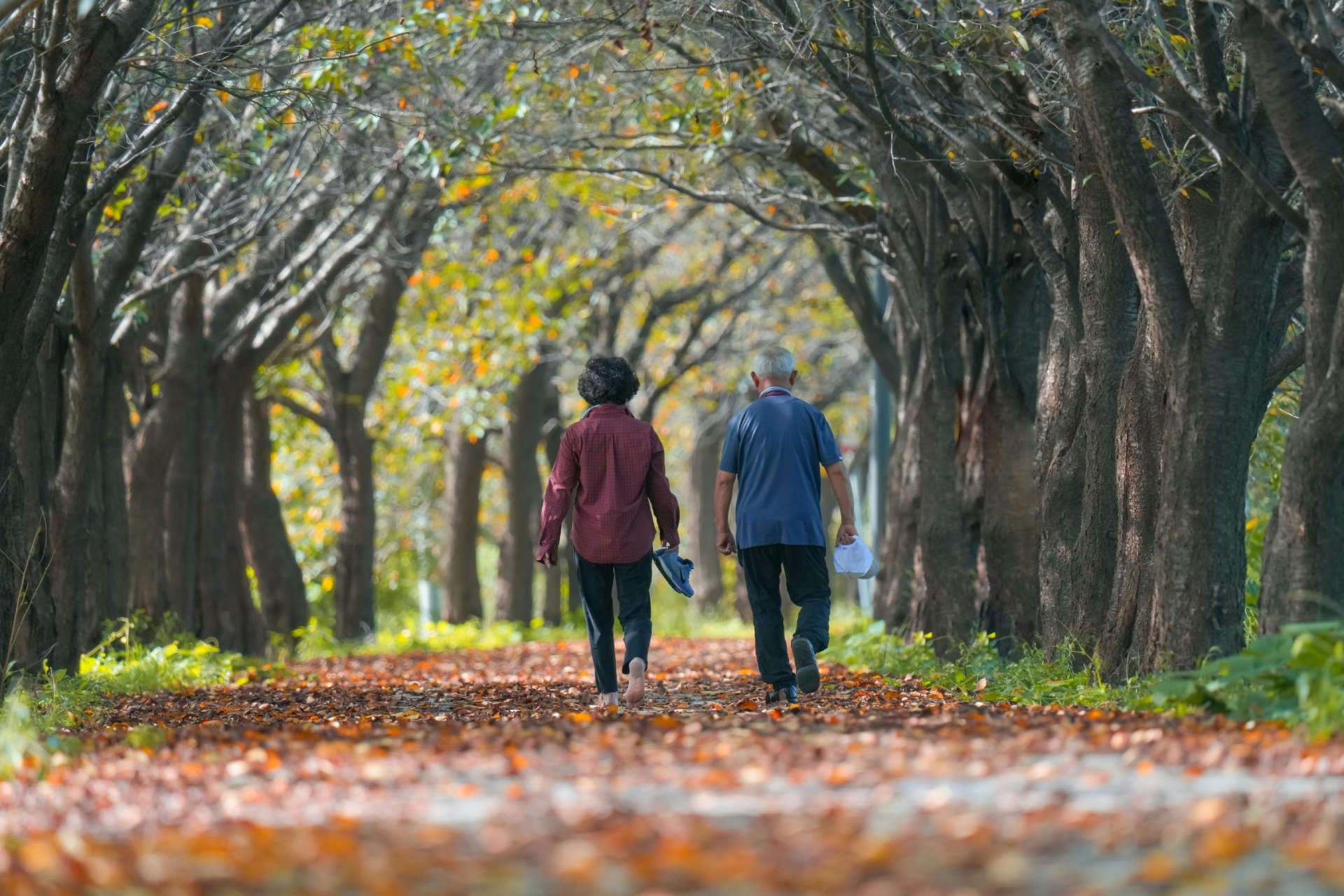
For generations, retirement planning focused on domestic milestones: downsizing, relocating to a warmer state or settling closer to family. Today, that narrative is changing. Travel exposure, financial flexibility and shifting lifestyle priorities are driving more Americans to consider an international future. According to the latest Global Rescue Traveler Sentiment and Safety Survey, more than one in three travelers are actively thinking about retiring abroad, with interest strongest among younger, higher-income travelers who already see the world as accessible and familiar.

The idea of retiring internationally is no longer limited to adventurous outliers. Instead, it is becoming a mainstream aspiration tied to affordability, quality of life, healthcare access and cultural enrichment. Countries such as Mexico, Costa Rica, Portugal, Panama and Greece consistently appear on lists of the best places in the world to retire, offering a compelling mix of cost savings, lifestyle benefits and residency options. Yet retiring abroad also introduces real considerations around safety, healthcare access and emergency response, factors many retirees underestimate until they are living far from home.


A Global Trend Shaped by Experience and Income

The Global Rescue Traveler Sentiment and Safety Survey highlights a broader shift in how Americans view retirement. Interest in retiring abroad is highest among travelers under 55, particularly those aged 35 to 54, who have integrated global travel into their lifestyles. Higher-income respondents are leading this trend, with those earning over $150,000 annually showing the strongest interest in international retirement.

“Travel often sparks more than just short-term adventure, it opens people’s eyes to what life could look like elsewhere,” said Dan Richards, CEO of The Global Rescue Companies. These travelers are not chasing novelty alone; they are evaluating long-term sustainability, healthcare access and personal safety as part of their retirement planning.


Mexico: Familiar, Affordable and Close to Home

Mexico remains one of the most popular destinations for Americans looking to retire abroad and for good reason. Proximity to the United States allows retirees to stay connected to family while enjoying a significantly lower cost of living. Many expat-friendly cities offer modern infrastructure, private healthcare facilities and established English-speaking communities. For retirees asking whether they should retire in Mexico, the appeal often centers on affordability, climate variety and cultural familiarity.

Mexico’s advantages, however, are location-specific. While some regions boast excellent hospitals and international medical standards, others may have limited emergency response capabilities outside major urban centers. Public healthcare quality varies widely and retirees often rely on private providers. Security concerns also differ by region, requiring careful research before settling. Retiring in Mexico can be rewarding, but it demands thoughtful location selection and contingency planning.


Costa Rica: Stability, Healthcare and Natural Beauty

Costa Rica consistently ranks as a top choice for retirees seeking stability, environmental beauty and strong healthcare systems. The country’s long-standing democracy, lack of a standing military and emphasis on sustainability make it particularly attractive to retirees prioritizing safety and quality of life. For those considering whether to retire in Costa Rica, access to both public and private healthcare is a significant draw, along with a well-defined residency program for retirees.

That said, Costa Rica’s popularity has driven up costs in some areas, particularly coastal and expat-dense regions. Infrastructure can be inconsistent outside major cities and specialized medical care may require travel to San José. Retirees accustomed to immediate emergency services may find response times slower in rural or remote locations. Costa Rica offers a balanced lifestyle, but expectations around convenience and accessibility must be realistic.


Portugal: European Living With Financial Incentives

Portugal has emerged as one of the best countries to retire in Europe, combining Old World charm with modern infrastructure and strong healthcare access. Favorable residency programs, a relatively low cost of living compared to other Western European nations and a welcoming attitude toward foreigners have made Portugal especially appealing to retirees seeking cultural richness without excessive complexity.

The country’s public healthcare system is widely regarded and private options are readily available. Bureaucracy can be slow, however, and language barriers still exist outside major cities. Additionally, popular retirement hubs have seen rising housing costs. While Portugal offers security and quality of life, retirees should be prepared for administrative challenges and evolving tax policies that may impact long-term financial planning.


Panama: Financial Advantages and Strategic Location

Panama positions itself as a retiree-friendly destination through incentives such as pensioner discounts, favorable tax policies and modern infrastructure. Its strategic location and use of the US dollar add layers of familiarity and financial simplicity. For those searching for the best place to retire with a balance of urban convenience and tropical living, Panama frequently stands out.

Yet Panama’s benefits are unevenly distributed. Healthcare quality is excellent in Panama City but less consistent in rural regions. Cultural integration can take time and emergency services may be limited outside metropolitan areas. Retirees drawn by financial incentives must weigh these benefits against potential gaps in regional infrastructure and medical response.


Greece: Culture, Climate and Lifestyle Appeal

Greece offers retirees a lifestyle steeped in history, cuisine and Mediterranean living. Coastal towns and islands attract those seeking slower rhythms, scenic environments and strong community ties. Compared to other European destinations, Greece can be relatively affordable, making it an appealing option among the best places in the world to retire.

Greece’s healthcare system varies by region, however, with top facilities concentrated in larger cities. Island living, while idyllic, can mean delayed emergency care and limited specialist access. Bureaucracy and language barriers may also present challenges. Retiring in Greece offers profound lifestyle rewards, but it requires adaptability and careful healthcare planning.


The Global Rescue Connection

Retiring abroad offers freedom, affordability and access to new experiences, but it also introduces risks many retirees overlook. In many international destinations, first responders may not arrive quickly, emergency transport may be limited and advanced medical care may require travel across borders. These realities make preparation essential, not optional.

A Global Rescue membership provides field rescue, medical evacuation and medical advisory services that bridge the gap between aspiration and reality. Whether living in a coastal village, mountain town or emerging retirement hub, retirees benefit from knowing that expert help is available when local systems fall short. For those choosing the best country to retire beyond their home borders, Global Rescue adds a critical layer of security, ensuring that adventure, independence and peace of mind can coexist, no matter where retirement leads.

Share This:

Foreign Travelers Concerned About Travel Disruptions to World Cup 2026 Host Countries

(Lebanon, N.H – February 9, 2026) – International travelers express heightened concern about potential travel disruptions to FIFA World Cup host countries, according to the Global Rescue Winter 2026 Traveler Sentiment and Safety Survey, though…

(Lebanon, N.H – February 9, 2026) – International travelers express heightened concern about potential travel disruptions to FIFA World Cup host countries, according to the Global Rescue Winter 2026 Traveler Sentiment and Safety Survey, though other travelers say they are not significantly altering their travel plans because of the tournament,

Overall, 34% of respondents say they are not avoiding travel to any of the host countries — the US, Canada and Mexico — during the World Cup period. An additional 41% report they have no plans to travel to any of the host countries regardless of the event. Only 12% say they are undecided.

Avoidance varies notably by geography. Among non-US respondents, 45% say they are avoiding travel to the US during the World Cup, compared to just 2% of US-based travelers. Similarly, 13% of non-US travelers say they are avoiding Mexico, versus 6% of US respondents. Avoidance of Canada remains comparatively low overall at 4%, though non-US travelers are more than three times as likely as US travelers to avoid Canada (10% vs 3%).

Gender differences also emerge. Men are slightly more likely than women to say they are not avoiding travel to any host country (33% vs 35%), while women are more likely to report having no plans to travel to the host countries at all (47% vs 40%). Men show higher avoidance of the US during the World Cup period (11% vs 9%), while women are marginally more likely to avoid Canada (5% vs 3%).

“Mega-events like the World Cup create perceptions of congestion and complexity, even for travelers with no intention of attending matches,” said Dan Richards, CEO of The Global Rescue Companies and a member of the US Travel and Tourism Advisory Board at the US Department of Commerce. “The data shows that while most travelers are not overly concerned, non-US travelers are far more sensitive to the potential impacts on entry, mobility and crowding.”

Concerns about border delays and enhanced screening remain limited overall. More than half of all respondents (54%) say they are not at all concerned about delays, additional screening or entry issues when entering Canada, Mexico or the US during the World Cup. Another 24% say they are slightly concerned.

Non-US travelers, however, report higher levels of concern. While 56% of US respondents say they are not at all concerned, that figure drops to 45% among non-US travelers. Nearly 35% of non-US respondents describe themselves as moderately or very concerned, compared to 19% of US travelers. Men and women report similar concern levels overall, though women are more likely to say they are slightly concerned (28% vs 23%), while men are marginally more likely to say they are very concerned (8% vs 4%).

Despite the scale of the event, interest in attending matches is limited. Fully 84% of travelers say they are not planning to attend any World Cup matches. Only 4% plan to attend matches in a single host country and none report plans to attend matches in multiple countries. Non-US travelers are even less likely to attend, with 92% saying they do not plan to go to any matches, compared to 82% of US respondents.

“The World Cup’s impact extends well beyond ticket holders,” Richards said. “Even travelers with no interest in the games are factoring the event into their decisions, particularly when it comes to border crossings and destination choice.”

###

About the Global Rescue Traveler Sentiment and Safety Survey

Global Rescue, the leading travel risk and crisis response provider, surveyed more than 1,400 current and former members between January 13 – 17, 2026. Respondents shared their attitudes, behaviors and preferences related to travel safety, technology and global mobility.

About Global Rescue
Global Rescue is the world’s leading provider of medical, security, evacuation and travel risk management services to enterprises, governments and individuals. Founded in 2004, Global Rescue maintains exclusive relationships with the Johns Hopkins Emergency Medicine Division of Special Operations and Elite Medical Group. The company has provided medical and security support during every major global crisis over the past two decades.

Categories:

Travel
Share This:

Is the Bahamas Safe?

What seasoned travelers actually need to know.

Article Highlights:

  • The Bahamas offers far more than Nassau resorts, with Exuma and other islands delivering safer, quieter and more immersive travel.
  • US citizens need a valid passport, proof of onward travel and completed customs forms to enter the Bahamas by air.
  • The Bahamas and Exuma are generally safe, but medical infrastructure varies widely by island.
  • Traditional travel insurance often fails where evacuation memberships excel.
  • Global Rescue is especially valuable for older travelers, families and those leaving resort environments.


For US travelers, the Bahamas often feels familiar, close, English-speaking and visually iconic. Yet beneath the postcard imagery lies a diverse archipelago of more than 700 islands and cays, each offering a distinct experience. From the energy of Nassau to the serenity of Exuma, travel to the Bahamas rewards those who look beyond cruise ports and all-inclusive assumptions.

The Bahamas also occupies a unique place in international travel planning. While it’s geographically close to the US, often just a two- to three-hour flight from Florida, it is still a foreign country with different medical systems, infrastructure realities and emergency-response limitations once you leave major population centers. For serious international travelers, that distinction matters.


What Do You Need To Go to the Bahamas?

A common question is simply, what do you need to go to the Bahamas? For US citizens traveling by air, the requirements are straightforward but non-negotiable. You must have a valid US passport book that remains valid for the duration of your stay. You’ll also need proof of onward or return travel, such as a round-trip airline ticket.

Travelers must complete the Bahamas C17 customs form, which is now typically handled electronically prior to arrival. While visa-free entry is standard for tourism stays, immigration officials may ask about accommodations and length of stay. Nassau passport requirements follow these national rules and they apply equally whether you’re staying in a resort, visiting family or island-hopping through the Out Islands.

Cruise travelers should note that closed-loop cruises from Florida sometimes allow alternative documents, but air travel from the US to the Bahamas requires a passport. For travelers planning side trips or unexpected returns, especially due to weather or medical needs, a passport book is essential.


Is the Bahamas Safe?

Another frequent concern is safety. Broadly speaking, the answer to is the Bahamas safe is yes, for tourists who take standard precautions. Major resort areas, including Nassau and Paradise Island, maintain a strong security presence. Violent crime involving visitors is uncommon and most incidents are localized and avoidable with situational awareness.

That said, the Bahamas is not monolithic. New Providence (home to Nassau) is more urban and busy, while the Family Islands are quieter and more community-oriented. Travelers venturing outside resort zones should exercise the same awareness they would in any international destination.


Is Exuma Safe?

Travelers asking is Exuma safe are usually reassured to learn that Exuma is considered one of the safest areas in the country. With a low crime rate, welcoming local communities and limited urban congestion, the Exumas appeal to travelers seeking tranquility, boating, diving and pristine beaches. Safety concerns here are far more likely to involve boating mishaps, weather exposure or medical emergencies than crime.


Choosing the Best Islands in the Bahamas

There is no single answer to the best Bahama island to visit or even the best islands in the Bahamas, because the right choice depends on your travel style.

Nassau and Paradise Island suit travelers who want dining, nightlife, casinos and easy logistics. The Exumas are famous for crystal-clear water, uninhabited cays and experiences like swimming pigs, making them ideal for nature-focused travelers. Eleuthera and Harbour Island attract those seeking pink-sand beaches and boutique elegance, while islands like Andros appeal to divers and anglers.

The best places to visit in the Bahamas often involve combining one major hub with a quieter island, balancing convenience with immersion.


Travel Protection: Insurance vs. Evacuation Memberships

For serious international travelers, especially those leaving resort zones, traditional travel insurance often falls short. Insurance typically reimburses expenses after the fact and may exclude or delay approvals for medical evacuation. A dedicated medical and security evacuation membership, by contrast, focuses on extraction and transport, moving you to appropriate care quickly rather than reimbursing later.

Many US travelers ask whether Global Rescue is worth the money if they only take one or two major international trips annually. The answer depends on risk tolerance, destination profile and personal circumstances. For travelers visiting remote islands, engaging in boating or adventure activities or traveling during hurricane season, the value proposition is strong. One serious incident can outweigh years of membership costs.


Is Global Rescue a Good Fit for Older Travelers or Teens?

For US travelers aged 65+, concerns about age limits and medical restrictions are common. Global Rescue does not impose upper age limits and evaluates cases based on medical necessity rather than age alone. Older travelers often benefit the most, as they are statistically more likely to require medical transport and continuity of care back home.

Travelers who most often regret choosing standard insurance over Global Rescue include those who suffer orthopedic injuries, cardiac events or complications in destinations with limited medical infrastructure. Families, boaters, divers and travelers assuming resorts equate to US-level care frequently reassess after a single serious incident.

Parents sending teens on international study or exchange programs should insist on evacuation protection that includes medical, security and crisis-response coordination, not just insurance reimbursement. Programs should demonstrate clear protocols for extraction, communication and parental involvement during emergencies.


The Global Rescue Connection

The Bahamas may feel close to home, but medical realities can change quickly once an incident occurs, especially outside Nassau or Paradise Island.

While visiting Marsh Harbour, Bahamas, a Global Rescue member tripped, fell and suffered a severe knee injury. She contacted Global Rescue immediately while her friends arranged a taxi to a local medical center. An X-ray revealed a broken kneecap and the treating physician strongly recommended further evaluation and treatment in the United States.

Global Rescue medical operations reviewed the case and agreed that immediate treatment was necessary. With no further travel plans and a preference to receive care near her home in Miami, Global Rescue arranged two business-class seats for the member and her non-medical escort on a flight from the Bahamas to Miami. The team coordinated her hospital admission upon arrival and provided wheelchair and luggage assistance throughout the journey.

The member expressed her gratitude and confirmed no further assistance was required, but the outcome underscored a critical lesson echoed across Global Rescue’s case history: even in destinations as familiar and welcoming as the Bahamas, having a dedicated medical evacuation and support membership can make the difference between uncertainty and decisive care.