Loading...

Categories:

News
Share This:

“Holiday Travel Safety: Here’s What Could Go Wrong And How You Can Avoid It”

Categories:

News
Share This:

T-Mobile announces free offer for Verizon and AT&T customers

Categories:

Travel
Share This:

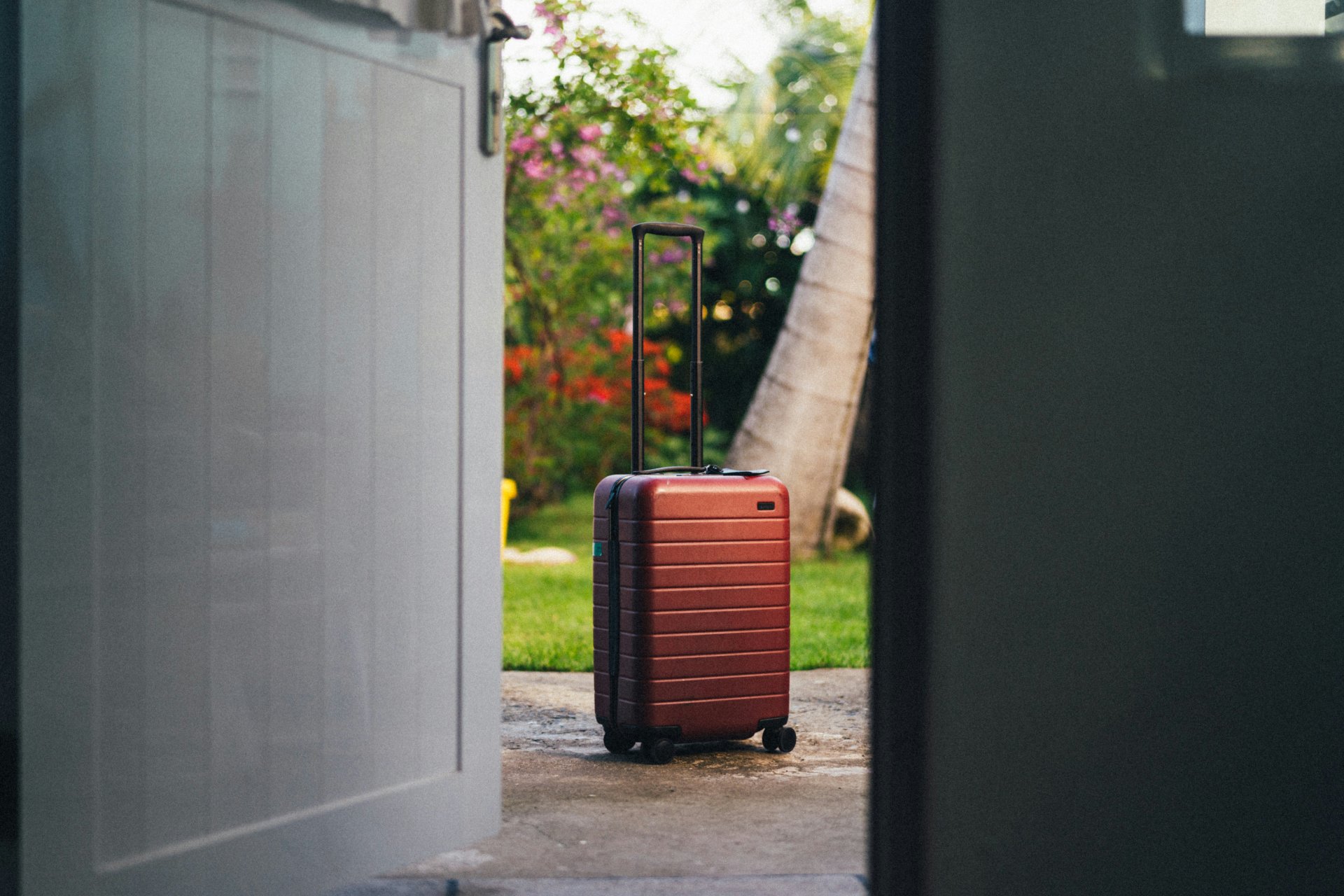
Overpacking and Why Travelers Still Haven’t Learned To Lighten the Load

Discover smart packing tips, hacks and the best way to pack a suitcase.

Article Highlights:

  • Global Rescue surveys show overpacking remains the most common travel mistake year after year.
  • Nearly one in three travelers (32%) admits they overpack, a figure unchanged for years despite travel trends evolving.
  • Experts say anxiety, attachment to home, and fear of being unprepared fuel overpacking habits.
  • Overpacking creates stress: heavier bags, airline fees, delays and more to manage during travel.
  • The best way to pack a suitcase is intentionally: balance essentials, use packing hacks and avoid bulky or unnecessary items.


Travelers today may log more miles and cross more borders than ever before, but one simple mistake continues to weigh them down, literally. Overpacking, the age-old habit of stuffing bags with too much “just in case” gear, remains the most common blunder made by even the world’s most seasoned explorers.

According to the Global Rescue Traveler Sentiment and Safety Survey, overpacking consistently tops the list of traveler mistakes. Nearly one in three respondents (32%) admitted last year that they brought too much luggage. Those numbers mirror past results: 35% in September 2024, January 2024 and February 2023, revealing a stubborn habit that persists.

“Overpacking is the single most consistent mistake we see, year after year. It’s a habit that adds stress and weight to a trip, when the real goal of travel should be freedom and discovery,” said Dan Richards, CEO of The Global Rescue Companies and a member of the U.S. Travel and Tourism Advisory Board at the U.S. Department of Commerce.


Overpacking and the Psychology Driving It

Psychologists and travel experts suggest that the persistence of overpacking has more to do with psychology than logistics. Anxiety, attachment and past experiences all play a role.

“Travelers often pack for their fears instead of their needs, and that’s why overpacking remains so persistent,” said Harding Bush, a former Navy SEAL and Global Rescue’s associate director of security operations.

Fear of forgetting something essential, attachment to comforts from home and unpredictability — like sudden weather changes or unexpected events — often lead travelers to pack more than they realistically need.

Ironically, the attempt to reduce stress often has the opposite effect. Heavy luggage becomes a burden in transit, added bags mean higher airline fees and managing too many items increases frustration.

“The irony is that overpacking, meant to reduce anxiety, often creates the very stress travelers are trying to avoid,” said Kelli Poole, Global Rescue sales manager and avid traveler.


Underpacking: The Flip Side of the Coin

While overpacking may be the most common mistake, underpacking can be equally disruptive. Forgetting a key item, such as medication, weather-appropriate clothing or a critical electronic device, can derail even the best-laid travel plans.

The best way forward is balance. Travelers should prioritize intentional packing, focusing on versatile items, carefully considering their destination and allowing room only for the “just in case” extras that genuinely add value.


Packing Tips for Travel

Packing for international or domestic travel doesn’t have to be daunting. By following basic packing hacks and efficient strategies, travelers can lighten their load and avoid the stress of both overpacking and underpacking.

  • Create a packing list tailored to your destination and activities to avoid both forgetting essentials and adding unnecessary items.
  • Research your destination: Weather, culture and itinerary all shape what you genuinely need.
  • Limit your wardrobe: Stick to a color palette and opt for versatile pieces that you can mix and match.
  • Think duration: For short trips, aim for carry-on only. For longer trips, plan carefully to stay within airline baggage limits.
  • Pack efficiently: Use cubes, compression bags or rolling techniques to maximize space.

One of the best ways to avoid overpacking is by knowing what not to bring.

  • Bulky footwear—stick to one or two versatile pairs.
  • Multiple electronics—your smartphone covers most functions.
  • Expensive valuables—leave jewelry and irreplaceable items at home.
  • Full-size toiletries—opt for travel sizes or rely on hotel amenities.
  • Niche gadgets—skip the portable iron and bring wrinkle-free clothes instead.


Best Way To Pack a Suitcase

Want the best way to pack a suitcase? Adopt these clever packing space-savers:

  • Collapsible water bottle: Saves space and money at airports.
  • Fill shoes with small items: Store socks, chargers or accessories inside footwear.
  • Wear bulky items on the plane: Jackets and heavy shoes don’t need to take up space.
  • Pack a pashmina: Works as a blanket, cover-up or accessory.
  • Lightweight backpack: Great for day trips or souvenirs.
  • DIY Travel First-Aid Kit: Compact, Essential and Space-Saving.
  • Ziplock bags: Keep electronics dry and toiletries secure.
  • Layer clothing: Neutral pieces allow versatile outfit combinations.
  • Plan for laundry: Wash clothes instead of packing for every day.
  • Leave space for souvenirs: Build flexibility into your luggage plan.


The Global Rescue Connection

Travel is about freedom, discovery, and safety, not being weighed down by excess baggage. Packing smart not only reduces stress but enhances the trip itself. By focusing on versatility, organization and practicality, you can transform the packing process into a stress-free ritual that supports your adventure rather than hinders it.

And while you refine your packing hacks, remember to include one item that takes up no space in your suitcase: a Global Rescue membership. It provides peace of mind with emergency field rescue, medical advisory, traveler assistance, destination reports, real-time alerts, evacuation transport and, for certain memberships, virtual healthcare and security services.

With the My Global Rescue Mobile App, you can access everything from virtual doctor visits to GPS tracking of loved ones, right from your smartphone. Packing efficiently is about preparation. And nothing prepares you for the unexpected better than Global Rescue.

Categories:

Business Travel
Share This:

Strong Passwords, Sat Phone and the Other Essential Security Gear for Business Travel

Stay safe on business travel in high-risk zones with these essential items and practices.

Article Highlights:

  • Personal security tools like alarms, locks and whistles can deter threats and buy time.
  • Protection for belongings includes anti-theft bags, RFID-blocking covers and portable safes.
  • Cybersecurity requires encrypted cloud storage, strong passwords and VPN-secured connections.
  • Device-focused tools such as SAT phones, portable Wi-Fi hotspots and clean devices ensure reliable communication.
  • Preparedness with backups, first aid kits and the GRID system turns chaos into inconvenience.


International business doesn’t stop at the borders of stability. Some of the world’s most important markets—think of parts of the Middle East, Africa, South Asia and Latin America—are also among the most volatile. Political unrest, cybercrime, terrorism and natural disasters all lurk in regions where multinational corporations and entrepreneurs must travel to secure contracts, oversee operations or expand opportunities. For business travelers, the challenge is clear: seize global opportunities while staying safe in high-risk zones.

Essential security gear has become as vital as a passport or laptop. From simple doorstop alarms to advanced satellite communications, the right equipment can make the difference between a trip that’s productive and one that turns dangerous.


Business Travel Personal Security Gear

The first layer of protection comes in the form of lightweight, practical tools. A personal alarm or safety bracelet with a hidden button can summon help discreetly in an emergency. A doorstop alarm wedges under a hotel room door, blocking entry and sounding a loud alert if someone attempts to force their way in. A portable door lock provides an extra layer of security in hotels or guesthouses where you can’t trust the hardware. Even something as simple as a whistle can deter an attacker or attract attention in a crowd.

Flashlights or headlamps are indispensable in low-light situations or during blackouts, common in unstable regions. Harding Bush, Global Rescue’s associate director of Security Operations and a former Navy SEAL, explains: “Security isn’t about paranoia, it’s about preparation — a doorstop alarm weighs ounces, but peace of mind is priceless.”

High-risk destinations also mean higher odds of theft. Anti-theft bags, often made with slash-proof material and hidden zippers, can deter pickpockets. RFID-blocking wallets and passport holders shield personal information from electronic thieves.

Smart luggage locks and hidden money belts add another layer of resilience. For hotel stays, a lightweight portable safe can keep documents and electronics secure even when you step away.

Preparedness here is simple: the more you deny criminals opportunity, the less attractive you are as a target.


Strong Passwords, Cybersecurity and Data Security

Strong passwords and multi-factor authentication are mandatory. “Strong passwords are like strong perimeters — layered, reinforced and designed to keep intruders out,” Bush said. Avoid reusing credentials and update them before departure.

Encrypted cloud storage is another non-negotiable tool. By storing critical documents in the cloud rather than on physical devices, you limit the risk of loss or theft. “Encrypted cloud storage is a digital foxhole — your information goes in and stays protected under fire,” he added.

While physical theft is a risk, digital theft can be even more damaging. Business travelers must assume that public Wi-Fi is unsafe. A VPN-enabled portable hotspot offers a private, encrypted connection. “A VPN is body armor for your data — invisible to you, but bulletproof against an ambush,” Bush said. Before traveling, ensure devices are patched and updated. Disable auto-sharing of photos, files and location data. A clean device, factory-reset with only the essential apps, minimizes exposure.


Essential Communication Gear

In a crisis, communication is everything. Cellular networks are unreliable in many high-risk areas. Enter the satellite phone. Bush calls it “the modern flare gun — when the grid fails, it cuts through the silence.” SATCOM devices allow calls, texts and even data transfer far beyond cell tower reach.

A portable Wi-Fi hotspot offers an alternative to risky public Wi-Fi, while portable chargers ensure your lifelines don’t run out of power. Backup power banks should be standard issue for travelers spending long hours in transit or regions prone to outages.


Pre-Travel Preparation

Preparation is more than gear, it’s strategy. Keep digital and physical backups of documents, from passports to evacuation plans. Store data on encrypted USB drives as well as in the cloud. Print out local emergency numbers and program them into your phone before departure.

Bush summarizes this mindset: “Preparation is camouflage: the more you blend into safety, the harder it is for threats to find you.” For medical contingencies, carry a compact first aid kit. Hydration salts, bandages and basic medications can stabilize an injury until professional help arrives.

Operational discipline complements your equipment. Always keep devices patched with the latest updates. Don’t carry sensitive data unless necessary. Turn off Bluetooth and Wi-Fi auto-connect functions, which are easy entry points for hackers.

And most importantly, maintain the right mindset. “High-risk zones don’t forgive mistakes. Your gear is your edge and edges save lives,” he said. Gear is useless without awareness, foresight and discipline. A good traveler carries more than gear. They carry foresight, discipline and the mindset to use both.


The Global Rescue Connection

Global Rescue’s past operations show how quickly routine business travel can turn into a crisis. From medical evacuations in South Africa to extractions during political unrest in Sudan, travelers who were prepared had the edge. Bush’s words ring true: “Preparedness turns chaos into inconvenience, and in high-risk travel, that difference is everything.”

Business travelers today also have access to an award-winning innovation: the Global Rescue Intelligence Delivery System (GRID). Recognized by Inc. Magazine, Fast Company, Skift and the Magellan Awards, GRID delivers real-time crisis alerts tailored to a traveler’s exact location. In 2025, GRID won the prestigious Skift IDEA Award for revolutionizing travel safety.

In 2024 alone, GRID delivered more than half a million alerts tied to nearly 10,000 global events, from violent conflict to disease outbreaks. The GRID mobile app arms travelers with destination reports, GPS check-ins and secure communication with Global Rescue’s 24/7 operations centers staffed by military special operations veterans and medical experts.

For organizations and individual travelers alike, GRID is more than technology, it’s assurance. Whether it’s warning of civil unrest in a capital city or coordinating an evacuation from a war zone, GRID minimizes risk and maximizes readiness.

International business travel is safer with GRID. It’s the unseen armor that, paired with essential security gear and thoughtful preparation, allows business travelers to seize opportunities without compromising safety.

Categories:

Press Release
Share This:

Survey Shows FAA Restrictions Ground Some Travel Plans, But Most Travelers Staying the Course

(Lebanon, NH – November 6, 2025) — A new snap survey by Global Rescue shows that nearly half of travelers (48%) are not changing their travel plans despite the FAA’s decision to reduce air traffic…

(Lebanon, NH – November 6, 2025) — A new snap survey by Global Rescue shows that nearly half of travelers (48%) are not changing their travel plans despite the FAA’s decision to reduce air traffic in high-volume US markets by 10% amid the ongoing government shutdown.

The findings come as the holiday season — the busiest travel period of the year — approaches, when millions of travelers are expected to take to the skies to visit family and friends. “Despite the potential for flight delays and cancellations, most travelers are showing confidence and flexibility in maintaining their plans,” said Dan Richards, CEO of The Global Rescue Companies and a US Travel and Tourism Advisory Board member at the U.S. Department of Commerce.

While most travelers remain undeterred, others are adjusting. About one in four (24%) said they are “waiting to see how long the FAA restrictions last” before making any changes, reflecting widespread uncertainty about how long delays and cancellations may persist.

Roughly one in five respondents reported taking action already:

  • 6% have rescheduled travel dates to avoid expected disruptions.
  • 6% have canceled at least one trip.
  • 4% have switched to another mode of transportation such as driving or taking the train.
  • 4% have changed airports or routes in hopes of bypassing congested hubs.

Another 16% of respondents said the issue doesn’t apply to them because they have no upcoming travel.

“Travelers are taking a wait-and-see approach,” Richards said. “While some are adjusting their plans, nearly half — 48% — are staying the course. That patience reflects how adaptable today’s travelers have become to uncertainty, especially with the busy holiday travel season fast approaching.”

Despite the disruption, overall traveler sentiment remains steady. “We’re seeing resilience and pragmatism,” Richards added. “People may reroute or delay a trip, but they’re not giving up on travel altogether.”

###

For more information, contact: Bill McIntyre | bmcintyre@globalrescue.com | +1 202.560.1195

About the Global Rescue SNAP Survey

Global Rescue, the leading travel risk and crisis response provider, surveyed more than 1,200 current and former members on November 6, 2025. The respondents revealed whether they are changing travel plans due to the FAA reducing air traffic in high-volume markets by 10% due to the US government shutdown.

About Global Rescue

Global Rescue is the world’s leading provider of medical, security, evacuation and travel risk management services to enterprises, governments and individuals. Founded in 2004, Global Rescue has exclusive relationships with the Johns Hopkins Emergency Medicine Division of Special Operations and Elite Medical Group. Global Rescue provides best-in-class services that identify, monitor and respond to client medical and security crises. Global Rescue has provided medical and security support to its clients, including Fortune 500 companies, governments and academic institutions, during every globally significant crisis of the last two decades. For more information, visit www.globalrescue.com.

Categories:

Travel
Share This:

Asia’s Entry Requirements Explained: Medical Insurance for 2025 Travelers

A guide to travel protection and medical insurance coverage rules across the continent.

Article Highlights:

  • Bhutan, Nepal, and high-altitude trekking countries require evacuation and rescue protection.
  • Iran, Israel, and Jordan demand proof of valid travel health insurance for all visitors.
  • Gulf states (Qatar, Saudi Arabia, UAE) mandate government-approved health insurance for visas.
  • Thailand and Laos are introducing requirements that include COVID-19 treatment coverage.
  • Global Rescue membership offers field rescue and evacuation where traditional insurance falls short.


Asia is vast, diverse, and endlessly fascinating. From Himalayan trekking routes to bustling Middle Eastern capitals, travelers flock here in search of culture, adventure, and natural beauty. But one requirement is becoming universal across Asia: travel health insurance.

Many countries across the continent now require visitors to carry medical insurance, evacuation protection, or both. This is partly due to lessons learned during the pandemic, and partly because Asia’s geography includes high-altitude trekking zones, remote islands, and desert expanses where medical care is limited.


Bhutan: Mandatory Travel Insurance

Bhutan requires all visitors to carry travel health insurance that covers medical emergencies and evacuation. Given Bhutan’s rugged Himalayan terrain and limited hospital infrastructure, this rule is essential.

Trekking in Bhutan often means traveling in high-altitude areas where altitude sickness, falls, or other medical emergencies are common. Without evacuation protection, reaching an advanced hospital may be impossible.


Nepal: Insurance for Trekking Permits

Nepal is famous for its trekking routes, including Everest Base Camp and Annapurna Circuit. While general tourists are not always checked, anyone applying for a trekking permit is required to show proof of protection that covers medical evacuation and rescue.

Air evacuations from Nepal’s mountains are common and can cost $10,000 to $20,000. Policies without evacuation coverage leave travelers stranded.


Israel and Jordan: Coverage Including COVID-19

Israel requires all visitors to have valid health insurance that includes COVID-19 treatment. Jordan has a similar requirement, particularly for coverage of COVID-19-related expenses.

Both countries have modern healthcare systems, but costs can be high for uninsured visitors. Proof of insurance may be required at entry.


Laos and Myanmar: COVID-19 Coverage Mandates

Laos requires all travelers to show proof of health insurance that covers COVID-19 treatment.
Myanmar mandates that visitors purchase COVID-19 insurance from an approved local provider as a condition of entry.

Though these requirements were created during the pandemic, they remain in force, reflecting the countries’ limited ability to handle large numbers of uninsured foreign patients.


Qatar: Mandatory Insurance From Approved Providers

Qatar now requires foreign visitors to purchase health insurance from a Qatari-approved provider when applying for a visa. Coverage must include medical treatment, emergencies, and repatriation.

This system ensures travelers are integrated into Qatar’s healthcare framework from day one.


Saudi Arabia: Travel Health Insurance with COVID-19 Coverage

Saudi Arabia requires travel health insurance for all visa applicants, and coverage must include COVID-19 treatment.

Given the kingdom’s rapid expansion of tourism, especially religious pilgrimages, this rule ensures travelers are financially protected while easing strain on Saudi hospitals.


United Arab Emirates (UAE): Health Insurance for Visa Issuance

The UAE requires visitors applying for visas to provide proof of valid health insurance. This applies across tourist, work, and long-term residency visas.

Since Dubai and Abu Dhabi host millions of international visitors, this requirement helps ensure all travelers can access care if needed.


Thailand: Proposed Insurance Mandate

Thailand is moving toward mandating travel health insurance for all foreign visitors. The plan would require coverage for medical emergencies, hospitalization, and repatriation.

While not yet fully implemented, travelers should expect enforcement soon and purchase adequate insurance in advance.


Georgia: Insurance for Certain Visa Types

Georgia does not require insurance for all visitors, but certain long-stay visas mandate proof of valid health insurance. Travelers applying for digital nomad, residency, or extended work visas should prepare accordingly.


Why Insurance Is Essential Across Asia

Asia’s diversity makes medical and evacuation protection more than just a bureaucratic formality.

  • High-altitude risks in Nepal and Bhutan make evacuation essential.
  • Remote islands and deserts in the Middle East and Southeast Asia limit hospital access.
  • COVID-19 policies remain in force in multiple countries.
  • Expensive healthcare in Gulf states (like the UAE and Qatar) can overwhelm uninsured travelers.


Traveler Mistakes To Avoid

  • Buying the cheapest policy – Often excludes high-risk activities like trekking or diving.
  • Skipping evacuation coverage – A mistake in countries like Nepal where helicopters are often needed.
  • Not purchasing from approved providers – In Qatar and Myanmar, only government-listed insurers are accepted.
  • Assuming insurance isn’t checked – Immigration officers can and do ask for proof.


How To Choose the Right Travel Health Protection for Asia

Smart travelers should look for policies that include:

  • Medical coverage for hospitalization and outpatient care.
  • Emergency evacuation protection for high-risk destinations.
  • Repatriation coverage as often required for visas.
  • COVID-19 treatment and quarantine coverage where mandated.
  • 24/7 global support to coordinate emergencies.


How Is It Enforced?

In Bhutan, tour operators ensure that travelers have adequate insurance before confirming travel packages. Georgia may require insurance at the visa application stage, while Iran requires proof of travel insurance with every visa application. In Israel, health insurance is officially required but rarely enforced at borders, leaving liability to the traveler.

Jordan and Laos may check proof of COVID-19 coverage upon entry. Myanmar requires travelers to purchase government-approved insurance before boarding flights. In Nepal, insurance is not checked at immigration but is required for trekking permits, especially to cover rescue and evacuation.

Qatar requires proof of insurance from an approved provider as part of the visa issuance process. Saudi Arabia also enforces the rule at the visa application stage. Thailand has announced a planned requirement that will likely be tied to visa issuance and airport checks once implemented. The United Arab Emirates requires proof of health insurance as part of the visa application process.


The Global Rescue Connection

Many Asian nations require inbound travelers to show proof of medical or evacuation protection, and those rules are strictly enforced at entry points. While traditional travel health insurance meets visa requirements and covers the costs of treatment or hospitalization, it often lacks the critical evacuation and rescue services needed when emergencies strike far from care.

That’s where a Global Rescue membership makes the difference. From helicopter rescues high in Nepal’s Himalayas to medical evacuations from remote deserts in Saudi Arabia, Global Rescue delivers on-the-ground response and international transport when standard insurance falls short.

For Asia’s diverse landscapes and unique risks, the smartest strategy is pairing traditional travel insurance for compliance with a Global Rescue membership for evacuation and crisis response. Together, they provide full protection, and the confidence to explore one of the world’s most complex and adventurous continents.

Categories:

ResourcesVideos
Share This:

A Tiny Spider Bite, a Big Problem

When a brown recluse spider bite turned deadly, Global Rescue gave Linda Hanks the fast, lifesaving care her doctor couldn’t.

When a brown recluse spider bite turned deadly, Global Rescue gave Linda Hanks the fast, lifesaving care her doctor couldn’t.

Categories:

ResourcesVideos
Share This:

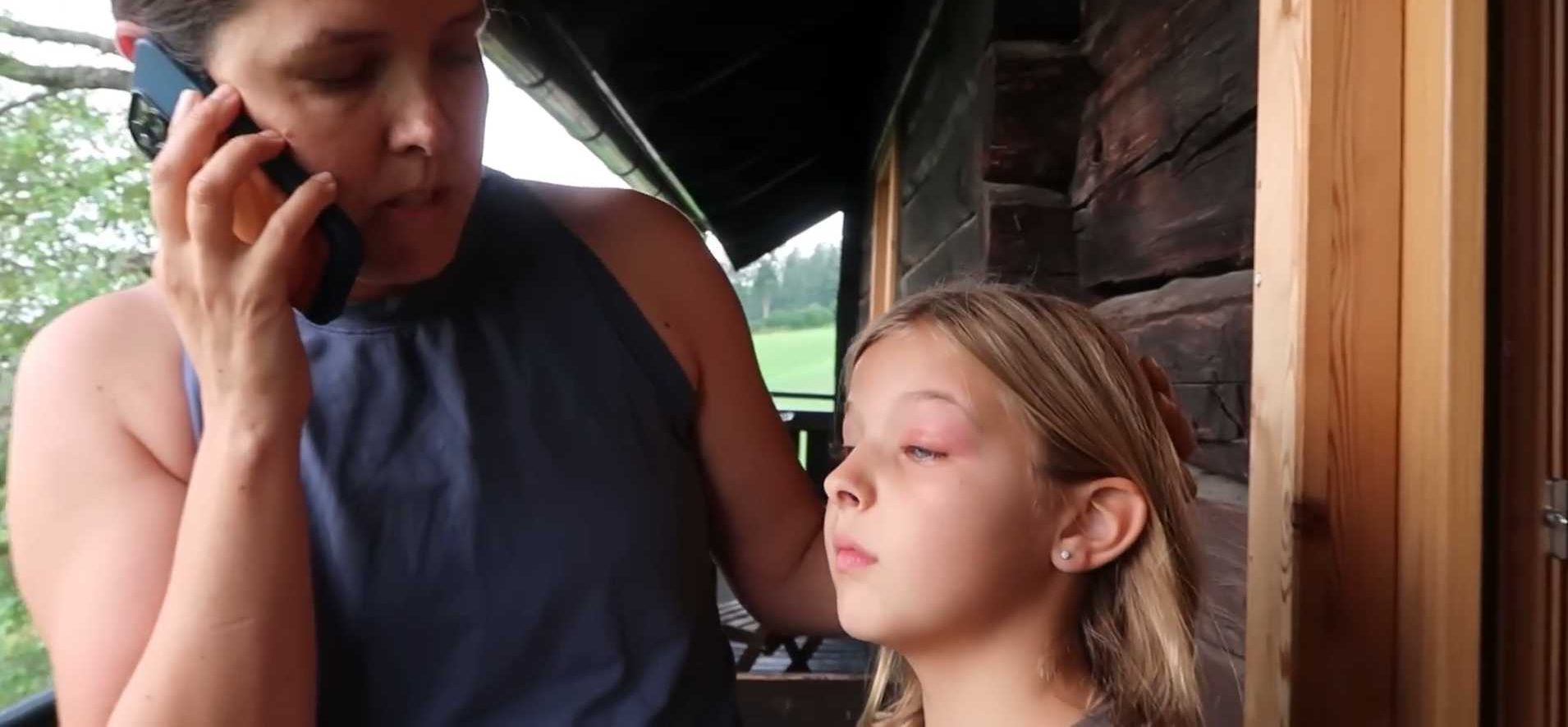
A Mysterious Swollen Eye in Austria

When her daughter woke up with a swollen eye while the family was traveling overseas, Kendra Johnston knew just who to call for help.

When her daughter woke up with a swollen eye while the family was traveling overseas, Kendra Johnston knew just who to call for help.

Categories:

ResourcesVideos
Share This:

A Severe Jaw Injury in Remote Papua New Guinea

After a bike accident left young Jude Cann with a severe jaw injury in remote Papua New Guinea, Global Rescue rushed to evacuate him to receive the critical medical care he needed.

After a bike accident left young Jude Cann with a severe jaw injury in remote Papua New Guinea, Global Rescue rushed to evacuate him to receive the critical medical care he needed.

Categories:

ResourcesVideos
Share This:

Wilderness Rescue After Horseback Accident

After a rugged horseback expedition left him injured far from help in British Columbia, Louis Cairo turned to Global Rescue.

After a rugged horseback expedition left him injured far from help in British Columbia, Louis Cairo turned to Global Rescue.

Categories:

ResourcesVideos
Share This:

A Shattered Arrow Through the Hand

When an experienced bowhunter’s arrow shattered and impaled his hand deep in the South African wilderness, Global Rescue stepped in to help.

When an experienced bowhunter’s arrow shattered and impaled his hand deep in the South African wilderness, Global Rescue stepped in to help.

Categories:

ResourcesVideos
Share This:

Why the International Game Fish Association Chooses Global Rescue

Mike Myatt explains why the IGFA trusts Global Rescue, sharing his experience falling ill on a fishing trip in Angola.

Mike Myatt explains why the IGFA trusts Global Rescue, sharing his experience falling ill on a fishing trip in Angola.