Loading...

Share This:

Mission Briefs: Global Rescue In Action – Issue 51

A brief overview of recent standout operations involving Global Rescue.

Article Highlights:

  • Global Rescue’s Critical Missions: Rapid medical evacuations across Kilimanjaro, Manaslu, Nepal, and more.
  • Emergency Aid Worldwide: Lifesaving rescues for injured divers, trekkers, motorcyclists, and skiers.
  • Altitude and Remote Area Response: Expert care for altitude sickness, decompression illness, and severe injuries.


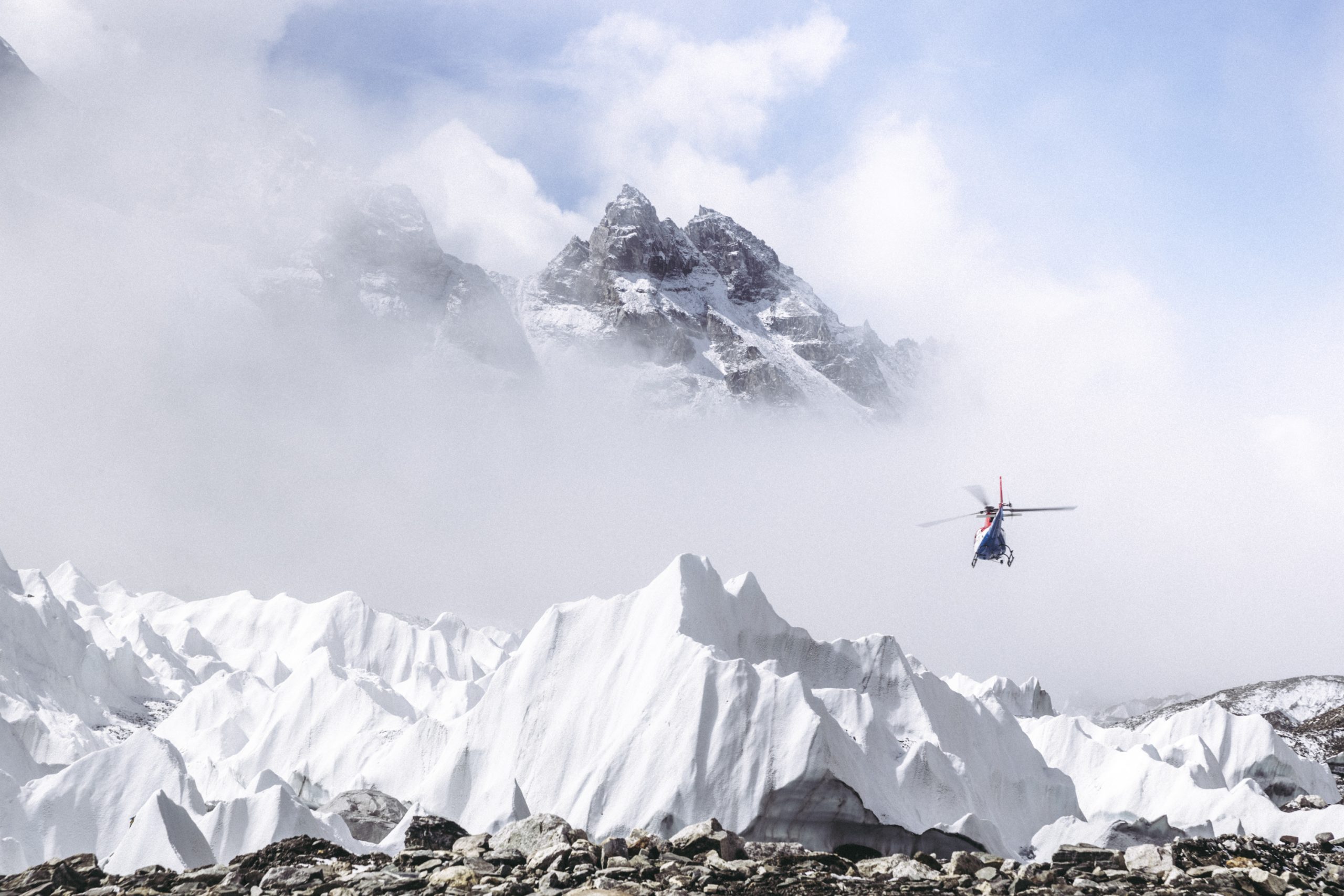
The fall 2024 Himalayan climbing season accounted for many rescue operations due to illness and injury. High-altitude rescue also took place on Mount Kilimanjaro in Tanzania.

Elsewhere around the world, Global Rescue conducted field rescues and medical evacuations for injured skiers in Switzerland, scuba divers with decompression sickness in Fiji, trekkers in the Dolomites suffering from respiratory issues, and injured motorcyclists in Canada following accidents.

On average, Global Rescue conducts hundreds of life-saving operations each month. These cases demonstrate Global Rescue’s critical role in providing timely assistance to members worldwide.


Decompression Sickness in Fiji

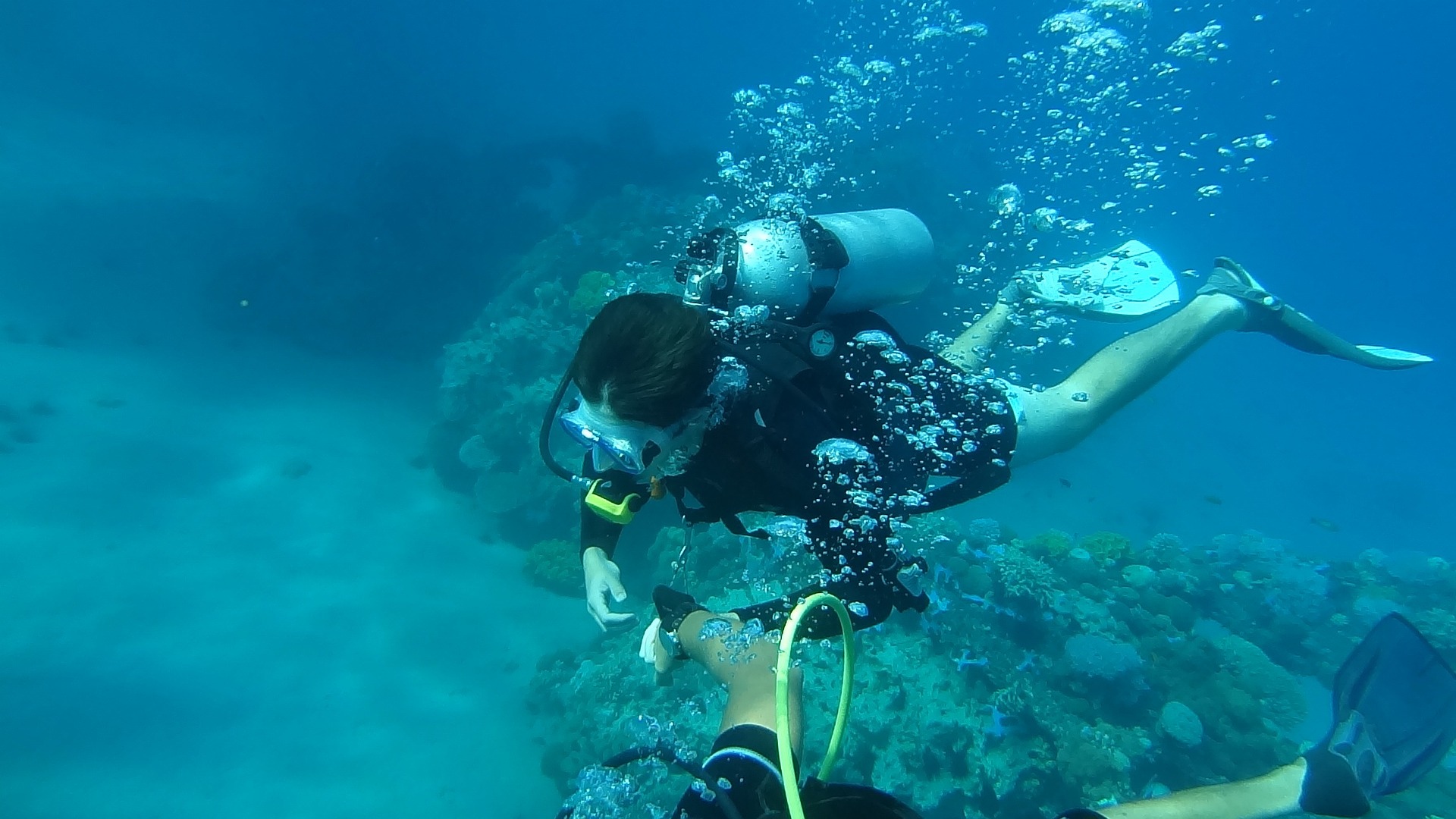
On September 19, Global Rescue Operations received a report from a member who experienced symptoms of decompression sickness after diving near a remote island in Fiji. His symptoms, including chest pain and shortness of breath, required immediate medical intervention. The local doctor recommended hyperbaric oxygen therapy (HBOT), which was unavailable on the island. Global Rescue coordinated a sea-level flight to Suva, followed by ambulance transport to CWM Hospital, where the member received multiple HBOT sessions. After significant improvement, he was advised to wait 3-5 days before flying home.


Motorcycle Accident Triggers Medical Evacuation

On August 1, 2024, a U.S. member contacted Global Rescue following a motorcycle accident in Omak, Washington, resulting in a broken clavicle. After receiving initial treatment, the member chose to return home for surgery. Global Rescue doctors recommended business class air travel to prevent further injury. We made arrangements for ground transportation to Spokane International Airport and a flight to Denver, Colorado. The member’s transport proceeded without complications, and upon arrival in Denver, he confirmed that he was safely picked up by his family, reporting no additional concerns with his injuries.


Airborne Evacuations from Kilimanjaro

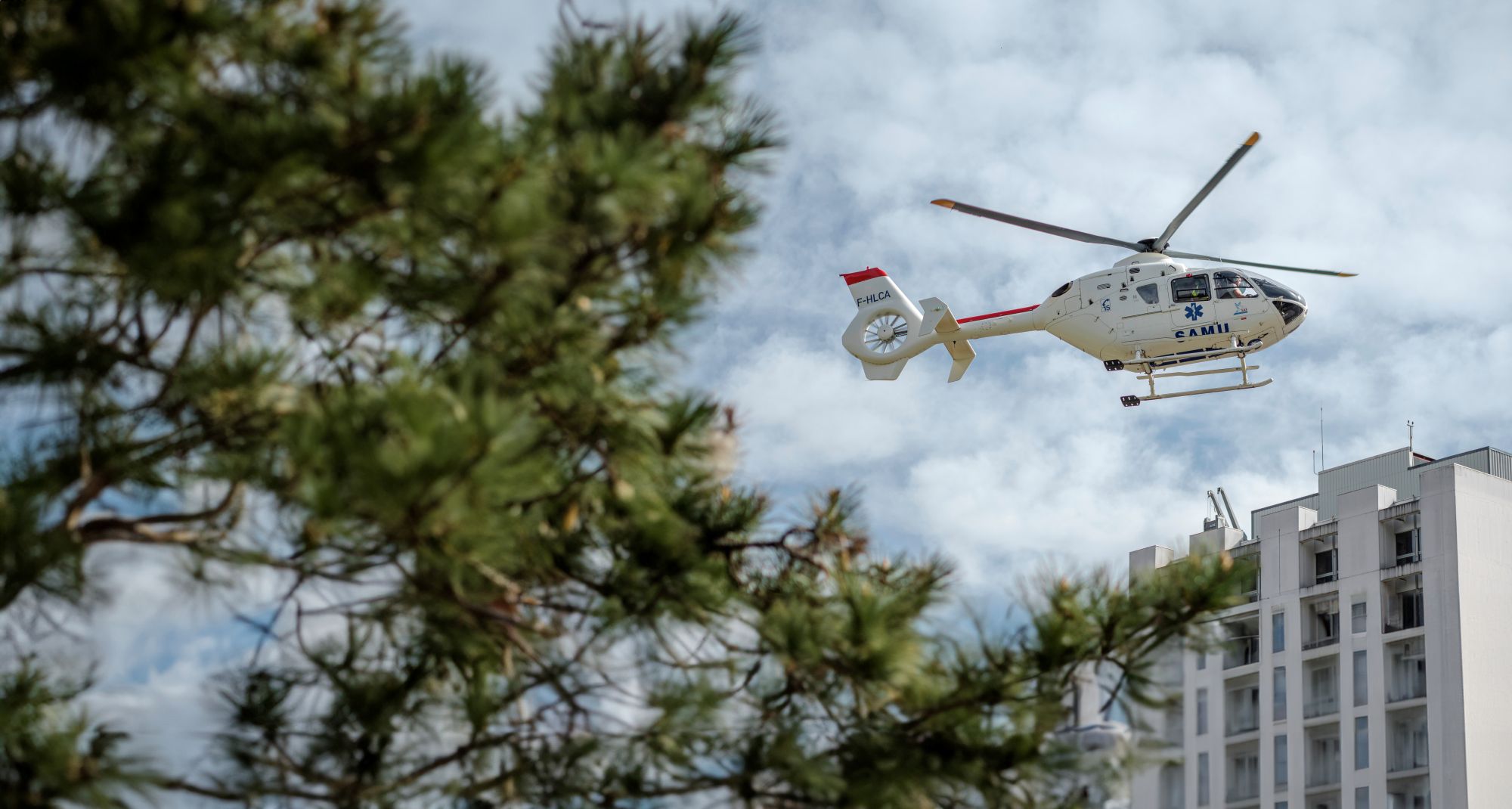
Multiple trekkers on Mount Kilimanjaro required emergency evacuations due to severe medical conditions. On September 8, a trekker at Gilman’s Point experienced critical chest pain and dangerously low oxygen levels, prompting a helicopter evacuation to a medical center in Kilimanjaro for treatment. A week later, another individual at Barafu Camp suffered breathing difficulties and other severe symptoms after summiting. They were transported by stretcher to Millennium Camp and then evacuated to a medical center for evaluation. The next day, a climber at Kikilewa Camp reported heat stroke symptoms, including chest pain, dehydration and low oxygen levels, and was also evacuated to a medical center in Kilimanjaro medical center for treatment. All members were successfully evacuated, received medical care and resumed recovery.


Ski Lift Accident in Switzerland

In September 2024, Global Rescue coordinated a medical evacuation for a 14-year-old female who suffered severe spinal injuries from a ski lift malfunction in Lausanne, Switzerland. After spinal surgery and critical care at Lausanne University Hospital, her condition remained critical with paraplegia and no significant improvement. Global Rescue’s medical team recommended her repatriation to Canada via air ambulance to the Children’s Hospital of Eastern Ontario. The mission, conducted on September 15, 2024, included medical staff and ground transport and was completed without complications.


Field Rescue in the Dolomites

On September 17, 2024, a 67-year-old trekker in the Italian Dolomites experienced severe respiratory issues, including difficulty breathing, chest tightness and fatigue. Initially, at Rifugio Monte Muro, she contacted Global Rescue for advice as her symptoms worsened despite medication. We authorized a field rescue and ground transportation to take her to Hotel Corona for medical consultation. After a negative COVID test, she was diagnosed with bronchitis and the flu and prescribed antibiotics. Following her recovery, she declined further follow-ups and expressed gratitude for the assistance provided.


Multiple Rescue Operations on Manaslu

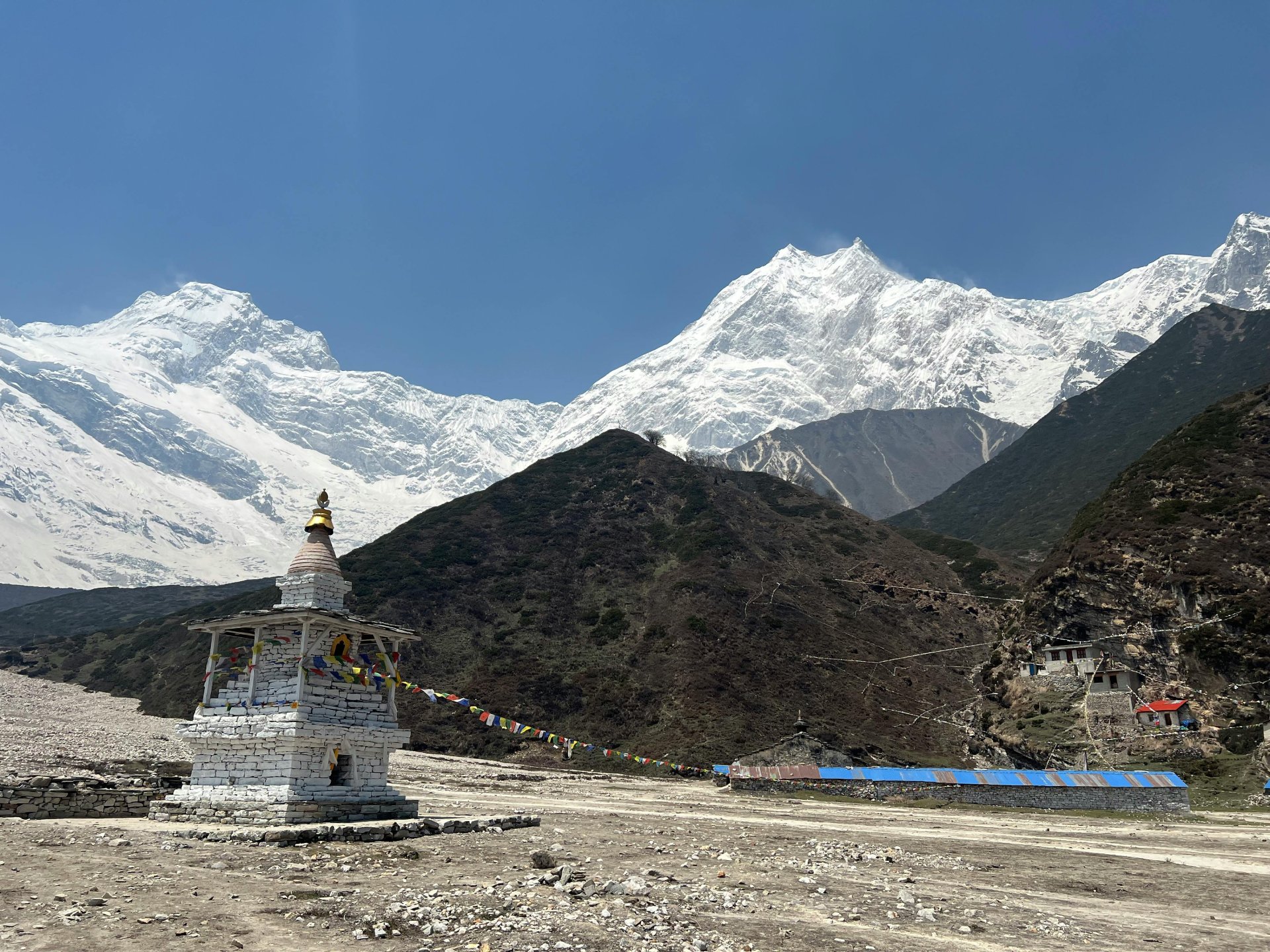
Global Rescue conducted several rescues on Mount Manaslu in Nepal, due to altitude-related illnesses and injuries. The first operation was for a climber suffering from High Altitude Pulmonary Edema (HAPE) at Manaslu Base Camp. The individual, experiencing rapid breathing, chest pain and low oxygen saturation, was transported to a lower altitude at Samagaun for stabilization. However, the climber required additional medical attention, prompting Global Rescue to arrange an air evacuation to a hospital in Kathmandu. Following treatment for HAPE and dehydration, the climber opted to abort the expedition and return home, expressing gratitude for the care and coordination provided by Global Rescue.

Two days later, another evacuation was triggered for a climber at Manaslu Camp 1 who was experiencing severe back spasms and difficulty breathing. The climber was immobilized and unable to move due to the intense pain radiating to the lungs and ribs. Global Rescue authorized a helicopter rescue; however, poor weather conditions delayed the operation.  A day later, the climber was successfully airlifted to a hospital in Kathmandu. Following an evaluation, the climber was diagnosed with altitude sickness and back pain. After receiving treatment, including IV medications, the climber’s condition improved, and they later rebooked their return flight to Australia.

A few days after that, a third incident occurred at Manaslu Camp 1. A climber sustained a severe ankle sprain and knee injury, rendering them unable to walk or descend. After a Global Rescue doctor evaluated the situation, we arranged a helicopter evacuation to transport the member to a nearby hospital. The climber was treated for a right ankle sprain and discharged with instructions for further recovery. In a separate incident, a climber at Manaslu Camp 3 suffered from Acute Mountain Sickness (AMS) and High-Altitude Cerebral Edema (HACE), resulting in breathing difficulties and nausea. Global Rescue authorized a helicopter evacuation to a nearby hospital. The climber was treated for AMS and frostbite on the fingers before being discharged.


Motorcycle Accident Medevac from British Columbia

On September 7, 2024, a member sustained a serious ankle injury during a motorcycle accident on the Stewart-Cassiar Highway, British Columbia. He was initially treated at Stewart Health Center for a broken and dislocated left ankle. Due to the remoteness of the location, we explored multiple transportation options to transfer him for further care at the University Hospital of Northern British Columbia. The patient ultimately opted for ground transport provided by Motoquest to Smithers, where Global Rescue arranged the remaining journey to Prince George. Following surgery, the patient was discharged on September 10 and independently arranged his return home.


Helicopter Evacuations in Nepal

A trekker in Khare, Nepal, sustained injuries from a fall, suffering head trauma and mobility issues. Global Rescue was notified and conducted an airborne field rescue of the member to a nearby hospital for treatment and recovery before returning to their home country, New Zealand. Two weeks later, Global Rescue was notified of another member showing symptoms of severe Acute Mountain Sickness (AMS) during a trek in Dolpa, Nepal. The member was vomiting with nausea, general weakness and low oxygen levels. She required helicopter evacuation to a nearby hospital in Kathmandu. After treatment, she declined further medical tests and was discharged.

Categories:

News
Share This:

Travelers are having more “lost in translation” moments. What’s the fix?

Share This:

Top Freshwater Fishing Destinations Around the World

Plan your next freshwater fishing trip with these destination tips.

Article Highlights:

  • Alaska and Mongolia offer some of the best freshwater fishing for salmon and taimen.
  • Remote locations like the Amazon and Siberia offer unique fishing experiences but lack emergency medical care.
  • European catfish in Spain’s Ebro River offer a thrilling challenge for anglers.


The world is full of incredible freshwater fishing destinations, each with its unique species, challenges, and rewards. Before you book your next freshwater fishing adventure, check out some of the best international freshwater fishing spots, the types of fish you can expect to catch and the challenges you might encounter when visiting certain remote or politically unstable regions.

The Best Freshwater Fishing Destinations

Alaska, USA

Alaska is a paradise for freshwater fishing, offering some of the best opportunities to catch freshwater salmon. The state’s rivers, such as the Kenai and the Kasilof, are teeming with all five species of Pacific salmon: king, silver, sockeye, pink and chum salmon. Additionally, Alaska’s pristine waters offer freshwater trout, Arctic grayling and freshwater shad. This destination attracts thousands of anglers annually looking for the thrill of landing a massive salmon in the wild.


Mongolia

Mongolia is famous for its remote fishing locations and untouched rivers, making it one of the best places to catch taimen, the world’s largest freshwater salmon. Taimen are known for their aggressive strikes and strength, making them a coveted catch for anglers who love a challenge. Mongolia’s rivers, such as the Delger Muron and the Eg-Ur, are remote but rewarding for those willing to venture into the wilderness.


Democratic Republic of Congo (DRC)

The DRC is currently listed as a “Level 3 – Reconsider Travel” by the U.S. Department of State due to crime and civil unrest, making travel to the country ill-advised. It’s an unfortunate circumstance for adventurers since the Congo River is one of the most remote and wild places for freshwater fishing. Anglers here can target the goliath tigerfish, a fearsome predator known for its size and sharp teeth. While the fishing is phenomenal, emergency medical care and emergency response capabilities in the DRC are limited, making it a high-risk location for anglers.

Freshwater fishing offers anglers a unique set of benefits and challenges, from the peace of being on a remote lake to the thrill of catching a giant European catfish. John Davis, a seasoned freshwater fishing guide, explains that “The beauty of freshwater fishing is that it connects you with nature in a way that no other sport can. There’s nothing quite like being on a river at sunrise, casting your line and feeling that tug on your reel.”

However, as Davis points out, freshwater fishing isn’t without its challenges. “It’s important to be prepared, especially if you’re fishing in remote locations. Make sure you plan for medical emergencies, especially if you’re targeting species like taimen in Mongolia or goliath tigerfish in the Congo.”


Spain

Spain is home to the giant European catfish, a fish that can grow to enormous sizes, making it a top destination for anglers who want to battle with one of the largest freshwater fish in the world. The Ebro River is the most famous spot for catching European catfish, with some specimens reaching over 200 pounds. Alongside catfish, Spain’s rivers and lakes also offer opportunities to catch carp and freshwater shad.


Brazil (Amazon Basin)

The Amazon Basin offers a unique freshwater fishing experience, where anglers can target peacock bass, piranha and freshwater catfish such as redtail catfish and piraíba (giant catfish). The Amazon’s remote waterways and stunning biodiversity attract adventurous anglers, but the region’s isolated location presents challenges, such as limited access to emergency medical care and logistical difficulties.


Norway

Norway is known for its incredible scenery and pristine rivers, which offer world-class fishing for Atlantic salmon. Freshwater fishing enthusiasts flock to rivers like the Gaula and the Namsen to catch trophy-sized salmon. Norway’s government tightly regulates its fishing industry to ensure the sustainability of its rivers, making it an ideal destination for responsible anglers.


Remote and Challenging Destinations for Freshwater Fishing

While freshwater fishing can take you to beautiful and serene locations, some of the best fishing spots are in regions with political instability, civil unrest or other safety concerns.

Sarah Jenkins, an angler who has fished in remote regions around the world, adds, “Freshwater fishing is incredibly rewarding, but it’s also a test of your patience and perseverance. The conditions aren’t always ideal, and sometimes it takes hours—or even days—to catch the fish you’re after. But when you finally land that big one, it makes all the hard work worth it.”


Here are some destinations where freshwater fishing is a bit more challenging due to these factors:

Myanmar (Burma)

Myanmar’s rivers and lakes are home to a variety of freshwater species, including freshwater catfish. The Irrawaddy River offers unique fishing experiences, but the country has experienced periods of political instability and civil unrest, particularly in remote regions. Access to medical care is limited in rural areas, and there may be language barriers when seeking assistance in an emergency.


Venezuela

Venezuela’s rivers, particularly in the Orinoco Basin, are rich in freshwater fish, including peacock bass and freshwater catfish. However, Venezuela’s ongoing political and economic crisis, coupled with high crime rates, makes it a challenging destination for tourists. Tourists are often targeted for theft, and emergency medical services may be inadequate, especially in remote fishing areas.


Russia (Siberia)

Russia is listed as a “do not travel” destination by the U.S. Department of State due to the consequences of the full-scale invasion of Ukraine by Russian military forces. But when, and if, travel to Russia opens up freshwater fishing in Siberia’s vast wilderness offers some of the most remote freshwater fishing opportunities in the world. Anglers can target taimen and Siberian sturgeon in the icy rivers of this expansive region. However, the extreme remoteness of Siberia means that emergency medical care is scarce, and evacuating an injured angler can be a logistical nightmare.


Bolivia

Bolivia is an excellent destination for freshwater fishing, especially for the golden dorado, which is considered one of the most prized game fish in South America. Bolivia’s rivers, particularly those in the Amazon Basin and its tributaries, provide prime habitats for this powerful and aggressive species.

Jim Klug, founder of Yellow Dog Flyfishing Adventures, knows well the risks involved when freshwater fishing in remote regions and suffering a serious injury. Klug was in the jungles of Bolivia to photograph and fish for Golden Dorado.

“We had made the trip to Tsimane’s Asunta River Lodge on the Secure River, one of the most remote and untouched areas in Bolivia. This is an area that is home to spectacular Golden Dorado – one of the largest, meanest and toughest fish found anywhere in the world of freshwater fishing,” he said.

Three days into the trip Klug was blinded and concussed after a 20-foot-long wooden pole used to maneuver the canoes along the Secure River freakishly whacked him in the eye. “I sustained a serious blunt force trauma injury to my right eye, which took out my vision entirely and left me with a serious concussion,” he said. “I received a healthy dose of reality that included a scary medical situation, a Global Rescue evac and two days in the hospital in Miami.”


The Global Rescue Connection

Fishing in remote areas like the Amazon, Mongolia or Siberia can be exhilarating, but it also comes with inherent risks. Many of these locations lack reliable access to emergency medical care, and local emergency response capabilities may be minimal at best.

Before embarking on a freshwater fishing adventure in these areas, it’s essential to have a comprehensive travel insurance plan and a reliable evacuation service.

At Global Rescue, we specialize in medical evacuations and rescue services, and emphasize the importance of preparation for remote fishing trips. “It’s not enough to rely on travel insurance,” says Dan Richards, CEO of Global Rescue. “In remote locations, you need a service that can deploy personnel to your location and get you the medical attention you need, quickly.”

Richards likens Global Rescue’s services to “AAA for your body,” explaining that in places like the Amazon Basin or the Siberian wilderness, traditional travel insurance may not be sufficient to cover the costs of medical evacuations or emergency response.

Categories:

Health & SafetyTravel
Share This:

Out and About: Your Guide to Safe and Inclusive LGBTQ Business and Leisure Travel

Discover expert LGBTQ travel tips, top safe destinations, and advice on navigating challenges, laws and cultural expectations abroad.

Article Highlights:

  • Safer Destinations: Canada, the Netherlands, and Iceland are among the safest destinations for LGBTQ travelers, offering progressive laws and inclusive communities.
  • Risky Countries: Jamaica, Egypt, Uganda, Russia and Nigeria are some of the most dangerous destinations for LGBTQ travelers, with severe penalties for same-sex relationships.
  • PDA Caution: LGBTQ travelers should be cautious of public displays of affection and adhere to local dress codes in conservative countries.
  • The IGLTA is a valuable resource for LGBTQ travel planning, offering safety guides, trip planning help, and connections to LGBTQ-friendly businesses worldwide.


Traveling as an LGBTQ individual comes with unique challenges, especially when navigating a world where not all destinations are welcoming. According to the U.S. State Department, there are approximately 70 countries where consensual same-sex relationships are considered a crime, sometimes carrying severe punishments. This can make travel daunting for LGBTQ travelers, but with careful research and planning, it is still possible to find destinations that are safe and enjoyable for both business and leisure.


Expert Tips for LGBTQ Travel

Two smiling, gay black men walk with arms around each other through a street market.
There are many countries LGBTQ individuals can travel to…and there are many others they shouldn’t.

Researching the best and most dangerous international LGBTQ travel destinations, highlighting key laws and cultural considerations, and gleaning practical advice on how to stay safe at international borders is essential.

Cameron Robinson, an LGBTQ travel writer, advises, “One of the best ways to ensure a safe and enjoyable trip is to understand the local laws and cultural expectations. Some countries may be LGBTQ friendly, but others may pose significant risks, so it’s crucial to know what to expect.”

Robinson also highlights the importance of community. “In destinations with a strong LGBTQ community, like Berlin or Amsterdam, you can connect with locals who can offer insights and advice on where to go and what to avoid. In less tolerant places, it’s a good idea to connect with LGBTQ travel forums online, where you can get real-time advice from people who have been there.”


Safer LGBTQ Travel Destinations

Several countries are celebrated for inclusivity and have developed reputations as safe and welcoming destinations for LGBTQ travelers. These locations offer progressive laws, LGBTQ-friendly businesses, and a vibrant culture that supports equality.


Canada

Canada is one of the most LGBTQ-friendly countries, with strong anti-discrimination laws and a welcoming culture. Same-sex marriage has been legal since 2005, and major cities like Toronto, Vancouver and Montreal host thriving LGBTQ communities and events. Toronto Pride and Vancouver Pride are some of the most inclusive festivals globally, attracting LGBTQ travelers from around the world.


The Netherlands

The Netherlands is often regarded as a leader in LGBTQ rights, being the first country to legalize same-sex marriage in 2001. Amsterdam is a prime destination for LGBTQ travelers, with its rich history of tolerance and inclusion. The city’s Canal Parade during Pride Amsterdam is world-renowned, and the country’s robust anti-discrimination laws make it a safe and welcoming destination for LGBTQ travelers.


Iceland

Iceland is a haven for LGBTQ travelers, with progressive laws and a welcoming society. Same-sex marriage was legalized in 2010, and the country consistently ranks high in global LGBTQ safety and inclusivity. Reykjavik, the capital, hosts the annual Reykjavik Pride, which draws large crowds and celebrates LGBTQ culture in a vibrant and supportive environment.


New Zealand

New Zealand is another LGBTQ-friendly destination. It legalized same-sex marriage in 2013, and its two largest cities, Wellington and Auckland, have strong LGBTQ communities. The country is known for its LGBTQ-friendly policies, anti-discrimination protections and inclusive cultural events.


Germany

Germany, particularly Berlin, has a thriving LGBTQ community. Berlin’s LGBTQ history is deeply rooted in its culture, and the city is known for its diverse nightlife, inclusive atmosphere and progressive laws. Same-sex marriage has been legal in Germany since 2017, and discrimination based on sexual orientation or gender identity is prohibited. Germany is a top LGBTQ travel destination for both business and leisure.

“Countries like Canada, New Zealand and the Netherlands are ideal for LGBTQ travelers because of their strong protections and vibrant communities. These destinations prioritize inclusivity and ensure that LGBTQ travelers can enjoy their trips without fear of discrimination,” Robinson said.


High-Risk LGBTQ Travel Destinations

While some countries are progressive in their approach to LGBTQ rights, others pose significant risks due to strict laws, cultural prejudices or dangerous environments. LGBTQ travelers must be particularly cautious when visiting these destinations.

Sarah Jennings, another LGBTQ travel expert, points out that safety should always be a priority. “If you’re traveling to a country where LGBTQ rights are not recognized, keep a low profile, avoid drawing attention to yourself and always have a backup plan in case of emergency.”


Russia

Russia is listed as a “do not travel” destination by the U.S. Department of State due to the consequences of the full-scale invasion of Ukraine by Russian military forces. But when, and if, travel to Russia opens up, travelers must remember Russia’s infamous “gay propaganda” law that criminalizes the promotion of LGBTQ rights, making it illegal to discuss or display LGBTQ issues publicly. LGBTQ travelers from any country should exercise extreme caution and avoid any public displays of affection. Russia is considered high-risk for LGBTQ travelers due to the lack of legal protections and the prevalence of anti-LGBTQ violence.


Nigeria

In Nigeria, same-sex relationships are criminalized, and LGBTQ individuals face imprisonment or even the death penalty under Sharia law in certain regions. There is no legal protection for LGBTQ individuals, and societal attitudes are deeply hostile. LGBTQ travelers should avoid Nigeria due to the high risk of persecution and violence.


Egypt

Egypt has been known for its targeted harassment and entrapment campaigns against LGBTQ individuals. Law enforcement agencies often monitor LGBTQ dating apps or social media platforms to identify and arrest individuals. LGBTQ travelers should avoid using such platforms while in the country and exercise extreme caution to avoid legal trouble.


Uganda

Uganda is notorious for its anti-LGBTQ laws, which impose harsh penalties on same-sex relationships. LGBTQ travelers face severe risks in Uganda, including harassment, violence, and arrest. As with other high-risk destinations, travelers should avoid any public discussion of LGBTQ topics and refrain from displaying affection.


Jamaica

Jamaica has a reputation for being one of the least safe Caribbean destinations for LGBTQ travelers. Same-sex sexual activity is illegal in Jamaica, and violence against LGBTQ individuals is not uncommon. LGBTQ travelers should exercise caution, avoid public displays of affection and be mindful of local attitudes toward LGBTQ issues.


Local Laws, Rules, and Cultural Behaviors To Consider

For LGBTQ travelers, understanding the laws and cultural norms of your destination is crucial. In countries with anti-LGBTQ laws, even seemingly innocent behaviors can attract unwanted attention or lead to legal trouble.

In many Western countries, public displays of affection (PDA) between same-sex couples are accepted. In countries with conservative social norms, however, such as those in the Middle East or Africa, PDA can result in harassment, arrest or worse. It’s essential to research the local attitudes toward LGBTQ behavior before traveling and adjust accordingly.

In countries, like Iran, strict dress codes based on gender can create difficulties for transgender or non-binary travelers. Violating these dress codes can lead to legal consequences or harassment. LGBTQ travelers should be mindful of local dress expectations and avoid drawing unwanted attention.

Some countries may have LGBTQ-friendly resorts or neighborhoods, but they may be segregated from the broader community. For instance, in Jamaica, there are a few LGBTQ-friendly resorts, but the wider culture remains largely hostile toward LGBTQ individuals. Travelers should be cautious when venturing outside of LGBTQ-friendly areas and avoid engaging in behaviors that might attract unwanted attention.


Border and Customs Behaviors Toward LGBTQ Travelers

In some countries, LGBTQ travelers may face discriminatory treatment at borders or customs, particularly if their gender expression does not match their passport or if they are traveling with a same-sex partner. Some border agents may ask invasive questions or subject travelers to additional screening based on their suspicion of LGBTQ identity.

If you are pulled aside at an international airport for suspicion of being LGBTQ, remain calm and cooperative, but also assert your rights. It’s essential to have the contact information of your embassy or consulate in case you need legal assistance. Your colleague or travel companion should stay nearby, observe the situation and be prepared to advocate on your behalf or seek legal help if necessary.


LGBTQ Travel Resources

Two older gay men in shorts and sunglasses walk along an ocean beach in the sun.
Do your research before visiting a new country, especially if you’re an LGBTQ individual.

IGLTA (International LGBTQ+ Travel Association) is the world’s leading network of LGBTQ-welcoming tourism businesses. They provide a wealth of resources for LGBTQ travelers, including safety guides, a same-sex marriage guide, trip planning help and connections to supportive businesses around the world. Before traveling, LGBTQ individuals can use IGLTA’s resources to find inclusive destinations, tours and accommodations.

IGLTA also offers guidance on staying safe in countries where LGBTQ rights are not recognized, as well as advice on how to handle difficult situations at borders or with local authorities.

LGBTQ travel requires careful planning and research to ensure a safe and enjoyable experience. While some destinations offer a welcoming environment, others pose significant risks. By understanding local laws, customs and the political landscape, LGBTQ travelers can make informed decisions and have a fulfilling travel experience.


The Global Rescue Connection

A Global Rescue membership provides more than emergency field rescue from the point of illness or injury and medical evacuation. Membership services include traveler assistance for finding legal counsel, visa and passport issues and translation services.

Members can obtain destination reports for 215 countries and territories worldwide to learn entry requirements, travel status and restrictions, detailed health and security assessments and required immunizations. Members can also keep up to date on health and security events worldwide by reviewing travel alerts on destination reports.


Share This:

What To Do If You Get Sick or Injured on the Inca Trail to Machu…

Essential tips for staying safe and handling emergencies on the Inca Trail.

Article Highlights:

  • Altitude Sickness is common for tourists walking the Inca Trail or climbing Machu Picchu.
  • Sprains, fractures and dehydration are common injuries for tourists hiking the Inca Trail.
  • Emergency field rescue and medical evacuations from remote areas like Machu Picchu may be necessary.
  • Language barriers may hinder a trip making translation apps helpful.
  • Low crime and food risks make Machu Picchu generally safe, but tourists should be cautious with food and water to avoid gastrointestinal issues.

Machu Picchu: A High-Altitude Hot Spot

Machu Picchu, the ancient Incan city nestled in the Peruvian Andes, is a must-see for travelers. The best time of year to go to Machu Picchu is April to October, during the dry season. This period is ideal for walking the Inca Trail and exploring the ruins, as the weather is mild and there’s less risk of rain. However, it’s also the busiest time.

Due to its high altitude and rugged terrain, the area presents unique challenges for tourists, particularly if they become sick or injured. If you’re hiking the Inca Trail to Machu Picchu or exploring the ruins, knowing what to do if you need medical assistance is crucial for a safe and enjoyable trip.


Illnesses and Injuries in Machu Picchu

Tourists visiting Machu Picchu or hiking the Inca Trail are susceptible to several common injuries and illnesses, especially altitude sickness. Machu Picchu sits at around 7,970 feet, and many tourists experience altitude sickness, which can cause headaches, nausea and shortness of breath. The symptoms may worsen as you walk the Inca Trail, which reaches heights of over 13,000 feet.

Sprains and fractures are common, too. The uneven and steep terrain of the Inca Trail hike increases the risk of sprains, twisted ankles and even fractures. A simple fall during the hike can lead to serious injuries that require evacuation.

The combination of the high altitude and the physical exertion needed while climbing Machu Picchu or walking the Inca Trail can lead to dehydration. Drinking plenty of water, especially when hiking, is essential. But be cautious when drinking local tap water – or eating improperly prepared food – which can lead to gastrointestinal illnesses (a.k.a. traveler’s diarrhea). While the food in Machu Picchu restaurants is generally safe, it’s wise to avoid street food and always drink bottled or purified water.


What You Need to Know About Peru’s Medical System in Machu Picchu

Peru’s healthcare system, while functional, may not meet the standards of tourists from the U.S., Canada or the U.K., Machu Picchu itself is a remote location, and medical facilities in the area are basic. The closest small clinic is located in the nearby town of Aguas Calientes, but it is not equipped to handle serious injuries or illnesses. If you are seriously injured or sick while hiking the Inca Trail, you will need to be evacuated to a larger hospital in Cusco, a city about four hours away by train or helicopter.

Hospitals in Cusco are better equipped but can still be limited in comparison to facilities in North America or the U.K. While some healthcare professionals may speak basic English, language barriers are common. Tourists should be prepared to use translation apps or bring someone who speaks Spanish, as communication can be challenging when discussing medical issues.

Peru’s first responder system operates differently than in the U.S. or the U.K. In Machu Picchu and along the Inca Trail, medical emergencies often require rescue operations conducted by local guides or tour companies. Helicopter evacuations may be necessary, but they can be delayed due to the area’s remote location and weather conditions. It’s essential to have comprehensive travel protection, like Global Rescue, which can organize and facilitate these evacuations when necessary.

Lois Friedland, an adventure travel writer, raised a key question: “Are you protected if you fall during a hike on the Inca Trail in Peru and need to be evacuated?” Unfortunately, many travelers assume their traditional travel insurance will cover them in such situations, only to learn too late that they are not fully protected. This is where specialized services like Global Rescue can step in.


How Global Rescue Can Help

Dan Richards, CEO and founder of Global Rescue, explained, “Global Rescue is not travel insurance; it’s more like AAA for your body, rather than your car.”

In the event of an injury or illness, Global Rescue will deploy personnel to your location if necessary, whether on the Inca Trail or in the middle of Machu Picchu. Unlike traditional travel insurance, which may only reimburse you after the fact, Global Rescue takes immediate action to assist.

“If a member experiences a medical emergency due to illness or injury during a hike on the Inca Trail, we arrange for someone to come get you,” Richards explained. This can make a lifesaving difference in remote areas like Machu Picchu, where immediate access to medical care is limited. In cases where evacuation is necessary, having Global Rescue ensures that help will arrive quickly, no matter how remote your location.


Lost City of the Incas: Low Crime, Good Food

Peru is generally safe for tourists, and Machu Picchu is one of the most visited and secure sites in the country. However, petty crimes like pickpocketing can occur, especially in busy areas like train stations and markets. While crime levels in Peru are higher in cities like Lima, Aguas Calientes and Machu Picchu are generally considered safe. Tourists are not usually targeted for violent crime, but they should still exercise caution, remain vigilant, keep valuables secure and avoid flashing expensive items like jewelry or electronics.

Peruvian cuisine is delicious and unique, but it can be quite different from what tourists from the U.S., Canada or the U.K. are used to. Machu Picchu restaurants often serve traditional dishes like lomo saltado (stir-fried beef) and aji de gallina (chicken in a creamy sauce). While most restaurants near Machu Picchu are clean and cater to international tourists, it’s still essential to be cautious. Always drink bottled water, avoid ice cubes and choose well-cooked food.

Public restrooms in tourist areas like Machu Picchu and Aguas Calientes are generally clean, but they can be basic. It’s a good idea to carry hand sanitizer and tissue, as some restrooms may not provide toilet paper.

Traveling to Machu Picchu is an incredible experience, but it comes with challenges. Before you travel, make sure you have travel protection for field rescue, medical evacuation and medical advisory. Whether you’re walking the Inca Trail, climbing Machu Picchu, or dining in local restaurants, being prepared for the unexpected will ensure that your trip is memorable for all the right reasons.

Categories:

Press Release
Share This:

Geopolitical Instability Emerges as Biggest Travel Risk for 2025, Survey Shows

(Lebanon, N.H. – Oct. 15, 2024) Travelers are becoming increasingly concerned about the evolving risks in international travel. Nearly a third of the world’s most experienced travelers (30%) revealed that geopolitical instability is their most…

(Lebanon, N.H. – Oct. 15, 2024) Travelers are becoming increasingly concerned about the evolving risks in international travel. Nearly a third of the world’s most experienced travelers (30%) revealed that geopolitical instability is their most significant perceived travel risk, according to the Global Rescue Fall 2024 Traveler Sentiment and Safety Survey. Respondents reported economic instability (12%) and terrorism (11%) as the next most concerning travel risks for 2025.

“From two ongoing wars to political and economic instability in multiple countries, travelers are keenly aware of how conflicts, currency destabilization and inflation can suddenly change the landscape of a destination,” said Dan Richards, CEO of The Global Rescue Companies and a member of the U.S. Travel and Tourism Advisory Board at the U.S. Department of Commerce. “It’s important for travelers to be informed and have contingency plans in place, especially when traveling to regions where risks are elevated.”

The survey revealed that more than half of travelers (51%) would obtain security extraction services when traveling to countries or regions where terrorism, civil unrest, or war is an ongoing threat. Travelers are paying close attention to official U.S. travel advisories. “Travelers are taking their safety more seriously than ever before,” said Harding Bush, former Navy SEAL and security director for Global Rescue. “Security extraction services are no longer viewed as optional for those who travel to high-risk areas. People want to know that they can get out of a dangerous situation quickly if necessary.”

Despite external travel threats like geopolitical instability, the survey identified that nearly half of travelers (45%) identified injury or illness as their biggest concern during international travel, making health risks the leading issue travelers worry about. Health and safety have always been a concern for travelers, but in today’s unpredictable global climate, it has become a top priority.

“Whether it’s falling ill or experiencing an injury abroad, travelers are becoming more aware of the importance of having robust support systems in place,” Richards said. “Having the right resources available—whether that’s safety advisory or medical evacuation—can make all the difference when facing an emergency abroad.”

Individuals are showing an increasing reliance on destination reports and travel advisories. International trip planning is no longer solely about securing restaurant reservations, now preemptive emergency medical and security planning is part of the smart traveler’s preparation,” Richards emphasized. “More travelers are proactively seeking advice and protection, even before departure, ensuring they are ready to respond to unpredicted crises.”

###

Contact

Bill McIntyre at bmcintyre@globalrescue.com or +1 (202) 560-1195 (phone/text) for more information.

About the Global Rescue Traveler Sentiment and Safety Survey

Global Rescue, the leading travel risk and crisis response provider, surveyed current and former members between October 1-5, 2024. The respondents revealed a variety of behaviors, attitudes and preferences regarding current and future travel.

About Global Rescue

The Global Rescue Companies are the world’s leading provider of medical, security, evacuation and travel risk management services to enterprises, governments and individuals. Founded in 2004, Global Rescue has exclusive relationships with the Johns Hopkins Emergency Medicine Division of Special Operations and Elite Medical Group. Global Rescue provides best-in-class services that identify, monitor and respond to client medical and security crises. Global Rescue has provided medical and security support to its clients, including Fortune 500 companies, governments and academic institutions, during every globally significant crisis of the last two decades. For more information, visit www.globalrescue.com.

Share This:

How Travel Alerts and Travel Advisories Shape Security Plans for International Travelers

Learn how the majority of travelers seek security services in high-risk areas as geopolitical and health concerns rise for 2025.

Article Highlights:

  • 51% of respondents of a recent Global Rescue survey would seek security extraction services when visiting high-risk regions with ongoing conflicts or civil unrest.
  • Travel Advisories Drive Decisions: Travelers are increasingly relying on travel advisories and destination reports to make informed decisions and prepare for potential risks.
  • Geopolitical instability tops the list of travel risks for 2025, with 30% of travelers identifying it as their most significant concern.
  • Security Extraction Services on the Rise: Over half of travelers (51%) seek security extraction services when traveling to regions with terrorism, war or civil unrest.
  • Proactive protection is on the rise, with more travelers incorporating security and medical evacuation services into their trip planning.


A new set of travel risks is emerging, according to the Global Rescue Fall 2024 Traveler Sentiment and Safety Survey. Among the world’s most experienced travelers, geopolitical instability has overtaken other concerns, with 30% of respondents citing it as the most significant risk when planning international travel. Issues such as political unrest, economic instability and conflict zones are also driving travelers to take precautions that were once seen as optional.

“From two ongoing wars to the growing political and economic instability in several regions, travelers are becoming acutely aware of how rapidly things can change in a destination,” says Dan Richards, CEO of The Global Rescue Companies and a member of the U.S. Travel and Tourism Advisory Board at the U.S. Department of Commerce. “It’s crucial for travelers to stay informed and have contingency plans in place, especially in regions where the risks are elevated.”


Travel Alerts Drive Emergency Service Requests

The survey revealed a growing reliance by travelers on travel alerts and destination reports as part of international trip planning. In addition to securing restaurant reservations or booking hotels, travelers are now incorporating emergency medical and security planning into their preparations, including reviewing travel advisories that provide essential information about risks associated with certain destinations.

The survey highlighted that traveler proximity to conflict zones significantly influences travelers’ decisions to obtain security extraction travel protection services. More than 38% of travelers would consider security extraction services when the U.S. State Department advises reconsidering travel or avoiding non-essential travel. Nearly 30% of respondents would opt for such services if they were in regions where terrorism or civil unrest is ongoing.

Richards emphasizes, “International trip planning is no longer just about finding the best restaurants. More travelers are actively seeking protection and advice before departure to ensure they are prepared for unexpected crises.”

Travelers can now access comprehensive destination reports that offer critical details about a country’s political, social and health environment. These reports also include information on healthcare facilities, emergency services, and safety protocols, allowing travelers to make informed decisions about their trips.


Travel Advisory Part of Pre-Trip Planning

Travelers are proactively seeking security and medical services as part of their overall travel plans, driven by a growing awareness of the unpredictable nature of international travel. This trend marks a shift in priorities, where safety planning has become just as important as leisure activities.

Harding Bush, former Navy SEAL and security director at Global Rescue highlights that “security extraction services are no longer an add-on for people venturing into the world’s most dangerous places. They are now seen as necessary protection for travelers heading to regions with even moderate risk.”

As a result, Global Rescue has seen an increase in requests for security extraction, travel risk management and medical advisory services. In high-risk areas, travelers are requesting evacuation services in case they encounter emergencies during their trips. These services ensure that travelers have a rapid and reliable means of escape from unsafe environments.

As geopolitical tensions mount, official travel advisories are becoming a crucial resource for travelers. Governments issue travel alerts when there are specific risks related to destinations, whether due to civil unrest, terrorism or other forms of danger. More travelers are consulting these advisories and adjusting their travel plans accordingly. Having a reliable, up-to-date travel advisory can inform travelers of the safest routes, the best times to travel and what precautions to take.


Health Risks Continue To Be a Leading Concern

While geopolitical instability is the top risk, health concerns remain a significant factor in international travel. According to the survey, 45% of respondents cited injury or illness as their biggest worry when traveling. This is no surprise, as international travel exposes individuals to different environments, healthcare systems and potential health risks.

“Health and safety have always been paramount, but in today’s unpredictable global climate, travelers are becoming even more aware of the importance of robust support systems while abroad,” says Richards. “Having access to medical evacuation or advisory services can make all the difference if you’re injured or fall ill in a foreign country.”

Preemptive health planning is another rising trend among savvy travelers. More and more people are seeking out travel insurance plans that include emergency medical evacuation, medical advisory services and access to global healthcare networks. Travelers are also more likely to consult healthcare professionals about potential health risks and get necessary vaccinations or medications before departure.


Preparing for 2025: What Travelers Can Do

Looking forward to 2025, it’s clear that travelers are approaching international travel with a greater sense of caution and preparation. From geopolitical instability to health risks, the challenges facing travelers are numerous, but some steps can mitigate these risks. Preemptively securing travel insurance covering medical and security emergencies is a good first step. Staying informed by consulting travel alerts and destination reports can help travelers avoid dangerous situations and make educated decisions about where to go and when.

In today’s rapidly changing global landscape, travelers must prioritize their safety by seeking the right resources and services to ensure a secure journey. “Having the right safety advisory, security extraction, and medical evacuation services in place can provide peace of mind,” Richards concludes. “Travelers should be prepared for the unexpected and make safety a key part of their travel planning in 2025.

Share This:

Fishing’s Greatest Destinations: A Global Rescue Guide

We trolled our in-house fishing experts and partners for the world's best fishing locations.

Article Highlights:

  • Fishing’s Greatest Destinations: From Deep-Sea Giants to Fly Fishing Havens
  • Diverse Locations: Coverage of the best global destinations for each type of fishing.
  • Dangerous Places to Drop a Line: Analyzing political, environmental and criminal dangers.
  • Injuries and Illnesses: Common injuries and illnesses associated with fishing in key locations.
  • Fly Fishing to Surfcasting: Best international places for deep-sea fishing, fly fishing and surfcasting.
  • Fishing Tips and Insights: Advice for anglers on where and when to fish.

Fishing has been a cherished sport for centuries, evolving into various forms like deep-sea fishing, fly fishing, nymphing and surfcasting. Each method offers a unique challenge, and the regions where these techniques flourish attract thousands of outdoors enthusiasts from around the world. But fishing isn’t without its risks, with political instability, environmental hazards and health risks posing threats to the most adventurous anglers.

When it comes to comprehensive traveler protection for those on a fishing trip, Global Rescue checks all the boxes where many competitors do not. Not only does Global Rescue offer premier traveler protection services such as field rescue, medical evacuation in the event of an emergency, and specialized advisory, but we also collaborate with leading travel insurance providers to offer one-stop access to all your precautionary trip planning. Check out this comparative tool to see how we measure up and then learn about all the best international destinations for all types of fishing.


Deep-Sea Fishing: The Ultimate Deep-Water Fishing Destinations

Deep-sea fishing, or offshore fishing, involves catching fish like marlin, tuna and sailfish in waters more than 100 feet/30 meters deep. Popular deep-sea fishing destinations include:

Costa Rica

Known for its Pacific coast, especially the Nicoya Peninsula, Costa Rica offers world-class deep-sea fishing, attracting anglers with the chance to catch marlin, sailfish and mahi-mahi.


The Bahamas

Famous for big game fishing, the Bahamas offers a blend of shallow reefs and deep waters, making it ideal for tuna, wahoo and blue marlin.


Mexico (Cabo San Lucas)

Another mecca for deep-sea fishing, Cabo offers some of the most lucrative waters, especially for marlin fishing, earning it the nickname “Marlin Capital of the World.”


Australia’s Great Barrier Reef

A prime location for game fishing, especially for species like black marlin.


Dangerous Regions and Common Injuries for Deep-Sea Fishing

The Gulf of Guinea in West Africa has rich waters, but the area is known for piracy, making it a dangerous destination for anglers. Somalia and the Indian Ocean are volatile regions with significant risks of piracy and political instability. The Philippines and Malaysia in Southeast Asia are excellent areas for deep-sea fishing adventures but the waters are also known for piracy and illegal trafficking.

Deep-sea fishing can lead to various injuries due to rough seas and large, aggressive fish. Back injuries are common due to prolonged battles with large fish. Sunburn and dehydration are routine threats, especially on long trips. Motion sickness can affect even the most experienced deep-sea fishing veterans.


Fly Fishing: Mastering Precision in Freshwater

A woman chooses the right fly for flyfishing while on a small paddle boat on a cold, sunny day.
Fishing is often a matter of how well you can trick the fish.

Fly fishing, often seen as the epitome of angling skill, involves using lightweight lures to mimic natural flies. It’s most popular in freshwater rivers and lakes, and top destinations include:

New Zealand

Known for its clear waters and big brown trout, New Zealand’s rivers, like the Tongariro and Waiau, are a paradise for fly fishers seeking freshwater fishing.


Patagonia, Argentina

Famous for its large rainbow and brown trout, Patagonia offers remote, wild fishing adventures.


Dangerous Regions and Common Injuries for Fly Fishing

Tajikistan is an emerging fly fishing destination marred by border conflicts and instability. Russia’s Kamchatka Peninsula is remote and known for exceptional fishing. But the country has been listed by the U.S. Department of State as a Level 4 – Do Not Travel country due to the unprovoked and unjustified attack by Russian military forces in Ukraine and the potential for harassment against U.S. citizens by Russian government security officials.

Fly fishing can be deceptively strenuous, leading to wrist and elbow injuries from repeated casting, often called “angler’s elbow.” Hypothermia in colder climates, especially during extended periods in freezing waters. Snake and insect bites are a constant concern, particularly in remote or forested areas.


Surfcasting: A Coastal Challenge

A group of people surfcasting on a beach.
Surfcasting is a great way to spend a day at the beach.

Surfcasting, a type of shore fishing where anglers cast bait from the beach into the surf, is popular in coastal areas. The best destinations for surf casters include:

New Zealand’s Ninety Mile Beach

This iconic stretch of coastline is renowned for its surfcasting opportunities, especially for snapper and trevally.


Cape Point, South Africa

Offering some of the best shore-based fishing in the world, South Africa’s waters are teeming with kingfish, sharks and other species.


Dangerous Regions and Common Injuries for Surfcasting

South Africa’s Western Cape has a high crime rate, a culture of lingering xenophobia and politically unstable areas each posing a risk for surfcasters in some regions. India’s West Coast is excellent for surfcasting, but this region can be dangerous due to strong currents and high crime rates in local areas. Surfcasters in regions like Oman and Yemen face the dangers of political unrest and occasional militant activity.

Shark attacks are a risk in certain regions. Heatstroke and dehydration are potential health threats in tropical regions. Surfcasters face potential leg and ankle injuries due to the unstable sandy terrain.


Have Your Fish, and Eat It, Too

A happy man holds a fish he caught while flyfishing in Norway.
The catch of the day in Norway!

Avid anglers commonly enjoy all types of fishing and will travel with friends, family, colleagues or solo to the best destinations around the world to fish and absorb what each locale has to offer including diverse cultures, spectacular landscapes and exotic cuisine. The following is a list of some of the best places for all types of fishing:

South America

Pantanal, Brazil: Known for its rich biodiversity, it’s a prime location for freshwater fishing, particularly for species like piranha and peacock bass.

Rio Grande, Argentina: Famous for its sea-run brown trout, this river is a fly fishing paradise.

Lake Titicaca, Peru/Bolivia: Offers unique fishing experiences in one of the highest navigable lakes in the world, with species like trout and native fish.


Europe

Loch Ness, Scotland: Famous for its legendary monster, it offers trout fishing and stunning scenery.

Lofoten Islands, Norway: Known for deep-sea fishing, particularly for cod and halibut, in breathtaking Arctic landscapes.

Lake Bled, Slovenia: Offers beautiful scenery and fishing for trout and other species in a serene setting.


Asia

Kushiro River, Japan: A premier destination for fly fishing, particularly for salmon and trout in pristine environments.

Himalayan Rivers, India/Nepal: Known for their stunning landscapes, rivers like the Bhagirathi and the Gyirong are excellent for fishing Himalayan mahseer.

Andaman Islands, India: Offers fantastic opportunities for deep-sea fishing and catching species like tuna and marlin.


Oceania

Queenstown, New Zealand: Known for its stunning lakes and rivers, it’s a hotspot for trout and salmon fishing.

Katherine River, Northern Territory, Australia: Offers excellent freshwater fishing for barramundi and other species in beautiful natural surroundings.


Africa

Zambezi River, Zambia/Zimbabwe: Famous for its tiger fish, this river offers thrilling fishing opportunities in a beautiful setting.

Lake Malawi: Known for its unique cichlid species, it also provides great fishing experiences in a stunning African landscape.


Caribbean

Bahamas: Offers some of the best bonefishing in the world and opportunities for deep-sea fishing.


These destinations offer a diverse range of fishing experiences, from tranquil freshwater settings to exciting deep-sea adventures. Each location has its unique charm and species, making them top choices for anglers.


The Global Rescue Connection

A woman flyfishes in the shallow, tropical waters of Costa Rica.
Wading, and waiting, for the fish in Costa Rica.

Angling, in all its forms, offers an exciting and rewarding challenge. Whether it’s the thrill of deep-sea fishing, the precision of fly fishing or the coastal challenge of surfcasting, anglers have no shortage of destinations to explore.

With these experiences come risks, however, both from nature and political instability. Bites, stings, lacerations, rashes are some of the minor issues that could become serious if not examined and treated. Heat stroke, heart attack and back injuries are potential emergencies facing anglers, too. Understanding the dangers and taking precautions can ensure that fishing adventures remain enjoyable and safe.

Whether you’re deep-sea fishing off the Nicoya Peninsula in Costa Rica for sailfish, fly fishing in New Zealand in the Tongariro and Waiau rivers for big brown trout, or surf casting South Africa’s Cape Point for kingfish, remember to hook a Global Rescue membership.

“Travel smart and be prepared. When it comes to medical evacuation and security insurance, my recommendation is to never leave home without [a Global Rescue membership],” said Yellow Dog Flyfishing’s Jim Klug.

Are you a fishing outfitter, guide or operator? Click here to learn how partnering with Global Rescue is perfect for you and your fishing adventurers exploring the remote and sometimes rugged terrains around the world.

Share This:

Iceland Awaits: A Traveler’s Quick Guide

Catch up on the country’s top destinations, health risks and safety insights.

Article Highlights

  • Key places to visit: Reykjavik for art and culture, Snæfellsnes Peninsula for lava fields and fishing villages, Golden Circle for the Geysir and Gullfoss Waterfall, Blue Lagoon for the geothermal spa, and Vatnajökull National Park for the Europe’s largest glacier.
  • Top-notch healthcare: Iceland provides high-quality medical services, and the country has a well-equipped healthcare system.
  • Dangers and risks: Respiratory infections, hypothermia, frostbite, injuries from outdoor activities, gastrointestinal issues and sunburn or skin irritation are the most common traveler illnesses or injuries.


When visiting Iceland, tourists can immerse themselves in its breathtaking landscapes and rich culture. The country is known for its stunning natural landscapes and unique geological features. It attracts adventurous travelers from around the globe.


Must-visit Destinations

Reykjavik

A flowery and sunny small street in Reykjavik, Iceland.
This street in summertime Reykjavik proves that Iceland isn’t all clouds and coastlines.

Looking for things to do in Reykjavik, the capital city of Iceland? It’s a vibrant hub of culture, art and history. Visitors can explore landmarks like Hallgrímskirkja Church, Harpa Concert Hall, and the Sun Voyager sculpture. The city’s lively nightlife, cafes and museums make it a great starting point for any Icelandic adventure.


Golden Circle

Mist rises from the famed Gullfoss Waterfall in Iceland.
Mist rises from the famed Gullfoss Waterfall.

There is so much to do in the Golden Circle. This popular tourist route includes three key attractions: Þingvellir National Park, the Geysir Geothermal Area, and Gullfoss Waterfall. Þingvellir is significant for its historical and geological importance, Geysir features active geothermal eruptions, and Gullfoss is a spectacular waterfall that cascades into a canyon.


Geothermal Blue Lagoon Spa

A woman smiles in the aquamarine waters of the geothermal Blue Lagoon Spa in Iceland.
Plenty to laugh about in the geothermal Blue Lagoon Spa.

Located in a lava field near Grindavík, the Blue Lagoon is a famous geothermal spa known for its milky blue waters rich in minerals. Visitors can relax in the warm, mineral-rich waters, and enjoy spa treatments, and the stunning surroundings.


Vatnajökull National Park

A coastline in Vatnajökull National Park, Iceland.
A coastline in Vatnajökull National Park.

Home to Europe’s largest glacier, Vatnajökull National Park offers breathtaking landscapes, including glaciers, ice caves, and waterfalls. Outdoor enthusiasts can enjoy hiking, glacier walking and exploring the stunning scenery, including the famous Jökulsárlón Glacier Lagoon.


Snæfellsnes Peninsula

A dramatic peak rises from the sea in the Snæfellsnes Peninsula in Iceland.
A dramatic peak rises from the sea in the Snæfellsnes Peninsula.

Often referred to as “Iceland in Miniature,” the Snæfellsnes Peninsula features diverse landscapes, including mountains, lava fields and coastal cliffs. Key highlights include Snæfellsjökull National Park, Kirkjufell Mountain and charming fishing villages like Arnarstapi and Hellnar.


Dangers and Risks for Travelers in Iceland

While Iceland is generally safe for travelers, emergencies and certain illnesses and injuries can occur, particularly due to the unique environment and outdoor activities.

When Iceland officials issued a state of emergency in November 2023 due to volcanic eruptions, a member contacted Global Rescue. The Global Rescue security operations team provided guidance and assistance for the member’s three-hour ground transport from Vik to the international airport in Reykjavik. Fortunately, the Keflavik International Airport – 19 miles/31 km from the evacuated town of Grindavik – remained open during the eruption enabling the member to fly out of the country safely to her home.

Iceland is located on top of a volcanic hot spot. The most recent, disruptive eruption was in 2010 when massive clouds of volcanic ash were jettisoned into the atmosphere leading to widespread airspace closures throughout Europe. No confirmed fatalities occurred due to either of these eruptions.


A Man in Warm Clothing Walking in the Countryside in Iceland near the ocean.
A chilly walk in the bluffs above a village in Vik, Iceland.

The more common injuries and illnesses for travelers may surprise you, while others may not:

Respiratory Infections

Due to the cold weather and varying temperatures, respiratory infections such as colds and flu are common among travelers. The close quarters in accommodations and public transport can also facilitate the spread of these viruses.

Hypothermia and Frostbite

Iceland’s unpredictable weather and cold temperatures can lead to hypothermia and frostbite, especially for those unprepared for the climate. Tourists engaged in outdoor activities, such as hiking or exploring remote areas, may be particularly at risk if they do not dress appropriately in layers or fail to protect exposed skin from the cold.

Injuries From Outdoor Activities

Iceland offers numerous adventurous activities, including hiking, glacier walking and ice climbing. Injuries such as sprains, fractures or cuts can occur due to falls, slips or accidents while engaging in these activities, especially in rugged terrains.

Gastrointestinal Issues

Changes in diet, unfamiliar food or consuming contaminated water can lead to gastrointestinal problems such as diarrhea or food poisoning. Tourists should be cautious about where they eat and ensure they drink bottled or purified water if unsure about local water quality.

Sunburn and Skin Irritation

Despite the cold climate, UV radiation can be strong in Iceland, particularly during summer months when the sun is high in the sky. Tourists may experience sunburn if they underestimate the sun’s intensity or fail to apply ample sunscreen, especially during outdoor excursions.


What If You Get Sick or Hurt

Travelers to Iceland should be aware of common illnesses and injuries to help ensure a safer and more enjoyable experience. Proper preparation, including appropriate clothing, Global Rescue travel protection and awareness of the country’s health resources can go a long way in mitigating health risks while exploring.

Global Rescue’s medical advisory helped a member with minor injuries prevent those wounds from escalating into a more serious problem. A member traveling in Iceland had a bad fall resulting in lacerations and abrasions to his hands, face and knees. He contacted Global Rescue for medical advisory, specifically curious if he should visit geothermal springs with his treated wounds. It was explained that he should avoid submerging himself in the springs to prevent bacterial infection.


The Healthcare System in Iceland

Iceland provides high-quality medical services, and the country has a well-equipped healthcare system. However, healthcare facilities can be limited in rural areas. In the capital city, Reykjavik, you will find hospitals and medical clinics that can cater to most health needs.

Emergency medical services in Iceland are efficient, and the country has a universal healthcare system. As a visitor, however, you may need to pay out-of-pocket for services unless you have travel insurance and travel protection.


The Global Rescue Connection

As a member traveling in Iceland, you have access to Global Rescue services directly from your smartphone using the My Global Rescue Mobile App. You can browse destination reports to learn about entry requirements, travel status and restrictions, detailed health and security assessments and required immunizations. Members can find travel alerts by clicking on destination reports, selecting the country and reviewing available alerts at the top of the My Global Rescue App under “Events.” Download the My Global Rescue App for Apple devices and Android devices.

If you experience a life-threatening emergency and are within the range of an emergency service — 112 in Iceland — contact them immediately. If you experience an emergency, after you are safe and stabilized and need to communicate with Global Rescue you must contact Global Rescue directly by phone at +1 (617) 459-4200 or by sending an e-mail to ops@globalrescue.com or operations@globalrescue.com


Chill Out, It’s Iceland

Traveling to Iceland can be an extraordinary experience filled with stunning landscapes and rich culture. With proper planning and awareness, you can ensure that your travels in Iceland remain enjoyable and safe, allowing you to focus on the breathtaking beauty this remarkable country has to offer.

Categories:

Travel
Share This:

Fly Fishing in New Zealand: A Guide to Top Rivers, Lakes and Safety Tips

Stunning locations, abundant trout and essential safety tips for your adventure.

Article Highlights

  • Breathtaking, Famous Locations: Tongariro River, Lake Taupo, Wairau River and Clutha River.
  • Abundant Fish Species: New Zealand is home to an impressive population of trout, particularly brown and rainbow trout.
  • Dangers and Risks: Challenging terrain, swift currents, slips and falls, strong UV radiation, cuts and abrasions, overuse injuries.


New Zealand is often referred to as the ultimate destination for fly fishing enthusiasts, and for good reason. With its breathtaking landscapes, diverse ecosystems, and abundant fish species, it’s a paradise for anglers. The months of November and December mark the beginning of the summer season in New Zealand, making it an ideal time for fly fishing.

It’s no wonder many North American anglers travel there to take advantage of its world-class fishing opportunities. New Zealand attracts hundreds of thousands of tourists annually, with a significant portion being from North America. The country’s reputation for exceptional fly fishing, particularly for species like brown and rainbow trout, contributes to its appeal among fishing aficionados.


Fly Fishing in New Zealand: A Timeless Allure

New Zealand is home to some of the most pristine rivers and lakes in the world, teeming with trout species, particularly the brown and rainbow trout. The stunning natural beauty, combined with the challenge of fishing in various terrains, attracts anglers from all over the globe. According to Dr. Judith Hager, a renowned environmental scientist and avid fly fisher, “New Zealand offers a unique blend of challenging conditions and breathtaking scenery that truly enhances the fishing experience. It’s not just about catching fish; it’s about being in the moment, surrounded by nature.”


Best Locations for Fly Fishing

The Tongariro River

Located in the central North Island, the Tongariro River is famous for its consistent fishing conditions. With its rich insect life and healthy trout populations, it’s a hotspot for fly fishing in the summer months. Megan O’Connell, a professional guide and advocate for women in fishing, says, “The Tongariro is one of those places where you can experience great fishing while immersing yourself in the local culture. It’s a fantastic way to connect with the land and its people.”


Poronui

Global Rescue’s fly fishing experts and Safe Travel Partners recommend several New Zealand locations including Poronui located near the center of the North Island. It features 16,000 acres of some of the finest and most productive trout and game habitat in the country, if not the world. Poronui has special access to vast tracts of Maori-owned land as well as a limitless supply of remote public water. Much of the access is gained via modern off-road vehicles or helicopter fly-outs. For adventuresome anglers, float trips with the option to overnight at remote, streamside camps are a must.


Lake Taupo

As the largest lake in New Zealand, Lake Taupo is another prime location for fly fishing. The lake is fed by several rivers, including the Tongariro, and boasts an incredible trout population. Sarah Bradshaw, a local fishing expert, notes, “Fishing in Lake Taupo is about more than just the catch; it’s about the tranquility of the water and the stunning backdrop of the mountains. The experience is unforgettable.”


The South Island: The Wairau River

The Wairau River in Marlborough is known for its crystal-clear waters and breathtaking scenery. It’s a popular spot for both experienced and novice anglers. Emily Leung, a fly fishing instructor, shares, “The Wairau offers diverse fishing opportunities. Whether you’re casting in the fast currents or the slower pools, there’s always something exciting happening.”


The Clutha River

Flowing through the Otago region, the Clutha River is famous for its trophy-sized trout. The river’s varied sections present different challenges, making it a favorite among seasoned anglers. Chloe Simmons, an advocate for sustainable fishing practices, emphasizes, “The Clutha is a gem. It teaches you patience and skill, and it’s a beautiful place to spend your day.”


Dangers of Fly Fishing

Fly fishing is generally safe but it does come with certain risks that can hurt anglers and make them sick. Curtis Fleming, a fly fishing host, took a 30-yard fall along a rocky New Zealand cliffside.

During a trip in 2018, he suffered a severe slip and fall while navigating a rocky riverbank. He suffered snapped tendons in both elbows, several broken bones, including his femur, and needed multiple surgeries plus months of healing before fully recovering. Fleming has spoken about the experience and emphasized the importance of safety while engaging in outdoor activities like fly fishing, particularly in challenging terrain.

Tricky Terrain

Fly fishers often navigate rocky riverbanks and wade into water, which can lead to cuts, scrapes or abrasions from sharp rocks, fish spines or other hazards. A fishing guide in the Southern Alps region suffered a serious injury when he fell while navigating rocky terrain. He sustained multiple fractures and had to be airlifted to a hospital for treatment. Many of New Zealand’s best fly fishing locations are in remote areas that feature steep riverbanks, rocky outcrops and uneven ground. Navigating this terrain can lead to slips and falls, especially in wet conditions.


Swift Waters

There have been instances of anglers drowning while fly fishing in rivers with strong currents. These tragic events often occur when individuals are swept away by swift waters. New Zealand’s rivers can have strong flows and currents, which pose risks for anglers wading into the water. A sudden slip or misstep can lead to being swept away, making it crucial for anglers to be aware of their surroundings and current conditions.


Fish and Gear

Anglers are sometimes injured by fish they catch, particularly species like the barramundi, which have sharp spines. A fly fisherman in New Zealand reportedly required stitches after being punctured by a fish spine. A fisherman in Rotorua accidentally hooked himself in the leg while casting. The injury was severe enough to require medical treatment.


Sunburn and Heat-related Illnesses

Given New Zealand’s strong UV radiation levels, anglers are at risk of sunburn, heat exhaustion or heatstroke, especially when spending long hours outdoors without adequate sun protection. It’s crucial to use sunscreen, wear protective clothing and stay hydrated.


Overuse Injuries

Repetitive motions associated with casting and retrieving can lead to overuse injuries, such as tendonitis or strain in the shoulders, elbows and wrists. Proper casting techniques, regular breaks and stretching can help reduce the risk of these injuries.


The Global Rescue Connection

While fly fishing in New Zealand is an exhilarating experience, it’s essential to prioritize safety, especially for international travelers. Accidents can happen, whether it’s a slip on the rocks, a sudden change in weather or an unexpected medical issue. This is where a Global Rescue membership can provide invaluable peace of mind.

Global Rescue offers services that ensure that if something goes wrong, help is just a call away. Our offerings include emergency field rescue, medical evacuation and medical advisory services, perfect for adventurers exploring the remote and sometimes rugged terrain of New Zealand.

Whether you’re casting your line in the serene waters of Lake Taupo, navigating the winding Tongariro River or exploring the remote corners of the South Island, New Zealand is sure to leave a lasting impression on any angler.

Categories:

Press Release
Share This:

World Tourism and Travel Council Explores How MICE Tourism Transforms Business Travel

(Perth, Western Australia – October 9, 2024) Dan Richards, CEO of The Global Rescue Companies, joined an important panel discussion at the 2024 WTTC (World Travel & Tourism Council) World Conference to discuss the transformative…

(Perth, Western Australia – October 9, 2024) Dan Richards, CEO of The Global Rescue Companies, joined an important panel discussion at the 2024 WTTC (World Travel & Tourism Council) World Conference to discuss the transformative role of Meetings, Incentives, Conferences, and Exhibitions (MICE) in tourism and business travel.

Richards highlighted the growing importance of MICE tourism and the need to include travel risk and crisis management preparation to manage, monitor, support and respond to any medical or security threat these events may incur, particularly large-scale business events.

“MICE events represent a significant segment of global business travel,” Richards stated. “These gatherings serve as catalysts for networking, learning, and deal-making while generating substantial economic benefits for host cities by driving business to hotels, restaurants, and local service providers.”

The panel discussion, “The Opportunity in Large Events,” took place Wednesday, October 9th and featured Richards, Christie Travers-Smith, Head of Retail & Travel EMEA Partnerships for Google; Douglas Feagin, President of Ant International; and Bradley Woods, Chair of Business Events Perth.

The session was moderated by Narelda Jacobs, Anchor of Network 10.

MICE tourism also plays a crucial role in corporate strategies. Businesses leverage these events to incentivize employees, reward top distributors, and deepen relationships with key clients. Richards emphasized how these experiences not only build loyalty but also enhance business growth through collaborative opportunities.

The WTTC World Conference is recognized globally as a key platform for leaders across the travel, tourism, and hospitality sectors to address challenges and share innovative solutions. This year’s focus on large-scale events like MICE further underscores the event’s relevance in navigating the future of travel.

###

Contact Bill McIntyre at bmcintyre@globalrescue.com or 202.560.1195 (phone/text) for more information.

About Global Rescue

Global Rescue is the world’s leading provider of medical, security, evacuation and travel risk management services to enterprises, governments and individuals. Founded in 2004, Global Rescue has exclusive relationships with the Johns Hopkins Emergency Medicine Division of Special Operations and Elite Medical Group. Global Rescue provides best-in-class services that identify, monitor and respond to client medical and security crises. Global Rescue has provided medical and security support to its clients, including Fortune 500 companies, governments and academic institutions, during every globally significant crisis of the last two decades. For more information, visit www.globalrescue.com.

Share This:

Acclimatization Matters: From Mount Everest to Manaslu and Beyond

Discover why acclimatization is crucial for conquering the Seven Summits and how it can make or break your high-altitude adventure.

  • Manaslu’s Popularity: Despite fewer permits, Manaslu has emerged as a leading autumn climbing destination, with more than 700 people attempting the summit in 2024.
  • Rising Costs: Cho Oyu’s permit fees have skyrocketed to $45,000, making it as expensive as Mount Everest.
  • Permit Issues in Nepal: Recent delays in flight permits and local concerns have caused disruptions in rescues, especially in Manaslu’s Samagaon.
  • Acclimatization Mistakes: Ignoring the need for rest and acclimatization remains a common error, leading to preventable rescues.
  • Stable Autumn Weather: Weather conditions are generally favorable in the post-monsoon season, with dry conditions and minimal precipitation, though temperatures are colder than in spring.

The autumn 2024 Himalayan climbing season showcases a range of trends and challenges for mountaineers and guides alike. Climbing expert Alan Arnette observed that Manaslu had fewer foreign permits issued but still has emerged as the “Autumn Everest” with hundreds of climbers. “Early reports, however, say the mountain doesn’t feel crowded.”

According to experts like Gordon Janow, the director of programs for Alpine Ascents, “commercial climbs are maintaining regular numbers, though Cho Oyu Peak has seen a surge in costs and regulations, making it as expensive as Mount Everest.”

Lukas Furtenbach, owner of Furtenbach Adventures based in Innsbruck, Austria, and a Global Rescue Safe Travel Partner, notes fewer permits for Manaslu due to alternatives like Cho Oyu Peak being more appealing after Tibet reopened.


Manaslu Gains Mountaineering Popularity

The ongoing popularity of Manaslu, which has seen 300 permits issued, mirrors Mount Everest’s numbers, with hundreds of climbers attempting the peak each season. But Dan Stretch, a Global Rescue Operations Manager who has coordinated hundreds of evacuations and crisis response operations in Nepal, highlighted that recent evacuations and local delays in flight permits in Samagaon have added complexities to rescues, especially as locals raise concerns about foreigners getting priority over them in the process.

Arnette corroborates this trend, pointing out that Manaslu has become a popular autumn destination despite fewer permits being issued than in past years. Permit fees and restrictions have also impacted Cho Oyu, with additional regulations requiring climbers to summit progressively higher peaks, adding to the challenge. As Arnette noted, the costs for Cho Oyu have risen sharply, now reaching $45K.


Route Conditions and Permit Challenges for Mountaineers Interested in Manaslu

Route conditions this autumn seem favorable for climbers. According to Furtenbach, lower sections of Manaslu are affected by melting, leading to crevasses and steep seracs, which may pose challenges. Still, the routes are generally considered safe, with no significant reported permit issues.

Stretch emphasized the stable weather and favorable climbing conditions, with minimal landslides or avalanches during this post-monsoon season. As colder weather approaches in December, however, the number of climbers attempting high-altitude climbs is expected to decrease.


From Mount Everest and Manaslu to K2: Shifting Mountaineer Peak Preferences

Although more mountaineers are assaulting other mountains, Mount Everest remains the most crowded 8,000-meter peak, with climbers continuing to flock to it. “Mount Everest numbers are still increasing every year. Now with both sides open again it helps to spread out people. More people are now climbing other peaks as well. The number of climbers in the Himalayas is increasing,” Furtenbach said.

As Stretch explains, smaller groups may attempt winter climbs on Mount Everest, but the focus has shifted towards trekking to Mount Everest Base Camp in November and December. Climbers seeking alternatives to Mount Everest and Manaslu have options like K2, though even there, the numbers remain relatively low for autumn climbs.

Tom Livingstone, an acclaimed outdoor writer and climber, said climbing Mount Everest via the standard routes “bears no resemblance to actual climbing or mountaineering. “The majority of climbers are trading higher summits for more technical summits. Increased permit fees, crowds, other large teams fixing ropes and using helicopters change these higher mountains into less desirable places.”


Mountaineer Weather Considerations in the Himalayas

Weather in the Himalayas during this season is typically stable, with dry conditions and low precipitation, making it conducive to climbing. But temperatures can drop significantly in comparison to the spring season. As Furtenbach noted, while October tends to be dry and stable, it can be colder than in the spring. Stretch added that lower altitudes may feel more comfortable, but the gradual cold increase into December will likely discourage many from high-altitude expeditions.


7 Summits and Mount Everest as a “Finale”

For climbers attempting the Seven Summits, most experts agree that Mount Everest should be attempted later in the journey rather than at the beginning. Janow, Furtenbach, and Stretch all recommend building up experience with peaks like Aconcagua before attempting Everest, with Furtenbach emphasizing the importance of having a structured approach to these summits. Arnette provided a suggested order for Seven Summit peak-baggers, listing Mount Everest as the final climb after other high-altitude peaks have been summited.


Mistakes Mountaineers Make in Nepal

One of the biggest errors climbers make, according to the experts, is underestimating the importance of acclimatization. “Climbers and trekkers should plan as many rest and acclimatization days as they can on their trip. It’s the difference between an enjoyable expedition and a trip to the hospital,” Stretch said.

Furtenbach added that seeking out the cheapest climbing options often results in unsafe conditions, cautioning that safety in the Himalayas is paramount, and cutting costs can compromise that. Janow said, “lack of technical and self-care skills” is the biggest mistake climbers make.


Post-Pandemic Travel Surge

After the pandemic, travelers continue to thrive, and according to Furtenbach, climbing expeditions are seeing increased bookings, albeit on shorter timelines. The demand for adventure travel and high-altitude expeditions appears strong, with many eager to make up for lost travel opportunities during the pandemic.

The autumn 2024 Himalaya climbing season remains dynamic, with Everest and Manaslu continuing to attract large crowds. While conditions appear favorable, challenges such as acclimatization, local permit restrictions, and rising costs for Cho Oyu present hurdles for climbers. With careful planning and consideration of weather and routes, however, the allure of the world’s highest peaks remains as strong as ever.


The Global Rescue Commitment

Global Rescue is the leading worldwide rescue resource for mountaineers, climbers and those who love the mountains. Global Rescue is expanding and enhancing its services for this community by increasing our capabilities to provide emergency services in more regions, committing to longer deployments of our medical operations personnel, and extending our in-field rescue operational durations.

Implementing the High-Altitude Evacuation Package and making it available to members 16 years of age and older who travel above 15,000 feet (4,600 meters) during any part of their trip (excluding airplane travel) and who require emergency transport due to injury or illness enables us to continue enhancing our current service capabilities for the climbing and trekking community worldwide.

“High-altitude outdoor activity worldwide is reaching unprecedented heights of curiosity and participation, and Global Rescue’s High-Altitude Evacuation Package supports the expanding interest with longer deployments of medical and rescue operations personnel in more regions,” said mountaineering legend Ed Viesturs.