Categories:
Business TravelTravelOctober 7, 2024
Article Highlights:
- Business travel is rebounding: Business travel is recovering strongly post-pandemic, with cities like Lagos in Nigeria emerging as key destinations.
- Cultural awareness is crucial: Understanding Nigerian business customs, such as the importance of relationship-building and indirect communication, is essential for successful business trips.
- Health precautions matter: Travelers to Nigeria should be cautious about food, water, and hygiene to avoid gastrointestinal issues like traveler’s diarrhea.
Business travel is rebounding stronger than ever since the pandemic. In the United States alone, approximately 1.3 million business trips occur daily, with the average business worker making nearly seven trips annually.
According to a business travel report, prominent global financial hubs including London, Paris, Berlin, Toronto, Dubai, Sydney, Shanghai and Tokyo continue to be favored business destinations. As the global economy evolves, new cities begin taking center stage.
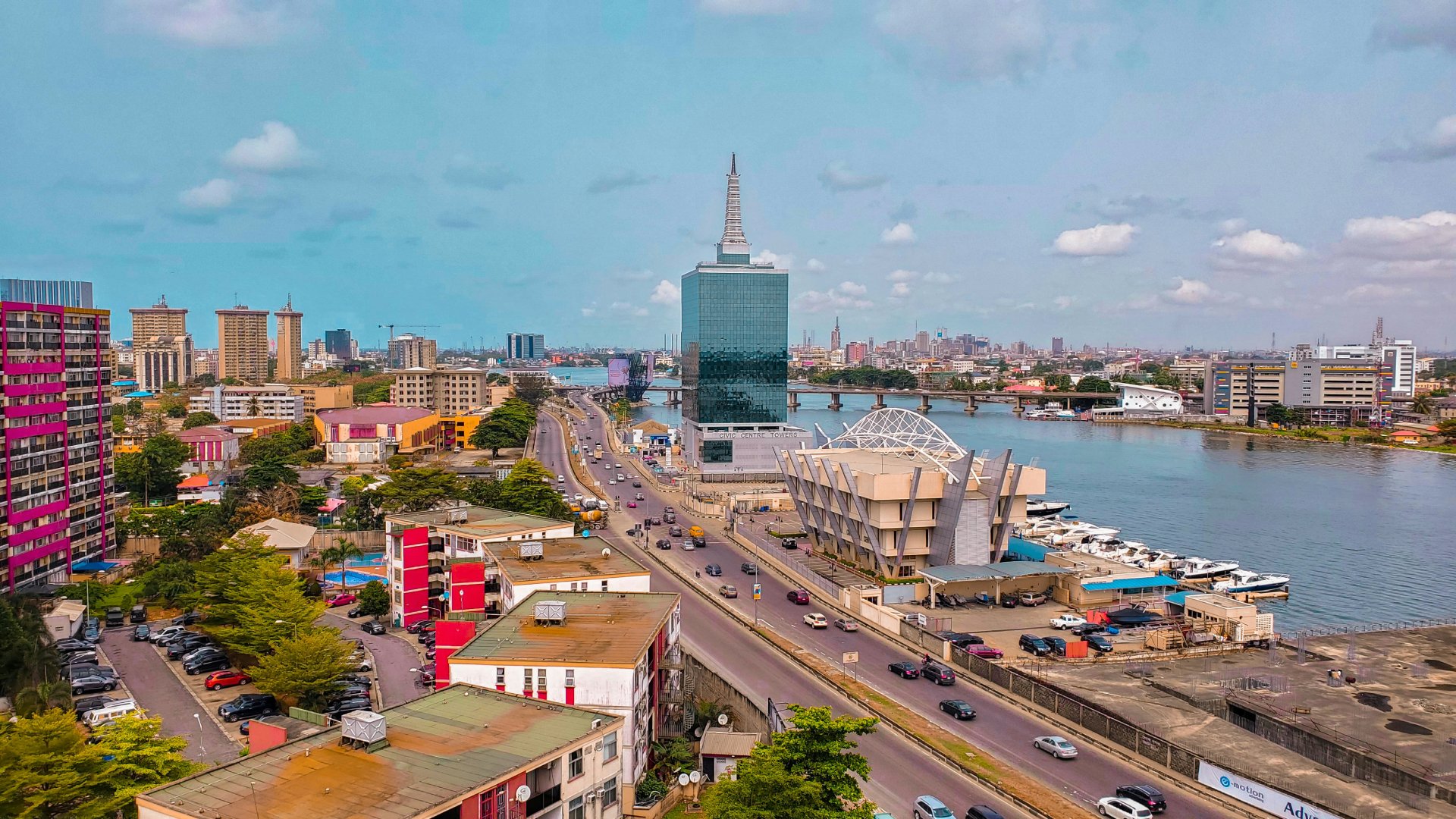
A study by the World Travel and Tourism Council of 82 major corporate travel destinations predicts that by 2032, cities in the Middle East and Africa will lead the pack for international business travel, with Lagos, Nigeria, making it into the top ten.
According to a Global Rescue survey, there’s a blend of optimism and caution among individuals regarding their work-related travel plans with most (82%) anticipating the same or more travel for work for the year. “It’s a promising indicator for the business travel industry, and one reason why travel growth continues,” said Dan Richards, CEO of The Global Rescue Companies. “In-person meetings are more effective at establishing and maintaining relationships.”
Essential Nigerian Business Customs
When traveling to Lagos for business, it’s crucial to understand local customs and etiquette to build strong relationships and ensure smooth interactions.
- Greetings: A firm handshake is common when greeting. It may be accompanied by a slight nod or smile. In more formal settings, you may see a handshake followed by a touch of the heart.
- Exchange of Cards: When exchanging business cards, use both hands to present your card and take the other person’s card with respect. Take a moment to look at the card before putting it away.
- Titles: Use professional titles (like Mr., Mrs., Dr.) and surnames unless invited to use first names.
- Business Attire: Dress conservatively and professionally. For men, suits are standard and for women business suits or dresses are appropriate. Wearing traditional Nigerian clothing during meetings can be seen as a sign of respect.
- Punctuality: While punctuality is appreciated in business settings, be prepared for a more flexible approach to time. Meetings may start later than scheduled, but it’s still good practice to be on time.
- Indirect Communication: Nigerians may use indirect communication styles, so pay attention to non-verbal cues and context.
- Elders, Authority and Hierarchy: Show respect for elders and those in authority. This can be reflected in how you address people and the level of deference shown in conversations.
- Dining Invitations: If invited to a meal, it’s polite to accept. Meals are an important part of Nigerian culture. Eating with your hands is customary in some cultures within Nigeria, especially with traditional dishes. If unsure, however, it’s acceptable to use utensils. Always wait for the host to begin eating before you start.
- Gifts: If invited to a private home, bringing a small gift (like sweets or fruit) is an acceptable and generally expected gesture. Avoid giving gifts wrapped in black or white, as these colors are associated with mourning.
By keeping these customs and etiquette tips in mind, North American business travelers can foster positive relationships and navigate the business environment in Lagos, Nigeria, more effectively. Overlooking these customs can lead to avoidable challenges.
Gaffes, Goofs and Blunders
- Overlooking Relationship Building: Western business approaches often focus on transactions and efficiency, while in Nigeria, building personal relationships is crucial. Neglecting to invest time in getting to know Nigerian counterparts can hinder business negotiations. Engage in small talk, show genuine interest in personal connections, and prioritize building trust to establish successful partnerships.
- Assuming English Is Universally Understood: While English is the official language in Nigeria, not everyone speaks it fluently. Some people may have varying levels of comprehension, especially with business jargon. Assuming communication will always be clear can lead to misunderstandings. Speak clearly and avoid idiomatic expressions and be open to confirming understanding throughout discussions.
- Extended Greetings: In Nigeria, greetings can be lengthy and elaborate. It’s common for hosts to inquire about one’s family and well-being before diving into business discussions. This emphasis on personal connection may feel unusual for Westerners, who might expect to get straight to business.
- Informal Meeting Settings: Meetings may take place in casual settings, such as cafes or homes, rather than formal office environments. This can create a more relaxed atmosphere but may feel unprofessional to those used to structured boardroom meetings. Expect a blend of business and social interaction.
- Traditional African Hospitality: Nigerians are known for their hospitality, and it’s common for hosts to offer food and drinks during meetings or visits. Refusing such offerings can be seen as impolite. Westerners might find this emphasis on hospitality and communal dining unusual, but accepting these gestures can strengthen relationships.
- Direct Communication: While some Western cultures favor direct communication, Nigerians may use indirect language to convey messages, especially for negative feedback or refusal. This can lead to misunderstandings, so Westerners should read between the lines and pay attention to non-verbal cues.
When Westerners visit Nigeria on a business trip, they may encounter several cultural norms and practices that differ from what they’re accustomed to in their home countries.
Stereotypes Westerners Have About Nigerians
Many Westerners stereotype Nigerian businesspeople as being involved in scams or corrupt practices, largely influenced by high-profile cases of fraud – like the “Nigerian prince” scams – which can lead to mistrust and a reluctance to engage in business dealings.
Some Westerners perceive Nigerian business practices as unprofessional, assuming that meetings will be disorganized, or time management will be poor. This stereotype can stem from cultural differences in business conduct and communication. Westerners may view Nigerian businesspeople as overly casual or informal in their approach to business, leading to misconceptions about their seriousness and commitment to professional standards.
Stereotypes Nigerians Have About Westerners
Nigerian businesspeople often perceive Western businesspeople as cold, formal and lacking warmth in personal interactions. Nigerians may view Western businesspeople as prioritizing transactional relationships over personal connections, believing that Westerners focus more on the bottom line than on building trust and rapport. This stereotype contrasts with the more relationship-focused approach common in Nigerian culture.
There is a belief that Westerners are rigid in their business practices and schedules, valuing punctuality and structure over adaptability. This can lead to misunderstandings during negotiations or collaborations. Nigerian businesspeople might find Western communication styles overly direct or blunt, perceiving this as a lack of diplomacy or tact. They may prefer a more nuanced approach to discussions, especially when delivering criticism.
There is a stereotype that Western businesspeople are primarily motivated by profit and material gain, lacking a broader sense of social responsibility or community engagement in their business practices. This can create a perception of Westerners as disconnected from local values and cultures.
Nigerian Food and Western Stomachs
When traveling to Nigeria, Western business travelers can expect to encounter a variety of delicious and diverse foods that reflect the country’s rich culinary heritage including:
- Jollof Rice: A popular West African dish with rice, tomatoes, onions, and spices. It is often served with fried plantains, chicken, or beef.
- Pounded Yam and Egusi Soup: Pounded yam is a starchy side dish made from yam, and egusi soup is a thick, hearty soup made with ground melon seeds, vegetables, and meat or fish.
- Suya: Spicy skewered meat (usually beef or chicken) marinated with a blend of spices and grilled. It is often served with sliced onions and tomatoes.
- Moi Moi: A steamed bean pudding made from blended black-eyed peas, peppers, onions, and spices. It can be served as a side dish or on its own.
- Peppered Fish: Grilled or fried fish coated in a spicy pepper sauce, often served with sides like rice or yam.
- Akara: Deep-fried bean cakes made from black-eyed peas, onions, and spices, often enjoyed as a snack or breakfast item.
- Nkwobi: A spicy cow foot dish cooked in a thick palm oil sauce, often garnished with vegetables and served as an appetizer.
While Nigerian cuisine is flavorful and exciting, Western travelers may experience gastrointestinal issues due to the highly seasoned and spicy Nigerian food flavor palate. A sudden change in diet and new ingredients can lead to digestive upset, especially if one is not accustomed to high-fiber or spicy foods. Those who are not used to such flavors may experience digestive discomfort.
Drinking tap water is not recommended. Tap water in Nigeria is generally not considered safe to drink, especially for Westerners and visitors. Travelers should stick to bottled water to avoid waterborne illnesses.
Ideally, business travelers new to Nigerian foods should start with milder dishes and gradually introduce more complex flavors to allow their digestive system to adjust.
The Global Rescue Connection
Traveler’s diarrhea (TD) strikes 30 to 70% of travelers, according to the Centers for Disease Control and Prevention. Traveler’s diarrhea hits harder because you don’t have immunity to the germs in the country you are visiting. The climate and the sanitary systems might be different, allowing bacterial pathogens, intestinal viruses and protozoal pathogens easier access to your water, food and and gastrointestinal system.
“When you travel to a place that’s remote to you, there are a lot of germs your body is not used to,” said Jeff Weinstein, medical operations manager at Global Rescue.
According to the American Society for Microbiology, traveler’s diarrhea usually begins during the first week of travel and, without treatment, will last three to five days. You can have multiple episodes during one trip.
Global Rescue medical experts offer these suggestions for treatment:
- Drink fluids like boiled water, factory-sealed bottled water, broth or an oral hydration solution like Pedialyte to replace the body fluid that has been lost. Hydration is your best line of defense.
- Avoid caffeine, as it tends to dehydrate. Eat a bland, easy-to-digest diet of complex carbohydrates: crackers, dry toast, plain noodles.
- Wipe down surfaces in your hotel room. Traveler’s diarrhea is contagious; pathogens can live for days on doorknobs and light switches.
- Over-the-counter remedies, like bismuth subsalicylate (Pepto-Bismol), can help. Hopefully, a few doses are packed in your first aid kit, because purchasing Pepto may not be easy or even possible while traveling to some countries.
See a doctor if symptoms last longer than a week or you have a fever. You may need antibiotics. Global Rescue members always have medical assistance when traveling if more than 100 miles from home. Global Rescue’s 24/7/365 medical advisory service can help travelers find Pepto-Bismol, Imodium or a local alternative, or find a doctor that speaks your language and a local pharmacy to fill a prescription for you.
Get a price estimate
Estimate
$0.00
Please answer all questions for estimate.
Categories:
Places & PartnersTravelOctober 3, 2024
Article Highlights:
- Paris Catacombs is not for the fainthearted.
- The Green-Wood Cemetery in Brooklyn is the final resting place of composer Leonard Bernstein.
- London’s Highgate Cemetery is the final resting place of Karl Marx and Douglas Adams (author of Hitchhiker’s Guide to the Galaxy).
- Kobo Daishi, the founder of Shingon Buddhism, rests in eternal meditation in his mausoleum in Japan’s Okunoin Cemetery.
In recent years, a unique form of travel has been gaining traction: tombstone tourism. Enthusiasts of this niche travel trend journey across the globe to uncover the rich histories embedded within the tombstones and cemeteries of various cities. They seek to learn about the lives, cultures, and stories of those who came before us, all while paying their respects.
While the allure of exploring these historical sites is undeniable, it’s essential to acknowledge the potential risks associated with international travel and how services like Global Rescue can provide peace of mind.
The Allure of Tombstone Tourism
Tombstone tourism appeals to history buffs, genealogists, and anyone with a penchant for the past. Cemeteries often serve as open-air museums, showcasing intricate art and architecture while narrating the stories of the deceased. Travelers might find themselves wandering through the hauntingly beautiful Père Lachaise Cemetery in Paris, where Oscar Wilde and Jim Morrison rest, or the historic St. Louis Cemetery No. 1 in New Orleans, known for its above-ground burial tombs and the legendary voodoo queen Marie Laveau.
Each tombstone tells a story, and for many, visiting these sites fosters a deeper understanding of a city’s cultural and historical fabric. Furthermore, guided tours often accompany these excursions, providing insights from knowledgeable historians who can highlight the significance of various interments.
Top Tombstone Tourist Destinations
For those interested in embarking on a tombstone tourism adventure, here are must-visit destinations around the world:
Paris Catacombs, Paris, France

A visit to the Paris Catacombs is not for the fainthearted. Walk 131 steps down and you’re in a former underground quarry, 20 meters below the streets of Paris. You’ll follow winding tunnels for 1.5 kilometers through tight, uncomfortable spaces with a backdrop of bones: millions of bones stacked into walls, pillars and statues. The ossuary — a room with the bones of dead people — was created in the late 18th century when major health problems in above-ground cemeteries forced the city to transfer contents underground. It opened in 1809 after Héricart de Thury organized and built the site to educate visitors about religion, mineralogy, pathology and death.
Above ground, Père-Lachaise is the most visited cemetery in the world. It is the largest cemetery in Paris and the final resting place of many famous figures, including Édith Piaf, Frédéric Chopin, and Jim Morrison. Its extensive grounds and beautiful sculptures make it a popular spot for tourists and locals. The 110-acre park, located on the northeast side of the city, contains more than 70,000 tombs. People travel across the globe to see the cemetery’s “Gothic graves, Haussmanian burial chambers, ancient mausoleums” and the final resting places of Jim Morrison, Oscar Wilde and Edith Piaf.
Green-Wood Cemetery, Brooklyn, New York

The Green-Wood Cemetery is a stunning 478-acre National Historic Landmark blending lush landscapes with a rich history. Established in 1838, it is the final resting place of numerous notable figures, including composer Leonard Bernstein and artist Jean-Michel Basquiat. Visitors are drawn to its Gothic architecture, serene lakes, and rolling hills, which provide a peaceful escape from the bustling city. The cemetery offers beautifully maintained pathways perfect for strolls, guided tours, and educational programs that delve into its historical significance and the lives of its residents. With its combination of history, art, and natural beauty, Green-Wood Cemetery serves as an intriguing destination for tourists seeking to explore New York’s diverse heritage.
Highgate Cemetery, London, England

London in the 1800s had a growing population — but no land to bury the dead. Bodies were wrapped in cheap material and buried a few feet deep, wherever there was space. An act of Parliament changed all that and seven new private cemeteries were built: Kensal Green in 1833, West Norwood in 1836, Highgate in 1839, Abney Park in 1840, Brompton in 1840, Nunhead in 1840 and Tower Hamlets in 1841.
Built at an elevation that overlooks London, Highgate Cemetery is one of the world’s most famous cemeteries. Known for its gothic architecture, this cemetery is the final resting place of Karl Marx and offers guided tours that delve into its history. Its popularity is partly because of its other famous residents like George Eliot and Douglas Adams (author of Hitchhiker’s Guide to the Galaxy), and the beautifully landscaped grounds that bloom in the spring.
Okunoin Cemetery, Mount Koya, Japan

Kobo Daishi, the founder of Shingon Buddhism, rests in eternal meditation in his mausoleum in Okunoin Cemetery. While he awaits the Buddha of the Future, he provides relief to those who ask for salvation, making it one of the most sacred places in Japan and a popular pilgrimage site. It is also the largest graveyard in Japan, 2 kilometers and 12,000 years old, with the graves of more than 20,000 monks. Night cemetery tours, led by local monks, are available.
Recoleta Cemetery, Buenos Aires, Argentina

The Recoleta Cemetery is famous for its ornate mausoleums and elaborate sculptures. It is the final resting place of Eva Perón and other influential figures, making it a key cultural and historical site within the city.
Cemiterio da Consolação, São Paulo, Brazil

The Cemiterio da Consolação is renowned for its stunning funerary art and lush gardens, this cemetery features elaborate tombs of prominent Brazilian artists, politicians, and intellectuals. Its artistic and historical significance, coupled with beautiful architecture, draws visitors seeking to explore Brazil’s rich cultural heritage.
Cimitero Monumentale, Milan, Italy

The Cimitero Monumentale is famous for its grandiose tombs and elaborate sculptures, this cemetery showcases exquisite artistry and serves as a final resting place for many of Italy’s cultural icons.
Saint Andrews Cathedral, Saint Andrews, Scotland

Saint Andrews Cathedral, built in 1158, was abandoned after Catholic Mass was outlawed during the Scottish Reformation. As the church fell into ruins, the site was turned into a burial ground in the 1600s. Today, the site is often visited by families searching for their ancestors.
Mount of Olives Cemetery, Jerusalem, Israel

This ancient cemetery is one of the oldest in the world, with thousands of graves dating back to biblical times. It offers stunning views of the Old City and contains the graves of many important Jewish figures, making it a significant pilgrimage site.
Cemetery of Al-Baqi, Medina, Saudi Arabia

This cemetery is known for being the burial site of several important Islamic figures, including many companions of the Prophet Muhammad. It holds great religious significance for Muslims and is a pilgrimage site for those visiting Medina.
The Risks of Tombstone Tourism
While traveling to explore cemeteries might seem harmless, it can come with risks from health and safety to local sensitives and legal constraints.
Health Risks: Travelers may encounter health-related issues, such as foodborne illnesses, exposure to extreme weather, or even unsafe sanitary conditions in some countries.
Personal Safety: Certain cemeteries may be located in less secure neighborhoods, posing risks of theft or violence, especially for tourists who may appear disoriented or out of place.
Cultural Sensitivity: Not all cultures view cemeteries in the same light. In some places, tombstone tourism may be seen as disrespectful, leading to potential confrontations with locals.
Travel Complications: International travel can be unpredictable. Flight cancellations, lost luggage, or sudden changes in local laws can complicate travel plans.
Legal Issues: In some countries, there are strict regulations regarding photography and behavior in cemeteries. Ignorance of these laws can lead to fines or even arrest.
The Global Rescue Connection
Tombstone tourism offers travelers a fascinating way to connect with history and honor the lives of those who have passed. While the experience can be deeply enriching, it’s crucial to be aware of the potential risks involved in international travel. This is where Global Rescue comes into play.
It is best to visit during the day. If you take a night cemetery tour with a guide, have an extra flashlight or headlamp and dress appropriately.
Wear sensible shoes. The ground in a cemetery is often uneven, with sinking earth, tree roots and stone markers set close to the ground.
Watch out for underground insect nests, bats, spiders or snakes. Most cemeteries have a flourishing ecosystem.
Have a travel protection membership as your dark travel safety net. Slips, trips and falls can happen anywhere, and you’ll want to have field rescue or medical evacuation services available, just in case.
Rest in Peace…of Mind
The world is filled with stories waiting to be uncovered, and for the intrepid tombstone tourist, cemeteries serve as poignant reminders of our shared human experience. Whether you’re tracing your ancestry or simply marveling at the artistry of gravestones, there’s no denying the allure of exploring these hallowed grounds. Pack your bags, do your research, and set out on a journey through time, but remember to prepare for the unexpected. With these insights, tips, and resources, you’ll be well-equipped to embark on your journey through the stories etched in stone, allowing history to come alive in the most unexpected places.
Categories:
TravelOctober 2, 2024
Article Highlights:
- 35% of experienced travelers prioritize travel destinations by landscape-rich locations.
- 31% list the best travel destinations as locations with adventurous activities.
- 37% of female travelers prioritize stunning landscapes. Dream destinations include Antarctica, Iceland and the Galapagos Islands.
- 37% of male travelers prioritize adventure activities. Dream trips include Australia, Patagonia and Mongolia.
When it comes to selecting travel destinations, traveler preferences can vary significantly based on a range of factors, including gender. According to the Global Rescue Summer 2024 Traveler Sentiment and Safety Survey, 35% of the world’s most experienced travelers prioritize landscape-rich locations, while 31% seek destinations that offer adventurous activities.

Best Travel Destinations by Gender
The survey reveals distinct preferences between male and female travelers. Among female respondents, 37% listed stunning landscapes — such as mountains, jungles, savannahs, deserts, surf, reefs, canyons, volcanoes and glaciers — as the most crucial factor when choosing an international destination. In contrast, an equal percentage of male travelers (also 37%) prioritize access to adventure trips like scuba diving, skiing, mountaineering, trekking and fishing.
“Understanding the preferences of travelers is essential for the travel industry, and our survey sheds light on the differing priorities based on gender,” said Dan Richards, CEO of The Global Rescue Companies. “While women tend to favor beautiful landscapes and cultural experiences, men are more inclined to seek out adventure. This insight can help travel providers tailor their offerings to meet the diverse needs of their clientele.”
The Role of Cultural Experiences
Cultural experiences play a significant role in finding the best travel destinations among women.
The survey indicates that 15% of female respondents consider language, customs and local dress as vital factors, reflecting a desire for authentic interactions and deeper connections with the places they visit.
Interestingly, only 3% of women cited cuisine, events, natural phenomena, architecture, infrastructure and shopping as essential in their travel decisions. This suggests that women are more inclined to seek emotional and cultural connections instead of merely superficial experiences.
In contrast, male travelers have a different approach to their travel considerations. While 37% prioritize adventure trips, a similar 33% seek destinations known for their landscapes, mirroring female travelers’ preferences. Only 10% of male respondents, however, considered cultural diversity a primary factor in their travel decisions. This indicates that adventure trips and natural beauty dominate male travel aspirations, with less emphasis on cultural elements.

Dream Destinations: A Gendered Perspective
The survey also reveals distinct dream destinations for men and women.
Women listed locations such as Antarctica, New Zealand, Iceland (famous for its northern lights), the Galapagos Islands, Egypt and Australia as primary destinations for future trips.
Conversely, men favored destinations like Australia (specifically for the Great Barrier Reef), New Zealand, Antarctica, Patagonia, Mongolia and various African locations.
“The survey results highlight the importance of landscapes and adventure trips in travel choices, but it also underscores the evolving dynamics of traveler preferences,” Richards said. “As more women engage in adventure sports and explore remote destinations, we may see a shift in these preferences in the future.”
The Ideal Traveler Companion: Key Traits Revealed
Choosing the right traveler companion can significantly enhance the travel experience. The Global Rescue survey also explored what travelers consider essential traits in their travel partners. Notably, compatibility emerged as the most critical factor in selecting a traveler companion, with more than 51% of respondents emphasizing the importance of a like-minded traveling partner over other characteristics like flexibility, money management or open-mindedness.
“More than half of survey respondents said a like-minded traveling companion is more important than other characteristics,” Richards stated. A compatible travel style, aligning preferences regarding itinerary planning, pace and activities, is crucial for a harmonious journey.
“Some travelers thrive on spontaneous adventures, while others prefer structured plans. Open discussions about travel preferences are crucial for ensuring a harmonious journey,” he added.
Flexibility was identified as the second most important characteristic, with 16% of respondents highlighting the ability to adapt to unforeseen changes, such as weather conditions or transportation delays. Other notable traits included a sense of humor (9%), good communication (8%) and open-mindedness (8%).
Conversely, the survey revealed alarming traits travelers should avoid in a traveler companion. A significant 32% of respondents identified a negative attitude, characterized by frequent complaints and pessimism, as the most undesirable quality. Recklessness (20%) and unreliability (19%) followed closely behind as the next most concerning traits in a travel buddy.
Evolving Travel Preferences and Future Trends
The survey findings provide a snapshot of contemporary traveler preferences, revealing important trends that may shape the future of travel. As more women engage in adventure trips and seek out thrilling experiences, the distinctions between male and female travel preferences may continue to blur. This evolution could encourage travel providers to diversify their offerings, creating more inclusive experiences that cater to a broader audience.
“By prioritizing compatible travel styles, flexibility, open-mindedness, good communication and a sense of humor, travelers can foster enjoyable adventures,” Richards said. The journey of discovering new destinations should be as enriching and fulfilling as the destinations themselves, allowing travelers to create lasting memories and connections.
Categories:
Press ReleaseOctober 2, 2024
(Lebanon, NH – October 1, 2024) Iran launched nearly 200 missiles towards Israel today with at least some striking Israeli territory, according to reports. Iran’s bombardment targeting Israelis threatened the lives of residents, religious pilgrims, business travelers and tourists from the U.S. and other countries.
“We are actively tracking the safety and security of U.S. students, and multi-national tourists and business travelers in Israel and the region. Our security operations teams are working to ensure the safety of our members as needed but the situation is deteriorating rapidly and will likely escalate before stabilizing,” said Harding Bush, former Navy SEAL and director of security operations for Global Rescue.
The attack is the second by Iran this year and comes nearly a year after the Hamas attack on Israel Oct. 7, 2023 when Global Rescue’s security operations teams successfully helped nearly a hundred members to safety.
“We’ve seen a spike in traveler purchases of security services since the attacks last year,” said Dan Richards, CEO of The Global Rescue Companies, the world’s leading provider of medical, security, evacuation and travel risk management services, and a member of the U.S. Travel and Tourism Advisory Board at the U.S. Department of Commerce.
Global Rescue, the world’s leading medical and security evacuation and travel risk company, is orchestrating operations to bring members and others to safety.
Contact Bill McIntyre at bmcintyre@globalrescue.com or +1 (202) 560-1195 to schedule an interview with Global Rescue CEO Dan Richards.
Categories:
TravelOctober 1, 2024
Article Highlights:
- 77% of women value travel experiences over material possessions, compared to 55% of men.
- 43% of travelers embrace a YOLO – You Only Live Once – attitude, influencing their travel plans.
- 81% of experienced travelers are planning more trips or maintaining the same number in 2024.
- 34% of travelers are planning longer trips to maximize their travel experiences.
- Nearly half of travelers are eager to visit new destinations, with 44% interested in more remote locations and 27% seeking riskier destinations.
The new normal for travel includes increased travel frequency and longer durations, according to the summer 2024 Global Rescue Traveler Sentiment and Safety Survey. The results highlight a significant and ongoing shift in priorities among seasoned travelers, revealing deeper insights into their motivations illustrating how experiences increasingly take precedence over material possessions, and how diverse motivations are reshaping travel plans for the coming year.
The Resilience of Travel Plans
The eagerness to travel is evident as survey respondents express a renewed commitment to exploring the world. Eight out of ten experienced travelers (81%) are either planning more trips (43%) or maintaining their current travel frequency (38%). This trend is fueled by a combination of factors, including a heightened sense of urgency to seize the moment, often captured by the YOLO (You Only Live Once) mentality, which resonates with 43% of respondents.
“The combination of individuals with more time, disposable income, and a carpe diem attitude is sustaining travel industry growth,” said Dan Richards, CEO of The Global Rescue Companies. This sentiment reflects a broader societal shift towards valuing experiences, particularly after the disruption of the pandemic.
Longer and Bolder Trips

As travel aspirations evolve, many travelers are planning longer trips in 2024. A third of respondents (34%) aim to maximize their experiences away from home, indicating a desire for deeper engagement with their destinations. Additionally, nearly half (49%) are keen to explore new destinations, while 44% are inclined to venture into more remote locations. Interestingly, 27% are even pursuing riskier destinations, highlighting a boldness that was less prevalent in the past.
This willingness to embrace new challenges and explore less-traveled paths reflects a significant cultural shift. Despite ongoing global challenges, such as the war in Ukraine and conflicts in the Middle East, travelers appear undeterred. “Travelers are shrugging off concerns about international travel risks in favor of focusing on the benefits of exploration and adventure,” the survey notes.
Surge in Travel Industry: A Shift Toward Experience Over Possessions

One of the most striking revelations from the survey is the increasing value travelers place on experiences compared to material possessions. A substantial 77% of women surveyed indicated that travel experiences are more important to them than acquiring material goods. This sentiment is notably higher than the 55% of men who feel the same way.
Richards emphasized this trend: “While women and men both cherish travel, women are more likely to embrace the YOLO mindset, prioritizing experiences that enrich their lives over tangible possessions.”
The growing inclination toward valuing experiences is not merely anecdotal; it reflects a broader cultural shift. As women are projected to control 75% of all household discretionary spending by 2028, their emphasis on travel experiences is likely to influence travel marketing strategies significantly.
Stephanie Diamond, VP of Human Capital Management for Global Rescue, noted, “Studies suggest that women may prioritize work-life balance more than men,” further highlighting the distinct trends in travel preferences based on gender.
Diverse Destination Preferences

The survey also highlighted fundamental differences in travel preferences between men and women.
More than a third of women (37%) prioritize natural landscapes—such as mountains, jungles, and glaciers—when choosing travel destinations. In contrast, men (37%) are more inclined to seek adventure activities, including scuba diving, skiing, and trekking. This divergence underscores the need for the travel industry to tailor its offerings to cater to these distinct preferences, ensuring that both adventure seekers and nature lovers find their ideal experiences.
Evolving Concerns in Travel
While the enthusiasm for travel is evident, concerns remain, particularly regarding health and safety. More than half of the travelers (51%) indicate that injury or illness is their biggest concern about future travel, surpassing traditional worries about civil unrest and terrorism, which account for only 15%. Other concerns include the loss of personal belongings (10%), trip cancellations (9%), natural disasters (6%), and being robbed (4%).
This shift in priority reflects the lasting impact of the pandemic on travel attitudes. The focus on health and safety emphasizes the need for the travel industry to adapt and reassure travelers through enhanced protocols and clear communication about safety measures.
A New Era of Travel

The findings from the Summer 2024 Global Rescue Traveler Sentiment and Safety Survey paint a vivid picture of a travel landscape that is dynamic and increasingly focused on experiences over possessions. As travelers emerge from the pandemic, they are redefining what it means to explore the world, valuing personal growth, adventure, and the creation of lasting memories.
This new era of travel reflects a collective desire to embrace life fully. The YOLO mindset is not merely a cliché but a guiding principle for many, prompting them to seize opportunities for exploration and connection. Travelers are increasingly prioritizing experiences that enrich their lives, aligning with a broader cultural shift toward valuing time spent in meaningful pursuits rather than accumulating material wealth.
The Role of Travel Companies
For travel companies and marketers, understanding these evolving sentiments is crucial. As women continue to emerge as significant decision-makers in travel spending, catering to their preferences and acknowledging their distinct travel motivations can lead to more personalized and appealing offerings. Companies must consider marketing strategies that resonate with the values of their target audience, emphasizing experiences that promote adventure, connection, and well-being.
Additionally, as more travelers express a desire for adventure in remote or risky destinations, travel companies should prioritize safety and transparency in communications regarding health and security protocols. Providing clear information about measures taken to ensure traveler safety can alleviate concerns and encourage bookings.
The Future of Travel

The results of the survey suggest a robust future for the travel industry, driven by a blend of increased disposable income, a renewed appreciation for life, and a commitment to exploration. As travel becomes more accessible and diverse in its offerings, the industry must remain agile, adapting to changing traveler expectations and preferences.
Travelers are no longer content with superficial experiences; they seek authenticity, connection, and adventure. This trend is evident in the growing popularity of immersive travel experiences that allow individuals to engage deeply with local cultures, environments, and communities. By facilitating these connections and fostering a sense of belonging, travel companies can create more meaningful journeys for their clients.
Embracing Change and Adventure
As we look to the future, it’s clear that the essence of travel is changing. The focus is not solely on the destination but on the journey itself—the memories created, the connections forged, and the experiences that shape our lives. In this new era of travel, the world awaits, and the call to explore has never been more compelling. Whether it’s venturing into a remote wilderness, diving into the depths of the ocean, or simply enjoying the beauty of a serene landscape, the opportunities are endless, and the adventure beckons.
The Global Rescue Connection
A Global Rescue membership is crucial for travelers since it provides comprehensive safety and support services including access to emergency field rescue – which can be vital in remote areas – and medical evacuation, essential where local healthcare may be inadequate. Additionally, Global Rescue offers medical advisory and telehealth services, providing medical consultations via phone or video, which can be particularly useful when traveling far from home.
With a Global Rescue membership, international travelers can focus on enjoying their trip knowing they have reliable support in case of emergencies.
Categories:
Health & SafetyPlaces & PartnersTravelSeptember 26, 2024

Article Highlights:
- Public restroom cleanliness varies widely by country; Japan and Singapore rank high, while India and Egypt may have more hygiene challenges.
- Travelers can be exposed to illnesses like gastroenteritis, traveler’s diarrhea, and hepatitis A from unclean restrooms abroad.
- Bring essentials like hand sanitizer, disinfectant wipes and toilet paper when traveling to minimize the risk of infections in public bathrooms.
When it comes to cleanliness and hygiene standards in public restrooms, experiences can vary widely from country to country.
During the pandemic, Global Rescue advised travelers to consider bringing a pared-down version of Global Rescue’s COVID-19 travel kit with them into a restroom. It could include small bars of soap and a bottle of water (to wash your hands), travel-size packs of toilet seat covers, paper towels, hand sanitizer and disinfectant wipes.
Today, and any day, unclean public washrooms in foreign countries can expose travelers to various diseases and illnesses, particularly if proper hygiene practices are not followed.

Here are some of the most common diseases and infections that can be contracted:
- Gastroenteritis – Often caused by viral or bacterial infections (such as norovirus or rotavirus), gastroenteritis can result from exposure to contaminated surfaces or food. Symptoms include diarrhea, vomiting and stomach cramps.
- Traveler’s Diarrhea – One of the most common illnesses travelers face, often caused by bacteria like E. coli, salmonella, or parasites. It can be contracted through unclean bathroom facilities or contaminated food and water.
- Hepatitis A – A viral infection that affects the liver and can be contracted through contaminated food or water, including from unsanitary restroom facilities. Vaccination is recommended for travelers to areas where the virus is common.
- Typhoid Fever – Caused by Salmonella Typhi, typhoid fever is transmitted through contaminated food and water. Unclean washroom facilities can contribute to the spread of this illness, especially in developing countries.
- Giardiasis – This parasitic infection is caused by Giardia lamblia and can lead to diarrhea and abdominal discomfort. It can be contracted through contaminated water or surfaces, including public bathroom facilities.
- Cryptosporidiosis – Caused by Cryptosporidium parasites, this illness can be transmitted through contaminated water or surfaces. Symptoms include diarrhea and stomach cramps.
- Schistosomiasis – Caused by parasitic worms, schistosomiasis is often contracted in areas where water sources are contaminated. While it is more commonly associated with freshwater, exposure to unclean restrooms can be a risk factor in some regions.
- Bacterial Infections – Poor hygiene can lead to bacterial infections, including skin and urinary tract infections (UTIs). Using unclean privies can increase the risk of these infections, especially for women.
- Fungal Infections – Unclean and damp environments can lead to fungal infections, such as athlete’s foot or yeast infections, particularly in areas with poor ventilation.
Public Restroom Tips

To minimize the risk of contracting diseases from unclean public bathrooms, consider the following preventive measures:
- Carry Hand Sanitizer: Use hand sanitizer with at least 60% alcohol after using public restrooms.
- Bring Your Supplies: Carry toilet paper, wet wipes, and disinfectant wipes to clean surfaces before use.
- Avoid Contact With Surfaces: Use a paper towel or your foot to flush to avoid touching handles and locks.
- Vaccinations: Ensure you are vaccinated for diseases like Hepatitis A and Typhoid, especially when traveling to areas with poor sanitary conditions.
- Stay Hydrated and Be Cautious With Food and Drink: Drink bottled water and eat at reputable establishments to reduce the risk of gastrointestinal infections.
- Wash Hands Thoroughly: If soap and water are available, wash your hands thoroughly for at least 20 seconds after using the restroom.
Restroom Hygiene Scores by Country
While the risk of contracting diseases from unclean toilets exists, being aware of potential hazards and taking preventive measures can significantly reduce your risk. Always prioritize hygiene and safety when traveling to ensure a healthy and enjoyable experience.
Below is a list of destinations known for having some of the best and worst public bathroom facilities in terms of cleanliness.
Destinations with the Best Public Bathrooms for Cleanliness
- Japan – Japan is renowned for its clean and high-tech toilets, often featuring bidets, heated seats, and self-cleaning functions. Public washrooms are generally well-maintained.
- Germany – Germany has a reputation for cleanliness, and public restroom facilities are usually well-kept. Many facilities require a small fee, which contributes to their maintenance.
- Sweden – Public bathrooms in Sweden are typically clean and well-maintained. Many are equipped with modern amenities.
- Singapore – Known for its strict cleanliness standards, Singapore has clean and well-maintained public lavatories, often with attendants ensuring hygiene.
- South Korea – South Korea offers clean public washrooms, many equipped with high-tech features, similar to those in Japan.
- Finland – Public restrooms in Finland are generally clean and well-maintained, reflecting the country’s high standards of public hygiene.
- Switzerland – Switzerland is known for its cleanliness, and public privies are typically well-kept and hygienic.
- Netherlands – Public bathrooms in major cities tend to be clean and well-maintained, with many facilities requiring a small fee.
- Australia – Australia generally has clean public restrooms, especially in urban areas and tourist destinations.
- New Zealand – New Zealand is known for its clean public facilities, including washrooms, especially in tourist areas.
Destinations With the Worst Public Bathrooms for Cleanliness
- India – Public bathrooms can vary widely in cleanliness, and many facilities may be poorly maintained. It’s advisable to use facilities in hotels or reputable establishments.
- Egypt – Many public washrooms in Egypt may lack cleanliness and proper maintenance, especially in rural areas.
- Mexico – While some tourist areas have decent facilities, public restrooms can be hit or miss with cleanliness often lacking.
- Indonesia – Public lavatories may be poorly maintained, particularly outside major tourist areas. Expect varying levels of cleanliness.
- Morocco – Many public restrooms can be quite basic and may not meet high cleanliness standards, especially in rural areas.
- Brazil – Public bathrooms can be inconsistent in cleanliness, with many facilities lacking proper maintenance in less touristy areas.
- Vietnam – Public restrooms may not always meet cleanliness standards, especially in less developed areas. It’s advisable to use facilities in hotels or larger establishments.
- Turkey – Many public washrooms, especially in rural areas, can be less clean and poorly maintained.

The Global Rescue Solution
With more than a million members, you can imagine the number of calls Global Rescue fields. Not every call, however, is a distress signal from the top of Everest. Some questions, like, “I have nonstop diarrhea” or “I have severe abdominal pain” arise during typical travel situations.
Medical advisory services are included with every Global Rescue travel protection services membership.
“Medical advisory services provide medical advice to travelers to decrease environmental risks and increase prevention of injury or infectious disease during travel,” Garret Dejong, senior specialist in medical operations at Global Rescue.”
No request is too small. A spreading rash or troublesome gastrointestinal issues while traveling can make any trip uncertain and the next leg of a journey a stressful expectation.
“Call us whenever you have a medical question during your travels. Ask immediately before the situation or the symptoms worsen,” Dejong said. If travelers wait to call until their gastrointestinal issue becomes unbearable, they might lose more time on the trip and possibly risk their health.
Traveler’s diarrhea hits international travelers harder because they don’t have immunity to the germs in the country they are visiting. The climate and the sanitary systems might be different, allowing bacterial pathogens, intestinal viruses and protozoal pathogens easier access to your water, food — and gastrointestinal system.
Poor hygiene practice in local restaurants (and their restrooms) is likely the largest contributor to the risk for TD, according to Johns Hopkins Medicine. This is especially true in the developing countries of Africa, the Middle East, Latin America and Asia. There’s lesser risk in Eastern Europe, South Africa and the Caribbean, and low risk in Northern and Western Europe, Japan, Canada, Australia, New Zealand and the United States.
A Global Rescue travel protection services membership means members can access 24/7/365 advisory services staffed by experienced nurses, paramedics and military special operations veterans. Global Rescue also has partnerships with the Johns Hopkins Emergency Medicine Division of Special Operations, Elite Medical Group and Partners HealthCare, the Harvard Medical School affiliate.
Categories:
Health & SafetyTravelSeptember 25, 2024

A list of commonly used Over-The-Counter medicines in the U.S. that may not be readily available abroad, along with alternatives to consider when traveling internationally.
- Ibuprofen (Advil, Motrin) – Alternative: Paracetamol (Acetaminophen), known as Tylenol in the U.S., is widely available and can be a safe pain reliever.
- Naproxen (Aleve)- Alternative: Ibuprofen is a common alternative for pain relief.
- Diphenhydramine (Benadryl) – Alternative: Look for products containing cetirizine or loratadine, which are effective antihistamines for allergies.
- Loratadine (Claritin) – Alternative: Cetirizine (Zyrtec) is commonly available and serves a similar purpose.
- Omeprazole (Prilosec)- Alternative: Famotidine (Pepcid) is often available and can help with acid reflux and heartburn.
- Pseudoephedrine (Sudafed) – Alternative: Phenylephrine is frequently available and can relieve nasal congestion.
- Ranitidine (Zantac) – Alternative: Famotidine (Pepcid) or omeprazole (if available) can be considered for acid reduction.
- Bismuth subsalicylate (Pepto-Bismol) – Alternative: Loperamide (Imodium) is available for diarrhea but may not have the same protective properties for the stomach.
- Dextromethorphan (Robitussin DM)- Alternative: Look for cough syrups that contain guaifenesin or other local expectorants.
- Hydrocortisone Cream– Alternative: Look for other topical corticosteroids, though strengths may vary, so consult a pharmacist.
- Clotrimazole (Lotrimin)- Alternative: Other antifungal creams, like miconazole, may be available for athlete’s foot and other fungal infections.
- Loperamide (Imodium)- Alternative: Similar formulations may be available as local brands for treating diarrhea.
- Cimetidine (Tagamet)- Alternative: Famotidine (Pepcid) is often available as an alternative for heartburn relief.
- Eye Drops (Visine) – Alternative: Artificial tears or lubricating eye drops are commonly available. Allergy Eye Drops (e.g., Patanol)- Alternative: Look for ketotifen or other allergy eye drops available in the area.
- Melatonin– Alternative: Some countries might not have melatonin supplements, but herbal teas like chamomile or valerian root can aid sleep.
Tips for Finding Alternative OTC Medications While Abroad

It’s a lot to remember.
Fortunately, medical advisory services included with every Global Rescue travel protection membership can help. Our operations centers are staffed by experienced nurses, paramedics and military special operations veterans who will keep you safe and prepared by locating a local physician or identifying where you can refill your prescription.
“Global Rescue’s medical operations team recently helped a member locate over-the-counter medication at a Tunisian pharmacy,” said Garret Dejong, senior specialist in medical operations at Global Rescue. “Another member studying abroad in London required a last-minute vaccine before starting the academic term. Global Rescue located a private physician who administered the vaccine, enabling the member to continue their studies.”
Other resources include:
- Local pharmacies: Visit local pharmacies, where pharmacists can recommend alternatives based on your symptoms. They may also provide international equivalents and advice.
- Consult with locals: If unsure, ask locals or hotel staff for suggestions on common medications used in their country.
- Research ahead of time: Before traveling, research what medications are available at your destination and look for their active ingredients.
- Bring a supply: If you need certain medications, consider bringing a sufficient supply from home.
- Know the brand names: Familiarize yourself with brand names and formulations available in your destination country to ease the search for alternatives.
“When you are ill and alone in a foreign country, finding yourself in need of medical care can be a daunting and stressful experience,” said Eliah English, a graduate student who became ill in Northern India. “Global Rescue alleviated all of my worries and provided the best possible support that one could ever ask for.”
Banned or Restricted Over There
When traveling internationally, it’s important to know that some over-the-counter (OTC) medications commonly used by Americans may be illegal or restricted in certain countries.
The two most commonly confiscated over-the-counter (OTC) medicines taken from Americans who are traveling internationally are:
- Pseudoephedrine, the common decongestant found in many cold and allergy medications like Chlor-Trimeton Nasal Decongestant, Contac 12-Hour, Dimetapp Decongestant and Sudafed.
- Dextromethorphan, the common cough suppressant and cold medicine found in many OTC medications like Alka Seltzer Plus, Dimetapp, Mucinex DM, Pediacare, Robitussin, Theraflu, Triaminic, Vicks DayQuil, Vicks Formula 44 and more.
List of Most Common OTC Medications in the U.S. That May Be Illegal Abroad

Below is a list of common OTC medicines used in the U.S., along with the countries where they may be illegal or heavily regulated.
- Pseudoephedrine (Sudafed) is restricted or illegal in a few countries. In Australia, pseudoephedrine is available only with a prescription in some states and is closely monitored. In, the U.K., use requires a prescription for higher doses and is limited in quantity when sold OTC. In Japan, it is prohibited, and travelers are advised not to bring it into the country.
- Diphenhydramine (Benadryl) is not permitted in Japan and can be confiscated at customs. In Singapore, some formulations containing diphenhydramine are restricted. In the UAE it is classified as a controlled substance and possession may lead to legal issues.
- Codeine-based medications are now available in Australia and New Zealand, but only by prescription. It is illegal in Japan and travelers should not bring it. In the U.K. it is available but subject to strict regulations.
- Dextromethorphan (Robitussin DM) is regulated in New Zealand and may require a prescription. It is not permitted in Japan and can lead to confiscation at customs.
- Bismuth subsalicylate (Pepto-Bismol) is not available in Japan. Australia may require a prescription in certain formulations.
- Ranitidine (Zantac) has been withdrawn from the market due to safety concerns in the European Union and Canada.
- Loperamide (Imodium) is generally available in Australia and New Zealand but may have restrictions on dosage.
- Melatonin is available only by prescription in Australia for certain age groups. In New Zealand, over-the-counter sales are generally not permitted. In Japan, it is illegal and can lead to confiscation at customs.
- Cimetidine (Tagamet) is available in Japan but certain formulations may be restricted.
- Aspirin is not illegal in Iran but its availability may be limited.
OTC Medications and Traveler Mistakes
Trip takers consistently list “forgetting to pack prescription and over-the-counter medicine” as one of the top 10 travel mistakes, according to the Global Rescue Traveler Sentiment and Safety Survey. The survey found that 9% of travelers have forgotten to pack prescription medicines before a trip despite being one of the last items we pack, and one of the most important.
While many OTC medications are easily accessible in the United States, travelers should do their homework to understand the legal status of these drugs in their destination countries. Carrying a supply of necessary medications, consulting with Global Rescue’s medical operations team or a healthcare provider or looking for local equivalents can help ensure a smooth travel experience. Even if a medicine is legal, travelers should always keep it in the original container and have a copy of a prescription.
Be aware that customs agents may confiscate any medications that are not allowed, even if you have a prescription from a doctor, especially if the medication is not legally recognized in that country.
Categories:
Missions & Member TestimonialsTravelSeptember 24, 2024
Article Highlights:
- Global Rescue responds to hundreds of SOS alerts each month, providing critical medical and security assistance through satellite devices.
- Real-life rescue examples include incidents such as a life raft rescue off the Atlantic coast, a severe burn at a campsite in Canada, and a snake bite in Australia, all coordinated through satellite communication.
- Understanding how to properly use a satellite messaging device in emergencies is crucial for ensuring timely rescues and can be the difference between life and death.
Contacting Global Rescue Through a Satellite Device

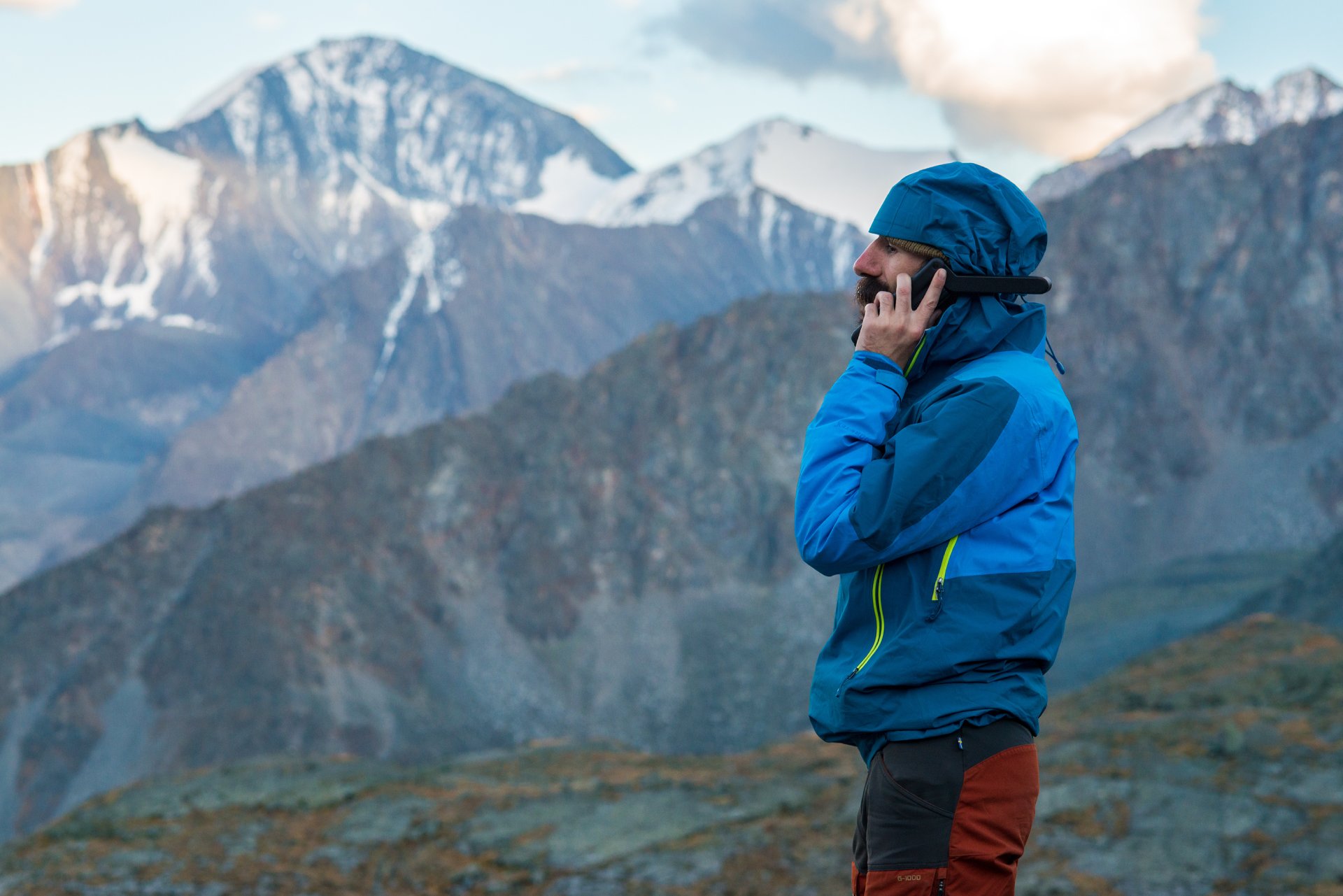
If you need rescue, you need a way to communicate your emergency. Whether by yourself or with a group, nearby or far away, rescues begin with a distress call. That means you must have the ability to make an emergency outreach. You have a two-way communication device, such as a satellite phone or satellite messaging and tracking device, just in case. But knowing how to use it in an emergency is essential, and could be the difference between life and death.
Global Rescue handles hundreds of emergencies and SOS calls for medical or security help every month. The following are a few highlights from recent emergency events from around the world.
Life Raft SOS From Atlantic Coast
Global Rescue operations received an SOS alert from a satellite messaging device owner off the coast of Georgia who needed assistance, indicating they were stranded in a life raft following the sinking of their vessel. Operations contacted the United States Coast Guard 7th District and communicated with an officer who confirmed they were aware of the situation and were already en route. The officer mentioned that a vessel would arrive within 15 minutes and that a helicopter had just reached the area. A few hours later, Operations verified with the SOS device owner that they had been rescued and were safely back on land.
Severe Burn SOS From a Campsite
An SOS device owner contacted Global Rescue operations from British Columbia, Canada, to report an individual who sustained severe burns on their left foot from a camp water stove. The injured individual was responsive and breathing normally. His vital signs were stable. He received basic first aid while Global Rescue operations personnel contacted first responders and assisted in the rescue and recovery.
Snake Bite SOS From Australia
Global Rescue operations received an SOS alert from a satellite messaging device owner whose wife had been bitten on the foot by a black snake in Australia. She was experiencing numbness near the bite mark, along with thirst and nausea. Operations alerted first responders and coordinated with emergency authorities for rescue. The reporting individual confirmed that an ambulance had arrived, and the rescue was underway.
Bee Sting SOS Near Rogue River
Global Rescue operations received an SOS alert from a satellite messaging device owner near Rogue River, Oregon, who reported their companion suffered a bee sting and experienced dizziness and nausea. Operations provided instructions for administering an EpiPen and identifying symptoms of a severe allergic reaction. They reported the incident to first responders. Later, the SOS device owner communicated that their companion had been taken by vehicle to a nearby location for assistance.
Roll Over SOS in the Backcountry
An SOS alert was sent by an individual to Global Rescue operations personnel reporting their off-road vehicle had rolled over in the backcountry of British Columbia, Canada, leaving them stranded. Fortunately, there were no major injuries reported but a request was made for a tow truck to flip the vehicle right side up. Operations contacted several local towing companies on behalf of the SOS device owner.
Dislocated Shoulder SOS From Sweden
Global Rescue operations received an SOS alert from a satellite messaging device owner near Arjeplog, Sweden, reporting that a 31-year-old hiker needed evacuation after falling and dislocating his shoulder. Operations contacted Swedish emergency responders to report the incident and coordinated with local authorities for the evacuation. Medical operations personnel provided health advice on immobilizing the dislocated arm using a makeshift sling. Operations additionally facilitated a helicopter rescue at no charge to the patient.
Over Exposure SOS
A backpacker near Yosemite National Park in California activated his satellite SOS device to report that he had fallen into a creek, leaving all his gear wet. Uninjured, he expressed concern that he would not survive the expected low temperatures overnight, especially since he was at an elevation of 8,500 feet, and had no means to bail out. Operations contacted local authorities and triggered an immediate helicopter rescue.
Trekking SOS From a Canadian Park
Global Rescue received an SOS alert about a 65-year-old woman who had injured her ankle while trekking along the East Sooke Regional Park Coast Trail in Canada. There were no signs of bleeding or trauma reported. Operations contacted Sooke RCMP and confirmed that first responders were responding to the location. The SOS device owner confirmed that rescuers had located them.
Motorcycle Crash SOS From Australia
An SOS satellite message was sent to Global Rescue to report that a 54-year-old woman had been involved in a motorcycle accident in Wyandra, Australia, and was experiencing difficulty breathing and could have broken ribs. Operations immediately notified emergency responders. The SOS sender later confirmed that the ambulance had arrived at the scene.
Lost on an Oregon Trail SOS
An SOS alert was initiated by an individual who was lost while attempting to reach Two Pan Trail in Oregon. Global Rescue operations personnel notified first responders and confirmed that a search and rescue team would initiate their mission at daylight. The individual camped overnight for safety. Later, Operations received an update that the individual had been found safe.
Massive Blood Loss SOS
A woman activated her satellite SOS alert to report that a 59-year-old male had sustained severe injuries to his fingers after slipping on rocks near Imnaha, Oregon. His two nurse companions managed the injury by flushing it with clear water, applying bacitracin and ice, and maintaining direct pressure while elevating the hand. Operations contacted emergency services and confirmed that a helicopter rescue had been dispatched. Operations later confirmed a successful rescue.
Head Injury SOS
Operations received an SOS alert from Cody, Wyoming, reporting that a woman suffered a ground-level fall on gravel and struck her head. She remained conscious but needed pressure to stem the bleeding and was slurring her speech. Global Rescue medical operations personnel provided medical advice while contacting first responders. An ambulance arrived and transported the injured person for treatment.

How To Send an SOS to Global Rescue
[Related Reading: How To Send an SOS: Two-way Communication Success]
SOS device users should review the instructions regarding their device’s SOS features and procedures. Understand who receives the SOS message signal when it’s sent and what services the SOS monitoring provider offers. Contacting Global Rescue directly at +1 (617) 459-4200 or through a messaging device at ops@globalrescue.com or operations@globalrescue.com is the most straightforward way of obtaining service.
Categories:
Business TravelTravelSeptember 20, 2024

Article Highlights:
- Complete Passport Renewal Online: The new system allows Americans to upload photos and complete the entire process digitally, avoiding in-person visits and mailing documents.
- 24/7 Accessibility: Travelers can access the online passport renewal service at any time, making it more convenient than ever to renew expired passports.
- Faster Processing Times: Thanks to technological improvements and increased staffing, the average processing time for routine passports is now well under the advertised six to eight weeks.
- Modernization of Services: The online passport renewal system is part of a broader effort by the Department of State to modernize government services and improve customer experience.
- Streamlined and Secure Process: The online system reduces the need for physical documents, improving security and reducing administrative barriers for travelers.
The U.S. Department of State has launched a groundbreaking new online passport renewal system, making it easier than ever for Americans to access essential passport services. This shift represents a significant step forward in modernizing the passport application process, streamlining government services, and enhancing convenience for millions of travelers.
A New Era for Passport Renewal

Assistant Secretary of State for Consular Affairs Rena Bitter emphasized the importance of the new system. “This is a new service which will allow Americans to pay, upload a photo, and apply completely online, with no need to appear in person or to send documents through the mail,” she said, noting that the system will be available 24/7. The program eliminates the need for physical applications and mailing fees, saving travelers time and effort.
The online passport renewal system is part of a broader push by the Department of State to reduce administrative barriers, improve efficiency and increase accessibility for all Americans. With the rise of digital services across all sectors, the department is embracing technology to offer a more streamlined and secure process for U.S. citizens seeking to renew their passports.
Key Features of the Online Passport Renewal System
The new online system offers several advantages over the traditional paper-based process. Travelers no longer need to print the passport renewal form, write a check and mail documents. Instead, they can complete the entire passport renewal application online, which includes submitting a digital photo and paying the required fees electronically.
The key features of the online passport renewal system include:
- Fully online submission: Applicants can upload their passport photo, fill out their application and pay fees online.
- No need to mail documents: There is no longer any requirement to send original documents or visit a passport office in person.
- Available 24/7: The online system is accessible at all times, making it convenient for travelers to renew passports at their own pace and schedule.
- Faster processing times: Thanks to technological advancements and increased staffing, routine passports are now being processed in roughly one-third the time compared to the same period last year, typically well under the advertised six to eight weeks processing times.
Requirements for Renewing a Passport Online
While the online system offers many conveniences, there are specific requirements that travelers must meet to be eligible for this option. For example, first time passport applicants are not eligible. According to the Department of State website, applicants must meet the following criteria to renew their passport online:
- Your most recent passport was issued within the last 15 years, and you were at least 16 years old when it was issued.
- Your passport is undamaged (except for normal wear and tear) and is in your possession.
- Your passport was issued in your current name, or you can provide legal documentation of your name change.
- You live in the U.S. or have an APO/FPO/DPO address.
- Your passport has not expired or expired less than five years ago.
- You can pay renewal fees online via credit/debit card or ACH (direct debit) payment.
- You have your passport with you, and it is not damaged or mutilated, and you have not reported it as lost or stolen.
If travelers meet these requirements, they can easily apply for a passport renewal online and take advantage of the benefits of the digital system. For passport holders who don’t meet these criteria, the option to renew their passport in person remains available.
Advantages for Travelers
The new apply for passport online system offers several key advantages:
- Convenience: Travelers can complete their passport renewal from the comfort of their own home, without needing to visit a passport office or post office. The 24/7 availability ensures flexibility for applicants with busy schedules.
- Faster Processing Times: With the online system, routine passport applications are processed faster than before. The department has significantly improved its processing speed, completing passport renewals in less than six to eight weeks, with many applicants seeing even shorter turnaround times.
- Reduced Mailing Costs and Hassle: Since documents and applications no longer need to be mailed, applicants save money on postage and avoid the potential stress of lost documents.
- Secure Digital Submissions: The online platform ensures a secure way to submit personal information and passport photos. Digital submission reduces the chance of documents getting lost or delayed in transit.
Challenges and Disadvantages
Despite its advantages, there are a few potential drawbacks to the new online system:
- Limited Eligibility: Not all travelers are eligible for the online passport renewal system. For example, if a passport is damaged, expired five or more years ago, or was issued more than 15 years ago, travelers must still use the traditional method and renew the passport in person.
- Digital Literacy: Some applicants may find it challenging to navigate the digital platform or to upload a proper digital photo. This could pose a barrier for those without access to the necessary technology.
- Photo Upload Issues: The requirement to upload a compliant passport photo may lead to delays if travelers do not adhere to specific guidelines regarding size, resolution, and clarity.
- Exclusion for Name Changes: Applicants who have undergone a legal name change and don’t have documentation on hand may still need to apply for passport renewal in person, adding extra steps to the process.
U.S. and International Passport Demand
The Department of State’s new passport renewal application system is a direct response to the overwhelming demand for passport services in recent years. With the resurgence of international travel after the pandemic, passport application volumes surged, straining traditional processing methods. As part of the government’s modernization efforts, increased staffing and technological improvements have drastically reduced processing times.
With more than 22 million passports issued annually, including new applications and renewals, the ability to renew expired passports online is a game-changer for American travelers. The convenience of this system has already helped alleviate long wait times and reduced the workload on passport offices nationwide.
Future of the Online Passport Renewal System

The launch of the online passport renewal system is just the beginning of the Department of State’s efforts to modernize and improve services for U.S. citizens. Looking ahead, the department aims to further streamline the passport application process and explore additional ways to improve efficiency, equity and accessibility.
According to Assistant Secretary Rena Bitter, they is committed to finding new ways to make passport services more user-friendly. “We are dedicated to ensuring the American public can seamlessly access passport services and making our new online process the best tool possible,” she said “We encourage Americans to apply.”
The department’s innovation aligns with a broader movement across the U.S. government to improve public-facing services by leveraging technology. These efforts deliver a more customer-focused experience for travelers, streamlining how they interact with essential services like passport renewal.
As the Department continues to refine its digital services and reduce wait times, Americans can expect an even more streamlined experience in the years to come. For millions of travelers, this new system represents a modern, secure, and efficient way to manage their passport needs.
The Global Rescue Connection
While the U.S. Department of State now allows eligible individuals to renew their passports online, the system cannot be used for lost or stolen passports. “Keep in mind that once you have reported your passport lost or stolen, it is invalidated by the State Department and cannot be used if it is found,” said Harding Bush, Global Rescue associate director of security operations and former Navy SEAL.
A stolen or lost passport is inconvenient, but it’s not the end of the world — especially if you are a Global Rescue member. When Maredith Richardson lost her passport in Paris, Global Rescue security experts stepped in, managed the international administrative challenges, and quickly helped her obtain a passport replacement in less than a week. It’s just one of the many benefits of a travel protection services membership.
“As soon as you realize your passport is missing, notify local law enforcement and your home country’s consulate or embassy,” Bush said. “Embassies will require a police report to move forward with replacement.” If your passport is lost or stolen:
- Notify local law enforcement and the consulate/embassy immediately after discovering a lost or stolen passport.
- Once reported, a lost or stolen passport is permanently invalidated and cannot be used, even if recovered.
- A police report is essential for passport replacement and can also help with domestic travel identification.
- U.S. embassies can issue emergency passports, but the process may be time-consuming and subject to embassy schedules.
- Passport renewals can be done online for eligible individuals, but lost or stolen passports require an in-person application.
“The police report can also function as a way to board aircraft for a domestic flight without the usual required identification,” Bush explained.
Categories:
TravelSeptember 19, 2024
Article Highlights:
- Field Rescue – Global Rescue comes to you at the point of injury or illness. Others don’t.
- Hospital of Choice – If you need continued hospitalization Global Rescue transports you back to your home hospital of choice. Most others don’t.
- No Activity Restrictions – Global Rescue membership has no activity restrictions. At all. Others refuse services if your injury or illness was caused by a prohibited activity.
- Distance From Home Minimums – Nearly all providers require members to be a certain distance away from home. Global Rescue memberships have no distance-from-home mileage requirements.
- Security Protection – Many providers’ evacuation services are medical-specific. Global Rescue’s membership security upgrade provides advisory and evacuation services for non-medical emergencies, like a government evacuation order, an unpredicted natural disaster, civil unrest or an act of terrorism.
The allure of international travel has never been stronger, and the latest data confirms it. U.S. passengers flying to international destinations are up more than 13% in January 2024 compared to January 2023. TSA data shows overall air passenger volume up more than 6% in the first half of 2024 compared to the same period last year.
Picking a Travel Protection Partner

The travel boom shows no signs of slowing if travelers’ current and planned behavior holds, according to the Summer 2024 Global Rescue Traveler Sentiment and Safety Survey. The motivations driving the ongoing surge in travel are the adoption of a YOLO (You Only Live Once) appreciation for life (43%) and travelers reporting having more money and time (31%) available to dedicate to their travel plans, according to the survey.
“The combination of individuals with more time, disposable income and a carpe diem attitude is sustaining travel industry growth,” said Dan Richards, CEO of The Global Rescue Companies and a member of the U.S. Travel and Tourism Advisory Board at the U.S. Department of Commerce.
With the thrill of exploring new cultures and landscapes, however, comes the inherent risk of unexpected emergencies. From medical emergencies to natural disasters, travelers can find themselves in precarious situations far from home. According to the survey, having an injury or illness (51%) is the foremost concern among travelers, followed by civil unrest and terrorism (15%).
In such instances, having a reliable emergency response service is crucial. Global Rescue stands out in this field, but how does it compare to its competitors?
[Related Reading: Competitor Comparison]
The Importance of Travel Safety Services
Travel safety services have become essential for modern travelers. Whether you’re an adventurous backpacker, a business traveler or a family on vacation, the unpredictability of travel can pose significant risks. Emergencies can occur anywhere, from medical issues to natural disasters, and being prepared is vital. The right travel safety service can provide peace of mind, emergency medical evacuation and support in navigating local healthcare systems.
Overview of Global Rescue
Global Rescue is a leader in travel safety and medical evacuation services. Established in 2004, the organization has built a reputation for delivering comprehensive emergency services to travelers worldwide. Its offerings include:
- Medical Evacuation: Global Rescue provides transportation to the nearest appropriate medical facility in case of a serious illness or injury. This service is particularly beneficial for travelers in remote locations where local hospitals may not be equipped to handle advanced medical care.
- Field Rescue: The organization offers field rescue services for those engaged in outdoor adventures, such as hiking, climbing or skiing. If a traveler is injured in a remote area, Global Rescue’s team can provide immediate assistance.
- Travel Intelligence Reports: Global Rescue provides members access to destination intelligence reports that inform them about health and safety risks, local laws and emergency contact numbers.
- 24/7 Support: The Global Rescue team is available around the clock to assist members with emergencies, coordinating with local authorities and healthcare providers.
Comparing Global Rescue With Competitors
While Global Rescue is a prominent player in the travel safety industry. But how does it compare to the competition? Here are some key aspects to compare:
Field Rescue
Most providers won’t rescue you from the point of injury or illness. You have to get yourself to the hospital first before their services kick in. That means if you are injured or ill and need rescue and transport to get to a medical facility in the first place, they can’t help you. While some travel insurance policies will reimburse you for rescue transport (after you submit a claim, of course), it’s still on you to figure out how to get out of trouble on your own.
Global Rescue pioneered worldwide field rescue. That means we will come to get you by any means necessary — including using helicopters, jets, 4X4 vehicles, speed boats, rescue teams on foot and more — and bring you to the nearest hospital capable of delivering the needed level of medical care. With us, you’re never stuck or left to figure out how to get to the hospital. When you contact us and tell us where you are, we will move heaven and earth to get you out.
Hospital of Choice
If you’ve been hospitalized away from home but need continued treatment or hospitalization in your home country, you may have to pay for that air and ground transportation out of pocket if you’re not a Global Rescue member. Assistance providers and other traditional travel medical insurance usually only evacuate to the nearest medical facility, where you would remain until you are deemed well enough to fly via commercial airline.
A Global Rescue membership includes medical transport back to your home or your home hospital of choice. No charge if you’re a member. Without it, medical evacuation can cost as much as $300,000, depending on where you are in the world and the distance you need to be transported.
No Activity Restrictions
Most assistance and travel insurance providers deny services if your injury or illness was caused by mountaineering, trekking, skydiving, spelunking, diving, parachuting, BASE jumping, ballooning, hang gliding, paragliding, skiing outside of a resort and beyond. It would be a hard lesson to learn that the provider won’t deliver on their services because you were partaking in an activity you didn’t realize was on their restricted list.
Global Rescue membership has no activity restrictions. At all.
Distance From Home Minimums
Nearly all providers require members to be a certain distance away from home, usually at least 100 miles or more, to qualify for medical evacuation services.
Global Rescue memberships have no distance-from-home mileage requirements. Traveling locally or far away, our rescue services always go with you. Global Rescue memberships, both travel and telehealth, have no distance-from-home mileage requirements. Traveling locally or far away, our services always go with you.
Is Membership Restricted by Residency?
Some providers prohibit memberships based on where you live. Not with Global Rescue. Whether your home residence is in Europe, Asia, North America, Australia, The Middle East, South America or anywhere else, a Global Rescue membership never discriminates based on where in the world travelers live.
Family Memberships

Some providers aren’t as inclusive with the definition of family members for a family plan. Many family memberships only recognize a “spouse” (and not a partner). They limit the number of children, have lower age limits for those children and insist they be in college.
A Global Rescue family membership does not require marriage — cohabitation is sufficient. As for your dependents, you may add up to six of them (other providers only protect up to five unmarried dependent children) up to the age of 26 (other providers only go up to the age of 23 and require they be in college; Global Rescue does not).
Security Protection
Many providers’ evacuation services are medical-specific and do not apply to a security situation.
Global Rescue’s membership security upgrade provides advisory and evacuation services for non-medical emergencies, like a government evacuation order, an unpredicted natural disaster, civil unrest or an act of terrorism. If you cannot evacuate on your own and are facing an imminent risk of bodily harm, Global Rescue will extract and transport you home. And like our medical membership, all evacuation costs are included in the price of the upgrade.
Outsourcing?
Some providers outsource their medical staff and intelligence services, as well as bedside personnel and medical travel escorts.
At Global Rescue, our experienced medical, security and intel staff are in-house, always on standby and fully deployable, meaning we can arrange to have our doctors, nurses and paramedics sent to your bedside to facilitate/oversee your care while abroad, as well as travel with you. We also have exclusive relationships with the Johns Hopkins Emergency Medicine Division of Special Operations, Mass General Brigham (the Harvard Medical School Affiliate), and Elite Medical Group, as well as 200+ medical centers of excellence that are pre-vetted by our staff to deliver specialized care in specific situations. Should our clients experience a security emergency, our security team staffed with special operations veterans, including former U.S. Navy SEALs, U.S. Army Rangers, Green Berets and Marines, are standing by to advise and assist you as needed.
Scope of Services
Global Rescue offers a wide range of services including medical evacuations, field rescues and travel intelligence reports – a focus on comprehensive emergency response. Some competitors, such as Medjet and Travel Guard, provide medical evacuation services but may not offer the same level of field rescue support or detailed travel intelligence. For example, Medjet specializes primarily in hospital-to-hospital transfers but lacks a broader range of field rescue services.
Response Time
Global Rescue takes great pride in our ability to mobilize quickly in emergencies. Our global network of medical professionals and resources allow for rapid deployment. Competitor response times can vary, by a lot. While some may have similar capabilities, others may lack the infrastructure or resources for quick mobilization, particularly in remote areas.
Membership Models
Global Rescue offers flexible membership options that cater to different types of travelers, including individuals, families and groups. Our plans are designed to provide comprehensive coverage for various travel scenarios. Some competitors may have more rigid membership structures that are less accommodating to diverse travel needs. For instance, certain plans might only cover specific regions or types of travel (e.g., business versus leisure).
Choose Wisely

The importance of having a reliable travel safety service cannot be overstated. Global Rescue distinguishes itself from competitors through our comprehensive offerings, quick response times and commitment to member safety. While other organizations may provide similar services, Global Rescue’s extensive resources and experience set it apart.
When evaluating travel safety services, consider your travel habits, the activities you plan to engage in and your specific safety needs. A service like Global Rescue is particularly beneficial for those who travel to remote areas or participate in adventure sports, where the likelihood of needing emergency assistance is higher.
Ultimately, the goal is to ensure that you can travel confidently knowing you have access to the support you need should an emergency arise. As you prepare for your next adventure, take the time to research and choose a travel safety service that offers comprehensive traveler safety and security services tailored to your unique travel style.
Categories:
Business TravelTravelSeptember 18, 2024
Article Highlights:
- Stay connected abroad through options like international roaming, local SIM cards, e-SIMs, and portable hotspots. E-SIMs offer flexibility, especially for multi-country trips, while satellite phones are essential for remote areas.
- Prioritize security when using public Wi-Fi by using a VPN to protect your data, especially when handling sensitive information. Back up your important data before traveling.
- Global Rescue provides emergency services, including medical evacuation, traveler assistance, and security services, ensuring safety for its members during emergencies or minor issues abroad.
Whether you need to check your emails, stay in touch with family and friends, or navigate through unfamiliar cities, having reliable internet access is crucial. Fortunately, there are several options available to ensure you remain connected during your travels. Let’s explore various methods, including cell phones, satellite phones and e-SIM cards, to help you stay online while globetrotting.
Global Rescue’s Harding Bush, associate director of security operations and a former Navy SEAL, emphasizes the importance of travelers researching connectivity options available in their destinations, including the availability of local SIM cards, e-SIMs and reliable Wi-Fi access. “Knowing what to expect can significantly ease the transition upon arrival,” he said.
SIM Cards, Local Roaming and SATCOM
Staying connected to the internet while traveling internationally is easier than ever with various options available. From using your cell phone with international roaming or local SIM cards to using e-SIM technology and satellite phones, there are solutions to fit every traveler’s needs. Each option has its advantages and potential limitations, so it’s essential to assess your travel itinerary, budget, and connectivity requirements before making a choice.
Using Your Cell Phone

One of the most straightforward ways to stay connected while traveling is by using your cell phone. Most mobile carriers offer international roaming plans that allow you to use your existing phone number and data plan abroad. While this can be convenient, it may also come with high costs, depending on your carrier and destination. Check with your service provider about international roaming rates before you leave.
SIM Cards

Purchasing a local SIM card in your destination country can be a cost-effective way to stay connected. Many countries have shops or kiosks at airports or in city centers where you can buy a SIM card that includes a data plan. This allows you to use your phone as you would at home, often at a fraction of the cost of roaming. Just make sure your phone is unlocked before you travel.
Portable Hotspots

If you need to connect multiple devices, consider renting or buying a portable Wi-Fi hotspot. These devices provide internet access to multiple users and can be particularly useful for families or groups traveling together. You can often rent these devices at airports or purchase them online.
Exploring e-SIM Cards

The advent of e-SIM technology has revolutionized the way travelers connect to the internet. An e-SIM (embedded SIM) allows you to activate a cellular plan without needing a physical SIM card. Most e-SIM providers offer online activation, which allows you to purchase a data plan before you even reach your destination. This means you can have internet access as soon as you land.
E-SIMs can be particularly beneficial for travelers who frequently visit multiple countries. You can switch between different data plans without needing to swap out physical SIM cards, making it a convenient option for multi-destination trips. Before opting for an e-SIM, ensure that your device is compatible. Most recent smartphones (like newer iPhones and Google Pixels) support e-SIM technology, but it’s always good to double-check. Finally, e-SIM plans can sometimes be cheaper than traditional SIM cards or roaming options.
SATCOM: The Ultimate Backup

For travelers venturing into remote areas where cellular coverage is sparse or non-existent, a satellite phone or messaging device can be a lifesaver. Satellite phones work anywhere in the world, regardless of cellular networks. This makes them ideal for adventurous travelers heading to rural or isolated locations, such as hiking in national parks or sailing in remote waters.
In emergencies, having a satellite communications device ensures you can contact emergency services, friends or family when other forms of communication fail. While satellite phones and messaging devices can be expensive to rent or purchase, they may be worth the investment if you plan to travel to remote areas frequently. Keep in mind that calls made from satellite phones can be pricey, so they are best used for emergencies or critical communications.
There are limits to satellite communications use. Most satellite phones primarily offer voice communication, with limited internet capabilities. Some newer models, however, do provide basic data services. If internet access is a primary concern, consider combining a satellite phone with other options.
VPN for Security and Data Protection
When using the internet on public Wi-Fi networks — such as in airports, hotels, or cafes — travelers should use a Virtual Private Network (VPN). A VPN encrypts your internet connection, making it difficult for others to intercept your data. This is especially important when handling sensitive information, such as banking or personal details.
While it’s convenient to access free Wi-Fi, be cautious about what you do online. Avoid logging into sensitive accounts or conducting financial transactions over public networks unless you are using a VPN. Enable two-factor authentication on your accounts whenever possible. This adds an extra layer of security, requiring not only your password but also a second form of verification, such as a text message code, to access your accounts.
Before you travel, back up important data on your devices. In case your device is lost, stolen or damaged, having a backup will ensure that you don’t lose critical information. Cloud storage solutions or external hard drives can be effective for this purpose.
The Global Rescue Advantage
Do you need emergency help during a trip, a medical evacuation, travel information or event alerts? Your Global Rescue membership provides services for emergency field rescue from the point of illness or injury, medical advisory, traveler assistance, destination reports, event alerts, medical evacuation transport home and (for applicable memberships) virtual healthcare access and security services.
Contact Global Rescue directly at +1 (617) 459-4200 or through a messaging device at ops@globalrescue.com or operations@globalrescue.com as the most straightforward way of obtaining service. If you are contacting Global Rescue through a satellite device, you should review the instructions regarding your device’s SOS features and procedures. It’s important to understand who receives the SOS message signal when it is sent and what services the SOS monitoring provider offers.
As a member, we want you to contact us whether it’s a major emergency or something minor.