Categories:

News
Share This:

American travelers expect negative, less welcome reception traveling abroad

Share This:

Svalbard and Lofoten Islands: Navigating Norway’s Most Remote Travel Destinations

Accessing emergency medical care while visiting some of Norway's most breathtaking destinations.

Article Highlights:

  • Understanding emergency medical procedures is crucial for travelers visiting Svalbard and the Lofoten Islands. These remote regions pose unique challenges, requiring knowledge of available healthcare services and emergency response systems.
  • Travelers must be aware of cultural norms, safety precautions, and the best times to visit to minimize health risks.
  • Being prepared ensures visitors can fully enjoy the stunning landscapes while staying safe in case of a medical crisis.
  • Knowing emergency contacts, environmental hazards, and local healthcare capabilities can help avoid serious complications.
  • This guide provides crucial insights into how travelers can stay safe and access necessary medical aid in these remote destinations.
A cozy red house with many interior lights on illuminates its wintry surroundings on a snowy property in Lofoten, Norway at dusk.
Lofoten refuge.


Traveling to Svalbard and the Lofoten Islands offers a once-in-a-lifetime experience with stunning Arctic landscapes and coastal beauty.

Svalbard is an Arctic wonderland known for its dramatic glaciers, untouched wilderness, and rare wildlife. Longyearbyen, the northernmost settlement, offers fascinating museums, cozy restaurants, and opportunities to experience the Arctic way of life. One of the most famous landmarks is the Svalbard Global Seed Vault, which stores vital crop seeds to safeguard biodiversity. Adventure seekers can partake in glacier hikes, snowmobile excursions, and dog sledding, while wildlife enthusiasts can embark on polar bear safaris and witness the stunning Northern Lights.

The Lofoten Islands, located above the Arctic Circle, are renowned for their picturesque fishing villages, towering fjords, and white sandy beaches. They’re also known for deep-sea fishing, particularly for cod and halibut, surrounded by breathtaking Arctic landscapes. Reine and Hamnøy are among the most scenic villages, offering spectacular views of the surrounding mountains and sea. The Lofotr Viking Museum provides an immersive experience of Viking history, showcasing a reconstructed longhouse and historical artifacts. Hiking trails such as Reinebringen offer panoramic views, while visitors can also enjoy surfing, kayaking, and witnessing the Midnight Sun during summer or the Northern Lights in winter.

Visits to Svalbard and the Lofoten Islands during the summer offer mild temperatures, long daylight hours, and hiking and wildlife spotting opportunities. The winter season is ideal for Northern Lights viewing and Arctic adventures. Unpredictable storms during the autumn make the region the least favorable season to travel and visit. Travelers should also be aware of natural risks, such as avalanches and sudden weather changes, which can impact outdoor activities.


A small harbor in the summer in Reine, Lofoten, Norway
Reine, Lofoten, Norway

Svalbard and Lofoten Islands: Attractions, Culture and Traveler Tips

Svalbard and the Lofoten Islands offer rich cultural experiences through museums and artistic expressions. The Svalbard Museum provides insight into Arctic history, wildlife, and early polar exploration. The Galleri Lofoten houses Norway’s largest collection of Northern Norwegian paintings in Lofoten, showcasing breathtaking depictions of the region’s landscapes. Throughout the year, Lofoten hosts jazz and traditional music festivals, while Svalbard organizes polar-themed cultural events, adding to the unique charm of these destinations.

For adventure enthusiasts, Svalbard offers thrilling activities such as snowmobiling, glacier hiking, and dog sledding, providing an authentic Arctic experience. Lofoten’s rugged coastline and fjords make it an ideal destination for outdoor activities, including hiking, surfing, and mountain climbing. Whether exploring Svalbard’s icy landscapes or Lofoten’s coastal beauty, travelers are guaranteed unforgettable experiences.

Travelers should know specific, unique laws when visiting Svalbard and the Lofoten Islands. In Svalbard, visitors venturing beyond Longyearbyen are required to carry a rifle due to the risk of encountering polar bears. Alcohol restrictions apply when entering Svalbard, with duty-free limits enforced. Additionally, strict regulations govern the use of drones, and travelers must obtain special permits to fly them in protected areas.

Norwegian is the official language in both Svalbard and the Lofoten Islands, but English is widely spoken, making communication easy for international travelers. Norwegians value privacy and strongly connect to nature, so visitors are encouraged to respect personal space and the environment.

Svalbard and the Lofoten Islands cuisine reflects the harsh Arctic climate and coastal location. Traditional dishes in Svalbard include reindeer, Arctic char, and hearty stews, while Lofoten is famous for its dried cod, known as stockfish, and fresh seafood, such as salmon and halibut. Tipping is not mandatory but is appreciated in restaurants and service industries.

The official currency of Norway is the Norwegian Krone (NOK), and credit cards are widely accepted, making transactions convenient. In the Lofoten Islands, public buses connect various towns and villages, providing an affordable way to explore the region. In contrast, Svalbard has no public transportation system, so visitors rely on taxis, rental vehicles, or organized tours to get around.


A Polar bear walks on a Norwegian tundra.
The Svalbard locals can be a bit temperamental.

Dangers, Crime, Health, and Safety

Crime rates in both Svalbard and the Lofoten Islands are exceptionally low, making them some of the safest travel destinations in the world. One of the biggest threats in Svalbard is the presence of polar bears, which requires visitors venturing outside Longyearbyen to carry firearms for protection. Norway, including Svalbard and the Lofoten Islands, has a low risk of terrorism. Protests in Norway are rare and typically peaceful, posing little to no risk for visitors. Additionally, sudden weather changes and extreme cold pose risks, necessitating proper gear and preparation.

While Norway has excellent healthcare facilities, medical services in Svalbard are limited. Travelers should obtain traveler protection for emergency field rescue and medical evacuation and carry comprehensive travel insurance to cover potential emergency medical costs. In case of an emergency, dialing 113 connects travelers to medical assistance. Severe medical cases may require evacuation to mainland Norway for specialized treatment.


Camping with a view in Raftsundet, Lofoten, Norway.

The Global Rescue Connection

Svalbard and the Lofoten Islands offer travelers breathtaking landscapes and unforgettable experiences, but venturing into these remote destinations comes with the responsibility of being well-prepared for medical emergencies. Understanding the healthcare system, local regulations, and safety measures is essential, given the extreme conditions and limited medical facilities.

While most of Svalbard is located below the 80th parallel north, some parts extend beyond this, where Global Rescue provides field rescue and medical evacuation services fee-for-service. Having a clear plan for emergencies ensures travelers can explore these regions with peace of mind, knowing they are prepared for any unforeseen medical circumstances.

Having a Global Rescue travel protection membership can be a vital safeguard in case of illness or injury. This service evacuates members from the point of illness or injury to the nearest appropriate hospital or clinic. If the initial facility does not provide adequate care, Global Rescue can transport members to a vetted medical center or even their home hospital of choice. Beyond emergency evacuations, the membership provides 24/7 access to medical experts who can guide travelers to the best local healthcare resources. Unlike traditional travel insurance, which may involve delays, deductibles, and paperwork, Global Rescue offers immediate and efficient assistance without claim forms, ensuring that travelers receive necessary medical care without hassle.

Share This:

Global Healthcare Excellence: Top Destinations with Outstanding Hospitals

Where to find world-class healthcare while traveling (and where to avoid it).

Article Highlights:

  • Best and Worst Destinations for Hospital Care – Learn which countries have the best and worst medical facilities for travelers.
  • Remote Destinations With World-Class Hospitals – Discover surprising remote locations with top-tier healthcare.
  • How To Assess a Hospital’s Quality Abroad – Key factors international travelers should evaluate before seeking medical care.
  • Health Insurance and International Travel – Find out where your North American health insurance works and where it doesn’t.
  • Why Medical Evacuation Matters – Real-life cases prove why an evacuation plan is essential for travelers.

Destinations With the Best Hospitals in the World

For travelers, access to high-quality healthcare can mean the difference between a minor inconvenience and a life-threatening situation. Some countries boast world-class medical facilities with state-of-the-art technology, excellent patient care, and multilingual staff.

“In today’s travel landscape, you may not want to travel to any destination where the level of medical care isn’t up to your standards unless you have medical evacuation services. It puts you, your health and your trip at risk,” said Dan Richards, CEO of The Global Rescue Companies.

Germany is home to several of the best hospitals in the world, including Charité in Berlin. Singapore’s medical centers, such as Singapore General Hospital, are highly rated. Switzerland is renowned for its clean, efficient, and patient-focused healthcare. South Korea’s advanced technology and excellent patient care make Seoul a medical hub. The United States has some of the top hospitals in the world, including institutions like the Mayo Clinic.


A well-lit hospital room filled with modern hospital beds and medical equipment.
Paris’ Pitie-Salpetriere hospital’s modern medical equipment.


Other countries that offer world-class medical care include:

  • France – Home to renowned hospitals such as the Pitié-Salpêtrière Hospital in Paris, France has a highly regarded healthcare system with exceptional medical professionals and patient care standards.
  • Japan – Known for cutting-edge technology and research, hospitals like the University of Tokyo Hospital, Japan, offer some of the most advanced medical treatments in the world.
  • Canada – Boasting institutions like Toronto General Hospital, Canada’s universal healthcare system ensures high standards of care for both citizens and visitors.
  • Australia – With highly advanced hospitals such as the Royal Melbourne Hospital, Australia offers excellent healthcare options, particularly in its major cities.
  • United Kingdom – Facilities like St. Thomas’ Hospital in London offer high-quality medical care, and the National Health Service (NHS) provides comprehensive services to residents and international visitors.

While many expect only large cities to have excellent healthcare, some remote destinations also provide high-quality hospitals. If you love adventure travel but want peace of mind about medical care, consider places like Reykjavik, Iceland, which has top-tier medical facilities despite its remote location. New Zealand offers excellent healthcare, even in rural areas. Dubai, UAE, provides cutting-edge medical care even in desert regions. Chile’s capital, Santiago, has some of the best medical centers in the world, and Costa Rica’s hospitals in San José attract medical tourists from around the globe.


The Worst Hospitals for International Travelers

Not all destinations provide quality healthcare, and for travelers, this can pose significant risks. Some of the worst-rated hospitals in the world are in countries with underdeveloped healthcare infrastructures, limited resources, and a shortage of trained professionals. If traveling to these regions, consider medical evacuation services as part of your travel plan.

Countries notorious for poor hospital care include Somalia, where many hospitals lack essential equipment and trained medical staff; Haiti, which suffers from severe resource shortages and outdated facilities; Venezuela, where the economic collapse has left many hospitals without basic supplies; North Korea, where strict government control limits access to healthcare; and Afghanistan, where political instability has devastated healthcare services.

Travelers should not visit destinations where the level of medical care does not meet their standards unless they have medical evacuation services. If the hospital doesn’t provide the care you need, then a Global Rescue travel protection membership can transport members to a vetted medical center or their home hospital of choice. ”The closest medical facility isn’t always the right one. Global Rescue gets you to the most appropriate hospital for your illness or injury,” said Dan Stretch, operations manager at Global Rescue.


Evaluating International Hospital Quality

There are several ways to evaluate a hospital’s quality if you need medical care while abroad.

“Travelers should obtain destination reports covering everything from travel health and personal security advice to currency and common scams before taking a trip, especially to a foreign country,” Richards said.  A Global Rescue Destination Report is a comprehensive resource that provides travelers with critical information about the healthcare landscape of their chosen destination. These reports include details on local hospitals, the quality of care, potential health risks, and recommended vaccinations. They offer more than just a list of medical facilities; they provide insights into language barriers, accessibility to specialized treatments, and region-specific health concerns. For Global Rescue members, these reports are essential to prepare for potential medical challenges and make informed decisions regarding healthcare needs while traveling abroad.

Beyond hospitals, these destination reports include information on local pharmacies, ambulance services, and emergency medical contacts. In a medical emergency, travelers can use these reports to quickly identify the most appropriate healthcare facilities and navigate foreign healthcare systems effectively. Being prepared with such detailed medical information can ensure that travelers receive the right level of care when needed, making Global Rescue Destination Reports an invaluable asset for international travelers.

Beyond Global Rescue’s Destination Reports, travelers can look for accreditation, such as Joint Commission International (JCI) certification. Hospitals with multilingual staff are often better suited for international patients, as they can help prevent miscommunication. Facilities and equipment should be modern and well-maintained. Online reviews and testimonials from other international travelers can provide insight into hospital experiences. Additionally, consulting your country’s embassy can help identify recommended medical facilities.

For North American travelers, hospitals abroad may function quite differently. Jeff Weinstein, medical operations manager at Global Rescue, notes that hospital layouts and medical practices differ worldwide. “The medication might not look the same. Some hospitals use IVs with glass bottles instead of plastic bags. Triage may be done differently than in the United States,” he said.

Many hospitals outside North America require full payment before treatment, and some lack the stringent sanitation protocols found in the U.S. and Canada. Pain management may be more limited in certain countries, as some restrict access to opioids and other strong painkillers.


Does North American Health Insurance Work in Other Countries?

A crucial question for any traveler is whether their North American health insurance will be accepted abroad. The answer varies by country and provider.

Countries that often accept U.S. insurance, with restrictions, include Germany, Singapore, and Switzerland, where many top-tier hospitals will bill U.S. insurers directly. Canada and Mexico provide partial coverage for emergency care, while Thailand and Malaysia—popular medical tourism destinations—often accept international insurance.

Countries that typically do not accept U.S. insurance include China, where many hospitals require cash payments before treatment; Russia, where coverage is often limited or denied; and India, Egypt, and Vietnam, where quality hospitals may require out-of-pocket payments. To ensure coverage, travelers should consider purchasing travel health insurance or a travel protection membership with medical evacuation coverage.


An emergency department sign on the exterior of the hospital.
When traveling, the closest medical facility isn’t always the right one.

The Global Rescue Connection

There are numerous real-life cases that highlight the importance of having a Global Rescue membership to ensure access to the most appropriate hospital capable of handling your emergency illness or injury.

In Madagascar, a U.S. college student experienced a serious medical emergency. After initial treatment at a local clinic, her condition worsened, and Global Rescue coordinated her evacuation to a higher-level care facility, where she made a full recovery.

In Bolivia, a U.S. traveler suffered severe injuries while trekking, including an open ankle fracture, a broken finger, and a head laceration. Due to limited local medical resources, Global Rescue arranged a ground evacuation, followed by an air ambulance to a top-rated hospital in the U.S., ensuring the traveler received the care needed.

More than a fifth (22%) of Global Rescue members responding to a survey have required emergency medical care abroad. With the best hospitals in the world concentrated in specific regions, travelers should always research healthcare options before departure. Half of travelers (51%) actively research the quality of medical facilities before choosing their destinations. Having medical evacuation services can be a lifesaver in emergencies. Travel smart, stay informed, and always have a Global Rescue membership.

Share This:

Traveler Sentiment Shifts: Risky Trips Decline, AI Rises, and Travel Industry Poised for Growth

(Lebanon, N.H. – March 11, 2025) – A survey of the world's most experienced travelers revealed a significant shift in traveler sentiment, with fewer people opting for risky trips, more turning to artificial intelligence for…

(Lebanon, N.H. – March 11, 2025) – A survey of the world’s most experienced travelers revealed a significant shift in traveler sentiment, with fewer people opting for risky trips, more turning to artificial intelligence for travel planning, and strong confidence in the industry’s post-pandemic recovery, according to the Global Rescue Winter 2025 Traveler Sentiment and Safety Survey.

More than half of travelers (59%) are not planning to visit riskier destinations in 2025, marking a 145% increase in risk aversion compared to 2023, when only 24% avoided such trips. Only a fifth (22%) of travelers plan to take riskier trips this year, a 35% drop from 2023. Another 19% remain undecided about venturing into high-risk areas.

“The data shows that travelers prioritize safety over adventure more than ever before,” said Dan Richards, CEO of The Global Rescue Companies and a U.S. Travel and Tourism Advisory Board member at the U.S. Department of Commerce. “Concerns over global instability, natural disasters, and health risks are leading many to reconsider riskier travel plans.”

Travelers’ use of AI for trip planning is rising. Most travelers (59%) still do not use AI for travel planning, but the latest survey marks a 34% decline from Fall 2024, when 90% reported avoiding AI. Most travelers who rely on AI for travel use it for general itineraries, basic destination research, activity suggestions, transportation and lodging recommendations, and dining and restaurant suggestions.

“AI is playing an increasing role in travel, helping individuals make informed decisions more efficiently,” Richards noted. “As technology improves, we expect even more travelers to incorporate AI into their planning.”

In 2025, most travelers choose to travel with family, friends, or a mix of both. Solo travel remains a strong trend, with 35% of surveyed travelers reporting that at least some of their trips will be completely alone. Another 16% plan to travel solo but as part of a larger group with people they don’t know.

The future of travel looks good, based on survey results. The travel industry lost 75% of its value in 2020 and has steadily rebounded. More than half of travelers (61%) believe the travel industry resurgence will continue to grow and surpass pre-pandemic levels. A quarter (26%) expect the industry to recover fully and stabilize; only 4% believe it will decline again.

“The travel industry is on a trajectory of sustained growth,” Richards stated. “People are eager to travel, and as safety concerns are addressed and technology improves, we anticipate even stronger momentum in the years ahead.”

###

For more information, contact Bill McIntyre at bmcintyre@globalrescue.com or +1 202.560.1195. 

About the Global Rescue Traveler Sentiment and Safety Survey

Global Rescue, the leading travel risk and crisis response provider, surveyed more than 1,300 current and former members between January 21-27, 2025. The respondents revealed a variety of behaviors, attitudes and preferences regarding current and future travel. 

About Global Rescue

Global Rescue is the world’s leading provider of medical, security, evacuation and travel risk management services to enterprises, governments and individuals. Founded in 2004, Global Rescue has exclusive relationships with the Johns Hopkins Emergency Medicine Division of Special Operations and Elite Medical Group. Global Rescue provides best-in-class services that identify, monitor and respond to client medical and security crises. Global Rescue has provided medical and security support to its clients, including Fortune 500 companies, governments and academic institutions, during every globally significant crisis of the last two decades. For more information, visit www.globalrescue.com. 

Categories:

Places & Partners
Share This:

Top Paragliding Jumps: The Best Paragliding Destinations

Where to find the best spots in the world to take flight.

Article Highlights

  • Best Paragliding Spots: From Bir Billing to Interlaken, these are the best spots depending on difficulty levels and seasons.
  • Tandem Paragliding: The safest way for beginners to experience paragliding.
  • Cross-Country Adventures: Sun Valley, Golden, Col de Bleyne, and more for long-distance flights.
  • Paragliding Safety: Common injuries, emergency response, and medical evacuation options.
A tandem paraglide flight above a tropical area on a sunny day.
Tandem paragliding.


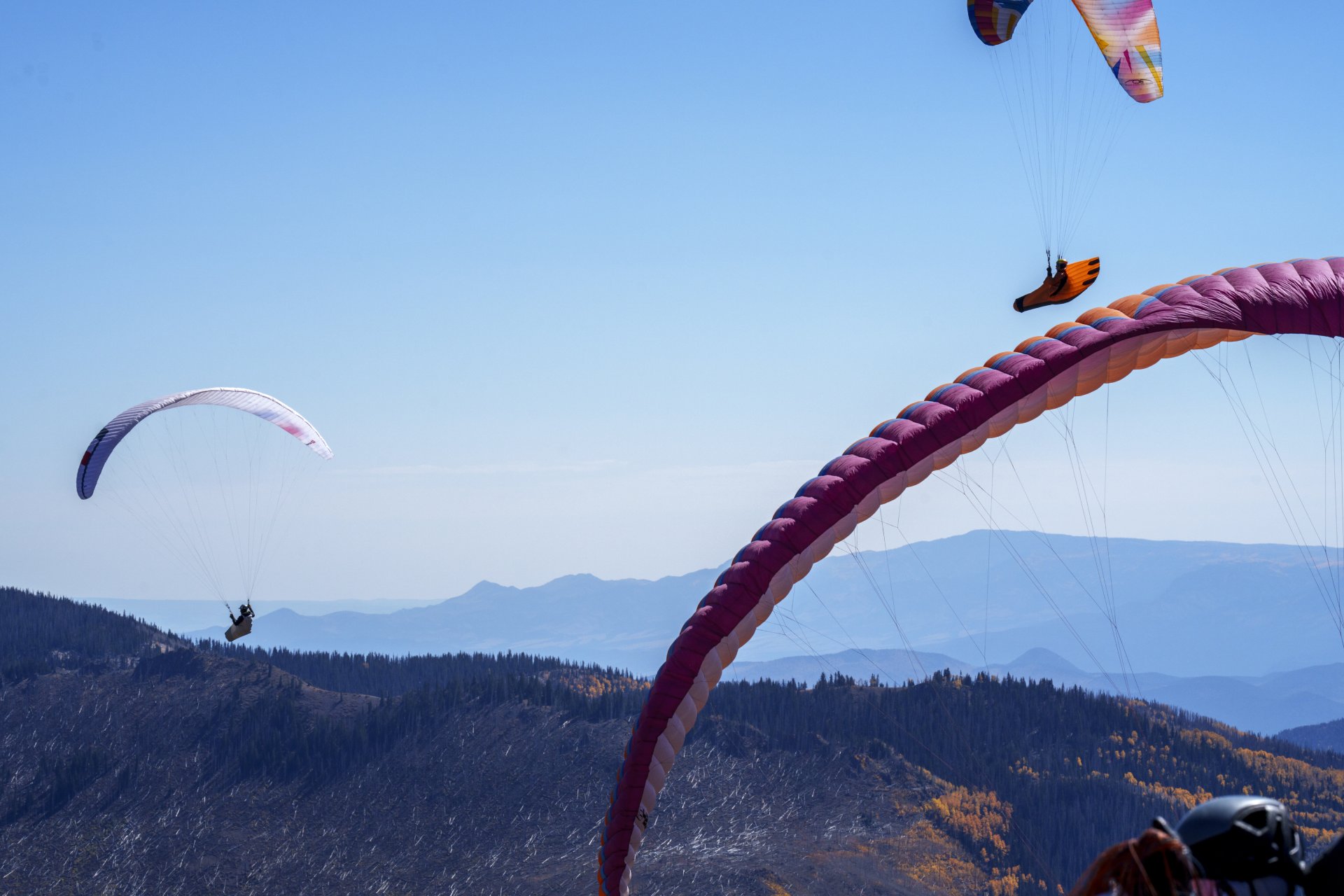
Paragliding is a thrilling sport that allows adventurers to soar through the sky and take in breathtaking views from a bird’s-eye perspective. This aerial experience is made possible by a lightweight, free-flying glider aircraft, where the pilot sits securely in a harness attached to a fabric wing. Pilots can extend their flight duration by skillfully navigating wind currents and thermals, making each flight an exhilarating and scenic adventure.

The origins of paragliding date back to the 1960s, when modified military parachutes were used for controlled gliding instead of rapid descent. Over the decades, advancements in material technology and aerodynamic design have transformed it into a globally recognized adventure sport. For those eager to experience paragliding without prior training, tandem paragliding offers an ideal solution. In this setup, a professional pilot manages the controls. At the same time, the passenger enjoys a stress-free, awe-inspiring glide through the skies, making it a perfect introduction to the world of free flight.

To ensure safety and performance, paragliding requires specialized equipment. The paraglider wing is the primary structure enabling flight, while the harness offers a secure and comfortable seating arrangement for solo and tandem flights. A reserve parachute is a crucial safety measure in emergencies, while a helmet provides essential head protection during takeoff and landing. Additionally, a variometer helps pilots detect rising air currents, allowing for better navigation and prolonged flight time. With the right gear and proper training, paragliding becomes an accessible and rewarding experience for enthusiasts worldwide.


Best Paragliding Destinations in South Asia

Bir Billing

Nestled in the Himalayas, Bir Billing, India, is a world-renowned paragliding destination suited for intermediate to advanced pilots. With Kangra Airport just 70 kilometers away, it is easily accessible for adventurers. The best season to glide through the skies here is from October to June, while the monsoon season from July to September is best avoided due to heavy rainfall. No special permits are required, making it an attractive spot for thrill-seekers looking to experience India’s stunning landscapes from above.


Mussoorie

Another excellent destination in India is Mussoorie, a prime spot for beginners and intermediate pilots. Located just an hour’s drive from Dehradun Airport, it offers favorable conditions from September to June. However, the monsoon season from July to August brings heavy rains and strong winds, making it unsuitable for flights. No special permits are needed, but foreign visitors require a tourist visa.


Pokhara

Pokhara, Nepal, is another top paragliding destination, famous for its stunning views of the Annapurna range. A short 30-minute flight from Kathmandu makes it a convenient spot for adventurers. With a visa on arrival available for most nationalities and no permit requirements, it is an easily accessible haven for beginners and experienced pilots. The best season to take to the skies is September to April, while monsoon rains from June to August can make conditions hazardous.


A paraglide down a Swiss mountain valley.
A paraglide down a mountain valley in the Swiss Alps.

Best Paragliding Destinations in Europe

Chamonix

For those seeking a European paragliding paradise, Chamonix, France, offers breathtaking alpine views and is accessible via Geneva Airport, just an hour’s drive away. Suitable for all skill levels, from beginners to experts, this location provides smooth summer flights between June and September, while winter brings high winds and snowstorms, making it less ideal. No special permits are necessary, but travelers from non-EU countries will need a Schengen visa.


Interlaken

For those looking to glide over pristine lakes and valleys, Interlaken, Switzerland, is an unparalleled choice. This destination is open to pilots of all levels and is just a two-hour train ride from Zurich Airport. The best conditions for flying occur between March and October, with winter months bringing harsher weather. While no permits are required, non-EU visitors will need a Schengen visa.


Algodonales

Algodonales is a sought-after paragliding location in Spain, particularly for those who prefer reliable flying conditions. With the closest major airport in Seville, it is an accessible destination for beginners and intermediate pilots. While no permits are required, a Schengen visa is necessary for non-EU travelers. The best flying season spans from September to May, with summer temperatures often becoming too intense for optimal thermals.


Best Paragliding Destinations Elsewhere

Queenstown

In the Southern Hemisphere, Queenstown, New Zealand, provides an extraordinary year-round paragliding experience, with summer (December to March) offering the best conditions. Direct flights to Queenstown Airport make access easy and require no special permits. However, winter (July to August) can bring extreme cold and challenging conditions.


Oludeniz

For those drawn to coastal paragliding, Oludeniz, Turkey, is a must-visit. The turquoise waters below provide an unparalleled backdrop for intermediate and advanced pilots. Easily accessible via Dalaman Airport, this spot offers ideal conditions from April to October. While winter storms and strong winds make paragliding difficult, no special permits are required, and most nationalities can enter with a visa-free or eVisa option.


Antsirabe

Lastly, for advanced pilots seeking a more remote adventure, Antsirabe, Madagascar, provides a unique paragliding experience. Located three hours from Antananarivo, it offers breathtaking views and strong thermals from May to November. However, the rainy season from December to April poses significant challenges. Travelers can obtain a visa on arrival; no special permits are needed to enjoy this exotic paragliding haven.


A paraglider on a grassy hillside just after landing.
Successful landing.

Paragliding Injuries, Safety, and Cross-Country

Common injuries in paragliding include fractures, dislocations, and concussions due to rough landings. Emergency response varies by location:

  • Colombia Incident: A U.S. paraglider in Colombia suffered a tibial malleolus fracture. Due to delayed local treatment, Global Rescue arranged for a medical evacuation to Washington, where she underwent surgery.
  • Emergency Response at Destinations: Switzerland and France offer world-class medical care, while Nepal and Madagascar have limited facilities, requiring evacuation in severe cases.


Top Cross-Country Paragliding Destinations

  • Sun Valley, Idaho, USA: Vast wilderness with long-distance flight potential.
  • Golden, Canada: Ideal thermals and scenic flights.
  • Col de Bleyne, France: Home to record-breaking flights.
  • Quixada, Brazil: Best for experienced cross-country pilots.
  • Ager, Spain: Consistent flying conditions.
  • Kruševo, Macedonia: Suitable for all levels.


Tandem paragliders take a funny selfie high above a tropical island with mountains and clear blue water.
Tandem paragliding, tandem tongues sticking out.

The Global Rescue Connection for Paragliders

Global Rescue’s Field Rescue service gets members from the point of injury or illness to medical treatment in life-threatening situations when the member is out of reach of conventional rescue resources. Global Rescue field rescue service is not a substitute for conventional rescue resources like ambulances or other vehicles activated by public services agencies dispatched by contacting 911 (or the equivalent in different countries).

Paragliders who sustain injuries during their activity and receive emergency services from local/state/provincial/regional government providers should be aware that they may be charged for emergency transport. Typically, the patient or their insurance company is billed for the service.

Global Rescue is a service provider, not an insurance company, and is legally not allowed to reimburse members for the costs of rescue or any transportation services provided by government emergency responders. Most insurance policies cover emergency transport costs; however, insurance companies may deny reimbursement if the transport is medically unnecessary.

Post-Rescue Member Benefits/Services: Contacting Global Rescue immediately after the 911 call (or equivalent emergency services number in other destinations) will help Global Rescue members by coordinating and navigating the medical system, communicating with loved ones, and providing additional medical transport services as medically required.

While every case is different, in this example, Global Rescue would provide medical advisory and medical evacuation to an appropriate hospital (if medically required) as part of the paraglider’s membership. Any costs associated with the initial transport by the local emergency service provider would be the responsibility of the paraglider (or their insurance provider).

Categories:

News
Share This:

Will Trump’s tariffs affect your travel plans to Mexico and Canada?

Categories:

Places & Partners
Share This:

Ascending Aconcagua: A Climb to the Roof of the Andes

Tips and tales about safely climbing South America's tallest peak.

Article Highlights:

  • At 22,837 feet (6,961 meters), Aconcagua is the tallest peak outside the Himalayas and one of the Seven Summits.
  • Though non-technical, climbing Aconcagua requires endurance, proper acclimatization, and basic mountaineering gear.
  • High-altitude sickness is a serious risk, with numerous helicopter evacuations due to AMS and HAPE.
  • More women are climbing Aconcagua, reflecting a shift in mountaineering demographics.
  • Global Rescue continues to expand emergency evacuation services for climbers facing medical emergencies at high altitudes.


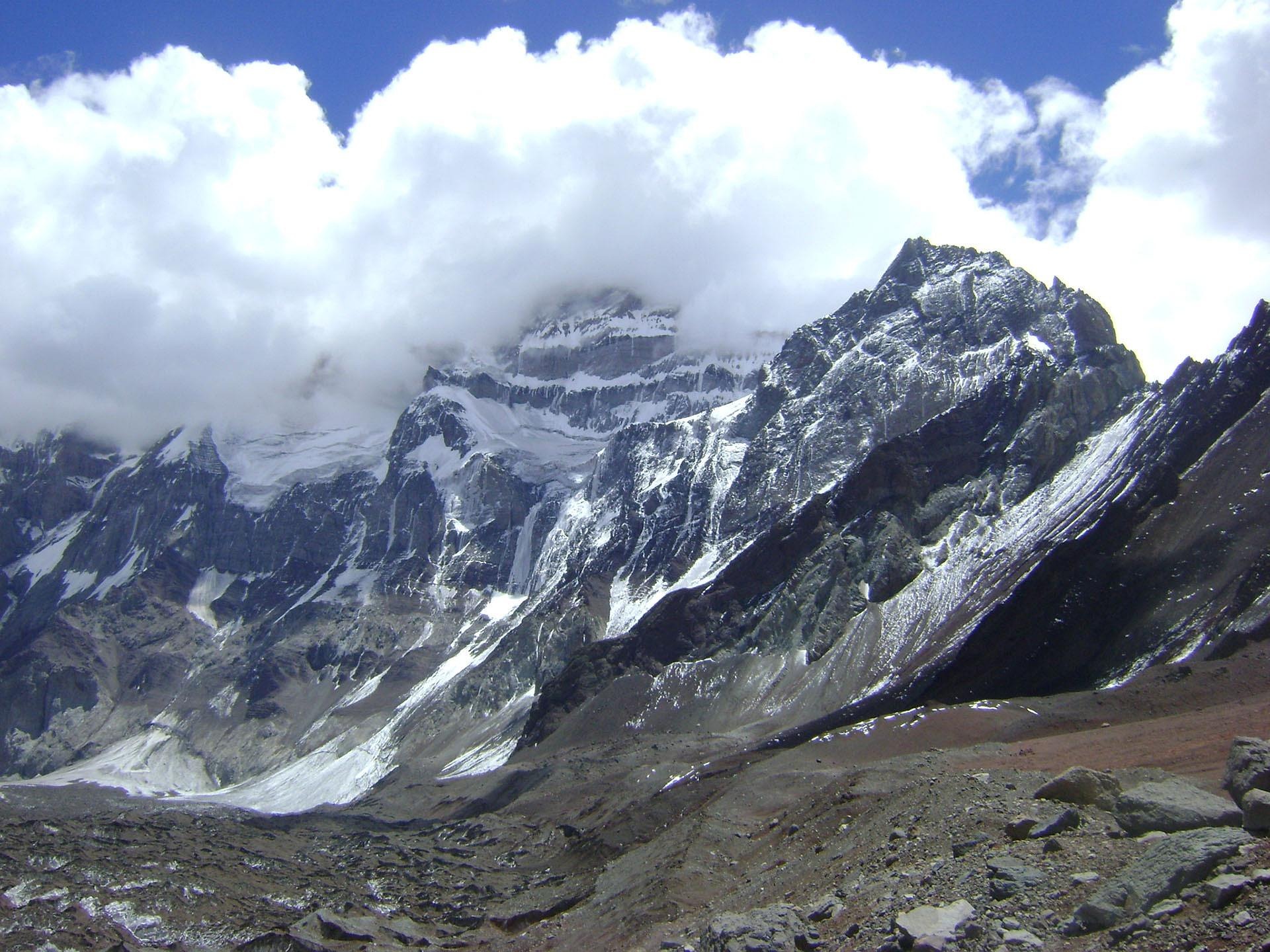
Mount Aconcagua, towering at 22,837 feet (6,961 meters), is the highest peak outside the Himalayas and Karakoram ranges. As the tallest mountain in South America, it is one of the prestigious Seven Summits. Climbing Aconcagua is a challenge that attracts mountaineers and trekkers worldwide, eager to push their limits in the high-altitude conditions of the Andes.

While climbing Aconcagua is not a technical ascent, it is far from easy. Trekkers often require crampons and an ice axe to navigate icy sections, and the extreme altitude presents serious risks. Proper acclimatization is essential to a successful summit bid, as altitude sickness can affect even the fittest climbers.

Jed Williamson, a renowned outdoor adventure safety expert and member of the Global Rescue’s Mountain Advisory Council, considers Aconcagua an ideal first high-altitude climb—provided climbers acclimate properly. Despite its accessibility, Aconcagua demands meticulous preparation, fitness, and respect for high-altitude conditions.


Aconcagua and the World’s Top Climbers

Ed Viesturs, the only American to have summited all 14 of the world’s 8,000+ meter peaks without supplemental oxygen, conquered Aconcagua alongside local guide Cacho Beiza, who has climbed the mountain over 60 times. Both climbers consider Aconcagua an excellent training ground for those aiming to climb more challenging peaks.

Viesturs and Beiza also recommend several other mountains as good starter peaks before attempting Aconcagua:

  • Mount Baker, Washington, USA (10,000 feet / 3,048 meters): A great alternative to Mount Rainier with less crowding and no permit requirements.
  • Chimborazo, Ecuador (20,548 feet / 6,263 meters): A stunning high-altitude climb in South America.
  • Pico de Orizaba, Mexico (18,491 feet / 5,636 meters): A beautiful yet challenging volcanic ascent.
  • Ixtaccihuatl, Mexico (17,160 feet / 5,230 meters): A dormant volcano offering a rewarding high-altitude experience.


Aconcagua: Snowy, Uncrowded, and a Growing Female Presence

Viesturs recently returned from a climb of Aconcagua and observed that post-COVID crowds have diminished, making for a more peaceful experience. Heavy snowfall in January, however, added unexpected difficulties, transforming what is usually a dry hike into an alpine ascent requiring crampons.

Beiza emphasized that, despite being a non-technical climb, Aconcagua is a serious mountain where fitness and endurance are critical. Summit day alone can take 8-12 hours, not including the descent back to high camp.

An exciting trend is the increasing number of female climbers tackling Aconcagua. Beiza noted that half of his recent climbing team consisted of women, with many couples climbing together.


Aconcagua: A Test of Resilience and Rescues

While self-sufficiency among climbers is gradually increasing, helicopter rescues remain a reality. Beiza notes that most evacuations occur for legitimate medical emergencies rather than exhaustion or fatigue. One such case involved a 55-year-old climber from the United Kingdom who was evacuated from Plaza de Mulas due to symptoms of pulmonary edema. Global Rescue facilitated an emergency helicopter evacuation, leading to swift medical intervention and recovery.

Several recent high-altitude rescues on Aconcagua highlight the risks associated with extreme elevations.

  • A Canadian climber was airlifted after suffering from Acute Mountain Sickness (AMS) and High-Altitude Pulmonary Edema (HAPE). Oxygen therapy stabilized the climber before an emergency helicopter evacuation to Horcones, followed by hospital treatment in Mendoza.
  • A U.S. climber on the Guanacos route experienced AMS and suspected HAPE. A helicopter evacuation was swiftly arranged to transport the climber from Plaza Argentina to Mendoza for overnight hospital observation and treatment.
  • A U.S. climber at Base Camp 3 Guanacos suffered severe HAPE, leading to an urgent helicopter evacuation. The climber was hospitalized in Mendoza, treated for altitude-related complications, and discharged after recovery.
  • A U.S. climber sustained a knee injury at Nido de Cóndores, rendering them unable to continue. Medical staff recommended an immediate helicopter evacuation. After treatment in Mendoza, the climber recovered with crutches and pain management.
  • A Mexican climber at Base Camp 2, Nido de Cóndores, was diagnosed with pulmonary edema and evacuated via helicopter to Mendoza for treatment.
  • Two Australian climbers suffered from severe HAPE. One was evacuated from Plaza de Mulas and another from Valle Hermoso. Both required urgent medical attention, received oxygen therapy and treatment, and were later discharged in stable condition.


The Global Rescue Connection

With increasing number of climbers venturing into high-altitude terrain, Global Rescue has expanded its services, including the High-Altitude Evacuation Package for those traveling above 15,000 feet (4,600 meters). This service ensures rapid emergency transport for climbers facing injury or severe altitude sickness. Mountaineering and trekking continue to grow in popularity, making safety and emergency preparedness more critical than ever.

Climbing Aconcagua is a formidable adventure that requires careful preparation, endurance, and respect for high-altitude conditions. While it remains one of the more accessible Seven Summits due to its non-technical nature, the extreme altitude presents a real challenge.

For those looking to climb Aconcagua, it is crucial to prepare for and obtain proper acclimatization, ensure appropriate physical conditioning, and understand the signs and symptoms of altitude-related risks. Whether you are an experienced mountaineer or tackling your first high-altitude peak, Aconcagua offers an unforgettable journey into the heart of the Andes.

Share This:

Mission Briefs – SOS In Action: Issue 3

Real-life rescue stories that started with an SOS.

Article Highlights:

  • Real-Life SOS Rescue Stories: A sailor stranded at sea due to a broken mast, a flash flood traps a driver, a trekker injures her ankle on a hike, abdominal pain disables a trekker in New Zealand, and a broken rudder maroons a man in the ocean – are all rescued thanks to emergency satellite communication devices was used to contact Global Rescue for help.
  • Essential SOS Procedures: It’s critical to understand your device’s SOS features and procedures, and to provide contact information for Global Rescue to ensure timely and effective emergency assistance.
  • Importance of Preparation: Being prepared is essential and knowing how to use satellite communication devices in emergencies can be the difference between life and death during remote adventures.


Contacting Global Rescue Through a Satellite Device

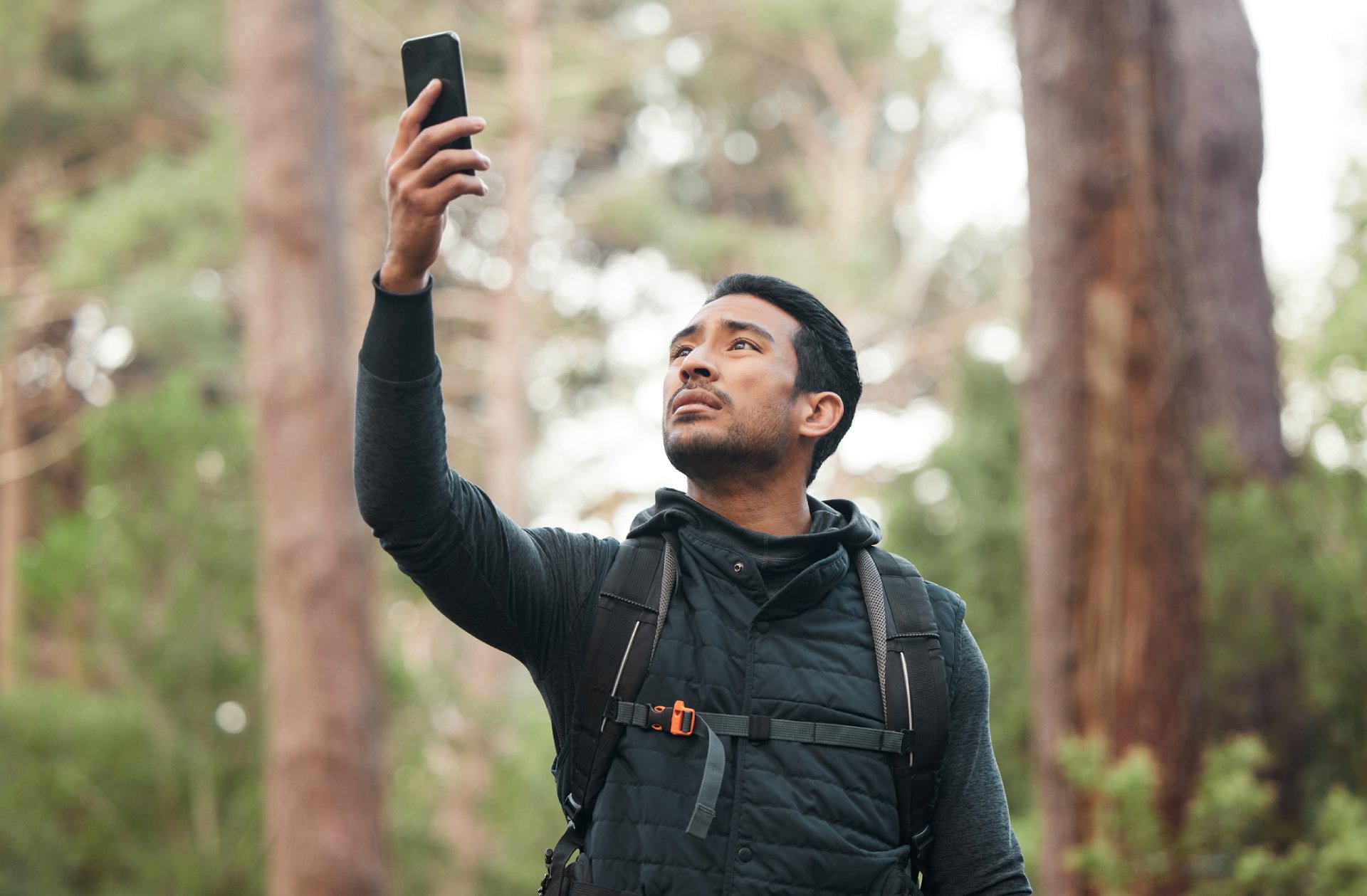
You have planned an adventure. Perhaps you’re going to a destination where cell service is unreliable or embarking on a wilderness trip to a remote location. You have a two-way communication device, such as a satellite phone or satellite messaging and tracking device, just in case. But knowing how to use it in an emergency is essential – and could be the difference between life and death.

Global Rescue handles hundreds of emergencies and SOS calls for medical or security help every month. The following are a few highlights from recent emergency events worldwide.


Broken Mast at Sea

Global Rescue received an SOS from a user after the mast on his 60-foot catamaran collapsed off the coast of Delaware, USA. Although the user was alone and safe, they requested a tow. Global Rescue alerted the U.S. Coast Guard District 5, which dispatched both a C-130 and a patrol boat, but worsening weather delayed the response. The user later reported further issues but released the broken mast and continued repairs. Ultimately, the U.S. Coast Guard located the user and successfully rescued him.


Flash Flood Traps Driver

An SOS satellite device user reported being trapped on the rooftop of their vehicle after it was washed out on the road and became half-submerged in water. Global Rescue alerted The Australian Maritime Safety Authority (AMSA), and police were dispatched to the location. Shortly after, Global Rescue received confirmation that the individual had been safely rescued and transported to safety.


Leg Injury Triggers SOS

A 45-year-old female sent Global Rescue an SOS after reporting a left ankle sprain while hiking the Te Araroa Trail in New Zealand. The injury left her unable to walk. Due to adverse weather conditions, a helicopter rescue was not possible until the next morning. Global Rescue monitored the situation until the individual had been safely rescued and was being transported to a medical facility.


Abdominal Pain on a New Zealand Trail

Global Rescue received an SOS distress call from an emergency satellite device user reporting a 29-year-old experiencing severe abdominal pain and nausea while moving while hiking in Haas, New Zealand. The pair was located at an elevation of 2,953 feet/900 meters on the mica mine route, specifically in switchback 19 of the northern ascent. Global Rescue alerted the Rescue Coordination Center of New Zealand (RCCNZ) and coordinated a response for a helicopter rescue.

Rudderless at Sea

Global Rescue  received an SOS from an emergency satellite device user who reported that their boat was experiencing mechanical failure with a broken rudder and was taking on water, though no injuries had been sustained. Global Rescue confirmed the situation and relayed the information to the Marine Rescue Coordination Center (MRCC). The MRCC confirmed the SOS and that resources had been prepared for deployment. After communication with the SOS device user and the MRCC, it was confirmed that the user was in contact with rescuers, including a ship and helicopter, and would be transported to safety. The user was successfully retrieved.

Helicopter Responds to SOS Call

An SOS satellite device user reported an unresponsive 43-year-old male who had collapsed after a bison retrieval while hiking. The patient was being administered CPR at the time of the alert. Global Rescue coordinated with the Garfield County sheriff’s office to dispatch airborne emergency rescue resources to the scene. The SOS device user was safely recovered.


[Related Reading: How To Send an SOS: Two-way Communication Success]


How To Send an SOS to Global Rescue

SOS device users should review the instructions regarding their device’s SOS features and procedures. Understand who receives the SOS message signal when it’s sent and what services the SOS monitoring provider offers. Contacting Global Rescue directly at +1 (617) 459-4200 or through a messaging device at ops@globalrescue.com or operations@globalrescue.com is the most straightforward way of obtaining service.

Share This:

American Travelers Expect Negative, Less Welcome Reception Traveling Abroad in 2025

(Lebanon, N.H. – March 5, 2025) – The majority of the world’s most experienced travelers expect Americans will be less welcome and perceived more negatively while traveling internationally in 2025 due to recent international policy…

(Lebanon, N.H. – March 5, 2025) – The majority of the world’s most experienced travelers expect Americans will be less welcome and perceived more negatively while traveling internationally in 2025 due to recent international policy proposals introduced by the U.S., according to the results of a Global Rescue Snap Survey conducted following President Trump’s address to Congress.

Seven out of ten (72%) surveyed travelers said Americans will be perceived more negatively and less welcome when traveling abroad. Nearly a fifth (16%) reported there would be no difference in how Americans are perceived, 9% didn’t know and 3% said Americans will be perceived more positively.

“The data is clear—travelers are expecting a shift in how they are received abroad,” said Dan Richards, CEO of The Global Rescue Companies and a U.S. Travel and Tourism Advisory Board member at the U.S. Department of Commerce. “This doesn’t mean Americans should cancel their travel plans, but they should be aware of their surroundings, practice cultural sensitivity, and take proactive steps to mitigate potential risks.”

International travel veteran Harding Bush, a former Navy SEAL and associate director of security operations for Global Rescue, advised it’s important to remember that locals may have strong opinions about international policies, but they often distinguish between a country’s government and its citizens. “They know it’s not you that is making the decisions and policies. Be a gracious guest and don’t discuss politics,” he said.

American international travelers can take several measures, all of which are recommended during any international trips, to travel safely and confidently despite growing concerns about their perception overseas. “Americans traveling abroad should be aware there could be an increase in political demonstrations and should obtain security advisory services to keep them informed of anti-American protests,” Bush said.

  • Maintain a Low Profile: Avoid displaying overt symbols of American nationality, such as clothing with political slogans or nationalistic imagery. Blending in with local customs and attire can help minimize unwanted attention.
  • Stay Informed: Travelers should research the political and social climate of their destination before departure. Understanding local attitudes toward the U.S. can help visitors navigate conversations and interactions more smoothly.
  • Practice Cultural Awareness: Demonstrating respect for local customs, traditions, and social norms is essential. Learning basic greetings and etiquette in the local language can go a long way in fostering goodwill.
  • Use Smart Travel Practices: Keep a low profile in public spaces, avoid discussing sensitive political topics, and be aware of your digital footprint on social media, as online expressions can sometimes lead to confrontations in person.
  • Leverage Professional Travel Security Resources: For those visiting high-risk areas or facing increased concerns, working with security professionals and travel risk management firms like Global Rescue can provide invaluable guidance and support.

Despite the concerns highlighted by the survey, Richards emphasized that most international travel remains safe when travelers take the right precautions. “Being prepared and situationally aware is key. By exercising good judgment and respecting local norms, Americans can continue to enjoy safe and enriching travel experiences around the world,” Richards said.

###

For more information, contact Bill McIntyre at bmcintyre@globalrescue.com or +1 202.560.1195.  

About the Global Rescue SNAP Survey

Global Rescue, the leading travel risk and crisis response provider, surveyed more than 1,400 current and former members between March 5, 2025. The respondents revealed whether recent international policy proposals introduced by the U.S. would impact, negatively or positively, how Americans are welcomed or perceived when traveling internationally in 2025.  

About Global Rescue   

Global Rescue is the world’s leading provider of medical, security, evacuation and travel risk management services to enterprises, governments and individuals. Founded in 2004, Global Rescue has exclusive relationships with the Johns Hopkins Emergency Medicine Division of Special Operations and Elite Medical Group. Global Rescue provides best-in-class services that identify, monitor and respond to client medical and security crises. Global Rescue has provided medical and security support to its clients, including Fortune 500 companies, governments and academic institutions, during every globally significant crisis of the last two decades. For more information, visit www.globalrescue.com.  

Share This:

A Visitor’s Guide to Qatar, Kuwait, Oman, and Beyond

Experience the beauty, heritage, and adventure of the Arabian Peninsula.

Article Highlights:

  • A deep dive into Middle Eastern culture, customs, and etiquette for American travelers.
  • Detailed travel safety insights for Qatar, Kuwait, and other Middle Eastern countries.
  • Must-visit attractions, cuisine, art, and adventure opportunities across the region.
  • Important visa, health, and legal information for travelers to Middle Eastern destinations.
  • Best and worst times to visit each country based on climate, safety, and tourism trends.


The Middle East is fascinating, blending ancient history, vibrant cultures, and modern marvels. The Middle East is a culinary treasure trove, boasting flavors that span from the Arabian Gulf’s rich spices to the Levant’s Mediterranean delights. Each country has distinct food traditions, some well-known globally, while others might surprise Western visitors.

Travelers interested in visiting Qatar and Kuwait should prepare by understanding cultural norms, safety measures, and travel requirements. Whether exploring Kuwait’s oil-rich modernity or Qatar’s futuristic skyline, each destination has unique traditions and laws that Western visitors must respect.


Is Kuwait Safe To Visit?

Fireworks above Kuwait Towers light up the night sky.
Fireworks above the Kuwait Towers, Kuwait City, Kuwait.


For those wondering, “Is Kuwait safe to visit?” the answer is generally yes, with some precautions. Kuwait is a wealthy Gulf nation known for its oil reserves, towering skyscrapers, and rich Islamic culture. While it does not have as many tourist attractions as its neighbors, it offers unique experiences such as the Kuwait Towers, the Grand Mosque, and the bustling Souq Al-Mubarakiya. Arabic is the official language, though English is commonly spoken in business and tourist areas.

Bold flavors and a rich history of trade influence define Kuwait’s cuisine. Machboos, a fragrant rice dish cooked with meat, saffron, cardamom, and dried limes (loomi), delivers a tangy, smoky flavor. Another popular dish is Mutabbaq Samak, where marinated and spiced fish is served atop a bed of rice. Jireesh, made from crushed wheat slow-cooked with meat, tomatoes, and spices, has a soft, porridge-like texture that may be unusual for Western palates.

Kuwaiti culture is deeply rooted in Islamic traditions, and travelers should respect conservative dress codes, especially for women. Alcohol is strictly prohibited, and public behavior should be modest and respectful. Crime rates are low, but visitors should stay aware of their surroundings, especially in political or religiously sensitive areas.

The best time to visit Kuwait is between November and March when the weather is cooler, as summers can be unbearably hot. Healthcare facilities are modern, and emergency services are reliable, making it a relatively safe travel destination.


Qatar: A Thriving Cultural and Economic Hub

Dozens of colorful kites from kiteboarders speckle the air above kiteboarders in the ocean in Qatar.
Kiteboarding in Qatar.


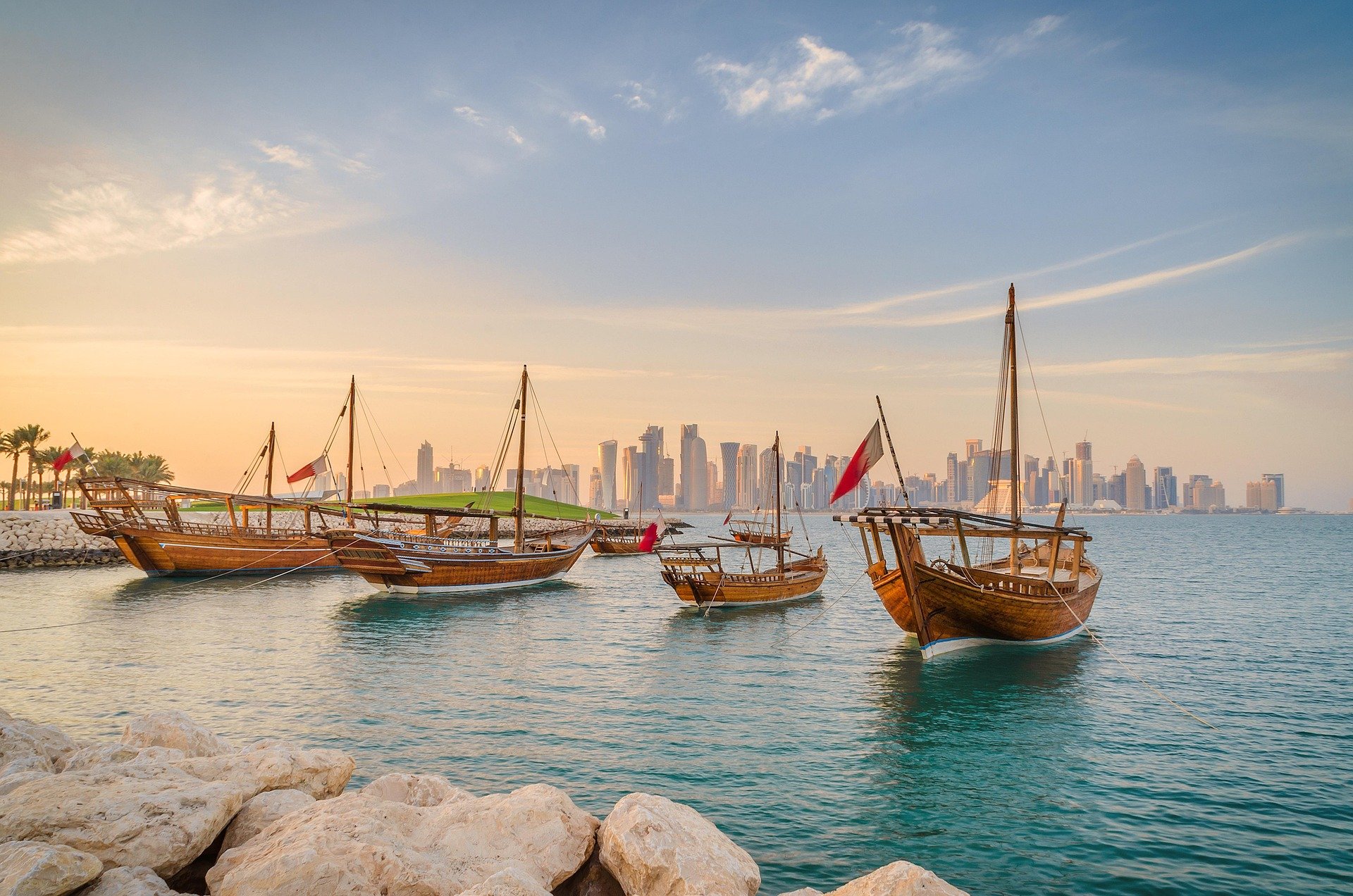
For travelers asking, “Is Qatar safe to visit?” the answer is a resounding yes. Qatar is among the safest and most developed nations in the Middle East, with an incredibly low crime rate and a thriving economy fueled by natural gas exports. The country boasts stunning architecture, world-class museums like the Museum of Islamic Art, and vibrant markets such as Souq Waqif.

Qatar’s culture is a mix of modern luxury and traditional Bedouin values. Visitors should dress modestly, especially in public places, and avoid public drinking as alcohol consumption is highly restricted. The country is known for its futuristic skyline, luxury hotels, and adventure activities like dune bashing in the desert.

Qatar shares many culinary similarities with Kuwait but has its local specialties. Majboos, the national dish, features slow-cooked meat, often lamb or chicken, served over spiced rice with vegetables. Saloona, a hearty stew with meat, vegetables, and a fragrant blend of local spices, is commonly enjoyed with bread. A more unusual dish is Nataf, a gelatinous creation made from animal parts, often goat or camel feet, thickened into a savory jelly—a texture uncommon in Western cuisine.

The best time to visit Qatar is between November and April, when temperatures are more pleasant. With extensive public transport options and a commitment to safety, Qatar is an excellent destination for travelers looking to experience Middle Eastern culture in a modern setting.


Is It Safe To Travel to the Middle East?

Ed-Deir, Petra Monastery in Jordan.
Ed-Deir, Petra, Jordan.


Kuwait and Qatar are each designated Level 1 – Exercise Normal Precautions by the U.S. Department of State, the lowest advisory level for safety and security risk. A Level 1 advisory indicates that travelers should exercise the same caution abroad as they would in their own country. While some risk is inherent in any international travel, destinations with this designation are generally considered safe. Visitors are encouraged to stay aware of their surroundings, adhere to local customs, and comply with the laws of the country they are visiting.

Traveling to other Middle Eastern countries, however, requires careful planning and awareness of potential risks. The U.S. Department of State designates Oman, Bahrain, Jordan, Turkey, and the UAE as Level 2 – Exercise Increased Caution, advising travelers to be aware of heightened risks to safety and security. Egypt is listed as a Level 3 – Reconsider Travel country, recommending travelers to reevaluate travel due to serious risks to safety and security.

For American travelers, the impact of these advisories extends beyond safety concerns and influences daily travel experiences. Restrictions on movement heightened security measures, and disruptions to local infrastructure can create challenges in navigating these destinations. Some countries enforce curfews or heightened military presence, while others may have restrictions on photography, internet access, or public gatherings.

Despite these concerns, many of these destinations offer unique cultural experiences, breathtaking historical sites, and rich culinary traditions, making it possible to enjoy a rewarding trip with proper precautions and situational awareness.

Oman is a breathtaking destination known for its dramatic deserts, lush wadis, and stunning coastline. Visitors can explore Muscat’s Grand Mosque, the historic forts of Nizwa, or the natural wonders of the Wahiba Sands. The country is peaceful and welcoming, though travelers should respect Islamic customs, especially regarding dress and behavior in public spaces. Oman is known for its slow-cooked and deeply spiced dishes. Shuwa is a traditional slow-roasted lamb dish marinated with Omani spices and cooked underground for up to 48 hours. Sakhan, a fermented fish dish aged for months, has an intense aroma and flavor, making it a rare but distinct Omani delicacy.


Bahrain is a fascinating blend of tradition and modernity, with the Bahrain Fort, Manama’s souks, and Formula 1 racing as top attractions. While generally safe, occasional protests can occur. Alcohol is legal in certain establishments, making it more relaxed than in some neighboring Gulf states. Bahraini cuisine balances the flavors of the sea and the spice trade. Balaleet is a unique breakfast dish combining sweetened vermicelli noodles with a spiced omelet. Mahyawa, a fermented fish sauce spread, is intensely salty and often enjoyed on bread, though it might be an acquired taste for foreigners.


Jordan is home to Petra, the Dead Sea, and Wadi Rum, making it a top adventure and cultural destination. While it is one of the safest Middle Eastern countries, travelers should consider regional tensions. Hospitality is a hallmark of Jordanian culture, and visitors will feel welcome. Jordan offers a mix of Bedouin and Levantine flavors. Mansaf, the national dish, is made of lamb cooked in a fermented yogurt sauce and served over rice. Kawareh, a stew made from cow or sheep feet, is slow-cooked into a gelatinous broth, which may be unusual for Western diners.


Turkey straddles Europe and Asia, offering breathtaking landscapes, rich history, and diverse cuisine. Istanbul’s Hagia Sophia, Cappadocia’s fairy chimneys, and the beaches of Antalya attract millions of visitors yearly. The risk of terrorism and political instability exists, but most tourist areas are safe with proper precautions. Turkey is famous for its wide array of kebabs, from Adana to Iskender, featuring richly flavored grilled meats. Kokoreç, seasoned lamb intestines grilled on skewers, is a delicacy that may surprise some Western visitors.


Egypt is a dream destination for history lovers, home to the Pyramids of Giza, the temples of Luxor, and the Nile River. However, political instability and terrorism risks mean travelers should stay alert, avoid certain areas, and adhere to security recommendations. Egypt’s cuisine is deeply rooted in history and flavor. Koshari, considered Egypt’s national dish, is a unique mix of lentils, pasta, rice, fried onions, and tomato sauce. Molokhia, a green, slimy-textured soup made from jute leaves, might be off-putting to unfamiliar palates.


The Middle East is a region of contrasts, where ancient traditions meet modern innovation. Understanding cultural norms and travel precautions ensures a safe and enriching experience wherever you’re exploring. By staying informed and respectful, Western travelers can fully appreciate the beauty and complexity of this fascinating part of the world.


The Global Rescue Connection

A Global Rescue membership provides more than emergency field rescue from the point of illness or injury and medical evacuation. Traveling in the Middle East opens the door to unintentional surprises, especially when encountering unique or seemingly unusual laws.

Restrictions on alcohol, public displays of affection, and immodest apparel highlight the importance of preparation. Navigating these customs requires diligence; even minor infractions can lead to fines, embarrassment, or worse. A Global Rescue membership can make all the difference when dealing with such complexities. Our expert teams provide essential resources to research and clarify destination-specific regulations before your trip, ensuring you’re informed and compliant.

Members can obtain destination reports for 215 countries and territories worldwide to learn entry requirements, travel status and restrictions, detailed health and security assessments and required immunizations. Members can also keep updated on health and security events worldwide by reviewing travel alerts on destination reports. Membership services include traveler assistance for finding legal counsel, visa and passport issues and translation services.

If you are in a tricky situation abroad, Global Rescue offers immediate support, from legal locator assistance, translation services and logistical aid – in addition to field rescue, medical evacuation and medical advisory – so you can travel confidently and focus on enjoying your experience.

Whether it’s understanding local customs or navigating unexpected challenges, a Global Rescue membership equips travelers with the tools to stay informed and protected on their international adventures.

Share This:

Travelers Fear Health Issues but Fail to Evaluate International Hospital Quality

(Lebanon, N.H. – March 3, 2025) – Despite widespread concern about safety and major health issues, international travelers continue to flock to remote and high-risk destinations—often without checking the quality of emergency medical care available.…

(Lebanon, N.H. – March 3, 2025) – Despite widespread concern about safety and major health issues, international travelers continue to flock to remote and high-risk destinations—often without checking the quality of emergency medical care available. The most common trip-ending problems are major health issues (35%), according to the Global Rescue Winter 2025 Traveler Sentiment and Safety Survey. Half of surveyed travelers identified “safety” as their top priority when selecting an international destination—significantly higher than “cost” (19%), “weather” (15%), or “convenience” (13%).

Yet, while travelers overwhelmingly recognize major health issues as the most significant threats, and half claim safety is most important when choosing a destination, only half (51%) take the time to research the quality of medical care available at their destinations.

“It’s an alarming attitude given that more than one in five surveyed travelers (22%) reported needing emergency medical care while abroad,” said Dan Richards, CEO of the Global Rescue Companies, the world’s leading provider of medical, security, evacuation and travel risk management services and a member of the U.S. Travel and Tourism Advisory Board at the U.S. Department of Commerce. “Travelers often assume they are prepared for the unexpected, yet paradoxically, the data suggests that few travelers take the necessary precautions to ensure their health and safety abroad,” he added.

The survey also revealed that many travelers seek out remote or high-adventure destinations. More than half of travelers (59%) said they are not planning to visit more risky destinations in 2025 compared to past years, but a fifth (22%) are actively planning such trips, and another 19% remain undecided.

“With a significant portion of travelers venturing into remote regions or booking riskier adventures, the importance of knowing the availability of emergency medical care cannot be overstated,” Richards said. “The data suggests that travelers equate safety with crime rates and political stability but overlook the equally critical aspect of emergency medical infrastructure,” he added.

Travelers should obtain destination reports covering everything from travel health and personal security advice to currency and common scams before taking a trip, especially to a foreign country. A Global Rescue destination report provides travelers with critical information about the healthcare landscape of their chosen destination, including details on local hospitals, the quality of care, potential health risks, and recommended vaccinations. They provide insights into language barriers, accessibility to specialized treatments, and region-specific health concerns.

###

For more information, contact Bill McIntyre at bmcintyre@globalrescue.com or +1 202.560.1195.   

About the Global Rescue Traveler Sentiment and Safety Survey    

Global Rescue, the leading travel risk and crisis response provider, surveyed more than 1,300 current and former members between January 21-27, 2025. The respondents revealed a variety of behaviors, attitudes and preferences regarding current and future travel.   

About Global Rescue    

Global Rescue is the world’s leading provider of medical, security, evacuation and travel risk management services to enterprises, governments and individuals. Founded in 2004, Global Rescue has exclusive relationships with the Johns Hopkins Emergency Medicine Division of Special Operations and Elite Medical Group. Global Rescue provides best-in-class services that identify, monitor and respond to client medical and security crises. Global Rescue has provided medical and security support to its clients, including Fortune 500 companies, governments and academic institutions, during every globally significant crisis of the last two decades. For more information, visit www.globalrescue.com.   

Share This:

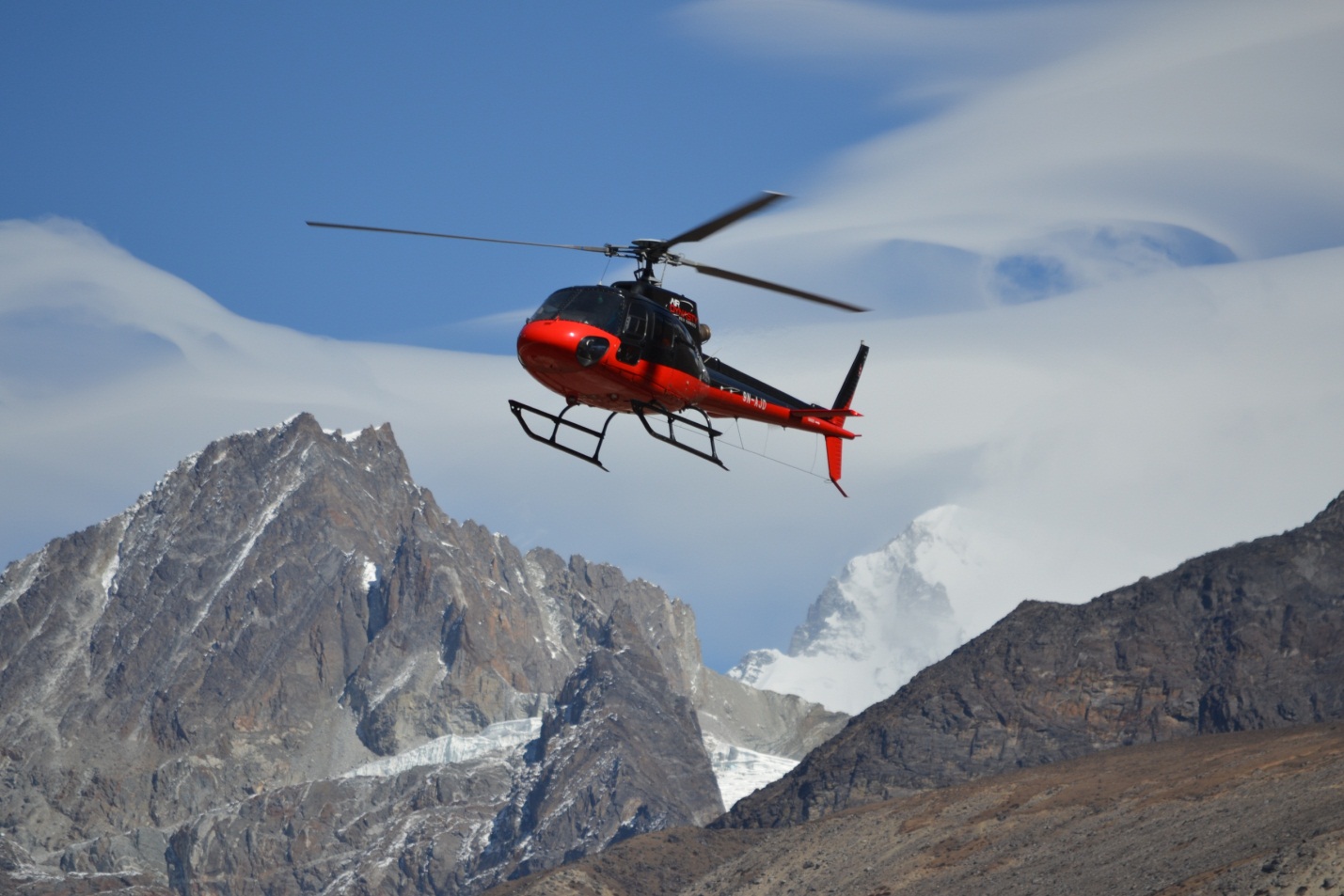
Medevac: The Critical Role of Rescue Helicopters in Emergency Medical Evacuations

Learn how helicopter field rescues save lives in remote areas, from high-altitude climbs to maritime emergencies.

Article Highlights:

  • Helicopter medical evacuations, or medevac flights, provide rapid emergency transport for critically ill or injured individuals in remote areas.
  • Medevac flights utilize advanced medical equipment and highly trained paramedics to stabilize patients during transport to specialized facilities.
  • Dangerous terrain rescues require expert pilots and rescue crews to extract victims from mountains, cliffs, and challenging environments.
  • Maritime rescues deploy rescue choppers to retrieve individuals from sinking ships, lifeboats, and stranded rafts in extreme conditions.
  • Helicopter rescue services, such as those offered by Global Rescue, provide essential medical support and emergency evacuation worldwide.


Helicopter rescues are among the most complex and high-stakes operations in emergency response. Whether transporting critically ill patients, plucking stranded individuals from dangerous locations, or extracting mariners from sinking ships, helicopter rescue teams play a crucial role in saving lives. These missions require precision, training, and advanced equipment to ensure successful rescues in some of the most challenging environments. Check out the various types of helicopter rescues and the specialized methods used to carry them out.


Air Medical Rescues

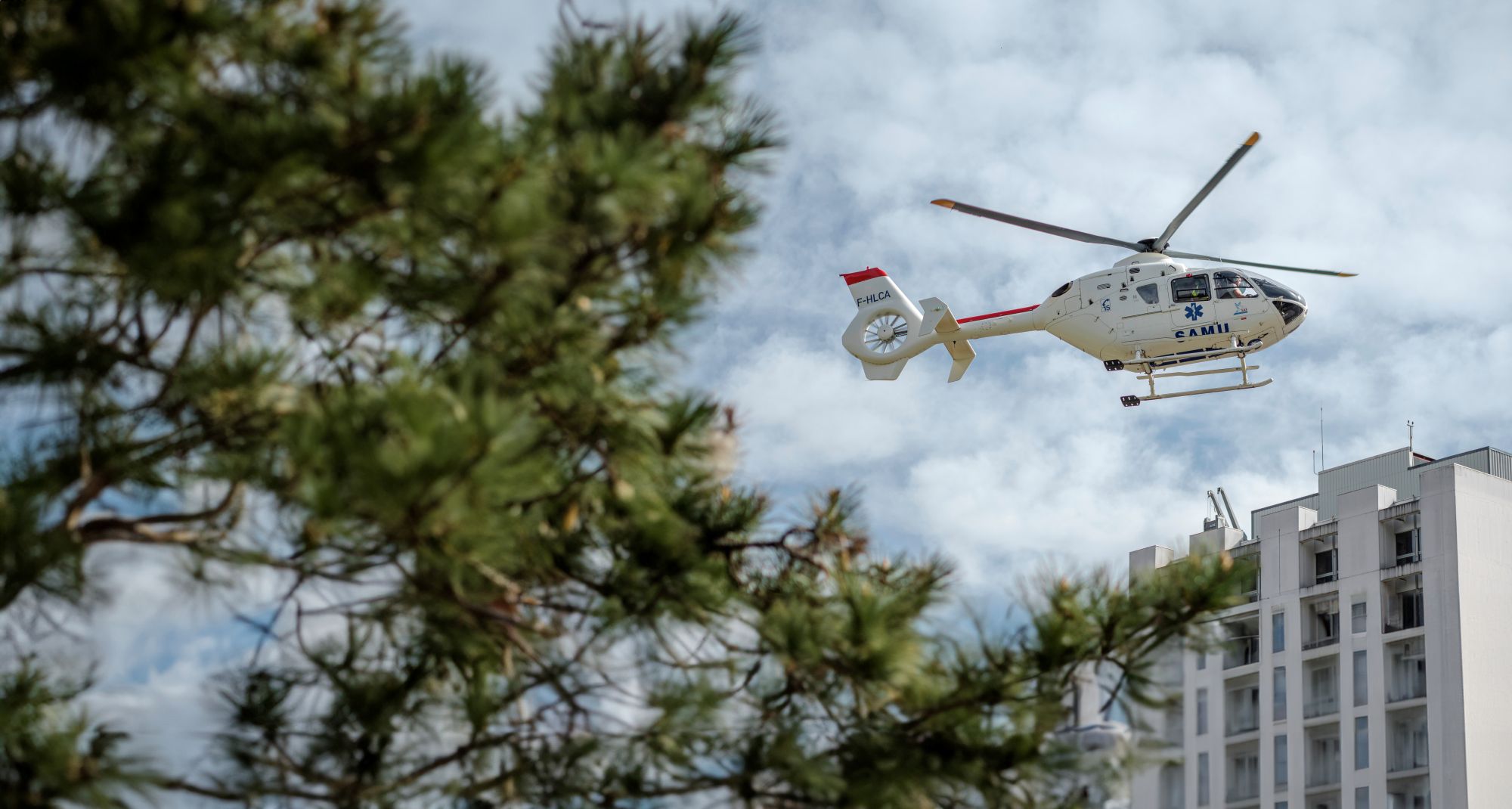
Patient Transport Air medical transport, often referred to as air ambulance services, is one of the most common types of helicopter rescue. These missions are designed to transport critically ill or injured patients from accident sites, remote areas, or hospitals to specialized medical facilities. Air medical services operate under tight time constraints, ensuring that patients receive timely medical intervention, especially in cases involving trauma, altitude mountain sickness, heart attacks, strokes, or severe injuries.

In a recent case, a chopper rescue was needed in Kenya when a Global Rescue member from the UK developed severe pain and swelling in their right calf due to Deep Vein Thrombosis (DVT) while trekking Mount Kenya. A helicopter evacuation was arranged, transporting the individual to Nanyuki Cottage Hospital. In Switzerland, an emergency helicopter rescue was needed for a woman who dislocated her shoulder while skiing in Visp. She contacted Global Rescue and was airlifted via helicopter for emergency treatment at a nearby hospital.

Helicopters used for air medical rescues are often equipped with advanced medical equipment, including ventilators, defibrillators, oxygen supplies, and monitoring systems. Flight paramedics and nurses may accompany patients, providing continuous care during transport. These rescues are often coordinated with emergency medical services (EMS) and hospitals to ensure seamless patient handovers.


Dangerous Terrain Rescues

Cliff rescues involve extracting individuals stranded on steep or inaccessible cliffs, where traditional ground-based rescue methods are impractical or too dangerous. Rock climbers, hikers, and accident victims often find themselves in precarious positions, requiring immediate aerial assistance.

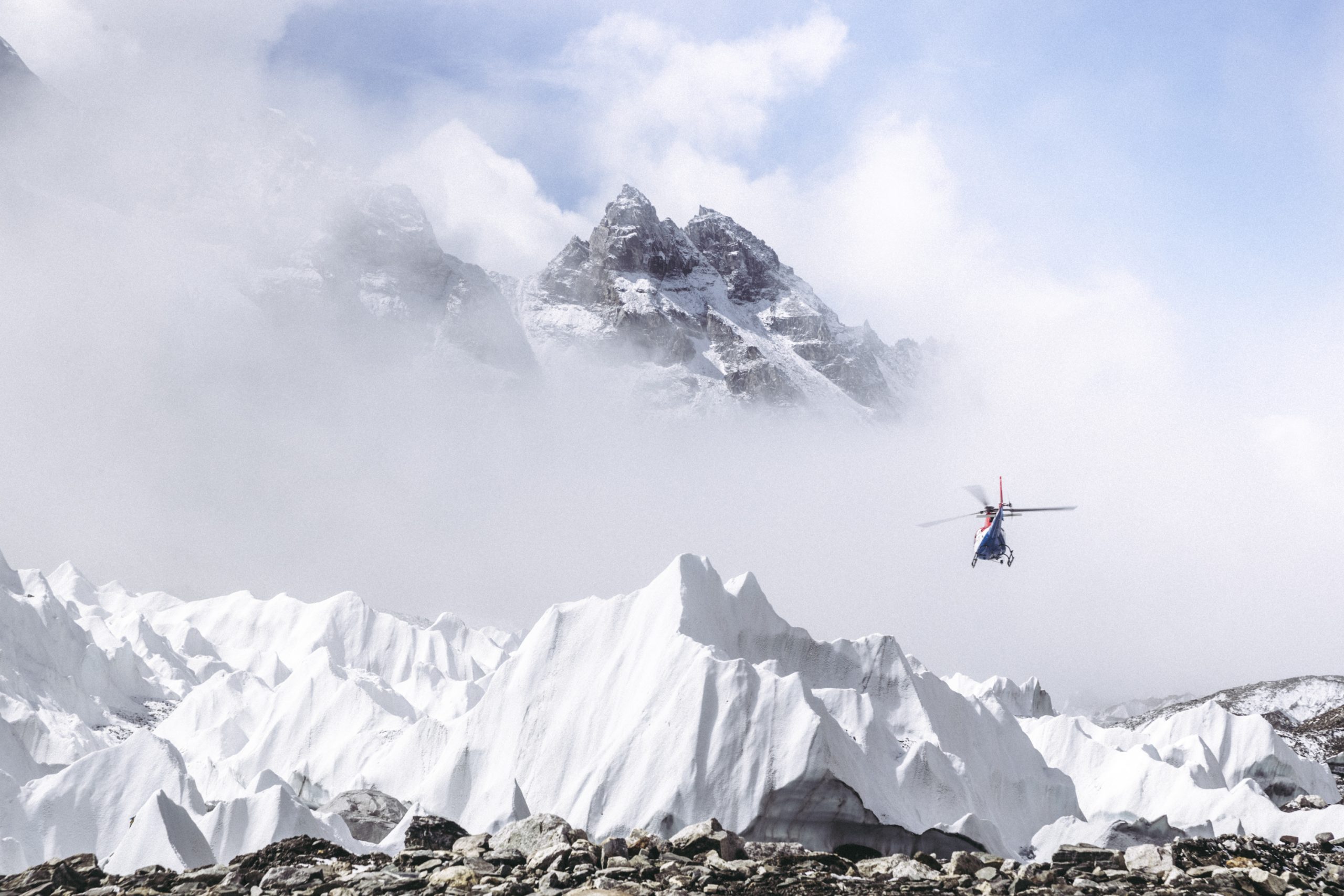
For example, an expedition leader contacted Global Rescue about an individual from Singapore who had fallen into a crevasse. The expedition team successfully pulled him free, but he soon showed symptoms of snow blindness, AMS, and HACE while at Mera High Camp (19,357 feet/5,900 meters). Global Rescue initiated an airborne helicopter rescue and transported the member to a hospital in Lukla. Global Rescue’s Nepal on-the-ground team met him at the hospital, where he was evaluated and given oxygen and medication to treat AMS and HACE. He was later released in improved condition.

A long-line rescue, also known as a sling or external load rescue, involves suspending the rescuer and victim below the helicopter on a long cable. This method is useful for extracting individuals from rugged terrains such as forests, mountains, or collapsed structures where landing a helicopter is not an option.

Typically, in dangerous terrain requiring a long line rescue, a highly trained helicopter crew deploys a rescuer via hoist or long-line technique to reach the stranded individual. Satyarup Siddhanta, a seasoned mountaineer, needed a long line chopper rescue during a dire situation while attempting to summit Ama Dablam in Nepal. He began experiencing severe frostbite symptoms, making it nearly impossible to grip ropes or tools.

Aware that continuing his ascent could put him in extreme danger, he made the difficult decision to turn back. During his descent, a combination of exhaustion and numb fingers led to a dangerous fall, leaving him physically battered and struggling with confidence in navigating the challenging terrain. Siddhanta contacted Global Rescue’s operations center, triggering a helicopter long line rescue – a rapid rescue response used in remote, high-angle terrain.

“The rescue helicopter arrived and lowered the rope. I was in no condition to get myself into the harness securely without the help of my Sherpa. Then the helicopter flew me to safety.”

People often incorrectly assume the person in the harness at the end of the long line rescue rope is hoisted into the helicopter. That is not the case with long line rescues in the Himalayas. Instead, the individual is suspended from the end of the line until a landing safely. Siddhanta’s rescue flight was a 10-minute journey dangling about 100 feet (30.5 meters) below a helicopter zipping through the Himalayan range.

After receiving hospital treatment, he was relieved to learn that his prompt response and medical care had prevented permanent damage to his fingers. “The doctor told me the courses of action and precautions I took ultimately saved my fingers, if not my life,” he said.


Rescues At Sea

Helicopter rescues from sea vessels are critical in maritime emergencies, such as transporting individuals experiencing medical emergencies aboard cruise ships or saving individuals from sinking vessels. These rescues are conducted by specialized units such as the U.S. Coast Guard, Royal Navy, and other maritime rescue organizations worldwide.

As travelers return to cruising, their concerns are changing, too. Anxiety about geopolitical instability and violent conflicts has been surpassed by fear of experiencing a medical emergency while traveling internationally. Cruise ships provide limited medical resources, often requiring passengers with severe conditions to be transported to a hospital via helicopter medevac.

Serious medical emergencies aboard cruise ships require immediate evacuation to a higher-quality medical facility. The two main options for medical transport are making port for ground ambulance transportation or calling a rescue chopper for an airborne rescue. Emergency medical helicopters typically operate within a 175-mile radius of their base, making rescues beyond that range unfeasible without additional support. These services are also expensive, with medical evac costs reaching six figures unless covered by travel protection plans like a Global Rescue membership.

In another maritime emergency, an SOS emergency satellite device user contacted Global Rescue Operations to report their boat was experiencing mechanical failure, had a broken rudder, and was taking on water. Global Rescue Operations coordinated with the Marine Rescue Coordination Center (MRCC) and deployed a ship and helicopter to rescue all individuals and transport them to safety. Similarly, an individual stranded on a life raft after their vessel sank off the coast of Georgia was successfully rescued following the deployment of a rescue ship and helicopter.


The Global Rescue Connection

Helicopter rescues are a vital part of emergency response, providing rapid and effective assistance in situations where traditional ground-based rescues are impossible. Whether transporting critically ill patients, plucking climbers from cliffs, rescuing mariners from stormy seas, or evacuating crews from lifeboats, these operations save countless lives each year.

With specialized rescue methods like basket lifts, stretcher lifts, long-line rescues, and rescue net lifts, helicopter teams can adapt to diverse challenges, ensuring those in danger receive the help they need as quickly as possible.

A Global Rescue membership is crucial for travelers since it provides comprehensive safety and support services, including access to emergency field rescue— vital in remote areas — and medical evacuation, essential where local healthcare may be inadequate. Additionally, Global Rescue offers medical advisory and telehealth services, providing medical consultations via phone or video, which can be particularly useful when traveling far from home.

With a Global Rescue membership, international travelers can focus on enjoying their trip, knowing they have reliable support in emergencies.