Loading...

Categories:

Travel
Share This:

Celebrating 20 Years of Global Rescue

Learn about some of our team’s extraordinary operations over the last two decades.

Article Highlights:

  • Global Rescue celebrates 20 years of life-saving operations, conducting over 25,000 successful rescues since 2004.
  • Global Rescue excels in emergency medical evacuations and crisis response in any environment.
  • Trusted by over a million members, including NASA and National Geographic, Global Rescue remains committed to ensuring travelers’ safety and peace of mind worldwide.


As Global Rescue celebrates its 20th anniversary, we’ve supported travelers worldwide by successfully completing over 25,000 operations since our inception by Founder and CEO Dan Richards in 2004.

“For two decades Global Rescue has responded and will continue to respond when people are having, in many instances, the worst day of their lives. We try to make it better,” he said.


Two Decades of Emergency Medical Services: Some of Our Most Challenging Medevac Operations


Ankle Break in the British Columbia Wilderness

A river with rapids runs through the British Columbia wilderness with in the mountains.
Rescues in the wilderness of British Columbia? Yes, we’ve done those.

One of the thousands of incredibly challenging rescue operations occurred in the wilderness of British Columbia. Global Rescue was called upon when a member experienced a significant injury while hiking in the rugged Canadian wilderness. After breaking his ankle during a challenging trek, he found himself stranded in a remote area, unable to navigate back to safety.

Our operations team swiftly deployed a rescue helicopter, but the dense forest and challenging terrain presented a significant obstacle, preventing it from landing near the injured member.

“The wilderness can be unpredictable, and our team is trained to adapt to any situation,” said Jeff Weinstein, a paramedic and the medical operations manager at Global Rescue. “We’re committed to getting our members the help they need, no matter the circumstances.”

Undeterred, our team adapted their approach. They landed in a clear area and then hiked through the wilderness, until they reached a dangerous river. With teamwork and perseverance, they crossed and used a chainsaw to cut a path through the thick brush on the other side, ultimately reaching the member in distress. After assessing his condition, the rescue team transported him back through the wilderness, across the river and onto the helicopter before flying him to a medical center, where he underwent surgery and had four screws inserted to repair his ankle.

“Every rescue is a team effort,” Richards added. “We leverage our resources and expertise to ensure that our members receive the highest level of care, even in the most challenging environments.”

This remarkable example underscores our organization’s commitment to saving lives and providing unparalleled support during emergencies.


More Incredible Rescue Stories

A high-alpine rescue operation in the snowy mountains.
High stakes on a high-altitude rescue.

The impact of our operations is best illustrated through the remarkable travel stories of our leisure, business and adventure members who have been saved from perilous situations. Each story highlights our dedication to our mission.


A Cape Buffalo Attack

In a harrowing incident in Zimbabwe, Angie Heister was gored by a Cape buffalo while on vacation. With life-threatening injuries, she required immediate trauma treatment. “We acted swiftly, coordinating with local medical facilities and ensuring Angie received the care she needed,” explained Harding Bush, associate director of security operations at Global Rescue and former Navy SEAL. Through quick thinking and effective communication, Global Rescue stabilized Angie’s condition and transported her to a hospital.

Earthquake in Haiti

When a U.S. missionary group arrived in Haiti, they were unprepared for the massive earthquake that struck a week later. “We provided an armed security evacuation to ensure their safety,” Bush said. Global Rescue’s timely intervention was crucial in protecting the group during such a chaotic time.

Safeguarding Students

During the Arab Spring, a group of Middlebury College students found themselves amidst civil unrest in Egypt. While their insurance provider assured them of safety, the opposite was the reality. The Global Rescue intelligence team recognized the potential danger. “In that situation, the intelligence and security team had to act quickly to ensure a safe evacuation,” said Kent Webber, senior manager who leads intelligence operations at Global Rescue in the Americas. All students were safely transported home.

“Whether it’s civil unrest in Chile, airstrikes in the Middle East or the outbreak of violent conflicts in South Sudan, we leverage cutting-edge technology to stay ahead of the curve to inform our decision-making process for travelers to avoid danger,” said Webber.

Medical Emergency in Kuwait

An employee of an engineering firm fell gravely ill while working in Kuwait City. Global Rescue assessed the situation and determined that the local hospital lacked the necessary resources. “We quickly evacuated him to a medical center of excellence in Istanbul,” said David Koo, director of operations management and responsible for managing active operations at Global Rescue. His background as a combat medic with the Singapore Armed Forces equipped him with the skills to oversee critical transfer effectively. Thanks to Global Rescue’s swift response, the employee received the specialized care he needed, ultimately leading to a full recovery.

A Himalayan Rescue

In one extraordinary operation, researcher John All was conducting climate research on Mount Himlung in the Himalayas when he fell into a crevasse. The extreme conditions and remote location posed significant challenges. “We had to coordinate a complex rescue operation,” said Dan Stretch, Global Rescue operations manager at the Philippines operation center. “Our team used high-altitude evacuation techniques to ensure John’s recovery was our top priority.” Thanks to our team’s swift action, All was safely rescued and transported to a medical facility.

Wild Horse in the Wilderness

Louis Cairo, a seasoned safari traveler and personal injury lawyer, was exploring the backcountry of British Columbia on horseback when his horse stumbled on steep terrain and threw him over a rocky incline. “When we received the call, we knew time was critical,” recalled Scott Hume, Global Rescue vice president of operations and former Army Ranger. “Our team mobilized quickly to reach him in that remote area.” With diligent efforts and expertise, Global Rescue ensured Cairo received the medical attention he urgently required.

The Mystery Infection

Adventure racer Dianette Wells faced a life-threatening situation during a race in Fiji when she contracted a mysterious infection. “It was a race against time,” shared Weinstein. “We coordinated an airborne medical evacuation to ensure she reached her home hospital of choice in the U.S. safely.” The rapid response of Global Rescue not only saved her life but also provided peace of mind to her family.

Fishing Trip Gone Wrong

Founder of Yellow Dog Flyfishing Adventures, Jim Klug, experienced a freak accident during a fishing trip in Bolivia that resulted in a traumatic eye injury. “That situation was dire, and fast action was needed,” said Scott Hume. Global Rescue successfully facilitated his evacuation, preserving not only his sight but also his passion for adventure.

Toddler Seizure in a Foreign Country

During a family vacation in France, Carolyn Lanzetta’s three-year-old daughter, Cate, fell, started convulsing, vomiting, and became unconscious for several minutes. Initial tests looked normal, but the next day brought more seizures. Global Rescue was called and helped with the medical advisory. Ultimately, the diagnosis was that Cate had a severe, rare form of epilepsy. This incident highlights the importance of having access to rapid medical assistance while traveling, especially in foreign countries where language barriers and unfamiliar medical systems can complicate emergencies.


Medical and Security Commitment to Excellence

A team of medical staff at a clinic, posing for a photograph.
Our team works with trusted medical providers throughout the world.

These incidents underscore the critical role that Global Rescue plays in ensuring the safety of travelers. With our expertise and resources, we provide not only immediate medical assistance but also peace of mind for those adventuring away from home. Whether dealing with unexpected medical emergencies or navigating treacherous terrain, Global Rescue is prepared to respond, exemplifying the importance of having reliable support when the unexpected occurs.

Global Rescue’s operational framework is built on the foundation of professional expertise. Members have access to a dedicated team of paramedics, nurses, physicians, and security specialists, available around the clock to provide immediate support and assistance when it matters most. This 24/7 availability ensures that whether a member is facing a medical emergency or a security crisis, help is just a phone call away.

This commitment to excellence has allowed Global Rescue to navigate some of the most challenging circumstances imaginable.


A Legacy of Trust

Three medical special operations men walk through a narrow street in a mountain village.
Global Rescue operations team members are always at the ready.

As Global Rescue celebrates its 20th anniversary, the stories of lives saved, and families protected are a testament to our organization’s unwavering dedication to our mission. Each rescue operation is a reminder of the impact that we have on the lives of individuals in their most vulnerable moments.

“Every call we receive is a chance to make a difference,” Weinstein said. “Whether it’s a minor incident or a major crisis, we provide the best possible support.”


A Future of Preparedness

Several people listen to instruction during a training exercise near a lake on a sunny day.
Staying fit and trained to help our members travel with peace of mind.

As we reflect on our past two decades looking ahead, we remain firmly committed to enhancing our services and expanding our reach. The travel landscape continues to evolve, with new challenges and risks emerging every day. Richards emphasizes that “our mission is to adapt and innovate so that our members can travel with peace of mind, knowing we are always there for them.”

With a dedicated team of professionals, including former military special forces veterans and medical experts, Global Rescue is well-positioned to respond to current and future crises. Hume noted, “Our team is constantly training and preparing for a wide range of scenarios, ensuring that we are ready to act at a moment’s notice.”

As Global Rescue embarks on the next chapter of our journey, we do so with a renewed sense of purpose and determination: to be the premier safety net for travelers everywhere. As always, when emergencies arise while traveling, Global Rescue will always be just a call away.

Categories:

Travel
Share This:

What Makes a Good International Travel Companion?

These essential traits can make for the perfect travel buddy.

Article Highlights:


  • Compatible Travel Styles Matter: 51% of survey respondents say the most critical trait for a good travel companion is a compatible travel style.
  • The Best Traveler Traits: Flexibility (16%) is the second most important characteristic for a good trip buddy followed by “a sense of humor” (9%).
  • Avoid Negative Traits: Watch out for companions with negative attitudes, recklessness and unreliability, as these traits can significantly detract from the travel experience.

Traveling is one of life’s greatest joys, offering the chance to explore new cultures, indulge in exotic cuisines, and forge unforgettable memories. However, the experience can be significantly influenced by the company you choose to keep.

Selecting the right travel companion ensures an enjoyable and stress-free adventure. But what characteristics should you look for, and which traits should raise red flags?

Based on the Summer 2024 Global Rescue Traveler Sentiment and Safety Survey of the world’s most experienced travelers the qualities that make a good international travel companion are clear, and the alarming traits to avoid are equally highlighted.


The Most Important Characteristic: A Compatible Travel Style

A young white man and a young white woman laugh near an SUV by the beach.
Flexibility and a sense of humor are critical traits in a travel companion.

When selecting a travel companion, the most critical characteristic is a compatible travel style. According to data, 51% of respondents emphasized this trait as paramount. But what does “compatible travel style” actually mean? Essentially, it refers to aligning preferences regarding itinerary planning, pace, activities, and overall approach to travel.

Some people thrive on spontaneous adventures, while others prefer structured plans. If one person is eager to explore every museum in a city and the other wants to relax by the beach, clashes can emerge, leading to frustration. Therefore, having an open conversation about travel preferences before the journey begins is essential.

The Importance of Flexibility

Flexibility is another significant trait that can make or break a travel experience. With 16% of respondents highlighting its importance, adaptability can prevent potential conflicts during travel. Plans can change due to weather, transportation delays, or unexpected opportunities. A flexible travel companion will embrace these changes with grace, allowing for a more enjoyable experience without the stress of rigid expectations.

A Sense of Humor

A sense of humor (9%) can be a travel game-changer. Traveling can be unpredictable—flights can be delayed, accommodations can fall short of expectations, and cultural misunderstandings can occur. Having a travel companion who can laugh off the small hiccups can ease tension and turn challenges into cherished stories.

Open-Mindedness and Good Communication

Open-mindedness and good communication (each 8%) are also vital characteristics of a great travel partner. Traveling often exposes individuals to diverse cultures, customs, and experiences that can challenge preconceived notions. A travel companion open to new experiences will enrich the journey, making it more fulfilling.

Similarly, effective communication is crucial. Misunderstandings can easily arise when individuals have different views on plans or preferences. A good travel companion should be able to express their needs while also being receptive to the opinions of others.


The Alarming Traits To Avoid

A white woman and a white man argue on a train station steps while traveling.
Lack of communication and a bad attitude can ruin any relationship, especially while traveling.

While it’s essential to recognize the traits that make for a great travel companion, it’s equally important to acknowledge the characteristics that can lead to a disastrous trip.

  • The most alarming trait, as identified by 32% of respondents, is a negative attitude. This can manifest in various ways—complaining about every inconvenience, dismissing other people’s ideas, or having an overall pessimistic outlook. A negative travel companion can sap the joy from the adventure and create a toxic environment.
  • Recklessness (20%) is also a significant concern. Traveling often requires a certain level of safety consciousness, and a reckless travel partner may put themselves and their companions in precarious situations.
  • Another alarming trait is unreliability (19%). Travel involves a degree of coordination, whether meeting at a specific time or sharing responsibilities like booking accommodations. An unreliable companion can disrupt plans and lead to unnecessary stress.


Gender Perspectives on Travel Companion Traits

Interestingly, while men and women largely agree on the characteristics that make up an ideal travel companion, they differ in their views regarding alarming traits.

  • Women rated a negative attitude as the most concerning trait (33%), followed by recklessness (24%) and unreliability (14%).
  • Men also found a negative attitude alarming (32%) but prioritized unreliability (20%) higher than women and recklessness (17%) lower.

This divergence may be due to varying travel experiences and expectations, highlighting the importance of discussing potential concerns before embarking on a journey together.


Choose Wisely

A young, black woman and a young, white woman drink bottled water in a city while traveling.
Friendships are often strengthened because of traveling together.

Traveling is an enriching experience that can strengthen friendships, create lasting memories, and expand horizons. However, the right travel companion can make all the difference. By prioritizing compatible travel styles, flexibility, open-mindedness, good communication, and a sense of humor, you can set the stage for an enjoyable adventure.

On the flip side, being mindful of traits like a negative attitude, unreliability, and recklessness can help you avoid potential pitfalls that could mar your trip. Before you set off on your next adventure, take the time to assess your compatibility with your travel companion. Engage in open discussions about your travel preferences and expectations, and be honest about any concerns.


Pre-Trip Planning

An essential component of choosing a travel companion is pre-trip planning.

Global Rescue members can obtain a destination report for 215 countries and territories worldwide. They may access Global Rescue services directly from a smartphone using the My Global Rescue Mobile App. Browse destination reports and alerts, activate emergency assistance, schedule real-time virtual health visits and keep track of the people you care about with GPS tracking and messaging. Download the My Global Rescue App for Apple devices or Android devices.

Categories:

Press Release
Share This:

Optimism, Caution, and “Bleisure” on the Horizon for Business Travel

For Immediate Release (Lebanon, N.H. – August 26, 2024) Halfway through 2024, more than half of employees (55%) who travel for work expect their business travel to remain consistent with 2023 levels while more than…

For Immediate Release

(Lebanon, N.H. – August 26, 2024) Halfway through 2024, more than half of employees (55%) who travel for work expect their business travel to remain consistent with 2023 levels while more than a quarter (27%) anticipate traveling more for work, according to the Global Rescue Summer 2024 Traveler Sentiment and Safety Survey.

“It’s a promising indicator for the business travel industry, and one reason why travel growth continues,” said Dan Richards, CEO of The Global Rescue Companies, the world’s leading provider of medical, security, evacuation and travel risk management services, and a member of the U.S. Travel and Tourism Advisory Board at the U.S. Department of Commerce. “In-person meetings are more effective at establishing and maintaining relationships.”

The survey revealed a blend of optimism and caution among individuals regarding their work-related travel plans with most (82%) anticipating the same or more travel for work for the remainder of the year. Nearly a fifth of respondents (18%) expect a decrease in travel, reflecting ongoing concerns over budget constraints and the effectiveness of virtual communication tools.

Most respondents (66%) will travel for work domestically and internationally, while 29% will focus solely on domestic travel and a little more than 5% exclusively on international trips.

The expectations regarding business travel recovery are also varied. While 59% of professionals believe that travel will match or exceed pre-pandemic levels, 26% expect work-related travel to be half or less than half of the number of trips compared to the year before the pandemic.

The survey results highlighted the increasing popularity of “bleisure” travel, where professionals combine business trips with leisure activities. Nearly three out of four respondents (74%) said they add extra days to their business trips for personal or leisure travel.

This growing inclination towards bleisure travel underscores a desire for work-life balance and maximizing travel experiences. “Vacations have evolved from a simple escape from work to a dynamic fusion of leisure and productivity. Today, you can effortlessly manage emails while soaking up the sun on a beach in the Bahamas, take a moment during a video call to savor a gelato in Rome, or finish your workday in Oslo and have plenty of time to witness the stunning northern lights illuminating the Arctic sky,” Richards said.

The shift toward remote and hybrid work models continues to influence travel behavior. Among respondents, nearly half (47%) identify as hybrid workers, balancing time between remote and in-office work.

“With the potential for increased work-related travel and a growing emphasis on bleisure experiences, business leaders must stay attuned to employees’ evolving needs, especially when updating their duty of care provisions,” Richards said.

###

Contact

Bill McIntyre at bmcintyre@globalrescue.com or +1 (202) 560-1195 (phone/text) for more information.

About the Global Rescue Traveler Sentiment and Safety Survey

Global Rescue, the leading travel risk and crisis response provider, surveyed more than 1,100 current and former members between July 9-13, 2024. The respondents revealed a variety of behaviors, attitudes and preferences regarding current and future travel.

About Global Rescue

The Global Rescue Companies are the world’s leading provider of medical, security, evacuation and travel risk management services to enterprises, governments and individuals. Founded in 2004, Global Rescue has exclusive relationships with the Johns Hopkins Emergency Medicine Division of Special Operations and Elite Medical Group. Global Rescue provides best-in-class services that identify, monitor and respond to client medical and security crises. Global Rescue has provided medical and security support to its clients, including Fortune 500 companies, governments and academic institutions, during every globally significant crisis of the last two decades. For more information, visit www.globalrescue.com.

Categories:

News
Share This:

Insects on vacation: How to spot them and how to avoid them

Categories:

Business Travel
Share This:

The Future of Business Travel: The Latest Trends and Expectations

New data suggests mixed business travel intentions in the months to come.

Article Highlights:

Business Travel Trends: In 2024, 82% of professionals plan to travel as much or more, with 74% combining business and leisure (bleisure) activities.

Gender Differences in Travel Protection: Women tend to use crossbody bags for valuables, while men prefer zippered pockets or no protection.

Work Models and Travel: Hybrid work models increase travel opportunities, affecting the recovery of business travel post-pandemic.


Business travel is undergoing a slow, but steady, transformation shaped by evolving work models and changing expectations. According to the Global Rescue Summer 2024 Traveler Sentiment and Safety Survey a blend of optimism and caution grips the attention of business travelers, including trends in travel, the impact of changing work models, and the growing phenomenon of “bleisure” travel.


5 Key Points Regarding About Business Travel Expectations in 2024:

  • Mixed Travel Intentions: A significant portion of professionals (82%) expect to travel about the same or more for business in 2024.
  • Expectations of Recovery: While 59% believe business travel will match or exceed pre-pandemic levels, a notable percentage (26%) foresee business industry travel to be significantly lower than before.
  • Business Destinations: A majority of business travelers (65%) plan to travel both domestically and internationally.
  • “Bleisure” Travel Rise Continues: The trend of combining business trips with leisure activities is on the rise, with 74% of professionals adding personal days to their trips.
  • Work Models: Nearly half (47%) identify as hybrid workers, balancing time between remote and in-office work.

Evolving Business Travel Patterns

The glossy, outdoor walls and stairway of a professional building with people ascending.
Business travel is only going one way: up.

The changes in patterns and expectations of business travel are driven by a mix of emerging trends and shifting attitudes towards in-person interactions. Companies and professionals are adapting to new dynamics, balancing the need for face-to-face engagement with the convenience of virtual alternatives. Below, we delve into key aspects shaping the future of business travel.

Increased Travel Intentions

According to the survey, 27% of professionals anticipate traveling more for business in 2024 compared to the previous year. The majority (54%), however, expect their travel volume to remain consistent, while 18% foresee a decrease. This mixed outlook suggests that while many companies are resuming pre-pandemic travel habits, others are still cautious, reflecting a more conservative approach to business travel.

“It’s a promising indicator for the business travel industry, and one reason why travel growth continues,” said Dan Richards, CEO of The Global Rescue Companies, the world’s leading provider of medical, security, evacuation and travel risk management services, and a member of the U.S. Travel and Tourism Advisory Board at the U.S. Department of Commerce. “In-person meetings are more effective at establishing and maintaining relationships.”

Contributing factors for this cautious attitude include budget constraints, advancements in virtual communication, and the ongoing evolution of workplace dynamics. Companies are weighing the benefits of in-person meetings against the convenience and cost-effectiveness of virtual interactions. As we move further into 2024, it appears that business travel is on an upward trajectory, with many professionals eager to reconnect face-to-face.

Business Travel Expectations: A Return to Business Travel 2019 Volumes

Digging deeper into the expectations surrounding business travel, 24% of respondents believe that travel will exceed pre-pandemic levels. Meanwhile, 35% expect their travel to match or nearly match those levels. This optimism indicates businesses recognize the importance of personal interactions in building relationships and closing deals.

But not everyone shares this optimism. A portion of respondents—about 12%—anticipate that their travel will be only about half of what it was before the pandemic, while 14% believe it will be less than half. This divergence in expectations underscores the varying degrees of recovery across different industries and organizations. For some, the push towards digital communication tools may have reduced the necessity for travel while others, particularly in sectors reliant on face-to-face interactions, may feel the urgent need to travel more extensively.

Travel Destinations: A Balanced Approach

The survey results show a strong preference for a mix of domestic and international travel among business travelers with 66% of respondents indicating they will travel domestically and internationally. This trend reflects a broadening of horizons as businesses seek to explore new markets and strengthen existing relationships across borders.

In contrast, only 5% plan to travel solely internationally, while 29% will exclusively travel domestically. This inclination towards a hybrid travel approach suggests professionals are keen to leverage local opportunities and global networks. Companies that can facilitate travel to both domestic and international markets will likely gain a competitive edge in 2024.

The Rise of “Bleisure” Travel

A woman works on her laptop inside a lush greenhouse.
Bleisure travel combines remote work and personal travel.

The popularity of “bleisure” travel—combining business trips with leisure activities—continues. Three out of four respondents (74%) expressed their intention to add extra days to their business trips for personal or leisure travel. This trend indicates a growing desire among professionals to balance work and life, making the most of their travel experiences.

The rise of bleisure travel can be attributed to several factors, including the flexibility of remote and hybrid work models. Employees who want to maximize their travel experiences are turning business trips into opportunities for relaxation and exploration. Companies that acknowledge this trend and allow for flexible scheduling can enhance employee satisfaction and productivity while fostering a culture of work-life balance.

Work Models and Travel Behavior

The shift towards remote and hybrid work models has significantly impacted businesses. Among respondents, nearly half (47%) identify as hybrid workers, balancing time between remote and in-office work. As remote work becomes more ingrained in business culture, the question arises: does this work model encourage more travel?

“With the potential for increased work-related travel and a growing emphasis on bleisure experiences, business leaders must stay attuned to employees’ evolving needs, especially when updating their duty of care provisions,” Richards said.

Interestingly, 63% of respondents believe that remote or hybrid work models encourage them, or their friends and family, to travel more. This finding suggests that the flexibility afforded by these work models allows professionals to explore new destinations while maintaining their work commitments. The ability to work from anywhere offers a unique opportunity for individuals to blend work and leisure seamlessly.

Conversely, 37% of respondents do not feel that remote or hybrid models encourage travel, indicating that not everyone is taking advantage of this newfound flexibility. This divide may reflect personal preferences, financial considerations, or varying levels of job responsibility, which can influence an individual’s travel intentions.


A Complex Landscape Ahead

As we look ahead, it’s a bit of both optimism and caution that’s defining current business traveler attitudes. While a significant portion of professionals are eager to travel more, many are adopting a wait-and-see approach.

Regardless of trends, it’s critical for employers to update their duty of care provisions, as Richards mentioned above. And some employers are behind in doing so, while many others haven’t re-examined their duty of care requirements since the onset of the pandemic, which cut an entirely new facet to this obligation. Meeting your duty of care responsibility is a benchmark that has changed and will continue to evolve for the post-pandemic workforce.

Contact us to learn how Global Rescue can help you fulfill your duty of care obligation.

Share This:

Mission Briefs: Global Rescue in Action – Issue 49

A brief recap of recent standout operations in which Global Rescue was involved.

Article Highlights

  • Global Rescue conducted successful high-altitude evacuations from Mount Kilimanjaro and Lenin Peak due to severe altitude-related illnesses, including HAPE.
  • We provided urgent medical assistance to members in remote locations, including a skier in Chile and a student in Madagascar, showcasing Global Rescue’s swift response capabilities.
  • With 20 years of service and counting, Global Rescue is committed to the health and safety of our members worldwide, regardless of challenging circumstances.

In Issue 49 of Global Rescue’s Mission Briefs, a selection of recent cases underscores Global Rescue’s commitment to providing timely medical assistance in challenging environments. This issue highlights several notable incidents, including evacuations from high-altitude locations like Mount Kilimanjaro and Lenin Peak, where members experienced severe altitude-related illnesses. Other cases involved urgent medical transport for a college student in Madagascar and an injured skier in Chile.

Each of these operations demonstrates Global Rescue’s swift response capabilities and its dedication to ensuring the health and safety of its members, regardless of the circumstances. For 20 years, Global Rescue has answered, and continues to answer, the needs of travelers at home and abroad without any disruption of service.

In a typical 30-day period, Global Rescue executes hundreds of operations in dozens of countries, addressing a variety of emergencies faced by its members around the world. Below are highlights from some of our most recent operations in various locations.


Ski Accident in El Colorado, Chile

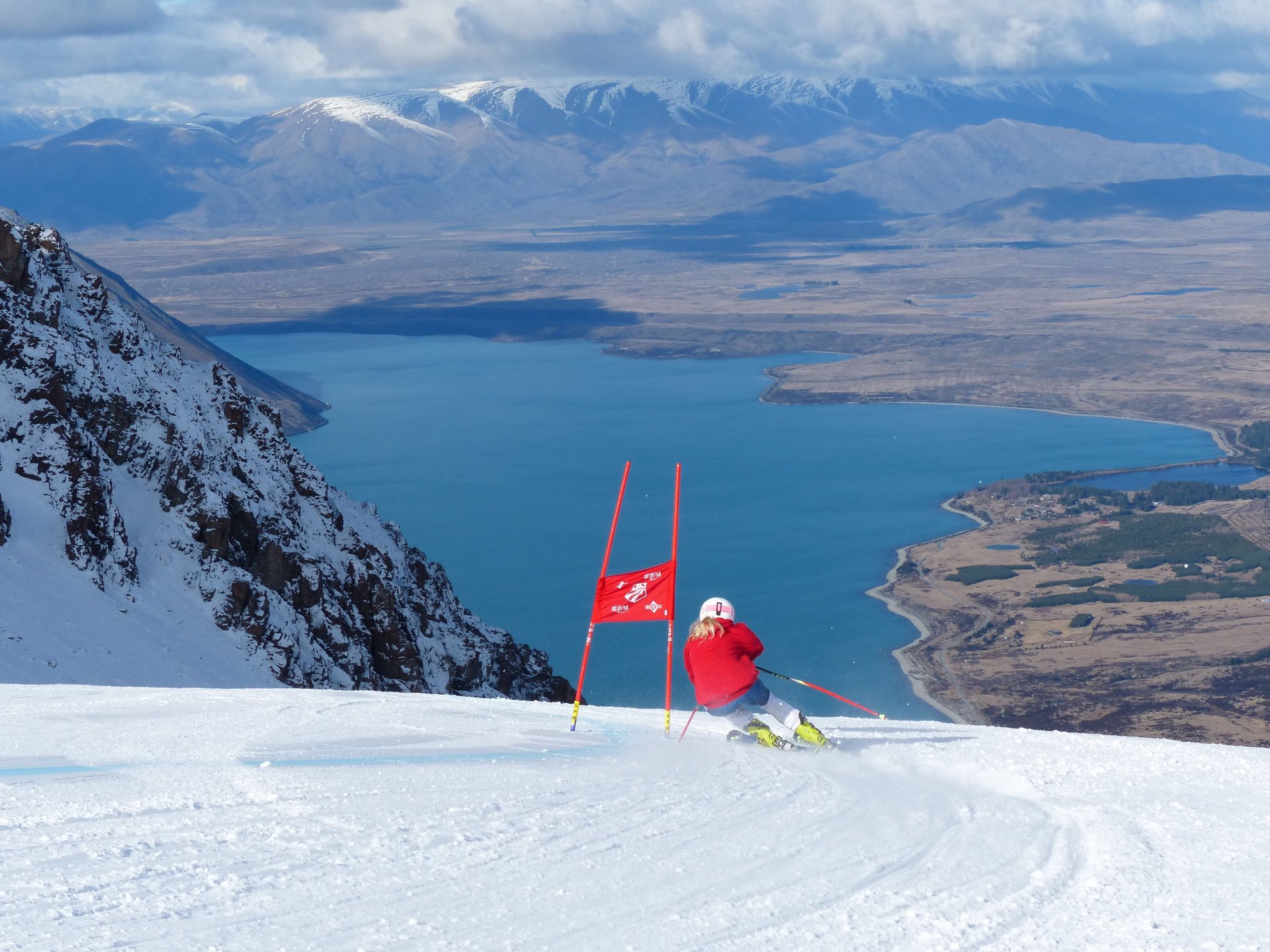
A ski racer carves a turn around a blue gate.
Summer time ski race training in the southern hemisphere’s winter.

A U.S. skier suffered an accident while training in El Colorado, Lo Barnachea, Chile. Her coach contacted Global Rescue to report that the high school skier sustained a leg injury, was conscious, in pain and did not appear to have any head injuries. The treating physician diagnosed her with a broken right leg that could be managed with an open cast. Global Rescue physicians concurred that the skier could travel without an escort from Santiago, Chile, to her home state in Michigan, provided she was pain-free, had parental consent, kept her leg elevated, used crutches and took a simple blood thinner. Global Rescue approved a commercial business class flight from Santiago, Chile, to Detroit. She arrived safely and proceeded directly to Corewell Health William Beaumont University Hospital for a scheduled consultation with an orthopedic surgeon.


HAPE on Kilimanjaro

Mount Kilimanjaro rises like Olympus above the Serengeti.
Mount Kilimanjaro holds court above the Serengeti.

An American member needed evacuation from Mount Kilimanjaro after experiencing severe symptoms, including headache, dizziness, cough, chest pain and shortness of breath. After arriving at Karanga Camp, a medical assessment revealed low oxygen saturation (62%) and lung crackles, indicating HAPE. Due to the severity of his condition, Global Rescue authorized a field rescue to transport the member to a hospital in Moshi, Tanzania. The evacuation was conducted safely and without incident. The member was diagnosed with HAPE and discharged with instructions to seek further medical attention if symptoms did not improve.


Rescue from Kyrgyzstan

People stand around a high-altitude base camp below a snowy peak.
Lenin Peak awaits climbers.

A member from Singapore was showing signs of high-altitude sickness while climbing Lenin Peak in Kyrgyzstan. Global Rescue medical operations personnel were notified and given the risk of HACE, we initiated an airborne field rescue. The member was safely transported to a hospital where he was admitted and later diagnosed with chronic bronchial disease in exacerbation. He was hospitalized for five days after which he was cleared to fly commercially and discharged.


Despite Descending, Her Conditioned Worsened

A U.S. member climbing Mount Kilimanjaro began suffering from shortness of breath at an altitude of 17,486 feet/5,330 meters. She descended 2,000 feet/609 meters with her group, but her symptoms worsened, leading to nausea, vomiting, severe weakness, tachycardia and oxygen desaturation. Global Rescue recognized the urgency of her condition and authorized a field rescue to transport the woman to a hospital in Moshi. Upon arrival, she was diagnosed with HAPE and received treatment. Her condition improved significantly, and she was discharged.


Student Faints in Madagascar

Tall, unusual trees above a red dirt road in Madagascar
Madagascar’s amazing flora.

A U.S. college student and Global Rescue member was walking in the field of Salary, Madagascar, when she experienced a syncopal episode, an unexpected fainting spell due to a sudden, temporary drop in blood pressure or heart rate that can lead to a temporary loss of consciousness. She regained consciousness but, according to her tour leader and professor who contacted Global Rescue medical operations, the student later showed symptoms of nausea, vomiting and diarrhea, with blood in her stool. Despite receiving treatment at a medical clinic, the student’s condition did not improve. Global Rescue physicians determined that an evacuation to a hospital capable of a higher level of care was necessary and we initiated an ambulance ground transport. The student was successfully transported and, following treatment, was discharged from the hospital requiring no further assistance from Global Rescue.


Bad Fall in Concordia

A donkey in the high mountains on the Baltoro Glacier.
Rush hour on the Baltoro Glacier.

An Ecuadorian member contacted Global Rescue requesting field rescue from Concordia Camp in Baltoro Glacier in Pakistan after falling approximately 16 feet/5 meters the previous day when he landed on his left arm. He reported severe swelling and pain and, despite taking ibuprofen, his discomfort persisted and stated that hiking with a prosthesis exacerbated the injury. Given the severity of the injury, Global Rescue medical operations initiated an airborne field rescue. They successfully transported the man to a hospital in Skardu where doctors diagnosed him with a fracture.


HAPE on K2

A 48-year-old woman from Singapore reached out to Global Rescue medical operations while at Concordia Camp (15390 feet/4,691 meters) on K2. She reported suffering from symptoms indicative of Acute Mountain Sickness, including colds, cough and difficulty breathing. Her oxygen level was 50%, and the camp doctor assessed her condition as AMS with possible HAPE. The camp doctor prescribed montelukast, cetirizine, DayQuil for nighttime use, and acetaminophen. The member had also been taking Diamox for altitude sickness, but her symptoms persisted. Due to the severity of her condition, Global Rescue medical operations personnel activated an airborne field rescue. The member was successfully evacuated to a hospital in Skardu where she received medical attention and was subsequently discharged.

Categories:

Press Release
Share This:

Travel Trends for 2024: YOLO, Money and Time Means More Travel

For Immediate Release: (Lebanon, N.H., August 19, 2024) – The travel boom shows no signs of slowing if travelers' current and planned behavior holds, according to new research. The motivations driving the ongoing surge in…

For Immediate Release:

(Lebanon, N.H., August 19, 2024) – The travel boom shows no signs of slowing if travelers’ current and planned behavior holds, according to new research. The motivations driving the ongoing surge in travel are the adoption of a YOLO (You Only Live Once) appreciation for life (43%) and travelers reporting having more money and time (31%) available to dedicate to their travel plans, according to the Summer 2024 Global Rescue Traveler Sentiment and Safety Survey.

“The combination of individuals with more time, disposable income and a carpe diem attitude is sustaining travel industry growth,” said Dan Richards, CEO of The Global Rescue Companies and a member of the U.S. Travel and Tourism Advisory Board at the U.S. Department of Commerce.

Eight out of ten of the world’s most experienced travelers (81%) indicate they are either planning more trips (43%) or maintaining the same number of trips (38%) this year compared to their previous travel habits, according to the survey.

In 2024, a third of travelers (34%) are planning, or taking, longer trips, seeking to maximize their experiences away from home. As wanderlust grows, nearly half (49%) of respondents are eager to explore new destinations, while 44% are inclined to venture into more remote locales. Notably, 27% are even pursuing riskier destinations, reflecting a shift to bolder travel experiences.

Despite ongoing global challenges, including the war in Ukraine and violent conflict between Israel and Hamas, travelers appear undeterred. “Travelers are shrugging off concerns about international travel risks in favor of focusing on the benefits of exploration and adventure.”

Civil unrest and terrorism are no longer the leading concerns on the minds of travelers about their future travel. According to the survey, having an injury or illness (51%) is the foremost concern among travelers, followed by civil unrest and terrorism (15%), losing a passport, credit cards or wallet/purse (10%), trip cancellation (9%), natural disasters (6%) and being robbed (4%).

###

Contact

Bill McIntyre at bmcintyre@globalrescue.com or +1 (202) 560-1195 (phone/text) for more information.

About the Global Rescue Traveler Sentiment and Safety Survey

Global Rescue, the leading travel risk and crisis response provider, surveyed more than 1,100 current and former members between July 9-13, 2024. The respondents revealed a variety of behaviors, attitudes and preferences regarding current and future travel.

About Global Rescue

The Global Rescue Companies are the world’s leading provider of medical, security, evacuation and travel risk management services to enterprises, governments and individuals. Founded in 2004, Global Rescue has exclusive relationships with the Johns Hopkins Emergency Medicine Division of Special Operations and Elite Medical Group. Global Rescue provides best-in-class services that identify, monitor and respond to client medical and security crises. Global Rescue has provided medical and security support to its clients, including Fortune 500 companies, governments and academic institutions, during every globally significant crisis of the last two decades. For more information, visit www.globalrescue.com.

Categories:

News
Share This:

How safe is your rental car? Here’s what you need to know.

Share This:

Savvy Traveler Tips To Protect Your Valuables from Pickpockets and Thieves Abroad

Learn these expert strategies to safeguard your belongings and enjoy a worry-free trip.

Article Highlights:

Pickpocket and Thief Favorite Methods: Thieves use Bump and Lift, Cut and Grab, Distract and Swipe distraction techniques to pickpocket or steal from unsuspecting tourists.

Bag Snatching: Criminals on motorcycles or foot grab bags, purses, or backpacks from tourists and make a quick getaway.

Zipper Pockets and Crossbody Purses: Expert travelers use zipper pockets, crossbody purses, money belts and other methods to keep valuables safe from pickpockets and thieves.

Separate and Secure: Keeping money, credit cards, and important documents in separate places during travel can enhance safety and security.

Top Tips for Traveler Protection When Traveling Abroad


Tourists are easy targets for scammers, pickpockets and thieves. Protecting your money, credit cards, and important documents while traveling internationally is crucial to ensure a smooth and stress-free journey. The latest survey of the world’s most experienced travelers revealed expert tips to protect your valuables when traveling abroad.


The Importance of Splitting Up Valuables

A man steals a wallet from the open backpack worn by another man.
Zippered pockets are great protection against pickpockets…as long as they’re zipped.

Most travelers reported splitting up their valuables was one of the best ways to prevent losing everything at once due to loss or theft, according to the Summer 2024 Global Rescue Traveler Sentiment and Safety Survey.

“Separating and securing your valuables ensures that if a thief nabs a shoulder bag or a pickpocket steals your wallet you still have access to some of your money, credit cards and duplicates of other important documents,” said Harding Bush, associate director of Security Operations at Global Rescue, the world’s leading provider of medical, security, evacuation and travel risk management services.

A quarter (26%) of male travelers said splitting their valuables to prevent losing everything was their top choice, and nearly a third of female respondents (30%) used the same method – but it was not their leading option.


Travel Protection Preferences for Men Vs. Women

Women responding to the survey favored different protection methods compared to men. Seven-out-of-10 female travelers (31%) chose a crossbody purse or bag as their number one method to protect valuables from loss or pickpockets. Only 5% of men identified a crossbody bag as their preferred anti-theft method. The crossbody purse or bag is more of a deterrent to bag snatchers on motorcycles or foot who grab bags, purses or backpacks from tourists and make a quick getaway.

A fifth of male respondents (22%) revealed that using zippered pockets was their runner-up way to keep valuables safe during travel. “Travelers wearing clothing with zippered pockets or pockets on the inside, like a vest or a sport coat, make it difficult to snatch a wallet,” Bush said.

The survey revealed a major attitudinal distinction between how women and men protect their valuables during travel.

More than twice the percentage of men surveyed said they don’t use any method to protect their valuables compared to their female counterparts. One out of four male survey respondents (25%) don’t have a method to preserve their valuables compared to less than 10% of women who do.

View this post on Instagram


A post shared by Global Rescue (@global_rescue)


Other Anti-Theft and Loss Prevention Methods

Other anti-theft and loss-prevention methods used by the world’s most experienced travelers include money belts (10%), travel wallets (5%), fanny packs or waist packs (3%), backpack locks (2%), undercover leg or wrist wallets (1%) and dummy wallets (<1%).

No one opted for shoes with hidden compartments.

Here are some additional tips to help travelers keep their cash, credit cards and important documents safe.

  • Keep Copies of Important Documents: Make copies of your passport, ID, travel itinerary, and credit cards. Store these copies separately from the originals in case your documents are lost or stolen. You can also consider storing digital copies in a secure cloud storage service.
  • Use RFID-Blocking Products: RFID-blocking wallets, passport holders, and card sleeves can help protect your information from electronic theft. These products block the signals that thieves use to scan and steal your data.
  • Be Mindful of Your Surroundings: Stay vigilant in crowded or touristy areas where pickpocketing is common. Keep your belongings close to your body and avoid displaying large amounts of cash.
  • Notify Your Bank and Credit Card Companies: Inform your bank and credit card companies about your travel plans to avoid any issues with your cards being flagged for suspicious activity. Provide them with your travel dates and destinations to prevent disruptions in your transactions.

By following these tips and taking proactive measures to protect your valuables, you can enjoy your international travels with greater peace of mind.

View this post on Instagram


A post shared by Global Rescue (@global_rescue)

How Is a Global Rescue Membership Different Than Travel Insurance?

A Global Rescue membership includes travel services for passport and visa issues. Losing your passport in a foreign country can be a nightmarish bureaucratic ordeal, especially when you need to replace a lost or stolen passport. Travel insurance can provide coverage for lost or stolen belongings. Review the policy to understand what is covered and how to make a claim if needed. If you have travel questions, contact Global Rescue. Your outreach will be answered by in-house experts on your first call.

Categories:

News
Share This:

Traveling somewhere? Here’s how not to be a pickpocket victim.

Categories:

Press Release
Share This:

What Makes a Good International Travel Companion? New Insights Reveal Key Traits

For Immediate Release: (Lebanon, N.H. – August 13, 2024) The world's most experienced travelers revealed the most critical factor in selecting a travel partner is having a compatible travel style, according to the Summer 2024…

For Immediate Release:

(Lebanon, N.H. – August 13, 2024) The world’s most experienced travelers revealed the most critical factor in selecting a travel partner is having a compatible travel style, according to the Summer 2024 Global Rescue Traveler Sentiment and Safety Survey.

“More than half of survey respondents (51%) said a like-minded traveling companion is more important than other characteristics like flexibility, money management or open-mindedness,” said Dan Richards, CEO of The Global Rescue Companies and a member of the U.S. Travel and Tourism Advisory Board at the U.S. Department of Commerce.

A compatible travel style aligns preferences regarding itinerary planning, pace, and activities. “Some travelers thrive on spontaneous adventures, while others prefer structured plans. Open discussions about travel preferences are crucial for ensuring a harmonious journey,” Richards said.

Survey respondents (16%) listed flexibility as the second most important characteristic, highlighting the ability to adapt to changes—such as unexpected weather conditions or transportation delays. A sense of humor (9%), good communication (8%) and open-mindedness (8%) were identified as the next most vital traits for a great travel companion.

Conversely, survey respondents (32%) identified the most alarming characteristic to avoid when selecting a travel companion was an individual with a negative attitude who frequently complains or exhibits pessimism. Recklessness (20%) and unreliability (19%) were listed as the next most undesirable qualities in a travel buddy.

The survey found that men and women largely agreed on the characteristics of an ideal travel companion, but they differ in their views regarding alarming traits. Women identified a negative attitude as their top concern (33%), followed by recklessness (24%) and unreliability (14%). In contrast, men also ranked a negative attitude first (32%) but prioritized unreliability (20%) and recklessness (17%) differently.

Choosing the right travel companion can significantly enhance a journey, making it enjoyable and memorable. Traveling is a significant opportunity for personal growth and connection. “By prioritizing compatible travel styles, flexibility, open-mindedness, good communication, and a sense of humor, travelers can foster enjoyable adventures. At the same time, awareness of negative traits like a poor attitude, unreliability, and recklessness can help ensure a positive travel experience,” Richards said.

###

Contact

Bill McIntyre at bmcintyre@globalrescue.com or +1 (202) 560-1195 (phone/text) for more information.

About the Global Rescue Traveler Sentiment and Safety Survey

Global Rescue, the leading travel risk and crisis response provider, surveyed more than 1,100 current and former members between July 9-13, 2024. The respondents revealed a variety of behaviors, attitudes and preferences regarding current and future travel.

About Global Rescue

The Global Rescue Companies are the world’s leading provider of medical, security, evacuation and travel risk management services to enterprises, governments and individuals. Founded in 2004, Global Rescue has exclusive relationships with the Johns Hopkins Emergency Medicine Division of Special Operations and Elite Medical Group. Global Rescue provides best-in-class services that identify, monitor and respond to client medical and security crises. Global Rescue has provided medical and security support to its clients, including Fortune 500 companies, governments and academic institutions, during every globally significant crisis of the last two decades. For more information, visit www.globalrescue.com.

Categories:

Travel
Share This:

No Restrictions: Top Global Destinations for Outdoor Adventure Seekers

Explore the best international outdoor adventure spots for thrill-seekers.

Article Highlights:

  • Top Adventure Destinations: A few of the best international locations for thrill-seekers, including activities like skydiving, trekking, and water sports.
  • Increasing Popularity: There is a growing interest among travelers in seeking out new, remote and often riskier destinations for unique experiences.
  • Comprehensive Services, Regardless of Activity: Unlike travel insurance, Global Rescue offers memberships with no restrictions on adventure activities.


No Activity Restrictions

A surfer crouches into the barrel of a wave near a tropical beach.
Surf’s always up with a Global Rescue membership.

For outdoor adventure tourists seeking thrilling and immersive experiences in international destinations, there are many options where they can engage in adrenaline-pumping activities, outdoor adventures and opportunities to explore the natural world.

According to a Global Rescue survey of more than 1,500 current and former members, the travelers’ appetite for exploring the world and seeking more adventure is increasing.

“Today’s travelers are traveling boldly and increasingly seeking out new destinations that are unspoiled, less popular, more remote and sometimes a little riskier,” said Dan Richards, CEO of The Global Rescue Companies and a member of the U.S. Travel and Tourism Advisory Board at the U.S. Department of Commerce. “Adventure travel, luxury travel and other activity-focused segments will continue to see strong growth. Many places are at capacity or are over-subscribed and have waiting lists.”


No Activity Restrictions? So, I Can Do That?

It would be a hard lesson to learn that a travel protection provider wouldn’t deliver on their services because you were partaking in an activity you didn’t realize was on their restricted list, like rock climbing, scuba diving or backcountry skiing.

Most assistance and travel insurance providers refuse services if your injury or illness was caused by the above examples, as well as mountaineering, trekking, skydiving, spelunking, diving, parachuting, BASE jumping, ballooning, hang gliding, paragliding, skiing outside of a resort and beyond.

Global Rescue membership has no activity restrictions. At all. It’s an important detail to keep in mind as you consider the following list of the top international adventure destinations.


Top Travel Destinations for Outdoor Adventure Tourists

Queenstown, New Zealand

The water, hills, and mountains near Queenstown, New Zealand, on a sunny day.
Queenstown, New Zealand.

Queenstown is the adventure capital of the world, offering activities like bungee jumping, skydiving, jet boating and heli-skiing amidst stunning mountain landscapes and pristine lakes.

Global Rescue’s been there: When an elite U.S. free skier tore his ACL during a nasty fall in New Zealand, his future was uncertain. Global Rescue Operations personnel were there every step of the way, providing professional medical recommendations, emergency message relay, and most importantly, peace of mind. Global Rescue continually communicated with Jim about his son’s condition until Eddie was safely back to the United States and admitted to a local hospital.


Interlaken, Switzerland

Street signs point to different local destinations near Interlaken, Switzerland.
Interlaken in the Swiss Alps has no shortage of adventure opportunities.

Interlaken is a mecca for adventure sports enthusiasts, with opportunities for paragliding, canyoning, white-water rafting, skateboarding and skydiving against the backdrop of the Swiss Alps.

Global Rescue’s been there: An American member was skateboarding in a park in Visp, Switzerland, when he had an accident requiring corrective ankle surgery. Global Rescue arranged ground transport for the member to a hospital in Zurich where the surgery was performed. Like any extreme sport, skateboarding comes with its risks. But it also comes with impressive rewards, including witnessing remote corners of the world from a perspective that few ever will.


Banff National Park, Canada

A lake with turquoise water in the high Canadian Rocky Mountains.
The beauty of Banff National Park in Alberta, Canada.

Banff National Park is a playground for outdoor adventurers, with hiking, mountain biking, rock climbing and wildlife viewing in the rugged Rocky Mountains.

Global Rescue’s been there: One of the world’s most accomplished alpine climbers – and a Global Rescue member – was medically evacuated to safety after falling 80 feet during an ascent of Mt. Temple in Banff National Park.


Moab, Utah, USA

Two mountain bikers take a break on a cliffside, high above the Moab desert in Utah.
Moab, Utah, is often called the mountain biker’s Mecca.

Moab is a desert playground known for its red rock landscapes and outdoor activities like mountain biking, rock climbing, canyoneering, and white-water rafting on the Colorado River.

Global Rescue’s been there: While traveling in Utah, an Australian member fell off a rock, suffering several injuries, including his legs. He was admitted to a trauma center in Salt Lake City and, following treatment for his injuries, he was transferred to a rehabilitation unit for a couple of weeks of physical therapy. He was deemed fit-to-fly provided he traveled on a lay-flat seat with a medical escort. Global Rescue medical operations concurred and arranged and paid for his air travel, lodging, ground transportation and wheelchair assistance through to his home in Sydney.


Cape Town, South Africa

A Great white shark swims near a shark cage.
Shark cage diving? Jump right in!

Cape Town offers a mix of urban adventure and natural beauty, with activities like shark cage diving, surfing, sandboarding, and hiking up Table Mountain for panoramic views.

Global Rescue’s been there: A member embarked on an eight-day motorcycle trip in South Africa but was injured after hitting rocks near Cape Town. He called Global Rescue, who transported him to a nearby medical facility for surgery. A critical care paramedic was sent to assist, and once Koval was fit to fly, Global Rescue arranged his return to New York.


Costa Rica

A man wearing a helmet hangs securely from a climbing rope in the trees.
No activity restrictions in the Costa Rican jungle with a Global Rescue membership.

Costa Rica offers adventure activities like zip-lining, white-water rafting, and surfing.

Global Rescue’s been there: A member was severely injured while surfing and required air evacuation. Global Rescue transported him from San Rafael, Costa Rica, to Colorado for further treatment and recovery.


Nepal

Mount Everest on a clear day.
Frostbite is an all too common injury when climbing in Nepal.

Nepal is a trekker’s paradise, featuring iconic routes like the Everest Base Camp, Annapurna Circuit, and Langtang Valley, along with mountaineering and white-water rafting.

Global Rescue’s been there: An Argentine climber suffered severe frostbite and swelling at high altitude. Global Rescue quickly arranged an airborne evacuation from Mount Everest Camp 2 to a nearby hospital.


Patagonia, Chile and Argentina

The low sun hits towering red rocky peaks in the Torres del Paine National Park.
The mountains during sunset in the Torres del Paine National Park in southern Chilean Patagonia.

Patagonia offers a rugged and remote landscape for outdoor enthusiasts, with activities like trekking in Torres del Paine National Park, ice climbing on glaciers, and kayaking in pristine fjords.

Global Rescue’s been there: a 78-year-old female member had a bad fall in the Torres del Paine National Park and contacted Global Rescue. She suffered a laceration and received stitches before resuming her trip. Patagonia is popular for adventurous overland motorcyclists, according to Ben Firsby, Tour Specialist with UK-based Magellan Motorcycle Tours. “Patagonia is new for us and has already proved incredibly popular,” he said.


Australia

A scuba diver takes an underwater photo of a sea turtle on a coral reef.
Scuba diving near Australia’s Great Barrier Reef.

Australia is a diverse adventure destination, with activities like surfing along the Gold Coast, hiking in the Blue Mountains and exploring the Outback on a 4WD adventure. Scuba diving opens the undersea world to certified divers for sought-after destinations, like Australia’s Great Barrier Reef, for underwater adventure.

Global Rescue’s been there: When a member suffered from underwater decompression sickness, also known as The Bends, Global Rescue medical operations moved quickly to get her the medical evacuation she needed.


These international destinations provide a thrilling and immersive adventure vacation experience for adrenaline junkies looking to push their limits, challenge themselves and explore the natural world in exciting and memorable ways. Whether you’re into extreme sports, hiking, water activities or wildlife encounters, these top adventure destinations offer a range of activities to satisfy your adventurous spirit.


No Restrictions on Activities

Whether you’re heli-skiing, paragliding, BASE jumping, cave diving, kiteboarding or anything else, remember to plan, prepare and get a Global Rescue membership for peace of mind. Unlike other providers, Global Rescue memberships do not exclude or restrict adventure activities from membership. It’s part of our No Restrictions approach to travel.