Share This:

South America’s Best Fishing Spots

From Jurassic Lake to the Amazon River, discover the best spots, seasons, and tips for fishing in Brazil, Argentina, Chile, and Colombia.

Article Highlights


  • The best times to fish in South America vary by country and fish species.
  • Fishing the Amazon River for peacock bass in Brazil and Colombia.
  • Fishing in Argentina’s Jurassic Lake for world-class trout.
  • Highlights of fishing in Chile and Colombia, including fly fishing and saltwater options.
  • Key entry requirements, safety, and medical resources for anglers in South America.


South America is a paradise for anglers, offering many opportunities to fish for freshwater and saltwater species. Whether you dream of casting your line in the Amazon River for peacock bass, exploring Argentina’s Jurassic Lake for world-class trout, or testing your luck in Chile’s Patagonia region, fishing in South America is an adventure worth embarking on. The best time to fish in South America depends on the country, the region, and the type of fish you’re targeting.


Highlights of Chile, Argentina, Brazil, and Colombia

  • Argentina: Jurassic Lake for trophy trout, Patagonia’s pristine rivers, and Tierra del Fuego’s sea trout season from November to April.
  • Brazil: Amazon River for peacock bass, Atlantic Coast for billfish, and Paraná River for Golden Dorado in the fall.
  • Colombia: Amazon for peacock bass and the Caribbean for saltwater fishing, with a rich culinary culture of seafood and fresh tropical fruits.
  • Chile: Patagonia for fly fishing, brown and rainbow trout, and Austral King Salmon from January to March.


Fishing the Amazon River for Peacock Bass

One of the most thrilling experiences in South American fishing is targeting the elusive peacock bass in the Amazon River Basin. Known for their aggressive fighting style, these colorful fish are a top prize for anglers looking to experience the raw power of the Amazon.

The Amazon River flows through multiple countries, including Brazil, Colombia, Peru, Venezuela, and Ecuador. However, Brazil and Colombia are particularly famous for their peacock bass fishing. The best time to fish for this species in the Amazon is from January to March, during the rainy season when the fish are most active and plentiful.

In Brazil, the Amazon River Basin is a haven for peacock bass, with prime fishing areas such as the Rio Negro and Rio Branco. These areas are home to some of the largest peacock bass in the world, making Brazil a must-visit destination for serious anglers.

The best time to catch peacock bass in Colombia is from January to March. The Vaupés River in Colombia’s Amazonas region is one of the top spots, offering clear waters and a rich fish population.

Beyond peacock bass, both countries offer an array of other species, such as tucunaré (another type of peacock bass) and piranha, making fishing there an unforgettable experience.


Fishing in Argentina: Jurassic Lake and Trout

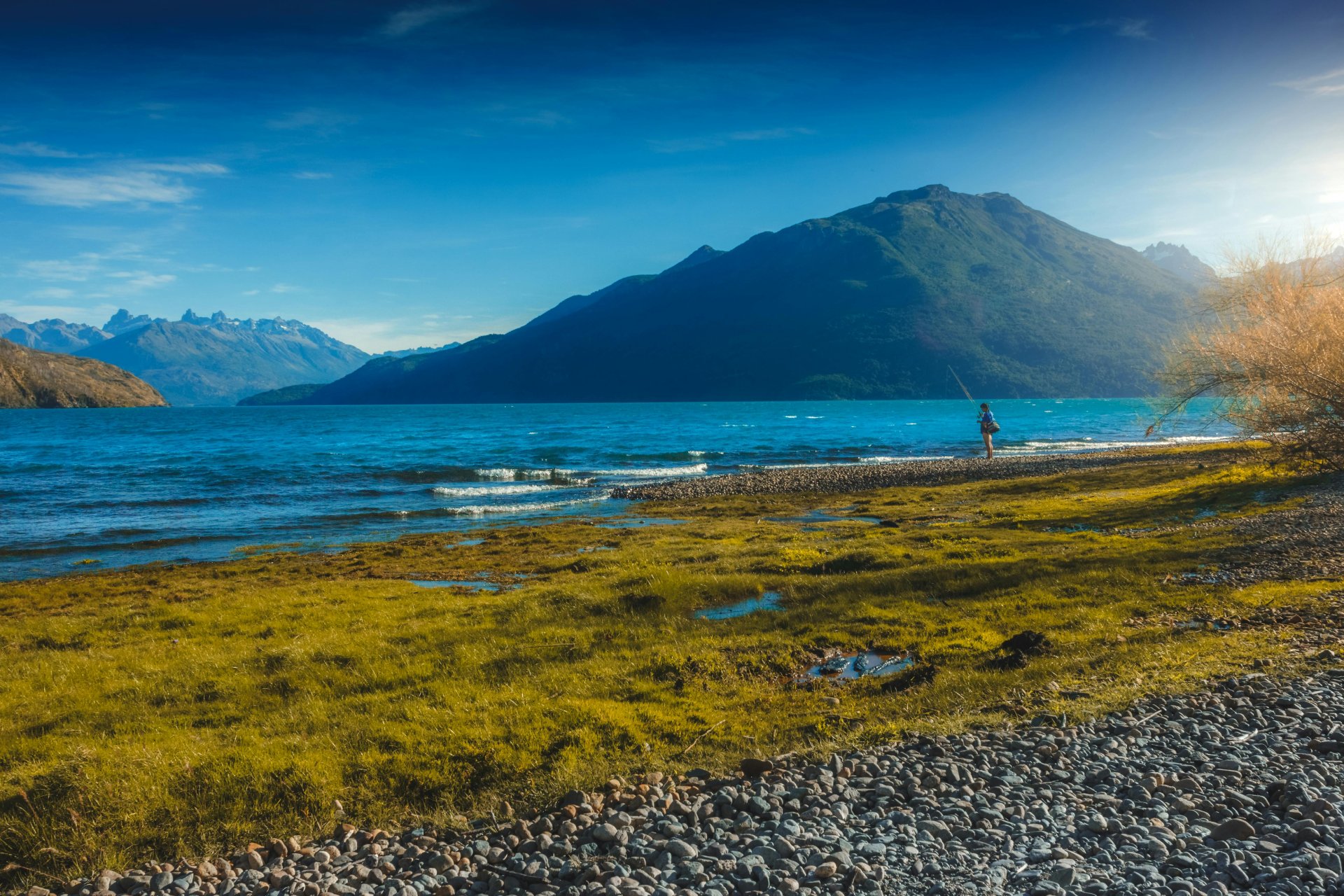
Argentina is another world-renowned fishing destination, especially for anglers who dream of catching trophy trout. Argentina’s Jurassic Lake is a must-visit for anyone passionate about fishing. Known for its large, trophy-sized rainbow and brown trout, Jurassic Lake is famous for producing world-record catches. The best time to fish here is from November to April, with the peak trout season from January to March.

For those who prefer fly fishing or more tranquil settings, the Patagonia region in Argentina offers pristine rivers and lakes teeming with wild trout. The Rio Grande in Tierra del Fuego is famous for its sea trout fishing season, which runs from November to April. Many lodges open in December for the summer season, offering guided fishing trips in one of the world’s most scenic and remote areas.

If you’re a trout enthusiast, Argentina is where fishing is as much about the adventure as it is about the catch.


Fishing in Brazil: Diverse Species and Prime Seasons

Fishing in Brazil is incredibly diverse, offering freshwater and saltwater options for anglers. The Amazon River is famous for its incredible biodiversity, but Brazil also offers fantastic coastal fishing opportunities.

The best time to catch peacock bass in Brazil is from January to March. However, Brazil also offers many other great fishing opportunities throughout the year. For example, from February to May, the Atlantic and southeastern coasts are home to tuna and billfish, perfect for anglers looking for an ocean adventure.

The Golden Dorado becomes abundant during the fall (April to June), particularly in the Paraná River. These powerful fish are a favorite among both fly and conventional anglers. In the winter, the pacu and pintado catfish are most abundant in the central-west wetlands, while in spring, species such as cobia, king mackerel, and barracuda thrive along the Brazilian coastline.

Fishing in Brazil’s wetlands, rivers, and coastal regions offers something for every type of angler, from freshwater enthusiasts to those eager to test their skills with saltwater giants.


Fishing in Colombia: Saltwater and Freshwater Treasures

Colombia may not be as well-known for fishing as some South American countries, but it offers exciting fishing experiences for those in the know. The best time for saltwater fishing in Colombia is from September to November when billfish, dorado, and tuna are most abundant. Colombia’s coastal cities, such as Cartagena and Santa Marta, offer great opportunities for fishing in the Caribbean Sea.

For freshwater fishing, the best time is from January to March, which is the prime season for peacock bass in the Amazon Basin. The Inírida and Vaupés rivers are particularly well-regarded for their peacock bass populations.

In addition to fishing, Colombia boasts a rich culture, vibrant cities, and a welcoming atmosphere. The cuisine features fresh seafood, ceviche, and traditional dishes like arepas and empanadas.


Fishing in Chile: Patagonia’s Pristine Rivers

Chile’s Patagonia region is one of the best places in the world for fly fishing. Known for its dramatic landscapes, clear rivers, and abundant fish, Patagonia offers exceptional opportunities to fish for brown trout, rainbow trout, and austral king salmon. The best time for fly fishing in this region is from March to April when the browns become more aggressive and display striking fall colors.

The season for Austral King Salmon runs from mid-January to mid-March. Chile is a haven for those looking for a mix of challenging fishing and unparalleled natural beauty.


Cuisine and Culture Across South America

The cuisine across South America is diverse and rich. From Argentina’s asado (barbecue) to Brazil’s feijoada (bean stew with pork) and Colombia’s bandeja paisa (a hearty plate of beans, rice, meat, and avocado), the food reflects the regions’ agricultural bounty. In Chile, seafood is a key part of the diet, including congrio (a type of fish) and curanto (a traditional dish of shellfish, meat, and potatoes). Every country offers a chance to taste fresh, locally sourced meals that complement the fishing experience.


Entry Requirements and Safety

Entry requirements for South America vary by country. Most travelers need a valid passport to visit Argentina, Brazil, Colombia, and Chile. Depending on your nationality, a visa may also be required. Always check the latest entry requirements before traveling.

As for security, most South American countries are generally safe for travelers, but caution is advised, particularly in urban areas. Always be mindful of your surroundings, especially in crowded areas. The level of healthcare varies by country, with larger cities offering the best medical facilities. It’s advisable to have travel insurance that covers medical emergencies while fishing.


The Global Rescue Connection

Fishing in South America is a once-in-a-lifetime adventure with world-class opportunities across multiple countries and regions. Whether you’re casting for peacock bass in the Amazon, chasing trout in Argentina’s Jurassic Lake, or fly fishing in Chile’s Patagonia, South America promises a diverse and thrilling experience for anglers. The best time to fish varies by country, but with proper planning, you can ensure an unforgettable fishing adventure in one of the most diverse ecosystems on the planet.

Fishing in remote areas, like the Amazon, can be exhilarating, but it also comes with inherent risks. Many of these locations lack reliable access to emergency medical care, and local emergency response capabilities may be minimal. Before embarking on a fishing adventure in these areas, it’s essential to have a comprehensive travel insurance plan and a reliable evacuation service.

Global Rescue specializes in medical evacuations and rescue services and emphasizes the importance of preparation for remote fishing trips. “It’s not enough to rely on travel insurance,” says Dan Richards, CEO of Global Rescue. “In remote locations, you need a service that can deploy personnel to your location and get you the medical attention you need quickly.”

Richards likens Global Rescue’s services to “AAA for your body,” explaining that in places like the Amazon Basin, traditional travel insurance may not be sufficient to cover the costs of medical evacuations or emergency response.

Share This:

National Elections Abroad That Are Cautionary Destinations for Travelers

(Lebanon, N.H. – January 23, 2025) As global travel continues to recover, travelers should be aware of heightened risks associated with visiting countries experiencing potentially volatile national elections. Global Rescue, the world’s leading travel risk…

(Lebanon, N.H. – January 23, 2025) As global travel continues to recover, travelers should be aware of heightened risks associated with visiting countries experiencing potentially volatile national elections. Global Rescue, the world’s leading travel risk and crisis management firm, released its risk assessment for Countries with National Presidential and Parliamentary Elections in 2025.

“Elections, while a cornerstone of democracy, can sometimes lead to increased political unrest, demonstrations, and even violence,” said Kent Webber, senior manager of Intelligence Services at Global Rescue and a former senior intelligence operations officer in the Office of the Under Secretary of Defense for Intelligence at the Pentagon. “Understanding these risks and preparing accordingly is vital for anyone planning to travel during such periods.”

The following four countries have significant risks of protest, violence, and unrest due to upcoming national elections. Each country is listed as “Level 2 – Exercise Increased Caution” by the U.S. Department of State.

Ecuador: Rising political tensions and allegations of corruption create an environment prone to demonstrations and instability. In January 2024, there was a series of attacks by organized criminal gangs, that resulted in the declaration of an internal armed conflict and the implementation of multiple states of emergency. While the situation has re-normalized, violence remains a concern. There was also a series of protests in late 2024 to oppose incumbent President Daniel Noboa’s policies, including the implementation of power cuts to conserve energy amid the ongoing drought. The first general election round is February 9 and the follow-up is April 13, 2025.

Tanzania: Human rights groups have raised concerns of repression, including arrests, abductions, and killings of opposition leaders and supporters. The next Presidential national election is scheduled for October 2025.

Ivory Coast: The 2020 presidential elections were accompanied by political and intercommunal violence resulting in the deaths of at least 50 people. A post-election conflict in 2010 resulted in the deaths of thousands. The next Presidential election is set for October 2025.

Kosovo: Protests are possible after the Central Election Commission declined to certify the Srpska Lista party, Kosovo’s main ethnic Serb party. Kosovo unilaterally declared independence from Serbia in 2008 after a violent war in 1998–1999. Serbia does not recognize Kosovo as an independent state, and Serbs in northern Kosovo still see Belgrade as their capital and continue to demand autonomy. Previous elections have resulted in violence in northern Kosovo. The next Parliamentary election is not set.

Three countries with higher risk for election-related civil unrest that are already listed as “Level 4 – Do Not Travel” countries by the U.S. Department of State.

Venezuela: Political instability and economic turmoil often culminate in unrest during electoral cycles. The next Parliamentary election is not set.

Belarus: Known for intense political suppression, past elections have triggered mass protests and government crackdowns, resulting in widespread instability. The Presidential election is set for January 26, 2025.

Iraq: There is a short and fraught history of democratic elections in Iraq. The next Parliamentary election is not set.

Countries with the least risks during elections include Sweden, Canada, New Zealand, Switzerland and Norway – each of which have strong democratic processes, stable governance and a peaceful political culture.

A new set of travel risks is emerging. Geopolitical instability has overtaken other concerns, according to the world’s most experienced travelers. Issues such as political unrest, economic instability and conflict zones are driving travelers to take precautions that were once seen as optional.

“Travelers are saying the war, violent conflicts and civil unrest make it more likely they will add security extraction and advisory protection to their travel protection packages,” said Dan Richards, CEO of The Global Rescue Companies, the world’s leading provider of medical, security, evacuation and travel risk management services, and a member of the U.S. Travel and Tourism Advisory Board at the U.S. Department of Commerce.

Travelers are improving their trip safety with security advisory and extraction protection, according to the Global Rescue Traveler Sentiment and Safety Survey. Nearly two-thirds (63%) of the world’s most experienced travelers reported they would obtain security extraction protection services if the U.S. State Department travel advisory assigned to the country they plan to visit was Level 1 (exercise normal precautions) or Level 2 (exercise increased caution).

“51% of respondents of a recent Global Rescue survey would obtain security extraction services when visiting high-risk regions with possible or ongoing conflicts or civil unrest,” Richards added.

###

For more information contact Bill McIntyre at bmcintyre@globalrescue.com or +1 202.560.1195.  

About Global Rescue   

Global Rescue is the world’s leading provider of medical, security, evacuation and travel risk management services to enterprises, governments and individuals. Founded in 2004, Global Rescue has exclusive relationships with the Johns Hopkins Emergency Medicine Division of Special Operations and Elite Medical Group. Global Rescue provides best-in-class services that identify, monitor and respond to client medical and security crises. Global Rescue has provided medical and security support to its clients, including Fortune 500 companies, governments and academic institutions, during every globally significant crisis of the last two decades. For more information, visit www.globalrescue.com.  

Share This:

The Faroe Islands: Culture, Cuisine, Health and Safety

The best times to visit, top attractions, and what to do if you get sick.

Article Highlights


  • Stunning Natural and Historical Sites: Explore dramatic cliffs, fjords, and landmarks like Lake Sørvágsvatn, Kirkjubøur, and Mount Slættaratindur.
  • Rich Culture and Cuisine: Enjoy Tórshavn’s charm, vibrant festivals, and traditional dishes like skerpikjøt and fresh seafood.
  • Seasonal Appeal and Safety: Experience unique attractions year-round with low crime, modern healthcare, and reliable emergency services.

The Faroe Islands, an archipelago of 18 rugged islands between Iceland and Norway, is a beautiful yet remote destination offering a blend of natural beauty, history, and culture. The Denmark islands boast a wealth of natural beauty, from dramatic cliffs and deep fjords to quaint villages.

Tórshavn: The capital city of the Faroe Islands, Tórshavn, is known for its charming old town, a mix of traditional turf-roofed houses and modern buildings. It’s also the hub for cultural events and a perfect starting point for exploring the islands.

Kirkjubøur: This historical village is home to the oldest wooden house in the world, a medieval church and the ruins of a 14th-century cathedral. It offers a glimpse into the island’s past.

The Sealskin Fjord is a tranquil fjord offering scenic views, ideal for boat tours and exploring the pristine landscape.

Lake Sørvágsvatn: Known for its optical illusion, in which the lake appears floating above the sea, it’s a must-see for nature lovers and photographers.

Hiking to the Top of Mount Slættaratindur: The highest peak in the Faroe Islands, providing panoramic views of the islands and surrounding waters.


A small, seaside village in the Faroe Islands.
Villages like these dot some of the Faroe Islands coastlines.

Best Times To Visit the Faroe Islands

The best time to visit the Faroe Islands depends on your interests and the experiences you want to have.

  • Summer (June to August): The summer offers the best weather, with longer days, relatively mild temperatures (ranging from 10°C to 14°C), and the chance to experience the vibrant local culture. This is also the best time for hiking and outdoor activities.
  • Autumn (September to November): This season offers fewer crowds and an opportunity to enjoy the beauty of fall foliage. Although the weather can still be quite unpredictable, the autumn months provide a more tranquil experience.
  • Winter (December to February): While winter can be harsh with shorter days and colder temperatures (ranging from -1°C to 5°C), it offers a unique opportunity to experience the Faroe Islands under snow and witness the Northern Lights.
  • Spring (March to May): Spring is ideal for bird watching, particularly as migratory birds return to the islands. The weather can still be chilly, but it’s a great time to visit and enjoy a quieter atmosphere.


Cuisine and Culture

The Faroe Islands have a rich culinary tradition, emphasizing fresh seafood and lamb. Traditional Faroese dishes include skerpikjøt (wind-dried mutton), ræst (fermented fish), and grindadráp (whale meat). For a more contemporary taste of Faroese cuisine, you can try restaurants that serve freshly caught fish, such as cod, haddock, and salmon.

The culture of the Faroe Islands is deeply connected to its natural surroundings. Music, dance, and storytelling are vital parts of Faroese culture. The islands host numerous festivals yearly, such as the Summer Festival in Tórshavn, where you can enjoy local music, food, and crafts.


A couple atop a small point on a green, grassy oceanside cliff by the sea.
Despite their beauty, it’s best not to get too close to the edge of these cliffs.

Entry Requirements for Visiting the Faroe Islands

The Faroe Islands are a self-governing territory of Denmark, so visitors must comply with Denmark’s entry requirements. If you travel from outside the Schengen Area, you will likely need proof of a valid passport and possibly a visa, depending on your nationality.

Travelers from the European Union, Norway, Iceland, and Switzerland can enter the Faroe Islands with just an ID card. However, it is always a good idea to check the latest entry requirements before traveling.


A woman with red hair and a red jacket and black backpack sits with her back to the camera on a grassy knoll and looks up at a tall, rocky, seaside mountain.
The biggest safety risk in the Faroe Islands is the terrain itself.

Security, Crime and Personal Safety in the Faroe Islands

The Faroe Islands are considered a safe travel destination with low crime rates. Crime is rare, and visitors can generally expect a peaceful environment. However, like any destination, it’s important to exercise caution and follow basic safety practices.

The biggest risks to your safety in the Faroe Islands come from the elements and the terrain. The weather can be unpredictable, with heavy rain, strong winds, and fog, especially in winter. Preparing for these weather conditions is essential when hiking or exploring the outdoors. Always wear appropriate clothing, bring waterproof gear, and inform someone of your route if venturing into more remote areas.

Street crime is minimal for personal safety, but petty thefts, such as losing personal items, can still happen. Keep your belongings secure, especially in crowded places like tourist sites and during public events.


Emergency Numbers

Whether you’re visiting the Faroe Islands for hiking, bird-watching, or experiencing local life, knowing what to do if you are unwell or need medical assistance while traveling is important.

If you experience a medical emergency, dial 112 for an ambulance. The emergency response system in the Faroe Islands is efficient, and paramedics are trained to handle various medical situations. Depending on the severity of your condition, they may transport you to Tórshavn for treatment.

You can contact the Faroe Islands Health Services for advice if you require non-emergency care or need to consult with a doctor. For assistance in English, most medical staff in the Faroe Islands are fluent in the language.


Emergency Medical Resources in the Faroe Islands

While the Faroe Islands are known for their stunning landscapes and serene environment, they are also remote, so it’s important to be prepared for health issues or accidents. The healthcare system in the Faroe Islands is modern and offers various services for residents and travelers.


A blue house built on a grassy hillside overlooking the ocean with mountains and cliffs in the background.
Remoteness is a draw to travelers to the Faroe Islands.

Hospitals and Health Centers

The largest hospital in the Faroe Islands is the National Hospital of the Faroe Islands (Landssjúkrahúsið), located in the capital city of Tórshavn. It offers various medical services, including emergency care, surgical procedures, and specialized treatments. If you need immediate medical help, this is the place to go.

Additionally, smaller health centers (heilsurøtt) are located throughout the islands. Each island typically has a primary health center; these are the first places you should contact if you have a non-life-threatening medical issue. Some islands have general practitioners (GPs) available, but you should always go to Tórshavn or call an ambulance for serious emergencies.


The Global Rescue Connection

Visiting the Faroe Islands is an unforgettable experience, offering a mix of natural beauty, rich culture, and unique adventures. While the healthcare system is excellent, it’s important to be prepared for emergencies and to take the necessary precautions when traveling in this remote part of the world.

Understanding the local medical resources, staying aware of safety conditions, and following the best practices for health and security will ensure a safe and enjoyable trip. With proper planning, the Faroe Islands will be a destination that stays with you long after you return home.

Suppose you are ill or injured while traveling. In that case, a Global Rescue travel protection membership evacuates members from the point of illness or injury to the nearest appropriate hospital, clinic or medical provider. Perhaps the hospital doesn’t provide the care you need. Global Rescue will transport members to a vetted medical center or their home hospital of choice.

Sometimes, you have a question about a symptom. Available 24/7/365, a travel protection membership team can direct you to the best local medical resources worldwide, so you are not left guessing how to address your health concerns best.

Standard travel insurance often falls short during emergencies. Membership services like Global Rescue bridge the gap by offering comprehensive medical evacuation and field rescue options. Unlike traditional insurance, there are no claim forms, deductibles, or delays — just immediate, effective assistance when needed most.

Share This:

Exploring Greenland: Medical Help and Health Tips for Greenland Adventures

Learn how to travel safely, access medical care, and protect yourself from health risks.

Article Highlights

  • Greenland has a low security risk but moderate health risks due to its remote nature and extreme weather conditions.
  • Medical facilities in Greenland are limited outside Nuuk, and air evacuation may be necessary for serious injuries.
  • Hypothermia and other cold-related health issues are common risks due to the Arctic and subarctic climates.
  • Travel protection memberships, such as Global Rescue, can provide critical medical evacuation and field rescue services.
  • Water and food safety are essential; travelers should avoid unpasteurized products and unfiltered water.


The northern lights as seen from a small city in Greenland.

Greenland is a large island between the Arctic and North Atlantic Oceans, just east of Canada. It is sparsely populated, with just over 57,000 residents. With its breathtaking landscapes and remote, tranquil beauty, Greenland is a top destination for adventurous travelers. Whether you’re exploring its glaciers on a Greenland cruise or venturing into its vast wilderness on a Greenland tour, it’s crucial to be prepared for any health or medical challenges that might arise.

Geographically, it is part of North America, but historically and politically, it has been tied to Scandinavia. It technically remains a part of Denmark, and though it has been autonomous since 1979, Danish government organizations still exist in Greenland, with Denmark managing all of Greenland’s foreign and security affairs.

While Greenland is a relatively safe destination, medical facilities are limited outside the capital of Nuuk, and the extreme environment can present serious risks, such as hypothermia, if you’re not adequately prepared.


Greenland’s Health Risks and Travel Safety

Greenland offers an unmatched travel experience but poses certain risks, primarily due to its extreme weather and vast geography. Its health risk rating is categorized as moderate, which means there are potential concerns, though generally manageable with the proper preparation. The most common risks include hypothermia, injuries from falls on icy surfaces, and limited access to emergency medical care outside major cities. With only around 57,000 residents spread across the island, Greenland’s sparse infrastructure can challenge healthcare access.

Greenland’s overall security risk is low, and violent crime is virtually nonexistent. However, you should know how its remoteness affects your access to medical assistance and resources. Search and rescue services are limited in many rural areas, so it is essential to travel with a guide when venturing outside major towns and to prepare for harsh weather conditions.

While it’s tempting to explore all that Greenland has to offer, especially on a cruise or tour, always factor in safety when making travel plans.


A red turbo prop plane lands in Greenland.
Air Greenland brings you to and from Iceland and Canada, as well as regions of Greenland itself.

What To Do If You Get Sick in Greenland

Should you fall ill or sustain an injury while traveling, it’s important to understand your options. While medical facilities in Greenland are adequate in the capital, Nuuk, the care outside urban areas can be limited. If you’re experiencing anything serious, the chances of getting immediate treatment in remote areas are low.

  • Contact Your Tour Guide: If you’re on a Greenland tour, your guide will be your best resource for help. They are typically familiar with the region’s medical infrastructure and will know how to contact local medical authorities or direct you to the nearest healthcare facility.
  • Emergency Services: In case of severe illness or injury, dial Greenland’s emergency services. The number for emergencies is 112, connecting you to police, fire, or medical rescue.
  • Evacuation for Serious Illness: If your condition requires specialized care, you may need to be evacuated to another country. Serious injuries often require airlifting to hospitals in Denmark or Iceland, where higher levels of care are available.
  • Use Travel Protection Memberships: A travel protection membership, such as Global Rescue, can ensure you have access to evacuation services in an emergency. Global Rescue’s services include 24/7 medical assistance and evacuation to the best medical centers, even if you’re in the most remote areas of Greenland.
  • Consult Local Health Providers: If you are experiencing mild symptoms or need basic care, visit the nearest health facility. The health centers in Nuuk and other towns like Ammassalik or Qaanaaq can provide general treatment for minor illnesses or injuries.


A red church with a green steeple under a blue sky in Greenland.
A historic church in Sisimiut, Greenland.

How To Protect Yourself from Illnesses in Greenland

Greenland’s unique environment presents specific health risks related to food and water safety. It’s essential to stay aware of these potential risks to ensure a healthy trip.

Water Safety: While most water sources in Greenland are potable, it’s always safer to drink bottled water. Local strains of bacteria can cause gastroenteritis, so avoid unfiltered water, particularly in rural or isolated areas.

Food Safety: Avoid consuming raw or undercooked foods, such as bush meat, fish, or shellfish. Avoid unpasteurized dairy products, and be careful with fruit and vegetables that may have been washed with contaminated water. Always make sure that your food is properly refrigerated or cooked before eating.

Hypothermia Prevention: Greenland’s cold climate can pose serious health risks, especially if caught outside in freezing conditions. Layer your clothing, avoid getting wet, and always carry extra warm layers, especially when traveling on a Greenland cruise or long hikes in the wilderness. Hypothermia can set in quickly, so don’t underestimate the power of Greenland’s cold, even in the summer.


Accessing Healthcare: Limitations and Considerations

Although adequate in major towns like Nuuk, Greenland’s medical services are limited elsewhere. The vast size of the island, coupled with the extreme weather conditions, creates unique challenges for healthcare access. It’s essential to understand the medical infrastructure in Greenland before you go:

  • Limited Medical Facilities Outside Nuuk: Most medical services are confined to Nuuk and a few other larger settlements. If you’re in a remote area, your best option may be to have the condition assessed and stabilized before evacuation.
  • Evacuation for Serious Cases: If you are in a remote area, your injury or illness may require air evacuation to a better-equipped facility in Denmark, Iceland, or another neighboring country.
  • Traveler Protection and Travel Insurance: Ensure you have adequate medical travel insurance, including traveler protection for evacuation and medical repatriation. Global Rescue, for example, provides services that will quickly get you to a hospital without the hassle of dealing with standard insurance claims.


How To Stay Safe on Your Greenland Adventure

Greenland is a paradise for adventurers but requires travelers to stay alert and prepared. Here are some safety tips to help keep your travels smooth and enjoyable:

  • Dress Warmly: The Arctic and subarctic climates mean that temperatures rarely rise above 10°C (50°F), even in the summer. Always wear layers, including waterproof and insulated clothing.
  • Use Experienced Guides: Whether hiking through Greenland’s national parks, crossing glaciers, or taking a boat trip, always travel with an experienced guide. They will help you avoid dangerous conditions and ensure your journey is safe and enjoyable.
  • Stay Informed: Be aware of weather conditions, which can change quickly and dramatically in Greenland. Check weather forecasts regularly and adjust your travel plans if necessary.
  • Stay Close to Urban Centers: If you’re not in an organized tour group or on a Greenland cruise, stay near urban centers like Nuuk or Ammassalik, where healthcare resources are more readily available.

Greenland offers incredible experiences as vast as the island itself. But with its remote location and extreme conditions, it’s vital to take appropriate precautions to stay safe and healthy. Planning ahead can make all the difference, from securing the proper clothing to ensuring your travel insurance covers medical evacuation.

By keeping informed about the risks and understanding the available healthcare options, you can enjoy your Greenland travel, whether you’re seeking adventure on a Greenland cruise or participating in exciting Greenland tours, with peace of mind.


The Global Rescue Connection

Traveling to Greenland can be an extraordinary experience filled with stunning landscapes and rich culture. With proper planning and awareness, you can ensure that your travels in Greenland remain enjoyable and safe, allowing you to focus on this remarkable territory’s breathtaking beauty. Be sure to visit Greenland cities like Nuuk (Godthab), Ammassalik, Oeqertarsuaq, Nuugatsiaq, Ittoqqortoormiit and Qaanaaq (Thule), but remain below the 80th Parallel North to ensure eligibility for Global Rescue member benefits.

Suppose you are ill or injured while traveling. In that case, a Global Rescue travel protection membership evacuates members from the point of illness or injury to the nearest appropriate hospital, clinic or medical provider. Perhaps the hospital doesn’t provide the care you need. Global Rescue will transport members to a vetted medical center or their home hospital of choice.

Sometimes, you have a question about a symptom. Available 24/7/365, a travel protection membership team can direct you to the best local medical resources worldwide, so you are not left guessing how to address your health concerns best.

Standard travel insurance often falls short during emergencies. Membership services like Global Rescue bridge the gap by offering comprehensive medical evacuation and field rescue options. Unlike traditional insurance, there are no claim forms, deductibles, or delays — just immediate, effective assistance when you need it most.

Categories:

News
Share This:

Travel Industry Offers Optimism and Support in Response to Middle East Ceasefire

Categories:

News
Share This:

Travel fakes exposed: Simple steps to protect your trip – and your wallet

Categories:

Health & SafetyTravel
Share This:

Solo and Safe: The Ultimate Guide for Women Exploring the World Alone

Discover top solo women travel destinations and essential apps for safety, connection, and support.

Article Highlights:

  • Iceland, Finland, and New Zealand are among the safest countries for solo female travelers.
  • Afghanistan, Egypt, Colombia and India are some of the most challenging destinations for solo women travelers.
  • Apps like NomadHer and Travel Ladies build supportive communities for women traveling alone.
  • Google Maps and Google Translate are invaluable tools for navigation and communication while traveling solo.
  • Hostelworld, Hopper, and Showaround help women find affordable accommodations and personalized travel experiences.

Solo Women Travelers: Navigating the World Safely and Confidently

Traveling as a solo woman can be one of the most empowering and enriching experiences, but it also comes with challenges. From the excitement of exploring new cultures to the need for constant vigilance, women traveling alone need resources that support their safety, offer a sense of community, and guide them in choosing the best destinations. Fortunately, many apps and online communities cater specifically to solo female travelers, offering tools to enhance their experiences, build connections, and ensure security on the road.


The Rise of Solo Women Travel

The trend of women traveling alone is increasing as more women seek to explore the world on their terms. For leisure, business, or personal growth, solo women travel offers freedom and independence. According to recent studies, solo women travelers are now a significant segment of the global tourism industry. Despite the opportunities, these adventurers’ need for safety and security remains a top priority.

While many countries offer welcoming environments for female travelers, knowing where safety may be a concern is crucial. Some countries are safer than others for solo woman travel, and understanding these distinctions can help women make informed choices about where to go.


Apps for Solo Women Travelers

Thanks to the rise of mobile technology, many apps are specifically designed to support solo women travelers. These apps focus on safety and community, making it easier to travel alone confidently.

  • NomadHer is a must-have app for solo women travelers. It’s dedicated to connecting women worldwide, offering a platform for sharing tips, experiences, and advice. The app allows women to connect with like-minded travelers, making finding travel buddies easier and sharing information about destinations, safety, and activities.
  • Travel Ladies is another excellent app that builds community among women travelers. It’s a platform where women can find travel companions, exchange recommendations, and discuss issues related to solo female travel. The app focuses on creating a supportive environment for women who want to explore the world, share experiences, and find new friends.
  • For budget-conscious travelers, Hostelworld is an excellent resource for finding hostels. Hostels are often great places for solo travelers to meet others and share experiences. With Hostelworld, you can book your accommodations and see reviews from other solo women travelers, ensuring that the place you choose is safe and welcoming.
  • No travel experience is complete without a reliable navigation tool, and Google Maps is essential for solo travelers. The app offers real-time directions, public transportation information, and street views, making it easy to navigate unfamiliar cities. Google Maps is a safety net for women traveling alone to find their way and avoid potentially dangerous areas.
  • Language barriers can be one of the most frustrating challenges of traveling, but Google Translate breaks down this obstacle. It offers real-time translation, so you can communicate with locals, understand street signs, and ask for help when needed. It’s an invaluable tool for women traveling alone, especially in regions where English is not widely spoken.
  • Hopper is an app that helps solo travelers find the best flight deals. It tracks flight prices and predicts the best time to book based on historical trends, allowing you to save money. For women traveling alone, securing affordable flights is crucial, and Hopper makes it easier to plan a budget-friendly trip.
  • Showaround connects travelers with local guides for personalized experiences. This app allows you to meet local hosts who can show you the best places to visit in a city, ensuring you get an insider’s perspective on your destination. For solo women travelers, having a local guide can provide security and enrich the travel experience.


Other Relevant Apps for Solo Women Travelers

  • Couchsurfing is a popular app for finding free places to stay with locals. It’s a great way to meet new people and experience destinations from a local’s perspective.
  • Meetup helps you find local groups with shared interests, perfect for women traveling alone who want to join social or activity-based meetups during their trip.
  • TripAdvisor is essential for reading reviews and recommendations on accommodations, attractions, and activities. It provides valuable insights into the safety and quality of various destinations.


Top 5 Safest Countries for Solo Women Travelers

Solo women travelers often seek destinations rich in culture and history and safe to navigate. Here are five countries that consistently rank high for safety, hospitality, and ease of travel for women traveling alone:

  • Iceland: Known for its low crime rate, Iceland is often considered one of the safest countries for solo female travelers. With a welcoming culture, low levels of violence, and stunning landscapes, Iceland provides a peaceful and enriching travel experience.
  • Finland: Finland is another Nordic country renowned for its safety. It boasts well-developed infrastructure, a high standard of living, and a friendly population. Finnish cities like Helsinki are well-connected, with a strong emphasis on women’s safety.
  • Sweden: Sweden is progressive and women-friendly, strongly focusing on gender equality. Swedish cities like Stockholm and Gothenburg have excellent public transport systems, and the people are known for their politeness and respect for others.
  • New Zealand: A popular destination for solo female travelers, New Zealand is known for its outdoor adventures and welcoming attitude. With friendly locals, clear safety protocols, and beautiful scenery, New Zealand is a top choice for those traveling alone.
  • Canada: With a reputation for being safe, inclusive, and easy to navigate, Canada is an excellent destination for women traveling alone. Whether exploring Vancouver, Montreal, or Toronto, women can feel secure while experiencing the country’s diversity and beauty.


Worst Countries for Solo Women Travelers

Conversely, some countries pose greater challenges to solo women travelers due to political instability, cultural norms, or higher crime rates. While these places can still be visited with proper preparation and caution, they are generally regarded as more complex or unsafe for women traveling alone:

  • Afghanistan: With ongoing political instability and a history of gender inequality, Afghanistan remains one of the most dangerous countries for women travelers. Solo women travelers face significant security risks; many international organizations advise against traveling here.
  • India: Although India offers incredible cultural and natural wonders, it is often considered risky for solo women travelers due to safety concerns. Issues such as harassment and gender-based violence are prevalent in some areas, although many travelers still have positive experiences in well-traveled locations.
  • Egypt: Solo women travelers in Egypt should exercise caution, particularly in more rural areas. The combination of conservative cultural practices, harassment, and safety risks in certain regions can make it a challenging destination for women traveling alone.
  • Colombia: While Colombia has significantly improved safety, certain regions still pose risks for women traveling solo. Issues such as petty crime, violence, and the presence of organized crime can make solo travel more dangerous in some parts of the country.

The Global Rescue Connection

The Global Rescue Traveler Sentiment and Safety Survey, which tallied 1,500 responses from the most experienced travelers in the world, reported seven out of ten women have traveled solo for leisure in their lifetime. Booking.com forecasts a notable surge in solo travel interest, with 54% of women expressing plans to travel alone next year.

No matter who you are or how you are traveling, you should travel prepared with a Global Rescue membership. Global Rescue is the world’s leading medical, security, evacuation, travel risk, and crisis management services provider.

Do you need emergency help during a trip? A medical evacuation? Travel information, event alerts, or trip planning information? Your Global Rescue membership provides services for emergency field rescue from the point of illness or injury, medical advisory, traveler assistance, destination reports, event alerts, medical evacuation transport home, and (for applicable memberships) virtual healthcare access and security services.

As a member, we want you to contact us whether it’s a major emergency or something minor.

“A lot of solo travelers deal with ‘what ifs.’ ‘What if I get a stomach bug in Paris?’ ‘What if I lose my passport?’” said longtime Global Rescue member and worldwide traveler Dianette Wells. “Having Global Rescue takes so much of the stress associated with the ‘what ifs’ away because you know you’ll have 24/7 access to help.”

Share This:

Travelers Cautiously Welcome the Middle East Ceasefire

(Lebanon, N.H. – January 17, 2025) Israel and Hamas appear close to a ceasefire, potentially ending a 15-month conflict in the Gaza Strip. The agreement, facilitated by Egyptian and Qatari mediators with U.S. support, has…

(Lebanon, N.H. – January 17, 2025) Israel and Hamas appear close to a ceasefire, potentially ending a 15-month conflict in the Gaza Strip. The agreement, facilitated by Egyptian and Qatari mediators with U.S. support, has been cautiously welcomed by the world’s most experienced travelers, according to a snap survey by Global Rescue, the world’s leading provider of medical, security, evacuation and travel risk management services.

A fifth of survey respondents (22%) said, the ceasefire deal makes them more likely to consider a trip to Israel or elsewhere in the Middle East in 2025. The majority (62%) said the ceasefire deal does not make them more likely to consider a trip to Israel or elsewhere in the Middle East in 2025. Sixteen percent had no opinion.

“Israel and the Middle East are unique travel destinations, offering cultural, historical, and natural attractions, but the region’s risks make security considerations essential,” said Dan Richards, CEO of the Global Rescue Companies and a member of the U.S. Travel and Tourism Advisory Board at the U.S. Department of Commerce.

“While most travelers remain cautious, with a fifth saying it increases their likelihood of visiting, it also highlights the importance of including robust traveler protection and insurance,” Richards said.

“It also shows the incredible resilience of travelers to the region since 62% say a ceasefire will not impact their travel decisions.”

The Israel/Hamas conflict, which began on October 7, 2023, has resulted in significant casualties and widespread devastation in Gaza and Israel.

###

Contact  

Bill McIntyre at bmcintyre@globalrescue.com or +1 (202) 560-1195 (phone/text) for more information.  

About the Global Rescue Traveler Snap Survey  

Global Rescue, the leading travel risk and crisis response provider, collected more than 1,000 responses from current and former members between January 16-17, 2025. The respondents revealed key insights and attitudes regarding travel to Israel and the Middle Ease following the announcement of the Israel/Hamas ceasefire agreement.

About Global Rescue  

The Global Rescue Companies are the world’s leading provider of medical, security, evacuation and travel risk management services to enterprises, governments and individuals. Founded in 2004, Global Rescue has exclusive relationships with the Johns Hopkins Emergency Medicine Division of Special Operations and Elite Medical Group. Global Rescue provides best-in-class services that identify, monitor and respond to client medical and security crises. Global Rescue has provided medical and security support to its clients, including Fortune 500 companies, governments and academic institutions, during every globally significant crisis of the last two decades. For more information, visit www.globalrescue.com.

Share This:

Lost Passport? What Travelers Must Do Next

The critical steps to replace your lost passport, avoid scams, and get back on track fast.

Article Highlights

  • Nearly 400,000 U.S., Canadian and U.K. passports are lost or stolen each year.
  • Replacement costs range from more than a hundred dollars to nearly three hundred dollars.
  • Report the loss immediately to local authorities and your country’s embassy or consulate. A lost passport can disrupt your trip, so quick action is crucial for continuing your travels or returning home.
  • Beware of scams and fake websites offering passport services—only use official government channels.
  • Services like Global Rescue can expedite the process of obtaining a lost passport replacement.
  • Prepare documentation and have photocopies of your passport and other essential documents to speed up replacement.

Hundreds of Thousands of Passports Lost Annually

Losing your passport while traveling abroad can be a nightmare for any tourist. Whether it’s a case of theft, a misplaced passport, or even a moment of forgetfulness, being without your most critical travel document can bring your trip to an abrupt and stressful halt.

Tourists frequently lose or report passports stolen, but exact statistics can vary depending on the country. On average, hundreds of thousands of passports are reported lost or stolen annually by U.S., Canadian, and U.K. travelers.

  • United States: The U.S. Department of State reported that around 300,000 U.S. passports are lost or stolen each year.
  • Canada: The Canadian government estimates about 60,000 passports are reported lost or stolen annually.
  • United Kingdom: The U.K. government receives about 20,000 reports of lost or stolen passports each year.

These numbers highlight the importance of safeguarding passports while traveling and knowing what to do if your passport is lost or stolen.

But if you find yourself in this situation, it’s important to stay calm, act quickly and follow a few essential steps necessary to replace a lost or stolen passport.


Stay Calm and Assess the Situation

The first thing to do when you realize your passport is lost is to stay calm. A panicked reaction can make it more difficult to think clearly and take the appropriate steps to resolve the situation. Carefully retrace your steps to see if you might have left your passport in a hotel, a restaurant, or any place you’ve recently visited. If your passport was stolen, try to remember any suspicious activity or individuals around you before the incident occurred.

Maredith Richardson, who experienced a stolen passport while studying abroad in Paris, recalls the sudden shock of realizing her bag—which contained her passport—was gone. “My bag was within my eyesight the whole time. One moment it was there, and then I turned away briefly – and it was gone,” she said. Unfortunately, in busy areas, theft can happen in the blink of an eye.


Report the Loss of Your Passport Immediately

As soon as you confirm that your passport is lost or stolen, you must report it to the local authorities and your country’s embassy or consulate. Filing a police report is a necessary step in many countries, not only to document the loss but also because some embassies will require it to issue a lost passport replacement.

If you’re in a country with a high crime rate or where scams targeting tourists are common, such as in parts of South America or Southeast Asia, getting that police report is critical. In contrast, in countries like Canada, the U.K., or Japan, authorities and processes for reporting a missing passport may be more streamlined and efficient.


Contact Your Country’s Embassy or Consulate

Once you’ve reported the loss to the police, your next step is to contact your embassy or consulate. They can guide you through the process of passport replacement. You’ll likely need to fill out forms, provide passport photos, and supply any available documentation that proves your identity, such as a driver’s license or a photocopy of your passport.

The time it takes to replace a passport varies depending on the country you’re in. In some countries, such as the U.S., Canada, or the U.K., embassies are well-equipped to handle a steady flow of lost passport cases, and you might receive a temporary passport within a few days. However, in more remote locations or countries with less developed diplomatic infrastructure, such as certain areas in Africa or Central Asia, the process can take significantly longer.


What Are the Costs?

The cost of replacing a lost or stolen passport while traveling abroad can vary depending on your country and whether you choose standard or expedited services. Embassies and consulates might also charge extra fees for emergency services, and travelers may incur additional costs for passport photos, document delivery, or courier services.

  • Replacement costs for a U.S. passport are $130 for adults, plus any consular fees and an additional $60 for expedited service.
  • For a Canadian passport, it’s $160 CAD, plus additional fees ranging from $110 CAD for urgent 24-hour pickup to $50 CAD for express pickup within 2-9 business days.
  • In the U.K., it’s £100 for replacement plus an additional fee of about £177 for same-day emergency passport services.


Beware of Passport Replacement Scams

In the digital age, travelers are more vulnerable to scams when they’re in distress. One of the most common scams involves fraudulent websites that claim to offer expedited passport services. These websites often appear legitimate, but their sole purpose is to steal your personal information and payment details.

Harding Bush, a former Navy SEAL and the associate director of security operations for Global Rescue warns, “One of the most insidious scams targeting travelers is the proliferation of fake travel document websites. These websites often masquerade as legitimate services that offer expedited passports or visas, but in reality, they aim to steal personal and payment information.”

Bush advises travelers to be wary of websites that don’t use official government URLs, such as those ending in “.gov.” “The website will not have a .gov address or may have a misspelling in the name—like govv.uk.com instead of .uk.gov—that you may not detect right away,” he explained. “Only the federal government can process passports, while various authorized companies can expedite visa applications for a fee.”

Always double-check the website’s legitimacy and remember: your country’s government is the only entity that can issue a lost passport replacement.


What You Can Do To Prevent Future Passport Loss

Losing a passport can be a stressful and time-consuming ordeal, but there are steps you can take to prevent it from happening in the first place:

  • Store your passport securely: Use a hotel safe when possible or keep your passport in a concealed, secure location.
  • Carry photocopies: Always have a photocopy of your passport and other important documents, including your travel insurance and visa.
  • Stay aware of your surroundings: Be especially vigilant in crowded areas, where pickpockets often operate.


The Global Rescue Connection

If you’re traveling with a service like Global Rescue, you can rely on their expertise to help navigate the complicated process of replacing a lost passport. Maredith Richardson experienced this firsthand when her passport was stolen in Paris during her study abroad program. She immediately called Global Rescue after her study program director recommended their services.

“Normally, when you need help with something there’s a 24-hour delay. Global Rescue responded to me within about 30 seconds,” she said.

Global Rescue’s services include streamlining the replacement process for a missing passport. Standard government processing can take up to six weeks, or two to three weeks with expedited service. However, Richardson’s lost passport replacement was handled in less than a week. “The Global Rescue team got it hammered out within a couple of hours and got me into the embassy for an urgent passport replacement appointment,” Richardson explained. “I didn’t have to do a single thing, except pull my documentation together.”

This level of efficiency can be a game-changer, especially when you’re in an unfamiliar country and overwhelmed by the administrative hurdles of replacing a passport.

The Importance of a Passport for Continuing Your Journey

A passport is not just a form of identification; it is your key to international travel. Without it, you can’t board flights, cross borders, or even check into hotels in some countries. A loss of passport can derail your trip entirely, leaving you stranded. This is why securing a replacement as quickly as possible is essential for both the continuation of your journey and your safe return home.

Remember, the time it takes to replace a missing passport varies by country and local resources, but the process can often be expedited with the right help. Whether through Global Rescue’s streamlined services or carefully navigating your embassy’s procedures, quick action is key to minimizing disruption.

Losing your passport while abroad doesn’t have to mean the end of your trip. By following these steps, staying vigilant, and relying on trustworthy resources like Global Rescue, you can get back on track quickly and continue your travels with minimal stress. Whether it’s a misplaced passport or a theft, preparation and knowing what to do can make all the difference.

Share This:

Chasing Giants in Sweden: Exploring Moose and Roe Deer Hunting

The top hunting regions, permits, firearms, and safety tips for foreigners hunting in Sweden.

Article Highlights:

  • Sweden’s moose population is around 300,000, and over 100,000 moose are hunted annually.
  • Moose hunting starts in early September in northern Sweden and in October in southern and central regions.
  • Roe deer hunting begins in mid-August and lasts until December.
  • Foreign hunters must comply with Swedish firearm laws and obtain a permit through a licensed guide.
  • Sweden’s wilderness and changing weather pose risks for hunters, with terrain and hypothermia being common hazards.

Moose and Roe Deer Hunting in Sweden: A Unique Experience in the Nordic Wilderness

Sweden’s vast wilderness, with its dense forests, rolling hills, and sprawling landscapes, offers some of Europe’s most exhilarating hunting experiences. Whether you’re a seasoned hunter or a novice, Sweden has some of the best opportunities for hunting big game, particularly moose and roe deer. These two species attract hunters worldwide due to their challenging hunts and the country’s beautiful, untouched natural surroundings.


A bull moose sniffs something in the middle of a snowy road in the snowy woods.
Moose on the loose in Sweden.

Moose Hunting in Sweden

Sweden is one of the top European destinations for moose hunting, with an estimated moose population of around 300,000. Moose hunting is a popular pastime and an essential part of wildlife management. Sweden has a long-standing tradition of moose hunting, and the government strictly regulates the practice to ensure the conservation of the species and the balance of local ecosystems.

Under the Hunting Ordinance, the Swedish government decides which species can be hunted and when. This ordinance specifies the hunting dates for each species, including moose. For foreign hunters, it’s important to note that hunting dates may vary depending on the region, so it’s crucial to confirm with a local host or guide to ensure you’re hunting within the legal season.


Season and Locations for Moose Hunting

In central and southern Sweden, the moose hunting season typically starts in early October, lasts about two months, and ends in late November. In contrast, in northern Sweden, the season begins in early September.

Popular destinations for moose hunting include:

  • Lapland: Known for its pristine wilderness, Lapland is a top destination for moose hunters. It offers an authentic hunting experience, and some areas are privately owned and border nature reserves.
  • Kiruna: Located above the Arctic Circle, the moose hunting season in Kiruna runs from September to October.
  • Gällivare, Jokkmokk, Arjeplog, and Arvidsjaur: The moose hunting season in these areas lasts from September to November.
  • Piteå, Luleå, Älvsbyn, Boden, Kalix, Haparanda, Pajala, Överkalix, and Övertorneå: These municipalities have a hunting season from September 1 to January 31, giving hunters a longer window for the hunt.

The moose hunt in Sweden is typically done in groups using various methods, such as stalking and drives, where hunters work together to flush out moose from the forest. Sweden’s dense forests and rugged terrain provide a unique challenge, making the hunt exciting and unpredictable.

In Sweden, hunters usually bag around 100,000 moose annually, and while this may seem like a large number, it’s part of Sweden’s effort to manage the moose population. With so many moose in the country, hunting is crucial for preventing overpopulation and the potential for accidents between moose and vehicles.


The peaks and grassy valleys of Lapland, Sweden.

Roe Deer Hunting in Sweden

Roe deer hunting is another popular pursuit in Sweden, particularly for hunters seeking a more intimate, tactical experience. Due to its delicate features, the roe deer, often called “the real Bambi,” is smaller than the moose but still presents a challenge for those pursuing a buck. Sweden’s dense forests, varied terrains, and agricultural areas provide excellent conditions for roe deer hunting, with the best opportunities for spotting deer occurring in the early mornings or late evenings.


Season and Locations for Roe Deer Hunting

Roe deer hunting in Sweden has a different season than moose hunting. The roe deer season begins on August 16 for bucks and continues through December, with slight variations depending on the region. For foreign hunters, it’s essential to understand the specific dates for each area.

Some key areas for roe deer hunting include:

  • Central Sweden: Central Sweden’s hill country offers an excellent environment for hunting roebucks. The varied terrain allows hunters to stalk their prey through forests and fields.
  • Southern Sweden: The agricultural areas in the far south of Sweden are particularly good for hunting roebucks. The Skåne region, known for its fertile lands, is especially famous for trophy roebuck hunting.
  • Hultsfred: Located about 317 km south of Stockholm, Hultsfred is known for roe deer and wild boar hunting. It offers an excellent opportunity to stalk roe deer in its mixed woodlands.
  • Åland Archipelago: Located between Sweden and Finland, the Åland Archipelago has a population of about 15,000 roe deer. Hunting in this area starts on August 15 and lasts until the end of the month.


Hunting and Stalking Methods

Sweden is recognized worldwide for its exceptional roebuck hunting. Many hunters stalk roebuck in the early morning or late evening when they are most active. Sweden’s dense forests and small woodlands provide the perfect backdrop for these stealthy hunts, where patience and skill are key to a successful bag.

Roe deer hunting is often more solitary, with hunters relying on their ability to track and approach the deer without alarming them. Hunting rights in Sweden belong to landowners, and many landowners lease out their hunting grounds to hunters, making it essential for foreign hunters to secure a permit through a local host or guide.


Requirements for Non-Swedish Citizens

Foreign hunters must know the legal requirements and regulations when hunting in Sweden. While Sweden is relatively open to international hunters, non-Swedish citizens must follow specific protocols:

  • Hunting Permit: Hunters must secure a hunting permit, which can be arranged through a licensed Swedish outfitter or hunting guide.
  • Firearm Regulations: Non-Swedish citizens must also comply with Sweden’s firearm laws. Visitors can bring firearms for hunting, but Swedish authorities must approve them. The required paperwork includes a valid hunting license from your home country, proof of your firearm ownership, and appropriate travel documentation.
  • Hunting Safety Course: While not mandatory for all foreign hunters, completing a hunting safety course may be required by some municipalities or hunting areas.
  • Health Insurance: Foreign hunters should have comprehensive health insurance that covers hunting-related incidents during their trip.


Firearms Permitted for Hunting in Sweden

Sweden has strict firearm laws, and foreign hunters must adhere to these regulations. The country permits hunting with rifles, and standard calibers used for moose and roe deer hunting include the .30-06 Springfield, the 7x64mm *I have never heard of this caliber for moose, and the .243 Winchester for roe deer. It’s important to confirm with your guide or outfitter the specific calibers allowed in your hunting area.

Sweden also permits hunting with shotguns, primarily for small-game hunting. However, large game like moose and roe deer typically require rifles.


Risks: Historic Incidents of Illness or Injuries

While hunting in Sweden offers a thrilling experience, the wilderness can also present inherent risks, mainly due to the challenging terrain and changing weather conditions. The dense forests and cold, unpredictable weather in many areas of Sweden can pose a significant challenge for hunters, particularly those unfamiliar with these environments.

In the past, there have been several incidents of hunters suffering from hypothermia, weather-related injuries, and terrain accidents. The changing weather, from snowstorms in northern Sweden to sudden rain in the southern parts, can easily cause hunters to become disoriented or fall victim to the harsh elements. Additionally, Sweden’s mountainous and rugged terrain can lead to falls or injuries, particularly for hunters in areas like Lapland or the Kiruna region.

Hunters should be prepared by wearing appropriate clothing, such as waterproof jackets, layered clothing, and sturdy footwear. Moreover, hunting with an experienced guide familiar with the terrain and local weather patterns is always recommended.

The Global Rescue Connection

Global Rescue is a critical resource for anyone venturing into the wilds of Sweden or anywhere else. When you’re on a hunt, no matter how prepared you may be, things can go wrong instantly. Whether it’s a minor illness or a serious injury, having the peace of mind of knowing that Global Rescue is there to provide emergency medical evacuation and expert assistance is a game changer.

Take, for example, the 70-year-old Texas hunter who needed a field rescue while hunting in Mozambique. He fell ill in a remote hunting camp, and Global Rescue quickly transported him to the medical center in Maputo, ensuring his condition was managed with the utmost care.

Or consider the hunter in Botswana, far from any immediate medical support, who suffered a leopard bite to his calf. In a situation where every minute counts, Global Rescue coordinated a successful air ambulance flight from the heart of Botswana to Johannesburg, where he received the higher-level diagnostics and care needed to recover.

These are just a few examples of how Global Rescue’s services are essential in the field. Whether it’s an emergency medical evacuation or expert guidance to determine if a seemingly minor health concern needs immediate attention, Global Rescue is the safety net that hunters rely on.

Share This:

Overtourism? Travel Off the Beaten Path and Visit These Lesser-Known Countries

Discover the least visited countries in the world in 2024.

Article Highlights:

  • Over 75% of travelers express concerns about overtourism.
  • Lesser-visited countries offer unspoiled natural beauty and authentic experiences.
  • Bhutan limits tourism to protect culture and the environment.
  • Angola, Vanuatu and Papua New Guinea face travel advisories but offer unique cultural experiences.
  • Cook Islands, free of travel restrictions, present a peaceful tropical getaway.

Escape the Crowds: Visit These Lesser-Known Countries

Overtourism is a rising concern among the world’s most experienced travelers, according to the Fall 2024 Global Rescue Traveler Sentiment and Safety Survey. As tourism continues to grow globally, three out of four travelers (76%) expressed concerns about overtourism, while 31% personally experienced it in 2024.

The increasing number of travelers and limited government action is contributing to overtourism. In response, more travelers are looking for less crowded destinations to explore. According to the same survey, Mexico, Canada, Europe, and Africa are currently the four leading international destinations for travelers.

However, a notable shift is occurring. Sixty-six percent of responding travelers indicate plans to explore new international destinations in the coming year. This is where an attraction for the least visited countries comes into play—places that offer serenity, authentic experiences, and minimal crowds.

Some of the most popular tourist destinations globally—such as Paris, France, and Bangkok, Thailand—are already facing the consequences of overtourism. In contrast, the least visited countries in the world often remain untouched, allowing travelers to experience raw, unspoiled beauty while contributing to sustainable tourism. This growing trend to visit lesser-known countries is a way to help reduce the negative impacts of overtourism, promoting responsible travel and preserving fragile ecosystems.


The Least Visited Countries


Kiribati: A Remote Island Paradise

Kiribati, a small island nation in the Pacific Ocean, is one of the least visited countries in the world. With its remote location, the country often sees fewer than 6,000 international visitors annually. Known for its idyllic beaches, clear lagoons, and rich cultural heritage, Kiribati is a haven for those seeking a peaceful escape. Visitors can explore pristine coral reefs and enjoy a slower pace of life. However, access can be difficult due to its distance from major travel hubs, and limited infrastructure may pose challenges for tourists. Despite these obstacles, Kiribati remains a unique destination for those who appreciate untouched natural beauty.


Bhutan: A Hidden Himalayan Gem

Bhutan is a country that remains committed to maintaining its cultural integrity and preserving its natural landscapes, making it a hidden gem in the Himalayas. Known for its stunning monasteries, dramatic mountain landscapes, and unique approach to “Gross National Happiness,” Bhutan has consciously limited the number of tourists to protect its environment and way of life. With a high-value, low-impact tourism policy, the country attracts fewer visitors compared to neighboring destinations like India and Nepal. However, its breathtaking beauty and spiritual atmosphere make it a sought-after destination for those who value cultural immersion and environmental sustainability.


Tonga: A Pacific Island Retreat

Tonga is another remote island nation in the South Pacific that international travelers largely overlook. While the country offers incredible experiences, such as swimming with humpback whales and visiting traditional Polynesian villages, its isolation and small size make it one of the least visited countries in the world. With a population of around 100,000, Tonga’s charm lies in its peaceful atmosphere, scenic landscapes, and lack of mass tourism. Those who venture here can enjoy an authentic Pacific Island experience, where visitors can witness a rich culture, beautiful beaches, and traditional music and dance.


Samoa: A Hidden Paradise in the Pacific

Samoa, located in the heart of the Pacific Ocean, offers visitors a truly authentic Polynesian experience, far removed from the crowded tourist hotspots of more commercialized islands. Known for its lush tropical landscapes, stunning beaches, and welcoming locals, Samoa is a haven for travelers seeking peace and serenity. Despite its natural beauty and cultural richness, Samoa sees fewer visitors annually due to its remote location. For those who make the journey, the reward is a glimpse into a simple, laid-back way of life and untouched natural wonders.

Vanuatu: A Remote Archipelago with Rich Culture

Vanuatu, an archipelago in the South Pacific, is known for its vibrant culture, pristine beaches, and active volcanoes. Despite its incredible natural beauty and unique cultural experiences, Vanuatu has remained relatively off the beaten path. However, the country has a travel advisory rating of Level 3: Reconsider Travel due to occasional political instability and natural disasters. The country is best suited for adventurous travelers seeking to explore remote locations while remaining cautious of potential risks. For those who visit, Vanuatu offers a unique experience with few crowds and abundant natural beauty.


Papua New Guinea: An Adventurous Destination

Papua New Guinea is a land of untamed beauty, rich traditions, and diverse cultures. The country is home to hundreds of unique tribes and languages, offering travelers a deep cultural experience. However, due to security concerns and limited infrastructure, it has become one of the least visited countries in the world. Travel advisories for Papua New Guinea also rank it at Level 3: Reconsider Travel, cautioning visitors to be aware of potential safety risks. For those willing to face these challenges, the country provides an opportunity to experience one of the most unique, rugged, and culturally rich regions on Earth.


Liechtenstein: A European Gem in the Alps

Liechtenstein, a tiny principality nestled between Switzerland and Austria, is one of Europe’s least visited countries. With a population of only around 40,000, the country is often overshadowed by its larger, more famous neighbors. Liechtenstein offers visitors a peaceful escape with charming villages, medieval castles, and breathtaking Alpine views. Though small, the country offers plenty of opportunities for hiking, skiing, and exploring historic sites. Liechtenstein is ideal for travelers seeking an off-the-beaten-path destination in Europe, far from the tourist crowds of places like Switzerland and Austria.


Burkina Faso: A Rewarding Destination Currently Off-Limits

Burkina Faso is a landlocked country in West Africa with a rich cultural heritage and stunning landscapes. Unfortunately, political instability and security concerns have placed the country under a Level 4 travel advisory: Do Not Travel, making Burkina Faso’s untapped potential for tourism dangerous and improbable.


Angola: A Developing Nation

Angola, a country in Southern Africa, is slowly emerging as a travel destination with vast natural beauty, including pristine beaches, wildlife reserves, and expansive deserts. However, travelers are advised to exercise increased caution (Level 2 advisory) due to ongoing challenges related to infrastructure and security. Despite these concerns, Angola’s relatively low number of visitors means that those who visit can enjoy its hidden gems without the crowds. The country’s remote landscapes, including the stunning Kalandula Falls, offer an increasingly rare experience in Africa’s more popular tourist destinations.


Cook Islands: A Quiet Tropical Haven (No Advisory)

The Cook Islands, located in the Pacific Ocean, offer visitors a tranquil escape without the tourist crowds in other island destinations. With no travel advisories as of October 2024, the Cook Islands have become a serene tropical destination for those looking to relax on pristine beaches and experience authentic island life. The country offers a variety of outdoor activities, such as snorkeling, hiking, and exploring local villages. As a bonus, the Cook Islands have removed vaccination requirements and quarantine restrictions, making visiting easier for travelers.


Choosing the Path Less Traveled

In 2025, travelers are increasingly looking to avoid overtourism and opt for destinations that offer authentic experiences away from the crowds. While the countries listed above might be among the least visited, they provide unique opportunities to experience unspoiled beauty, cultural immersion, and peaceful surroundings. As tourism grows worldwide, it is essential to promote sustainable travel practices and discover new destinations that preserve these remarkable places’ natural and cultural integrity.

The Global Rescue Connection

As travelers embark on more frequent journeys, venture into increasingly remote destinations, and pursue more adventurous activities, the need for comprehensive safety, security, and medical support has never been greater.

From wars in Eastern Europe and violent conflict in the Middle East to earthquakes in Japan and traveler medical emergencies that can occur anywhere, having access to Global Rescue’s expert assistance ensures peace of mind. Whether it’s a medical evacuation from a remote mountain range, security extraction from a volatile region, or real-time advisory for unforeseen events, Global Rescue empowers travelers to explore the world with confidence and preparedness, no matter where their adventures take them.

Suppose you are ill or injured while traveling. In that case, a Global Rescue travel protection membership evacuates members from the point of illness or injury to the nearest appropriate hospital, clinic or medical provider. The hospital may not provide the care you need. Global Rescue will transport members to a vetted medical center or their home hospital of choice.

Standard travel insurance often falls short during emergencies. Membership services like Global Rescue bridge the gap by offering comprehensive medical evacuation and field rescue options. Unlike traditional insurance, there are no claim forms, deductibles, or delays — just immediate, effective assistance when needed most.

The future of travel is poised to be transformative, driven by the convergence of geopolitical risks, technological advancements for security and communications, and shifting traveler priorities. As travelers adapt, they must approach international exploration with heightened awareness, thoughtful planning, a commitment to resilience and sustainability and a Global Rescue membership.

Share This:

US Commerce Secretary Re-Appoints Global Rescue CEO to Travel and Tourism Board 

(Lebanon, NH – January 11, 2025) – US Secretary of Commerce Gina Raimondo announced the re-appointment of Dan Richards, CEO of Global Rescue, the leading provider of medical, security, evacuation and travel risk management services,…

(Lebanon, NH – January 11, 2025) – US Secretary of Commerce Gina Raimondo announced the re-appointment of Dan Richards, CEO of Global Rescue, the leading provider of medical, security, evacuation and travel risk management services, to a third two-year term on the US Travel and Tourism Advisory Board (TTAB).

“[Richards’] experience will be critical as the Board provides the Department of Commerce with advice and counsel on opportunities and challenges that affect the US travel and tourism industry,” said Secretary Raimondo.

“I am eager to work with the incoming administration and the Board to support the ongoing recovery of the travel and tourism industry and address how governments can invest in tourism infrastructure to improve the resilience of our industry,” Richards said.

“[Richards’] dedication and commitment to the TTAB over the past four years have provided the Department of Commerce (Department) with invaluable counsel on travel and tourism matters,” said Secretary Raimondo. “The recommendations developed during his tenure have helped focus the Department’s efforts to identify and address priority issues affecting the travel and tourism industry in collaboration with the other Federal agencies of the Tourism Policy Council,” she added.

The Board is comprised of 32 leaders from businesses and organizations in the domestic travel and tourism industry. Chair Anthony Capuano, President & CEO of Marriott International and Vice Chair Julie Coker, President & CEO of New York City Tourism + Conventions, lead the Board. Participating members include Brian Chesky, the CEO of Airbnb; Audrey Hendley, President of American Express Travel; and Matt Goldberg, the CEO of Trip Advisor, among others.

Members advise the Secretary of Commerce on how government policies and programs affect the travel and tourism industry and offer counsel on current and emerging issues to support the sustainable growth of the travel and tourism industry as our nation’s economic engine.

###

Contact Bill McIntyre at bmcintyre@globalrescue.com  or 202.560.1195 (phone/text) for more information.

About Global Rescue   

Global Rescue is the world’s leading provider of medical, security, evacuation and travel risk management services to enterprises, governments and individuals. Founded in 2004, Global Rescue has exclusive relationships with the Johns Hopkins Emergency Medicine Division of Special Operations and Elite Medical Group. Global Rescue provides best-in-class services that identify, monitor and respond to client medical and security crises. Global Rescue has provided medical and security support to its clients, including Fortune 500 companies, governments and academic institutions, during every globally significant crisis of the last two decades. For more information, visit www.globalrescue.com.