Loading...

Categories:

Press Release
Share This:

Civil Unrest, Terrorism Are Travelers’ Primary Fears; Surpass Accidents, Illnesses

(Lebanon, N.H. – February 21, 2024) Civil unrest and terrorism are travelers’ leading fears, surpassing accidents or injuries and marking a dramatic attitudinal shift since spring 2023, according to the world’s most experienced travelers responding…

(Lebanon, N.H. – February 21, 2024) Civil unrest and terrorism are travelers’ leading fears, surpassing accidents or injuries and marking a dramatic attitudinal shift since spring 2023, according to the world’s most experienced travelers responding to the Winter 2024 Global Rescue Traveler Sentiment and Safety Survey.

More than a third of travelers (36%) reported civil unrest and terrorism are the biggest concerns during global trips, reflecting a three-fold increase compared to spring 2023. A quarter of respondents (25%) said having an accident or illness during a trip was their greatest fear, a significant decrease from spring 2023 when half of travelers (50%) reported suffering an injury or getting sick was their biggest concern.

“We’re seeing an understandable increase in traveler concern worldwide. Nevertheless, international trip takers continue to travel anyway despite the rising threats of civil unrest, war, and terrorism,” said Dan Richards, CEO of The Global Rescue Companies, the world’s leading provider of medical, security, evacuation and travel risk management services, and a member of the U.S. Travel and Tourism Advisory Board at the U.S. Department of Commerce.

Travelers are beefing up their trip protection with security advisory and extraction protection. A third of respondents (34%) said the war in Ukraine, the Hamas attacks on Israel or other violent conflicts make it more likely they will add security extraction and advisory protection to their travel protection package.

“Traveler uncertainty generally increases traveler demand for emergency medical and security services,” Richards said. “Last year, traveler purchases of security and extraction services increased by 36%, and we expect that will continue in 2024. We’ve seen this traveler behavior since the war in Ukraine, and we’re seeing it continue following the attacks on Israel.”

While civil unrest, terrorism, accidents and illnesses top the list of traveler fears, the survey revealed other concerns. Trip cancellation, robbery or theft garnered between 7-9% of responses. Testing positive for COVID (or its variants) and natural disasters each collected 5% of responses. Nuclear disasters collected <1% of responses.

###

Contact Bill McIntyre at bmcintyre@globalrescue.com or +1 (202) 560-1195 (phone/text) for more information.

About the Global Rescue Traveler Sentiment and Safety Survey 

Global Rescue, the leading travel risk and crisis response provider, surveyed more than 1,500 of its current and former members between January 25-30, 2024. The respondents revealed a variety of behaviors, attitudes and preferences regarding current and future travel.

About Global Rescue  

The Global Rescue Companies are the world’s leading provider of medical, security, evacuation and travel risk management services to enterprises, governments and individuals. Founded in 2004, Global Rescue has exclusive relationships with the Johns Hopkins Emergency Medicine Division of Special Operations and Elite Medical Group. Global Rescue provides best-in-class services that identify, monitor and respond to client medical and security crises. Global Rescue has provided medical and security support to its clients, including Fortune 500 companies, governments and academic institutions, during every globally significant crisis of the last two decades. For more information, visit www.globalrescue.com.

Share This:

Mission Briefs: Global Rescue In Action – February

A brief recap of recent standout operations in which Global Rescue was involved.

Head and Back Injuries in Mexico

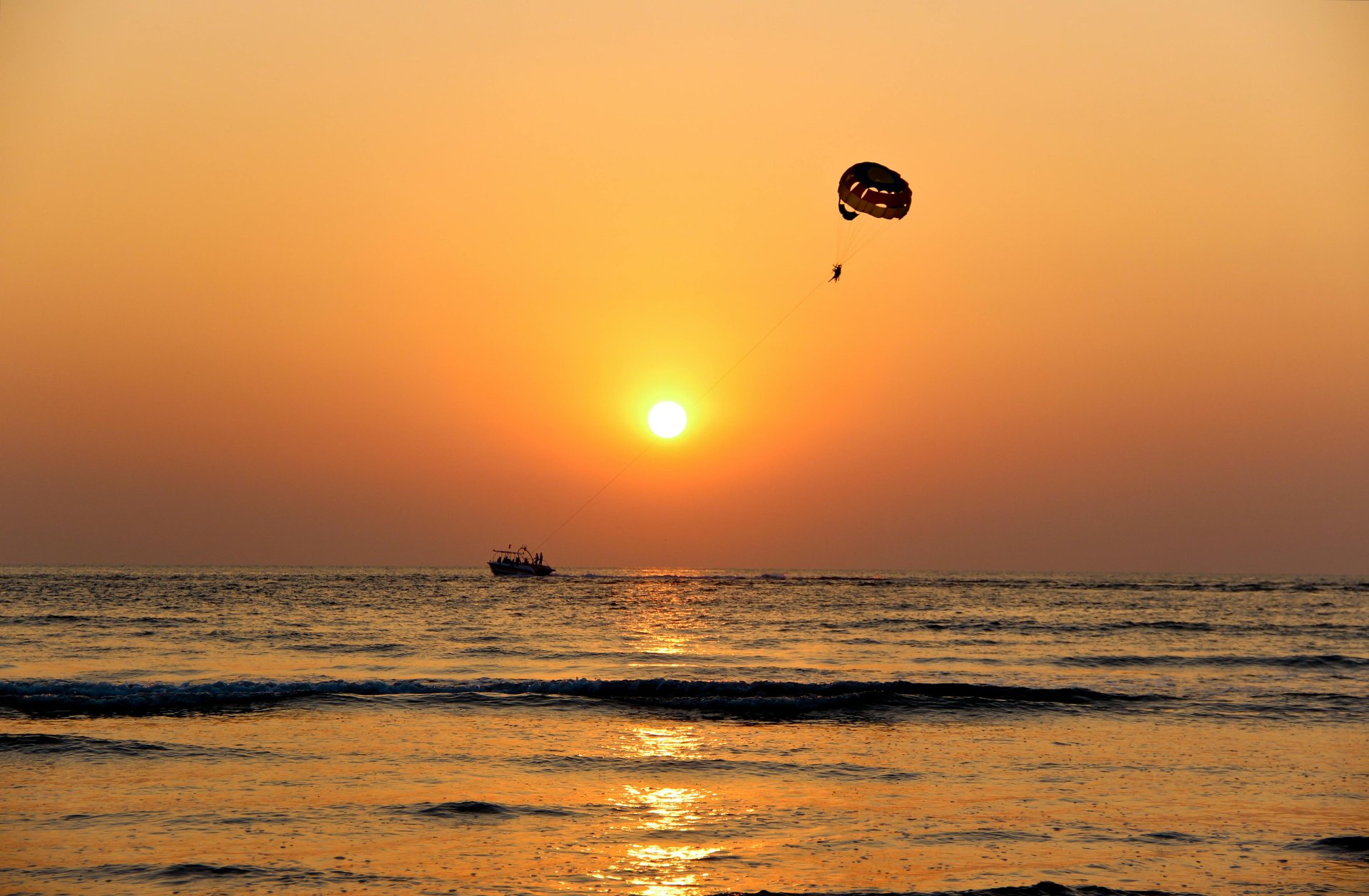
A U.S. member needed medical evacuation to a hospital with a higher level of care following a paragliding accident in Mexico. He reported lower back pain but following an initial medical examination, physicians diagnosed him with mild traumatic brain injury and possible damage to several vertebrae. Global Rescue physicians reviewed the case and concurred with the recommendation. The member was successfully transported to another hospital where he was admitted overnight following a diagnosis of a burst fracture, a condition where the vertebra is crushed in all directions. The treating physician determined surgery was not immediately needed. The member was discharged the next day with a back brace to be worn for six to eight weeks for support until further evaluation was done in his home country. Global Rescue provided ongoing ground transportation for him during his remaining days in Mexico until his return flight home.


Dangerously Low Oxygen Saturation on Aconcagua

A U.S. member climbing Aconcagua, the highest mountain in South America, was suffering from symptoms consistent with HAPE (high-altitude pulmonary edema). He was examined and treated with medications provided by physicians deployed to the mountain. Unfortunately, the member’s condition deteriorated overnight, and his oxygen saturation dropped to 59%, more than 30 percentage points below normal. Global Rescue medical operations was contacted. Due to the member’s worsening condition, Global Rescue operations personnel initiated a helicopter field rescue with immediate ground transport by ambulance to a hospital for evaluation.


[Related Reading: Struggling To Breathe on Aconcagua]


The member was successfully evacuated from the mountain and arrived safely at the hospital where he was diagnosed with dyspnea, or shortness of breath. Upon further evaluation and testing, 15% of his left lung was filled with fluid. He was stabilized, prescribed medication, discharged and advised to schedule a follow-up in a couple of days. The member rested and started his medications before disengaging to complete his recovery on his own.


Fractured Ankle in Colombia

A U.S. member needed airborne medical evacuation after a recreational run in Colombia led to a badly sprained ankle. He called Global Rescue medical operations explaining that two days after spraining his ankle, his condition had worsened and the pain as excruciating, rating it at 10/10, and expressed his inability to move. A local clinic examined him and diagnosed him with a fractured heel. They recommended immediate surgery. Global Rescue physicians reviewed the information and recommended an immediate medical evacuation in business class to accommodate leg elevation and to reduce swelling. The member was successfully evacuated and arrived safely at his home in San Francisco to continue his treatment and recovery.


Hard Landing in South America

A U.S. member needed medical evacuation after a rough landing while paragliding in Colombia, injuring her ankle. Global Rescue medical operations was contacted and confirmed that she suffered a fracture of the left ankle (tibial malleolus) requiring surgery. Unfortunately, the medical treatment team in Colombia was unable to perform the surgery. Global Rescue medical personnel recommended an expedited airborne return to the member’s home of record via business class seating with ground transportation before orthopedic follow-up. She departed Colombia and safely arrived at her home in Washington, U.S., where she continues her recovery.


[Related Reading: Aconcagua: The Mountain of Death]


HAPE on the Mountain of Death

A Japanese member needed field rescue from Aconcagua after experiencing HAPE-like symptoms including shortness of breath, oxygen desaturation and bibasal crackles – the bubbling or crackling sound originating from the base of the lung. Global Rescue Operations was notified and reviewed the on-mountain medical evaluation. A helicopter field rescue was recommended and initiated to transport the member off the mountain. Ambulance transportation was also arranged to accommodate the need for oxygen support and close monitoring before successful arrival at a hospital in Mendoza, Argentina. The member was examined and diagnosed with pulmonary edema and admitted for treatment. He was later discharged and decided to remain in Argentina until his scheduled flight home.

Categories:

Press Release
Share This:

Business Travel on the Rise; Virtual Meetings Losing Primacy

(Lebanon, N.H. – February 12, 2024) Business travel continues to increase, and virtual meetings are losing dominance as a replacement for work-related travel. According to the Global Rescue Winter Traveler Sentiment and Safety survey, respondents…

(Lebanon, N.H. – February 12, 2024) Business travel continues to increase, and virtual meetings are losing dominance as a replacement for work-related travel. According to the Global Rescue Winter Traveler Sentiment and Safety survey, respondents traveling for business jumped 37% compared to survey results nearly a year ago. More than two-thirds (68%) of respondents said their business travel would be both international and domestic.

“In-person meetings are more effective at establishing and maintaining relationships. It’s no surprise that work-related travel is rising,” said Dan Richards, CEO of The Global Rescue Companies, the world’s leading provider of medical, security, evacuation and travel risk management services.

More than a fifth of business travelers (22%) reported work-related travel will exceed pre-pandemic levels in 2024, doubling the 11% reported in 2023. Early last year, 35% of business travelers said business travel would be “half or less than half” of pre-pandemic levels. Now, a year later, that percentage has dropped by a third with only 23% of business travelers reporting that their work-related travel would be half or less than pre-pandemic levels.

Virtual meetings and video conference calls are losing their dominance as a replacement for business travel, according to the survey. More than half (56%) of business travelers responding to the survey said virtual meetings and video conferences are not replacing in-person business travel to a significant extent.

“The days of traveling long distances for one meeting with one person could be gone forever, but people will travel for business at scale into perpetuity,” Richards said.

“Virtual meetings have their place, but they can’t replace face-to-face meetings,” said Paul Mullen, Vice President of sales at Global Rescue. “Personal interaction will always be more effective at establishing and maintaining relationships, fostering trust and driving company growth.”

“You can’t get to know a prospect, current client or business partner professionally and personally when you’re not in person,” Mullen said. “In a video chat, there is more opportunity for distraction and multitasking, the meetings themselves can feel rushed, the technology can glitch. That’s not how you maintain a strong business relationship that lasts.”

As business travel increases globally, so do the challenges facing employers who must balance employee safety in the face of threats of international violent conflicts, terrorism and civil unrest. “The biggest management challenge in this evolving environment will be how duty of care plays a role in protecting a business traveler and a location-independent workforce,” Richards said. “Business leaders have to ask themselves if a set of rules or policies designed to maintain the health, safety and well-being of their employees are in place.”

Unfortunately, the overwhelming majority of business travelers surveyed (74%) say they do not have or do not know if they have a duty of care policy in place. The majority of the 26% of business travelers who say they have duty of care provisions in place reported the policy includes pre-trip planning, health alerts, on-trip event alerts, on-trip security or travel tracking.

“Business leaders carry a duty of care responsibility to their employees, to take care of them and avoid exposing them to any unnecessary or undue risk. As global work-related travel continues to increase, the more duty of care policies must evolve,” Richards said.

###

Contact Bill McIntyre at bmcintyre@globalrescue.com

bmcintyre@globalrescue.com or +1 (202) 560-1195 (phone/text) for more information.

About the Global Rescue Traveler Sentiment and Safety Survey

Global Rescue, the leading travel risk and crisis response provider, surveyed more than 1,500 of its current and former members between January 25-30, 2024. The respondents revealed a variety of behaviors, attitudes and preferences regarding current and future travel.

About Global Rescue

The Global Rescue Companies are the world’s leading provider of medical, security, evacuation and travel risk management services to enterprises, governments and individuals. Founded in 2004, Global Rescue has exclusive relationships with the Johns Hopkins Emergency Medicine Division of Special Operations and Elite Medical Group. Global Rescue provides best-in-class services that identify, monitor and respond to client medical and security crises. Global Rescue has provided medical and security support to its clients, including Fortune 500 companies, governments and academic institutions, during every globally significant crisis of the last two decades. For more information, visit www.globalrescue.com.

Categories:

News
Share This:

How To Find The Best Travel Insurance For Your Spring 2024 Trip

Categories:

News
Share This:

BUSINESS TRAVEL ON THE RISE; VIRTUAL MEETINGS LOSING PRIMACY

Categories:

Travel
Share This:

New Destinations, Longer Stays: How Travelers Are Embracing Bold Exploration in 2024

Discover the top destinations, emerging trends, and how Global Rescue ensures peace of mind for every journey.

Travelers are planning three or more trips in 2024, according to the world’s most experienced travelers responding to the Global Rescue Winter Traveler Sentiment and Safety Survey. The overwhelming majority of respondents (93%) are planning international trips this year with 41% planning three or more trips and more than half (52%) taking one-to-two trips abroad.

“The survey results are a clear indicator, and consistent with expert predictions and travel volumes reported by TSA, that the travel rebound will continue through 2024,” said Dan Richards, CEO of The Global Rescue Companies, the world’s leading provider of medical, security, evacuation and travel risk management services, and a member of the U.S. Travel and Tourism Advisory Board at the U.S. Department of Commerce.

Mexico, Canada, Europe and Africa are the four leading international destinations for travelers, according to survey results. However, a significant number of survey respondents (66%) are planning to include new international destinations to visit this year.


[Related Reading: The Top Movies, Books and Songs Inspiring Travel]


Global Rescue surveyed more than 1,500 of its current and former members between January 25-30, 2024. The respondents revealed a variety of behaviors, attitudes and preferences regarding current and future travel.

“The traveler’s appetite for exploring the world is increasing. Today’s travelers are traveling boldly and increasingly seeking out new destinations that are unspoiled, less popular, more remote and sometimes a little riskier,” Richards said. “Adventure travel, luxury travel and other activity-focused segments will continue to see strong growth. Many places are at capacity or are over-subscribed and have waiting lists.”


The interior of a small market in Barcelona packed with colorful treats.


The top 10 most frequently mentioned new international destinations travelers are planning to visit are Spain, Africa, Japan, Argentina, Italy, Australia, Greece, Portugal, Greenland and Norway.

Many travelers reported planning longer, more adventurous trips. Nearly a quarter (23%) of respondents said that since the pandemic ended, they are planning to stay longer on at least one of their international trips in 2024. One in five respondents (21%) are planning more adventurous, immersive trips in 2024 compared to past trips.

The majority of respondents (83%) said they would travel with friends or family for their trips, but not for all of their trips. Nearly a third (30%) said some of their trips would be solo, 19% said at least one trip would be on their own with a group of strangers, and 8% said one or more trips would be travel with business colleagues.


Traveler Fears Shift: Civil Unrest, Terrorism Surpass Accidents, Illnesses

Civil unrest and terrorism are travelers’ leading fears, surpassing accidents or injuries and marking a dramatic attitudinal shift since spring 2023, according to the survey.

More than a third of travelers (36%) reported civil unrest and terrorism are the biggest concerns during global trips, reflecting a three-fold increase compared to spring 2023. A quarter of respondents (25%) said having an accident or illness during a trip was their greatest fear, a significant decrease from spring 2023 when half of travelers (50%) reported suffering an injury or getting sick was their biggest concern.


Smoke rises from street fires with armed men in a subtropical region.


“We’re seeing an understandable increase in traveler concern worldwide. Nevertheless, international trip takers continue to travel anyway despite the rising threats of civil unrest, war and terrorism,” Richards.

Travelers are beefing up their trip protection with security advisory and extraction protection. A third of respondents (34%) said the war in Ukraine, the Hamas attacks on Israel or other violent conflicts make it more likely they will add security extraction and advisory protection to their travel protection package.

“Traveler uncertainty generally increases traveler demand for emergency medical and security services,” Richards said. “Last year, traveler purchases of security and extraction services increased by 36%, and we expect that will continue in 2024. We’ve seen this traveler behavior since the war in Ukraine, and we’re seeing it continue following the attacks on Israel.”

Travelers are seeking more security, and the travel industry is responding. The U.S. Department of Homeland Security (DHS) is advancing new security screening programs like the Screening at Speed Program that enables the scanning of walking passengers, acquiring data through most garments and reliably detecting a wider range of prohibited items regardless of concealment. Hotels are using keyless room entry, elevator access controls and surveillance cameras to increase guest safety. Airbnb users must verify their identity before completing a reservation. Travelers are turning to door wedges, portable door locks and lock lockers for added protection in hotel rooms.


[Related Reading: What’s New in Trusted Traveler Programs]


Global Rescue continues to invest in better security for their members’ peace of mind. The Global Rescue Intelligence Delivery system (GRID 2.0) is the world’s only integrated medical and security mobile app for travel risk, asset tracking, intelligence delivery and crisis response management.


Global Rescue Intelligence Delivery System (GRID 2.0) screenshot.


The GRID 2.0 system distributes event notifications and alerts for civil unrest, disease-related developments, safety issues, transportation disruptions, communications blackouts, and natural disasters including floods, hurricanes, earthquakes and volcanic activity. In an emergency, the GRID 2.0 app puts its members in immediate contact with the medical teams and military special operations veterans who staff Global Rescue’s Global Operations Centers.

“GRID 2.0 places critical medical, security and other essential travel intelligence in the hands of leisure and business workforce travelers. Last year more than 10,000 global events were reported with nearly a million event alerts distributed,” Richards.


[Related Reading: GRID 2.0 – The Most Advanced Travel Risk Intelligence Delivery System]


While civil unrest, terrorism, accidents and illnesses top the list of traveler fears, the survey revealed other concerns. Trip cancellation, robbery or theft garnered between 7-9% of responses. Testing positive for COVID (or its variants) and natural disasters each collected 5% of responses. Nuclear disasters collected <1% of responses.


A man stands on the roof of his SUV in the dark looking up at the stars.

What Is Travel Peace of Mind Worth to You?

Travelers with a sense of adventure will bring along a Global Rescue medical evacuation and travel risk membership for peace of mind. A Global Rescue membership pays for the expense of a field rescue or medical evacuation, which can reach $300,000, if you become ill or hurt while traveling. For members of Global Rescue, the cost is $0. In the absence of Global Rescue, your travel emergency may take longer, cost more and exacerbate a risky scenario.

Are your worries a constant companion on your travels? Discover how a Global Rescue travel membership can provide you with peace of mind on every journey. Explore the 10 Reasons Why You Need Global Rescue Travel Protection.

Categories:

News
Share This:

Worried About Safety? Here Are The Surprising Things Travel Companies Are Doing About It

Categories:

ArticlesResources
Share This:

Summit or Survival: A Green Beret’s Odyssey From Everest to Denali

How a Green Beret's daring Everest triumph led to a frigid battle against frostbite on Denali, revealing the resilience of a Special Forces team.

“I trained quite hard for a Mount Everest summit without supplemental oxygen. I was pretty close to achieving it and fell short,” said Sergeant First Class, Jason Howell, the NCOIC of the Special Operations Mountain Warfare Training Center. Howell is an active-duty soldier with the U.S. Army Special Forces – the Green Berets – living in Colorado. He’s also a mountaineering instructor at the Special Operations Mountain Warfare Training Center, 10th Special Forces Group Airborne, and a Global Rescue member.


Jason Howell selfie wearing sunglasses, a jacket and climbing gear.

Howell summited Mount Everest, but at 28,500 feet, he made the difficult but wise decision to put on the oxygen mask. “I was in a pretty dark spot,” he confessed.

Dark spots, depression and anxiety are all dangerous territory for anyone, but more so for those in the Green Berets who have been at the forefront of U.S. conflicts and, consequently, experience physical and mental damage, including PTS, which is commonplace among current and former members of U.S. Special Forces.


Confronting Challenges and Fostering Growth

To address these issues, Green Beret Racing was founded to help members of the Special Operations Forces find meaningful, fulfilling outlets outside of the regiment.


Four people hold up the Green Beret Racing flag in front of a tent.


“We invest in current and former members of the U.S. Army’s Special Forces Regiment and their desires to pursue competition in meaningful, exciting, and rewarding ways,” said Green Beret Racing Founder and Executive Director Nick Merrick. “The programs directly fight the suicide epidemic in the military by removing monetary barriers while placing Green Berets into groups of like-minded people with similar interests that push them to grow and heal.”

Howell didn’t know Merrick was about to help erase his lingering “dark spot” with a chance, and a challenge.

“He tells me I can take a group of climbers and do an expedition to Denali in 2023. I would be taking individuals who have never summited a 20,000-foot mountain,” said Howell.


The Summit Push

Howell picked his team, two active-duty Green Berets – who are also Instructors at the Special Operations Mountain Warfare Training Center (SOMWTC) based out of Fort Carson, Colorado – and an Army veteran with extensive cold mountain survival experience.


Four people at a snowy Denali base camp.


The foursome set out in early June and skinned up the mountain, traveling uphill on skis, arriving that day at Camp 1 without trouble. The next day the team carried equipment, food and supplies halfway to Camp 2 and cached it before camping at 11,000 feet. On the third day, Howell and two of his teammates skied down to base camp to recover more supplies and gear before returning to Camp 2.

That’s when severe weather blew in. “That mountain got hammered with precipitation breaking June snowfall records in a matter of days,” Howell said. “We were held up at Camp 2 for a couple of days before getting a break in the weather.”


As soon as the weather broke, they successfully took a cache up to Camp 3 at 14,000 feet. After that they skied down to Camp 2 at 11,000 for more supplies. “There were a lot of very exposed sections and other sections with blue ice, but we were all able to ski safely down,” Howell said.

The next day, loaded with more supplies, the group planned their last push from Camp 2 at 11,000 feet to Camp 3. “We started moving in roped teams of two. I led and spotted multiple open crevasses and relayed the information to the follow team,” he said.


Climbers with skis on their backpacks ascend a snowy mountain,


By the time the group reached Motorcycle Hill at 12,000 feet they were hit with 50-60 mile an hour winds and colder temperatures dipping well below zero degrees Fahrenheit. Under better conditions, Motorcycle Hill, a 600-foot hill and the steepest part of the mountain, is a challenge. Adding harsh winds and frigid temperatures, it’s tougher.

One member of the group reported numbing feet, and that’s when Howell made a critical decision.

“I immediately made the call. We were going to bail and descend back to the 11,000-foot camp,” he said.

The group worked to warm up their teammate’s feet before starting back down. Howell went first to erect the tents, start boiling water and set up the sleeping bags. As soon as the rest of the team arrived at Camp2, Howell put his battery-powered socks on his teammates still numb feet. Within a couple of hours, the numbness dissipated.

The group planned a second attempt to climb to 14,000 feet for the next day, but the teammate suffering from numb feet reported the condition returned and was also concerned about hypothermia. Howell was deeply concerned. He consulted with the other members of the team.

“My top priority as an expedition leader is everybody comes home. I’m not someone who has summit fever. The summit is a goal, but priority is always coming home uninjured. I decided to get my teammate back to base camp and flown to safety,” Howell said.

The other two expedition members geared up and made their move up to Camp 3 at 14,000 feet, evading a storm.


Four feet of snowfall hit Camp 2 during the next 18 hours, delaying Howell’s return to base camp with his ailing teammate. The following day, the twosome got a small weather window and descended 1,000 feet before another tremendous snowstorm blew in with dense cloud cover, creating whiteout conditions and reducing visibility to little more than a few feet.

“The trail vanished. I had to navigate solely off of the GPS navigation app on my phone. It took three-and-a-half hours to move less than two miles, but we made it to 9,200 feet.

“I decided to stop and dig in there. Any lower than 9,200 feet, I knew that the crevasse risk was much greater. I remembered a lot of open crevasses as we were moving up the route days before. Proceeding with limited visibility was too great a risk,” he said.


A person digs out their tent in deep snow.


For the next 28 hours seven feet of snow fell. Howell and his teammate were constantly digging out of their shelter. “There was one time we tried to get some sleep. I woke up after a three-hour nap and the snow level was to the top of the tent,” he said.

The pair waited it out. When the bad weather subsided, they packed and successfully descended to base camp. Then another severe storm moved in delaying the flight out for his teammate by two days.

During this period, Howell’s two other teammates had made their way to Camp 3 at 14,000 feet and had completed a couple rotations up to 17,000 feet to acclimatize and prep for their summit bid.

With his ailing teammate on the way home, Howell didn’t want to miss his chance at a summit with his teammates. “I knew they were going to make their summit attempt the next morning. I had already broken down camp and had all my gear packed. I made a hard, solo push from base camp back up to Camp 3,” he said.

Lugging more than 80 pounds of gear on his pack and sled, Howell reached Camp 2 in five hours. He pressed on, reaching Motorcycle Hill before midnight.

Temperatures had dropped to 25 degrees below zero and 40 mile per hour winds swept through. Howell put on all his puffy layers and his heavy gloves to stay warm.

“When you’re exposed like that there’s no other option but to keep moving. I kept pushing towards Camp 3 at 14,000 feet. My hands and fingers were quite cold but I kept moving, shaking them out to get the circulation back,” he said.

Howell reached Camp 3, joining his two teammates at three in the morning. His solo run from base camp took 10 hours.

He set up his tent and sleeping bag before noticing that his hands and feet were very cold. He boiled water for his feet and core, put on his heated socks and fell asleep. After a couple hours of sleep, he woke up and saw that his two teammates were out making their summit push. That’s when Howell realized he was in worse shape than he thought.


Frostbitten fingers blistered.


“I took off my gloves and saw that I had gotten frostbite on two fingers, my left pinky and middle finger,” he said.

Howell dressed and radioed the Denali Climbing Rangers to check on weather conditions and to let them know that his two teammates were pushing for the summit. He also showed the Rangers his fingers.

Unsurprisingly, Howell was told to descend immediately, get to base camp, and go to the hospital in Anchorage, or he would lose his fingers.

“That’s pretty real to hear. I mulled over this decision for about an hour. Frostbite is obviously a very serious thing. But I have two teammates high on the mountain. They are pushing into very extreme environments. There’s another storm system coming. I wasn’t going to leave my guys. I decided to stay,” he said.


Howell’s teammates were forced to turn back at 18,200 feet by another storm and whiteout conditions. They reached Camp 3 safely, joining Howell. The threesome waited out the storm for three days in the hopes of another good weather window and an opportunity to go for the summit.

“My fingers had swollen but I knew it was low grade frostbite. I was confident I could keep my hands and fingers warm and climb safely.

They never got another good weather window, however. The threesome had a long discussion balancing the weather, the risk, the hazards and the summit.

“Two of us wanted to continue but one said no way. If that one individual is sensing something that the other two are not, then it’s critically important to listen to that. We did listen and turned back,” Howell said.


Skiing down a steep chute on Denali.


The group left Camp 3 that evening and safely returned to base camp. The next day they flew home.

“As we were flying out, a huge lenticular cloud sat on top of the Denali summit. No team summited that day. Other teams that had planned on summiting ended up bailing due to the adverse weather conditions,” Howell said.

His fingers? They’re fine. Some frostbite, serious but superficial.


Bloodied fingertips after frostbite.


In the end, Howell noted the importance of the group. “When you do these things, team dynamic is critical. Everybody has a voice.”


Thanks to Jason Howell, his team, and Green Beret Racing for sharing this adventure and for producing this incredible documentary of the Denali expedition. Give it a watch! We promise you won’t regret it.

Categories:

Press Release
Share This:

How to Avoid Dangerous Areas While Driving

(Lebanon, N.H. – February 2, 2024) Driving a vehicle in a foreign country is a high-risk activity and has led a Los Angeles couple to file a lawsuit against Google Maps for allegedly navigating them…

(Lebanon, N.H. – February 2, 2024)

Driving a vehicle in a foreign country is a high-risk activity and has led a Los Angeles couple to file a lawsuit against Google Maps for allegedly navigating them to a notorious South African crime neighborhood.

“App maps are designed to get you to your destination. They won’t let you know much more than traffic jams or road closures,” said Harding Bush, a former Navy SEAL and associate director of security operations for Global Rescue. “It’s important for travelers driving in foreign countries to rely on much more than navigation apps. Smart travelers rely on professionally-generated destination reports, local knowledge from news reports and other research to increase their safety.”

Being safe while driving takes more than just being a safe driver. Bush advises travelers should have security advisory protection to keep them informed about regional risks, potentially dangerous events, or hotbeds of crime. “More importantly, travelers should not self-drive in risky countries or regions,” he said.

Hiring a local driver recommended by a reliable source is ideal since they know the area and won’t be confused by local roadways. “Always hire a well-vetted local driver who knows the area. They will avoid risky neighborhoods and vulnerable locations,” Bush said. “The prudent traveling driver never relies on one source of navigation.”


###
Contact Bill McIntyre at bmcintyre@globalrescue.com or +1 (202) 560-1195 (phone/text) for more information.

About Global Rescue The Global Rescue Companies are the world’s leading provider of medical, security, evacuation and travel risk management services to enterprises, governments and individuals. Founded in 2004, Global Rescue has exclusive relationships with the Johns Hopkins Emergency Medicine Division of Special Operations and Elite Medical Group. Global Rescue provides best-in-class services that identify, monitor and respond to client medical and security crises. Global Rescue has provided medical and security support to its clients, including Fortune 500 companies, governments and academic institutions, during every globally significant crisis of the last two decades. For more information, visit www.globalrescue.com.

Categories:

Press Release
Share This:

Survey Says: Travel Rebound Continues, New Destinations Preferred

(Lebanon, N.H. – February 1, 2024) Travelers are planning three or more trips in 2024, according to the world’s most experienced travelers responding to the Global Rescue Winter Traveler Sentiment and Safety Survey. The overwhelming…

(Lebanon, N.H. – February 1, 2024) Travelers are planning three or more trips in 2024, according to the world’s most experienced travelers responding to the Global Rescue Winter Traveler Sentiment and Safety Survey. The overwhelming majority of respondents (93%) are planning international trips this year with 41% planning three or more trips and more than half (52%) taking one-to-two trips abroad.

“The survey results are a clear indicator, and consistent with expert predictions and travel volumes reported by TSA, that the travel rebound will continue through 2024,” said Dan Richards, CEO of The Global Rescue Companies, the world’s leading provider of medical, security, evacuation and travel risk management services, and a member of the U.S. Travel and Tourism Advisory Board at the U.S. Department of Commerce.

Mexico, Canada, Europe and Africa are the four leading international destinations for travelers, according to survey results. However, a significant number of survey respondents (66%) are planning to include new international destinations to visit this year.
“The traveler’s appetite for exploring the world is increasing. Today’s travelers are traveling boldly and increasingly seeking out new destinations that are unspoiled, less popular, more remote and sometimes a little riskier,” Richards said. “Adventure travel, luxury travel and other activity-focused segments will continue to see strong growth. Many places are at capacity or are over-subscribed and have waiting lists.”
The top 10 most frequently mentioned new international destinations travelers are planning to visit are Spain, Africa, Japan, Argentina, Italy, Australia, Greece, Portugal, Greenland and Norway.

Many travelers reported planning longer, more adventurous trips. Nearly a quarter (23%) of respondents said that since the pandemic ended, they are planning to stay longer on at least one of their international trips in 2024. One in five respondents (21%) are planning more adventurous, immersive trips in 2024 compared to past trips.
The majority of respondents (83%) said they would travel with friends or family for their trips, but not for all of their trips. Nearly a third (30%) said some of their trips would be solo, 19% said at least one trip would be on their own with a group of strangers, and 8% said one or more trips would be travel with business colleagues.


###

Contact Bill McIntyre at bmcintyre@globalrescue.com or +1 (202) 560-1195 (phone/text) for more information.

About the Global Rescue Traveler Sentiment and Safety Survey
Global Rescue, the leading travel risk and crisis response provider, surveyed more than 1,500 of its current and former members between January 25-30, 2024. The respondents revealed a variety of behaviors, attitudes and preferences regarding current and future travel.

About Global Rescue
The Global Rescue Companies are the world’s leading provider of medical, security, evacuation and travel risk management services to enterprises, governments and individuals. Founded in 2004, Global Rescue has exclusive relationships with the Johns Hopkins Emergency Medicine Division of Special Operations and Elite Medical Group. Global Rescue provides best-in-class services that identify, monitor and respond to client medical and security crises. Global Rescue has provided medical and security support to its clients, including Fortune 500 companies, governments and academic institutions, during every globally significant crisis of the last two decades. For more information, visit www.globalrescue.com.

Share This:

Solo or Not: Fears and Opportunities Abound for Traveling Women

Discover the specific fears women encounter while traveling and how a Global Rescue membership becomes a vital travel companion.

The biggest fear among Global Rescue female members, recognized as some of the world’s most experienced travelers, is having an accident or sustaining an injury while traveling. This apprehension constitutes almost half (49%) of all survey responses gathered recently. Blogger Kiersten “Kiki” Rich of The Blonde Abroad, lists safety as one of the top concerns among women who travel.

Whether traveling alone, with a group or with family and friends, Global Rescue female members point out that many of their travel concerns, like safety, are alleviated with a membership.

“Unexpected events happen during any sort of travel,” said Global Rescue member Kim Boyer. “A Global Rescue membership gives me confidence that emergency events can be managed without further complications or expense.”

If it’s a major illness or injury, like heat stroke, a head Injury or a heart attack, Global Rescue gets you by any means necessary — including using helicopters, jets, 4X4 vehicles, rescue teams on foot and more — and brings you to the nearest hospital capable of delivering the needed level of medical care.

If it’s a minor injury or illness like a twisted ankle, upset stomach or a strange bug bite members call Global Rescue to get real-time access to doctors, paramedics and nurses who will help sort out the dos and don’ts based on your unique situation and symptoms.

Member Patricia Kay Walzer calls her membership a safety net. “It reduces any concerns we might have about health and safety as we travel,” she said.


A young woman traveler looks out the window of her hotel room.


Help That Speaks the Local Language

For Cheryl Gilbert, who was trekking the world’s deadliest volcano in a remote part of Indonesia when she accidentally broke her leg during the descent, her Global Rescue membership made a dangerous situation better.

She contacted Global Rescue.

When the rescuers arrived, she was carried off the volcano on a mobile hammock made of bamboo poles and sarongs. Once at base camp, an ambulance drove her to a medical facility nearby. From there, she needed to go to a hospital in Jakarta, on the other side of the county.

“The Global Rescue-provided nurse made all the difference,” Gilbert said. “To have someone with me who was Indonesian and could negotiate with people and deal with all the medical stuff.”

Gilbert arrived in Jakarta where she received additional medical attention before being discharged. “I’m adamant that you always need a way out, especially if you’re going to be in place where there isn’t good health care infrastructure. The one company that will come get you is Global Rescue,” she said.


The Global Rescue Cost of Medical Evacuation? Zero, Zip, Nada!

Medical evacuation can cost as much as $300,000, depending on where you are in the world and the distance you need to be transported. But a Global Rescue membership includes medical transport back to your home or your home hospital of choice at no charge for members.

That’s a significant service for member Karen Orso who said with a membership she would “avoid high costs if I need medical evacuation.”

Sometimes travelers get sick or injured in areas where healthcare facilities may not meet their medical needs, and they need to be transferred to a different care facility. “The closest medical facility isn’t always the right one. Global Rescue gets you to the most appropriate hospital for your illness or injury,” said Dan Stretch, operations manager at Global Rescue.

That’s a plus for Peggy Ann Picard. “It makes me feel more secure while traveling, knowing if an emergency arose, I could fly to a destination where my needs would be handled.”

Shauna Williams agrees. “There is peace of mind for me that if there is a medical emergency, I have access to medical care that I trust,” she said. “A Global Rescue membership allows me to continue to travel to remote locations knowing if anything happens, I have a lifeline to depend on.”


A woman sits on a bench on a deck eating, looking out over a rice paddy in Thailand.

Traveling Boldly, Made Possible by Security Experts

But illness or injury are not the only worries traveling women have. Civil unrest and terrorism were the second biggest fears women who completed the survey listed, accounting for 15% of respondents.

If there’s a terror attack or civil unrest, a Global Rescue membership with a security package enables members to access Global Rescue’s security operations team for advice and emergency extraction.

“You can’t just have one plan. You need to have secondary and tertiary plans in place. We develop redundant air travel providers and ground options for operations related to civil unrest or terrorism. Just in case,” said Harding Bush, a former Navy SEAL and associate director of security operations for Global Rescue.

“We were in Barcelona at the time of a terrorist attack, and it was helpful to talk to Global Rescue for advice on what to do,” said Shari Scott.

Daniela Shields’ daughter, Alli, unexpectedly found herself in the middle of civil unrest in Hong Kong in 2019. Thankfully, Global Rescue quickly arranged for Alli to fly back home and out of harm’s way.

“The specifics from Global Rescue made the difference,” Shields said. “I learned things about the Hong Kong protests from Global Rescue that I didn’t hear until the next day on the news. I felt like we were ahead of the eight ball at every turn.”


Navigating the Nightmare of Loss and Theft Abroad

The third most concerning fear among traveling women, according to the Global Rescue survey, is a lost or stolen passport.

Maredith Richardson had never heard of Global Rescue before, despite traveling and living abroad a few times. She discovered Global Rescue through her college study abroad program and became a member. During her studies in Paris, France, her beach bag was stolen, along with personal items and her passport.

She contacted Global Rescue immediately. “They responded to me within about 30 seconds,” she said.

Richardson promptly learned that Global Rescue services include streamlining the process to replace a lost or stolen passport or visa. Instead of the standard several weeks for replacement Global Rescue security experts helped Richardson manage the international administrative challenges and obtain a passport replacement in less than a week.

“The Global Rescue team handled it completely, got it hammered out within a couple of hours and got me into the embassy for an urgent passport replacement appointment,” she said. “I didn’t have to do a single thing, except pull my documentation together.”


A female snowboarder wearing white helmet, mirror goggles, and blue and purple outfit.


Empowered Explorers: The Rise of Women Solo Travelers

Despite these fears, solo women travel is trending up. “More women are traveling alone, and tour operators and travel companies are seeing a surge in older, married women embarking on these solo adventures,” according to a Skift report.

A report by Road Scholar, a Boston-based tour operator of educational group travel for older adults, sees a similar trend among older women traveling without their partners. “The primary reasons for traveling solo included 42% saying their spouse’s lack of interest in traveling while a slightly lower percentage said they had different travel interests compared to their partner,” according to the Road Scholar report.


Four women sit on the deck of a sailboat in harbor under the sunlight.


The Key to Safer Travels

A Global Rescue membership is travel protection that evacuates members from the point of illness or injury to the nearest appropriate hospital, clinic or medical provider. In addition to field rescue and medical evacuation, membership services include medical and security advisory, travel support in case of lost or stolen travel documents, high-altitude evacuation package add-on and no activity restrictions.

With a travel protection services membership, traveling, whether solo or as part of a group, is truly a time to relax, immerse, put away your fears and enjoy.

“It makes me feel safe to know I can get help anywhere I can in a foreign country,” said Elizabeth Pugliese. “I can’t imagine traveling without it.”

Share This:

Mission Briefs: Global Rescue In Action – January

A brief recap of recent standout operations in which Global Rescue was involved.

Two of the more popular high-altitude “starter mountains” for climbers are Aconcagua and Kilimanjaro, and the best time to climb them is between November and March. This edition of Mission Briefs highlights Global Rescue’s operations on those mountains.

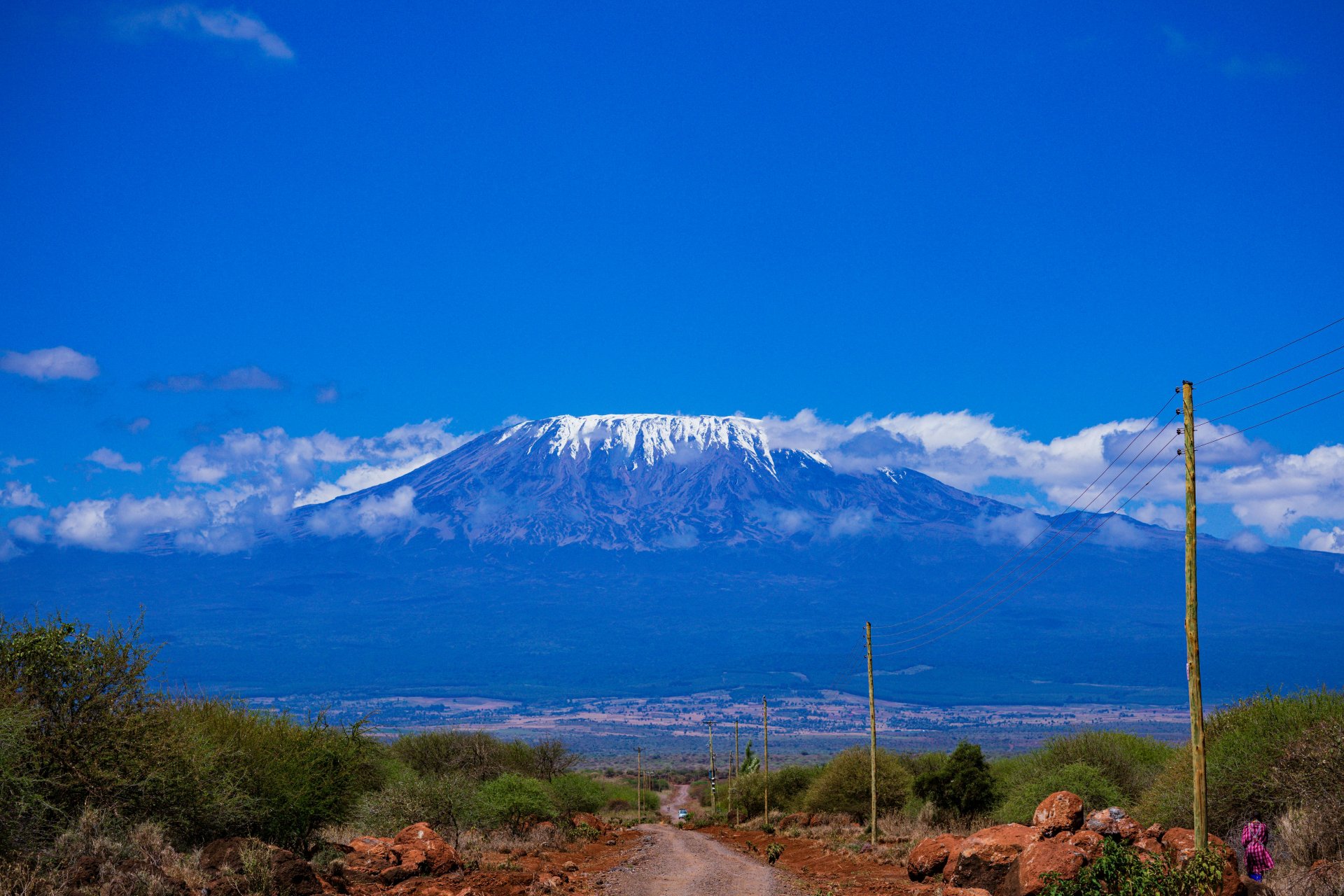
Ascending Mount Kilimanjaro (19,341 feet/5,895 meters) is no easy task. While it It doesn’t require technical climbing skills, altitude is the greatest challenge to reach the summit of Africa’s highest peak. “While it’s true that Kilimanjaro is accessible to a wide range of people, adequate physical preparation is essential, especially for those without a background in hiking,” said Alex Altezza, CEO of Altezza Travel. “On Kilimanjaro, climbers typically walk 6-8 miles daily, and on the summit night, this can extend to 10-15 miles, with much of it uphill. Achieving this feat requires at least an average level of fitness.”

Summiting Aconcagua (22,837 feet/6,961 meters) is no less of a challenge. Outdoor adventure safety expert and longtime mountaineering author Jed Williamson, a member of Global Rescue’s Mountain Advisory Council, said Aconcagua is an ideal beginner’s high-altitude climb but only if individuals acclimatize well. “The mountain range has easier access and logistics, but it is not to be taken lightly,” he said.


[Related Reading: Aconcagua: The Mountain of Death]


Global Rescue deployed a team of medical operations and rescue specialists to the South American mountain to support rescue operations on the ground from January through mid-February. The deployment team includes high-altitude physician specialists, emergency nurse personnel and wilderness certified paramedics.

Wherever you go, Global Rescue services are not only for medical emergencies. Our members get real-time access to doctors, paramedics and nurses who will help sort out minor injuries or illnesses like snow blindness, frostbite, food poisoning, or acute mountain sickness. Membership also includes travel advice. Concerned about a storm warning? Need help with a local language barrier? Run out of a prescription? Our members are one call away from expert help.

Global Rescue has responded to the needs of travelers at home and abroad for 20 years. In a typical month, we perform hundreds of operations in dozens of countries. Below are highlights from some of our most recent operations in various locations.


Frostbite and Snow Blindness on Aconcagua

A German member needed field rescue and medical evacuation after suffering snow blindness and severe frostbite on most of his fingers during an expedition on Aconcagua. We successfully evacuated him to a hospital in Mendoza capable of treating frostbite. He was admitted and treated for several days. Global Rescue medical operations personnel conducted follow-ups with him and, following a series of diagnostic tests, he decided to return to his home in Germany for further care. Due to the significance of his frostbite injury, and likely amputation, Global Rescue provided medical evacuation for him and his accompanying parent as a non-medical escort. The member confirmed that he would proceed to a hand specialist in Hamburg when he arrived in Germany and that the facility was aware of his injury. He arrived safely in Germany with plans to have a follow-up evaluation for further care and treatment.


Climbers make their way toward Kilimanjaro's base.


Coughing Up Blood on Kilimanjaro

A U.S. member needed field rescue after experiencing shortness of breath and vomiting blood while in Karanga Camp, Tanzania, for a summit attempt on Kilimanjaro. Global Rescue medical operations spoke with him and the expedition guide, and confirmed the member’s cough produced blood-tinged phlegm, and that his beathing difficulty had started earlier in the day. Due to the severity of his condition, Global Rescue medical operations personnel initiated a helicopter field rescue. The member was successfully evacuated and evaluated at a local hospital in Arusha where he was diagnosed with pneumonia and prescribed antibiotics. He was scheduled to return home in the U.S. to continue his recovery.


Breathing Difficulty at High-Altitude

During an attempt to summit Aconcagua, a U.S. member began suffering from weakness, labored breathing and oxygen desaturation. Expedition leaders contacted Global Rescue and, following an evaluation by medical personnel, the member was placed on a supplemental oxygen and given medication to treat his condition. His symptoms persisted despite treatment. Global Rescue arranged for an airborne medical transport off the mountain due to the ongoing severity of the member’s condition. He was successfully transported to a hospital where medical professionals evaluated and diagnosed him with HAPE. He was discharged later the same day following medical treatment.


A yellow and blue rescue helicopter on the ground at Aconcagua base camp.


Food Poisoning at High-Altitude

A U.S. member trekking on Aconcagua was experiencing signs and symptoms of AMS, possible food poisoning and ataxia. Global Rescue medical operations personnel and physicians with Extreme Medicine agreed the member’s condition merited an immediate transport off the mountain and arranged for a helicopter evacuation. She was safely transported by air and ground to a hospital in Mendoza where she was treated with paracetamol and confirmed with Global Rescue operations that her condition was improving. She planned to continue her recovery at her hotel until her return flight home.


Vomiting Blood on Kilimanjaro

A member’s spouse contacted Global Rescue and reported that her husband had been exhibiting signs of HAPE and vomiting blood for several days while in Kosovo Camp on Mount Kilimanjaro. Global Rescue medical operations personnel confirmed his condition was worsening following several episodes of hematemesis and initiated an airborne evacuation. He was successfully transported to a medical center for evaluation where he was diagnosed with a gastrointestinal bleed and severe high-altitude sickness. The member was admitted overnight for observation and treatment. Global Rescue operations continued to monitor and follow-up during his recovery. He was later discharged from the hospital and planned to continue with his planned return trip home where he will continue his recovery.


Three climbers in red jackets climb high above the clouds in the snow on a mountain.


Multiple Cases of HAPE on Aconcagua

Aconcagua is not the highest mountain in the world, but at 22,837 feet/6,961 meters, it is the tallest peak outside the Himalaya and Karakoram ranges. Climbers can expect a mix of challenging conditions and stunning landscapes. The biggest mistake people make when it comes to climbing Aconcagua is misjudging the stamina required, according to mountaineering legend and a member of Global Rescue’s Mountain Advisory Council Ed Viesturs.

Even when climbers have planned and prepared for a high-altitude ascent, Aconcagua and its altitude can overwhelm climbers and trekkers.


[Related Reading: Struggling To Breathe on Aconcagua]


A U.S. member was diagnosed with HAPE and needed an airborne evacuation off the mountain. He was successfully transported to a hospital for 24 hours of observation due to his respiratory issues. He was eventually discharged with a diagnosis of HAPE and was recommended not to travel by air for a few days.

Another member contacted Global Rescue operations and reported that he had HAPE while on Aconcagua. Physicians evaluated him and diagnosed HAPE, triggering an immediate helicopter evacuation. The member was successfully transported to a hospital in Mendoza and underwent a CT scan. The results were clear of any medical issues, and he was released from the hospital to continue his recovery at his hotel in Mendoza.

A member from the U.K. was diagnosed with HAPE during a routine check-up on the mountain. He had bibasil crackles (gurgling sounds from the lungs) and his oxygen saturation was 69%, well below normal levels of 95% or higher. Global Rescue initiated airborne and ground transport for the member to a hospital in Mendoza, where he was evaluated and diagnosed with pulmonary edema. He was subsequently discharged to continue his recovery.

Another U.K. member was experiencing shortness of breath, weakness, exhaustion and suspected HAPE. A member of the expedition team contacted Global Rescue operations requesting a field rescue due to the severity of the member’s condition. Global Rescue medical operations personnel evaluated his condition and initiated an airborne transport off the mountain with ground transport to a hospital. The member was evaluated by a treating physician and diagnosed with HAPE. His conditions improved quickly at the lower altitude.