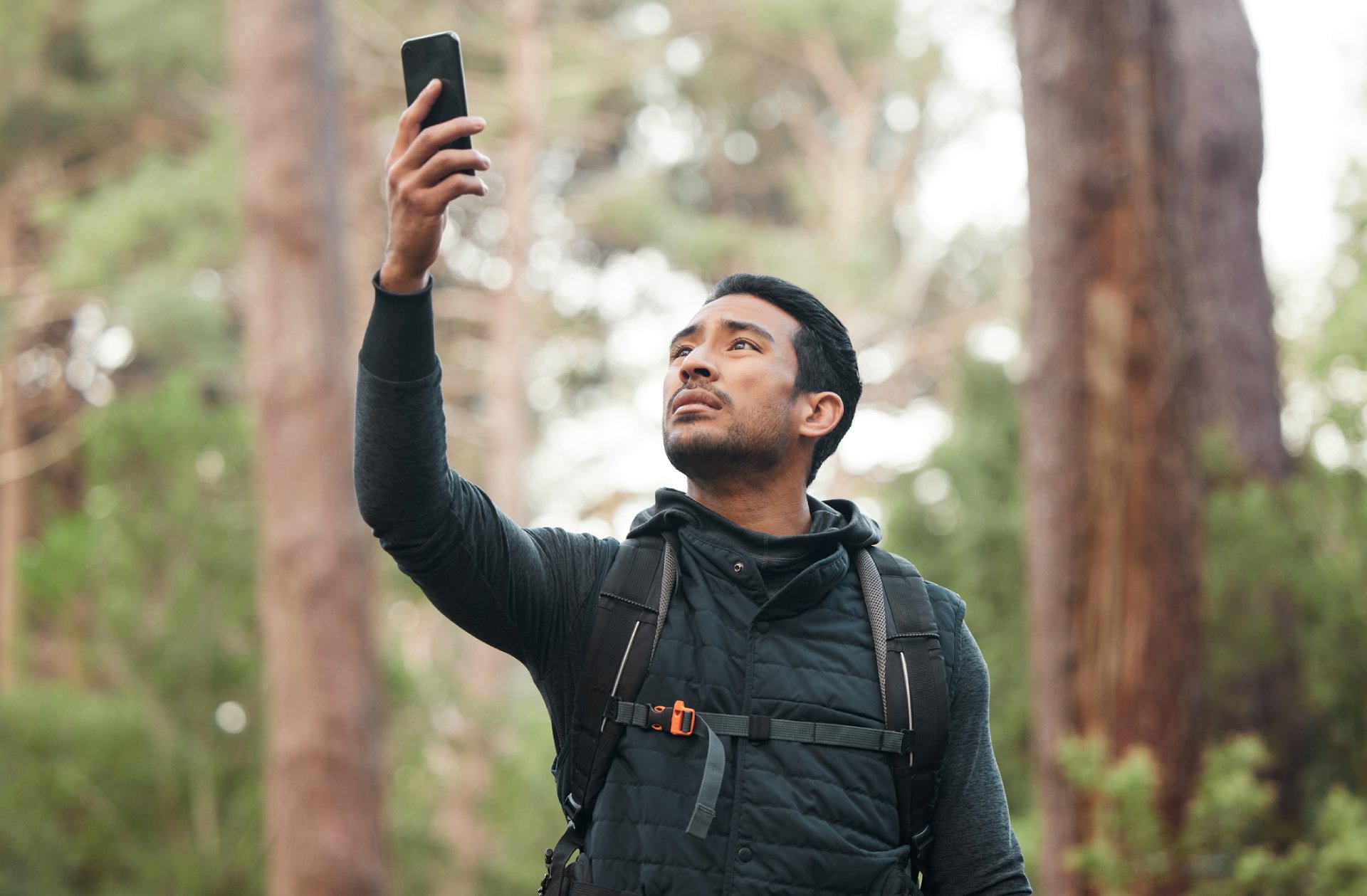

(Lebanon, N.H. – October 28, 2024) A growing number of travelers are using artificial intelligence (AI) for trip planning, according to the Global Rescue Fall 2024 Traveler Sentiment and Safety Survey. The survey revealed that one-out-of-10 (11%) of the world’s most experienced travelers have started to incorporate AI tools into their travel preparation, with most finding it beneficial for research and itinerary suggestions.
“AI for travel is no longer a futuristic concept; it’s becoming a practical tool for travelers looking to streamline their trip planning,” said Dan Richards, CEO of The Global Rescue Companies and a member of the U.S. Travel and Tourism Advisory Board at the Department of Commerce. “While still in the early stages, AI is proving valuable for tasks such as destination research and itinerary building.”
Among those who used artificial intelligence for travel, nearly 70% rated the technology as “very useful” or “mostly useful,” showing a positive sentiment toward its functionality. Close to half of travelers (44%) used AI for basic research and a third (36%) found it helpful for suggesting itineraries based on specific parameters, such as trip length, activities, or budget.
“AI for research is enabling travelers to cut down the time it takes to sift through endless sources of information, helping them make better decisions faster,” Richards said. “It’s ideal for identifying the right destination and creating customized travel plans, especially for those short on time or planning complex itineraries.”
Other uses of artificial intelligence in travel planning included finding lodging, restaurants, and activities (10%) and coordinating flights (2%). While AI adoption in trip planning remains modest, the data suggest a steady increase in its application as travelers seek ways to simplify the process.
Travelers should be vigilant regarding AI use since it is a new source of scams. “The proliferation of AI is an impending threat to travel due to tech scams including deepfake cons, identity impersonation, or misleading travel advice from bots, putting travelers at risk of fraud, misinformation, or malicious intent when booking trips or managing itineraries,” said Harding Bush, former Navy SEAL and associate director security for Global Rescue.
Richards emphasized the evolving role of AI in the travel industry, noting that while most travelers still plan trips traditionally, those who have adopted AI tools are reaping its benefits. “We expect to see a continued rise in the use of AI for travel, particularly as the technology becomes more accessible and refined,” he added.
AI-powered systems are expected to play a significant role in enhancing international security checks with some of the early applications focusing on enhancing screening processes and threat detection. AI systems are being tested in several airports globally, including Dubai International Airport and JFK International Airport in New York.
Contact
Bill McIntyre at bmcintyre@globalrescue.com or +1 (202) 560-1195 (phone/text) for more information.
About the Global Rescue Traveler Sentiment and Safety Survey
Global Rescue, the leading travel risk and crisis response provider, surveyed more than 1.100 current and former members between October 1-20, 2024. The respondents revealed a variety of behaviors, attitudes and preferences regarding current and future travel.
About Global Rescue
The Global Rescue Companies are the world’s leading provider of medical, security, evacuation and travel risk management services to enterprises, governments and individuals. Founded in 2004, Global Rescue has exclusive relationships with the Johns Hopkins Emergency Medicine Division of Special Operations and Elite Medical Group. Global Rescue provides best-in-class services that identify, monitor and respond to client medical and security crises. Global Rescue has provided medical and security support to its clients, including Fortune 500 companies, governments and academic institutions, during every globally significant crisis of the last two decades. For more information, visit www.globalrescue.com.
Categories:
NewsOctober 25, 2024
(Lebanon, NH – October 24, 2024) – Travel Weekly, the most influential B2B travel industry news resource, awarded Global Rescue, the world’s leading provider of medical, security, evacuation and travel risk management services, three 2024 Gold Magellan Awards for its travel solutions.
“The entries that are recognized in the 17th annual Travel Weekly Magellan Awards demonstrate that the industry is more than up to the task of attracting traveler attention amidst a din of competing messages” said Arnie Weissmann, editor in chief of Travel Weekly. “This year’s winners have impressed me like none that came before. We had a record-breaking number of entries this year, and the creativity and innovative approaches wowed the judges.”
- Magellan Gold was awarded to Global Rescue in the Promotional Video 2024 category. “Video is essential for communicating travel risk services today because it provides clear, engaging, and easily digestible information that can visually demonstrate potential risks, safety protocols, and emergency procedures. Through video, travelers can better understand complex topics, enabling faster decision-making and increasing awareness of critical services in high-risk situations,” said Allie Savage, video producer at Global Rescue. The winning videos are: A Medical Evacuation Services Testimonial, an Intelligence Delivery App Sizzle Reel, and a Total Care Testimonial.
- Judges selected Global Rescue to receive a Gold Magellan Award in the Social Media 2024 category. “Social media is crucial for communicating travel risk services because it enables real-time updates, fosters engagement, and reaches a broad audience instantly. Through platforms like Instagram, Twitter, and Facebook, Global Rescue can quickly share alerts, tips, and visual content that grabs attention and encourages sharing, helping travelers stay informed and prepared,” said Charles McCarthy, associate manager at Global Rescue. Individuals can subscribe to Global Rescue’s Facebook page here, LinkedIn here, and Instagram here.
- Global Rescue’s e-Newsletter Programs won Magellan Gold in the Newsletters 2024 category. “E-newsletters for corporate clients and business travelers are crucial as they provide timely updates on travel policies, industry trends, and corporate travel solutions, fostering better-informed decision-making and ensuring smooth, compliant, and efficient travel management,” said Meghan Mahoney, director at Global Rescue. “Consumer and channel partner e-newsletters are essential for travel segments like adventure and leisure travelers because they provide targeted, personalized updates on travel trends, safety tips, exclusive offers, and destination highlights,” said Samantha Hosking, associate director at Global Rescue. Newsletters foster engaged direct communication and build trust by delivering relevant information that enhances traveler experiences, whether planning an adventure trip, a relaxing getaway, or a business journey. Travelers can subscribe to Global Rescue’s newsletters here.
“It is an honor to be recognized for so many Global Rescue initiatives that support and inspire people to travel boldly and take in all that the world has to offer while enjoying the peace of mind that comes from knowing we will rescue you from the point of illness or injury whenever and wherever you need it,” said Michael Holmes, vice president at Global Rescue.
About the Magellan Awards
Travel Weekly annual Magellan Awards honor outstanding creativity, design, marketing and services for travel advisors, travel agencies, public relations and advertising agencies and industry suppliers. Travel Weekly is the most influential provider of news, research, opinion and analysis to the North American travel trade marketplace. It reaches a broad industry audience in print, online and with face-to-face events throughout the year. Travel Weekly is a part of Northstar Travel Group, the leading B-to-B media company providing information and marketing solutions for the global travel industry. Northstar Travel Group is based in Rutherford, NJ, and more information is available at northstartravelgroup.com
About Global Rescue
Global Rescue is the world’s leading provider of medical, security, evacuation and travel risk management services to enterprises, governments and individuals. Founded in 2004, Global Rescue has exclusive relationships with the Johns Hopkins Emergency Medicine Division of Special Operations and Elite Medical Group. Global Rescue provides best-in-class services that identify, monitor and respond to client medical and security crises. Global Rescue has provided medical and security support to its clients, including Fortune 500 companies, governments and academic institutions, during every globally significant crisis of the last two decades. For more information, visit www.globalrescue.com.
Categories:
Places & PartnersTravelOctober 24, 2024

Article Highlights:
- The Yucatán Peninsula offers fantastic saltwater fly fishing for bonefish, permit and tarpon.
- Montana’s rivers provide world-class trout fishing with fewer crowds in the spring.
- The Seychelles offers challenging flats fishing for species like bonefish and giant trevally.
- Remote destinations like Tierra del Fuego and Mongolia offer adventure but come with healthcare access challenges.
Fly fishing is a sport that invites enthusiasts to some of the most stunning and remote destinations in the world, offering an experience like no other. Whether in search of trophy-sized trout or testing your skills against wild salmon, the world’s best fly fishing destinations provide a mix of adventure, natural beauty and incredible angling opportunities.

Hot Spots in the Americas
Canada
Canada’s wide rivers and lakes are ideal for fly fishing, with species ranging from brook and rainbow trout to northern pike. Quebec’s Gaspé Peninsula is a famed destination for Atlantic salmon, while British Columbia’s wild rivers offer opportunities for giant steelhead. Canada’s excellent healthcare system ensures you’re never too far from medical assistance. However, when venturing into remote wilderness areas, always have a plan for emergencies, and carry necessary gear for safe travel.
Chile
Chile is one of the best-kept secrets of the fly fishing world. With rivers like the Río Futaleufú and the Río Yelcho, Chile offers outstanding trout fishing in stunning Patagonian surroundings. Here, anglers can target browns, rainbows and brook trout while casting amid breathtaking vistas. Chile’s remote fly fishing lodges, however, are often far from major medical facilities, so it’s critical to bring a comprehensive first aid kit and travel with a reputable guide service.
Alaska
Alaska offers the ultimate wilderness fly fishing experience. The state is famous for its salmon runs, which bring enormous king, silver and sockeye salmon into its rivers. Along with trout and arctic char, Alaska is a dream for fly anglers who want a combination of wilderness and spectacular fishing opportunities. But its sheer remoteness can pose risks; medical help may be far away, so anglers should travel with satellite phones and ensure they have a well-stocked first aid kit.
Tierra del Fuego
The southernmost tip of South America, Tierra del Fuego, offers one of the world’s most rugged and challenging fly fishing destinations. This region is known for its sea-run brown trout, with specimens reaching massive sizes. The wind can be unforgiving, and weather conditions harsh, but for those looking for a true adventure, there’s nothing quite like fly fishing in these waters. Be aware that the region’s remoteness means access to medical care is limited, so it’s wise to have travel insurance and medical evacuation options in place.
Mexico
Mexico’s Yucatán Peninsula is a fly fishing paradise, known for its saltwater fly fishing trips targeting bonefish, permit and tarpon. The flats of Ascension Bay are a prime destination, where the shallow waters teem with species ideal for catch-and-release fly fishing. Anglers often rave about the spectacular weather and the ease of access to guided tours, while enjoying nearby amenities for a relaxing stay after a day on the water. Stay hydrated and use sun protection, as the tropical sun can be unforgiving.
Argentina
Argentina’s Patagonia region is another hotspot for fly fishing, especially along the Rio Malleo, Rio Chimehuín and Rio Traful. Known for its abundant brown and rainbow trout, Argentina is a paradise for anglers seeking serenity and solitude. Many outfitters offer luxurious lodges, but it’s important to know that Argentina’s healthcare system in more remote areas can be limited. Travelers should make arrangements for emergency medical care, especially if venturing far from larger cities.
Montana
Montana is a fly fishing mecca for trout anglers from around the world. The state’s expansive rivers, including the Madison, Yellowstone and Gallatin, provide perfect conditions for landing rainbow, brown, and cutthroat trout. Spring and early summer are prime seasons, with crystal-clear water and hatches that make trout feeding frenzies common. As highlighted in Spring Fling: A Fine Time To Fly Fish, spring is ideal in northern U.S. locations like Montana, when the post-winter calm brings fewer crowds and hungry fish. Be prepared for rapidly changing weather conditions, as temperatures in Montana can shift quickly.

More Global Hotspots
Fly Fishing in the Seychelles
For a unique saltwater fly fishing experience, look no further than the Seychelles in the Indian Ocean. This archipelago is renowned for its diversity of fish species, including bonefish, giant trevally and milkfish. The flats are challenging, offering clear waters and pristine environments perfect for sight fishing. The Seychelles is considered one of the world’s most coveted fly fishing destinations, but it can be physically demanding due to the tropical climate and challenging terrain, so ensure you’re in good health and prepared for long days wading in the sun.
New Zealand
New Zealand is famed for its world-class fly fishing opportunities, especially for trophy-sized brown and rainbow trout. The crystal-clear streams of the South Island are legendary among fly fishers. Here, the fishing is often technical, requiring precise casting and presentation to outwit wary fish. New Zealand’s dramatic landscapes enhance the experience, with each cast against a backdrop of towering mountains and rolling hills. Make sure to pack for all types of weather, as New Zealand can be unpredictable. Carry first aid essentials, especially if trekking to more remote spots.
Mongolia
Mongolia offers one of the most exotic fly fishing trips in the world. The country’s pristine rivers are home to the taimen, the world’s largest trout, capable of reaching lengths of up to 6 feet. The country’s isolation, combined with the challenge of catching these enormous fish, makes Mongolia a bucket-list destination for many anglers. While the scenery is stunning, Mongolia’s healthcare facilities are few and far between. Emergency medical support is often hours or even days away, making it essential to travel with a well-prepared guide and consider services like Global Rescue for peace of mind.
Iceland
Iceland offers one of the most visually stunning fly fishing experiences in the world, with opportunities to catch Atlantic salmon, brown trout and Arctic char. The country’s strict fishing regulations and pristine environments ensure that Iceland remains a fly fishing paradise. The rugged terrain and isolation in parts of Iceland mean that getting injured can pose significant challenges. Always travel with a guide, and ensure you have comprehensive travel insurance and access to medical evacuation services if needed.
Health and Safety Considerations
No matter where your fly fishing adventures take you, ensuring your health and safety is a top priority. Carrying a first aid kit, knowing your surroundings and understanding local healthcare access are all essential for a safe and enjoyable trip. Risks like dehydration, altitude sickness and accidents on rugged terrain can happen unexpectedly, so make sure you are prepared for the challenges of each location.
[Related Reading: What’s in Your Fishing First Aid Kit? ]
Fishing isn’t as high risk as some sports. “We do not see many fishing injuries,” said Jeffrey Weinstein, medical operations supervisor at Global Rescue. “I would say the most frequent are hook-related or falls.”
Weinstein, with training and experience in austere medicine and wilderness rescue, likes to be prepared for all possible situations.
“People may be on prolonged fishing expeditions, possibly at sea or in remote areas,” he said. “Minor injuries can become big issues if left uncared for while trying to get out of a remote area.” A Global Rescue travel protection membership includes emergency rescue, evacuation and medical advisory.

Safety Tip: Pack a Medi-Pack
Global Rescue Safe Travel partners, like The Fly Shophttps://www.theflyshop.com/ in Redding, California, know what anglers need to stay safe.
Patrick Pendergast is the director of international travel at The Fly Shop, a leading fly fishing outfitter, travel agent and retail store. He always carries the Northwest River Supply Paddler Medical Kit while fishing.
“It comes in a waterproof dry bag and has most of the essentials you would need,” Pendergast said.
Amy Ray, president of The Sisterhood of the Outdoors, a company dedicated to creating opportunities for women to hunt, fish and learn to shoot, also brings something sharp with her on fishing trips: “Wire snappers if you have to push a barb through your finger.” “Where we go, you can’t walk out,” Ray said. “Although we’re most often dealing with cuts and scrapes — a slip of a knife is the most common injury — it’s important to have the basics with you at all times.”
Weinstein recommends vacuum sealing different modules within your fishing first aid kit to protect it from water exposure.
“I would vacuum seal a medications module, a bandaging module, etc. You can cut a little triangular notch in the side to make it easier to rip open when needed,” he said. “Then I would vacuum seal the entire bag. This way if you open one module for something everything else is still protected. I would also carry extra zip-lock bags to seal an opened module.”
Fly fishing is more than just a sport—it’s an adventure that takes you to some of the most awe-inspiring corners of the globe. Whether you’re chasing trout in the streams of Montana, hunting for taimen in Mongolia or casting for bonefish in the Seychelles, each destination offers its unique challenges and rewards. Always ensure you’re prepared for the unexpected by taking precautions, staying informed about local health and safety conditions and considering travel protection services like Global Rescue.
Categories:
TravelOctober 23, 2024
Article Highlights:
- Always declare duty-free goods that exceed your exemption limit.
- Know the new customs rules, including electronic declarations.
- Prohibited items include certain food products, drugs and wildlife goods.
- Mistakes like underreporting goods or failing to declare currency can lead to fines.
- Global Rescue provides customs information and travel advisory services.
When traveling internationally, returning to your home country can sometimes be the trickiest part of your journey. One of the most important, and often misunderstood, aspects of re-entering your home country is dealing with customs regulations. Whether you’re returning to the U.S., Canada or the European Union (EU), knowing what to declare and what items are prohibited can save you time, money and potential legal issues.
Declaring Items at Customs: What’s Duty-Free?
International travelers are often confused about what they need to declare at customs when re-entering their home country. Customs regulations can vary depending on where you’re from, but there are general rules that all travelers should be aware of.
Many travelers take advantage of duty-free shops while abroad. The term “duty-free” refers to goods that are exempt from certain local or national taxes. However, when returning to your home country, even duty-free items may need to be declared, depending on their value and quantity. Each country has its rules on how much you can bring back duty-free.
Alcohol and tobacco are two common categories of goods purchased at duty-free shops. In most countries, there are strict limits on the quantities of these items you can bring back duty-free. For example, U.S. Customs and Border Patrol (CBP) allows travelers to bring back one liter of alcohol duty-free, but more than that must be declared and may incur customs duties.
Items purchased abroad for personal use or as gifts are subject to customs regulations. Generally, you must declare any items you are bringing back, even if they are gifts, and you may be required to pay duties on goods that exceed your personal exemption limit.
New Rules and Changes in Customs Regulations
Customs regulations evolve, and staying up-to-date is crucial for avoiding penalties. Recent updates have affected international travelers from the U.S., Canada and the EU.
U.S. Customs: As of June 17, 2024, CBP permits travelers to enter the United States with tomatoes and peppers for personal use from most countries. Since 2022, CBP has encouraged travelers to use the Mobile Passport Control (MPC) app, which allows U.S. citizens to submit their customs declarations digitally before arrival. This expedites the process and reduces waiting times at customs checkpoints.
Canadian Customs: As of January 8, 2024, stricter measures were implemented by The Canada Border Services Agency (CBSA) for elephant tusk (ivory) and rhinoceros horn parts or products moving across the Canadian border. New permit requirements will impact raw items (including hunting trophies) and worked personal and household effects. The CBSA now has a Customs Declaration App that allows travelers to submit their information before landing. It also provides information on personal exemption limits, ensuring travelers don’t exceed duty-free allowances when shopping abroad.
EU Customs: In the European Union, new regulations have increased scrutiny on luxury goods and electronics brought back by travelers. Additionally, stricter environmental regulations now restrict the import of certain wildlife products, such as ivory and exotic animal skins.
What To Declare at Customs?
When returning home, travelers must declare a wide range of items. Here are some key things you need to declare:
- Currency: Most countries require travelers to declare large sums of currency. For instance, in the U.S. and Canada, amounts over $10,000 must be reported to customs. Similarly, EU Customs requires travelers to declare any amount over €10,000.
- Food Products: Certain food items must be declared and are sometimes prohibited. For example, fresh fruits, vegetables, meats and dairy products are often restricted or banned by customs in many countries due to concerns about pests and diseases.
- Luxury Goods: Expensive jewelry, watches and electronics may need to be declared if they exceed personal exemption limits. Even if purchased at a duty-free shop, these items can still incur duties upon return.
- Tobacco and Alcohol: As mentioned, tobacco and alcohol are heavily regulated. Check the limits for your country before making large purchases at a duty-free shop.
Prohibited Items
Certain items are outright prohibited from being brought into the U.S., Canada or the EU. It’s essential to know what’s not allowed before you travel to avoid hefty fines or other penalties.
Illegal drugs, including recreational drugs like marijuana, are prohibited – even if they are legal in the country where you purchased them. Drug laws are often more stringent in countries like the U.S., and failure to comply can lead to severe penalties.
Many countries, including the U.S., Canada and the EU, prohibit the import of products made from endangered animals or plants. These can include items like ivory, coral and certain types of wood.
Firearms, ammunition and certain types of knives are prohibited in many countries unless you have prior approval from the government. Failure to declare these items can result in significant legal penalties.
Mistakes Travelers Make and Their Consequences
Travelers returning home often make mistakes when navigating customs regulations, the most common errors include failure to declare all items. Many travelers believe that items purchased in duty-free shops don’t need to be declared. Goods exceeding the duty-free limit must be declared. Travelers should research and understand the personal exemption limits. Different countries have different exemption limits. Failing to understand these limits can result in unexpected duty costs.
Some travelers unknowingly bring prohibited items, such as certain food products or plants. Failing to declare these can result in fines and confiscation. Forgetting to declare large sums of currency can lead to hefty fines and seizure of the money.
Did you undervalue a gift or other purchase? Trying to avoid paying duties by underreporting the value of goods is a serious offense. Customs officers can seize your goods, and you may face fines or other penalties.
The penalties for failing to comply with customs regulations can be severe. In the U.S., penalties range from fines to confiscation of goods, and in extreme cases, prosecution. Canadian Customs and EU Customs enforce similar penalties for non-compliance.
How to Avoid Customs Hassles
- Be Honest and Thorough: Always declare your items, even if unsure whether they are subject to duties.
- Know the Rules: Familiarize yourself with the customs regulations of your home country and any countries you visit.
- Use Technology: Take advantage of customs apps and online declaration systems to speed up the process.
- Pack Smart: Be mindful of what you pack, especially food, alcohol and tobacco.
- Plan for Taxes and Duties: If you plan to buy expensive items abroad, be prepared to pay duties when returning home.
The Global Rescue Connection
Traveling internationally can be exciting, but customs regulations can complicate your return. To make your journey smoother, consider investing in a Global Rescue membership, which provides comprehensive travel advisory services. Members can access destination reports that include customs regulations, prohibited items and personal safety advice.
Whether you’re navigating U.S., Canadian or EU Customs, Global Rescue offers you peace of mind by helping you avoid pitfalls, stay informed and ensure a safe and successful trip home.
Categories:
Places & PartnersTravelOctober 22, 2024
Article Highlights:
Pros and Cons of Visiting: The Galápagos offers unique wildlife and adventure but can be expensive and remote.
Best Time To Visit: Wildlife sightings vary by season, with different species active year-round.
Medical Resources: Limited healthcare on the islands; serious cases require evacuation to mainland Ecuador.
Packing Tips: Motion sickness meds, sun protection and lightweight clothing are essential for cruise travelers.
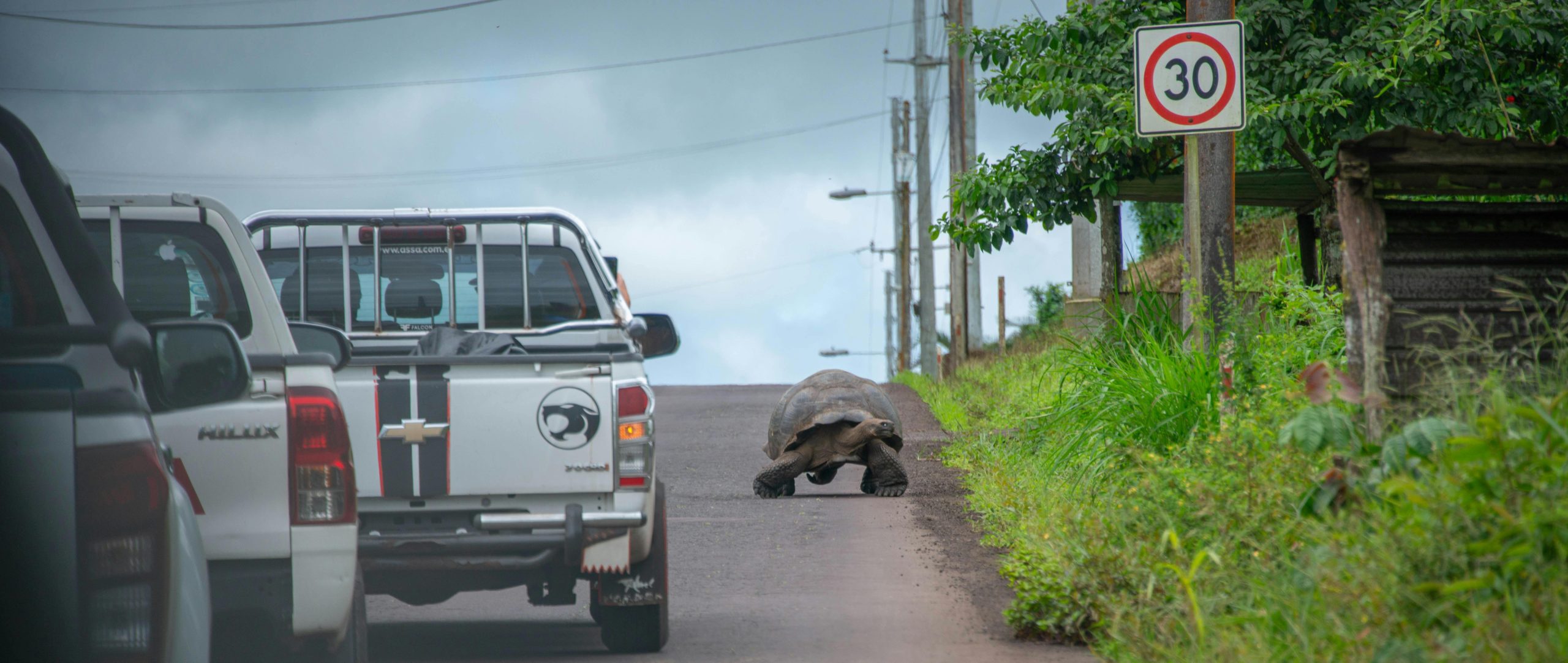
The Galápagos Islands, located off the coast of Ecuador, are renowned for their unique wildlife, pristine landscapes, and one-of-a-kind ecosystems. For many, a trip to the Galápagos in Ecuador is a once-in-a-lifetime experience. But is it the right destination for every traveler? Knowing the pros and cons for American, Canadian and European visitors as well as the best time to visit and what to expect if you need medical assistance while exploring the archipelago is essential.

Galapagos Islands for Leisure, Adventure and Business Travel
The Galápagos Islands are primarily a destination for leisure and adventure travelers. The archipelago offers an unparalleled opportunity to see unique wildlife, trek through stunning landscapes and enjoy marine activities like snorkeling and diving. While the islands aren’t a common destination for business travel, the region is increasingly hosting eco-tourism conferences and sustainability workshops, attracting professionals in those fields.
For those seeking adventure, there’s no shortage of activities—from hiking volcanic trails to swimming with sea lions. Leisure travelers can relax on pristine beaches or take guided tours to witness rare species in their natural habitat. However, the Galápagos in Ecuador is not ideal for travelers seeking luxury amenities or fast-paced urban experiences. It’s a destination where nature and environmental preservation take precedence.
Best Time To Visit the Galápagos Islands
Deciding when to visit the Galápagos Islands depends on what you want to do and see. Wildlife activity varies throughout the year:
- January to March: Ideal for seeing turtles laying eggs, penguins courting and flamingos nesting.
- April to June: Great for witnessing baby turtles hatching, sea lion pups playing and albatross arrivals.
- July to September: Iguana hatchlings and whale watching are popular during these months, along with cooler, drier weather.
- October to December: Sea life flourishes during this time, and you can still spot penguins, sea lions and other marine species.

Explore the Galapagos Islands by Land vs. Sea
One of the key decisions travelers must make when visiting the Galápagos Islands is whether to take a land-based or boat-based trip.
Staying at a hotel on one of the main islands—Santa Cruz, San Cristóbal, or Isabela—allows for more flexibility in planning your days. You can explore the local towns, dine at restaurants and take day trips to nearby islands. This option is generally more affordable and allows for a more relaxed pace.
Many experts recommend cruising from island to island as the best way to see everything. Cruises offer access to remote areas that are difficult to reach on day trips. You’ll have the chance to see diverse landscapes, marine life and wildlife, both on land and underwater. However, cruises can be more expensive and less flexible than land-based trips.

Wildlife Activities and Off-the-Beaten-Path Adventures
The Galápagos Islands offer a wide variety of activities for nature lovers. Some popular activities include snorkeling and diving with sea turtles, sharks and marine iguanas in crystal-clear waters. Travelers can explore the volcanic landscapes and visit iconic sites like Sierra Negra Volcano or Bartolomé Island.
There’s plenty of wildlife viewing to see giant tortoises, blue-footed boobies and sea lions up close. For those seeking more off-the-beaten-path experiences, consider visiting lesser-known islands like Genovesa or Fernandina, or take a guided night tour to see nocturnal wildlife.
Pros and Cons of Visiting the Galápagos Islands
Pros include seeing unmatched wildlife up close. The Galápagos Islands are home to species you won’t find anywhere else in the world, including giant tortoises, marine iguanas, and blue-footed boobies. Expect a conservation focus. Tourism is highly regulated to protect the fragile ecosystems, so travelers can experience unspoiled nature while supporting conservation efforts.
There are plenty of adventure opportunities. Whether snorkeling, hiking or kayaking, the Galápagos features plenty of outdoor adventure.
It’s a year-round destination with wildlife activity every season, and you can choose between a land-based or a boat-based adventure to suit your interests, comfort level and budget. There are strict regulations. While these rules protect the environment, they can limit spontaneity. Visitors must stay within designated areas and follow strict schedules. Since the pandemic, visitor numbers have surged, sometimes leading to overcrowded popular sites.
The Galápagos Islands can be expensive. Flights, tours, park fees and accommodations add up quickly, making it less budget-friendly. There is limited accessibility. Due to its remote location, getting to the Galápagos can be a long journey, especially for international travelers from the U.S., Canada and Europe.
And, while no one expects to get sick or injured during a trip of a lifetime, travelers should know that medical resources on the islands are limited, so serious medical emergencies might require evacuation to mainland Ecuador.

Emergency Resources and Medical Assistance in the Galápagos
The Galápagos Islands have limited emergency first responder resources. There are small medical clinics on the main islands (Santa Cruz, San Cristóbal and Isabela), but they are not equipped to handle serious medical emergencies. In the case of severe illness or injury, travelers may need to be medically evacuated to mainland Ecuador for appropriate care.
Travelers should carry essential medications and consider purchasing a Global Rescue membership for field rescue, medical evacuation and medical advisory services. The hospitals on the islands are basic, and medical staff may not be fluent in English, adding a potential language barrier. If you get sick or injured, it’s crucial to seek assistance quickly and be prepared for limited facilities.
- Vaccinations: Make sure your vaccinations are current, especially for hepatitis A, typhoid and tetanus. Consult with your doctor before traveling.
- Crime Risks: While the Galápagos Islands are generally safe, petty theft can occur. Keep your belongings secure, especially in larger towns like Puerto Ayora.
- How To Get There: Travelers fly into Quito or Guayaquil and take a connecting flight to the Galápagos Islands. It’s important to note that flights to the Galápagos are regulated, and all visitors must pay a park entry fee upon arrival.
Global Rescue Membership for Galápagos Travel
When visiting remote locations like the Galápagos Islands, it’s important to be prepared for unexpected medical situations. Global Rescue offers custom destination reports covering everything from local currency and common scams to health and safety advice. With a Global Rescue travel membership, you’ll have access to the following services at no charge:
- Field rescue from the point of illness or injury in case of a medical emergency
- Medical evacuation to the nearest appropriate facility, if necessary
- 24/7 medical advisory services to guide you through any health-related challenges while traveling.
A Global Rescue membership provides peace of mind, ensuring that no matter where you are in the Galápagos Islands, you’ll have access to the help you need.
(Lebanon, N.H. – October 21, 2024) Inflation in the U.S. is cooling off and it’s contributing to fewer postponed or canceled trips, according to a survey of the world’s most experienced travelers. The Bureau of Labor Statistics Consumer Price Index reported inflation dropped to a three-year low compared to the 9% inflation rate in 2022.
The lower inflation rate appears to contribute to increased travel. The Fall 2024 Global Rescue Traveler Sentiment and Safety Survey revealed that more than eight-out-of-10 travelers (83%) did not cancel or postpone their travel plans due to inflation in 2024. More importantly, the 12% who pointed to inflation as a reason for canceling or postponing international trips this year is a dramatic 40% decrease compared to the same period in 2022 when a fifth of travelers said inflation prompted trip terminations.
“This decline in travelers putting off trips suggests that lower inflation and a stabilizing economy encourages more travel, especially among people with financial sensitivities,” said Dan Richards, CEO of The Global Rescue Companies and a member of the U.S. Travel and Tourism Advisory Board at the U.S. Department of Commerce.
Travel desire continues to grow, becoming an increasingly higher priority for individuals since before the pandemic. More than half of travelers surveyed (53%) said travel is a higher priority, reflecting a 71% jump compared to six months ago when less than a third of respondents (31%) said travel was a higher priority today than pre-pandemic. “For many, the prolonged inability to travel ignited a new appreciation for exploring the world, fueling travel urgency and desire to make up for lost time,” Richards said.
The value of travel experiences continues to overshadow material possessions. Nearly eight-out-of-10 travelers (79%) revealed their overwhelming preference for travel experiences over commercial goods and physical assets, reflecting a 13% increase compared to survey results six months ago. “Travelers are trekking in Peru instead of trading in a Toyota for a Tesla. The societal shift toward valuing experiences over things has been gaining momentum for years, and continues to accelerate,” Richards said.
The robust recovery of the travel sector continues. According to the survey, 95% of respondents have already traveled in 2024, a result consistent with the 7% increase in 2024 TSA passenger travel volumes compared to the same period in 2019.
“This ongoing travel surge signals stable traveler confidence in travel safety and a resurgent desire to explore the world. To keep pace, officials at popular and new destinations need to manage the tourism resurgence and growth through responsive staffing, setting visitor limits, promoting off-peak travel, improving infrastructure, educating tourists and involving residents in tourism planning,” Richards said.
Contact
Bill McIntyre at bmcintyre@globalrescue.com or +1 (202) 560-1195 (phone/text) for more information.
About the Global Rescue Traveler Sentiment and Safety Survey
Global Rescue, the leading travel risk and crisis response provider, surveyed more than 1,100 current and former members between October 1-20, 2024. The respondents revealed a variety of behaviors, attitudes and preferences regarding current and future travel.
About Global Rescue
The Global Rescue Companies are the world’s leading provider of medical, security, evacuation and travel risk management services to enterprises, governments and individuals. Founded in 2004, Global Rescue has exclusive relationships with the Johns Hopkins Emergency Medicine Division of Special Operations and Elite Medical Group. Global Rescue provides best-in-class services that identify, monitor and respond to client medical and security crises. Global Rescue has provided medical and security support to its clients, including Fortune 500 companies, governments and academic institutions, during every globally significant crisis of the last two decades. For more information, visit www.globalrescue.com.
Categories:
Missions & Member TestimonialsOctober 21, 2024
Article Highlights:
- Global Rescue’s Critical Missions: Rapid medical evacuations across Kilimanjaro, Manaslu, Nepal, and more.
- Emergency Aid Worldwide: Lifesaving rescues for injured divers, trekkers, motorcyclists, and skiers.
- Altitude and Remote Area Response: Expert care for altitude sickness, decompression illness, and severe injuries.
The fall 2024 Himalayan climbing season accounted for many rescue operations due to illness and injury. High-altitude rescue also took place on Mount Kilimanjaro in Tanzania.
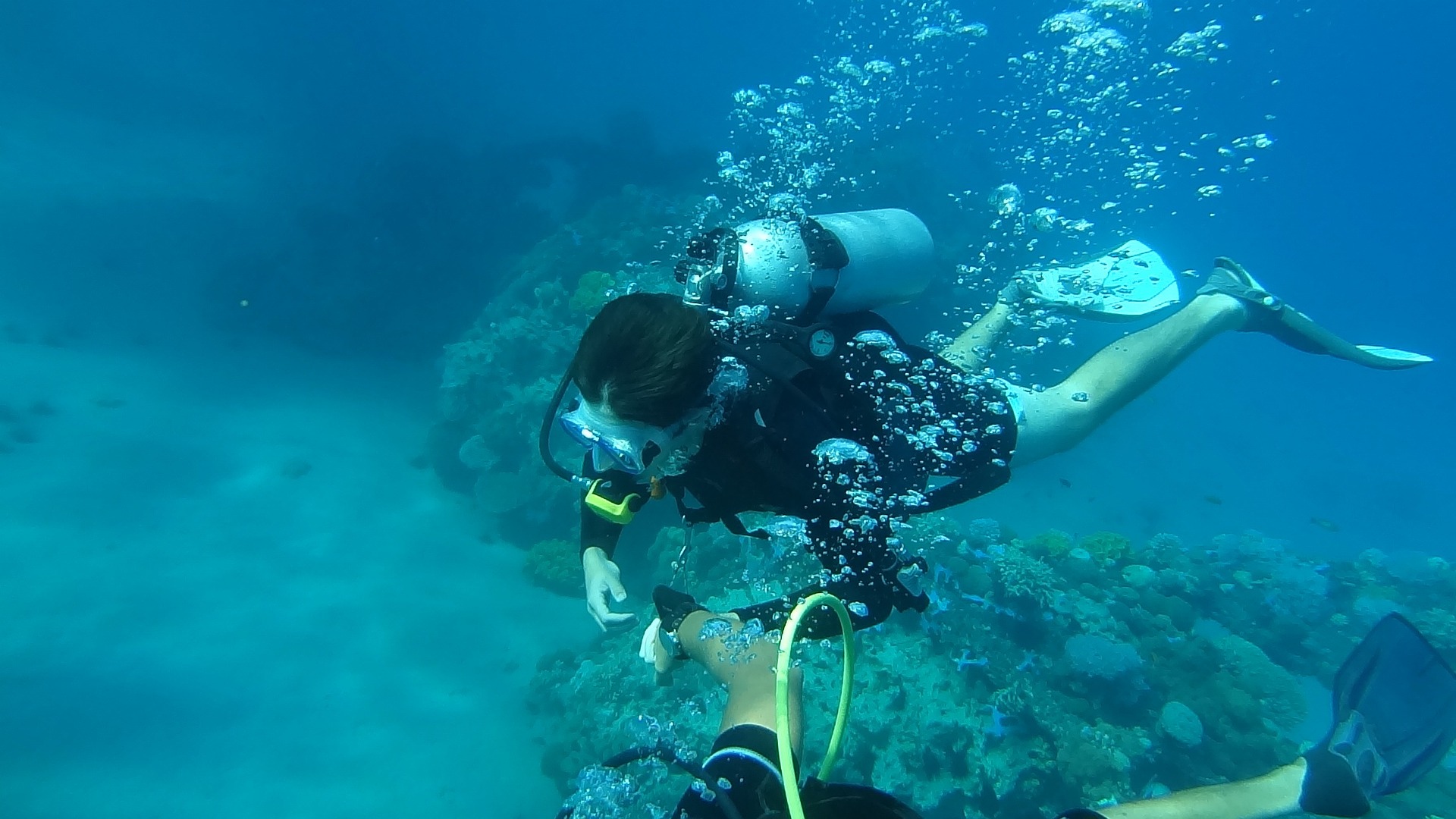
Elsewhere around the world, Global Rescue conducted field rescues and medical evacuations for injured skiers in Switzerland, scuba divers with decompression sickness in Fiji, trekkers in the Dolomites suffering from respiratory issues, and injured motorcyclists in Canada following accidents.
On average, Global Rescue conducts hundreds of life-saving operations each month. These cases demonstrate Global Rescue’s critical role in providing timely assistance to members worldwide.
Decompression Sickness in Fiji
On September 19, Global Rescue Operations received a report from a member who experienced symptoms of decompression sickness after diving near a remote island in Fiji. His symptoms, including chest pain and shortness of breath, required immediate medical intervention. The local doctor recommended hyperbaric oxygen therapy (HBOT), which was unavailable on the island. Global Rescue coordinated a sea-level flight to Suva, followed by ambulance transport to CWM Hospital, where the member received multiple HBOT sessions. After significant improvement, he was advised to wait 3-5 days before flying home.
Motorcycle Accident Triggers Medical Evacuation
On August 1, 2024, a U.S. member contacted Global Rescue following a motorcycle accident in Omak, Washington, resulting in a broken clavicle. After receiving initial treatment, the member chose to return home for surgery. Global Rescue doctors recommended business class air travel to prevent further injury. We made arrangements for ground transportation to Spokane International Airport and a flight to Denver, Colorado. The member’s transport proceeded without complications, and upon arrival in Denver, he confirmed that he was safely picked up by his family, reporting no additional concerns with his injuries.
Airborne Evacuations from Kilimanjaro
Multiple trekkers on Mount Kilimanjaro required emergency evacuations due to severe medical conditions. On September 8, a trekker at Gilman’s Point experienced critical chest pain and dangerously low oxygen levels, prompting a helicopter evacuation to a medical center in Kilimanjaro for treatment. A week later, another individual at Barafu Camp suffered breathing difficulties and other severe symptoms after summiting. They were transported by stretcher to Millennium Camp and then evacuated to a medical center for evaluation. The next day, a climber at Kikilewa Camp reported heat stroke symptoms, including chest pain, dehydration and low oxygen levels, and was also evacuated to a medical center in Kilimanjaro medical center for treatment. All members were successfully evacuated, received medical care and resumed recovery.
Ski Lift Accident in Switzerland
In September 2024, Global Rescue coordinated a medical evacuation for a 14-year-old female who suffered severe spinal injuries from a ski lift malfunction in Lausanne, Switzerland. After spinal surgery and critical care at Lausanne University Hospital, her condition remained critical with paraplegia and no significant improvement. Global Rescue’s medical team recommended her repatriation to Canada via air ambulance to the Children’s Hospital of Eastern Ontario. The mission, conducted on September 15, 2024, included medical staff and ground transport and was completed without complications.
Field Rescue in the Dolomites
On September 17, 2024, a 67-year-old trekker in the Italian Dolomites experienced severe respiratory issues, including difficulty breathing, chest tightness and fatigue. Initially, at Rifugio Monte Muro, she contacted Global Rescue for advice as her symptoms worsened despite medication. We authorized a field rescue and ground transportation to take her to Hotel Corona for medical consultation. After a negative COVID test, she was diagnosed with bronchitis and the flu and prescribed antibiotics. Following her recovery, she declined further follow-ups and expressed gratitude for the assistance provided.
Multiple Rescue Operations on Manaslu
Global Rescue conducted several rescues on Mount Manaslu in Nepal, due to altitude-related illnesses and injuries. The first operation was for a climber suffering from High Altitude Pulmonary Edema (HAPE) at Manaslu Base Camp. The individual, experiencing rapid breathing, chest pain and low oxygen saturation, was transported to a lower altitude at Samagaun for stabilization. However, the climber required additional medical attention, prompting Global Rescue to arrange an air evacuation to a hospital in Kathmandu. Following treatment for HAPE and dehydration, the climber opted to abort the expedition and return home, expressing gratitude for the care and coordination provided by Global Rescue.
Two days later, another evacuation was triggered for a climber at Manaslu Camp 1 who was experiencing severe back spasms and difficulty breathing. The climber was immobilized and unable to move due to the intense pain radiating to the lungs and ribs. Global Rescue authorized a helicopter rescue; however, poor weather conditions delayed the operation. A day later, the climber was successfully airlifted to a hospital in Kathmandu. Following an evaluation, the climber was diagnosed with altitude sickness and back pain. After receiving treatment, including IV medications, the climber’s condition improved, and they later rebooked their return flight to Australia.
A few days after that, a third incident occurred at Manaslu Camp 1. A climber sustained a severe ankle sprain and knee injury, rendering them unable to walk or descend. After a Global Rescue doctor evaluated the situation, we arranged a helicopter evacuation to transport the member to a nearby hospital. The climber was treated for a right ankle sprain and discharged with instructions for further recovery. In a separate incident, a climber at Manaslu Camp 3 suffered from Acute Mountain Sickness (AMS) and High-Altitude Cerebral Edema (HACE), resulting in breathing difficulties and nausea. Global Rescue authorized a helicopter evacuation to a nearby hospital. The climber was treated for AMS and frostbite on the fingers before being discharged.
Motorcycle Accident Medevac from British Columbia
On September 7, 2024, a member sustained a serious ankle injury during a motorcycle accident on the Stewart-Cassiar Highway, British Columbia. He was initially treated at Stewart Health Center for a broken and dislocated left ankle. Due to the remoteness of the location, we explored multiple transportation options to transfer him for further care at the University Hospital of Northern British Columbia. The patient ultimately opted for ground transport provided by Motoquest to Smithers, where Global Rescue arranged the remaining journey to Prince George. Following surgery, the patient was discharged on September 10 and independently arranged his return home.
Helicopter Evacuations in Nepal
A trekker in Khare, Nepal, sustained injuries from a fall, suffering head trauma and mobility issues. Global Rescue was notified and conducted an airborne field rescue of the member to a nearby hospital for treatment and recovery before returning to their home country, New Zealand. Two weeks later, Global Rescue was notified of another member showing symptoms of severe Acute Mountain Sickness (AMS) during a trek in Dolpa, Nepal. The member was vomiting with nausea, general weakness and low oxygen levels. She required helicopter evacuation to a nearby hospital in Kathmandu. After treatment, she declined further medical tests and was discharged.
Categories:
NewsOctober 20, 2024
Categories:
Places & PartnersTravelOctober 18, 2024
Article Highlights:
- Alaska and Mongolia offer some of the best freshwater fishing for salmon and taimen.
- Remote locations like the Amazon and Siberia offer unique fishing experiences but lack emergency medical care.
- European catfish in Spain’s Ebro River offer a thrilling challenge for anglers.
The world is full of incredible freshwater fishing destinations, each with its unique species, challenges, and rewards. Before you book your next freshwater fishing adventure, check out some of the best international freshwater fishing spots, the types of fish you can expect to catch and the challenges you might encounter when visiting certain remote or politically unstable regions.
The Best Freshwater Fishing Destinations
Alaska, USA
Alaska is a paradise for freshwater fishing, offering some of the best opportunities to catch freshwater salmon. The state’s rivers, such as the Kenai and the Kasilof, are teeming with all five species of Pacific salmon: king, silver, sockeye, pink and chum salmon. Additionally, Alaska’s pristine waters offer freshwater trout, Arctic grayling and freshwater shad. This destination attracts thousands of anglers annually looking for the thrill of landing a massive salmon in the wild.
Mongolia
Mongolia is famous for its remote fishing locations and untouched rivers, making it one of the best places to catch taimen, the world’s largest freshwater salmon. Taimen are known for their aggressive strikes and strength, making them a coveted catch for anglers who love a challenge. Mongolia’s rivers, such as the Delger Muron and the Eg-Ur, are remote but rewarding for those willing to venture into the wilderness.
Democratic Republic of Congo (DRC)
The DRC is currently listed as a “Level 3 – Reconsider Travel” by the U.S. Department of State due to crime and civil unrest, making travel to the country ill-advised. It’s an unfortunate circumstance for adventurers since the Congo River is one of the most remote and wild places for freshwater fishing. Anglers here can target the goliath tigerfish, a fearsome predator known for its size and sharp teeth. While the fishing is phenomenal, emergency medical care and emergency response capabilities in the DRC are limited, making it a high-risk location for anglers.
Freshwater fishing offers anglers a unique set of benefits and challenges, from the peace of being on a remote lake to the thrill of catching a giant European catfish. John Davis, a seasoned freshwater fishing guide, explains that “The beauty of freshwater fishing is that it connects you with nature in a way that no other sport can. There’s nothing quite like being on a river at sunrise, casting your line and feeling that tug on your reel.”
However, as Davis points out, freshwater fishing isn’t without its challenges. “It’s important to be prepared, especially if you’re fishing in remote locations. Make sure you plan for medical emergencies, especially if you’re targeting species like taimen in Mongolia or goliath tigerfish in the Congo.”
Spain
Spain is home to the giant European catfish, a fish that can grow to enormous sizes, making it a top destination for anglers who want to battle with one of the largest freshwater fish in the world. The Ebro River is the most famous spot for catching European catfish, with some specimens reaching over 200 pounds. Alongside catfish, Spain’s rivers and lakes also offer opportunities to catch carp and freshwater shad.
Brazil (Amazon Basin)
The Amazon Basin offers a unique freshwater fishing experience, where anglers can target peacock bass, piranha and freshwater catfish such as redtail catfish and piraíba (giant catfish). The Amazon’s remote waterways and stunning biodiversity attract adventurous anglers, but the region’s isolated location presents challenges, such as limited access to emergency medical care and logistical difficulties.
Norway
Norway is known for its incredible scenery and pristine rivers, which offer world-class fishing for Atlantic salmon. Freshwater fishing enthusiasts flock to rivers like the Gaula and the Namsen to catch trophy-sized salmon. Norway’s government tightly regulates its fishing industry to ensure the sustainability of its rivers, making it an ideal destination for responsible anglers.
Remote and Challenging Destinations for Freshwater Fishing
While freshwater fishing can take you to beautiful and serene locations, some of the best fishing spots are in regions with political instability, civil unrest or other safety concerns.
Sarah Jenkins, an angler who has fished in remote regions around the world, adds, “Freshwater fishing is incredibly rewarding, but it’s also a test of your patience and perseverance. The conditions aren’t always ideal, and sometimes it takes hours—or even days—to catch the fish you’re after. But when you finally land that big one, it makes all the hard work worth it.”
Here are some destinations where freshwater fishing is a bit more challenging due to these factors:
Myanmar (Burma)
Myanmar’s rivers and lakes are home to a variety of freshwater species, including freshwater catfish. The Irrawaddy River offers unique fishing experiences, but the country has experienced periods of political instability and civil unrest, particularly in remote regions. Access to medical care is limited in rural areas, and there may be language barriers when seeking assistance in an emergency.
Venezuela
Venezuela’s rivers, particularly in the Orinoco Basin, are rich in freshwater fish, including peacock bass and freshwater catfish. However, Venezuela’s ongoing political and economic crisis, coupled with high crime rates, makes it a challenging destination for tourists. Tourists are often targeted for theft, and emergency medical services may be inadequate, especially in remote fishing areas.
Russia (Siberia)
Russia is listed as a “do not travel” destination by the U.S. Department of State due to the consequences of the full-scale invasion of Ukraine by Russian military forces. But when, and if, travel to Russia opens up freshwater fishing in Siberia’s vast wilderness offers some of the most remote freshwater fishing opportunities in the world. Anglers can target taimen and Siberian sturgeon in the icy rivers of this expansive region. However, the extreme remoteness of Siberia means that emergency medical care is scarce, and evacuating an injured angler can be a logistical nightmare.
Bolivia
Bolivia is an excellent destination for freshwater fishing, especially for the golden dorado, which is considered one of the most prized game fish in South America. Bolivia’s rivers, particularly those in the Amazon Basin and its tributaries, provide prime habitats for this powerful and aggressive species.
Jim Klug, founder of Yellow Dog Flyfishing Adventures, knows well the risks involved when freshwater fishing in remote regions and suffering a serious injury. Klug was in the jungles of Bolivia to photograph and fish for Golden Dorado.
“We had made the trip to Tsimane’s Asunta River Lodge on the Secure River, one of the most remote and untouched areas in Bolivia. This is an area that is home to spectacular Golden Dorado – one of the largest, meanest and toughest fish found anywhere in the world of freshwater fishing,” he said.
Three days into the trip Klug was blinded and concussed after a 20-foot-long wooden pole used to maneuver the canoes along the Secure River freakishly whacked him in the eye. “I sustained a serious blunt force trauma injury to my right eye, which took out my vision entirely and left me with a serious concussion,” he said. “I received a healthy dose of reality that included a scary medical situation, a Global Rescue evac and two days in the hospital in Miami.”
The Global Rescue Connection
Fishing in remote areas like the Amazon, Mongolia or Siberia can be exhilarating, but it also comes with inherent risks. Many of these locations lack reliable access to emergency medical care, and local emergency response capabilities may be minimal at best.
Before embarking on a freshwater fishing adventure in these areas, it’s essential to have a comprehensive travel insurance plan and a reliable evacuation service.
At Global Rescue, we specialize in medical evacuations and rescue services, and emphasize the importance of preparation for remote fishing trips. “It’s not enough to rely on travel insurance,” says Dan Richards, CEO of Global Rescue. “In remote locations, you need a service that can deploy personnel to your location and get you the medical attention you need, quickly.”
Richards likens Global Rescue’s services to “AAA for your body,” explaining that in places like the Amazon Basin or the Siberian wilderness, traditional travel insurance may not be sufficient to cover the costs of medical evacuations or emergency response.
Categories:
Health & SafetyTravelOctober 17, 2024

Article Highlights:
- Safer Destinations: Canada, the Netherlands, and Iceland are among the safest destinations for LGBTQ travelers, offering progressive laws and inclusive communities.
- Risky Countries: Jamaica, Egypt, Uganda, Russia and Nigeria are some of the most dangerous destinations for LGBTQ travelers, with severe penalties for same-sex relationships.
- PDA Caution: LGBTQ travelers should be cautious of public displays of affection and adhere to local dress codes in conservative countries.
- The IGLTA is a valuable resource for LGBTQ travel planning, offering safety guides, trip planning help, and connections to LGBTQ-friendly businesses worldwide.
Traveling as an LGBTQ individual comes with unique challenges, especially when navigating a world where not all destinations are welcoming. According to the U.S. State Department, there are approximately 70 countries where consensual same-sex relationships are considered a crime, sometimes carrying severe punishments. This can make travel daunting for LGBTQ travelers, but with careful research and planning, it is still possible to find destinations that are safe and enjoyable for both business and leisure.
Expert Tips for LGBTQ Travel

Researching the best and most dangerous international LGBTQ travel destinations, highlighting key laws and cultural considerations, and gleaning practical advice on how to stay safe at international borders is essential.
Cameron Robinson, an LGBTQ travel writer, advises, “One of the best ways to ensure a safe and enjoyable trip is to understand the local laws and cultural expectations. Some countries may be LGBTQ friendly, but others may pose significant risks, so it’s crucial to know what to expect.”
Robinson also highlights the importance of community. “In destinations with a strong LGBTQ community, like Berlin or Amsterdam, you can connect with locals who can offer insights and advice on where to go and what to avoid. In less tolerant places, it’s a good idea to connect with LGBTQ travel forums online, where you can get real-time advice from people who have been there.”
Safer LGBTQ Travel Destinations
Several countries are celebrated for inclusivity and have developed reputations as safe and welcoming destinations for LGBTQ travelers. These locations offer progressive laws, LGBTQ-friendly businesses, and a vibrant culture that supports equality.
Canada
Canada is one of the most LGBTQ-friendly countries, with strong anti-discrimination laws and a welcoming culture. Same-sex marriage has been legal since 2005, and major cities like Toronto, Vancouver and Montreal host thriving LGBTQ communities and events. Toronto Pride and Vancouver Pride are some of the most inclusive festivals globally, attracting LGBTQ travelers from around the world.
The Netherlands
The Netherlands is often regarded as a leader in LGBTQ rights, being the first country to legalize same-sex marriage in 2001. Amsterdam is a prime destination for LGBTQ travelers, with its rich history of tolerance and inclusion. The city’s Canal Parade during Pride Amsterdam is world-renowned, and the country’s robust anti-discrimination laws make it a safe and welcoming destination for LGBTQ travelers.
Iceland
Iceland is a haven for LGBTQ travelers, with progressive laws and a welcoming society. Same-sex marriage was legalized in 2010, and the country consistently ranks high in global LGBTQ safety and inclusivity. Reykjavik, the capital, hosts the annual Reykjavik Pride, which draws large crowds and celebrates LGBTQ culture in a vibrant and supportive environment.
New Zealand
New Zealand is another LGBTQ-friendly destination. It legalized same-sex marriage in 2013, and its two largest cities, Wellington and Auckland, have strong LGBTQ communities. The country is known for its LGBTQ-friendly policies, anti-discrimination protections and inclusive cultural events.
Germany
Germany, particularly Berlin, has a thriving LGBTQ community. Berlin’s LGBTQ history is deeply rooted in its culture, and the city is known for its diverse nightlife, inclusive atmosphere and progressive laws. Same-sex marriage has been legal in Germany since 2017, and discrimination based on sexual orientation or gender identity is prohibited. Germany is a top LGBTQ travel destination for both business and leisure.
“Countries like Canada, New Zealand and the Netherlands are ideal for LGBTQ travelers because of their strong protections and vibrant communities. These destinations prioritize inclusivity and ensure that LGBTQ travelers can enjoy their trips without fear of discrimination,” Robinson said.
High-Risk LGBTQ Travel Destinations
While some countries are progressive in their approach to LGBTQ rights, others pose significant risks due to strict laws, cultural prejudices or dangerous environments. LGBTQ travelers must be particularly cautious when visiting these destinations.
Sarah Jennings, another LGBTQ travel expert, points out that safety should always be a priority. “If you’re traveling to a country where LGBTQ rights are not recognized, keep a low profile, avoid drawing attention to yourself and always have a backup plan in case of emergency.”
Russia
Russia is listed as a “do not travel” destination by the U.S. Department of State due to the consequences of the full-scale invasion of Ukraine by Russian military forces. But when, and if, travel to Russia opens up, travelers must remember Russia’s infamous “gay propaganda” law that criminalizes the promotion of LGBTQ rights, making it illegal to discuss or display LGBTQ issues publicly. LGBTQ travelers from any country should exercise extreme caution and avoid any public displays of affection. Russia is considered high-risk for LGBTQ travelers due to the lack of legal protections and the prevalence of anti-LGBTQ violence.
Nigeria
In Nigeria, same-sex relationships are criminalized, and LGBTQ individuals face imprisonment or even the death penalty under Sharia law in certain regions. There is no legal protection for LGBTQ individuals, and societal attitudes are deeply hostile. LGBTQ travelers should avoid Nigeria due to the high risk of persecution and violence.
Egypt
Egypt has been known for its targeted harassment and entrapment campaigns against LGBTQ individuals. Law enforcement agencies often monitor LGBTQ dating apps or social media platforms to identify and arrest individuals. LGBTQ travelers should avoid using such platforms while in the country and exercise extreme caution to avoid legal trouble.
Uganda
Uganda is notorious for its anti-LGBTQ laws, which impose harsh penalties on same-sex relationships. LGBTQ travelers face severe risks in Uganda, including harassment, violence, and arrest. As with other high-risk destinations, travelers should avoid any public discussion of LGBTQ topics and refrain from displaying affection.
Jamaica
Jamaica has a reputation for being one of the least safe Caribbean destinations for LGBTQ travelers. Same-sex sexual activity is illegal in Jamaica, and violence against LGBTQ individuals is not uncommon. LGBTQ travelers should exercise caution, avoid public displays of affection and be mindful of local attitudes toward LGBTQ issues.
Local Laws, Rules, and Cultural Behaviors To Consider
For LGBTQ travelers, understanding the laws and cultural norms of your destination is crucial. In countries with anti-LGBTQ laws, even seemingly innocent behaviors can attract unwanted attention or lead to legal trouble.
In many Western countries, public displays of affection (PDA) between same-sex couples are accepted. In countries with conservative social norms, however, such as those in the Middle East or Africa, PDA can result in harassment, arrest or worse. It’s essential to research the local attitudes toward LGBTQ behavior before traveling and adjust accordingly.
In countries, like Iran, strict dress codes based on gender can create difficulties for transgender or non-binary travelers. Violating these dress codes can lead to legal consequences or harassment. LGBTQ travelers should be mindful of local dress expectations and avoid drawing unwanted attention.
Some countries may have LGBTQ-friendly resorts or neighborhoods, but they may be segregated from the broader community. For instance, in Jamaica, there are a few LGBTQ-friendly resorts, but the wider culture remains largely hostile toward LGBTQ individuals. Travelers should be cautious when venturing outside of LGBTQ-friendly areas and avoid engaging in behaviors that might attract unwanted attention.
Border and Customs Behaviors Toward LGBTQ Travelers
In some countries, LGBTQ travelers may face discriminatory treatment at borders or customs, particularly if their gender expression does not match their passport or if they are traveling with a same-sex partner. Some border agents may ask invasive questions or subject travelers to additional screening based on their suspicion of LGBTQ identity.
If you are pulled aside at an international airport for suspicion of being LGBTQ, remain calm and cooperative, but also assert your rights. It’s essential to have the contact information of your embassy or consulate in case you need legal assistance. Your colleague or travel companion should stay nearby, observe the situation and be prepared to advocate on your behalf or seek legal help if necessary.
LGBTQ Travel Resources

IGLTA (International LGBTQ+ Travel Association) is the world’s leading network of LGBTQ-welcoming tourism businesses. They provide a wealth of resources for LGBTQ travelers, including safety guides, a same-sex marriage guide, trip planning help and connections to supportive businesses around the world. Before traveling, LGBTQ individuals can use IGLTA’s resources to find inclusive destinations, tours and accommodations.
IGLTA also offers guidance on staying safe in countries where LGBTQ rights are not recognized, as well as advice on how to handle difficult situations at borders or with local authorities.
LGBTQ travel requires careful planning and research to ensure a safe and enjoyable experience. While some destinations offer a welcoming environment, others pose significant risks. By understanding local laws, customs and the political landscape, LGBTQ travelers can make informed decisions and have a fulfilling travel experience.
The Global Rescue Connection
A Global Rescue membership provides more than emergency field rescue from the point of illness or injury and medical evacuation. Membership services include traveler assistance for finding legal counsel, visa and passport issues and translation services.
Members can obtain destination reports for 215 countries and territories worldwide to learn entry requirements, travel status and restrictions, detailed health and security assessments and required immunizations. Members can also keep up to date on health and security events worldwide by reviewing travel alerts on destination reports.