Share This:

What To Do If You Get Sick or Injured on the Inca Trail to Machu…

Essential tips for staying safe and handling emergencies on the Inca Trail.

Article Highlights:

  • Altitude Sickness is common for tourists walking the Inca Trail or climbing Machu Picchu.
  • Sprains, fractures and dehydration are common injuries for tourists hiking the Inca Trail.
  • Emergency field rescue and medical evacuations from remote areas like Machu Picchu may be necessary.
  • Language barriers may hinder a trip making translation apps helpful.
  • Low crime and food risks make Machu Picchu generally safe, but tourists should be cautious with food and water to avoid gastrointestinal issues.

Machu Picchu: A High-Altitude Hot Spot

Machu Picchu, the ancient Incan city nestled in the Peruvian Andes, is a must-see for travelers. The best time of year to go to Machu Picchu is April to October, during the dry season. This period is ideal for walking the Inca Trail and exploring the ruins, as the weather is mild and there’s less risk of rain. However, it’s also the busiest time.

Due to its high altitude and rugged terrain, the area presents unique challenges for tourists, particularly if they become sick or injured. If you’re hiking the Inca Trail to Machu Picchu or exploring the ruins, knowing what to do if you need medical assistance is crucial for a safe and enjoyable trip.


Illnesses and Injuries in Machu Picchu

Tourists visiting Machu Picchu or hiking the Inca Trail are susceptible to several common injuries and illnesses, especially altitude sickness. Machu Picchu sits at around 7,970 feet, and many tourists experience altitude sickness, which can cause headaches, nausea and shortness of breath. The symptoms may worsen as you walk the Inca Trail, which reaches heights of over 13,000 feet.

Sprains and fractures are common, too. The uneven and steep terrain of the Inca Trail hike increases the risk of sprains, twisted ankles and even fractures. A simple fall during the hike can lead to serious injuries that require evacuation.

The combination of the high altitude and the physical exertion needed while climbing Machu Picchu or walking the Inca Trail can lead to dehydration. Drinking plenty of water, especially when hiking, is essential. But be cautious when drinking local tap water – or eating improperly prepared food – which can lead to gastrointestinal illnesses (a.k.a. traveler’s diarrhea). While the food in Machu Picchu restaurants is generally safe, it’s wise to avoid street food and always drink bottled or purified water.


What You Need to Know About Peru’s Medical System in Machu Picchu

Peru’s healthcare system, while functional, may not meet the standards of tourists from the U.S., Canada or the U.K., Machu Picchu itself is a remote location, and medical facilities in the area are basic. The closest small clinic is located in the nearby town of Aguas Calientes, but it is not equipped to handle serious injuries or illnesses. If you are seriously injured or sick while hiking the Inca Trail, you will need to be evacuated to a larger hospital in Cusco, a city about four hours away by train or helicopter.

Hospitals in Cusco are better equipped but can still be limited in comparison to facilities in North America or the U.K. While some healthcare professionals may speak basic English, language barriers are common. Tourists should be prepared to use translation apps or bring someone who speaks Spanish, as communication can be challenging when discussing medical issues.

Peru’s first responder system operates differently than in the U.S. or the U.K. In Machu Picchu and along the Inca Trail, medical emergencies often require rescue operations conducted by local guides or tour companies. Helicopter evacuations may be necessary, but they can be delayed due to the area’s remote location and weather conditions. It’s essential to have comprehensive travel protection, like Global Rescue, which can organize and facilitate these evacuations when necessary.

Lois Friedland, an adventure travel writer, raised a key question: “Are you protected if you fall during a hike on the Inca Trail in Peru and need to be evacuated?” Unfortunately, many travelers assume their traditional travel insurance will cover them in such situations, only to learn too late that they are not fully protected. This is where specialized services like Global Rescue can step in.


How Global Rescue Can Help

Dan Richards, CEO and founder of Global Rescue, explained, “Global Rescue is not travel insurance; it’s more like AAA for your body, rather than your car.”

In the event of an injury or illness, Global Rescue will deploy personnel to your location if necessary, whether on the Inca Trail or in the middle of Machu Picchu. Unlike traditional travel insurance, which may only reimburse you after the fact, Global Rescue takes immediate action to assist.

“If a member experiences a medical emergency due to illness or injury during a hike on the Inca Trail, we arrange for someone to come get you,” Richards explained. This can make a lifesaving difference in remote areas like Machu Picchu, where immediate access to medical care is limited. In cases where evacuation is necessary, having Global Rescue ensures that help will arrive quickly, no matter how remote your location.


Lost City of the Incas: Low Crime, Good Food

Peru is generally safe for tourists, and Machu Picchu is one of the most visited and secure sites in the country. However, petty crimes like pickpocketing can occur, especially in busy areas like train stations and markets. While crime levels in Peru are higher in cities like Lima, Aguas Calientes and Machu Picchu are generally considered safe. Tourists are not usually targeted for violent crime, but they should still exercise caution, remain vigilant, keep valuables secure and avoid flashing expensive items like jewelry or electronics.

Peruvian cuisine is delicious and unique, but it can be quite different from what tourists from the U.S., Canada or the U.K. are used to. Machu Picchu restaurants often serve traditional dishes like lomo saltado (stir-fried beef) and aji de gallina (chicken in a creamy sauce). While most restaurants near Machu Picchu are clean and cater to international tourists, it’s still essential to be cautious. Always drink bottled water, avoid ice cubes and choose well-cooked food.

Public restrooms in tourist areas like Machu Picchu and Aguas Calientes are generally clean, but they can be basic. It’s a good idea to carry hand sanitizer and tissue, as some restrooms may not provide toilet paper.

Traveling to Machu Picchu is an incredible experience, but it comes with challenges. Before you travel, make sure you have travel protection for field rescue, medical evacuation and medical advisory. Whether you’re walking the Inca Trail, climbing Machu Picchu, or dining in local restaurants, being prepared for the unexpected will ensure that your trip is memorable for all the right reasons.

Share This:

Geopolitical Instability Emerges as Biggest Travel Risk for 2025, Survey Shows

(Lebanon, N.H. – Oct. 15, 2024) Travelers are becoming increasingly concerned about the evolving risks in international travel. Nearly a third of the world’s most experienced travelers (30%) revealed that geopolitical instability is their most…

(Lebanon, N.H. – Oct. 15, 2024) Travelers are becoming increasingly concerned about the evolving risks in international travel. Nearly a third of the world’s most experienced travelers (30%) revealed that geopolitical instability is their most significant perceived travel risk, according to the Global Rescue Fall 2024 Traveler Sentiment and Safety Survey. Respondents reported economic instability (12%) and terrorism (11%) as the next most concerning travel risks for 2025.

“From two ongoing wars to political and economic instability in multiple countries, travelers are keenly aware of how conflicts, currency destabilization and inflation can suddenly change the landscape of a destination,” said Dan Richards, CEO of The Global Rescue Companies and a member of the U.S. Travel and Tourism Advisory Board at the U.S. Department of Commerce. “It’s important for travelers to be informed and have contingency plans in place, especially when traveling to regions where risks are elevated.”

The survey revealed that more than half of travelers (51%) would obtain security extraction services when traveling to countries or regions where terrorism, civil unrest, or war is an ongoing threat. Travelers are paying close attention to official U.S. travel advisories. “Travelers are taking their safety more seriously than ever before,” said Harding Bush, former Navy SEAL and security director for Global Rescue. “Security extraction services are no longer viewed as optional for those who travel to high-risk areas. People want to know that they can get out of a dangerous situation quickly if necessary.”

Despite external travel threats like geopolitical instability, the survey identified that nearly half of travelers (45%) identified injury or illness as their biggest concern during international travel, making health risks the leading issue travelers worry about. Health and safety have always been a concern for travelers, but in today’s unpredictable global climate, it has become a top priority.

“Whether it’s falling ill or experiencing an injury abroad, travelers are becoming more aware of the importance of having robust support systems in place,” Richards said. “Having the right resources available—whether that’s safety advisory or medical evacuation—can make all the difference when facing an emergency abroad.”

Individuals are showing an increasing reliance on destination reports and travel advisories. International trip planning is no longer solely about securing restaurant reservations, now preemptive emergency medical and security planning is part of the smart traveler’s preparation,” Richards emphasized. “More travelers are proactively seeking advice and protection, even before departure, ensuring they are ready to respond to unpredicted crises.”

###

Contact

Bill McIntyre at bmcintyre@globalrescue.com or +1 (202) 560-1195 (phone/text) for more information.

About the Global Rescue Traveler Sentiment and Safety Survey

Global Rescue, the leading travel risk and crisis response provider, surveyed current and former members between October 1-5, 2024. The respondents revealed a variety of behaviors, attitudes and preferences regarding current and future travel.

About Global Rescue

The Global Rescue Companies are the world’s leading provider of medical, security, evacuation and travel risk management services to enterprises, governments and individuals. Founded in 2004, Global Rescue has exclusive relationships with the Johns Hopkins Emergency Medicine Division of Special Operations and Elite Medical Group. Global Rescue provides best-in-class services that identify, monitor and respond to client medical and security crises. Global Rescue has provided medical and security support to its clients, including Fortune 500 companies, governments and academic institutions, during every globally significant crisis of the last two decades. For more information, visit www.globalrescue.com.

Share This:

How Travel Alerts and Travel Advisories Shape Security Plans for International Travelers

Learn how the majority of travelers seek security services in high-risk areas as geopolitical and health concerns rise for 2025.

Article Highlights:

  • 51% of respondents of a recent Global Rescue survey would seek security extraction services when visiting high-risk regions with ongoing conflicts or civil unrest.
  • Travel Advisories Drive Decisions: Travelers are increasingly relying on travel advisories and destination reports to make informed decisions and prepare for potential risks.
  • Geopolitical instability tops the list of travel risks for 2025, with 30% of travelers identifying it as their most significant concern.
  • Security Extraction Services on the Rise: Over half of travelers (51%) seek security extraction services when traveling to regions with terrorism, war or civil unrest.
  • Proactive protection is on the rise, with more travelers incorporating security and medical evacuation services into their trip planning.


A new set of travel risks is emerging, according to the Global Rescue Fall 2024 Traveler Sentiment and Safety Survey. Among the world’s most experienced travelers, geopolitical instability has overtaken other concerns, with 30% of respondents citing it as the most significant risk when planning international travel. Issues such as political unrest, economic instability and conflict zones are also driving travelers to take precautions that were once seen as optional.

“From two ongoing wars to the growing political and economic instability in several regions, travelers are becoming acutely aware of how rapidly things can change in a destination,” says Dan Richards, CEO of The Global Rescue Companies and a member of the U.S. Travel and Tourism Advisory Board at the U.S. Department of Commerce. “It’s crucial for travelers to stay informed and have contingency plans in place, especially in regions where the risks are elevated.”


Travel Alerts Drive Emergency Service Requests

The survey revealed a growing reliance by travelers on travel alerts and destination reports as part of international trip planning. In addition to securing restaurant reservations or booking hotels, travelers are now incorporating emergency medical and security planning into their preparations, including reviewing travel advisories that provide essential information about risks associated with certain destinations.

The survey highlighted that traveler proximity to conflict zones significantly influences travelers’ decisions to obtain security extraction travel protection services. More than 38% of travelers would consider security extraction services when the U.S. State Department advises reconsidering travel or avoiding non-essential travel. Nearly 30% of respondents would opt for such services if they were in regions where terrorism or civil unrest is ongoing.

Richards emphasizes, “International trip planning is no longer just about finding the best restaurants. More travelers are actively seeking protection and advice before departure to ensure they are prepared for unexpected crises.”

Travelers can now access comprehensive destination reports that offer critical details about a country’s political, social and health environment. These reports also include information on healthcare facilities, emergency services, and safety protocols, allowing travelers to make informed decisions about their trips.


Travel Advisory Part of Pre-Trip Planning

Travelers are proactively seeking security and medical services as part of their overall travel plans, driven by a growing awareness of the unpredictable nature of international travel. This trend marks a shift in priorities, where safety planning has become just as important as leisure activities.

Harding Bush, former Navy SEAL and security director at Global Rescue highlights that “security extraction services are no longer an add-on for people venturing into the world’s most dangerous places. They are now seen as necessary protection for travelers heading to regions with even moderate risk.”

As a result, Global Rescue has seen an increase in requests for security extraction, travel risk management and medical advisory services. In high-risk areas, travelers are requesting evacuation services in case they encounter emergencies during their trips. These services ensure that travelers have a rapid and reliable means of escape from unsafe environments.

As geopolitical tensions mount, official travel advisories are becoming a crucial resource for travelers. Governments issue travel alerts when there are specific risks related to destinations, whether due to civil unrest, terrorism or other forms of danger. More travelers are consulting these advisories and adjusting their travel plans accordingly. Having a reliable, up-to-date travel advisory can inform travelers of the safest routes, the best times to travel and what precautions to take.


Health Risks Continue To Be a Leading Concern

While geopolitical instability is the top risk, health concerns remain a significant factor in international travel. According to the survey, 45% of respondents cited injury or illness as their biggest worry when traveling. This is no surprise, as international travel exposes individuals to different environments, healthcare systems and potential health risks.

“Health and safety have always been paramount, but in today’s unpredictable global climate, travelers are becoming even more aware of the importance of robust support systems while abroad,” says Richards. “Having access to medical evacuation or advisory services can make all the difference if you’re injured or fall ill in a foreign country.”

Preemptive health planning is another rising trend among savvy travelers. More and more people are seeking out travel insurance plans that include emergency medical evacuation, medical advisory services and access to global healthcare networks. Travelers are also more likely to consult healthcare professionals about potential health risks and get necessary vaccinations or medications before departure.


Preparing for 2025: What Travelers Can Do

Looking forward to 2025, it’s clear that travelers are approaching international travel with a greater sense of caution and preparation. From geopolitical instability to health risks, the challenges facing travelers are numerous, but some steps can mitigate these risks. Preemptively securing travel insurance covering medical and security emergencies is a good first step. Staying informed by consulting travel alerts and destination reports can help travelers avoid dangerous situations and make educated decisions about where to go and when.

In today’s rapidly changing global landscape, travelers must prioritize their safety by seeking the right resources and services to ensure a secure journey. “Having the right safety advisory, security extraction, and medical evacuation services in place can provide peace of mind,” Richards concludes. “Travelers should be prepared for the unexpected and make safety a key part of their travel planning in 2025.

Share This:

Fishing’s Greatest Destinations: A Global Rescue Guide

We trolled our in-house fishing experts and partners for the world's best fishing locations.

Article Highlights:

  • Fishing’s Greatest Destinations: From Deep-Sea Giants to Fly Fishing Havens
  • Diverse Locations: Coverage of the best global destinations for each type of fishing.
  • Dangerous Places to Drop a Line: Analyzing political, environmental and criminal dangers.
  • Injuries and Illnesses: Common injuries and illnesses associated with fishing in key locations.
  • Fly Fishing to Surfcasting: Best international places for deep-sea fishing, fly fishing and surfcasting.
  • Fishing Tips and Insights: Advice for anglers on where and when to fish.

Fishing has been a cherished sport for centuries, evolving into various forms like deep-sea fishing, fly fishing, nymphing and surfcasting. Each method offers a unique challenge, and the regions where these techniques flourish attract thousands of outdoors enthusiasts from around the world. But fishing isn’t without its risks, with political instability, environmental hazards and health risks posing threats to the most adventurous anglers.

When it comes to comprehensive traveler protection for those on a fishing trip, Global Rescue checks all the boxes where many competitors do not. Not only does Global Rescue offer premier traveler protection services such as field rescue, medical evacuation in the event of an emergency, and specialized advisory, but we also collaborate with leading travel insurance providers to offer one-stop access to all your precautionary trip planning. Check out this comparative tool to see how we measure up and then learn about all the best international destinations for all types of fishing.


Deep-Sea Fishing: The Ultimate Deep-Water Fishing Destinations

Deep-sea fishing, or offshore fishing, involves catching fish like marlin, tuna and sailfish in waters more than 100 feet/30 meters deep. Popular deep-sea fishing destinations include:

Costa Rica

Known for its Pacific coast, especially the Nicoya Peninsula, Costa Rica offers world-class deep-sea fishing, attracting anglers with the chance to catch marlin, sailfish and mahi-mahi.


The Bahamas

Famous for big game fishing, the Bahamas offers a blend of shallow reefs and deep waters, making it ideal for tuna, wahoo and blue marlin.


Mexico (Cabo San Lucas)

Another mecca for deep-sea fishing, Cabo offers some of the most lucrative waters, especially for marlin fishing, earning it the nickname “Marlin Capital of the World.”


Australia’s Great Barrier Reef

A prime location for game fishing, especially for species like black marlin.


Dangerous Regions and Common Injuries for Deep-Sea Fishing

The Gulf of Guinea in West Africa has rich waters, but the area is known for piracy, making it a dangerous destination for anglers. Somalia and the Indian Ocean are volatile regions with significant risks of piracy and political instability. The Philippines and Malaysia in Southeast Asia are excellent areas for deep-sea fishing adventures but the waters are also known for piracy and illegal trafficking.

Deep-sea fishing can lead to various injuries due to rough seas and large, aggressive fish. Back injuries are common due to prolonged battles with large fish. Sunburn and dehydration are routine threats, especially on long trips. Motion sickness can affect even the most experienced deep-sea fishing veterans.


Fly Fishing: Mastering Precision in Freshwater

A woman chooses the right fly for flyfishing while on a small paddle boat on a cold, sunny day.
Fishing is often a matter of how well you can trick the fish.

Fly fishing, often seen as the epitome of angling skill, involves using lightweight lures to mimic natural flies. It’s most popular in freshwater rivers and lakes, and top destinations include:

New Zealand

Known for its clear waters and big brown trout, New Zealand’s rivers, like the Tongariro and Waiau, are a paradise for fly fishers seeking freshwater fishing.


Patagonia, Argentina

Famous for its large rainbow and brown trout, Patagonia offers remote, wild fishing adventures.


Dangerous Regions and Common Injuries for Fly Fishing

Tajikistan is an emerging fly fishing destination marred by border conflicts and instability. Russia’s Kamchatka Peninsula is remote and known for exceptional fishing. But the country has been listed by the U.S. Department of State as a Level 4 – Do Not Travel country due to the unprovoked and unjustified attack by Russian military forces in Ukraine and the potential for harassment against U.S. citizens by Russian government security officials.

Fly fishing can be deceptively strenuous, leading to wrist and elbow injuries from repeated casting, often called “angler’s elbow.” Hypothermia in colder climates, especially during extended periods in freezing waters. Snake and insect bites are a constant concern, particularly in remote or forested areas.


Surfcasting: A Coastal Challenge

A group of people surfcasting on a beach.
Surfcasting is a great way to spend a day at the beach.

Surfcasting, a type of shore fishing where anglers cast bait from the beach into the surf, is popular in coastal areas. The best destinations for surf casters include:

New Zealand’s Ninety Mile Beach

This iconic stretch of coastline is renowned for its surfcasting opportunities, especially for snapper and trevally.


Cape Point, South Africa

Offering some of the best shore-based fishing in the world, South Africa’s waters are teeming with kingfish, sharks and other species.


Dangerous Regions and Common Injuries for Surfcasting

South Africa’s Western Cape has a high crime rate, a culture of lingering xenophobia and politically unstable areas each posing a risk for surfcasters in some regions. India’s West Coast is excellent for surfcasting, but this region can be dangerous due to strong currents and high crime rates in local areas. Surfcasters in regions like Oman and Yemen face the dangers of political unrest and occasional militant activity.

Shark attacks are a risk in certain regions. Heatstroke and dehydration are potential health threats in tropical regions. Surfcasters face potential leg and ankle injuries due to the unstable sandy terrain.


Have Your Fish, and Eat It, Too

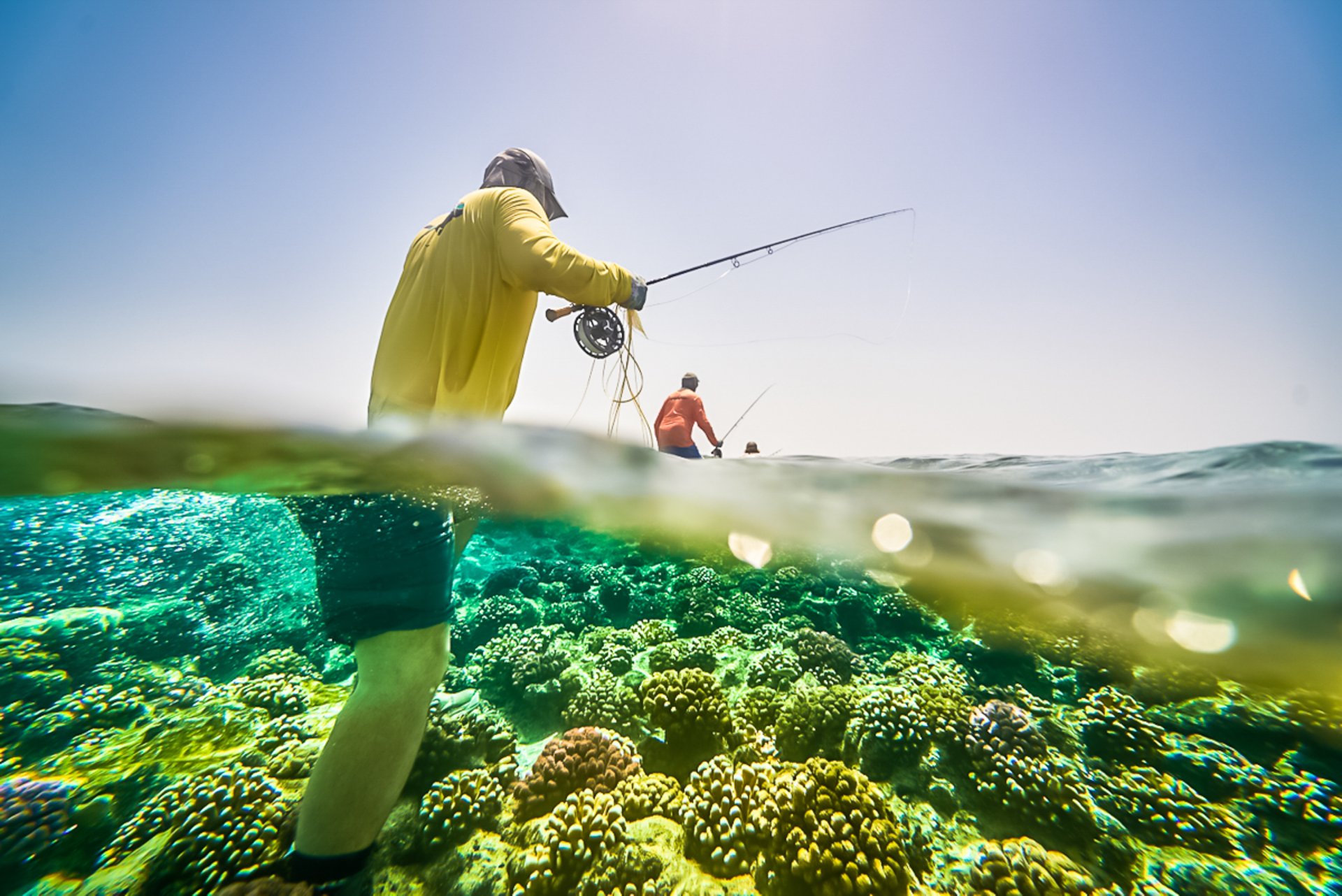
A happy man holds a fish he caught while flyfishing in Norway.
The catch of the day in Norway!

Avid anglers commonly enjoy all types of fishing and will travel with friends, family, colleagues or solo to the best destinations around the world to fish and absorb what each locale has to offer including diverse cultures, spectacular landscapes and exotic cuisine. The following is a list of some of the best places for all types of fishing:

South America

Pantanal, Brazil: Known for its rich biodiversity, it’s a prime location for freshwater fishing, particularly for species like piranha and peacock bass.

Rio Grande, Argentina: Famous for its sea-run brown trout, this river is a fly fishing paradise.

Lake Titicaca, Peru/Bolivia: Offers unique fishing experiences in one of the highest navigable lakes in the world, with species like trout and native fish.


Europe

Loch Ness, Scotland: Famous for its legendary monster, it offers trout fishing and stunning scenery.

Lofoten Islands, Norway: Known for deep-sea fishing, particularly for cod and halibut, in breathtaking Arctic landscapes.

Lake Bled, Slovenia: Offers beautiful scenery and fishing for trout and other species in a serene setting.


Asia

Kushiro River, Japan: A premier destination for fly fishing, particularly for salmon and trout in pristine environments.

Himalayan Rivers, India/Nepal: Known for their stunning landscapes, rivers like the Bhagirathi and the Gyirong are excellent for fishing Himalayan mahseer.

Andaman Islands, India: Offers fantastic opportunities for deep-sea fishing and catching species like tuna and marlin.


Oceania

Queenstown, New Zealand: Known for its stunning lakes and rivers, it’s a hotspot for trout and salmon fishing.

Katherine River, Northern Territory, Australia: Offers excellent freshwater fishing for barramundi and other species in beautiful natural surroundings.


Africa

Zambezi River, Zambia/Zimbabwe: Famous for its tiger fish, this river offers thrilling fishing opportunities in a beautiful setting.

Lake Malawi: Known for its unique cichlid species, it also provides great fishing experiences in a stunning African landscape.


Caribbean

Bahamas: Offers some of the best bonefishing in the world and opportunities for deep-sea fishing.


These destinations offer a diverse range of fishing experiences, from tranquil freshwater settings to exciting deep-sea adventures. Each location has its unique charm and species, making them top choices for anglers.


The Global Rescue Connection

A woman flyfishes in the shallow, tropical waters of Costa Rica.
Wading, and waiting, for the fish in Costa Rica.

Angling, in all its forms, offers an exciting and rewarding challenge. Whether it’s the thrill of deep-sea fishing, the precision of fly fishing or the coastal challenge of surfcasting, anglers have no shortage of destinations to explore.

With these experiences come risks, however, both from nature and political instability. Bites, stings, lacerations, rashes are some of the minor issues that could become serious if not examined and treated. Heat stroke, heart attack and back injuries are potential emergencies facing anglers, too. Understanding the dangers and taking precautions can ensure that fishing adventures remain enjoyable and safe.

Whether you’re deep-sea fishing off the Nicoya Peninsula in Costa Rica for sailfish, fly fishing in New Zealand in the Tongariro and Waiau rivers for big brown trout, or surf casting South Africa’s Cape Point for kingfish, remember to hook a Global Rescue membership.

“Travel smart and be prepared. When it comes to medical evacuation and security insurance, my recommendation is to never leave home without [a Global Rescue membership],” said Yellow Dog Flyfishing’s Jim Klug.

Are you a fishing outfitter, guide or operator? Click here to learn how partnering with Global Rescue is perfect for you and your fishing adventurers exploring the remote and sometimes rugged terrains around the world.

Share This:

Iceland Awaits: A Traveler’s Quick Guide

Catch up on the country’s top destinations, health risks and safety insights.

Article Highlights

  • Key places to visit: Reykjavik for art and culture, Snæfellsnes Peninsula for lava fields and fishing villages, Golden Circle for the Geysir and Gullfoss Waterfall, Blue Lagoon for the geothermal spa, and Vatnajökull National Park for the Europe’s largest glacier.
  • Top-notch healthcare: Iceland provides high-quality medical services, and the country has a well-equipped healthcare system.
  • Dangers and risks: Respiratory infections, hypothermia, frostbite, injuries from outdoor activities, gastrointestinal issues and sunburn or skin irritation are the most common traveler illnesses or injuries.


When visiting Iceland, tourists can immerse themselves in its breathtaking landscapes and rich culture. The country is known for its stunning natural landscapes and unique geological features. It attracts adventurous travelers from around the globe.


Must-visit Destinations

Reykjavik

A flowery and sunny small street in Reykjavik, Iceland.
This street in summertime Reykjavik proves that Iceland isn’t all clouds and coastlines.

Looking for things to do in Reykjavik, the capital city of Iceland? It’s a vibrant hub of culture, art and history. Visitors can explore landmarks like Hallgrímskirkja Church, Harpa Concert Hall, and the Sun Voyager sculpture. The city’s lively nightlife, cafes and museums make it a great starting point for any Icelandic adventure.


Golden Circle

Mist rises from the famed Gullfoss Waterfall in Iceland.
Mist rises from the famed Gullfoss Waterfall.

There is so much to do in the Golden Circle. This popular tourist route includes three key attractions: Þingvellir National Park, the Geysir Geothermal Area, and Gullfoss Waterfall. Þingvellir is significant for its historical and geological importance, Geysir features active geothermal eruptions, and Gullfoss is a spectacular waterfall that cascades into a canyon.


Geothermal Blue Lagoon Spa

A woman smiles in the aquamarine waters of the geothermal Blue Lagoon Spa in Iceland.
Plenty to laugh about in the geothermal Blue Lagoon Spa.

Located in a lava field near Grindavík, the Blue Lagoon is a famous geothermal spa known for its milky blue waters rich in minerals. Visitors can relax in the warm, mineral-rich waters, and enjoy spa treatments, and the stunning surroundings.


Vatnajökull National Park

A coastline in Vatnajökull National Park, Iceland.
A coastline in Vatnajökull National Park.

Home to Europe’s largest glacier, Vatnajökull National Park offers breathtaking landscapes, including glaciers, ice caves, and waterfalls. Outdoor enthusiasts can enjoy hiking, glacier walking and exploring the stunning scenery, including the famous Jökulsárlón Glacier Lagoon.


Snæfellsnes Peninsula

A dramatic peak rises from the sea in the Snæfellsnes Peninsula in Iceland.
A dramatic peak rises from the sea in the Snæfellsnes Peninsula.

Often referred to as “Iceland in Miniature,” the Snæfellsnes Peninsula features diverse landscapes, including mountains, lava fields and coastal cliffs. Key highlights include Snæfellsjökull National Park, Kirkjufell Mountain and charming fishing villages like Arnarstapi and Hellnar.


Dangers and Risks for Travelers in Iceland

While Iceland is generally safe for travelers, emergencies and certain illnesses and injuries can occur, particularly due to the unique environment and outdoor activities.

When Iceland officials issued a state of emergency in November 2023 due to volcanic eruptions, a member contacted Global Rescue. The Global Rescue security operations team provided guidance and assistance for the member’s three-hour ground transport from Vik to the international airport in Reykjavik. Fortunately, the Keflavik International Airport – 19 miles/31 km from the evacuated town of Grindavik – remained open during the eruption enabling the member to fly out of the country safely to her home.

Iceland is located on top of a volcanic hot spot. The most recent, disruptive eruption was in 2010 when massive clouds of volcanic ash were jettisoned into the atmosphere leading to widespread airspace closures throughout Europe. No confirmed fatalities occurred due to either of these eruptions.


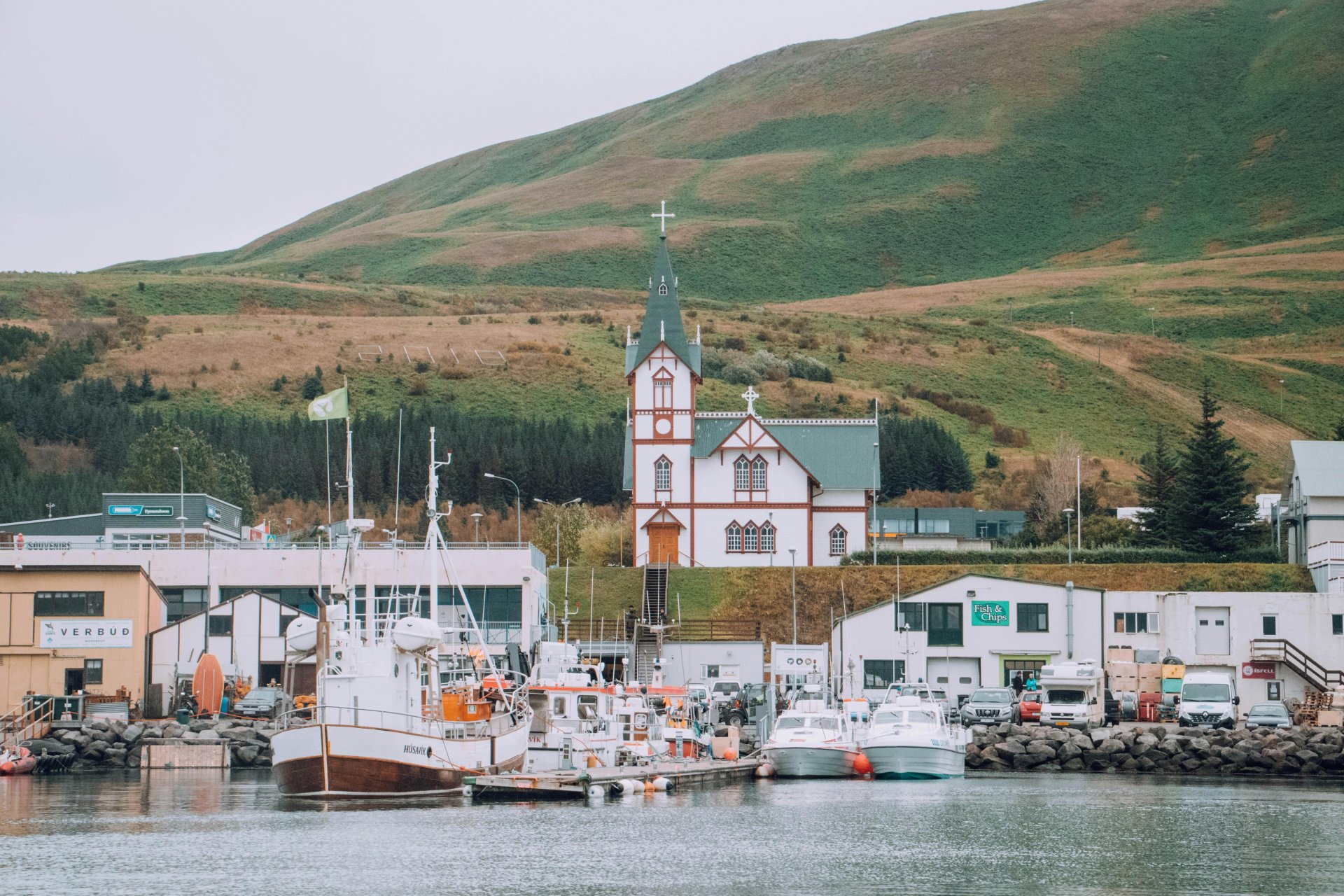
A Man in Warm Clothing Walking in the Countryside in Iceland near the ocean.
A chilly walk in the bluffs above a village in Vik, Iceland.

The more common injuries and illnesses for travelers may surprise you, while others may not:

Respiratory Infections

Due to the cold weather and varying temperatures, respiratory infections such as colds and flu are common among travelers. The close quarters in accommodations and public transport can also facilitate the spread of these viruses.

Hypothermia and Frostbite

Iceland’s unpredictable weather and cold temperatures can lead to hypothermia and frostbite, especially for those unprepared for the climate. Tourists engaged in outdoor activities, such as hiking or exploring remote areas, may be particularly at risk if they do not dress appropriately in layers or fail to protect exposed skin from the cold.

Injuries From Outdoor Activities

Iceland offers numerous adventurous activities, including hiking, glacier walking and ice climbing. Injuries such as sprains, fractures or cuts can occur due to falls, slips or accidents while engaging in these activities, especially in rugged terrains.

Gastrointestinal Issues

Changes in diet, unfamiliar food or consuming contaminated water can lead to gastrointestinal problems such as diarrhea or food poisoning. Tourists should be cautious about where they eat and ensure they drink bottled or purified water if unsure about local water quality.

Sunburn and Skin Irritation

Despite the cold climate, UV radiation can be strong in Iceland, particularly during summer months when the sun is high in the sky. Tourists may experience sunburn if they underestimate the sun’s intensity or fail to apply ample sunscreen, especially during outdoor excursions.


What If You Get Sick or Hurt

Travelers to Iceland should be aware of common illnesses and injuries to help ensure a safer and more enjoyable experience. Proper preparation, including appropriate clothing, Global Rescue travel protection and awareness of the country’s health resources can go a long way in mitigating health risks while exploring.

Global Rescue’s medical advisory helped a member with minor injuries prevent those wounds from escalating into a more serious problem. A member traveling in Iceland had a bad fall resulting in lacerations and abrasions to his hands, face and knees. He contacted Global Rescue for medical advisory, specifically curious if he should visit geothermal springs with his treated wounds. It was explained that he should avoid submerging himself in the springs to prevent bacterial infection.


The Healthcare System in Iceland

Iceland provides high-quality medical services, and the country has a well-equipped healthcare system. However, healthcare facilities can be limited in rural areas. In the capital city, Reykjavik, you will find hospitals and medical clinics that can cater to most health needs.

Emergency medical services in Iceland are efficient, and the country has a universal healthcare system. As a visitor, however, you may need to pay out-of-pocket for services unless you have travel insurance and travel protection.


The Global Rescue Connection

As a member traveling in Iceland, you have access to Global Rescue services directly from your smartphone using the My Global Rescue Mobile App. You can browse destination reports to learn about entry requirements, travel status and restrictions, detailed health and security assessments and required immunizations. Members can find travel alerts by clicking on destination reports, selecting the country and reviewing available alerts at the top of the My Global Rescue App under “Events.” Download the My Global Rescue App for Apple devices and Android devices.

If you experience a life-threatening emergency and are within the range of an emergency service — 112 in Iceland — contact them immediately. If you experience an emergency, after you are safe and stabilized and need to communicate with Global Rescue you must contact Global Rescue directly by phone at +1 (617) 459-4200 or by sending an e-mail to ops@globalrescue.com or operations@globalrescue.com


Chill Out, It’s Iceland

Traveling to Iceland can be an extraordinary experience filled with stunning landscapes and rich culture. With proper planning and awareness, you can ensure that your travels in Iceland remain enjoyable and safe, allowing you to focus on the breathtaking beauty this remarkable country has to offer.

Categories:

Travel
Share This:

Fly Fishing in New Zealand: A Guide to Top Rivers, Lakes and Safety Tips

Stunning locations, abundant trout and essential safety tips for your adventure.

Article Highlights

  • Breathtaking, Famous Locations: Tongariro River, Lake Taupo, Wairau River and Clutha River.
  • Abundant Fish Species: New Zealand is home to an impressive population of trout, particularly brown and rainbow trout.
  • Dangers and Risks: Challenging terrain, swift currents, slips and falls, strong UV radiation, cuts and abrasions, overuse injuries.


New Zealand is often referred to as the ultimate destination for fly fishing enthusiasts, and for good reason. With its breathtaking landscapes, diverse ecosystems, and abundant fish species, it’s a paradise for anglers. The months of November and December mark the beginning of the summer season in New Zealand, making it an ideal time for fly fishing.

It’s no wonder many North American anglers travel there to take advantage of its world-class fishing opportunities. New Zealand attracts hundreds of thousands of tourists annually, with a significant portion being from North America. The country’s reputation for exceptional fly fishing, particularly for species like brown and rainbow trout, contributes to its appeal among fishing aficionados.


Fly Fishing in New Zealand: A Timeless Allure

New Zealand is home to some of the most pristine rivers and lakes in the world, teeming with trout species, particularly the brown and rainbow trout. The stunning natural beauty, combined with the challenge of fishing in various terrains, attracts anglers from all over the globe. According to Dr. Judith Hager, a renowned environmental scientist and avid fly fisher, “New Zealand offers a unique blend of challenging conditions and breathtaking scenery that truly enhances the fishing experience. It’s not just about catching fish; it’s about being in the moment, surrounded by nature.”


Best Locations for Fly Fishing

The Tongariro River

Located in the central North Island, the Tongariro River is famous for its consistent fishing conditions. With its rich insect life and healthy trout populations, it’s a hotspot for fly fishing in the summer months. Megan O’Connell, a professional guide and advocate for women in fishing, says, “The Tongariro is one of those places where you can experience great fishing while immersing yourself in the local culture. It’s a fantastic way to connect with the land and its people.”


Poronui

Global Rescue’s fly fishing experts and Safe Travel Partners recommend several New Zealand locations including Poronui located near the center of the North Island. It features 16,000 acres of some of the finest and most productive trout and game habitat in the country, if not the world. Poronui has special access to vast tracts of Maori-owned land as well as a limitless supply of remote public water. Much of the access is gained via modern off-road vehicles or helicopter fly-outs. For adventuresome anglers, float trips with the option to overnight at remote, streamside camps are a must.


Lake Taupo

As the largest lake in New Zealand, Lake Taupo is another prime location for fly fishing. The lake is fed by several rivers, including the Tongariro, and boasts an incredible trout population. Sarah Bradshaw, a local fishing expert, notes, “Fishing in Lake Taupo is about more than just the catch; it’s about the tranquility of the water and the stunning backdrop of the mountains. The experience is unforgettable.”


The South Island: The Wairau River

The Wairau River in Marlborough is known for its crystal-clear waters and breathtaking scenery. It’s a popular spot for both experienced and novice anglers. Emily Leung, a fly fishing instructor, shares, “The Wairau offers diverse fishing opportunities. Whether you’re casting in the fast currents or the slower pools, there’s always something exciting happening.”


The Clutha River

Flowing through the Otago region, the Clutha River is famous for its trophy-sized trout. The river’s varied sections present different challenges, making it a favorite among seasoned anglers. Chloe Simmons, an advocate for sustainable fishing practices, emphasizes, “The Clutha is a gem. It teaches you patience and skill, and it’s a beautiful place to spend your day.”


Dangers of Fly Fishing

Fly fishing is generally safe but it does come with certain risks that can hurt anglers and make them sick. Curtis Fleming, a fly fishing host, took a 30-yard fall along a rocky New Zealand cliffside.

During a trip in 2018, he suffered a severe slip and fall while navigating a rocky riverbank. He suffered snapped tendons in both elbows, several broken bones, including his femur, and needed multiple surgeries plus months of healing before fully recovering. Fleming has spoken about the experience and emphasized the importance of safety while engaging in outdoor activities like fly fishing, particularly in challenging terrain.

Tricky Terrain

Fly fishers often navigate rocky riverbanks and wade into water, which can lead to cuts, scrapes or abrasions from sharp rocks, fish spines or other hazards. A fishing guide in the Southern Alps region suffered a serious injury when he fell while navigating rocky terrain. He sustained multiple fractures and had to be airlifted to a hospital for treatment. Many of New Zealand’s best fly fishing locations are in remote areas that feature steep riverbanks, rocky outcrops and uneven ground. Navigating this terrain can lead to slips and falls, especially in wet conditions.


Swift Waters

There have been instances of anglers drowning while fly fishing in rivers with strong currents. These tragic events often occur when individuals are swept away by swift waters. New Zealand’s rivers can have strong flows and currents, which pose risks for anglers wading into the water. A sudden slip or misstep can lead to being swept away, making it crucial for anglers to be aware of their surroundings and current conditions.


Fish and Gear

Anglers are sometimes injured by fish they catch, particularly species like the barramundi, which have sharp spines. A fly fisherman in New Zealand reportedly required stitches after being punctured by a fish spine. A fisherman in Rotorua accidentally hooked himself in the leg while casting. The injury was severe enough to require medical treatment.


Sunburn and Heat-related Illnesses

Given New Zealand’s strong UV radiation levels, anglers are at risk of sunburn, heat exhaustion or heatstroke, especially when spending long hours outdoors without adequate sun protection. It’s crucial to use sunscreen, wear protective clothing and stay hydrated.


Overuse Injuries

Repetitive motions associated with casting and retrieving can lead to overuse injuries, such as tendonitis or strain in the shoulders, elbows and wrists. Proper casting techniques, regular breaks and stretching can help reduce the risk of these injuries.


The Global Rescue Connection

While fly fishing in New Zealand is an exhilarating experience, it’s essential to prioritize safety, especially for international travelers. Accidents can happen, whether it’s a slip on the rocks, a sudden change in weather or an unexpected medical issue. This is where a Global Rescue membership can provide invaluable peace of mind.

Global Rescue offers services that ensure that if something goes wrong, help is just a call away. Our offerings include emergency field rescue, medical evacuation and medical advisory services, perfect for adventurers exploring the remote and sometimes rugged terrain of New Zealand.

Whether you’re casting your line in the serene waters of Lake Taupo, navigating the winding Tongariro River or exploring the remote corners of the South Island, New Zealand is sure to leave a lasting impression on any angler.

Share This:

World Tourism and Travel Council Explores How MICE Tourism Transforms Business Travel

(Perth, Western Australia – October 9, 2024) Dan Richards, CEO of The Global Rescue Companies, joined an important panel discussion at the 2024 WTTC (World Travel & Tourism Council) World Conference to discuss the transformative…

(Perth, Western Australia – October 9, 2024) Dan Richards, CEO of The Global Rescue Companies, joined an important panel discussion at the 2024 WTTC (World Travel & Tourism Council) World Conference to discuss the transformative role of Meetings, Incentives, Conferences, and Exhibitions (MICE) in tourism and business travel.

Richards highlighted the growing importance of MICE tourism and the need to include travel risk and crisis management preparation to manage, monitor, support and respond to any medical or security threat these events may incur, particularly large-scale business events.

“MICE events represent a significant segment of global business travel,” Richards stated. “These gatherings serve as catalysts for networking, learning, and deal-making while generating substantial economic benefits for host cities by driving business to hotels, restaurants, and local service providers.”

The panel discussion, “The Opportunity in Large Events,” took place Wednesday, October 9th and featured Richards, Christie Travers-Smith, Head of Retail & Travel EMEA Partnerships for Google; Douglas Feagin, President of Ant International; and Bradley Woods, Chair of Business Events Perth.

The session was moderated by Narelda Jacobs, Anchor of Network 10.

MICE tourism also plays a crucial role in corporate strategies. Businesses leverage these events to incentivize employees, reward top distributors, and deepen relationships with key clients. Richards emphasized how these experiences not only build loyalty but also enhance business growth through collaborative opportunities.

The WTTC World Conference is recognized globally as a key platform for leaders across the travel, tourism, and hospitality sectors to address challenges and share innovative solutions. This year’s focus on large-scale events like MICE further underscores the event’s relevance in navigating the future of travel.

###

Contact Bill McIntyre at bmcintyre@globalrescue.com or 202.560.1195 (phone/text) for more information.

About Global Rescue

Global Rescue is the world’s leading provider of medical, security, evacuation and travel risk management services to enterprises, governments and individuals. Founded in 2004, Global Rescue has exclusive relationships with the Johns Hopkins Emergency Medicine Division of Special Operations and Elite Medical Group. Global Rescue provides best-in-class services that identify, monitor and respond to client medical and security crises. Global Rescue has provided medical and security support to its clients, including Fortune 500 companies, governments and academic institutions, during every globally significant crisis of the last two decades. For more information, visit www.globalrescue.com.

Share This:

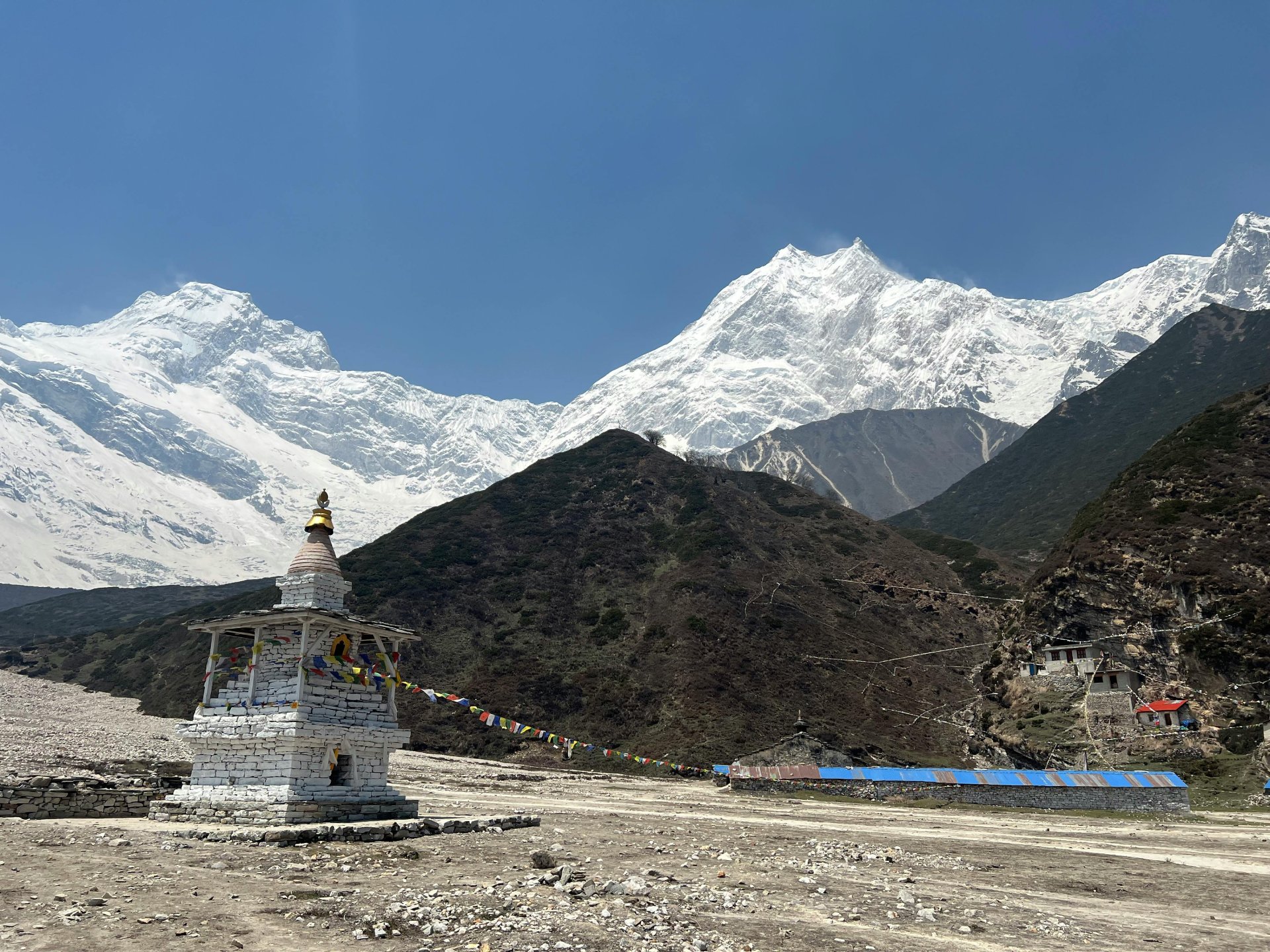
Acclimatization Matters: From Mount Everest to Manaslu and Beyond

Discover why acclimatization is crucial for conquering the Seven Summits and how it can make or break your high-altitude adventure.

  • Manaslu’s Popularity: Despite fewer permits, Manaslu has emerged as a leading autumn climbing destination, with more than 700 people attempting the summit in 2024.
  • Rising Costs: Cho Oyu’s permit fees have skyrocketed to $45,000, making it as expensive as Mount Everest.
  • Permit Issues in Nepal: Recent delays in flight permits and local concerns have caused disruptions in rescues, especially in Manaslu’s Samagaon.
  • Acclimatization Mistakes: Ignoring the need for rest and acclimatization remains a common error, leading to preventable rescues.
  • Stable Autumn Weather: Weather conditions are generally favorable in the post-monsoon season, with dry conditions and minimal precipitation, though temperatures are colder than in spring.

The autumn 2024 Himalayan climbing season showcases a range of trends and challenges for mountaineers and guides alike. Climbing expert Alan Arnette observed that Manaslu had fewer foreign permits issued but still has emerged as the “Autumn Everest” with hundreds of climbers. “Early reports, however, say the mountain doesn’t feel crowded.”

According to experts like Gordon Janow, the director of programs for Alpine Ascents, “commercial climbs are maintaining regular numbers, though Cho Oyu Peak has seen a surge in costs and regulations, making it as expensive as Mount Everest.”

Lukas Furtenbach, owner of Furtenbach Adventures based in Innsbruck, Austria, and a Global Rescue Safe Travel Partner, notes fewer permits for Manaslu due to alternatives like Cho Oyu Peak being more appealing after Tibet reopened.


Manaslu Gains Mountaineering Popularity

The ongoing popularity of Manaslu, which has seen 300 permits issued, mirrors Mount Everest’s numbers, with hundreds of climbers attempting the peak each season. But Dan Stretch, a Global Rescue Operations Manager who has coordinated hundreds of evacuations and crisis response operations in Nepal, highlighted that recent evacuations and local delays in flight permits in Samagaon have added complexities to rescues, especially as locals raise concerns about foreigners getting priority over them in the process.

Arnette corroborates this trend, pointing out that Manaslu has become a popular autumn destination despite fewer permits being issued than in past years. Permit fees and restrictions have also impacted Cho Oyu, with additional regulations requiring climbers to summit progressively higher peaks, adding to the challenge. As Arnette noted, the costs for Cho Oyu have risen sharply, now reaching $45K.


Route Conditions and Permit Challenges for Mountaineers Interested in Manaslu

Route conditions this autumn seem favorable for climbers. According to Furtenbach, lower sections of Manaslu are affected by melting, leading to crevasses and steep seracs, which may pose challenges. Still, the routes are generally considered safe, with no significant reported permit issues.

Stretch emphasized the stable weather and favorable climbing conditions, with minimal landslides or avalanches during this post-monsoon season. As colder weather approaches in December, however, the number of climbers attempting high-altitude climbs is expected to decrease.


From Mount Everest and Manaslu to K2: Shifting Mountaineer Peak Preferences

Although more mountaineers are assaulting other mountains, Mount Everest remains the most crowded 8,000-meter peak, with climbers continuing to flock to it. “Mount Everest numbers are still increasing every year. Now with both sides open again it helps to spread out people. More people are now climbing other peaks as well. The number of climbers in the Himalayas is increasing,” Furtenbach said.

As Stretch explains, smaller groups may attempt winter climbs on Mount Everest, but the focus has shifted towards trekking to Mount Everest Base Camp in November and December. Climbers seeking alternatives to Mount Everest and Manaslu have options like K2, though even there, the numbers remain relatively low for autumn climbs.

Tom Livingstone, an acclaimed outdoor writer and climber, said climbing Mount Everest via the standard routes “bears no resemblance to actual climbing or mountaineering. “The majority of climbers are trading higher summits for more technical summits. Increased permit fees, crowds, other large teams fixing ropes and using helicopters change these higher mountains into less desirable places.”


Mountaineer Weather Considerations in the Himalayas

Weather in the Himalayas during this season is typically stable, with dry conditions and low precipitation, making it conducive to climbing. But temperatures can drop significantly in comparison to the spring season. As Furtenbach noted, while October tends to be dry and stable, it can be colder than in the spring. Stretch added that lower altitudes may feel more comfortable, but the gradual cold increase into December will likely discourage many from high-altitude expeditions.


7 Summits and Mount Everest as a “Finale”

For climbers attempting the Seven Summits, most experts agree that Mount Everest should be attempted later in the journey rather than at the beginning. Janow, Furtenbach, and Stretch all recommend building up experience with peaks like Aconcagua before attempting Everest, with Furtenbach emphasizing the importance of having a structured approach to these summits. Arnette provided a suggested order for Seven Summit peak-baggers, listing Mount Everest as the final climb after other high-altitude peaks have been summited.


Mistakes Mountaineers Make in Nepal

One of the biggest errors climbers make, according to the experts, is underestimating the importance of acclimatization. “Climbers and trekkers should plan as many rest and acclimatization days as they can on their trip. It’s the difference between an enjoyable expedition and a trip to the hospital,” Stretch said.

Furtenbach added that seeking out the cheapest climbing options often results in unsafe conditions, cautioning that safety in the Himalayas is paramount, and cutting costs can compromise that. Janow said, “lack of technical and self-care skills” is the biggest mistake climbers make.


Post-Pandemic Travel Surge

After the pandemic, travelers continue to thrive, and according to Furtenbach, climbing expeditions are seeing increased bookings, albeit on shorter timelines. The demand for adventure travel and high-altitude expeditions appears strong, with many eager to make up for lost travel opportunities during the pandemic.

The autumn 2024 Himalaya climbing season remains dynamic, with Everest and Manaslu continuing to attract large crowds. While conditions appear favorable, challenges such as acclimatization, local permit restrictions, and rising costs for Cho Oyu present hurdles for climbers. With careful planning and consideration of weather and routes, however, the allure of the world’s highest peaks remains as strong as ever.


The Global Rescue Commitment

Global Rescue is the leading worldwide rescue resource for mountaineers, climbers and those who love the mountains. Global Rescue is expanding and enhancing its services for this community by increasing our capabilities to provide emergency services in more regions, committing to longer deployments of our medical operations personnel, and extending our in-field rescue operational durations.

Implementing the High-Altitude Evacuation Package and making it available to members 16 years of age and older who travel above 15,000 feet (4,600 meters) during any part of their trip (excluding airplane travel) and who require emergency transport due to injury or illness enables us to continue enhancing our current service capabilities for the climbing and trekking community worldwide.

“High-altitude outdoor activity worldwide is reaching unprecedented heights of curiosity and participation, and Global Rescue’s High-Altitude Evacuation Package supports the expanding interest with longer deployments of medical and rescue operations personnel in more regions,” said mountaineering legend Ed Viesturs.

Share This:

Hurricane Milton Triggers Massive Evacuation; Global Rescue Outlines Five Survival Tips 

(Lebanon, N.H. – October 8, 2024) Hurricane Milton is quickly intensifying spurring Florida's west coast to brace for a significant evacuation as the storm approaches. The Gulf Coast remains in Hurricane Milton's path which is…

(Lebanon, N.H. – October 8, 2024) Hurricane Milton is quickly intensifying spurring Florida’s west coast to brace for a significant evacuation as the storm approaches. The Gulf Coast remains in Hurricane Milton’s path which is now a category 5 storm expected to make landfall in the next 48 hours on Florida’s Gulf Coast. The storm currently has sustained winds in excess of 180 mph and is the second strongest hurricane ever recorded in the Gulf. Tidal surges are expected to exceed 12 feet, more than double the depth of hurricane Helene.

“Weather tracking technology allows people to track hurricanes well in advance of landfall, giving them time to prepare their homes and evacuate” said Dan Richards, CEO of The Global Rescue Companies, the leading provider of medical, security, evacuation and travel risk management services. “Nevertheless, every year there are some who stay put, facing the storm head on, either because they are unwilling or unable to do otherwise.” 

The Mayor of Tampa Bay Jane Castor stated that residents who don’t heed the evacuation orders for low lying areas “will die.”

The following five tips will help residents and travelers prepare for a hurricane and post-storm survival:

  1. Evacuate if you can. If officials issue an evacuation order, don’t ignore it. Follow instructions issued by local officials.
  2. Know where to get hurricane information. You can receive Wireless Emergency Alerts (WEA) on your mobile phone from the National Weather Service.
  3. Pack a small “go bag” that is easily carried, such as a small backpack, in case you are forced to leave quickly. Make sure it includes a change of clothes, toiletries, extra medications and important personal documents and identifications. Have cash in small denominations on hand. Be sure to inform friends and family of your plans.
  4. Know your shelter options. If you do have to evacuate, make sure you know your evacuation routes and your destination. Airports, inland hotels on high ground are good options. If you are sheltering in place, be prepared. Stay away from windows, close the heavy drapes to protect from shattering glass and take refuge in a small interior room, closet or hallway on the second floor.
  5. Keep your communication devices charged. Power could go out for days, or longer, following a hurricane. It all depends on the local infrastructure. Wherever you are, it’s imperative to have multiple backups for charging your phone, tablets or laptops so you can stay connected to emergency services.

National Oceanic and Atmospheric Administration (NOAA) officials predicted above-normal hurricane activity in the Atlantic basin this year. NOAA’s outlook for the 2024 Atlantic hurricane season, which spans from June 1 to November 30, predicts an 85% chance of an above-normal season, a 10% chance of a near-normal season and a 5% chance of a below-normal season, according to officials.

NOAA is forecasting a range of 17 to 25 total named storms. Of those, up to 13 are forecast to become hurricanes, including up to 7 becoming major hurricanes. A Category 1 hurricane generates tropical winds of 74 miles per hour or more along with torrential rain, thunder and lightning. In a Category 5 hurricane, wind speeds can easily double to devastating gusts of nearly 160 miles per hour.

Storm surge is the leading cause of hurricane-related deaths. As water from the ocean pushes toward the shore from the force of the winds, storm surges can demolish buildings, undermine roads and erode coastlines. “Even if you’re not located directly on the coast, damage from a storm surge can occur more than 100 miles inland. The results can be catastrophic,” Richards said.

###

Contact Bill McIntyre at bmcintyre@globalrescue.com or 202.560.1195 (phone/text) for more information.

About Global Rescue

Global Rescue is the world’s leading provider of medical, security, evacuation and travel risk management services to enterprises, governments and individuals. Founded in 2004, Global Rescue has exclusive relationships with the Johns Hopkins Emergency Medicine Division of Special Operations and Elite Medical Group. Global Rescue provides best-in-class services that identify, monitor and respond to client medical and security crises. Global Rescue has provided medical and security support to its clients, including Fortune 500 companies, governments and academic institutions, during every globally significant crisis of the last two decades. For more information, visit www.globalrescue.com.

Categories:

Business TravelTravel
Share This:

Navigating Nigerian Business Travel: Essential Tips and Insights

Learn essential Nigerian business customs and tips for a successful trip.

Article Highlights:

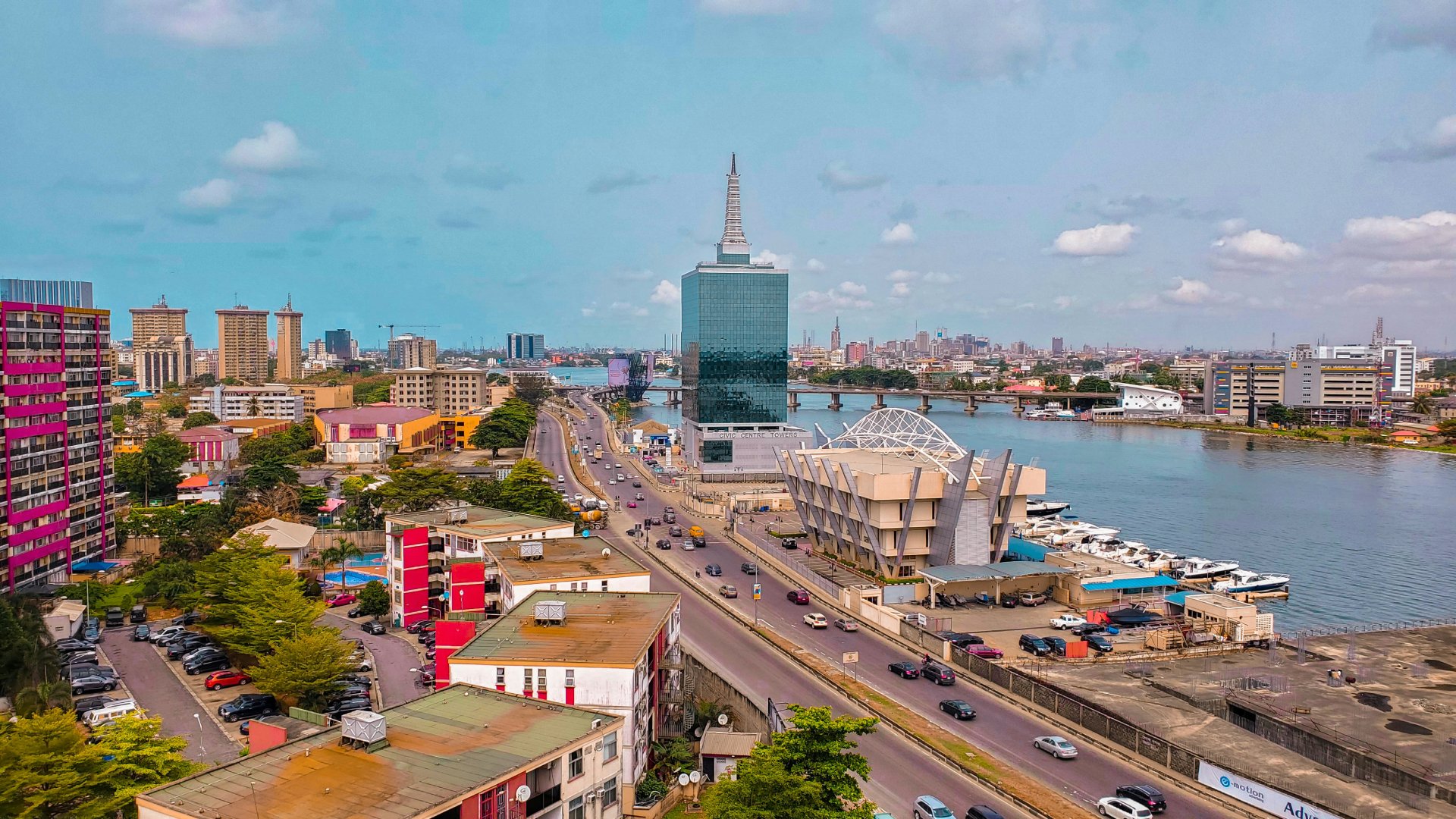
  • Business travel is rebounding: Business travel is recovering strongly post-pandemic, with cities like Lagos in Nigeria emerging as key destinations.
  • Cultural awareness is crucial: Understanding Nigerian business customs, such as the importance of relationship-building and indirect communication, is essential for successful business trips.
  • Health precautions matter: Travelers to Nigeria should be cautious about food, water, and hygiene to avoid gastrointestinal issues like traveler’s diarrhea.


Business travel is rebounding stronger than ever since the pandemic. In the United States alone, approximately 1.3 million business trips occur daily, with the average business worker making nearly seven trips annually.

According to a business travel report, prominent global financial hubs including London, Paris, Berlin, Toronto, Dubai, Sydney, Shanghai and Tokyo continue to be favored business destinations. As the global economy evolves, new cities begin taking center stage.

A study by the World Travel and Tourism Council of 82 major corporate travel destinations predicts that by 2032, cities in the Middle East and Africa will lead the pack for international business travel, with Lagos, Nigeria, making it into the top ten.

According to a Global Rescue survey, there’s a blend of optimism and caution among individuals regarding their work-related travel plans with most (82%) anticipating the same or more travel for work for the year. “It’s a promising indicator for the business travel industry, and one reason why travel growth continues,” said Dan Richards, CEO of The Global Rescue Companies. “In-person meetings are more effective at establishing and maintaining relationships.”


Essential Nigerian Business Customs

When traveling to Lagos for business, it’s crucial to understand local customs and etiquette to build strong relationships and ensure smooth interactions.

  • Greetings: A firm handshake is common when greeting. It may be accompanied by a slight nod or smile. In more formal settings, you may see a handshake followed by a touch of the heart.
  • Exchange of Cards: When exchanging business cards, use both hands to present your card and take the other person’s card with respect. Take a moment to look at the card before putting it away.
  • Titles: Use professional titles (like Mr., Mrs., Dr.) and surnames unless invited to use first names.
  • Business Attire: Dress conservatively and professionally. For men, suits are standard and for women business suits or dresses are appropriate. Wearing traditional Nigerian clothing during meetings can be seen as a sign of respect.
  • Punctuality: While punctuality is appreciated in business settings, be prepared for a more flexible approach to time. Meetings may start later than scheduled, but it’s still good practice to be on time.
  • Indirect Communication: Nigerians may use indirect communication styles, so pay attention to non-verbal cues and context.
  • Elders, Authority and Hierarchy: Show respect for elders and those in authority. This can be reflected in how you address people and the level of deference shown in conversations.
  • Dining Invitations: If invited to a meal, it’s polite to accept. Meals are an important part of Nigerian culture. Eating with your hands is customary in some cultures within Nigeria, especially with traditional dishes. If unsure, however, it’s acceptable to use utensils. Always wait for the host to begin eating before you start.
  • Gifts: If invited to a private home, bringing a small gift (like sweets or fruit) is an acceptable and generally expected gesture. Avoid giving gifts wrapped in black or white, as these colors are associated with mourning.

By keeping these customs and etiquette tips in mind, North American business travelers can foster positive relationships and navigate the business environment in Lagos, Nigeria, more effectively. Overlooking these customs can lead to avoidable challenges.


Gaffes, Goofs and Blunders

  • Overlooking Relationship Building: Western business approaches often focus on transactions and efficiency, while in Nigeria, building personal relationships is crucial. Neglecting to invest time in getting to know Nigerian counterparts can hinder business negotiations. Engage in small talk, show genuine interest in personal connections, and prioritize building trust to establish successful partnerships.
  • Assuming English Is Universally Understood: While English is the official language in Nigeria, not everyone speaks it fluently. Some people may have varying levels of comprehension, especially with business jargon. Assuming communication will always be clear can lead to misunderstandings. Speak clearly and avoid idiomatic expressions and be open to confirming understanding throughout discussions.
  • Extended Greetings: In Nigeria, greetings can be lengthy and elaborate. It’s common for hosts to inquire about one’s family and well-being before diving into business discussions. This emphasis on personal connection may feel unusual for Westerners, who might expect to get straight to business.
  • Informal Meeting Settings: Meetings may take place in casual settings, such as cafes or homes, rather than formal office environments. This can create a more relaxed atmosphere but may feel unprofessional to those used to structured boardroom meetings. Expect a blend of business and social interaction.
  • Traditional African Hospitality: Nigerians are known for their hospitality, and it’s common for hosts to offer food and drinks during meetings or visits. Refusing such offerings can be seen as impolite. Westerners might find this emphasis on hospitality and communal dining unusual, but accepting these gestures can strengthen relationships.
  • Direct Communication: While some Western cultures favor direct communication, Nigerians may use indirect language to convey messages, especially for negative feedback or refusal. This can lead to misunderstandings, so Westerners should read between the lines and pay attention to non-verbal cues.

When Westerners visit Nigeria on a business trip, they may encounter several cultural norms and practices that differ from what they’re accustomed to in their home countries.


Stereotypes Westerners Have About Nigerians

Many Westerners stereotype Nigerian businesspeople as being involved in scams or corrupt practices, largely influenced by high-profile cases of fraud – like the “Nigerian prince” scams – which can lead to mistrust and a reluctance to engage in business dealings.

Some Westerners perceive Nigerian business practices as unprofessional, assuming that meetings will be disorganized, or time management will be poor. This stereotype can stem from cultural differences in business conduct and communication. Westerners may view Nigerian businesspeople as overly casual or informal in their approach to business, leading to misconceptions about their seriousness and commitment to professional standards.


Stereotypes Nigerians Have About Westerners

Nigerian businesspeople often perceive Western businesspeople as cold, formal and lacking warmth in personal interactions. Nigerians may view Western businesspeople as prioritizing transactional relationships over personal connections, believing that Westerners focus more on the bottom line than on building trust and rapport. This stereotype contrasts with the more relationship-focused approach common in Nigerian culture.

There is a belief that Westerners are rigid in their business practices and schedules, valuing punctuality and structure over adaptability. This can lead to misunderstandings during negotiations or collaborations. Nigerian businesspeople might find Western communication styles overly direct or blunt, perceiving this as a lack of diplomacy or tact. They may prefer a more nuanced approach to discussions, especially when delivering criticism.

There is a stereotype that Western businesspeople are primarily motivated by profit and material gain, lacking a broader sense of social responsibility or community engagement in their business practices. This can create a perception of Westerners as disconnected from local values and cultures.


Nigerian Food and Western Stomachs

When traveling to Nigeria, Western business travelers can expect to encounter a variety of delicious and diverse foods that reflect the country’s rich culinary heritage including:

  • Jollof Rice: A popular West African dish with rice, tomatoes, onions, and spices. It is often served with fried plantains, chicken, or beef.
  • Pounded Yam and Egusi Soup: Pounded yam is a starchy side dish made from yam, and egusi soup is a thick, hearty soup made with ground melon seeds, vegetables, and meat or fish.
  • Suya: Spicy skewered meat (usually beef or chicken) marinated with a blend of spices and grilled. It is often served with sliced onions and tomatoes.
  • Moi Moi: A steamed bean pudding made from blended black-eyed peas, peppers, onions, and spices. It can be served as a side dish or on its own.
  • Peppered Fish: Grilled or fried fish coated in a spicy pepper sauce, often served with sides like rice or yam.
  • Akara: Deep-fried bean cakes made from black-eyed peas, onions, and spices, often enjoyed as a snack or breakfast item.
  • Nkwobi: A spicy cow foot dish cooked in a thick palm oil sauce, often garnished with vegetables and served as an appetizer.

While Nigerian cuisine is flavorful and exciting, Western travelers may experience gastrointestinal issues due to the highly seasoned and spicy Nigerian food flavor palate. A sudden change in diet and new ingredients can lead to digestive upset, especially if one is not accustomed to high-fiber or spicy foods. Those who are not used to such flavors may experience digestive discomfort.

Drinking tap water is not recommended. Tap water in Nigeria is generally not considered safe to drink, especially for Westerners and visitors. Travelers should stick to bottled water to avoid waterborne illnesses.

Ideally, business travelers new to Nigerian foods should start with milder dishes and gradually introduce more complex flavors to allow their digestive system to adjust.


The Global Rescue Connection

Traveler’s diarrhea (TD) strikes 30 to 70% of travelers, according to the Centers for Disease Control and Prevention. Traveler’s diarrhea hits harder because you don’t have immunity to the germs in the country you are visiting. The climate and the sanitary systems might be different, allowing bacterial pathogens, intestinal viruses and protozoal pathogens easier access to your water, food and and gastrointestinal system.

“When you travel to a place that’s remote to you, there are a lot of germs your body is not used to,” said Jeff Weinstein, medical operations manager at Global Rescue.

According to the American Society for Microbiology, traveler’s diarrhea usually begins during the first week of travel and, without treatment, will last three to five days. You can have multiple episodes during one trip.

Global Rescue medical experts offer these suggestions for treatment:

  • Drink fluids like boiled water, factory-sealed bottled water, broth or an oral hydration solution like Pedialyte to replace the body fluid that has been lost. Hydration is your best line of defense.
  • Avoid caffeine, as it tends to dehydrate. Eat a bland, easy-to-digest diet of complex carbohydrates: crackers, dry toast, plain noodles.
  • Wipe down surfaces in your hotel room. Traveler’s diarrhea is contagious; pathogens can live for days on doorknobs and light switches.
  • Over-the-counter remedies, like bismuth subsalicylate (Pepto-Bismol), can help. Hopefully, a few doses are packed in your first aid kit, because purchasing Pepto may not be easy or even possible while traveling to some countries.

See a doctor if symptoms last longer than a week or you have a fever. You may need antibiotics. Global Rescue members always have medical assistance when traveling if more than 100 miles from home. Global Rescue’s 24/7/365 medical advisory service can help travelers find Pepto-Bismol, Imodium or a local alternative, or find a doctor that speaks your language and a local pharmacy to fill a prescription for you.

Share This:

Cemeteries Every Tombstone Tourist Should Visit

Explore must-visit cemeteries and uncover their rich history and cultural stories.

Article Highlights:

  • Paris Catacombs is not for the fainthearted.
  • The Green-Wood Cemetery in Brooklyn is the final resting place of composer Leonard Bernstein.
  • London’s Highgate Cemetery is the final resting place of Karl Marx and Douglas Adams (author of Hitchhiker’s Guide to the Galaxy).
  • Kobo Daishi, the founder of Shingon Buddhism, rests in eternal meditation in his mausoleum in Japan’s Okunoin Cemetery.


In recent years, a unique form of travel has been gaining traction: tombstone tourism. Enthusiasts of this niche travel trend journey across the globe to uncover the rich histories embedded within the tombstones and cemeteries of various cities. They seek to learn about the lives, cultures, and stories of those who came before us, all while paying their respects.

While the allure of exploring these historical sites is undeniable, it’s essential to acknowledge the potential risks associated with international travel and how services like Global Rescue can provide peace of mind.


The Allure of Tombstone Tourism

Tombstone tourism appeals to history buffs, genealogists, and anyone with a penchant for the past. Cemeteries often serve as open-air museums, showcasing intricate art and architecture while narrating the stories of the deceased. Travelers might find themselves wandering through the hauntingly beautiful Père Lachaise Cemetery in Paris, where Oscar Wilde and Jim Morrison rest, or the historic St. Louis Cemetery No. 1 in New Orleans, known for its above-ground burial tombs and the legendary voodoo queen Marie Laveau.

Each tombstone tells a story, and for many, visiting these sites fosters a deeper understanding of a city’s cultural and historical fabric. Furthermore, guided tours often accompany these excursions, providing insights from knowledgeable historians who can highlight the significance of various interments.


Top Tombstone Tourist Destinations

For those interested in embarking on a tombstone tourism adventure, here are must-visit destinations around the world:


Paris Catacombs, Paris, France

The bones in the Paris Catacombs
The bones of the Paris Catacombs

A visit to the Paris Catacombs is not for the fainthearted. Walk 131 steps down and you’re in a former underground quarry, 20 meters below the streets of Paris. You’ll follow winding tunnels for 1.5 kilometers through tight, uncomfortable spaces with a backdrop of bones: millions of bones stacked into walls, pillars and statues. The ossuary — a room with the bones of dead people — was created in the late 18th century when major health problems in above-ground cemeteries forced the city to transfer contents underground. It opened in 1809 after Héricart de Thury organized and built the site to educate visitors about religion, mineralogy, pathology and death.

Above ground, Père-Lachaise is the most visited cemetery in the world. It is the largest cemetery in Paris and the final resting place of many famous figures, including Édith Piaf, Frédéric Chopin, and Jim Morrison. Its extensive grounds and beautiful sculptures make it a popular spot for tourists and locals. The 110-acre park, located on the northeast side of the city, contains more than 70,000 tombs. People travel across the globe to see the cemetery’s “Gothic graves, Haussmanian burial chambers, ancient mausoleums” and the final resting places of Jim Morrison, Oscar Wilde and Edith Piaf.


Green-Wood Cemetery, Brooklyn, New York

The gravestones and memorials of Green-Wood Cemetery in Brooklyn
Green-Wood Cemetery, Brooklyn, NYC

The Green-Wood Cemetery is a stunning 478-acre National Historic Landmark blending lush landscapes with a rich history. Established in 1838, it is the final resting place of numerous notable figures, including composer Leonard Bernstein and artist Jean-Michel Basquiat. Visitors are drawn to its Gothic architecture, serene lakes, and rolling hills, which provide a peaceful escape from the bustling city. The cemetery offers beautifully maintained pathways perfect for strolls, guided tours, and educational programs that delve into its historical significance and the lives of its residents. With its combination of history, art, and natural beauty, Green-Wood Cemetery serves as an intriguing destination for tourists seeking to explore New York’s diverse heritage.


Highgate Cemetery, London, England

The memorials at Highgate Cemetery, London

London in the 1800s had a growing population — but no land to bury the dead. Bodies were wrapped in cheap material and buried a few feet deep, wherever there was space. An act of Parliament changed all that and seven new private cemeteries were built: Kensal Green in 1833, West Norwood in 1836, Highgate in 1839, Abney Park in 1840, Brompton in 1840, Nunhead in 1840 and Tower Hamlets in 1841.

Built at an elevation that overlooks London, Highgate Cemetery is one of the world’s most famous cemeteries. Known for its gothic architecture, this cemetery is the final resting place of Karl Marx and offers guided tours that delve into its history. Its popularity is partly because of its other famous residents like George Eliot and Douglas Adams (author of Hitchhiker’s Guide to the Galaxy), and the beautifully landscaped grounds that bloom in the spring.


Okunoin Cemetery, Mount Koya, Japan

Okunoin Cemetery, Mount Koya, Japan

Kobo Daishi, the founder of Shingon Buddhism, rests in eternal meditation in his mausoleum in Okunoin Cemetery. While he awaits the Buddha of the Future, he provides relief to those who ask for salvation, making it one of the most sacred places in Japan and a popular pilgrimage site. It is also the largest graveyard in Japan, 2 kilometers and 12,000 years old, with the graves of more than 20,000 monks. Night cemetery tours, led by local monks, are available.


Recoleta Cemetery, Buenos Aires, Argentina

Recoleta Cemetery, Buenos Aires, Argentina

The Recoleta Cemetery is famous for its ornate mausoleums and elaborate sculptures. It is the final resting place of Eva Perón and other influential figures, making it a key cultural and historical site within the city.


Cemiterio da Consolação, São Paulo, Brazil

Cemiterio da Consolação, São Paulo, Brazil

The Cemiterio da Consolação is renowned for its stunning funerary art and lush gardens, this cemetery features elaborate tombs of prominent Brazilian artists, politicians, and intellectuals. Its artistic and historical significance, coupled with beautiful architecture, draws visitors seeking to explore Brazil’s rich cultural heritage.


Cimitero Monumentale, Milan, Italy

Cimitero Monumentale, Milan, Italy

The Cimitero Monumentale is famous for its grandiose tombs and elaborate sculptures, this cemetery showcases exquisite artistry and serves as a final resting place for many of Italy’s cultural icons.


Saint Andrews Cathedral, Saint Andrews, Scotland

Saint Andrews Cathedral, Saint Andrews, Scotland

Saint Andrews Cathedral, built in 1158, was abandoned after Catholic Mass was outlawed during the Scottish Reformation. As the church fell into ruins, the site was turned into a burial ground in the 1600s. Today, the site is often visited by families searching for their ancestors.


Mount of Olives Cemetery, Jerusalem, Israel

Mount of Olives Cemetery

This ancient cemetery is one of the oldest in the world, with thousands of graves dating back to biblical times. It offers stunning views of the Old City and contains the graves of many important Jewish figures, making it a significant pilgrimage site.


Cemetery of Al-Baqi, Medina, Saudi Arabia

Cemetery of Al-Baqi, Medina, Saudi Arabia

This cemetery is known for being the burial site of several important Islamic figures, including many companions of the Prophet Muhammad. It holds great religious significance for Muslims and is a pilgrimage site for those visiting Medina.


The Risks of Tombstone Tourism

While traveling to explore cemeteries might seem harmless, it can come with risks from health and safety to local sensitives and legal constraints.

Health Risks: Travelers may encounter health-related issues, such as foodborne illnesses, exposure to extreme weather, or even unsafe sanitary conditions in some countries.

Personal Safety: Certain cemeteries may be located in less secure neighborhoods, posing risks of theft or violence, especially for tourists who may appear disoriented or out of place.

Cultural Sensitivity: Not all cultures view cemeteries in the same light. In some places, tombstone tourism may be seen as disrespectful, leading to potential confrontations with locals.

Travel Complications: International travel can be unpredictable. Flight cancellations, lost luggage, or sudden changes in local laws can complicate travel plans.

Legal Issues: In some countries, there are strict regulations regarding photography and behavior in cemeteries. Ignorance of these laws can lead to fines or even arrest.


The Global Rescue Connection

Tombstone tourism offers travelers a fascinating way to connect with history and honor the lives of those who have passed. While the experience can be deeply enriching, it’s crucial to be aware of the potential risks involved in international travel. This is where Global Rescue comes into play.

It is best to visit during the day. If you take a night cemetery tour with a guide, have an extra flashlight or headlamp and dress appropriately.

Wear sensible shoes. The ground in a cemetery is often uneven, with sinking earth, tree roots and stone markers set close to the ground.

Watch out for underground insect nests, bats, spiders or snakes. Most cemeteries have a flourishing ecosystem.

Have a travel protection membership as your dark travel safety net. Slips, trips and falls can happen anywhere, and you’ll want to have field rescue or medical evacuation services available, just in case.


Rest in Peace…of Mind

The world is filled with stories waiting to be uncovered, and for the intrepid tombstone tourist, cemeteries serve as poignant reminders of our shared human experience. Whether you’re tracing your ancestry or simply marveling at the artistry of gravestones, there’s no denying the allure of exploring these hallowed grounds. Pack your bags, do your research, and set out on a journey through time, but remember to prepare for the unexpected. With these insights, tips, and resources, you’ll be well-equipped to embark on your journey through the stories etched in stone, allowing history to come alive in the most unexpected places.


Categories:

Travel
Share This:

Exploring the World Differently: Gender and Travel Preferences

Insights from the summer 2024 Global Rescue Travel Safety and Sentiment Survey.

Article Highlights:

  • 35% of experienced travelers prioritize travel destinations by landscape-rich locations.
  • 31% list the best travel destinations as locations with adventurous activities.
  • 37% of female travelers prioritize stunning landscapes. Dream destinations include Antarctica, Iceland and the Galapagos Islands.
  • 37% of male travelers prioritize adventure activities. Dream trips include Australia, Patagonia and Mongolia.

When it comes to selecting travel destinations, traveler preferences can vary significantly based on a range of factors, including gender. According to the Global Rescue Summer 2024 Traveler Sentiment and Safety Survey, 35% of the world’s most experienced travelers prioritize landscape-rich locations, while 31% seek destinations that offer adventurous activities.


People on small paddle boats in a green lagoon surrounded by forest.
Green with envy of these travelers in this green lagoon.

Best Travel Destinations by Gender

The survey reveals distinct preferences between male and female travelers. Among female respondents, 37% listed stunning landscapes — such as mountains, jungles, savannahs, deserts, surf, reefs, canyons, volcanoes and glaciers — as the most crucial factor when choosing an international destination. In contrast, an equal percentage of male travelers (also 37%) prioritize access to adventure trips like scuba diving, skiing, mountaineering, trekking and fishing.

“Understanding the preferences of travelers is essential for the travel industry, and our survey sheds light on the differing priorities based on gender,” said Dan Richards, CEO of The Global Rescue Companies. “While women tend to favor beautiful landscapes and cultural experiences, men are more inclined to seek out adventure. This insight can help travel providers tailor their offerings to meet the diverse needs of their clientele.”


The Role of Cultural Experiences

Cultural experiences play a significant role in finding the best travel destinations among women.

The survey indicates that 15% of female respondents consider language, customs and local dress as vital factors, reflecting a desire for authentic interactions and deeper connections with the places they visit.

Interestingly, only 3% of women cited cuisine, events, natural phenomena, architecture, infrastructure and shopping as essential in their travel decisions. This suggests that women are more inclined to seek emotional and cultural connections instead of merely superficial experiences.

In contrast, male travelers have a different approach to their travel considerations. While 37% prioritize adventure trips, a similar 33% seek destinations known for their landscapes, mirroring female travelers’ preferences. Only 10% of male respondents, however, considered cultural diversity a primary factor in their travel decisions. This indicates that adventure trips and natural beauty dominate male travel aspirations, with less emphasis on cultural elements.

A woman sits on the tailgate of her truck with two dogs in the desert.
Taking a break from a desert adventure to smile for the camera.


Dream Destinations: A Gendered Perspective

The survey also reveals distinct dream destinations for men and women.

Women listed locations such as Antarctica, New Zealand, Iceland (famous for its northern lights), the Galapagos Islands, Egypt and Australia as primary destinations for future trips.

Conversely, men favored destinations like Australia (specifically for the Great Barrier Reef), New Zealand, Antarctica, Patagonia, Mongolia and various African locations.

“The survey results highlight the importance of landscapes and adventure trips in travel choices, but it also underscores the evolving dynamics of traveler preferences,” Richards said. “As more women engage in adventure sports and explore remote destinations, we may see a shift in these preferences in the future.”


The Ideal Traveler Companion: Key Traits Revealed

Choosing the right traveler companion can significantly enhance the travel experience. The Global Rescue survey also explored what travelers consider essential traits in their travel partners. Notably, compatibility emerged as the most critical factor in selecting a traveler companion, with more than 51% of respondents emphasizing the importance of a like-minded traveling partner over other characteristics like flexibility, money management or open-mindedness.

“More than half of survey respondents said a like-minded traveling companion is more important than other characteristics,” Richards stated. A compatible travel style, aligning preferences regarding itinerary planning, pace and activities, is crucial for a harmonious journey.

“Some travelers thrive on spontaneous adventures, while others prefer structured plans. Open discussions about travel preferences are crucial for ensuring a harmonious journey,” he added.

Flexibility was identified as the second most important characteristic, with 16% of respondents highlighting the ability to adapt to unforeseen changes, such as weather conditions or transportation delays. Other notable traits included a sense of humor (9%), good communication (8%) and open-mindedness (8%).

Conversely, the survey revealed alarming traits travelers should avoid in a traveler companion. A significant 32% of respondents identified a negative attitude, characterized by frequent complaints and pessimism, as the most undesirable quality. Recklessness (20%) and unreliability (19%) followed closely behind as the next most concerning traits in a travel buddy.

Evolving Travel Preferences and Future Trends

The survey findings provide a snapshot of contemporary traveler preferences, revealing important trends that may shape the future of travel. As more women engage in adventure trips and seek out thrilling experiences, the distinctions between male and female travel preferences may continue to blur. This evolution could encourage travel providers to diversify their offerings, creating more inclusive experiences that cater to a broader audience.

“By prioritizing compatible travel styles, flexibility, open-mindedness, good communication and a sense of humor, travelers can foster enjoyable adventures,” Richards said. The journey of discovering new destinations should be as enriching and fulfilling as the destinations themselves, allowing travelers to create lasting memories and connections.