
Categories:
Health & SafetyMissions & Member TestimonialsNovember 14, 2023

More than 80% of the world’s most experienced travelers took as many or more trips in 2023 than at any time before the pandemic, according to the Global Rescue Traveler Sentiment and Safety Survey. More than a third of respondents (35%) said they traveled more in 2023 than any time before the pandemic. Nearly half (48%) said they traveled about the same amount and less than a fifth (17%) traveled less.
The enduring travel recovery is welcome news for the industry, as traveling continues to surpass pre-pandemic levels. “Adventure travel, luxury travel and other activity-focused segments continue to see strong growth. Many places are at capacity or are over-subscribed and have waiting lists,” said Dan Richards, CEO of The Global Rescue Companies, the world’s leading provider of medical, security, evacuation and travel risk management services, and a member of the U.S. Travel and Tourism Advisory Board at the U.S. Department of Commerce.
Experts had predicted revenge travel could lead to crowding at popular destinations, limited flights and lodging availability. More than half of survey respondents (58%) did not encounter any sold-out occurrences for any of their trips. Nearly a third (30%), however, said they were prevented at least once from booking something because it was sold out. Fewer than a tenth (7%) said they missed out on a booking three times or more.
Despite rising travel costs, airline flight disruptions and travel staff shortages, most survey respondents (66%) did not cancel any trips in 2023, and more than a third (38%) did not postpone any travel plans. Fewer than 5% of survey respondents said they had to cancel at least one trip due to rising travel costs and fewer than a tenth (9%) had to postpone a trip.

Wartime Travel
Despite war and violent conflicts in Ukraine, Gaza and Israel, close to half of the survey respondents (45%) said they would travel both internationally and domestically for the winter holidays between November 2023 and the end of January 2024, according to the survey. Nearly a third (29%) said they would travel domestically only, 11% would travel internationally only and 16% had no travel plans during that time.
[Related Reading: Wartime Travel? Essential Information During the Russia-Ukraine Conflict]
“We’re seeing an understandable increase in traveler concern worldwide, but it is the most pronounced in the Middle East,” Richards said. “Nevertheless, international trip takers continue to gain comfort with wartime travel. We’ve seen this traveler behavior since the war in Ukraine and we’re seeing it today following the attack on Israel,” he said.
Travel uncertainty generally increases traveler demand for emergency medical and security services. “We’ve seen a 33% increase in traveler purchases of security services since the armed conflict between Israel and Palestinian terrorist groups started,” Richards said.

Vaccines
According to the survey, the world’s most experienced travelers revealed diverse behaviors when it comes to technology designed to improve airport check-ins, security processing and obtaining COVID-19 booster vaccinations.
More than half (58%) of survey respondents have already received an updated COVID-19 vaccination or plan to get one, which is consistent with the recommendation from U.S. and international official. Fewer than a third (29%) of respondents haven’t received a COVID-19 vaccination booster and do not plan to in the future. The remaining respondents (13%) are uncertain whether they will get a booster shot or not.
Vaccinated and unvaccinated travelers are equally as likely to travel internationally and domestically during the holidays between November 2023 and January 2024. “Travelers feel safe planning and taking trips and vacations regardless of their vaccination status,” Richards said. ”Confidence in institutions recommending the vaccine and boosters has declined dramatically. We expect vaccine booster acceptance to continue to fall among travelers,” Richards said.
Technology
Air travel in 2023 was predicted to be up by nearly a third (29%), according to a report by Statista, and international travel may close out the year up by as much as 50%, according to the International Air Transport Association.
To help ease crowding and accelerate traveler processing, the U.S. TSA introduced the Credential Authentication Technology (CAT) system in 2019. More than two thousand CAT systems have been installed in more than 200 airports.
Based on survey results, travelers have mixed reports about the system. Nearly seven-out-of-10 respondents (69%) have not used the TSA’s CAT system, a fourth (23%) do not know if they have used it, and less than a tenth (8%) said they have used the system. Of those who used the system, about half (49%) said it sped up the security clearance process, 40% didn’t notice a difference, and the rest reported it took as long or longer than the previous system.
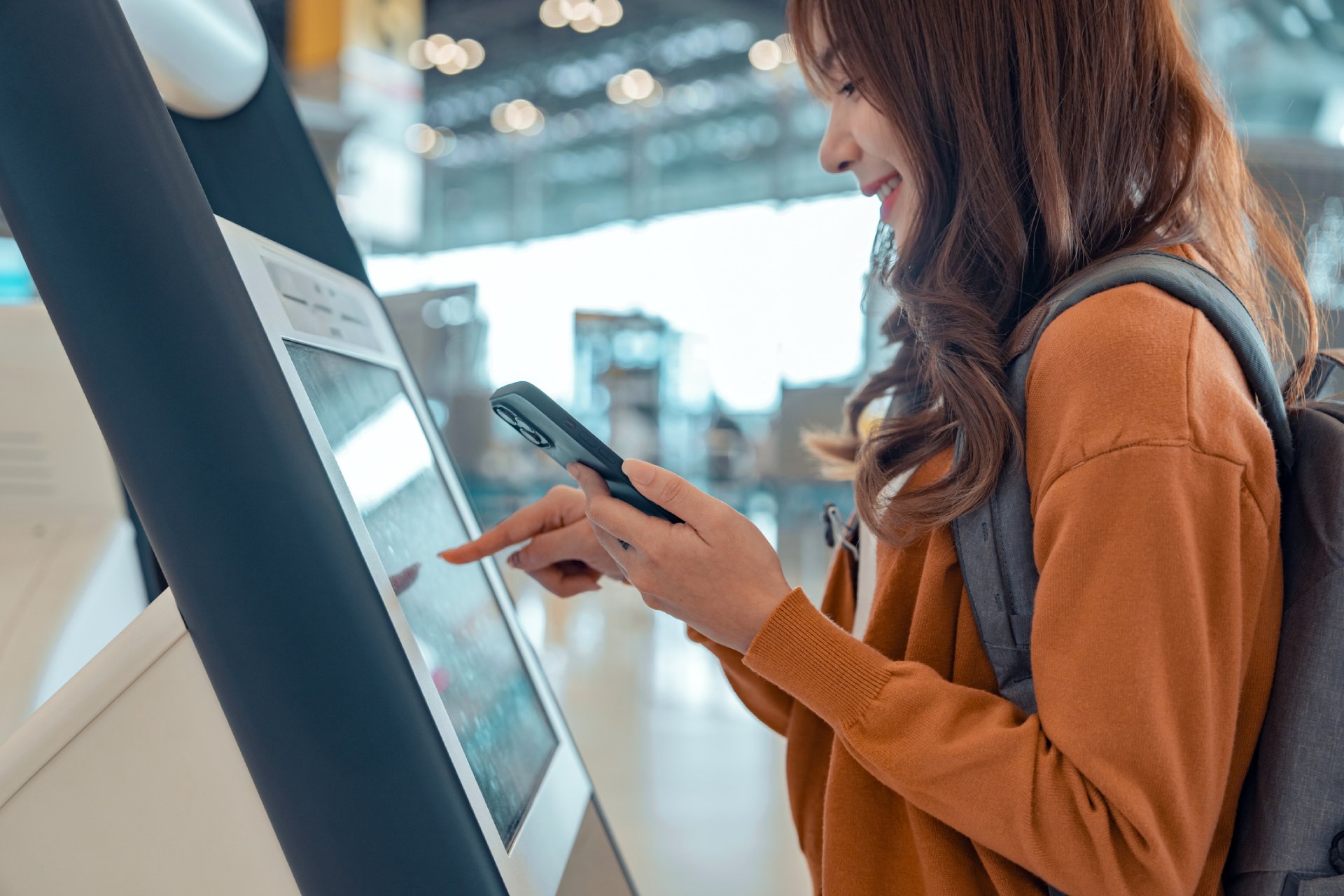
Installation of travel hub kiosks at airports and other transportation centers was designed to move travelers through the check-in and ticketing process faster. More than half of respondents (53%) have used the kiosks but nearly as many (47%) have not. Most (61%) said the kiosks sped up the check-in process, but 18% reported they would prefer to check in with a live agent. A minority (3%) said the kiosks were too complicated.

Riskier, Immersive Adventures
More than a third of survey respondents (34%) are planning to take more adventurous or riskier trips in the future. Most respondents reported that the possibility of travel restrictions in the future and the YOLO maxim – you only live once – drives them to get as much adventure travel in as possible before they no longer can.
“Travelers are exhibiting behavior consistent with a mounting desire for immersive experiences,” Richards said. Most travelers responding to the survey (65%) want to go to destinations they have never been to, while 17% want curated trips to new, unusual destinations where they can have completely new experiences. New Zealand, Australia, Antarctica, Iceland and Japan were the most frequently mentioned places survey respondents noted as bucket list travel destinations.
[Related Reading: Immersive Adventure Tourism]
“Revenge travel demand initially contributed to the growing adventure travel boom. We anticipate increasing interest in adventure travel like African safaris, hiking trips, camping excursions and motorcycle tours,” said Richards.
Not everyone, however, is seeking more risk or adventure in their travel itineraries. More than half of respondents are taking the same number of adventurous or risky trips since the end of the pandemic, reporting they enjoy the way they travel and do not see a need to change. More than a tenth (13%) said they would take fewer adventurous trips to minimize health and safety risks while traveling. Some reported they were scaling back their level of risk-taking after learning about high-profile disasters involving adventure travel.
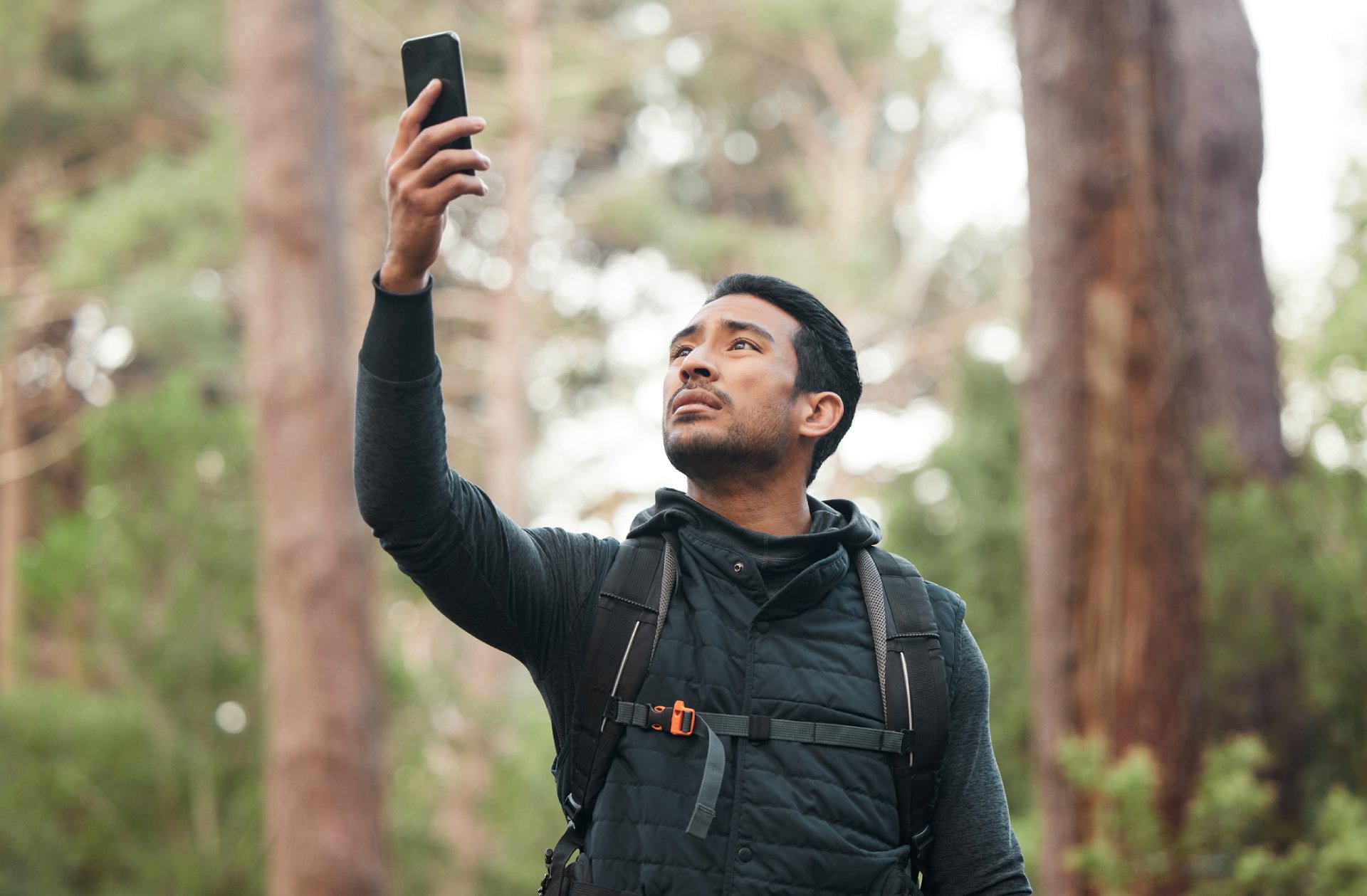
With increasing desires for more risk and adventure travel coupled with elevated international war and violent conflict, most survey respondents welcome the technological advances like adding satellite connectivity to smartphone capabilities.
Most respondents (82%) said they would feel safer with satellite connection abilities on their smartphone. They liked knowing they could call for help if they lost cell coverage, even though only 13% said they had lost cell coverage in the past. Many liked the peace of mind it would give their friends, family or colleagues.
The Global Rescue Survey
Global Rescue, the leading travel risk and crisis response provider, surveyed more than 2,300 of its current and former members from October 5-12, 2023. The respondents revealed a variety of behaviors, attitudes and preferences regarding current and future travel.
Get a price estimate
Estimate
$0.00
Please answer all questions for estimate.
Categories:
Press ReleaseNovember 13, 2023
(Lebanon, N.H. – November 13, 2023) The world’s most experienced travelers revealed diverse behaviors when it comes to technology designed to improve airport check-ins, security processing and obtaining COVID-19 booster vaccinations, according to the Global Rescue Traveler Sentiment and Safety Survey.
More than half (58%) of survey respondents have already received an updated COVID-19 vaccination or plan to get one, which is consistent with the recommendation of the Centers for Disease Control and Prevention (CDC) and the World Health Organization’s Strategic Advisory Group of Experts on Immunization. However, almost a third (29%) of respondents haven’t received a COVID-19 vaccination booster and do not plan to in the future. The remaining respondents (13%) are uncertain whether they will get a booster shot or not.
Vaccinated and unvaccinated travelers are equally as likely to travel internationally and domestically during the holidays between November 2023 and January 2024, according to the survey. “Travelers feel safe planning and taking trips and vacations regardless of their vaccination status,” said Dan Richards, CEO of The Global Rescue Companies, the world’s leading provider of medical, security, evacuation and travel risk management services, and a member of the U.S. Travel and Tourism Advisory Board at the U.S. Department of Commerce. “Confidence in institutions recommending the vaccine and boosters has declined dramatically. We expect vaccine booster acceptance to continue to fall among travelers,” Richards said.
The U.S. Government has discontinued issuing new proof of COVID-19 vaccination cards. A few countries still require unvaccinated travelers to present negative COVID test results before entry, but most are designated by the U.S. Department of State as Level 4 – Do Not Travel regions, including Libya, Mali, Niger, South Sudan and Central African Republic.
The threat of other diseases also isn’t appearing to impact traveler behavior. When the Nipah virus, which has a fatality rate between 40% and 75% according to the CDC, broke out in India almost no survey respondents reported delaying, postponing or canceling a trip to the country or anywhere else.
Air travel in 2023 is predicted to be up by nearly a third (29%) compared to pre-pandemic levels, according to a report by Statista, and international travel may close out the year up by as much as 50%, according to the International Air Transport Association.
To help ease crowding and accelerate traveler processing, the U.S. TSA introduced the Credential Authentication Technology (CAT) system in 2019. More than two thousand CAT systems have been installed in more than 200 airports. Based on survey results, travelers have mixed reports about the system.
Nearly seven-out-of-10 respondents (69%) have not used the TSA Credential Authentication Technology, a fourth (23%) do not know if they have used it, and less than a tenth (8%) said they have used the system. Of those who used the system, about half (49%) said it sped up the security clearance process, 40% didn’t notice a difference, and the rest reported it took as long or longer than the previous system.
Installation of travel hub kiosks at airports and other transportation centers is designed to move travelers through the check-in and ticketing process faster. More than half of respondents (53%) have used the kiosks but nearly as many (47%) have not. Most (61%) said the kiosks sped up the check-in process, but 18% reported they would prefer to check in with a live agent. A minority (3%) said the kiosks were too complicated.
Contact Bill McIntyre at bmcintyre@globalrescue.com or 202.560.1195 (phone/text) for more information.
About the Global Rescue Traveler Sentiment and Safety Survey
Global Rescue, the leading travel risk and crisis response provider, surveyed more than 2,300 of its current and former members from October 5-12, 2023. The respondents revealed a variety of behaviors, attitudes and preferences regarding current and future travel.
About Global Rescue
The Global Rescue Companies are the world’s leading provider of medical, security, evacuation and travel risk management services to enterprises, governments and individuals. Founded in 2004, Global Rescue has exclusive relationships with the Johns Hopkins Emergency Medicine Division of Special Operations and Elite Medical Group. Global Rescue provides best-in-class services that identify, monitor and respond to client medical and security crises. Global Rescue has provided medical and security support to its clients, including Fortune 500 companies, governments and academic institutions, during every globally significant crisis of the last two decades. For more information, visit www.globalrescue.com.
Categories:
Health & SafetySecurity & IntelligenceNovember 9, 2023
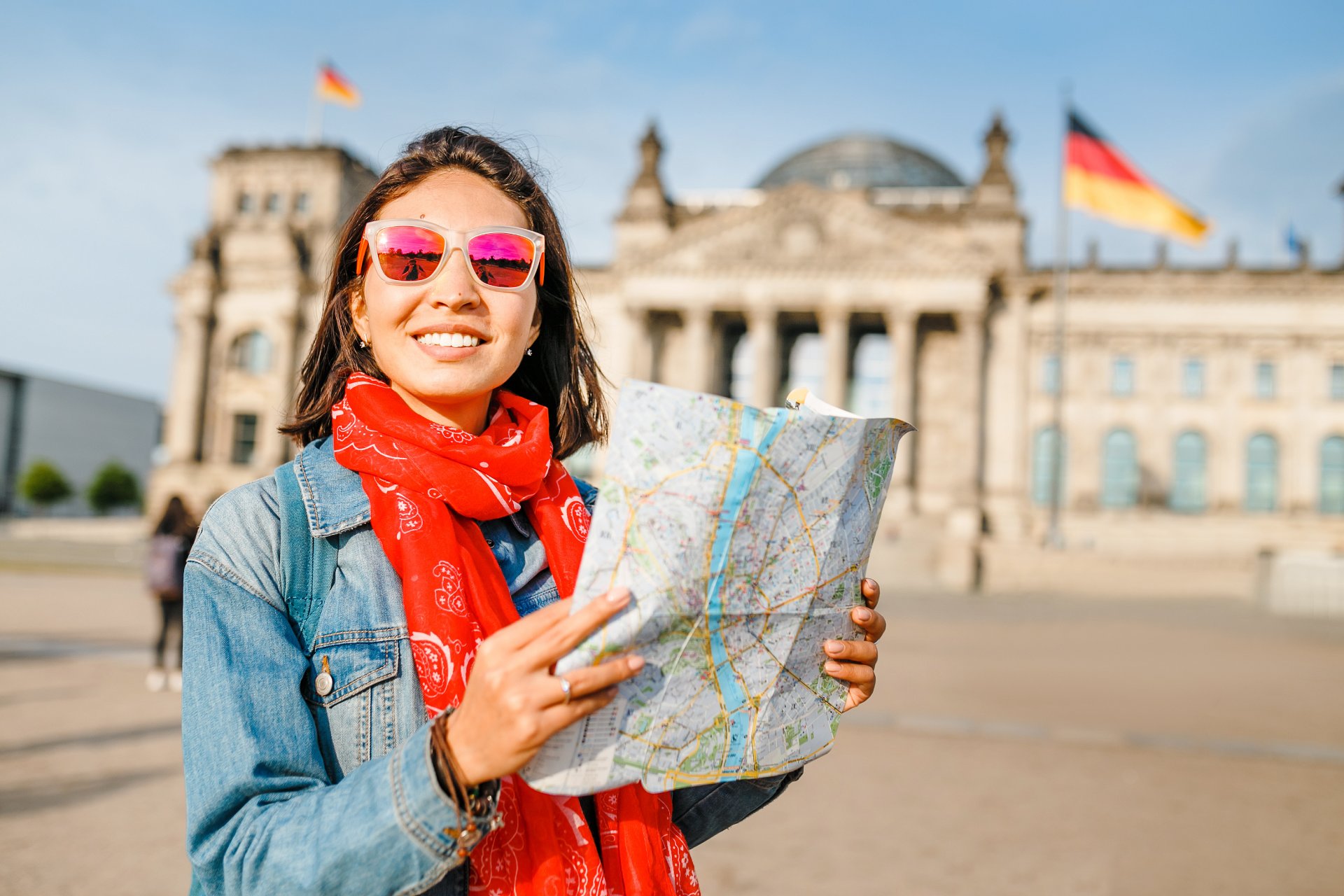
Studying abroad used to be the go-to dream of students. A chance to explore the world where they could call the shots, finally untethered from their families an ocean away.
But in recent years, something has shifted. First it was the pandemic, and now, the world we thought was stabilizing feels on the brink. With major wars in Eastern Europe and the Middle East—both with global implications—a fraught relationship with China and major natural disasters, how do we navigate studying abroad?
This burden is especially hard on parents. While releasing your adult child out into the world always feels a bit daunting, it’s different these days. How do we put our minds at ease? What can we do to help ensure they come back safely?
The first step is to be prepared.
If you’re considering sending your son or daughter to study abroad, we recommend asking these questions first:
What will your child do in the event of political unrest, a terrorist attack or a natural disaster?
What will they do if they become seriously sick or injured?
How will family and friends get in touch with them in an emergency?
Is the country they want to visit a safe place for them? This question is especially true for students with a disability or a sexual orientation or faith practice that is less than fully embraced in their host country.
Considering the questions above, are there special precautions your child needs to take that are unique to them?
Asking these questions will help you and your child confront difficult what-if scenarios and establish a baseline of risk acceptance before you get too far into planning.

Do’s and Don’ts of International Studies
If you and your child feel confident in the decision to study abroad after addressing the questions above, they should keep this list of international studies do’s and don’ts top of mind.
Do…
The U.S. Department of State recommends students do the following when taking a trip abroad:
…learn local laws and customs. If you’re studying abroad, you run a higher risk of being scammed if you don’t familiarize yourself with local customs. Doing so will help you keep a low profile and not attract negative attention.
…practice awareness while traveling. This is especially important if you’re a woman, LGBT+, are of a different race or have religious beliefs not predominant in the region. Read Global Rescue’s tips for travel awareness here.
…take time to learn about your destinations. Global Rescue’s destination reports provide up-to-date, comprehensive information for more than 200 countries.
…drink responsibly. If you drink, do so with people you know and trust. But be aware of how much you consume. Overdoing it makes you vulnerable.
…follow the social media accounts of the nearest U.S. Embassy or consulate so you can monitor them if a local crisis occurs.
…enroll in the STEP program so the U.S. Embassy knows to contact you in the event of an emergency.
Don’t…
…just make friends with people from your own country. It can be tempting to stick with people who share your culture, but doing so would be missing out on a wealth of experiences and learning opportunities.
…be afraid to stay local. Some students book trips to other cities or countries every weekend of their time abroad. But doing so takes your attention away from the abundant cultural experiences your host town has to offer.
…treat your trip like a vacation. Remember that the country you’re visiting isn’t just for your entertainment. Treat it with respect, look for ways to give back and honor the local culture.
…stay hooked on your screen. Looking down at your phone all the time is not just a safety risk because it makes you unaware of your surroundings. It also keeps you from taking in the sites around you.
…keep up with home too much. It’s natural to feel homesick in a new country, but recognize that your time is short, and the more you acclimate to your new surroundings, the less homesick you will feel. And it will help to refrain from following every moment of your friends and family back home.
…try and impose your beliefs on the people you meet. At best they may view your behavior as rude for violating local norms; at worst they may report you to the authorities for possible violations of local laws. Always be respectful, comply with local laws and cooperate with law enforcement if confronted.

Global Rescue: The Ultimate “Do”
A Global Rescue membership is the ultimate “do” for any study abroad experience. Students can purchase memberships at discounted rates to put their minds at ease knowing that our medical, security and evacuation services will be there for their family if a crisis occurs.
The Davis family knows this well. As a 16-year-old international high-school student in China, Lily Davis contracted an awful stomach virus and began vomiting blood. Her membership quickly became invaluable.
Global Rescue’s medical team guided the family through the process, ensuring Lily got the right treatment and keeping her parents informed the entire time.
“Global Rescue personnel were on the phone with me constantly,” her father, Robert, said. “Global Rescue was also on the phone with the Chinese medical staff and with the director of Lily’s school. I’m a firm believer in Global Rescue.”
Daniela Shields’ daughter, Alli, unexpectedly found herself in the middle of civil unrest in Hong Kong in 2019. Thankfully, Global Rescue quickly arranged for Alli to fly back home and out of harm’s way.
“The specifics from Global Rescue made the difference,” Shields said. “I learned things about the Hong Kong protests from Global Rescue that I didn’t hear until the next day on the news. I felt like we were ahead of the eight-ball at every turn.”
The Davis and Shields families know firsthand that even with careful planning, the unexpected can happen.
Categories:
Business TravelHealth & SafetyTravelNovember 7, 2023
Article Highlights
- The U.S. Department of State has issued a travel alert due to increased global tensions and potential threats.
- The alert follows recent attacks by Hamas and the escalating Israel-Hamas conflict.
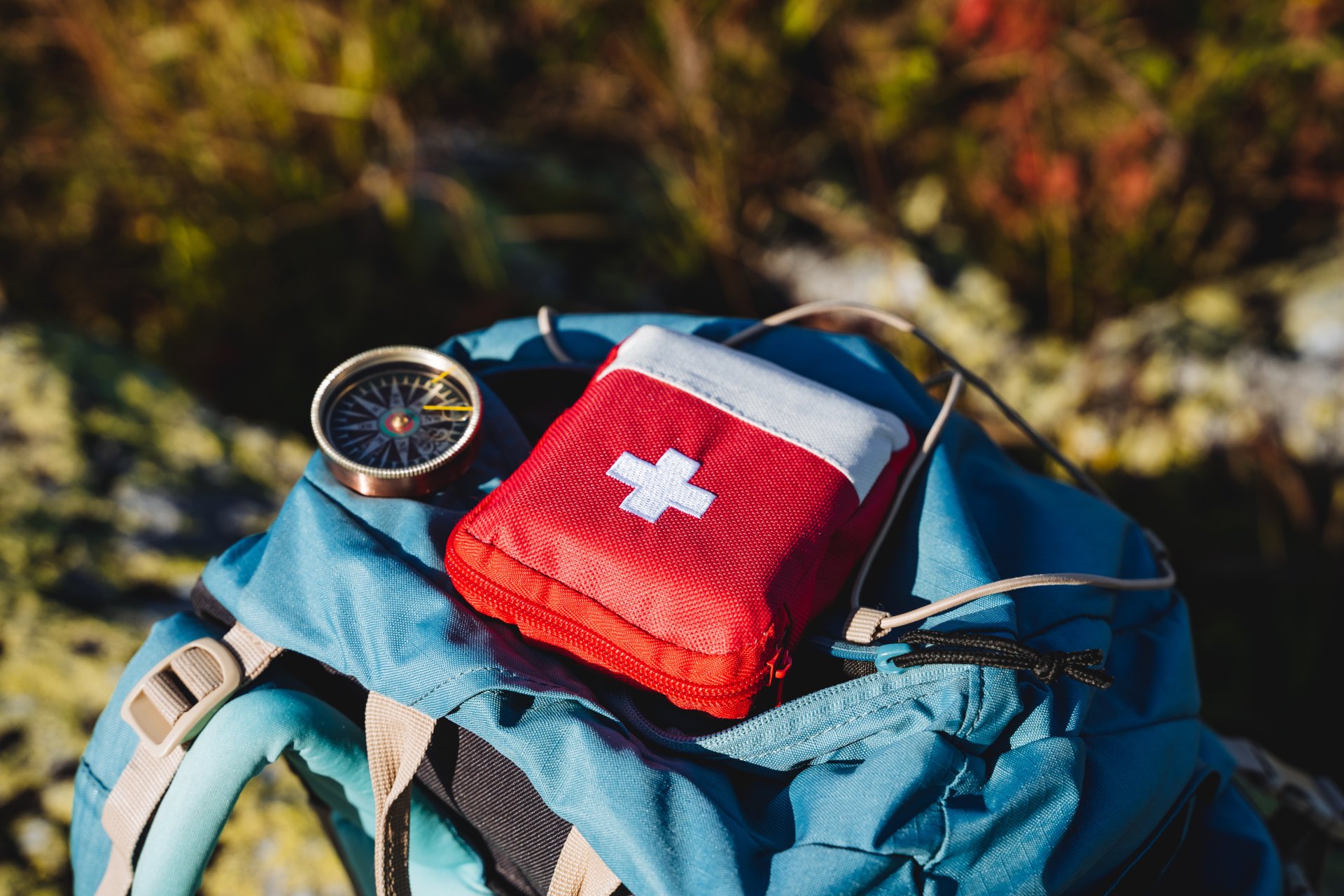
- Travelers should prepare a “go bag” with essential items for safety and survival.
- Recommended items include emergency cash, first aid kit, communication devices, and water purification tools.
On October 19, 2023, the U.S. Department of State released an alarming travel alert:
“Worldwide Caution: Due to increased tensions in various locations around the world, the potential for terrorist attacks, demonstrations or violent actions against U.S. citizens and interests, the U.S. Department of State advises U.S. citizens overseas to exercise increased caution.”
The call for heightened vigilance is in response to the October 7 attacks on Israel by Palestinian terrorist groups led by Hamas, and the escalating threat of wider violent conflict as the situation in Gaza and the region intensifies.
[Related Reading: Wartime Travel? Essential Information During the Russia-Ukraine Conflictonflict]
Preparing for Travel in Volatile
Given the expanding volatility of world travel resulting not only from the Israel-Hamas war but from the ongoing Russian invasion of Ukraine and potential tensions over territory disputes in the South China Sea, business and leisure travelers alike should prepare for the possibility of a hasty departure on their next trip.
While having a travel protection service in place should be the first item on the to-do list, preparing a “go bag” for your next overseas trip should be second.
“Whether you’re traveling to a potentially dangerous region or already in one, preparing a go bag packed with key items will increase your likelihood of safety or even survival when it’s necessary to immediately relocate to a safer area or depart the region at less than a moment’s notice,” said Harding Bush, a former Navy SEAL and senior manager for security operations at Global Rescue.
In other words, if you have to drop everything and make a run for it, a go bag is full of things you’ll want with you.

21 Must-have Survival Items in Your “Go Bag” for Emergencies
Go bags don’t have to be anything fancy. In fact, given the situation during which you’d use it, it’s best to have one knowing that it’ll likely get pretty beat up, and possibly even left behind after evacuation. It should be small and light, like a knapsack, so you can grab it and go quickly, but also so that it can easily pack into a suitcase.
What should you include in your go bag? Think essentials for fire, food, water, communication, signaling, navigation, first aid, temporary shelter, identification, travel documents and cash.
We recommend packing these 21 items into your go bag (in alphabetical order):
- Air Filtration Mask – An N95 mask is a respirator and, if worn correctly, will filter out the small respirable particles found in smoke.
- Aluminum Cup and Water Bottle – Need to boil water? An aluminum cup will come in handy. Include a tough, lightweight plastic water bottle, like a Nalgene bottle, for water.
- Clothing – Rain or warm weather gear based on your location.
- Communication Device(s) – Most everyone has a cell phone. Consider a two-way satellite communication device, if permitted in the region you are visiting. Add in extra charging batteries. Remember, those devices may fail due to loss of charge or jamming. What’s left? A mirror and the loudest whistle you can find will alert search and rescue to your location. Add a small notebook with pencils.
- Duct Tape – Use duct tape to stabilize a limb, patch a leaky tent, keep food bags closed, or twist into rope. Experts recommend bringing about 20 feet and wrapping it around your water bottle to minimize its size.
- Emergency Blanket – Space blankets made of lightweight Mylar might be easier to pack and can double as a reflective device.
- Emergency Cash and Backup Credit Cards – Keep a sufficient amount of emergency cash in both local currency and a widely accepted international currency. ATMs and banking systems may be inaccessible during or after an emergency. Additionally, carry backup credit or debit cards in case your primary card gets lost, stolen or compromised.
- Emergency Contact Information – Carry a list of emergency contact numbers, including local authorities, embassy or consulate contact details, and the phone numbers of your loved ones back home. In the event of a disaster, communication networks may be disrupted, so having these numbers readily available can help you seek assistance and inform your family about your well-being.
- First Aid Kit – A stripped down first aid kit would include essentials: a Sam splint, some Ace bandages and gauze pads of various sizes, a tourniquet and a compression device that could be a lifesaver when you need to stop the flow of blood. Remember to include adhesive bandages, antibiotic ointment like Neosporin, lip balm like Chapstick and similar things for the smaller injuries that could get worse if left untreated.
- Gloves – Consider your location and choose the most appropriate type of glove. Work gloves in case you have to move debris. Gloves should combine warmth, waterproofing, dexterity, durability and usability. Having an extra pair is always a good idea.
- Hygiene Items – If space is limited, stash away some biodegradable face and body wipes. It will go a long way to help you keep your sanity if rescue is a day or so away. Second priority: a toothbrush and a small tube of toothpaste.
- High-calorie Food – Pack high-calorie food with a blend of protein, fat and carbs. Energy bars are a good choice like RX Bars or LARABARs. Bouillon cubes — either veggie or meat stock — have a two-year shelf life. You’ll be able to stay hydrated, have a small amount of nourishment, and the warmth of broth is a morale booster.
- Light – A small, powerful flashlight with extra batteries. A headlamp is better since it leaves your hands free.
- Lighter, Matches, Fire Starters – Fire for warmth, signaling and boiling water is essential. Pack multiple fire-making devices and store them in a waterproof bag.
- Multi-Tools – You may have a multi-tool, like a Swiss Army knife or a Leatherman, but do you have a mealtime multi-tool? An eating utensil — used for cooking, eating or other useful purposes — should include a knife, fork, spoon, can opener or bottle opener.
- Navigation Tools – No matter how well you know the area or terrain, mistakes can be made. Never leave shelter without navigation tools, including a GPS unit with cellular or satellite coverage, a map and a compass.
- Paracord – Paracord (also known as 550 cord) is a must-have. It is versatile, lightweight and cheap. The uses are endless. Add 50 feet to your survival kit.
- Rx and Over-The-Counter Medications – Include the over-the-counter medications you take regularly. Add a small supply of pain relievers, antacids or decongestants to your first aid kit.
- Valid Identification and Travel Documents – Ensure you have your passport, identification and any necessary travel documents readily accessible. These documents are essential for identification, possible evacuation, and re-entry into your home country. Keep them in a waterproof and secure location, such as a sealed plastic bag within your travel bag.
- Water – The American Red Cross recommends one gallon per person, per day. No one could carry that much with them, so you’ll want to have water treatment supplies to purify and filter water. You can boil water, use chlorine and iodine, or a UV light purifier.
- Zip Lock Bags – Resealable sliding channel storage bags, like Ziploc bags, are a great way to keep items waterproof. GearJunkie lists all the uses for this versatile survival kit item: store toilet paper, keep electronics dry, organize snacks, keep fire starters dry/organized, pack out trash and catch rainwater. Just make sure the brand has a sturdy zipper and thicker plastic.
[Related Reading: Ultimate Travel Safety Kit]
These items are in addition to the standard travel essentials like appropriate clothing, toiletries and personal items. And if you’re asking how you’ll pack all of these go bag items and a knapsack into your suitcase, keep in mind that most are relatively small, light and flexible. Several of them can be purchased at your destination as well.
Go Bag Essentials Are Not All You Need
No matter how comprehensive you might think your go bag is, nothing beats not having to use the items in the first place. Avoidance is the best form of prevention. “It’s crucial to stay informed about local emergency procedures,” said Global Rescue’s Harding Bush. “Listen to instructions from local authorities during an international emergency. Taking these precautions will enhance your safety and preparedness when traveling internationally.”
If you’re planning a trip to a volatile region where international travel is still permitted, get in touch with Global Rescue to help equip you with up-to-date intelligence, and help ensure your safety and security, be it go bag prep or other precautionary preparations.
Categories:
Press ReleaseNovember 6, 2023
(Lebanon, N.H. – November 6, 2023) Despite war and violent conflicts in Eastern Europe and the Middle East, close to half of the survey respondents (45%) said they would travel both internationally and domestically for the winter holidays between November 2023 and the end of January 2024, according to the Global Rescue Fall Traveler Sentiment and Safety Survey. Nearly a third (29%) said they would travel domestically only, 11% would travel internationally only and 16% had no travel plans during that time.
“We’re seeing an understandable increase in traveler concern worldwide, but it is the most pronounced in the Middle East,” said Dan Richards, CEO of The Global Rescue Companies, the world’s leading provider of medical, security, evacuation and travel risk management services, and a member of the U.S. Travel and Tourism Advisory Board at the U.S. Department of Commerce. “Nevertheless, international trip takers continue to gain comfort with wartime travel. We’ve seen this traveler behavior since the war in Ukraine and we’re seeing it today following the attack on Israel,” he said.
Travel uncertainty generally increases traveler demand for emergency medical and security services. “We’ve seen a 33% increase in traveler purchases of security services since the armed conflict between Israel and Palestinian terrorist groups started,” Richards said.
While COVID fears have plummeted, travelers are keeping up with vaccinations recommended by the Centers for Disease Control and Prevention (CDC) and the World Health Organization’s Strategic Advisory Group of Experts on Immunization, according to the survey.
More than half (58%) of the world’s most experienced travelers surveyed have already received an updated COVID-19 vaccination or plan to do so. Less than a third (29%) haven’t and do not plan to while 14% are uncertain whether they will or not. News reports of the Nipah virus outbreak in India did not prompt any survey respondents to delay, cancel or postpone a trip to the region or anywhere else.
To speed up travel hub security lines, the U.S. TSA introduced the Credential Authentication Technology (CAT). Unfortunately, fewer than a tenth (9%) have used the system. The majority of respondents (91%) either have not used TSA’s CAT or do not know if they have used it. Of those who used the system, about half (49%) said it sped up the security clearance process, but the balance did not notice a difference or reported it took as long as or longer than the previous system.
Experts expect airport check-in kiosks to increase. Survey respondents appreciate the timesaving attributes of the kiosks, but others prefer personal interaction. More than half (53%) of respondents use travel hub check-in kiosks, but 47% do not. Most (61%) use the kiosks because they speed up the check-in process but 18% of them would prefer to check in with a live agent. An equal percentage (18%) reported that live agents are often unavailable and must use the check-in kiosks.
Contact Bill McIntyre at bmcintyre@globalrescue.com or 202.560.1195 (phone/text) for more information.
About the Global Rescue Traveler Sentiment and Safety Survey
Global Rescue, the leading travel risk and crisis response provider, surveyed more than 2,300 of its current and former members from October 5-12, 2023. The respondents revealed a variety of behaviors, attitudes and preferences regarding current and future travel.
About Global Rescue
The Global Rescue Companies are the world’s leading provider of medical, security, evacuation and travel risk management services to enterprises, governments and individuals. Founded in 2004, Global Rescue has exclusive relationships with the Johns Hopkins Emergency Medicine Division of Special Operations and Elite Medical Group. Global Rescue provides best-in-class services that identify, monitor and respond to client medical and security crises. Global Rescue has provided medical and security support to its clients, including Fortune 500 companies, governments and academic institutions, during every globally significant crisis of the last two decades. For more information, visit www.globalrescue.com.
Categories:
NewsNovember 1, 2023
Categories:
Press ReleaseNovember 1, 2023
(Lebanon, N.H. – October 31, 2023) As the threat of an escalation in violent conflict remains fluid following the surprise attack on Israel by Palestinian terrorist groups led by Hamas, international travelers in or adjacent to the region should prepare for the possibility of a hasty departure.
“Travelers should register with their embassy, ensure all documents like passports and visas are in order, make certain financial resources are available to book unscheduled, urgent travel, keep a low profile, and consider packing an accessible go bag,” said Harding Bush, a former Navy SEAL and senior manager for security operations at Global Rescue.
“Whether you are traveling to a potentially dangerous region or already in one, preparing a go bag packed with key items will increase your likelihood of survival when it is necessary to immediately relocate to a safer area or depart the region at less than a moment’s notice,” Bush said.
A go bag is full of things you’ll want with you in an emergency when you have to drop everything and make a run for it,” Bush said. It’s small and light, like a knapsack, so you can grab it and go quickly and easily. It contains essentials for fire, food, water, signaling, navigation, first aid and temporary shelter.
Following are the top-21 items to pack in your go bag (in alphabetical order):
-
- Air Filtration Mask – An N95 mask is a respirator and, if worn correctly, will filter out the small respirable particles found in smoke.
- Aluminum Cup and Water Bottle – Need to boil water? An aluminum cup will come in handy. Include a tough, lightweight plastic water bottle, like Nalgene bottle, for water.
- Clothing – Rain or warm weather gear based on your location.
- Communication Device(s) – Most everyone has a cell phone. Consider a two-way satellite communication device, if permitted in the region you are visiting. Add in extra charging batteries. Remember, those devices may fail due to loss of charge or jamming. What’s left? A mirror and the loudest whistle you can find will alert search and rescue to your location. Add a small notebook with pencils.
- Duct Tape – Duct tape can be used to stabilize a limb, patch a leaky tent, keep food bags closed, or twist into rope. Experts recommend bringing about 20 feet and wrapping it around your water bottle to minimize its size.
- Emergency Blanket – Space blankets made of lightweight Mylar might be easier to pack and can double as a reflective device.
- Emergency Cash and Backup Credit Cards – Keep a sufficient amount of emergency cash in both local currency and a widely accepted international currency. ATMs and banking systems may be inaccessible during or after an emergency. Additionally, carry backup credit or debit cards in case your primary card gets lost, stolen or compromised.
- Emergency Contact Information – Carry a list of emergency contact numbers, including local authorities, embassy or consulate contact details, and the phone numbers of your loved ones back home. In the event of a disaster, communication networks may be disrupted, so having these numbers readily available can help you seek assistance and inform your family about your well-being.
- First Aid Kit – A stripped down first aid kit would include essentials: a Sam splint, some Ace bandages and gauze pads of various sizes, a tourniquet and a compression device that could be a lifesaver when you need to stop the flow of blood. Remember to include adhesive bandages, antibiotic ointment like Neosporin, lip balm like Chapstick and similar things for the smaller injuries that could get worse if left untreated.
- Gloves – Consider your location and choose the most appropriate type of glove. Work gloves in case you have to move debris. Gloves should combine warmth, waterproofing, dexterity, durability and usability. Having an extra pair is always a good idea.
- Hygiene Items – If space is limited, stash away some biodegradable face and body wipes. It will go a long way to help you keep your sanity if rescue is a day or so away. Second priority: a toothbrush and a small tube of toothpaste.
- High-calorie Food – Pack high-calorie food with a blend of protein, fat and carbs. Energy bars are a good choice like RX Bars or LARABARs. Bouillon cubes — either veggie or meat stock — have a two-year shelf life. You’ll be able to stay hydrated, have a small amount of nourishment, and the warmth of broth is a morale booster.
- Light – A small, powerful flashlight with extra batteries. A headlamp is better since it leaves your hands free.
- Lighter, Matches, Fire Starters – Fire for warmth, signaling and boiling water is essential. Pack multiple fire-making devices and store them in a waterproof bag.
- Multi-Tools – You may have a multi-tool, like a Swiss Army knife or a Leatherman, but do you have a mealtime multi-tool? An eating utensil — used for cooking, eating or other useful purposes — should include a knife, fork, spoon, can opener or bottle opener.
- Navigation Tools – No matter how well you know the area or terrain, mistakes can be made. Never leave shelter without navigation tools, including a GPS unit with cellular or satellite coverage, a map and a compass.
- Paracord – Paracord (also known as 550 cord) is a must-have. It is versatile, lightweight and cheap. The uses are endless. Add 50 feet to your survival kit.
- Rx and Over-The-Counter Medications – Include the over-the-counter medications you take regularly. Add a small supply of pain relievers, antacids or decongestants to your first aid kit.
- Valid Identification and Travel Documents – Ensure you have your passport, identification and any necessary travel documents readily accessible. These documents are essential for identification, possible evacuation, and re-entry into your home country. Keep them in a waterproof and secure location, such as a sealed plastic bag within your travel bag.
- Water – The American Red Cross recommends one gallon per person, per day. No one could carry that much with them, so you’ll want to have water treatment supplies to purify and filter water. You can boil water, use chlorine and iodine, or a UV light purifier.
- Zip Lock Bags – Resealable sliding channel storage bags, like Ziploc bags, are a great way to keep items waterproof. Make sure the brand has a sturdy zipper and thicker plastic.
These items are in addition to the standard travel essentials like appropriate clothing, toiletries and personal items. “It’s also crucial to stay informed about the local emergency procedures and listen to instructions from local authorities during an international emergency. Taking these precautions will enhance your safety and preparedness when traveling internationally,” Bush said.
ContactBill McIntyre at bmcintyre@globalrescue.com or 202.560.1195 (phone/text) for more information.
About Global Rescue
The Global Rescue Companies are the world’s leading provider of medical, security, evacuation and travel risk management services to enterprises, governments and individuals. Founded in 2004, Global Rescue has exclusive relationships with the Johns Hopkins Emergency Medicine Division of Special Operations and Elite Medical Group. Global Rescue provides best-in-class services that identify, monitor and respond to client medical and security crises. Global Rescue has provided medical and security support to its clients, including Fortune 500 companies, governments and academic institutions, during every globally significant crisis of the last two decades. For more information, visit www.globalrescue.com.
Categories:
Missions & Member TestimonialsOctober 31, 2023
The ongoing armed conflict between Israel and Iran-backed terrorist groups led by Hamas is driving a spike in traveler purchases of security extraction services since the attack on October 7th, 2023.
“We’ve seen a 33% increase in traveler purchases of security services since the attack compared to the same period before the strike,” said Dan Richards, CEO of The Global Rescue Companies, the world’s leading provider of medical, security, evacuation and travel risk management services, and a member of the U.S. Travel and Tourism Advisory Board at the U.S. Department of Commerce.
“Terrorism and war in a country drives down traveler confidence in the entire region as travelers grapple with a dramatically different risk environment. We’re also seeing an increase in traveler concern worldwide, but it is the most pronounced in the Middle East,” he added.
Global Rescue continues to conduct operations to bring member tourists and others to safety in and around Israel. “We’re doing everything we can in a tough and evolving situation,” Richards said. “Our security operations teams already have successfully helped more than 68 members to safety, and we will continue to assist those who contact us in need of help.”
In a typical 30-day period, Global Rescue performs hundreds of operations in dozens of countries and territories. The following are highlights of a few rescue operations completed in September and October.
Security Extractions in Israel
Members from New York, New Jersey and Washington were among the more than 60 people extracted from Israel immediately following the Hamas attacks on October 7th. In one instance, the New York member contacted Global Rescue security operations from within a bomb shelter in a Tel Aviv hotel. Our security operations experts provided extensive safety advisory guidance while coordinating a security extraction using land and air transport. The individuals were successfully transported under an armed escort using armored vehicles to Ben Gurion Airport where they successfully departed the country.
A New Jersey member was sheltering in Jerusalem when a colleague contacted Global Rescue security operations to assist the member in a secure extraction from Israel. Global Rescue security and intelligence experts contacted the sheltering member and coordinated a successful secure transport to Ben Gurion airport and a safe departure from Israel.
A couple from Washington state were having breakfast in their Jerusalem hotel on the morning of the attack. The pair heard rocket attacks and rifle fire. That’s when they decided to leave. They secured ground transport to Bat Yam, a Tel Aviv suburb, where they were immediately directed to a hotel bomb shelter. Between rocket attacks the couple contacted Global Rescue security operations experts to determine the seriousness of the situation and the best course for safe extraction. After several interruptions due to rocket attacks, the two members were successfully transported with an armed escort to the airport where they successfully boarded a flight out of the country to Madrid, Spain.

Rudderless at Sea
A Zoleo user triggered his SOS button, connecting him immediately with Global Rescue operations experts. Rescue team members learned the individual was sailing a 23-foot sailboat in the North Atlantic Ocean. A storm struck, and he lost the ability to steer. “My sailboat rudder broke off. I’m in a storm. Need to abandon ship. I’m the only crew onboard.” Global Rescue operations notified the U.S. Coast Guard, relayed details of the incident and coordinated rescue efforts. The member stayed in constant contact with Global Rescue operations and relayed he had a sustained a head injury and his life raft had been washed away. Global Rescue operations coordinated with the coast guard, and identified a ship that could reach him in four hours (he was beyond helicopter range) and the vessel plotted a course to his location. The member was rescued successfully and treated for his injuries.
[Related Reading: Sail Away With Global Rescue on Board]
Misstep on Marble Steps in Portugal
Accidents can happen anywhere, not only in remote locations. A U.S. member traveling in Portugal fell on the marble steps of her hotel in Esposende, injuring her right knee. She contacted Global Rescue medical operations and noted swelling and throbbing pain in the injured area. She was transported to a hospital where medical staff diagnosed her with a kneecap fracture. She was discharged with a prescription and medical devices to support her injury. Her treating physician did not recommend surgery, and she was cleared to travel home to Missouri. Global Rescue provided business class seating, wheelchair assistance and ground transport services.

HAPE on Mount Manaslu
A Las Vegas member was suffering from symptoms of High-Altitude Pulmonary Edema (HAPE) on Mount Manaslu. Her symptoms included cough, difficulty breathing, and her oxygen saturation level was dangerously low at 49%. After seeing a physician at basecamp, she started using supplemental oxygen. Unfortunately, her symptoms did not improve. Global Rescue medical operations physicians reviewed the case and recommended an immediate airborne evacuation to a hospital in Kathmandu capable of treating HAPE. Upon arrival at the hospital, treating physicians evaluated and diagnosed her with HAPE. She improved quickly and was released from the hospital with instructions to rest and hydrate.
[Related Reading: Altitude Sickness: Life-saving Tips for Climbers]
Abdominal Cramps in Nepal
A U.S. member experienced severe abdominal pain on Mount Manaslu at Camp 1. A member of her expedition team contacted Global Rescue medical operations. A doctor at Camp 1 initially prescribed medication that provided temporary relief. Global Rescue physicians agreed that if the discomfort didn’t abate then a helicopter medical evacuation would be initiated. Unfortunately, the member’s pain recurred the following day. Her heart rate was elevated at 125 bpm and her pain level had increased, too. An airborne field rescue commenced, and the member was transported successfully to a hospital in Kathmandu.
Remember, a Global Rescue travel membership has your back in all sorts of ways. Sure, there are the services we provide to our members if there’s a need: field rescue, medical evacuation, medical and security advisory, to name just a few. But it’s the benefit of peace of mind, inspired by those services – and the emergency experts who deliver them 24/7/365 – that resonates most with our members.
Categories:
Press ReleaseOctober 30, 2023
(Lebanon, N.H. – October 30, 2023) – People are traveling boldly during the post-pandemic travel rebound, taking multiple trips in 2023 and demonstrating a growing desire for authentic experiences in an increasingly globalized and connected world. It’s why the theme of the 2023 Global Rescue Photo and Video Contest is Travel Boldly.
“Before the pandemic, people were more content with traditional tourist activities,” said Michael Holmes, Global Rescue’s head of marketing. “Cruising the Seine River in Paris, skiing in the Rockies or the Alps, or even soaking up the sun in Aruba, were usually go-to vacation activities. But now, activities that were not on most tourists’ radar are increasingly competing with traditional tourism pursuits.”
Global Rescue is celebrating the travel rebound through the spirit and strength of the images of travelers in a post-pandemic world. More than $50,000.00 in prizes will be distributed to the winners.
Complete information is available here (https://www.globalrescue.com/landing-pages/photo-contest-2023/).
The Global Rescue 2023 Photo and Video Contest is open to all through November 10, 2023. There are five categories available to enter. A winner will be selected for each category as well as a grand prize winner:
- Urban Exploration – A photo showcasing how you spend time in a city.
- On The Edge – Images of a traveler living life to the fullest, taking part in an activity or experience that is, perhaps, slightly outside of their comfort zone.
- Family – Photos showing family coming together through travel and the sense of togetherness, shared memories, and the willingness to navigate new adventures as a unit.
- Bleisure – Travel images that combine business and leisure which create a more well-rounded and enjoyable travel experience by blending work and leisure seamlessly.
- Video – Unveil the spirit of Traveling Boldly through captivating video content that vividly portrays world exploration in all of its forms.
Entries accepted until 11:59 PM (EST) November 10, 2023. Winners will be announced by November 30th.
Global Rescue 2023 Photo and Video Contest judges include:
- Alessandra Amodio, is an American fine art photographer based in New York City where she is Digital Photo Editor at Travel + Leisure. She has worked at Departures Magazine, Newsweek Magazine, The Knot World Wide (XO Group) and Kate Ryan Inc.
- Mark Edward Harris, a photographer who has visited and photographed in more than 100 countries. His work has appeared in Vanity Fair, LIFE, Time, Newsweek, Conde Nast Traveler, National Geographic Traveler, Forbes, AFAR, Vogue Brazil, Elle Canada, Esquire Japan, Harper’s Bazaar, Italian GQ, Marie Claire, The New York Times, The Washington Post, The London Times Travel Magazine and The Los Angeles Times Sunday Magazine.
- Anna Haines, is an award-winning photographer and freelance writer whose work has appeared in numerous publications, including Forbes, Vogue, Insider, AFAR, Lonely Planet, Buzzfeed, Refinery29, TRAVEL+LEISURE, and Eater. She is a graduate of the International Center of Photography’s Visual Journalism program and notable photography clients have included Alain Ducasse and the Rockefeller Foundation.
- Geoffrey Morrison, is a travel writer and photographer whose work has appeared in CNET, Wirecutter, The New York Times, the Wall Street Journal and Forbes.
- Chelsea Bakos-Kallgren, Global Rescue’s graphic designer. Previous to her work at Global Rescue, her design talents shaped the brands of Simon Pearce, CBRE Group, National Park Service, Shire Digital and Cloudbank Inc. She’s won numerous awards for design: print, digital and best in show.
###
Contact Bill McIntyre at bmcintyre@globalrescue.com or 202.560.1195 (phone/text) for more information.
About Global Rescue
The Global Rescue Companies are the world’s leading provider of medical, security, evacuation and travel risk management services to enterprises, governments and individuals. Founded in 2004, Global Rescue has exclusive relationships with the Johns Hopkins Emergency Medicine Division of Special Operations and Elite Medical Group. Global Rescue provides best-in-class services that identify, monitor and respond to client medical and security crises. Global Rescue has provided medical and security support to its clients, including Fortune 500 companies, governments and academic institutions, during every globally significant crisis of the last two decades. For more information, visit www.globalrescue.com.
Categories:
Missions & Member TestimonialsOctober 26, 2023
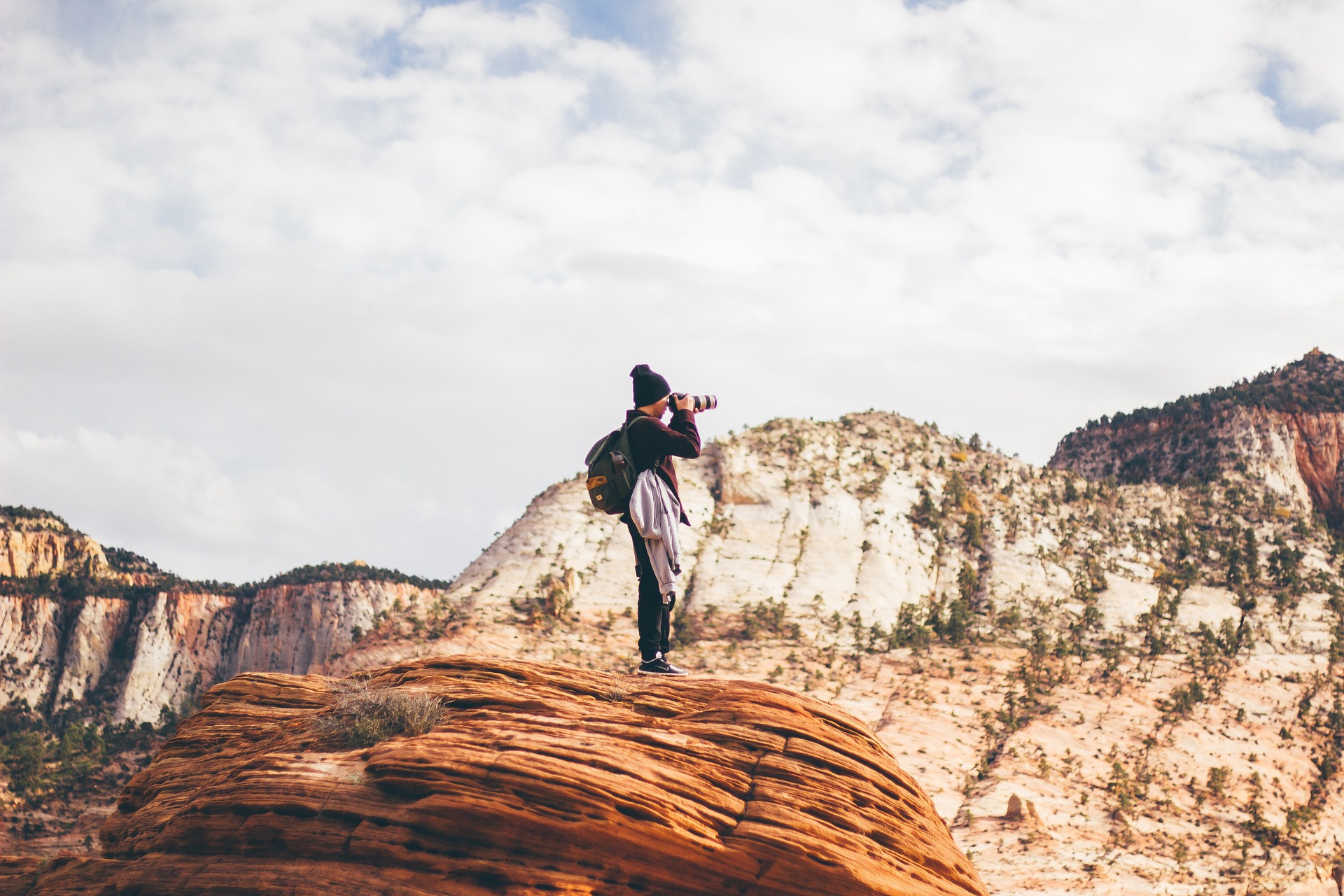
People are traveling boldly during the travel rebound – and they have a growing desire for authentic experiences in an increasingly globalized and connected world. Fresh destinations, curated trips for completely new experiences, and dependable trips to familiar places are all part of traveling boldly during the travel rebound.
Some travelers have sought out more adventure. “Travelers are looking for something more than just a traditional holiday. There has to be an element of adventure added to the mix and travelers are willing to take more risks to experience something unique and extraordinary,” said Jonas Ernevi, CEO & Co-Founder LeRipp Ltd Mountain Bike Escapes.
Others are looking to follow their passion – like surfing – to new destinations. “We have in-house photographers and videographers that are there to capture those moments for our guests, enabling them to enjoy the moment and be present in Nicaragua, Costa Rica, Guatemala or Barbados,” said Ashleigh Greaves, Rise Up Surf head of marketing.
To celebrate these and other travel experiences, we are inviting travelers to take part in the 2023 Global Rescue Photo and Video Contest to document the beauty and excitement of global travel. The contest is open through November 10 for you to submit photographs or videos representing this year’s theme: Travel Boldly.
Contest sponsors have contributed more than $50,000.00 in prizes for the winners of the 2023 Global Rescue Photo and Video Contest.
Enter the Contest
Here are the categories:

On The Edge
The “On the Edge” category is all about getting the most out of life, especially when a trip takes a little courage…and risk. We are looking for images of yourself or a fellow traveler living life to the fullest, taking part in an activity or experience that is, perhaps, slightly outside of their comfort zone.
Thanks to sponsors like Chile Nativo Travel and others, the “On The Edge” category winner will receive a Global Rescue 14-day membership, a $500 Life Happens Outdoors Gift Certificate, a $500 Climbing the Seven Summits Gift Certificate, and a Chile Nativo Travel extravaganza for two people to hike and boat the famous W trail’s three major attractions in the Torres del Paine National Park region.
The breathtaking beauty of Patagonia typically captivates Chile Nativo travelers. “They’re eager to document their experiences through photography and videography. Some of the most sought-after subjects for their lenses include the highlights of our programs, such as the iconic and unique locations found in Torres del Paine National Park,” said Alejandra Covacevich, marketing & sustainability manager at Chile Nativo.
Bleisure
Since the pandemic, bleisure travel – combining business and leisure in the same trip – has skyrocketed. At the same time, the rising ability for individuals to work remotely has boosted the percentage of people living, working and traveling away from the office to other cities and countries.
To mark this dramatic shift in workforce and travel dynamics, we are introducing the “Bleisure” category. We are looking for travel images that combine business and leisure which, we believe, create a more well-rounded and enjoyable travel experience by blending work and leisure seamlessly.
The “Bleisure” category winner will receive a Global Rescue 14-day membership, a $500 Life Happens Outdoors Gift Certificate, a $500 Climbing the Seven Summits Gift Certificate, and an Amazon Canoe Challenge Canoe & Culture 5-day expedition for one in 2024.
“It’s been great to see an increase in adventure travel and community led trips, focusing on travel at a slower pace that embraces the experience of ‘just being’ in a place without rushing around ticking off the sights,” said Carlos Heine, Challenge Director at Amazon Canoe Challenge. “We always see some great shots of our guests’ experiences staying with the local indigenous communities, taking part in a traditional masato ceremony, trying out archery or the wildlife you can spot along the way.”

Urban Exploration
Not all trips include Mount Everest summits, fly fishing in the Seychelles or motorcycling through Mongolia. Trips to urban centers are notoriously exciting for the distinct cuisines, regional museums, wondrous architecture and more. We designed the “Urban Exploration” category for travelers to highlight how they spend time in a city. We are looking for images featuring the places, food, activities or people that made your urban travel experience memorable.
The winner of the “Urban Exploration” category will receive a Global Rescue 14-day membership, a $500 Life Happens Outdoors Gift Certificate, a $500 Climbing the Seven Summits Gift Certificate, and a Sun Safaris 4-night safari to Kruger National Park in South Africa for two people.
Family
Family travel makes up a significant segment of leisure – which can be a traditional vacation, a heritage trip, an educational excursion or almost anything else. The “Family” category is perfect for images showing family coming together through travel and the sense of togetherness, shared memories, and the willingness to navigate new adventures as a unit.
The winner of the “Family” category will receive a Global Rescue 14-day membership, a $500 Life Happens Outdoors Gift Certificate, a $500 Climbing the Seven Summits Gift Certificate, and an Aylmer Lake Lodge 5-day fishing trip for two people in July/August 2024.
Climbing the Seven Summits co-owner Caroline Pemberton said travelers are awed by the majesty of the mountains and are compelled to photograph or shoot videos. “The mountains are extremely moving. People naturally pick up their camera when they are in awe. We feel humbled and small in the face of such incredible nature and want to capture the places that elicit those strong feelings. When we look back on photos or videos, they elicit that same feeling again and help us share that with our loved ones and relive our most magical, transformative moments.”
Video
Taking sharp, still pictures using smartphones is easier than ever. But smartphones and other portable recording devices are making video shoots quick, simple and better than ever, too. This year, we have introduced the “Video” category to unveil the spirit of Traveling Boldly in its myriad facets. We are inviting travelers to embark on a sensory journey through captivating video content that vividly portrays world exploration in all of its forms.
The winner of the “Video” category will receive a Global Rescue 14-day membership, a $500 Life Happens Outdoors Gift Certificate, a $500 Climbing the Seven Summits Gift Certificate, and a PolarQuest Expedition Dog Sledding Expeditions for one in Lapland, Sweden.
Enter the Contest
Judges will select a grand prize winner from all entries. The grand prize winner will receive:
- A Global Rescue annual membership
- $500 Life Happens Outdoors Gift Certificate
- $500 Climbing the Seven Summits Gift Certificate
- $500 Rise Up Surf Certificate for 2024
- €150 Gift Certificate for the LeRipp Worldwide Mountain Bike Holiday
- $5,000 Your Private Africa Gift Certificate
- Buy 1, Get 1 Free for The Secret Atlas South Georgia Wildlife and Photography Expedition Cruise Tour in the Falkland Islands
- 80% off a Voygr Expeditions Snow Leopard Excursion in Ladakh, India
Ashley Bay, Your Private Africa’s co-founder and director of operations, said when travelers share photos and videos of their adventures, it inspires others to step outside their routine and seek destinations they may have not considered. “On safari, many people don’t realize that truly luxurious places exist. Someone who is nervous about ‘roughing it’ may see a video of someone’s suite at a lodge and realize that the experience is for them, too,” she said.
Regardless of the contest outcomes, the real winners are all the people who have returned to travel boldly, making the post-pandemic travel rebound a welcome reminder of the benefits of travel. “Our polar expeditions transport our guests to destinations so raw and wild that you’ve got to pinch yourself to confirm if you’re even still on the same planet! Capturing imagery through still or motion photography is a huge part of our expeditions,” said Sophie Dingwall, Secret Atlas marketing executive.