Categories:
Press ReleaseMarch 7, 2023
Lebanon, N.H. – March 6, 2023 – One-out-of-four international travelers needs hospitalization or medical attention during travel but nearly half of them do not obtain a pre-travel health screening, and fewer do any research about the quality of medical care at their destination beforehand, according to the Global Rescue Winter 2023 Traveler Sentiment and Safety Survey.
According to the Merck Manuals, when it comes to foreign travel, about 1 in 30 people traveling abroad require emergency care. That percentage is higher among the world’s most experienced travelers. According to the survey, one out of four (24%) revealed that they needed hospitalization or medical attention during travel.
Unfortunately, only about a third (38%) of surveyed travelers researched the quality of medical care at their destination before traveling abroad. The balance (62%) did not do any research in advance.
“In today’s travel landscape, you may not want to travel to any destination where the level of medical care isn’t up to your standards unless you have medical evacuation services. It puts you, your health and your trip at risk,” said Dan Richards, CEO of Global Rescue.
“Hospital layouts differ. The medication might not look the same. Some hospitals use IVs with glass bottles instead of plastic bags. Triage may be done differently than it is in the United States,” said Jeff Weinstein, medical operations associate manager at Global Rescue.
“Travelers should obtain destination reports covering everything from travel health and personal security advice to currency and common scams before taking a trip, especially to a foreign country,” Richards added.
More than half (54%) of the world’s most experienced travelers surveyed by Global Rescue said they obtain a pre-travel health consultation with a physician to discuss their itinerary, pre-existing conditions, a medications list and any health concerns they may have to decrease medical risks during travel.
That’s nearly two times better than the average, according to Mass General Brigham that reported 30 million travelers visited limited-resource countries overseas, but only 25 to 30% sought medical advice before they went.
“Certain health conditions and medications can increase your health risks during travel and these risks will vary by destination, activities and mode of travel,” Weinstein said.
###
Contact Bill McIntyre at bmcintyre@globalrescue.com or 202.560.1195 (phone/text) for more information.
About the Global Rescue Traveler Sentiment and Safety Survey
Global Rescue, the leading travel risk and crisis response provider, conducted a survey of more than 2,000 of its current and former members between January 30 and February 4, 2023. The respondents exposed a range of behaviors, attitudes and preferences regarding international and domestic travel.
About Global Rescue
Global Rescue is the world’s leading provider of medical, security, evacuation and travel risk management services to enterprises, governments and individuals. Founded in 2004, Global Rescue has exclusive relationships with the Johns Hopkins Emergency Medicine Division of Special Operations and Elite Medical Group. Global Rescue provides best-in-class services that identify, monitor and respond to client medical and security crises. Global Rescue has provided medical and security support to its clients, including Fortune 500 companies, governments and academic institutions, during every globally significant crisis of the last two decades. For more information, visit www.globalrescue.com.
March 7, 2023
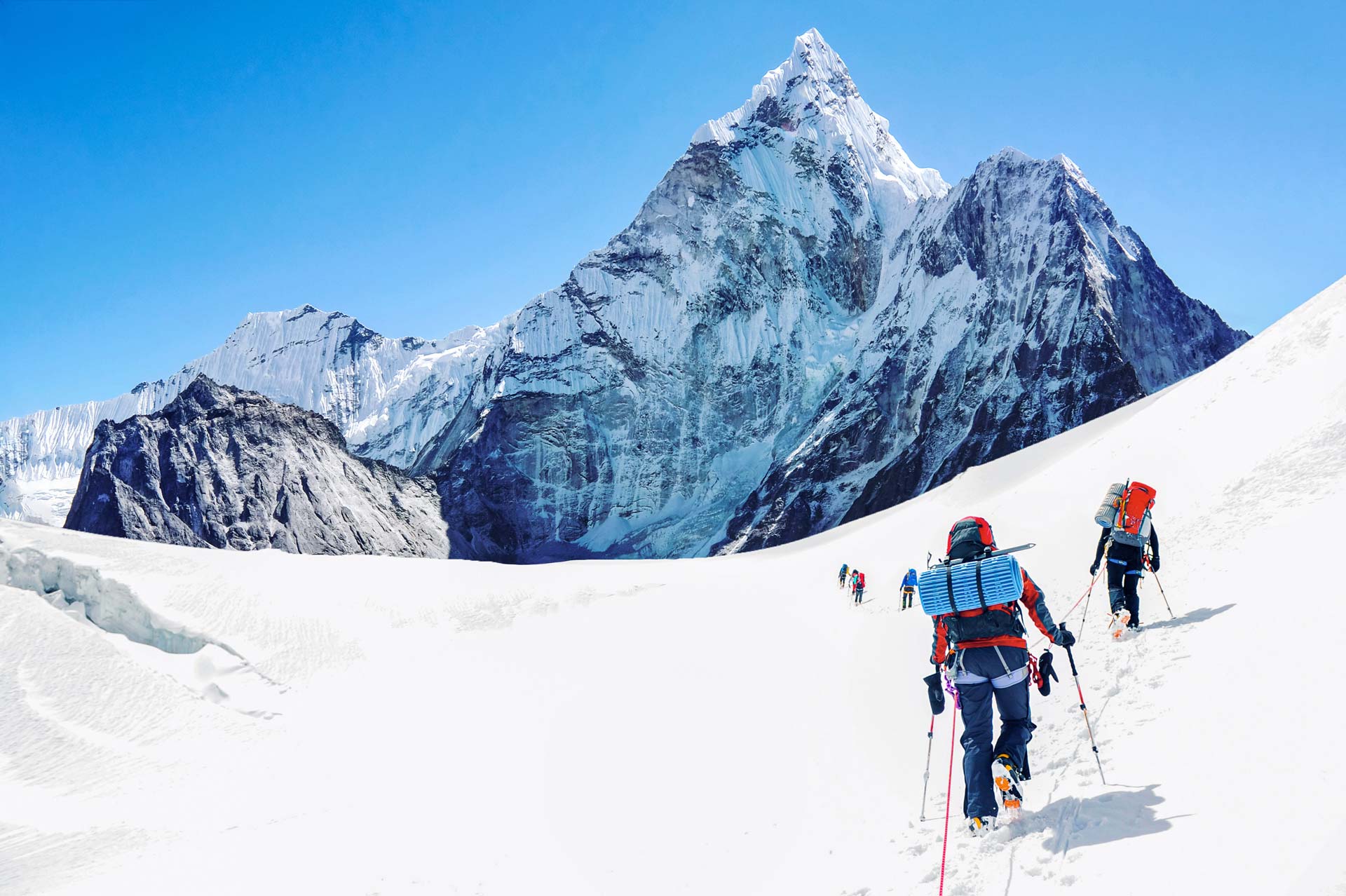
Mountaineers and trekkers are heading to the Himalayas for the 2023 spring Mount Everest climbing season, a two-month window from April to May when conditions are generally as good as possible to climb the tallest mountain in the world, and many others in the region. Last year, there were a record number of climbing permits issued and Global Rescue conducted a record number of rescue operations.
Will 2023 be another record-breaker? In all likelihood, yes.
“I expect a similar year again, where a number of records are broken,” said Dan Stretch, a Global Rescue Operations Manager who is based in Nepal during the climbing season and has coordinated hundreds of evacuations and crisis response operations.

Other experts agree.
“I expect a busy season on Everest’s south side with no permit limit,” said Lukas Furtenbach, owner of Furtenbach Adventures based in Innsbruck, Austria, and a Global Rescue Safe Travel Partner.
Climbing expert Alan Arnette points to some of the busyness coming from high-altitude peak baggers. “The current fad seems to be collecting 8000-meter peaks, so look for people to try and summit multiple mountains in the same season,” he said.
A big difference this year is the easing of official COVID restrictions. Legendary mountaineer and a member of the Global Rescue Mountain Advisory Council Ed Viesturs, said things are getting back to normal.
“It seems that it’s almost business as usual. There are some individuals still taking certain precautions regarding masking. General sanitation has taken a step up, in a good way,” he said.
Still, travelers entering Nepal from abroad must submit a certificate of full vaccination against COVID-19, according to officials. “Most countries lifted their COVID restrictions, and there are only a few COVID measures still in place in Nepal,” Furtenbach said, adding that his expedition company will maintain their standard safety and hygiene measures for the upcoming climbing season.
Gordon Janow, the director of programs for Alpine Ascents, leads expeditions worldwide and requires his clients to be vaccinated and more. “We ask climbers to bring test kits, too.”
Stretch points out that there are no official rules regarding how individual expedition companies operate, test or handle COVID cases. “Climbers should ask their expedition organizers what measures would be taken to limit COVID exposure risks,” he said.
Rising Costs? Not A Problem.
Travelers are shrugging off inflation, according to the results of a Global Rescue survey. Despite price increases and the rising cost to travel, the majority of travelers (70%) have not canceled or postponed an international or domestic trip. Inflation is not curbing most traveler spending behavior either. Even though energy prices are up 17% and food prices have increased by 10%, nearly half (47%) of travelers are not making any spending changes while on travel.
Similar behavior is taking place in the climbing areas in Nepal. Wages are up, insurance costs are climbing and permit fees are higher. These increases are not deterring the robust demand from climbers and trekkers. “There is an insatiable demand to climb the world’s highest mountain,” Arnette said.
Furtenbach said expedition costs have jumped up, too, between 5% and 15%, depending on the guide company. Janow agrees. “Costs have gone up in Nepal and our Everest Base Camp trek cost has gone up.”
Despite expeditions’ rising costs, a record number of climbers expect to climb. “Most people pay between $40,000 and $50,000, and some will pay as much as $160,000. But the prices are rising, and I don’t know where it will stop,” he said.

Will China Open?
One of the biggest questions is whether China will open routes to Mount Everest, Cho Oyu and Shishapangma. The prevailing belief is yes, partially.
Stretch reported that the approach to summit Mount Everest from the Tibet side (China) will be open in 2023 but that Cho Oyu and Shishapangma are effectively closed. “Individuals can try the permitting process but it’s recently become very difficult and requires significant effort. I don’t think we will see any commercial climbs on Cho Oyu or Shishapangma from the Tibet side in the near future unless something significant changes with the Chinese authorities,” he said.
Furtenbach concurred. “My guess is that if they open, then it will be for Mount Everest only.” Janow is less confident. “We are hoping they open by the fall season, it’s unlikely for spring.”
Excitement, Anticipation and Changes
As pandemic fears and restrictions fade, mountaineer and trekker excitement grows. Viesturs said optimism is high. “Things will be very close to normal,” he said.
Furtenbach agreed. “In 2022, everything was almost back to normal and most people were able to climb, train and travel. I expect fit, well-prepared and highly motivated climbers this year. Everyone is excited.”
Rising superstar mountaineer, Kristin Harila, said excitement is growing based on rumors that Mount Everest will open from the north (Tibet) side. “It’s uncertain if this is confirmed, but the rumors get everyone excited,” said Harila, a member of the Global Rescue Mountain Advisory Council.
But with the excitement comes a shift, especially among the more experienced climbers. Stretch believes that serious mountaineers are increasingly shying away from Mount Everest. “It’s become the playground of the less experienced, people who are looking more at the achievement of climbing the world’s tallest mountain rather than the pure mountaineering feat,” he said.
Arnette agreed more people are shifting to other climbing regions, like Ecuador and Argentina. But he added that the climbing skills are much lower, which elevates risks and the need for more medical and rescue resources. “Aconcagua was silly crowded with many injuries, frostbite and AMS cases. It seems that the expected experience level has been lowered and the guiding community can’t keep up,” he said.
Global Rescue Deployment
Providing nonstop, 24/7 medical emergency support for a massive number of people taking part in extreme, high-altitude activities is not for the faint of heart. The Global Rescue deployment team remains on-site for the duration of the two-month climbing season. The days are long, often lasting up to 16 hours.
“We are active from sunrise to sundown. If there are no ongoing rescues, that’s when we follow up with rescued members, check on their care, complete administrative requirements and rest up. Each deployed team member has at least one day a week to chill out, get a massage, go sightseeing, do anything to rest, recuperate and prepare for the next few days,” said David Koo, associate director of operations at Global Rescue.
Global Rescue is the leading worldwide rescue resource for mountaineers, climbers and those who love the mountains. The Global Rescue Mountain Advisory Council provides guidance and resources from some of the world’s preeminent mountaineers and crisis response personnel. Global Rescue’s Mountain Advisory Council is led by: mountaineering legend Ed Viesturs; world-famous high-altitude climber Nirmal “Nims” Purja; rising superstar mountaineer, Kristin Harila; outdoor adventure safety expert and longtime mountaineering author Jed Williamson. Other members of the Mountain Advisory Council are: Wilderness and altitude sickness expert Dr. Eric Johnson; Global Rescue Vice President of Operations Scott Hume; Global Rescue Senior Manager of Operations David Koo; Global Rescue Operations Manager Dan Stretch; and Global Rescue Security Operations Senior Manager Harding Bush.
Categories:
Missions & Member TestimonialsPlaces & PartnersMarch 1, 2023
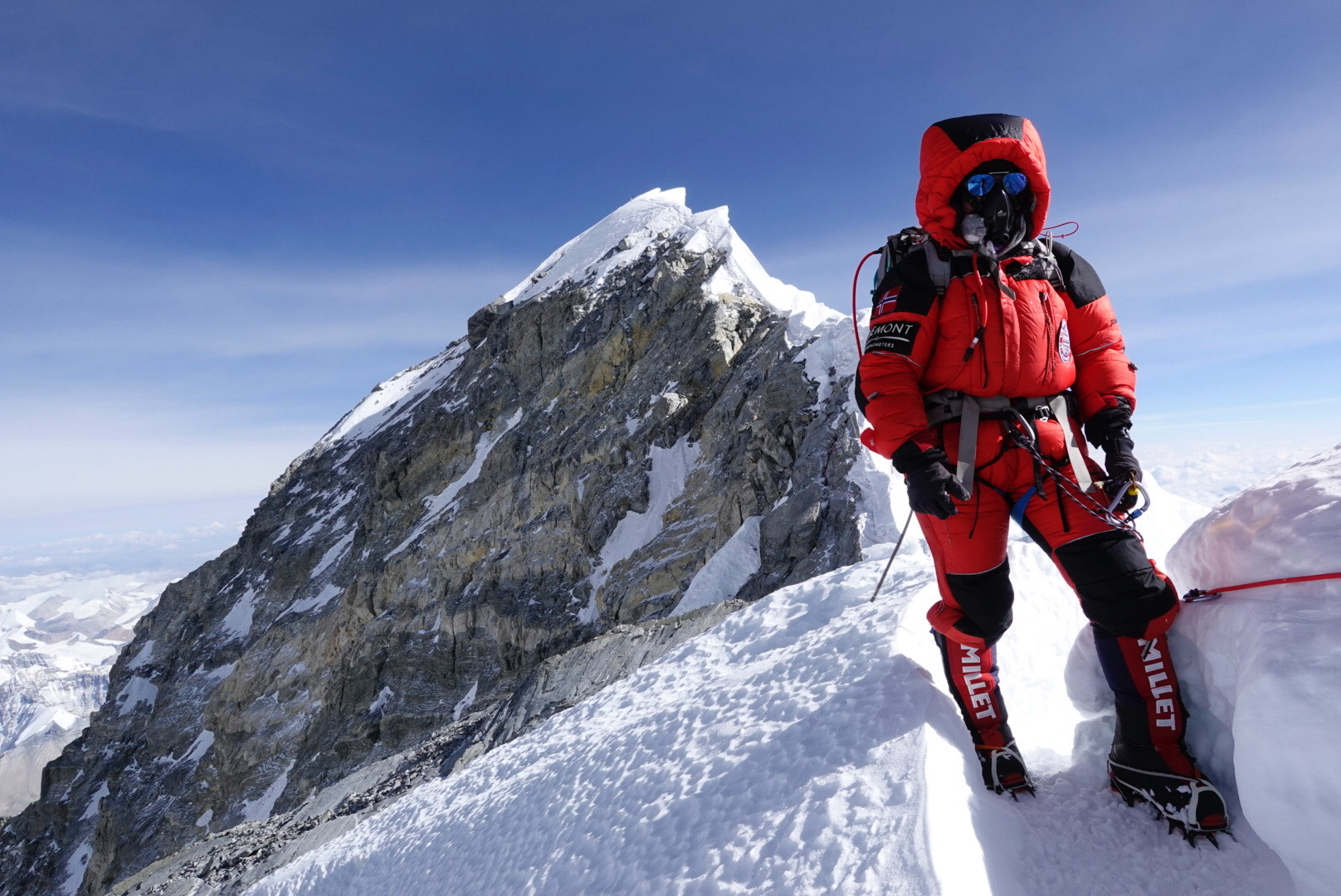
Kristin Harila was six months in and two summits away from making history when powers beyond her control forced her to stop.
“In the end, it was COVID.”
Not because she contracted the virus, but because the Chinese government’s strict zero-COVID policy meant it would be very difficult for visitors like Harila to enter the country.
In spring of 2022, the 36-year-old Norwegian XC skier-turned-mountaineer extraordinaire and Global Rescue Mountain Advisory Council member had set out to break the record for fastest time to climb all of the world’s 8,000 meter (26,247 feet) and higher peaks. There are 14 of them. Pandemic restrictions kept her short by only two.
“The Chinese government refused the entry permits that my team and I needed to get into Tibet to climb Cho Oyu and Shishapangma in time,” she said. “We made every effort, including working with the Chinese Ambassador to Norway to try to get a Visa and the necessary permits to climb, but in the end, time ran out.” Game over.
Or maybe not. After months of planning, climbing and traveling, only to come so close to achieving the goal, most people would roll up their down suits, stash away their carabiners and take in the views from 8,000-plus meters from the relative comforts of an airliner’s window seat. But Kristin Harila isn’t most people.
“When I got the phone call from home to tell me that my attempt was over, I told myself right away that I was doing it again.”
Doing Things a Little Differently This Time
If climbing close to 150,000 vertical feet in six months on some of the planet’s most treacherous terrain will teach you anything, it’s how to do it more safely and efficiently for the next attempt.
“First of all, I’m going to use a helmet this time,” laughs Kristin, “because there have been some close calls.”

Like when she was hit in the leg by a falling rock while descending Nanga Parbat, the world’s ninth tallest mountain at 26,660 feet (8,125 meters). Luckily, the rock only caused some bruising and a couple of recovery days thanks, in part, to a fortuitously placed smartphone which took the brunt of the impact.
But perhaps her most surprising tweak is that she plans to summit all of the mountains without supplemental oxygen.
“I know this is stupid to say,” she confesses, “but I didn’t feel challenged enough. The mountains and climbing are challenging in the moment, but I want to try something else. It’s the challenge that keeps me motivated.”
Despite her unaided inhalation aspirations, Harila says she will bring oxygen with her just in case bad weather rolls in and she needs to move more quickly in order to take advantage of a climbing window or avoid a potentially dangerous situation.
There are some changes to logistics, too. For starters, she’ll start this year’s attempt in Tibet to mitigate the risk of a repeat of last year’s issues with the Chinese government. She’ll also partner with a commercial climbing operator that will shuttle her via helicopter to the start of each successive climb. This means that if all goes to plan, Harila, who was only able to scale six mountains during last year’s early climbing season, will be able to climb 11 mountains in the spring alone, putting her well within reach to summit all 14 8,000-plus meter peaks in four months.
And then there are a few videographers who, depending on what mountain she’s scaling, will climb with her to capture the story on camera, the goal to produce a docuseries to showcase the attempt.
Scaling Spires To Inspire
Despite mountaineering’s precarious and sometimes calamitous public image, Harila isn’t into climbing for the thrill. Instead, she climbs because she enjoys the simple process of it all, of taking one step at a time, surrounded by the mountains in which she feels most at home. Ironically, the higher she goes the more grounded she feels.
Lately, however, Harila, who is a recent newcomer to the sport, also draws motivation from a role she’s made for herself as an ambassador to growing women’s climbing.
“Women can climb, too, and are often better at it than the men are,” says Harila. “I’m proof of that. It’s very important that we have some role models for young girls to see that it’s possible for women to climb these mountains, too.”

She’s become quite the public figure over the past year. Several institutions have invited her to share her story, and she’s also involved in a project with a Norwegian climbing brand to produce equipment specifically made for women. Once this year’s attempt at the world record is over and she has time, she plans on tackling these projects the same way she does her climbs.
Speaking of time, only it can tell if she’ll break the world record for fastest time to climb the world’s 14 tallest mountains. But after talking with Harila, it’s easy to sense that she measures success not by summiting mountains, but by setting goals and going after them.
“It’s good to show you have big goals,” she says. “Sometimes you don’t achieve them, but it’s important to realize it’s possible to come back and try again.”
For Harila, the process is the reward.
Categories:
NewsFebruary 28, 2023
Categories:
Health & SafetyPlaces & PartnersTravelFebruary 28, 2023
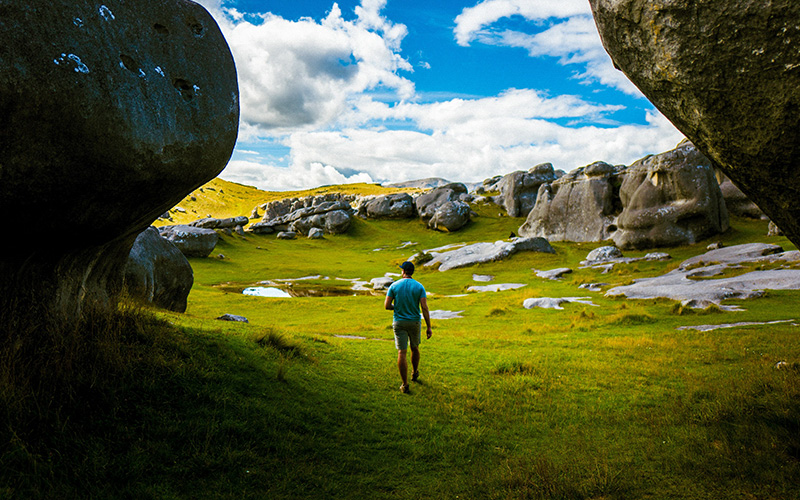
Welcome to 2023! A new year full of new experiences to have, memories to make and places to explore. Time to start dreaming about what your 2023 bucket list might include whether you’re a thrill-seeker, an explorer, a soloist or a friends and family traveler.
To help kick off your planning, we’ve identified three buckets of travel experiences that might describe you: extreme adventure, family and destination travel.
Whichever bucket you’re in, we have ideas to inspire.
The Extreme Adventure Bucket
Looking for new thrills in 2023? National Geographic has released its top five adventures for 2023.

In light of the post-COVID travel boom, National Geographic’s list goes off the beaten track to where the crowds are few but the thrills are many:
- Paddleboarding the Colorado River. Utah’s parks get a lot of foot traffic. To help preserve the terrain, Utah is promoting new outdoor adventure initiatives in the state, like paddle boarding the Colorado River in Moab, Utah.
- Choquequirao, Peru. Is Machu Picchu on your bucket list? Probably, but guess what: it’s also on the list of hundreds of thousands of people who will travel there this year (1.5 million before the pandemic!). Stick out from the crowd and visit Choquequirao, instead. Accessible only by foot, Machu Picchu’s sister city is for extreme adventurers like you.
- Austrian Alps. If extreme winter sports are your thing, give the mountaineering villages (or Bergsteigerdörfer) of the Austrian Alps a try. To promote their small towns while protecting the surrounding environment, the Bergsteigerdörfer rejects “large-scale tourist projects like sprawling ski lodges and peak-scaling cable cars [and] puts greater emphasis on green or sustainable mountain tourism.”
- Revillagigedo National Park, Mexico. “Revillagigedo National Park…is North America’s largest fully protected underwater park. It offers sanctuary to the continent’s greatest concentration of tropical marine megafauna.” It also might be the only place on earth where you can have such close interactions with aquatic species, like the bottlenose dolphin, marine biologist and underwater filmmaker Erick Higuera shared with National Geographic.
- New Zealand. A beloved adventure destination is back from the pandemic, open to international travelers and boasting exciting new activities for thrill-seekers—especially cyclists. For the more adventurous cyclist (like you) check out the 31-mile Coronet Loop Trail, which will take you on adventures into the backcountry.
Need more inspiration? Don’t miss National Geographic’s complete Best of the World List here.
The Family Bucket
When traveling with family, choose the experience you want before the location. You don’t need to travel to Fiji to experience a beautiful beach. Using your list of goals to inform your travel destination can help you stay within budget and avoid longer trips, which can add stress, especially with family. (Read tips for traveling with your family here.)

Rather than recommending specific locations, we’ve provided goals you might not have considered to kick off your dreaming:
- Visit a place that is special to your family’s history. Did your family members march during the Civil Rights Movement? Did your grandfather or great-grandfather fight on the beaches of Normandy? Take a step back into your family’s history, and visit the cities and towns at the center of your family’s history.
- Seek out a spiritual experience. If your children are teenagers, they’re likely becoming open and interested in learning about the meaning of life. Consider taking a spiritual retreat or going on a pilgrimage. Christopher Elliott, a travel writer, wrote about the benefits of Spiritual Tourism for USAToday here.
- Give back together. Consider a humanitarian aid trip with your family to grow your bond through service to those in need. GoAbroad.com compiled a list of 7 Meaningful Family Volunteer Vacations here.
- Unplug together. Do you feel like your family just can’t get off the screen? Pursue a vacation outdoors, like camping, where the internet is unavailable. Family Vacation Critic suggests 13 different family-friendly unplugged vacation destinations.
- Learn something new together. Introduce a new sport, like snow skiing or mountain biking. Learn how to cook a new cuisine or a new language. Trips to Discover keeps a list of the 16 Best Places to Learn a New Skill on Vacation.
The Destination Bucket
Are you a destination junkie? Is your passport cluttered with international stamps? Do you plan your travel based on an overwhelming desire to see new places? The top bucket list destinations are still off-the-beaten-path sandy beaches and metropolises with famous landmarks.

Does your travel bucket list criteria include travel for food, culture, adventure and natural beauty? The New York Times‘ top 52 bucket list destinations for 2023 offer some familiar locations that meet those measures – like London, Cuba and New Zealand – but introduce unusual locales like Kangaroo Island in Australia, Vjosa River in Albania and the Burgundy Beer Trail in France.
Vogue shared the 12 Best Places to Travel in 2023, according to travel experts. If you’re itching to visit Asia again after COVID-19 lockdowns stopped travel, check out Singapore and Japan. If luxury hotels are your thing, Guatemala beckons with its “intimate” Villa Bokeh. Chile, Spain, Portugal, Italy and Scotland also offer stunning hotels to give you an enchanting place to relax when you’re not seeing the sites.
Are you looking beyond the so-called tried and true destinations? Check out Make Time To See The World’s recommendations for out-of-the-way places like Nunavut in Arctic Canada, Christmas Island in Australia, Olomouc in the Czech Republic, Kyrgyzstan and many others.
Finally, one of the trends alluded to in National Geographic and echoed in Vogue is that people are craving solitude after the frenetic post-pandemic return to travel of 2022. Iceland and Greenland are the perfect places to receive the peace of solitude while enjoying such sites as the Northern Lights.
Global Rescue for Any Bucket
Whichever bucket you fall into, don’t forget to grab your Global Rescue membership before you travel. Whether at home or abroad, we’ve been helping people complete their bucket lists for more than 20. Let us give you the peace of mind you need to complete yours in 2023.
Categories:
Press ReleaseFebruary 26, 2023
The world’s most experienced travelers expose how to manage inflation, potential airline disruptions and a very busy forecast for global tourism in 2023
Lebanon, N.H. – February 27, 2023 – Global tourism is expected to rise by 30% in 2023, according to reports and the world’s most experienced travelers have revealed their secrets, and mistakes, on how to manage the upcoming busy travel year, crowded destinations, higher costs and potential travel disruptions.
The majority of travelers (41%) are planning trips further in advance to lock in reservations and prices, according to the Global Rescue Winter 2023 Traveler Sentiment and Safety Survey. Another 18% said they plan to travel during off-peak seasons. Thirteen percent said they will seek undiscovered destinations or locales that are off-the-beaten path, 11% said they would avoid traveling on weekends and holidays to avoid crowds, and nearly 5% revealed they would skip international travel and take trips domestically only. About 1-in-10 said they would not do anything differently.
The predicted rise in travel coincides with higher travel-related costs. Nearly half of the surveyed travelers (45%) are planning to absorb the higher travel costs without skimping. The other half will look for less expensive destinations (13%), reserve less costly lodging (8%), shorten trips (6%), find destinations that have an advantageous currency exchange with their home country currency (5%), do less shopping (5%), dine out less (4%) and do more bleisure travel combining work-related travel with leisure trips (3%).
Recurring news about airline staff shortages, disrupted flights, and jumps in cancellations are forcing travelers to protect their trips. More Americans are cautious after a spike in flight cancellations at the end of 2022, according to a Reuters report.
“As travel returns to pre-pandemic levels, more travelers than ever believe emergency rescue and evacuation services are essential, whether it’s due to COVID, a natural disaster, civil unrest or simply to help assist with more complicated travel logistics. Travel protection for emergency medical services and evacuation is no longer optional; it’s obligatory,” said Dan Richards, CEO of Global Rescue, the world’s leading provider of medical, security, evacuation and travel risk management services and a member of the U.S. Travel and Tourism Advisory Board at the U.S. Department of Commerce.
Scheduling nonstop flights (35%) whenever possible is the leading way survey respondents will manage potential flight disruptions and staff shortages followed by purchasing travel protection (30%) for delayed or canceled flights, lost luggage, and trip cancellation, according to the Global Rescue survey. Eleven percent of travelers said they will avoid checking luggage and opt for carry-on baggage and 7% said they would travel during off-peak days and times.
As travelers plan trips for 2023, respondents revealed a shift in the types of travel they want compared to responses from spring 2022. The biggest change is a 40% dip in respondents who are planning to travel to visit family and friends. Another change is the 21% decline in surveyed travelers who are preparing for outdoor adventure trips.
Despite the shift, outdoor adventure travel led all types of international travel planning followed by a bucket list trip (26%), a culture exploration trip (24%), visiting friends and family, a dream trip (15%) and a wellness trip (5%). A fifth of respondents reported the international trips planned for 2023 were work-related or bleisure.
The survey revealed 7-out-of-10 of the world’s most experienced travelers are members of a Trusted Traveler Program, like TSA PreCheck or Global Entry, compared to only 22% of American flyers, according to a survey reported in Yahoo! Finance.
As travel returns following the easing of pandemic restrictions, many travelers are readjusting to travel. According to the Global Rescue survey, even the most well-traveled individuals make mistakes following a travel layoff. Survey respondents admitted that over-packing (28%) was the biggest travel mistake since returning to travel, distantly followed by overly ambitious travel itineraries (9%).
Travel mistakes like forgetting an international plug adapter, failing to change your phone data plan, drinking unsafe water or forgetting to notify your bank you would be out of the country each accounted for 4% or fewer responses. Letting your passport or Trusted Traveler Program membership expire, tipping inappropriately, forgetting your prescription medicine, or medical security protection each accounted for fewer than 2% of responses.
###
Contact Bill McIntyre at bmcintyre@globalrescue.com or 202.560.1195 (phone/text) for more information.
About the Global Rescue Traveler Sentiment and Safety Survey
Global Rescue, the leading travel risk and crisis response provider, conducted a survey of more than 2,000 of its current and former members between January 30 and February 4, 2023. The respondents exposed a range of behaviors, attitudes and preferences regarding international and domestic travel.
About Global Rescue
Global Rescue is the world’s leading provider of medical, security, evacuation and travel risk management services to enterprises, governments and individuals. Founded in 2004, Global Rescue has exclusive relationships with the Johns Hopkins Emergency Medicine Division of Special Operations and Elite Medical Group. Global Rescue provides best-in-class services that identify, monitor and respond to client medical and security crises. Global Rescue has provided medical and security support to its clients, including Fortune 500 companies, governments and academic institutions, during every globally significant crisis of the last two decades. For more information, visit www.globalrescue.com.
Categories:
Business TravelPlaces & PartnersTravelFebruary 23, 2023
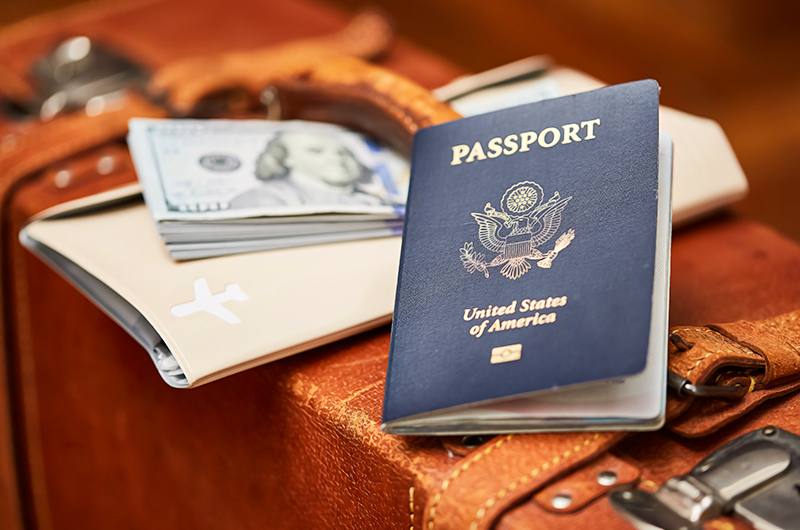
In the midst of the many economic woes of today—inflation, rising energy prices, high unemployment—there’s one bright spot for Americans. The dollar is the strongest it’s been in two decades. With a little research, now could—surprisingly—be the best time to travel to places where the dollar is strong.
It all depends on where you go…and where you’re from.
If you’re an American, now is a great time to travel, especially to countries like Europe, China and Japan where your dollar might not have stretched as much before.
Europe
The dollar is strong against the Euro and the pound, making now a great time to book that dream trip to Paris or enjoy shopping in London.
“Flight searches for winter travel to Paris are up 85% compared to last year, and London is also hot, with searches up 40%” according to Expedia, as reported in Money.
Turkey
Your bang for buck might go the furthest in Turkey, according to a study from Travel Lens, as reported in
Yahoo.
“Turkey is the country where the value of $1,000 has increased the most since before the pandemic: up
227.55% versus the local Turkish lira.”
Japan
Bloomberg reports that the weak Japanese Yen combined with low inflation and the loosening of pandemic restrictions have made it an ideal time to travel to Japan, especially for tourists from the U.S.
Budget even better
If you’ve been a budget traveler before, the strong dollar makes budget travel even more advantageous. The low-cost destinations you loved before are cheaper than ever. Trips to Discover has a list of 20 destinations to visit while the USD is strong—most were already quite affordable but tourists will find it even easier to stretch their dollars these days.
Where you’ll see the savings
Unfortunately, tourists everywhere can’t escape the rising costs of transportation. Flights are running high due to inflation, so most travelers won’t realize any deals until they’re on the ground.
“The savings is in the ancillary spending like ground transportation and sightseeing tours,” James Ferrara, president of InteleTravel, told Forbes. “The big win is in shopping and dining where conversion rates can mean savings in the hundreds and thousands. Meals in London feel like 50% of New York costs. The same with buying designer clothes or even having them made.”
The New York Times helps us break down the savings further:
“A 5-euro glass of wine in Rome in 2008 might have cost about $8, compared to $5.20 today. A 100-euro rental apartment in Paris that is $104 this summer might have been $158 when the euro peaked. And a 60-pound ticket to London’s hit revival of “Cabaret” costs $73 now, while a similarly priced show last summer would have cost $85.”
Leigh Rowan, the founder of Savanti Travel in San Francisco shared these three tips in the article to help you maximize the exchange rate:
- Pay with a credit card with no foreign transaction fees (determine this by calling your bank);
- Withdraw cash abroad, if needed, via an A.T.M. in the local currency (and skip the currency exchanges at airports, which offer poorer rates);
- Always select the local currency on a credit card purchase if offered a choice between it and U.S. dollars.

Tourists coming to the US: a different story
If your main currency is not the USD, you may want to avoid trips to the United States for now. The strong dollar combined with inflation is making travel to the U.S. very expensive.
British tourists are especially hard hit by the combinations of a weak pound and high inflation, Reuters reports.
“Everything is pretty expensive for us,” said Valerie, a 47-year old university administrator speaking with Reuters about her trip to San Francisco. “We’ve been buying food from grocery stores rather than having sit-down meals because when you change it to the British amount, it doesn’t seem worth it. It’s really a lot of money.”
If you’re not from the U.S. but still want the benefit of a lower exchange rate, consider Argentina. The Argentine government created a new, lower, exchange rate for tourists last fall that makes it even cheaper to visit, while hopefully helping reduce robberies, Afar reports. The exchange rate is available to tourists who use credit and debit cards, rather than cash. Argentina hopes this will discourage robberies of tourists and improve the economy.
More Savings with Global Rescue
Ready to take advantage of the strong dollar with some 2023 travel? Expand your cost savings with a Global Rescue membership—the world’s leading travel protection. Starting at just $129, our services give you the peace of mind to travel the world, knowing that you’re protected if a crisis occurs. That’s a small price to pay compared to the unexpected expenses that come with injury, illness or emergency evacuation overseas. Read more about our memberships here.
Categories:
NewsFebruary 16, 2023
February 15, 2023
Travelers are shrugging off inflation and getting back to domestic and international travel, according to the results of the Global Rescue Travel Survey. Despite inflation and the rising cost to travel, the majority of travelers (70%) have not canceled or postponed an international or domestic trip.
Travel increased significantly through November and December compared to the year before. Neither inflation nor airline flight disruptions are curbing travelers from returning to adventure, business and leisure travel.
“In the face of airline disruptions and the rising cost of travel, travelers are sticking with plans to travel,” said Dan Richards, CEO of Global Rescue, the world’s leading provider of medical, security, evacuation and travel risk management services and a member of the U.S. Travel and Tourism Advisory Board at the U.S. Department of Commerce.
Global Rescue continues to answer the service needs of travelers – here and abroad – without any disruptions. In a typical one-month period, Global Rescue completes hundreds of operations in dozens of countries and principalities. Below are highlights from some of our most recent operations in various locations.
Long Line Rescue in Nepal
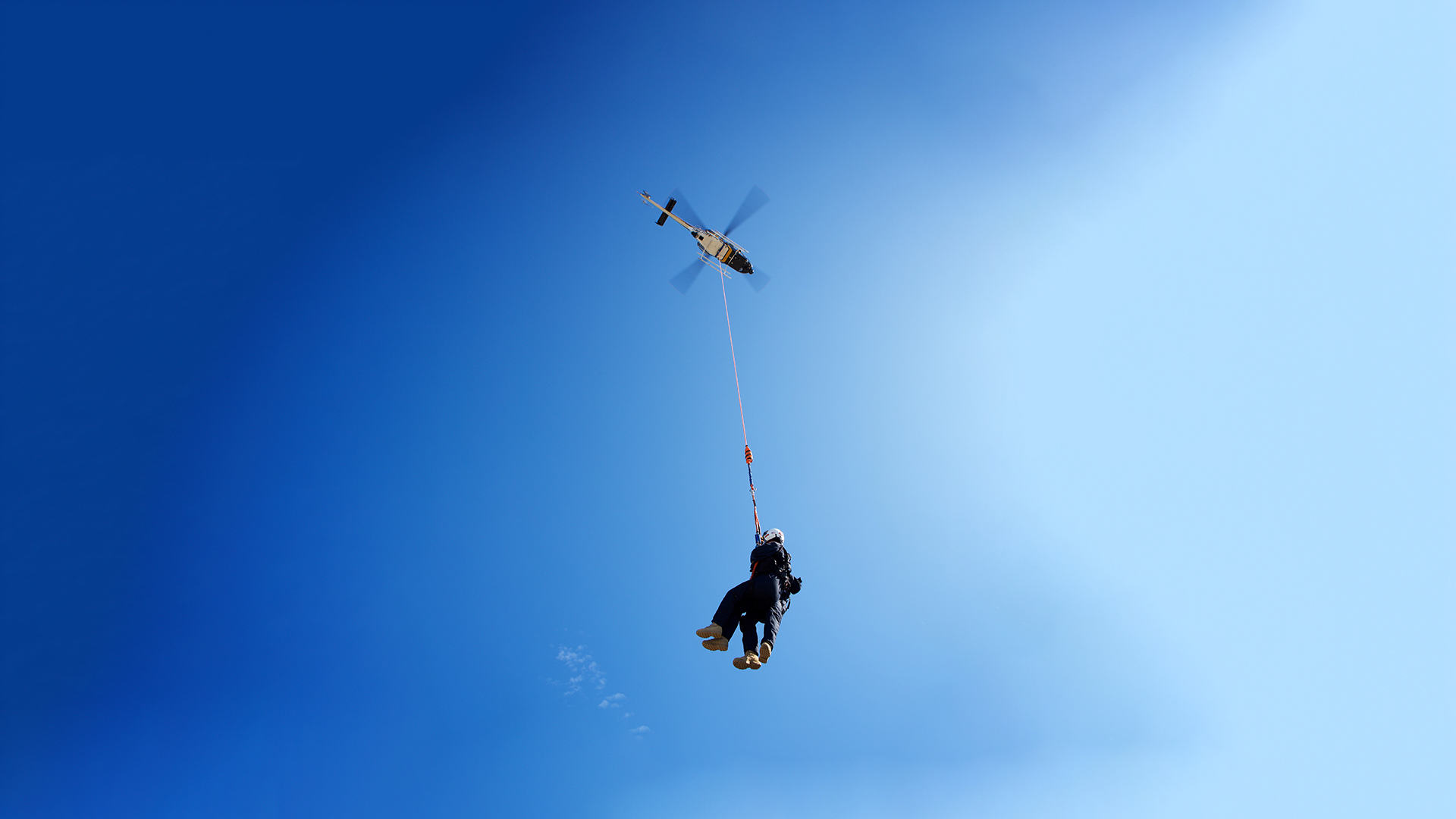
Needing a medical evacuation from challenging areas on Ama Dablam, like the Yellow and White Towers, often requires a long line rescue, a rapid rescue response used in remote, high-angle terrain. That was the situation for a Salvadoran mountaineer who was at Ama Dablam suffering from altitude sickness and internal bleeding. She was losing consciousness and was unable to walk. Sherpas from her climbing group contacted Global Rescue and a long line helicopter medical evacuation was ordered. The member was successfully airlifted to a hospital where she was examined and diagnosed with abnormal uterine bleeding, a cervical cyst, and hypothyroidism. The member was treated and Global Rescue medical operations continued to provide medical advisory services during her recovery.
Twisted Ankle in The United Kingdom
An Australian member traveling in London sustained an ankle injury. She was admitted to a local hospital and diagnosed with an ankle fracture and dislocation that would require surgery. Unfortunately, leg swelling forced the surgery to be postponed. The member elected to have her surgery. The treating team and Global Rescue’s physician concurred and ordered non-weight bearing on the leg, strict elevation and measures to diminish the risk of deep vein thrombosis during the journey home. Global Rescue membership services arranged for and paid for needed seating to meet the medical requirements, as well as coordinating ground transport, wheelchair assistance and porter service. The member arrived home safely to continue her medical care.

HAPE on Aconcagua
Aconcagua is the tallest mountain in South America and more than 3,500 people try to climb it each year. A U.S. member attempted to scale the 22,837 ft/6,706 m tall mountain but after suffering symptoms of HAPE he needed an airborne field rescue off the mountain. The member was successfully evacuated to a hospital where he was examined and diagnosed with possible fluid in the lungs. The member was not admitted to the hospital and, instead, was able to return to his home to follow up with his primary care physician.
Bowel Obstruction in Argentina
A bowel obstruction is uncomfortable and could be a sign of something more serious. So, when a U.S. member traveling in Argentina contacted Global Rescue complaining of a possible blocked bowel, he was advised to get urgent care if symptoms didn’t self-correct by the next day. Unfortunately, his condition worsened and he was evacuated to a hospital. Following an examination, his treating physician determined the member had a perforated small intestine and underwent emergency laparoscopic surgery to correct the issue. The member was discharged after a few days and returned home safely to continue his recovery.
Hiking Accident in The Rockies
An Australian member was hiking in Colorado when he suffered a broken thigh bone. After his hiking partner contacted Global Rescue, he was airlifted to safety and admitted into a trauma unit at a nearby hospital. Following an examination by the treating physician, the member underwent surgery to repair the bone. To continue his post-op recovery, the member needed to keep his healing leg fully extended and would require lie-flat seating for his return flight to his home country as well as wheelchair assistance through the flight itinerary. The member arrived home safely where he continues his recovery.
Snow Blind in Nepal
During a climbing trip on Mera Peak, Nepal a Singapore member became ill at High Camp. He reported body weakness, severe headache, difficulty breathing, an elevated heart rate and snow blindness. Global Rescue was contacted and a helicopter evacuation was initiated. The member was safely evacuated to a hospital in Kathmandu where he was evaluated and diagnosed with temporary snow blindness associated with High Altitude Cerebral Edema, which would resolve itself following his descent from the mountain.

Bad Fall Off a Rock in The USA
While traveling in Utah, an Australian member fell off a rock, suffering several injuries, including his legs. He was admitted to a trauma center in Salt Lake City and, following treatment for his injuries, he was transferred to a rehabilitation unit for a couple of weeks of physical therapy. He was deemed fit-to-fly provided he traveled on a lay-flat seat with a medical escort. Global Rescue medical operations concurred and arranged and paid for his air travel, lodging, ground transportation and wheelchair assistance through to his home in Sydney.
Categories:
Missions & Member TestimonialsPlaces & PartnersFebruary 14, 2023
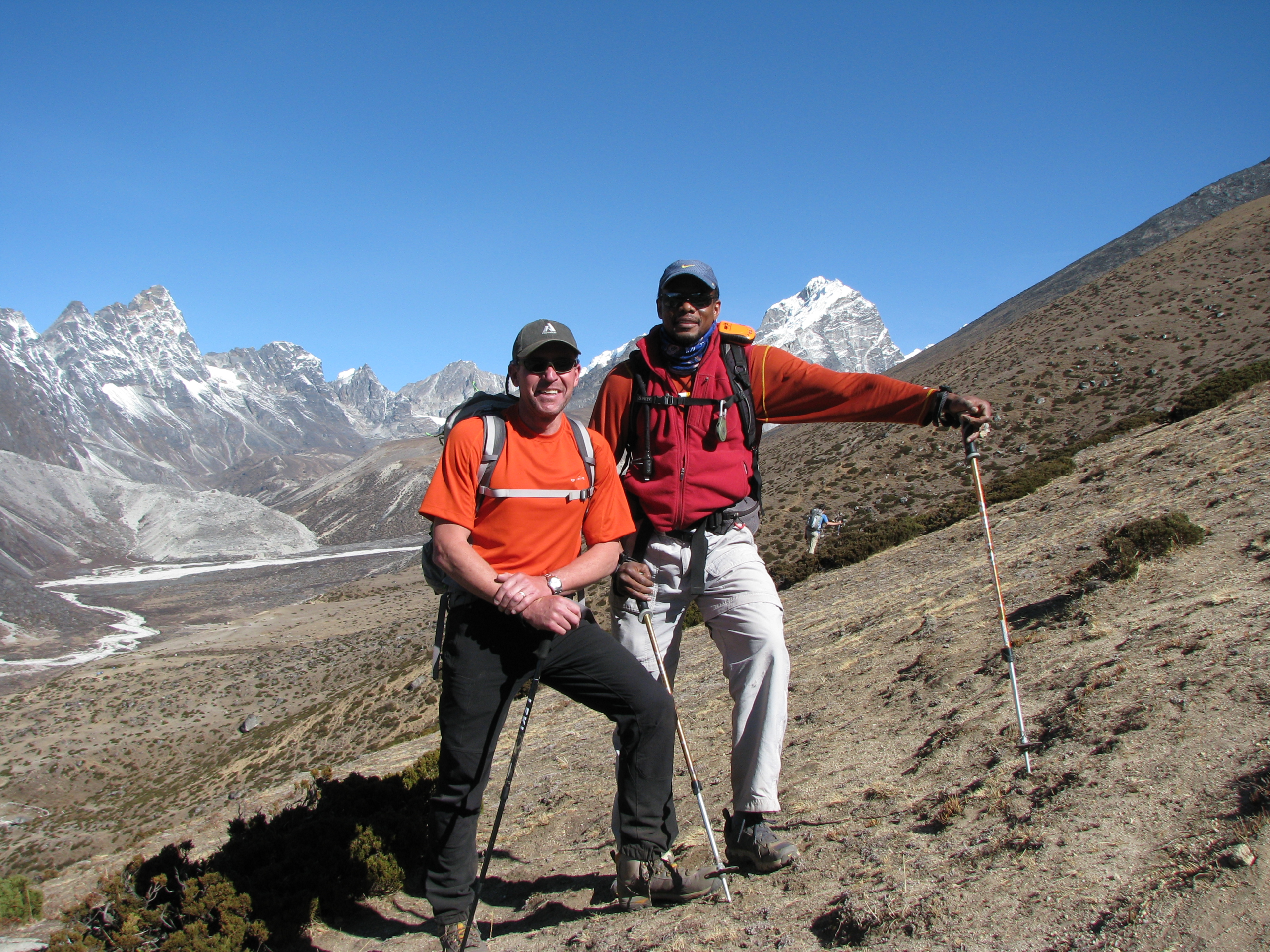
For someone who didn’t like the cold, Jamaican-born Rohan Freeman was an unlikely candidate to become the first African-American to complete the Seven Summits, the highest mountains on each of the continents. Freeman, an Outward Bound board member, didn’t even know he was the first African-American to complete the Seven Summits in 2012 until someone told him.
“It wasn’t anything I set out to do,” he said. “But it means a lot to me if my achievement motivates and inspires a more diverse group of climbers like Full Circle Expeditions, a group of all-black mountaineers who summited Mount Everest in May 2022.”
Freeman, an engineer, and his family came to the United States and settled in Connecticut. He didn’t like the cold and planned to re-settle in a warmer region. Who can blame him? Temperatures in Jamaica rarely go below 71 degrees F (21 degrees C) and Connecticut winter temperatures often dip into the low 20s (-6 degrees C). While he pictured himself on the beaches of California or Florida, his family had no plans to move.
So, Freeman committed to trying to find something to do during the cold, winter months – something more than going to work, the gym, the movies or simply staying indoors. “I was willing to give the cold weather one more shot.”

He decided to try snowboarding, an activity the brother of his then-girlfriend was doing. “I liked it so much, and I realized that if you’re dressed properly you can stay warm and enjoy outside cold weather sports,” he said.
Freeman, a longtime runner, moved from snowboarding to ice climbing. “I really liked that, too. So, I started snowshoeing and hiking.”
Soon after, his recreational running friends decided to climb Kilimanjaro – and they convinced Freeman to join. He didn’t prepare for the climb beyond his gym routine.
“I didn’t really care about mountaineering. I was going with friends. I didn’t do any special workouts for it. I just showed up thinking ‘how hard can it be to walk up the side of a mountain?’ I grew up doing that.”
The climb up Kilimanjaro (19,340 feet/5,895 meters) was not an endurance problem for Freeman, who has asthma, rather it was the altitude that was troublesome for him.
Nevertheless, he enjoyed it so much that he decided to climb more challenging mountains. He also decided to prepare more. After college graduation, his track competitions came to end. He didn’t have much going on athletically other than regular workouts at the gym – a routine that left him a bit bored and without any goals.
“I was just working out to work out.”

But, as his interest in climbing big mountains grew, he also ramped up his physical preparation and his knowledge about the sport.
“I didn’t know anything about mountaineering.”
He read several climbing books including “Into Thin Air” by Jon Krakauer and “The Seven Summits” by Frank Wells, Richard Bass, and Rick Ridgeway. After reading what he could, he became enamored with climbing Denali.
“I wondered if I could climb that mountain.”
He committed himself to gym exercises geared for rigorous mountaineering, spent time climbing in the White Mountains of New England for practice, and made certain to have medical evacuation protection with Global Rescue.
“I always have medical evacuation protection. When you’re doing what I do you’ve got to have that peace of mind protection if something goes wrong.”
He summited Denali successfully.
“I got hooked on climbing after that. The rest is history.”
Freeman’s climbing history would culminate in reaching the peaks of the Seven Summits, becoming the first African-American man and first Jamaican-born person to achieve that feat. But, Freeman points out, it wasn’t a goal, at least not at first.
“I didn’t start out wanting to climb the Seven Summits. To tell you truth, when I read ‘Into Thin Air’ and ‘Seven Summits’ I thought those guys are crazy, suicidal,” he said.
For Freeman, climbing was much more about the challenge of each mountain and not at all about peak-bagging. When he returned from his Denali summit another friend suggested going to Argentina to climb Aconcagua (22,837 feet/6,706 meters).
It ended up being the first time Freeman needed to turn back. He had HAPE, high-altitude pulmonary edema. “Walking myself out was one of the toughest experiences,” he said. The experience spurred Freeman to train more rigorously and to take high climbs more seriously.
“I really didn’t train that hard for Aconcagua. Coming off Denali I had too much confidence. So I trained harder, went back, and summited Aconcagua,” he said.
That’s when a third friend of his, who was attempting the Seven Summits, invited Freeman to join him in Russia to climb Mount Elbrus (18,510 feet/5,642 meters). They successfully summited and that’s when Freeman first contemplated climbing Mount Everest.
“I had never set my sights on it before,” he confessed. His contemplation of such an expedition took more than a year to evolve. Freeman found his interest in Mount Everest grow to the point of distraction.
“I started waking up in the middle of the night – with cold sweats – thinking about Mount Everest.”

He wrestled with his decision. On the one hand, he didn’t want to end up like so many of the people he read about – the ones who attempted Mount Everest and were injured or killed. But, on the other hand, the attraction to do it was powerful…even overwhelming.
“The pull was so strong that I couldn’t resist anymore.”
Freeman, an asthmatic, said Mount Everest was his most difficult climb because of the combination of the extreme altitude, his lung disease and the technical requirements for the ascent. Freeman managed his asthma by taking his time, especially at higher altitudes.
“I just have to go a little slower than everybody to give my lungs a chance to catch up to my legs.”
His first attempt to summit Mount Everest was unsuccessful but he went back a second time and succeeded, but not without a potentially expedition-ending incident.
Freeman was at Camp 3 on Mount Everest acclimatizing. “The sun was out and I left my tent without my sunglasses.”
His group started their scheduled descent as part of the acclimatization process but soon enough the bright, direct sunlight at the high altitude also reflecting off the snow burned Freeman’s retinas. He was snow blind, a painful eye condition caused by overexposure to the sun’s ultraviolet (UV) rays. It can happen in a matter of minutes.
“It was painful, my eyes were watering and my vision was blurred. I had to get myself down through the Khumbu Icefall to Base Camp to rest up and wait for my eyes to recover,” he said.
Following his successful summit of Mount Everest, Freeman had climbed five of the Seven Summits. It dawned on him to simply wrap it up and climb the final two mountains.
“I thought I may as well finish the final climbs and complete the Seven Summits.”
He did finish, after a decade of climbs, and only after he completed the majority of the climbs without any intention of a Seven Summit crown. Reflecting on the achievement, Freeman acknowledges the lesson in all of it comes down to perseverance.
“In my failures, like on Aconcagua and Mount Everest, are when I come back the strongest. I may not have been the strongest or smartest climber, but sheer determination can get you a long way. It did for me.”
Turning back and coming back. Those are essential beliefs Freeman holds.
“The mountain will be there tomorrow. I can always come back if I need to turn around short of a summit. I’m always taking inventory of my condition,” he said.
What’s next? Freeman is getting back to running and planning to complete a marathon on each of the seven continents and the two Poles.
“I have a lot more to accomplish, a much longer way to walk,” he said.
Categories:
Press ReleaseFebruary 13, 2023
Lebanon, N.H. – February 13, 2023 – Traveler fears of COVID continue to plummet while concerns over civil unrest increase. The Global Rescue Winter 2023 Traveler Safety and Sentiment Survey revealed the greatest anxiety among the world’s most experienced travelers about international travel is having an injury or illness unrelated to COVID. The survey further uncovered a major shift in traveler worries about civil unrest and terrorism in international destinations.
Since August 2022, apprehension about COVID dramatically dropped at a rate of 61%, down to 13% compared to 33% in late summer, according to the results of the quarterly surveys. While COVID fears continue to plunge, other traveler reservations are rising. Traveler concerns about civil unrest and terrorism nearly doubled in the last six months, jumping to 14% in the latest survey from 8% in late summer 2022.
Today, more than a third of travelers (37%) said their biggest fear is suffering a non-COVID illness or injury, followed by civil unrest (14%), trip cancellation (12%), being robbed (4%), natural disasters (3%) and nuclear attack (less than 1%).
When it comes to traveling internationally there are other concerns travelers have that, while less severe than illness or injury, are nevertheless worrisome, especially as travel returns to pre-pandemic levels but staffing shortages within the travel industry persist. Nearly a quarter (23%) of survey respondents said hotel and lodging safety was most important, while 10% worry about car service and taxi safety. Some want to know if the destination is safe for families (15%) or women (11%) to travel. Ten percent want to know if they’ll need physical protection. Identity theft and cyber security remain important concerns with 9% of respondents. Less than 3% worry about automobile rental safety or environmental safety.
“Traveler confidence is skyrocketing and they are mitigating their worries by safeguarding their trips and safety with more protections,” said Dan Richards, CEO of Global Rescue. “Whether it’s flight disruptions, war, natural disaster, or a pandemic, the new normal for travelers includes travel protection for emergency medical services and evacuation. Travel protection services are no longer a take-it-or-leave-it option. We are forecasting significant increases in demand for travel protection services,” Richards said.
###
Contact Bill McIntyre at bmcintyre@globalrescue.com or 202.560.1195 (phone/text) for more information.
About the Global Rescue Traveler Sentiment and Safety Survey
Global Rescue, the leading travel risk and crisis response provider, conducted a survey of more than 2,000 of its current and former members between January 30 and February 4, 2023. The respondents exposed a range of behaviors, attitudes and preferences regarding international and domestic travel.
About Global Rescue
Global Rescue is the world’s leading provider of medical, security, evacuation and travel risk management services to enterprises, governments and individuals. Founded in 2004, Global Rescue has exclusive relationships with the Johns Hopkins Emergency Medicine Division of Special Operations and Elite Medical Group. Global Rescue provides best-in-class services that identify, monitor and respond to client medical and security crises. Global Rescue has provided medical and security support to its clients, including Fortune 500 companies, governments and academic institutions, during every globally significant crisis of the last two decades. For more information, visit www.globalrescue.com.