Share This:

The Safari Dangers Facing Observers and Game Hunters

Learn the real risks hunters and observers face while on safari.

Article Highlights:

  • Wildlife encounters can escalate instantly, as seen in giraffe, buffalo and leopard attacks.
  • Daytime safari dangers include heat exposure, unpredictable animals and hazardous terrain.
  • Nighttime excursions heighten risks due to predator activity and limited visibility.
  • A proper first-aid kit must support trauma care, environmental protection and navigation needs.
  • In each emergency case, Global Rescue provided expert evacuation and medical coordination, getting travelers to safety.


Africa’s wilderness is one of the most captivating and unpredictable environments in the world. It demands respect from anyone entering it, whether they come as observational wildlife enthusiasts armed with cameras or as game hunters participating in legal, regulated excursions. The landscape appears serene and majestic, but danger can surface in a moment. Encounters that begin as peaceful viewing opportunities can turn into medical emergencies without warning, something travelers learn quickly in the bush.

One couple, Daniel and Laura Core, discovered how swiftly a seemingly calm situation can deteriorate during what should have been a routine return to their hotel after visiting a Zimbabwe national park. When a group of giraffes wandered along the roadside, their guide encouraged them to step closer for photos. Daniel, a veterinarian familiar with animal behavior, saw no signs of aggression. Yet in seconds, the bull giraffe swung its massive neck and struck Daniel squarely in the chest, launching him through the air and into a pile of rocks. What began as a tranquil, even charming wildlife moment instantly became a crisis. Incidents like this underline a crucial truth: even gentle-appearing animals can be dangerous and the African bush does not often give warnings twice.


The Risks of Daytime Excursions

Daylight creates a false sense of safety. People believe that because they can see, they can predict. But Africa’s wildlife behaves on instinct, not visibility.

Many daylight-active species pose significant danger. Elephants may appear peaceful while grazing, but a matriarch defending her calf can charge with astonishing speed. Cape buffalo, among the most unpredictable animals in Africa, can emerge from the brush without warning, a fact Angie Heister learned during a trip to Zimbabwe with her husband. As they walked near thick vegetation, a Cape buffalo burst through the bushes and gored her with extraordinary force. The attack exposed her lungs and bowels — an injury so catastrophic that trauma care needed to begin immediately to save her life. Encounters like hers remind travelers that daylight does not soften Africa’s wild instincts. Even animals typically considered docile carry hidden risks, size and strength alone make certain species dangerous at close range.

The environment adds its own level of hazard. High temperatures in Namibia, Botswana or Tanzania can quickly overwhelm even experienced hikers. Dehydration, heat exhaustion or sunstroke frequently strike those who become absorbed in tracking wildlife or walking long distances. The terrain is equally challenging: tall grass hides holes large enough to break bones, thorn bushes tear open skin and uneven ground causes falls that can compromise mobility far from help. Daylight improves visibility, but it does not eliminate risk, not by a long shot.


Why Nighttime Excursions Are Even More Dangerous

As the sun drops below the horizon, the African bush transforms entirely. What seemed familiar just hours earlier becomes a realm of shadows, heightened sounds and limited visibility. Predators become more active and even seasoned guides adjust their behavior to navigate the darkness.

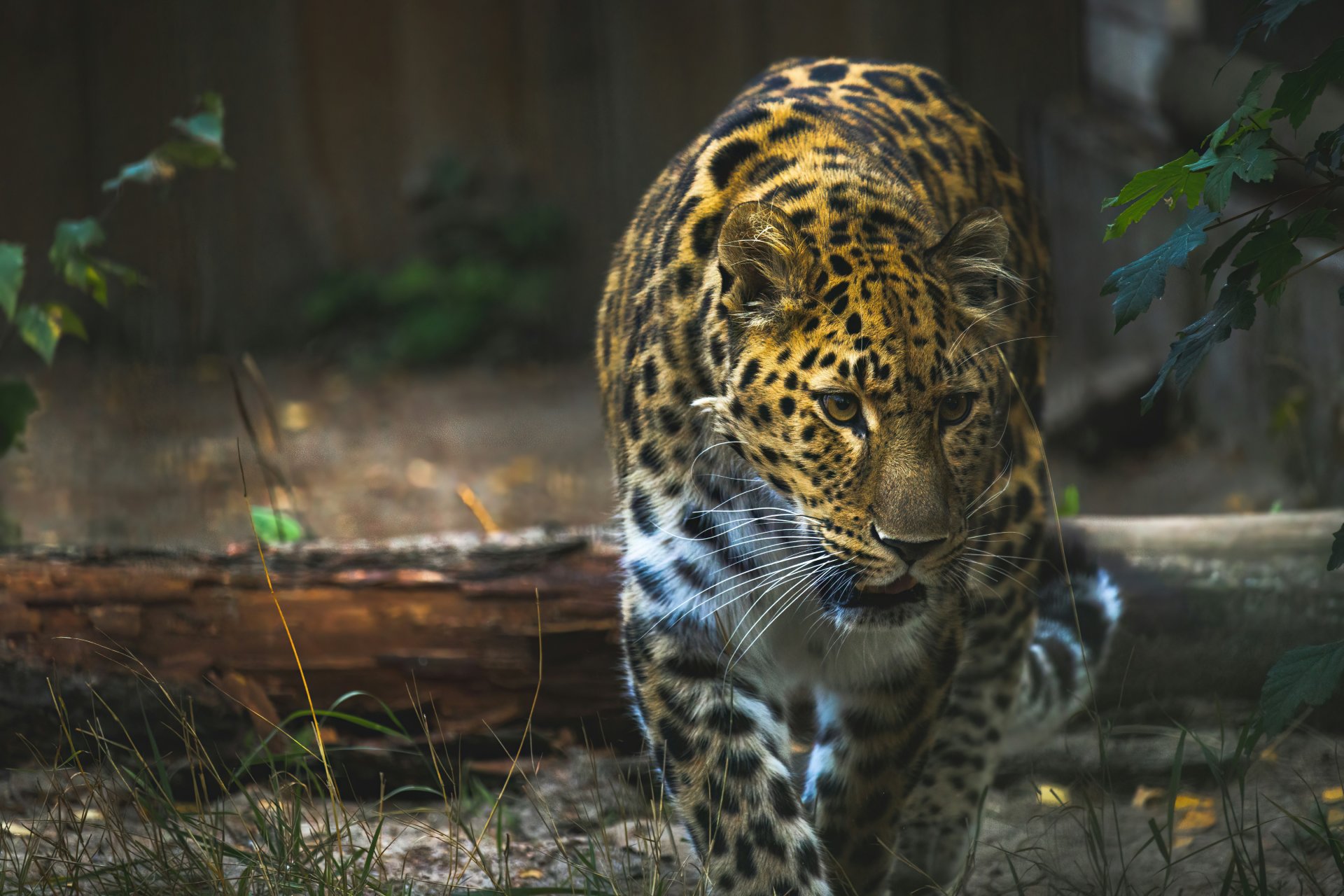
A traveler in Botswana recently demonstrated how quickly a nighttime incident can escalate. While at a remote bush camp, a US traveler was bitten on the calf by a leopard. Leopards are notoriously stealthy during the day, but at night they become almost impossible to detect. The traveler suffered deep, penetrating wounds made more complex by a preexisting blood-clotting disorder. Although he reached a nearby medical clinic capable of basic wound care, it quickly became evident that he needed more advanced treatment than the bush could provide. This incident shows how nighttime encounters are amplified by reduced visibility and how medical complications can turn even treatable injuries into life-threatening emergencies.

Darkness makes every hazard worse. Humans lose depth perception. Footing becomes unreliable. The line of sight shrinks dramatically. People may step onto unstable ground, into hidden holes or near wildlife they cannot see until it is too late. Navigation becomes difficult, too. GPS devices help, but they cannot replace knowledge of the landscape. Travelers can easily lose their bearings, particularly on nights without moonlight.

Any injury sustained at night — snakebite, fall, laceration or wildlife attack — delays evacuation and complicates treatment. Vehicles must move cautiously to avoid wildlife and guides often need to balance speed with safety. This added layer of difficulty can turn a manageable injury into a dangerous medical scenario.


Common Emergencies in the African Wilderness

Observers and hunters face many of the same dangers: wildlife encounters, snakebites, fractures, dehydration and severe allergic reactions. A photographer distracted by the perfect shot or a hunter tracking a distant animal can both lose situational awareness, placing them at equal risk. Vehicle breakdowns, sudden weather shifts and terrain-related accidents are common denominators for all who enter the bush.

The stories of Daniel Core’s giraffe attack, Angie Heister’s buffalo goring and the member bitten by a leopard in Botswana demonstrate the unpredictability of these emergencies. None of these individuals were acting recklessly. They were simply in the wrong place at a moment when wildlife made a defensive — or predatory — decision.

Preparation becomes the most reliable defense against the unknown.


What an Emergency Medical First-Aid Kit Must Provide

A proper first-aid kit for Africa must be designed to handle severe trauma, stabilize injuries long enough to facilitate evacuation and mitigate environmental risks, not just treat minor scrapes. It should include tools to control major bleeding, such as a tourniquet and a trauma dressing capable of exerting significant pressure on a wound. Deep injuries, such as those incurred during buffalo or leopard attacks, require hemostatic gauze to slow bleeding and compressed sterile gauze for packing wounds effectively. Fractures or severe sprains benefit from a moldable splint that can immobilize limbs, while triangular bandages can help secure injuries for transport. Trauma shears allow rescuers to cut clothing away from wounds quickly so treatment can begin without delay.

Snakebite supplies are another critical component, particularly because some of Africa’s most venomous species are encountered unexpectedly in both day and night excursions. Pressure-immobilization bandages help slow venom movement through the lymphatic system. A waterproof marker is essential for noting the time of the bite, a key detail that medical professionals use to guide treatment.

A wilderness traveler will inevitably encounter smaller injuries, so the kit needs materials to clean cuts, close gashes, manage blisters and remove thorns or ticks. Medications such as pain relievers, antihistamines, anti-diarrheal tablets, electrolyte solutions, antacids and a broad-spectrum antibiotic provide stability for a wide range of medical issues that often arise far from modern facilities.

Environmental protection tools also belong in a proper kit. A Mylar emergency blanket can prevent hypothermia on cold desert nights or during nighttime breakdowns. Sunscreen, protective lip balm and lightweight clothing help prevent heat-related illness during scorching daylight hours. Water purification tablets or a filtration device allow travelers to remain hydrated even when clean water sources disappear unexpectedly.

Navigation and signaling gear — such as a whistle, signal mirror, reliable headlamp with spare batteries, fire-starting tools, a multi-tool, GPS unit and compass — round out the essentials. These become crucial when someone is injured in low visibility or when rescue teams need assistance locating a traveler in rugged terrain.


Why Preparedness Matters More in Africa

Africa’s wilderness is vast and remote. Cell service is intermittent or nonexistent. Medical help may be hours or days away depending on location, weather and wildlife activity. Travelers must bridge the gap between incident and evacuation by carrying the right equipment and maintaining situational awareness.

The incidents involving the Core family, Angie Heister and the leopard-bitten traveler all illustrate how quickly adventure can shift into emergency. They also show that survival often comes down to preparation and the ability to access professional help when it matters most.


The Global Rescue Connection

No matter how skilled or experienced travelers may be, Africa’s wilderness can overwhelm even the best-prepared adventurer. When a crisis unfolds — whether it’s a giraffe strike, a buffalo goring or a stealthy leopard attack in the dead of night — having access to expert rescue support becomes essential. In each of these cases, Global Rescue played a critical role in getting the injured travelers to safety.

When Daniel Core was violently struck by the bull giraffe and launched into a pile of rocks, Global Rescue provided the medical advisory oversight and coordinated care needed to stabilize him and ensure he reached appropriate medical treatment quickly. During the harrowing buffalo goring that left Angie Heister with her lungs and bowels exposed, Global Rescue supported the emergency response efforts and facilitated her safe transport to definitive medical care, a crucial factor in her survival. And when the US traveler in Botswana suffered a leopard bite complicated by a blood-clotting disorder, Global Rescue medical operations staff arranged and executed a successful air ambulance evacuation from the remote camp to a Johannesburg hospital capable of advanced diagnostics and treatment, an intervention that ensured his full recovery.

These incidents demonstrate that even with preparation and expert guides, the African bush can produce life-threatening emergencies without warning. But they also highlight something equally important: travelers with a Global Rescue membership are never alone. With professional field rescue, medical advisory services and evacuation capabilities standing by, Global Rescue ensures that when the unexpected happens, help is already on the way, and every traveler has the best possible chance of returning home safely.

Categories:

Travel
Share This:

Rick Steves, Oprah Winfrey and Taylor Swift Top the List of Dream Travel Partners

Discover what these choices say about wanderlust and adventure.

Article Highlights:

  • Rick Steves is the top dream travel companion for both men and women, especially among US travelers.
  • Oprah Winfrey and Taylor Swift rank highly among women seeking inspiring, conversation-rich trips.
  • Men lean toward Rory McIlroy, Robert De Niro and Willie Nelson as fantasy travel partners.
  • International travelers overwhelmingly prefer Robert De Niro, followed by Taylor Swift.
  • Istanbul and Paris top the list of dream destinations travelers want to explore with their celebrity companions.


If you could choose anyone in the world to travel beside you — from the moment you zip up your suitcase to the instant your passport is stamped — who would it be? For many travelers, the answer reveals not only personal preferences but also deeper ideas about what travel should feel like.

According to new insights from the Global Rescue Fall 2025 Traveler Sentiment and Safety Survey, most people don’t dream of traveling with the flashiest celebrity. Instead, they imagine travel filled with wisdom, laughter, storytelling and discovery.

That’s why the names at the top of the list are less about Hollywood spectacle and more about personality, connection and meaning. Think Rick Steves, Oprah Winfrey, Taylor Swift, Rory McIlroy, Robert De Niro and Willie Nelson — a constellation of figures who evoke curiosity, creativity, depth and fun.


Rick Steves: The People’s Choice for a Meaningful Trip

One celebrity rose above all others as the travel partner of choice: Rick Steves. More than one in six travelers surveyed (17%) said they’d choose the beloved travel expert as their ideal companion. Among US travelers, the enthusiasm was even stronger, reaching 22%.

Women in particular showed an affinity for Steves, with nearly a quarter choosing him as their dream companion. The appeal is clear. Travelers don’t simply want a famous face; they want someone who understands culture, geography, food, history and the art of slow, intentional travel. Steves represents that ideal.

In a travel fantasy where meaningful conversations, cultural depth and authentic exploration matter most, it’s no wonder he leads the pack.


Women Show Preference for Oprah Winfrey and Taylor Swift

For many women, the dream of travel is intertwined with connection: deep talks on long flights, shared wonder in a new city, the feeling of seeing the world with someone who radiates insight or creativity. That’s why Oprah Winfrey and Taylor Swift follow closely behind Rick Steves in popularity among female travelers.

Oprah’s reputation for empathy and transformational storytelling makes her an ideal candidate for a soul-enriching trip. Whether strolling through Paris or wandering Istanbul’s Grand Bazaar, travelers imagine her turning ordinary moments into extraordinary lessons.

Taylor Swift, meanwhile, appeals to travelers who crave spontaneity, expressive energy and the chance to experience destinations through the lens of a creative powerhouse. For Swift fans and non-fans alike, the idea of exploring a dream destination with one of the most influential artists of the era is irresistible.


McIlroy, De Niro and Nelson: The Men’s Dream Team

Men’s choices reflected a different flavor of adventure, one grounded in sport, artistry and Americana. Rory McIlroy, the golf champion, invites visions of iconic courses in Scotland, Ireland or Dubai. His presence suggests calm, focus and a love of landscapes.

Then there’s Robert De Niro, whose decades-long career has shaped the imagination of travelers worldwide. For men, he ranks as one of the most appealing companions. Someone who brings global experience, captivating stories and the ability to turn a simple dinner abroad into something unforgettable.

And, of course, Willie Nelson rounds out the male dream list, conjuring images of road trips, campfires and a soundtrack as legendary as the places visited. Traveling with Nelson feels like a journey across time, music and America itself.


International Travelers Choose De Niro, Swift

Among non-US travelers, Robert De Niro stands out as the top choice by a significant margin. His global work, cross-cultural appeal and enduring presence on screen resonate strongly with travelers outside the US He embodies the kind of sophisticated, worldly travel partner who is equally at ease navigating Tokyo, Venice or Marrakech.

Taylor Swift also ranked highly among international respondents, a testament to her global influence and the universal draw of her artistic perspective. Whether imagining a walk along the Seine or a night in Singapore, travelers see in her a companion who blends adventure with creative spark.


The Dream Destinations: Istanbul and Paris

When travelers were asked where they would go with their dream celebrity companion, the results reflected a universal longing for destinations rich in culture and character.

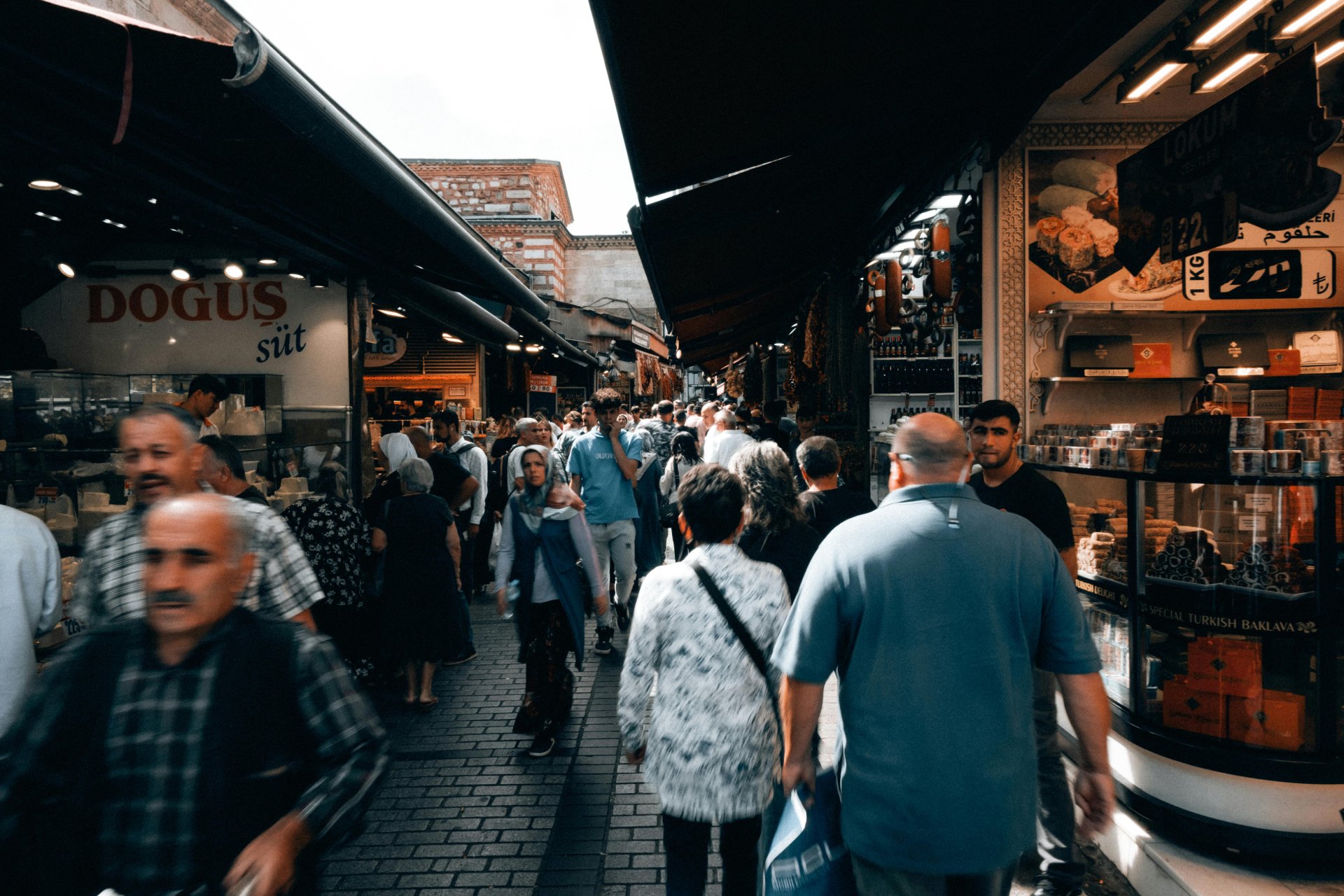
At the top of the list sits Istanbul, chosen by 11% of all respondents. Travelers imagine wandering its ancient streets with someone who enhances the experience, whether Steves revealing its Byzantine layers, Oprah reflecting on its history of empires or De Niro weaving stories as breathtaking as the Bosphorus.

Paris followed closely behind, its romance and timelessness calling to travelers who want the perfect setting for conversation, creativity or quiet awe. Women especially favored Paris and Istanbul, two cities where the past and present coexist beautifully. Men leaned slightly more toward London and Dubai, reflecting a mix of tradition, cosmopolitan ease and futuristic energy.

Non-US travelers gravitated toward Istanbul and Singapore — hubs of culture, commerce and global influence — while Americans showed a consistent preference for Paris and Istanbul.

Across every demographic, travelers expressed the same theme: they want destinations that inspire them, challenge them and immerse them in the richness of the world.


What Our Dream Travel Partners Say About Us

These choices reveal a broader truth about how people think about travel in now and in the future. In an era of breathtaking technology, global flexibility and constant connectivity, travelers still crave what is timeless: curiosity, conversation, insight, story and connection.

Whether imagining deep discussions with Oprah, laughing through an adventure with Willie Nelson or navigating an unfamiliar city with Rick Steves leading the way, travelers want a companion who enriches their experience.

In this way, fantasy travel mirrors real travel: the memories we cherish are shaped not just by where we go, but by who walks beside us.


The Global Rescue Connection

Dream travel companions may be a fantasy, but real-world travel requires real-world preparation. Whether you’re exploring Istanbul, strolling through Paris or embarking on your own adventure across the globe, unexpected challenges can arise.

A Global Rescue membership provides peace of mind through:

  • Field rescue from the point of illness or injury.
  • Worldwide medical evacuation to the member’s home hospital of choice.
  • 24/7 medical advisory services.
  • Global security support and crisis response.

While traveling with Rick Steves or Oprah Winfrey might remain a daydream, traveling with the confidence of professional protection is entirely within reach. Wherever your trips takes you — and whomever you imagine at your side — Global Rescue ensures you are never truly traveling alone.

Share This:

HAPE After Ama Dablam

A 53-year-old member from Norway developed symptoms of high altitude pulmonary edema while at Ama Dablam Camp 1. After being assisted to Pangboche he showed no improvement experiencing shortness of breath fatigue productive cough and…

A 53-year-old member from Norway developed symptoms of high altitude pulmonary edema while at Ama Dablam Camp 1. After being assisted to Pangboche he showed no improvement experiencing shortness of breath fatigue productive cough and headache. He was evacuated to a medical center where he was diagnosed with HAPE treated and discharged.

Share This:

Crevasse Fall at Changla Khang

A member from the United States fell into a crevasse while descending at approximately 19,685 feet/6,000 meters on Changla Khang suffering rib pain and difficulty breathing. He continued to base camp with assistance then reported…

A member from the United States fell into a crevasse while descending at approximately 19,685 feet/6,000 meters on Changla Khang suffering rib pain and difficulty breathing. He continued to base camp with assistance then reported severe pain even at rest. He was evacuated to a medical center where imaging showed no fractures. With rest and medication his pain gradually improved and he returned home as planned.

Share This:

Deteriorating Altitude Illness in Dughla

A member from Norway experienced dizziness headache visual disturbance fatigue and insomnia after ascending from Everest Base Camp at 17,598 feet/5,364 meters to Gorak Shep at 16,929 feet/5,160 meters and Lobuche at 16,174 feet/4,930 meters.…

A member from Norway experienced dizziness headache visual disturbance fatigue and insomnia after ascending from Everest Base Camp at 17,598 feet/5,364 meters to Gorak Shep at 16,929 feet/5,160 meters and Lobuche at 16,174 feet/4,930 meters. He was advised to descend but worsened with diarrhea poor intake and oxygen saturation of 78 percent. He was evacuated to a medical center where he was diagnosed with mild high altitude cerebral edema and viral bronchitis treated and discharged.

Share This:

Appendix Complication in Langtang

A member in Nepal developed severe abdominal and chest pain prompting helicopter evacuation to a medical center in Kathmandu where he was diagnosed with an appendicular perforation requiring laparoscopic appendectomy. He recovered steadily with minimal…

A member in Nepal developed severe abdominal and chest pain prompting helicopter evacuation to a medical center in Kathmandu where he was diagnosed with an appendicular perforation requiring laparoscopic appendectomy. He recovered steadily with minimal discomfort and was expected to be discharged within days.

Share This:

Leg Injury in Ghat

A member from the United States sustained a left leg injury before ascending from Lukla and became unable to walk due to sharp hip pain and suspected muscle tear. He was evacuated from Ghat to…

A member from the United States sustained a left leg injury before ascending from Lukla and became unable to walk due to sharp hip pain and suspected muscle tear. He was evacuated from Ghat to Kathmandu where he was diagnosed with a left thigh sprain treated and discharged.

Share This:

HAPE at Himlung Himal

A member from Singapore developed shortness of breath cough dizziness headache vomiting sleepiness chest pain and weakness at Himlung Himal Camp 2 with no supplemental oxygen available. He was evacuated when weather allowed and transported…

A member from Singapore developed shortness of breath cough dizziness headache vomiting sleepiness chest pain and weakness at Himlung Himal Camp 2 with no supplemental oxygen available. He was evacuated when weather allowed and transported to a medical center in Kathmandu where he was diagnosed with AMS and altitude-related headache treated and discharged.

Share This:

Gastrointestinal Illness on Lobuche

A member from Switzerland developed persistent vomiting diarrhea abdominal pain dehydration weakness and inability to walk at Lobuche High Camp at 18,372 feet/5,600 meters. Due to worsening condition he was evacuated to a medical center…

A member from Switzerland developed persistent vomiting diarrhea abdominal pain dehydration weakness and inability to walk at Lobuche High Camp at 18,372 feet/5,600 meters. Due to worsening condition he was evacuated to a medical center in Lukla where he was evaluated treated and discharged with medication. He reported improvement and planned travel to Kathmandu.

Share This:

Severe Dyspnea on Ama Dablam

A member from France became severely short of breath and unable to walk after summiting Ama Dablam from Camp 3. Given the technical terrain and his condition a longline rescue transported him to a medical…

A member from France became severely short of breath and unable to walk after summiting Ama Dablam from Camp 3. Given the technical terrain and his condition a longline rescue transported him to a medical center where he was diagnosed with AMS treated and discharged. He later reported improvement and declined further monitoring.

Share This:

Leg Injury in Thaktor

A member from New Zealand sustained a leg injury while walking on a remote trail in Thakur, Nepal and was unable to ambulate. She was evacuated to a medical center where imaging showed fractures of…

A member from New Zealand sustained a leg injury while walking on a remote trail in Thakur, Nepal and was unable to ambulate. She was evacuated to a medical center where imaging showed fractures of the second third and fourth metatarsals. She declined surgery stating she preferred treatment at home and departed Nepal days later.

Share This:

Breathing Difficulty in Dole

A member from Hong Kong reported shortness of breath fatigue headache cough and fever while on the Gokyo trail after requiring oxygen supplementation for two days. He was evacuated with another member to Kathmandu where…

A member from Shau Kei Wan Hong Kong reported shortness of breath fatigue headache cough and fever while on the Gokyo trail after requiring oxygen supplementation for two days. He was evacuated with another member to Kathmandu where he was diagnosed with AMS and high altitude pulmonary edema and later discharged.