Article Highlights:

  • Viral exposure is transforming hidden gems into overcrowded, under-secured environments.
  • Predictable traveler behavior creates ideal conditions for theft and localized crime.
  • Social media reduces situational awareness while increasing visibility and vulnerability.
  • Overcrowding degrades infrastructure, security presence and emergency response capacity.
  • Low-profile travel behavior is now a primary layer of personal security.


The concept of “hidden gems” in travel has fundamentally changed. What once defined these locations — low visibility, limited access and a sense of discovery — has been replaced by something entirely different. Today, a single viral TikTok can transform a quiet beach, neighborhood viewpoint or remote trail into a globally recognized destination almost overnight.

This shift is operational. Social media platforms, particularly TikTok, now function as real-time travel engines, directing mass movement into places that were never designed to handle it.

The result is a new category of travel environment: high-visibility, under-secured micro-destinations. These locations often lack the infrastructure, law enforcement presence and crowd management systems required to support sudden demand. As a result, they are increasingly associated with disorder, unsafe conditions and localized crime.

Understanding how and why this happens is now essential for modern travelers.


Why “TikTok-Famous” Hidden Gems Are Becoming Crime Targets

Social media has compressed the traditional travel discovery cycle from years to days. Platforms like TikTok amplify locations through short-form video, turning visually appealing sites into global attractions with unprecedented speed.

In practical terms, this means:

Locations can transition from unknown to internationally recognized almost instantly. Visitor volumes surge beyond local capacity. Infrastructure — including transportation, sanitation and security — lags behind demand.

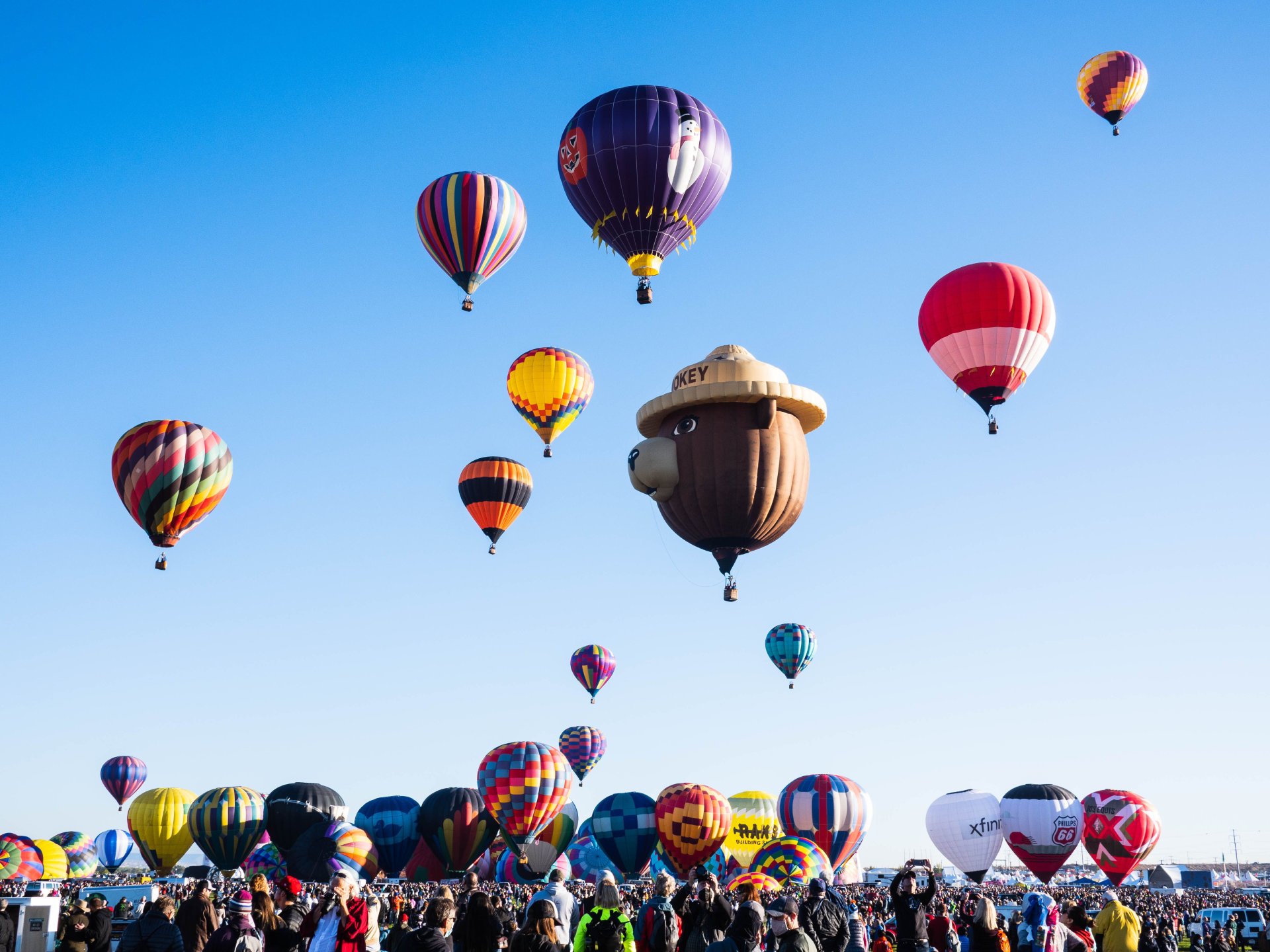
This mismatch creates instability. When thousands of travelers converge on a location designed for dozens or hundreds, the result is a breakdown in control. Pathways become congested, access points narrow, and emergency response becomes slower and less effective.

From a risk management perspective, visibility is vulnerability.


What Happens When a “Hidden Gem” Goes Viral

Recent global reporting reveals a consistent pattern. A location trends on TikTok or Instagram. Within weeks, it experiences a surge in visitors. Within months, conditions begin to degrade.

Authorities in parts of Europe have described these situations as “unmanageable,” while local communities characterize the influx as overwhelming and disruptive.

Even destinations marketed as alternatives to crowded hotspots are affected. Once exposed through social media, they quickly follow the same trajectory: increased traffic, diminished experience and growing safety concerns.

This progression often forces local governments to intervene. Restrictions, fines and access controls become necessary to manage behavior and restore order.

But enforcement rarely keeps pace with exposure. From a security standpoint, TikTok-famous destinations create ideal conditions for opportunistic crime. The underlying mechanics are straightforward.

First, target concentration increases dramatically. Travelers gather in dense clusters, often carrying high-value items such as smartphones, cameras and travel documents. These items are frequently visible and easily accessible.

Second, guardianship is limited. Many of these hidden gems were never intended to support large crowds. They lack consistent police presence, surveillance systems or controlled entry points.

Third, predictability becomes a defining feature. Social media standardizes behavior. Travelers visit the same viewpoints, at the same times and follow the same access routes. Sunrise and sunset windows, in particular, create highly concentrated periods of activity.

This combination — high-value targets, limited oversight and predictable movement — creates a highly efficient operating environment for theft, scams and harassment. It is not that these locations are inherently dangerous. It is that they are rapidly transformed into environments where crime opportunity increases faster than security can adapt.


Behavioral Risk: The Overlooked Multiplier

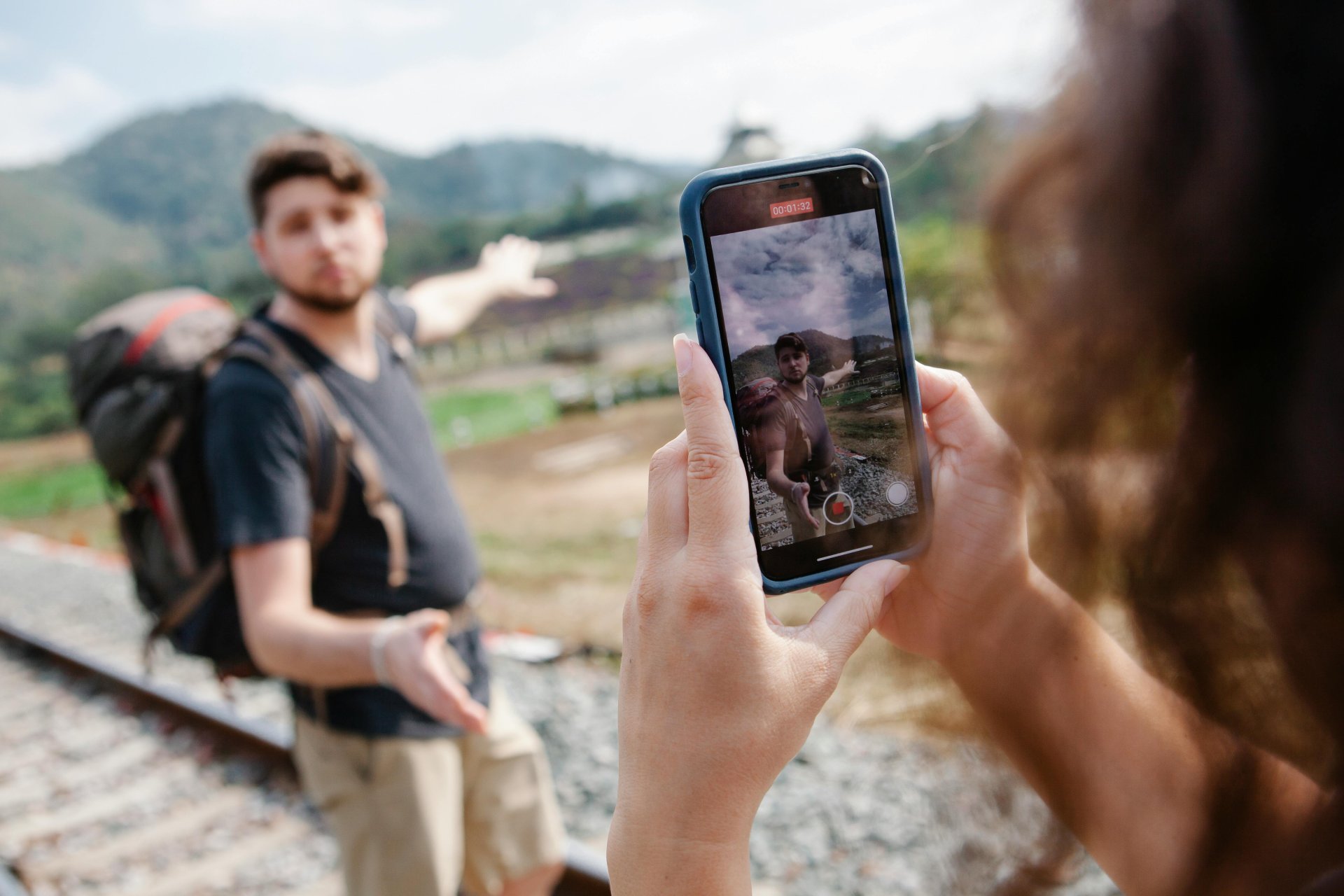
While infrastructure and exposure drive much of the risk, traveler behavior amplifies it. At TikTok destinations, individuals often prioritize content creation over situational awareness. They focus on framing shots, recording video and replicating viral content rather than monitoring their surroundings.

This shift in attention has measurable consequences. Travelers become less aware of nearby individuals, less responsive to changes in crowd dynamics and more vulnerable to distraction techniques commonly used in theft. Additionally, many travelers broadcast their location in real time. Geotagging, live posting and public sharing create a digital trail that increases visibility to anyone monitoring popular locations. The combination of physical distraction and digital exposure creates a low-awareness, high-risk environment.


The Overtourism Connection

The rise of TikTok-famous destinations intersects directly with broader overtourism trends. According to Global Rescue survey data, 76% of experienced travelers express concern about overtourism, and nearly one-third have experienced it firsthand. At the same time, travelers are actively seeking less crowded destinations. Sixty-six percent report plans to explore new international locations, often described as hidden gems.

This creates a paradox. The more travelers seek undiscovered places, the more likely those places are to be exposed and ultimately overwhelmed by social media. What begins as an attempt to avoid crowds often results in the creation of new ones.

In the current travel environment, visiting TikTok-famous destinations requires a shift in mindset. These locations should be treated as elevated-risk environments, not casual stops.

Risk mitigation begins with controlling your digital footprint. Avoid posting in real time. Disable geotagging and share content only after you have left the location. Timing also matters. Peak influencer windows — sunset, weekends and holidays — create the highest density and lowest control. Visiting during off-cycle hours reduces exposure. Visibility should be minimized. Neutral clothing, limited valuables and discreet behavior reduce the likelihood of being targeted. Environmental awareness is critical. Identify exits, monitor crowd flow and avoid chokepoints where movement becomes restricted. Even in remote or scenic settings, urban-level situational awareness should be maintained at all times.

These are baseline practices in social media-driven travel. Once a location appears on TikTok, it’s part of a global network of high-demand, rapidly evolving destinations.

For travelers, this requires recalibration. Discovery still exists, but it is increasingly temporary. The window between obscurity and exposure is shrinking, and with it, the margin for error. Understanding this dynamic is the difference between confident travel and unnecessary risk.


The Global Rescue Connection

Members traveling to emerging or viral destinations should assume conditions may shift rapidly. If an area appears overcrowded, unmanaged or behaviorally unstable, disengage and relocate. Maintaining a low profile is a primary layer of personal security in the social media-driven travel environment.

A Global Rescue membership reinforces that approach with capabilities that extend beyond preparation. Members have access to 24/7 medical advisory services, helping them assess risk, navigate local conditions and make informed decisions in real time.

If a situation escalates, Global Rescue provides field rescue and medical evacuation, even from remote or difficult-to-access locations. Whether dealing with altitude sickness at Everest Base Camp or an upset stomach in London, members receive coordinated care and transport to the most appropriate medical facility.

In a travel environment shaped by TikTok visibility and rapidly shifting conditions, preparation is essential and response capability is critical. Global Rescue ensures that travelers are not navigating these risks alone, providing a reliable lifeline when conditions move beyond personal control.