Article Highlights:

  • Injuries, not infectious disease, are the leading serious medical risk for international luxury travelers.
  • Falls, vehicle accidents and water-related incidents account for most travel emergencies abroad.
  • Luxury travelers increasingly participate in physically demanding and remote experiences.
  • Alcohol, fatigue and unfamiliar environments significantly increase injury exposure.
  • Medical emergencies become more complex when advanced care is far from luxury destinations.


Luxury travel has evolved dramatically over the last two decades. Today’s affluent travelers are not simply checking into beachfront resorts and remaining poolside for a week. They are heli-skiing in Iceland, trekking through Patagonia, diving remote reefs in the Maldives, riding horseback across African conservancies and embarking on expedition cruises through Antarctica.

This evolution has fundamentally changed the medical risk profile of international luxury travel.

While many travelers remain highly focused on infectious disease concerns abroad, travel medicine research consistently shows that injuries represent the far greater threat to international travelers. For affluent travelers specifically, the combination of physically demanding experiences, older traveler demographics, long-haul itineraries and remote destinations creates a uniquely elevated injury exposure.

The modern luxury traveler often assumes that premium accommodations equal premium safety. In reality, geography, infrastructure and logistics matter far more than room rates when emergencies occur.


Why Injuries Are the Leading Travel Risk

Most serious travel emergencies abroad are not caused by exotic illnesses. They stem from ordinary events occurring in unfamiliar environments. A fall on a marble staircase. A boating accident during a snorkeling excursion. A rollover on a safari transfer. A fractured hip aboard a cruise ship staircase after rough seas. These incidents are remarkably common.

Luxury travelers often underestimate risk because many activities are marketed as curated leisure experiences rather than adventure tourism. Yet many high-end travel experiences involve substantial physical and environmental exposure.

Affluent travelers also tend to: travel farther from major cities, participate in more activities, spend longer periods abroad and remain active later in life. These factors increase cumulative exposure dramatically.


Falls and Slip Injuries

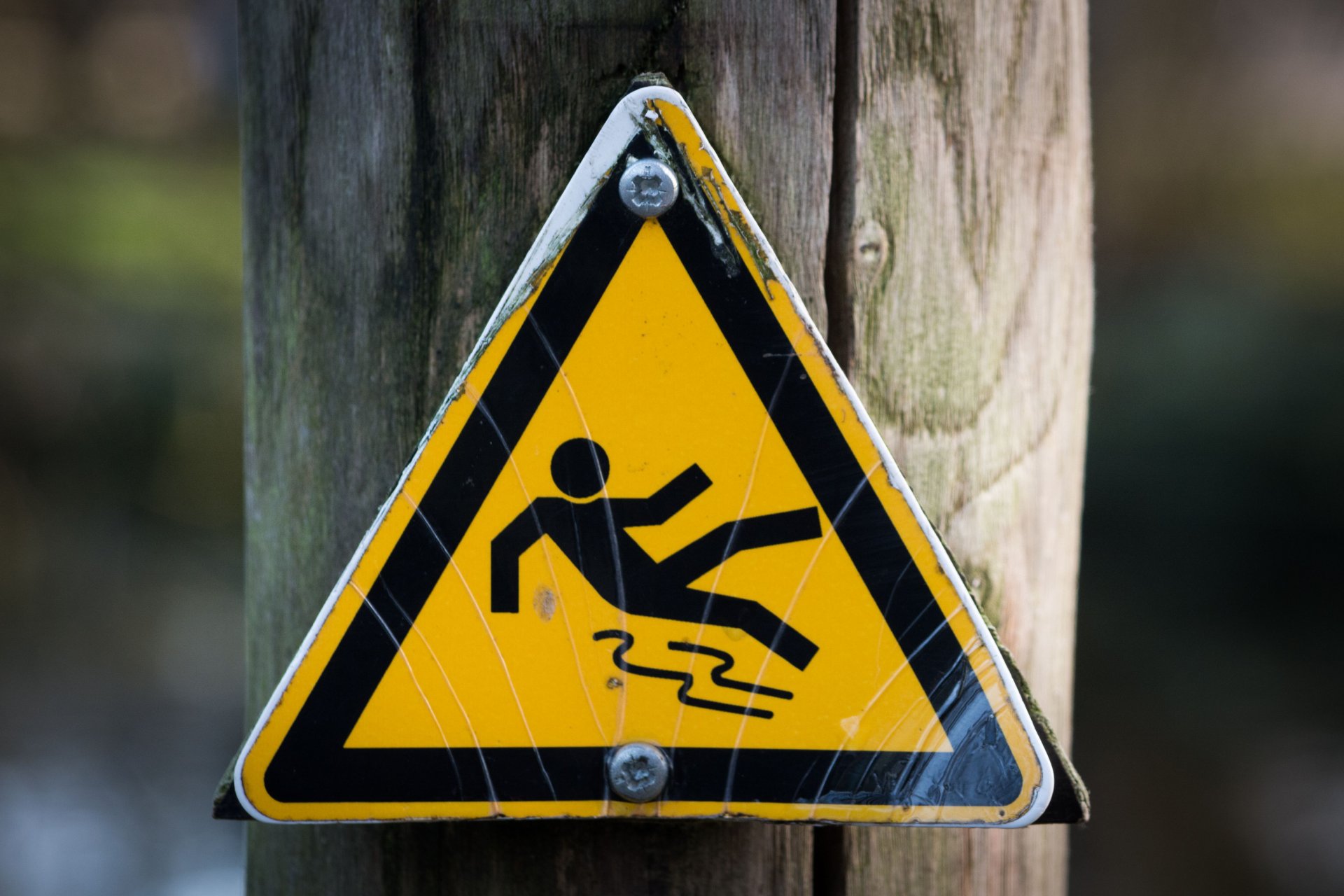
Falls remain the most common nonfatal injury among international luxury travelers. Luxury resorts frequently feature polished stone flooring, elevated architecture, infinity pools, floating docks and decorative staircases designed for aesthetics rather than risk reduction. Combined with sandals, wet surfaces, jet lag and alcohol consumption, these environments create ideal conditions for injury.

Cruise ships present similar challenges. Vessel movement, narrow staircases and wet decks contribute to orthopedic injuries and head trauma.

Common injuries include: ankle sprains, wrist fractures, hip fractures, shoulder injuries and concussions. Older travelers are particularly vulnerable. Retirees and affluent travelers over 60 often maintain highly active itineraries while simultaneously facing increased fracture risk and slower recovery times.

Multi-country travel can also contribute to fatigue-related falls. Travelers navigating unfamiliar streets after long-haul flights may underestimate how exhaustion affects balance and judgment. Historic destinations create additional hazards. Uneven cobblestone streets throughout Europe, steep hillsides in Mediterranean villages and poorly lit pathways in tropical resorts all contribute to fall exposure.


Motor Vehicle Accidents Abroad

Motor vehicle accidents remain the leading cause of fatal injury among international travelers. For luxury travelers, exposure often comes indirectly through: private drivers, safari vehicles, resort transfers, seaplane transfers, off-road excursions, scooters, helicopters and boating operations.

Many travelers wrongly assume that chauffeur-driven transportation eliminates risk. In reality, infrastructure quality, road conditions, traffic laws and emergency response capabilities vary dramatically around the world.

Safari travelers face particular exposure. Long-distance drives through remote conservancies often occur on unpaved roads far from trauma centers. Similarly, mountain destinations in South America or Europe may involve narrow roads, weather hazards and long transport times.

The injuries associated with vehicle accidents are often severe: head trauma, internal bleeding, spinal injuries, chest trauma and complex fractures. What makes these incidents especially dangerous is evacuation complexity. A serious crash near a major urban hospital is one thing. A crash several hours from definitive care inside a remote conservation area or island chain is another entirely.


Water and Marine Injuries

Luxury travel frequently centers around water. Yacht charters, catamaran excursions, overwater villas, diving operations and snorkeling adventures all create substantial marine exposure.

Drowning remains among the leading causes of traveler injury death globally. Luxury travelers are particularly exposed because they often participate in: scuba diving, open-water swimming, jet skiing, cliff diving, parasailing and boating transfers.

Marine injuries range from relatively minor lacerations to life-threatening trauma. Common incidents include: propeller injuries, spinal trauma from diving, coral lacerations, decompression sickness, near drowning and tender-transfer accidents. Alcohol significantly increases risk in marine environments. Resort culture frequently normalizes daytime drinking around pools, beaches and yachts, impairing coordination and judgment during water activities.

Even relatively minor injuries can become serious in remote marine environments where definitive care requires evacuation by boat or aircraft.


Adventure and Excursion Injuries

Luxury tourism increasingly overlaps with adventure tourism. Many premium itineraries now include physically demanding experiences marketed as exclusive lifestyle activities rather than sports. Travelers may participate in: mountain biking, horseback riding, trekking, skiing, ziplining, glacier exploration, diving and climbing excursions. These activities generate predictable injury patterns including: ACL tears, shoulder dislocations, fractures, spinal injuries and concussions.

The problem is not necessarily the activities themselves. The issue is often mismatch between traveler conditioning and activity demands. A traveler who spends most of the year sedentary may suddenly attempt steep volcanic hiking, multi-day skiing or advanced diving after arrival at a luxury destination. Altitude, heat and dehydration further amplify risk.


Heat and Environmental Injuries

Many luxury destinations are located in extreme climates. Travelers visiting the Caribbean, Middle East, Africa and Southeast Asia may encounter heat conditions far beyond what they experience at home. Older travelers are especially vulnerable to: dehydration, heat exhaustion, heat stroke, electrolyte imbalance and cardiovascular strain.

Sun exposure also contributes significantly to traveler illness and injury. Luxury travelers often underestimate environmental stress because resorts buffer discomfort through air conditioning, hydration service and controlled environments. However, excursions outside these controlled settings can rapidly expose travelers to dangerous heat conditions.


Cruise and Yacht Injuries

Cruise travelers experience a distinct medical profile. Common cruise injuries include: stair falls, motion-related fractures, excursion injuries, dehydration, balcony falls and orthopedic trauma. Cruise medical facilities can stabilize many conditions but are not hospitals.

When serious emergencies occur, travelers may require helicopter evacuation or diversion to the nearest port. These operations are complex, weather dependent and extremely expensive. Yacht travelers face additional exposure because smaller vessels often lack onboard medical staff entirely.


Why Luxury Travelers Face Unique Risk Exposure

Luxury travelers are not necessarily reckless. In many ways, they are healthier, more experienced and better prepared than average tourists. However, they also: travel farther, spend more time abroad, participate in more demanding experiences and increasingly seek remote destinations.

The world’s most exclusive destinations are often the hardest places to evacuate from. An injury in central Paris is inconvenient. An injury in the Okavango Delta, Antarctica or an outer Maldivian atoll becomes a logistical operation involving aviation, weather and infrastructure limitations. This distinction matters enormously.


The Global Rescue Connection

One of the most important dynamics in luxury travel safety is psychological. Affluent travelers often associate premium pricing with operational capability. A $5,000-per-night resort may provide extraordinary hospitality while still lacking: advanced trauma care, surgical capability, ICU access, blood products or rapid evacuation infrastructure.

Luxury hospitality and medical readiness are not the same thing. Understanding that distinction is one of the most important aspects of informed travel.

Injuries abroad become far more complicated when they occur in remote environments or destinations with limited medical infrastructure. A Global Rescue membership helps bridge the gap between luxury hospitality and real-world emergency response.

Members have access to field rescue, medical evacuation to the hospital of their choice, 24/7 medical advisory services and security advisory support during natural disasters, political disruptions or transportation crises.

Whether facing a serious orthopedic injury aboard a cruise ship, a vehicle accident during safari travel or a marine emergency at a remote island resort, Global Rescue provides operational coordination and evacuation capabilities that traditional travel insurance often does not.

Luxury travel is not about eliminating risk entirely. It is about understanding risk intelligently and preparing for it appropriately.