Article Highlights:

  • The Bahamas, Belize and Florida rank among the world’s premier bonefishing destinations, offering distinctive opportunities for saltwater anglers.
  • Andros Island and the surrounding Bahamian flats offer exceptional sight fishing, expansive shallow-water habitats and opportunities to pursue trophy bonefish.
  • Belize combines productive bonefishing with opportunities to achieve a coveted Grand Slam by catching bonefish, permit and tarpon in a single day.
  • Florida’s Biscayne Bay and Florida Keys offer challenging trophy bonefishing, while ongoing conservation efforts support the recovery of local populations.
  • Remote fishing destinations can complicate medical emergencies, making advance planning, field rescue and medical evacuation services important safeguards for traveling anglers.


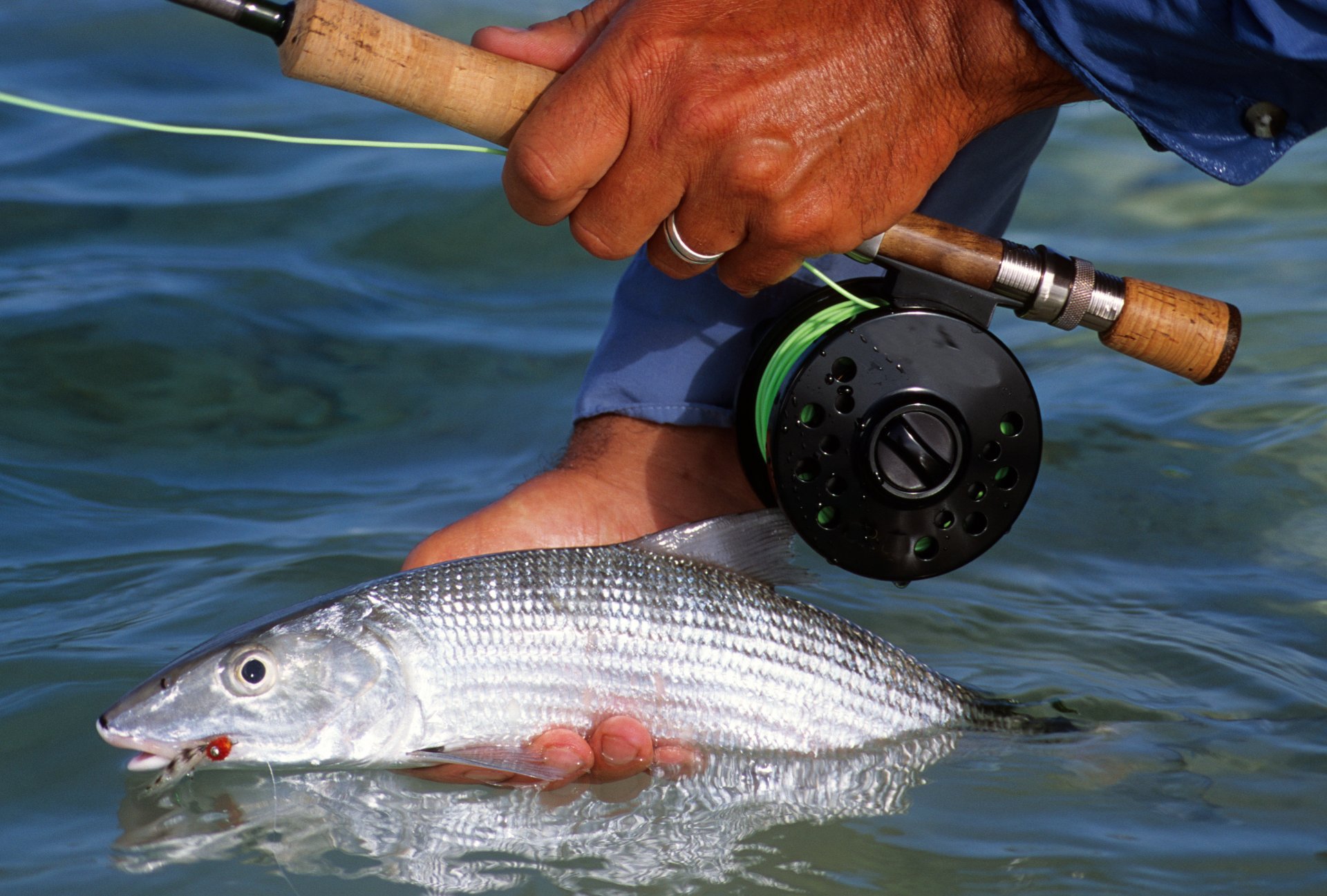
Few experiences in saltwater fishing match the excitement of spotting a bonefish moving across a shallow tropical flat. The fish may be nearly invisible against the sandy bottom, betrayed only by a faint shadow, a flash of silver or the movement of its tail. One carefully placed cast can trigger an explosive strike followed by a blistering run that strips line from the reel in seconds.

Bonefish have earned their nickname, the “ghosts of the flats,” because of their remarkable camouflage, speed and ability to frustrate even accomplished anglers. They inhabit warm, shallow coastal waters throughout tropical and subtropical regions, feeding on crabs, shrimp, worms and other small marine creatures. For traveling anglers, three destinations stand out for their distinctive bonefishing experiences: The Bahamas, Belize and Florida.


The Bahamas: The World’s Classic Bonefishing Destination

The Bahamas is where many fly fishermen go to experience bonefishing in its most recognizable form. The country’s enormous network of islands, tidal creeks, mangrove shorelines and shallow sand flats provides extensive habitat for bonefish.

Clear water and light-colored bottoms often allow anglers to spot fish from considerable distances, creating exceptional opportunities for sight fishing. Andros Island is especially famous, with immense flats, tidal channels and relatively undeveloped coastline that have helped establish it as one of the world’s premier bonefishing destinations.

The island’s west side offers remote fishing environments where anglers may spend hours exploring vast stretches of shallow water without seeing another boat. Abaco, Grand Bahama and the Exumas also provide outstanding opportunities, with each destination offering a different combination of fishing lodges, guide services, travel accessibility and flats habitat.

Bahamas bonefish frequently travel in groups, particularly smaller fish, giving visiting anglers opportunities for multiple presentations. Larger fish may be encountered individually or in smaller groups and often require considerably greater patience. A careless cast, sudden movement or poorly positioned fly can send a fish racing off the flat before the angler gets a second chance.

The defining attraction is the opportunity to sight fish across expansive, relatively open flats. Anglers may wade across shallow water or fish from specialized skiffs propelled quietly by guides using push poles, allowing them to approach feeding fish with minimal disturbance.

The Bahamas is also an excellent destination for anglers developing their saltwater fly fishing skills. Experienced guides can teach casting techniques, fish identification and the importance of avoiding unnecessary movement. Spring and fall are often especially attractive because of favorable water temperatures, although productive fishing is possible throughout much of the year.


Belize: Bonefish, Barrier Reefs and the Grand Slam

Belize offers a different kind of bonefishing adventure, combining productive Caribbean flats with one of the world’s most remarkable marine environments. Its extensive barrier reef system, offshore atolls, mangrove lagoons and protected coastal waters create exceptional habitat for bonefish and other prized saltwater gamefish.

Belize is particularly attractive because anglers can pursue bonefish, permit and tarpon during the same fishing day. Catching all three is known as a Grand Slam, one of saltwater fly fishing’s most celebrated achievements, and Belize has earned an international reputation as one of the places where anglers can realistically pursue that goal.

The fishing is productive throughout much of the year, although seasonal weather, tides and the movement of different species affect opportunities. The drier months, generally from late fall through spring, often provide attractive travel conditions, but anglers planning around a particular species should consult experienced local guides.

However, reaching some of the best fishing areas may require extended boat transfers, small aircraft or stays at isolated lodges. Medical facilities outside Belize’s principal population centers can be limited, making emergency planning particularly important.

Florida: Trophy Bonefish Close to Home

For US anglers who want serious bonefishing without crossing an international border, South Florida remains one of the sport’s most important destinations. Biscayne Bay and the Florida Keys offer extensive shallow-water habitat where anglers can pursue large, wary bonefish across seagrass flats, mangrove shorelines, channels and hardbottom areas. The fishing can be highly technical, rewarding precise casts, careful presentations and an ability to spot fish that often disappear against the bottom almost as quickly as they appear.

Florida’s bonefish fishery is also showing encouraging signs of recovery. According to Bonefish & Tarpon Trust, the Florida Keys bonefish population continues to rebound, making spawning aggregations increasingly important to identify and protect. Researchers are working with state and federal partners to safeguard known aggregation sites while expanding their search into the Lower Keys for additional promising locations.

Bonefish & Tarpon Trust researchers use acoustic receivers to determine when tagged bonefish pass through important areas and boat-based animal tracking devices to follow individual fish at fine scale. The technology allows scientists to determine where bonefish congregate, how they move between habitats and where they ultimately spawn. The findings reinforce an important point for anglers: the bonefish seen cruising a shallow flat are part of a much larger ecological system. Identifying these movements gives fisheries managers better information about which areas may require seasonal or long-term protection.

Bonefish & Tarpon Trust describes habitat loss as the greatest threat facing flats fisheries. For more than 25 years, the organization has worked to conserve and restore essential fish habitat, including projects in Florida, Belize, The Bahamas and Mexico. For anglers, conservation increasingly becomes part of the fishing experience itself. For accomplished anglers, however, the combination of trophy potential, a recovering fishery, cutting-edge conservation research and relatively straightforward access makes South Florida one of the most interesting bonefishing destinations in the world.


The Global Rescue Connection

For anglers pursuing bonefish in Florida, The Bahamas or Belize, the greatest risks may have little to do with fishing itself. A serious injury, sudden illness or medical emergency can become considerably more complicated when the nearest appropriate hospital is separated by miles of ocean, difficult terrain or limited transportation.

Global Rescue is Bonefish & Tarpon Trust’s exclusive traveler medical evacuation provider and travel insurance partner, providing medical advisory services, field rescue, medical evacuation and destination intelligence to help anglers prepare for and respond to emergencies. That capability became especially clear during a fishing expedition deep in the Bolivian jungle when an expert angler suffered a severe eye injury leaving him unable to see properly. Far from advanced medical care, Global Rescue coordinated his evacuation from the remote river environment and managed the international transportation required to get him to leading eye specialists in the United States.

A Global Rescue membership gives travelers access to medical advisory support and coordinated field rescue and medical evacuation. For anglers traveling to isolated flats, offshore atolls and remote fishing lodges, those capabilities provide an important safeguard when emergency care is difficult to reach. Whether pursuing a trophy bonefish in Florida, exploring the seemingly endless flats of The Bahamas or chasing a Grand Slam in Belize, the objective is the same: experience extraordinary fishing while returning home safely.