
Article Highlights:

  • South Africa ranks as the favorite adventure destination among experienced international travelers in the Global Rescue Fall 2026 Traveler Sentiment and Safety Survey.
  • From Big Five safaris and shark encounters to mountain trekking and the world’s highest commercial bridge bungee jump, South Africa offers extraordinary adventure opportunities.
  • Cape Town, Table Mountain, the Garden Route, the Winelands and the Cradle of Humankind combine spectacular landscapes with cultural, culinary and historical experiences.
  • South Africa’s moderate overall risk rating reflects concerns involving violent crime, road safety, civil unrest, infectious diseases and uneven access to medical care.
  • Global Rescue provides medical advisory services, field rescue, medical evacuation, security services and destination intelligence to help travelers prepare for emergencies.


South Africa has something few destinations can match: the ability to deliver a world-class wildlife safari, an ocean adventure, a mountain expedition and an extraordinary cultural experience within a single vacation. From lions roaming the savanna to sharks patrolling coastal waters, the country’s natural diversity makes it one of the most compelling destinations for travelers seeking experiences beyond traditional sightseeing.

And experienced international travelers have taken notice. According to the Global Rescue Fall 2026 Traveler Sentiment and Safety Survey, South Africa ranked as the favorite adventure destination among respondents, ahead of the United States, Argentina, Canada and New Zealand.

But the findings reveal important differences in traveler preferences. US respondents favored South Africa, while non-US travelers ranked Nepal first. Men selected South Africa as their leading adventure destination, while women preferred the US. South Africa was the only country appearing among the top five adventure destinations for both US and non-US respondents, underscoring its broad international appeal.

“Adventure has no single capital,” said Dan Richards, CEO of The Global Rescue Companies. “South Africa leads the overall ranking, but the differences between groups show why there is no one-size-fits-all adventure traveler. A favorite destination is a personal choice, not a universal prescription.”

The country’s appeal is undeniable. But so are its risks. Understanding both is essential for travelers planning to experience South Africa’s extraordinary landscapes, wildlife and culture.


What Makes a South Africa Safari One of the World’s Great Adventure Experiences?

For many travelers, a South Africa safari is the experience that defines the country. Wildlife viewing is extraordinary. South Africa is home to the iconic Big Five: lion, leopard, rhinoceros, elephant and buffalo. Guided game drives, walking safaris, photographic expeditions and self-drive experiences allow travelers to observe wildlife in environments ranging from enormous national parks to highly managed private reserves. But safari travel is only one piece of South Africa’s adventure identity.

Along the country’s coastline, travelers can pursue whale watching, shark cage diving, kayaking, surfing and wildlife encounters involving dolphins and Cape fur seals. The Bloukrans Bridge along the Garden Route features a 216-meter, or 709-foot, commercial bridge bungee jump, one of South Africa’s most recognizable adrenaline experiences.

Mountain travelers have equally impressive options. The Drakensberg offers demanding hiking through dramatic escarpments, valleys and alpine terrain. The Cederberg attracts hikers and rock climbers, while Cape Town places challenging hiking routes within easy reach of a major international city. Canyoning, known locally as kloofing, combines hiking, swimming, scrambling and jumping through rocky gorges and waterways. Organized excursions around destinations such as Tsitsikamma offer additional ways to experience South Africa beyond the vehicle window.

What distinguishes the country is not simply the number of activities available. It is the ability to combine dramatically different environments and adventures without crossing an international border.


Why Is Kruger National Park Essential to a South Africa Safari?

Kruger National Park is one of Africa’s most celebrated wildlife destinations and a cornerstone of South Africa’s tourism industry. Its enormous scale allows travelers to experience wildlife across a variety of ecosystems while searching for elephants, lions, leopards, rhinos, buffalo and hundreds of other species.

Travelers can explore Kruger through organized game drives or designated self-drive routes. Private reserves bordering the park, including Sabi Sands, provide additional safari experiences, often combining luxury accommodations with guided wildlife viewing. The opportunity to drive through wildlife territory independently is especially appealing to experienced adventure travelers. But independence requires discipline.

Animals have the right of way. Visitors should remain inside vehicles except at designated areas, obey speed restrictions and maintain appropriate distance from wildlife. Elephants, buffalo and other large animals can behave unpredictably when startled or threatened. Safari operators and experienced guides understand animal behavior and emergency procedures, but no wildlife experience is without risk.

Kruger’s location also introduces health considerations. Malaria is a concern in parts of northeastern South Africa, including areas associated with the park. Travelers should consult a travel medicine specialist before departure to determine appropriate mosquito precautions and whether preventive medication is recommended.


Why Cape Town and Table Mountain Define South Africa’s Adventure Appeal

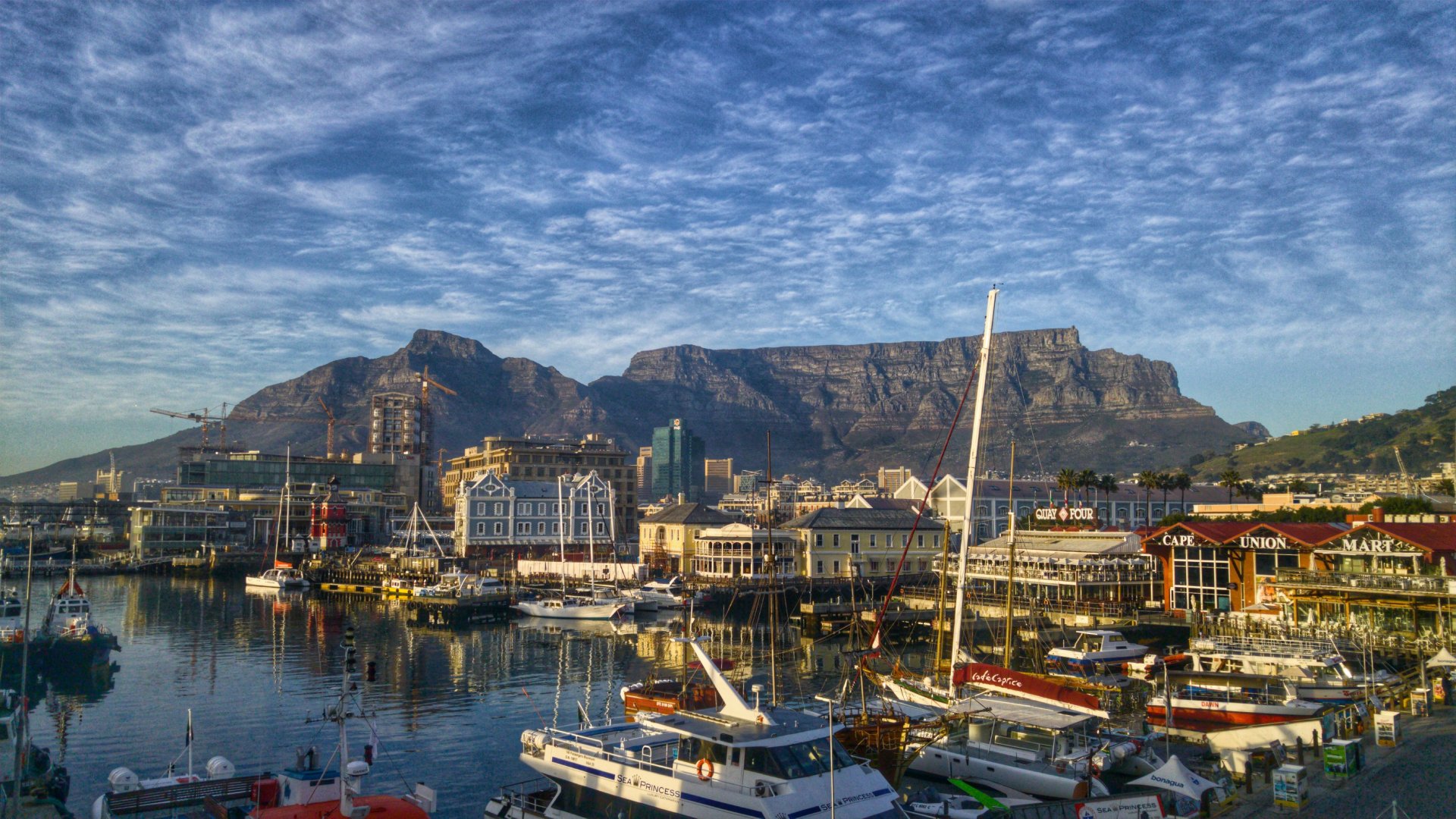
Cape Town offers an unusually concentrated mixture of urban sophistication and outdoor adventure. Table Mountain rises immediately behind the city, providing one of the world’s most recognizable natural skylines and giving travelers access to hiking, scrambling and panoramic viewpoints within minutes of restaurants, hotels and cultural attractions.

Routes vary considerably in difficulty. Some are relatively straightforward, while others involve steep terrain, exposure and challenging scrambles. Conditions can change quickly, and hikers should not underestimate navigation, weather or the physical demands of particular routes.

Beyond Table Mountain, Cape Town provides access to beaches, coastal drives, marine activities and the wider Cape Peninsula.

Chapman’s Peak Drive traces a dramatic route above the Atlantic coastline. Nearby areas offer surfing, kayaking, diving and marine-wildlife excursions.

Cape Town is also one of South Africa’s major cultural centers. Travelers can visit Robben Island, explore neighborhoods shaped by the country’s complex political history and experience a sophisticated restaurant and arts scene. For adventure travelers who also value culture, food and urban amenities, Cape Town provides a rare combination.


What Are the Best Places To Visit in South Africa Beyond Cape Town and Kruger National Park?

South Africa’s appeal extends far beyond its two best-known tourism anchors. The Garden Route stretches through forests, lagoons, beaches, cliffs and small coastal communities. Destinations including Knysna, Plettenberg Bay and Tsitsikamma make the region ideal for road trips combining hiking, water activities and coastal sightseeing.

The Winelands, particularly Stellenbosch, Franschhoek and Paarl, deliver another kind of South African experience. Historic wine estates, Cape Dutch architecture, mountain scenery and acclaimed restaurants make the region attractive to leisure travelers looking to combine adventure with comfort.

The Cradle of Humankind, a UNESCO World Heritage Site near Johannesburg, contains internationally important fossil sites documenting early human evolution.

The Cape Floral Kingdom is another remarkable natural attraction. It is one of the world’s six recognized floral kingdoms and contains an extraordinary concentration of plant biodiversity, including distinctive fynbos species found nowhere else.

For travelers interested in astronomy, the Karoo and Sutherland region offer expansive landscapes, limited light pollution and exceptional night skies.

South Africa’s culinary culture provides yet another reason to explore. Traditional braais, Cape Malay cuisine, regional African dishes and internationally recognized restaurants reflect centuries of Indigenous African, Asian and European influence.

For many international visitors, favorable exchange rates can also make upscale lodging, dining and guided experiences comparatively affordable, although luxury safari lodges and premium adventure experiences can still command significant prices.


Is South Africa Safe for International Travelers?

The question “is South Africa safe?” does not have a simple yes-or-no answer. Millions of travelers visit successfully, but South Africa requires greater security awareness than many traditional leisure destinations.

According to the Global Rescue Destination Report, the country’s overall risk rating is Moderate, reflecting both moderate security and health risk ratings.

Violent crime is a major concern. Muggings, armed robberies, gun violence and carjackings occur, particularly in urban areas. Smash-and-grab thefts targeting vehicles stopped at intersections are another recognized risk. Travelers should avoid unnecessarily displaying expensive jewelry, cameras, phones or other valuables. Walking alone after dark, particularly in unfamiliar neighborhoods, increases exposure to crime.

Transportation choices also matter. Reputable ride-hailing services, hotel transportation and trusted local drivers can reduce risk, particularly after dark. Driving outside urban areas presents separate hazards. Roads may be poorly illuminated, animals can enter roadways and emergency assistance may be limited. Travelers should avoid unnecessary nighttime driving, keep vehicle doors locked and plan routes in advance.

Civil unrest is another consideration. Demonstrations, labor disputes and public-sector strikes can occur with little warning and occasionally become violent or interfere with transportation and essential services.

The practical lesson is not that travelers should avoid South Africa. It is that situational awareness and advance planning should be treated as part of the itinerary.


What Medical Risks Should South Africa Travelers Understand?

South Africa provides sophisticated private medical care in major cities and around many established tourism destinations. However, medical capabilities are not distributed evenly.

The Global Rescue Destination Report notes that the public healthcare system remains overstretched and underfunded, while private hospitals generally provide a more sophisticated level of care. Medical services become more limited in rural areas.

That distinction is especially important for safari travelers, hikers and others venturing far from major cities. A serious injury in a remote reserve may require transportation over considerable distances before reaching appropriate treatment. A hiking accident can create additional challenges involving rugged terrain, communications limitations and delayed emergency response.

Malaria is an important consideration in northeastern parts of South Africa. Other vector-borne and communicable diseases can also affect travelers depending on destination, season and activity. Travelers should review routine vaccinations and destination-specific medical recommendations before departure. They should also carry sufficient supplies of prescription medication for their intended stay, preferably in original packaging, with copies of prescriptions or other important medical documentation.

Water and food quality are generally reliable in developed tourism areas, but bottled, boiled or appropriately filtered water may be prudent when local conditions are uncertain, particularly in rural areas. The important question is not simply whether South Africa has good hospitals. Travelers should also ask how far they will be from those hospitals and how they would reach appropriate care during an emergency.


What Are the Biggest Risks During a South Africa Safari?

The animals that make a South Africa safari memorable are also powerful and unpredictable. Lions, elephants, buffalo, rhinoceroses and other wildlife can become dangerous when threatened, startled or approached too closely. Visitors should never leave vehicles unless specifically authorized, feed wildlife or attempt to attract an animal for a photograph.

Walking safaris require even greater awareness. Professional guides provide critical expertise regarding wildlife behavior, terrain and emergency procedures, but the environment remains inherently unpredictable.

Adventure activities create different risk profiles. Mountain hiking can involve falls, sudden changes in conditions, navigation problems and dehydration. Marine excursions introduce risks involving currents, cold water, equipment failures and wildlife encounters. Bungee jumping, climbing, rafting and canyoning require experienced operators, properly maintained equipment and a realistic assessment of the traveler’s own physical capabilities.

Before undertaking remote activities, travelers should understand not only the activity itself but what emergency response resources are available if something goes wrong.


When Is the Best Time To Visit South Africa?

South Africa’s seasons are opposite those of the Northern Hemisphere, making timing an important part of trip planning. The dry winter period, generally May through September, is popular for wildlife viewing in Kruger National Park. Reduced vegetation and animals congregating around water sources can make wildlife easier to spot.

Cape Town and the Winelands become especially attractive during the warmer southern summer, approximately November through March, when beaches, outdoor dining and coastal activities are popular. Whale watching near Hermanus generally peaks during the southern right whale season, approximately June through November. The Garden Route can be visited throughout the year, although rainfall and temperatures vary.

Travelers planning a multi-region itinerary should recognize that the ideal season for a South Africa safari may not be the ideal season for Cape Town or another part of the country.


The Global Rescue Connection

South Africa’s extraordinary landscapes and wildlife experiences make it an obvious destination for adventurous international travelers. But the same remoteness that makes a safari or wilderness expedition memorable can complicate medical treatment and emergency response.

A Global Rescue membership provides traveler protection through field rescue, medical evacuation and 24/7/365 medical advisory services.

If a member suffers a serious injury while hiking in the Drakensberg Mountains, exploring a remote wildlife reserve or participating in another adventure activity, Global Rescue can coordinate field rescue and transportation to an appropriate medical facility, subject to membership terms and operational conditions.

If local medical resources cannot provide the necessary level of care, Global Rescue can arrange further medical evacuation, including transportation to a member’s home hospital of choice when medically appropriate and permitted under the membership agreement.

Members also have access to experienced medical professionals who can provide guidance before departure and during an emergency.

Global Rescue Destination Reports provide additional intelligence about security conditions, healthcare infrastructure, infectious disease risks and local emergency medical capabilities. These resources help travelers identify where suitable medical facilities are located and understand the limitations they may face outside major cities.

For travelers concerned about crime, civil unrest or other qualifying security emergencies, Global Rescue security memberships provide access to expert security advisory and applicable evacuation services.

Unlike traditional travel insurance, Global Rescue membership services are designed to deliver direct medical and evacuation assistance rather than simply reimburse eligible expenses. Covered membership services do not require claim forms, deductibles or copayments.

“A great adventure starts with curiosity, but it should also include a plan for getting help,” Richards said. “Know the risks, understand the limits of local assistance and decide before departure how you would respond to a medical or security emergency.”

South Africa deserves its reputation as an extraordinary adventure destination. With informed planning, experienced local operators and appropriate medical and security protection, travelers can explore its wildlife, mountains, coastlines and cultures with greater confidence.