Article Highlights:

  • Italy ranks as the world’s favorite leisure destination in the Global Rescue Fall 2026 Traveler Sentiment and Safety Survey, ahead of the US, Mexico, UK and France.
  • Italy leads among non-US travelers and men, while American respondents and women favor the US.
  • Rome, Florence, Venice, Tuscany and the Amalfi Coast offer an exceptional combination of history, cuisine, art, natural beauty and cultural experiences.
  • Italy has an overall Low travel risk rating, but petty crime, transportation strikes, civil unrest, terrorism concerns and seismic activity require preparation.
  • Italy’s healthcare system meets international standards, but regional differences, language barriers and medical emergencies make advance planning and Global Rescue membership valuable.


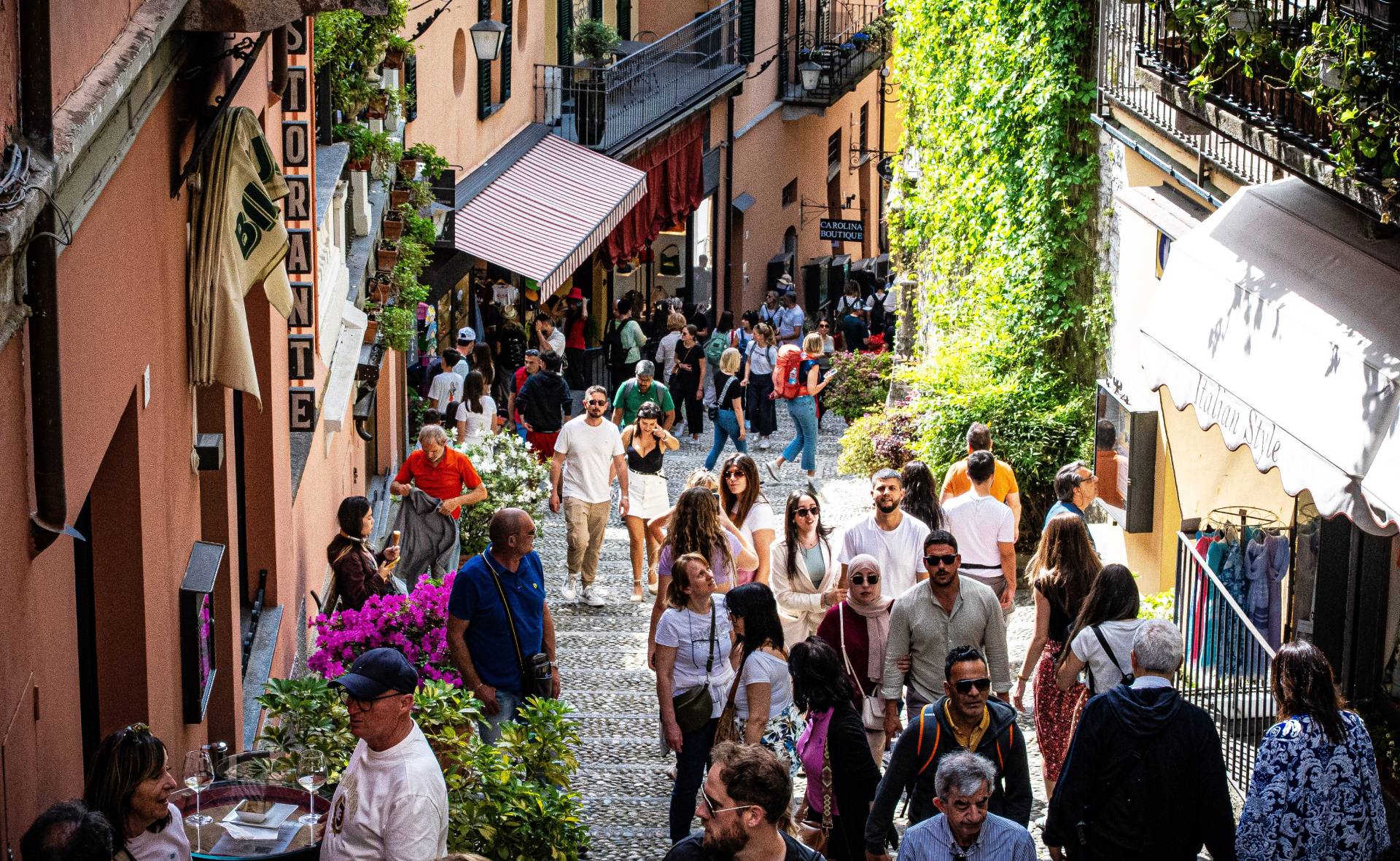
Italy has something few international destinations can match: the ability to combine extraordinary cultural experiences, world-renowned cuisine, spectacular landscapes and thousands of years of history into a single vacation. Whether wandering Rome’s ancient streets, exploring Renaissance Florence, cruising Venice’s canals or enjoying the Mediterranean coastline, travelers discover a country where everyday life is part of the attraction.

Now, the world’s most experienced international travelers have made their preference clear. According to the Global Rescue Fall 2026 Traveler Sentiment and Safety Survey, Italy ranks as the world’s favorite leisure travel destination, ahead of the United States, Mexico, United Kingdom and France. The results reveal something more interesting than a simple popularity contest. Italy leads among non-US respondents and men, while the US ranks first among American respondents and women. The differences suggest that travelers define their ideal vacations differently, even when they share an appreciation for culture, relaxation and discovery.

Italy’s popularity also raises practical questions. Is Italy safe for international travelers? How reliable is its healthcare system? What risks should visitors anticipate? And how can travelers experience the country’s remarkable attractions without overlooking their personal safety?


Why Do International Travelers Love Italy?

Italy’s appeal begins with its extraordinary concentration of cultural and historical attractions. Rome offers the Colosseum, Roman Forum, Pantheon and Vatican City, providing an unparalleled introduction to Western civilization. Florence showcases Renaissance masterpieces, including works by Michelangelo, Botticelli and Leonardo da Vinci. Venice offers a completely different experience, with canals, historic palaces and centuries of maritime history.

Beyond these celebrated destinations, Italy offers remarkable regional diversity. Tuscany combines vineyards, medieval hill towns and agricultural traditions that have shaped Italian cuisine for generations. The Amalfi Coast features dramatic cliffs, colorful coastal villages and Mediterranean scenery. The Italian Lakes, including Como and Garda, attract travelers seeking mountain landscapes, waterfront accommodations and outdoor recreation.

Southern Italy and Sicily introduce another dimension, with ancient Greek ruins, volcanic landscapes, distinctive culinary traditions and beaches that rival more conventional Mediterranean resort destinations.

For experienced international travelers, Italy offers an unusual advantage: visitors can return repeatedly and experience something entirely different each time.


What Does the Global Rescue Survey Reveal About Italy’s Popularity?

The survey found that Italy ranked first overall among favorite leisure destinations, followed by the US and Mexico. The UK and France completed the top five. Among US respondents, the United States ranked first, followed by Italy, Mexico, the UK and the Bahamas. Non-US respondents demonstrated a different preference. Italy ranked first, with France and Mexico tied for second and Japan and the US tied for fourth.

Gender differences were equally revealing. Men ranked Italy first, followed by the US, Mexico, the UK and the Bahamas. Women selected the US first, followed by Italy and France, with Mexico and the UK tied for fourth. Women were nearly twice as likely as men to choose France, while men were approximately one-third more likely to favor Mexico. Women were also approximately one-third more likely than men to select the US.

These differences demonstrate that leisure travel preferences are influenced by individual priorities, cultural interests and personal experiences. Italy’s first-place overall ranking is particularly notable because it appeals across geographic and demographic groups, even when it does not occupy the top position within every segment.


What Are the Best Places To Visit in Italy?

Rome rewards travelers interested in archaeology, religion, architecture and cuisine. Its historic attractions are concentrated within a bustling modern capital, making it possible to experience centuries of history in a single day.

Florence is ideal for travelers drawn to museums, architecture, regional cuisine and wine tourism. The surrounding Tuscan countryside offers vineyards, cycling routes and picturesque villages.

Venice’s canals, historic neighborhoods and maritime heritage create a distinctive cultural experience. Visitors should anticipate crowds, seasonal flooding and extensive walking over bridges and uneven surfaces.

Positano, Amalfi and Ravello attract travelers seeking dramatic landscapes, coastal dining and relaxation. Narrow roads, steep staircases and seasonal congestion can complicate transportation and emergency access.

Northern Italy’s Dolomites offer hiking, climbing, skiing and mountain biking. Remote trails, rapidly changing weather and difficult terrain make preparation particularly important for adventure travelers.


Is Italy Safe for International Travelers?

Italy’s overall travel risk rating is Low, reflecting Low security and Low health risk assessments. The country has a stable political environment, well-developed infrastructure and generally high-quality medical facilities. Nevertheless, Low risk does not mean risk-free. Petty crime is among the most common problems affecting international visitors. Pickpocketing, bag theft and distraction scams occur in crowded tourist districts, railway stations, public transportation systems and popular attractions.

Rome, Milan, Florence and Venice require particular vigilance in heavily trafficked areas. Travelers should secure passports, avoid displaying expensive valuables and remain attentive when approached by strangers offering unsolicited assistance.

Italy also experiences frequent protests and labor strikes. Demonstrations are generally peaceful, but transportation strikes can disrupt flights, rail services, public transit and scheduled activities. Visitors should monitor transportation announcements and allow flexibility when planning connections.

The country faces an elevated terrorism threat because extremist organizations have identified Italy in their rhetoric. Although there have been no recent major terrorist attacks, authorities have arrested individuals suspected of planning attacks. Domestic extremist groups have also conducted small-scale incidents in the past.

Travelers should remain aware of their surroundings, avoid demonstrations and follow instructions from local authorities. For most visitors, however, everyday concerns such as theft, transportation disruptions and accidental injuries are more likely to affect a vacation than a major security incident.


How Dangerous Are Italy’s Earthquakes and Volcanoes?

Italy’s geography creates natural hazards that travelers should understand before departure. The country lies within an active seismic region, making earthquakes a persistent concern. Central and southern Italy have experienced destructive earthquakes, and seismic activity can affect transportation networks, buildings and emergency services.

Italy also has several active volcanic systems. Mount Etna in Sicily is among Europe’s most active volcanoes and attracts visitors interested in hiking and geological tourism. Stromboli, in the Aeolian Islands, is another active volcano known for its frequent eruptions. Mount Vesuvius, near Naples, remains a significant volcanic hazard despite its long period without an eruption. Volcanic activity can trigger trail closures, aviation disruptions and restrictions around hazardous areas.

Travelers exploring these destinations should use authorized guides, respect exclusion zones and monitor official advisories.

Mountain activities create additional risks. Hiking in the Dolomites or Apennines may expose travelers to sudden storms, steep terrain, falls and limited emergency access. Italy’s adventure opportunities are exceptional, but remote-area emergencies can require specialized rescue teams and complicated transportation.


How Good Is Medical Care in Italy?

Italy’s healthcare system is among the country’s strongest advantages for international travelers. Hospitals generally meet international standards, particularly in major cities such as Rome, Milan, Florence, Bologna and Turin. These urban centers offer modern diagnostic equipment, specialist physicians and sophisticated emergency medical services.

Access to care, however, varies geographically. Smaller communities, mountainous regions and remote coastal destinations may have limited medical facilities. Patients requiring specialized treatment may need transportation to larger hospitals. Language can also complicate care. Although some healthcare professionals speak English, particularly in major cities and private hospitals, English-language assistance is not guaranteed.

Public hospitals may provide emergency treatment for little or no immediate charge in certain circumstances, but eligibility and fees depend on the patient’s circumstances. Non-emergency services may involve additional charges. Private hospitals frequently require payment before providing treatment.

Travelers with pre-existing medical conditions should carry adequate medication supplies and a physician’s letter describing their prescriptions and medical requirements. An Italian translation can help medical personnel understand treatment needs during an emergency.

Italy also supports recreational diving through decompression facilities in major hospitals and near established diving destinations. Divers should nevertheless verify the location and availability of an appropriate chamber before participating in remote diving excursions.

The critical distinction is that excellent national healthcare standards do not guarantee immediate access to advanced treatment at every destination.


What Should Travelers Know About Italian Food, Culture and Customs?

Italian cuisine is one of the country’s greatest attractions, but food is also deeply connected to regional identity. Northern Italy is known for risotto, polenta and rich regional cheeses. Central Italy features pasta traditions, cured meats and olive oil. Southern Italy emphasizes seafood, tomatoes, fresh vegetables and distinctive regional preparations.

For travelers with food allergies, Italy benefits from European Union allergen disclosure requirements and widespread awareness of gluten-related dietary restrictions. Nevertheless, restaurant staff may not always understand the severity of an allergy, particularly when cross-contact is possible. Travelers with severe allergies should carry translated dietary instructions and prescribed emergency medication.

Cultural etiquette also matters. Visitors entering churches and religious sites may be expected to dress modestly. Some municipalities enforce rules concerning behavior around monuments, fountains and historic attractions. Venice and other heavily visited destinations have introduced visitor-management measures designed to reduce overcrowding and protect historic infrastructure. Respecting local customs, checking destination-specific rules and avoiding disruptive behavior can prevent unnecessary problems.


When Is the Best Time To Visit Italy?

The ideal time to visit Italy depends on the experience travelers want. Spring, particularly April through June, offers generally comfortable conditions for sightseeing, countryside exploration and outdoor dining. Fall, especially September and October, is another attractive period, with milder temperatures and opportunities to experience harvest traditions. Summer brings long daylight hours and vibrant coastal tourism, but it also produces intense heat, large crowds and higher accommodation costs in popular destinations. Winter offers quieter cultural attractions in some cities and skiing in northern mountain regions, although certain coastal businesses and seasonal attractions may close. Travelers seeking fewer crowds may prefer shoulder-season itineraries, but they should confirm transportation schedules, accommodation availability and access to emergency services in less populated areas. The best Italian vacation balances the desired experience with realistic expectations about seasonal conditions and local infrastructure.


The Global Rescue Connection

Italy’s popularity is well deserved. Its cultural treasures, culinary traditions, natural landscapes and sophisticated tourism infrastructure make it one of the world’s most rewarding leisure destinations. Yet even in a country with an overall Low travel risk rating and high-quality healthcare, emergencies can occur without warning.

A traveler hiking in the Dolomites may suffer a serious injury far from accessible roads. Someone exploring the Amalfi Coast may require urgent medical care in a location with limited specialist services. A visitor in Sicily may encounter volcanic activity or transportation disruptions that complicate an otherwise routine itinerary.

A Global Rescue membership provides an important additional layer of traveler protection. Members have access to 24/7/365 medical advisory services, field rescue and medical evacuation services, subject to membership terms. When a member experiences a qualifying medical emergency, Global Rescue can coordinate rescue from the point of illness or injury and transportation to an appropriate medical facility.

If local treatment capabilities are insufficient, Global Rescue can coordinate further medical evacuation, including transportation to a vetted medical center or the member’s home hospital of choice when medically appropriate and consistent with membership terms.

Global Rescue Destination Reports provide additional value before departure. These reports include information about local security conditions, medical facilities, emergency healthcare capabilities, transportation considerations and destination-specific risks. Travelers with security services can also access expert security advisory support and qualifying security evacuation services when applicable.

Unlike traditional travel insurance, Global Rescue membership provides direct medical and evacuation services rather than simply reimbursing eligible expenses. For included services, there are no claim forms, deductibles or additional service charges.