Article Highlights:

  • Qatar combines desert adventure, museums, traditional markets, luxury hotels and modern architecture within remarkably short travel distances.
  • Adventure travelers can explore Khor Al Adaid, sandboard across dunes and kayak through mangroves, but the flat terrain and extreme summer heat limit outdoor options.
  • Leisure travelers benefit from exceptional museums, dining, shopping and a compact capital that works particularly well for a short stopover.
  • Business travelers enter an economy built around liquefied natural gas, aviation, investment and a growing technology and financial ecosystem.
  • Global Rescue Destination Reports can help members understand local expectations involving modesty, alcohol, LGBTQ+ travelers, public behavior, photography and social media before arrival.


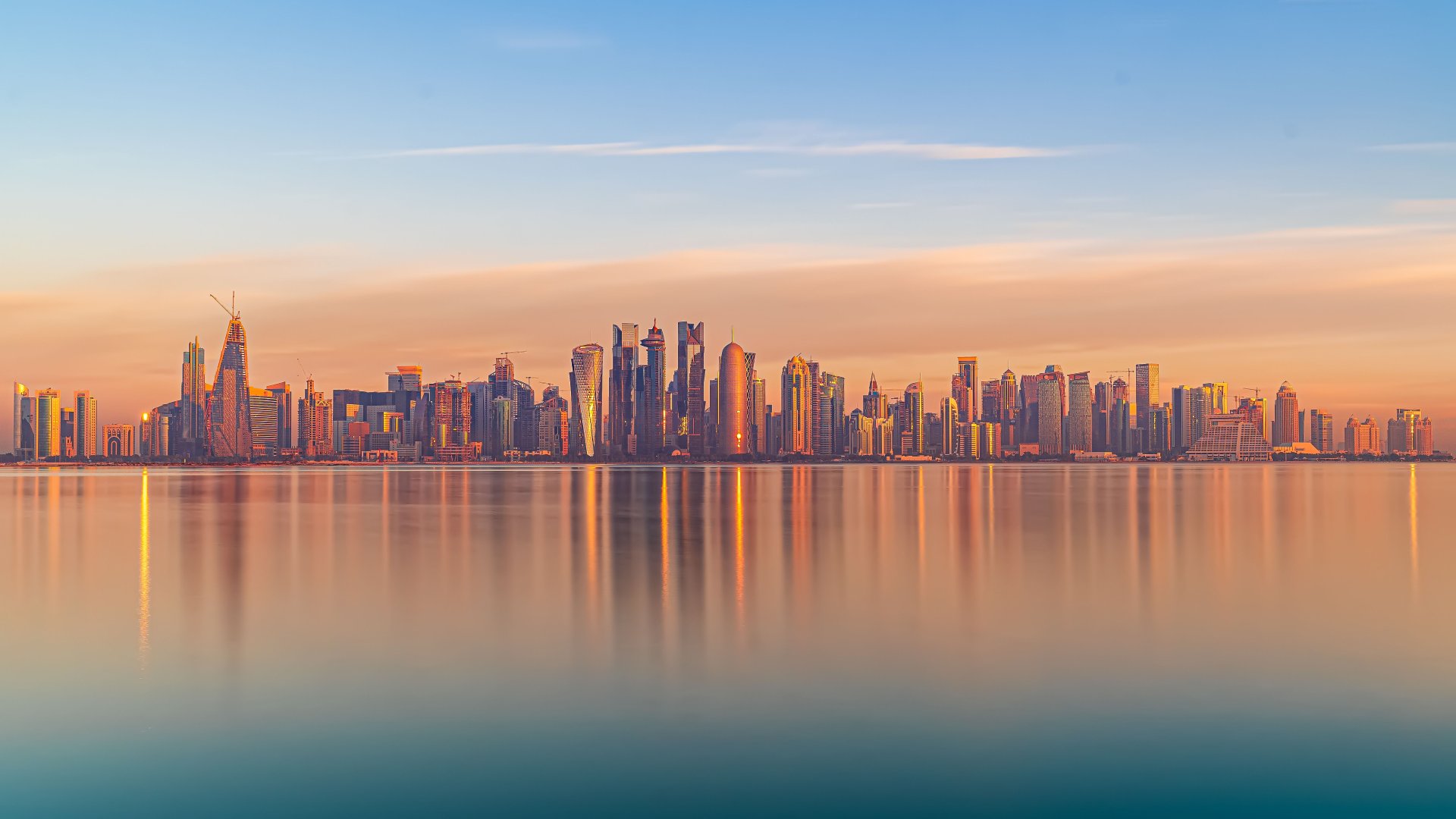
Qatar may be small, but it has spent the past two decades making itself difficult for international travelers to overlook. The peninsula has become a global aviation hub, major energy exporter, international investment center and host for high-profile sporting, diplomatic and cultural events. Doha’s skyline, museums, hotels and shopping districts present an unmistakably modern Gulf capital, while traditional markets, falconry, desert camps and pearl-diving history connect the country to a much older Bedouin and maritime identity.

For North American travelers, Qatar also works especially well as a short stopover. Hamad International Airport connects destinations across Europe, Africa, Asia and the Americas, making two to four days in Doha relatively easy to incorporate into a longer international itinerary. Qatar’s compact geography means visitors can spend one day exploring museums and Souq Waqif and the next driving through dunes to the Inland Sea without losing entire days to internal transportation.

But the US Department of State classifies Qatar as Level 3: Reconsider Travel because of the risk of armed conflict. Canadian officials also advises travelers to avoid non-essential travel there. That makes Qatar a destination where the attractions themselves may be straightforward, but the decision to travel requires a broader assessment of regional conditions, transportation reliability and individual risk tolerance.


Adventure Travel: Desert Meets the Sea

Qatar’s strongest adventure experience is Khor Al Adaid, or the Inland Sea, in the southeastern corner of the country near the Saudi border. The protected landscape combines massive dunes with a tidal inlet of the Persian Gulf, creating one of the country’s most distinctive natural environments.

Visit Qatar describes Khor Al Adaid as a roughly 10-kilometer tidal bay surrounded by dunes reaching approximately 40 meters high. The reserve supports marine life, birds and desert wildlife while offering dune driving, sandboarding, kayaking, fishing, snorkeling and other outdoor activities. Access requires a four-wheel-drive vehicle, making an experienced local operator a practical choice for visitors unfamiliar with deep-sand driving.

For adrenaline-oriented travelers, dune bashing remains the signature experience. Drivers reduce tire pressure before entering the sand and navigate steep dune faces on the way toward the water, frequently combining the excursion with sandboarding, a beach stop or an overnight camp.

Qatar’s coastline adds additional options. Jet skiing, boating, fishing and other water sports are readily accessible around Doha, while the Al Thakira mangroves north of the capital offer a much quieter form of adventure. Kayakers can paddle among mangrove channels while observing birds, fish and crabs, an unexpectedly green ecosystem in an otherwise arid country. Qatar Tourism highlights the Al Thakira and Purple Island mangroves as distinctive natural areas along the country’s 563-kilometer coastline.


Where Qatar Falls Short for Adventure Travelers

The limitation is terrain. Qatar is predominantly low and flat, without the mountain ranges, deep wadis or long trekking routes that make Oman or Jordan stronger choices for travelers who want several days of strenuous hiking, climbing or wilderness travel.

That does not eliminate adventure; it concentrates it. A traveler can have an excellent day dune bashing, kayaking, boating or sandboarding, but Qatar is less suited to a week built exclusively around human-powered outdoor exploration.

Climate further narrows the window. Summer heat can make vigorous outdoor activity uncomfortable or unsafe, particularly during the middle of the day. Desert activities are generally far more manageable during the cooler months, when overnight camps, dune excursions and extended time outdoors become practical.

Remote desert driving also deserves respect. Khor Al Adaid is accessible only by four-wheel drive and involves soft sand, rapidly changing terrain and distance from conventional roads. Travelers without desert-driving experience should resist treating an SUV rental as an invitation to explore independently. A trained driver, adequate water, communications and a properly equipped vehicle substantially reduce the chance that an adventure becomes a recovery operation.


Leisure Travel: Doha Makes the Strongest Case

Leisure travel is where Qatar’s compactness becomes a significant advantage. Doha places several major attractions within a relatively tight urban area, allowing visitors to experience architecture, museums, markets, dining and the waterfront without complicated logistics.

The Museum of Islamic Art is among the country’s signature cultural institutions. Designed by I.M. Pei on a purpose-built island beside the Corniche, the museum presents approximately 14 centuries of Islamic art, with collections including manuscripts, ceramics, metalwork, jewelry and scientific objects from across the Islamic world. MIA Park also provides waterfront views toward Doha’s skyline.

The National Museum of Qatar tells a broader national story. Jean Nouvel’s desert rose-inspired building surrounds the historic palace of Sheikh Abdullah bin Jassim Al-Thani, using immersive galleries to trace Qatar’s natural environment, Bedouin heritage, pearling economy, oil and gas development and rapid modernization.

From there, visitors can move into an entirely different atmosphere at Souq Waqif. Built on the site of Doha’s historic trading market, the souq combines restaurants, spices, perfumes, handicrafts, textiles, gold, falcons and traditional products in winding pedestrian lanes. Qatar’s history as a pearling center also remains visible in the market, where visitors can learn about an industry that shaped the region long before hydrocarbons transformed the economy.

Nearby Msheireb Downtown Doha creates a deliberate bridge between old and new. The redevelopment contains more than 100 buildings incorporating hotels, restaurants, retail, museums and commercial spaces while using architectural elements influenced by traditional Qatari design. The Msheireb Museums occupy restored heritage houses and explore subjects including family life, slavery, the petroleum era and Doha’s transformation.


Luxury Without Losing the Traditional Core

Travelers looking for contemporary Gulf luxury have plenty of options. The Pearl-Qatar offers waterfront residences, restaurants, boutiques and marinas, while West Bay and Lusail showcase the skyline and large-scale modern development associated with Doha’s emergence as an international city.

That modernity does not completely overwhelm Qatar’s traditional character. A traveler can spend the afternoon in a designer shopping district and the evening drinking tea in Souq Waqif, watching falconers, shopping for spices or eating grilled meats and regional dishes in a setting that deliberately preserves the feel of an older Gulf market.

Dining is another strength. Qatar’s large expatriate population has produced an unusually international restaurant scene, while Qatari and broader Gulf cuisine offer rice dishes, grilled meats, seafood, dates, Arabic coffee and flavors shaped by historic trading links with India, Persia and East Africa.

For travelers interested in art, architecture and food, Qatar can easily fill several days. For those seeking nightlife built around bars, beach parties and alcohol, the options are far narrower.


The Tradeoffs: Heat, Limited Geography and Strict Rules

Qatar’s small size is simultaneously an advantage and a limitation. A four-day visit can feel efficient and varied; a longer trip may require more effort to maintain that variety unless the traveler is attending an event, staying at a resort or adding substantial beach and desert time.

The country also has a much more restrictive social and legal environment than some international visitors expect from the appearance of Doha’s luxury hotels and cosmopolitan business districts.

Alcohol is available, but only in licensed hotels, restaurants and bars. The legal drinking age is 21, and drinking or being intoxicated in public is illegal. UK guidance warns that public alcohol offenses can result in imprisonment or fines, while US guidance describes Qatar as maintaining zero tolerance for drinking and driving.

Public displays of affection require similar caution. Intimacy in public can lead to arrest, and sexual relationships outside marriage remain illegal. Those rules apply regardless of whether visitors experience Doha as international, affluent or socially familiar in other respects.

The lesson is straightforward: a high-end tourism environment does not mean North American legal or social norms apply once travelers leave the airport.

Qatar’s modern, international appearance can obscure a more conservative legal and cultural environment. Travelers should dress modestly in public, particularly at religious and government sites, with shoulders and knees generally covered outside resort or private beach settings.

During Ramadan, expectations around dress and public behavior become more restrictive, and eating or drinking in public during daylight hours may be prohibited. LGBTQ+ travelers should also understand that same-sex sexual activity is illegal and that social attitudes remain conservative despite Doha’s cosmopolitan hotels, businesses and international events.

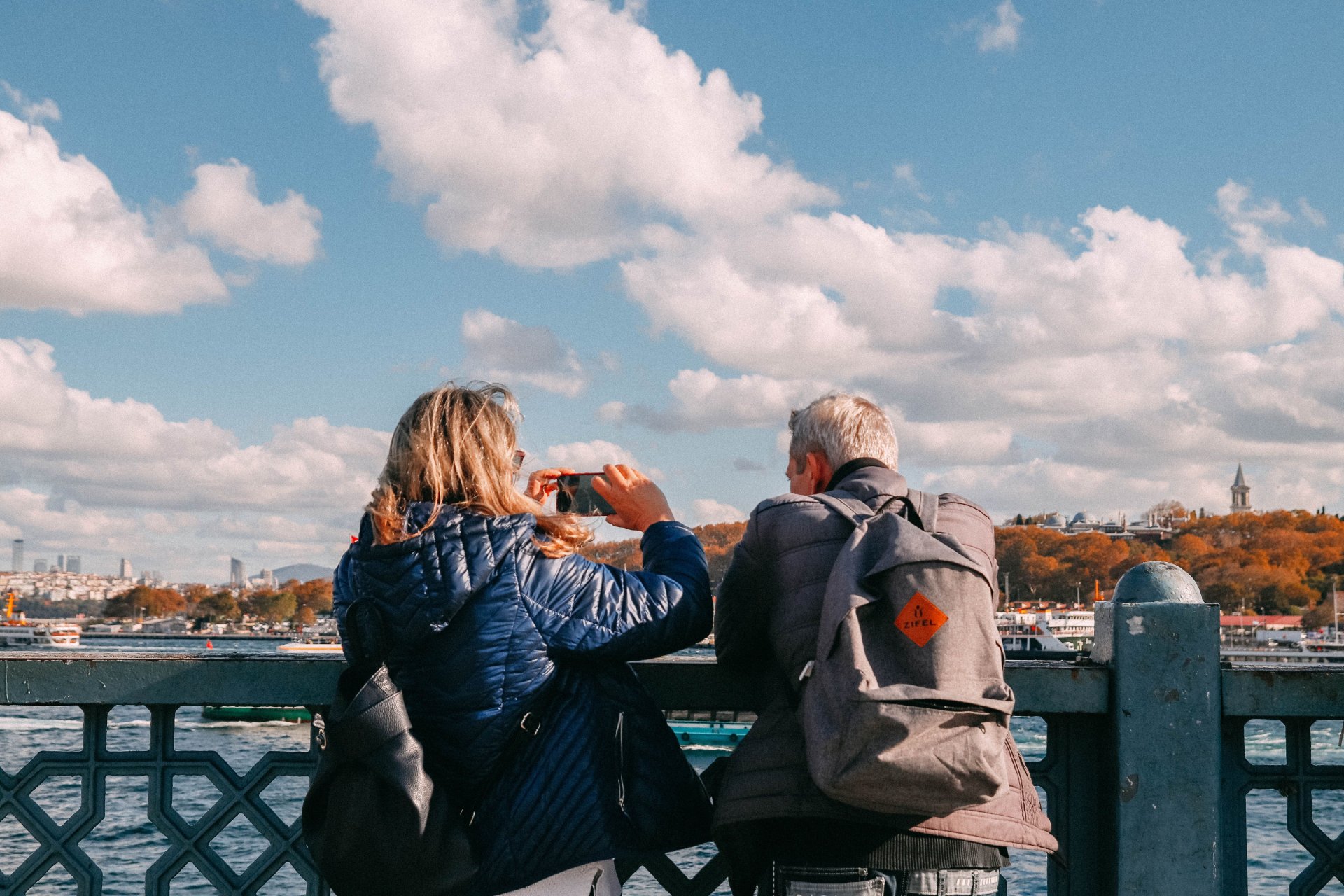
Photography and online activity require similar caution. Travelers should seek permission before photographing people and avoid photographing military, government, religious or sensitive infrastructure; professional photography, drones and journalistic work may require permits. Qatar also enforces strict privacy and cyber laws, and social media posts, photos or videos considered insulting, defamatory or culturally insensitive can result in legal consequences. Understanding these differences before arrival can help travelers avoid mistakes that may seem minor at home but carry much greater consequences in Qatar.

Business Travel: Energy Is Only the Beginning

Business remains one of Qatar’s strongest reasons for international travel. The country possesses enormous natural gas resources and is one of the world’s major exporters of liquefied natural gas, making Doha important for executives working in energy, shipping, engineering, infrastructure and finance.

The economic story is broadening. In February 2026, the International Monetary Fund said Qatar’s economy continued to demonstrate resilience and forecast medium-term economic growth averaging approximately 4%, supported by expanding LNG production and non-hydrocarbon growth. The IMF also highlighted Qatar’s effort to develop a more diversified, knowledge-based economy under its Third National Development Strategy.

Technology and investment are increasingly important parts of that diversification. Qatar Investment Authority expanded its Fund of Funds program to $3 billion in early 2026, backing managers specializing in areas including artificial intelligence, fintech, blockchain and infrastructure. In September 2026, Qatar also launched Doha Investment, a new platform managing more than 40 domestic portfolio companies across financial services, transportation, logistics, telecommunications, technology, real estate, hospitality, food and agriculture.

QIA itself remains a major international investor across real estate, infrastructure, technology, healthcare, financial institutions and other sectors, giving Qatar economic influence well beyond its small population and geography.

For North American executives, investors and consultants, Qatar can therefore be much more than a regional sales destination. It is a capital source, aviation hub, energy center and increasingly active technology and investment ecosystem.


Medical Care Is Strong, but Travelers Still Need a Plan

Medical care is widely available in Qatar, particularly around Doha, and ambulance services are broadly accessible. The national emergency number is 999. US guidance cautions, however, that travelers should not assume their domestic health insurance will be accepted and notes that many medical providers may require direct payment.

Certain prescription medicines commonly used in North America may also be restricted or unavailable, making pre-trip medication research important.

For most conventional Doha itineraries, reaching high-quality medical care is comparatively straightforward. The calculation changes when travelers venture into remote desert areas or the Inland Sea, where distance and terrain can complicate transportation after an illness or injury.


The Global Rescue Connection

Qatar illustrates why a Global Rescue Destination Report can be as useful as knowing where to stay or what to see. A guidebook can direct travelers to the Museum of Islamic Art, Souq Waqif or the Inland Sea, but it may not explain the cultural and legal differences that can have a much greater impact on the trip.

Global Rescue Destination Reports give members destination-specific insight into security conditions, medical capabilities, transportation, local laws and cultural expectations. In Qatar, that includes understanding appropriate modesty, where alcohol may legally be consumed, restrictions involving public displays of affection and the legal and social environment affecting LGBTQ+ travelers.

Destination intelligence can also help travelers understand when photography requires caution, why social media posts can carry legal consequences, how routines change during Ramadan and what medical resources are available if an emergency occurs away from central Doha. An adventure traveler driving toward Khor Al Adaid faces a different set of considerations than an executive attending meetings in West Bay or a family spending several days exploring the museums and souqs.

Qatar combines modern infrastructure with a legal and cultural framework that may be unfamiliar to North American visitors. A Global Rescue Destination Report helps members understand those differences before arrival, giving them the practical cultural, medical and security knowledge to travel better prepared.