Article Highlights:

  • Oman offers one of the Gulf’s most diverse adventure landscapes, combining mountains, canyons, wadis, deserts and more than 3,000 kilometers of coastline.
  • Adventure travelers can trek Jebel Shams, swim through Wadi Shab, camp in the Wahiba Sands and dive or kayak around the Musandam Peninsula.
  • Leisure travelers get a more traditional Gulf experience centered on forts, souqs, coastal resorts, wildlife, architecture and Omani hospitality.
  • Business opportunities are expanding beyond oil and gas into green hydrogen, logistics, tourism, manufacturing, mining and the digital economy.
  • Global Rescue Destination Reports can help members understand security and medical conditions along with cultural expectations involving modesty, alcohol, LGBTQ+ travelers, photography and Ramadan.


Oman offers something increasingly difficult to find in the rapidly developing Gulf: a destination where dramatic natural landscapes and traditional architecture remain at the center of the travel experience. Muscat has luxury hotels and modern infrastructure, but its skyline is comparatively restrained. Beyond the capital, mountain villages, enormous canyons, desert camps, turquoise wadis, fishing communities and historic forts give visitors a remarkably varied picture of the Arabian Peninsula.

For adventure travelers, that combination arguably gives Oman its strongest identity. It has the rugged Hajar Mountains, the sheer canyon walls surrounding Jebel Shams, the terraced landscapes of Jebel Akhdar, swimming and hiking routes through wadis, the dunes of the Sharqiyah Sands (often called the Wahiba Sands) and the isolated coastline of Musandam. Southern Oman adds something completely different when the annual Khareef transforms parts of Dhofar around Salalah into a green, mist-covered landscape.

There is an important qualification in 2026 since the US Department of State classifies Oman as Level 3 which means travelers should reconsider visiting because of the risks of armed conflict and terrorism. Canadian officials advise travelers to avoid non-essential travel to Oman for similar reasons. That creates an unusual contrast. Oman remains one of the Gulf’s most compelling outdoor and cultural destinations, but travelers need to evaluate the experience against a security environment that can affect air travel, regional movement and contingency planning with little notice.


Adventure Travel: Oman’s Strongest Suit

For travelers who think the Gulf is mostly flat desert and modern cities, Oman is the exception. The Hajar Mountains rise dramatically inland from the coast and support some of the region’s most rewarding trekking, climbing and canyon environments.

Jebel Shams, Oman’s highest mountain, overlooks an enormous canyon frequently compared to the Grand Canyon. Hiking routes follow cliffs and abandoned settlements, while nearby Jebel Akhdar offers cooler temperatures, terraced farms, mountain villages and trails through a landscape that feels far removed from the heat and congestion of the coastal plain.

Wadi Shab demonstrates why Oman’s outdoor experiences can be difficult to categorize. Located roughly 170 kilometers from Muscat International Airport, the route combines a short boat crossing, hiking through limestone terrain and swimming through clear pools toward a narrow cave and waterfall. Oman’s official tourism site recommends proper footwear, ample drinking water and adequate swimming ability for travelers continuing into the cave.

Wadi Bani Khalid offers another variation, with pools set amid rocky desert terrain, while more technical canyoning opportunities attract travelers comfortable with swimming, scrambling and descending through confined environments.

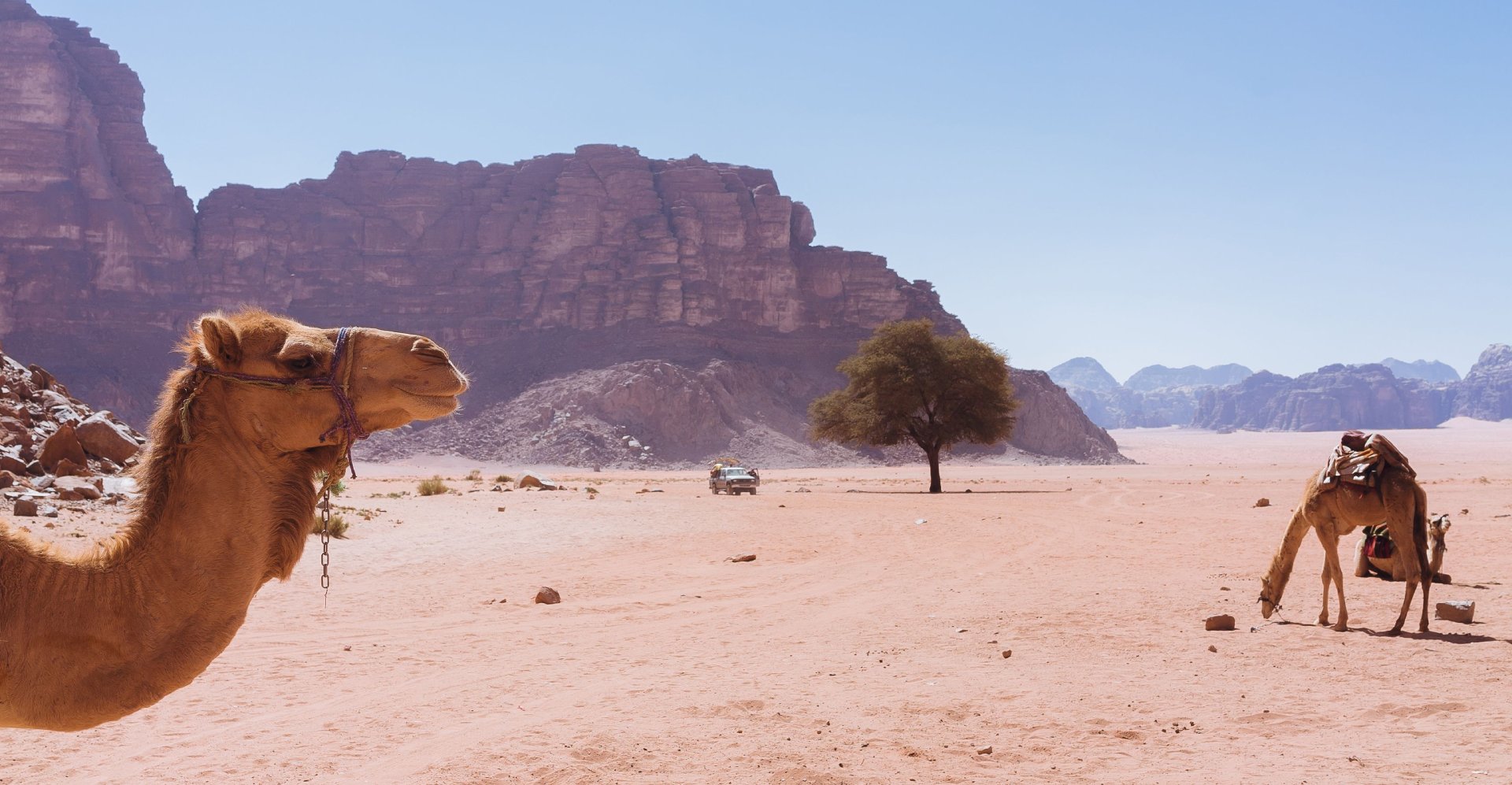
Then there is the desert. The Wahiba Sands offer dune driving, camel trekking, desert camps and extraordinary stargazing, especially during the cooler months. Oman is a strong road-trip destination precisely because a traveler can move from Muscat to mountains, wadis and desert in relatively short succession while experiencing radically different terrain.


Musandam and the Sea Add Another Dimension

Oman’s adventure profile does not end at the desert. Its coastline extends for more than 3,000 kilometers, and the country sits along the Arabian Sea, Gulf of Oman and the strategically important Strait of Hormuz. Fisheries and maritime trade remain important parts of Omani life and the national economy.

The Musandam Peninsula in northern Oman is especially distinctive. Separated geographically from the rest of the country by the United Arab Emirates, Musandam is known for steep mountains dropping directly into deep coastal inlets. Boat excursions, kayaking, snorkeling and diving create a marine experience unlike the more conventional resort coastlines elsewhere in the Gulf.

Farther south and east, diving and snorkeling opportunities extend along much of the coast. Ras Al Jinz is known for green sea turtle nesting and also preserves archaeological evidence reflecting Oman’s ancient maritime links with Mesopotamia and the Indus Valley.

For travelers who want to combine mountains, desert and sea without crossing an international border, few destinations in the region offer comparable variety.


Why Adventure in Oman Requires Serious Planning

The landscape that makes Oman rewarding also creates its major hazards. Heat is the most obvious. Summer temperatures across interior and desert areas can exceed 40°C, making strenuous hiking, climbing and desert activity potentially dangerous. Cooler months generally offer far better conditions for outdoor travel.

Flash flooding can be more deceptive because it may occur even when a wadi appears dry. Oman’s Directorate General of Meteorology warns that sudden heavy rain can turn wadis and low-lying roads into life-threatening flood zones within minutes and specifically tells travelers not to camp or park near wadis when flooding is possible. UK and Canadian travel guidance carry similar warnings.

Off-road desert travel adds another layer. Canada recommends four-wheel-drive vehicles, experienced guides, adequate fuel, food and water and a cellular or satellite phone for travel into remote desert environments such as Wahiba and the Rub’ al Khali. Distance becomes part of the risk because reaching advanced medical care can take significantly longer once travelers leave the major population centers.

The result is an adventure destination that rewards preparation. Oman is not an amusement-park version of the outdoors; weather, terrain, water availability and distance from emergency services matter.

Oman has modern medical facilities in Muscat and other larger population centers, but the country’s geography creates a different challenge for adventure travelers. A high-quality hospital in the capital does not necessarily help a traveler immediately after an injury deep in the mountains, desert or a remote wadi.

Road conditions along major highways are generally good, but rural roads vary and hazards include poor nighttime lighting, livestock and flash flooding. The national emergency number is 9999.

For travelers planning remote excursions, the key issue is therefore not merely whether Oman has good hospitals, but how quickly appropriate care can be reached from the specific place where the illness or injury occurs.


Leisure Travel: A More Traditional Gulf Experience

Travelers who are less interested in strenuous adventure still have a compelling reason to visit Oman. Muscat presents a markedly different aesthetic from Dubai or Doha, with traditional architectural influences, lower-rise development and a stronger visual connection to surrounding mountains and sea.

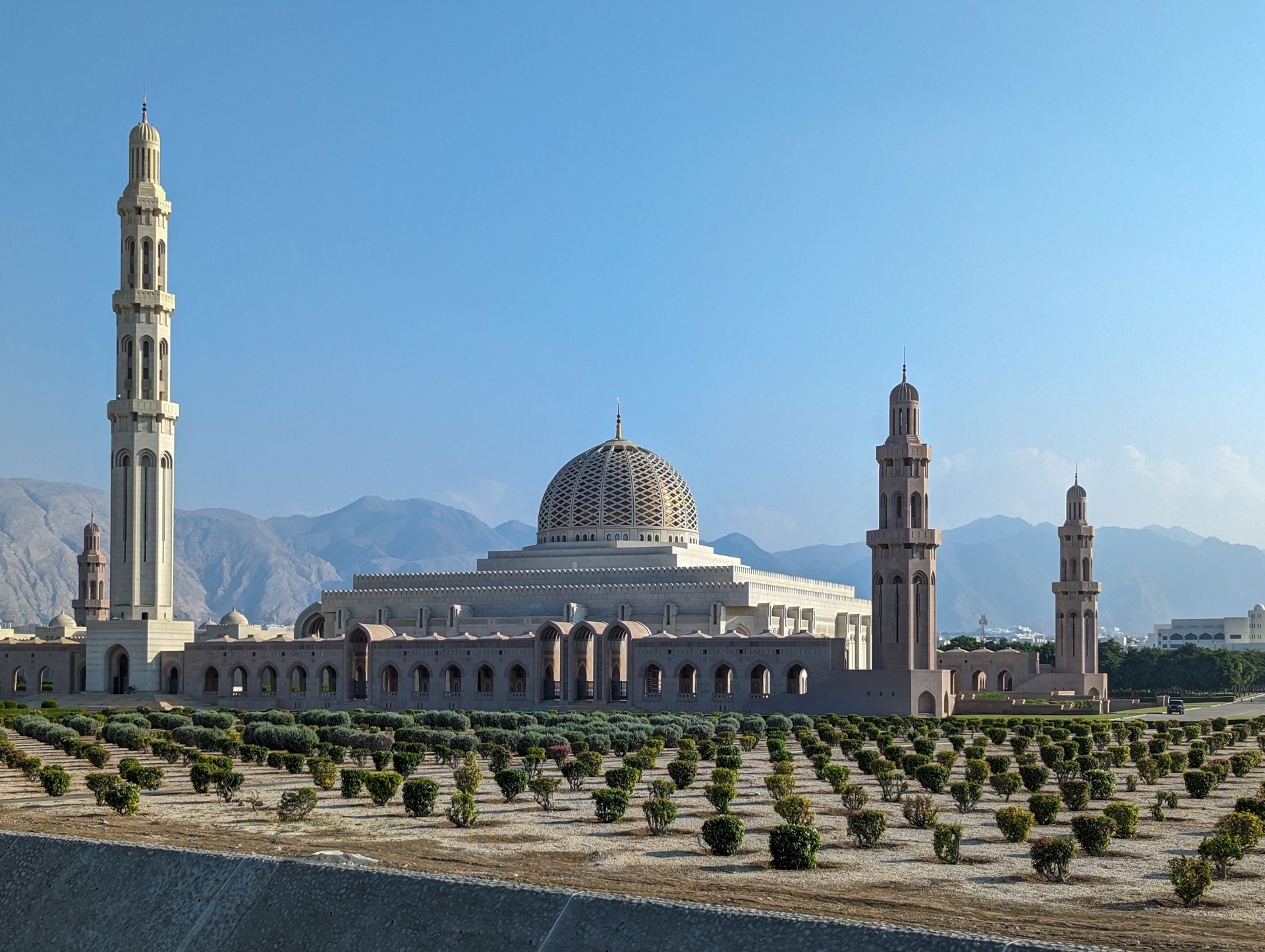
Mutrah Souq remains one of the capital’s most recognizable cultural experiences, while the Sultan Qaboos Grand Mosque, National Museum and Royal Opera House Muscat give travelers a broader introduction to the country’s religious, historical and artistic traditions. Oman’s tourism authority describes the Royal Opera House, opened in 2011, as the Gulf region’s first opera house and a venue for opera, ballet, orchestral performances and traditional Arab and Omani music.

Nizwa offers an even more direct connection to traditional Oman. Its 17th-century fort, distinctive circular tower and adjoining souq make it one of the country’s strongest heritage stops. The official tourism authority recommends October through April as the best period to visit, matching the broader seasonal advantage of cooler-weather travel in northern Oman.

Coastal resorts around Muscat provide the luxury element travelers expect from the Gulf, but Oman generally feels less dominated by luxury tourism. That balance is part of the appeal: a traveler can spend a night at a high-end resort without the entire country feeling constructed around international visitors.


Salalah Changes the Picture Again

Southern Oman gives leisure travelers another reason to look beyond Muscat. Salalah and the surrounding Dhofar region have a climate unlike most of the Arabian Peninsula.

Between roughly June and September, the Khareef monsoon brings clouds, mist and rain that turn surrounding hills green and create seasonal waterfalls and flowing wadis. Oman’s official tourism platform describes the transformation as a green oasis and promotes the cooler summer weather as a major regional attraction.

Salalah is also connected to Oman’s historic frankincense trade, adding an important cultural dimension. Beaches, archaeological sites and mountain scenery make Dhofar suitable for travelers who want a slower leisure itinerary while still having access to hiking and outdoor exploration.

This geographic contrast is one of Oman’s defining advantages. A traveler picturing nothing but brown desert can encounter high mountains, turquoise freshwater pools, dramatic coastlines and mist-covered green hills within the same country.


The Leisure Tradeoffs

Social rules are also more conservative than many North American visitors may expect. Oman’s Foreign Ministry asks visitors to dress conservatively, particularly at religious sites, while UK guidance recommends covering the upper arms and legs below the knee in public and reserving swimwear for beaches and pools.

Alcohol is available to visitors in licensed hotels, restaurants and clubs, and the legal drinking age is 21. However, drinking alcohol or being intoxicated in public is illegal. During Ramadan, eating, drinking and smoking publicly during daylight hours are prohibited for Muslims and non-Muslims alike.

Those restrictions do not generally interfere with a conventional sightseeing trip, but they make cultural awareness a practical part of travel planning rather than simply good manners.


Business Travel: Vision 2040 Is Expanding the Opportunity

Oman’s business story is increasingly about what comes after oil. Hydrocarbons remain important, but the government’s Oman Vision 2040 is intended to diversify the economy, expand private-sector participation and build new industries. The Eleventh Five-Year Development Plan for 2026–2030 identifies manufacturing, tourism and the digital economy as core growth sectors, with mining, food security, renewable energy, transport and logistics among the supporting sectors.

Green hydrogen has become especially prominent. Oman’s Ministry of Energy and Minerals said in May 2026 that the country is pursuing a low-carbon transition while positioning itself as a regional hub for renewable energy and green hydrogen. Earlier Vision 2040 reporting identified tens of thousands of square kilometers designated for renewable-energy and clean-hydrogen projects and billions of dollars in investment agreements.

Logistics is another major opportunity because Oman sits outside the Strait of Hormuz on some of the world’s most important maritime routes. Ports at Salalah, Sohar and Duqm support international trade, while official figures show Omani ports handled 137 million tonnes of cargo in 2024, up 15% from the previous year.

For executives and companies working in energy, shipping, infrastructure, tourism, mining, fisheries or technology, Oman can therefore justify targeted commercial travel even when it lacks the sheer corporate scale of Dubai or Riyadh.


Business Moves at a Different Pace

The tradeoff is that Oman is a smaller market and business culture can be more relationship-driven and deliberate than in some neighboring commercial hubs. Companies should not assume that operating practices from the UAE automatically transfer across the border.

Omanization requirements are particularly important for companies planning long-term operations. Omani labor law requires employers to hire Omanis according to sector- and occupation-specific percentages established by the government and allows certain occupations to be reserved for Omani nationals. Non-Omani workers also require appropriate work authorization.

Regional security adds an operational consideration for short-term business travelers. The current US advisory cites an ongoing drone and missile threat associated with regional hostilities, while Canada warns that military activity can produce flight cancellations and other transportation disruptions. Corporate travelers should therefore build more flexibility into schedules than they might for a comparable trip in a less exposed region.


Cultural Rules Deserve Attention

Oman is known for hospitality, but hospitality should not be confused with relaxed laws. Visitors are expected to respect Islamic customs and local standards of public behavior.

Public displays of affection can attract unwanted attention, swearing or rude gestures can constitute offenses and photographing certain government buildings or military sites is prohibited. Travelers should also ask permission before photographing individuals. Drones require authorization.

LGBTQ+ travelers face more significant considerations. Same-sex sexual activity is illegal in Oman, and cross-dressing is also prohibited under local law. Travelers need to distinguish between the welcoming service culture they may experience in hotels and the legal framework governing private and public behavior.

These are precisely the kinds of differences that are easy to overlook when travelers focus primarily on resorts, hiking routes or business meetings.


The Global Rescue Connection

Oman is the kind of destination where a Global Rescue Destination Report and field rescue can add important context to a travel itinerary. Knowing where to hike, dive or stay is only part of the preparation; travelers also need to understand local laws, medical capabilities, security conditions, transportation and cultural expectations.

In Oman, that can mean knowing what constitutes modest dress, where alcohol may legally be consumed, how behavior changes during Ramadan and why public intoxication, inappropriate photography or certain public displays of affection can create legal problems. LGBTQ+ travelers should also understand the country’s laws and social environment before arrival.

Destination intelligence is equally useful for evaluating the trip itself. An adventure traveler heading into the Hajar Mountains or Wahiba Sands faces different medical and transportation considerations than a business traveler spending three days in Muscat or a leisure traveler visiting Nizwa and a coastal resort. Current regional volatility adds another variable, with both US and Canadian authorities maintaining elevated travel advisories as of September 2026.

Oman rewards travelers who arrive informed. Global Rescue Destination Reports help members understand the cultural, medical, security and logistical environment before departure, providing the practical knowledge needed to experience the country with fewer surprises and better preparation.