Article Highlights:

  • High room rates do not guarantee advanced medical capability.
  • Most luxury resort clinics function more like stabilization centers than hospitals.
  • Remote geography matters more than luxury branding during emergencies.
  • Evacuation logistics often determine medical outcomes abroad.
  • Many resort medical systems depend heavily on telemedicine and air evacuation partnerships.


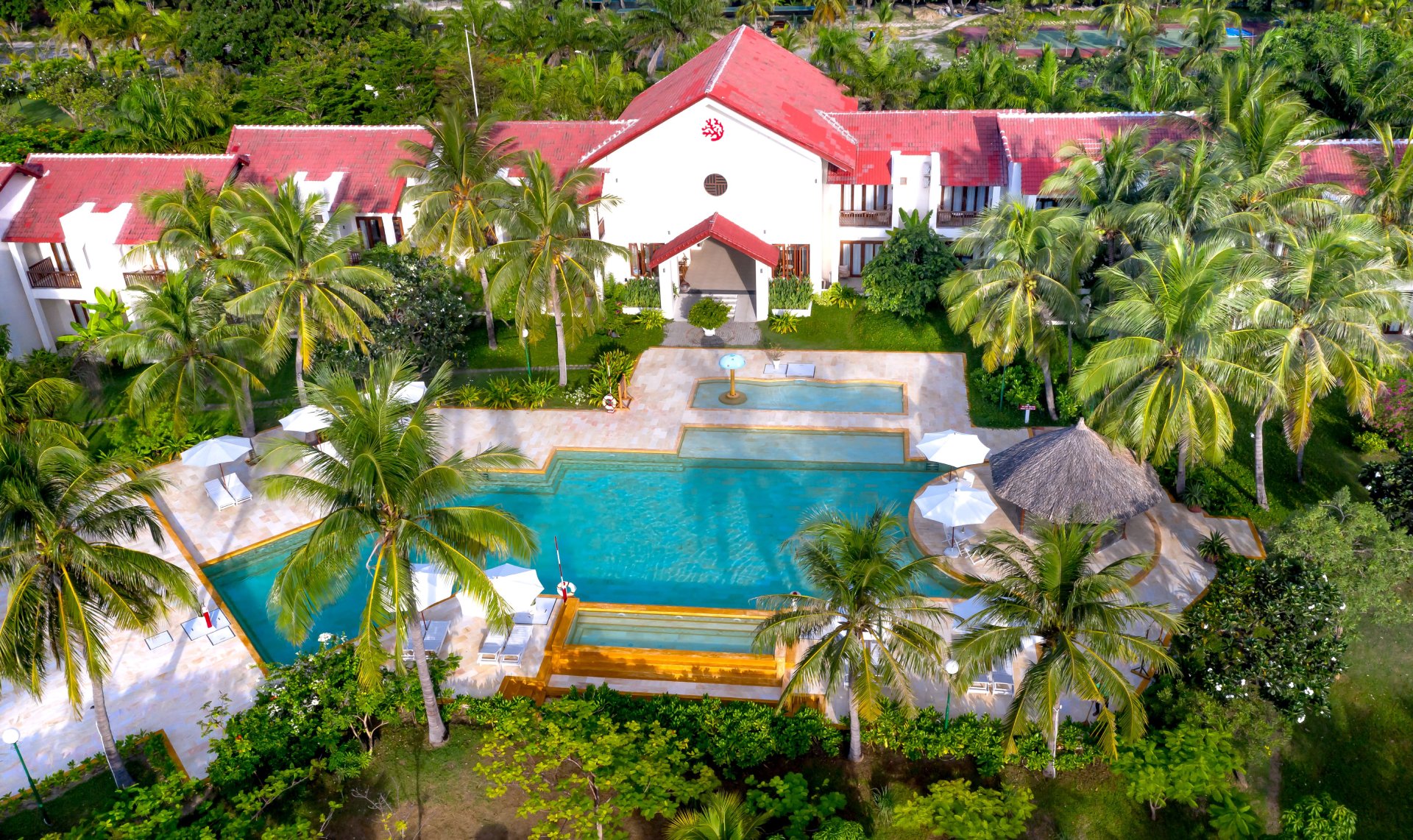
Luxury travelers often assume that premium hospitality includes premium healthcare. It is an understandable assumption. If a traveler is paying several thousand dollars per night at a private island resort, safari lodge or overwater villa property, surely serious medical capability exists onsite. Usually, it does not.

The reality is that most luxury resorts are designed primarily for hospitality, not advanced medicine. While many properties maintain excellent first-response capability and strong operational coordination, few possess the infrastructure required to manage serious trauma, cardiac emergencies or complex medical crises for extended periods.

This distinction becomes especially important as luxury tourism increasingly moves toward geographically isolated destinations. The modern luxury travel market prizes exclusivity, privacy and remoteness. Ironically, those same qualities often create substantial medical limitations.


What “Doctor on Call” Usually Means

One of the most misunderstood phrases in luxury travel is “doctor on call.” Travelers often interpret the phrase as meaning a physician is physically onsite 24 hours a day inside a fully equipped clinic. In reality, “doctor on call” can mean several very different things.

At some urban luxury hotels, it may involve a local physician who can arrive within 20 to 40 minutes. At remote resorts, it may refer to a physician located on another island, in another town or accessible only through telemedicine consultation.

Some resorts rely primarily on nurses, paramedics or contracted healthcare providers rather than permanently staffed physicians. Many luxury resorts are capable of: basic first aid, wound management, dehydration treatment, oxygen administration and initial stabilization. Very few can perform surgery, advanced imaging or prolonged critical care.

Travelers often discover this only after an emergency occurs.


Resort Clinics vs. Hospitals

The majority of resort medical facilities resemble urgent care clinics rather than hospitals. Even highly respected luxury resorts typically maintain only limited equipment and medication inventories. A resort clinic may include: examination rooms, IV fluids, oxygen, basic medications, splints, defibrillators and limited diagnostic tools.

However, most lack: CT scanners, surgical capability, intensive care units, blood banks, advanced trauma teams or specialist physicians. This is not necessarily negligence. Maintaining hospital-level infrastructure in remote environments is extraordinarily difficult and often impractical. Remote islands, wilderness lodges and expedition camps frequently face constraints involving: staffing, licensing, refrigeration, supply chains, aviation, weather and electricity reliability. The operational challenge is enormous.


What Resorts Can Usually Stabilize

Many luxury resorts are well prepared for moderate medical issues. Typical capabilities often include: treating mild infections, managing dehydration, stabilizing fractures, wound care, administering oxygen and handling allergic reactions. Some larger resorts maintain advanced emergency medications and can coordinate rapid consultation with international physicians through telemedicine systems. Cruise ships, for example, often employ experienced emergency physicians and nurses capable of handling many urgent situations temporarily.

But stabilization is not the same as definitive care. A patient with severe internal bleeding, a stroke, major cardiac event or traumatic brain injury ultimately requires hospital-level infrastructure. At that point, geography becomes the defining factor.

Remote luxury resorts generally cannot manage: major trauma, advanced cardiac emergencies, neurosurgical cases, ICU-level respiratory failure, severe burns or complex surgical conditions. Even relatively advanced resort clinics are designed to bridge time until evacuation, not replace hospitals. This is especially important for older travelers or travelers with underlying medical conditions.

Many affluent travelers assume that because a destination caters to wealthy guests, advanced medical systems must exist nearby. That assumption can be dangerously inaccurate. Some of the world’s most prestigious resorts are located several hours or even several countries away from advanced trauma centers.


The Geography Problem

The most important factor in luxury travel medicine is not the resort itself. It is geography. A luxury hotel in Singapore or Dubai may have world-class hospitals minutes away. A luxury resort in the Maldives, Seychelles or Okavango Delta operates under completely different conditions.

Remote destinations often depend on: helicopters, seaplanes, charter aviation, boats or long overland transfers. These systems are vulnerable to: weather, darkness, fuel limitations, runway access, aviation regulations and infrastructure failures. A severe injury during a tropical storm or nighttime emergency may delay evacuation significantly. Luxury branding does not override physics or logistics.


Telemedicine and Evacuation Dependence

Modern luxury resorts increasingly rely on telemedicine systems and evacuation partnerships. This operational model makes sense. Instead of attempting to maintain full hospitals in isolated environments, resorts focus on: stabilization, communication, rapid coordination and evacuation planning. Some ultra-luxury resorts maintain relationships with: concierge medical companies, private hospitals, air ambulance providers and international assistance organizations.

These partnerships can improve outcomes dramatically. However, travelers should understand that evacuation itself often remains the central strategy. In other words, the system is built around getting the patient elsewhere.


Cruise Ships and Floating Medicine

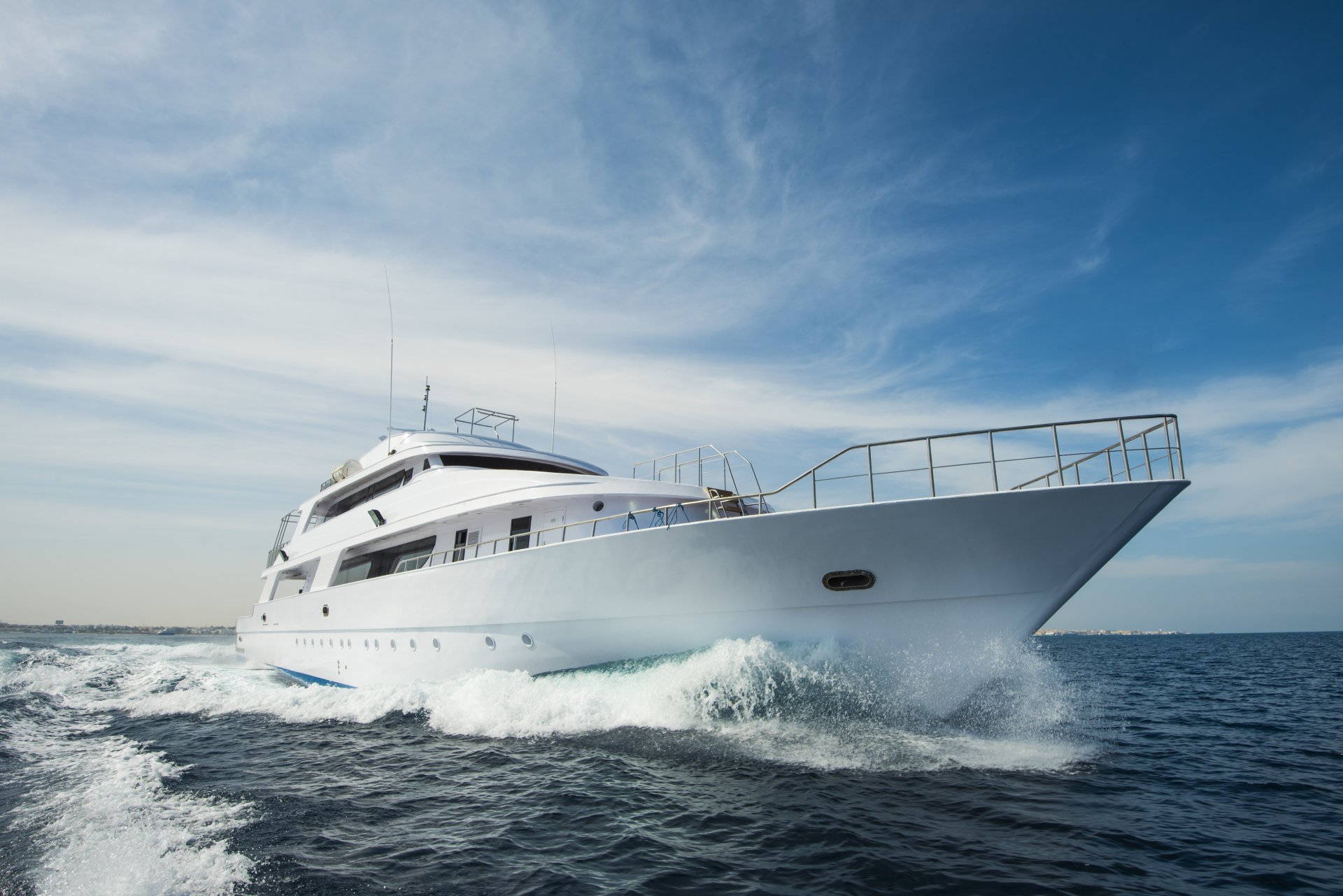
Cruise ships illustrate this reality particularly well. Modern vessels maintain increasingly sophisticated medical facilities, especially on large international lines. Yet even the best cruise ship clinics remain operationally limited. Serious emergencies still require: helicopter evacuation, ship diversion or port transfer.

Cruise medicine is fundamentally stabilization medicine. The challenge intensifies during expedition cruises in polar or remote marine environments where evacuation windows may be extremely limited.


The Cost Reality

Another major misconception involves pricing. Many travelers assume medical care is included within ultra-luxury resort pricing. Usually, it is not. doctor consultations, medications, IV therapy, oxygen administration and emergency transport are frequently billed separately.

Remote evacuation costs can escalate rapidly. Helicopter evacuations may cost tens of thousands of dollars. International air ambulance transport can exceed six figures depending on distance and medical complexity.

Travelers are often expected to: pay upfront, authorize credit card holds or coordinate reimbursement later. This financial reality surprises many affluent travelers who assumed premium accommodations implied comprehensive emergency support.

Not all luxury travel environments carry equal risk. Urban luxury destinations generally offer: nearby hospitals, specialist physicians, advanced diagnostics and mature emergency infrastructure. Remote luxury destinations offer: exclusivity, privacy, wilderness and extraordinary scenery. But they often lack immediate access to definitive care.

The difference is not necessarily visible during normal travel conditions.nIt becomes critically important during emergencies.


The Global Rescue Connection

Experienced luxury travelers increasingly approach destination selection with operational awareness. They ask: Where is the nearest trauma center? How does evacuation work? What weather limitations exist? Is advanced care available locally? How quickly can aircraft operate?

These are not fear-based questions. They are informed traveler questions. The world’s most extraordinary destinations often involve infrastructure tradeoffs. Understanding those tradeoffs is part of sophisticated travel planning. Luxury hospitality provides comfort and service. It does not replace advanced emergency infrastructure.

A Global Rescue membership provides travelers with field rescue, medical evacuation to the hospital of their choice, 24/7 medical advisory support and security advisory services during natural disasters or major disruptions.

When serious illness or injury occurs at a remote resort, Global Rescue helps coordinate the operational realities that most travelers never consider until something goes wrong.

That includes: evacuation coordination, medical advisory support, destination intelligence and continuity of care. The most experienced travelers understand that preparedness is not pessimism. It is part of traveling intelligently in increasingly remote and ambitious environments.