Article Highlights:

  • Most travel insurance plans begin coverage only after hospitalization.
  • Field rescue extracts travelers directly from the point of injury or illness.
  • Medical evacuation may transport travelers to the closest or most appropriate hospital.
  • Operational capability matters more than reimbursement during emergencies.
  • Travelers often misunderstand the limitations of standard evacuation coverage.


Many travelers assume all emergency travel protection works the same way. In reality, the difference between rescue and medical evacuation is substantial, and misunderstanding that distinction can have serious consequences during an international emergency.

The confusion often begins with terminology.

Travel insurance companies, credit card providers and evacuation memberships frequently use similar language to describe very different services. A traveler reading “medical evacuation included” may assume they are covered from the point of injury, only to discover later that the service activates only after hospitalization.

Understanding how rescue and evacuation differ is essential before traveling internationally.


What Is Field Rescue?

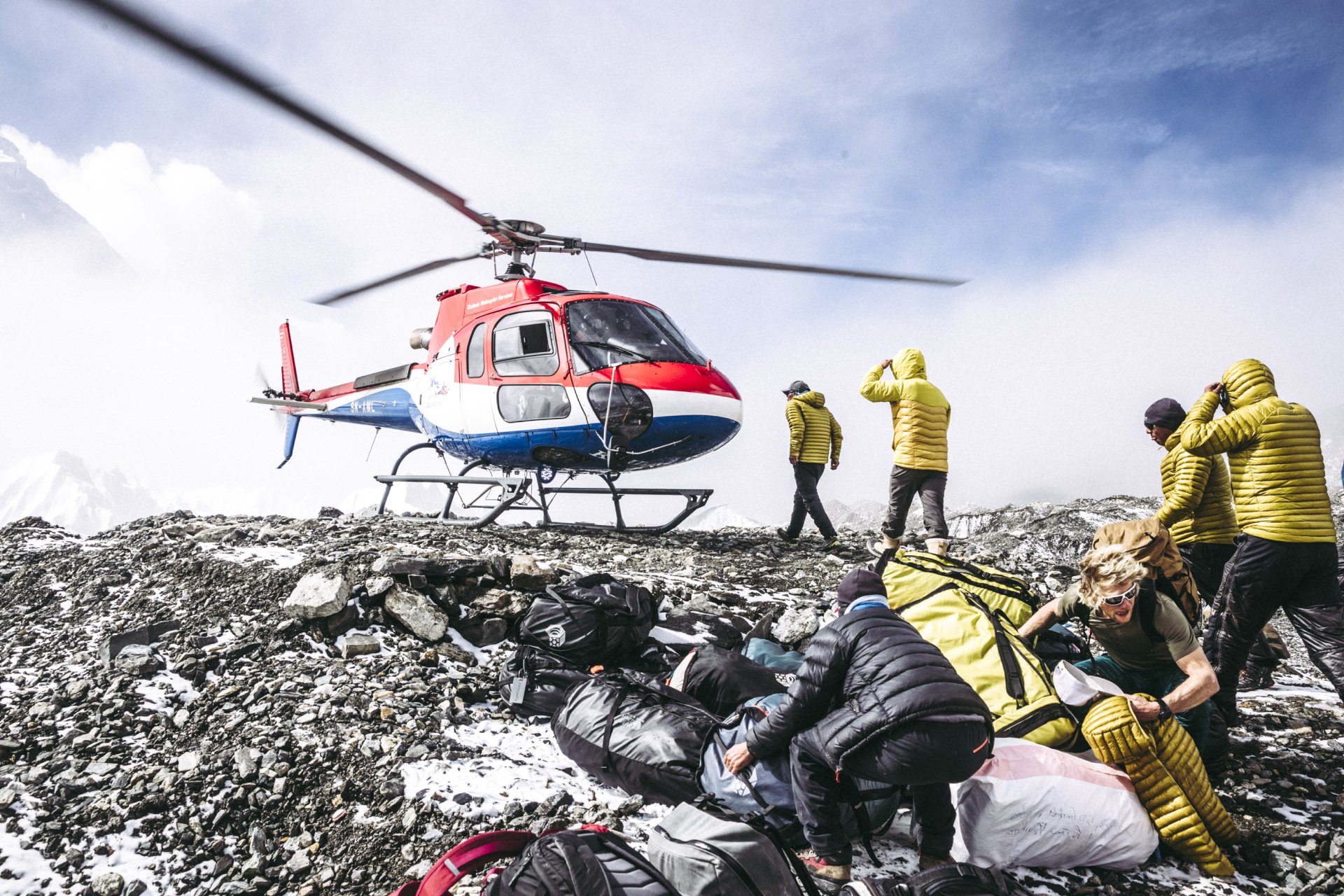
Field rescue refers to extraction directly from the point of illness or injury. This means rescue teams physically retrieve a traveler from a location where they cannot safely access medical care on their own. Examples include: mountain trails, remote deserts, jungle expeditions, cruise ships, backcountry ski routes, rural roadways, offshore boating locations and even metropolitan regions. Field rescue operations may involve helicopters, boats, 4×4 vehicles, aircraft or ground teams. The objective is immediate extraction and transport to medical care.


What Is Medical Evacuation?

Medical evacuation, often called medevac, generally refers to transportation between medical facilities. Most evacuation benefits activate only after: a traveler reaches a hospital, a physician determines evacuation is medically necessary, and the provider authorizes transport. In many cases, evacuation moves the patient from one facility to another better-equipped hospital.

This distinction matters enormously. A traveler injured on a mountain trail may still need local rescuers, guides or private transport simply to reach the first hospital. Travel marketing frequently emphasizes evacuation without clearly explaining operational limitations.

To add to the confusion, many traditional providers reimburse transportation costs rather than execute rescue operations directly. Some policies require prior approval, medical stabilization, documentation and reimbursement paperwork, while others exclude high-risk activities entirely. Travelers often discover these restrictions only after emergencies occur.


Comparing Major Providers

Providers vary significantly in operational capability.

Medjet focuses primarily on hospital-of-choice transport after hospitalization and stabilization. It does not perform field rescue. EA+, SkyMed and AirMed International similarly focus on hospital-to-hospital transportation. Travel insurance providers such as Seven Corners, Travel Guard and Travelex typically authorize evacuation only when medically necessary and preapproved. Some premium credit cards offer evacuation benefits, but these usually require hospitalization first and coverage approval from a benefits manager.

Global Rescue stands apart because it performs true field rescue. Global Rescue can extract members directly from remote environments using operational teams staffed by paramedics and former military special operations personnel.


Why the Point of Injury Matters

The most dangerous gap in emergency response often exists before hospitalization. A seriously injured traveler may face delayed access to care, difficult terrain, no ambulance access, language barriers or limited local resources. In remote regions, simply reaching initial medical care may be the greatest challenge. Field rescue closes this gap.

Another important distinction involves destination hospitals. Many evacuation policies transport travelers to the nearest adequate facility. That facility may not provide trauma specialists, cardiac care, neurological expertise or advanced imaging. Some evacuation memberships instead prioritize the most appropriate hospital capable of delivering necessary care. Repatriation to a traveler’s home hospital may also differ between providers.


The Cost of Rescue Operations

Field rescue and evacuation operations are extremely expensive. Helicopter extractions alone can exceed six figures depending on terrain and complexity. International air ambulance flights may cost hundreds of thousands of dollars. Travelers relying exclusively on standard insurance may face substantial financial exposure if operations fall outside policy conditions.

During emergencies, execution matters more than paperwork. Travelers experiencing severe injury or illness need fast coordination, experienced medical oversight, reliable transportation and real-time communication. The ability to mobilize assets quickly often determines outcomes.


Questions Travelers Should Ask

Before choosing travel protection, travelers should ask:

  • Will they rescue me from the point of injury?
  • Do they coordinate operations directly?
  • Will they transport me to my preferred hospital? Are there activity exclusions?
  • Is transport reimbursement-based or operationally managed?

The answers reveal important differences that are potentially life-threatening, financially overwhelming or both.


The Global Rescue Connection

A Global Rescue membership provides field rescue, medical evacuation, medical advisory support and security advisory services designed specifically for complex international emergencies. Unlike reimbursement-focused insurance providers, Global Rescue coordinates and executes operations directly, including extraction from the point of illness or injury in remote environments. Members receive medical evacuation to the hospital of their choice when medically appropriate, along with 24/7 access to experienced medical professionals and destination intelligence.

For leisure, business and adventure travelers, understanding the difference between reimbursement and response can be lifesaving.