Article Highlights:

  • Remote Michelin-star restaurants are redefining luxury travel by combining world-class cuisine with extraordinary wilderness settings.
  • Elite travelers increasingly seek destinations that blend fine dining, luxury accommodations and unforgettable adventure experiences.
  • Reaching these destinations often requires helicopters, boats, private guides or challenging overland treks.
  • Even sophisticated destinations carry medical, environmental and logistical risks that demand careful preparation.
  • Global Rescue memberships provide expert medical advisory, field rescue and evacuation services where traditional travel insurance often falls short.


Luxury travel has evolved far beyond five-star hotels and private beach resorts. Increasingly, affluent international travelers are pursuing what might best be described as the Travel Triple Play: an exclusive combination of Michelin-star cuisine, extraordinary luxury experiences and unforgettable outdoor adventure — all in some of the world’s most remote destinations.

The appeal is obvious. Travelers no longer want to simply visit beautiful places. They want stories few others can tell.

That means dining at a two-star Michelin restaurant perched on a windswept North Atlantic island, kayaking beneath towering sea cliffs in the afternoon, then returning to an architect-designed lodge overlooking the ocean. Or cycling across Japanese island bridges before enjoying an intimate sushi experience sourced entirely from local waters. Luxury today is increasingly defined by exclusivity, authenticity and access rather than extravagance alone.

Ironically, some of the world’s finest restaurants are found nowhere near culinary capitals like Paris, New York or Tokyo. Instead, visionary chefs have deliberately abandoned major cities to create unforgettable dining experiences surrounded by wilderness.

These destinations demand commitment but they reward travelers with experiences impossible to duplicate elsewhere.


Faroe Islands: Michelin Dining at the Edge of the North Atlantic

Among culinary experts, PAZ in the Faroe Islands is widely regarded as one of the world’s most remote Michelin-starred restaurants. Led by celebrated Faroese chef Poul Andrias Ziska, the restaurant embraces extreme locality through ingredients harvested from the harsh North Atlantic environment.

Menus showcase fermented foods, pristine seafood, native herbs, seabirds and ingredients that reflect centuries of Arctic survival traditions.

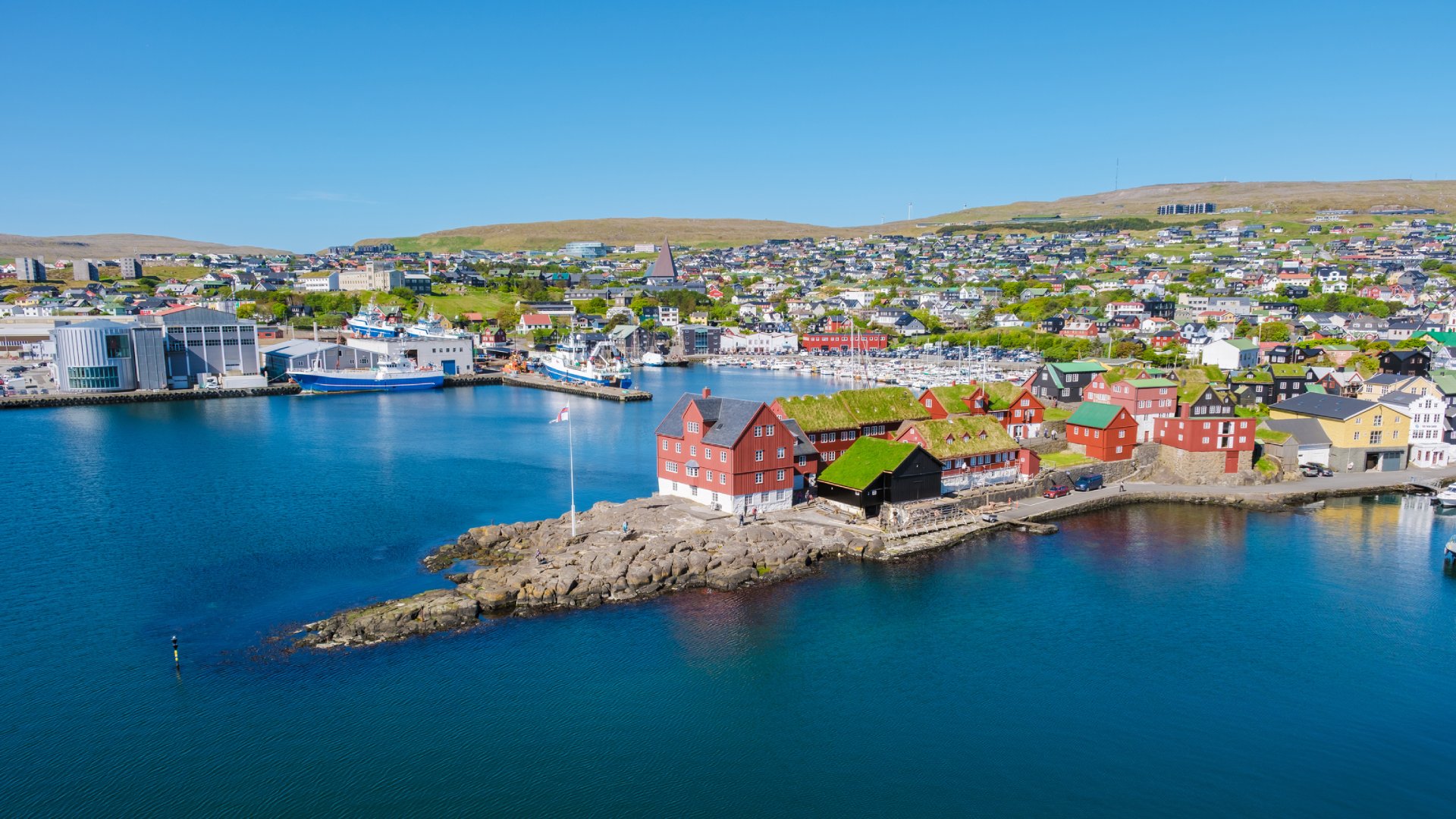
Even reaching the Faroe Islands feels like part of the experience. Located between Iceland and Norway, the rugged volcanic archipelago is defined by dramatic fjords, towering cliffs, waterfalls plunging directly into the sea and tiny villages connected by tunnels and winding roads.

Luxury here isn’t measured by marble lobbies. Instead, visitors charter helicopters, private yachts and RIB boats to explore isolated islands inaccessible to most tourists. Contemporary Nordic lodges and restored grass-roof homes offer complete privacy amid spectacular landscapes.

Adventure opportunities rival the cuisine. Travelers hike to Sørvágsvatn, the famous “floating lake,” paddle through sea caves beneath immense cliffs, or surf the surprisingly powerful cold-water breaks near Tjørnuvík.

The environment also presents genuine hazards. Rapid weather changes, powerful Atlantic winds, slippery trails and cold-water immersion create real risks. Medical facilities are modern but limited compared with major European cities. Serious injuries or illnesses may require evacuation to Denmark or elsewhere in Scandinavia. Gastrointestinal illness, including travelers’ diarrhea, remains possible despite exceptional restaurant standards, particularly after consuming unfamiliar fermented foods or untreated water during outdoor excursions.


Norway: Dining Beneath the North Sea

Norway’s Under transforms fine dining into an architectural experience unlike anywhere else. Half-submerged beneath the North Sea near Lindesnes, diners enjoy panoramic underwater views while sampling hyper-seasonal menus sourced almost entirely from surrounding waters.

The restaurant itself has become an international destination, complemented by boutique coastal hotels, luxury cabins overlooking rugged shorelines and private marine excursions.

Adventure seekers extend their visit with wreck diving, coasteering, sea kayaking and exploration of Norway’s dramatic southern coastline.

The North Sea, however, demands respect. Water temperatures remain dangerously cold throughout much of the year, storms develop rapidly and rocky coastlines increase the risk of falls. Hypothermia, orthopedic injuries and boating accidents represent the primary concerns. Norway maintains excellent healthcare, but remote coastal rescues often require helicopters or specialized marine response teams.

Seafood safety is generally excellent, although raw seafood always carries a small risk of foodborne illness, particularly for travelers with compromised immune systems.


France: Haute Cuisine Above the Clouds

France boasts hundreds of Michelin-starred restaurants, yet Bras stands apart because of its remarkable isolation atop the Aubrac Plateau.

Surrounded by volcanic highlands, grazing cattle and seemingly endless rolling landscapes, Sébastien Bras creates one of Europe’s most celebrated tasting menus using herbs, flowers and ingredients gathered directly from the surrounding countryside.

Luxury here embraces tranquility rather than glamour. Travelers stay in elegant châteaux, visit renowned Laguiole knife workshops, indulge in thermal spa retreats and explore centuries-old villages that have changed remarkably little over generations.

Adventure opportunities include mountain biking across ancient volcanic terrain, canyoning through rushing rivers and hiking long stretches of the historic Camino de Santiago and Tour des Monts d’Aubrac.

Although France possesses world-class healthcare, the Aubrac Plateau remains sparsely populated. Weather changes rapidly, especially during shoulder seasons. Long hikes expose visitors to dehydration, falls, sprains and fractures, while tick-borne illnesses are possible during warmer months. Travelers’ diarrhea is uncommon but remains a possibility whenever dietary habits change or regional cheeses and meats are consumed by those unaccustomed to local bacteria.


Sweden: Fire, Forest and Scandinavian Luxury

Deep within Sweden’s Halland forests, Knystaforsen proves that world-class dining doesn’t require crystal chandeliers.

Located inside a restored nineteenth-century sawmill, nearly every course is prepared over open wood fires using locally foraged ingredients, wild game, mushrooms and river fish.

Luxury complements rather than overwhelms nature. Guests retreat to secluded forest cabins featuring private saunas, outdoor hot tubs and panoramic woodland views. Guided canoe expeditions, private foraging excursions and floating saunas complete one of Scandinavia’s most distinctive luxury experiences.

Outdoor enthusiasts can spend days paddling isolated rivers, cycling endless forest roads or, during winter, combining ice swimming with traditional Scandinavian sauna rituals.

Remote forests inevitably present risks. Navigation errors, falls, insect bites, hypothermia and water-related accidents become more likely once travelers leave developed areas. Moose collisions while driving are also a seasonal hazard. Sweden’s healthcare system is outstanding, but emergency response times increase significantly in remote forests. Wild foods are generally safe when prepared professionally, although foraged mushrooms consumed outside guided experiences can present poisoning risks.


Japan: Sushi at the End of the Inland Sea

Japan’s Michelin reputation extends far beyond Tokyo. Akakichi, located on Hakata Island within the Seto Inland Sea, offers one of the country’s most intimate sushi experiences.

Reaching the restaurant requires trains, buses and crossings over the spectacular Shimanami Kaido bridge system before guests finally arrive at a tiny sushi counter overlooking calm blue waters.

The surrounding islands have quietly become one of Japan’s premier luxury destinations. Visitors stay in traditional ryokans with private onsens, charter yachts through the Inland Sea and cycle across some of the world’s most beautiful island-hopping routes.

Adventure revolves around movement — cycling 43 miles across suspension bridges, jet boating through the whirlpools of the Kurushima Strait and climbing coastal granite cliffs overlooking the sea.

Japan’s healthcare system ranks among the world’s best, although language barriers can complicate treatment outside major cities. Summer heat and humidity increase dehydration risks, while typhoons occasionally disrupt transportation throughout the region. Raw seafood is exceptionally fresh but still carries the small inherent risk associated with consuming uncooked fish. Travelers with shellfish allergies should exercise particular caution because ingredients are frequently incorporated into broths and sauces.


Why This New Luxury Travel Model Is Growing

The Travel Triple Play reflects a broader transformation in luxury tourism. Affluent travelers increasingly prioritize memorable experiences over possessions. Michelin stars alone are no longer enough. Nor are luxury accommodations or adventure excursions by themselves.

Instead, travelers seek destinations where every element reinforces the others. The remote setting enhances the cuisine. The cuisine reflects the surrounding environment. Luxury accommodations deepen the sense of place. Adventure transforms the trip into something profoundly personal.

The result is a journey that cannot simply be replicated somewhere else.


The Global Rescue Connection

The very remoteness that makes these destinations extraordinary also makes them more complicated when emergencies occur. Helicopter access may be limited by weather. Specialized trauma care may require transport across regions or even international borders. Serious illnesses, orthopedic injuries, allergic reactions, severe travelers’ diarrhea, hypothermia, boating accidents and climbing injuries can quickly overwhelm local medical resources despite the high standards of care found in these countries.

A Global Rescue membership helps close that gap. Members have access to 24/7 medical advisory services before and during travel, allowing them to consult experienced medical professionals whenever health concerns arise. Travelers can also use Destination Reports to better understand local medical capabilities, environmental hazards, seasonal weather, political conditions and other destination-specific risks before departure.

If a serious emergency occurs, Global Rescue provides field rescue, dispatching response teams to the point of illness or injury when local resources cannot. When medically necessary, Global Rescue coordinates medical evacuation to the hospital of the member’s choice, ensuring continuity of care rather than simply transporting travelers to the nearest available facility.

For travelers facing natural disasters, transportation disruptions or security concerns, Global Rescue also provides security advisory services, helping members navigate rapidly changing situations with expert guidance.

Importantly, Global Rescue memberships are not insurance. There are no claim forms, deductibles or reimbursement delays. Whether travelers are injured on a Swedish wilderness trail, become seriously ill in the Faroe Islands, require evacuation from Norway’s rugged coastline or face an emergency while exploring Japan’s remote islands, Global Rescue delivers direct operational support when the unexpected happens.

For travelers embracing the Travel Triple Play, where exceptional cuisine, unforgettable adventure and remote luxury intersect, preparation becomes every bit as important as the destination itself. The world’s most extraordinary travel deserve equally extraordinary protection.