Article Highlights:

  • Turkey blends ancient Greek ruins, Roman ruins and Ottoman landmarks into one extraordinary travel experience.
  • Istanbul offers iconic attractions including Hagia Sophia, the Grand Bazaar and world-famous cuisine.
  • Cappadocia, Pamukkale and the Lycia coast showcase Turkey’s unique natural landscapes.
  • Travelers should understand regional security conditions, transportation realities and medical infrastructure before arrival.
  • Global Rescue memberships provide critical medical evacuation, advisory and field rescue support across Turkey.


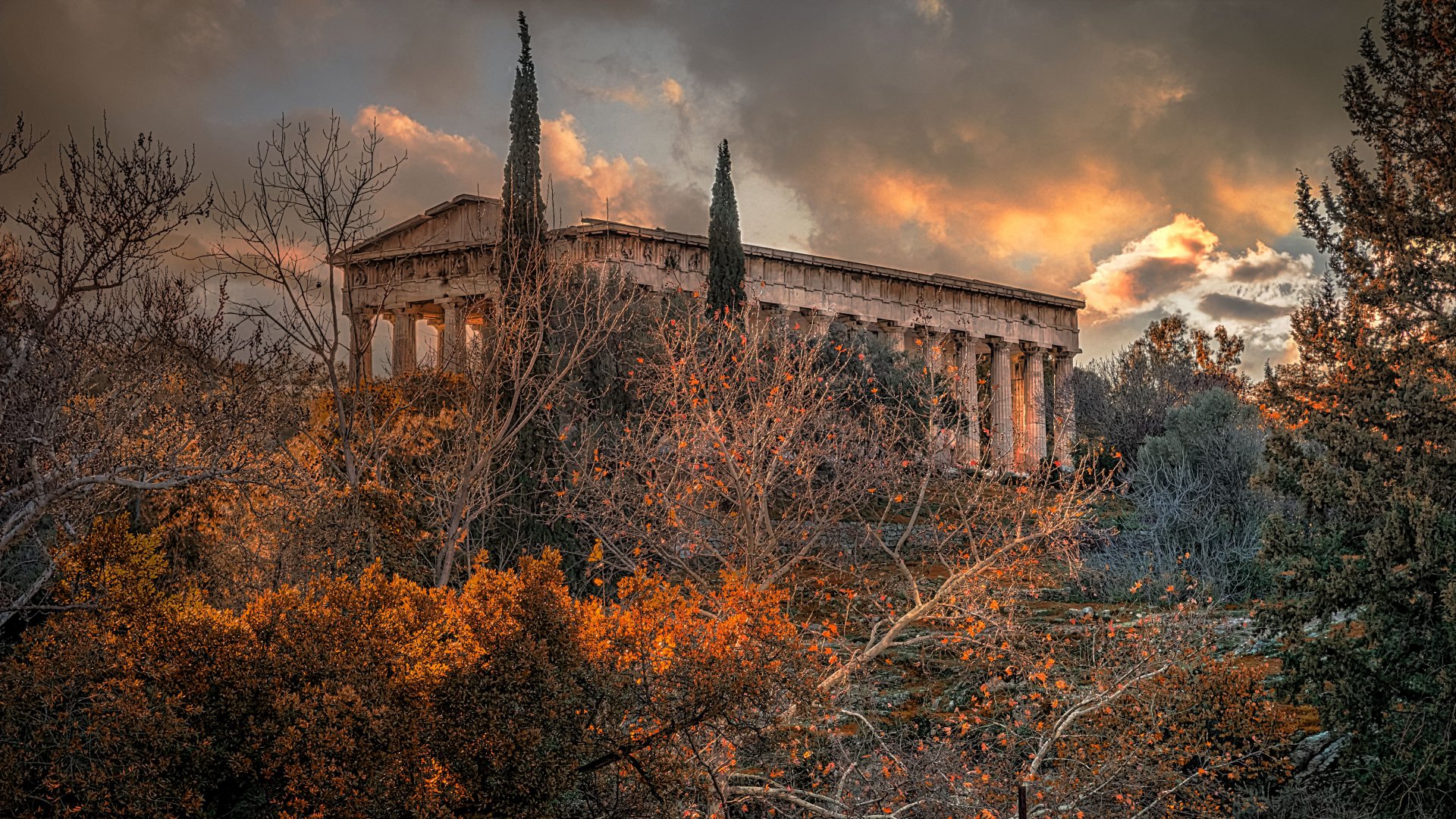
Turkey sits at the crossroads of Europe and Asia, creating one of the world’s most layered travel experiences. Ancient empires, dramatic landscapes, Mediterranean coastlines and vibrant modern cities combine into a destination that feels both timeless and rapidly evolving. Travelers exploring Turkey encounter Greek ruins, Roman ruins, Ottoman architecture and living traditions that stretch across thousands of years.

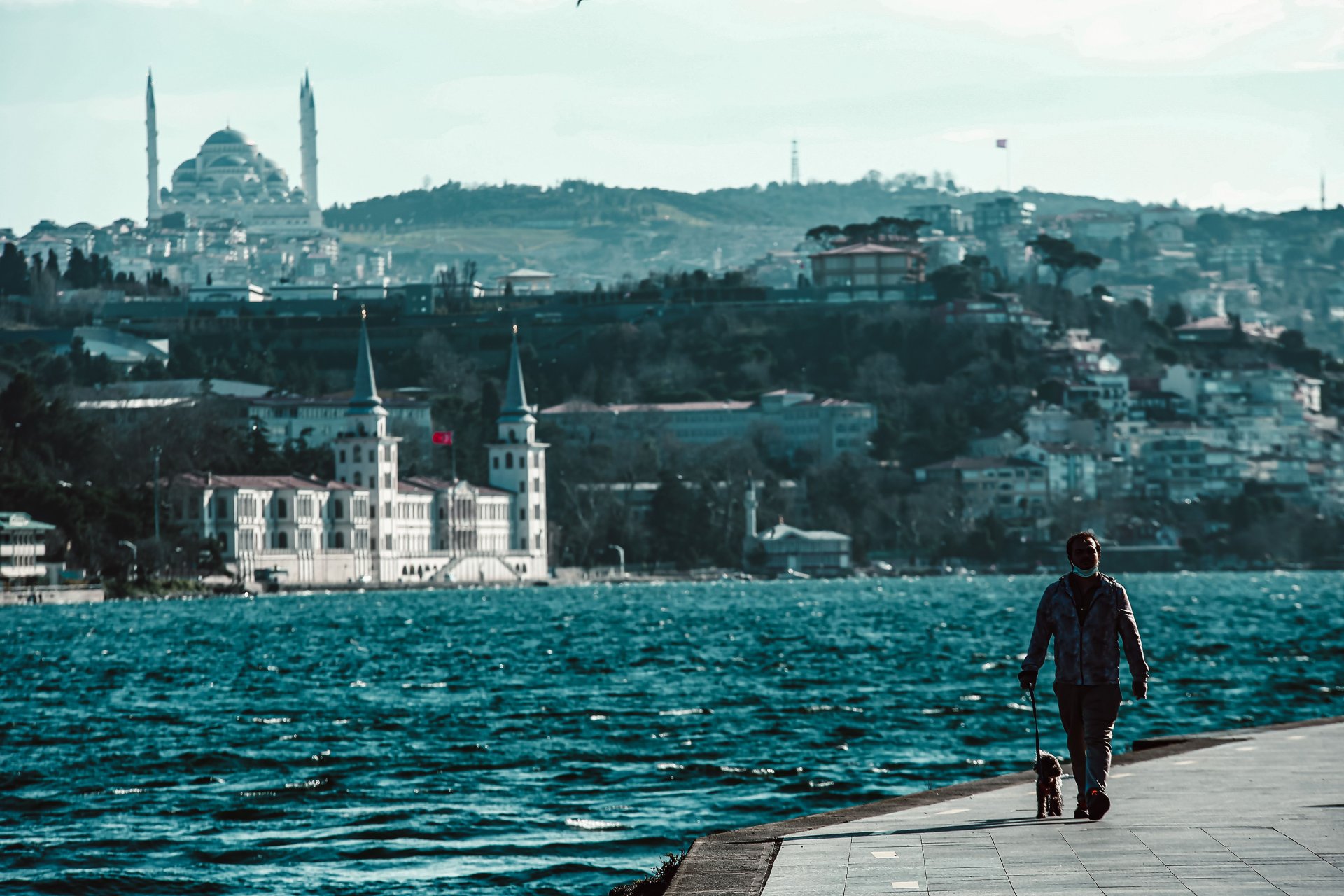
For many visitors, Turkey begins with Istanbul. The city once known as Byzantium and Constantinople spans two continents and remains one of the world’s most historically significant urban centers. The Hagia Sophia, originally constructed as a Byzantine cathedral before later becoming a mosque and museum, represents the country’s layered identity. Nearby, the Blue Mosque, Topkapi Palace and Grand Bazaar immerse travelers in Ottoman grandeur, commerce and craftsmanship.

The Grand Bazaar remains one of the oldest and largest covered markets in the world. Visitors wander through maze-like corridors filled with carpets, spices, jewelry, ceramics and textiles while hearing the sounds of bargaining echo through the halls. Turkish hospitality is deeply embedded in daily life, and even casual shopping often turns into conversations over tea.

Turkey’s culinary traditions are equally compelling. Mezes — small dishes served before meals — showcase the country’s Mediterranean and Middle Eastern influences. Travelers can sample grilled seafood along the coast, kebabs in southeastern regions, fresh produce in village markets and sweet pastries such as baklava almost everywhere. Turkish tea and coffee culture also play a central role in social interaction.


Troy, Aspendos and Cappadocia

Beyond Istanbul, Turkey offers some of the world’s most impressive archaeological sites. Ephesus stands as one of the best-preserved Roman ruins anywhere, featuring a grand amphitheater, marble streets and the iconic Library of Celsus. Troy, immortalized in Homeric legend, provides insight into the civilizations that once controlled this strategic region. Aspendos contains a remarkably intact Roman theater still used for performances today.

Turkey’s natural landscapes rival its historical treasures. Cappadocia, famous for its fairy chimneys and underground cities, looks almost extraterrestrial. Travelers often rise before dawn to watch hundreds of hot air balloons drift over the valleys. The region’s volcanic rock formations and cave dwellings create one of the world’s most recognizable travel landscapes.

Pamukkale offers another surreal environment. The thermal pools, formed by mineral-rich waters cascading over white travertine terraces, attract visitors seeking both relaxation and photography opportunities. Nearby Hierapolis adds another layer of Roman history with ancient baths and ruins overlooking the terraces.

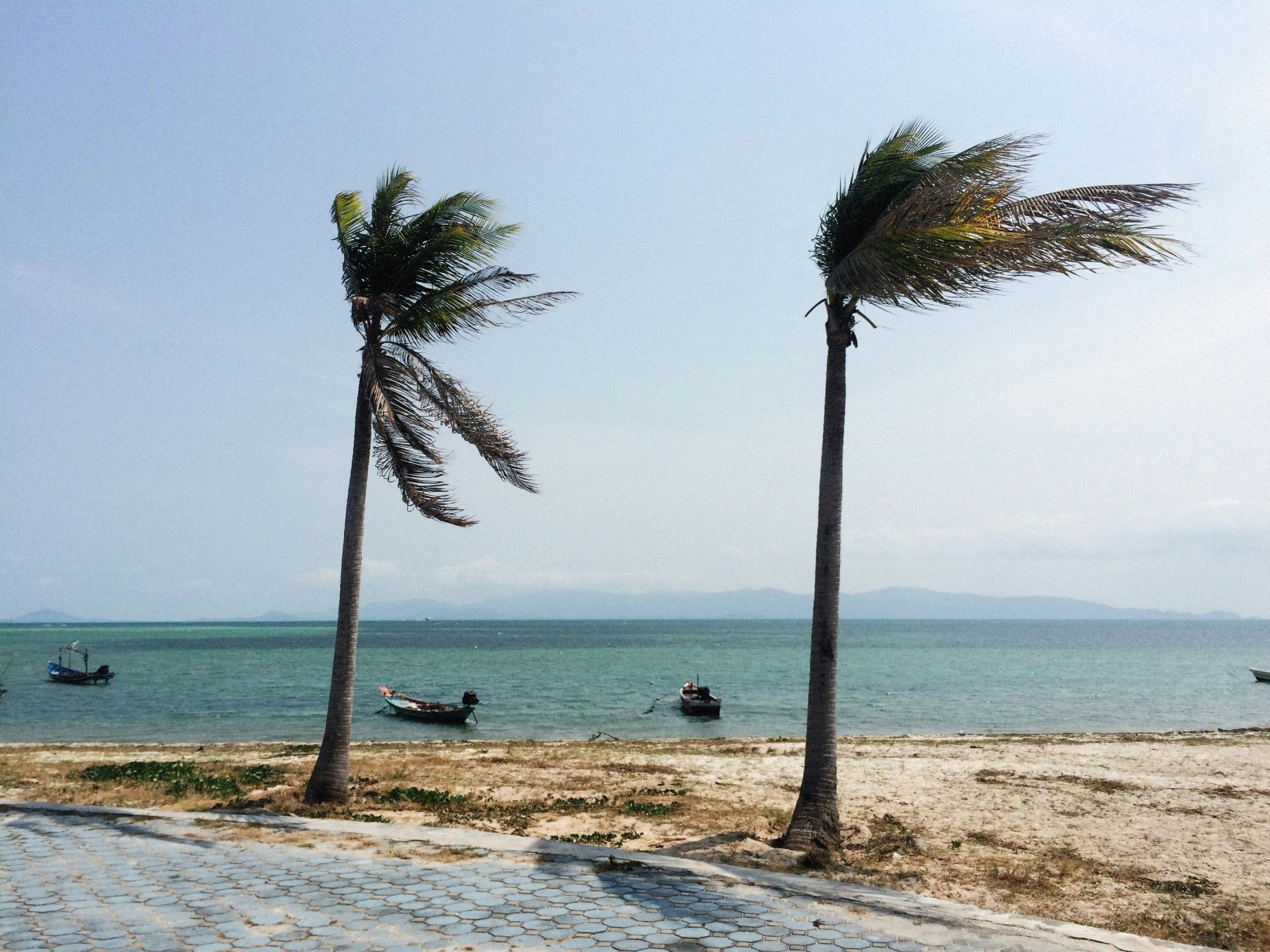
Along the southwest coast, the Lycia coast combines turquoise waters, ancient tombs and hiking routes such as the Lycian Way. Travelers exploring Fethiye and surrounding villages encounter secluded beaches, sailing excursions and dramatic mountain scenery. The region balances adventure travel with slower Mediterranean rhythms.


Pros and Cons of Visiting Turkey

Turkey offers extraordinary cultural depth, excellent food, strong value relative to Western Europe and remarkable geographic diversity. Travelers can combine urban exploration, beach vacations, hiking, archaeology and culinary tourism within a single itinerary. Domestic flights are affordable and tourism infrastructure is highly developed in major destinations. Political tensions, regional instability near some borders and periodic demonstrations can create uncertainty. Traffic congestion in Istanbul can be intense and language barriers may arise outside tourism centers. Summer heat becomes extreme in some inland areas and inflation can create fluctuating prices.

Spring and fall are generally the best seasons to visit Turkey. April through June and September through October provide comfortable temperatures for sightseeing and outdoor activities. Summer is ideal for coastal travel but can be extremely hot inland. Winter brings snow to central regions and fewer crowds in major cities.

Most tourist visits to Turkey occur without major incidents, but travelers should remain aware of political demonstrations, regional tensions and evolving security conditions. Areas near the Syrian and Iraqi borders carry elevated risk and should generally be avoided by leisure travelers.

Petty theft occurs in crowded tourist areas, transportation hubs and markets. Travelers should remain vigilant with valuables and avoid displaying expensive electronics or jewelry openly. Violent crime against tourists is relatively uncommon in major tourism zones. Scams involving taxis, unofficial tour guides and nightlife establishments are more common concerns.

Turkey faces earthquake risk due to its tectonic location. Wildfires can occur during hot summer months, especially near coastal regions. Travelers should monitor local conditions during severe weather events.

Medical care in Istanbul, Ankara and major tourism centers generally meets international standards. Rural regions may have more limited capabilities. English-speaking medical staff are more common at private hospitals. Travelers should carry adequate medical evacuation coverage.


The Global Rescue Connection

No matter how safe a destination may be, emergencies still happen, especially in a country where earthquakes, remote mountain trails and rapidly changing conditions can complicate response efforts. Turkey’s diversity means travelers may find themselves hiking remote portions of the Lycian Way, exploring Cappadocia valleys or traveling long distances between archaeological sites and coastal towns.

A Global Rescue membership provides critical protection through field rescue, medical evacuation, medical advisory services and Destination Reports. Members receive access to experienced medical and security professionals who coordinate care and evacuation when local systems fall short.

Global Rescue has provided advice regarding an individual who was attacked and robbed in Istanbul, Turkey. Situations like this demonstrate how rapidly international travel complications can escalate and how valuable professional coordination becomes during emergencies.

Whether traveling through Istanbul, exploring Roman ruins in Ephesus, hiking along the Lycia coast or floating above Cappadocia’s fairy chimneys, Global Rescue helps travelers navigate uncertainty with confidence through 24/7 support, evacuation coordination and expert destination intelligence.