Article Highlights:

  • Travelers increasingly seek security evacuation services during periods of war and instability.
  • Conflicts create regional disruption far beyond active combat zones.
  • Security extraction capability becomes essential when infrastructure collapses.
  • Real-time intelligence helps travelers adapt to rapidly changing conditions.
  • Integrated medical and security support improves survival and continuity.


Modern warfare no longer affects only combat zones. Regional conflicts now disrupt airspace, infrastructure, transportation systems and traveler mobility across entire continents. Even travelers far from active fighting increasingly experience flight rerouting, airport shutdowns, government advisories and growing uncertainty.

The war in Ukraine fundamentally reshaped how many travelers evaluate international risk.

According to the Global Rescue Spring 2022 Traveler Sentiment and Safety Survey, 42% of travelers postponed or canceled trips to Eastern Europe because of the conflict. More than one-third delayed broader European travel. Most importantly, 43% reported being more likely to obtain travel security services that include evacuation and advisory support.

This reflects a larger realization among international travelers: war creates instability far beyond the battlefield.


Why War Has Become a Defining Travel Risk

Adjacent regions become unpredictable. Transportation corridors shift. Governments impose restrictions. Airspace closures disrupt itineraries thousands of miles away. Insurance reimbursements alone do little when travelers need operational guidance or physical extraction.

Travelers are not necessarily abandoning international travel because of conflict. Instead, they are recalibrating how they prepare. Dan Richards, CEO of The Global Rescue Companies, summarized the shift clearly: war makes surrounding regions unpredictable and increases demand for additional travel protection services. This evolving mindset reflects modern geopolitical reality.

International business still requires physical presence. Humanitarian missions continue. Energy, logistics and infrastructure sectors still deploy personnel into complex regions. Travelers increasingly recognize that risk management is now inseparable from mobility.


Conflict-Related Instability Can Escalate Rapidly

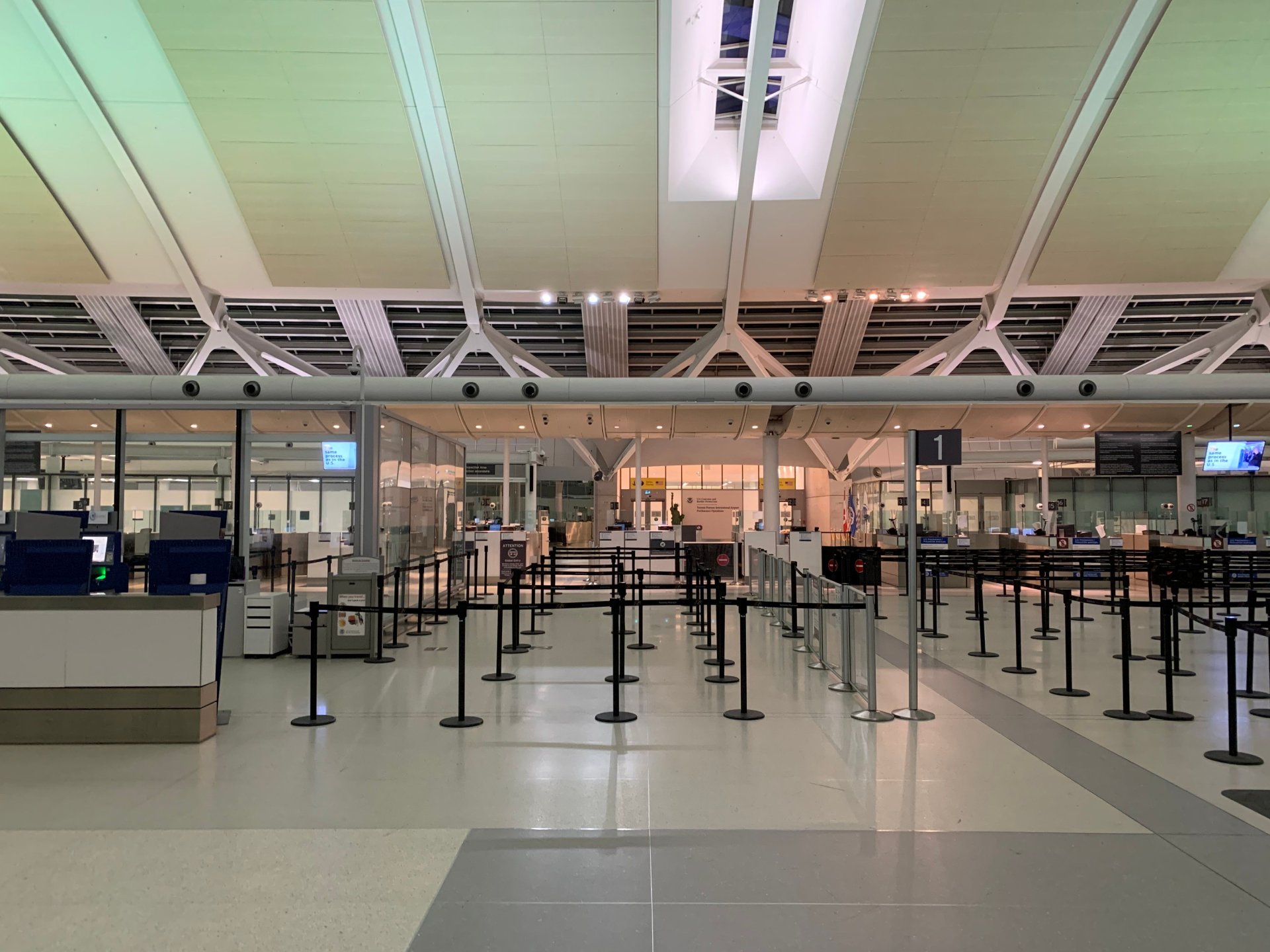
Airports close with little notice. Borders tighten. Communications fail. Local transportation systems collapse. Civil unrest spreads unexpectedly. In these environments, the ability to relocate safely becomes critical.

Global Rescue’s experience in Lebanon demonstrates this reality.

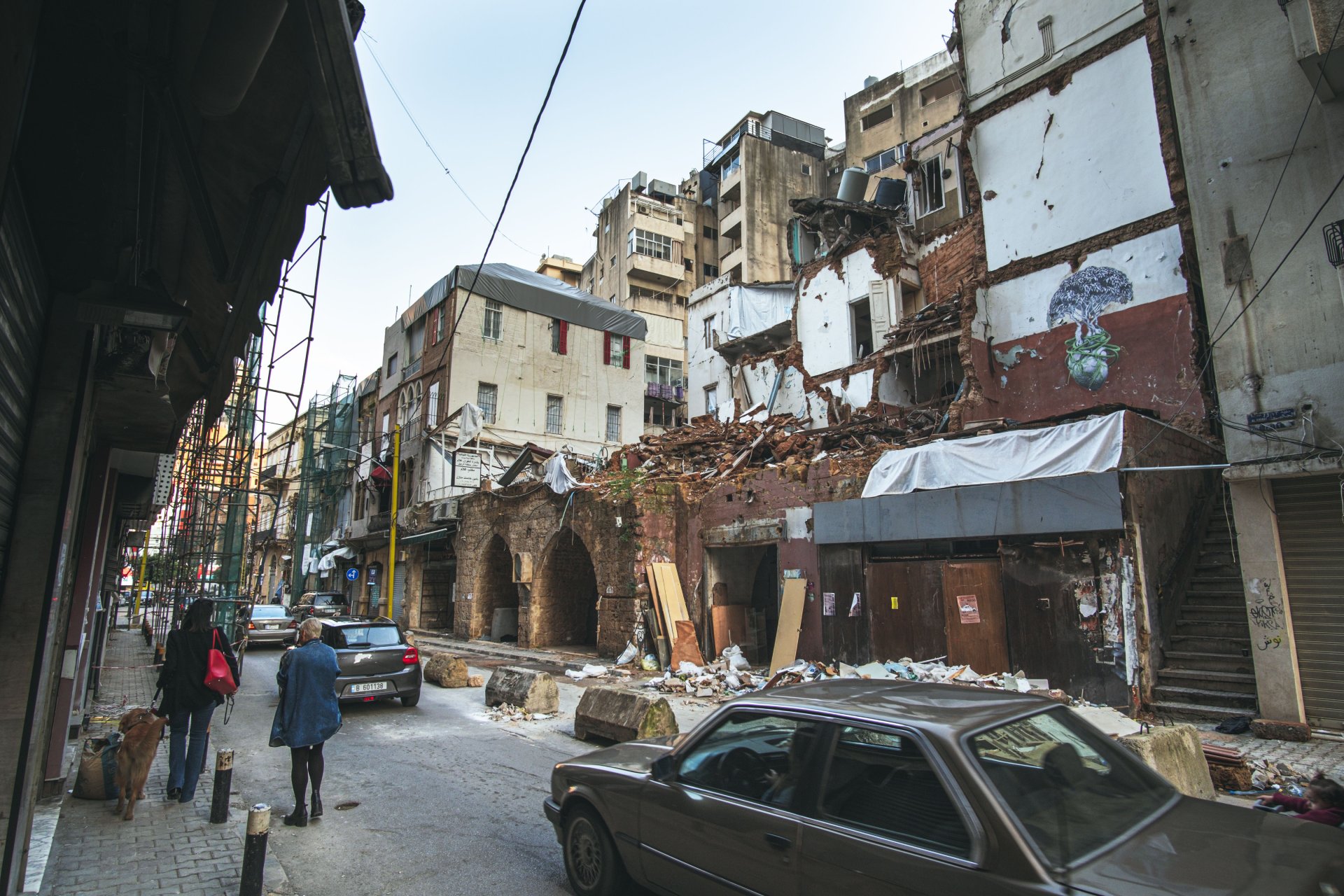
During the Lebanon conflict, Hezbollah aggression, Israeli military operations and widespread infrastructure damage trapped Americans throughout the country. Rafik Hariri International Airport sustained major damage while evacuation options remained uncertain.

Several Fortune 500 companies tasked Global Rescue with locating and evacuating employees scattered throughout Lebanon. Global Rescue immediately deployed operations teams composed of veteran military special forces and indigenous military personnel. These teams gathered descriptions, identifying information and last known locations before beginning search operations across heavily damaged terrain.

Despite destroyed roads and unstable conditions, operators successfully located personnel, transported them to secure rally points and coordinated maritime evacuation routes to Cyprus. Contingency plans included ground transport into neighboring countries if sea evacuation became impossible.


Security Adaptation and Traveler Psychology

Air assets could not operate within Lebanese borders because of overflight restrictions. Infrastructure damage complicated movement. Communication remained inconsistent. Yet proactive operational capability enabled successful extraction.

Traditional travel insurance may reimburse some costs after disruption occurs. It does not deploy personnel into active conflict zones. It does not coordinate secure transport. It does not conduct extraction operations. The modern travel environment increasingly requires active capability.

War also reshapes traveler psychology. Global Rescue survey data found that travelers now define risk differently than before 2020. Many continue traveling internationally but increasingly prioritize destinations perceived as politically stable. Others remain willing to travel but demand stronger contingency planning.

Importantly, most travelers are not paralyzed by fear. The survey showed that 37% of respondents did not postpone European travel despite the Ukraine conflict. Travelers remain committed to global mobility. However, they increasingly expect sophisticated support systems when conditions deteriorate. This shift reflects maturity rather than panic.

Travelers today understand that instability is dynamic and localized. A country may remain generally safe while transportation disruptions or isolated incidents create operational complications. Regional spillover effects matter as much as national-level assessments.


The Global Rescue Connection

The Global Rescue Security Add-On provides travelers with location-specific intelligence, advisory services and coordinated evacuation support. Members receive updates based on evolving conditions rather than relying solely on generalized government warnings.

The importance of this support increases dramatically in conflict-adjacent regions.

Airspace closures can strand travelers unexpectedly. Demonstrations may erupt suddenly. Curfews may appear with little warning. Local infrastructure may degrade rapidly under stress.

Travelers require guidance that is actionable and immediate. Conflict environments also create overlapping risks.

Medical infrastructure may weaken. Supply chains become unreliable. Communication systems degrade. Criminal activity can rise as law enforcement resources become stretched. Integrated medical and security support therefore becomes essential.

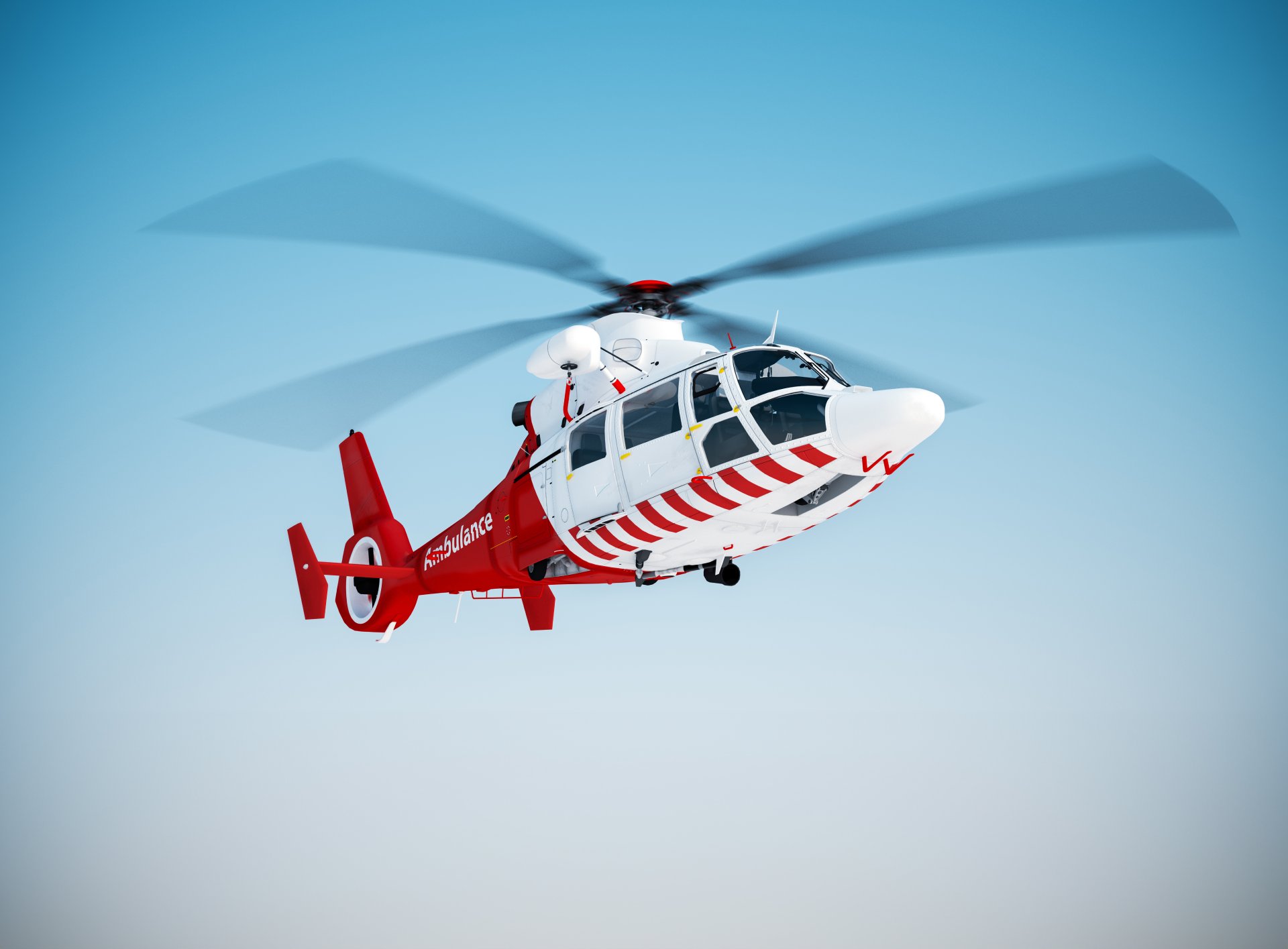
Global Rescue combines medical advisory services, field rescue, evacuation coordination and security extraction under one operational framework. This integrated approach recognizes that real-world emergencies rarely fit neatly into separate categories.

A traveler injured during civil unrest may require both medical evacuation and security extraction. A natural disaster may create instability that overlaps with political unrest. Preparedness requires flexibility. The modern traveler increasingly understands that security planning is not paranoia. It is discipline.

International travel continues because curiosity, commerce and human connection remain powerful forces. But preparation must evolve alongside geopolitical complexity.

Travelers no longer evaluate only where they want to go. They evaluate how quickly they can adapt if conditions change.

A Global Rescue membership provides travelers with field rescue from the point of illness or injury, medical evacuation to the hospital of their choice, 24/7 medical advisory support and Destination Reports that help travelers understand security, healthcare and infrastructure conditions before departure.

The Security Add-On extends this protection through real-time intelligence monitoring, advisory support and coordinated evacuation or extraction during war, political instability, terrorism or civil unrest.

When conflict disrupts transportation systems, overwhelms local infrastructure or traps travelers in unstable regions, Global Rescue provides operational capability that goes far beyond reimbursement-based travel protection.