Article Highlights:

  • Kuwait offers a less tourism-driven Gulf experience built around local culture, food, architecture, museums and contemporary city life.
  • Adventure travelers will find desert camping, off-roading, boating and diving, but limited terrain diversity and dangerously high summer temperatures.
  • Leisure travelers can explore Kuwait Towers, Souq Mubarakiya, the Grand Mosque, museums and Failaka Island, although conventional resort and nightlife options are limited.
  • Business travelers benefit from Kuwait’s oil wealth, financial sector and major public investment, but local employment rules, exit restrictions and regional aviation risks require preparation.
  • Global Rescue Destination Reports can help members understand cultural and legal differences involving modesty, alcohol, LGBTQ+ travelers, photography, relationships, Ramadan and online speech.


Kuwait is one of the Gulf’s more unusual destinations for international travelers. Wealthy, highly urbanized and centered overwhelmingly around Kuwait City, the country has not historically pursued mass international tourism on the scale of the United Arab Emirates or Qatar, giving visitors a more local-focused experience built around food, family life, shopping, architecture, history and the waterfront rather than an endless inventory of tourist attractions.

That is beginning to evolve. Kuwait launched its official Visit Kuwait tourism and lifestyle platform in 2026 to help visitors discover attractions, events and services, signaling greater interest in developing tourism while still maintaining a distinctly Kuwaiti identity. For North American travelers, that makes Kuwait potentially interesting as a short cultural stop, specialized business destination or addition to a broader Gulf itinerary rather than a conventional weeklong vacation.


Kuwait’s Appeal Is That It Does Not Feel Built Entirely for Visitors

Dubai and Doha have become international leisure destinations in their own right, with huge tourism districts, resort complexes and attractions developed specifically for overseas visitors. Kuwait feels different because much of what travelers encounter exists primarily for Kuwaitis and residents rather than for an international tourism market.

That can be a strength for travelers interested in contemporary Arab life. A visit might revolve around walking through Souq Mubarakiya, spending an evening over a long Kuwaiti meal, visiting a museum or cultural center, exploring the Gulf Road waterfront and observing the rhythms of Kuwait City rather than working through a checklist of headline attractions.

The Kuwait Towers, Al Shaheed Park, Sheikh Jaber Al-Ahmad Cultural Centre and Failaka Island are among the country’s prominent attractions. Al Shaheed Park alone covers approximately 200,000 square meters and combines gardens, museums, walking paths and cultural spaces in the center of Kuwait City.

This authenticity comes with a tradeoff. Travelers looking for the vast entertainment infrastructure of Dubai, the dramatic landscapes of Oman or the archaeological density of Jordan may find Kuwait relatively subdued. The country is better suited to travelers interested in understanding Kuwait than travelers expecting Kuwait to entertain them continuously.


Adventure Travel: Desert and Sea Rather Than Mountains and Canyons

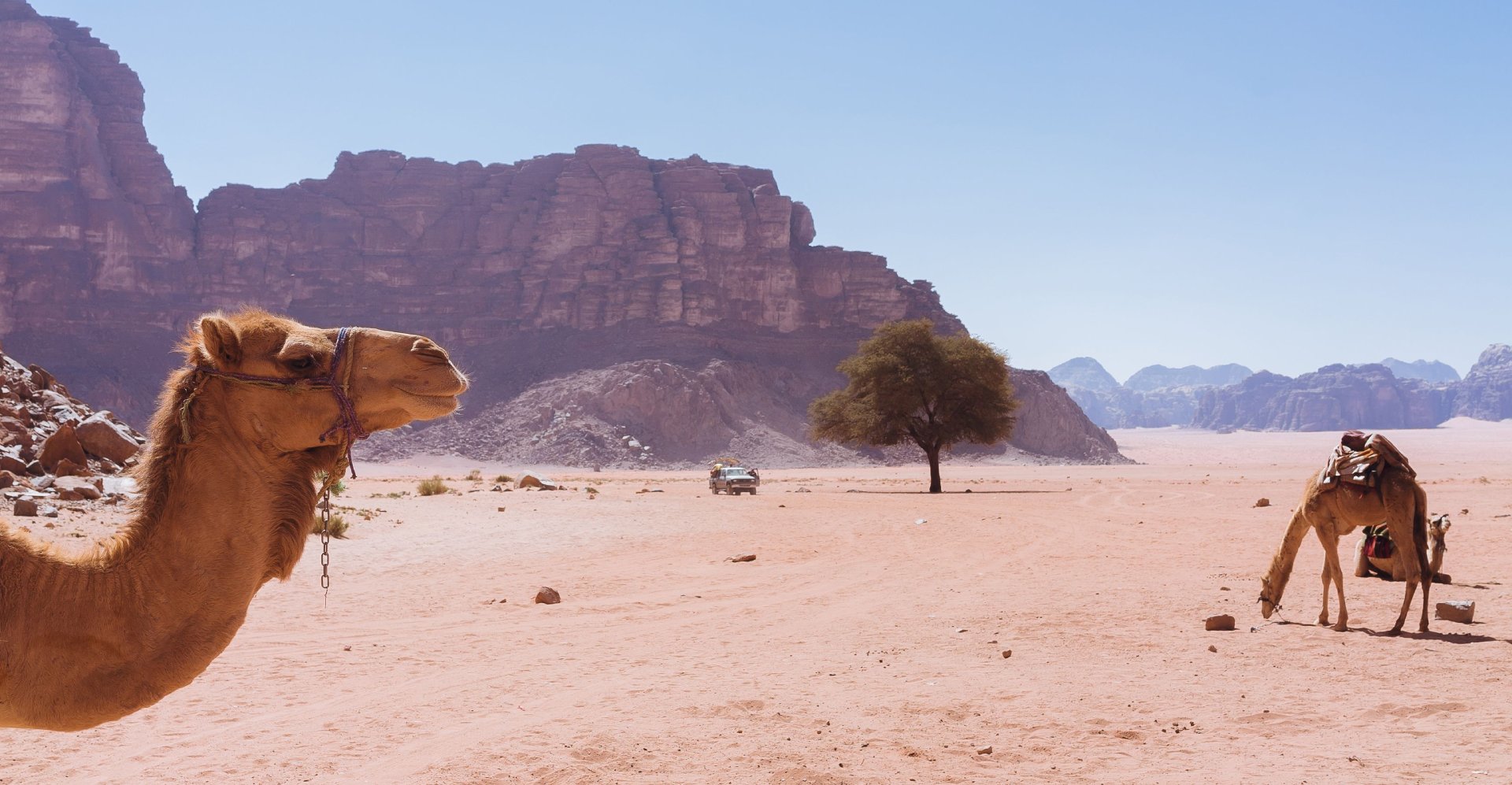
Adventure is possible in Kuwait, but it occupies a narrower lane than in several neighboring destinations. The country’s predominantly flat desert landscape eliminates many of the mountain, canyon and long-distance trekking options found elsewhere in the region. Winter desert camping and off-road excursions are among the most accessible outdoor experiences. Cooler temperatures make it possible to spend extended periods outside, while dune driving and desert camps provide a distinctly Gulf experience without requiring long travel from Kuwait City.

Marine activities broaden the possibilities. Boating, jet skiing, fishing and diving can be arranged along the coast, while Failaka Island combines a boat trip with archaeological exploration. Located roughly 20 kilometers from Kuwait City, Failaka preserves evidence of more than 4,000 years of settlement, including remains associated with the Bronze Age Dilmun civilization and the Hellenistic period. Recent archaeological work continues to add to that story. Kuwaiti authorities announced additional discoveries in 2025 involving early Islamic structures and a water well, reinforcing Failaka’s significance as much more than a recreational island.


Where Kuwait Falls Short for Adventure Travelers

Geography is the largest limitation. There are no mountain ranges, dramatic wadis or substantial wilderness trekking circuits comparable to those in Oman or Jordan, and the flat desert environment can become repetitive for travelers whose definition of adventure centers on demanding terrain.

Climate presents an even more serious restriction. Kuwait’s government describes the country as having a long, dry, hot summer, with temperatures sometimes reaching 50°C, or 122°F, in the shade. Official tourism information says summer temperatures commonly reach around 45°C and notes that dust-laden winds accompany the hot season, making strenuous outdoor activity a poor choice during much of the year.

Remote desert exploration also requires discipline. US guidance warns that landmines and unexploded Gulf War ordnance remain in some desert areas and beaches north of Mutla’a Ridge and near the Iraqi border, with locations potentially unmarked. Travelers should stay on established routes, avoid isolated off-road areas near restricted zones and never touch suspicious objects.

For most adventure travelers, Kuwait therefore works best as a short winter experience rather than the centerpiece of an expedition. Desert camping, boating, diving and Failaka Island can add adventure to a trip, but travelers seeking highly varied outdoor terrain have stronger options elsewhere in the region.


Leisure Travel: Food, Culture and Modern Kuwait City

Leisure travel is where Kuwait becomes more interesting, particularly for travelers who appreciate destinations that are not heavily shaped around foreign visitors.

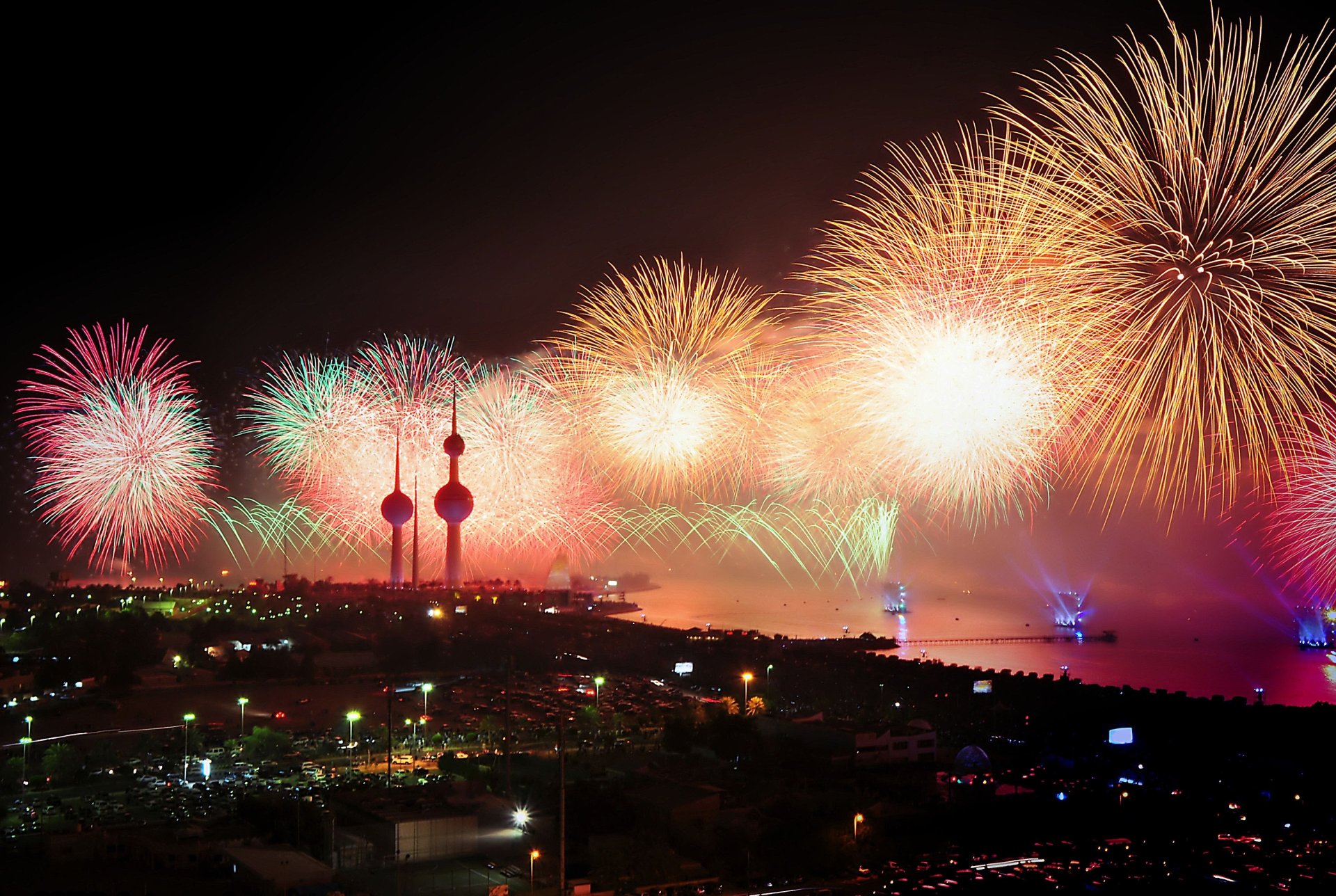
The Kuwait Towers remain the country’s signature architectural landmark, rising above the waterfront and providing one of the clearest symbols of modern Kuwait. Souq Mubarakiya offers a more traditional experience, with spices, perfumes, clothing, sweets, restaurants and everyday commerce creating an atmosphere far removed from the polished environment of the city’s luxury malls.

The Grand Mosque introduces visitors to Kuwait’s Islamic architecture and religious culture, while museums provide greater historical depth. The Tareq Rajab Museum is particularly well known for its collections of Islamic art, manuscripts, jewelry, ceramics and traditional objects.

Al Shaheed Park provides an urban counterpoint, with landscaped grounds and museums in central Kuwait City, while shopping remains an important component of contemporary Kuwaiti social life. The Avenues is among the country’s best-known shopping complexes and illustrates how malls in the Gulf often function as dining, entertainment and gathering spaces rather than simply retail centers.

Food may ultimately be one of Kuwait’s strongest leisure attractions. Traditional Kuwaiti cuisine draws heavily on rice, fish, lamb, spices and the maritime trading connections that historically linked the country with Persia, India and the wider Arabian Peninsula. Travelers willing to make restaurants and markets a major part of the itinerary are likely to get more from Kuwait than those focused exclusively on conventional sightseeing.

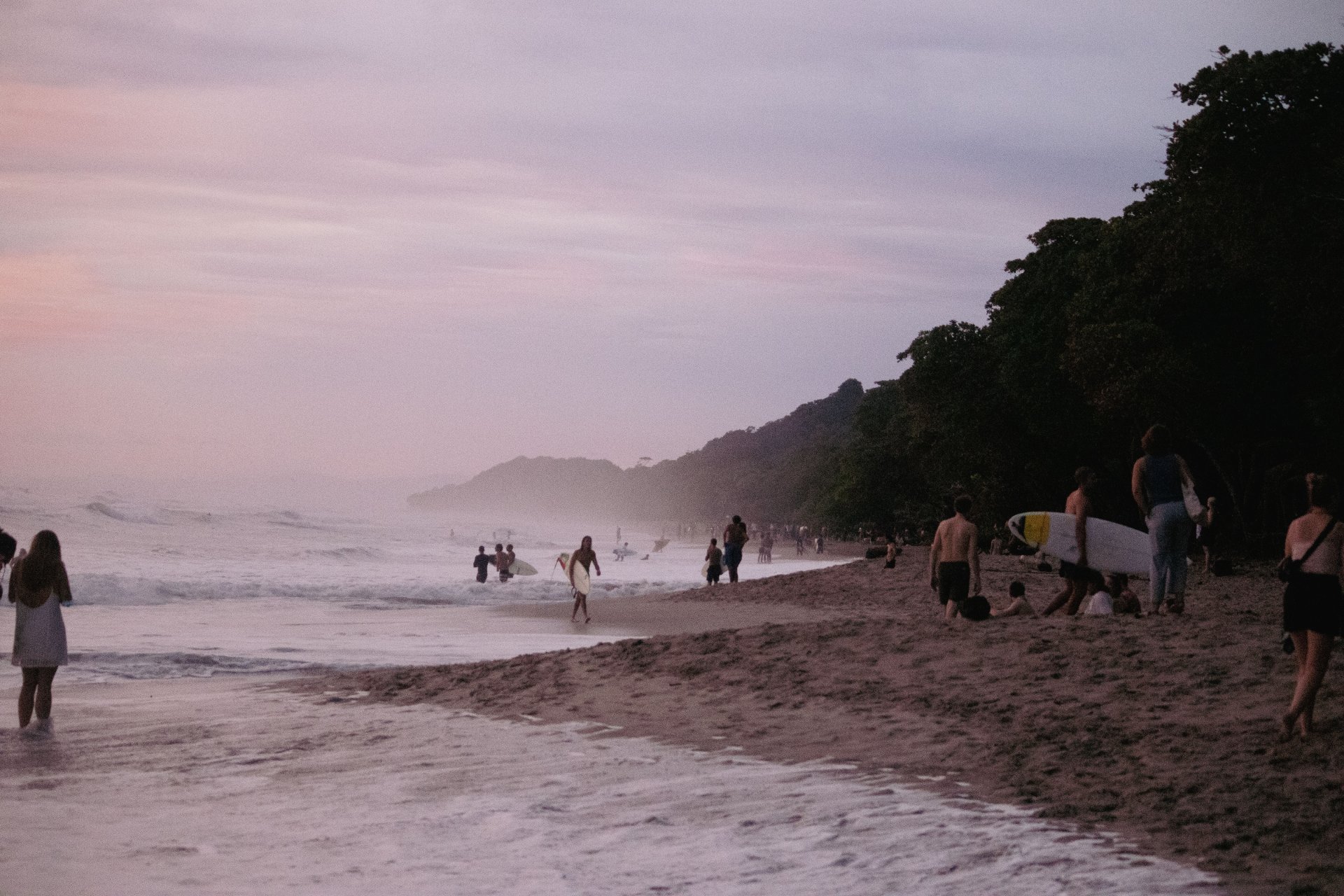
Kuwait is not an obvious choice for travelers seeking nightlife, alcohol-centered dining or an international beach-resort atmosphere. Unlike Bahrain or the UAE, Kuwait prohibits alcohol entirely. Beaches also play a different role than they do in classic resort destinations. Kuwait has an extensive coastline and marine clubs, but much of the waterfront is urbanized and the country does not offer the same concentration of natural resort beaches associated with the Maldives, Caribbean or even some neighboring Gulf destinations.

Entertainment consequently revolves more heavily around restaurants, cafés, malls, family activities, museums and private social spaces. For some travelers, that creates a fascinating window into local life. For others, a two- or three-day stopover may feel sufficient.


Business Travel: Kuwait’s Strongest International Case

Business travel is arguably Kuwait’s most established reason for international visitors. Oil remains fundamental to the economy, but major activity also exists in banking, infrastructure, logistics, construction, retail and professional services.

For energy companies, engineering firms, financial institutions, defense-related contractors and consultants involved in public infrastructure, Kuwait can therefore be a high-priority commercial destination rather than an optional travel market. The country’s wealth and continuing investment create business opportunities that are not reflected by the relatively small tourism sector.

The complications are legal and operational. Foreign employees work under Kuwait’s sponsorship system, and US guidance says workers on certain government and private-sector residency visas must obtain employer-linked exit permits before leaving the country. Regional aviation risk is another consideration. The State Department’s August 2026 advisory notes an ongoing threat of missile and drone attacks associated with regional hostilities and says commercial aviation has experienced serious disruption. Business travelers therefore need more itinerary flexibility and contingency planning than they would for an equivalent meeting in a less exposed commercial hub.


Modesty, Public Behavior and Social Culture Is Conservative

Kuwait is socially conservative, and travelers should not assume that behavior considered routine in North America will be accepted in public. Modest clothing is generally appropriate, particularly when entering mosques, visiting government facilities or spending time in more traditional settings. Public affection should also be limited. US guidance warns that sexual relationships outside marriage are criminalized and that public behavior can lead to legal problems that are significantly more serious than simple social disapproval.

Religious observance becomes particularly important during Ramadan. US guidance states that eating or drinking publicly where others can see you during Ramadan is illegal, including inside a vehicle. Travelers should expect changes in daily schedules and should understand religious expectations before arriving rather than trying to determine them after an incident occurs.

Kuwait presents substantial considerations for LGBTQ+ travelers. Current US travel guidance states that consensual same-sex sexual activity between men is illegal and can carry prison sentences, while broader morality laws can also affect same-sex behavior involving women. This is an area where generic advice that Kuwait is simply “conservative” is inadequate. LGBTQ+ travelers need to understand the actual legal environment, the social context and how personal expression, dating applications and public behavior may be treated before traveling.

That difference illustrates the value of destination-specific intelligence. Something that is legal, routine or protected at home may carry serious consequences once the traveler enters another jurisdiction.


Medical Care Is Strongest in Kuwait City

Kuwait has substantial medical infrastructure in its urban centers. However, adequate care may be harder to locate in remote areas and ambulance services, although widely available in cities, may not always be staffed at the level North American travelers expect.

Visitors should also understand how payment works. Hospitals frequently require payment before treatment or admission, and non-residents generally have greater access to private facilities than to the public system except in life-threatening emergencies. The national emergency number for police, ambulance and fire is 112.

Air quality is another practical health concern. Dust, extreme heat and poor outdoor air quality can affect travelers with respiratory or cardiovascular vulnerabilities, particularly during the hotter months.


Who Is Kuwait Best For?

Kuwait makes the strongest case for business travelers, culturally curious Gulf travelers and repeat visitors to the Middle East who want to experience a destination less oriented toward international tourism. A short leisure trip can deliver architecture, history, markets, food and insight into contemporary Kuwaiti society without the deliberately manufactured tourism environment found elsewhere.

Its case for dedicated adventure travel is weaker. The extreme summer climate, limited terrain diversity and restrictions around remote desert areas narrow the options, although Failaka Island, marine activities and winter desert experiences provide worthwhile additions to a broader itinerary.

The deciding factor is expectations. Kuwait becomes much more rewarding when travelers approach it as a place to understand rather than a place designed to keep tourists entertained.


The Global Rescue Connection

Kuwait’s current risk environment makes pre-trip intelligence especially important. As of September 2026, the US Department of State classifies Kuwait as Level 3: Reconsider Travel, while Canada advises travelers to avoid non-essential travel because of regional instability. Conditions can also affect airspace, flight schedules and movement near sensitive border areas.

A Global Rescue Destination Report helps members look beyond attractions and understand the practical realities of traveling in Kuwait, including security conditions, medical capabilities, transportation, local laws and cultural expectations.

That context matters. Travelers should understand expectations around modest dress, Kuwait’s complete prohibition on alcohol, restrictions affecting public displays of affection and relationships outside marriage, and the legal and social environment for LGBTQ+ travelers. Destination intelligence can also clarify rules around photography, government and military facilities, online speech and changes to public behavior during Ramadan.

The same report can help adventure travelers assess remote desert risks, business travelers understand legal and exit restrictions and leisure travelers evaluate local medical resources and transportation considerations. Kuwait offers a distinctive, less tourism-driven view of Gulf life, but it rewards informed travel. Global Rescue Destination Reports help members understand the cultural, medical, legal and security environment before arrival so they can prepare accordingly.