Article Highlights:

  • High-altitude climbing and trekking participation is growing rapidly worldwide, especially in the Himalaya and on Mount Everest.
  • Rescue operations above 15,000 feet/4,600 meters require specialized teams, aviation logistics and medical expertise.
  • Traditional travel insurance often excludes field rescue and high-risk mountaineering activities.
  • Global Rescue deploys medical and rescue teams to key regions like the Himalaya during peak climbing seasons.
  • Specialized services such as the High-Altitude Evacuation Package provide added protection for climbers and trekkers.


From the icy slopes of Mount Everest to remote trekking routes across the Himalaya, the world’s highest mountains continue to attract thousands of mountaineers, climbers and trekkers every year. Whether attempting the tallest mountain in the world or exploring high-altitude trails beneath it, today’s adventurers face a unique combination of physical challenges, environmental hazards and logistical risks.

Mountaineering has evolved dramatically in recent decades. Advances in equipment, weather forecasting and guided expedition services have made high-altitude climbing more accessible to a broader range of participants. At the same time, participation in trekking and expedition travel has surged, drawing first-time climbers and experienced mountain climbers alike to remote regions around the world.

Yet the mountains remain inherently unpredictable. Altitude illness, avalanches, extreme weather and simple missteps can quickly turn an expedition into a medical emergency. In environments where helicopters may struggle to fly and hospitals are often days away, preparation and traveler protection become essential components of any climbing plan.


Why High-Altitude Climbing Is Inherently Risky

Even the most experienced mountaineers cannot eliminate the risks associated with climbing at extreme elevations. At altitudes above 15,000 feet (4,600 meters), oxygen levels drop significantly, affecting the body’s ability to function normally.

Common high-altitude medical conditions include:

  • Acute Mountain Sickness (AMS), characterized by headaches, nausea and fatigue.
  • High-Altitude Pulmonary Edema (HAPE), a life-threatening condition where fluid accumulates in the lungs.
  • High-Altitude Cerebral Edema (HACE), a severe swelling of the brain caused by extreme altitude exposure.

Beyond altitude illness, climbers must contend with severe weather, avalanches, rockfall, crevasses and exhaustion. Even well-planned expeditions can encounter unexpected complications. Remote geography compounds the danger: rescue resources are limited, weather conditions may ground aircraft and communication infrastructure can be unreliable.

These realities make rapid emergency response capabilities crucial for anyone climbing abroad.


The Limits of Traditional Travel Insurance

Many climbers assume that standard travel insurance will protect them in the mountains. In reality, most policies are designed to reimburse financial losses such as trip cancellations, lost baggage or medical expenses after treatment has occurred.

What traditional insurance rarely provides is real-time operational support in remote environments.

Many policies exclude high-risk activities such as technical climbing or mountaineering altogether. Others limit medical evacuation benefits or require the traveler to reach a hospital before evacuation coverage begins.

This creates a dangerous gap. If a climber breaks a leg on a remote glacier or develops severe altitude illness on a trekking route, simply reaching medical care can be the most difficult part of the rescue.

Specialized evacuation and field rescue services are designed to fill that gap.


What Field Rescue Means in the Mountains

Field rescue refers to the extraction of an injured or ill climber directly from the location where the emergency occurs. This could involve helicopters, specialized ground teams or a combination of both.

In high-altitude environments, rescue operations often require complex coordination involving aviation crews, medical personnel and local support teams. Weather conditions, altitude limitations and terrain all influence how a rescue unfolds.

For example, helicopter operations become increasingly difficult above 23,000 feet (7,010 meters). At these elevations, aircraft performance declines dramatically and rescue flights may only occur with pilot approval and favorable weather conditions. When helicopters cannot reach a patient, ground evacuation becomes necessary for the initial phase of the rescue.

The logistical challenges of high-altitude rescue illustrate why specialized planning and operational support are essential for climbers and trekkers.


The High-Altitude Evacuation Package

One of the most specialized forms of traveler protection available to climbers is the High-Altitude Evacuation Package offered by Global Rescue.

Designed for members traveling above 15,000 feet (4,600 meters), this service provides emergency transport for injuries or illness occurring during high-altitude activities anywhere in the world.

Participation in mountaineering, trekking and other high-altitude activities has increased significantly in recent years. To support this growing community, Global Rescue has expanded deployments of medical operations personnel and rescue teams in regions popular with climbers, including the Himalaya.

These teams coordinate evacuations, medical stabilization, hospital admissions and ongoing care for injured climbers. Their work goes far beyond simply dispatching a helicopter. Rescue operations often include ground transport, medical triage, hospital coordination and logistical support throughout recovery.

This comprehensive approach helps ensure climbers receive appropriate care quickly and safely.


Real-World High-Altitude Rescue Examples

High-altitude rescues illustrate how quickly conditions can deteriorate in the mountains.

In one case, a climber trekking near Gokyo, Nepal at approximately 15,584 feet developed symptoms of altitude sickness and severe shortness of breath. After evaluation at a local altitude clinic, medical staff recommended immediate descent. Global Rescue coordinated a helicopter extraction to Lukla where medical teams reassessed the climber and provided treatment before discharge.

Another member descending from the Mera Summit experienced worsening respiratory distress, dizziness and hallucinations after reaching more than 21,000 feet. Medical personnel identified signs of high-altitude pulmonary edema and arranged an emergency helicopter evacuation to Lukla, where the climber received treatment and recovered.

In Dingboche, Nepal, an Australian trekker suffering from severe altitude sickness required immediate evacuation after supplemental oxygen failed to stabilize her condition. She was transported to Kathmandu where physicians diagnosed HAPE, pneumonitis and high-altitude cerebral edema. After treatment and observation, she was released to continue recovering.

These cases highlight how rapidly altitude illness can escalate, even among experienced trekkers.


Mount Everest and Other High Mountain Rescue Operations

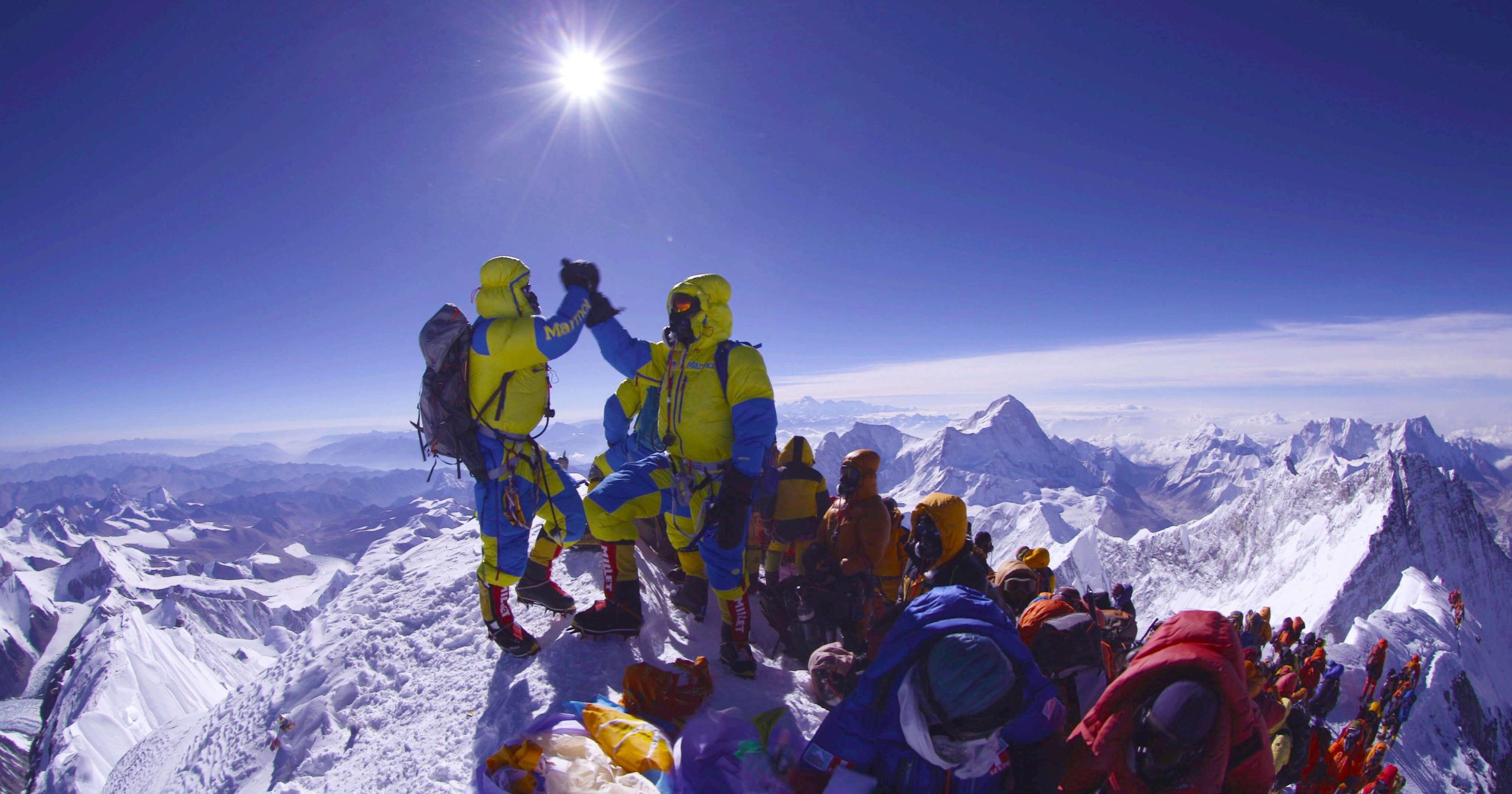
The Mount Everest region is among the busiest high-altitude rescue environments in the world. During the spring climbing season, hundreds of climbers attempt the summit of the highest peak in the world within a narrow weather window.

During peak periods, rescue operations can occur almost continuously. Deployment teams often begin before sunrise and continue late into the evening.

Rescue cases in the Everest corridor commonly involve altitude illness, respiratory infections, dehydration, trauma injuries and severe fatigue. Climbers have been evacuated for conditions including HAPE, HACE, bronchitis, pneumonia and cardiovascular complications.

The complexity of these operations illustrates the importance of having trained rescue personnel stationed in strategic locations throughout the region.


Expertise Behind High-Altitude Rescue

Global Rescue’s high-altitude operations are guided by a Mountain Advisory Council composed of world-class mountaineers, medical experts and operations specialists.

The council is led by legendary climber Ed Viesturs, the only American to have climbed all fourteen of the world’s 8,000-meter peaks without supplemental oxygen. His experience in extreme environments helps shape operational planning and safety protocols for climbers worldwide.

Other council members include wilderness medicine experts, former military operations planners, experienced expedition leaders and medical professionals specializing in high-altitude care.

Their combined expertise ensures rescue capabilities remain aligned with the realities of modern mountaineering.


Preparing for High-Altitude Expeditions

Protection services are only one component of safe expedition planning. Climbers and trekkers should also prioritize proper preparation.

Acclimatization remains the most important factor in preventing altitude illness. Climbers must ascend gradually, allowing the body time to adjust to reduced oxygen levels. Ignoring symptoms of altitude sickness can quickly turn manageable discomfort into a life-threatening emergency.

Physical conditioning is equally important. High-altitude climbing requires exceptional endurance, strength and mental resilience. Expedition teams should also carry appropriate medical supplies, communication equipment and emergency contingency plans.

Ultimately, safety in the mountains depends on preparation, experience and the ability to respond quickly when conditions change.


The Global Rescue Connection

For mountaineers, climbers and trekkers exploring the world’s highest regions, preparation must extend beyond gear and training. It must include access to professional rescue and medical support.

A Global Rescue membership provides a comprehensive safety net that includes field rescue from the point of illness or injury, medical evacuation to the most appropriate hospital, 24-hour medical advisory services and detailed Destination Reports that help climbers assess risks before their expedition begins. These services address the most critical gaps left by traditional travel insurance.

The High-Altitude Evacuation Package adds an additional layer of protection specifically designed for climbers traveling above 15,000 feet. The program enables Global Rescue to deploy rescue teams for longer periods in key climbing regions and expand in-field rescue capabilities for the mountaineering community.

The package has earned industry recognition, including a Silver Magellan Award in the “Marketing with a Purpose” category. As Dan Richards, CEO of The Global Rescue Companies, explains:

“High-altitude field rescue and evacuation have always been central to Global Rescue’s services. But with the rapid growth and participation of mountaineering, trekking and other high-altitude activities, we expanded our capabilities through the High-Altitude Evacuation Package to provide emergency services in more regions, committing to longer deployments of our medical operations personnel, and extending our in-field rescue operational durations.”

For those pursuing the world’s great peaks—from trekking routes beneath Mount Everest to expeditions on the highest mountains on Earth—the difference between a successful adventure and a crisis often comes down to preparation.

When climbers venture into the Himalaya or any remote mountain range, having a trusted rescue capability can transform uncertainty into confidence.

And in the mountains, confidence can save lives.