Article Highlights:

  • Overreliance on smartphone and GPS technology creates hidden risk for international travelers.
  • Connectivity loss during international travel can quickly escalate into safety challenges.
  • Prepared travelers build redundancy beyond digital tools.
  • Technology improves travel, but preparedness determines outcomes.
  • Global Rescue provides real-world support when technology fails.


In Star Wars, technology is everywhere. Navigation systems guide ships across galaxies. Droids manage repairs, calculate routes and keep missions on track. Even Han Solo, who prides himself on instinct, depends on the Millennium Falcon’s systems to survive.

But when those systems fail, everything changes.

Hyperdrives break. Navigation goes offline. Communication disappears. And suddenly, even the most capable characters are forced to rely on something else: preparation, awareness and adaptability.

Modern international travel follows the same pattern.

Today’s traveler carries a smartphone that acts as GPS, translator, boarding pass, payment system and emergency contact hub. It is the center of how international travelers move through the world.

But what happens when that technology fails?


Technology Dependence vs. Preparedness: What Happens When Your “Astromech Droid” Fails?

Technology has transformed travel. International travelers no longer need to study maps, memorize directions or learn key phrases before arrival. A smartphone handles navigation, translation and logistics in real time.

GPS ensures you rarely feel lost. Apps tell you where to go, how to get there and what to expect when you arrive. This creates confidence. It also creates dependence.

Many travelers now assume their smartphone will always function. That GPS will always work. That connectivity will always be available.

In reality, international travel operates across environments where technology is not guaranteed. Technology failure during travel is more common than most travelers expect.

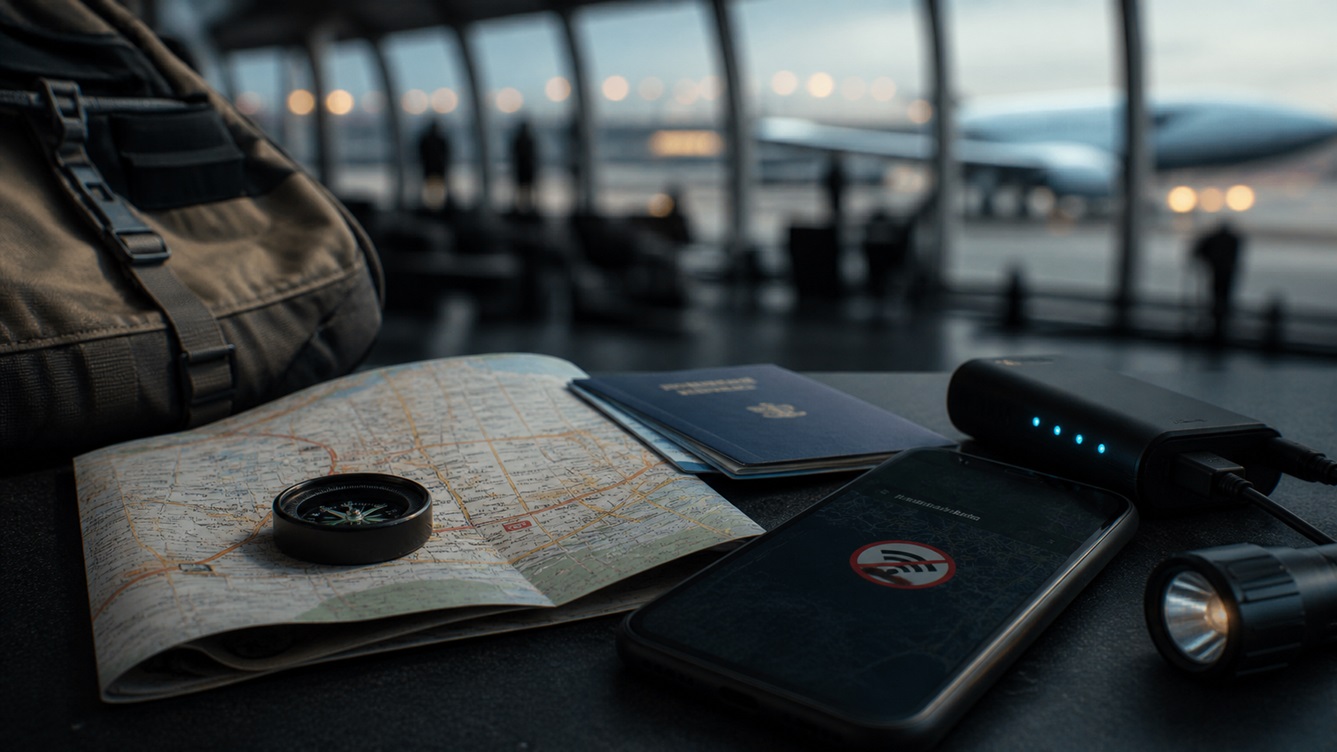
A smartphone battery dies at the wrong moment. A device is lost or stolen. A local SIM card fails. International data plans don’t activate correctly. Public Wi-Fi is unreliable or insecure. Networks go down.

And when the smartphone fails, multiple systems fail at once. GPS disappears. Communication is cut off. Access to reservations, directions and contacts vanishes. The traveler is left without the infrastructure they have come to rely on.

For international travelers, this is not just inconvenient. It can be disorienting and, in certain situations, unsafe.


GPS Dependence and the Risk of Getting Lost

GPS is one of the most powerful tools in modern travel. It allows travelers to navigate unfamiliar cities with ease.

But it also removes the need to understand where you are.

When GPS fails, many travelers struggle to reorient themselves. They do not know street names. They have not reviewed routes. They may not even know the general direction of their destination. In major cities, this can lead to frustration. In unfamiliar or less stable environments, it can lead to real risk.

Even Han Solo, navigating asteroid fields and hostile space, understood the importance of knowing his environment beyond the instruments.


Luke Skywalker and the Value of Awareness

Luke Skywalker’s evolution as a pilot and leader reflects a different approach. He learns to operate with awareness, not just instrumentation. He adapts when systems fail. This is the mindset international travelers need.

Technology should enhance travel, not replace awareness. Prepared travelers maintain a basic understanding of their surroundings. They know where they are staying. They understand how to return if plans change. They are not entirely dependent on a smartphone to function.

Connectivity is often treated as a given, but in practice it is highly inconsistent.

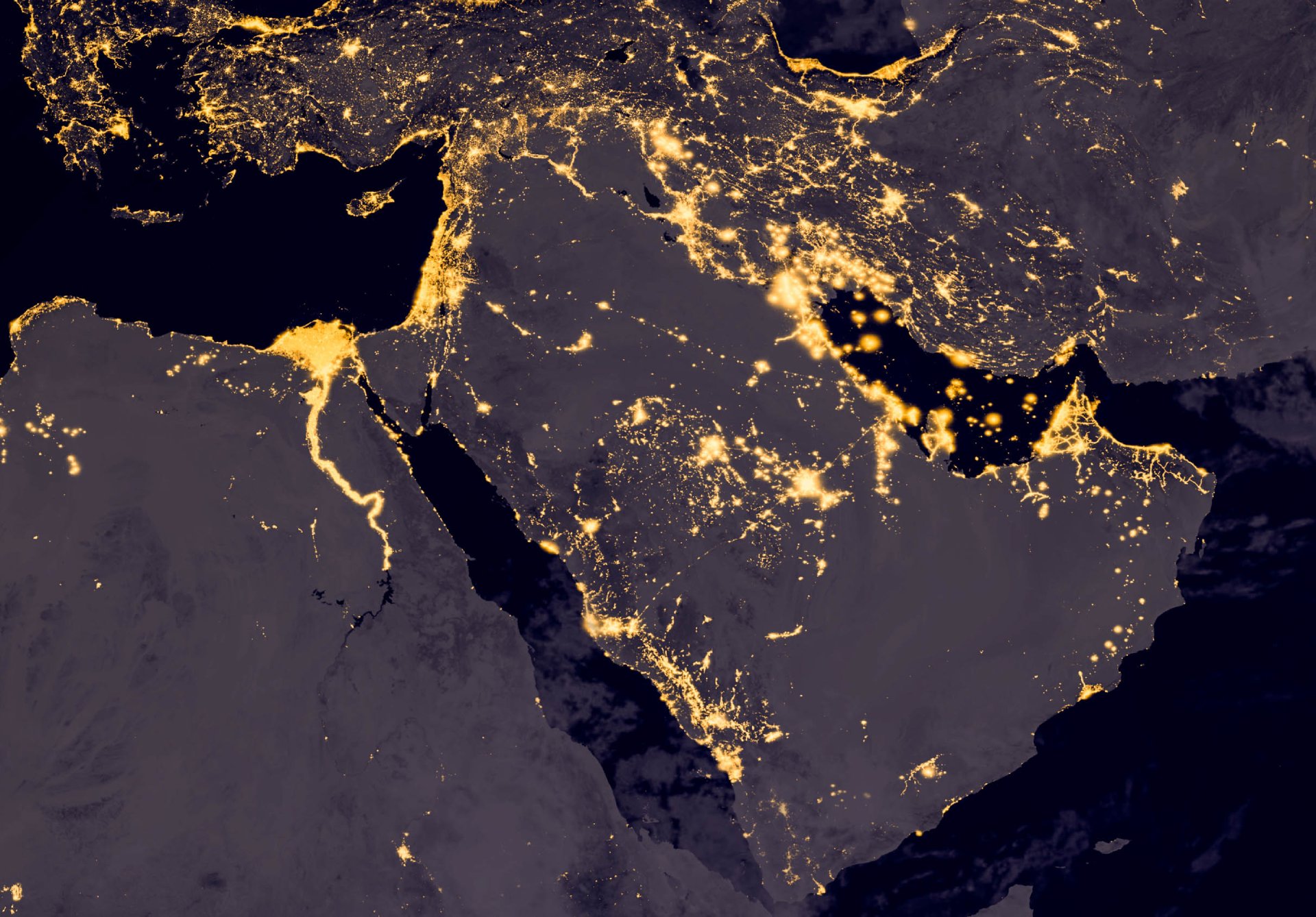
International travelers regularly encounter gaps in service, whether in rural or remote destinations where infrastructure is limited, inside airports, tunnels and transit systems where signals drop, or in dense urban environments where interference disrupts connections. In other regions, unstable infrastructure can make access unreliable, and during power outages or broader network disruptions, connectivity can disappear entirely.

When connectivity drops, GPS and communication tools become unreliable or unusable. As international travel expands into lesser-known destinations and off-peak seasons, infrastructure limitations become more pronounced, increasing the importance of preparation.

Connectivity loss is not just a technical issue. It is a travel risk.


Technology Is a Tool, Not a Safety Net

There is no question that technology improves travel. Smartphones and GPS make international travel more efficient, accessible and flexible. But they are not designed to function as safety systems.

Devices depend on power. Apps depend on connectivity. Platforms depend on infrastructure. When any part of that chain breaks, the system fails. Travel safety insights consistently show that tools alone are not enough. Preparation and mindset determine whether those tools are effective.

Technology can guide you. It cannot replace preparedness.

Preparedness is what separates confident travel from vulnerable travel. International travelers who plan for technology failure take simple but critical steps, such as downloading offline maps before departure and reviewing key routes, carrying written copies of hotel addresses and emergency contacts, maintaining both physical and secure digital backups of passports and travel documents, planning for power management with backup batteries and charging strategies, and developing a basic understanding of local transportation options and geography.

These actions require minimal effort but provide significant resilience. Prepared travelers can continue moving, navigating and communicating even when technology fails.


The Global Rescue Connection

International travel is expanding. Travelers are going farther, more frequently and into environments with varying levels of infrastructure, healthcare and connectivity. This increases both opportunity and exposure. The most effective travelers adapt by balancing technology with preparedness.

They use smartphones and GPS for efficiency. They build backup systems for reliability. They prepare for scenarios where technology fails. This layered approach ensures continuity. When one system fails, another supports it.

Technology plays a central role in modern travel, but it does not solve critical emergencies.

When international travelers face serious medical or security situations, especially in environments where connectivity is limited or infrastructure is inconsistent, smartphones and GPS cannot coordinate rescue or evacuation.

A Global Rescue membership provides that capability.

Members have access to field rescue from the point of illness or injury, medical evacuation to the most appropriate facility and 24/7 medical and security advisory services. This support operates independently of local connectivity, apps or device functionality.

Global Rescue also provides destination intelligence and real-time guidance, helping travelers understand risks before departure and respond effectively when conditions change.

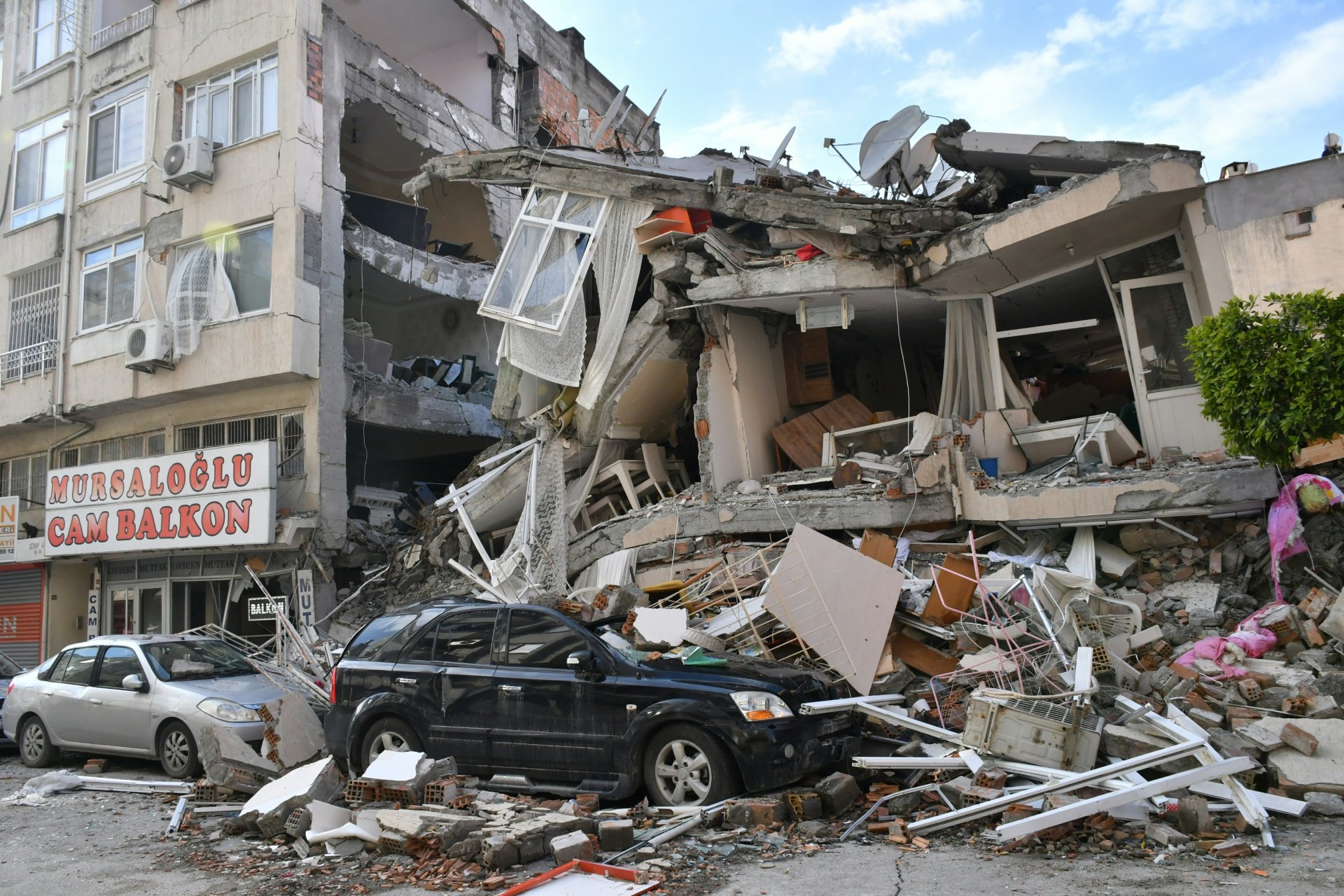
With the Security Add-On, members gain access to evacuation support and expert advisory services during civil unrest, natural disasters or deteriorating conditions.

In Star Wars, technology may power the journey, but survival depends on preparation, awareness and the ability to adapt when systems fail. For international travelers, the same principle applies. Because when your smartphone and GPS stop working, what matters most is not the technology you lost. It’s the preparedness you built before you needed it.

May the Force be with you.