Categories:
Health & SafetyMissions & Member TestimonialsMarch 1, 2021
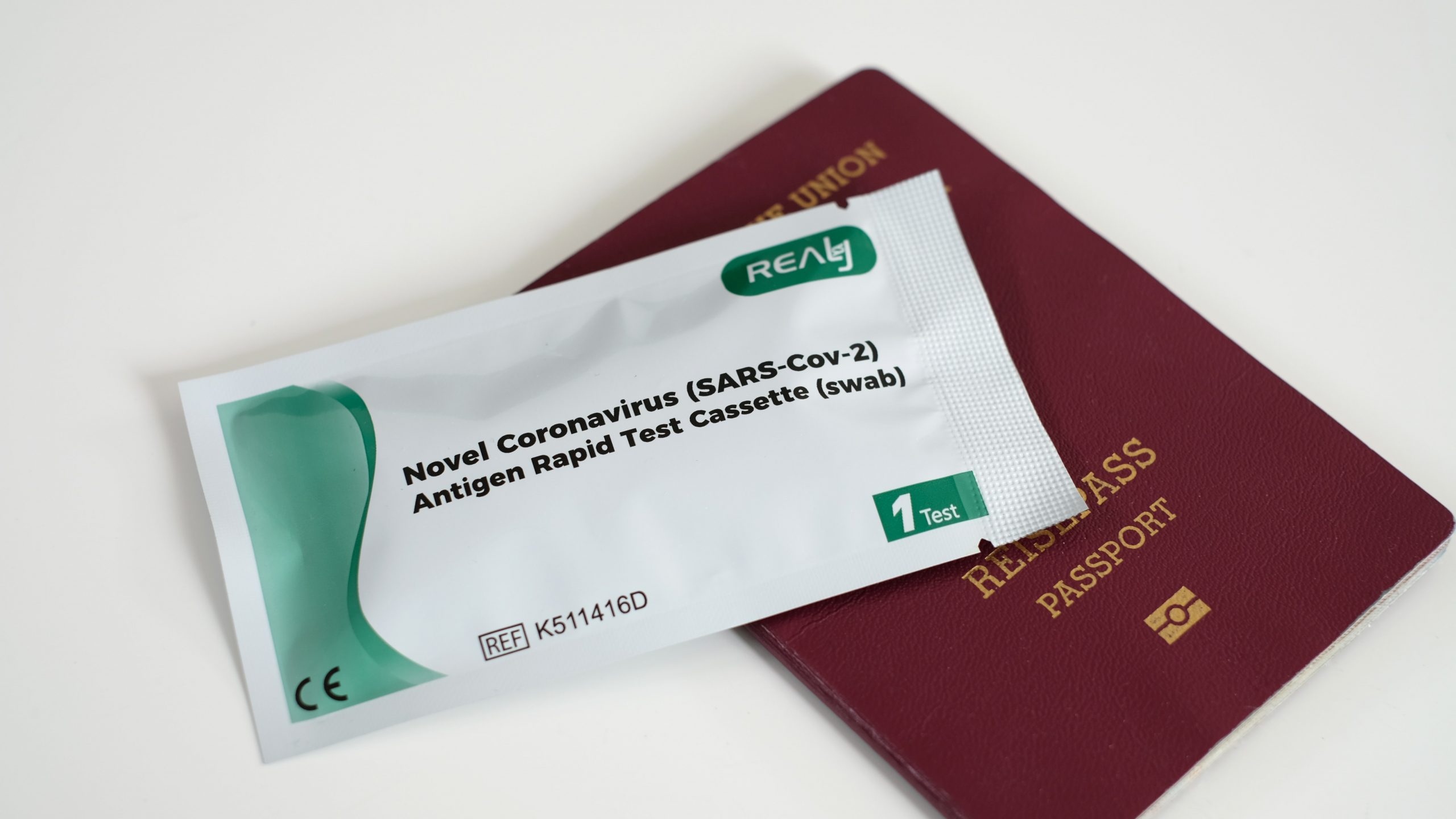
Coronavirus testing is almost a requirement for travel today. From airport testing to upon arrival testing to before departure testing, travelers who want to cross borders have to pay attention to coronavirus requirements at multiple points in their journey.
But are these tests inspiring traveler confidence? According to the 2021 Global Rescue Travel Survey, which asked current and past members, the answer is: no.
By a 2-to-1 margin, negative COVID-19 tests do not make travelers feel safer compared to getting a coronavirus vaccine. Seventy three percent of respondents would feel safer during a trip if they had a COVID-19 vaccine compared to only 36% who would feel safer if they had a negative PCR COVID-19 test result before reaching their destination.
Travelers (69%) also want other travelers to be vaccinated.
Worried About Finding Facilities
Government and health officials from several countries have implemented requirements for residents and non-residents to have a negative viral tests before entering their countries. Canada announced in February all air travelers arriving in Canada, with limited exceptions, must reserve a room in a Government of Canada-approved hotel for three nights at their own cost and take a COVID-19 molecular test on arrival at their own cost.
Finding a testing facility is what worries travelers — 15% of respondents admitted they don’t know what they would do.
When asked how they would find a facility, additional answers included 21% relying on tour operators, 21% asking their travel agents, 18% would rely on destination resources (18%), 16% would find one on their own and 9% would ask their insurance provider.
Fortunately, travelers are willing to share the results of their negative COVID-19 PCR test in order to travel, with only 17% preferring not to share with any government agency, airline or transportation provider. Travelers say they will share test results with the following:
- a destination country’s government: 73%
- a home government: 54%
- a commercial airline 67%
- hotel, Airbnb, train, cruise ships, etc.: 39%
- a tour operator: 30%
- a travel agent: 15%
“Traveler trust in the efficacy of a COVID-19 vaccination understandably surpasses that of a negative coronavirus test since the former prevents against an occurrence and the latter only detects if an individual has been infected by the virus,” said Global Rescue CEO Dan Richards.
About the Global Rescue Traveler Survey
Global Rescue, a leading travel risk and crisis response provider, conducted a survey of more than 2,000 of its current and former members between Jan. 26-31, 2021. Respondents revealed a range of support for travel expectations, behaviors and safety concerns in anticipation of a return to leisure and business trips domestically and internationally.
Get a price estimate
Estimate
$0.00
Please answer all questions for estimate.
Categories:
Health & SafetyMissions & Member TestimonialsFebruary 26, 2021
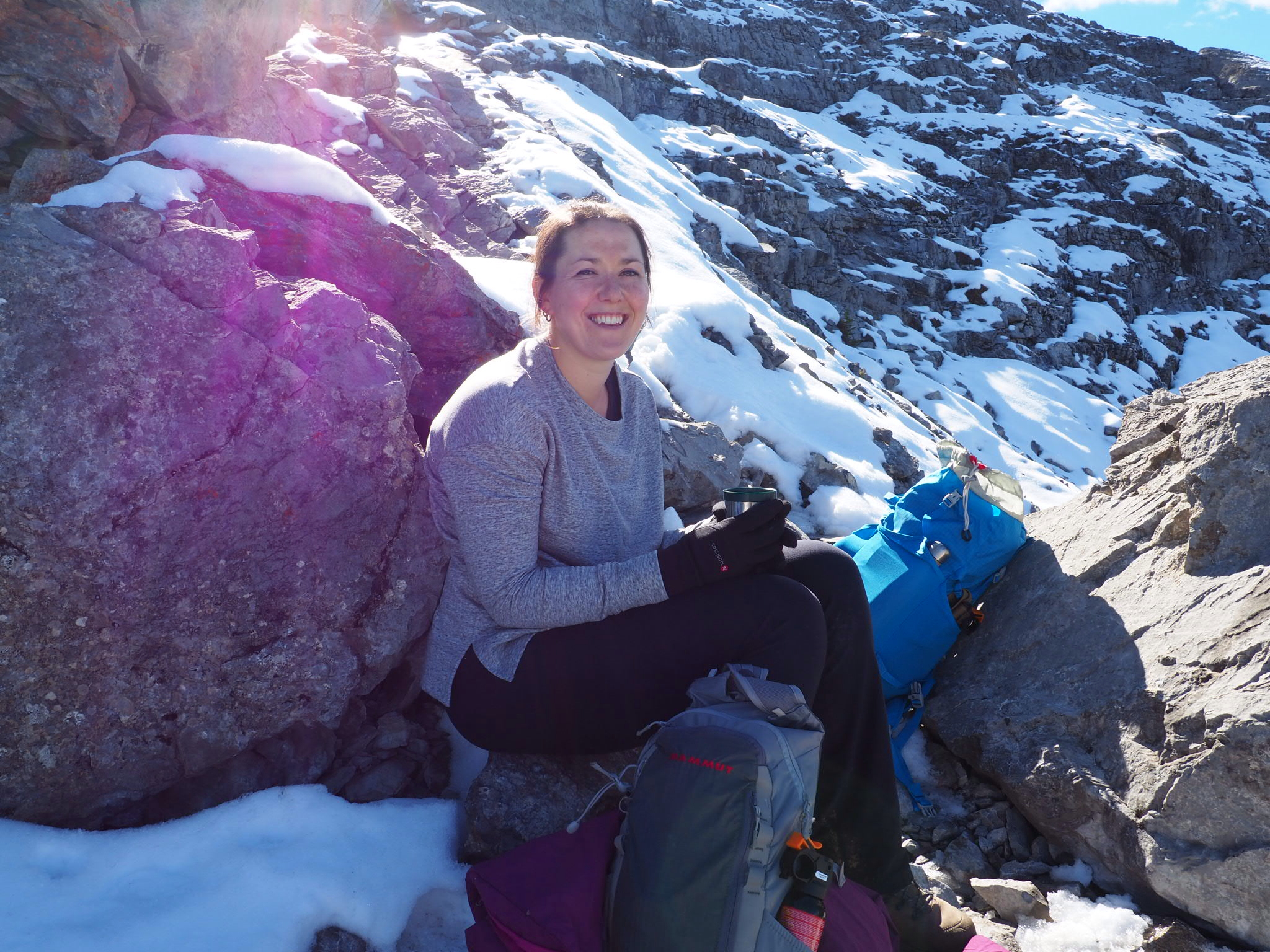
What would you do if you won $500 for travel?
We asked this question at the height of the pandemic in 2020 when the world’s citizens were largely discouraged or prohibited from travel, and recently selected a winner out of the 1,000-plus respondents: Sophie Sault from Canada.
Her plan: to see polar bears in the wild, hopefully on her honeymoon.
“We were planning our honeymoon for 2020 but because of COVID-19 our plans were cancelled. Hopefully we will get to go in 2021,” Sault said.
It was a difficult decision to pick just one winner. The answers were inspiring and ranged from philanthropic excursions and family vacations to adventure travel and bucket list trips. Here are a few of the travel dream answers:
- Hiking in the Alps, sailing in the Ligurian Sea, sea kayaking in Croatia
- Climbing ice in Antarctica
- Backpacking through Scandinavia
- Fishing in Belize
- Buffalo hunting in Mozambique
- Hiking volcanoes in Southeast Asia
- Fly fishing in Cuba
- Skiing in the Rockies
- River rafting in Mongolia
- Seeing the forests of Borneo
- Paragliding in Turkey
- Walking the Camino de Santiago in Spain
- Surf camp in Costa Rica
It’s no surprise travelers are eager to get back to doing what they love: exploring the world, meeting new people and learning about different cultures. But what did travelers miss the most? Several themes were noticeable in contest participant answers:
Traveling to do Good in the World
- “I’m looking forward to traveling internationally to be able to volunteer with nonprofit organizations to bring hope and basic necessities to those that have the greatest need, especially since the impact of the virus will devastate many economies and leave many jobless and starving.”
- “When traveling starts again I want to make an impact in the world, anything from using less plastics to saving the coral reefs. I’m hoping to use travel as a way to help make a difference.”
The People Part of Travel
- “I’ve missed getting to meet people from all over the world — different cultures, beliefs and ways of life. But, most of all, I miss finding common ground with them because, in the end, no matter how we look or how we live, we all laugh and we all smile the exact same way.”
- “The ability to follow my nose and wander into any restaurant that smells and feels the best, sit at the bar or chef’s counter, have a nice long conversation about the food, the drink, the history of the chef and the establishment. Hopefully I wind up closing the place and hanging with the cook crew until the wee hours of the morning exchanging tall tales of life.”
Freedom to Travel and Explore
- “I am looking forward to exploring new places, meeting new and interesting people and being amazed at what our vast planet has to offer. It has been so challenging not being able to do this that I actually ache for the freedom to travel and wander again.”
- “The most valuable thing I am looking forward to is the feeling of freedom. Freedom to explore, freedom to discover, to learn, to connect and to face my fears. The trips I have taken and experiences I’ve had have inspired me, motivated me, brought me courage and opened my world.”
Connecting with Friends and Family
- “Spend more time with my loved ones. My little cousins are really growing up fast.”
- “I am looking forward to being able to visit family and friends again.”
- “I’m looking forward to revisiting with friends, family and colleagues and to exploring more parts of the country again.”
What Would Travelers do Differently?
Pre-pandemic, hand sanitizer was an essential item for most travelers. Now, it will never be left at home. Travelers also mentioned bringing disinfectant wipes and masks as staples of future travel.
“Hand sanitizer, wipes and mask will be my new companions,” one respondent said.
The pandemic also reminded travelers to pay attention to their health, spend more time outdoors, appreciate the journey and sign up for travel protection services, like Global Rescue.
More Focus on Health
- “I’ll be more conscious of the health of others around me and their well-being.”
- “I will prioritize my health and hygiene in the future when travelling, particularly my physical, emotional and mental health and be sure to take care of myself by staying active and eating well.”
- “I am going to keep up to date on my immunizations and better attention to hygiene.”
More Outdoor Activities
- “Avoid indoor tourist attraction-type places.”
- “We realized during this pandemic we actually enjoy just spending time together without the hustle and bustle of the city. So instead of focusing on big tourist spots, we intend to fly to a more remote area and spend some time with nature.”
- “We will visit museums and indoor restaurants far less.”
- “Lots of open-air activities.”
Greater Appreciation for Travel
- “I will definitely not take for granted any trip in the future.”
- “We will appreciate adventures more than ever.”
- “I will plan fewer activities and more time to just walk the streets and savor the sense of place. I will not take any aspect of traveling for granted.”
- “What will we do different? Embrace travel and live in the moment. Realize how fortunate we are to survive a pandemic.”
Global Rescue Travel Protection Services
- “Make sure that I read all of my cancellation policies as well as protect myself with insurance.”
- “We 100% will be buying trip cancellation insurance for every trip in the future.”
- “I will want to ensure I have medical evacuation coverage that covers COVID-19-related concerns.”
- “I will purchase trip insurance. I never did before.”
Global Rescue, founded in 2004, provides travelers a better way to get help when they experience a medical or security emergency while traveling away from home.
Categories:
NewsFebruary 24, 2021
February 23, 2021
Last year, pre-coronavirus, only 35% of travelers were concerned about travel safety. Trip worries included health, street crime, terrorism, traffic and civil unrest.
This year, during the coronavirus pandemic, 54% of travelers said they’re concerned about health — and their worries are overwhelmingly coronavirus related: 41% fear being quarantined or not being able to return home, 29% worry about being infected with coronavirus and 12% worry about trip cancellation.
Moving down the list of concerns in 2021: 7% getting sick (other than coronavirus), 5% having an accident and 3% civil unrest or terrorism.
This was just one of the surprising finds of Global Rescue’s 2021 Travel Survey. Every year, Global Rescue, a leading travel risk and crisis response provider, conducts a survey of current and former members.
“Our members are some of the most experienced travelers in the world,” said Daniel Richards, CEO of Global Rescue. “The annual travel survey confirms travelers need assurances that they can return home safely.”
Concerns Diminish By Summer
By summer 2021, travelers will be less worried about travel safety. The survey found three out of four respondents (77%) are less or much less concerned about travel safety for the last half of 2021 (July to December).
“Traveler confidence is growing stronger, and that’s good news for the travel industry,” he said.
What has changed? The global vaccine rollout is helping boost consumer confidence. The number of cases is lower, hospitalizations are down and positive tests have decreased, according to the Centers for Disease Control and Prevention (CDC).
Countries are also more vigilant about protecting visitors and residents, with many instituting mandatory testing before departure and before return. Mask mandates and social distancing requirements are the new normal, and have even had a positive effect on flu prevention. Flu activity is unusually low for this time of year, the CDC said in its latest weekly U.S. influenza surveillance report.
Domestic Travel First
The majority of respondents expect to go on their next overnight, multi-day domestic trip greater than 100 miles from home by June 2021. Trip timing estimates are:
- 37% before the end of March
- 32% sometime between April and June
- 17% sometime between July and September
- 8% sometime between October and December
- 5% not until 2022 or after
International travel will pick up soon after. Nearly 6 out of 10 respondents (57%) expect to travel internationally sometime between spring and winter 2021. International travel estimates include:
- 10% before the end of March
- 19% sometime between April and June
- 19% sometime between July and September
- 18% sometime between October and December
- 29% not until 2022 or after
What Travelers Want
According to survey results, getting a COVID-19 vaccination (47%) and open borders (34%) are the two most important conditions travelers need in place to feel safe enough to travel internationally.
“Travelers will feel safe enough to plan trips and vacations when they are vaccinated, when borders are open and managed in a predictable way, and when they know they’ll be able to get home if the worst happens,” he said.
About the Global Rescue Travel Survey
Global Rescue, a leading travel risk and crisis response provider, conducted a survey of more than 2,000 of its current and former members between Jan. 26-31, 2021.
Categories:
Health & SafetyTravelFebruary 17, 2021
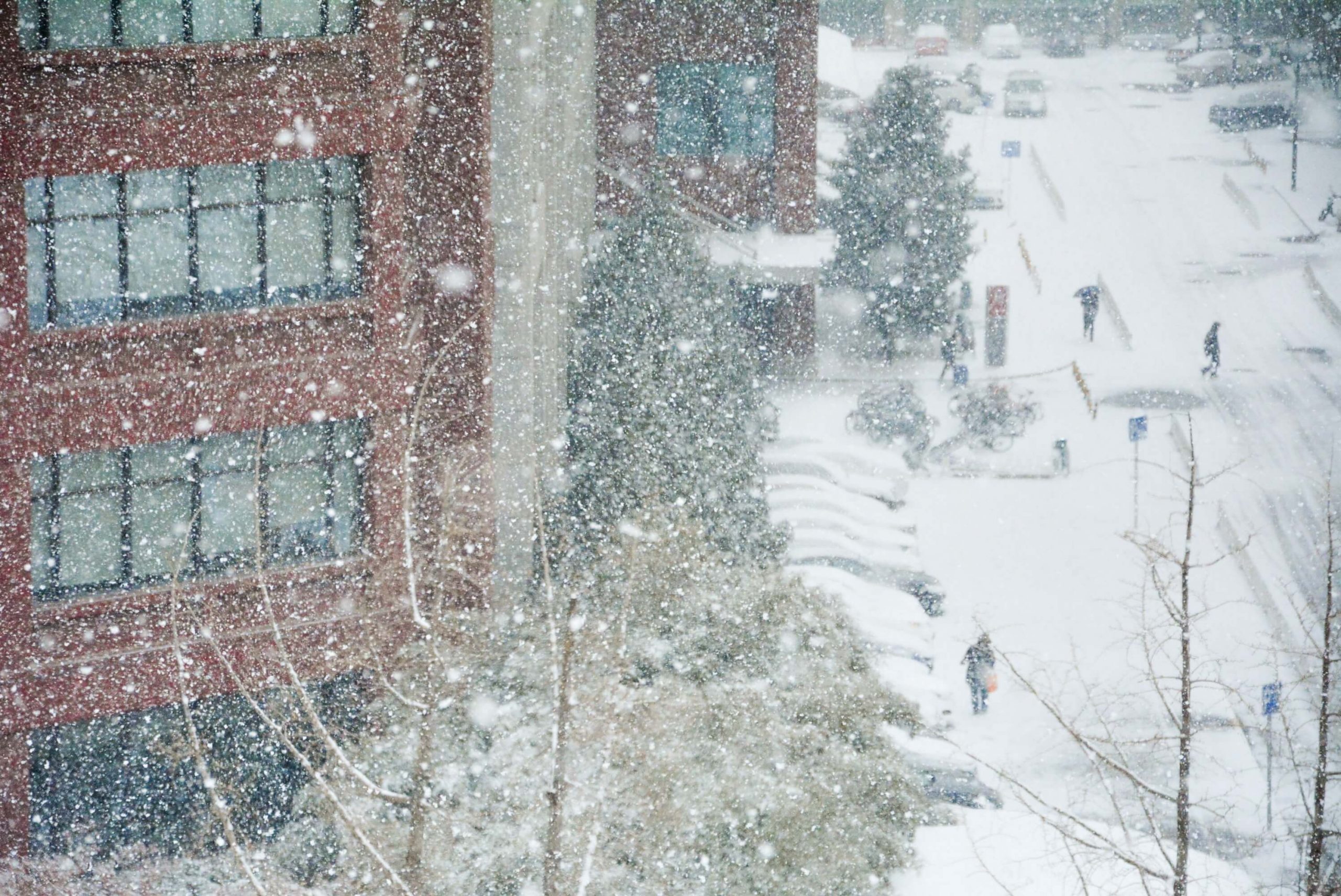
How to stay safe during a blizzard? With snow and cold temperatures, it’s not easy to plan for blizzard safety when you’re traveling. Global Rescue has some blizzard safety tips.
Here in New Hampshire, where Global Rescue is headquartered, New Englanders know how to stay safe during a blizzard. Mother Nature starts her antics as early as Halloween and continues the flurries as late as April.
It’s easy to plan for a blizzard — a snowstorm with heavy snow and extremely cold temperatures — when you’re at home, but not so simple when you are traveling. And it’s also not so simple when the polar vortex splits in two and causes severe winter weather with slow-moving storms, according to The Washington Post.
Every location will see different events, but weather forecasters are predicting classic nor’easters in the Mid-Atlantic and Northeast, similar to the winters of 1978, 2009-10 and 2013, as well as severe cold outbreaks in Northern Europe.
Global Rescue has worked with worldwide field rescue companies providing emergency medical services in snowy environments from Alaska to Canada to Switzerland to Nepal since 2004. Here are some blizzard safety tips from our Global Rescue experts.
Stay Inside
Yes, the white snow falling from the sky is beautiful. Enjoy it from the safety of your home. The American Red Cross suggests avoiding driving and other travel until conditions have improved. Listen to a NOAA Weather Radio for updated emergency information.
“Prepare ahead of the storm in case you are snowed in for a few days,” said Harding Bush, associate manager of operations at Global Rescue.
Stay Charged
Charge your cell phone, laptop and any back up power sources. Have extra batteries on hand for radios and flashlights.
[Related Reading: Global Rescue’s Best Survival Kit]
Dress Appropriately
The right attire, with multiple layers of clothing and proper footwear, will keep you warm and dry. Do your research before purchasing outerwear; garments should be tightly woven and water repellent. If anything gets wet or sweaty, change clothing to prevent loss of body heat.
Pack Your Car
There’s usually enough warning for a blizzard, but if you missed the weather forecast, make sure your car has an emergency kit for snow situations.
A tip from Matt Napiltonia, senior manager of operations at Global Rescue, bears repeating: dress the part with warm clothing.
“A lot of people commute to work and are not dressed for winter,” he said. “Keep extra layers in your car. It doesn’t take much to throw those items in the back.”
Bush recommends a warm parka, wool hat, warm waterproof mittens and winter boots. If you have a longer commute, keep hand and foot warmers in the glove box and a sleeping bag or blanket in the trunk.
Know the Signs
Know how your body loses heat and know what to do to stay warm. Also know the early warning signs of frostbite and hypothermia, how to prevent it and how to treat it.

[Related Reading: Cold Weather Camping Safety Advice]
Outside Safety Checklist
It’s a different story if you’re traveling abroad and you get caught in a blizzard while hiking, climbing, skiing or snowboarding. There’s no way to limit your time outside, but there are ways to ensure survival. Keep these eight blizzard survival tips in mind if you’re vacationing in snowy destinations:
- Stay calm. Stop and think about what resources you have, observe your surroundings and orient yourself with landmarks and plan. Field & Stream offers a snow survival quiz.
- Stay hydrated to ensure your extremities are receiving warm, oxygenated blood. Learn more about frostbite and hypothermia and the warning signs here.
- Cover your mouth to protect your lungs from sub-zero temperature air. If you have a pre-existing condition, like asthma or bronchitis, the cold, dry air may irritate your airways. If you do not have a scarf, breathe in through your nose and out through your mouth.
- Wiggle your fingers and toes, clap your hands, bend and unbend your arms. These small movements and stretches will keep circulation moving. Try not to break a sweat as wet clothes absorb body heat.
- If you can’t hike (or ski) to safety, build a shelter out of snow or make a lean-to out of whatever materials you have. Even huddling under the low-hanging branches of tree will provide some protection from the elements.
- Always pack an insulated ground pad. Sit on your backpack if you don’t have a pad. Sitting or sleeping directly on the snowy ground will also rob you of body heat.
- Melt snow. Eating snow will reduce your core temperature and put you at risk for hypothermia. Always carry a portable stove and small pot for melting snow or boiling water with in the backcountry during winter. You should also have the ability to start a small fire for warming, melting snow and signaling for help.
- If you are venturing into avalanche terrain, get appropriate training on avalanche safety before your trip.
- FEMA offers additional advice on how to plan for a blizzard on their website, including this Winter Storm Info Sheet.
Whether you’re seeking outdoor advice, like blizzard safety tips, or immediate medical or security assistance, Global Rescue operations centers are staffed 24/7/365 to assist members. Click here to contact us about the benefits of membership.
Categories:
Health & SafetyTravelFebruary 12, 2021
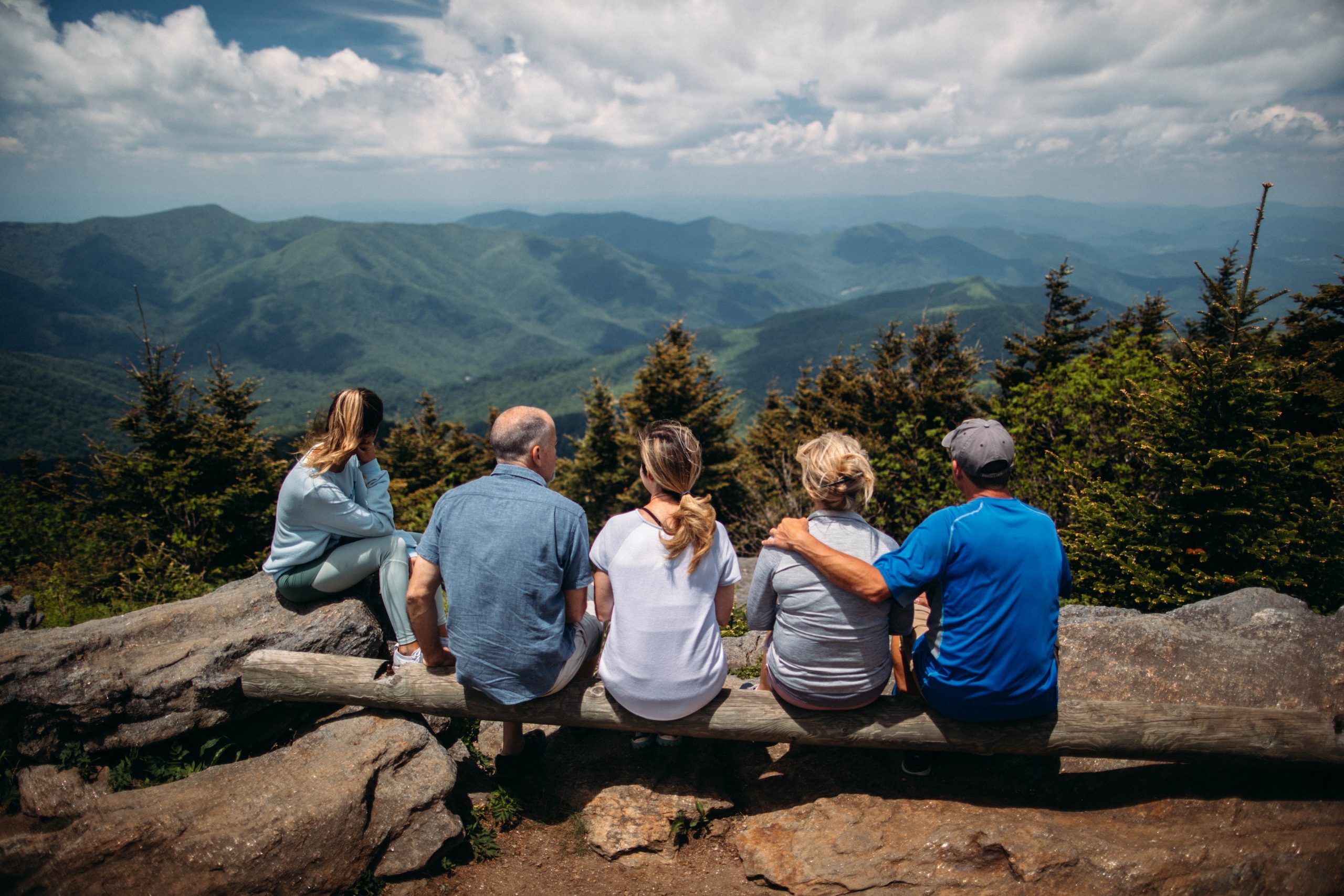
Years of research have proved time spent outdoors is important for physical and mental health. According to climbing advocate group Access Fund, being outside in nature helps reduce stress hormones, high blood pressure, type II diabetes and cardiovascular disease.
Now, during coronavirus, outdoor time has become even more vital — and it’s helped many families cope during work-from-home, homeschooling, lockdowns and self-isolations.
As you wait for your time on the vaccination schedule, how can you continue outdoor activities safely with your family?
What Families Are Doing Outdoors
According to April, May and June 2020 data from the Outdoor Industry Association, Americans have flocked to outdoor recreation. Most shelter-in-place mandates allowed people to go outside and engage in solo and family outdoor activities.
Running, cycling and hiking were three sports with the biggest gains in 2020. The NPD Group reported sales of bicycles — mainly in family bikes, kids’ bikes, leisure bikes and transit bikes — were up 63% from 2019. Consumers also reported waiting longer for a bike order or a bike repair as more people turned to the sport. An article on Bicycling.com predicted the current bicycle shortage would last well into 2021.
Day hiking, bird watching and camping also rose in popularity. In a year-to-year comparison, participation rates for day hiking increased 8.4%, more than any other activity measured. Binocular sales increased 22% in June 2020. A study by Kampgrounds of America, Inc. found 21% of leisure travelers took a camping trip this past summer once restrictions were lifted and 42% say they will take planned camping trips during the remainder of 2020.
As summer turned to fall and winter, outdoor activities changed to winter sports: snowshoeing, ice fishing, skijoring and ice sailing.
The increase in outdoor recreation is not just a United States phenomenon; it happened all over the world. In Europe, rooftop terraces have become workout areas, apartment dwellers play tennis from their windows and walking the dog is no longer a chore but a preferred activity.
In Scotland, a report found an increase in the number of people visiting the outdoors to enjoy nature and stay healthy with 70% citing health as a motivator and 35% referencing managing stress. The Swiss National Park in eastern Switzerland had its busiest summer on record, with visitation an estimated 50% above normal and Finland’s Sipoonkorpi National Park is looking at a 200% increase in visitors this year.
Outdoors Is Safer
Families aren’t spending time outdoors only to escape the boredom of a home’s four walls. It’s also because outdoors activities are lower risk for coronavirus contagion than indoor activities.
According to the Mayo Clinic, “the COVID-19 virus is primarily spread from person to person among those in close contact within about 6 feet (2 meters). The virus spreads through respiratory droplets released into the air when talking, coughing, speaking, breathing or sneezing. In some situations, especially in enclosed spaces with poor ventilation, the COVID-19 virus can spread when a person is exposed to small droplets or aerosols that stay in the air for minutes to hours.”
When you’re outside, fresh air is constantly moving and dispersing these droplets. Maintaining social distancing outdoors — and wearing a mask when you can’t — means you’re less likely to breathe in enough of the respiratory droplets containing the virus to become infected.
Some other reasons for the increase in family outdoor activities include:
- A New Focus On Health. Coronavirus lockdowns provided time for people with underlying conditions to focus on their health: add exercise to their schedule, eat healthier meals, take care of their mental health and reduce their overall risk. Research shows a healthy body with a strong immune system will help fight coronavirus. A study published in the British Journal of Sports Medicine found upper respiratory tract infection decreased by 40% over 12 weeks among people who engaged in aerobic exercise five or more times per week.
- A Way To Find Time Alone. Alone time is hard to find when families are confined to the home. One good way to gain some solitude is to step outside. According to Forbes magazine, just 10 minutes a day can increase empathy and build mental strength.
- Reduce Stress And Boost Creativity. From plein air painters to writers living simply with nature to climbers tackling the Seven Summits, people always have turned to the outdoors for inspiration. Even just sitting outdoors can promote well-being and lower stress. It doesn’t matter if you are in a rural or urban setting to reap the benefits of the outdoors. Spending 120 minutes a week — all at once or in smaller blocks of time — will provide the most benefit.
Stay Protected With Local Field Rescue
Outdoor recreation is here to stay, and closer to home will continue for some time. According to No Trace Center for Outdoor Ethics, 38% of respondents say the COVID-19 pandemic will change their outdoor recreation behaviors long into the future.
As the seasons change, state protocols adjust and the vaccine rolls out, keeping the family safe from contagion is still a priority. No matter what activities you and your family are enjoying outdoors, make sure everyone is safe with Global Rescue.
Global Rescue has expanded their field rescue service to include areas within 100 miles of home. Now Global Rescue is there whether you’re hiking, kayaking, snowmobiling, fishing or simply enjoying the outdoors and get ill or injured and you’re unable to get to safety on your own. Click here to learn more.
Categories:
Health & SafetyTravelFebruary 10, 2021
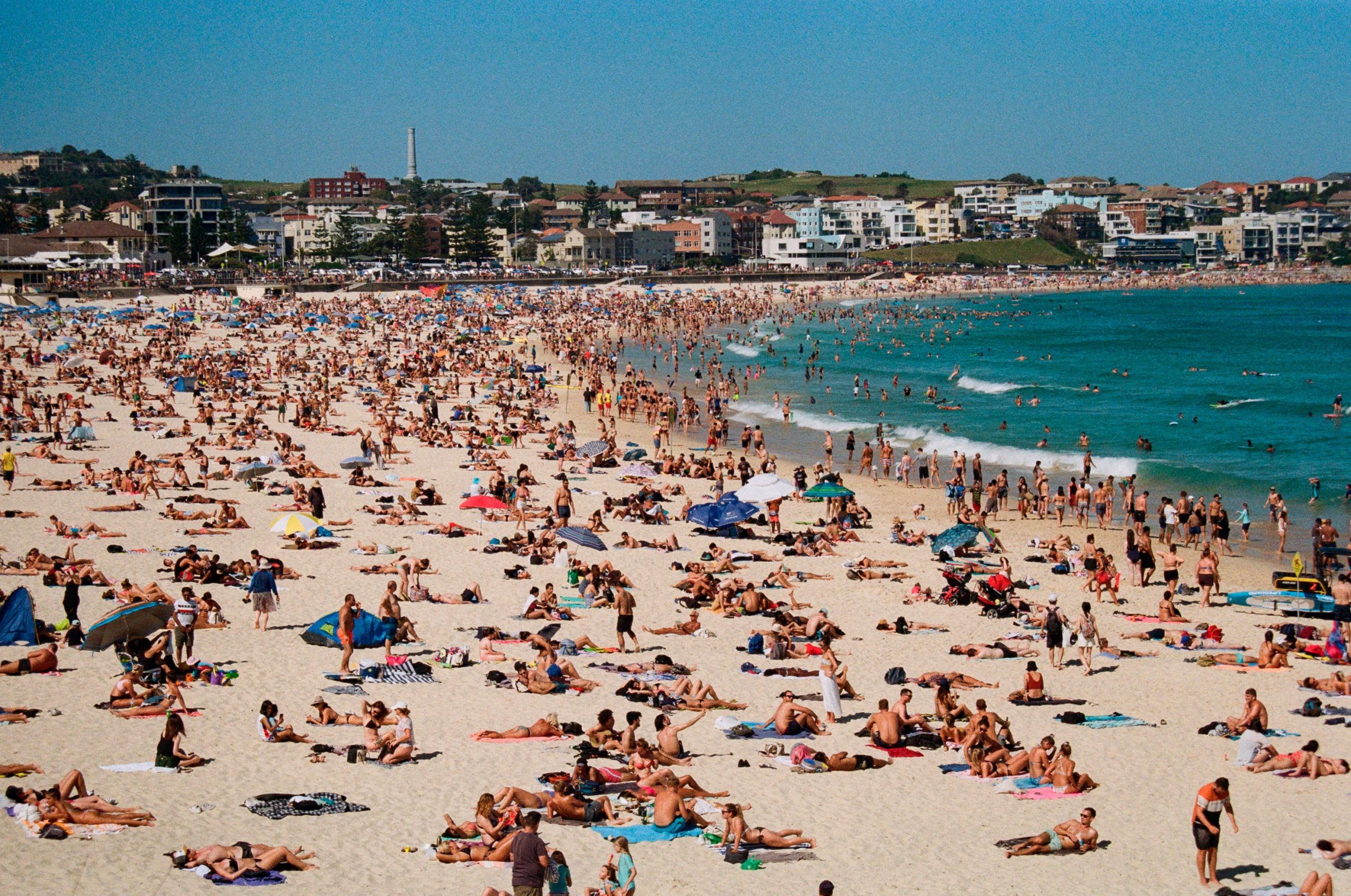
If 2020 taught us anything about coronavirus infection, it was that one person can transmit the virus to another person — or to many, many people.
These events are called super spreaders, “where one person infects multiple people at a gathering, usually because of close contact in crowd settings,” said Ralf Hilber, senior operations specialist at Global Rescue. “The infected person may have symptoms of COVID-19 or appear perfectly healthy.”
There are many examples of super spreader events. “These events have a commonality of close contact in an enclosed space. In one case the outbreak was traced to a man who tested positive for COVID-19 a few days after visiting five discos in one night. Contact tracing was able to track down a vast number of people at one of those venues that evening and 54 people were reported positive for coronavirus after contact tracing and testing,” Hilber said. “Outdoor super spreader events have also occurred, such as the annual Bike Week mass gathering of motorcycle enthusiasts in North Dakota with thousands of positive COVID-19 tests across the United States after the rally.”
With spring break fast approaching, Global Rescue medical experts highlight what travelers should be aware of as they gather with others from all over the world.
Super Spreading Spring Break
In 2020, GPS tracking of seven million US college students who traveled for spring break before lockdowns suggests they may have brought coronavirus home with them and spread it in their communities. The increase in coronavirus case growth rates peaked two weeks after spring break.
This year, several colleges altered their spring calendars to discourage travel and the chances of spreading COVID-19. Hofstra University instead scheduled five separate mental health (or “catch up”) days off and Stony Brook University cancelled spring break and condensed its semester.
Other schools cancelling their spring breaks include Florida State University, Ohio State University, Boston University and the University of Michigan, where students will receive two one-day “well-being breaks” without any scheduled academic activities in February and March.
Destination Restrictions
Destinations are also making some changes. Miami Beach planned on hosting organized events to discourage large hotel pool parties and encourage curated gatherings for outdoor, socially distanced movies and concerts. The goal was to support local businesses by staying open for tourism but with COVID-19 numbers on the rise, city commissioners ultimately voted against the idea.
Travel restrictions are in place for many popular spring break destinations. Visitors to Antigua may be subject to a coronavirus test on arrival. The local authorities may instruct you to enter government-provided quarantine or to self-quarantine in your accommodation. Mexico requires a viral test one to three days before a trip.
A ski vacation may also be harder to plan during the coronavirus pandemic. According to the Travel Channel, spring break falls during prime skiing season at many winter resorts: Colorado, Vermont, Canada, Utah and Wyoming. When a few resorts received infamy in early 2020 as après parties became virus breeding grounds, the season ended early. This year, with protocols in place, the difficulty is staffing. Federal foreign visa programs were frozen in June 2020, halting travel for about 7,000 international seasonal workers who make up 5 to 10% of the seasonal workforce at 470 resorts in 37 states.
Hoping to put a halt to rising case numbers, European nations — including France, Italy and Germany — have said they will keep their slopes closed into 2021. Switzerland is opting to keep its resorts open.
Predicting Super Spreaders
A team of Northwestern and Stanford University researchers created a computer model that accurately predicted the spread of COVID-19 in 10 major cities by analyzing three factors driving infection risk: where people go in the course of a day, how long they linger and how many other people are visiting the same place at the same time.
“Certain locations are also considered to be super spreaders: places with a propensity to infect a larger than average number of people,” said Jerich Eusebio, operations specialist at Global Rescue.
The research confirms most COVID-19 transmissions occur at super spreader sites — such as full-service restaurants, fitness centers and cafés — places where people remain in close quarters for extended periods. Staying at home is the best safety precaution but, if you do want to go somewhere, look for places with limited occupancy and go during off hours.
Here are some additional suggestions for 2021 spring break travel:
- Stay outdoors. The odds of catching COVID-19 indoors are 18.7 times higher than in open-air environments, according to a study cited by the Centers for Disease Control and Prevention.
- Keep your distance. Stay at least 6 feet away from others, preferably more, advises Nebraska Medicine. “Even while people are outside, they should not relax their social distancing and wearing proper personal protection equipment should still be of high importance,” Hilber said.
- Avoid large gatherings. More people mean a higher likelihood that someone attending is infected with COVID-19. A MIT study found limiting gatherings to 10 or fewer people could significantly reduce the number of super-spreading events and lower the overall number of infections. “You can avoid being in a super spreader event by avoiding any form of public gathering,” Hilber said.
- Limit time indoors. “Plan any indoors stay to be as short as possible and keep your distance while wearing recommended personal protective equipment, keeping the minimum 6-foot distance and washing your hands frequently,” Hilber said.
- Know the area’s health resources. If you’re traveling to Belize, for example, you’ll want to know that first responders are generally not available outside of major cities and medical evacuation insurance is recommended. According to a study by Bloom Consulting, more than half of respondents said they are likely to change a destination for one with a better health care system and low COVID-19 cases.
- Choose a location with protections in place. With the Jamaica Cares program, visitors to Jamaica will pay a mandatory fee and automatically receive access to traveller protection and emergency medical services, including COVID-19, natural disasters and other emergencies.
- Sign up for a travel protection services membership. A membership provides travelers with a safety net for any trip, including pre-trip intelligence, 24/7 medical advisory services, field rescue and medical evacuation services.
Global Rescue has been a leader and pioneer in the travel protection services industry since in 2004. We provide the finest integrated medical, security, travel risk and crisis management services available anywhere, delivered by our teams of critical care paramedics, physicians, nurses and military special operations veterans. Click here to learn more.
Categories:
Health & SafetySecurity & IntelligenceFebruary 8, 2021
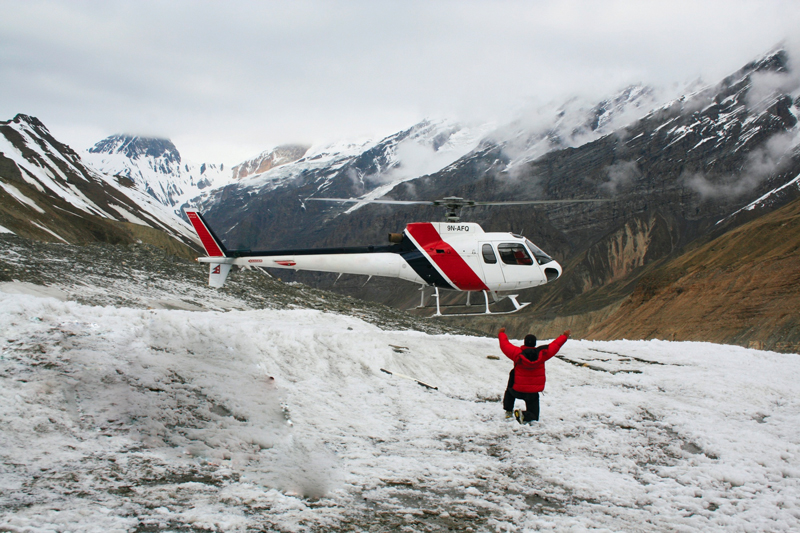
Global Rescue pioneered the concept of worldwide Field Rescue in 2004 and launched the ground-breaking Local Field Rescue in 2020. Now, with no mileage restrictions, members can call Global Rescue for help if ill or injured in a remote area and unable to get to safety on their own.
You’re on a lunch break and decide to take a solo hike on a one-mile trail loop near your home office. It’s only known to locals and inaccessible by motorized vehicles. A relatively steep incline is covered with wet leaves, and you accidentally slip and fall hard on a rock hidden underneath. When you try to stand, it’s obvious something is broken and you won’t be able to walk out on your own. You need a Field Rescue even though you’re so close to home.
You’ve trained for a Mount Everest climb. You’ve gathered your supplies in Kathmandu, taken the flight to Lukla airport, then made the slow climb to Base Camp, elevation 17,600 feet. You developed a noticeable cough on day three, which turned into a wet, hacking cough on day six. During your first night at base camp, you are out of breath while sitting still, your oxygen saturation reads 72%, and the cough is noticeably worse — all signs of high-altitude pulmonary edema (HAPE). You also need a Field Rescue.
These are two examples of Field Rescue, “the rescue of a person who is injured or ill and in need of hospitalization — and can’t get there on their own. This would be someone who is remote or not immediately accessible via a consumer vehicle and can’t otherwise get to care,” said Jeffrey Weinstein, operations supervisor at Global Rescue. “It is a rescue of someone who is in a remote area to the nearest most appropriate medical facility.”
The Importance of Field Rescue
Global Rescue pioneered the concept of worldwide Field Rescue in 2004 to help travelers when they experience a medical or security emergency while traveling away from home.
“There are many scenarios under the field rescue umbrella,” Weinstein said. “This could be someone trekking on a remote trail who starts to have heart attack symptoms or a climber in the high mountains with severe frostbite. Neither are accessible by standard emergency services and require specialty rescue services.”
“If they are a Global Rescue member, they will call us and be assessed by our medical team. Immediate medical advice will be delivered while our team works up the logistics to execute a Field Rescue,” Weinstein said. “Means of transport depends and varies greatly based on geographic location. Evacuation may be performed by helicopter, 4×4, snowmobile, ground team, mule, donkey, yak — it all depends on the local resources available and what is the safest way to move the injured or ill individual.”

Outdoor Recreation Close to Home
Historically, Field Rescue had mileage restrictions — travelers were required to be away from home, sometimes 150 miles or more at some travel protection companies, to be eligible for services. But the pandemic encouraged solo, outdoor activity close to home.
To ensure members stayed safe, Global Rescue added Local Field Rescue to its travel protection services memberships and lifted its 100-mile requirement. Whether close to home or away from home, members can call Global Rescue for help if ill or injured in a remote area and unable to get to safety on their own.
“More members are getting outdoors and enjoying nature during the pandemic, and they are cycling, hiking, biking, fishing or walking close to home to follow coronavirus protocols and restrictions,” said Dan Richards, CEO of Global Rescue. “Offering Local Field Rescue — at no additional cost — was another way to keep our members safe.”
Frequently Asked Questions
As with any new service, there are questions. Here are some frequently asked questions and answers about traditional Field Rescue and the new Local Field Rescue.
What is Field Rescue?
Field Rescue is the transport of a member by ground, air or sea to the nearest hospital, clinic or medical provider. The trigger for a Field Rescue is if the member has a condition requiring hospitalization or likely to cause serious permanent injury or death and they are unable to get to a hospital themselves or by other commercial means.
Does Field Rescue include search services?
Field Rescue does not include any activities related to search.
How is Local Field Rescue different?
You don’t need to be traveling for Local Field Rescue. You no longer need to be 100+ miles from your home. You do need to be in a remote area beyond the trailhead and inaccessible by motorized vehicles — sick or injured in the wilderness or backcountry and unable to get to safety on their own.
How much does Local Field Rescue cost?
There is no additional cost. Local Field Rescue is included in your Global Rescue membership.
Does Local Field Rescue include all of Global Rescue’s services?
Local Field Rescue provides transport to the nearest appropriate facility. It also includes all related medical advisory services. Unlike Global Rescue services outside the 100-mile-from-home radius, however, it does not include additional hospital to hospital transport that may be required.
What motivated Global Rescue to offer Local Field Rescue?
The pandemic has curtailed travel and boosted local outdoor recreation, exploration and appreciation. According to Leave No Trace, more people are staying significantly closer to home, with 49.9% remaining within two miles. Sports and outdoor recreation often create medical emergencies, sending more than 3.7 million to the emergency room in 2019.
To offer peace of mind during local recreation, Global Rescue removed the requirement for members to be beyond 100 miles of home to be eligible for field rescue services.
[Related Reading: A Rescue from DC to NH]
Does any other company offer this service?
Global Rescue is the first and only travel risk and crisis management company to offer this service.
Categories:
Health & SafetySecurity & IntelligenceTravelFebruary 5, 2021
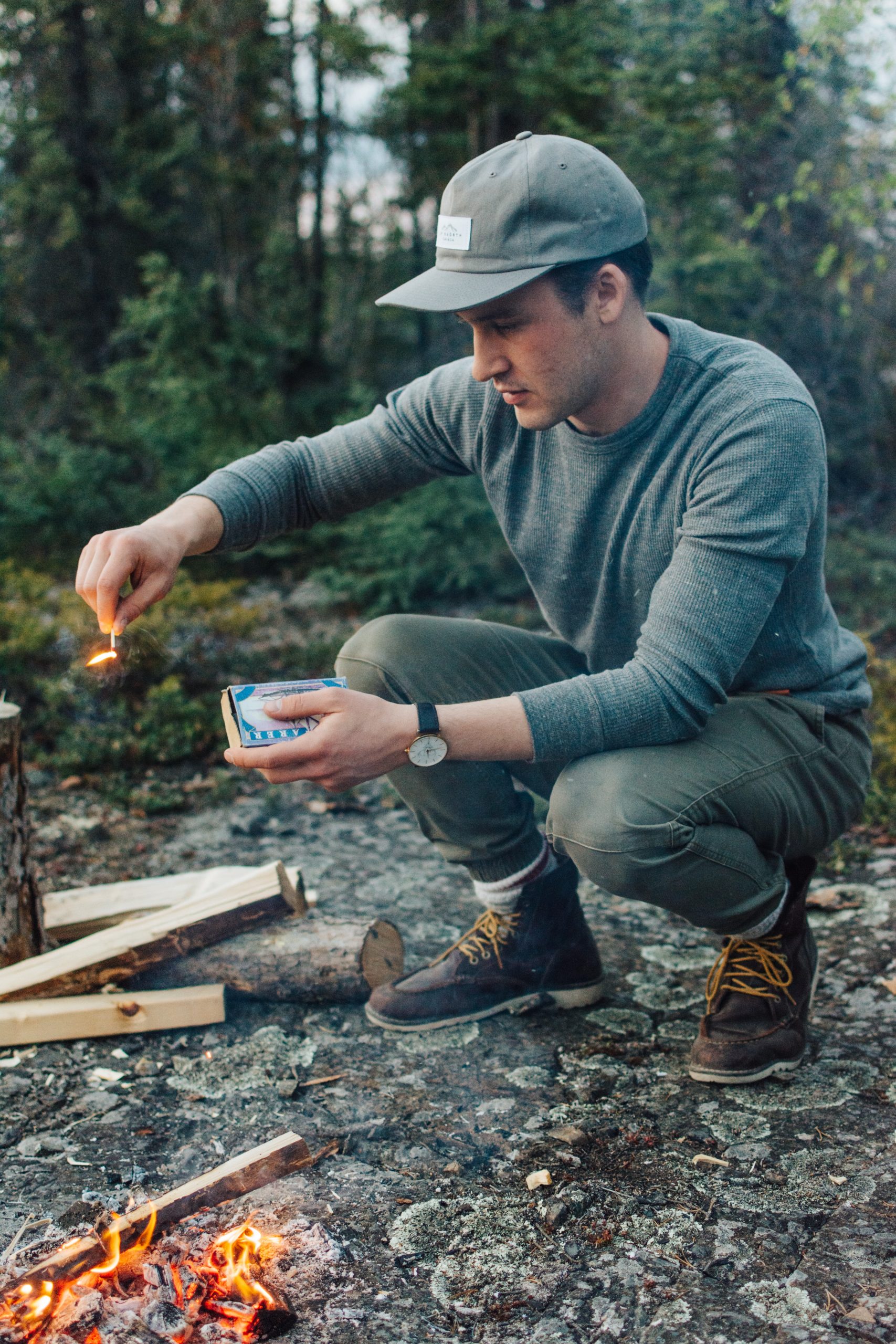
Anytime you take yourself into the wilderness, you are entering some level of a survival situation.
There are many emergencies or contingencies in the backcountry that do not have a medical requirement. For these instances, you need survival equipment. Some of this survival equipment are things you use routinely throughout your time in the backcountry, and some are specific to an emergency.
The emergency use items should be in a “survival kit.” Backcountry enthusiasts must understand the survival or life support aspects of all their equipment, ensuring they are proficient at using the equipment when most needed.
When going into the backcountry, planning for survival is not that different than typical planning requirements. All your safety and survival needs fall into one or more of the following categories:
- Communications
- First aid
- Food and water
- Shelter
- Fire
- Navigation
These six requirements remain consistent; however, the importance of each changes with geographic location and the duration of your planned trip. If you are doing a multi-day winter hike over the Presidential range in New Hampshire’s White Mountains, shelter takes priority over water. Water would take precedence in an overland desert crossing.
A Survival Scenario
Your survival kit is for emergencies — unexpected occurrences where, for some reason, you find yourself overwhelmed and are facing a direr situation than planned.
Here’s an example. You decide to climb a local mountain with a friend. The nine-mile trail is relatively easy, you have both done it before, it is a warm late winter/early spring day, and the weather forecast remains good. About halfway through the hike, your friend sprains an ankle, and walking is too painful.
You planned well — you know your exact location and have the number for the ranger station, but your cell phone is disabled because it fell in the stream when you were refilling your water bottle. You ask your friend to use his cell phone and he says he left it in the car because he did not think there would be service, plus “you had yours.”
At this point, you assess the situation. It is getting dark, there are not many hikers on the trail, and staying put until daylight is likely your best option. It is not a good idea to leave your friend alone — if you go for help, you could become injured or lost.
You are near the top of the mountain in a lightly wooded area next to a stream. Your biggest problem when you think about survival priorities is you cannot communicate for help with your cell phone. You did let someone know where you were going and when you planned to return – and most importantly, what to do and who to contact if you did not check back in with them by a specific time.
Your friend wrapped his ankle with the ace wrap in his first aid kit and took a few aspirins. It is going to be a long, chilly night. Your mind begins to rush. You’ll need to stay warm, you did not plan to spend the night — how are you going to survive?
Now you are thinking about shelter. You do not have sleeping bags, you do not have a tent, but clothing falls into the shelter category. You both are wearing fleece tops, rain jackets and wool hats.
You consider building a fire for warmth, knowing that someone may see the fire and send help (fire falling into the communications category). Then you realize there are bouillon cubes in your survival kit and know fire also falls into food and water because now you can boil up a nice cup of soup in an aluminum tin cup.
With darkness approaching, your friend lying down with his leg elevated on a log. You put on your headlamp (with fresh batteries), which is always in your backpack. You head into the woods to collect some firewood. Small, dead branches (no thicker than a pencil) cut with the saw on your Swiss Army knife from standing dead trees make good kindling, and the larger branches make good fuel to sustain the fire.
When you return, your friend is shivering. The cold ground is drawing the heat from his body quickly.
The saw on the Swiss army knife now falls into the shelter category as well as the fire category. You use the saw to cut several pine boughs from the bottom of pine trees. When these pine boughs are placed between the ground and your friend, they will provide some insulation so all his heat will not be lost into the cold ground.
The space blanket from your friend’s survival kit wrapped around him will hold in body heat. You do not have a space blanket in your survival kit, but you have a warm down insulating jacket.
You start the fire using some of the small fire starters in your survival kit and some bark you peeled of a birch tree. Unfortunately, the butane lighter you brought was out of fuel. It had been in your pack so long it cracked, and the fuel was gone.
You attempted to use the fancy survival magnesium striker in the survival kit, but could not figure out. But the waterproof matches in the small waterproof container worked really well. You are patient, letting the fire get hot and waiting for kindling to fully ignite and burn before adding the bigger, longer burning pieces of firewood. Successful fire starting in the wilderness requires planning and patience.
A few hours have passed. You made additional trips for wood and the fire is warm. You and your friend had the warm broth for dinner. You refilled your water bottles at the stream using your small water purifier and you both are hydrated. Your down jacket is on and, even though it is a clear night, you added the rain jacket over the down jacket to hold in heat.
Before calling it a night, you boil one last cup of water, pour the boiling water into a Nalgene bottle, and put that bottle between your down jacket and fleece. You are now toasty warm and doze off safely, thinking of everything that went well, everything that could have gone better, and how you will be better prepared on your next trip.
You are awakened just before sunrise by the sound of voices over two-way radios; the rangers have found you. It was a combination of people seeing a fire where there usually wouldn’t be one and the person back home with your plan calling the ranger station and telling them you had not checked in with them after your hike.
As you can see from the example, a survival situation in the backcountry requires more than just a survival kit. Effective planning, common sense and experience contribute to a successful and safe wilderness adventure. It is not usually a single major mistake or event causing these life-threatening situations; it is typically a series of smaller misjudgments, mistakes or mishaps that, when combined, culminate in a catastrophe.
Survival Considerations
Here are some ideas to consider when building a survival kit.
Don’t Overdo It
If you need to take so much survival gear it overwhelms your pack, choose another activity; you are not going to enjoy yourself. More likely, you are not realistic about the risks and your capabilities. If you are not an experienced trapper, don’t plan on trapping and animal for food. (Do you even know how to skin and prepare a squirrel or chipmunk?) The same with fishing line hooks and lures. You are better off bringing bouillon cubes and energy bars in a survival kit.
If you have a sleeping bag, bivy bag, ground pad and tent, you don’t need a large tarp for survival. A space blanket will be sufficient. The larger, more durable, waterproof space blankets reflective on one side and bright on the other (signaling) are ideal for survival consideration in colder temps.
Protect Your Equipment
All electronics, phones, GPS and satellite messaging devices should be protected from the elements and potential impact. Waterproof containers or cases should be considered. Just because a manufacturer says an item is guaranteed to be waterproof does not mean it necessarily is — a guarantee means nothing out in the wilderness. Quality zip lock bags are practical waterproofing, especially if they are doubled up and you are not in a maritime environment. For a maritime environment, use dry bags or hard waterproof cases.
Understand that much of your equipment, depending on the environment, is life support equipment. This includes water bottles, an aluminum cup for boiling water, a sleeping bag and ground pad, and clothing items such as hats, mittens and even sunglasses.
Water bottles should be in a secured backpack pouch, not placed where it can fall out with you not knowing. Water purifying pumps are prone to breakage if they are not well protected. Chemical options, such as chlorine tablets, should be in the survival kit for this reason.
[Related Reading: Global Rescue’s Best Survival Kit Items]
Know Your Gear
Be familiar with all your equipment and practice using it before leaving for the backcountry. If you have a spring-loaded ferro rod fire starter in your survival kit, make sure you know how it works and you have practiced with it at home. If you have iodine or chlorine tablets for purifying water in your survival kit, learn how to use them. If you plan on boiling water to purify it, you must have something to boil the water in. There are aluminum cups with collapsible handles that a Nalgene bottle fits into.
Electronics Will Fail
Have a back-up plan for anything electronic related. Even if you are navigating on your phone or GPS, you must also have — and know how to use — a map and compass. Phones lose service, GPSs lose connections in thick forests and steep terrain, batteries die and machines break.
Have extra batteries or charging capability for all electronic devices. A communications plan needs to include non-electronic back-up, such as leaving a trip plan with a responsible person. You should also bring non-electronic emergency signaling devices such as a whistle, strobe light, signal mirror or other ground-to-air signals, such as a bright colored space blanket, parka or sleeping bag.
Understand how to use your mobile or satellite phone. Make you have a written copy of all important numbers, laminate these numbers, and put them in your rainproof notebook. It’s handy to have a small notebook to write down instructions from a rescue service or write down critical information, such as your geographic coordinates, before making an emergency call. Bring a few pencils, not pens because pens break and ink freezes.
Pack Items with Purpose
Why would you ever carry a knife with a single blade when you can bring a knife with multiple blades and multiple uses? Swiss Army Knives or multi-tools, for example, are a much better option. These multi-feature knives have knife blades for cutting cord to make a shelter, a saw to cut kindling wood, can openers, tweezers and scissors (which help with first aid), screwdrivers and pliers (to repair or maintain equipment).

The uses for zip ties, paracord and duct tape are endless. With these items, you can fix nearly anything long enough to get out of the field safely. Wrap 20 feet of duct tape around a Nalgene bottle, dog-ear the end tape so you can peel it off without removing your gloves. It is even better if the tape is bright orange — you now have a water bottle that is part water bottle, part signaling device, repair kit and first-aid kit.
Be Prepared for the Night
Always carry a quality headlamp and extra batteries. Headlamps are critical because they leave your hands free to cut kindling wood, conduct first aid and boil water in the dark.
There are numerous small stoves, either liquid fuel or gas canister, you should always carry while in the backcountry. However, these stoves are useless if you don’t have a metal or aluminum cup.
Always have the ability to make fire. This includes a windproof lighter in your pocket, a mechanical fire starting device in your pack, and waterproof matches in a waterproof container in your survival kit. Small tea candles are a good idea; they can provide light and they will save many matches.
Something warm to eat or drink is essential in colder environments; having a stove, fuel and small pot to boil water in is critical. A warm meal or drink can make a cold night seem a lot shorter.
Where Do I Carry My Survival Kit?
It is important to understand that much of your gear can be considered “survival gear” once in an emergency situation.
Do not split up survival gear. You may find yourself alone. Everyone should have their own first aid kit and critical survival gear. Everyone should have a portable stove, fuel and pot in colder environments for the same reason.
There are survival items you will use throughout your time in the backcountry, like your water bottle and clothing.
Other items take on more of a life support role, depending on the weather or environment. Contingency items can be safely tucked away, ready for use when necessary. Here’s a few survival kit items that can be packed away in a small pelican case for contingency use:
- Waterproof matches
- A small compass
- A small sewing kit
- 50 feet of paracord
- 20 feet of duct tape
- Extra batteries for everything
- Water purification tablets
- Small candles
- Space blanket
- Signal mirror, whistle or emergency flares
- Bouillon cubes or energy bars
- Some cash
Items specific to survival can be stored in a small waterproof container.
Learn and Practice Survival Skills
While effective learning takes place after making mistakes in the backcountry, it is not a good idea to head into the backcountry with just your survival gear with the intent of learning to use it. Practice survival skills in a safe and supervised environment and be thoroughly comfortable using them before your trip.
[Related Reading: What’s in Your Wilderness First Aid Kit?]
Ideas From the Experts
Everyone has different experiences with survival. Ask people familiar with backcountry expeditions their thoughts and ideas for survival kit necessities and you’ll get various suggestions.
Jeff Weinstein, medical operations supervisor at Global Rescue, recommends additional items depending on kit size, means of travel, trip location, wants and needs. He might bring super glue, hooks and fishing line, tea light candles, and one meal of freeze-dried food.
“I add half a dozen zip ties, a small roll of duct tape, and a couple of lighters as well as a magnesium fire starter. I always carry a headlamp with me as well,” said Pat Pendergast, director of international travel at The Fly Shop, a leading fly fishing outfitter, travel agent and retail store.
Ian Taylor of Ian Taylor Trekking has run quality treks, climbs and expeditions around the world “Your down jacket may be one of the most important purchases you will make. Having the right warm, insulating layer can make or break your enjoyment level on a trekking or climbing trip around the world,” he said. “Remember there is no ‘one size fits all’ when it comes to gear. You will need different layers and down jackets, depending on the month you decide to travel and the adventure you have chosen.”
No matter where she travels, Amy Ray, president of The Sisterhood of the Outdoors, a company dedicated to creating opportunities for women to hunt, fish and learn to shoot, always carries a rescue blanket, a whistle, duct tape, a lighter and cotton balls.
“I’m in the habit of carrying these items every day,” she said.
Categories:
Health & SafetyMissions & Member TestimonialsFebruary 4, 2021
Frostbite symptoms are a serious risk for high-altitude climbers. Numb, swollen hands make holding onto ropes and tools difficult to impossible. That’s what happened to Satyarup Siddhanta, a Global Rescue member attempting to summit Ama Dablam in Nepal. Here is his adventure travel story.
“I suddenly realized that my fingers were numb and I wasn’t able to hold anything properly.”
Frostbite symptoms are a serious risk for high-altitude climbers. Numb, swollen hands make holding onto ropes and tools difficult to impossible. That’s what happened to Satyarup Siddhanta, a Global Rescue member attempting to summit Ama Dablam (22,349 feet/6,812 meters), a mountain in the eastern Himalayan range of Nepal.
[Related Reading: Flipping Frostbite]
No stranger to high climbs, Siddhanta is the youngest mountaineer in the world to climb both the Seven Summits and the Seven Volcanic Summits, a feat made more impressive by the fact he was asthmatic as a child.
The pandemic curtailed all of Siddhanta’s high-altitude climbing plans in 2020, including any in the Himalayas since the pandemic froze international flights into Nepal. But when he and his India-based climbing group discovered they would be able to cross the border overland on the condition of an additional six days of quarantine, they set out to climb Ama Dablam.
“We knew this mountain was very technical,” he said.
Technical Climbing Glove Failure
The ascent went smoothly until six hours into Siddhanta’s summit day when he realized his fingers were numb. Mountaineering almost always requires climbers to manipulate carabiners, tie knots and perform relatively delicate operations with your fingers. Big, bulky gloves provide a higher degree of warmth but less hand and finger dexterity. Technical climbing gloves permit greater hand and finger agility, but sacrifice a degree of warmth.
To summit Ama Dablam, climbers need to get past two technically challenging sections. The Yellow Tower – the near vertical rock pitch and considered the technical crux of the route – and the Grey Tower, a 75-degree angle blocky granite loose mix outside of Camp 2.
“Typically, on any summit day I use big mittens but this mountain was different and for this summit I should have used more technical gloves that permit greater hand and finger dexterity. With the big mittens it was getting very difficult to climb the rocky sections so I switched to climbing gloves. Unfortunately, they were not Gore-Tex material and didn’t protect against the wind,” Siddhanta said.
Siddhanta’s condition worsened. He stopped and tried using chemical hand warmers but his fingers remained numb.
“I was losing sensitivity,” he said. “I started massaging my fingers to increase circulation.”
Standing still while working to get his fingers in better condition took its toll. The altitude combined with the cold, windy weather was causing Siddhanta to lose body warmth.
“I knew if I kept going much higher the wind would pick up and I’d be in a difficult position for any kind of rescue, if needed,” he said. “I decided to go back.”
During the descent, Siddhanta was belayed for safety and used a fixed line to assist on a steep-angled section. But the combination of fatigue, numb fingers and bad luck led to a life-threatening slip followed by a sweeping sideways swing along the rock face while suspended from the belay line.
“Fortunately, I didn’t directly hit the rock face wall when I swung out, but on the swing back I hit my back and my helmet,” Siddhanta said. “I was so scared because I still had to get to Camp 2 and then Camp 1, which is technically challenging whether you’re going up or down. I wasn’t confident.”
Siddhanta made it to Camp 2. But he was physically banged up from his fall, and his fingers weren’t getting any better.
[Related Reading: What You Should Know About Frostbite]
“At Camp 2 I started taking some medications based on my training. I couldn’t feel my fingers at all, and I started thinking about two friends who had lost many of their fingers on previous expeditions. I was so scared. I knew I wouldn’t be able to get from Camp 2 to Camp 1.”
It was a dark moment for Siddhanta who thought, “This is it…I may not be able to come back.”
But then he recalled something important, and probably lifesaving: “I remembered I had renewed my Global Rescue membership for this expedition.”
Glad to Have Global Rescue
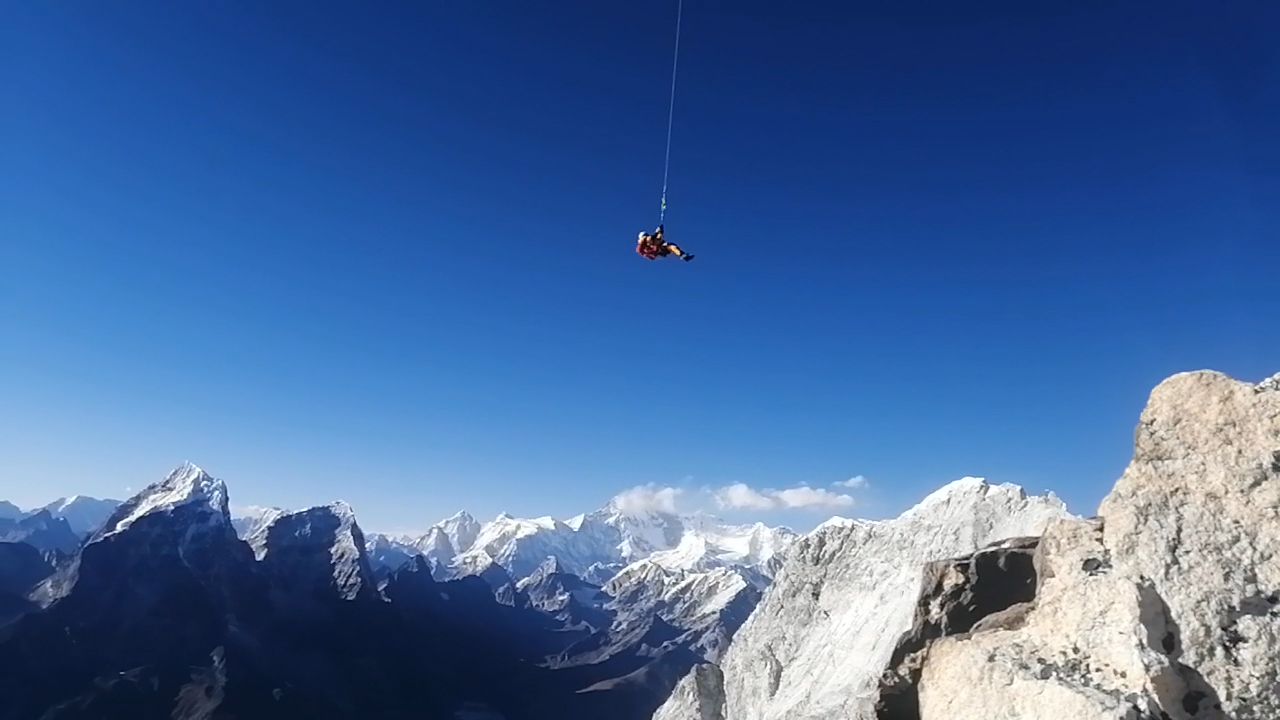
Siddhanta contacted Global Rescue’s operations center, triggering a helicopter long line rescue – a rapid rescue response used in remote, high angle terrain. High winds prevented the initial rescue effort, but the second attempt succeeded.
“The rescue helicopter arrived and lowered the rope. I was in no condition to get myself into the harness securely without the help of my Sherpa. Then the helicopter flew me to safety.”
People often incorrectly assume the person in the harness at the end of the long line rescue rope is hoisted into the helicopter. Siddhanta’s rescue flight was a 10-minute journey dangling about 100 feet (30.5 meters) below a helicopter zipping through the Himalayan range.
He was transported to a hospital where he received treatment for his injuries and ultimately discharged after a few days.
“The doctor told me the courses of action and precautions I took ultimately saved my fingers, if not my life,” he said.
Siddhanta has no doubt that his decision to abandon his Ama Dablam summit attempt was the right one.
“Thank goodness for Global Rescue because if it was not a timely rescue then I could have been in big, big trouble and perhaps my mountaineering career would have ended.”