
Categories:
Health & SafetyTravelDecember 3, 2020
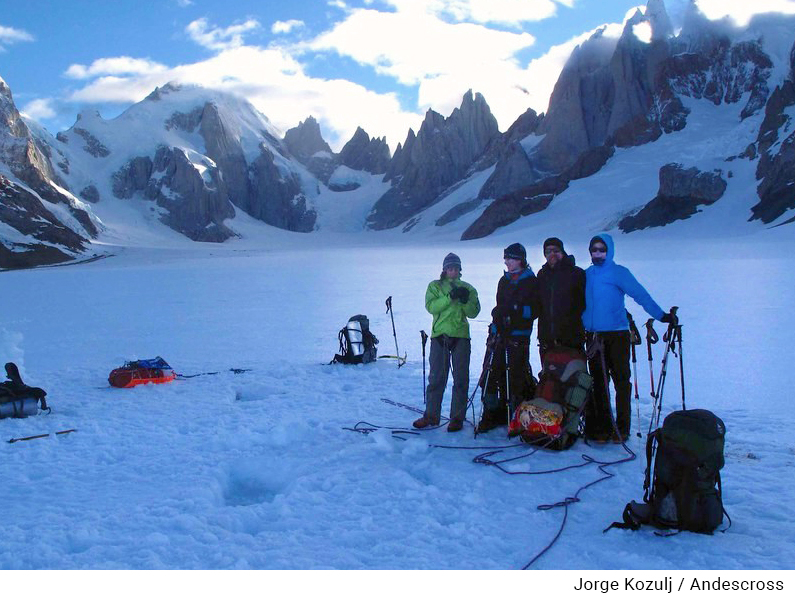
In the summer, popular camping areas are teeming with people and mosquitos. In the winter, those same locations are peaceful havens, where all you hear is the sound of snow crunching underneath your feet.
“The allure of cold weather camping is like the allure of the outdoors in general, but the cold is more likely to keep the crowds away and ensure the solitude many people look for in nature,” said Dr. Linda Keyes, a mountaineer, snow activity enthusiast and president of the Wilderness Medical Society. “If there is snow, the landscape is transformed into a pristine, otherworldly scene you can’t find in the summer. There’s nothing like the quiet calm of a gentle snow.”
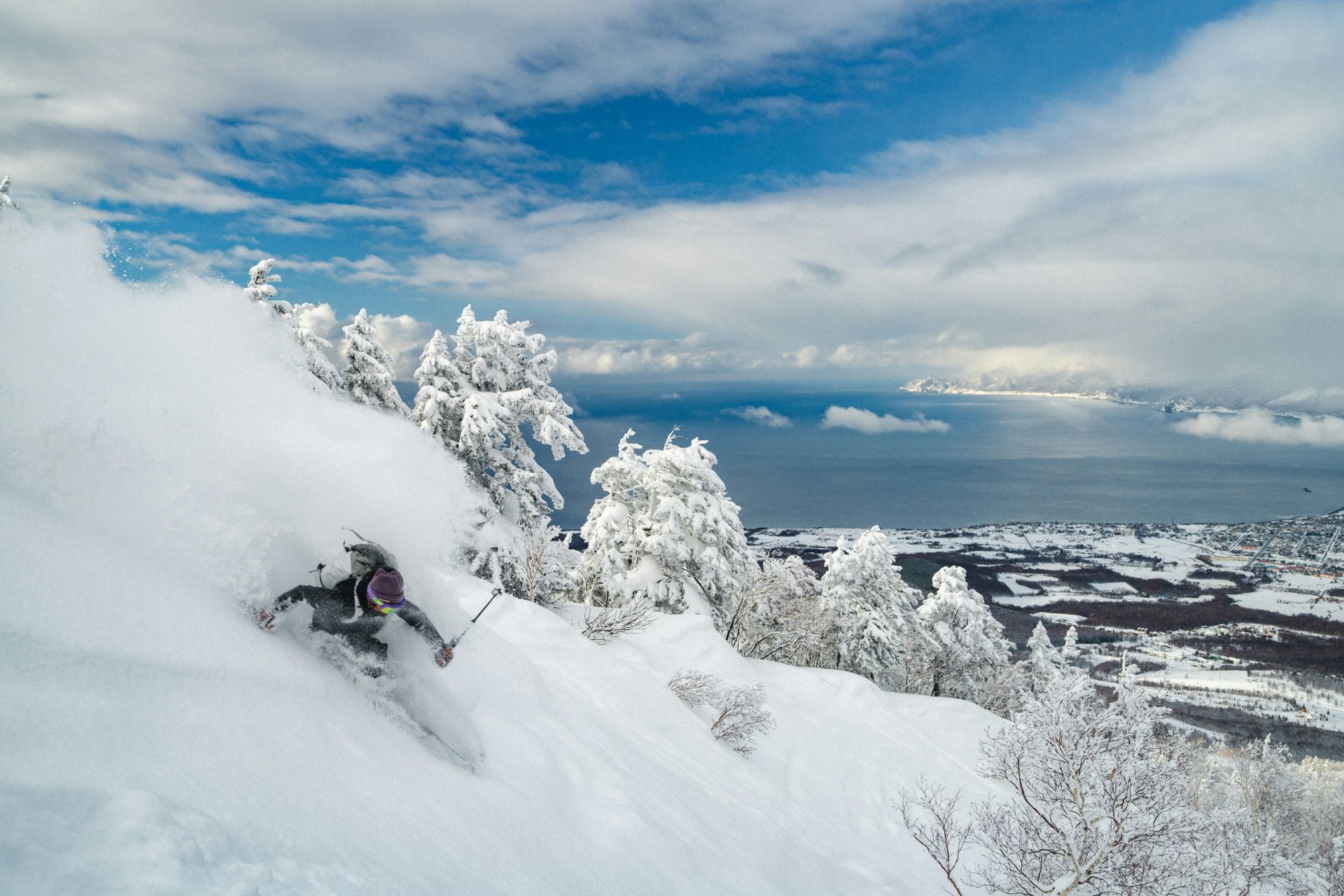
Winter camping also provides immediate access to winter sports. Backcountry skiers and snowshoers can set up a base camp and enjoy their favorite activities within minutes.
“One of the biggest reasons to camp in the cold is to access backcountry skiing. I love the sound of skis swishing across an untracked meadow or cutting first tracks on an untouched slope,” Keyes said. “In addition, many mountaineering objectives are considered more of an accomplishment when done in the winter.”
Sometimes the only place to camp is on a glacier. “We want winter camping to be close to the good skiing, and sometimes it is necessary to be at the base of some climbs,” said Jorge Kozulj, UIAGM-IFMGA mountain guide with Andescross in Argentina and a Global Rescue Safe Travel partner. He’s trekked across the Patagonian ice cap, the largest non-polar ice on earth, and camped there, too.
If you’ve watched the History Channel reality series “Alone,” you’ve watched people trying to survive in the wintry wilderness. Of course, these campers are contestants trying to win half a million dollars, but the message of the show is clear: winter camping is not for the faint of heart. You must be prepared for every possible scenario.
Here are some cold weather camping tips from Global Rescue experts and Safe Travel Partners.

How Cold Is Too Cold?
Every individual’s cold tolerance is different. New Englanders start wearing additional layers as the temperature starts to drop in late fall, but typically don’t put on a heavy-duty down jacket until after the first real snow. Southerners, by contrast, may not even own a winter parka — fleece or denim are as heavy as it gets — and only see snow on ski trips.
If you are winter camping, it’s not about the season, the region or style.
“It’s all about staying warm,” said Harding Bush, associate manager of operations at Global Rescue. “Negative consequences for mistakes are dire in the winter. Everything is darker, colder and less accessible.”
What is considered cold weather camping? Answers range from 30 to 40 degrees Fahrenheit (-1 to 4 degrees Celsius) being too cold to 30 to 40 degrees being too cold for those who are inexperienced or have amateur gear. Kozulj suggests cold weather camping is any camping below 0 Celsius (32 degrees Fahrenheit).
“This relates to your personal definition of cold. I don’t think there is an official definition of what temperature is too cold for camping,” Keyes said.
One thing to keep in mind is “the temperature decreases as altitude increases, so the higher you are, the colder it will be,” Keyes said.
[Related Reading: Flipping Frostbite]
Safety Tips from the Experts
Keyes believes anyone who is prepared can camp in cold weather.
“Good gear is key,” Keyes said. “There is an old adage, ‘There’s no such thing as bad weather, only bad clothing.’”
Even if you’re going outside to walk to the dog or take a trip down the slopes, you’ll want to wear layers. “And lots of them — wool and synthetics, never cotton,” Keyes said.
One: Do Your Research
Any travel, including a winter camping trip, will need pre-trip planning. You’ll want to check weather conditions first — not just current temperatures but trends for the region and any approaching weather systems.
“Knowing when to go is essential,” Keyes said. “Avoid traveling and camping during winter storms or extreme cold.”
Make sure winter camping is allowed where you intend to go.
“There may be permitting required or different check in procedures,” Bush said. “Research getting there as well: what are the road conditions to the trail head, where will you park, is the road maintained during the winter — or could you end up snowed in after a storm?”
Bush also suggests researching the emergency procedures and resources in the area. The closest ranger station is a great source of information about changes in terrain, trail closures or other hazards.

Two: Practice With a Trial Run
Less experienced winter campers might choose to go with a guide on a first trip to learn how to set up camp, build a shelter and keep the fire going. If a guide isn’t available, stay close to home for your first foray.
“Plan a shorter winter camping trip if you’re are less experienced,” Bush said. “Camp closer to an accessible trail head — and closer to a warm car, plowed road and home — if things get too overwhelming.”
Three: Fuel Your Body
A winter camping diet is high calories and high fat.
“Take on sufficient calories,” said Dan Stretch, operations manager at Global Rescue. “Your body will be burning through more than normal in the cold maintaining body temp.”
Bush recommends drinking plenty of water.
“Cold weather seems to make us not feel like putting something cold inside ourselves,” he said. “If you are thirsty, it’s way too late.”
Four: Have the Right Winter Camping Gear
Blogs, websites, articles and entire magazines are dedicated to camping gear. Start by investing in a good quality, layered clothing system with a breathable base layer, mid layer, insulated layer and hard-shell outer layer.
Sleeping outside in colder temperatures also requires a layering system inside the tent.
“Invest in a high quality, warm down sleeping bag,” Keyes said.
“You will need a lot of good down gear and depending on where you go, you will need different sizes,” Kozulj said.
“Carry an insulated sleeping pad,” Stretch said. “Sleeping on the cold ground or an air mattress will suck the heat out of you overnight.”
Kozulj always brings a good Nalgene (a plastic originally made for laboratory use) bottle to use for drinking water during the day and inside a sleeping bag with hot water for warmth at night. Bush also recommends bringing several “good, quality leak proof water bottles.”
Find out more tips for cold weather gear here.
Five: Test Your Cold Weather Camping Gear
Having top-of-the-line equipment won’t matter if you don’t know how to use it.
“Get familiar with your equipment on shorter trips and develop efficient routines for the usual camping tasks,” Bush said.
One example: “If you purchase a liquid fuel stove for winter camping, ensure you are familiar with it before you head out on a trip,” Bush said. “If fuel stoves are started without being primed (pre-heated) they will flare. Many tents have burned down this way.”
Stretch suggests testing your kit somewhere cold, but safe to retreat if necessary, before testing it on a remote expedition.
“There is nothing worse than realizing your sleeping bag bought in a shop in Kathmandu is crap and you have to make do for the next month,” he said.
Six: Know How to Stay Warm
This includes finding a sunny campsite, building a shelter, insulating your shelter and building a fire in all weather conditions. As Bush notes, “it’s easier to stay warm than get warm.” Know how to control your thermal comfort level, avoid overheating and how to avoid heat loss after activity.
“Have quick access to the next level of warmth. If you are hiking in a fleece top, immediately put on another layer to retain the heat you built up during the hike,” Bush said. “I always have my down insulating jacket in the top pocket of my back pack, along with a warm wool hat.”
Wilderness Medical Society recommends not using your stove inside the tent for heat.
“Families have perished from carbon monoxide trying this method to stay warm,” Keyes said. “Only use your stove outside or in the vestibule with the door open.”
Seven: Be Able to Communicate
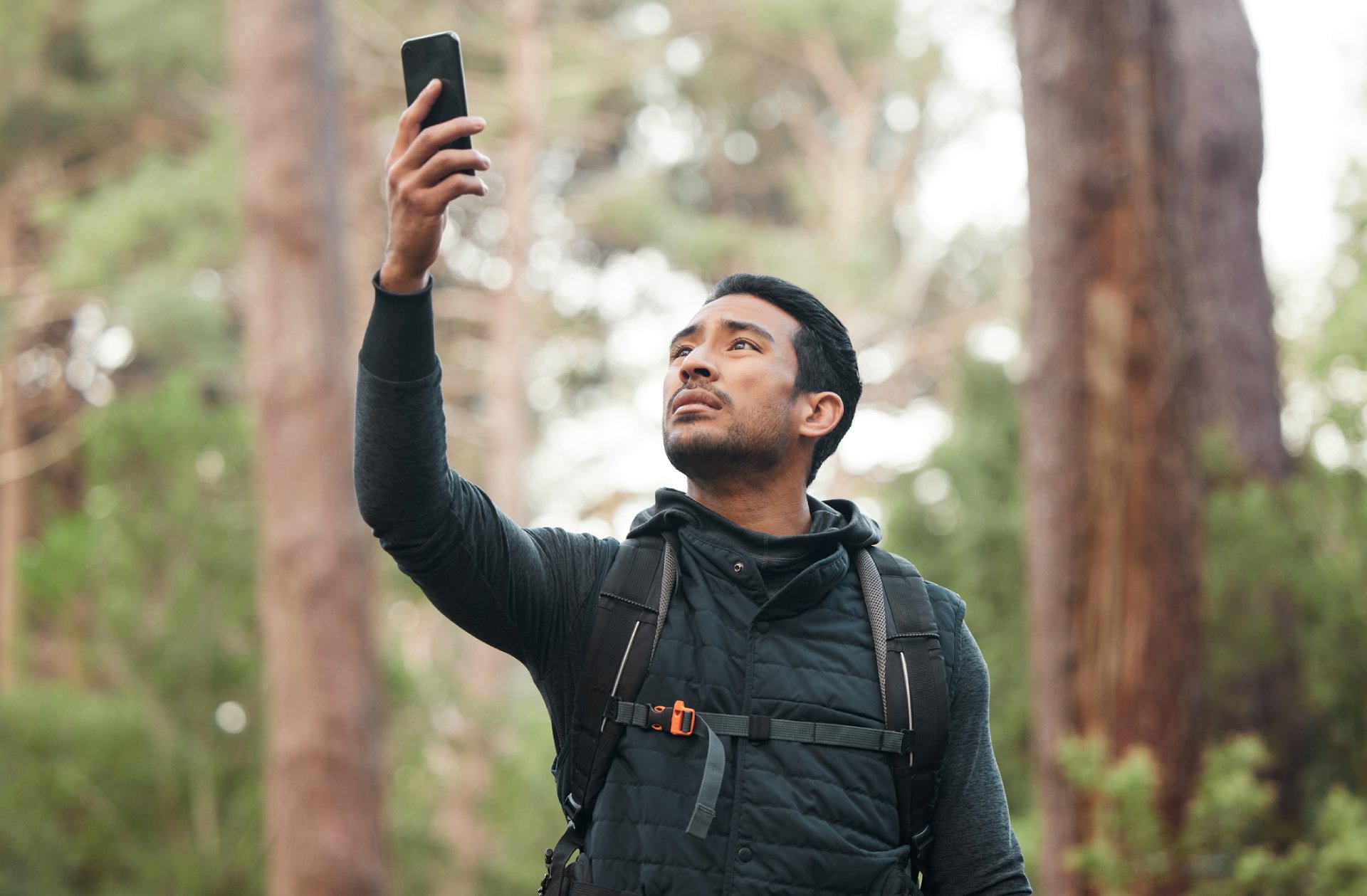
The batteries in your satellite phone or cell phone aren’t designed for freezing cold temperatures. Pack extra batteries and use insulated pouches designed for communications devices.
“Batteries will drain faster in cold weather. If possible, keep a set for your important devices, such as a satellite phone, in your pocket during the day and sleeping bag at night,” Stretch said. “The last thing you want is to lose your comms and not be able to call for help.”
Eight: Get Global Rescue
Most winter camping trips will be successful. In the event of a worst-case scenario, you’ll want a Global Rescue travel protection services membership among your essential wintere camping gear. Whether you’re seeking outdoor advice or immediate medical or security assistance, Global Rescue operations centers are staffed 24/7/365 to assist our members.
Get a price estimate
Estimate
$0.00
Please answer all questions for estimate.
Categories:
TravelDecember 1, 2020
Global Rescue will donate a portion of new membership fees on December 1, 2020 to support the Glen Doherty Memorial Foundation (GDMF), an organization helping U.S. special operations veterans transition to civilian life.
“Each deserving scholarship recipient is working on setting themselves up for success for the next chapter of their lives. We are honored and humbled to help such amazing individuals,” said Kate Quigley, Glen’s sister and GDMF president.
Glen and Global Rescue
Glen Doherty, a former Global Rescue Operations Specialist and U.S. Navy SEAL, worked as an operations specialist at Global Rescue. He was part of a team that rescued members from the point of illness or injury for any serious medical emergency. While working for the U.S. State Department, he was killed in the terror attacks on the U.S. Consulate in Benghazi, Libya in 2012.
“Prior to his death, Glen was an outstanding member of the Global Rescue team for several years and a joy to work with. We are privileged to keep his lasting memory alive by donating 10 percent of new membership fees during Giving Tuesday to support the GDMF,” said Dan Richards, Global Rescue CEO.
How Your Purchase Helps
The GDMF provides scholarships for current or former special operation professionals and their families to be used for traditional education, vocational and non-traditional training.
“Glen’s dream was to go back to school to become a physician assistant. Sadly, the dream was never realized,” Quigley said. “At GDMF we are helping special operations individuals like Glen realize that dream. Through educational scholarships, our recipients are transitioning to the next phase of their lives and we are thrilled to be able to ease the financial burden for these amazing individuals.”
More than 70 scholarships have been awarded in seven years.
Scholarship recipient Kevin Seiff, a former Navy SEAL attending Webster University, is working toward a master’s degree in international relations.
“GDMF has made my transition from more than a decade in the SEALs a smooth and successful venture,” Seiff said. “Transitioning out of the military is full of uncertainty and stress while you realign yourself to a new goal and passion. This scholarship has made my graduate degree a reality and will undoubtedly bring about an exciting phase in my life,” he said.
“GDMF scholarship means a vital financial helping hand for special operations families and is helping me fulfill a lifelong dream — to play collegiate softball at a top academic college, said Taylor Hudson, a scholarship recipient and special operations family member. GDMF helps to relieve a piece of financial stress for my family to allow me to focus and do my best in the classroom and on the diamond.”
“We’ve been lucky enough to find amazing candidates to become scholarship recipient,” Quigley said. “A lot of our scholars go back to school to earn degrees and certifications in medicine, business, flight school, law enforcement, cybersecurity and more. The applicants are remarkably impressive.”
Join Global Rescue
Giving Tuesday is a global day of giving that harnesses the collective power of individuals, communities and organizations to encourage giving and to celebrate generosity worldwide. This is the second year Global Rescue has participated.
“Philanthropy with a focus on children, the environment and our veterans, is a major component of how we at Global Rescue express our values and our gratitude,” Richards said. “Participating in Giving Tuesday and supporting the Glen Doherty Memorial Foundation is one of the many ways we are there when it matters most – for our employees, members, partners and local community.”
Categories:
Health & SafetyTravelNovember 25, 2020
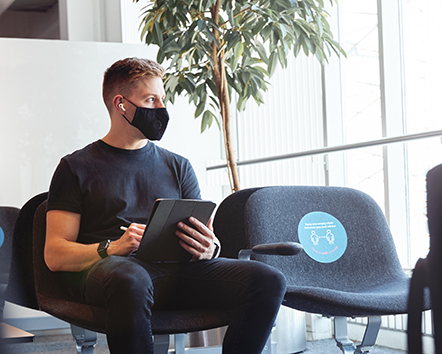
Travel Weekly, the most influential B2B travel industry news resource, awarded Global Rescue, the world’s leading provider of medical, security, evacuation and travel risk management services, the 2020 Magellan Award for its COVID-19 Intelligence blog series.
The annual Travel Weekly Magellan Award is the premier award for the travel industry, honoring the best in travel and saluting the outstanding travel professionals behind it all.
“The 2020 Magellan Awards received entries from top travel organizations and professionals worldwide and the quality of the work was outstanding.” said Kara Cleary, manager of Travel Weekly Magellan Awards. “Being selected a Magellan Award Winner is a tremendous achievement and proves you represent a high standard of excellence within the travel industry.”
Pandemic Information and Education
Global Rescue entered its Coronavirus blog series into the category Online Travel Services Marketing Campaign and won for its coverage of the pandemic.
“The pace of the coronavirus outbreak and the need for updates compelled the Global Rescue Intelligence Team to compile and publish a comprehensive daily report and frequent articles for members, the public, business leaders and journalists,” said Kent Webber, former senior intelligence operations officer in the Office of the Under Secretary of Defense for Intelligence, United States Pentagon and senior manager of Intelligence Services at Global Rescue.
“Everyone was looking for helpful, educational, straight talk about the pandemic and its impact on the industry and travelers. Global Rescue’s daily reports and blog series were the fastest, most effective, ways to channel our expertise and share the information,” Webber said.
The free report was refreshed every 24 hours with detailed information on worldwide outbreak locations, restrictions, updates, outbreak data, signs and symptoms and advice for travelers. The Coronavirus Update included weekly blog posts.
This was the data global travelers needed while working, vacationing — or trying to get home. Global Rescue member Drew from Oregon tapped into this expertise when he needed to travel from Boston to Seattle in early March.
“I couldn’t get a real answer from local government websites or the news,” he said. “The info I got from Global Rescue was definitely helpful for me to figure out what to do with my travel. I made it home safely.”
In July, Andrew Tilker, an American citizen based full-time in Berlin, Germany, was asked to attend a work meeting near Lyon, France.
“Of course, given the COVID-19 situation, I wanted to get more background information on travel risks before making a final decision,” Tilker said.
He emailed Global Rescue.
“I was surprised at how quickly I got a reply — within the hour. The information I received helped me make a more informed decision regarding whether to take the trip or not,” he said. “I decided to go.”
Read the Winning Blogs
The Coronavirus Intelligence Center and five blog post entries receiving the award were:
Coronavirus Intelligence Center: Global Rescue recognized the importance of the coronavirus outbreak in its early days and alerted members worldwide on Jan. 2. The requests for updates and the pace of the outbreak compelled the Global Rescue Intelligence Team to begin compiling and publishing a comprehensive daily report for members, the public, business leaders and journalists.
As the virus spread to the United States, member alerts turned into a free daily report, called the Coronavirus Intelligence Center. It was made available to the public, and updated every 24 hours, with information which includes outbreak locations, outbreak data, signs and symptoms and medical advice for travelers.
Coronavirus: What Global Rescue Can Do: Travelers had questions, and Global Rescue’s phone was ringing off the hook. This March blog answered the top nine questions from our members. It was posted online and used by the sales team as a resource.
Escape from China: Repatriation during an Epidemic: Travelers and expats found themselves trapped in an escalating series of government directives and medical orders to contain the spread of the virus. But Global Rescue used its logistical know-how, bureaucratic fluency and relentless focus to bring people home. Two coronavirus rescue operations are profiled in this blog.
Mission Brief March 2020: Global Rescue’s operations team is always busy, but the coronavirus sparked increased activity and our members needed medical advice, emergency care, logistics help and security extractions. By February, nearly 500 operations had been completed in more than 90 countries. This blog showed the depth and breadth of the medical, security and advisory services that Global Rescue provided to members.
TotalCare: A Lifeline in the Midst of a Pandemic: As social distancing changed to mandatory quarantines, telehealth became the first line of defense against coronavirus. Global Rescue started offering telehealth services four years ago to travelers who wanted a better option than waiting in an urgent care office or the emergency room. This blog provided information to non-travelers who may be interested in telehealth services during the quarantine.
How to Talk to Your Kids about Coronavirus: Parenting is hard, but unpredictable times can make it even more difficult. Global Rescue’s in-house medical experts offered advice to parents to help kids understand coronavirus, the importance of hygiene and manage anxiety.
For more information about Global Rescue’s travel protection services, visit www.globalrescue.com
Categories:
Places & PartnersTravelNovember 23, 2020

It’s that time of the year again. Time to find the perfect gift for the travelers on your holiday shopping list.
We’ve asked members, Global Rescue employees and Safe Travel partners for their recommendations to curate a list of 13 must-have gifts for people who love to travel and are looking to return to domestic and international travel as soon as possible.
The Great Outdoors, Indoors
Pop Chart Lab takes boring data and turns it into fun, infographic posters. New this year is a National Parks Scratch-Off Chart. Use it to track your travels to all 62 national parks from Grand Canyons and Tetons to Great Basins, Sand Dunes and Smoky Mountains. All you have to do is gently scratch the top layer off any site you’ve visited to unveil a full-color vista underneath. The 12-by-16 print is a great way to plan travel — and commemorate the trips. See more scratch-off poster options, like stadiums and ball parks, at popchart.co.
Spread Kindness, Not Germs
iFLY started with luggage in 2012, face masks in 2017 and introduced a handy travel kit in 2020. The Healthy Kit, packaged in a reusable Ziploc container, includes a package of eight antiseptic wipes, a package of five hydrating facial wipes, a face mask, a headrest cover, a lip balm, a sleep mask and earplugs. For every 10 kits sold, the California-based company gives one to organizations or communities in need. Buy one for every member of your family, knowing front-line and essential workers will benefit as well.
Kill Germs with UV Light
There haven’t been conclusive tests showing UV light can kill the coronavirus, but what we do know is UV light kills most everything else: bacteria, fungi and the flu virus. A UV sanitizer wand is a great gift for the frequent traveler. Check out this CleanPod UVC Sterilizer, made by Monos, a Canadian luggage company. Not only will you zap those germs, Monos is donating a portion of the proceeds from sales to the United Way and Canada’s COVID-19 Recovery Fund.
Adopt an Elephant
It’s never too early to introduce kids to the concept of conservation. Animals are an easy way to start and the World Wildlife Fund (WWF) offers a way to help kids of all ages save some of the world’s disappearing species from zebras and polar bears to quokkas and pangolins. Adoption kits are available at several different price points and kids receive a plush animal or photo, an adoption certificate, a species card and a gift bag. Funds raised support WWF’s global efforts to protect wild animals and their habitats, which are both at increased risk due to the coronavirus pandemic and traveler downturn.
Functional Fishing Fashion
Big, black, heavy gumboots are not particularly stylish. But Fishe, an Alaska-based clothing company, makes a Grayling Groovy Legacy Boot female anglers can wear high (15 inches) or low (rolling down the top to display a fun pattern). The boots are suitable for wear while casting flies on the river or during brunch with friends — all the while keeping your feet warm, dry and comfortable.

Custom Fly Reels
Anglers have some awesome bling these days. How about a customized reel by Abel, a customized fishing company in Colorado. We’re particularly enamored with the Limited Edition Johnny Cash Fly Reel, a limited edition run with each reel individually serialized 1 through 250. Two Super Series models, sizes 5|6 and 7|8, are hand painted with a silhouette of Cash’s favorite guitar and black satin sunburst.
Luxury Lifestyle Management Membership
Elvit, the UK’s leading lifestyle and concierge group, is on hand 24 hours a day to provide luxury services and products to members. From booking a reservation at a Michelin-starred restaurant, finding a new dream home to providing expert curation for a trip of a lifetime, Elvit’s lifestyle managers take care of all the details so you have more time to enjoy the experience.
A Wilderness Companion
Just about everyone had one on their keychain: a travel-friendly, multi-tool called a Leatherman. September 11 changed the rules for carry-on items but the new Leatherman Style PS is manufactured without blades, which is in accordance with Transportation Security Administration policies. With spring-action pliers, scissors, tweezers, bottle opener, a nail file and wire cutters, Global Rescue Safe Travel partner Self Drive Safari Resource recommends it for any safari kit.
Additional Eyesight
Binoculars are made for different purposes and an Alaskan cruiser may not want the same technology as a backyard birder. REI offers a guide to help you choose the best binoculars for your travel needs.
Harding Bush, associate manager of operations at Global Rescue, has used Steiner binoculars for more than 30 years. “I have had the same pair of Steiner Predator 10X26 binoculars for 25 years. They’ve been with me on numerous hikes, canoe trips, backcountry skiing and four different war zones. I’ve used them in nearly every imaginable environment across the world,” Bush said. “They are durable and versatile, compact and focus quickly for a sharp picture that provides an excellent balance of detail and field of view.”

Just-in-case Satellite Communicator
On an adventure in a remote location and need to contact with a loved one or a rescue team? The Bivy Stick Blue is a two-way global satellite communicator with some game-changing features: two-way text communication, maps and trail information and an SOS button connecting to Global Rescue. According to Men’s Journal, the Bivy “is a solid device. It gave accurate information at check-ins and weighed practically nothing in my pack.”
A Training and Racing Community
Boston-based Spartan helps athletes at every level of their training, from health and wellness to 250 obstacle course race and endurance events in more than 40 countries on six continents. With the Spartan Pass Season 21 members have access to unlimited events, exclusive merchandise and a one-year training app membership. Four pass levels are available and you can make it a family activity with Spartan Kids opportunities.
Assistance with Outdoor Adventure
Have time to travel, but no time to plan it? Travel company Stoke Broker will make it happen. The Global Rescue Safe Travel partner just launched memberships to help you plan your next adventure. “It’s a great solution for weekend warriors to help you get into the great outdoors with your friends or family when you’re not on those big once or twice a year trips,” said Alice Howell, vice president of operations.
Your Own Travel Protection Team
You’re not alone when you board that plane, train or ship. Global Rescue members travel with a team of experts: a paramedic, a translator, a logistics expert, an intelligence analyst and a security advisor. It’s like having your own protective detail on standby, prepared to help when you need medical or security advice or a field rescue. Annual Global Rescue travel services memberships start at $329.
Categories:
Health & SafetyTravelNovember 20, 2020
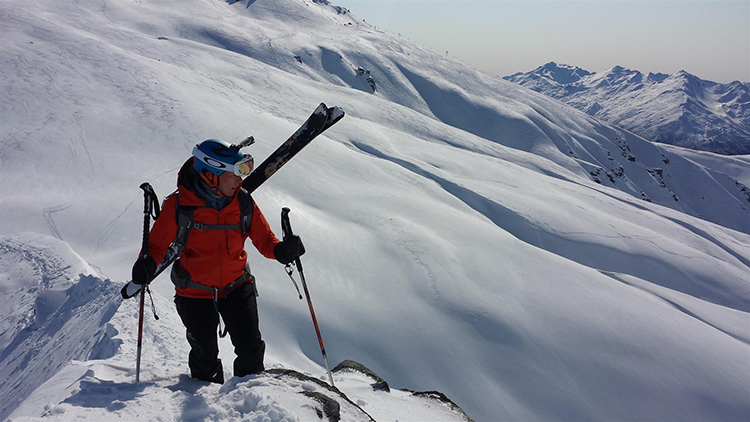
With millions of people on the slopes worldwide — 15 million in the United States, 14.6 million in Germany, 8.5 million in France and 6.3 million in the United Kingdom — accidents are bound to happen.
Catastrophic accidents on the slopes and ski lift deaths are thankfully rare. There were 42 fatalities reported at U.S. ski areas during the 2019-20 season, according to the National Ski Areas Association. However, of the reported ski deaths, the season average is higher than the 10-year industry average of 39 skiing deaths per year.
Injuries, ranging from skier’s thumb to ACL injuries and broken bones, are much more common.
Global Rescue, headquartered in Lebanon, N.H. and based in the heart of the Northeast’s best skiing, offers advice to members spending time on the slopes.
Here’s what to watch out for during a day on the mountain.
Coronavirus Concerns
A day on the slopes poses little risk for COVID-19; you’re outdoors, socially distanced and already wearing a face mask. It’s the after-ski activities you have to watch out for. Although resorts are limiting visitor numbers, it makes sense to avoid busy cafeterias, crowded lodges and jam-packed bar areas where skiers remove their face gear to eat, drink and converse.
Other suggestions:
- Driving, not flying, to the mountain
- Eating outdoors or at your own condo
- Maintaining social distancing in lift lines and restrooms
- Riding gondolas and chairlifts with only family members
- Bringing your own gear instead of renting equipment
“Do your research before heading out for a day on the slopes,” said David Keaveny, operations specialist at Global Rescue and professional ski patroller. “Know the rules of this new normal so you’re not surprised when you get there.”
Hidden Rocks and Stumps
It may look like a nice, white expanse of snow, but if you’re wandering away from groomed runs, be aware that the fresh powder could be camouflaging tree stumps, rocks and crevasses. Backcountry skiing or splitboarding can be dangerous without a local, qualified guide and a back-up plan, like medical evacuation services.
Whims of Mother Nature
Fog, ice, wind, sleet and heavy snow — those are just a few weather conditions that can turn a day of skiing or riding into an emergency.
Extreme winter weather also increases the risk of avalanches. Resorts prone to avalanche danger typically have control zones and mitigation techniques.
“Obey all posted signs and warnings. Never ski or ride in closed terrain and ski with a partner whenever possible,” Keaveny said. “Remain alert to avalanche danger and know the warning signs. If you are going into the backcountry, make sure everyone in your party has taken an avalanche course, or go with a certified guide.”
Snow Suffocation
Even if you’re not skiing or snowboarding in avalanche prone areas, large amounts of snow can still catch you off guard. Skiers and riders need to be aware of tree wells, where areas of uncompressed snow form a depression around the base of a tree.
Evergreen trees are known offenders: the large and low hanging branches hold lots of snow and when it falls off, loosely packs around the base. If you ski or fall into a tree well, it can be hard to get free without help. The loose snow falls on victims, suffocating them in a matter of minutes. This situation is more likely in the United States, where ski resorts have more trees.
“If you’ve ever watched snow fall off a roof, then go out to shovel it 25 minutes later, it’s packed like cement,” said Harding Bush, associate manager of operations at Global Rescue. “People have the perception ‘I’ve got my beacon, I’m good.’ No matter what safety equipment you have, be aware of your abilities and ski accordingly.”
Kid Collisions
Kids need to get out and play, especially during the winter months. But young skiers and snowboarders are more accident prone, according to a study by the American Academy of Pediatrics (AAP).
AAP advises all children and adolescents wear helmets when participating in snow sports. Some states have laws requiring people under age 18 to wear helmets for snow sports. But not all skiers and riders wear helmets, or perhaps they wear ill-fitting headgear.
Grade school age children are more likely to have a serious skull or facial fracture while skiing or snowboarding. Older children have twice the risk of abdominal injury. Collisions, often as a result of hitting a tree, are the most common.
Injuries, particularly in teens, are more likely to occur in the afternoon, according to the Scandinavian Journal of Trauma, Resuscitation and Emergency Medicine. Be sure to have the kids take a break (or two) during a day on the mountain so they don’t get tired and make a mistake.
Risky Behavior
If you think head protection is enough to protect you from injury on the slopes, think again.
A Dartmouth-Hitchcock Medical Center study found helmeted skiers and riders are more likely to experience serious head injuries, such as a head bleed. Why? Researchers concluded helmeted skiers were more likely to take a risk on the slopes, such as jumping or skiing too fast.
This doesn’t mean helmets are ineffective.
“Helmets save lives, protecting you at certain speeds and conditions,” Keaveny said. “They are a cheap insurance policy — and keep your head warm.”
Overestimation of Skills
Part of the joy of skiing is the rush of adrenaline as you ski or ride down a mountain. Hopefully you have the skills, notes Sports Medicine Australia. Inexperienced skiers or snowboarders may not know how to choose a run suited to their skill level. This is when accidents happen, including merging onto another trail or not being able to stop to avoid a collision.
“Don’t let a friend or spouse push you into taking a trail you’re not prepared for,” Keaveny said.
Keavney also recommends avoiding terrain parks if you are a beginner.
“Terrain parks are not family ski zones,” he said. “So many accidents and collisions happen in terrain parks with children or adults who are learning to ski or ride. They may go off a jump beyond their ability and become injured or, more likely, find themselves stopping in the landing area of a jump where an expert skier or rider might inadvertently land on them.”
Pre-Ski Preparation
If you’ve never skied at a larger resort before, make sure you are ready. A few lessons will remind you of the proper techniques and the reasoning behind them. Know how to read trail markings, signs and blazes. Have your helmet and boots fitted and double check your gear.
“Obey all rules and regulations and follow the skier’s responsibility code,” Keaveny said. “Remember trail ratings are for that mountain only. A black diamond at Mount Sunapee might be equal to a blue square at Sugarloaf. I’ve heard skiers say they’ve skied black diamonds before, but a black diamond may be 800 feet long at one mountain and 2,200 feet on another mountain.”
Travel Protection Services
If you’re traveling from home for a day on the mountain, purchase a travel protection services membership along with your lift ticket. Global Rescue has been the travel risk and crisis service provider to the U.S. Ski & Snowboard teams since 2006.
Categories:
NewsNovember 20, 2020
Categories:
Health & SafetyTravelNovember 18, 2020

Canada’s Public Safety and Emergency Preparedness Minister Bill Blair and Health Minister Patty Hajdu rolled out new border measures in October: 190 public health officials will be deployed at 36 ports of entry across the country. This is in addition to mandatory quarantine measures.
In the United States, Vermont Governor Phil Scott extended the COVID-19 State of Emergency, which requires residents and non-residents coming from outside the state to quarantine for 14 days. In November, he added temporary restrictions on social gatherings and business operations, including prohibition of private multi-household social gatherings and limits on restaurant hours and seating.
Illinois Governor JB Pritzker also reissued coronavirus executive orders, declaring all counties in the State of Illinois as a disaster area and extending COVID-19 provisions through December 2020. In November, he launched an awareness campaign, “Healthy Holidays to You” which recommends limiting family gatherings this holiday season.
These are just three examples of how state and federal governments have enacted emergency rules and legislation to respond to the COVID-19 pandemic. It’s a common occurrence during a public health emergency — but it makes planning travel a complex task.
Non-travelers typically know what is happening in their home state. Travelers, crossing state lines and country borders, have to plan around the what-if’s of the coronavirus pandemic: what if the state goes on lock down, what if the border is closed, what if my flight is cancelled and what if I get sick while away from home?
How Do States Make Decisions?
Each state manages its own response to the coronavirus pandemic to control the spread of disease within state borders. Individual governors have broad powers under their respective state constitutions to protect citizens during a disaster or crisis, according to the Library of Congress.
Since March, states have taken a variety of steps to protect public health, including closing schools, cancelling events, requiring telework where possible, ordering restaurants to close or shift to delivery service only, closing non-essential businesses, setting strict limits on public gatherings and establishing mandatory quarantines after travel outside of the state.
“There’s no uniform formula. The decision depends on a lot of things: the number of cases, the severity of cases, the economy of the state, the population density of the state,” said Kent Webber, senior manager of intelligence products and services at Global Rescue. “Each state does what is best for their residents. Restrictions change as the situation dictates.”
Some states may have a coronavirus task force set up, while others work closely with the state department of health. In Vermont, Governor Scott works in consultation with the Vermont Department of Health and makes decisions based on new information from the Centers for Disease Control and Prevention (CDC) and the World Health Organization (WHO).
Vermont, a more rural state with a population of 623,989, may not be as aggressive as a larger, populated state. For example, California, with 39.5 million residents, has a documented system for tracking the coronavirus pandemic: “Every county in California is assigned to a tier based on its test positivity and adjusted case rate. Data is reviewed weekly by the Department of Public Health. To move forward, a county must meet the next tier’s criteria for two consecutive weeks. If a county’s metrics worsen for two consecutive weeks, it will be assigned a more restrictive tier.”
The bottom line: the process is reactive. And it’s impossible to predict what each state will decide.
Country Regulations Across the Globe
States mitigate risk for what happens within their borders, but the federal government monitors and manages the spread of disease across national or state borders.
This makes tracking coronavirus regulations a bit more complex when you are traveling internationally.
“At one point, the European Schengen member states had a coordinated approach to travel restrictions,” Webber said. “But when individual countries had an increase in cases, they made their own decisions.
“It’s a full-time job to keep up with the constant ebb and flow of travel information, which is why individual travelers, enterprises and nonprofit organizations are turning to Global Rescue to find the information needed for safe travel.
Global Rescue’s intelligence team is “monitoring travel risk and health safety information around the clock,” said Melanie Goldberg, senior intelligence analyst at Global Rescue. “Our team follows hundreds of news outlets, social media feeds, government alerts, nature newsletters, global organizations, podcasts, broadcasts and blogs.”
The information is analyzed and published in the Global Rescue Intelligence Delivery system (GRIDSM). It’s a unique online resource that puts critical medical, security and other essential travel information for 219 countries at the fingertips of Global Rescue members.
This includes the latest coronavirus restrictions and updates worldwide. “Reports are based on a comprehensive data set,” Webber said. “We don’t just look at restrictions, we look at numbers and trends. This is the information that is important to our clients, the travelers.”
Planning Travel with Global Rescue
Travelers can rely on Global Rescue to help plan winter travel during coronavirus. Here’s how:
- We are continually monitoring coronavirus developments — such as restrictions, quarantines and outbreaks — and posting updates online for free.
- Members have access to experts who can answer coronavirus related questions and provide immediate information regarding appropriate nearby health care facilities.
- In addition to daily COVID-19 reporting, Global Rescue produces destination reports for more than 215 countries and principalities to provide travelers with security assessments, health information and other vital details. “We are always doing the research for our members,” Webber said.
- To keep up to date on health and security events worldwide, members can customize the My Global Rescue App to send real-time event alerts based on their travel destinations to their phone or computer.
- Enterprises, nonprofit organization, NGOs and educational institutions can use GRID, a proprietary system designed to monitor and manage all travelers throughout their journey. This includes pre-trip assessments, traveler contact information, travel history and COVID-19 screening, testing and treatment results.
- Consulting services are also available and the intelligence team will provide travel risk reports by request for members or for a fee for non-members.
“Every member has different needs, but the information is universal: proactive travel risk information and area assessments to keep people safe while traveling,” Goldberg said.
Categories:
Health & SafetyTravelNovember 16, 2020
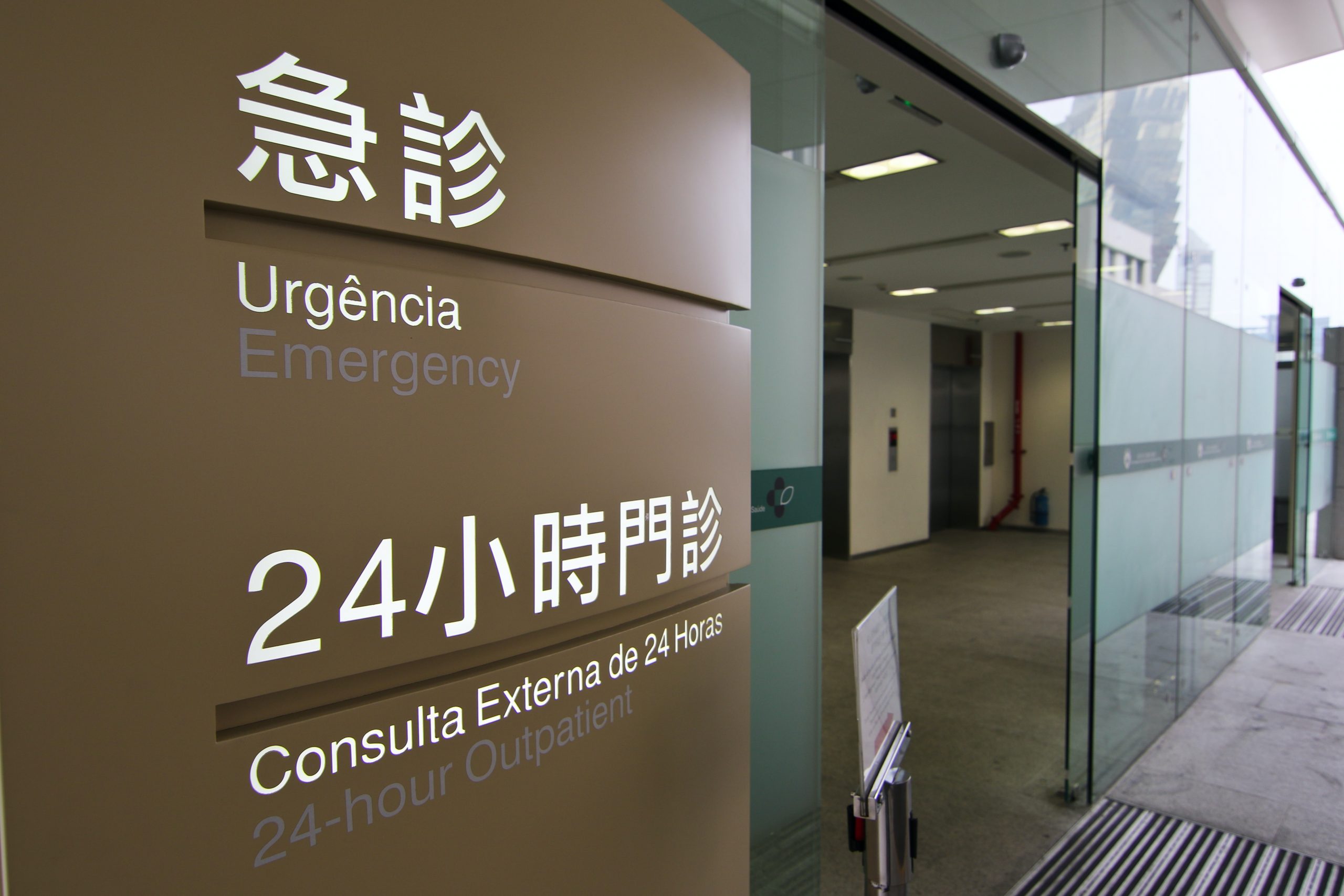
You’re currently working in Africa, with plans to travel home at the end of the month. You don’t have any coronavirus symptoms, but you need a negative test for travel. How do you find a health care facility offering COVID-19 test?
You’re traveling on business in a developing country. Crossing the street in front of your hotel shouldn’t be tricky, but motorbikes and compact cars sometimes turn two busy lanes of traffic into four — and you accidently step off the curb at the wrong moment.
You’re climbing in Malaysia. There’s smoke from the annual forest fires blowing over Indonesia, creating a thick haze. You’ve got a scarf to cover your nose and mouth, but the higher you climb the harder it is to breathe.
According to Consumer Reports, 15% of travelers encounter a medical problem on their journey. What will your experience be as a traveler, injured or ill, seeking care at a foreign hospital? It’s hard to predict.
“Hospital layouts differ. The medication might not look the same. Some hospitals use IVs with glass bottles instead of plastic bags. Triage may be done differently than it is in the United States,” said Jeff Weinstein, medical operations supervisor at Global Rescue.
These three medical scenarios are unique and each country’s health care offerings vary, too, including the facilities available for coronavirus testing. Based on the examples above, let’s take a closer look at how each situation could develop and how you can be prepared.
Coronavirus Testing
In the United States, you can find a coronavirus testing facility online or by calling your state’s health department.
It’s not as simple if you’re located in Africa. Africa does not make testing kits locally, and is frequently outbid by richer nations. With a limited number of testing facilities in South Africa, finding a place to get a COVID-19 test and results in the time window needed for travel might not be an easy task.
It takes you a few hours, and who knows how many MBs of data on your cell phone plan, to find two hospitals in your area: Centre Hospitalier International, a private hospital near the Tunis-Carthage International Airport, and Institut Pasteur De Tunis, a public health center even closer to the airport.
The public health center has the information you need right on the home page. You make an appointment for a PCR-RT COVID-19 test by filling out the online reservation form. The results will be available online in 48 hours.
Injury Overseas
A passing vehicle bumps you on the left hip, but you don’t think anything is broken. You are advised by the hotel staff not to call an ambulance. Emergency medicine is new in this developing country and drivers ignore the ambulance sirens as they jockey for position on the road. In fact, drivers ignore most traffic signs and signals, resulting in 6% of the global traffic-related deaths.
Your co-worker takes you to the casualty department — the emergency room — at a public hospital. The hospital is crowded; there’s one doctor for every 1,700 people compared to three for every 1,000 Americans. Many residents are living below the poverty line and, with Universal Health Care provided by the government, care at hospitals is free.
Medical treatment, however, is not provided free of charge to visitors. You pay for your visit up front. The hospital also asks to see your passport.
Because your injury isn’t a major trauma (you were able to walk in), you wait your turn in a plastic bucket seat to see the doctor. It’s a resident who is not trained in emergency medicine, but he speaks English and the hospital has an X-ray machine. Nothing is broken, but you’ll be sporting some bruises over the next few days.
Mountain Mishap in Malaysia
Malaysia is known for its high-quality health care and most cities have well-equipped medical facilities. Many Malaysian doctors were trained in the United Kingdom, United States or Australia, so they speak English and are familiar with Western standards of care.
Your guide brings you to the nearest public hospital, KL General Hospital. You register, take a number and wait your turn. Your breathing is a bit easier at lower altitude, but the doctor refers you to a specialist in respiratory medicine.
The smog caused “sunburn of the lung” — the lining of your lungs is irritated and inflamed — and the doctor wants to keep you under observation for a few days to make sure your lung function hasn’t been permanently reduced.
Your health insurance, Cigna Global Health, is accepted in Malaysia. You also have traveler’s insurance, which provides a guarantee of payment. You bring both ID cards to the admission counter and request space in a first-class ward.
10 Tips from Our Experts
It would take a substantial amount of space and time to outline the various health care options — and coronavirus screening and testing availabilities — in every country.
Fortunately, Global Rescue medical operations and security personnel have experience with a foreign doctor’s office, clinic, emergency room, public hospital or private hospital.
“Our extensive networks of assets, our extraordinarily experienced and professional team and our systems protocols guarantee the best-in-class service that we provide,” said Dr. Claudia Zegans, a medical director for Global Rescue. “Our professional, extensive, 15-year experience informs every case,” she said.
While each experience may start with a different illness or injury, there are common strategies to make a visit to a foreign hospital much easier and help you navigate a medical emergency abroad.
1. Check Your Insurance
Most health insurances provide partial coverage or no coverage when you are traveling overseas. Call your carrier directly to get specific policy details for hospital bills, lab and imaging fees and pharmacy costs, for example.
If there’s a gap, you might want to consider travel health insurance. Every policy is different, so read the fine print carefully to see if it will pick up costs where traditional health care coverage stops, covering some, or all, of the expense of an unexpected event, accident or medical emergency abroad.
You’ll also want to ask if coronavirus is included in the insurance’s definition of “sickness” and covered as part of benefits of the accident and sickness medical expense. Testing is supposed to be free, but asking in advance doesn’t hurt.
2. Check Yourself
Are you in fine physical shape and able to weather a head cold for a few days? Or are you the type to catch any germ that comes along and hang on to it for a few weeks? Checking in with a health care provider before any travel will be key to your decision-making process if you end up with an illness away from home.
It is why Global Rescue recommends a pre-travel health consultation — dedicated time with a travel health care provider so a traveler can discuss the health concerns that might arise during a trip and steps to decrease the risk.
“Certain health conditions and medications can increase your health risks of travel and these risks will vary by destination, activities and mode of travel,” said Zegans.
Smart travelers know their limits and their capabilities. It’s not easy to be realistic sometimes, but self-evaluation combined with a pre-travel health consultation will make your travel safer — and healthier.
If you’re still unsure, Global Rescue TotalCareSM memberships provide access to doctors 24/7, available through the My Global Rescue app, on the phone or on the web.
3. Have a List of Meds
For the most part, travelers can journey across most of the globe with prescription medications. If you’ve had a pre-travel consult with your health care provider, you know what medication is restricted, you’ve been prescribed the allowed alternative and you have a copy of the original prescription. Check out our blog on precautions for traveling with medication for more advice.
To help you manage your medications, Global Rescue’s Weinstein suggests writing a list, laminating it and adding it to your wallet. The list should contain the following information:
- Medical diagnoses
- Medications you take
- Drug names including the generic chemical name (You might be taking brand-name Zestril to treat your high blood pressure and may not know that Lisinopril is the generic form).
- Allergies to food or medications
“Bring plenty of medication with you. If you need to get a prescription filled abroad, the pharmacy might not have the same one you take in America,” Weinstein said. “And if you get a new script, the dosage or the ingredients could be different.”
That’s where a list of food allergies is helpful. In addition to active ingredients, medications may also contain bindings, coatings and fillers, which could include potential allergens like gluten, lactose and peanut oil. By looking at your list, a pharmacist would know if a compounded medication was necessary, Weinstein said.
4. Be Prepared to Pay
If you are traveling overseas, you should be prepared to pay up front for medical care. Most insurance providers don’t have global billing and payment relationships with doctors and hospitals.
The health care system in your destination may offer “Universal Health Coverage” but it doesn’t always apply to visitors and tourists. Doctors and hospitals might assist with minor needs, but they are under no obligation to do so.
So have cash or a credit card handy. And make sure you get a copy of the bill — along with your medical records and reports — so you can file a claim when you return home.
5. Know Where to Go
Backpacking throughout Europe and think you sprained your ankle? Should your first stop be a pharmacy or a health clinic?
It’s usually the last stop in the United States, but the pharmacy is your first stop in Europe.
European pharmacists can diagnose and prescribe remedies for minor ailments, such as sore throats, fevers, stomach issues, sinus problems, insomnia, blisters, rashes or muscle pain. Most cities have at least a few 24-hour pharmacies.
Topical remedies are common in Europe and the pharmacist prescribes a cream to apply to your aching, swollen ankle. You pay out of pocket for your ointment.
If there is a problem beyond the pharmacist’s expertise, they will recommend a local doctor.
At the health clinic or doctor’s office in Europe, you’ll be treated just as you would in the United States: sign in with the receptionist, answer a few questions, pay the fee up front and wait for the nurse or doctor.
Each country will have its own variations. In France, you pay the doctor in their office at the end of your visit.
Global Rescue’s medical advisory service can direct you to the best local medical resources around the world so you are not left guessing about how to best address your health concern.
6. Public or Private Hospital
What should you choose when you have a medical emergency abroad: a public or a private hospital?
Sometimes, you won’t have a choice. The ambulance will bring you to the nearest hospital, period. That’s the way it is in Canada. But once you get triaged into the system and the facility doesn’t have, for example, the cardiac care services you need, then the hospital will arrange ongoing transport to another facility with the correct specialists.
This is when a Global Rescue membership could help get you to the best location for care.
To ensure our members receive the highest quality medical care when they travel, Global Rescue constantly researches the capabilities of hospitals across the globe.
“Global Rescue has a list of criteria for vetting a hospital’s capabilities to be considered a Center of Excellence,” Weinstein said. “We call or visit a hospital, with a translator if needed, to make sure the facility aligns with a U.S. Level 1 hospital — 24-hour ED, trauma and surgical services — and Joint Commission International (JCI) accreditation. We want to get you to the right hospital, not the closest.”
Global Rescue will also help members find testing facilities and coronavirus-capable hospitals.
7. Should I Call the Ambulance?
It’s a no-brainer in the United States. For any traumatic injury or emergency health crisis, call local emergency services.
But who do you call when you are traveling abroad? The Department of State provides an alphabetized list of emergency numbers around the world. In Taiwan, you’d call 119 for the ambulance. In Malaysia, the number is 999.
No one wants to plan for accidents, but it’s a good idea to include emergency services research in your itinerary planning. Program the number into your cell phone, just in case.
In some parts of the world, calling a taxi might be a better idea. A travel tour agency in Vietnam advises “ambulances are not equipped with sophisticated technology and seriously ill visitors are recommended to take a taxi to the nearest facility rather than wait for an ambulance.”
“Some countries don’t have a standardized ambulance service,” said Weinstein. “Going on your own might be the better option. Or you could call the hospital and ask them to send a private ambulance.”
Members can always contact Global Rescue when in need of transport. Global Rescue critical care paramedics and nurses are able to determine the severity of the injury (how bad is your current state and how quickly will it worsen?), assess local emergency services information and determine the best access for you, Weinstein said.
8. Know Some Key Words
In developed countries, the staff most likely speaks English or there’s a formal interpreter on duty.
In developing countries, you’re likely to be less lucky.
“A private hospital or a larger public hospital most likely has an international patient’s department with translators,” Weinstein said. “But a government-run hospital probably won’t. You may have to ask them if someone speaks English or if there is a translator available.”
This is when a little bit of research goes a long way. For example:
Go to the International Association for Medical Assistance to Travelers website to see if there are English-speaking foreign health care providers at the hospital in your destination.
If you have a pre-existing condition, research translations before your trip. Knowing how to say “high blood pressure” or “chronic obstructive pulmonary disease (COPD)” in the native language will help guide your care in the right direction.
Download a translation app to your phone. iTranslate has phrasebooks with predefined useful phrases. Google Translate allows you to translate 103 languages by typing and TripLingo offers an information pack tailored to your destination (for example, Spanish for a trip to Barcelona). All have offline capabilities or pro versions for an additional fee.
Global Rescue members can also call 24/7/365 for translation help. Retired registered nurse Linda Quinn relied on Global Rescue’s expertise to find a bilingual health care provider for her injury during a month-long family vacation overseas.
9. Be Aware of Cultural Differences
In China, people make eye contact when they are angry. In South Korea, eye contact is appropriate when speaking to younger people or people of a low social status. In the United States, eye contact is extremely important in many circumstances, as are breaks so the conversation doesn’t seem too intense. In Greece, breaking eye contact during communication can create unease and distrust.
Eye contact is just one example of a cultural difference. All are appropriate, as each learned behavior is based on the traditions of a person’s geographical location.
What might get confusing is that there are many more cultural differences at play when you are traveling — and seeking health care — in a foreign country.
You won’t be able to plan for every scenario before traveling but knowing the basics will help you navigate your care.
10. Local Remedies
A Chinese doctor may ask to look at your tongue and take your pulse. The tongue is the start of the digestive tract and reflects the state of the gut. Pulse indicates overall health and strength of energy. This is part of Chinese medicine, a system of health care based on ancient philosophy, thousands of years of clinical practice and treatments to restore the body’s balance.
You probably won’t be running into either of these situations if you break a bone in a city center in China. The care is consistent with Western medical standards – putting the bone back in place and placing the cast, splint or brace on the affected area.
But in more remote locations, there may be less access to Western technology and more Chinese medicine. Depending on your health emergency, you might be asked some questions common for doctors in their country but not-so-typical for you.
Know Before You Go
Here is a list to keep in your desk drawer or on your computer — someplace handy — when you start to research your next travel adventure.
- Call insurance for international travel policy details
- Schedule a pre-travel health consultation
- Write a list of your medications
- Be prepared to pay up front
- Research the health care system and coronavirus testing facility in your destination
- Recognize the difference between public and private health care
- Understand when to call the ambulance or take a taxi
- Plan for a language barrier
- Be aware of cultural differences
- Realize technology and treatment might be different
No time for research? Global Rescue services can take care of many of the items listed above. A Global Rescue membership is like having your own resource, ready to offer advice or assistance during trip planning or if you find yourself in medical crisis while abroad.
Members are always able to access up-to-date travel data compiled by Global Rescue’s intelligence and security teams. From daily event reports, monthly destination reports, free coronavirus travel updates and specific information requests, a Global Rescue membership is a perfect way to travel prepared. Click here to learn more.
Categories:
Press ReleaseNovember 16, 2020
Lebanon, NH – November 16, 2020 – Travel Weekly, the most influential B2B travel industry news resource, awarded Global Rescue, the world’s leading provider of medical, security, evacuation and travel risk management services, the 2020 Magellan Award for its COVID-19 Intelligence blog series.
“The 2020 Magellan Awards received entries from top travel organizations and professionals worldwide and the quality of the work was outstanding. Being selected a Magellan Award Winner is a tremendous achievement and proves you represent a high standard of excellence within the travel industry,” said Kara Cleary, manager of Travel Weekly Magellan Awards. The annual Travel Weekly Magellan Award is the premier award for the travel industry, honoring the best in travel and saluting the outstanding travel professionals behind it all.
Global Rescue entered its Coronavirus blog series into the category Online Travel Services Marketing Campaign and won for its coverage of the pandemic in its early days.
“The pace of the coronavirus outbreak and the need for updates compelled the Global Rescue Intelligence Team to compile and publish a comprehensive daily report and frequent articles for members, the public, business leaders and journalists,” said Kent Webber, former Senior Intelligence Operations Officer in the Office of the Under Secretary of Defense for Intelligence, United States Pentagon and senior manager of Intelligence Services at Global Rescue.
“Everyone was looking for helpful, educational, straight talk about the pandemic and its impact on the industry and travelers. Global Rescue’s daily reports and blog series were the fastest, most effective, ways to channel our expertise and share the information,” Webber said.
The free report was refreshed every 24 hours with detailed information on worldwide outbreak locations, restrictions, updates, outbreak data, signs and symptoms and advice for travelers. The Coronavirus Update included weekly blog posts.
The Coronavirus Intelligence Center and five blog post entries for the award were:
- Coronavirus Intelligence Center
- Coronavirus: What Global Rescue Can Do
- Escape from China: Repatriation during an Epidemic
- Mission Brief March 2020
- TotalCare: A Lifeline in the Midst of a Pandemic
- How to Talk to Your Kids about Coronavirus
About the Magellan Awards
From design to marketing to services, the Travel Weekly Magellan Awards honors the best in travel and salutes the outstanding travel professionals behind it all. Travel Weekly is the most influential provider of news, research, opinion and analysis to the North American travel trade marketplace.
About Global Rescue
Global Rescue is the world’s leading provider of medical, security, evacuation and travel risk management services to enterprises, governments and individuals. Founded in 2004, Global Rescue has exclusive relationships with the Johns Hopkins Emergency Medicine Division of Special Operations and Elite Medical Group. Global Rescue provides best-in-class services that identify, monitor and respond to client medical and security crises. Global Rescue has provided medical and security support to its clients, including Fortune 500 companies, governments and academic institutions, during every globally significant crisis of the last decade. For more information, visit www.globalrescue.com.
Categories:
NewsNovember 13, 2020
Categories:
Health & SafetyTravelNovember 12, 2020

This year, holiday travelers have more to navigate than just weather and flight cancellations. The coronavirus pandemic increases the variables of a trip with outbreak surges, differing state and country regulations and new testing requirements at transportation hubs and country borders.
This makes booking a flight or renting a car a bit trickier this holiday season.
If you plan on traveling this winter, plan for uncertainty. Global Rescue experts have compiled suggestions for how and when to reserve your seat on a plane, train, automobile or bus — and how to keep yourself safe from the risk of contagion.
Planes
Flights might be cheap now, but check the cancellation policies and change fees before booking. Scott’s Cheap Flights recommends only booking tickets that can be changed for free or are refundable.
Southwest used to be the only major airline with a permanent no-fee change policy, but Delta, United and Alaska Airlines announced at the end of August they will no longer charge change fees (typically $200) for most tickets on U.S. flights, according to AARP.
JetBlue Airways is also suspending cancellation and change fees on new bookings made through Feb. 28, 2021. The Points Guy maintains a list of airline change and cancellation policies.
As mandated by the U.S. Department of Transportation, you are entitled to a refund if an airline cancels or significantly delays your flight.
When to Book
Online travel sites, like Expedia, recommend booking between 60 to 90 days before your trip. For December or Christmas travel, the sweet spot is 30 to 60 days out. International reservations require more notice. Grow by Acorns + CNBC suggest purchasing your ticket during the week to get the best deal, as most people buy on the weekends.
How to Book
Do your research. Look at several airlines for pricing and different airports for flight times. You may find a nearby airport has better options than your usual airport.
Pro Tip
Insider suggests calling the airline to get the lowest priced ticket. Some folks reserve online, but don’t purchase and it can take 24 hours to be released back into the system.
COVID-19 Advice
Bring your own coronavirus travel kit complete with masks, hand sanitizer and disinfectant wipes. Use these items throughout the airport and on the airplane to wipe down your seat, arm rests and any other high-touch surface.
Trains
Airlines weren’t the only transportation providers to institute e-tickets to reduce crowds during check-in and boarding. Amtrak did the same and even developed an app with departure information.
When to Book
Bookings are limited as many routes are operating on a reduced schedule. Book your train trip 12 weeks in advance to get the lowest ticket price. Most train companies, like Amtrak, have a set fleet of trains and a set route. Tickets start at a certain base price and get more expensive the closer the departure date.
How to Book
Amtrak is waiving change fees for reservations made by December 31 and all cancellation fees through October 31. You can make changes online, but for cancellations and refunds, call 800-USA-RAIL.
Pro Tip
If you don’t want contact with other passengers, you may have the option of reserving a private room or a sleeper car on some routes.
COVID-19 Advice
According to The New York Times, it’s unrealistic to expect transit companies to thoroughly disinfect every train at every station, or disinfect every seat or surface before each new rider climbs aboard. You may want to bring disinfectant wipes with you.
Buses
Social distancing is difficult on a bus and many smaller transportation providers have limited their services to mitigate the spread of coronavirus. If you are traveling regionally, check schedules and book tickets well in advance.
To ease the financial fears of consumers, some bus transportation companies, like Greyhound, have instituted a “Peace of Mind” travel policy, “offering to reissue your ticket with no change fee if you know when you’d like to reschedule, or exchanging your ticket for an eVoucher if you don’t have your new dates just yet.”
When to Book
According to Greyhound, “tickets do not get cheaper the longer you wait. But, far in advance of the departure date, tickets are usually quite cheap, then prices rise slowly until four to eight weeks prior to departure.”
How to Book
Go to the bus company’s website or call the 1-800 number.
Pro Tip
The CDC recommends checking with the bus company for the latest information on service and procedure changes before your trip.
COVID-19 Advice
Don’t forget your mask. Peter Pan Bus Lines requires a mask while boarding and exiting and suggests use during the trip as well. Buses are cleaned and disinfected daily. Smaller, regional carriers have their own approaches based on local regulations. For example, Dartmouth Coach in New Hampshire, has restricted seating, installed Plexiglas dividers on every seat back and upgraded HVAC filters on every bus.
Automobiles
Need to rent a car? Whether you are driving a rental to your holiday destination or renting a car at the airport, you’ll want to continue the driving safety precautions you’ve been doing at home.
When to Book
Experts suggest reserving your vehicle two months before the holidays. It’s the time of the year when companies are most likely to run out of inventory.
How to Book
Most websites are pulling from the same rate table, so it doesn’t matter if you book on a third-party site or directly with the car rental company. If you call the rental company directly, you might be able to negotiate a lower rate, or rent the car for a longer time to get a better deal.
Pro Tip
Read the car rental agreement carefully. In the U.S., you may not be able to drive the car across international borders. Your U.S. car insurance may not cover an international rental, so you’ll either want to look to your credit card company or purchase insurance at the time of rental.
COVID-19 Advice
Car rental companies know customers are looking for much more than vehicle cleanliness. Enterprise, for example, offers the Complete Clean Pledge to clean and sanitize 20-plus high-touch points, such as the key fob, steering wheel and center console.
How Global Rescue Can Help
No matter how you are traveling during the pandemic, you should plan for a border closing or a flight being cancelled.
You should also be prepared for coronavirus testing before your flight, at your destination — and the actions you need to take if the results are positive.
Domestic and international travelers have long known the benefits of a travel protection service membership but, now during coronavirus, it’s a necessity for any travel 100 miles or more away from home. Global Rescue has been providing advisory and evacuation services to members throughout the pandemic.