Share This:

Spring 2021 Survey Results: How Travelers Are Modifying Trips to Keep Traveling

According to our spring 2021 Traveler Sentiment and Safety Survey, traveler safety concerns are not stopping travel. After a year of pandemic precautions, travelers are used to changing and adapting their plans to meet coronavirus requirements.

If you’re traveling to Pitkin County, Colorado, the home of Aspen Snowmass, travelers must complete an online document acknowledging the CDC’s travel recommendations and local requirements.

After a year of pandemic precautions, travelers are used to requirements like Pitkin County’s. It’s one of the many modifications the coronavirus has made routine for travel. According to the April 2021 Global Rescue Traveler Sentiment and Safety Survey, travelers are modifying their trip plans in a number of ways:

  • 54% indicated they would avoid crowded destinations
  • 26% will only travel domestically
  • 24% will take longer trips
  • 19% will only travel to places with modern medical facilities

Avoiding Crowds

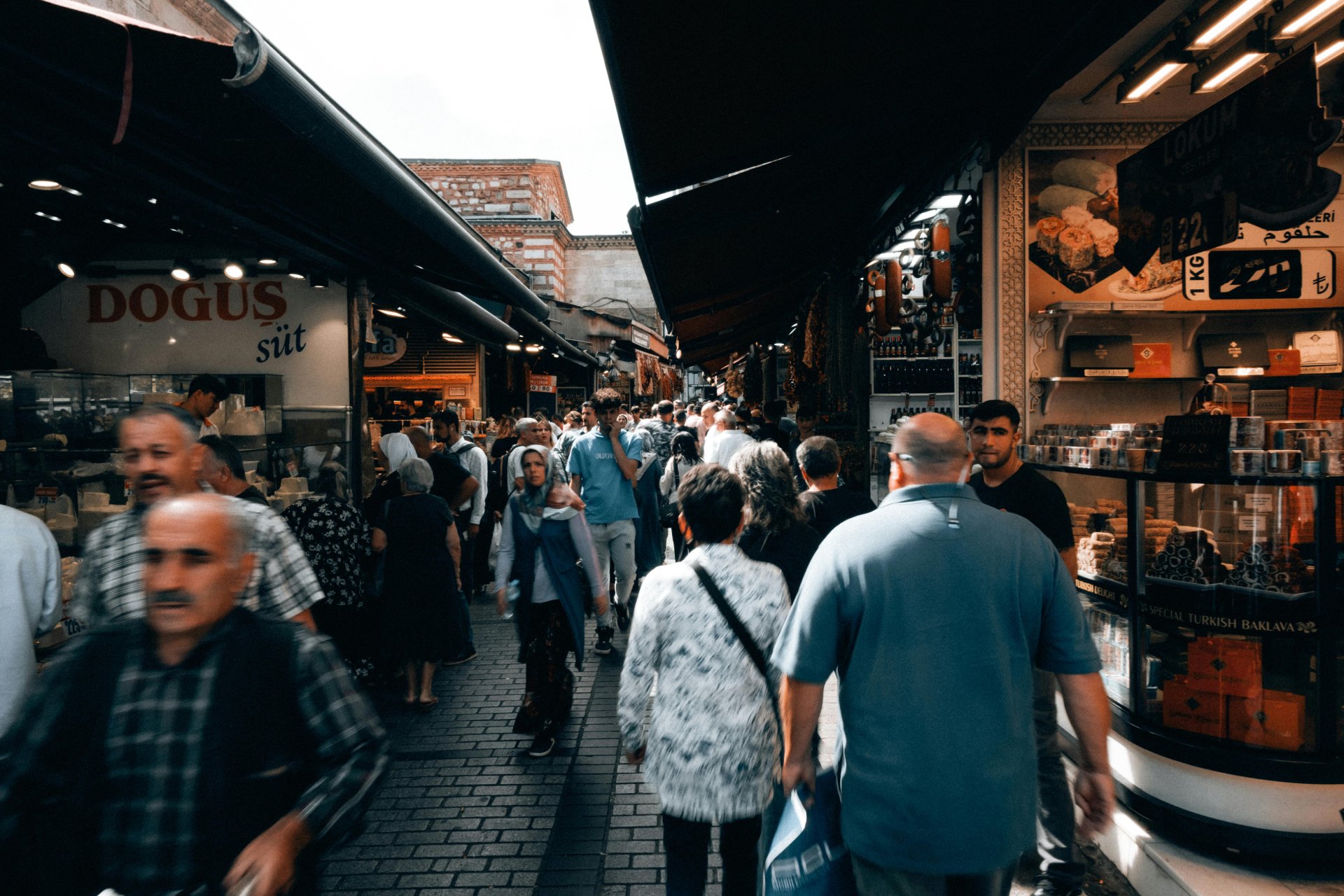
The avoidance of super spreading locations and events is top of mind for many travelers.

Kirsten Peterson of Peterson Travel Group in Chicago finds guests are seeking private experiences such as smaller hotels, villas and cities, as well as remote locations away from crowds. She says customization is key, as everyone has varying degrees of comfort while traveling.

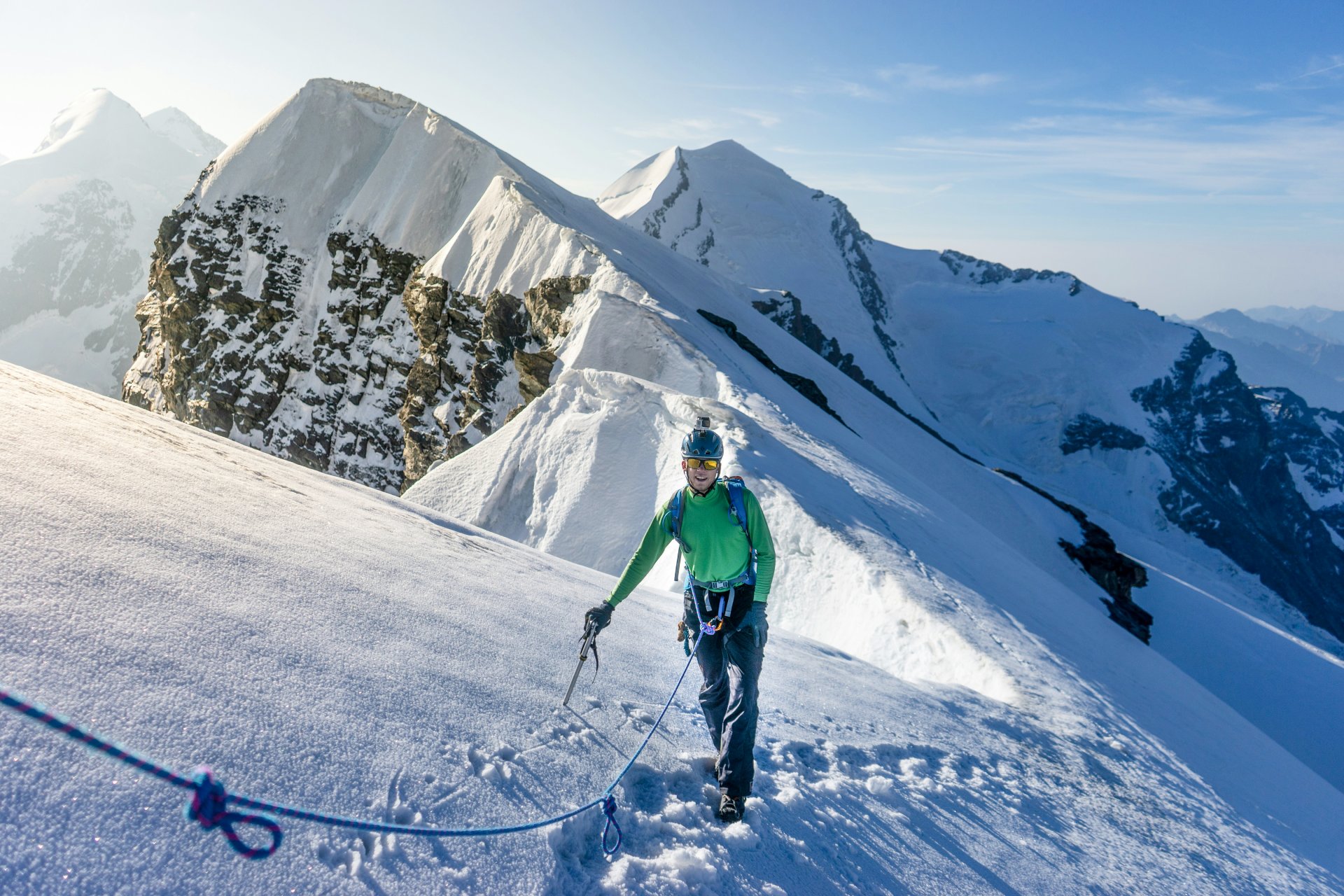
To increase safety, small group trips and private trips are frequently combined with a remote location. Kanna Travel Services, a full-service travel agency in Bozeman, Montana that specializes in trip logistics for adventure and sports travel and a Global Rescue Safe Travel partner, notes a trend of smaller, more intimate travel groups.

“We are seeing family groups and small groups booking out ranch or ski lodge destinations where they can still get out exploring while responsibly keeping in their own small group,” said travel specialist Kimberly Franke.

Domestic Travel First

While international travel requirements change frequently across the globe, many travelers will test the waters with domestic travel first. It’s a good way to stay safe during the pandemic by selecting destinations with plenty of wide-open spaces and fresh air.

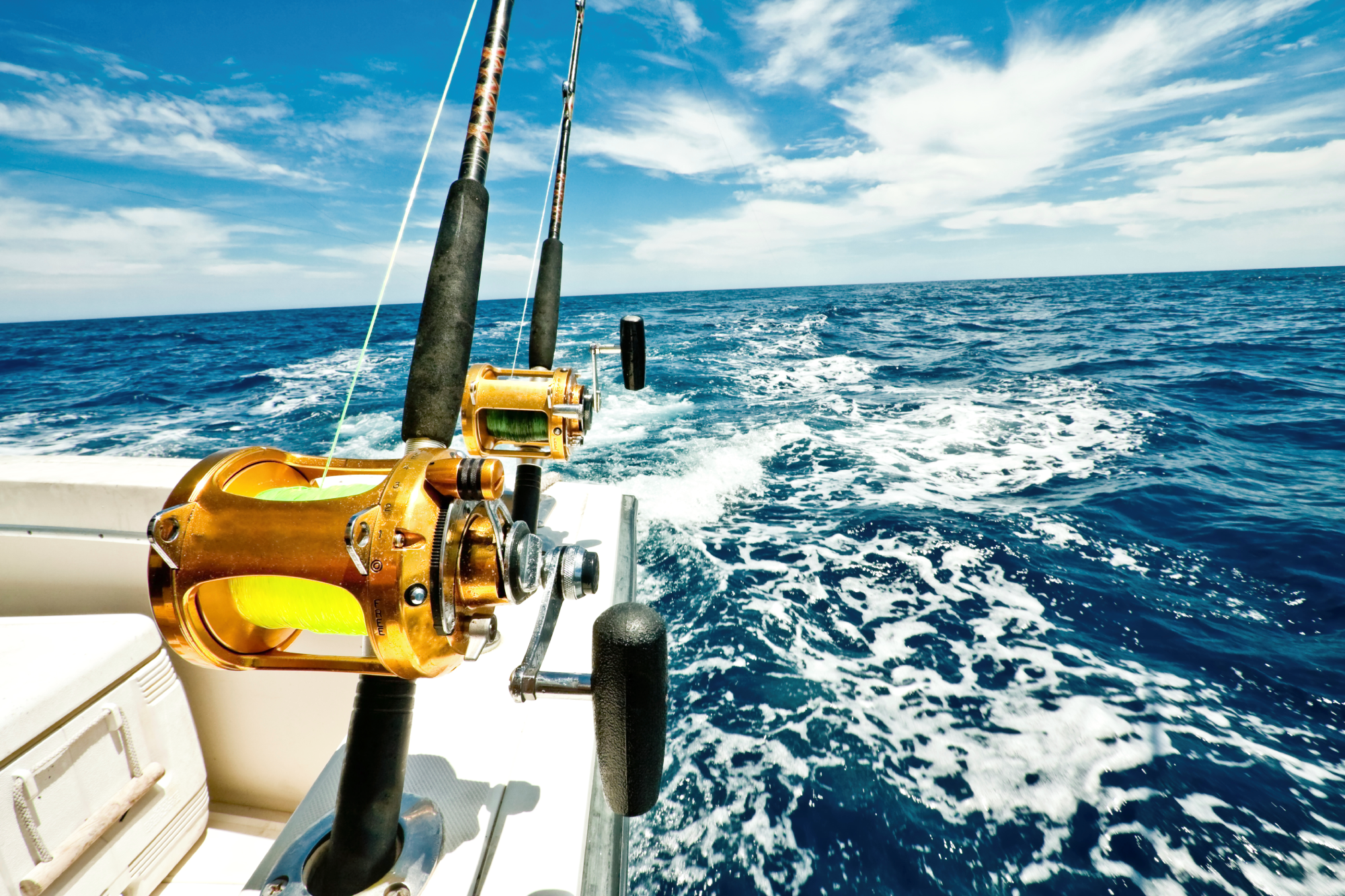
Kanna Travel has fielded requests for Montana’s luxury ranch, The Ranch at Rock Creek, which is a 19th century homestead located on 6,600 acres. Visitors can participate in twice-daily ranch activities such as fly fishing, hiking, horseback riding and rides with a rancher.

Alice Howell, vice president of Stoke Broker, a travel company cultivating unique and impactful adventures around the globe, describes a popular white water rafting trip in Idaho.

“There’s substantial interest in private white water rafting trips on remote rivers such as Middle Fork of the Salmon River,” Howell said. “River trips are transformative. You get into pristine wilderness, out of cell phone range and you connect with the people you are with and the nature around you.”

Longer Trips

A week of vacation was the norm before the pandemic. Now, with pandemic protocols requiring self-isolation or quarantine for a specific number of days, long-stay vacations have increased in popularity.

Long stay vacations, also called extended stay vacations, range anywhere from 18 days to several months. With an average of 28 days, there is plenty of time to comply with any quarantine or isolation requirements for travel.

Destinations with Modern Medical Facilities

In the United States, it is easy to find a coronavirus testing facility online or by calling the state’s health department. It’s not as simple if you’re in Africa, there are a limited number of testing facilities.

Or perhaps you are visiting a developing country with a universal health care program for those living below the poverty level. The hospital may be crowded, with one doctor for every 1,700 people compared to three for every 1,000 Americans.

Today’s travelers are choosing locations vetted for high standards of medical care. One component of selecting a travel destination might include making sure the facility aligns with a U.S. Level 1 hospital, which offers a 24-hour emergency department, trauma and surgical services as well as Joint Commission International (JCI) accreditation.

Travel Protection Services

The coronavirus pandemic, with unexpected changes happening quickly, highlighted the necessity of travel protection services. Now, when the unexpected happens during travel, travelers want a team of travel intelligence, medical and security experts help from the point of emergency — regardless of destination.

The survey found 49% of respondents would travel with medical evacuation services from the point of illness or injury and 21% wouldn’t leave home without Cancel For Any Reason trip insurance.

Daniel Richards, CEO of Global Rescue, told participants at World Travels & Tourism Council’s 2021 Global Summit he believes the travel industry needs to remove fear and uncertainty to ease the traveler’s mindset.

“If we can do those things, I can guarantee that demand will come surging back,” Richards said.

Other Traveler Modifications

When it comes to travel, each person and each situation is unique. Survey respondents also included their own travel modifications in the comments section of the annual survey:

  • travel privately (or fly privately)
  • avoid COVID-19 hot spots
  • travel to destinations with the least restrictive COVID-19 requirements
  • travel if it is absolutely required or a family emergency
  • take fewer trips, eliminating unnecessary trips
  • avoid long flights
  • only travel within 300 miles of home

The spring 2021 Traveler Sentiment and Safety survey was conducted April 21-26, 2021. Results reflect responses from 1,700 current and former members.

Share This:

Spring 2021 Survey Results: Traveler Confidence Rises, Planning Trips Now for Later

According to our spring 2021 Traveler Sentiment and Safety Survey, traveler safety concerns are not stopping travel. Domestic trips are continuing with caution and international trips are being planned now for later dates.

Fear of COVID-19 infection or quarantine as a primary concern plunged 37% among travelers, as their confidence has grown significantly since the pandemic was declared. These results reflect a key finding from the spring 2021 Traveler Sentiment and Safety Survey.

In April 2021, 78% of respondents are “much less” or “less” concerned about travel safety in 2021 with 22% answering they are “more” or “much more” concerned. 

Less COVID-19, More Accidents and Civil Unrest

In January 2020 pre-coronavirus, only 35% of travelers were concerned about travel safety. Trip worries included health (36%), terrorism (34%), street crime (13%), traffic (8%) and civil unrest (5%).

In January 2021 those travel safety concerns turned primarily to health, garnering the concern of 54% of travelers. Their worries one year later are overwhelmingly related to the coronavirus, with 41% fearing being quarantined or not being able to return home due to border closings. An additional 29% worry about being infected with the coronavirus and 18% worry about trip cancellation.

In April 2021, coronavirus fears are still high (44%) but other non-pandemic travel concerns have moved higher up the list:

  • 16% are worried about having an accident (up from 5%)
  • 15% are worried about civil unrest (up from 3%)

No matter the concern, it is not stopping travel. Domestic trips are continuing with caution and international trips are being planned now for later dates.

“Travelers are twice as likely to plan international trips within the next six months as they were in September 2020,” said Dan Richards, Global Rescue CEO. “Nearly three-quarters of surveyed travelers have already taken a domestic trip or are planning to take one before July.” 

Book Now Trend

A combination of availability and uncertainty is driving a trend for “now” travel.

“The trend is definitely new since COVID-19,” said Mimi Lichtenstein, founder and custom travel advisor of Truvay Travel  and Global Rescue Safe Travel partner. “It’s a combination of so much uncertainty and availability. Normally, places might be booked up — and some still are booking up, especially in the U.S. during prime travel dates — but many more are available.”

Coronavirus changed consumer’s travel behavior in 2020, with trips being booked at the last minute more than ever before. Forty percent of U.S. travelers, during both the Fourth of July and Labor Day holiday weekends, booked less than seven days before their intended travel date and 65% booked within 14 days. The book-travel-now trend continued until the end of 2020 with holiday travel.

The introduction of vaccines prompted travelers to book now for any trip in the future. The spring survey found 14% of respondents have already traveled internationally, while 46% will take an international trip in 2021 and 17% are waiting until 2022.

“If you want primetime in a prime destination, you want to book now,” says Lichtenstein, who is currently planning summer travel for Alaska for herself and summer itineraries for her clients. “I am talking with clients about 2022 right now.” 

“People are looking to schedule 2022/23 trips, which are booking up fast. Availability for certain destinations is already very limited,” said Kimberly Franke, a travel specialist with Kanna Travel Services, a full-service travel agency in Bozeman, Montana and Global Rescue Safe Travel Partner. “We are seeing 2023 travel fill up with people booking in advance to get the best places and spots available before they fill with the backlog of travelers.”

Next Steps

As the travel industry adapted to a new normal, consumer confidence continued to build. But safety will stay the paramount theme of any future travel plan.

“All clients are asking the same questions about coronavirus rules and restrictions, as well as the safety of a particular destination,” said Vitalij Kovalysin, director of ELVIT LTD, a property and lifestyle concierge based in the United Kingdom and Global Rescue Safe Travel partner. “Clients do not want to take unnecessary risks.”

The next step to increasing traveler confidence: Richards is encouraging government health officials to develop capabilities to identify, detect and respond to COVID-19 and emerging pathogenic threats.

“By leveraging improvements in technology, including tools that detect active infection of COVID-19 and emerging diseases on exhaled breath, we can effectively recover from and prevent disease spread, while boosting and protecting the travel and hospitality industry,” said Richards, who also serves on the U.S. Travel and Tourism Advisory Board at the U.S. Department of Commerce.  

The spring 2021 Traveler Sentiment and Safety survey was conducted April 21-26, 2021. Results reflect responses from 1,700 current and former members.

Categories:

News
Share This:

A CEO on His First Post-Pandemic In-Person International Business Conference

Share This:

What Is A Safety Measure?

While safety measures can be critical components of a larger security plan, they are often confused with SOPs. Global Rescue experts explain the difference and why they are critical to improving travel safety worldwide.

The coronavirus pandemic motivated companies across the globe to update their organizational security plans. Company security plans are all-compassing documents, often consisting of other organizational protocols like emergency action plans (EAPs), standard operating procedures (SOPs) and safety measures.

For businesses and organizations of all sizes, a company security plan is a must-have, especially given the impact of the pandemic. While some businesses only had to make minor changes to SOPs and safety measures, other organizations found themselves in unprecedented territory, with little to no framework in place to guide major workforce changes.

As travel starts to return and businesses begin to return to full operation, the idea of a company security plan with EAPs and SOPs may seem far too complex. Perhaps all that is needed are additional safety measures to get back up and running? Not exactly.

While safety measures can be critical components of a larger security plan, they are often confused with SOPs.

SOPs and Safety Measures

Much like safety measures, SOPs are designed to prevent emergencies and while some SOPs are safety measures, some are not.

“Safety measures are usually standard operating procedures within an organization, but all standard operating procedures are not safety measures,” said Harding Bush, associate manager of operations at Global Rescue. “For example, a company can have a standard operating procedure for processing client information – but this is not a safety measure. A standard operating procedure for bad weather is a safety measure.”

SOPs are a step-by-step set of instructions guiding employees to perform tasks in a consistent manner.

“Parking, entering the building, logging on to a computer, how e-mails are sent and how transactions are conducted — these are a few examples,” Bush said. “Most of these procedures become second nature and are ingrained into the culture of the organization. Any deviation is easy to address and correct.”

During the pandemic, companies instituted standard operating procedures (stay home if you are sick) as well as safety measures (take your temperature upon entry to the workplace) to mitigate health and safety related risks.

Risk management isn’t a one-time action though. It’s a continuous evaluation process as the pandemic ebbs and wanes, which means organizations must constantly update their existing protocols and procedures.

Safety measures are not just internal protection measures for employees — they also protect clients, vendors, visitors and the local community.

Consider the travel industry. The U.S. Travel Association describes the travel ecosystem as a journey with many parts: air travel, transportation, lodging, vacation rentals, dining, attractions and entertainment. Travelers, as they encounter each part of the ecosystem, experience various safety procedures and each safety measure has an impact on the world at large.

Here are some examples.

Destinations

Coronavirus testing upon departure and upon arrival. Self-isolation or quarantine requirements after travel. Curfews on nights and weekends.

These are just a few of the safety measures destinations, countries, counties, islands and capital cities have put in place during the pandemic. Many more have taken an additional step to be certified as a safe destination.

The World Travel & Tourism Council offers a SafeTravels Stamp so travelers can “recognize destinations and businesses around the world which have adopted the SafeTravels health and hygiene global standardized protocols.” The protocols have been developed using CDC and WHO guidelines and are updated frequently.

Los Cabos, Mexico became the first VERIFIED travel destination in April 2021 through a program with a digital health company and travel guide. The designation means the location has “verified their health protocols on an ongoing basis across more than 360 expert-validated standards to minimize the risk and impact of public health events such as COVID-19.”

Tour Operators

The Icelandic Tourist Board — in conjunction with the Icelandic Association for Search and Rescue, The Icelandic Tourist Industry Association and the Iceland Tourist Guide Association — complied strict guidelines for tour operators and travel agencies. These regulations cover a wide variety of topics from safety plans to risk assessments as well as recommendations for specific activities, such as dog sledding, glacier guiding and driving excursions.

The Adventure Travel Trade Association partnered with the Cleveland Clinic to develop guidelines and in-depth protocols for adventure activities. Examples include increased social distancing for cyclists following each other, cautions about interacting with nongroup members on hiking trails and masks worn on rafting trips due to guest proximity.

Many tour operators and travel designers have developed safety measures of their own: travel pods or travel bubbles, private transportation, coronavirus testing logistics and local medical care, if necessary. The Travel Corporation has also added “well-being directors” to ensure guests, staff and suppliers are following coronavirus safety guidelines.

Transportation and Lodging

Airports were the first to place social distancing markers on the floor, implement touchless solutions and conduct on-site rapid tests for COVID-19.

Hotels, providing temporary living space for coronavirus health care workers in the early days of the pandemic, were quick to implement hand sanitizer stations, protective barriers, socially distanced public areas, sanitization of high-touch points, health checks for staff and ongoing training for the latest cleanliness standards.

“At our Ndutu Safari Lodge in Tanzania, I prepared a checklist for our staff members following Tanzania’s national standard operating procedures,” said Valentina Vallinotto of v-adventures in New York and a Global Rescue Safe Travel partner.

In Montana, Safe Travel partner Downing Mountain Lodge is following CDC and state guidelines for allowing travelers to visit.

“Downing Mountain Lodge is a fabulous place to practice social distancing, but guests must have been practicing diligent behavior prior to arrival,” said Owner John Lehrman. “In the unprecedented times that we face today, staying safe and alert to the dangers of travel is real.”

Restaurants

Eating at a restaurant isn’t only about the food, it’s about enjoying service, ambiance, a new cuisine or old favorite food and time with family and friends. With seating capacities in the hundreds and tables clustered together, the pandemic hit the restaurant industry hard. According to the National Restaurant Association, more than 110,000 eating and drinking establishments in the United States closed for business either temporarily or permanently last year, with nearly 2.5 million jobs erased from pre-pandemic levels.

Those remaining have implemented a wide array of safety measures, from online ordering to no-contact food pick-up and delivery options as well as and guest book sign-ins for contact tracing.

The FDA has provided Best Practices for Retail Food Stores, Restaurants and Food Pick-Up/Delivery Services During the COVID-19 Pandemic and the National Restaurant Association’s COVID-19 Re-opening Guidance as guidelines for restaurants operating during the pandemic.

According to Patrick Guzzle, vice president of food science and industry with the National Restaurant Association, safety protocols do not change after employees are vaccinated.

“The CDC still recommends six feet of separation where possible, frequent handwashing and wearing face masks. Everyone should follow those rules, even if they’re vaccinated,” he told industry food and operation safety experts.

How Global Rescue Can Help

If your organization is lacking safety measures, the security experts at Global Rescue can help. This could include a broad range of services, from reviewing standard operating procedures to developing a full security plan, or providing a situational briefing and assessment for an upcoming international trip.

Global Rescue memberships are also critical services for tour operators, travel companies and travel designers. Both clients and employees have access to medical evacuation, advisory and field rescue services. Click here to learn more about our travel services membership.

Categories:

News
Share This:

Travelers Becoming More Confident about Travel

Categories:

Health & SafetyTravel
Share This:

The Future of Luxury Travel

For luxury tour operators, gone are the days where attention to detail and unmatched service are enough to attract clients. Here to stay are clients who expect the very best in travel safety and require peace of mind…

In late December 2019, an outbreak of the pneumonia-like coronavirus was first traced to a seafood market in Wuhan, China. By March 2020, the World Health Organization declared COVID-19 a pandemic and countries around the world began rapidly imposing entry restrictions and travel bans.

Tour operators and travel advisors were quickly thrown into unprecedented territory as the travel industry came to a sudden halt.

By mid-April 2020, a survey of Global Rescue members revealed 90% of travelers had either canceled or postponed their travel plans due to the coronavirus pandemic.

Recent research from the World Travel & Tourism Council (WTTC) estimates COVID-19 could result in a loss of 121 million global travel and tourism jobs and an estimated $3.4 trillion in global GDP.

While the tourism and travel industry has been deeply impacted by the pandemic, the road to recovery is already showing signs of promise.

Future of Luxury Travel PDF

Signs of Recovery

As early as mid-April, signs of pent-up demand for travel were already emerging. More than half (59%) of Global Rescue travelers reported they would book another trip as soon as they feel safe to travel.

Among travelers who did cancel their trips, not all did so indefinitely.

“A great majority of the travelers have postponed,” said Jim Sano, former president of Geographic Expeditions and Yosemite National Park Ranger. “When you look at the number of travelers booked, the bookings for these tour operators compared to this same time last year, October of 2019, are up by as much as 46-50%.”

Despite the fact many tour operators are still shut down, it’s clear that when the time is right, the return will be fervent.

In mid-September, another Global Rescue travel safety survey revealed 52% of travelers said they were looking at international locations for their 2021 travel.

Even with traveler sentiment at such a promising level, there’s no ignoring that travel is going to be infinitely more complex than ever before.

For luxury tour operators, gone are the days where attention to detail and unmatched service are enough to attract clients. Here to stay are clients who expect the very best in health and safety.

In response to a greater expectation for health and safety measures, organizations like WTTC and the Adventure Travel Trade Association (ATTA) have developed a series of COVID-19 guidelines with protocols and recommendations for rebuilding traveler confidence with an evidence-based approach to health and safety.

The Future of Luxury Travel

Outside of rebuilding confidence, some expectations among luxury travelers will remain familiar. While privacy has always been paramount, it’s already emerging as an even greater priority.

“One of the first things out of the gate will be private trips,” Sano said. “These private trips will be family bubbles or small groups of people with high confidence that this is the group they feel sure of.”

While much of the airline industry continues to remain stagnant, the private jet industry is surging.

According to a recent article in Bdaily News, global charter company Vista Jet has reported a bounce back to about 85% of pre-pandemic traffic in the United States, with more than 70% of bookings coming from new customers.

Much of this new traveler confidence is due to new innovations in science and technology. Breathalyzers to detect COVID-19 with faster results and quick-to-market 3D printed nasal swabs are just two of the newest developments helping increase the safety of travel. More are under discussion, such as travel health passports (digital or otherwise) and coronavirus control centers at major transportation hubs.

The future of luxury travel is already in motion, which means tour operators will need sound strategies and resources to ensure they are able to overcome unprecedented challenges to meet new traveler expectations and provide peace of mind.

To meet these challenges, they’ll need two things: planning and response.

Planning and Response

In a webinar for tour operators preparing for a return to travel, Global Rescue Vice President of Operations Scott Hume pointed to the renewed emphasis and requirement to assess medical capabilities and transportation infrastructure at every destination’s local health care facilities.

“It is critical whether the medical infrastructure is accessible and capable of providing the needed treatment,” Hume said. “Who bears the cost should someone get sick or injured and stuck on the other side of a border is also important.”

The time, expertise and resources required to carefully and accurately vet health care providers and facilities to ensure travelers will have immediate access to care should they need it is a huge undertaking. Many luxury tour operators rely on Global Rescue to provide vetted hospitals and medical facilities rather than take on this burden and liability themselves.

Similarly, Global Rescue’s award-winning GRID travel intelligence platform continuously monitors changing border restrictions, fluctuating destination conditions and shifting traveler rules – relieving both operators and travelers from that concern. Providing additional services like emergency action plan creation, training, scenario analysis, running a rigorous COVID-19 testing regimen and maintaining access to emergency response assets is at the heart of Global Rescue’s solutions that allow tour operators to focus on delivering the best possible experience for their guests.

Finally, no planning process is complete without a robust response component. Rescue, case management, including for COVID-19 cases, evacuation and repatriation complete the comprehensive array of services that will help tour operators focus on their business and help travelers relax and focus on their experience.

The Smart Solution

As the leading provider of travel risk, crisis management and response services, the in-house experts at Global Rescue have extensive experience assisting tour operators develop and implement solutions of all sizes, supported by our proprietary GRID journey management platform and our exclusive relationship with the Johns Hopkins Emergency Medicine Division of Special Operations.

From planning to response, Global Rescue services are completely customizable to meet the unique needs of each client.

Global Rescue medical, security and intelligence experts can support tour operators as they evolve existing protocols and implement new safety procedures. These safety measures will be different for each stage of the travel journey: from touchless solutions at airports to new cleaning protocols at hotels to contact tracing at restaurants, attractions and events.

Once a screening and tracking strategy is set, Global Rescue’s GRID platform allows tour operators to securely collect and store information, while also keeping up to date with destination reports that include COVID-19 specific information.

Should an emergency occur, Global Rescue medical and security experts can fully coordinate all aspects of advisory and evacuation – managing all ground and air medical evacuation, quarantine and treatment for COVID-19 positive individuals.

Global Rescue services may also include global telehealth, which includes access to trusted physicians with substantial expertise in global traveler medical concerns. This fully-integrated model provides access to doctors for real-time diagnosis and treatment from anywhere.

No one expected a pandemic, and no one knows what the next vulnerability will be. We do know that the people, businesses and industries that are best prepared will be most resilient to any challenge. Part of that preparation includes an all-hazards emergency protection solution for medical and security crisis, like COVID-19. On-going protection provides support for authorities in executing established emergency action plans including: access to case management, transport logistics, evacuation and repatriation for any medical emergency and monitoring from diagnosis through repatriation.

While these services are a critical piece in helping tour operators and companies get back to business, Global Rescue has been working closely with clients, governments and health care providers to deploy integrated travel risk and crisis management solutions for more than 15 years.

With more than 20,000 operations worldwide, Global Rescue has been at the forefront of some of the world’s most challenging crises. The coronavirus has deeply impacted the travel and tourism industry, but as history has shown, the industry is resilient and travelers will acclimate.

Just Another Known Risk?

“There’s a certain amount of acclimatization that is bound to happen over time,” said Sano, who pointed out that many tour operators have already updated their terms and conditions and implemented new waivers.

Sano likens aspects of the coronavirus pandemic to that of the Ebola outbreak, noting that eventually travelers still opted to visit Africa knowing Ebola was there.

Outside of Ebola, malaria is also an endemic disease in African countries. Dengue Fever is endemic in South America. Asia is one permanent home for Chikungunya, a viral disease transmitted to humans by infected mosquitoes. These endemic diseases are known risks to travelers.

“It is always a background travel risk,” Sano said.

While there’s no way to predict if and when the coronavirus will fade to the background for travelers, what’s clear is that travel risk will always be present yet manageable with the right skills and team in place.

Before You Go

We love to travel. Whether it’s to visit family and friends, for adventure and discovery, or to escape and relax – travel is important. And travel carries risks that may dramatically change our plans.

Global Rescue has done the work to mitigate those risks and anticipate crisis. We also know what to do when a crisis inevitably occurs. In order to adequately prepare for a crisis, the travel and tourism industry must take a seat at the table in crisis preparedness, management and recovery.

We cannot always predict the nature of the next crisis, but the value of your participation in the understanding and planning around crisis preparedness is clear.

Even if a disaster strikes, having these systems in place will mean a shorter recovery time for you, your clients and the destinations you serve.

Share This:

Global Rescue and The Auto Club Group Introduce “Beyond The Road” An Exclusive Service for…

Cancun, Mexico – April 28, 2021 – One of AAA’s largest clubs, The Auto Club Group (ACG), and Global Rescue, the pioneer of travel risk, crisis response, field rescue and medical evacuation, are introducing Beyond…

Cancun, Mexico – April 28, 2021 – One of AAA’s largest clubs, The Auto Club Group (ACG), and Global Rescue, the pioneer of travel risk, crisis response, field rescue and medical evacuation, are introducing Beyond The RoadSM, a service providing travelers the peace of mind to explore. While Global Rescue services are available to the general public, special rates are now available for ACG’s 14 million AAA Members throughout 14 states, the province of Quebec and two U.S. territories.

Domestic travel is rebounding strongly, with outdoor activity in the U.S. and Canada reaching new levels of popularity. The AAA membership follows you when you’re on the road. Beyond the Road complements the AAA – The Auto Club Group Membership by offering world-class emergency protection with field rescue, medical consultations and access to virtual doctor appointments, so you can roam with confidence anywhere in the contiguous United States and Canada, knowing that help will come to you.

“Beyond The Road supports you in the continental U.S. and Canada from the point of illness or injury to your choice of care facility anytime you’re away from home,” said Dan Richards, CEO of Global Rescue who also serves on the U.S. Travel and Tourism Advisory Board at the U.S. Department of Commerce and is a Global Member of the World Travel and Tourism Council (WTTC). “If you need advice while traveling, get sick or injured and are unable to get to medical treatment on your own, Global Rescue is there for you, near home or far away.”

Beyond The Road services include:  

  • Emergency field rescue from the point of illness or injury to the nearest care facility and then home. 
  • If you’re hospitalized 100+ miles from home and further hospital care is required, we provide medical evacuation to your home hospital of choice. 
  • 24/7/365 access to medical advisory services from nurses and paramedics trained to respond to any medical situation. 
  • Direct traveler assistance to help with local health care systems, visa and passport issues, translation, legal locators and real-time event alerts. 
  • Telehealth access 24/7/365 for real-time consultations and treatment (additional fees apply). 
  •  

“When COVID-19 grounded us at home, people turned to outside activities and travel in North America for a change of scenery and to refresh themselves in the great outdoors – and this trend continues,” said Debbie Haas, Vice President of Travel for AAA – The Auto Club Group, which is a member of the World Travel and Tourism Council.

“People are continuing to take road trips to the trails, the waterways, the mountains and elsewhere to hike, camp or ride bikes in the wilderness,” Haas continued. “The Beyond The Road pilot program is there for you if you are sick or injured and need advice or assistance. We are excited about this partnership with Global Rescue and plan to expand the program as the year progresses.” 

Participation is available to all U.S. and Canadian residents. Members of AAA – The Auto Club Group are eligible to receive a $50 discount on Individual one-year memberships for $159 and family memberships (up to six dependents age 26 or younger) for $289. 

The above offer only applies to AAA-The Auto Club Group members in Colorado, Florida, Georgia, Iowa, Michigan, Nebraska, North Carolina, North Dakota, South Carolina, Tennessee, Wisconsin; portions of Illinois, Indiana, and Minnesota; Puerto Rico, the Virgin Islands and Quebec, Canada.

To learn more, visit GlobalRescue.com/BeyondTheRoad, call 617-210-8171, or email beyondtheroad@globalrescue.com.

About AAA – The Auto Club Group 

The Auto Club Group (ACG) is the second largest AAA club in North America with more than 14 million members across 14 U.S. states, the province of Quebec and two U.S. territories. ACG and its affiliates provide members with roadside assistance, insurance products, banking and financial services, travel offerings and more. ACG belongs to the national AAA federation with more than 62 million members in the United States and Canada. AAA’s mission is to protect and advance freedom of mobility and improve traffic safety. For more information, get the AAA Mobile app, visit AAA.com, and follow us on Facebook, Twitter and LinkedIn.


About Global Rescue

Global Rescue is the world’s leading provider of medical, security, evacuation and travel risk management services to enterprises, governments and individuals. Founded in 2004, Global Rescue has exclusive relationships with the Johns Hopkins Emergency Medicine Division of Special Operations and Elite Medical Group. Global Rescue provides best-in-class services that identify, monitor and respond to client medical and security crises. Global Rescue has provided medical and security support to its clients, including Fortune 500 companies, governments and academic institutions, during every globally significant crisis of the last decade. For more information, visit www.globalrescue.com.


©2021 Global Rescue LLC. All rights reserved. GLOBAL RESCUE, TOTALCARE, BEYOND THE ROAD and related logos and indicia are service marks of Global Rescue LLC. All Rights Reserved.

Conditions, limitations and exclusions may apply. See Global Rescue’s Beyond The Road Member Services Agreement for full details.

†Global Rescue LLC provides technical and administrative services to Elite Medical Group, P.C. (“Elite Medical”), a professional corporation owned by licensed physicians that employs or contracts with physicians licensed to practice medicine where medical services are provided. Elite Medical physicians provide all medical care accessed via the Totalcare telehealth service and all associated fees are established and collected by Elite Medical. Elite Medical reserves the right to deny care for potential or actual misuse of their services.


Share This:

Traveler Confidence Rises, Covid-19 Fears Subside

Travelers embrace fast, on-site testing; oppose centralized vaccine data collection Lebanon, NH – April 26, 2021 – Fear of COVID-19 infection or quarantine as a primary concern among travelers plunged 37% while their confidence to…

Travelers embrace fast, on-site testing; oppose centralized vaccine data collection

Lebanon, NH – April 26, 2021 – Fear of COVID-19 infection or quarantine as a primary concern among travelers plunged 37% while their confidence to travel has grown significantly since the pandemic was declared more than a year ago, according to the results of Global Rescue’s Traveler Sentiment and Safety Survey. 78% of respondents are “much less” or “less” concerned about travel safety in 2021 compared to 2020, with 22% answering they are “more” or “much more” concerned.

“Travelers are twice as likely to plan international trips within the next six months as they were in September 2020,” said Dan Richards, CEO of Global Rescue, the leading travel risk, crisis management and response company. “Nearly three-quarters of surveyed travelers have already taken a domestic trip or are planning to take one before July,” he added.

As traveler confidence grows, Richards is encouraging government health officials to develop capabilities to identify, detect and respond to COVID-19 and emerging pathogenic threats. “By leveraging improvements in technology, including tools that detect active infection of COVID-19 and emerging diseases on exhaled breath, we can effectively recover from, and prevent, disease spread while boosting and protecting the travel and hospitality industry,” said Richards, who also serves on the U.S. Travel and Tourism Advisory Board at the U.S. Department of Commerce.

The overwhelming majority of respondents (91%) would submit to fast, on-site COVID-19 testing to check for coronavirus before travel, and 80% said they would pay for the test depending on cost.

Surveyed travelers are closely split in their support for (46%) or against (42%) using vaccine certifications for domestic travel. Approval shifts decisively regarding international trips with 70% of respondents favoring the use of vaccine certificates.

Travelers revealed strong preferences to control their own vaccination and testing data rather than entrusting centralized organizations. 45% of respondents want their proof-of-vaccination and COVID-19 testing results to be maintained by the individual, and presented as necessary. Another 16% do not want the data collected at all.

“Government officials must take a leadership role in recommending secure technology standards where users, rather than centralized organizations, store and control data used for vaccine, previous infection and testing verification for COVID-19 and future disease outbreaks,” Richards said.

The pandemic is leading travelers to modify their trip plans in a number of ways. A majority of travelers (54%) indicated they would avoid crowded destination and places with insufficient medical facilities (22%) as the leading reasons preventing them from visiting an area.

Respondents said the most important travel protection service today is medical evacuation from the point of illness or injury (49%) followed by Cancel For Any Reason trip insurance to protect against financial loss from last minute trip cancellation or disruption (21%).


Contact Bill McIntyre at bmcintyre@globalrescue.com or 202.560.1195 (phone/text) for more information.


About the Global Rescue Traveler Survey 

Global Rescue, a leading travel risk and crisis response provider, conducted a survey of more than 1,700 of its current and former members between Apr. 21-26, 2021. The respondents revealed a range of preferences for travel expectations, behaviors and safety concern in anticipation of a return to leisure and business trips domestically and internationally. 


About Global Rescue

Global Rescue is the world’s leading provider of medical, security, evacuation and travel risk management services to enterprises, governments and individuals. Founded in 2004, Global Rescue has exclusive relationships with the Johns Hopkins Emergency Medicine Division of Special Operations and Elite Medical Group. Global Rescue provides best-in-class services that identify, monitor and respond to client medical and security crises. Global Rescue has provided medical and security support to its clients, including Fortune 500 companies, governments and academic institutions, during every globally significant crisis of the last decade. For more information, visit www.globalrescue.com.


Categories:

News
Share This:

Study Shows Traveler Confidence Growing in 2021

Share This:

Tips for Planning Travel with Peace of Mind

Smart travelers plan for known travel safety risks: weather, health and coronavirus. It’s impossible to plan for the unknown, but a Global Rescue membership will provide peace of mind in the event of any travel…

Global Rescue, the pioneer of worldwide field rescue, has seen it all: dramatic evacuations, strange injuries and unusual accidents that defy logic. From getting scratched by a lemur in Madagascar to being attacked by a giraffe in Zimbabwe to sheltering from brush fires in Australia, we’ve responded to medical and security emergency calls from members on their travels across the globe.

It’s almost impossible to plan for the unknown. That’s when a Global Rescue membership is essential for peace of mind.

Smart travelers already plan for known travel safety risks.

“Most of the time, the conditions we treat are preventable,” said Jeff Weinstein, medical operations supervisor at Global Rescue. “Do your research and take the appropriate steps — such as acclimatization, taking the appropriate medication, consulting your doctor about vaccination requirements — before your trip.”

The known travel safety risks are the easiest to prep for: travel advisories, weather forecasts, potential health concerns, coronavirus testing and COVID-19 documentation.

Travel Advisories

The government issues travel advisories to inform citizens of safety concerns in different countries. This is the information Global Rescue primarily relies on for its destination reports.

“A number of governments publish travel advisories to alert their citizens of potential hazards to travelers and expatriates in various parts of the world. For Americans, the United States Department of State publishes travel advisories online,” said Kent Webber, senior manager of Intelligence Products and Services at Global Rescue.

“Global Rescue reviews travel advisories from the U.S., the United Kingdom, Canada, Australia and other countries to form a comprehensive view of the hazards and risks members may encounter during their travels.”

Travel advisories cover a range of topics including health, terrorism, violence, crime, civil unrest and weather. Formats vary from government to government.

“The Department of State uses a tiered advisory system with four levels: exercise normal precautions, exercise increased caution, reconsider travel and do not travel. The levels may apply to an entire country or regions within a country,” Webber said.

A travel advisory doesn’t mean you have to cancel your trip, but it does warrant a closer look at your destination.

“For most governments, travel advisories are intended as advice to inform travel decisions. They may advise of an approaching storm, a natural disaster, a coup, a military conflict, an uptick in crime or any number of unexpected events,” Webber said.

Keep in mind travel advisories can change quickly and may apply for a limited period of time or longer.

“Each potential traveler should perform their own decision calculus and decide whether the risk and potential hazards are outweighed by the urgency of their travel needs,” Webber said. “Global Rescue seeks to inform members of risks, but in the end, each member must decide for themselves.”

Weather Forecasts and Natural Disasters

Whether traveling for business or leisure, checking the weather is usually a first step for travelers. Is it going to be sunny for my beach vacation? Will there be snow for my ski weekend? Should I pack an umbrella and a raincoat if showers are forecast during my business trip?

Keep in mind meteorological seasons — hurricane season, rainy season etc. — can overlap astronomical seasons: winter, spring, summer and fall. In the United States, a season might be designated as fall. In India, fall might include monsoon or rainy season.

Avoiding particular seasons will provide peace of mind during travel. But some natural disasters — such as volcanic eruptions, earthquakes and other geologic processes — are not tied to a season. You can plan a trip around typhoon season in China, which runs May to November, but earthquakes can happen at any time.

“While earthquakes aren’t necessarily predictable, there are areas where they are more likely to occur,” said Harding Bush, associate manager of operations at Global Rescue. “When you combine poor infrastructure in those locations— places like Nepal, Haiti, India — it increases the risk.”

Plan to reschedule a trip if the area has been affected by a natural disaster. Talk to local experts to see if it is realistic to travel there and there are no risks for injury.

“Is the food and water safe? Is the infrastructure strained?” Bush said. “If you visit too early, you’ll be in the way of reconstruction efforts. Consider evacuation services as well.”

Bush suggests reviewing travel insurance to see if cancellations or adjustments due to natural disasters, specifically predictable and unpredictable, are covered.

“The ash from volcanoes can shut down air travel for an extended period of time. A volcano erupted in Iceland that shut down most of the air traffic in and out of Europe for weeks. Volcanoes may not be predictable but the levels of activity are known.”

Your Health

If you are visibly ill, there’s a good chance the airline won’t let you board the plane.

Not all illnesses are visible; many, like high blood pressure or an ear infection, lurk just below the surface.

Schedule a pre-travel health consultation before traveling. Discuss any health concerns with your primary health care provider to mitigate the risk of illness while away from home.

There are some instances where it just makes sense to postpone travel. The CDC recommends not traveling by plane if you have recently had surgery or any type of heart attack or stroke.

“If the doctor says you should not fly, then you should not fly,” Weinstein said.

Travelers with chronic illnesses, like asthma or arthritis, should plan for contingencies by packing enough medication for the trip as well copies of the original prescription. Reader’s Digest also suggests considering the location of health care facilities in your destination, diseases endemic to the destination and checking on the limitations of your health insurance.

Coronavirus Testing and Documentation

Testing is required for most international travel — but do you know which test is needed?

There are four types of diagnostic tests for COVID-19: polymerase chain reaction (PCR) tests, loop mediated isothermal (LAMP tests), antibody tests and antigen tests.

“PCR tests, LAMP tests and antigen tests detect which person has an active infection while an antibody test determines if there was a past infection,” said Roi Baligod, RN, AEMT, senior specialist in the operations department at Global Rescue.

The CDC recommends PCR, LAMP or antigen tests, but there’s no standard test for travel. The airline may ask for a PCR test and the destination country could request two tests: one before you fly and one after you arrive.

“There is a whole process and approach to testing,” Weinstein said. “Some countries, like the United States, will take antigen tests and PCR tests, some, like the United Kingdom, will only take a PCR or LAMP test. Antigen testing has become much more readily available and widely accepted for entering many countries.”

PCR tests, done in a high-tech lab, usually take 24 hours or more for results. Antigen tests have a rapid turnaround time, usually 15 minutes. With either test, there’s still the chance of a false negative or a false positive.

“Negative results of antibody tests could be a ‘false negative’ if taken too early before the body can produce the antibody in response to COVID-19,” Baligod said.

Travelers with a negative test result, false or otherwise, should be certain to obtain medical services to pay for quarantine if ordered by authorities. Travelers will also need to have documentation of any and all testing — and, in some cases, vaccination — in order to travel. Make triplicate copies: carry one copy on your person, store one in your luggage or carry on and leave one with a reliable person back home.

Travel Safety for Any Situation

How do you prepare for the unknown travel risks? A travel protection membership can provide peace of mind for any situation.

  • Travel Assistance. Whether it’s finding a health care provider or a lost passport, Global Rescue travel assistance can help with unexpected issues. Global Rescue can also provide referrals to legal representation in more than 160 countries. 
  • Destination Reports and Event Alerts. Let Global Rescue review the travel advisories for you. Set alerts for health, weather and security events worldwide and important information such as entry requirements, COVID-19 travel status and restrictions, detailed security assessments and required immunizations.
  • Security Membership. Our teams of military special operations veterans are available to provide advisory, consultation and evacuation services for events like natural disasters, terror attacks and civil unrest when you are in danger.

Global Rescue has been a leader and pioneer in the travel protection services industry since 2004. We provide the finest integrated medical, security, travel risk and crisis management services available anywhere, delivered by our teams of critical care paramedics, physicians, nurses and military special operations veterans. Click here to learn more. 

Categories:

News
Share This:

To fuel industry recovery, travelers need a confidence boost, WTTC speakers say

Share This:

The Next Big Thing in Travel Safety

For all its negatives, the pandemic has had its positives. Science and technology developments are improving travel safety by leaps and bounds. Global Rescue tracks some of the innovations helping travelers take a safe trip.

In 1918 the influenza pandemic infected an estimated 500 million people worldwide. The virus was identified in 1933 and a vaccine was licensed for human use in the U.S. three decades later in 1945. Polio was identified in 1840 in a medical report, but the vaccine wasn’t developed until the 1950s. Until 2020, the fastest vaccine developed, for the mumps, was the result of four years of research and testing.

Vaccine development typically takes 10 to 15 years but medical urgency and worldwide need combined with pharmaceutical advances and blank check funding changed all that in 2020. The coronavirus spread quickly across borders, countries and oceans. Lockdown measures were not enough to contain its infectivity. On March 30, the U.S. Department of Health & Human Services started a program coined “Operation Warp Speed” to expedite a COVID-19 vaccine.

By mid-summer, Moderna and Pfizer published data on early phase clinical trials. In December, both vaccines were authorized for emergency use by the U.S. Food and Drug Administration (FDA). The speed of scientific advancement — less than a year — was a triumph for the global health care community.

Vaccine development is one positive outcome from the pandemic and there have been many others. Even educational initiatives — mask usage, hand washing and social distancing — have reduced the severity of the 2020 flu season and are paving the way for safer travel.

“There has been enormous conjecture about the future of travel,” said Daniel Richards, CEO of Global Rescue. “There is no question we are entering a new normal. How do we predict and mitigate these kinds of events in the future? With science and technology.”

Here are a few of the innovations Global Rescue experts are following.

Breathalyzers and 3D Swabs

No one enjoys the feeling of a swab in their nasal cavities — or the anxiety while waiting 24 to 72 hours for the results of a PCR test.

With time of the essence, researchers went to work on new technology solutions to increase travel safety.

Researchers at Indiana University developed a breath testing device similar to a breathalyzer, which tests blood alcohol levels, to identify the scent in breath altered by COVID-19. Train travelers in Indonesia tested the GeNose breathalyzer, developed by the University of Gadjah Mada. Just by breathing in a bag, travelers will have a positive or negative reading within two minutes.

A Texas-based company, in collaboration with Texas A&M University and the U.S. Air Force, developed a device called Worlds Protect. Students around campus use a disposable straw to blow into the machine, which resembles a kiosk and have results in less than a minute. Researchers at the University of Pittsburg are turning a marijuana breathalyzer into a coronavirus breathalyzer.

Some research has made it out of the lab to complete initial trials and gain the approval of the FDA. Ohio State recently received FDA approval for two innovations: a new recipe for the viral transport media, a critical sterile solution needed to transport testing swabs, and 3D printed testing swabs, which are faster to produce than the traditional swabs. Both address the critical shortage of test kit components.

It will take time for any new technology to gain mass market acceptance.

“We are seeing a lag by governments and large organizations behind science and technology,” said Richards, who serves on the U.S. Travel and Tourism Advisory Board at the U.S. Department of Commerce. “We need to figure out how to get these organizations to catch up and realize the new reality, which is a good one with travel rebounding in a v-like manner. Hopefully we can influence them to open up more quickly.”

Digital Health Passports

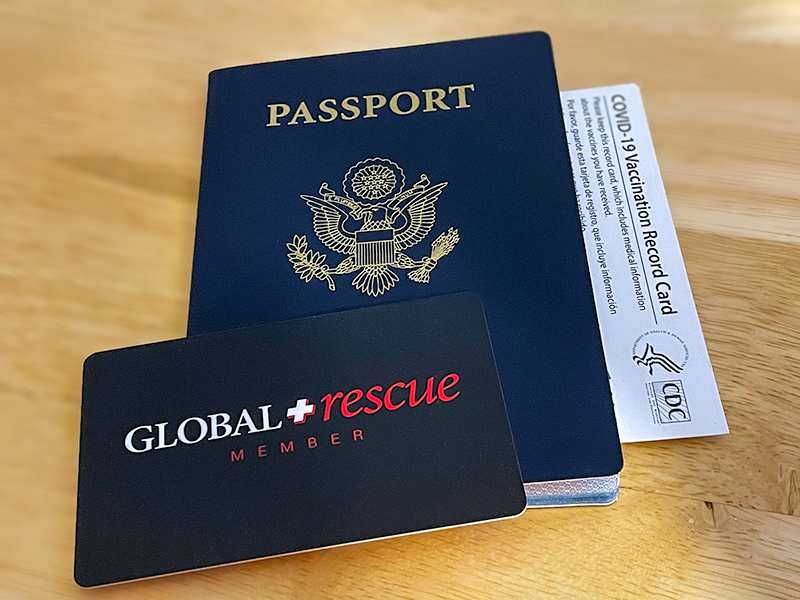
Traveling during a coronavirus pandemic requires several pieces of paper: a passport, any vaccination cards for international travel to specific countries, prescription copies and now, documentation with coronavirus test results.

Richards, told The Washington Post testing and vaccination information could soon be stored electronically.

Organizations and corporations are developing technology to make international travel easier: a trackable, verifiable and portable system that could keep pace with a vaccine rollout expected to cover the entire world’s population by 2024.  From the IATA Travel Pass sponsored by the International Air Transport Association to VeriFLY’s mobile app, trials of new systems are underway.

“How individual health information is tracked, stored or shared potentially creates issues with data privacy, control and civil liberties,” Richards said. “Creating a system that meets the necessary security requirements, respects individual’s privacy rights and works with low-tech paper options is going to be challenging.”

Coronavirus Control Centers

When jet hijackings became a worldwide threat, airport security was stepped up, making luggage screening and metal detectors commonplace. Likewise, COVID-19 has triggered a worldwide need to identify and prevent infectious disease spread, making travel ports — like airports, rail stations, cruise ship terminals and border crossings — ideal locations for testing. In January 2020, three major airports, San Francisco (SFO), New York (JFK) and Los Angeles (LAX), implemented enhanced health screenings to detect ill travelers traveling to the United States on direct or connecting flights from Wuhan, China.

Alaska instituted arrival screening for visitors in June 2020. It was the first U.S. state to do so. At the Juneau International Airport, the testing site is located on the airport’s lower level near baggage claim. At the Ted Stevens Anchorage International Airport, the 24/7 testing site is next to baggage claim carousel 3.

In October, United Airlines was the first airline to roll out a new COVID-19 testing program for passengers traveling to Hawaii from San Francisco International Airport.

The concept has been piecemeal, but the precedent for a new travel process — coronavirus control centers in major airports across the globe — is there. New products, like faster tests, will give way to new processes such as testing at transportation hubs.

“Transportation hubs equipped with continuous flow air testers, breathalyzers and response facilities may become common,” said Richards.

Travel Protection Services

Travel insurance was a booming industry before the pandemic. Americans spent nearly $4 billion on travel insurance in 2018, according to a 2019 US Travel Insurance Association study.

Underwritten by large insurance companies and regulated by state agencies, travel insurance typically insures the financial investment of a trip, covering such things as the cost of lost baggage and canceled flights, according to the U.S. Department of State. It may or may not cover costs of medical attention you may need while abroad — and it often didn’t provide coverage for coronavirus.

“If you didn’t have a crisis and travel risk management plan before, you need one now,” Richards said.

Travel protection memberships offer more than financial compensation for cancelled or interrupted flights. Members are able to access services like medical evacuation, security extraction, travel intelligence and 24/7/365 advisory services. And during the pandemic, Global Rescue’s travel protection services are vital:

  • Advisory Services. If members need testing for COVID-19 before taking a flight, they can call Global Rescue to find the nearest and most appropriate health care facility.
  • Case Management. If a life-threating illness or injury occurs, Global Rescue’s medical team can help with case management, translation services or advisory services.
  • Medical Transport. Our operations team will handle the logistics of getting a member home safely. If the emergency medical situation includes COVID-19, all aspects of ground and air evacuation are in compliance with CDC regulations.

Click here to learn more.