
Categories:
NewsDecember 15, 2020
Categories:
Health & SafetyPlaces & PartnersTravelDecember 11, 2020
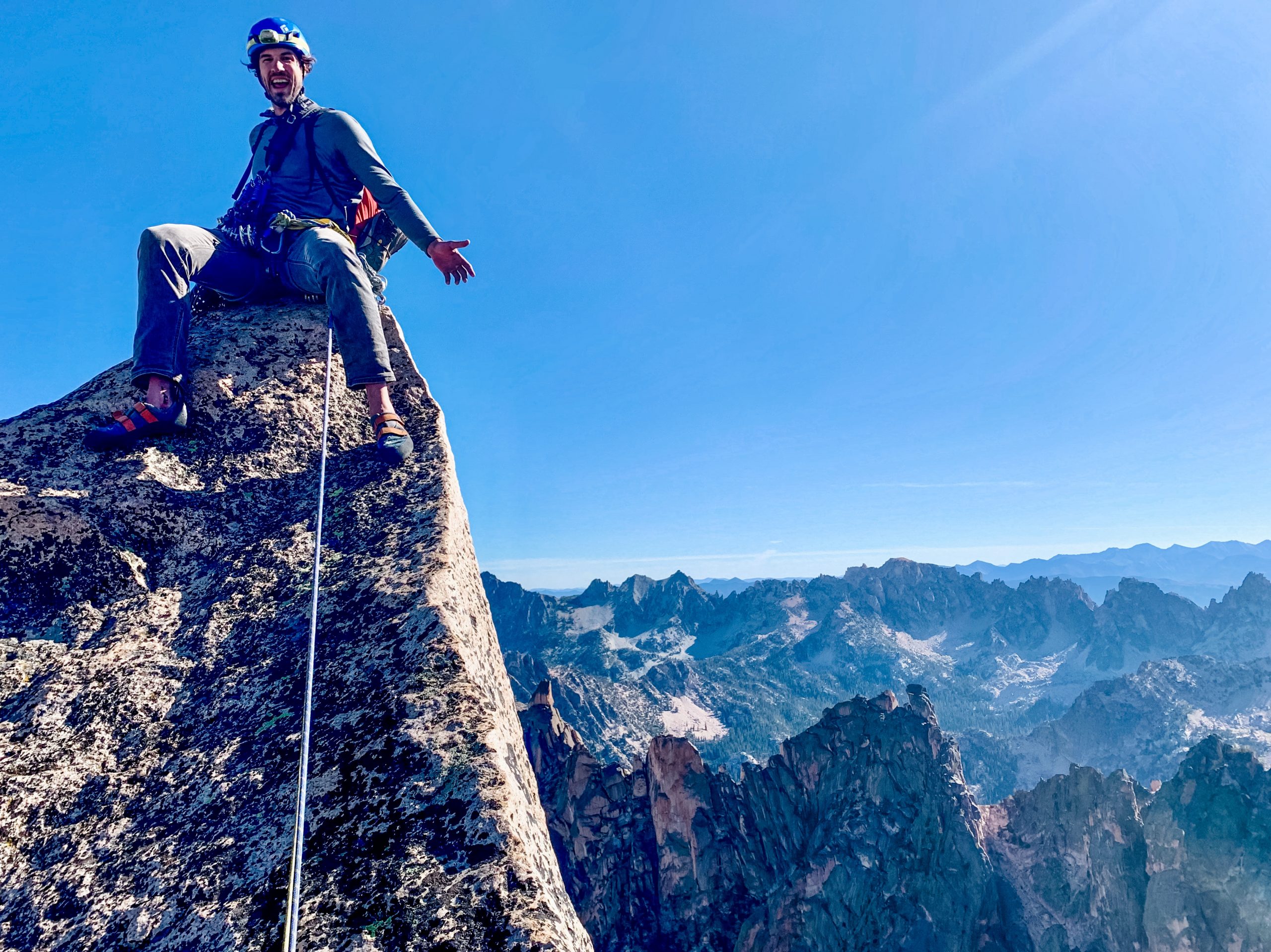
Emergency preparedness has never been more relevant. In the last year, COVID-19 has taken the world by storm.
“This current pandemic is an alarm bell,” says Dr. Bill Brandenburg, founder of Wander Medicine Clinic and a Global Rescue Safe Travel partner. “It is telling us to learn from our mistakes, improve our preparedness and get ready for much greater challenges. While governments have a large role, preparedness actually begins with every single one of us.”
Disasters are a part of life, and more pandemics will occur. How can we be prepared next time?
Preparation Requirements
Brandenburg’s Idaho-based wellness clinic offers primary care, urgent care, travel medicine and emergency wilderness training. His courses are hands-on and meant to prepare students for real-world accidents and emergencies.
“The key to preparedness is thinking through possible emergency scenarios, planning ahead, gathering necessary supplies, training and periodically revisiting scenarios to keep them fresh in the mind,” Brandenburg said. “Simulation is an invaluable tool for preparedness and greatly underutilized. Things are always easier if we have been through them before.”
Brandenburg doesn’t just teach the skills; he uses them daily.
“In the hospital, I respond to Code Blues, which occur when a patient is dying,” Brandenburg said. “To prepare, I simulate code scenarios with my medical teams and constantly run through potential situations in my head during down time at the hospital. Every time I respond to a Code Blue, I have a plan. Any time you respond to an emergency, you should have a plan, too. This plan starts with an algorithm.”
The Initial Assessment
Whether you are the first person on scene at an automobile accident, come across an injured person on a remote mountain, or see a co-worker collapse on the job, you should be prepared. Luckily all of these scenarios, as well as every other emergency involving human casualties, can be safely and effectively addressed utilizing what is called an initial assessment.
The purpose of the initial assessment is three-fold. The first and most important goal is always the safety of the responder.
“If you are injured, incapacitated, or even killed as a result of your rescue attempt, emergency medical services now have an extra body to handle,” Brandenburg said. “If you cannot safely help, you should not help at all.”
The second goal is the early activation of additional resources. Any individual responder will usually have severely limited resources. The first move will usually be calling for help, whether that be local resources or a travel protection services membership, like Global Rescue.
The third goal of the initial assessment is to take action against immediate life threats to the person you are trying to help.
“Opening an airway, starting chest compressions and stopping a bleed can buy people time and has saved many lives,” Brandenburg said.
SAD LAB CATS
Brandenburg has found the best way to be prepared is to have an algorithm you understand and have practiced in real life.
“Following an algorithm takes the chaos out of a rescue and prevents important things from being missed,” he said.
Brandenburg uses the “SAD LAB CATS” acronym as his algorithm when teaching Wilderness First Aid and First Responder courses.
S: Scene safety Can I safely enter the scene? If not, wait.
A: Additional resources/Number of patients Can I handle the situation, or do I need help? How many people are injured?
D: Disease prevention/Body substance isolation Always wear medical gloves and a mask when touching patients and especially body fluids. Do not forget eye protection as well.
L: Level of Consciousness Is the patient alert and oriented? Or are they completely unresponsive?
A: Airway If the patient is unresponsive, make sure their airway is open. Tilting the head back and lifting the chin is a good way to do this. If something is in their mouth, try and remove it.
B: Breathing Is the patient breathing?
C: Circulation Do they have a pulse?
A: Arterial Bleeds Look for any active bleeding. Apply direct pressure to stop bleeding. If this does not work, try a pressure wrap or tourniquet.
T: Temperature/Environment Injured or sick individuals can become very cold or very hot rapidly. Take steps to protect such individuals from exposure.
S: Spine If concern exists for a spinal or head injury, take great caution regarding any manipulation of the neck or spine to prevent spinal cord injury.
“If you would like to take this knowledge a step further, I strongly suggest pursuing additional training,” Brandenburg said. “This information is only a starting point. Training is required in order to become an effective first responder.”
Reassess the Scene
After you have gained control of the scene and stabilized any patients using the above algorithm, resurvey the scene. Is it still safe? Has extra help arrived? Take a moment for self-care. Hydrate yourself and adjust clothing if needed.
If you are in a wilderness environment, it might take time before help arrives. Make a plan for changing conditions like rain or night fall.
Improving Outcomes
The final part of disaster response is reflection. Anyone who responds to emergencies, takes care of patients, or even creates response plans behind a desk should constantly reflect.
Ask yourself what went well, what could have been done better and what steps are needed in the future to improve outcomes. Disasters never go as planned and responses can always be improved.
“Reflection and constant improvement are the keys to success in disaster response,” Brandenburg said. “Bigger challenges and more costly disasters are surely in our future. How we prepare today will matter tremendously tomorrow.”
Travelers can be prepared for any emergency with a travel protection services membership from Global Rescue.
Global Rescue operations centers are staffed by experienced nurses, paramedics and military special operations veterans. Team members have experience with hazardous environments, peacekeeping operations, Himalayan expeditions, protection services as well as wilderness skills, crisis response training and medical evacuations.
Categories:
NewsDecember 11, 2020
Categories:
Health & SafetyTravelDecember 9, 2020
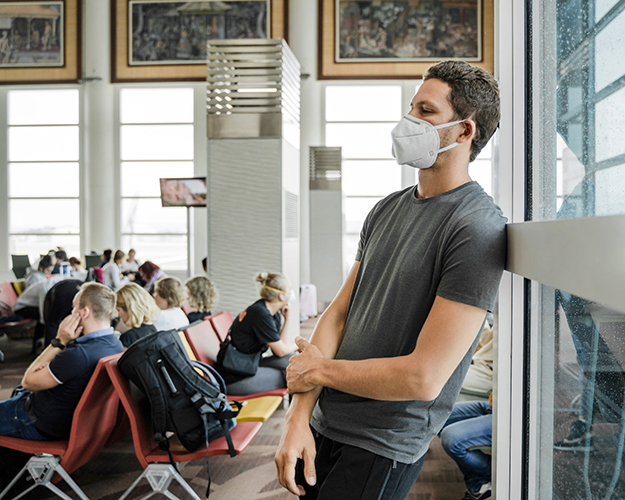
There’s a real process to planning travel during coronavirus. Travel advisory levels and coronavirus warning levels can change at any time. Once you get one piece of the journey locked in — choosing the destination, for example — another piece may not fit (quarantine time increases from 10 to 14 days).
To help travelers reach their destination and return home as safely as possible, Global Rescue intelligence experts explain how the coronavirus travel advisories and bans work so you know what’s going on when traveling.
Check with Country, State or County
Many countries have entry restrictions and may not be open to visitors.
“These are restrictions imposed by authorities for people wishing to enter or travel through a country,” said Kent Webber, senior manager of Intelligence Products and Services at Global Rescue. “During normal times, most countries have entry restrictions such as visa requirements. In the time of COVID-19, many nations have imposed new entry restrictions prohibiting people whose travel originates in certain places, or imposing requirements such as a health certificate, or negative COVID-19 test.”
Coronavirus entry restrictions for the United States include a ban on travel from Schengen-area countries and on travelers from the UK and Ireland. This applies to foreign nationals who have visited these countries within 14 days and those who have transited through these countries, but does not apply to U.S. citizens, permanent residents, their close family members and other limited categories of visa holders.
Canada extended prohibitions on non-essential travelers from the U.S. through December 21.
Mexico extended prohibitions on non-essential travelers crossing land borders through December 21, but the prohibitions do not apply to air travel.
The European Union (EU) has different restrictions. In the beginning, there was a common EU-wide policy. But a resurgence in COVID-19 cases has caused individual EU countries to create their own “Safe Countries” lists, resulting in a patchwork of entry restrictions.
Check the Country’s Travel Advisory
The U.S. Department of State issues travel advisory levels based on its assessment of crime rates, terrorist activity, civil unrest, health conditions, weather and current events. The levels detail the most urgent threats to safety and security and are meant to “help travelers gauge the risk of traveling to another country,” according to The New York Times.
Webber suggests checking not only the Department of State advisories — four levels from “exercise normal precaution” to “do not travel” — as well as travel advisories in the destination country.
“Many countries have their own travel advisory levels using their own definitions,” Webber said.
Check Coronavirus Risk Levels
There are also coronavirus risk levels issued by the Centers for Disease Control and Prevention that focus on levels of risk to travelers.
Levels include:
- Level 3 – High Risk (Red)
- Level 2 – Moderate Risk (Yellow)
- Level 1 – Low Risk (Green)
- Less than Level 1 – Very Low Risk. “This is a new category developed by CDC for COVID-19,” Webber said.
Check with the Airline
Flight restrictions change frequently so be sure you know if there are flights to and from your destination and if so, make sure any connecting airports are open. There are two types of flight restrictions, those that are government-imposed and those that are airline specific.
“There are restrictions imposed by authorities to limit air travel into or within a country,” Webber said. “During the time of COVID-19, many nations closed their borders to international air travel although most allowed cargo. Some also restricted internal air travel.”
Airline restrictions are made by individual carriers. Delta, for example, has its own flight restrictions and can impose them at any time. This could include cancelling routes or requiring rapid testing before a flight.
The Transportation Security Administration notes, “these decisions are made locally, on a case-by-case basis, by individual airlines, airports and public health officials. Before traveling, passengers should check with their airline and airports of origin and destination for the latest information on closures and cancellations.”
Check Quarantine Requirements
You’ll want to know the quarantine requirements well before you arrive at your destination. With quarantines in some states and countries ranging from five to 14 days, shorter trips may no longer be possible, domestically or internationally.
State governments or foreign governments may also implement new restrictions — quarantines, lockdowns, curfews and stay-at-home orders — with little notice, even in destinations previously considered to be low risk. Even if you do arrive at your destination and quarantine successfully, you may have difficulty arranging travel back home. You may also need to quarantine again or take a COVID-19 test.
Webber notes quarantine requirements can differ depending on origin.
“Most countries have their own requirements and can differ depending on where the traveler originated. For example, Germany has (had) different quarantine requirements for someone arriving from UAE than from France,” he said.
Check in with Global Rescue
Global Rescue travel protection services members have an advantage: all they need to do is call for medical and security advisory assistance.
Global Rescue intelligence experts are tracking worldwide travel risk and health safety information, including the latest coronavirus restrictions and updates worldwide. The information is updated every weekday online. Members with a specific travel question can call or email for advice.
Long-time Global Rescue member Dennis from Iowa was on a trip in British Columbia in March when the U.S. started to shut down all domestic flights. His flight home was seven days away, so he contacted Global Rescue for guidance.
Global Rescue’s response: “The situation will likely be very different by next Wednesday. If he wants to ensure he can get home by air, he should do it soon or run the risk of not being able to. If he waits, he may have to rent a car to get home,” Webber said.
Dennis finished his trip and found what Global Rescue said was true.
“Many flights were re-scheduled and/or cancelled,” he said. “I finally rented a car in Minneapolis and drove home.”
Categories:
Missions & Member TestimonialsDecember 8, 2020
HAPE or Heart Attack?
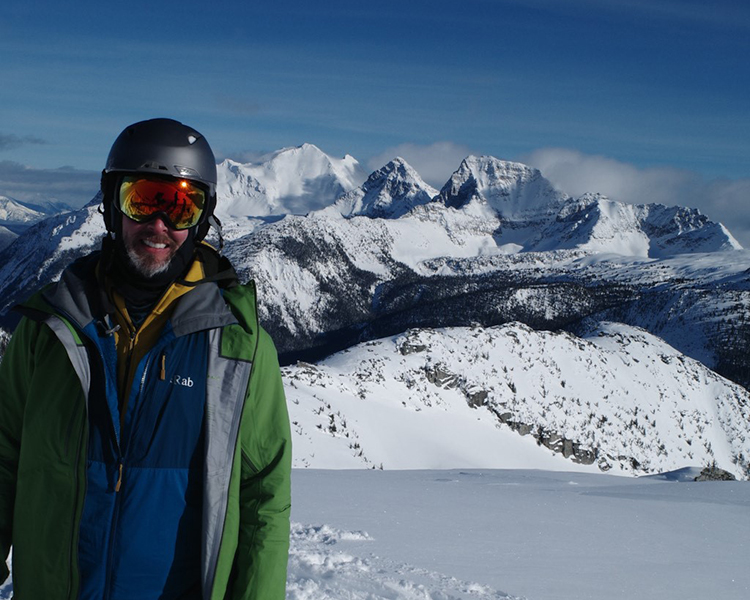
Two hours by plane, three hours by car, then a helicopter ride to the cabin. When Ben Debney goes backcountry for a trip, he travels to the most remote place with the best terrain: a tiny lodge in the heart of the Selkirk Mountains in British Columbia, Canada.
“I’ve taken this trip three years in a row,” the Portland, Oregon resident said. “It is 3,000 to 5,000 vertical feet of snowshoeing, skiing or hiking per day. You have to be in shape.”
Because he’s familiar with the Sunday-to-Sunday trip, Debney was fully prepared for his adventure. The former EMT trained with a heart rate monitor, purchased a Global Rescue membership and knew his strengths and weaknesses.
“I’ve always had a tough time at high altitude. I’m used to Portland at sea level and now I’m traveling to a lodge at 7,300 feet above sea level,” Debney said. “I’m usually at the back of the line at the beginning of the week and at the front of the line by the end of the week. It takes me a few days to get my altitude legs but, once I do, I have a great time.”
Debney ran into trouble on a hike on Thursday. “I just could not catch my breath,” he said. “I bonked.”
He went back to the cabin to rest — and used his heart rate monitor.
“My normal resting rate is usually 72. This time it would not go below 120. I know what my recovery time should be and I knew it wasn’t good,” he said
Debney was sharing the lodge with other skiers, including three doctors, who started working him up.
“They weren’t sure if it was a cardiac event and couldn’t rule it out,” Debney said.
With nighttime looming and a winter storm predicted to come in that weekend, it was a precarious time to have an illness in a remote area. The lodge, located near the northern boundary of Glacier National Park, is helicopter access only. Once you fly from the lodge to the staging area on Rogers Pusher Station Road, weather and road conditions can make transportation unpredictable. Road closures are frequent on Rogers Pass and the Kicking Horse Pass into Golden, which is where the closest hospital is located.

“I was deep in the backcountry with a possible heart issue and a storm bearing down that would mean days of delay if I didn’t get flown out at first light,” he said.
Debney’s fellow trekkers used a satellite phone to make arrangements with the lodge’s helicopter company to evacuate Debney Friday morning.
They also called Global Rescue.
“Global Rescue took an extensive medical history over the phone,” Debney said. “After the helicopter flight out of the lodge, there was an ambulance waiting to take me to the hospital.”
It was a short ride to the hospital, where Debney had two EKGs and a test for troponin, a protein which indicates a heart attack.
“I took photos of my EKG and blood test results and sent it to Global Rescue to have everything double checked. Global Rescue was on top of it the whole time,” he said.
Global Rescue’s medical operations team confirmed the hospital’s capabilities, via telephone vetting and obtained a possible destination hospital should Debney require advanced cardiac care. Fortunately, all tests came back negative for a heart attack.
“From start to finish, Global Rescue had me protected — from the helicopter flight out to their paramedics gathering my symptoms to having their doctors review my EKG and test results while on standby to get me to a bigger/better hospital if needed,” Debney said. “I always felt Global Rescue was right there ready to act if things went south.”
Today, all is well for the 50-year-old father of three. His follow-up appointments at home in Oregon also came back negative for a cardiac event.
“I highly recommend Global Rescue based on my experience,” Debney said. “It was not fun having a cardiac scare and I felt that I was in great hands with Global Rescue.”
Categories:
Health & SafetyTravelDecember 3, 2020
In the summer, popular camping areas are teeming with people and mosquitos. In the winter, those same locations are peaceful havens, where all you hear is the sound of snow crunching underneath your feet.
“The allure of cold weather camping is like the allure of the outdoors in general, but the cold is more likely to keep the crowds away and ensure the solitude many people look for in nature,” said Dr. Linda Keyes, a mountaineer, snow activity enthusiast and president of the Wilderness Medical Society. “If there is snow, the landscape is transformed into a pristine, otherworldly scene you can’t find in the summer. There’s nothing like the quiet calm of a gentle snow.”
Winter camping also provides immediate access to winter sports. Backcountry skiers and snowshoers can set up a base camp and enjoy their favorite activities within minutes.
“One of the biggest reasons to camp in the cold is to access backcountry skiing. I love the sound of skis swishing across an untracked meadow or cutting first tracks on an untouched slope,” Keyes said. “In addition, many mountaineering objectives are considered more of an accomplishment when done in the winter.”
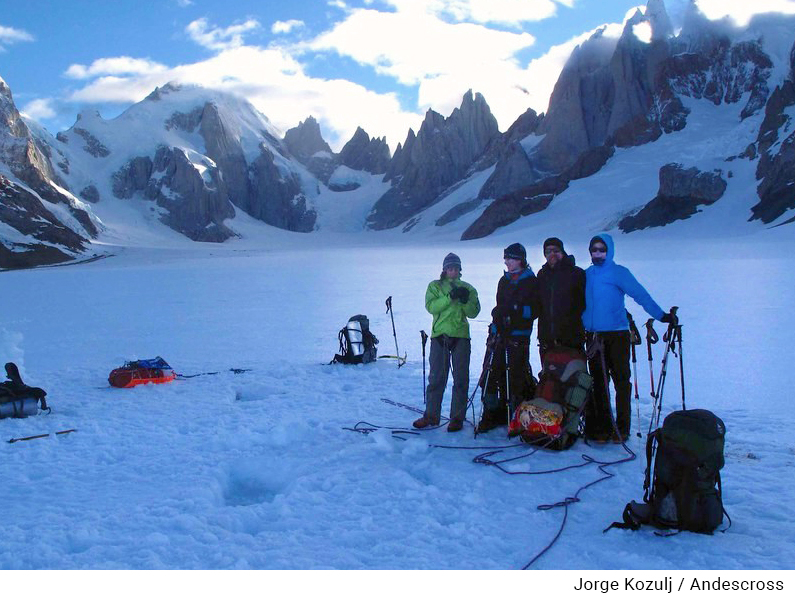
Sometimes the only place to camp is on a glacier. “We want winter camping to be close to the good skiing, and sometimes it is necessary to be at the base of some climbs,” said Jorge Kozulj, UIAGM-IFMGA mountain guide with Andescross in Argentina and a Global Rescue Safe Travel partner. He’s trekked across the Patagonian ice cap, the largest non-polar ice on earth, and camped there, too.
If you’ve watched the History Channel reality series “Alone,” you’ve watched people trying to survive in the wintry wilderness. Of course, these campers are contestants trying to win half a million dollars, but the message of the show is clear: winter camping is not for the faint of heart. You must be prepared for every possible scenario.
Here are some cold weather camping tips from Global Rescue experts and Safe Travel Partners.

How Cold Is Too Cold?
Every individual’s cold tolerance is different. New Englanders start wearing additional layers as the temperature starts to drop in late fall, but typically don’t put on a heavy-duty down jacket until after the first real snow. Southerners, by contrast, may not even own a winter parka — fleece or denim are as heavy as it gets — and only see snow on ski trips.
If you are winter camping, it’s not about the season, the region or style.
“It’s all about staying warm,” said Harding Bush, associate manager of operations at Global Rescue. “Negative consequences for mistakes are dire in the winter. Everything is darker, colder and less accessible.”
What is considered cold weather camping? Answers range from 30 to 40 degrees Fahrenheit (-1 to 4 degrees Celsius) being too cold to 30 to 40 degrees being too cold for those who are inexperienced or have amateur gear. Kozulj suggests cold weather camping is any camping below 0 Celsius (32 degrees Fahrenheit).
“This relates to your personal definition of cold. I don’t think there is an official definition of what temperature is too cold for camping,” Keyes said.
One thing to keep in mind is “the temperature decreases as altitude increases, so the higher you are, the colder it will be,” Keyes said.
[Related Reading: Flipping Frostbite]
Safety Tips from the Experts
Keyes believes anyone who is prepared can camp in cold weather.
“Good gear is key,” Keyes said. “There is an old adage, ‘There’s no such thing as bad weather, only bad clothing.’”
Even if you’re going outside to walk to the dog or take a trip down the slopes, you’ll want to wear layers. “And lots of them — wool and synthetics, never cotton,” Keyes said.
One: Do Your Research
Any travel, including a winter camping trip, will need pre-trip planning. You’ll want to check weather conditions first — not just current temperatures but trends for the region and any approaching weather systems.
“Knowing when to go is essential,” Keyes said. “Avoid traveling and camping during winter storms or extreme cold.”
Make sure winter camping is allowed where you intend to go.
“There may be permitting required or different check in procedures,” Bush said. “Research getting there as well: what are the road conditions to the trail head, where will you park, is the road maintained during the winter — or could you end up snowed in after a storm?”
Bush also suggests researching the emergency procedures and resources in the area. The closest ranger station is a great source of information about changes in terrain, trail closures or other hazards.

Two: Practice With a Trial Run
Less experienced winter campers might choose to go with a guide on a first trip to learn how to set up camp, build a shelter and keep the fire going. If a guide isn’t available, stay close to home for your first foray.
“Plan a shorter winter camping trip if you’re are less experienced,” Bush said. “Camp closer to an accessible trail head — and closer to a warm car, plowed road and home — if things get too overwhelming.”
Three: Fuel Your Body
A winter camping diet is high calories and high fat.
“Take on sufficient calories,” said Dan Stretch, operations manager at Global Rescue. “Your body will be burning through more than normal in the cold maintaining body temp.”
Bush recommends drinking plenty of water.
“Cold weather seems to make us not feel like putting something cold inside ourselves,” he said. “If you are thirsty, it’s way too late.”
Four: Have the Right Winter Camping Gear
Blogs, websites, articles and entire magazines are dedicated to camping gear. Start by investing in a good quality, layered clothing system with a breathable base layer, mid layer, insulated layer and hard-shell outer layer.
Sleeping outside in colder temperatures also requires a layering system inside the tent.
“Invest in a high quality, warm down sleeping bag,” Keyes said.
“You will need a lot of good down gear and depending on where you go, you will need different sizes,” Kozulj said.
“Carry an insulated sleeping pad,” Stretch said. “Sleeping on the cold ground or an air mattress will suck the heat out of you overnight.”
Kozulj always brings a good Nalgene (a plastic originally made for laboratory use) bottle to use for drinking water during the day and inside a sleeping bag with hot water for warmth at night. Bush also recommends bringing several “good, quality leak proof water bottles.”
Find out more tips for cold weather gear here.
Five: Test Your Cold Weather Camping Gear
Having top-of-the-line equipment won’t matter if you don’t know how to use it.
“Get familiar with your equipment on shorter trips and develop efficient routines for the usual camping tasks,” Bush said.
One example: “If you purchase a liquid fuel stove for winter camping, ensure you are familiar with it before you head out on a trip,” Bush said. “If fuel stoves are started without being primed (pre-heated) they will flare. Many tents have burned down this way.”
Stretch suggests testing your kit somewhere cold, but safe to retreat if necessary, before testing it on a remote expedition.
“There is nothing worse than realizing your sleeping bag bought in a shop in Kathmandu is crap and you have to make do for the next month,” he said.
Six: Know How to Stay Warm
This includes finding a sunny campsite, building a shelter, insulating your shelter and building a fire in all weather conditions. As Bush notes, “it’s easier to stay warm than get warm.” Know how to control your thermal comfort level, avoid overheating and how to avoid heat loss after activity.
“Have quick access to the next level of warmth. If you are hiking in a fleece top, immediately put on another layer to retain the heat you built up during the hike,” Bush said. “I always have my down insulating jacket in the top pocket of my back pack, along with a warm wool hat.”
Wilderness Medical Society recommends not using your stove inside the tent for heat.
“Families have perished from carbon monoxide trying this method to stay warm,” Keyes said. “Only use your stove outside or in the vestibule with the door open.”
Seven: Be Able to Communicate
The batteries in your satellite phone or cell phone aren’t designed for freezing cold temperatures. Pack extra batteries and use insulated pouches designed for communications devices.
“Batteries will drain faster in cold weather. If possible, keep a set for your important devices, such as a satellite phone, in your pocket during the day and sleeping bag at night,” Stretch said. “The last thing you want is to lose your comms and not be able to call for help.”
Eight: Get Global Rescue
Most winter camping trips will be successful. In the event of a worst-case scenario, you’ll want a Global Rescue travel protection services membership among your essential wintere camping gear. Whether you’re seeking outdoor advice or immediate medical or security assistance, Global Rescue operations centers are staffed 24/7/365 to assist our members.
Get a price estimate
Estimate
$0.00
Please answer all questions for estimate.
Categories:
TravelDecember 1, 2020
Global Rescue will donate a portion of new membership fees on December 1, 2020 to support the Glen Doherty Memorial Foundation (GDMF), an organization helping U.S. special operations veterans transition to civilian life.
“Each deserving scholarship recipient is working on setting themselves up for success for the next chapter of their lives. We are honored and humbled to help such amazing individuals,” said Kate Quigley, Glen’s sister and GDMF president.
Glen and Global Rescue
Glen Doherty, a former Global Rescue Operations Specialist and U.S. Navy SEAL, worked as an operations specialist at Global Rescue. He was part of a team that rescued members from the point of illness or injury for any serious medical emergency. While working for the U.S. State Department, he was killed in the terror attacks on the U.S. Consulate in Benghazi, Libya in 2012.
“Prior to his death, Glen was an outstanding member of the Global Rescue team for several years and a joy to work with. We are privileged to keep his lasting memory alive by donating 10 percent of new membership fees during Giving Tuesday to support the GDMF,” said Dan Richards, Global Rescue CEO.
How Your Purchase Helps
The GDMF provides scholarships for current or former special operation professionals and their families to be used for traditional education, vocational and non-traditional training.
“Glen’s dream was to go back to school to become a physician assistant. Sadly, the dream was never realized,” Quigley said. “At GDMF we are helping special operations individuals like Glen realize that dream. Through educational scholarships, our recipients are transitioning to the next phase of their lives and we are thrilled to be able to ease the financial burden for these amazing individuals.”
More than 70 scholarships have been awarded in seven years.
Scholarship recipient Kevin Seiff, a former Navy SEAL attending Webster University, is working toward a master’s degree in international relations.
“GDMF has made my transition from more than a decade in the SEALs a smooth and successful venture,” Seiff said. “Transitioning out of the military is full of uncertainty and stress while you realign yourself to a new goal and passion. This scholarship has made my graduate degree a reality and will undoubtedly bring about an exciting phase in my life,” he said.
“GDMF scholarship means a vital financial helping hand for special operations families and is helping me fulfill a lifelong dream — to play collegiate softball at a top academic college, said Taylor Hudson, a scholarship recipient and special operations family member. GDMF helps to relieve a piece of financial stress for my family to allow me to focus and do my best in the classroom and on the diamond.”
“We’ve been lucky enough to find amazing candidates to become scholarship recipient,” Quigley said. “A lot of our scholars go back to school to earn degrees and certifications in medicine, business, flight school, law enforcement, cybersecurity and more. The applicants are remarkably impressive.”
Join Global Rescue
Giving Tuesday is a global day of giving that harnesses the collective power of individuals, communities and organizations to encourage giving and to celebrate generosity worldwide. This is the second year Global Rescue has participated.
“Philanthropy with a focus on children, the environment and our veterans, is a major component of how we at Global Rescue express our values and our gratitude,” Richards said. “Participating in Giving Tuesday and supporting the Glen Doherty Memorial Foundation is one of the many ways we are there when it matters most – for our employees, members, partners and local community.”
Categories:
Health & SafetyTravelNovember 25, 2020
Travel Weekly, the most influential B2B travel industry news resource, awarded Global Rescue, the world’s leading provider of medical, security, evacuation and travel risk management services, the 2020 Magellan Award for its COVID-19 Intelligence blog series.
The annual Travel Weekly Magellan Award is the premier award for the travel industry, honoring the best in travel and saluting the outstanding travel professionals behind it all.
“The 2020 Magellan Awards received entries from top travel organizations and professionals worldwide and the quality of the work was outstanding.” said Kara Cleary, manager of Travel Weekly Magellan Awards. “Being selected a Magellan Award Winner is a tremendous achievement and proves you represent a high standard of excellence within the travel industry.”
Pandemic Information and Education
Global Rescue entered its Coronavirus blog series into the category Online Travel Services Marketing Campaign and won for its coverage of the pandemic.
“The pace of the coronavirus outbreak and the need for updates compelled the Global Rescue Intelligence Team to compile and publish a comprehensive daily report and frequent articles for members, the public, business leaders and journalists,” said Kent Webber, former senior intelligence operations officer in the Office of the Under Secretary of Defense for Intelligence, United States Pentagon and senior manager of Intelligence Services at Global Rescue.
“Everyone was looking for helpful, educational, straight talk about the pandemic and its impact on the industry and travelers. Global Rescue’s daily reports and blog series were the fastest, most effective, ways to channel our expertise and share the information,” Webber said.
The free report was refreshed every 24 hours with detailed information on worldwide outbreak locations, restrictions, updates, outbreak data, signs and symptoms and advice for travelers. The Coronavirus Update included weekly blog posts.
This was the data global travelers needed while working, vacationing — or trying to get home. Global Rescue member Drew from Oregon tapped into this expertise when he needed to travel from Boston to Seattle in early March.
“I couldn’t get a real answer from local government websites or the news,” he said. “The info I got from Global Rescue was definitely helpful for me to figure out what to do with my travel. I made it home safely.”
In July, Andrew Tilker, an American citizen based full-time in Berlin, Germany, was asked to attend a work meeting near Lyon, France.
“Of course, given the COVID-19 situation, I wanted to get more background information on travel risks before making a final decision,” Tilker said.
He emailed Global Rescue.
“I was surprised at how quickly I got a reply — within the hour. The information I received helped me make a more informed decision regarding whether to take the trip or not,” he said. “I decided to go.”
Read the Winning Blogs
The Coronavirus Intelligence Center and five blog post entries receiving the award were:
Coronavirus Intelligence Center: Global Rescue recognized the importance of the coronavirus outbreak in its early days and alerted members worldwide on Jan. 2. The requests for updates and the pace of the outbreak compelled the Global Rescue Intelligence Team to begin compiling and publishing a comprehensive daily report for members, the public, business leaders and journalists.
As the virus spread to the United States, member alerts turned into a free daily report, called the Coronavirus Intelligence Center. It was made available to the public, and updated every 24 hours, with information which includes outbreak locations, outbreak data, signs and symptoms and medical advice for travelers.
Coronavirus: What Global Rescue Can Do: Travelers had questions, and Global Rescue’s phone was ringing off the hook. This March blog answered the top nine questions from our members. It was posted online and used by the sales team as a resource.
Escape from China: Repatriation during an Epidemic: Travelers and expats found themselves trapped in an escalating series of government directives and medical orders to contain the spread of the virus. But Global Rescue used its logistical know-how, bureaucratic fluency and relentless focus to bring people home. Two coronavirus rescue operations are profiled in this blog.
Mission Brief March 2020: Global Rescue’s operations team is always busy, but the coronavirus sparked increased activity and our members needed medical advice, emergency care, logistics help and security extractions. By February, nearly 500 operations had been completed in more than 90 countries. This blog showed the depth and breadth of the medical, security and advisory services that Global Rescue provided to members.
TotalCare: A Lifeline in the Midst of a Pandemic: As social distancing changed to mandatory quarantines, telehealth became the first line of defense against coronavirus. Global Rescue started offering telehealth services four years ago to travelers who wanted a better option than waiting in an urgent care office or the emergency room. This blog provided information to non-travelers who may be interested in telehealth services during the quarantine.
How to Talk to Your Kids about Coronavirus: Parenting is hard, but unpredictable times can make it even more difficult. Global Rescue’s in-house medical experts offered advice to parents to help kids understand coronavirus, the importance of hygiene and manage anxiety.
For more information about Global Rescue’s travel protection services, visit www.globalrescue.com
Categories:
Places & PartnersTravelNovember 23, 2020

It’s that time of the year again. Time to find the perfect gift for the travelers on your holiday shopping list.
We’ve asked members, Global Rescue employees and Safe Travel partners for their recommendations to curate a list of 13 must-have gifts for people who love to travel and are looking to return to domestic and international travel as soon as possible.
The Great Outdoors, Indoors
Pop Chart Lab takes boring data and turns it into fun, infographic posters. New this year is a National Parks Scratch-Off Chart. Use it to track your travels to all 62 national parks from Grand Canyons and Tetons to Great Basins, Sand Dunes and Smoky Mountains. All you have to do is gently scratch the top layer off any site you’ve visited to unveil a full-color vista underneath. The 12-by-16 print is a great way to plan travel — and commemorate the trips. See more scratch-off poster options, like stadiums and ball parks, at popchart.co.
Spread Kindness, Not Germs
iFLY started with luggage in 2012, face masks in 2017 and introduced a handy travel kit in 2020. The Healthy Kit, packaged in a reusable Ziploc container, includes a package of eight antiseptic wipes, a package of five hydrating facial wipes, a face mask, a headrest cover, a lip balm, a sleep mask and earplugs. For every 10 kits sold, the California-based company gives one to organizations or communities in need. Buy one for every member of your family, knowing front-line and essential workers will benefit as well.
Kill Germs with UV Light
There haven’t been conclusive tests showing UV light can kill the coronavirus, but what we do know is UV light kills most everything else: bacteria, fungi and the flu virus. A UV sanitizer wand is a great gift for the frequent traveler. Check out this CleanPod UVC Sterilizer, made by Monos, a Canadian luggage company. Not only will you zap those germs, Monos is donating a portion of the proceeds from sales to the United Way and Canada’s COVID-19 Recovery Fund.
Adopt an Elephant
It’s never too early to introduce kids to the concept of conservation. Animals are an easy way to start and the World Wildlife Fund (WWF) offers a way to help kids of all ages save some of the world’s disappearing species from zebras and polar bears to quokkas and pangolins. Adoption kits are available at several different price points and kids receive a plush animal or photo, an adoption certificate, a species card and a gift bag. Funds raised support WWF’s global efforts to protect wild animals and their habitats, which are both at increased risk due to the coronavirus pandemic and traveler downturn.
Functional Fishing Fashion
Big, black, heavy gumboots are not particularly stylish. But Fishe, an Alaska-based clothing company, makes a Grayling Groovy Legacy Boot female anglers can wear high (15 inches) or low (rolling down the top to display a fun pattern). The boots are suitable for wear while casting flies on the river or during brunch with friends — all the while keeping your feet warm, dry and comfortable.

Custom Fly Reels
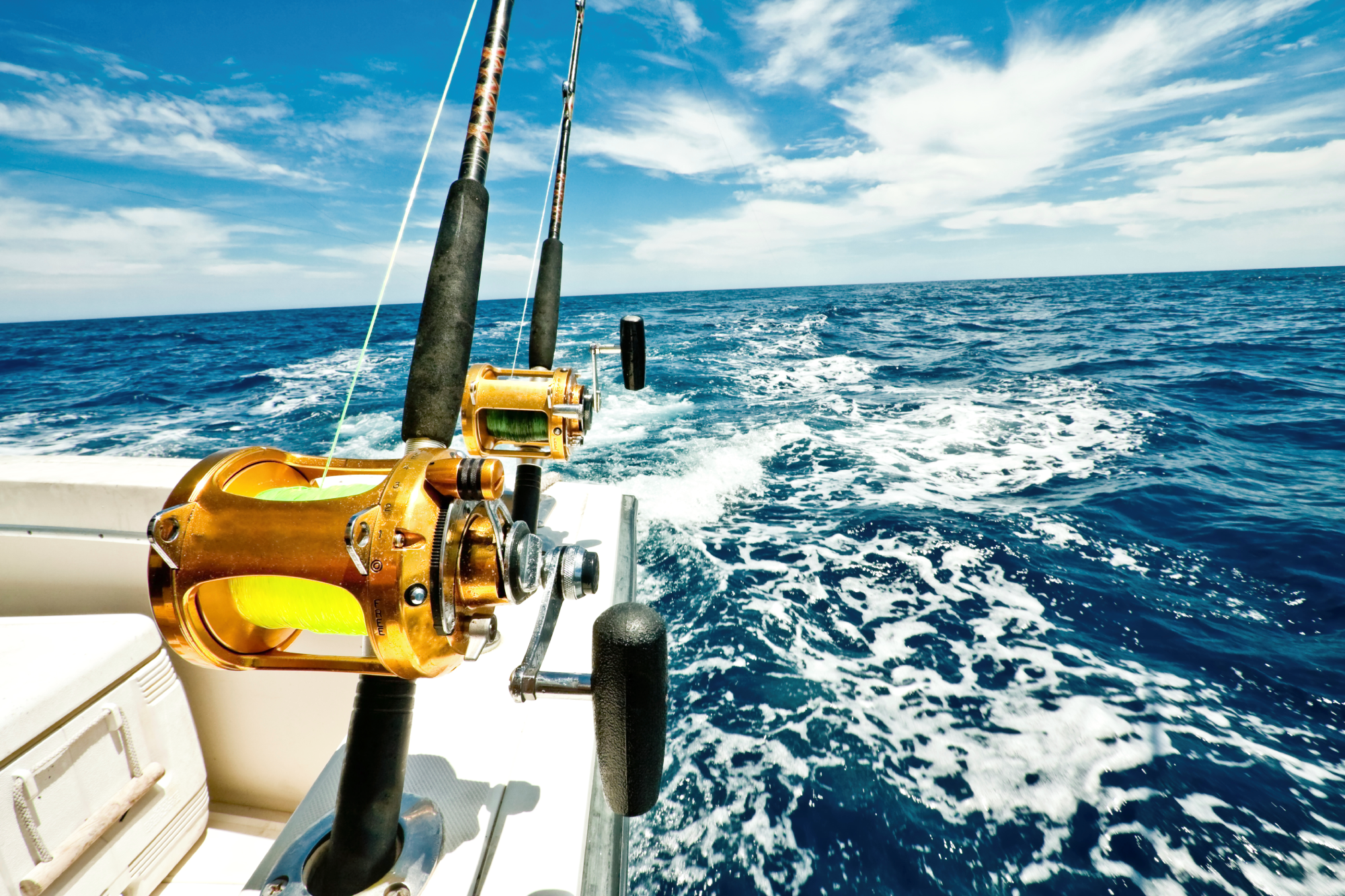
Anglers have some awesome bling these days. How about a customized reel by Abel, a customized fishing company in Colorado. We’re particularly enamored with the Limited Edition Johnny Cash Fly Reel, a limited edition run with each reel individually serialized 1 through 250. Two Super Series models, sizes 5|6 and 7|8, are hand painted with a silhouette of Cash’s favorite guitar and black satin sunburst.
Luxury Lifestyle Management Membership
Elvit, the UK’s leading lifestyle and concierge group, is on hand 24 hours a day to provide luxury services and products to members. From booking a reservation at a Michelin-starred restaurant, finding a new dream home to providing expert curation for a trip of a lifetime, Elvit’s lifestyle managers take care of all the details so you have more time to enjoy the experience.
A Wilderness Companion
Just about everyone had one on their keychain: a travel-friendly, multi-tool called a Leatherman. September 11 changed the rules for carry-on items but the new Leatherman Style PS is manufactured without blades, which is in accordance with Transportation Security Administration policies. With spring-action pliers, scissors, tweezers, bottle opener, a nail file and wire cutters, Global Rescue Safe Travel partner Self Drive Safari Resource recommends it for any safari kit.
Additional Eyesight
Binoculars are made for different purposes and an Alaskan cruiser may not want the same technology as a backyard birder. REI offers a guide to help you choose the best binoculars for your travel needs.
Harding Bush, associate manager of operations at Global Rescue, has used Steiner binoculars for more than 30 years. “I have had the same pair of Steiner Predator 10X26 binoculars for 25 years. They’ve been with me on numerous hikes, canoe trips, backcountry skiing and four different war zones. I’ve used them in nearly every imaginable environment across the world,” Bush said. “They are durable and versatile, compact and focus quickly for a sharp picture that provides an excellent balance of detail and field of view.”

Just-in-case Satellite Communicator
On an adventure in a remote location and need to contact with a loved one or a rescue team? The Bivy Stick Blue is a two-way global satellite communicator with some game-changing features: two-way text communication, maps and trail information and an SOS button connecting to Global Rescue. According to Men’s Journal, the Bivy “is a solid device. It gave accurate information at check-ins and weighed practically nothing in my pack.”
A Training and Racing Community
Boston-based Spartan helps athletes at every level of their training, from health and wellness to 250 obstacle course race and endurance events in more than 40 countries on six continents. With the Spartan Pass Season 21 members have access to unlimited events, exclusive merchandise and a one-year training app membership. Four pass levels are available and you can make it a family activity with Spartan Kids opportunities.
Assistance with Outdoor Adventure
Have time to travel, but no time to plan it? Travel company Stoke Broker will make it happen. The Global Rescue Safe Travel partner just launched memberships to help you plan your next adventure. “It’s a great solution for weekend warriors to help you get into the great outdoors with your friends or family when you’re not on those big once or twice a year trips,” said Alice Howell, vice president of operations.
Your Own Travel Protection Team
You’re not alone when you board that plane, train or ship. Global Rescue members travel with a team of experts: a paramedic, a translator, a logistics expert, an intelligence analyst and a security advisor. It’s like having your own protective detail on standby, prepared to help when you need medical or security advice or a field rescue. Annual Global Rescue travel services memberships start at $329.
Categories:
Health & SafetyTravelNovember 20, 2020
With millions of people on the slopes worldwide — 15 million in the United States, 14.6 million in Germany, 8.5 million in France and 6.3 million in the United Kingdom — accidents are bound to happen.
Catastrophic accidents on the slopes and ski lift deaths are thankfully rare. There were 42 fatalities reported at U.S. ski areas during the 2019-20 season, according to the National Ski Areas Association. However, of the reported ski deaths, the season average is higher than the 10-year industry average of 39 skiing deaths per year.
Injuries, ranging from skier’s thumb to ACL injuries and broken bones, are much more common.
Global Rescue, headquartered in Lebanon, N.H. and based in the heart of the Northeast’s best skiing, offers advice to members spending time on the slopes.
Here’s what to watch out for during a day on the mountain.
Coronavirus Concerns
A day on the slopes poses little risk for COVID-19; you’re outdoors, socially distanced and already wearing a face mask. It’s the after-ski activities you have to watch out for. Although resorts are limiting visitor numbers, it makes sense to avoid busy cafeterias, crowded lodges and jam-packed bar areas where skiers remove their face gear to eat, drink and converse.
Other suggestions:
- Driving, not flying, to the mountain
- Eating outdoors or at your own condo
- Maintaining social distancing in lift lines and restrooms
- Riding gondolas and chairlifts with only family members
- Bringing your own gear instead of renting equipment
“Do your research before heading out for a day on the slopes,” said David Keaveny, operations specialist at Global Rescue and professional ski patroller. “Know the rules of this new normal so you’re not surprised when you get there.”
Hidden Rocks and Stumps
It may look like a nice, white expanse of snow, but if you’re wandering away from groomed runs, be aware that the fresh powder could be camouflaging tree stumps, rocks and crevasses. Backcountry skiing or splitboarding can be dangerous without a local, qualified guide and a back-up plan, like medical evacuation services.
Whims of Mother Nature
Fog, ice, wind, sleet and heavy snow — those are just a few weather conditions that can turn a day of skiing or riding into an emergency.
Extreme winter weather also increases the risk of avalanches. Resorts prone to avalanche danger typically have control zones and mitigation techniques.
“Obey all posted signs and warnings. Never ski or ride in closed terrain and ski with a partner whenever possible,” Keaveny said. “Remain alert to avalanche danger and know the warning signs. If you are going into the backcountry, make sure everyone in your party has taken an avalanche course, or go with a certified guide.”
Snow Suffocation
Even if you’re not skiing or snowboarding in avalanche prone areas, large amounts of snow can still catch you off guard. Skiers and riders need to be aware of tree wells, where areas of uncompressed snow form a depression around the base of a tree.
Evergreen trees are known offenders: the large and low hanging branches hold lots of snow and when it falls off, loosely packs around the base. If you ski or fall into a tree well, it can be hard to get free without help. The loose snow falls on victims, suffocating them in a matter of minutes. This situation is more likely in the United States, where ski resorts have more trees.
“If you’ve ever watched snow fall off a roof, then go out to shovel it 25 minutes later, it’s packed like cement,” said Harding Bush, associate manager of operations at Global Rescue. “People have the perception ‘I’ve got my beacon, I’m good.’ No matter what safety equipment you have, be aware of your abilities and ski accordingly.”
Kid Collisions
Kids need to get out and play, especially during the winter months. But young skiers and snowboarders are more accident prone, according to a study by the American Academy of Pediatrics (AAP).
AAP advises all children and adolescents wear helmets when participating in snow sports. Some states have laws requiring people under age 18 to wear helmets for snow sports. But not all skiers and riders wear helmets, or perhaps they wear ill-fitting headgear.
Grade school age children are more likely to have a serious skull or facial fracture while skiing or snowboarding. Older children have twice the risk of abdominal injury. Collisions, often as a result of hitting a tree, are the most common.
Injuries, particularly in teens, are more likely to occur in the afternoon, according to the Scandinavian Journal of Trauma, Resuscitation and Emergency Medicine. Be sure to have the kids take a break (or two) during a day on the mountain so they don’t get tired and make a mistake.
Risky Behavior
If you think head protection is enough to protect you from injury on the slopes, think again.
A Dartmouth-Hitchcock Medical Center study found helmeted skiers and riders are more likely to experience serious head injuries, such as a head bleed. Why? Researchers concluded helmeted skiers were more likely to take a risk on the slopes, such as jumping or skiing too fast.
This doesn’t mean helmets are ineffective.
“Helmets save lives, protecting you at certain speeds and conditions,” Keaveny said. “They are a cheap insurance policy — and keep your head warm.”
Overestimation of Skills
Part of the joy of skiing is the rush of adrenaline as you ski or ride down a mountain. Hopefully you have the skills, notes Sports Medicine Australia. Inexperienced skiers or snowboarders may not know how to choose a run suited to their skill level. This is when accidents happen, including merging onto another trail or not being able to stop to avoid a collision.
“Don’t let a friend or spouse push you into taking a trail you’re not prepared for,” Keaveny said.
Keavney also recommends avoiding terrain parks if you are a beginner.
“Terrain parks are not family ski zones,” he said. “So many accidents and collisions happen in terrain parks with children or adults who are learning to ski or ride. They may go off a jump beyond their ability and become injured or, more likely, find themselves stopping in the landing area of a jump where an expert skier or rider might inadvertently land on them.”
Pre-Ski Preparation
If you’ve never skied at a larger resort before, make sure you are ready. A few lessons will remind you of the proper techniques and the reasoning behind them. Know how to read trail markings, signs and blazes. Have your helmet and boots fitted and double check your gear.
“Obey all rules and regulations and follow the skier’s responsibility code,” Keaveny said. “Remember trail ratings are for that mountain only. A black diamond at Mount Sunapee might be equal to a blue square at Sugarloaf. I’ve heard skiers say they’ve skied black diamonds before, but a black diamond may be 800 feet long at one mountain and 2,200 feet on another mountain.”
Travel Protection Services
If you’re traveling from home for a day on the mountain, purchase a travel protection services membership along with your lift ticket. Global Rescue has been the travel risk and crisis service provider to the U.S. Ski & Snowboard teams since 2006.