Categories:
Health & SafetySecurity & IntelligenceTravelJanuary 21, 2020
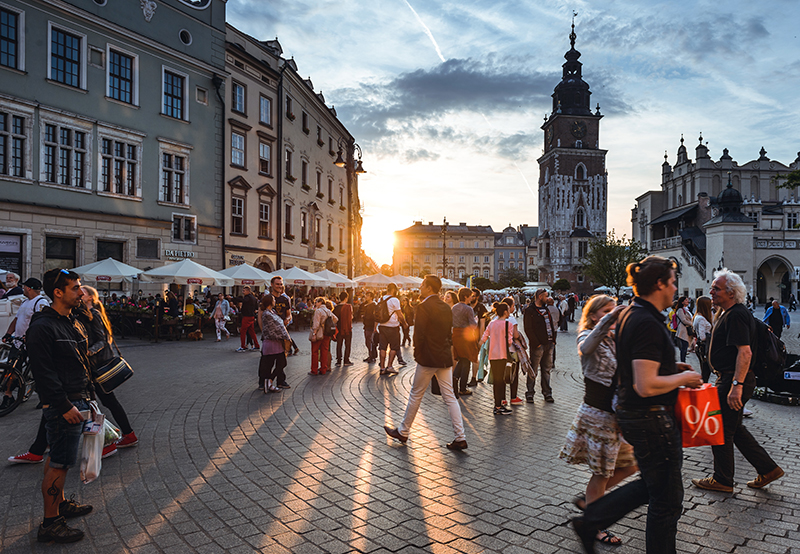
Did the company laptop make it through security? How much time do I have after landing to get to my hotel to change my clothes and charge my phone? What time is my first meeting? Did I bring the right presentation with me?
There’s a lot going through your mind when you are traveling for business. You’re probably not as aware of your surroundings as you would be at home and it didn’t cross your mind to research your destination(s) for health or safety risks. But there are ways to reduce your risk while traveling for business — such as practicing your situational awareness skills.
“Situational awareness is being alert to your immediate environment,” said Harding Bush, associate manager of operations at Global Rescue. “It is training your eye to actively observe your surroundings.”
This might mean, at the very minimum, putting your cell phone down. On the other side of the spectrum, this could mean mentally planning an exit strategy when a street-side protest starts to spiral out of control.
Even if your company has conducted a site assessment and has risk management protocols in place, you can also boost your own personal safety by improving your situational awareness.
Bush, a 20-year special operations forces veteran with an additional nine years of experience in international and corporate travel security, offered these travel safety tips to help you be more aware of your surroundings while traveling.
1. Use All Your Senses
Get your eyes off the phone (or laptop) until you are familiar with your surroundings. You need all your senses to be aware.
2. Establish Normalcy
Establish a baseline of activity for your area. If you’re in an unfamiliar area, this will take some extra time. For example, avoid a laptop snatch-and-run by staying in the cab until you are completely ready. Make sure your phone is away, the driver is paid, your wallet is secure and the sidewalk and entrance to the building appears clear.
3. Conduct Baseline Strategy
Conduct the same baseline strategy when you enter a room. Note the location of people, chairs, tables and exits. It’s what you do while driving: you note other cars, how fast they are going and the next off or on ramp. Employ this tactic whether you are at a restaurant, in a hotel or taking public transportation. The more aware you are of your surroundings, the more likely you will be able to prevent dangerous situations from occurring.
4. Always Know Which Way Is North
This is easy in a city laid out in a grid like New York City. In an unfamiliar city, do a map study and be aware, for example, that the airport is south of your hotel and the office is north of the hotel, about a half mile past the river. Be able to describe your location in reference to a common recognizable feature. This will help when you need to let someone know your location or provide an accurate description of an incident.
5. Pay Attention
People’s attire, body language and behavior should be consistent with where they are and what they are doing. For example, uniformed building maintenance crew should not appear lost in their own building. A bike messenger should not get out of a taxi and a jogger shouldn’t stretch on a street corner for 30 minutes. Although these examples do not necessarily indicate surveillance, they require a second or extended look.
6. Enhance Memory And Recall
Practice memorization drills and exercises to enhance memory and recall. Start committing phone numbers (work, home, primary care provider, emergency contacts), addresses (work, home, embassies, local hospital) and other important numbers (social security number, Global Rescue phone number) to memory. Make a game of it. You won’t always have access to your cell phone in an emergency.
7. Have Something To Record Details
Always have a small notebook. You probably have a camera and a voice recorder on your mobile phone. Use them to record details. But be careful taking pictures, especially in other countries, as it could lead to a confrontation or arrest.
8. Be Alert
You don’t have to be on a high level of alert at all times, but you do need to be alert. This might mean slowing down and paying attention to your surroundings. Practicing situational awareness will not cause paranoia or fear — it will increase your confidence.
9. Observe Locals
During international travel, watch what the locals do. They know to stand behind the sidewalk because the busses stop on top of the curb. Ask the concierge for recommendations — without sounding like a cop.
“Drive the conversation naturally to elicit information from someone,” Bush said.
10. Watch for “Piggybacking”
You’ve swiped your card for entry, so do you hold the door open for the person behind you? If you’re practicing situational awareness, the answer is no.
When a person tags along with another person who is authorized for entry into a restricted area or pass a certain checkpoint, they are “piggybacking” or “tailgating.” Be aware of who is around you when entering a hotel, airport, parking garage or hospital.
When in doubt, always use common sense.
“Keen observation abilities will provide the necessary insight to mitigate risk,” Bush said. “Trust your gut. If something or someone seems out of place, you’re probably right.”
Regardless of where you travel, it’s critical to be prepared for the travel safety risks involved. Global Rescue offers integrated travel risk and crisis management solutions to corporations, governments, academic institutions and NGOs. Click here to learn more.
Get a price estimate
Estimate
$0.00
Please answer all questions for estimate.
Categories:
Health & SafetyTravelJanuary 17, 2020

“I’m traveling to Rwanda,” you say to your doctor. “What immunizations do I need?”
If your health care provider has global travel experience, the answer will most likely be: “Let’s talk about your health and the risks you might encounter on your trip to East Africa.”
Dr. Claudia Zegans, medical director at Elite Medical Group, is a firm believer in a travel health consultation four to six weeks before travel. What is a travel health consultation? It’s an appointment with a health care provider where a traveler can discuss the health concerns that might pop up during a trip and what steps they can take to decrease the risk.
Before joining Global Rescue, Zegans worked at the Dartmouth College Health Service providing primary care to undergraduate and graduate students from all over the globe.
“There were at least two travel health consults every day,” she said. “And vaccination recommendations are the smallest part of a pre travel health consultation.”
Zegans offers these tips for making the most of your travel health consultation.
1. Know Your Health Status
Don’t travel if you are sick or recovering from surgery.
“Certain health conditions and medications can increase your health risks for travel,” Zegans said. “These risks will vary by destination, activities and mode of travel. You should have your complete immunization record available so your travel health care provider can accurately determine if you need certain vaccines. Know what medications or other treatments you will need to take with you and be sure to bring an adequate supply of each of them.”
2. Bring Your Itinerary
To make sure you get the best advice possible, Zegans recommended bringing your travel itinerary with you.
“When I look at the itinerary, I’ll see you are flying into Sao Paulo then traveling to the Amazon for three-day fishing trip. You won’t have significant malaria exposure in Sao Paulo, but you will need to prepare for the Amazon, which has a risk of malaria,” she said. “When do you start malaria preventive medications: in the United States, or do you wait until you arrive at your destination? The itinerary helps me provide the best advice during a pre travel health consultation.”
3. Bring a Destination Report
Global Rescue members have access to detailed destination reports with helpful information like health and security assessments and required immunizations.
Other helpful sites with travel health information include:
- World Health Organization — explore health topics by country International
- Society of Travel Medicine — browse a directory of clinics across the world
- CDC — view current travel health notices at three levels (1, 2 and 3, which is avoid all non-essential travel)
4. Ask for Individual Recommendations
According to Zegans, destination reports have information and lists for all travelers.
“This might be all the information a sophisticated traveler needs,” Zegans said. “But other travelers with certain health concerns or specific itineraries may need more.”
This “more” might mean individual recommendations customized to your own health history, travel plans and activity itinerary.
Say you are traveling to India. At your pre travel health consultation, your provider has your medical records (you have asthma) and knows your destination (air pollution is an issue in New Delhi and other Indian cities).
“Your travel health provider will want to make sure your asthma is under 100% best control before you travel and you are traveling with enough medications,” Zegans said. “You should also have an asthma action plan to reduce or prevent flare ups and avoid situations that might require an emergency room visit.”
Travel recommendations vary widely. While one website might suggest practicing mosquito bite precautions in India, another might strongly recommend taking malaria prophylaxis for any Indian destination.
An experienced travel health provider will be able to understand the differences in guidelines, match the information to the traveler’s needs and convey informed advice customized to the person and the trip.
5. Develop a Travel Tool Kit
Information plus tools equals self-care capabilities.
“The travel health provider will provide as much information as he or she can, so travelers can make decisions,” Zegans said. “Maybe you are prone to altitude sickness and part of your trip is at a higher elevation. Do you need to carry preventative medicine? You want to get the most out of your travel health consultation, so you have all the tools with you on your trip and can maximize your chances of being successful with self care.”
This does require “knowing yourself,” Zegans said. “Maybe you brought the Imodium but didn’t bring the antibiotics because you don’t do well with them. Everyone is different, so every travel tool kit will be different.”
6. Have an Emergency Plan
Even if you’ve had a travel health consultation, packed the right medications and took the right precautions, a medical emergency might still occur on your trip. That’s where Global Rescue comes in for its members.
“You are following your asthma action plan but are not sure what the next step should be. Global Rescue can help you decide if you need to continue your albuterol for your asthma, or if you need to go to the hospital,” Zegans said. “And we can also help you find a hospital with X-ray capabilities in case you have pneumonia.”
Global Rescue is the leading provider of worldwide evacuation, field rescue and advisory services. With operations teams standing by 24/7/365, travel assistance and advisory are just a few services included in membership. Click here to learn more.
Categories:
NewsJanuary 16, 2020
Categories:
Places & PartnersTravelJanuary 13, 2020
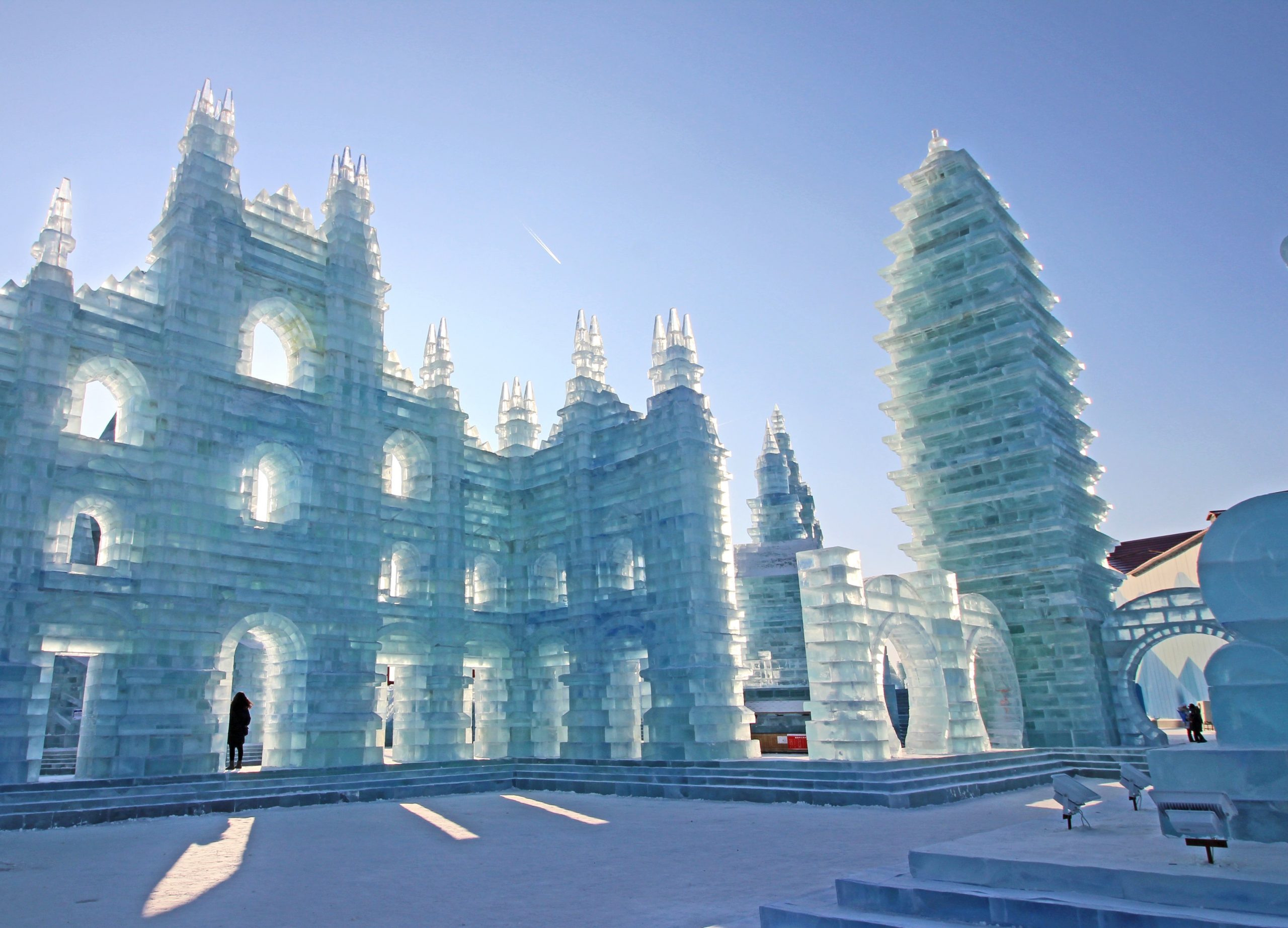
Take a vacation in a bitterly cold, arctic environment? Wholeheartedly yes — if you’re planning to go to the Harbin International Ice and Snow Sculpture Festival in Heilongjiang, China. Harbin is considered one of the world’s top winter festivals and has been described as an “ice and snow Disneyland.”
The Harbin International Ice and Snow Festival is based on a tradition that began during the Qing dynasty when peasants and fisherman placed candles inside blocks of ice to create makeshift lanterns.
Inspired by a piece of history, the festival originated as an ice lantern show in 1963. It was interrupted for a few years but resumed in 1985 and merged with the Heilongjiang International Ski Festival in 2001. It is typically held in January for a month. HarbinIce.com offers a schedule online.
Originally, festival participants were mainly Chinese. Harbin is, after all, located in the very Northeast of China and known as “Ice City.” But as the festival grew in popularity, visitors from all over the world came to see the world’s biggest ice sculpture festival and artists came to win the annual competition.
Harbin is also one of the world’s biggest snow sculpture festivals. Last year, Harbin Ice and Snow World spanned more than 600,000 square meters, including more than 100 landmarks, according to CNN Travel.
This included snow sculptures 46 meters (151 feet) high and 2019 snowmen of all shapes and sizes built along the river.
The stunning, frozen scenery is why people travel to Harbin, but there are also activities for all ages, food, music and dance, ice skating and sledding. Here’s some of what you’ll find in the three main venues:
- Sun Island Scenic Area displays snow sculptures that can be only visited during daytime. This area is not lit up like other parts of the festival and it is so bright you will need to wear sunglasses. There is also an indoor ice and snow art museum.
- The Ice and Snow World offers a city of ice where visitors walk in between buildings, churches, palaces and towers as if they are walking through a small town. This ice architecture park is lit up with computer-controlled LEDs, sparkling multicolor lights and other lighting into a beautiful night display. There’s even an ice maze, ice bar and ice hotel.
- Zhaolin Park displays thousands of ice lanterns, lit by candles or other glowing lights, as part of the Ice Lantern Garden Party. Ice sculptors from about 20 countries carve and display their ice art and it is best seen at night.
And, if you time your travel for January 25, you’ll be able to participate in Chinese New Year festivities which last for seven days. 2020 is the year of the rat, a sign of wealth and surplus. Harbin is one of the top places to travel for this annual event, which includes colorful fireworks and red Chinese New Year decorations amidst ice and snow sculptures.
Travel & Safety Tips
Global Operations Security Department reminds travelers to practice situational awareness and smart travel habits in order to ensure a safe and enjoyable trip. This starts with being prepared and making an effort to understand your destination environment before you travel.
This includes checking trusted travel resources. The U.S. Department of State risk rating for China is a level 2, exercise increased caution, because of exit bans randomly imposed by Chinese authorities and restrictions on dual nationals. Canada gives this location a higher risk rating — exercise high degree of caution — as does Britain.
The real safety risk is the teeth-chattering temperatures. Siberian air currents sweep across Mongolia and China, leaving behind severe winter cold and dry conditions with little snow. The average winter temperature is -14.2 degrees Celsius (6 degrees Fahrenheit). To avoid frostbite, Global Rescue recommends:
- Wearing layers: down coat, thick jacket, wool pants, thermal underwear, gloves, hat, scarves and wool socks
- Wearing a mask to warm the air you breath to protect your bronchial passages
- Wearing boots that are waterproof and have good traction
- Leaving expensive camera equipment at home because of the extreme cold (or wearing a loose coat to wear your camera close to your body and keep it relatively warm)
Don’t forget to wear sunglasses or wrap-around goggles to prevent snowblindness, a sunburn on your eyes from ultraviolet rays reflecting off the snow.
Headed to China? We’ve done all your travel research
Global Rescue in-house experts build custom destination reports covering everything from currency and common scams to travel health and personal security advice.
If you’re planning to travel to China for the Harbin ice festibal, a Global Rescue travel membership is a perfect way to travel prepared. Click here to learn more.
Categories:
NewsJanuary 8, 2020
Categories:
Press ReleaseJanuary 8, 2020
Lebanon, N.H. – Attacks and counter-attacks between Iranian and U.S. forces have escalated tensions in the region and put Westerners—particularly U.S. nationals—traveling or working in the Persian Gulf region at risk of retaliatory attacks.
“Leaders of both countries appear to be stepping away from further escalation. Nevertheless, violence directed at Westerners by individuals or groups sympathetic to Iran is possible, particularly in the vicinity of demonstrations. Threats are especially acute for expatriates working for Western transnational companies that have operations in the Middle East, namely Iraq, Iran, Saudi Arabia, Oman, Kuwait, Bahrain, the United Arab Emirates and Qatar,” said Global Rescue CEO Dan Richards.
Global Rescue, the world’s leading medical, security, evacuation, travel risk and crisis management services firm, issued an alert to its members detailing the circumstances, current conditions, anticipated threats, and providing advice to exercise extreme caution.
“If you’re planning to travel to the region you should weigh the risks carefully. If you’re in Iraq, the U.S. Department of State has advised all U.S. citizens to leave. If you’re already in the region outside of Iraq then you should ensure you have functional communications, avoid traveling alone, keep a low profile, stay away from all protests and demonstrations to minimize the risk of exposure to incidental violence, and if you encounter unrest then exit the area as quickly as possible or seek shelter until the situation stabilizes,” Richards said. “Airports in the region are currently operating. You should have a plan in place for departure should the situation warrant,” he added.
About Global Rescue
Global Rescue is the world’s leading provider of medical, security, evacuation and travel risk management services to enterprises, governments and individuals. Founded in 2004, Global Rescue has exclusive relationships with the Johns Hopkins Emergency Medicine Division of Special Operations and Elite Medical Group. Global Rescue provides best-in-class services that identify, monitor and respond to client medical and security crises. Global Rescue has provided medical and security support to its clients, including Fortune 500 companies, governments and academic institutions, during every globally significant crisis of the last decade. For more information, visit www.globalrescue.com.
Categories:
NewsJanuary 7, 2020
January 3, 2020
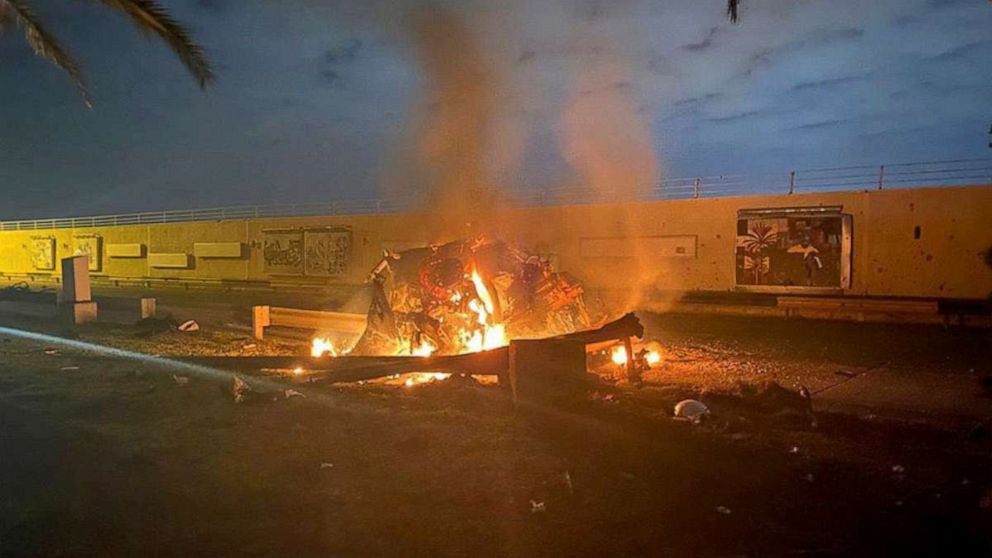
A U.S. airstrike killed one of Iran’s top military commanders, Qassem Soleimani, on 3 January. The strike—which targeted a Popular Mobilization Forces (PMF) convoy near Baghdad International Airport (BGW)—also killed PMF commander Abu Mahdi al-Muhandis. In response, Iran’s leaders vowed “severe revenge.”
The strike follows a rocket attack that killed a U.S. contractor on 27 December, a retaliatory U.S. airstrike that killed 25 PMF militants on 29 December and the storming of the U.S. Embassy in Baghdad by PMF-affiliated protesters on 31 December. U.S. Secretary of State Mike Pompeo said that Soleimani was planning an “imminent attack.” The Pentagon stated the attack was a “defensive action” to deter future attacks from Iran.
Iran’s Response
The most severe counter-response options are also the least likely. While Iran could directly attack U.S. forces in the Middle East, it would invite U.S. strikes on Iranian territory. Iran is more likely to pursue non-conventional responses that allow retaliation without risking an attack on its homeland.
Iran may pursue a campaign of increased harassment against U.S. forces and interests in the region, rather than a single act of retaliation.
Iran could conduct cyber-attacks against infrastructure, commerce or other interests in the U.S. Iran may target international shipping in the Gulf, or otherwise harass U.S. ships in regional waterways.
Iran could also accelerate efforts to develop its nuclear program. Iran or its proxies could target U.S. generals or ambassadors in a tit-for-tat retaliation for Soleimani’s death.
Further, Iran’s proxies—including PMF militias in Iraq, Houthi rebels in Yemen and Hezbollah militants in Lebanon—could conduct retaliatory campaigns throughout the region.
PMF rocket attacks on bases hosting U.S. troops in Iraq are likely. Additionally, protesters could storm and attempt to close the U.S. Embassy in Baghdad. Houthi rebels could launch attacks on critical infrastructure in Saudi Arabia. Hezbollah could target U.S. interests in Lebanon.
The U.S. Department of State has included Iran on its list of State Sponsors of Terrorism since 1984. The IRGC Quds Force has been implicated in a number of terrorist incidents worldwide to include the Middle East, Africa and Latin America.
Iran could sponsor new terrorist attacks against the U.S. and its allies virtually anywhere in the world, using its own operatives or going through proxy groups.
Threats to Westerners
Westerners—particularly U.S. nationals—traveling or working in the Persian Gulf region are at risk of retaliatory attacks including potential kidnapping, arbitrary arrests and violent crime. Threats are especially acute for expatriates working for Western transnational companies that have operations in the Middle East, namely Iraq, Iran, Saudi Arabia, Oman, Kuwait, Bahrain, the United Arab Emirates and Qatar.
Violent demonstrations against American policies are possible worldwide. Vigilante violence directed at Westerners by individuals or groups sympathetic to Iran is possible, particularly in the vicinity of demonstrations. Isolated instances of harassment, assault, and other physical violence may occur in more populated areas.
Advice
- Ensure you have functional communications and inform someone else of your plan including time of return.
- Maintain caution and exercise situational awareness at all times.
- Avoid travelling alone.
- Maintain a low profile and remain alert to possible surveillance.
- Avoid establishing routines and vary routes.
- Avoid all protests and demonstrations to minimize the risk of exposure to incidental violence.
- Plan alternate routes to circumvent protest locations.
- If you encounter unrest, exit the area as quickly as possible or seek shelter until the situation stabilizes.
- Register with your embassy and sign up for alerts and advisories.
Continue to monitor local media and check back for up-to-date information.
Our operations team is standing by 24/7/365 to provide travel assistance and advisory services to members. Contact Global Rescue at +1 617.459.4200 or email us at memberservices@globalrescue.com.
Categories:
TravelJanuary 2, 2020
You’ve booked your flight, reserved your hotel and signed up with a tour guide. You’ve researched every option, found the best pricing and feel confident this will be your best overseas vacation ever.
But what if you need medical treatment abroad or an international rescue? No one plans for accidents. Before embarking on your next adventure, consider purchasing a travel protection services membership.
A travel protection services membership is designed to protect you when you are away from home. Say, for example, you are skiing in Greenland and a powerful storm hits. Or you’re enjoying a luxury cruise when you fall and break your hip at port.
According to the Merck Manuals, when it comes to foreign travel, about 1 in 30 people traveling abroad require emergency care. Illness and injury are probably not a part of your vacation travel plans, but it pays to be prepared in case you have a medical emergency while traveling abroad.
With a travel protection services membership, you will be able to access services like medical evacuation, security extraction, travel intelligence and 24/7/365 advisory services.
If you do break your hip on a luxury cruise, a medical operations team would coordinate with medical staff onboard the ship, the port where you disembark, the evacuation providers from the port and the receiving medical facility to make sure medical treatment occurs as quickly as possible.
Once you are stabilized at the receiving facility, the travel protection services provider would be able to evacuate you to your home hospital of choice should you require further hospitalization.
Travel insurance is a bit different. According to the U.S. Department of State, travel insurance insures your financial investment in your trip, covering such things as the cost of lost baggage and canceled flights. It may or may not cover costs of medical attention you may need while abroad. Depending on the type of trip you are taking, you may want travel protection services, travel insurance, or both.
Here are seven questions to ask when considering a travel protection services membership:
What do you consider an emergency?
The answer should be – any medical emergency that could result in a serious or life-threatening injury. If it isn’t, hang up and call the next company.
Do you offer field rescue?
Field rescue means your travel protection services provider will send help if you are in danger and unable to get to a hospital. Consider your travel destination, especially if it is remote and ask if the company has experience evacuating members from some of the toughest environments in the world.
Do you deploy anywhere in the world?
Every company has their exceptions to international rescue, like below the 60th Parallel South and above the 80th Parallel North, so be sure to check. You could also inquire if there is personnel stationed worldwide, or if there is an international network with medical Centers of Excellence. This will mean you have access to care no matter where you are.
Do you restrict any sporting activities?
Some companies will not offer travel protection services if you are taking additional risks or participating in activities like rock climbing, sky diving, parachuting or hang gliding.
Do you have in-house teams, or do you outsource calls?
No one wants to navigate a call center during an emergency. You want to speak to a professional on the first call. Check if the company has in-house medical and security teams–in house could mean a faster response.
What are some of your success stories?
The travel protection services provider should be able to share member testimonials to give you examples of the quality of their service.
Do you have an app or some technology to help me communicate with you?
If a cell phone is usually in your hand, inquire about in-app messaging or geo-located check-ins. Some companies also offer destination reports (to help you plan your travel) and real-time alerts (to keep you up to date while traveling). This two-way communication will be important if you need medical treatment abroad or an international rescue.
Once you’ve done your due diligence, you should be able to find a travel protection services membership that meets your needs. Now you can get back to packing your suitcase, which should include an updated first aid kit and your new membership card to enjoy a relaxing, worry-free vacation.
Categories:
Places & PartnersTravelDecember 30, 2019

It’s always a good time to take a trip to the Galapagos Islands. With its close-to-the-equator location, the temperature remains a constant 70-80 degrees, with year-round sunshine. January through May are the warmer and wetter months, with March and April the hottest.
This archipelago of volcanic islands is located in the Pacific Ocean, about 600 miles off the coast of Ecuador. There are 19 islands, three of which are inhabited and dozens of islets.
Before you go, you will need to decide if your trip will be land-based (staying at a hotel) or boat-based (cruising from island to island). Many travel sites note that cruise tours are the best way to see everything: the wildlife, the landscapes and the vegetation, both on land and underwater.
Galapagos tourism increased 14% in 2018, with many visitors coming from Ecuador, the United States, the United Kingdom, Germany and Canada. Tourists came to hike over dried lava beds, snorkel alongside sea lions and observe wildlife.
The islands are known for the large number of species – after all, it is the place where Charles Darwin developed his theory of evolution. Today, Galapagos is a Double World Heritage site (land and sea are protected) and wildlife can be seen year-round. Species include green turtles, sea cucumbers, blue-footed booby, tropical penguins, tropical albatross, sea lions and iguanas.
When to go:
- You’ll see the turtles begin laying eggs in January and baby turtles hatching in April.
- Flamingos begin nesting in February.
- Albatross arrive in huge numbers to begin the mating season in April.
- In May, iguana hatchlings emerge from their nests.
- Penguins begin courtship in September.
- Curious sea lion pups come out to play in November.
- There’s a great online monthly guide of wildlife seasons here.
What to bring:
- You are on an island, so bring double of a few supplies you think you might need. This includes sunscreen and bug spray. You can buy these items while there, but prices tend to be more expensive.
- You will be on a boat (or two), so pack a dry bag for your electronics. Some motion sickness medications might be handy, too.
- Leave the fancy outfits at home. You’ll need quick dry clothing, suitable for hiking and perhaps rain gear to protect from sun and rain. A hat and an umbrella would be helpful, too.
- Bring some more sunscreen. Remember, you’ll be on the equator and the strength of the sun’s rays are magnified.
Travel & Safety Tips
There is limited medical care on the island and no facilities for acute cardiac or surgical care. People with serious illnesses will need to be transported to the Ecuadorian mainland.
It’s important to get your health checked and your vaccinations updated before you travel. The Centers for Disease Control and Prevention offers health information for visitors to the Galapagos Islands.
It’s very unlikely you’ll have to worry about crime and petty theft while exploring the Galapagos Islands. You should still take the proper security measures for any vacation travel, such as avoiding overt displays of wealth and carrying a photocopy of your passport at all times.
Keep in mind, travelers land in Ecuador first, either Quito or Guayaquil, then travel by air to Galapagos (there are no direct, international flights to Galapagos). You will land on one of two islands: San Cristobal or Baltra. The U.S. Department of State gives Ecuador a Level 2 rating, Exercise Increased caution due to crime and civil unrest. In October 2019, there were several instances of demonstrations with road blockades. You can access crime and safety reports about Ecuador from the Overseas Security Advisory Council.
Other travel and safety suggestions include:
- Visitors will need a mandatory Galapagos Transit Control Card, which explicitly requires proof of onward travel out of the Galapagos Islands.
- Do not bring any fruit, vegetable or plants of any kinds. Wash and inspect the soles of your shoes and any outdoor gear/camping equipment to eliminate seeds and spores.
- Watch for weather alerts and monitor local media for updates, as the area does have hurricanes and tropical storm force winds. There are also 30 potentially active volcanoes in Ecuador.
- Because you are on an island, ensure you travel with reliable communications equipment, test your cell phone upon arrival at your destination, and keep it fully charged.
Headed to Galapagos? We’ve done all your travel research
Global Rescue in-house experts build custom destination reports covering everything from currency and common scams to travel health and personal security advice.
If you’re planning to travel to the Galapagos Islands, a Global Rescue travel membership is a perfect way to travel prepared. Click here to learn more.
Categories:
Missions & Member TestimonialsDecember 27, 2019
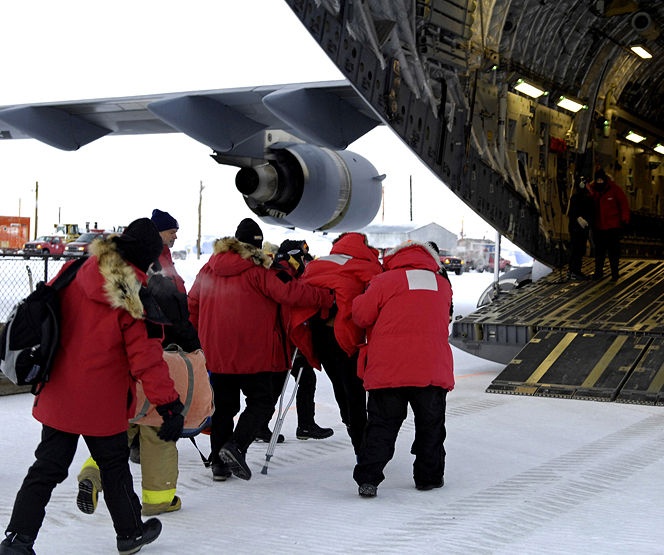
Every day Global Rescue personnel are involved in medical, security and travel operations worldwide. Below are highlights from some of our most recent operations in various locations. In a typical month, Global Rescue performs hundreds of operations in dozens of countries.
In October and November, we executed missions in Argentina, Austria, Belize, Canada, Chile, Ethiopia, France, Hong Kong, Italy, Lithuania, Malaysia, Morocco, Mozambique, Nepal, Nigeria, Peru, Switzerland and the United States, among others. Below is a snapshot of some of our most recent operations in various locations across the world.
Austria
Provided medical advisory for young skier who suffered a fractured clavicle while skiing on the Hintertux Glacier.
Chile
Provided security advisory and deployed operations specialists for college students studying in the region during the Chilean unrest. Supplied on-the-ground intelligence and assembled precautionary air and ground evacuation plans. Extracted tourists from locations severely impacted by civil unrest.
Lithuania
Conducted a medical evacuation for a student member who sustained a severe leg laceration while skiing.
United States
Provided medical advisory services for a member who fell 15 feet while climbing near South Lake Tahoe, California.
Hong Kong
Provided a medical advisory for a member who contracted pneumonia while travelling on business.
Nepal
Coordinated a helicopter rescue for a member exhibiting symptoms of high-altitude cerebral edema while climbing near Khare. Conducted a successful evacuation from Khare to Kathmandu.
Nigeria
Conducted a medical evacuation for a member suffering from peritonitis. Successfully transported a member from Nigeria to Beirut for continued treatment.
Peru
Coordinated a rescue for an injured member who was suffering from blindness on the Quelccaya Glacier at an altitude of 17,300 feet.
Global Rescue provides our clients with the world’s leading travel risk, crisis management, medical, security and evacuation services. To learn more about our services, visit us at globalrescue.com or call 800-381-9754.