Categories:
Missions & Member TestimonialsMay 15, 2019
For the last 15 years, travelers throughout the world have continued to seek out authentic experiences, fueled by a curiosity to find new ways to see the world.
Organizations, including businesses, academic institutions, government agencies and faith-based organizations are also sending their personnel farther from home than ever before. From natural disasters to illness and injury, unexpected but statistically predictable events can quickly turn a business trip or a memorable adventure into a nightmare.
Fortunately, Global Rescue has given more than a million members the confidence and peace of mind to travel boldly, knowing they have a dependable way to get themselves and their families to safety when emergencies happen.
“When I founded Global Rescue in 2004, I wanted to give organizations, their employees and leisure travelers experiencing medical or security emergencies a better way to get help,” founder and CEO Dan Richards said.
That vision came to life in an office on Boston’s Milk Street in the form of a company whose members could connect directly to deployable operations staff including U.S. special forces veterans.
Organizations could be assisted in minimizing their risk of duty of care liability and members could be evacuated to safety and hospital centers of excellence rather than figuring out how to get themselves out of danger. “A better way to get help” also meant helping members build a thorough understanding of what risks they could anticipate during their travels or avoiding crisis situations before they happen.
Since those days, Global Rescue has expanded to more than 250 personnel spread across five operations centers in five countries. Most importantly, we have conducted more than 20,000 operations worldwide, including evacuations during Hezbollah’s war with Israel, the Arab Spring, the earthquakes in Haiti and Nepal and more recently, Hurricane Maria in Puerto Rico.
“If you think it can’t happen, you’re wrong – and if it does happen, you want [Global Rescue] to be there for you,” Global Rescue member John Searles said after being evacuated from the Highlands of Ethiopia after suffering a stroke.
Global Rescue has exclusive relationships with the Johns Hopkins Department of Emergency Medicine Division of Special Operations, Partners HealthCare and Elite Medical Group.
We are proud to provide services and partner with prominent organizations such as National Geographic, NASA, U.S. Ski and Snowboard and the American Alpine Club to name a few. Over the years, we have expanded our offerings to include emergency action planning, security assessments, telemedicine, mobile and web applications and more.
Throughout all of these expansions and phases of growth, Global Rescue has remained true to its core mission of saving lives and giving members the confidence to travel boldly. Global Rescue is celebrating this “spirit of adventure” through photography.
During the summer, we hosted our annual photo contest to showcase the places you travel, the sights you’ve seen and the adventures you undertake. After receiving more than 100 entries, our panel of judges selected the winners.
Click here to view the winning submissions.
Global Rescue thanks all participants who submitted their photos in celebration of 15 years of saving lives and the spirit of adventure.
Categories:
Missions & Member TestimonialsMay 9, 2019
After a climbing trip to Mexico ignited a desire to push beyond his limits, David Helland set his sights on one of the highest trekking peaks in the world.
The owner and operator of a construction company in central Iowa, Helland has spent the last two years climbing. Beginning in the United States, Helland’s expeditions took him everywhere from Mexico to the Matterhorn.
“I had been going to Colorado and Montana by myself and ramping it up a little bit each time—a little higher, a little bit more difficult,” Helland said. “I went to Mexico and it was this super extreme experience that I absolutely loved.”
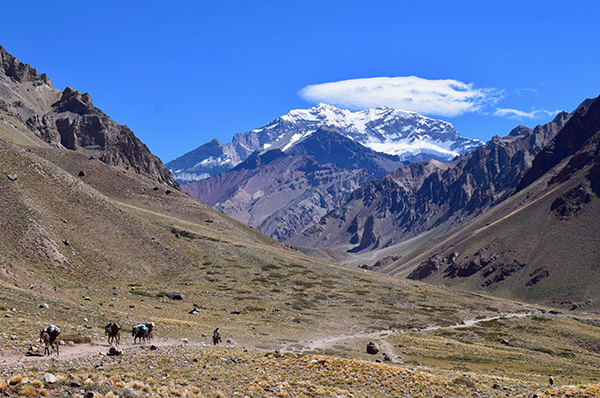
Next up, Helland and his two friends set off for Argentina’s Mount Aconcagua. The tallest mountain in the Western Hemisphere, its terrain can often be deceiving at first glance. While there is no hard evidence, experts estimate that Aconcagua has one of the lowest success rates of the Seven Summits, as preparation and patience can be a tricky balancing act when it comes to the peak’s staggering elevation.
Aware of the challenges presented by one the most popular peaks in South America, Helland’s friend, a veteran climber, urged him to enroll in a Global Rescue membership before their January trip. Helland was confident he could handle it, but opted to enroll as backup plan – just in case.
“I didn’t go into it thinking I was going to have a problem.” Helland said.
As the group rolled into the approach hike for the first three days, everyone felt fine and seemingly well acclimated. After one rest day at base camp, they decided to get a bit more aggressive and headed up with their heavy packs. A rookie move, according to Helland.
“On the second night, I was lying in my tent and I could hear my lungs gurgling. I knew I had pulmonary edema,” Helland said.
A rare but serious high altitude related illness, high altitude pulmonary edema (HAPE), can quickly become fatal if not treated right away. Typically, most symptoms are relieved by descending to a lower altitude.
Helland wasn’t quite ready to give up on his climb all together though.
“I thought, I’ll just go to base camp and stay for a day or maybe two and then it’ll go away,’” Helland said. “But by the end of the next day it was not getting better. My pulse oximeter rating was going down.”
That’s when Helland contacted Global Rescue.
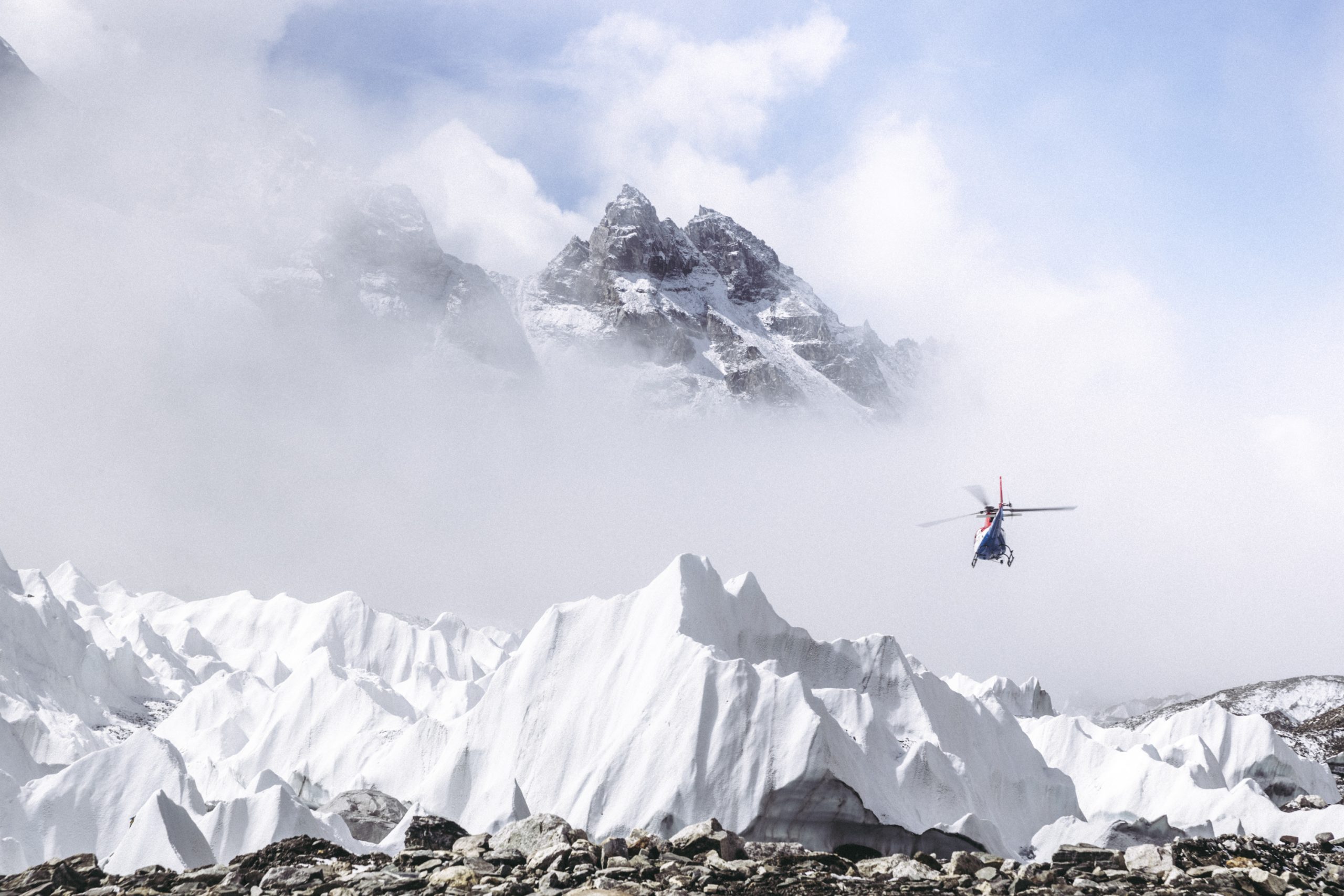
Due to the risk of continuing to ascend, Global Rescue recommended a helicopter evacuation for Helland. He agreed.
“Had I pushed up another camp higher, it could have been really bad,” Helland said. “That’s the crazy thing about pulmonary edema – you go up one more level and you die or you go down and you’re fine.”
Transported safely to Mendoza, Helland recovered and then opted to head to the Patagonia region of Argentina, determined to salvage the remaining time of his trip.
“Global Rescue called to make sure that if I needed medical attention, I knew which hospitals I could go to,” Helland said.
With four more climbing trips planned this year, Helland doesn’t expect to have any problems, but won’t be traveling without Global Rescue.
“Global Rescue was certainly worth the money,” Helland said. “I will never travel without it. That sounds cliché but I won’t go on another expedition without a Global Rescue membership. Period.”
What made the difference for Helland was who was on the other end of the phone when he needed it most.
“When I was calling Global Rescue for the first time, it really impressed me that I was talking to somebody who actually knew something,” Helland said. “At most companies, they get big enough where the person you talk to doesn’t know what they need to know and you have to keep going further to get the real help you need. Everyone I talked to at Global Rescue was dialed in tight and that’s super rare.”
Categories:
Health & SafetyTravelMay 8, 2019
Whether you’re a new adventurer or a seasoned mountaineer, no list of essential climbing tips is complete without mention of avoiding acute mountain sickness (AMS).
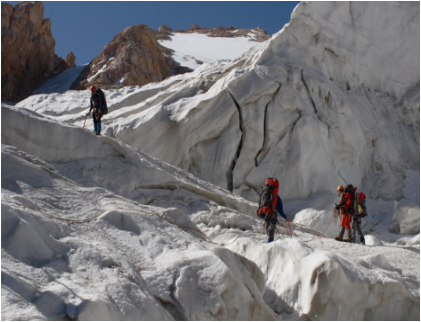
A recent article published in a JAMA Network journal noted that acute mountain sickness affects more than 25% of individuals ascending to heights of 11,500 feet and more than half of those who go higher than 19,700 feet.
A globally recognized expert, Dr. Eric Johnson from Global Rescue has years of practice in high altitude medicine. When it comes to essential climbing tips, Dr. Johnson details a few potentially life-saving tips that he calls his “rules of engagement.”
1. Do Research.
If you are going above 8-10,000 feet, there’s no doubt pre-trip research is an essential climbing tip. Be sure to know the basics of your trip itinerary, ascent profile and be prepared to prevent and manage potential challenges such as altitude sickness.
2. Never Ascend with Signs of Acute Mountain Sickness.
This is Johnson’s most important rule. AMS is the most common type of altitude sickness, with symptoms often mimicking that of a hangover. When addressed, acute mountain sickness is not a life-threatening condition.
Symptoms include:
- Headache
- Feeling tired
- Lightheadedness
- Lack of appetite
- Trouble sleeping
- Nausea and sometimes vomiting
If you begin experiencing symptoms, allow yourself to recover either by stopping or descending until symptoms resolve. In his experience, Johnson has never encountered a case where AMS has prevented someone from completing their journey when prevention and treatment guidelines were followed. As long as those experiencing symptoms have time to recover, they can continue to ascend.
It’s important to note though – someone with symptoms of acute mountain sickness should never be left alone to recover. If the group is moving on, one essential climbing tip is to be sure there is a second person waiting with the affected member.
3. Don’t Rush Your Trip.
Many adventurers encounter problems only when they try to ascend too quickly. It is always worth a few extra days on the trail to ensure your ascent is safe – and more importantly, to prevent your illness from escalating to the point of requiring evacuation.
4. It’s OK to get AMS, but it’s NOT OK to die from it
Additionally, many climbers and trekkers encounter problems because they do not accept that they may be suffering from acute mountain sickness. As Johnson emphasizes, “altitude has no respect for fitness,” and it can impact anyone.
When it comes to AMS, physical condition is not a factor and you cannot predict how your body will react to altitude. Johnson suggests following a “Golden Rule of the Himalayan Rescue Association,” which notes that any occurring illness “like the flu,” is acute mountain sickness until proven otherwise.
Another essential climbing tip is to familiarize yourself with two more severe forms of altitude sickness, high altitude pulmonary edema (HAPE) and high altitude cerebral edema (HACE). HAPE and HACE are less common, but are more dangerous.
According to the Centers for Disease Control and Prevention (CDC), HAPE symptoms include shortness of breath, weakness and coughing. Symptoms of HACE include confusion, clumsiness and lethargy.
Much like the golden rule above, anyone who exhibits these symptoms should be treated as if they have HAPE or HACE until proven otherwise.
5. Carry Medication.
Prescription Diamox (Acetazolamide) can be used for the prevention or treatment of acute mountain sickness. Recently ibuprofen has also been proven to help treat AMS – and not simply headache-related symptoms.
6. Don’t Consume Alcohol.
Since the symptoms of acute mountain sickness resemble an alcohol hangover, it is crucial to refrain from alcohol consumption to help identify AMS related symptoms. In general, a key essential climbing tip is to always aim to be in good condition for any form of ascent.
7. Purchase Evacuation Services.
Johnson also adds that it should be mandatory for climbers and trekkers to purchase evacuation services. In fact, those following him up the mountain are required to show proof of services should an emergency occur.
While some trekking and climbing companies do not require this service, an essential climbing tip for adventurers is to be cautious of those who are not at least recommending you consider the purchase.
Should you purchase an evacuation membership, it’s critical to understand how to access your provider in the event of an emergency. It’s also important to have your own communication capabilities, like a personal satellite phone with your provider’s contact information programed.
No matter your level of climbing or trekking experience, with a little planning and awareness, climbers can help prevent potential AMS challenges from becoming life-threatening conditions. As a final essential climbing tip, always make an appointment with a travel medicine specialist to make sure you’re prepared for your trip.
Global Rescue is the leading provider of medical and security advisory and evacuation services. With services for the first time climber to the extreme adventurer, Global Rescue is trusted by more than one million members worldwide.
Categories:
TravelMay 8, 2019
No traveler wants to envision a situation involving a hospital visit — especially one requiring a medical evacuation.
According to the Merck Manuals, when it comes to foreign travel, about 1 in 30 people traveling abroad require emergency care.
Whether you travel domestically or abroad, once a year or all the time, accidents and emergencies can happen anywhere and at any time. A life-threatening illness or injury requiring a medical evacuation is not the time to be asking “What does medical evacuation insurance cover?”
So perhaps the answer to easing the anxiety of worst-case-scenarios is travel insurance with medical evacuation coverage.
Not exactly.
It’s no big secret that having travel insurance is important. So important that a recent Berkshire Hathaway Travel Protection white paper estimates travel insurance sales to Americans traveling outside the U.S. will increase by nearly 4% in 2019.
The U.S. Department of State’s Traveler’s Checklist also urges those traveling abroad to consider purchasing emergency evacuation insurance.
Before you get started gathering travel insurance quotes, beware of making a potentially costly mistake. Don’t assume medical evacuation coverage is just another name for travel insurance.
Medical Evacuation Services vs. Travel Insurance
Travel insurance and medical evacuation services are simply not the same thing.
Most travel insurance companies advertise that a typical policy includes coverage for financial loss, due to incidents involving lost or stolen baggage or travel delays.
Some travel insurance policies also offer medical evacuation coverage, too, but as the Wall Street Journal points out, “travel insurers write a lot of gotchas in most policies, especially the inexpensive insurance sold through airlines and online travel agencies.”
Those “gotchas” can easily be erased with some added clarity surrounding our first question, “What does medical evacuation insurance cover?”
If you’re searching for medical evacuation coverage, begin by searching for a medical evacuation membership instead. Think of access to medical evacuation services as a membership with benefits, not travel insurance with a policy.
For example, if you break your leg on a skiing trip in Austria and you have a medical evacuation membership, you may be evacuated from the point of your injury to a location where you’d receive stabilizing care and then transported to another medical facility (depending on the severity of your injury) — at no additional cost to you.
Some medical evacuation memberships even allow the traveler to select their hospital of choice for medical transportation.
On the other hand, a typical travel insurance policy generally covers only the cost of transport to the closest medical facility — which means it’s not up to injured travelers when it comes to where they go to receive care.
Travel insurance companies also operate reimbursements through a claims process. If notified of the need before any action is taken, medical evacuation memberships typically take care of medical transportation costs at no additional cost to members.
It’s important to note that most medical evacuation memberships do not cover costs for medical bills. This is where your health insurance or any extra travel insurance comes into play.
There’s a lot to consider when it comes to medical evacuation services, but a little planning and research can go a long way in keeping your trip of a lifetime what it was meant to be.
Global Rescue is the leading provider of medical and security advisory and evacuation services. With services for the leisure traveler to the extreme adventurer, Global Rescue is trusted by more than one million members worldwide.
April 22, 2019
At least 290 people were killed and 500 others were injured in a series of bombings across Sri Lanka on 21 April 2019. In an apparent coordinated series, Christians and foreign tourists at high-end hotels were targeted in the terrorist attacks.
At least 39 of those killed were foreigners, including U.S., British, Chinese, Australian, Japanese and Portuguese nationals. At least eight explosions were reported in the capital, Colombo, as well as in Negombo and in the eastern city of Batticaloa. At least seven of the explosions were reportedly suicide attacks.
The eight explosions took place at the following times and locations (all times approximate):
- Shangri La hotel in Colombo at 08:45 local time. St. Anthony’s Church in Kochchikade, Kotahena, Colombo at 08:45.
- St. Sebastian Catholic Church in Negambo at 08:45.
- Kingsbury Hotel in Colombo at 08:45.
- Cinnamon Grand Hotel in Colombo at 08:50.
- Zion Roman Catholic Church in Batticaloa at 09:05.
- New Tropical Inn in Dehiwela, a suburb of Colombo, at 13:45.
A residence in Dematagoda, Colomboa, during a police raid at 14:15.An additional explosion was reported near St. Anthony’s Church in Colombo on 22 April as police attempted to diffuse a bomb discovered in a parked van.
A state of national emergency at midnight on 22 April took effect nationwide, under which police and military personnel may detain and interrogate suspects without court orders. An indefinite curfew, which was declared following the attacks, has since been reissued as a nighttime curfew from 20:00-04:00.
Authorities temporarily blocked major social media and messaging services following the attacks in order to prevent the spread of misinformation and the possible incitement of further violence. Authorities have also requested the hotels in the country increase security measures following the attacks. Additional security measures have been implemented at religious sites nationwide.
Authorities have also instituted additional security measures at the country’s main international airport outside Colombo, Bandaranaike International Airport (CMB), where only passengers will be allowed to enter terminal buildings. Baggage will be subject to additional screening. Additional security and military officers will be patrolling the area. Officials recommend that travelers arrive at the airport at least four hours before their departure time due to the additional security.
Reports indicate that travelers flying out of CMB are permitted to travel to the airport during the curfew, though they should travel with their airline tickets and passports to present to security forces as check points. CMB was temporarily put on lockdown on 21 April after security forces discovered a pipe bomb near the airport. However, the airport subsequently reopened and flights reportedly continue to operate as normal.
Police have arrested 24 people in connection with the bombings. Although there has been no claim of responsibility for the attacks, Sri Lankan officials blamed the radical Islamist group National Thowheeth Jama’ath (NJT). According to reports, police received information from foreign intelligence services on 11 April 2019 regarding possible suicide attacks at Catholic churches by NTJ, though it remains unclear whether any additional security precautions had been taken in response.
Following the attacks, the U.S. Department of State (DoS) raised its travel advisory for Sri Lanka from “Level 1: Exercise Normal Precautions” to “Level 2: Exercise Increased Caution.” The DoS noted that terrorist groups continue to plot possible attacks in the country and may attack with little or no warning.
Analysis
Though there has been no claim of responsibility for the coordinated attacks, the target selection suggests an extremist Islamist motive rather than a domestic political or ethnic motive. NTJ—the group authorities believe is responsible for the attacks—is a little-known radical Islamist group in Sri Lanka that was linked to the vandalism of Buddhist statues in 2018. The group had not carried out any major attacks before and authorities have indicated the group may have had help “from an international terrorist network” to carry out the attacks.
Attacks against Christians and high-end hotels are consistent with Islamist terrorist group target selection. Islamist terrorists in other countries have targeted churches around the Easter holiday in previous years. On 9 April 2017, 45 people were killed in two churches in the Egyptian cities of Tanta and Alexandria. The Islamic State (IS) claimed responsibility.
On 27 March 2016, 75 people were killed and hundreds of others were injured in an attack near a park in Lahore, Pakistan, where Christians were celebrating Easter. A faction of the Pakistani Taliban claimed responsibility. There have also been a number other attacks targeting Christians in the Philippines, Yemen, Nigeria and elsewhere that have been claimed by Islamist terrorist groups.
Sri Lanka had been experiencing a decade of relative security following the end of a civil war in 2009. In that conflict, which began in the early 1980s, the militant group Liberation Tigers of Tamil Eelam (LTTE, also known as the Tamil Tigers) sought independence from the ethnic Sinhala Buddhist majority and to create a homeland in northern and eastern parts of the country.
The group—which identified as a secular organization—is widely known as one of the first groups to use suicide bombing tactics on a large scale. The Sri Lankan security forces were also accused of brutal tactics and war crimes in the conflict. In May 2009, the group admitted defeat after its leaders were killed. Up to 100,000 people died in the conflict, though estimates on the total number of people killed varies. The group mostly targeted military, politicians, police and civilians who opposed their goal of getting an independent state. The majority of their victims were Sinhalese Buddhists.
Religious and ethnic tensions and violence have been present in the country for years. More than 70% of the country’s 22 million people are Buddhist, 12% are Hindu, 10% are Muslim, and 6% are Catholics. Since 2009, the postwar period has seen the rise of hardline Buddhist monks who have sought to marginalize the country’s Muslim and Christian minorities. Anti-Muslim violence in Sri Lanka has risen in recent years. In March 2018, a state of emergency was declared in Kandy after mobs attacked Muslim businesses, homes and mosques.
Tourism in the country had been increasing following the end of the conflict. Sri Lanka was recently named the best country in the world to visit in 2019. Tourism arrivals in the country in March 2019 were up 4.7% compared to a year earlier. In an attempt to increase tourism in the offseason, the country announced that citizens from more than 30 countries—including the United States, Canada, the United Kingdom, the European Union and Australia—could receive free visas to Sri Lanka starting on 1 May 2019 and running for an initial period of six months.
Our operations team is standing by 24/7/365 to provide travel assistance and advisory services to members. Contact Global Rescue at +1 617.459.4200 or email us at memberservices@globalrescue.com.
April 18, 2019
According to reports, on 18 April three mountaineers are presumed dead due to an avalanche that occurred in Banff National Park on 17 April. As stated by Parks Canada, the three climbers—one U.S. national and two Austrian nationals—were attempting a route on the east face of Howse Peak on the Icefields Parkway when one or more avalanches occurred.
Recovery efforts have reportedly been stalled on 18 April due to dangerous weather conditions, including precipitation, strong winds and a continued risk of avalanches in the area.
Analysis
The three mountaineers were all reportedly well-known and experienced professional climbers who were attempting a difficult route known as M16. According to Parks Canada, the east face of Howse Peak is remote and “exceptionally difficult” terrain with mixed rocks and ice routes that require advance mountaineering skills. Howse Peak has an elevation of 3,295 meters (10,810 feet).
Canada experiences thousands of avalanches each year in all regions, though particularly in mountains of British Colombia, Yukon and Alberta. They can be triggered by natural causes like warming temperatures, wind, rain, snow and earthquakes, also by man-made causes like skiers, snowmobiles, hikers and disturbances caused by construction. The most common causes of death in avalanches are suffocation, wounds and hypothermia.
Banff National Park is a popular destination for hikers, climbers, mountaineers and skiers. Avalanches are not uncommon and have caused fatalities in the past. On 31 March 2019, a man was killed by an avalanche in Banff National Park while backcountry skiing near Egypt Lake.
Advice
- Remain alert to avalanche danger and warning signs.
- Monitor local avalanche reports prior to embarking on your adventure.
- Plan routes in safe terrain.
- If unfamiliar with terrain, seek local knowledge to understand risks and challenges.
- When traveling to areas at-risk for avalanches, individuals should carry avalanche safety gear, including a beacon, probe and shovel.
- Prior to travel, individuals should take an avalanche survival training course.
Our operations team is standing by 24/7/365 to provide travel assistance and advisory services to members. Contact Global Rescue at +1 617.459.4200 or email us at memberservices@globalrescue.com.
Categories:
Health & SafetyMissions & Member TestimonialsApril 18, 2019
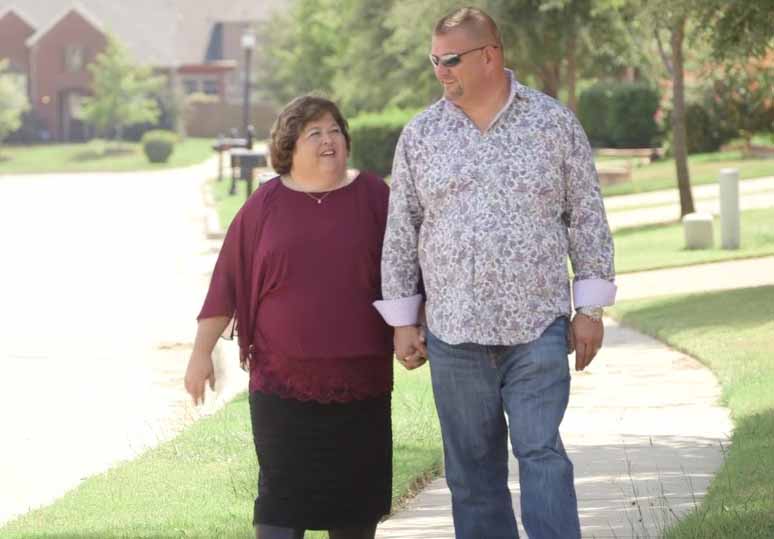
Linda Hanks was getting dressed one morning when she felt something on her chest similar to the feeling of grass scratching her skin.
“I didn’t think anything of it and went about my day,” Hanks said.
A day later, a small sore appeared. The next day, the tiny spot had turned into what Hanks described as a huge, gaping, black lesion.
When she called her doctor to set up an appointment, Hanks was told nothing was available. Knowing she needed to see a physician as soon as possible, she used the Global Rescue Mobile App to request a TotalCare urgent consult*.
Suspecting she had been bitten by a brown recluse spider, Hanks provided her symptoms and several photos of the wound to Global Rescue. She was then connected to a physician from Elite Medical Group, who confirmed the diagnosis.
More than the peace of mind and the treatment plan she received, the quality of service is what resonated most with Hanks.
“The follow up was amazing,” Hanks said. “[Global Rescue] called me several times. I’ve had brain surgery – I’ve had two of them and I’ve paid a doctor hundreds of thousands of dollars and he never called me after I went home to see if I woke up the next morning or say how are you doing.”
Watch the video to hear more about Linda’s story.
*Global Rescue LLC provides technical and administrative services to Elite Medical Group, P.C. (“Elite Medical”), a professional corporation owned by licensed physicians that employs or contracts with physicians licensed to practice medicine where medical services are provided. Global Rescue LLC does not provide medical care. Services may be subject to restrictions based on the laws and regulations where you are located. TotalCare and the TotalCare logo are service marks of Global Rescue LLC. All Rights Reserved. It is not guaranteed that a prescription will be written, nor will any DEA controlled substances, non-therapeutic drugs and certain other drugs which may be harmful because of their potential for abuse, as a result of a TotalCare consultation. Elite Medical physicians reserve the right to deny care for potential or actual misuse of services. Prescriptions, lab work and imaging not permitted outside the United States.
The Global Rescue Mobile App is designed for operation on the current versions of Android and iOS operating systems. Availability of services is subject to your equipment compatibility, connectivity and signal in your location. There is no guarantee that all features and functionality will be available in your location. Use and availability of the Mobile App is subject to your service provider’s plan and may be subject to additional fees from your provider.
April 15, 2019
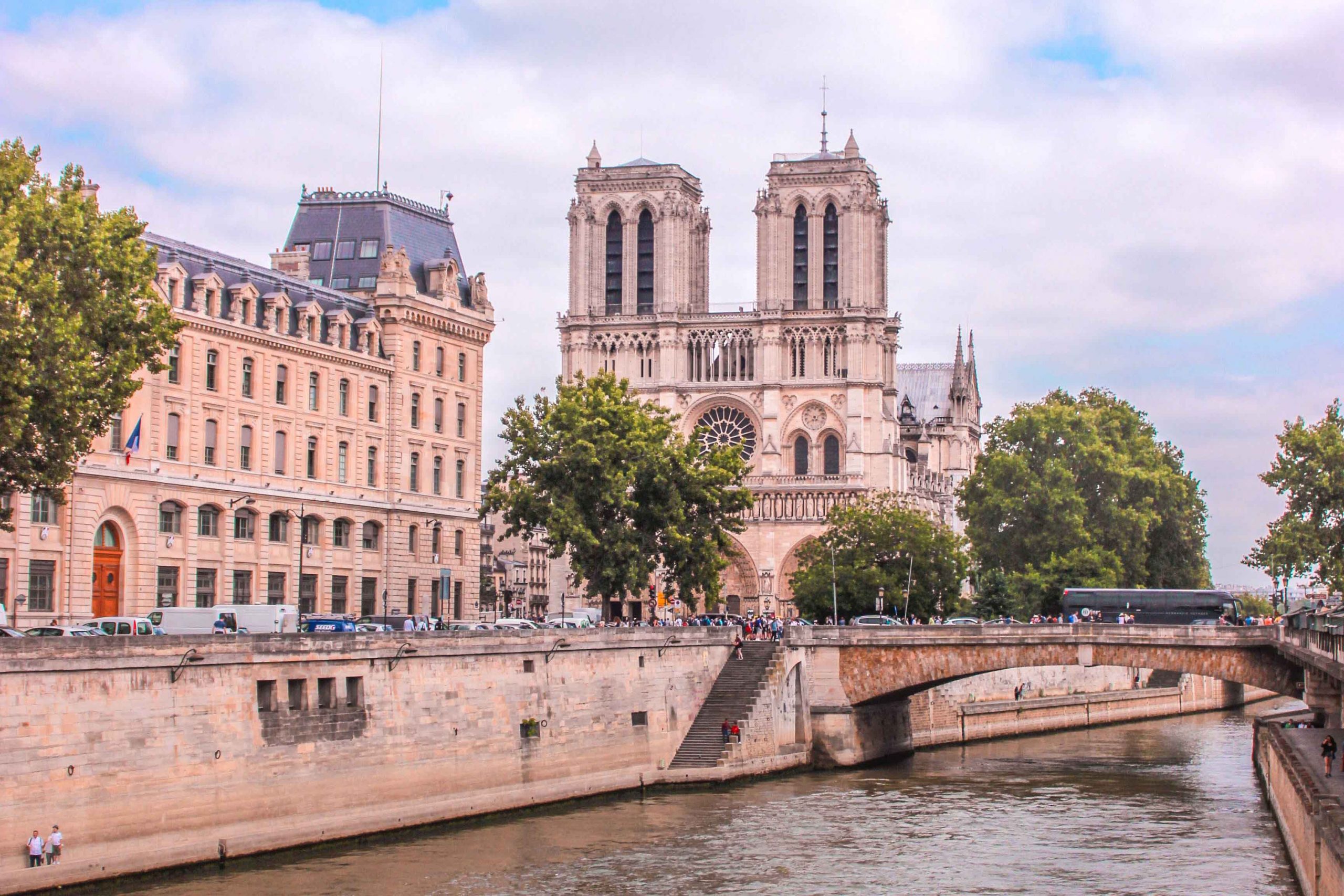
On 15 April, a large-scale fire broke out at the Notre Dame Cathedral in Paris, France at approximately 17:50 local time.
Reports indicate that flames initially burst through the roof of Notre Dame and completely collapsed its main spire. Due to damage to the interior of the cathedral, the entire structure may ultimately be destroyed.
A major emergency response operation is currently underway in an attempt to extinguish the blaze and also save artwork and other valuable items. There have been no confirmed fatalities or injuries stemming from the incident. Local authorities have cordoned off streets and closed metro stations in the vicinity of the cathedral and have warned residents to avoid the area until further notice.
Reports have not yet confirmed a cause for the fire and police are currently treating it as an accident. Notre Dame had been undergoing extensive renovations, and reporting indicates that the fire may have begun in the attic during maintenance work. Paris authorities have opened an official investigation into the incident.
Notre Dame Cathedral is situated on a small island called the Ile de La Cite in the middle of the Seine River in the city’s fourth arrondissement. The structure took more than 182 years to build and was completed in 1345.
It has long been considered a historic piece of medieval Gothic architecture and remains the seat of the Archbishop of Paris. Time, weather and neglect have contributed to its deteriorating condition over the years before a major renovation project was commissioned in 2018 at the cost of approximately USD $180 million (EU 159,257,700).
Despite the extensive renovation project, the cathedral has remained open to the public and a Catholic mass service is still offered every Sunday. The building can hold more than 6,000 people and boasts iconic stained glass windows, gargoyles and flying buttresses. With its history, aesthetic appeal and capacity for crowds, Notre Dame is one of Paris’ most famous landmarks and tourist attractions. An estimated 13 million people visit the cathedral each year.
Our operations team is standing by 24/7/365 to provide travel assistance and advisory services to members. Contact Global Rescue at +1 617.459.4200 or email us at memberservices@globalrescue.com.
April 4, 2019
Update – April 8, 2019: The two kidnapped individuals—the U.S. national and her tour guide—were released unharmed on 7 April after nearly five days in captivity. A ransom was reportedly paid for their release in a negotiated handover, though it remains unclear who paid the ransom and how much was paid. Further details surrounding the nature of their rescue remain unclear.
On 2 April, a U.S. national was kidnapped at gunpoint while on a game drive in the Ishasha area of Queen Elizabeth National Park, a popular wildlife reserve in southwest Uganda that runs along the country’s border with the Democratic Republic of the Congo. According to local media, the incident took place between approximately 18:00 and 19:00 local time while the victims were driving on Edward track between Katoke gate and the Wilderness Camp in Kanungu District.
Four armed assailants reportedly kidnapped a 35-year old U.S. citizen and her Ugandan driver, along with four additional people, including an elderly Canadian couple who were later freed. Local authorities indicated that although the park requires visitors to take an armed ranger, the group was traveling without an armed guard1. The kidnappers—whose identities remain unknown, have since demanded USD $500,000 as ransom for the U.S. national, which police have said they will not be paying. The kidnappers reportedly used the cell phones of the victims to call the lodge at which the victims were staying to demand the ransom.
Operations to rescue the victims are currently underway. Authorities reportedly closed the Uganda-DRC border, which runs through Queen Elizabeth National Park, though police believe the victims are still in Uganda. An elite unit of the Tourism Police has been deployed to rescue the victims, and the U.S. Embassy in Kampala warned in an alert on 4 April that travelers should exercise caution while traveling in the area due to ongoing law enforcement and security activity.
Analysis
As one of Uganda’s most popular safari destinations, thousands of tourists visit Queen Elizabeth National Park annually. While security incidents at the park are rare, there is a risk of kidnapping throughout Uganda. A spate of kidnappings for ransom in 2018 prompted protests in the capital, Kampala, in June 2018 after police confirmed 42 cases—including eight deaths—in the first half of the year.
The risk of kidnapping is compounded near the country’s porous border with the DRC, as militias based in the DRC have been known to cross the border into Uganda to conduct criminal activity. While it remains too early to determine who was behind the recent kidnapping, several armed groups operate in Uganda and in eastern DRC.
The Kanungu District, where the kidnapping on 2 April took place, has seen several KFR (kidnap for randsom) incidents in recent months. Police had reportedly ramped up security operations in Kanungu following the kidnapping of six Ugandans, including a 12-year old child, in recent weeks. On 7 January 2019, a Ugandan resident of Butogota in Kanungu District was kidnapped by an armed militia and released after a ransom was paid. On 3 August 2018, a Ugandan man was kidnapped in Kanungu District while driving through Queen Elizabeth National Park after Congolese militants shot and injured three members of his party. The victim was released after a ransom was paid by his family.
Advice
Maintain an enhanced level of awareness.
In regions where there is a threat of kidnapping, it is essential to maintain an enhanced level of awareness and to strictly adhere to established threat mitigations. Vigilance is a skill that must be developed through preparation and practice. It is important to establish a “baseline” of what is normal –anything out of the ordinary deserves a second look.
It is important to let someone trusted know your travel plans each day.
Tell someone where you are going, when you are leaving and when you will return. They should know how to get in touch with you and who to notify if you do not return as expected. Keep these people updated as your plans change.
Kidnappings are typically not opportunistic, spur-of-the-moment crimes.
Oftentimes, kidnappings are well planned and preceded by varying levels of surveillance by the criminals and their accomplices. Surveillance can be recognized, as it is usually something outside of the normal “baseline” of activities.
Travelers are advised to do the following if they think they are under surveillance.
- A “see something, say something” attitude is pointless without the added guidance of what to say and who to say it to. Be an accurate witness, as details are important.
- Timeliness is critical when something strange is observed. The information should be shared with law enforcement, security personnel, management, colleagues and/or other travelers as soon as possible.
- Be descriptive and include important details. For vehicles, describe the make, style, color and license plate if possible. For people, describe the suspect’s gender, clothing, build and race. For instance, instead of saying “A man in a truck got out and took some pictures,” you should say, “At 8:30 a.m., a tall white man wearing a blue shirt and tan pants got out of a red Toyota pickup truck and took pictures of guests arriving at the hotel. He then got back in the vehicle and headed north.” These types of details may lead to the identification and prevention of further surveillance, reducing the likelihood of a subsequent crime.
If you are kidnapped, continue to assess the situation.
Make decisions aimed at keeping yourself alive. It is important to keep your mind active and aware rather than mentally shut down.
Travelers are advised to do the following in the event of a kidnapping.
- Asses the imminent threat to your life. If you fight, will your kidnappers kill you? Is there a gun in your face? If the answer is yes, you should be apparently compliant and as calm as possible. This is the most dangerous point in the kidnapping, as attackers may be prone to more risky behavior. Continue to assess the situation and the threat to your life.
- If it is somewhat safe to do so, attempt to be seen by as many people as possible.
- If you think you are being kidnapped, call someone right away if it is possible to do so discretely or without endangering yourself. Do not end the call. Leave the connection open and make sure to take the phone with you if possible. The attackers will eventually find and take the phone, but the initial call can aid in rescue efforts.
- While you are kidnapped, all of your efforts should be focused toward increasing your awareness and enhancing your survivability. If the attacker’s intention is financial, they have an interest in keeping you alive. Continue to assess the threat and keep your mind active. Humanizing yourself to your captors can help in receiving things like food, water, and other necessities. For example, say “I’m thirsty, I need water.” Do not start into complex debates or empathize with “the struggle” of your attackers.
- In the event of a rescue operation, there may likely be gunfire. You may hear commotion, strange voices and commands. Get on the floor or ground, stay still and do what you are told by the rescuers. Stay calm and compliant.
Be smart, be aware, do not become complacent and always adhere with established security procedures and mitigations. These basic efforts will reduce your likelihood of being kidnapped.
Our operations team is standing by 24/7/365 to provide travel assistance and advisory services to members. Contact Global Rescue at +1.617.459.4200 or email us at memberservices@globalrescue.com.
1While it was widely reported that a spokesperson with the Uganda Wildlife Authority said that armed guides are required when on game drives in the park, additional reporting has cited other sources that say there is no such requirement.
Categories:
Health & SafetyMarch 21, 2019

A patient-physician relationship is often one of the most critical connections in a person’s lifetime. Each year, nationwide studies and surveys examine what patients are seeking from both their physicians and their health care experience.
Among patient-provider surveys, a recent study revealed that access and service are the top two reported needs among patients of all generations. The same study also suggests patients are now increasingly making health care decisions with a “retail-oriented” mindset, often considering factors like convenience, cost and location.
In the broader health care landscape, one of the largest consumer U.S. health care surveys similarly reported that a one-size-fits-all approach to meeting and exceeding patient health care needs, simply isn’t effective. From millennials to baby boomers, each generation has its own complexities when it comes to health care preferences and expectations.
Making health care decisions and selecting the right provider can be overwhelming, so we met with a group of physicians from Elite Medical Group to get their take on the top five considerations when selecting a doctor.
Accessible
If it is important to you, it should be important to your physician. Whether it is 2 a.m. or 2 p.m. on a Sunday, same day appointments when it matters most shouldn’t be a luxury. According to a recent study, 71 percent of emergency room visits are unnecessary.
“It’s not doctor-centric, it’s patient-centric,” said associate medical director, Dr. David Ashley.
If you’re up in the middle of the night with a sick child or struggling to balance caring for your family and an elderly parent at the same time, a doctor should be accessible via a wide variety of communication platforms, especially for questions or conditions that seem urgent.
Adaptable
In most cases, a seasoned generalist has seen every kind of patient – from those who are clear on what they need from their visit, to those who aren’t.
“Some patients come in with a list of 15 things and say, ‘this is exactly what I want out of this encounter and other times they say, ‘I’m just tired and I don’t know what to do,’” said medical director, Dr. Claudia Zegans. “Some say, ‘I’m only here because my mother told me to come.’”
For Zegans, that’s exactly where an experienced physician will adapt to guide the encounter.
“You have the skill to be perceptive to know how the patient wants to approach the visit, as well as the experience to guide them and get them what they want for a better outcome,” Zegans said. “Sometimes it means telling them what to do, other times it means directly answering their questions.”
Approachable
An experienced doctor has seen many different types of patients and situations.
“There’s nothing that could come my way that would raise an eyebrow or throw me off,” Zegans said.
A seasoned physician should be well trained, current and well informed, to be able to immediately relate to a patient of any age. A relatable doctor creates a welcoming environment for all patients, making a visit feel less formal, inviting a sense of a partnership instead.
“You don’t want someone judging you because of your race or gender or political thoughts,” Zegans said.
Comfort and Trust
Comfort and trust are perhaps the most essential pieces of the patient-physician relationship, often taking time to develop over a period of time.
For associate medical director Dr. Gail Fancher, working with a small group of physicians helps to establish a foundation of trust among patients. With a small treatment team, it is more likely a patient will interact with the same physician, increasing opportunities to feel understood and whole in the medical encounter.
Building trust and comfort can often come simply from hearing the advice of an experienced doctor. This input helps to decrease stress and resolve problems.
Beyond the Diagnosis
A physician who is focused on you and free from distractions should be the standard during a visit, but selecting a doctor who takes time for a truly meaningful interaction should also be the expectation.
Business Insider recently reported the average time spent with a doctor is less than 15 minutes. Feeling rushed during a visit or left with a sense that you missed an opportunity for follow up questions are common pain points. Only you as the patient can interpret the medical advice you have received though. It is the physician’s job to provide the patient with adequate access to educational materials and doctor guidance.
From a physician’s perspective, a person is never defined by a medical condition and it is essential that a doctor has and takes the time, to explore the patient’s wider world and answer questions.
Did you know? Global Rescue travel services memberships include advisory and evacuation services. Our operations centers are staffed by experienced nurses, paramedics and military special operations veterans. Global Rescue also has partnerships with the Johns Hopkins Emergency Medicine Division of Special Operations, Elite Medical Group and Partners HealthCare.
Categories:
Health & SafetySecurity & IntelligenceTravelMarch 18, 2019

At least three people were killed and five others were injured in a possible terrorist shooting attack in Utrecht, Netherlands Monday, March 18. The attack reportedly occurred at approximately 10:45 local time inside a tram near the 24 Oktoberplein junction (October 24 Square). According to authorities, the primary suspect—a 37-year-old Turkish-born man—has been arrested following an extensive manhunt. However, it remains unclear whether there may be additional suspects involved.
Trains and trams stopped running and schools were closed down in the city. Police are investigating the incident as a possible terrorist attack. Counter-terrorism authorities have raised the terrorism threat level for Utrecht province to 5 or “critical,” the highest rating.
Reports indicate that additional security measures have been implemented at airports and other vital infrastructure points. Additional police have also been added to major highways, railway routes and border crossings. Additionally, all mosques in Utrecht have been evacuated and security has been heightened at all mosques nationwide, though it remains unclear if these measures are linked to the possible motive in the attack or as a precaution.
Utrecht is located approximately 40 kilometers (25 miles) southeast of Amsterdam. Gun-related violence in the city and across the country is rare. The attack took place in the Kanaleneiland neighborhood of Utrecht, which is home to a large Muslim community. Though police are investigating the possibility that this attack was terrorism-related, the precise motive for the attack remains unclear.
While authorities have taken additional security measures at mosques, it remains unknown currently whether police suspect the motive to be linked to that of the terror attack Friday, March 15 at two mosques in Christchurch, New Zealand, in which a gunman killed at least 50 people. The additional security measures at mosques could also be precautionary measures in order to prevent any anti-Muslim backlash in the event the attack is determined to be motived by Islamist terrorism.
The primary terrorism threat in the Netherlands is Islamist terrorism, both in the form of lone-wolf actors and terrorism networks. Though there have been no large-scale terror attacks in the country in recent years similar to what has been witnessed in the United Kingdom, France, Belgium, Germany and Spain, there have been minor incidents that demonstrate that the country has not been completely immune from the terror threat that has impacted Western Europe in recent years.
In September 2018, a “very advanced” terrorist attack plan was foiled when seven men were arrested in the cities of Arnhem and Weert. Police seized guns and bomb-making materials and authorities said the foiled plans involved attacking a mass event. Earlier, on 31 August 2018, two U.S. citizens were injured in a stabbing at a railway station in Amsterdam. The suspect, a 19-year-old Afghan male, was shot and arrested by police. He was suspected of having a terrorist motive.
What should you do if you find yourself in an active shooter situation?
While news coverage often stretches for days, the reality of active shooter situations, is the event itself is usually over within 10-15 minutes. Chances of survival in such a situation, often depend on how you respond in the first seconds after shots begin to ring out. Global Rescue’s operations personnel provide security advisory and extraction services to members all across the globe. Based on years of research and experience, if you find yourself in an active shooter situation, our operations personnel advises one of three courses of action: run, hide, or fight.
1. Run
Your best bet is usually getting as far away from the assailant as quickly as you can. A panicked evasion is not an effective one and there are a few important components of a good escape:
Have an escape route and plan in mind before you take off running.
Quickly put something between you and the assailant. Walls are obviously best, but tall furniture and other large, solid obstacles are helpful too. Know where the assailant is and whether he or she is near your escape route.
2. Hide
If running isn’t an option – and many times it isn’t, your next best plan is to hide and wait things out. Since active shooter situations usually don’t last long, you may be able to survive by staying out of sight for as little as 15 minutes. As with running, you need to have a strategy when you hide.
Hide in silence. Set your cell phone to silent (not off – you may need it) and make radios, computers and other devices as quiet as possible.
Lock the door. If you can get into an enclosed room, lock the door and barricade it with furniture and other heavy items. After securing the room, make sure everyone inside stays behind solid objects for additional protection. Be aware that the assailant might bang on the door, yell for help, or otherwise try to get you to open the door.
Turn off the lights. Close any blinds to prevent shadows from appearing under the door.
If you feel confident that the assailant won’t be able to hear you, call for help on the phone, send a text, email or radio message to alert first responders moving toward you.
Be ready to provide the following information in a calm, clear manner:
- What is happening?
- Your name and location, including building name and room number.
- Number of assailants, their physical features including gender, race and age, their location, color and style of clothing, weaponry and languages and commands they use.
- Number of people at your location.
- Number of potential victims at the location.
- Number and types of injuries.
3. Fight
The goal is to create enough space and time between you and the assailant to escape to relative safety. Fighting an armed assailant is the last resort and a choice you should make only when your life is in imminent danger and all other options have failed. If it comes down to a fight, be aggressive and violent.
Create a plan and work as a team.
Get control of the weapon. If you choose to fight, this is your key objective. Until the weapon is neutralized, there is a threat.
Use improvised weapons – tools, sporting goods, anything hard that will break bones. Find solid objects that you can lift and throw them at the assailant.
Blind the shooter. Spray cleaning products, fuel, salt, pepper – anything that burns or blinds.
When Authorities Arrive
If you manage to successfully evade or stop the assailant, remember that emergency services might not enter the area until they are sure the site is secured. When they do, they need to know that you are not a part of the threat, so remain calm and follow these instructions:
- Put down any items in your hands (i.e., bags, jackets).
- Raise hands and spread fingers. You may be instructed to keep your hands on your head. Keep them visible at all times.
- Avoid quick movements toward officers such as holding on to them for safety, pointing, screaming or yelling.
Our operations team is standing by 24/7/365 to provide travel assistance and advisory services to members. Contact Global Rescue at +1.617.459.4200 or email member services