
Categories:
Health & SafetySecurity & IntelligenceTravelMarch 12, 2019
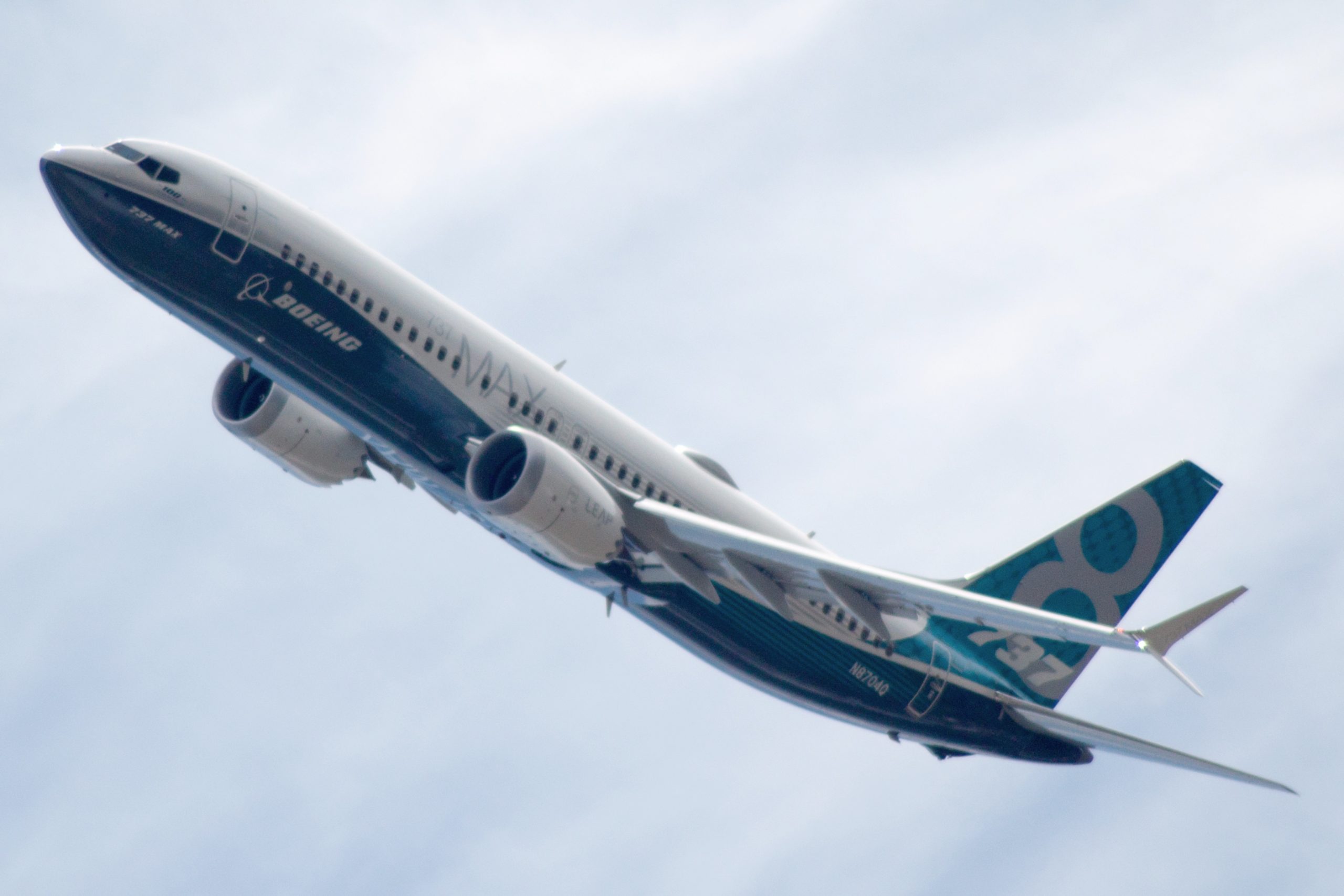
Photo credit: pjs2005
Background
On 10 March, 157 passengers and crew were killed when a Boeing 737 MAX 8 aircraft operated by Ethiopian Airlines crashed shortly after takeoff. Flight ET 302 departed from Addis Ababa Bole International Airport (ABB) in Ethiopia at 08:38 local time en route to Nairobi Jomo Kenyatta International Airport (NBO) in Kenya. The pilot sent out a distress call and was given clearance to return to ABB, but the plane reportedly crashed six minutes after takeoff at 08:44 near Bishoftu. The victims of the crash represent 35 nationalities and include many aid workers and United Nations (UN) staff.
Authorities have yet to confirm the cause of the crash. Visibility was reportedly clear, but the plane showed “unstable vertical speed” after takeoff, according to data from FlightRadar24. The airline confirmed that the plane was new, having flown only 1,200 hours since it was delivered to Ethiopian Airlines in mid-November. The pilot had reportedly been employed at the airline since 2010 and was considered an experienced flier with 8,000 flight hours.
Similarities to October 2018 Lion Air crash in Indonesia
In the aftermath of the Flight ET 302 accident, comparisons have been made to another crash on 29 October 2018, in which 189 passengers and crew were killed when a Boeing 737 MAX 8 aircraft operated by Lion Air crashed into the Java Sea approximately 13 minutes after takeoff. Flight JT 610 departed from Soekarno-Hatta International Airport (CGK) in Jakarta, Indonesia at 06:20 local time en route to Depati Amir Airport (PGK) in Pangkal Pinang. The pilot reportedly asked for clearance to return to CGK, but air traffic control lost contact with the plane at 06:33. Witnesses to the accident said that the plane crashed with high impact at a steep, nose-down angle.
The Boeing 737 MAX 8 involved in the Flight JT 610 crash had previously flown 800 hours, having been delivered new to Lion Air in August 2018. Between 26-29 October, six problems were reportedly identified on the plane, including errors with displays that showed airspeed and attitude information and issues with the plane’s angle-of-attack sensor. During the flight before Flight JT 610, the crew had reportedly issued a “Pan Pan” urgency signal—indicating an emergency one level below “Mayday”—due to instrument failure. Lion Air, which is a regional budget carrier, also has a troubled record with proper airplane maintenance and safety.
A preliminary investigation of Flight JT 610 revealed that the co-pilot indicated to air traffic control that there was a “flight control problem” shortly after takeoff. The plane’s automatic anti-stalling system repeatedly forced the nose of the plane downward, which the crew manually corrected by steering the plane upward. The crew indicated to air traffic control that the aircraft’s instruments were displaying different altitudes, and the plane lost contact shortly after. Following the accident, Boeing received significant criticism for allegedly failing to disclose to pilots that the Boeing 737 MAX 8 was programmed with an anti-stalling system, which was designed to offset the risk that the size and placement of the aircraft’s engines could lead the plane to stall under specific conditions. The software is coded to automatically push the nose of the plane downward if sensors indicate that the angle of ascent is steep enough to stall the plane. In the case of Flight JT 610, the preliminary investigation suggests that this system activated after faulty sensors indicated incorrect data about the plane’s ascent.
In the wake of the crash, a memo from Boeing indicated that the system may kick in even if pilots are flying manually and it can push the nose of the plane downward such that pilots cannot steer it back up. Pilots were not briefed on the anti-stalling system and it was not included in flight manuals, reportedly because Boeing did not envision a scenario in which the automatic system would take over and because the company wanted to minimize the costs of retraining pilots on the new system. The anti-stalling system is also reportedly installed on Boeing’s 737 MAX 9 aircraft.
The Flight ET 302 and Flight JT 610 crashes both involved relatively new Boeing 737 MAX 8 aircraft that crashed shortly after takeoff. In both cases, flight data indicates that pilots struggled to maintain a steady ascent and weather doesn’t appear to have played a role in either crash. However, the results of a preliminary investigation into Flight ET 302 are not expected for several weeks and authorities have not confirmed any possible causes of the accident.
Our operations team is standing by 24/7/365 to provide travel assistance and advisory services to our members. For advisory services and assistance with any issues Global Rescue members encounter, please contact Global Rescue at +1.617.459.4200 or memberservices@globalrescue.com.
Lebanon, New Hampshire, March 12, 2019 – Nearly 90 percent of travelers expressed some degree of concern for travel safety this year, according to new findings in the Global Rescue 2019 Travel Safety Survey. The leading travel risk and crisis response provider of medical, security and intelligence, Global Rescue annually releases findings from its yearly travel safety survey. Compared to last year, 16 percent of travelers reported they are more concerned about travel safety in 2019, with most (82%), noting they are still as concerned as they were last year.
Among the top survey findings:
- Terrorism is no longer a primary concern. This year, more than two thirds (69%) of respondents ranked crime atop their three greatest traveling threats, followed by health and medical issues (67%) and then terrorism (41%). Less than one quarter (22%) of respondents ranked terrorism as their number one threat, with 33 percent of respondents ranking health and medical issues as their top concern. In 2018, 40 percent of respondents ranked terrorism as the greatest threat to their travel.
- Concerns over travel to Europe have subsided. This year, more than half of respondents (54%) plan to travel to Europe, which comes after 74 percent expressed at least some level of concern with travel to both Europe and the Middle East last year. The top four destinations in terms of concern this year are: Africa (87%), the Middle East (84%), South America (80%) and Asia (74%). Europe dipped significantly in the ranking with 66 percent reporting some concern.
- Travel concern overall is unchanged in 2019. Across the last two years, nearly 85 percent of respondents expressed some degree of concern for travel safety, at 87 percent in 2019 and 84 percent in 2018, respectively.
- Travel concerns are not impacting willingness to travel. Only six percent of respondents said concerns would have a significant impact on their travel. Nearly half (47%) reported their concerns would impact their plans “a little,” while 41 percent of respondents said their concerns will have no impact on their travel in 2019.
Much like last year, 48 percent of respondents will do more research when it comes to their travel safety concerns, while 30 percent will do nothing at all and 25 percent will prepare themselves for a possible crisis.
“I think we all take a risk every time we travel,” one survey participant said. “I understand the risks and try to make sure I am smart about the way I handle myself. I like to do some research on travel plans and destinations before I go to have adequate back up for mishaps.”
In 2018, 22 percent of travelers said they would be willing to change destinations amid travel safety concerns, while only 14 percent reported they would change destinations entirely in 2019. While overall concerns won’t impact a majority of travelers, health and medical issues (29%) and safety and security concerns (28%) are the top two factors preventing people from traveling more.
- Concerns with travel to Africa have increased. This year, the number of respondents either “concerned” or “very concerned” with travel to Africa increased to 56 percent, which is up from 39 percent last year. In 2018, 17 percent of respondents reported they were “very concerned” with travel to Africa, which has grown to 30 percent in 2019.
“This year’s results are reflective of a relative decline in the worldwide threat of terrorism, particularly in Europe and Turkey, where attacks in previous years likely influenced the perception that terrorism was a major concern,” said Global Rescue CEO and founder Dan Richards. “Medical and health issues as well as safety and security concerns are the top two barriers to more travel in 2019. Global Rescue stands ready on both fronts to support and ensure its members can travel more.”
The Global Rescue 2019 Travel Safety Survey was conducted from January 24 through February 15, 2019. The study is based on a survey of 900 current and former Global Rescue members ages 25 to 70 or older, with household incomes of $35,000 to $200,000 or more.
About Global Rescue
Global Rescue is the world’s leading provider of medical, security, evacuation and travel risk management services to enterprises, governments and individuals. Founded in 2004, Global Rescue has exclusive relationships with the Johns Hopkins Emergency Medicine Division of Special Operations and Elite Medical Group. Global Rescue provides best-in-class services that identify, monitor and respond to client medical and security crises. Global Rescue has provided medical and security support to its clients, including Fortune 500 companies, governments and academic institutions, during every globally significant crisis of the last decade. For more information, visit www.globalrescue.com.
Categories:
NewsMarch 10, 2019
Categories:
Missions & Member TestimonialsMarch 4, 2019
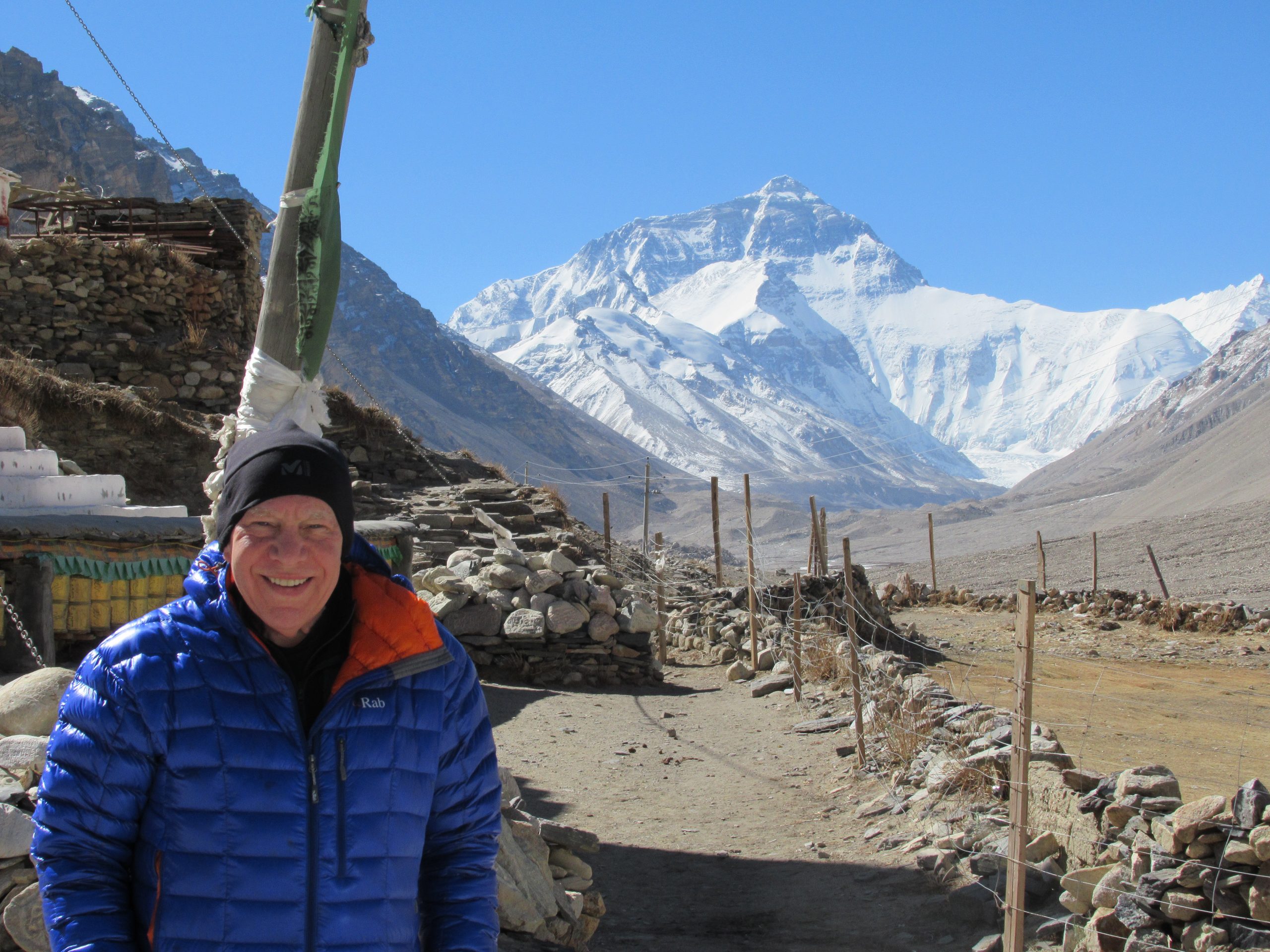
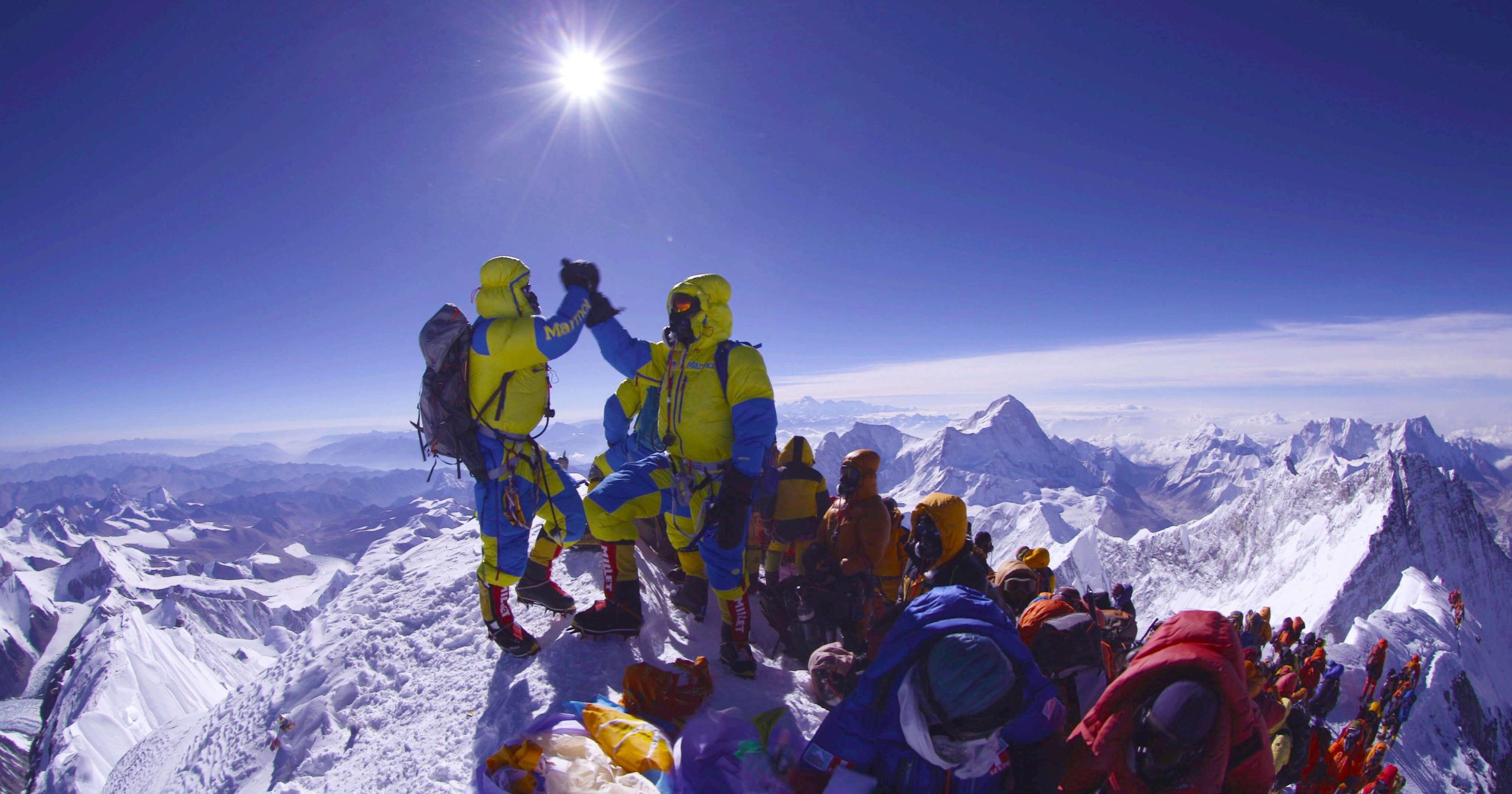
When Global Rescue member Dr. Ron Crystal set out to climb Mount Everest, the strength of his lungs was the least of his worries.
Instead, the 77-year-old seasoned climber was focused on retracing the 1921 British reconnaissance expedition. Led by Lieutenant Colonel Charles Howard-Bury decades ago, the small group of experienced explorers opted to begin their reconnaissance expedition from the north side of Mount Everest.
Travel experts and climbers have long debated the pros and cons of each Mount Everest Base Camp. With North Base Camp located in Tibet and South Base Camp situated on the opposite side in Nepal, it was Howard-Bury himself who detailed an uncommon, purely unobstructed view of the towering peak from the north side in his book, “Everest Reconnaissance: The First Expedition of 1921.”
The north side is exactly where Crystal and two guides, including one who is an emergency room physician in France, decided to start their climb.
Reaching North Base Camp in Tibet as planned, at 5,150 meters (16,900 feet), Crystal had been to higher altitudes in the past but had not slept at a comparable altitude.
“The first day I was at the base camp, I was absolutely fine and I slept fine,” Crystal said.
As Crystal headed toward Everest on to the glacier, something wasn’t quite right.
“I just felt terrible – not strong at all,” Crystal said.
Crystal was exhausted, out of breath and had a productive cough.
All were symptoms of high altitude related illness, something Crystal, a pulmonary physician at Weill Cornell Medicine in New York City, knew well.
However, Crystal was surprised his symptoms didn’t include anything more severe – he had no headaches, nausea or diarrhea.
But then came the one symptom that prompted Crystal’s own diagnosis – a potentially life-threatening medical emergency.
“My oxygen saturation had dropped and my resting pulse, which is usually between 63 and 65 was at 95,” Crystal said. “When I was lying flat, I just felt uncomfortable.”
Crystal’s diagnosis was high altitude pulmonary edema (HAPE).
One of three high altitude illness syndromes, HAPE can quickly become fatal, as leaky capillaries cause lungs to swell with fluid.
Descending to a lower altitude typically relieves most symptoms, but the challenge of getting down the mountain was equally as problematic for Crystal.
That’s when the group physician contacted Global Rescue.
Global Rescue staff members quickly arranged transport for Crystal down to 4,300 meters (14,100 feet) to alleviate some of his symptoms and ensure he was stable enough for a medical evacuation to a clinic in Kathmandu, Nepal.

At base camp, Crystal was able to get an SUV to a small village, traveling down about 3,000 feet.
“The hope was that I would get better and maybe go back up by the next morning,” Crystal said. “Although my oxygen saturation had improved a little bit, I still was clearly symptomatic.”
Closely monitoring Crystal’s condition, Global Rescue’s medical operations team advised a medical evacuation was necessary to Kathmandu.
“We had to get to a small border crossing and then eventually to a village and out by helicopter,” Crystal said.
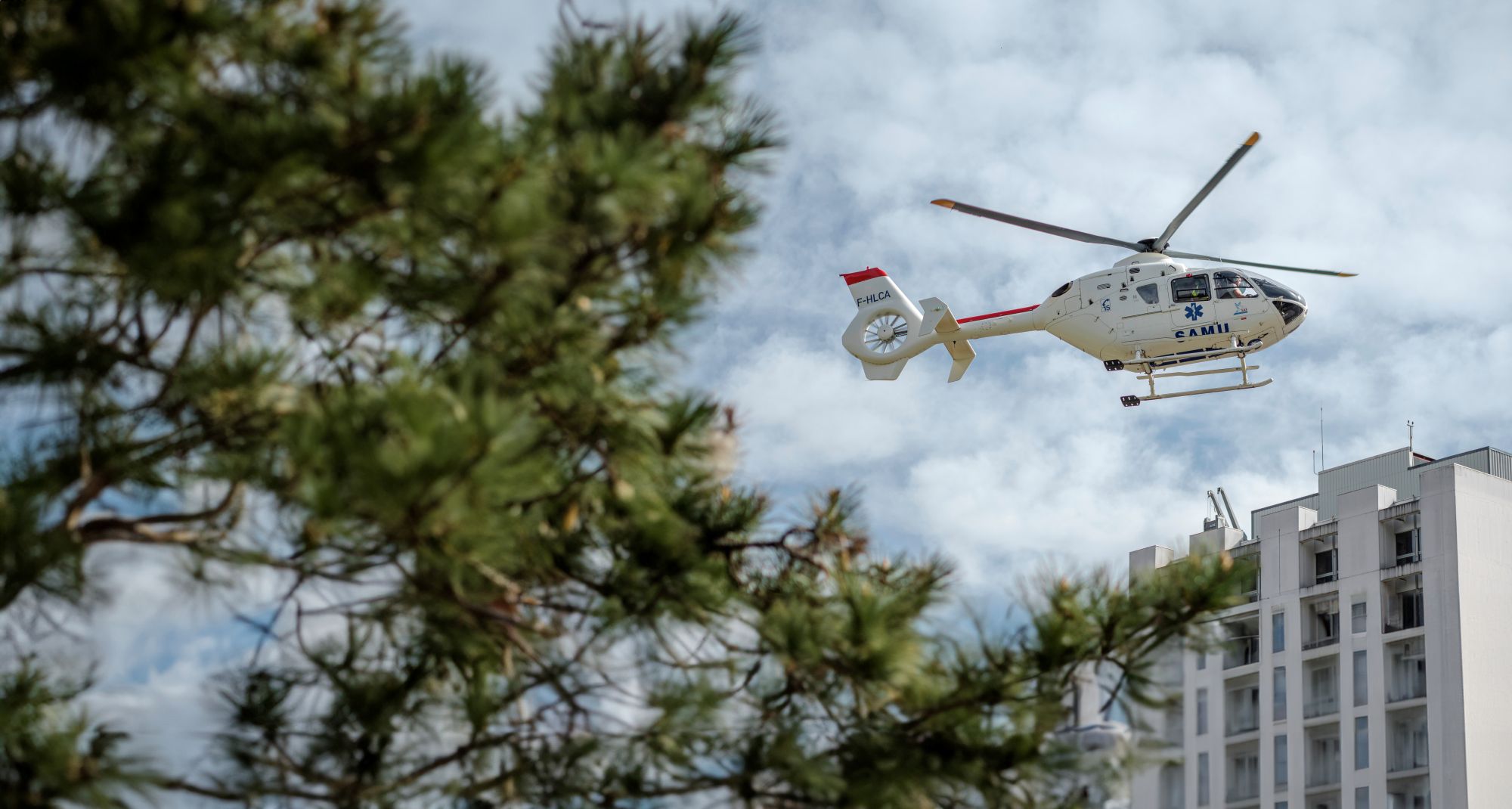
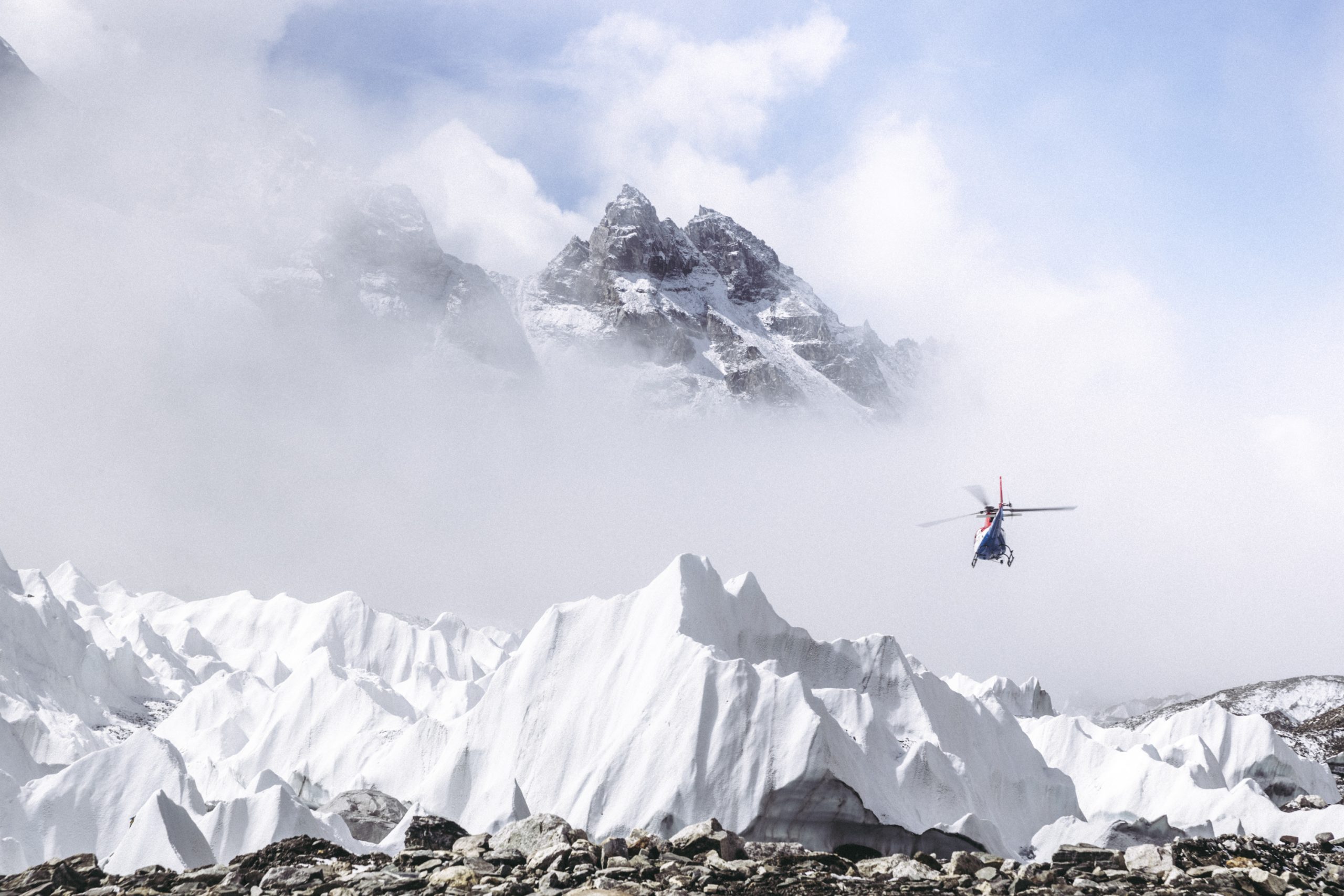
The next closest crossing was seven hours west in Gyirong. Global Rescue transported Crystal there, arranged a helicopter evacuation to Kathmandu, and an ambulance to bring Crystal to a world-class medical facility.
Examined by a physician who had been treating climbers in Kathmandu for more than a decade, Crystal was highly impressed by the level of care he received.
“I know a lot about what I had. In fact, I’ve written an academic article about HAPE and I’ve lectured about it,” Crystal said. “However, this doctor had seen hundreds of cases and he knew so much more about it than I did.”
Although HAPE is rare, even for well-prepared climbers, high altitude illness can unexpectedly become fatal if not immediately addressed.
“It’s obviously something I know about but to have it happen to you – it’s random,” Crystal said.
By the next day, everything was normal and Crystal flew out of Kathmandu.
“Overall I was very impressed with what Global Rescue did,” Crystal said. “There was no question about what was needed and no pushback in terms of arranging the rescue. Everything was very professional and there was nice follow up the next day. I was very pleased.”

Categories:
Missions & Member TestimonialsFebruary 20, 2019
With the Himalayan climbing season approaching, Global Rescue will again deploy personnel to the region to rescue injured and ill climbers and trekkers.
“Global Rescue personnel will be ready on the ground to support our members with life-saving rescue and evacuation services,” said Dan Richards, CEO and founder of Global Rescue. “We save lives and we’ve been there for climbers pursuing their dreams for nearly 15 years.”
With more than a decade of experience providing emergency evacuation services to climbers in Nepal, Global Rescue frequently deploys personnel during climbing season to support its members.
In 2018 alone, Global Rescue performed more than 100 rescue and evacuation missions in the Himalayas, including dozens on Everest.
Global Rescue fully supports the commitment Nepal’s government has made to the security and safety of its climbing community.
Global Rescue’s experienced rescue specialists, medics and physicians frequently fly to our members to perform rescues in even the most remote environments. From an initial field assessment to hospitalization, staff members remain bedside with members overseeing their care.
Global Rescue also ensures full due diligence when it comes to flight operations by conducting site visits and physical inspections. Only contracted and vetted helicopter providers perform rescues for Global Rescue members in Nepal, with a majority of staff members physically present on the helicopter.
Heading to Nepal for your next climb? Contact Member Services at (617) 459-4200 or send an email to memberservices@globalrescue.com for details on a Global Rescue membership. Global Rescue is committed to supporting its members.
Categories:
NewsFebruary 5, 2019
Categories:
Missions & Member TestimonialsJanuary 29, 2019
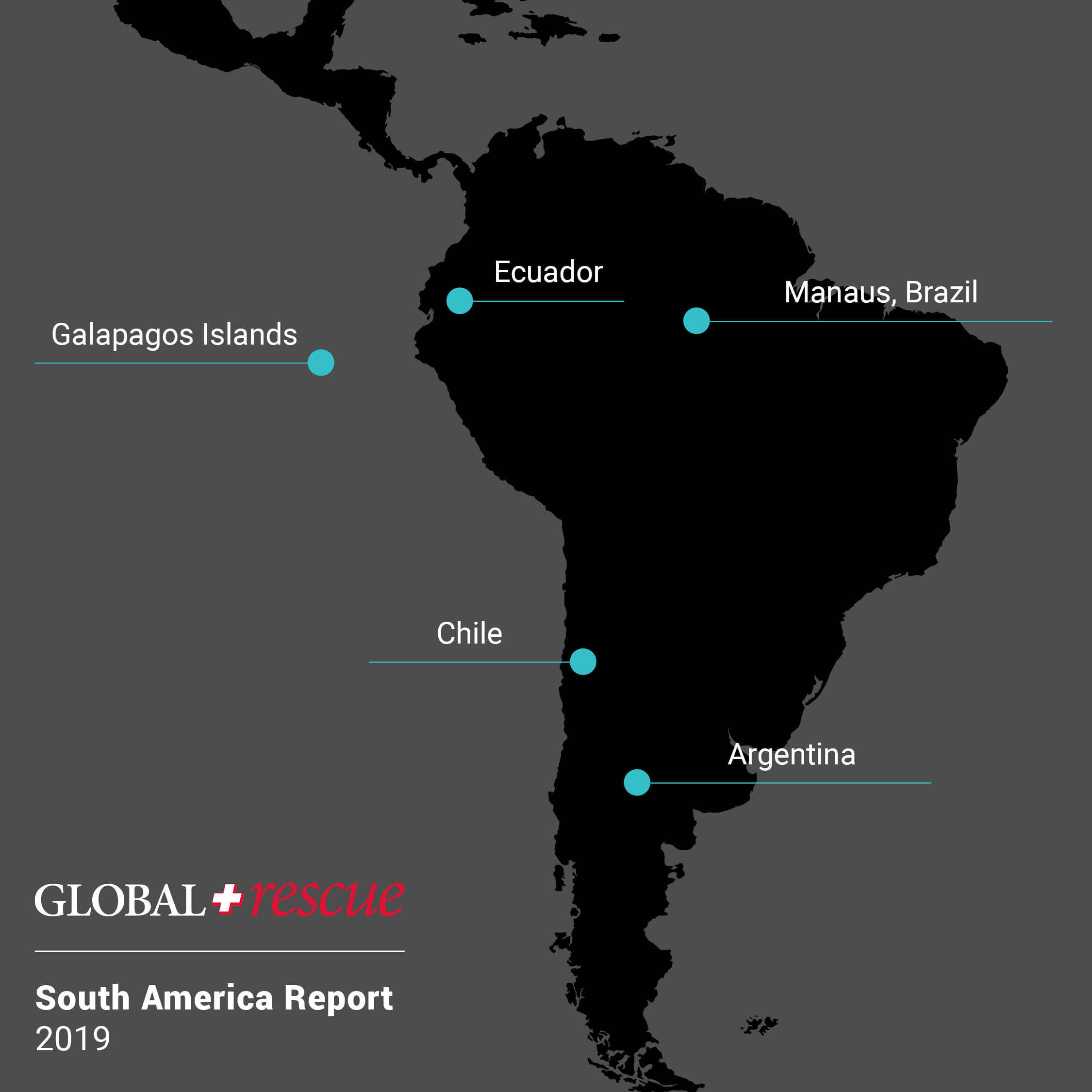
Global Rescue’s medical, security, and intelligence teams routinely perform boots-on-the-ground assessments of destinations that are important to our traveling members. Our teams recently returned from South America, where tourism is anticipated to grow at an average rate of 6% between 2018 and 2022.
Comprehensive in-country reconnaissance and on-going intelligence reporting are just a few of the reasons why serious travelers trust Global Rescue. Use this information to best prepare for your upcoming travels and take appropriate precautions.
This Global Rescue Field Report provides security, medical and aviation insights for four South American countries popular with travelers, including Brazil, Argentina, Chile and Ecuador.

Manaus, Brazil (Credit: Global Rescue)
MANAUS, BRAZIL
Security – Petty crime is rife in Brazil, especially in large cities. Murders, burglaries, and carjackings are not uncommon. Favelas, or shanty-towns, have higher levels of drug-related violence, theft, and muggings. In the Amazon, and especially near the Columbian border, kidnappings by the Revolutionary Armed Forces of Colombia (FARC) have been reported. The tri-border area in western Paraná State is known for smuggling illicit goods. Many international organized crime syndicates conduct illegal drug and prostitution operations in Brazil. These groups account for much of the violent crime in Brazil, especially in the cities of Rio de Janeiro and São Paulo.
Medical – As part of the ongoing due diligence of care providers, Global Rescue recently visited several hospitals in the Manaus region. While medical care is lacking in the jungle areas, the hospitals within Manaus City are of a high standard, fully equipped and capable to diagnose and treat a wide range of complex medical problems. Manaus acts as the regional medical center for the entire Brazilian Amazon region. Members traveling into the jungle areas should ensure that their group has access to a first aid kit and basic medical supplies.
Aviation – Numerous aviation providers support Amazon fly fishing adventures and local tourism. Global Rescue has extensive assets under contract and our recent site visit reinforced the quality of maintenance and professionalism of these aviation outfits. Anglers travel deep into the Amazon and often require multifaceted rescue operations consisting of extractions by boat to basic jungle air strips. Some areas allow for float planes to land near lodges where members can be medically evacuated to Manaus for a higher level of care.
The major international airport in Northern Brazil, Manaus International Airport-Eduardo Gomes is the busiest in terms of the number of international passengers in this region. The airport supports local tourism with many, affordable transport options to downtown Manaus.

Mendoza, Argentina (Credit: Global Rescue)
Security –The threat from terrorism is low, yet civil unrest is common and tends to cause traffic disruptions. Demonstrations and strikes do not typically turn into violence but may disrupt road travel and public transit. However, crime is a concern, particularly in Buenos Aires and major cities. International visitors most often report non-violent thefts, especially in tourist locations and while using public transportation.
Medical – To ensure the quality of care, Global Rescue conducted site visits at hospitals and clinics in areas ranging from Buenos Aires, Cordoba, Mendoza and the Patagonia Region. Major cities are generally well-equipped with standard facilities. While the regional hospitals are small, they are prepared to diagnose and treat a wide range of conditions. Should a member require medical transport from a regional facility, Buenos Aires has several world class facilities.
Aviation – Argentina boasts a robust number of aviation providers that support adventure tourism. To increase its fleet and support services, Global Rescue recently secured the use of more than 125 different aeromedevac fixed and rotary wing aircraft in the region. Global Rescue’s air providers can now operate in remote areas of Argentina to include the Patagonia parks.

Santiago, Chile (Credit: Global Rescue)
Security – While Chile has a low threat of international terrorism, it has a higher risk of domestic terrorist activity and small-scale bombings attributed to anarchist groups. Though crime is a concern, the country has a reliable police force. Demonstrations and strikes are common, and some of these events have turned violent in the past. Minefields are found in parts of the country. While most are marked, mines and signs may shift for various environmental reasons.
Medical – As part of its thoroughness in reviewing care providers, Global Rescue visited hospitals in Santiago and Punta Arenas. Punta Arenas acts as the initial evacuation destination for the Falkland Islands and Antarctica as it is well-equipped with several high standard facilities. From all regions of Chile, members can be transported to Santiago where several world-class facilities are located.
Aviation – Many fixed and rotary wing aviation providers support adventure tourism throughout Chile. Global Rescue’s aeromedevac air providers can operate in remote areas of Chile to include the Patagonia parks.

Amazon River (Credit: Global Rescue)
ECUADOR and THE GALAPAGOS ISLANDS
Security – Ecuador is a hotspot for both petty and violent crimes, including sexual assault and homicide. It is also plagued by political instability, which sometimes manifests itself in riots and demonstrations. While no terrorist outfits operate within the country, FARC has been active since 2012 along the shared borders of the surrounding countries. The potential of violence spilling over into Ecuador does exist.
Medical – Ecuador has invested heavily in its health care system since 2014. To ensure the level of care, the Global Rescue team conducted site visits at several facilities and found them to be predominantly of a high standard. Hospitals in Quito and Guayaquil are fully equipped, and capable of diagnosing and treating a wide range of complex medical problems. Hospitals are limited on the Galapagos Islands and serious cases would generally be moved to Guayaquil. The capital city, Quito, is also well-equipped with medical facilities.
Aviation – Aircraft supporting tourism are modern and well-maintained, but limited in number. Currently, only one reputable commercial air ambulance provider operates inside the country, so availability can be limited. While aircraft used for extraction operations are located in Quito, they support medical evacuation operations throughout Ecuador and the Galapagos Islands. Global Rescue’s Asset Development Team recently spent a week in the Galapagos opening up access to new aeromedical fixed and rotary wing aircraft. Additionally, the team identified new naval assets that will provide another level of medevac coverage for our members. The airports in Ecuador are capable of handling jet aeromedevac aircraft. While the Galapagos airports are small, they are capable of supporting some fixed wing aeromedevac aircraft. Injured and sick members would be evacuated back to the mainland for comprehensive medical treatment when needed.

Amazon River (Credit: Global Rescue)
Categories:
NewsJanuary 21, 2019
Categories:
NewsJanuary 17, 2019
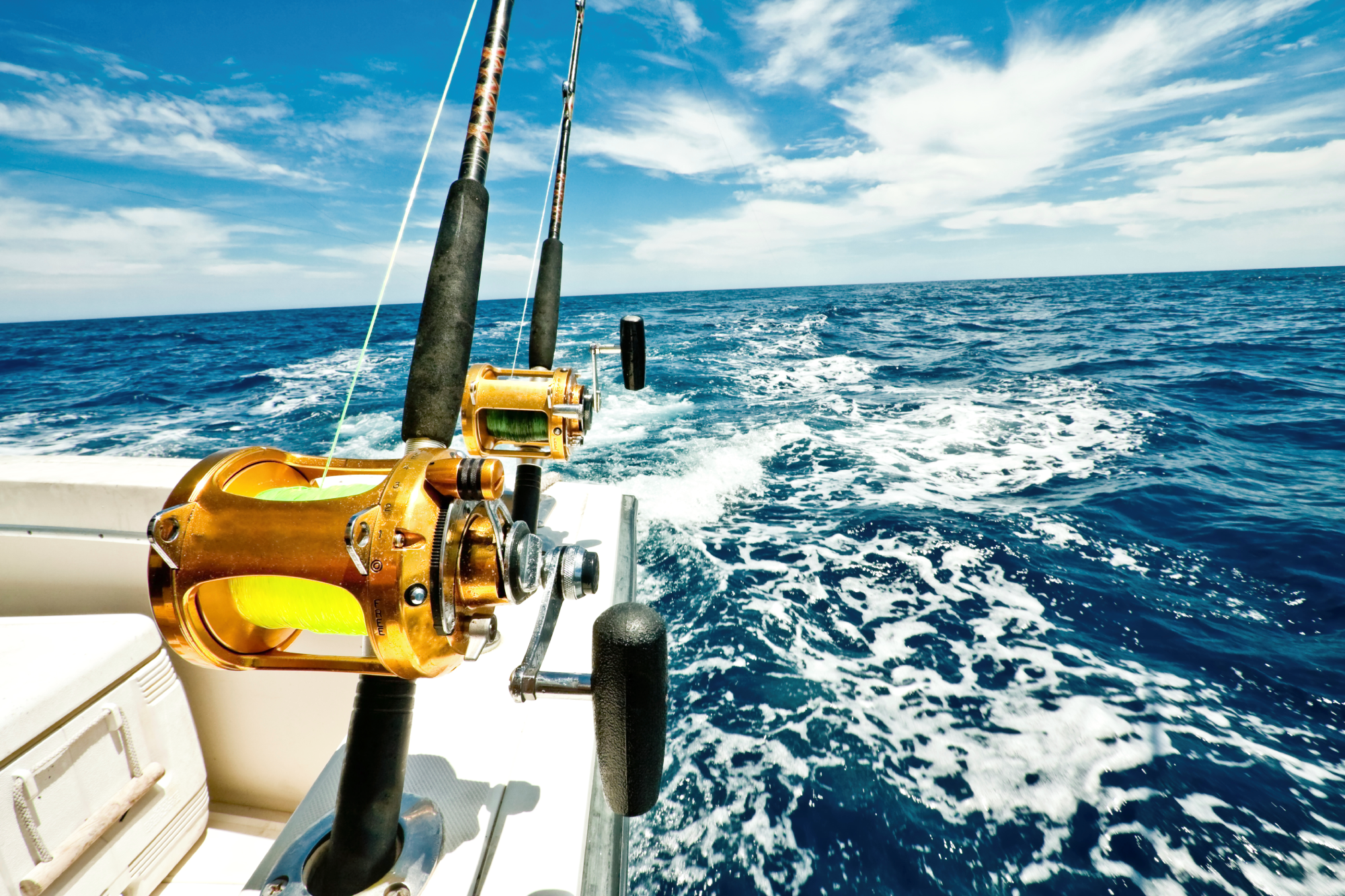
Coral Gables, FL, January 16, 2019 – Global Rescue, the exclusive provider of evacuation and travel insurance services for Bonefish & Tarpon Trust (BTT), has reaffirmed its support of Bonefish & Tarpon Trust’s conservation efforts as a Bronze Corporate Sponsor.
“Global Rescue and Bonefish & Tarpon Trust value the importance of sustainable practices and share support for enthusiasts within the fishing world,” said Global Rescue CEO Dan Richards. “Bonefish & Tarpon Trust members travel the world advocating for healthy fisheries and we prioritize their safety.”
Anglers can enjoy peace of mind knowing that Global Rescue is ready 24/7/365 with services from travel assistance to medical advice and emergency evacuations. Since 2004, Global Rescue’s hand-picked medical and security teams have performed more than 15,000 operations for individuals, families and enterprises. With its impressive track record, Global Rescue has become the travel protection service provider of choice for many of the world’s largest companies, universities, and nonprofits.
“Global Rescue is a leader in the travel services industry,” said BTT President and CEO Jim McDuffie. “The company is a preferred provider for our members and, with this grant, is also continuing its generous commitment to the conservation of our flats fishery.”
About Bonefish & Tarpon Trust
Bonefish & Tarpon Trust’s mission is to conserve bonefish, tarpon and permit—the species, their habitats and the larger fisheries they comprise. As a science-based organization, BTT pursues this mission across the southeastern US, Gulf of Mexico, and Caribbean through research, conservation, education and advocacy.
About Global Rescue
Global Rescue is the world’s leading provider of medical, security, evacuation and travel risk management services to enterprises, governments and individuals. Founded in 2004, the Company provides best-in-class services that identify, monitor and respond to client medical and security crises. Global Rescue has provided medical and security support to its clients, including Fortune 500 companies, governments and academic institutions, during every globally significant crisis of the last decade. For more information, visit www.globalrescue.com.
Categories:
Missions & Member TestimonialsJanuary 14, 2019
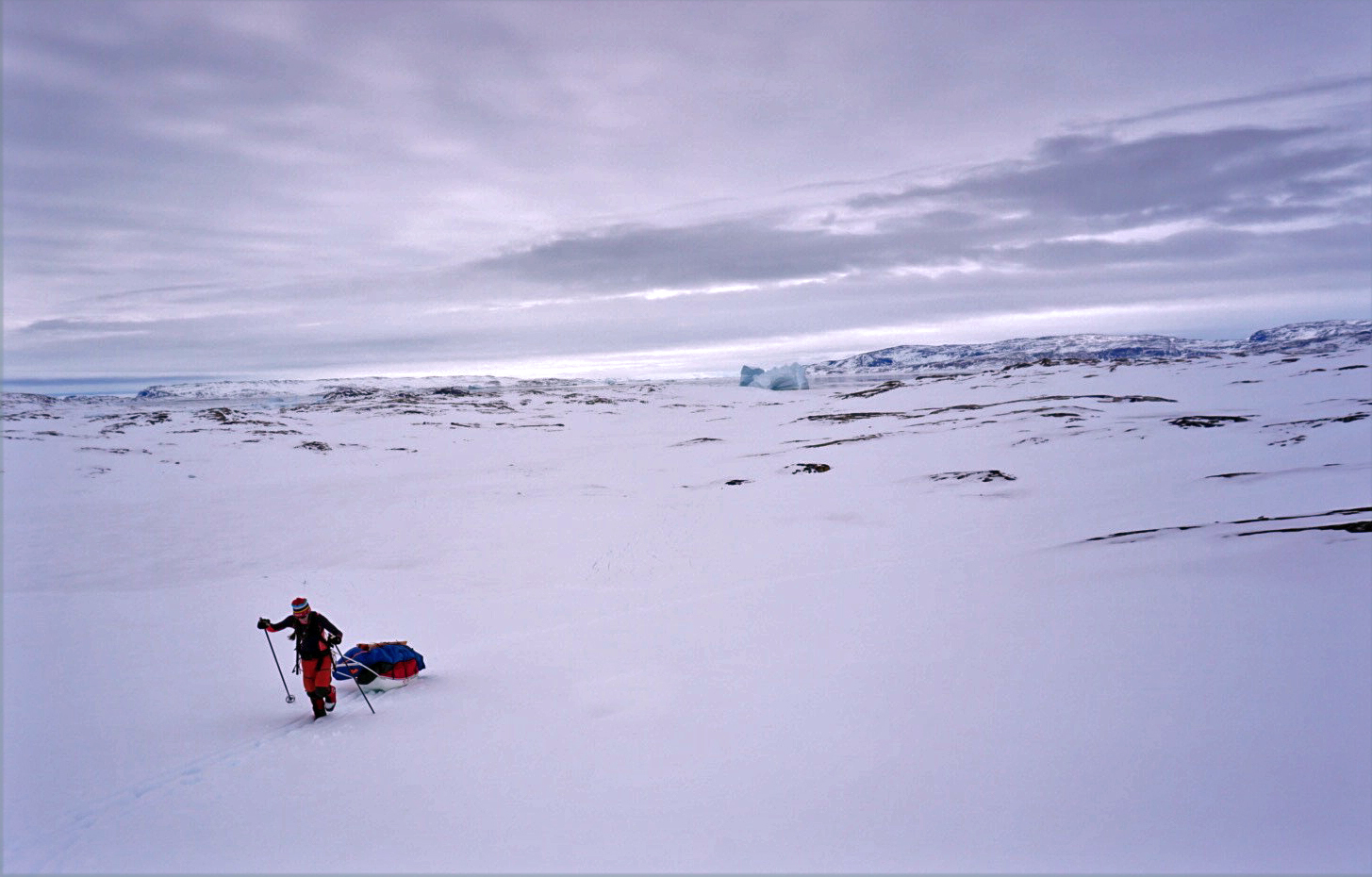
Often thought of as a stepping stone for Antarctica, an expedition in remote Greenland is not for the faint of heart. While crossing an ice cap during their 300-mile trek, Daniel and Elaine Vardamis discovered just how challenging such a trip can be.
Having taken various trips to cold places for backcountry skiing, the Vardamis’ considered themselves experienced and prepared adventure travelers.
The couple had been traveling for seven days, pulling their low-slung Nordic sled on skis when suddenly, the weather started to turn.
“We were doing well and getting weather [updates] from a guy in Amsterdam,” Daniel said.
The Joint Arctic Command informed Daniel and Elaine that 110 mph winds were expected to arrive over the next 36 hours.
With the wind picking up, the couple quickly set up camp.
“We spent the next 24 hours in the tent. It was a really bad storm,” Daniel said.
Daniel and Elaine were well-provisioned and started building snow walls to help deflect winds from their four-season tent. Still, they were concerned that their tent would not be able to withstand the predicted hurricane force winds.
That’s when Daniel called Global Rescue from his satellite phone.

Medical Emergency Evacuation Needed for Daniel and Elaine
Daniel told Global Rescue operations personnel they had endured strong, sustained winds for the past two days. More concerning, Daniel had frostbite from the constant shoveling and exposure to the elements.
To identify their coordinates, Global Rescue asked the Vardamis’ to send a message using their InReach device.
“Call soon. If rescue not possible we need to do extensive preparations to get through the next 96 hours unhurt & alive. Tough situation. Thanks – Dan & Elaine”
The couple then learned that another more powerful storm with stronger winds was coming and predicted to last three days.
“Global Rescue got the weather people on it,” Daniel said. “We were in the eye of the hurricane.”
Global Rescue recommended a helicopter evacuation.
“My hands and toes were frostbitten. We had a six-hour window to get out,” Daniel recalled. “That was the safest thing. It was a quick decision and we decided to go for it.”
They messaged Global Rescue from their InReach:
“Tent is red, sleds are red.
“Tent currently set up. Given fact that surface is 100% white with no landmarks at all we figure it would give good perspective for pilot in case of rescue.”

One hour later, they were in the helicopter.
“It was phenomenal,” Daniel said. “If you fly over Greenland, there’s nothing like it. The landscape is completely white, formless. It’s not easy for a helicopter to land.”
Along with their sled and skis, Daniel and Elaine were transported to the town of Tasiilaq, a small Inuit village. The tent, mostly destroyed and buried by snow, was left behind.
“Global Rescue directed us to a local clinic where they checked us out and bandaged me,” Daniel said. “Global Rescue was really good. They continued to follow up with us. We were impressed by their diligence,” he said.
While the couple rested in the village, Daniel recovered from his frostbite and made plans to get back home to Colorado.
“As an adventurer, you aim to take responsibility for yourself. But I can’t say for certain how we would have fared without Global Rescue,” he said.
The Greenland expedition was the first time the couple used Global Rescue’s life-saving services.
“It was a very good learning experience. You buy something like a Global Rescue membership and don’t think that you’ll need it,” said Daniel. “But to have it in the eye of the storm, it’s necessary. No one wants to die doing these things. You think of home and family and ideally want to get out alive.”
Whether you’re seeking advice or immediate medical or security assistance, Global Rescue operations centers are staffed 24/7/365 to assist our members. Click here to contact us about the benefits of membership.