Categories:
Missions & Member TestimonialsMay 18, 2018
Global Rescue’s medical, security and intelligence teams of critical care paramedics, physicians and special operations veterans routinely perform boots-on-the-ground assessments of destinations important to our climbing members.
Comprehensive in-country reconnaissance and ongoing intelligence reporting are just a few of the reasons why climbers trust Global Rescue.
Security, Medical and Communications Considerations for Popular Climbing Destinations

KILIMANJARO, TANZANIA
The roof of Africa, Kilimanjaro is a technically easy mountain with well-organized camps. Global Rescue liaises with both our partnered helicopter providers and the local park rangers to ensure members are safe while climbing Kilimanjaro’s multiple routes. Helicopter landing zones are situated at various points with wheeled stretchers used when helicopter access is unsafe due to terrain or weather conditions.
MEDICAL –– Acute mountain sickness (AMS) is a common complaint with a large altitude gain on summit day affecting many. Members are advised to choose an expedition company that allows for a gradual ascent, with no more than 500 meters elevation per day (sleeping altitude). Diamox can be used to aid acclimatization. Those with a known sulfonamide allergy should consider a supervised trial before using it in a remote setting. Adequate hydration and nutrition is important in helping climbers function well at altitude and preventing the onset of symptoms of dehydration and malnutrition that can mimic symptoms of AMS. Water sterilization is important as clean sources are unavailable above base camp.
Climbers with symptoms of AMS (headache, nausea, loss of appetite, fatigue at rest, insomnia) should not ascend further and should contact Global Rescue for further advice at the earliest opportunity. Ascent while symptomatic of AMS can lead to life-threatening conditions of high altitude cerebral edema (HACE) and high altitude pulmonary edema (HAPE), where rapid descent is required immediately. Reputable expedition companies will check their clients on a daily basis and not allow ascent of those who become unwell.
Medical facilities are limited within close distance to Mount Kilimanjaro. When necessary, members are transported to Dar es Salaam or over the border into Nairobi, Kenya, for stabilization before making the journey home. Global Rescue is partnered with a number of air and ground transport providers locally and internationally to perform these transports with minimal delay.
TRAVEL CONSIDERATIONS — Visas are required for travel to Tanzania. It is recommended that travelers obtain visas before traveling, but visas are also available upon arrival.
Guides are required for climbing Kilimanjaro. As there are over 600 Kilimanjaro guide services, it is recommended to pay close attention to guide selection. Kiliporters.org offers a list of partners that support fair and ethical treatment of the local porters.
Kilimanjaro International (JRO) is the closet airport. There is no public transportation available at JRO, so a pre-arranged ride or taxi service is required.

ACONCAGUA, ARGENTINA
The highest peak outside of the Himalaya is often underestimated by the large number who fail to summit. Statistics suggest that Aconcagua has one of the lowest summit success rates of the Seven Summits.
Global Rescue has seen a large increase in evacuations in 2018 compared to previous years. During the climbing season, Global Rescue keeps in close communication with both our partnered helicopter providers and the various medical clinics climbers encounter on their route to the summit.
MEDICAL — Aconcagua’s proximity to the Pacific Ocean means wind chill can be a big problem. Be prepared for a wide diurnal temperature range with good wind protection. Along with good layered kit, chemical warmers can offer good protection against the cold but should not be relied upon as they often fail.
Climbers are mandated by the local government to have medical check-ups at various points and are not allowed to continue should they be deemed unwell.
As with all high-altitude expeditions, preparation is key. Climbers should be in peak physical condition and carefully select both their kit and expedition company. Injured climbers are initially evacuated to Mendoza where most recover. Two large airports are situated in Mendoza should fixed-wing transport be necessary.
SECURITY –– Crime is a concern around Buenos Aires and Mendoza. The Retiro bus station in Buenos Aires and the bus station in Mendoza are of particular concern. It is recommended to pre-arrange transportation or utilize a flat-rate “remise” service from the airport. Avoid yellow and black taxis.
TRAVEL CONSIDERATIONS — Argentina formerly had a flat exchange rate that created a black market for dollars, referred to as “dolar blue.” In this market, pesos were exchanged for 50-100% more than the official rate. This market still exists, but it is recommended to avoid it. Generally, travelers will get a slightly better exchange rate from ATMs. Travelers should make sure to obtain all the cash required for their trip while in a major city, as ATMs/bank exchange may be unavailable during travel. For security purposes, do not store all cash in one location. Spread the money across different pockets and bags.
COMMUNICATIONS — Most guide services provide satellite and radio communications as part of the trip cost. For those planning to conduct a self-guided climb, it is recommended to develop a communications plan that includes satellite and radio options.
HIMALAYA, NEPAL
Home to the largest mountains in the world, Global Rescue is active 12 months a year in Nepal. In addition to the large number of trekking and climbing members, local agencies trust in Global Rescue to provide their employees with medical and security evacuation membership.
During the climbing and trekking seasons, operations pick up pace. 2017 was the busiest year on record for medical evacuations since the Nepal earthquake in 2015.
MEDICAL — Global Rescue deploys a team of personnel during the busy seasons to perform evacuations, assist members during their recovery in Kathmandu and help arrange appropriate transport to the member’s home country. Medical care at the Kathmandu facility recommended by Global Rescue is at Western standards and at the forefront of high altitude medicine.
SECURITY –– As with all locations, it is important for members in the Himalaya to contact Global Rescue at the earliest opportunity. An industry exists in Nepal by which a small minority of unscrupulous lodges, expedition companies, guides, etc., will arrange and profit from evacuations. It is a best practice to ensure that Global Rescue membership details are provided to the expedition company and accompanying guide with the instructions to contact Global Rescue as soon as possible should injury or illness occur.
Global Rescue maintains close relationships with the major leading helicopter companies. Often the closest helicopter is activated within minutes of the initial call to Global Rescue.
The Nepal Tourism Board mandates that all trekkers buy a Trekkers Information Management System (TIMS) card through the Trekking Association Agency of Nepal, so that trekkers are easier to locate in an emergency. Persons who wish to hike in Nepal should travel in a group or with licensed porters and guides. Trekking solo increases a traveler’s risk of criminal attack or serious injury. There have been a number of cases of foreigners going missing when trekking alone, even if they informed their embassy or other responsible parties of their general whereabouts. Be alert to the danger of rockslides or avalanches, even when paths are clear. Women should be particularly cautious if trekking alone, as there have been isolated reports of sexual assaults. Hikers can and should register their routes at base camps, parks or conservation areas, and their embassy. It is advised not to hike without an adequate supply of food and water, detailed knowledge of the route, appropriate cold weather and mountaineering gear, and, if possible, a satellite phone.
TRAVEL CONSIDERATIONS — Visas are required for travel to Nepal. Travelers should ensure to purchase the appropriate visa for their trip. Tourist visas are offered in 15-day, 1-month, and 3-month multiple entry time periods. Fees are payable in USD. Money exchange and ATM services are available at the airport, but credit card payment is not a reliable option.
CARSTENSZ PYRAMID, PAPUA, INDONESIA
The most technical of the Seven Summits, simply getting to base camp of Carstensz Pyramid is an arduous task involving a long trek through dense, unforgiving jungle.
MEDICAL –– Medical facilities are non-existent at base camp and far below Western standards in Papua as a whole. Rescue necessitates helicopter rescue, followed by, in many cases, fixed-wing transport to one of Global Rescue’s Centers of Excellence in the region or back to the member’s home hospital.
SECURITY –– Terrorism is a concern in the region. There is an increased concern for attacks surrounding Ramadan, Independence Day, Christmas, and Easter. It is suggested that travelers plan their itinerary to avoid these holidays.
TRAVEL CONSIDERATIONS — The required permits for climbing Carstensz Pyramid are difficult to obtain and requirements change frequently. It is recommended that climbers take part in an organized trip to circumvent these issues.
Tourist visas for Indonesia are not required for trips less than 30 days. An average Carstensz Pyramid climb trip runs 14-15 days. Trekking routes can take 16-20 days. For those planning other travel in the area, a Visa-on-Arrival can be purchased for $35 USD. This Visa can be extended one time for up to 30 days.
DENALI, UNITED STATES
Denali is a more challenging mountain than most Himalayan peaks in many respects. Climbers must land on a glacier then spend approximately three weeks moving their equipment, acclimatizing, setting up camps, etc. without the support of porters or Sherpas. The temperatures are far colder on average than just about anywhere else. The summit is approximately 13,000 vertical feet from the landing zone.
Global Rescue liaises with Denali Park Rangers and other partnered agencies to organize evacuations from the mountain to Fairbanks, Alaska.
MEDICAL — Excellent medical facilities are situated in Fairbanks, Alaska. If further transport is required once the member is stabilized, an international airport is situated within Fairbanks.
TRAVEL CONSIDERATIONS — Climbers must register with the National Parks Mountaineering Headquarters in Talkeetna, AK before climbing in the park.
Dynamic weather conditions near Denali can significantly influence the safety of travel in the region. Storms pick up intensity as they roll off the ocean and drop massive quantities of snow on the mountain. In the event of a 3-4 day storm, snow accumulation of between 6-8 feet is not unusual.
Snow shelters have saved lives on Denali. A small steel shovel is recommended for shelter construction.
COMMUNICATIONS — Cell phones are not reliable on Denali. It is recommended to have a Family Radio Service (FRS) radio, Satellite Phone, or Satellite messaging device.
Categories:
Health & SafetyTravelMay 16, 2018
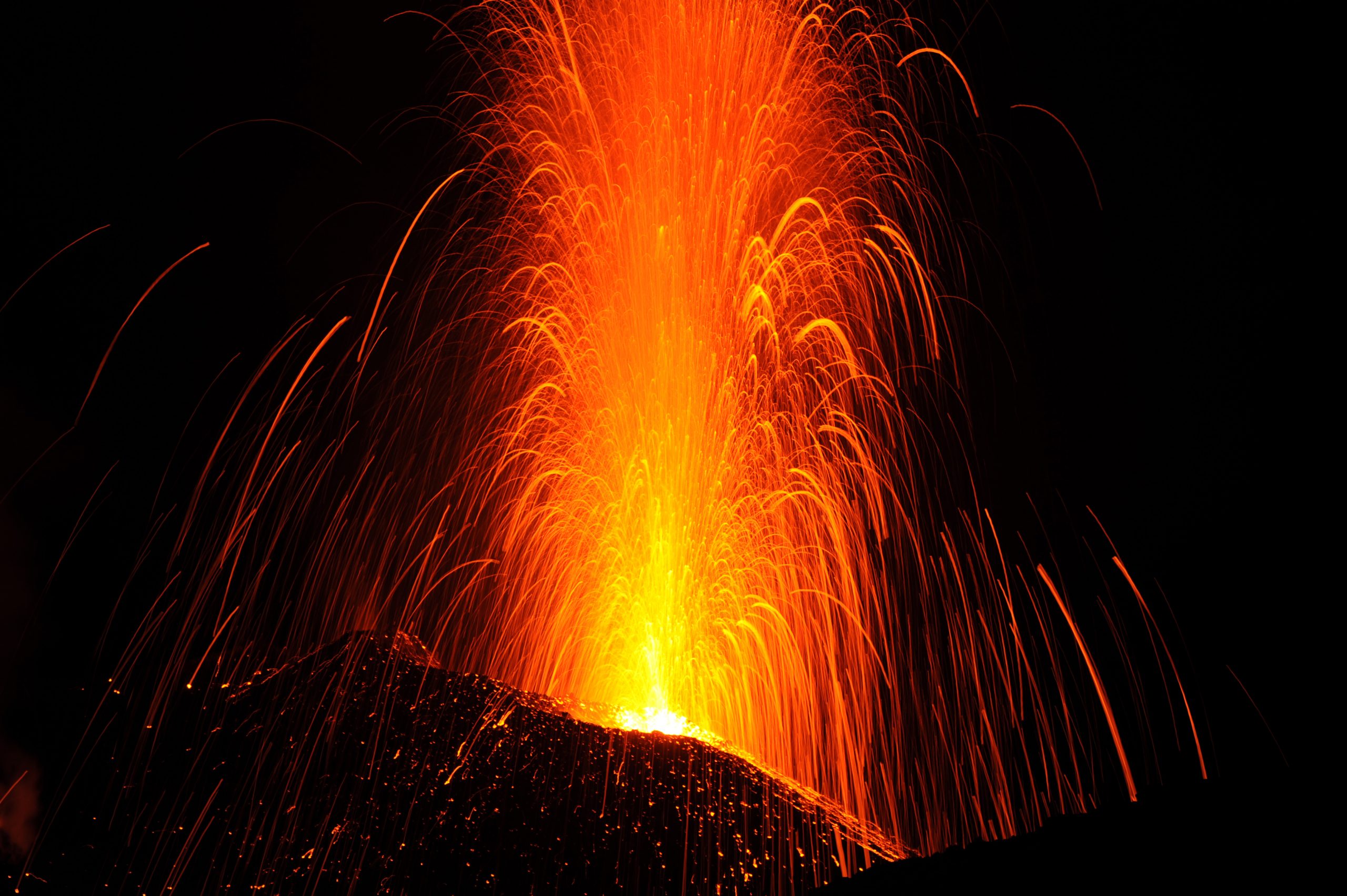
Kilauea volcano on the Big Island in the US state of Hawaii, one of the most active volcanoes in the world, started erupting on 3 May. At least 19 fissures have opened since the eruption, resulting in lava flows and dangerous toxic gas emissions. Nearly 2,000 people have been evacuated, and the lava has destroyed at least 36 structures. Residents in the area are bracing for what could be weeks more of lava flows and other devastating activity.
If you or anyone you know is traveling in Hawaii on Big Island, or within range of an active volcano soon, it is important to know how to keep yourself safe. Global Rescue’s intelligence and security personnel monitor global events including natural disasters every day, and have developed protocols and warnings for those who could be in danger. We currently have Global Rescue Operations personnel in Hawaii performing reconnaissance on behalf our clients.
Recommendations for survival near an active volcano:
- Do your homework: Travelers heading to areas of the world where volcanic activity is most likely should research volcanic risks prior to departure. Check local media and government agencies that track seismic activity, as agencies are often able to provide warnings weeks or even months in advance of an eruption.
- Bring a Volcano Emergency Kit: This should include goggles, masks, flashlights, and a radio, as well as food and water if they can be stored safely.
- Be ready to move…: In the event that you are traveling to an area where a volcanic eruption may be imminent, it is best to immediately find transportation to a safe location. If possible, withdraw cash ahead of time – credit cards may not be usable if networks go down.
- … but be ready to improvise: Volcanic ash can damage aviation equipment and reduce visibility for pilots, and eruptions may trigger airport closures and flight cancellations. When Eyjafjallajökull volcano erupted in Iceland in 2010, the volcanic ash cloud prompted the closure of most of the European airspace for 6 days, resulting in the cancellation of thousands of flights across northern and western Europe. Ground vehicle transportation may be affected too – if driving, maintain a low speed to minimize engine damage due to volcanic ash particles.
- After the eruption: If an eruption occurs, try to exit the area immediately. Take care to avoid lava, mudflows, river areas, and low-lying regions. Travelers should be prepared to utilize any means necessary to exit the affected region, including air, sea, and land travel. Monitor local media, government alerts, and airport notices to stay informed as the situation develops.
- Protect yourself indoors and out: Take health precautions while outdoors by covering skin and wearing masks and goggles. If you don’t have a mask, tie a damp cloth over your mouth. While indoors, close windows, doors, vents, and any other openings that may let ash into the buildings.
Categories:
Missions & Member TestimonialsMay 10, 2018
The Global Rescue 2018 Photo Contest is officially launched!
What does the spirit of adventure look like to you? Seeking adventure pushes us out of our comfort zones, leading us to immerse ourselves in new experiences and cultures. The most memorable adventures spark our curiosity and inspire new ways of seeing the world around us. The exhilaration that comes from embracing the unknown is essential for keeping our spirits alive. Capturing a moment that evokes the “spirit of adventure” is no small feat, and we applaud those who succeed.
Global Rescue is proud to support our adventurous members, helping them travel the world with peace of mind since 2004.
Send us your best photo (no larger than 5MB) that captures the theme “Spirit of Adventure” to submissions@globalrescue.com by June 15, 2018. Include name, contact information, photo location, and a brief caption that describes the photo. Winners will be announced by July 10, 2018. Participants should review the Official Rules.
Photos will be reviewed by an expert panel and judged based on the quality of composition and ability to convey the spirit of adventure. The judges include: Russell Walters, Adventure Travel Trade Association; Loren Greenway, Wilderness Medical Society Andy Cool, Explorer Satellite; and Phil Powers, American Alpine Club.
First Prize is a Global Rescue 45 Day Annual Family Medical and Security Membership and an Iridium GO, provided by Explorer Satellite Communications. Second Place is a Global Rescue 45 Day Annual Family Medical and Security Membership and a Global Rescue Survival Kit curated by the in-house medical and security teams at Global Rescue. Third Place is a Global Rescue 45 Day Individual Medical and Security Membership.
For more information, click here.
Categories:
Missions & Member TestimonialsMay 2, 2018
Every day, Global Rescue personnel are involved in medical, security, and travel operations all over the globe. Here is a snapshot of some of our recent activity.
– MEDICAL-
NEPAL – Provided medical support, advice and helicopter field rescue services to more than thirty climbers and trekkers during the peak Himalayan climbing season. Injuries and illnesses included acute mountain sickness, trauma due to falls, orthopedic injuries and various infectious diseases.
UNITED KINGDOM – Provided medical support to the employee of a client organization who was suffering from skin lesions on the face.
SWITZERLAND – Facilitated the transportation of a member to a local hospital after sustaining a tibia/fibula fracture while skiing in Schonried.
CHRISTMAS ISLAND – Monitored the condition and supported the medical care of a member who suffered a seizure on Christmas Island, or Kiritimati, a small, remote island in the Pacific Ocean.
SPAIN – Assisted a member who was injured in a bicycling accident in Muro, Majorca.
THAILAND – Facilitated the medical care of a member who was suffering from pericardial effusion while in Udon Thani.
MONGOLIA – Assisted the employee of a client organization who sustained a laceration on the leg, which later became infected, from a chainsaw accident in the Gobi Desert.
GALAPAGOS ISLANDS – Facilitated medical care for a member who sustained serious injuries while biking on Isla de San Cristobal. Global Rescue transported the member to a hospital for immediate surgical intervention.
SPAIN – Arranged for a member to have a prescription refilled in Zaragoza.
SEYCHELLES – Provided medical advice to a member who injured his finger while sailing near Providence Atoll.
FLORIDA – Evacuated a member who was being treated for sepsis in Daytona Beach to his home hospital via air ambulance.
HAITI – Provided medical advice to two members who were working in Mirebalais, one suffering from symptoms of heat stress and one whose eyelids were swelling due to a possible insect bite.
NIGERIA – Performed a medical evacuation for an employee of a client organization whose appendix ruptured, requiring immediate surgery.
CHILE – Facilitated the medical care and transportation of a member who exhibited symptoms of high-altitude pulmonary edema while climbing Ojos Del Salado.
ARGENTINA – provided medical advice and recommendation to descend from Aconcagua to a member who suffered complications due to high blood pressure.
ISRAEL – Coordinated the medical repatriation of a member in Jerusalem who was suffering from pneumonia.
TANZANIA – Provided a medical evaluation for a member who was experiencing nausea, vomiting, and shortness of breath while climbing Mt. Kilimanjaro.
– SECURITY & TRAVEL –
FRANCE – Advised a member who experienced complications while departing Nice due to widespread protests.
PERU – Provided assistance to a member who lost his passport while traveling in Cusco.
BRAZIL – Assisted an employee of a client organization who was detained by immigration in Sao Paulo.
NEW ZEALAND – Advised a member whose departing flight from Auckland was cancelled.
MULTIPLE LOCATIONS – Provided assessments of the medical and security risks to clients and members in multiple locations including Africa and the Middle East.
Categories:
NewsMay 1, 2018
Categories:
Missions & Member TestimonialsApril 30, 2018
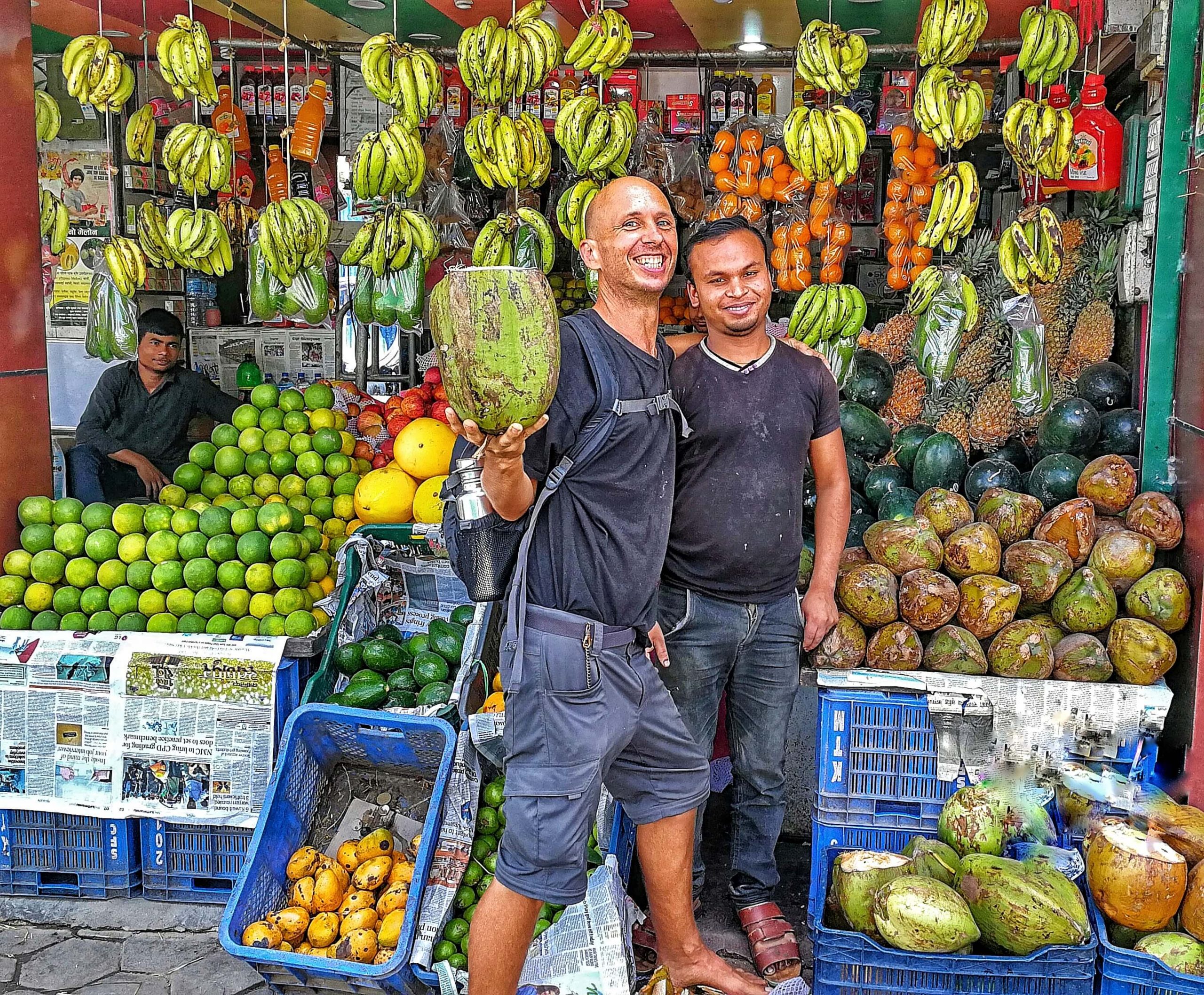
Eddie Tews (R) with a Kathmandu vendor
Eddie Tews was trekking in the Annapurna Circuit in Nepal. He had arrived at the village of Thorung Phedi, his last stop before he would attempt the Thorung La pass, the highest point on the Annapurna Circuit.
While entering the bathroom at his lodge in Thorung Phedi, Eddie passed out. When he regained consciousness, he wasn’t sure what had happened. His best guess was that his blackout was caused by the high altitude.
Then Eddie noticed pain in his lower back, pain that gradually worsened and spread up and down the right side of his back. He also noticed his chin was bleeding slightly. A few hours later, when his pain had not subsided, he knew he needed help.
Eddie told the lodge owner that he needed an evacuation, but language difficulties prevented a call for help. Eddie was able to message his mother back in the United States, asking her to contact Global Rescue.
After initial communication challenges at the lodge, Eddie was able to communicate with a Global Rescue senior medical specialist. After a review of Eddie’s symptoms, the Global Rescue medical team determined that Eddie required an evacuation and immediately arranged a helicopter to transport Eddie from the village to Kathmandu, where an ambulance would be waiting to bring him to the hospital for evaluation.
“It was a relief,” Eddie recalled, knowing that Global Rescue was sending help. “I had a very rough night after the accident, not only with the injury, but also with the cold and the altitude.”
At the Kathmandu hospital, Eddie was examined by a doctor. The Global Rescue medical team reviewed his medical records and kept in close contact with Eddie and the doctor to ensure that Eddie’s treatment was appropriate. Global Rescue continued follow up with Eddie after his release to be sure his recovery was progressing as expected.
“It would be difficult to overestimate how grateful I was at the time to be in such good hands.”
When he signed up as a Global Rescue member, Eddie never expected to need medical assistance during a climb. “On the [Annapurna Circuit], one sees about four or five helicopters per day coming up the valley to make a rescue. I would always think on those occasions, ‘That’s not going to be me. I don’t care how slowly I have to take it, how many rest days, but I’m not going to end up in a helicopter.’ But, it turns out that life has its own agenda.”
“It’s tough to imagine [a service] that would be more professional, compassionate, thorough, and competent than Global Rescue,” Eddie concluded. “I could never possibly sing its praises loudly enough. I was in a VERY bad way, and Global Rescue was a true godsend when I really needed one. So much respect and gratitude!”
Eddie is considering a return to the Annapurna Circuit in the spring of 2018.

Eddie (L) with friends in Pokhara
Categories:
Missions & Member TestimonialsApril 25, 2018
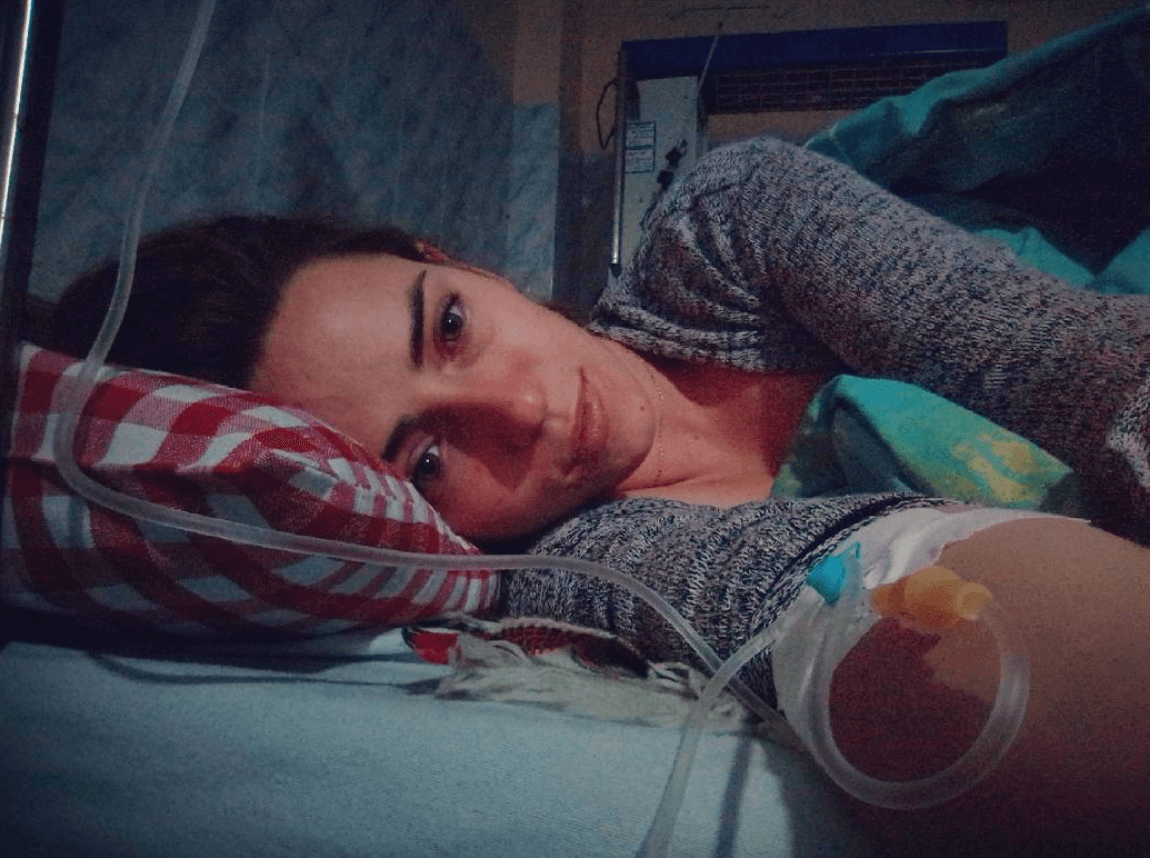
Eliah English from her hospital bed in Northern India
Twenty-three-year-old Eliah English was studying Indian law in Northern India when she became very ill. Eliah found herself with severe gastrointestinal issues, rather desperate, and feeling absolutely miserable. To make matters worse, she was worried about whether she would be able to catch her flight the next day.
Eliah called her mother who told her to call Global Rescue immediately.
Eliah did as her mother suggested and was immediately connected with a nurse who advised her not to fly. The nurse told Eliah that she would locate the nearest hospital and call her back shortly.
“The Global Rescue nurse was reassuring and helpful,” Eliah said. “She put me at ease when I was so ill and not in a positive frame of mind to function.”
Eliah confessed that she was most surprised when the head doctor from the hospital told her that he had been on the phone with “her medical team” and that they would be checking on her condition before she was discharged. Eliah laughed and explained to the doctor that they were not her medical team, rather a benefit of her Global Rescue membership.
“The Global Rescue team consistently checked on my well-being and were extremely thorough in ensuring I had the correct prescriptions, being scrupulous and providing advice from medical experts,” she said.
“I really appreciate the kind support that Global Rescue offered me whilst I was in India,” continued Eliah. “I have had this Global Rescue card in my wallet for as long as I can remember. I have only now realized just how lucky and privileged I am to be able to take advantage of this service. I cannot express my gratitude enough for the whole service and for the Global Rescue team.
“When you are ill and alone in a foreign country, finding yourself in need of medical care can be a daunting and stressful experience. Global Rescue alleviated all of my worries, and provided the best possible support that one could ever ask for.”
Today, Eliah has made a full recovery from her illness. She completed her travels in India, and then she moved on to Nepal, confident in the knowledge that if she needed help, it was one call away.
Categories:
Missions & Member TestimonialsApril 23, 2018
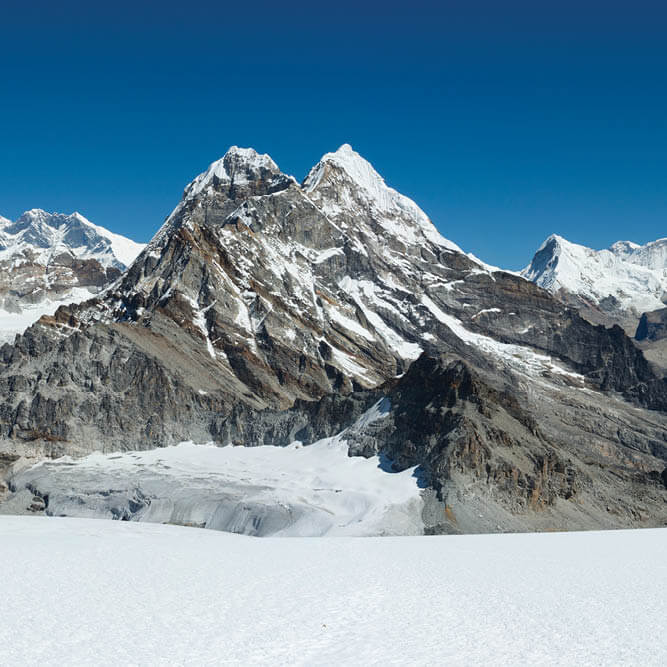
Global Rescue member David Nickel, a 48-year-old IT product manager from the flatlands of West Texas, has trouble recalling the names of all the mountains he has summited.
A lifelong mountaineer and outdoorsman, he looks back on his adventures fondly, admiring the challenges he has been able to overcome.
Nickel has been a Global Rescue member for more than 10 years, having been persuaded by the veteran climbers around him of its necessity.
Although he had been a Global Rescue member since he began mountaineering at high altitudes, he was fortunate to never have found himself in an emergency situation while traveling.
That was until October 2017, when Nickel set off on the adventure of a lifetime.
He had hoped to summit Mera Peak, a mountain in the Everest region of Nepal, adding the accomplishment of reaching 20,000 feet to his resume for an impressive third time.
Joining Nickel was his friend, Sean Vestal, whom Nickel calls a “superstar.” Mera Peak would be Vestal’s first attempt at reaching such an altitude. Just weeks before setting off, Vestal reached 11,000 feet, a personal best at the time.
Together, they put their minds and bodies at risk with hopes of making it to the top.
Everything went smoothly for Nickel until the last leg of the trek, as a blinding combination of wind and snow almost forced him to abandon his aspiration of reaching the peak.
“We smiled from ear to ear at the sight in front of us” Nickel wrote, taking in the spectacular beauty of the world from 20,000 feet, as they turned around to head back down. It was a sight of “mountaineering dreams,” he recalled.
“After gazing out on this amazing sight we began the long journey down.”
There wasn’t much that could break his spirits after such an achievement.
“Then it happened,” Nickel wrote from the hospital in Kathmandu.
“I stepped on a loose rock and rolled my right ankle,” Nickel said. “I immediately fell to the ground, unsure of the exact injury, but I knew something was wrong.”
Still almost 17,000 feet above sea level, Nickel knew his adventure was over.
Medical Evacuation and Nickel’s Recuperation
His guides called Global Rescue shortly thereafter and operations personnel were sent in a helicopter to retrieve the mountaineers and escort Nickel to the closest hospital that could deal with his injury.
“Fortunately, I had not had to work with Global Rescue in the past, but it was a completely pleasant experience.”
He was brought from the Everest region to a hospital in Kathmandu, Nepal, where x-rays showed no breakage.
“Global Rescue was really professional and got us out of there as we expected and there weren’t any delays or anything,” Nickel said, thinking back on his first experience with Global Rescue’s medical evacuation services. “I appreciate everything Global Rescue did for us.”
Months later, he has still not fully recovered from the injury he sustained on Mera Peak, but is finding ways to stay active. He’s already planning a trip to Mount Cook, New Zealand, knowing that no matter what happens, Global Rescue is just one phone call away with medical evacuation services.
Global Rescue memberships include personalized advisory services, 24/7/365 emergency assistance and evacuation services at no additional cost to you. To learn more about membership benefits, click here.
Categories:
Health & SafetyTravelApril 12, 2018
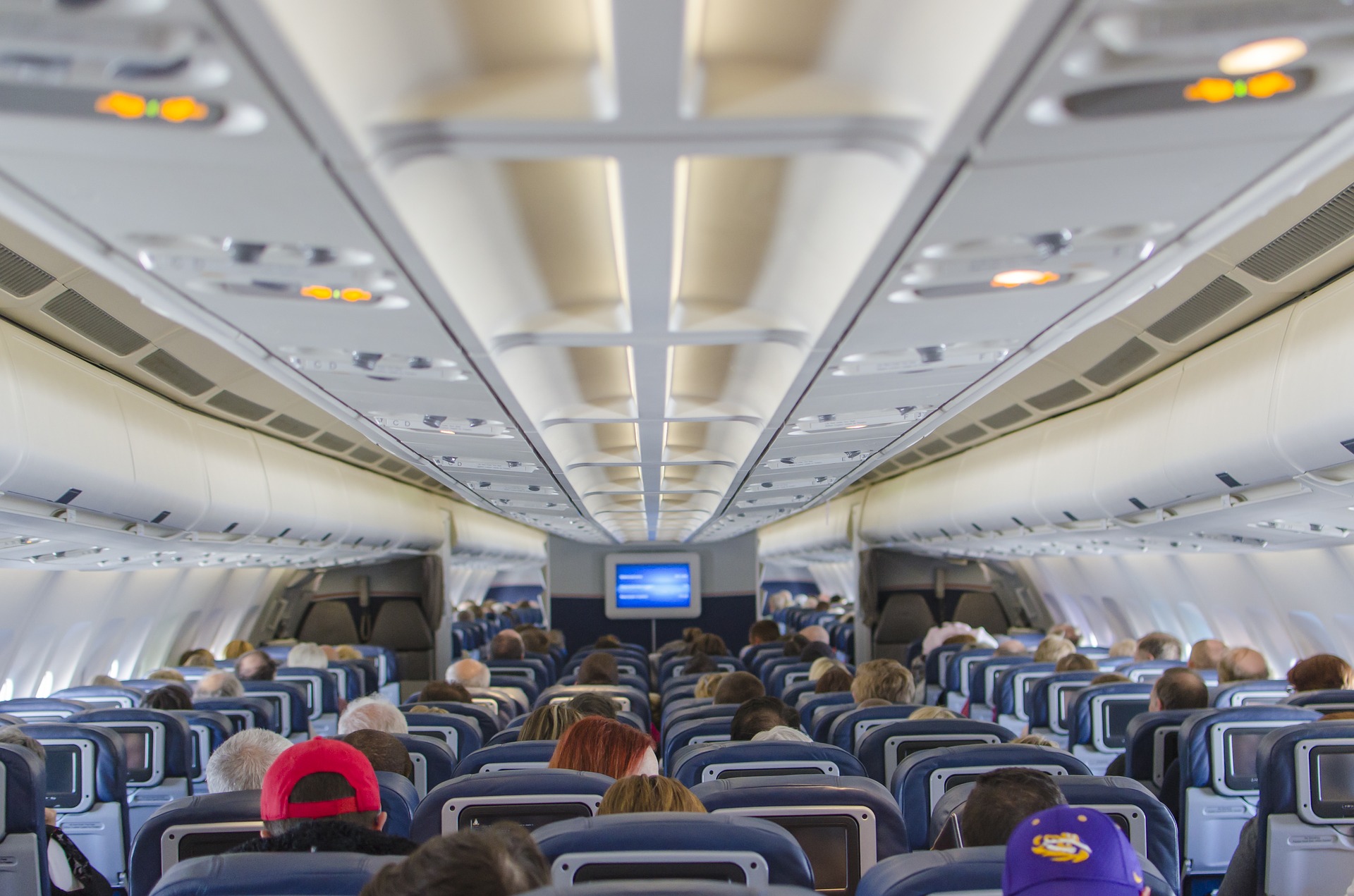
When you’re traveling, anything can happen. But even though you can’t be prepared for everything, there are many steps you can take to stay healthy and avoid illness abroad. The fear of falling ill when traveling shouldn’t deter anyone from adventure so we’ve put together a list of five tips to help you stay safe and healthy when you travel.
Consult your doctor prior to traveling.
Prior to traveling, it is important to take the necessary precautions to ensure you are prepared for any health concerns you may confront while abroad. The best way to do this is to familiarize yourself with any illnesses currently in season in the area you’re traveling to and make sure you have all the necessary medications and vaccinations prior to your trip. Also, it is important to make sure you have the proper medication to deal with any conditions you may already have before traveling.
Global Rescue personnel recommend that if you are going on extended travel or traveling out of the country, it is advisable to see your doctor or a travel clinic for advice on which vaccines are necessary for your trip. For instance, we don’t see much influenza in the summer in the U.S. usually, but if you are traveling to Australia, where it is their winter, influenza could be very prominent at that time. Taking the appropriate medications with you is also important.
Wash your hands frequently and thoroughly.
Something as simple as washing your hands regularly can make the difference between a great, relaxing trip and a nightmare. The majority of health care professionals agree that good hand-washing with soap and water is the best way to sanitize your hands and protect against germs. However, if you are in a place where you cannot wash your hands, hand sanitizer is a good alternative. If you are going to be using hand sanitizer, it is important that it has at least a 60% alcohol content, or it may not be as effective as desired.
Exercise regularly.
It can often be hard to find the free time to work out and stay active while traveling. Luckily, there are little things you can do on the road to stay moving and maintain good circulation. If you are doing long distance travel—extended car, train, bus or plane trips—get up and walk around, exercise your legs and stay hydrated. This can help prevent blood clots that can occur from staying immobile for too long.
If you can’t find the time to move around a little while traveling, it is extremely important to eat properly and maintain a balanced diet. An unhealthy diet and a lack of exercise can put your immune system at a greater risk for illness.
Get a massage.
Relieving stress is one of the best ways to stay healthy while traveling. Though it may not seem like the best idea to get a massage at an airport or in an unfamiliar foreign country, these types of services follow strict public health guidelines. It’s a personal choice, of course, but often the stress relief from an excellent massage might even do more to keep you healthy.
Get plenty of sleep.
Often when people travel, they don’t get enough sleep. When your immune system gets down, it can predispose you to getting sick. When you’re traveling, you are also often enclosed in small spaces with a lot of other people—on planes, buses, etc.—thus exposing you to illnesses that others might be carrying. Because of this, it can be effective to catch up on sleep while traveling, even if it may leave you jet lagged later.
If you do find yourself jet lagged and unable to adjust to the new time zone, Global Rescue personnel advises avoiding alcohol and caffeine, which disrupt sleep. Each traveler has his or her own preferred ways of dealing with jet lag and not all methods will work for everyone. Try what works best for you—even if it means attempting to adjust your sleep patterns before embarking on your journey.
Global Rescue memberships include personalized advisory services, 24/7/365 emergency assistance and evacuation services at no additional cost to you. To learn more about membership benefits, click here.
Categories:
Missions & Member TestimonialsApril 4, 2018
Riverside near Kinshasa, Democratic Republic of the Congo
Global Rescue’s medical, security, and intelligence teams of critical care paramedics, physicians and special operations veterans routinely perform boots-on-the-ground assessments of destinations important to our traveling members.
Comprehensive in-country reconnaissance and on-going intelligence reporting are just a few of the reasons why serious travelers trust Global Rescue.
SECURITY / AVIATION / MEDICAL AWARENESS FOR OUR TRAVELERS TO AFRICA:
KENYA
Security – Kenya is a large country with many remote areas. The employment of security assets is frequently assessed through the lens of distance. The capital, Nairobi, is large, densely populated and poor, as are many of the large cities. Navigation is difficult. A local driver with local knowledge should always be used if possible. Vetted drivers can usually be contracted through reputable hotels.
Aviation – There are numerous aviation providers that support local tourism. Global Rescue has numerous assets under contract and our recent site visit reinforced the quality of maintenance and professionalism of these aviation outfits. The airport that supports local tourism is not co-located at the international airport. Visitors to Kenya via Nairobi have to arrive at the international airport and take ground transportation to a regional airport. Travel during the day is best.
Medical – Excellent hospitals are available, particularly in Nairobi, which provide tertiary care approaching western standards.
TANZANIA
Security – Tanzania is a large country with many remote areas. The employment of security assets is frequently assessed depending on the distance one needs to travel from the areas with a visible security presence. The capital, Dar-es-Salaam, is large, densely populated and poor, as are many of the large cities. Navigation is difficult. A local driver with local knowledge should always be used if possible. Vetted drivers can usually be contracted through reputable hotels.
Aviation – There are numerous aviation providers that support local tourism. We have numerous assets under contract and availability of air resources is good. Visitors to Tanzania via Dar-es-Salaam will arrive at the international airport but may have to move to the domestic airport for travel inland. This will require ground transportation. The domestic airport is not easy to find. Employ a local driver. Travel during the day is best. Interior aviation assets that support tourism are adequate but surrounding towns can be a security risk. Always employ a local, vetted guide.
Medical – Depending on the location, there is a wide range of hospital capabilities. We have surveyed many facilities in Tanzania. In the capital, Dar-es-Salaam, in particular, there are several facilities that provide high quality care, but that changes dramatically outside the capital.
MOZAMBIQUE
Security – We have physically surveyed nearly all coastal airports in Mozambique. Most are outdated. Towns in which the airports are located are very poor and potentially dangerous to tourists, especially at night. Local drivers are highly recommended. Use of reputable hotels is required.
Aviation – The planes our survey teams traveled in — into the country and out to camps — appeared well maintained and crewed. Mozambique is a large country with little infrastructure. Aviation assets used in support of extraction require local relationships for best results and significant contingency planning. Immediate availability is not guaranteed.
Medical – Medical facilities in Nampula and Beira have been vetted by our teams. There are some new facilities being built, but currently these areas have a few more challenges. Medevac to a higher level of care is necessary for serious medical conditions.
CAMEROON
Security – Cameroon is a large country with many remote areas. By and large, Cameroon is safe to travel except for a few remote regions, particularly in the North where there is ongoing conflict with Islamic extremists. Travelers would still need to take precautions operating after 10 PM due to generalized crime. Global Rescue has security assets in place to assist our members as needed.
Aviation – Aviation assets in support of tourism are modern and well maintained, but limited in number. Currently, there is only one reputable air provider operating in the country, so availability can be limited. Aircraft used in support of extraction operations are located at a smaller airport than the international airport in Yaoundé, and their offices are not easy to locate. The international airport is small but efficient and has regular service to Africa, Middle East, and Europe. Global Rescue’s medevac provider has both fixed wing and rotary aircraft.
Medical – Facilities have been vetted by our teams in Cameroon. Members that require hospitalization have several options for stabilization particularly in Yaoundé, although medevac to a higher level of care will be necessary for serious medical conditions.
DEMOCRATIC REPUBLIC OF CONGO (DRC)
Security – The DRC is a large country with many remote areas and many security challenges. The employment of security assets is frequently utilized by private citizens, corporations, universities, and NGOs operating in the DRC. Global Rescue has local security assets in-country and has security evacuation plans in place to assist our members in the event they need to be evacuated. It is advised that travelers utilize reputable international hotel chains.
Aviation – Aviation assets in support of tourism are modern and well maintained. Aircraft used in support of extraction operations are located at the international airport and their offices are easy to locate. The international airport is small but efficient and has regular service to Africa, Middle East, and Europe. Global Rescue’s aviation provider in Kinshasa utilizes various assets, but availability can be limited.
Medical – Our teams have evaluated medical facilities in the DRC and evacuation for serious medical issues is recommended. There are private facilities in Kinshasa that can provide appropriate care for minor medical issues.
ETHIOPIA
Security – Ethiopia is a large country with many remote areas. By and large, Ethiopia is safe for travel by visitors, except for a few remote regions. The infrastructure appears to be in good repair compared to many other African nations. Travelers should still take precautions operating after 10 PM due to generalized crime. Global Rescue has security assets in place to assist our members.
Aviation – Aviation assets in support of tourism are modern and well maintained. Aircraft used in support of extraction operations are located at the international airport and their offices are easy to locate. The international airport is small but efficient and has regular service to Africa and the Middle East. Our medical evacuation assets include both small fixed wing assets for bush rescue operations and access to one in-theater air ambulance; availability can be limited.
Medical – There is one excellent clinic in the capital, Addis Ababa, but serious medical issues will require evacuation to a higher level of care.
SEYCHELLES
Security – Seychelles is one of the safest nations in Africa. Crime and poverty are low. There is no overwhelming sense of crowding. Tourism is embraced. The only caution is operating motor vehicles — narrow roads and traffic is on the left. Taxis and Uber service from the airport are very safe.
Aviation – Aviation assets in support of tourism are modern and well maintained. Aircraft used in support of extraction operations are located at the international airport and their offices are easy to locate. The international airport is small but efficient and has regular service to Africa and the Middle East.
Medical – Our teams have vetted the medical facilities on the main island of Mahe. Appropriate care is available and medevac should be considered for serious medical conditions.

Ambulances outside of a medical clinic in Ethiopia