Categories:
NewsMarch 25, 2016
March 22, 2016
Background
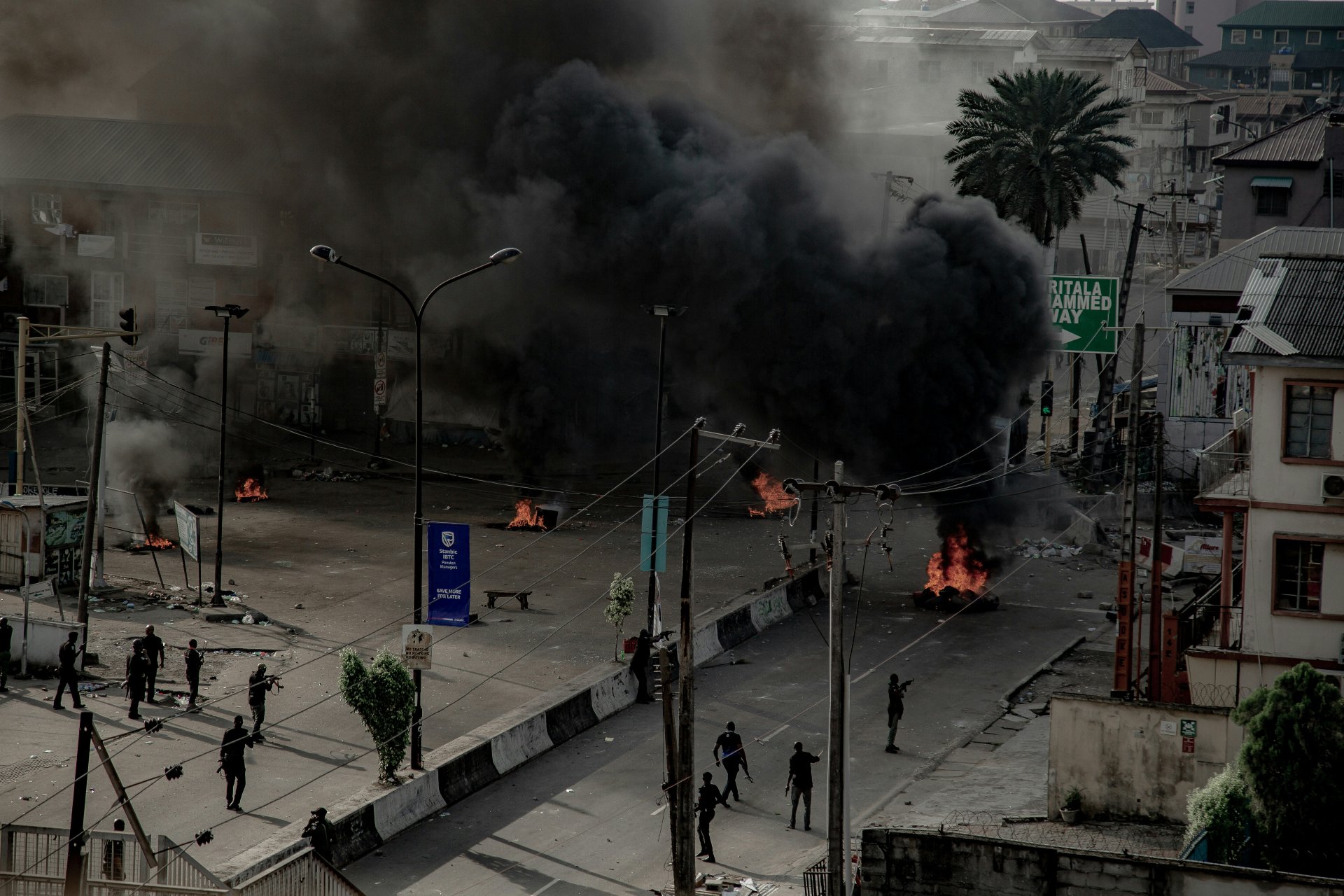
At least 30 people were killed and 170 others injured in apparent coordinated terrorist attacks in Brussels, Belgium on 22 March 2016. At least 14 of the fatalities were the result of two successive explosions, at least one of which was a suspected suicide bomb, at Brussels Zaventem Airport (BRU) around 08:00 local time. At least 20 of the fatalities were the result of a third explosion in the Maelbeek/Maalbeek metro station, near the headquarters complex of the European Union Commission, at approximately 09:20 local time.
Authorities have indicated at least one Kalashnikov assault rifle was discovered next to the body of a suspected attacker at BRU although it remains unclear if the firearm was used in the attack. Additionally, an unexploded suicide vest was found at BRU, indicating a third possible suicide bomber may have fled the scene. A news agency affiliated with the Islamic State (IS) has said the terror group was behind the attacks.
Brussels—with a population of about one million—remains on effective lockdown with public transportation suspended throughout the city. Flights to and from BRU have been suspended until further notice. Eurostar and Thalys, both high-speed railways that connect Brussels to other European capitals, have cancelled services to and from Brussels until further notice.
Following the attacks, Belgian authorities raised the Belgium terror threat to a Level 4—the highest level on a four point scale indicating a “serious and imminent attack”—with an emphasis on transport hubs, airports, stations, and nuclear plants. The Prime Minister has urged all residents to “avoid all movement” due to the potential for further explosions. The US Embassy in Brussels recommends all US citizens in the capital to shelter in place and avoid all public transportation until further notice.

Assessment
This attack comes just four days after police captured Salah Abdeslam, a suspect in the Paris terrorist attacks in November 2015, in the Molenbeek area of Brussels. There is speculation that these latest attacks in Brussels may be in retaliation for his capture, though this remains unconfirmed. The Prime Minister of Belgium has said there is no information that links these attacks to the arrest last week. Some reporting has also suggested that two accomplices to the Paris attacks, who were still on the run after Abdeslam was arrested on 18 March, may become the focus of the investigation for these latest attacks. They may have wanted to conduct more attacks as soon as possible fearing that Abdelslam would provide information to the police as to their whereabouts. These reports, however, remain unconfirmed.
Brussels has become a focus recently of counterterrorism investigations, especially in the wake of the November 2015 Paris attacks. Immediately after the November 2015 attacks in Paris, Belgian authorities had also put Brussels on its highest terrorism threat level, indicating a “serious and imminent” threat of an attack, after it emerged that some of the Paris attackers had lived in the country and that Abdelslam, a suspect in the attacks, was at large and likely in Belgium. Belgian authorities subsequently reduced the threat level in Brussels following a week of being essentially locked down. Similarly, Global Rescue raised the Security Risk Rating for Belgium to coincide with the raised threat level in the country, which was unprecedented at the time, and subsequently lowered it when the Belgian authorities lowered it.
Details regarding the latest attacks in Brussels will continue to emerge in the coming days and weeks, and it is likely some of the information available now will change. Continue to monitor our website and local media for updated information.
Advice
Travelers in Brussels are advised to shelter in place and stay out of public areas until the situation becomes stable. All train and air travel has been suspended, the city is in a state of lockdown, and follow-on attacks or raids by police cannot be ruled out. Ensure there is enough food and water available for 72 hours and continue to monitor local and government agency reports regarding the situation. While sheltering in place, it is always advisable to stay occupied with movies, games or other types of entertainment to lessen the psychological effects that accompany these events. Over indulgence in alcohol is discouraged, because it will hinder one’s ability to react if necessary and will cause excessive worry if family, friends, or colleagues cannot establish contact.
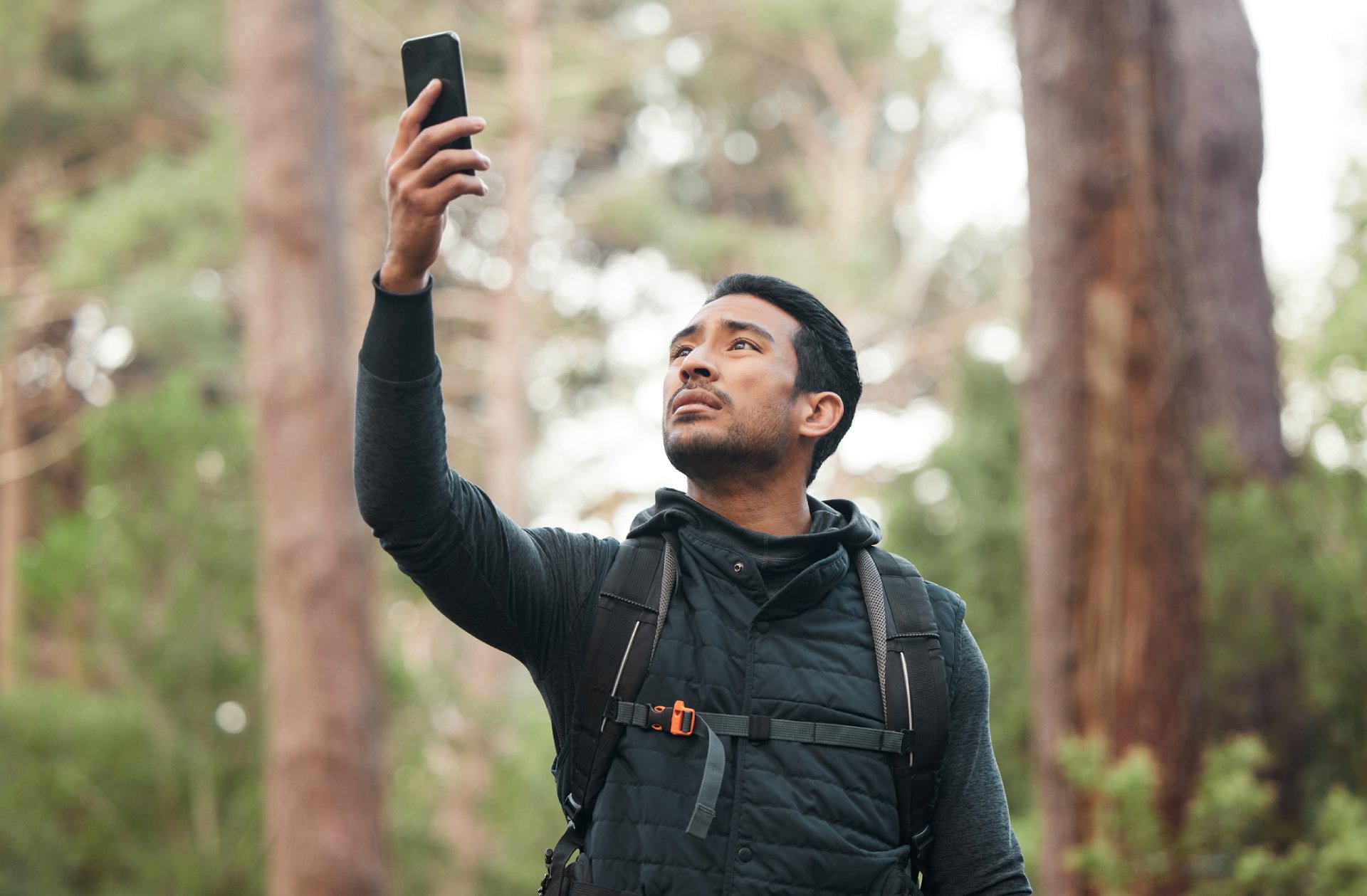
During times of crisis, good communication and accountability of travelers in the area will greatly reduce stress and trauma for family, friends, or colleagues back home. Cellular services can quickly become overwhelmed, as was seen in Brussels directly following the attack, so travelers should establish alternate means of communication; these include email, internet messaging apps and social media. Scheduled check in times can be established as well.
Once it is safe to freely move about the city, travelers should remain vigilant and avoid areas where large groups of people congregate, such as shopping areas, busy cafes and tourist attractions. Expect an increase in security measures around the city, especially at major transportation hubs, so plan travel times accordingly. Utilize a taxi or hired car and avoid the local Metro if possible. While at the airport or train station, try to limit time outside of security by arriving early, performing early check-in, and avoiding “rush hour.”
Lastly, if travelers should find themselves in a dangerous situation, remember to move away from the area as quickly and safely as possible. Follow all instructions from emergency personnel, and do not attempt to return to the scene to help. Remember that your life is not worth recovering luggage or capturing a cellphone video.
If you are currently traveling in Brussels or have questions about upcoming travel, contact Global Rescue Security Operations at 617-459-4200 or operations@globalrescue.com.
Categories:
NewsMarch 22, 2016
Categories:
NewsMarch 20, 2016
Categories:
NewsMarch 20, 2016
Categories:
Missions & Member TestimonialsMarch 15, 2016
Following last year’s earthquake, Global Rescue responded to over 125 requests for assistance. We actively coordinated air and ground resources to evacuate injured and stranded members, including groups of climbers from Everest’s Camp 1 and Camp 2. In the first 24 hours after the quake, our personnel also helped triage more than 200 humanitarian cases.
“After tragedies in Nepal during the past two seasons, many climbers whose plans were interrupted are expected to return to the region,” said Dan Richards, CEO and founder of Global Rescue. “As in prior years, our personnel will be on the ground in Nepal and prepared to respond to any situation.”
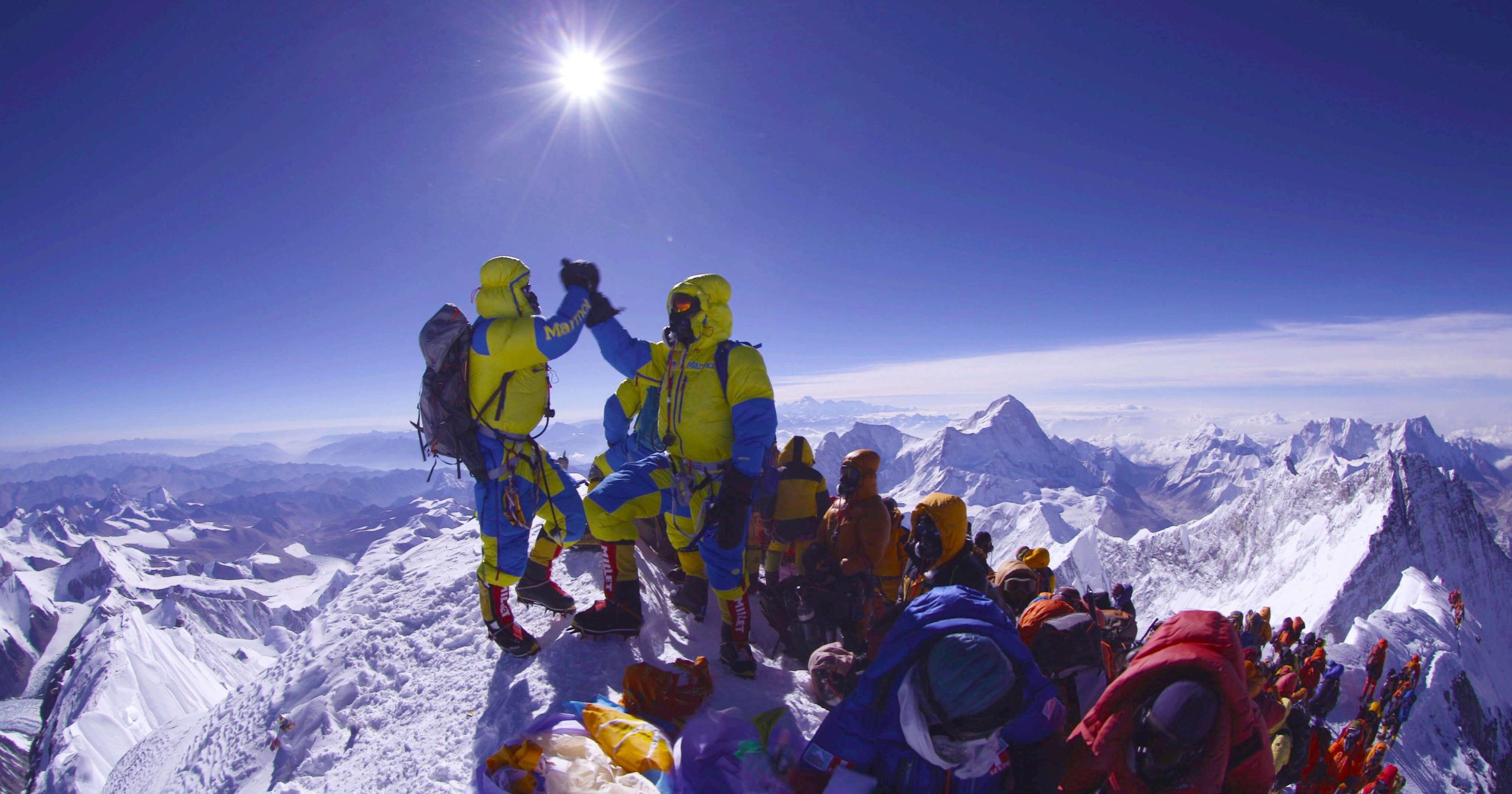
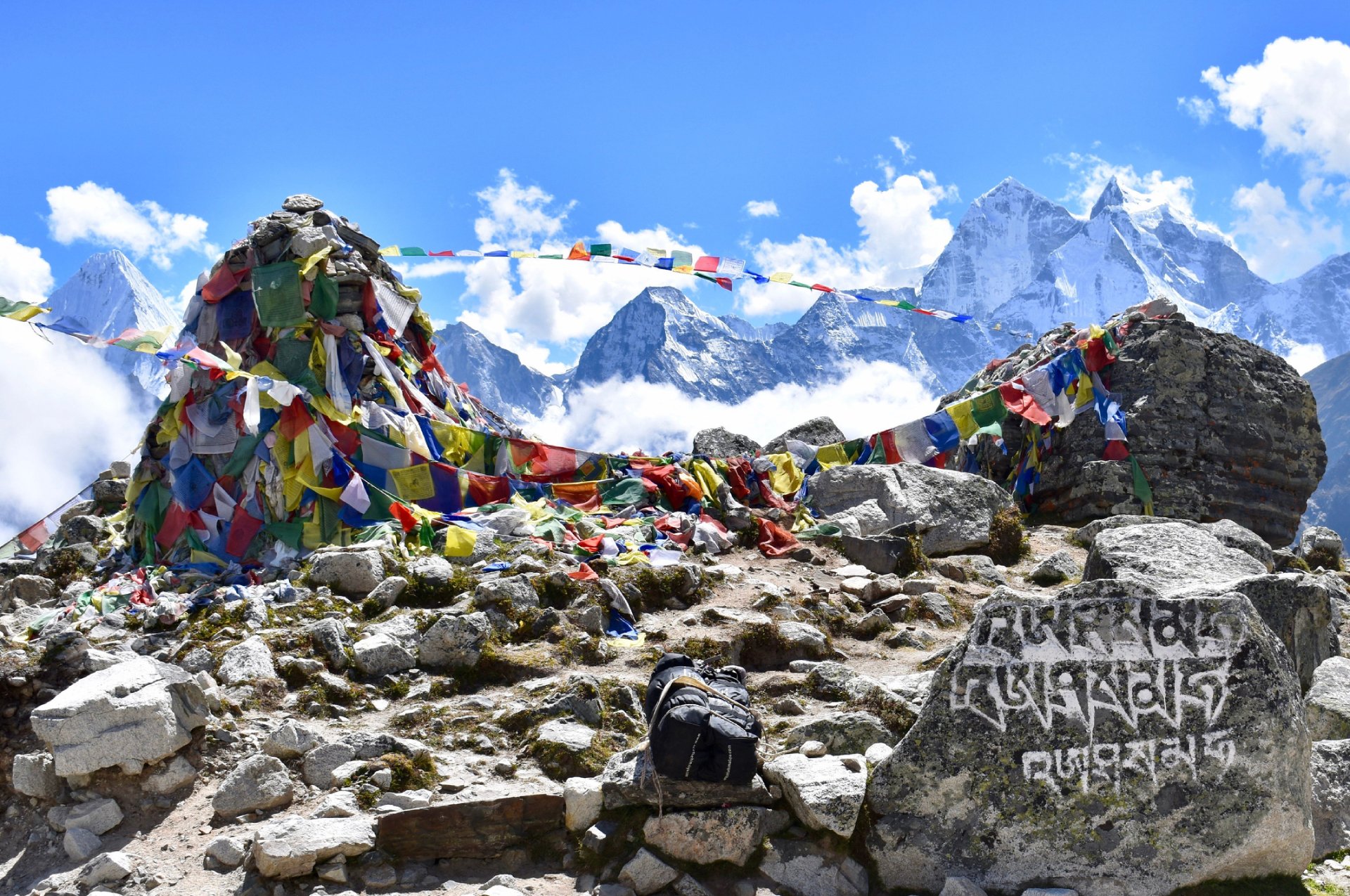
Typically hundreds of climbers attempt to summit Everest during the spring season, with many others setting their sights on peaks in popular regions including Khumbu, Annapurna, Langtang and numerous others. Altitude sickness and weather can pose serious hazards for climbers.
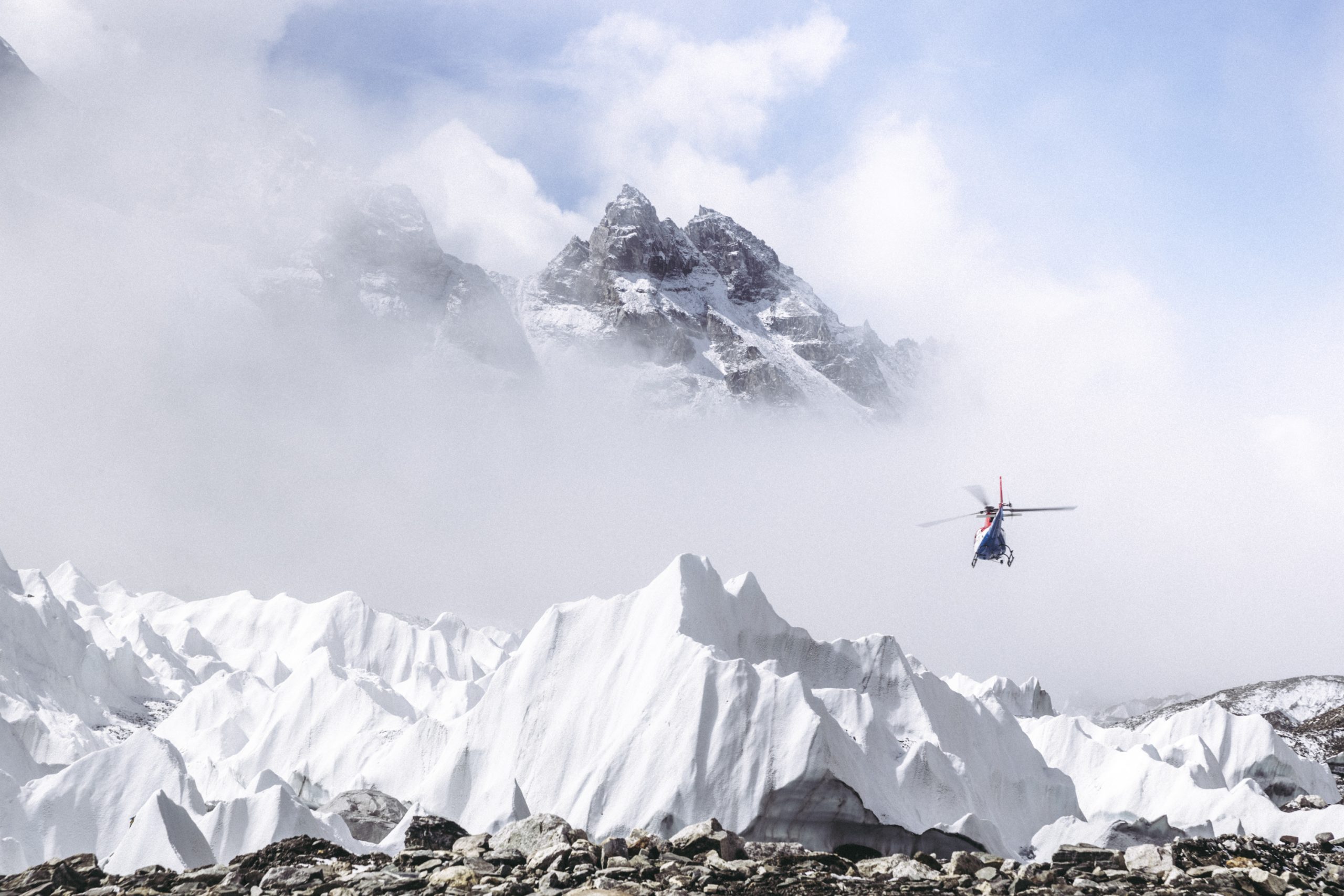
Global Rescue’s highly trained personnel have been conducting rescue and evacuation missions in Nepal every season for more than a decade, regularly performing dozens of helicopter evacuations in the Himalaya each year. Our physicians and critical care paramedics are stationed in Nepal to assist climbers who are ill, injured or need to be evacuated.
Categories:
Health & SafetyTravelMarch 15, 2016
We spoke with Aaron Laurich, Supervisor, Security Operations, at Global Rescue, for answers to frequently asked questions about cell phones, satellite phones and satellite messengers.
Q. What is two-way communication?
Methods have included cellular phone, satellite phone or messenger, email, and even SMS or ‘text messaging.
Q. My cellular phone is equipped with international dialing. Do I still need a satellite phone?
It depends. Travelers who spend their time in and around locations with reliable cellular networks might be just fine with their cellular phone. That said, in the event of an emergency (natural disaster, unrest) cellular networks are one of the first infrastructure platforms to crash as they are generally unable to handle the increase in voice and message traffic. A satellite phone or messenger would give you an alternative to your cellular phone in this situation. Regardless of your itinerary or travel destination, the ability to communicate is vital and we recommend having at least two such means to do so.
Q. How do I contact Global Rescue from my satellite phone?
You may contact our Operations Center at any time by dialing 001.617.459.4200 from your satellite phone; alternatively emails and SMS can be addressed to ops@globalrescue.com.
Q. Satellite phones seem expensive. How do I keep the cost down?
Satellite phones loaded with all the latest bells and whistles can cost as much as $1000 and that doesn’t even include activation or airtime. That may seem daunting to someone who might not travel very often. Satellite phone rentals offer an attractive solution for the short-term or infrequent traveler. We recommend using a reputable satellite communications provider, such as Explorer Satellite, who will be able to help you choose a device and plan suitable not only to your communication needs but also to your geographic location.
Q. What does geography have to do with choosing a satellite phone?
Most available satellite devices generally work on one of two networks; a high-earth orbit or a low-earth orbit network. High-earth orbit networks typically have three satellites that move in time with the earth’s rotation so that they are always in the same place relative to the earth’s surface. Low-earth orbit networks consist of multiple constellations each with several satellites that constantly move in quick orbits around the earth.
You will need line of sight to connect with each network, the difference being that if you do not have line of sight to a low-earth orbit satellite because of, say, a terrain feature, it’s likely that within a few hours another constellation will pass over and provide you with a signal window. With a high-earth orbit, you will need to move into a position where you have line of sight – and this is not always a possibility in an emergency or with an injury.
Q. What is a satellite messenger and how does it work?
Satellite messengers are devices that are able to send text messages via a satellite network. There are several types on the market including purpose built messengers with mapping software and other cool features, like an SOS function, breadcrumb tracking, and social media connectivity. Some satellite phones have an SMS capability as well.
Q. I don’t want to use the device’s emergency response provider. Is it possible to have my SOS function go to someone of my choosing?
In most cases, yes. When consumers purchase an off-the-shelf product and have it activated, they usually opt to pay an additional monthly fee in order to have someone on the other end of the SOS feature. If you want a spouse, relative, or provider of your choosing to be able to be the recipient of your SOS, contact your device’s manufacturer for assistance. Be prepared to provide the details of your device, including its IMEI number and have the contact information for your preferred SOS recipient available.
Categories:
Health & SafetySecurity & IntelligenceTravelMarch 15, 2016
The Zika virus has spread to many popular spring break destinations in the Caribbean, Mexico and Central America. What’s a college student to do?
The Zika threat can be minimized if students are prepared to recognize the risk, adjust their lifestyle and routines, and follow simple, sensible precautions, according to Global Rescue medical experts. Here’s more advice for students on spring break.
What is the Zika virus?
The Zika virus is an acute viral illness transmitted through the bite of an infected Aedes-species mosquito that has previously fed on a person infected with the Zika virus. The virus is suspected to cause birth defects and a rare condition of temporary paralysis. Women who are infected with the Zika virus while pregnant, or who become pregnant while the virus is still in their bloodstream, are at an increased risk of birth defects.
Symptoms include sudden fever with rash, joint and body pain, headache and conjunctivitis. Symptoms are usually mild and last from several days to a week. Approximately 1 in 5 people infected with the Zika virus will develop symptoms.
Global Rescue medical operations personnel offer these five tips to help minimize the effects of the Zika virus during spring break:
ONE: Focus on preventing bites
Prevention of bites by infected Aedes mosquitos is the only effective means of avoiding infection while traveling in regions where the Zika virus is present. There is no vaccine to prevent Zika virus disease, and no medication available to treat Zika virus infection.
Prevention techniques:
- Use insect repellents containing either DEET, picaridin, IR3535 or certain oil of lemon-eucalyptus or para-menthane-diol products.
- Apply sunscreen first and then insect repellent. (Always follow the label instructions when using insect repellent or sunscreen.)
- Treat clothing with permethrin or purchase permethrin-treated clothing.
- When weather permits, wear long-sleeved shirts and long pants.
- Use air-conditioning, and window/door screens to keep mosquitoes outside. If you are not able to protect yourself from mosquitoes inside your local accommodations, sleep under a mosquito net.
- Reduce the number of mosquitoes inside and outside by emptying standing water from containers, such as flowerpots or buckets.
- The mosquito that transmits Zika virus bites during the day, especially early morning and dusk, so stay indoors during those times if possible.
TWO: Practice safe sex
In addition to mosquito-to-human transmission, there is emerging evidence that suggests Zika is gaining access to other fluids, including semen, and can be transmitted from human-to-human via sexual intercourse. Studies are finding Zika can remain in blood, urine and semen for days, even months.
Sexual transmission of Zika virus from a male partner is possible. Condoms should be used by the male during every sexual encounter to help prevent Zika, HIV and other sexually transmitted diseases. According to the CDC, men returning from Zika-infected areas should use condoms or abstain from sex with a pregnant sex partner for the duration of their partner’s pregnancy.
THREE: Treat effectively
Take medication such as acetaminophen to relieve fever and pain. Do not take aspirin or non-steroidal anti-inflammatory medications such as ibuprofen. Get plenty of rest and keep well hydrated by drinking plenty of fluids.
FOUR: Watch alcohol intake
Binge drinking can lead to alcohol-related rape and sexual assault, confusion, unconsciousness, seizures, vomiting and the risk of death because of inability to breath. Avoid overconsumption of alcohol; the related decreased level of consciousness will impair judgment and ability to rationally make decisions related to the recommended Zika prevention techniques. Maintain situational awareness of your surroundings.
FIVE: Research before you go
Be familiar with health concerns relevant to your destination. Visit the CDC website for travel alerts and warnings.
The Global Rescue Mobile App provides information and resources necessary to ensure travelers’ health, safety and security. The app also offers comprehensive details to help travelers prepare in advance and to stay informed once they have arrived at their destination. Travelers can view information by filters including environment, health, infrastructure, unrest and violence.
Get a price estimate
Estimate
$0.00
Please answer all questions for estimate.
Categories:
Press ReleaseMarch 15, 2016
Boston, Mass., March 15, 2016 – Nearly one year after Nepal’s devastating earthquake and avalanche, climbers are expected to travel to the country in the coming weeks for renewed Everest attempts during the spring Himalayan climbing season. Global Rescue, the leading travel risk and crisis management firm providing integrated medical, security, evacuation, and travel intelligence services to individuals, organizations and governments, will have its Operations personnel in place ready to support the climbing community.
Following last year’s earthquake, Global Rescue responded to over 125 requests for assistance. The company actively coordinated air and ground resources to evacuate injured and stranded members, including groups of climbers from Everest’s Camp 1 and Camp 2. In the first 24 hours after the quake, Global Rescue personnel also helped triage more than 200 humanitarian cases.
“After tragedies in Nepal during the past two seasons, many climbers whose plans were interrupted are expected to return to the region,” said Dan Richards, CEO and founder of Global Rescue. “As in prior years, our personnel will be on the ground in Nepal and prepared to respond to any situation.”
Typically hundreds of climbers attempt to summit Everest during the spring season, with many others setting their sights on peaks in popular regions including Khumbu, Annapurna, Langtang and numerous others. Altitude sickness and weather can pose serious hazards for climbers.
Global Rescue’s highly trained personnel have been conducting rescue and evacuation missions in Nepal every season for more than a decade, regularly performing dozens of helicopter evacuations in the Himalaya each year. The company’s physicians and critical care paramedics are stationed in Nepal to assist climbers who are ill, injured or need to be evacuated.
About Global Rescue
Global Rescue is the leading worldwide provider of integrated medical, security, intelligence, travel risk management and crisis response services to enterprises, governments and individuals. Founded in collaboration with Johns Hopkins Medicine, Global Rescue’s unique operational model provides best-in-class services that identify, monitor and respond to potential threats. Global Rescue has provided medical and security support to its clients, including Fortune 500 companies, governments and academic institutions, during every globally significant crisis of the last decade.
For more information, call +1-617-459-4200 or visit www.globalrescue.com.
Media Contact:
Ann Shannon
Global Rescue
617-426-6619
Press@globalrescue.com
Categories:
Press ReleaseMarch 8, 2016
Boston, Mass., March 8, 2016 – Global Rescue, the leading travel risk and crisis management firm providing integrated medical, security, evacuation, and travel intelligence services to organizations, individuals and governments, today announced its partnership with The World Championships of Snowboarding (WCS), set to kick off in Yabuli, China, March 9-16, 2016.
Through the partnership, Global Rescue is the Official Medical Evacuation Provider of the 2016 World Championships of Snowboarding event, enabling WCS 2016 organizers to provide world-class medical evacuation services to riders, teams and staff.
The WCS 2016, a premier snowboarding event organized by TTR Pro Snowboarding and the World Snowboard Federation, brings snowboarding to the emerging winter sports market of China. The world’s best freestyle riders will compete for the World Champion titles in Big Air, Halfpipe and Slopestyle. More than 200 of the world’s best athletes will participate, including superstars such as Shaun White, Yuki Kadono and Chloe Kim.
In 2016, WCS will be the main professional elite championship event in China across any snow sport. Yabuli, a well-known winter sports destination in China, is quickly developing its reputation as an emerging winter sport powerhouse and will host the 2022 Winter Olympics.
Founded in 2004, Global Rescue has performed more than 7,000 operations for individuals, families and enterprises experiencing travel emergencies.
About the World Championships of Snowboarding
The World Championships of Snowboarding (WCS) is the pinnacle snowboarding event organized by TTR Pro Snowboarding and the World Snowboard Federation. The WCS crowns snowboarding’s true World Champions in the disciplines of Halfpipe, Slopestyle and Big Air. It is a high calibre celebration of the sport held every 4 years, bringing together 400 riders representing 43 WSF Member Nations, staged by alternating resort locations around the world. In 2016, Yabuli resort, the largest winter sports resort in China, will host the 2nd edition of the World Championships of Snowboarding.
About Global Rescue
Global Rescue is a worldwide provider of integrated medical, security, intelligence, travel risk management and crisis response services to enterprises, governments and individuals. Founded in collaboration with Johns Hopkins Medicine, Global Rescue’s unique operational model provides best-in-class services that identify, monitor and respond to potential threats. Global Rescue has provided medical and security support to its clients, including Fortune 500 companies, governments and academic institutions, during every globally significant crisis of the last decade.
For more information, call +1-617-459-4200 or visit www.globalrescue.com.
Contact:
Ann Shannon
Global Rescue
Press@globalrescue.com
617-426-6619
Categories:
Missions & Member TestimonialsMarch 4, 2016
Pictured: Dale Schwerdtfeger with his wife, Toshi, at a small rural airstrip up the road from his Belize farm
Global Rescue member Dale Schwerdtfeger spends his retirement traveling between his home in Minneapolis and his farm in a remote corner of Belize. With over 100 acres of farm to cover and no connection to the power grid, Dale depends on solar power and generators to keep his lights on. “It was pretty primitive at first. My wife and I did laundry in the river for 10 years,” said Dale.
One day, while pull-starting his generator, the cable snapped, spinning Dale around violently. “I already had some slightly herniated disks there and I think it just squished them right out and mashed the sciatic nerve,” Dale said.
Dale waited for two days before visiting the doctor. In tremendous pain, Dale received a steroid shot and some painkillers, yet with little relief. “At that point, I was up in the middle of the night in a great deal of pain. I decided I would call Global Rescue.”
Global Rescue dispatched a remote ambulance to Dale’s farm to transport him to the capital, Belize City, for treatment. Simultaneously, a Global Rescue deployed a critical care paramedic to Belize to oversee Dale’s care.

Morning view from Dale’s veranda in Belize, where he enjoys the day’s first cup of coffee
“Just about the time they got me to the emergency room, Global Rescue’s paramedic arrived,” said Dale. “He just took over everything, made all the arrangements, and really moved things along,” he said.
As Global Rescue made transport arrangements for Dale’s return to the U.S. for surgery, he received a series of steroid shots and painkillers at the hospital.
With his damaged spine, Dale’s only comfortable position was to stand. “[Global Rescue] got us on to a plane in first class and in the front row in the aisle. That way, as soon as the sign went off, I could stand up. I stood the whole flight to Houston and then stood for the flight to Minneapolis,” said Dale. “Global Rescue’s medic came along with us all the way right to the door.”
Since returning to the U.S., Dale has made a full recovery and hopes to make it back to Belize soon. “Part of my deal there in Belize is that I’m a singer-songwriter. I’ve got a gig on New Year’s Eve,” said Dale. “It’s not good for your reputation to cancel.”

Dale and Toshi in Minnesota during his recovery prior to returning to Belize