Categories:
Missions & Member TestimonialsNovember 21, 2014

Cate Lanzetta
While enjoying a family vacation on a beach in southwestern France, Carolyn Lanzetta experienced a parent’s worst nightmare. Suddenly her three-year-old daughter, Cate, had a full-blown seizure. The toddler fell down, started convulsing and vomiting, and became unconscious for several minutes.
Cate was rushed to the local hospital. Her bloodwork and a CT scan came back normal, but doctors recommended that Cate undergo additional testing before the Lanzettas took the long flight home to New York City.
“Obviously, I was very nervous,” said Carolyn. “In the middle of the night, everything rushed through my mind: How were we going to get her home? Should we fly to Nice to get these tests done? Should we just go back to Paris and find a way to do it, or go to the closest hospital?”
The next morning, Cate had more seizures. The Lanzettas immediately took her to the children’s hospital in Bordeaux, where she was admitted.
Carolyn contacted Global Rescue. “I said, ‘I don’t know what to do. I don’t know what’s happening but I might need your help to get my daughter home if this gets worse.’”
The Global Rescue Operations team immediately began monitoring Cate’s treatment, conferring with the hospital’s doctors about appropriate tests and arranging for Cate’s records to be sent to Global Rescue.
“The Global Rescue Operations team was in touch with us on a constant basis. It was a huge feeling of relief that we weren’t alone, that the Global Rescue team was making sure that Cate was being treated at the level we would want her to be treated, that she was getting the right tests, and that the medicine was the correct course of action.”
Soon after, Cate was diagnosed with a severe, rare form of epilepsy. “Immediately our priority was how to get our daughter home,” said Carolyn.
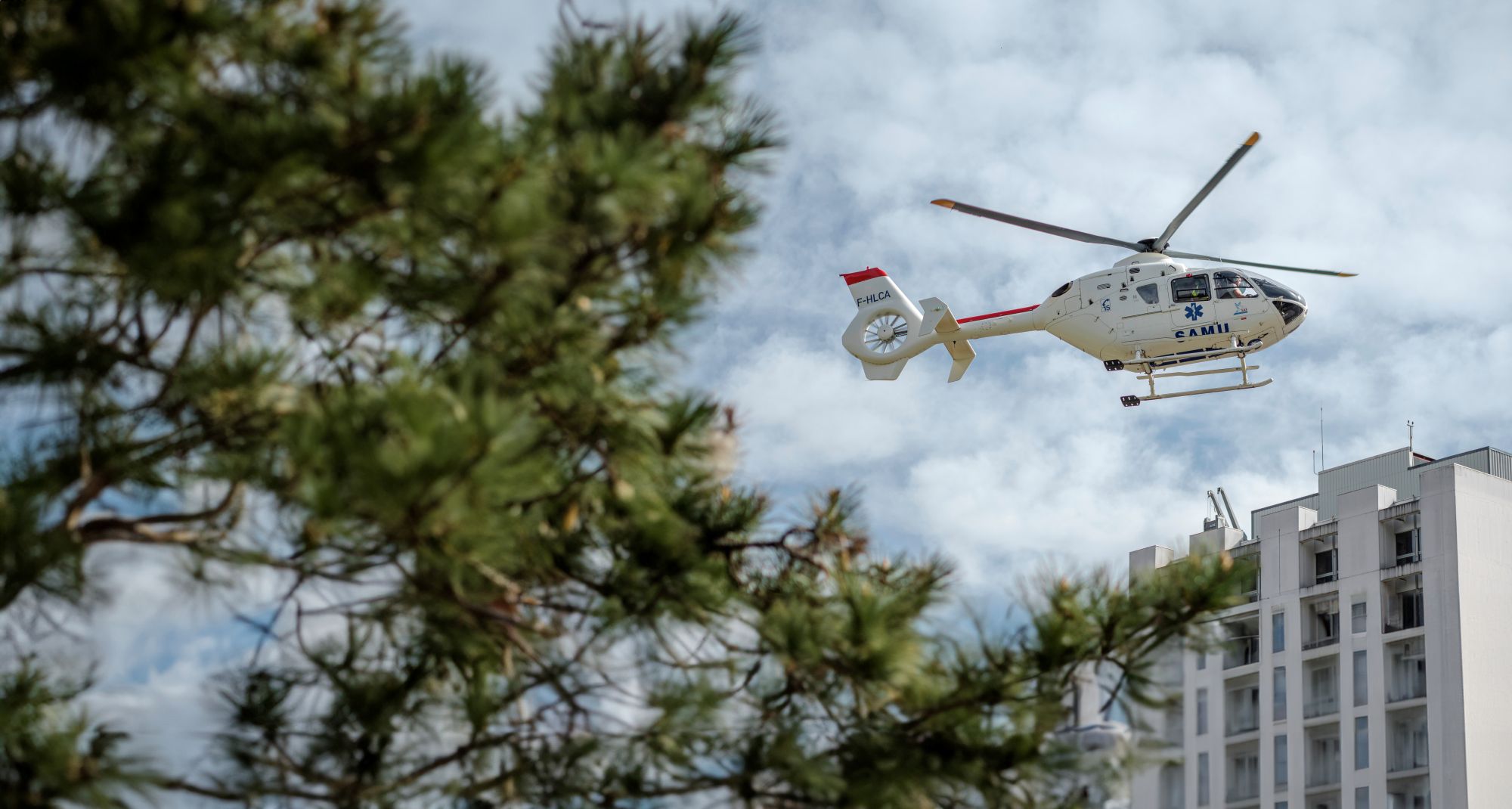
Global Rescue deployed one of its critical care paramedics to fly to Bordeaux to meet the Lanzettas, care for Cate, and provide medical support on the journey home. The company handled all of the travel arrangements for the family.
Arriving at the hospital, Global Rescue’s paramedic met with the neurologist to review the medications and confirm checkout information. The next morning prior to the flight, he met the family for breakfast, during which Cate had several seizures. “He was able to see the seizures and was taking notes constantly on everything,” said Carolyn.
Then the journey home began. “I was sitting next to Cate, and the Global Rescue paramedic was right behind us. Immediately after takeoff to New York, she started having seizures, one after another. I was having an absolute heart attack. Here we were, stuck on this plane, and in an hour we were about to head over the ocean. Then there would be no turning back. It got to the point where I couldn’t sit next to her. It was really, really scary. I kept looking at our paramedic and he said, ‘It’s all right, she’s okay, she’s going to be fine.’ He was so calm, saying, ‘I have enough meds. We can get her back to New York. She could be having seizures the entire way and we’ve got enough medication to get her back.’”
Cate’s seizures finally subsided after 90 minutes and she was okay after the long flight.
“Had Global Rescue’s paramedic not been on that flight, I surely would have gone up to the flight attendants and told them that we had to get off the plane. There is no way I would have been able to get through that without Global Rescue’s medical help to say, ‘I can take care of it.’”
Carolyn continued: “It was a huge relief just to know that I didn’t have to be concerned about administering the medicine, administering it the correct way, making sure she was all right, if she ended up choking—all of those fears that go through you when your child is having a seizure.”
Landing in New York, Global Rescue’s paramedic accompanied the Lanzettas in the ambulance.
“When we arrived at the hospital, we learned that Global Rescue had provided the hospital with all of Cate’s medical forms and all the insurance information. We arrived and they greeted us with, ‘Hi Cate, how was your flight from Paris? Here is your bed.’ It was the most amazing feeling. We made it and somehow we are going to figure it out. Back in the U.S., they were able to treat Cate’s condition much, much faster than it would have been treated in France. The seizures would have just gotten worse and worse and worse, and more frequent as we had gone on.”
Carolyn praised the Global Rescue paramedic. “He was fabulous, just the nicest person to be traveling with and so engaging with the whole family, including my six-year-old daughter. He was so calming and gave us such a sense of confidence coming home. He followed up regularly to see how Cate was doing. It was so above and beyond what his duties were.”
Reflecting on the experience, Carolyn said, “If your child has a cold, you can figure it out and there are things you can do. But all of a sudden, something happens that’s new, that’s frightening. What do you do? Honestly I have not stopped talking about Global Rescue to everybody I know since we got back. Friends and family who travel with kids say, ‘How do we even travel without having Global Rescue?’”
Cate is doing very well with medication and a special diet. She has not had a seizure since leaving the hospital in New York.
“Having Global Rescue there was like having a big layer of comfort around you. It was just an entire other level of care and comfort that I could not have dreamed of. I knew that Global Rescue was looking out for us and taking care of anything we needed,” said Carolyn.
“There‘s no way we would have gotten through it without Global Rescue. I surely will not go anywhere out of this country without using Global Rescue. There’s just no way.”

The Lanzetta family
Categories:
Health & SafetyTravelNovember 6, 2014
Each year, an estimated 400 million people are infected with dengue virus and about 100 million get sick. Outbreaks have occurred in Southeast Asia, the Western Pacific, the Eastern Mediterranean, the Americas, the Caribbean and Africa.
A new study from the London School of Hygiene & Tropical Medicine found climate change is having an impact on mosquito-borne diseases, like dengue and malaria. An estimated 8.4 billion people could be at risk by the end of the century as the world gets warmer and more urbanized.
If you are traveling to any of these regions, it is imperative to be informed about the disease and its risk.
Facts about Dengue Fever
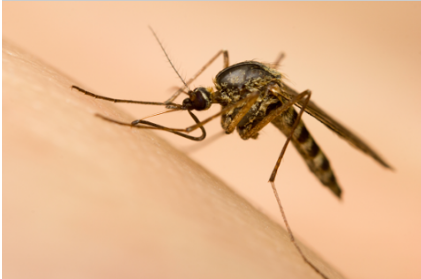
Like malaria, the disease is transmitted through the bite of a mosquito. However, there are several key differences between the two diseases.
“Dengue fever is a mosquito-transmitted illness, but it is viral, not parasitic. It is caused by a different mosquito than the type that causes malaria,” said Dr. Phil Seidenberg, associate medical director with Global Rescue.
Dengue-carrying mosquitos are more likely to bite during the daytime instead of at dusk and dawn, as the malaria-carrying insects do. Another difference: dengue-carrying mosquitos are even found in urban areas.
There are currently no medications that can be taken to prevent dengue fever, so mosquito prevention is critical. The CDC recommends using insect repellent, wearing long-sleeved shirts and long pants, and controlling mosquitoes inside and outside your home.
Dengue Symptoms
If you have contracted dengue, the illness will surface in approximately 4-7 days from the initial mosquito bite.
Seidenberg outlined the most common dengue fever symptoms, including:
- Muscle or joint pain
- Fever
- Headaches (particularly behind the eyes)
- Rash
Dengue Hemorrhagic Fever Symptoms
Those who develop a more severe form of dengue fever may also experience:
- Bruising and bleeding (particularly at pressure points, such as around waistbands)
- Nosebleeds
- Gastrointestinal bleeding
“The more severe form of dengue fever is referred to as dengue hemorrhagic fever,” Seidenberg said. “With the more severe form, the platelet count drops, people bleed, liver enzymes go up, and people get a lot sicker.”
Adults are more at risk for dengue hemorrhagic fever than children, who often get much less sick once they’ve contracted the disease. Those who have been exposed to or have contracted dengue previously are much more at risk for this form of the infection. Seidenberg points out dengue hemorrhagic fever is not the same type as some of the African hemorrhagic fevers, such as Ebola.
Dengue Fever Treatment
Typical treatment for dengue fever includes treating the virus symptomatically, with hydration and Tylenol (not ibuprofen or aspirin) for normal cases. In the case of hemorrhagic dengue, patients should seek hospital care to be monitored and given fluids. Unfortunately, there is no way to treat the actual infection itself.
Statistics vary, but approximately 80% of those infected experience fever and flu-like symptoms following an incubation period of 3 to 14 days. These symptoms eventually resolve provided the patient rests and gets plenty of fluids.
The remaining 20% of patients can become severely ill, with symptoms including very high fevers, rashes, vomiting, intermittent consciousness and bleeding. Fatality rates vary by country. In India, for example, 6% of dengue cases ended in death. With early detection and access to proper medical care, fatality rates are 1%.
If you’re traveling, check in with Global Rescue, review updated dengue information in our GRID travel intelligence system, and consult the CDC website for locations with high rates of dengue here.
Get a price estimate
Estimate
$0.00
Please answer all questions for estimate.
Categories:
NewsNovember 5, 2014
Categories:
Press ReleaseNovember 5, 2014
Lebanon, N.H. – Global Rescue, a worldwide provider of integrated medical, security, intelligence, travel risk management and crisis response services to corporations, governments and individuals, announced its sponsorship support for the Children’s Hospital at Dartmouth (CHaD). The sponsorship includes support for the recent CHaD HERO Half Marathon and Relay event in which Global Rescue personnel participated.
CHaD is one of only 205 nationally recognized children’s hospitals and New Hampshire’s only comprehensive, full-service children’s hospital providing an extended system of care and advanced pediatric services. ChaD welcomes over 60,000 unique patients per year throughout 14 locations across Vermont and New Hampshire. The hospital fills a unique and critically important need in New England, offering care for children who need it with multi-specialty medical teams providing top-level care. CHaD works to create a sustainable health system that improves the lives of people in the communities they serve, for generations to come.
About Global Rescue
Global Rescue is a worldwide provider of integrated medical, security, intelligence, travel risk management and crisis response services to corporations, governments and individuals. Founded in partnership with Johns Hopkins Medicine, Global Rescue’s unique operational model provides best-in-class services that identify, monitor and respond to potential threats. Global Rescue has provided medical and security support to clients during every globally significant crisis of the last decade. Memberships start at $119 and entitle members to rescue and transport services to their home hospital of choice.
For more information, call +1-617-459-4200 or visit www.globalrescue.com.
Categories:
NewsNovember 1, 2014
Categories:
NewsOctober 27, 2014
Categories:
NewsOctober 21, 2014
Categories:
Missions & Member TestimonialsOctober 17, 2014
Steven Huskey
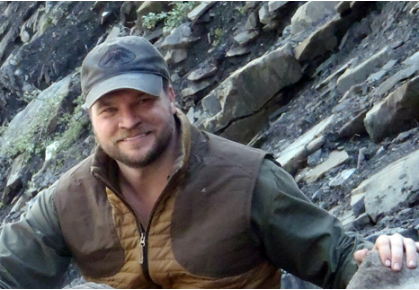
Global Rescue member Steven Huskey was on a hunting trip to the Canadian Rockies when suddenly things went very, very wrong.
“During a steep, snowy descent through the Canadian Rockies in pursuit of an elusive Big Horn sheep, I found myself sliding down the mountain toward a cliff. As I went over the edge, I instinctively grabbed for a sapling. It was like a made-for-TV-movie.”
With help from Global Rescue, Huskey lived to tell the tale of his ordeal.
“[As I fell,] the momentum of my weight and my pack dislocated my right shoulder, breaking the socket and tearing pretty much every tendon and ligament including my bicep. After finishing the descent with my arm duct-taped to my body and an extremely agonizing horseback ride to camp, I was able to call Global Rescue on the satellite phone,” said Huskey.
The Global Rescue operations team launched into action, making plans for a field rescue and evacuation to transport Huskey to a hospital to receive medical care. With significant snowfall forecast for the following two days, the helicopter rescue was set for the first break in the weather.
“First, they worked with my guide to ensure I was stable and gave him warning signs to monitor. Second and most impressive, they coordinated with my fiancée, the local medical personnel, the outfitter, the aircraft as well as the Royal Canadian Mounted Police and other local authorities,” said Huskey. “The snow and terrain prevented a ground rescue team from reaching my location, so as soon as the weather broke, Global Rescue had a helicopter en route. Their coordination and persistence was impressive.”
The helicopter transported Huskey to the hospital, where he was evaluated, admitted, and treated for his right shoulder dislocation. Global Rescue’s paramedics kept in contact with him throughout his ordeal to ensure he was receiving proper care until he was discharged.
Huskey’s advice: “If you are a back country adventurer, your Global Rescue membership should be at the very top of your packing list.”
Categories:
NewsOctober 17, 2014
Categories:
NewsOctober 15, 2014
Categories:
Health & SafetySecurity & IntelligenceTravelOctober 10, 2014

According to the latest update by the World Health Organization (WHO) on 5 October, a total of 8,033 (probable, confirmed, and suspected) cases and 3,865 deaths from the Ebola virus have been documented in Guinea, Liberia, and Sierra Leone. Some cases have also been reported in Nigeria and Senegal.
Late September yielded the first case imported to a non-African country, after a Liberian national traveled to Dallas, Texas. He succumbed to the virus on 8 October in Dallas. Most recently, a healthcare worker in Madrid, Spain, contracted the illness while caring for an infected patient transported to Spain for treatment. Both the U.S. and Spain cases did engage in contact with the public while symptomatic, and intense contact-tracing efforts were enacted by both nations.
In recent months, authorities in multiple nations have introduced a wide range of preventative measures in response to the deteriorating Ebola outbreak, including border closures, flight bans, and stricter screenings at country gateways. Individual airlines have also implemented their own restrictions.
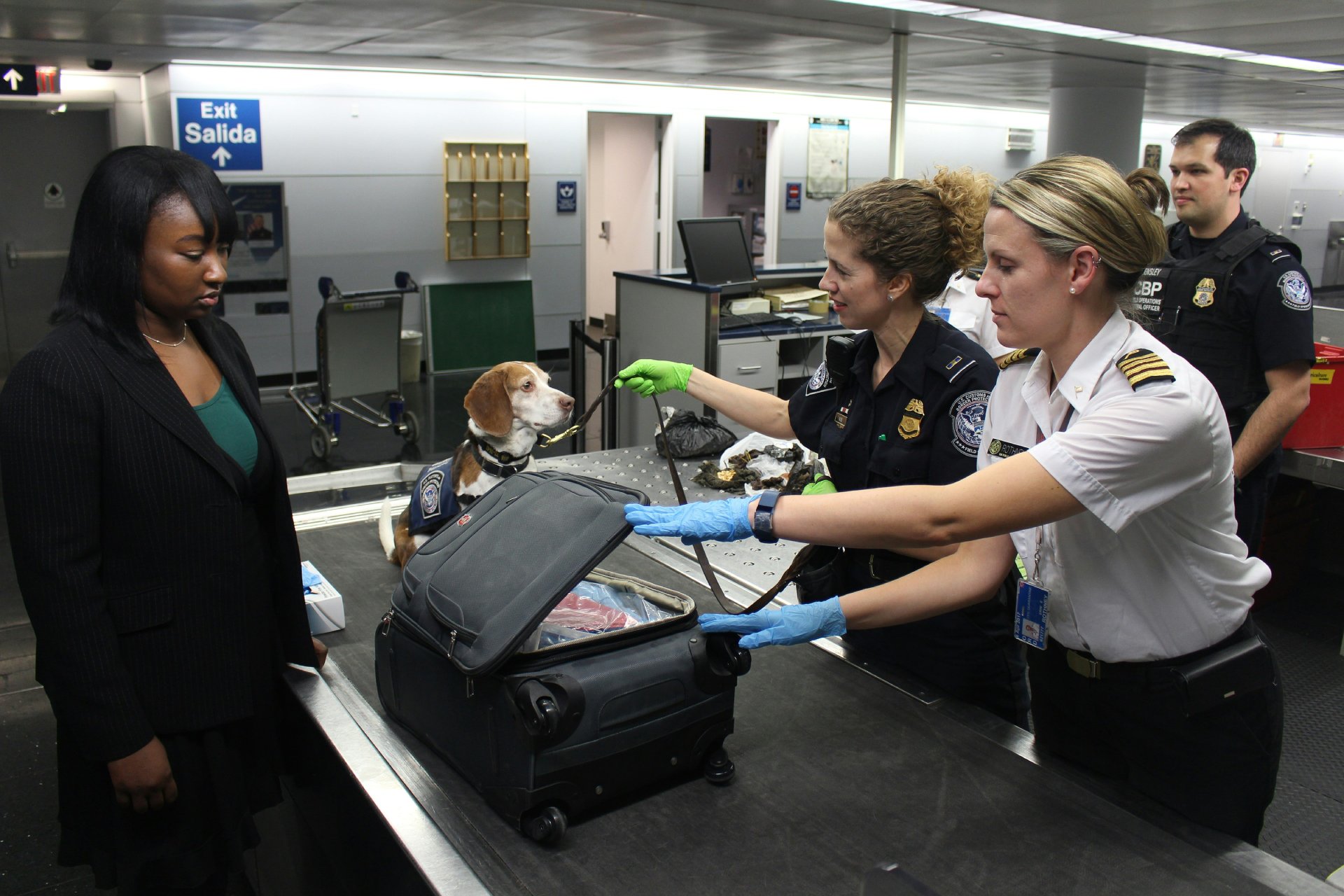
U.S. authorities announced on 8 October that travelers from Guinea, Liberia, Nigeria, and Sierra Leone will undergo mandatory screenings for the Ebola virus at certain domestic airports. The measures will include questionnaires as well as temperature scans. The checks will be implemented at New York City’s John F. Kennedy International Airport (JFK), Washington D.C.’s Dulles International Airport (IAD), Chicago’s O’Hare International Airport (ORD), Atlanta’s Hartsfield-Jackson International Airport (ATL), and New Jersey’s Newark Liberty International Airport (EWR).
Global Rescue has air assets in Africa to perform air ambulance evacuations. Response time depends upon many factors, including weather, local asset availability, location, and local laws. However, we can and will assist in supporting our members with any and all services that are medically appropriate, and which fall within the guidelines of the incident and destination countries regarding quarantine and infectious disease transportation. Global Rescue will provide these services within the capabilities of our air providers, and the medical resources available locally, regionally, and at the member’s destination. For members with Ebola or suspected Ebola, Global Rescue will transport pursuant to all required quarantine and infection control procedures and restrictions, which may delay or prevent transport.